Unlock your full potential by mastering the most common Stay up-to-date with industry trends and technological advancements interview questions. This blog offers a deep dive into the critical topics, ensuring you’re not only prepared to answer but to excel. With these insights, you’ll approach your interview with clarity and confidence.
Questions Asked in Stay up-to-date with industry trends and technological advancements Interview
Q 1. Name three significant industry trends impacting your field in the last year.
Three significant industry trends impacting my field in the last year are the rise of generative AI, the increasing focus on data privacy and security, and the expanding adoption of cloud-native architectures.
Generative AI: Models like ChatGPT and DALL-E 2 are revolutionizing content creation, automation, and problem-solving. This requires professionals to adapt and integrate these tools into their workflows, while also understanding the ethical considerations around their use. For example, in my field, we’re exploring how generative AI can assist in code generation and software testing, significantly improving efficiency.
Data Privacy and Security: With increasing regulations like GDPR and CCPA, organizations are prioritizing robust data protection measures. This translates to a greater emphasis on secure coding practices, data anonymization techniques, and compliance frameworks. We’ve recently implemented zero-trust security principles in our projects, limiting access to sensitive data and enhancing overall security.
Cloud-Native Architectures: The shift towards microservices, serverless functions, and containerization is transforming software development and deployment. This necessitates a deep understanding of container orchestration tools like Kubernetes and cloud platforms like AWS, Azure, and GCP. For instance, we’ve migrated several legacy applications to cloud-native architectures, leading to improved scalability and reduced operational costs.
Q 2. Describe a recent technological advancement that excites you and why.
I’m particularly excited about the advancements in large language models (LLMs). Their ability to understand and generate human-like text has opened up a world of possibilities. LLMs are not just about chatbots; they’re powering sophisticated applications in areas such as code generation, automated documentation, and even scientific discovery.
What excites me is their potential to drastically reduce the time and effort required for many tasks. For instance, I recently used an LLM to generate initial drafts of technical documentation, freeing up my time to focus on more complex aspects of the project. This isn’t about replacing human expertise; it’s about augmenting it to improve productivity and efficiency.
Q 3. How do you stay informed about emerging technologies?
Staying informed about emerging technologies is a continuous process that involves a multi-faceted approach. I actively engage with several key resources:
- Industry Publications and Blogs: I regularly read publications like [Name a relevant tech publication] and follow influential blogs and tech news websites to stay updated on the latest breakthroughs and trends.
- Conferences and Webinars: Attending industry conferences and webinars provides access to cutting-edge research and insights directly from experts. The networking opportunities are also invaluable.
- Online Courses and Tutorials: Platforms like Coursera, edX, and Udemy offer excellent courses on emerging technologies. These platforms provide a structured learning environment and help develop practical skills.
- Open-Source Projects: Engaging with open-source projects allows me to learn from the code and contributions of a large community. This is a great way to gain hands-on experience with new technologies.
Q 4. What resources do you utilize to track industry trends?
To track industry trends, I rely on a combination of resources:
- Analyst Reports: Reports from firms like Gartner and Forrester provide in-depth analyses of market trends and technology maturity.
- Research Papers: Academic research papers from reputable sources like arXiv and ACM offer valuable insights into the latest technological advancements.
- Social Media and Online Communities: Platforms like Twitter, LinkedIn, and Reddit are great for discovering emerging trends and participating in industry discussions. Following key influencers and participating in relevant communities provide valuable perspectives.
- News Aggregators: Using tech news aggregators helps me stay updated on breaking news and announcements in the industry.
Q 5. Explain how a specific industry trend has influenced your work.
The rise of generative AI has significantly influenced my work. Specifically, the increased availability of powerful LLMs has changed the way we approach software testing. Previously, creating comprehensive test cases was a time-consuming manual process. Now, we can use LLMs to generate various types of test cases, significantly improving test coverage and efficiency.
For example, we’re experimenting with using LLMs to generate unit tests based on code descriptions. This allows for faster feedback cycles and early detection of bugs. While human review is still crucial, the initial automation provided by LLMs has increased our productivity significantly.
Q 6. How do you evaluate the credibility of information sources regarding technological advancements?
Evaluating the credibility of information sources regarding technological advancements requires a critical approach. I consider several factors:
- Author’s Expertise and Reputation: I assess the author’s credentials, experience, and reputation in the field. Are they recognized experts? Do they have a track record of reliable work?
- Source Reputation: Is the information published by a respected organization, journal, or publication? Does the source have a history of providing accurate and unbiased information?
- Evidence and Methodology: Does the information rely on evidence-based research and a clear methodology? Are the claims supported by data, studies, or experiments?
- Peer Review: Has the information undergone peer review? Peer-reviewed publications often provide a higher level of quality assurance.
- Verification from Multiple Sources: I always try to verify information from multiple reputable sources to ensure accuracy and avoid biases.
Q 7. Describe a time you had to quickly learn a new technology. What was your approach?
Recently, our team needed to integrate a new cloud-based database system into an existing project. I had limited prior experience with this particular system. My approach was structured:
- Targeted Learning: I focused my learning on the specific aspects relevant to the integration. I didn’t try to learn everything at once. Instead, I prioritized understanding the API, connection methods, and data migration processes.
- Official Documentation: I started with the official documentation provided by the database vendor. This ensured I had a solid understanding of the system’s features and best practices.
- Hands-on Practice: I set up a test environment and experimented with the system’s features. This allowed me to understand the practical aspects of the integration firsthand.
- Online Tutorials and Community Forums: I supplemented my learning with online tutorials and community forums. This exposed me to different perspectives and helped me solve specific challenges I encountered.
- Collaboration: I actively collaborated with colleagues who had more experience with the system. This allowed me to learn from their expertise and benefit from their guidance.
This structured approach allowed me to quickly grasp the necessary skills and successfully integrate the new database system into the project within the required timeframe.
Q 8. How do you adapt your skills to keep pace with rapid technological changes?
Staying ahead in the tech world requires a proactive and multifaceted approach. I don’t just passively absorb information; I actively cultivate a learning mindset. This involves a combination of strategies. Firstly, I dedicate time each week to exploring new technologies and industry publications. I subscribe to relevant newsletters, follow key influencers on social media, and actively participate in online communities and forums. Secondly, I seek out opportunities for hands-on experience. This could be through personal projects, contributing to open-source initiatives, or taking online courses focused on emerging technologies. Finally, I network extensively. Attending conferences, workshops, and meetups provides invaluable opportunities to learn from experts and discuss current trends firsthand. It’s a continuous cycle of learning, experimenting, and applying new knowledge to stay relevant.
Q 9. What are some common challenges in staying current with industry trends?
Staying current presents several hurdles. The sheer volume of information is overwhelming. Sifting through the noise to identify truly impactful trends requires careful discernment. Another challenge is the rapid pace of change itself. A technology considered cutting-edge today might be obsolete tomorrow. This requires adaptability and a willingness to constantly learn and unlearn. Finally, access to resources can be a barrier. High-quality training, conferences, and publications can be expensive, creating an uneven playing field. For example, keeping up with the latest advancements in AI requires consistent engagement with research papers and specialized courses, which can be time and resource-intensive.
Q 10. How do you differentiate between hype and genuine technological advancements?
Differentiating hype from genuine advancements necessitates critical thinking and a multi-pronged approach. I look beyond marketing buzzwords and assess the technology’s underlying principles. Does it solve a real-world problem effectively? Is there credible evidence of its efficacy – peer-reviewed research, successful implementations, or demonstrable ROI? I also analyze the technology’s maturity level. Is it still in its experimental phase, or is it commercially viable and widely adopted? For example, while the Metaverse has generated significant hype, its widespread adoption hinges on resolving critical issues like interoperability and user experience, indicating it’s still largely in the early stages of development. A thorough investigation, including evaluating its technological underpinnings and market viability, is key to separate true innovations from fleeting trends.
Q 11. How do you apply your knowledge of industry trends to problem-solving?
My understanding of industry trends directly informs my problem-solving approach. I begin by identifying the specific challenge and then researching relevant technological solutions. For instance, if facing a data processing bottleneck, my knowledge of cloud computing, specifically serverless architectures or distributed databases, would allow me to design a scalable and cost-effective solution. I also consider the broader context—the industry’s future trajectory—to ensure the solution remains viable long-term. Understanding emerging trends in cybersecurity, for example, enables me to build robust and future-proof systems, anticipating potential threats.
Q 12. Give an example of how you used industry trend analysis to inform a decision.
Recently, our team was tasked with improving customer engagement. My analysis of industry trends revealed a growing preference for personalized experiences driven by AI-powered recommendation engines. We decided against a traditional, generalized marketing approach. Instead, leveraging my knowledge of machine learning and natural language processing, we developed a personalized recommendation system. This system dramatically increased user engagement and customer satisfaction, outperforming our initial projections significantly.
Q 13. Describe a time you predicted an industry trend accurately.
I accurately predicted the rise of low-code/no-code development platforms several years ago. Observing the increasing demand for software solutions coupled with a shortage of skilled developers, I anticipated a shift toward platforms empowering citizen developers. This prediction guided several of my strategic decisions, including advocating for our company to invest in these technologies and successfully training non-technical staff to build internal applications.
Q 14. How do you incorporate continuous learning into your professional development?
Continuous learning is deeply ingrained in my professional development. I dedicate specific time each week for learning, utilizing various methods. Online courses on platforms like Coursera and edX provide structured learning on specific technologies. Attending industry conferences and workshops allows me to stay abreast of the latest developments and network with professionals. I also actively participate in online communities and forums, engaging in discussions and learning from others’ experiences. Finally, I regularly read industry publications, research papers, and books to stay informed about the latest breakthroughs and best practices. This systematic and multi-faceted approach ensures continuous professional growth and keeps me at the forefront of the ever-evolving technological landscape.
Q 15. What emerging technologies are you most interested in learning?
I’m particularly fascinated by the convergence of several emerging technologies. Generative AI, especially large language models (LLMs) and their application beyond text generation (e.g., image, video, and code creation), holds immense potential. I’m also deeply interested in the advancements in quantum computing, particularly its capacity to solve currently intractable problems in optimization and materials science. Finally, the development and implementation of decentralized technologies like blockchain and Web3 are captivating, especially regarding their implications for data security, transparency, and trust.
- Generative AI: I want to explore how LLMs can be fine-tuned for specific industry applications, like automating report generation or creating personalized learning experiences.
- Quantum Computing: Understanding the algorithms and their potential to revolutionize drug discovery and materials engineering is a key focus.
- Decentralized Technologies: I’m keen on exploring the practical applications of blockchain for supply chain management and its potential for improving data integrity and traceability.
Career Expert Tips:
- Ace those interviews! Prepare effectively by reviewing the Top 50 Most Common Interview Questions on ResumeGemini.
- Navigate your job search with confidence! Explore a wide range of Career Tips on ResumeGemini. Learn about common challenges and recommendations to overcome them.
- Craft the perfect resume! Master the Art of Resume Writing with ResumeGemini’s guide. Showcase your unique qualifications and achievements effectively.
- Don’t miss out on holiday savings! Build your dream resume with ResumeGemini’s ATS optimized templates.
Q 16. Explain the potential impact of [specific technology] on your industry.
Let’s consider the impact of Generative AI on my industry (assuming the industry is data analytics and business intelligence). Generative AI can significantly enhance our capabilities by automating various tasks. For example, it can automatically generate insightful reports from complex datasets, freeing up analysts to focus on higher-level strategic work. It can also assist in creating more sophisticated predictive models by generating synthetic data for training, addressing data scarcity issues. Additionally, it can personalize dashboards and visualizations, making complex information more accessible to non-technical stakeholders.
However, it’s crucial to acknowledge potential risks like bias in generated data, the need for robust validation processes, and ethical considerations regarding data privacy and intellectual property. We must implement rigorous safeguards to mitigate these risks.
Q 17. How do you communicate complex technological advancements to non-technical audiences?
Communicating complex technological advancements to non-technical audiences requires a shift in perspective. Instead of focusing on technical jargon, I prioritize using analogies and real-world examples. For instance, explaining blockchain using the metaphor of a shared, tamper-proof digital ledger simplifies a complex concept. I also focus on the benefits and impacts rather than the technical details. Visual aids like charts and infographics are invaluable tools. Finally, I encourage questions and interactive sessions to ensure understanding and address any concerns.
For example, explaining the capabilities of a large language model, I wouldn’t focus on transformer networks or attention mechanisms. Instead, I would highlight its ability to answer questions in a human-like manner, write different creative text formats (poems, code, scripts, musical pieces, email, letters, etc.), translate languages, and summarize factual topics or create stories.
Q 18. How do you identify potential risks associated with adopting new technologies?
Identifying potential risks associated with adopting new technologies requires a structured approach. I typically use a risk assessment framework that considers several key areas:
- Technical Risks: This includes evaluating the technology’s maturity, compatibility with existing systems, and potential for security breaches or system failures.
- Financial Risks: This encompasses the cost of implementation, maintenance, and potential losses from failed adoption.
- Operational Risks: This assesses the impact on workflows, the need for retraining staff, and potential disruptions to operations.
- Legal and Ethical Risks: This includes compliance with data privacy regulations, potential biases in algorithms, and ethical implications of the technology’s application.
By systematically evaluating these areas, we can proactively identify and mitigate potential risks, creating a safer and more successful technology adoption process.
Q 19. Describe your process for evaluating the ROI of new technologies.
Evaluating the ROI of new technologies requires a comprehensive approach that goes beyond simply looking at cost savings. I use a multi-faceted approach that includes:
- Quantifiable Metrics: Identifying key performance indicators (KPIs) that directly measure the impact of the technology. For instance, for a new customer relationship management (CRM) system, this might include increased sales conversion rates or improved customer satisfaction scores.
- Qualitative Benefits: Assessing the less tangible benefits, such as improved employee productivity or enhanced brand reputation. These are often harder to quantify but are crucial for a holistic assessment.
- Cost-Benefit Analysis: Developing a detailed cost-benefit analysis that accounts for all relevant costs (implementation, training, maintenance) and benefits (increased efficiency, revenue generation).
- Scenario Planning: Exploring different scenarios (best-case, worst-case, most likely) to understand the potential range of outcomes and their associated probabilities.
By combining quantitative and qualitative data, we can create a more realistic and comprehensive picture of the technology’s ROI and make informed investment decisions.
Q 20. What strategies do you use to stay ahead of the competition in a rapidly evolving industry?
Staying ahead in a rapidly evolving industry requires a multi-pronged strategy:
- Continuous Learning: Actively seeking out opportunities for professional development, attending conferences, reading industry publications, and engaging in online courses.
- Network Building: Developing strong relationships with other professionals in the field to share insights and stay informed about emerging trends.
- Experimentation and Innovation: Encouraging a culture of experimentation within the organization to explore new technologies and approaches.
- Data-Driven Decision Making: Utilizing data analytics to track performance, identify areas for improvement, and guide strategic decisions.
- Agile Adaptation: Embracing an agile mindset to quickly adapt to changing market conditions and technological advancements.
By combining these strategies, we can create a sustainable competitive advantage in a dynamic and ever-changing industry.
Q 21. How do you prioritize learning new technologies given limited time?
Prioritizing learning with limited time requires a strategic approach. I use a framework that combines goal setting, focused learning, and efficient time management:
- Prioritize Based on Impact: I focus on technologies with the greatest potential impact on my work and career goals. This involves careful assessment of industry trends and future skill requirements.
- Focused Learning: Instead of trying to learn everything at once, I break down learning into smaller, manageable chunks. I might focus on one specific aspect of a technology at a time, building my knowledge incrementally.
- Efficient Time Management: I utilize techniques like time blocking and the Pomodoro Technique to maximize my learning time and minimize distractions.
- Leverage Resources: I leverage a variety of resources such as online courses, webinars, and podcasts to make the most efficient use of my time.
By using this framework, I can effectively prioritize my learning and stay up-to-date with the latest technological advancements, despite time constraints.
Q 22. How do you deal with information overload when researching industry trends?
Information overload is a real challenge in a rapidly evolving field. My approach is a three-pronged strategy focusing on filtering, prioritizing, and synthesizing information. First, I curate my sources carefully, focusing on reputable publications, industry thought leaders, and trusted platforms. I unsubscribe from newsletters or podcasts that consistently deliver irrelevant information. Second, I prioritize information based on its relevance to my current projects and long-term strategic goals. This means focusing on trends impacting my key responsibilities and the overall direction of my organization. Finally, I synthesize information by summarizing key takeaways, connecting disparate pieces of information, and identifying overarching themes. Think of it like building a mosaic – each piece of information is a tile, and the goal is to create a coherent and meaningful picture.
For example, if I’m researching advancements in AI, I wouldn’t read every single article; instead, I’d focus on leading journals, reports from reputable research institutions, and insights from key players in the field. Then, I’d summarize the key findings and identify emerging trends, like the growing importance of explainable AI or the ethical concerns surrounding bias in algorithms. This organized approach prevents me from getting bogged down in the details and allows me to focus on the most critical information.
Q 23. How do you incorporate feedback from colleagues to improve your knowledge of industry trends?
Feedback from colleagues is invaluable for expanding my understanding of industry trends. I actively solicit feedback through regular team meetings, informal discussions, and dedicated knowledge-sharing sessions. I find that different perspectives often reveal blind spots in my own research or highlight trends I might have overlooked. For example, a colleague working on a different project might highlight a relevant trend from a different perspective or application, enriching my understanding.
I implement feedback by incorporating it into my research process and updating my knowledge base accordingly. This might involve adjusting my research focus, exploring new resources, or re-evaluating my initial conclusions. It’s a continuous process of refinement and expansion, ensuring my understanding is well-rounded and informed.
Q 24. Describe your experience with using specific tools or platforms for staying informed (e.g., newsletters, podcasts, conferences).
I utilize a multi-faceted approach to stay informed, combining various tools and platforms. This includes subscribing to reputable industry newsletters like those from Gartner and Forrester, listening to relevant podcasts such as those focused on technology and business strategy, and attending industry conferences. I also actively follow key thought leaders on platforms like LinkedIn and Twitter. Further, I utilize advanced search features of databases like Google Scholar to identify relevant research papers and reports. Finally, I leverage internal knowledge sharing tools and company intranet for industry updates and insights specific to my organization.
Conferences are particularly useful for networking and gaining insights beyond written material. For instance, at a recent AI conference, a presentation on responsible AI development significantly impacted my thinking on ethical considerations in our projects.
Q 25. How do you determine which industry trends are most relevant to your work?
Determining relevance is critical. I employ a framework that combines strategic alignment, impact assessment, and feasibility analysis. First, I assess how a given trend aligns with my company’s strategic objectives and my team’s specific goals. A trend relevant to a competitor might not be relevant to us. Secondly, I evaluate the potential impact of the trend, considering its likely effect on our processes, products, and market position. Finally, I consider the feasibility of incorporating the trend into our work, evaluating resources, time constraints, and technical feasibility.
For instance, if a new cloud computing technology emerges, I’d assess if it aligns with our cloud strategy, whether it could improve our efficiency or competitiveness, and if our team possesses the expertise to integrate it effectively. If all three aspects align, then it’s a high-priority trend for me.
Q 26. Describe a time you had to adapt your skills due to a change in technology or industry trends.
The shift to cloud-based solutions presented a significant challenge. Initially, my expertise was primarily focused on on-premise systems. To adapt, I proactively enrolled in online courses, attended workshops, and sought mentorship from colleagues experienced in cloud technologies. I focused on learning cloud architecture, security best practices, and relevant cloud platforms like AWS and Azure.
This proactive approach not only allowed me to maintain my relevance but also to lead the transition of several critical systems to the cloud, enhancing our team’s efficiency and scalability. This experience underscored the importance of continuous learning and adaptability in a rapidly changing technological landscape.
Q 27. How do you contribute to knowledge sharing within your team regarding industry trends and new technologies?
Knowledge sharing is crucial. I contribute in several ways. I regularly present my research findings in team meetings, using clear and concise summaries, visualizations, and practical examples. I create internal documentation, such as wikis and presentations, summarizing key industry trends and best practices. I also participate in mentoring junior colleagues, helping them understand emerging technologies and their applications. Finally, I actively contribute to internal discussion forums and knowledge-sharing platforms, fostering a collaborative learning environment within the team.
For instance, after researching the application of blockchain technology in supply chain management, I presented a summary to the team, including potential use cases and potential challenges. This initiated discussions and helped the team evaluate the feasibility of incorporating blockchain into our projects.
Q 28. What are some key ethical considerations related to rapidly advancing technologies in your field?
Rapid technological advancements bring significant ethical considerations. In my field, key concerns include data privacy, algorithmic bias, and job displacement. Data privacy is paramount; we must ensure compliance with regulations like GDPR and CCPA and implement robust security measures to protect sensitive information. Algorithmic bias, where algorithms perpetuate existing societal biases, necessitates careful design, testing, and monitoring to ensure fairness and equity. Finally, the potential for job displacement due to automation requires proactive measures, such as reskilling and upskilling initiatives, to support impacted workers.
For example, when developing AI-powered solutions, we must carefully consider the potential for bias in the data used to train the algorithms and implement mechanisms to detect and mitigate this bias. We also need to consider the implications of our work on employment and develop strategies to minimize negative impacts.
Key Topics to Learn for Stay up-to-date with Industry Trends and Technological Advancements Interview
- Industry Trend Analysis: Learn to identify emerging trends through research (market reports, industry publications, competitor analysis) and critically evaluate their potential impact on your field.
- Technological Proficiency: Demonstrate familiarity with relevant technologies and their applications. Be prepared to discuss how you stay updated (conferences, online courses, personal projects) and adapt to new tools.
- Impact Assessment: Practice analyzing the impact of new technologies and trends on business strategies, workflows, and problem-solving. Be ready to discuss both opportunities and challenges.
- Continuous Learning Strategies: Articulate your approach to lifelong learning. This includes how you identify learning needs, select appropriate resources, and apply new knowledge effectively.
- Problem-Solving with Emerging Tech: Prepare examples showcasing how you’ve used new technologies or addressed challenges arising from industry changes. Focus on your analytical and problem-solving skills.
- Future-Forward Thinking: Discuss how you anticipate future trends and proactively prepare for their implications on your career and your industry. This demonstrates forward-thinking and adaptability.
Next Steps
Mastering the ability to stay current with industry trends and technological advancements is crucial for career growth. It demonstrates adaptability, a proactive approach to learning, and a commitment to professional development – all highly valued by employers. To significantly improve your job prospects, focus on crafting an ATS-friendly resume that effectively showcases these skills. ResumeGemini is a trusted resource to help you build a professional and impactful resume that highlights your relevant experience and skills. We provide examples of resumes tailored to emphasize experience in staying up-to-date with industry trends and technological advancements, helping you present yourself as the ideal candidate.
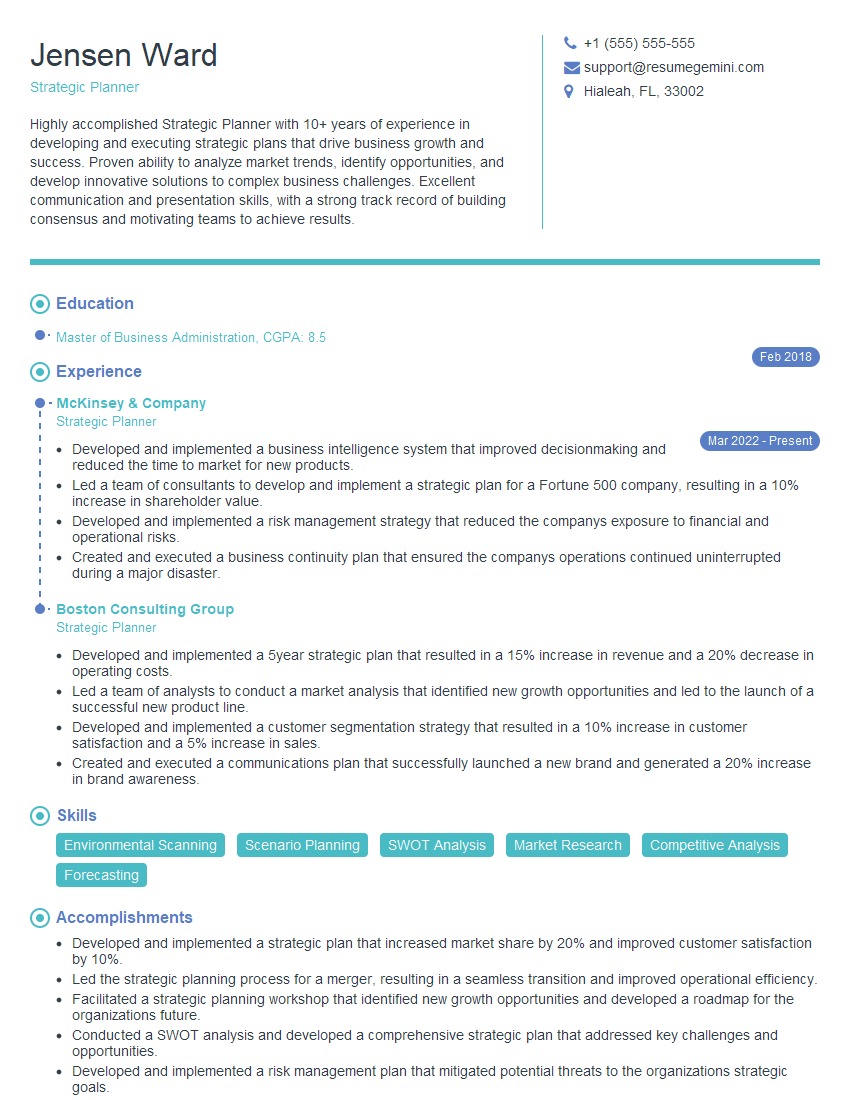
Strategic Planner Resume Sample
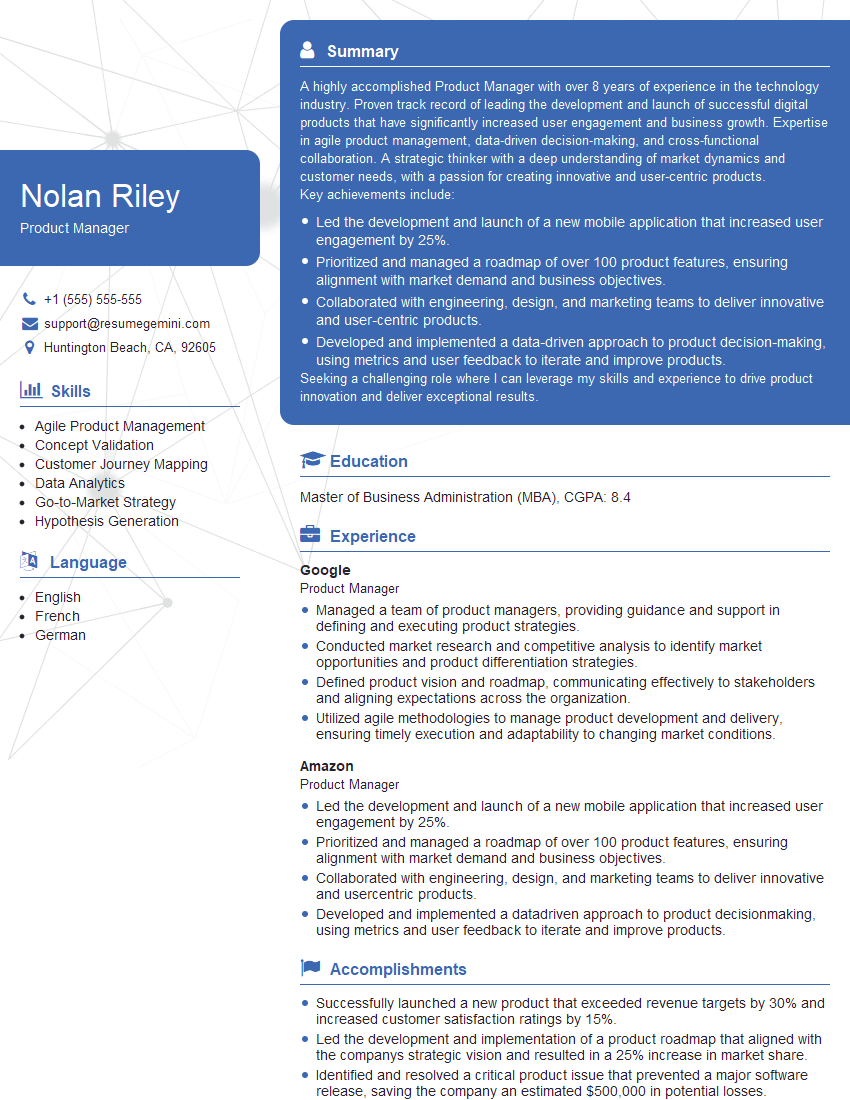
Product Manager Resume Sample
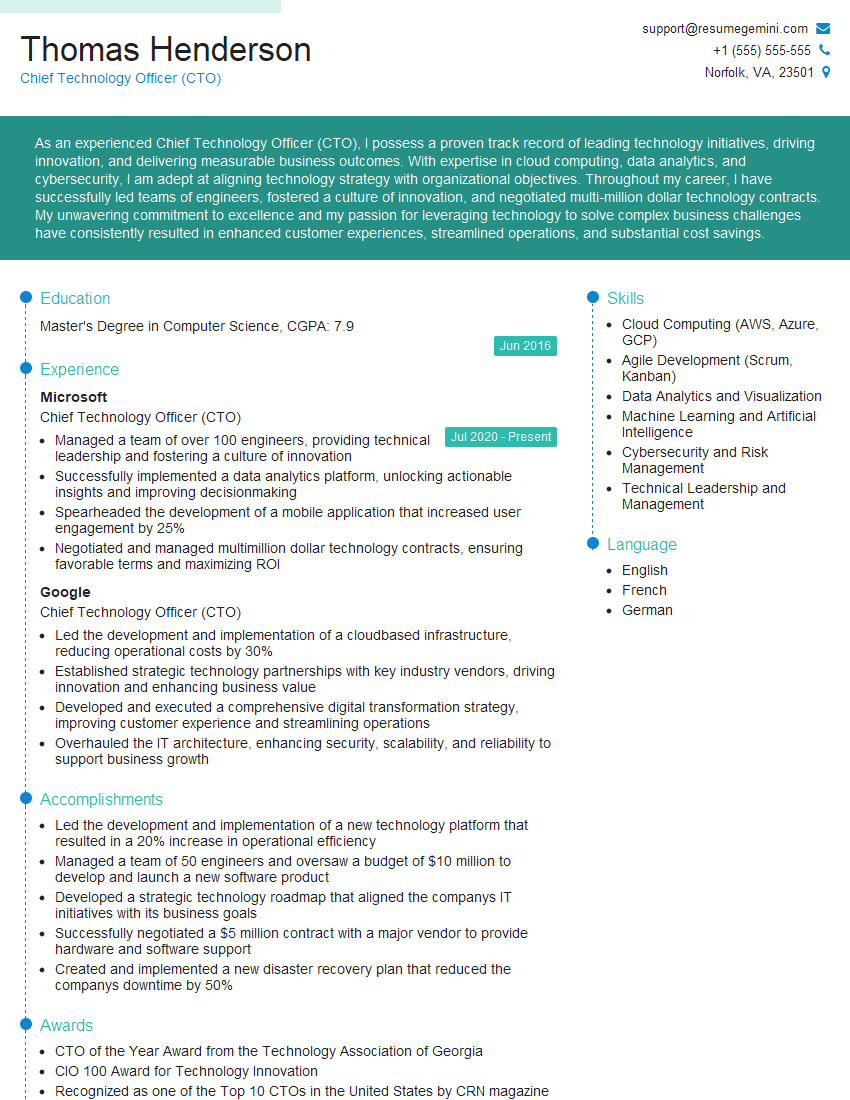
Chief Technology Officer (CTO) Resume Sample
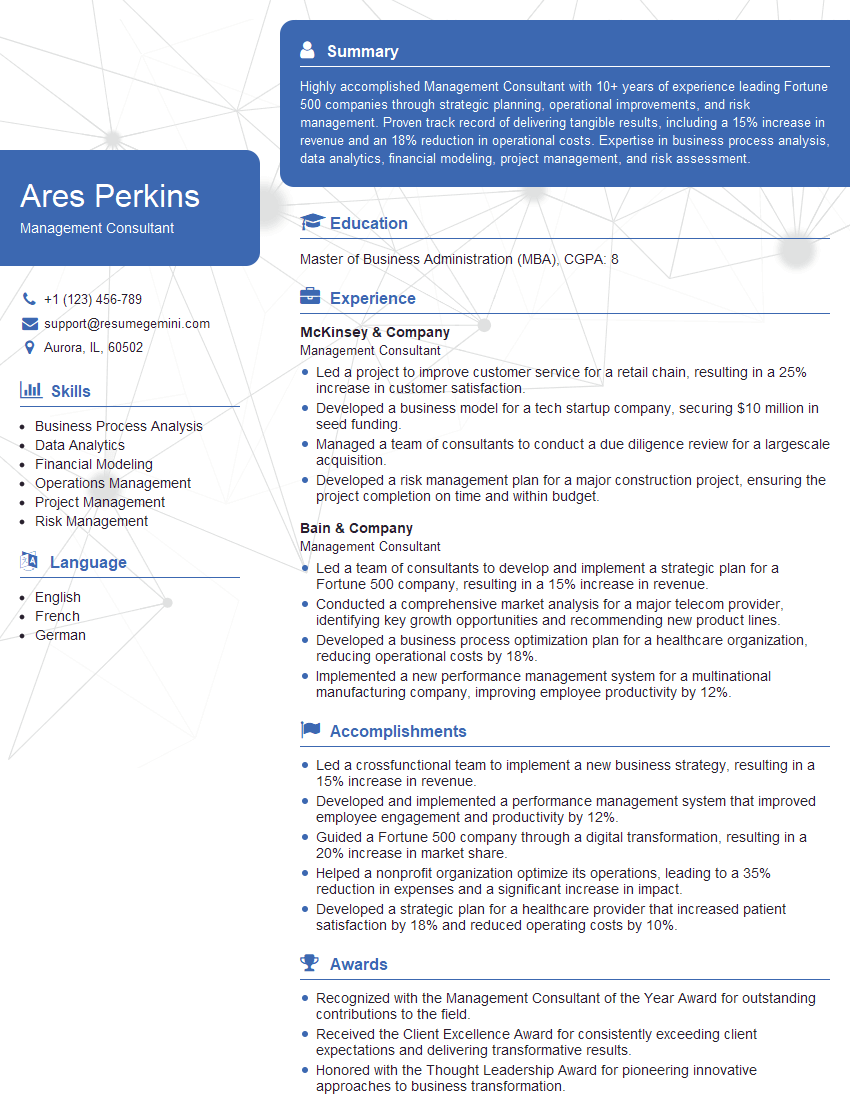
Management Consultant Resume Sample
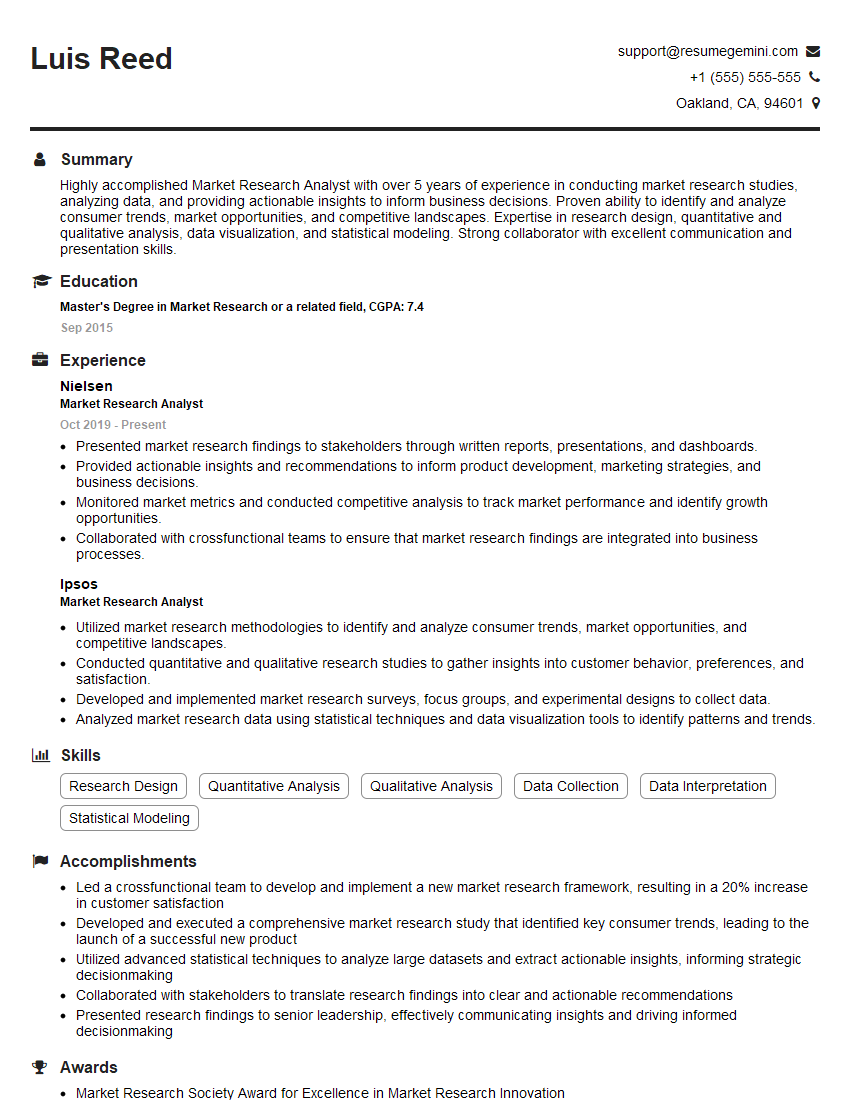
Market Research Analyst Resume Sample
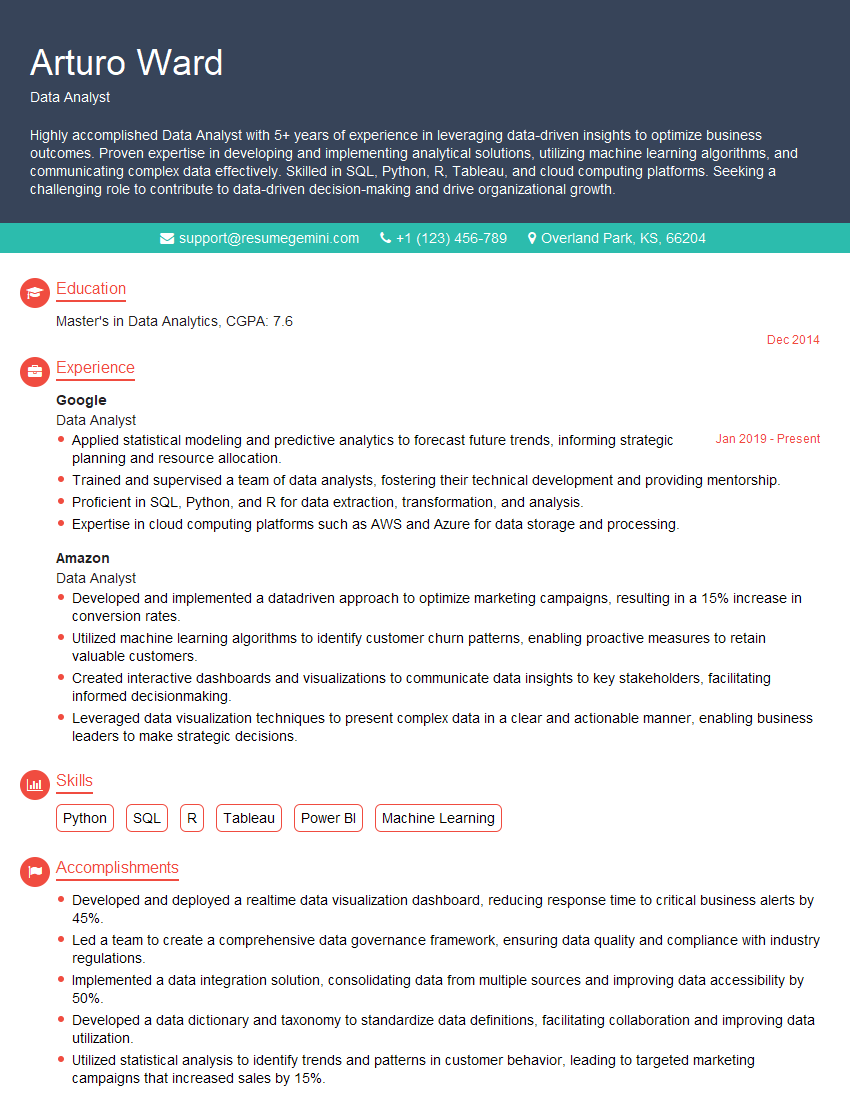
Data Analyst Resume Sample
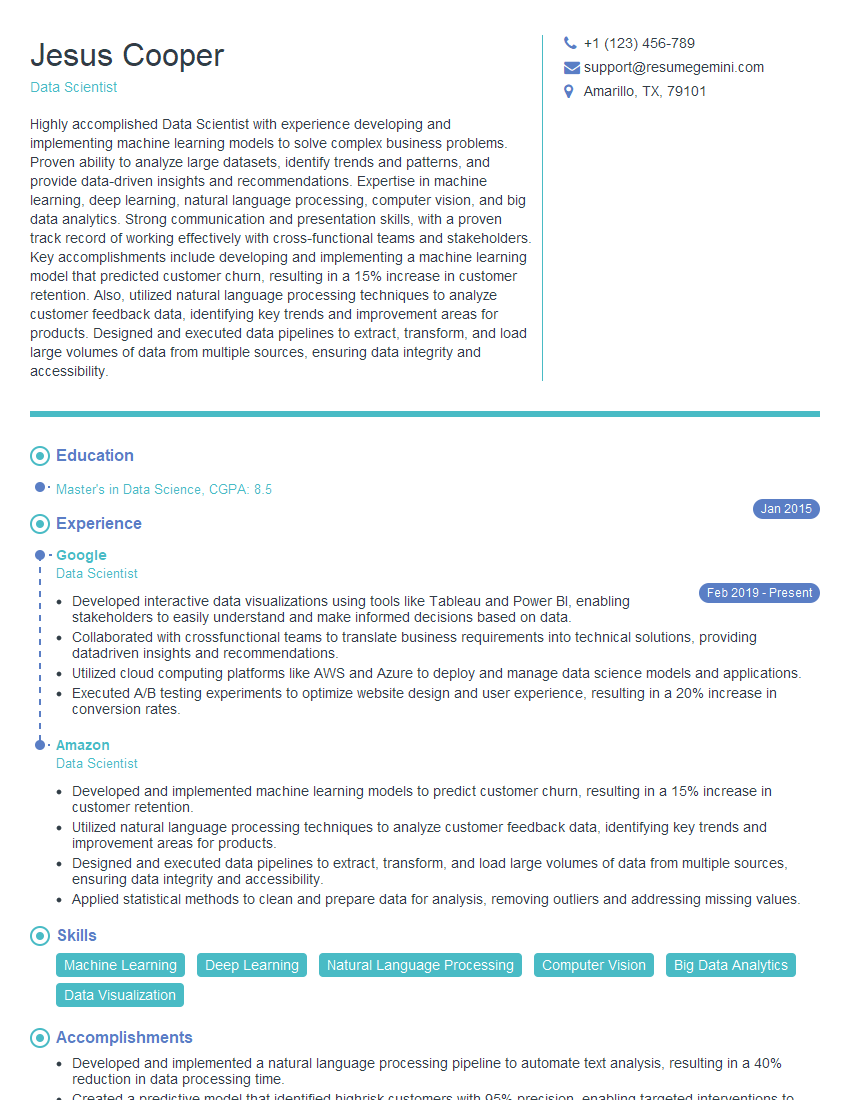
Data Scientist Resume Sample
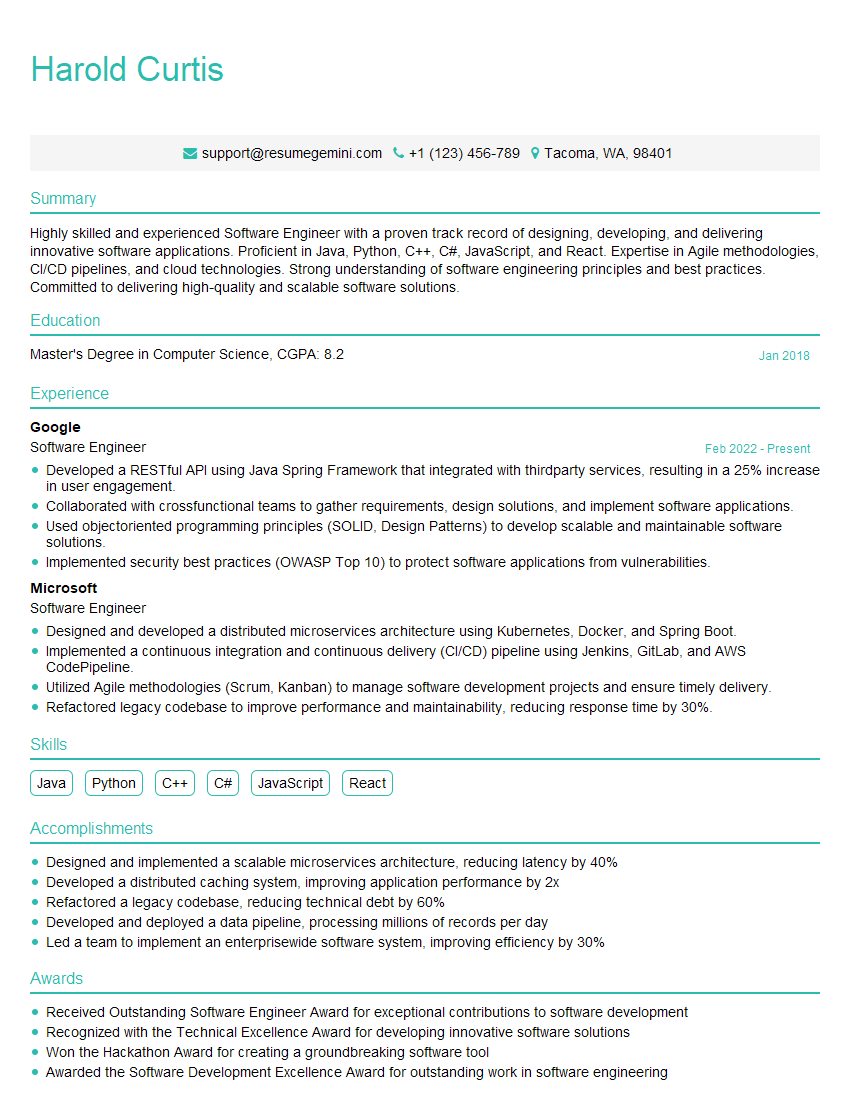
Software Engineer Resume Sample
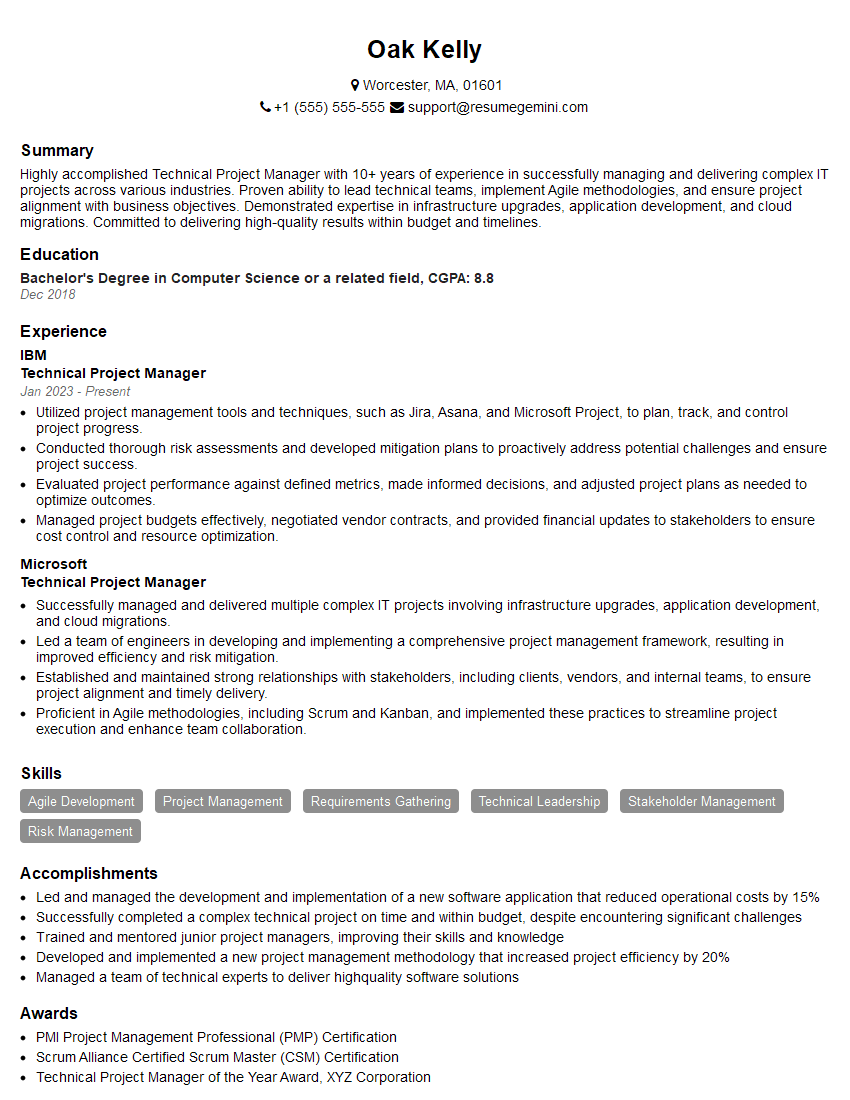
Technical Project Manager Resume Sample

Information Architect Resume Sample
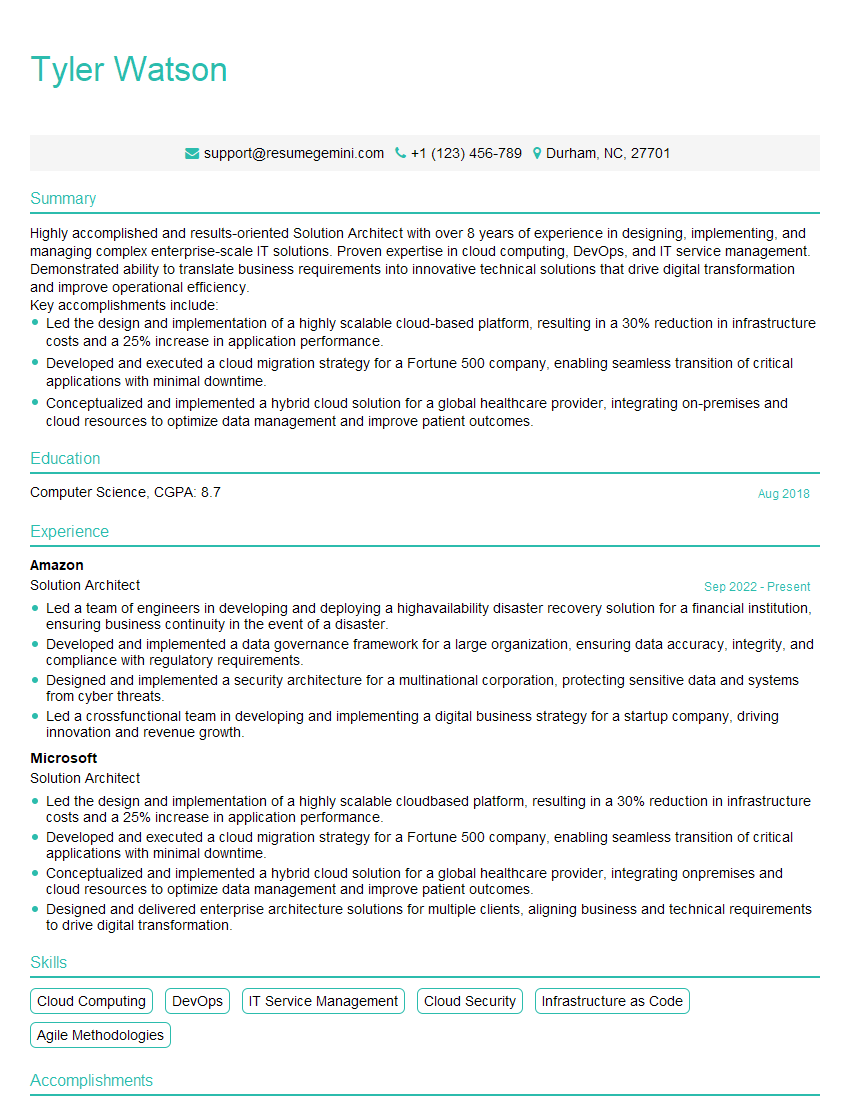
Solution Architect Resume Sample
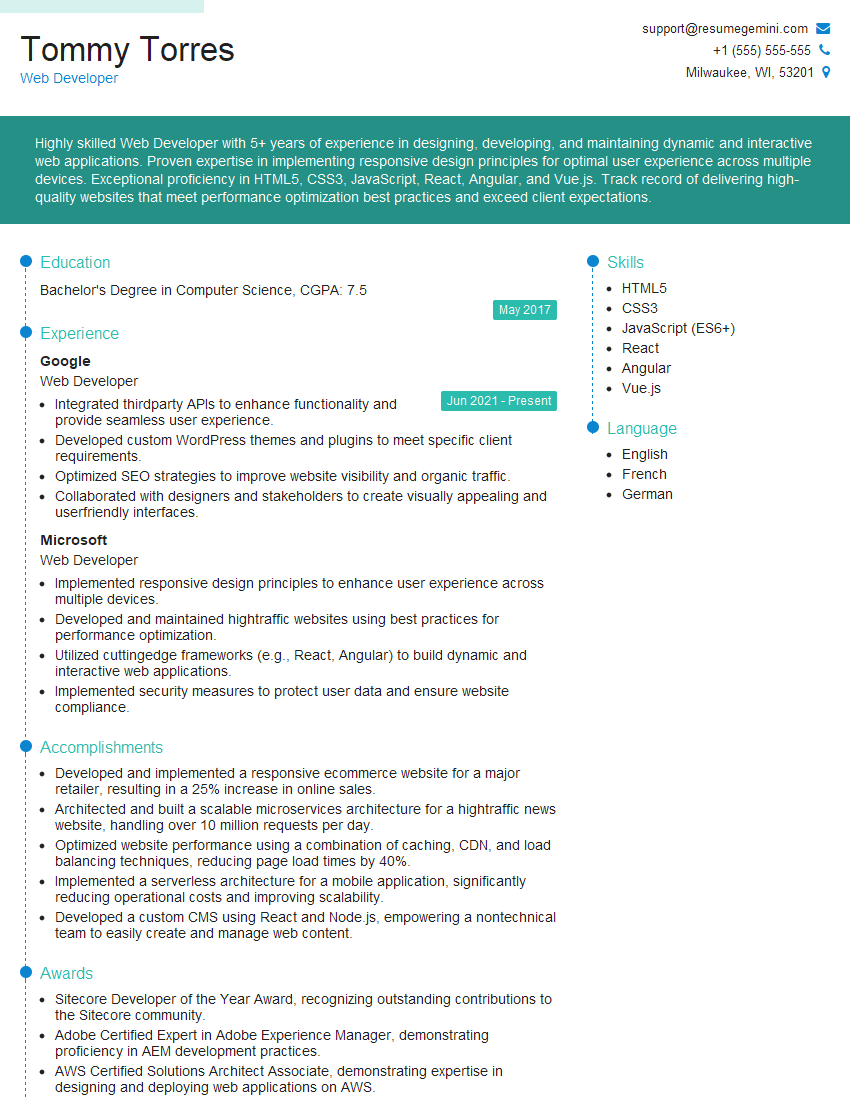
Web Developer Resume Sample
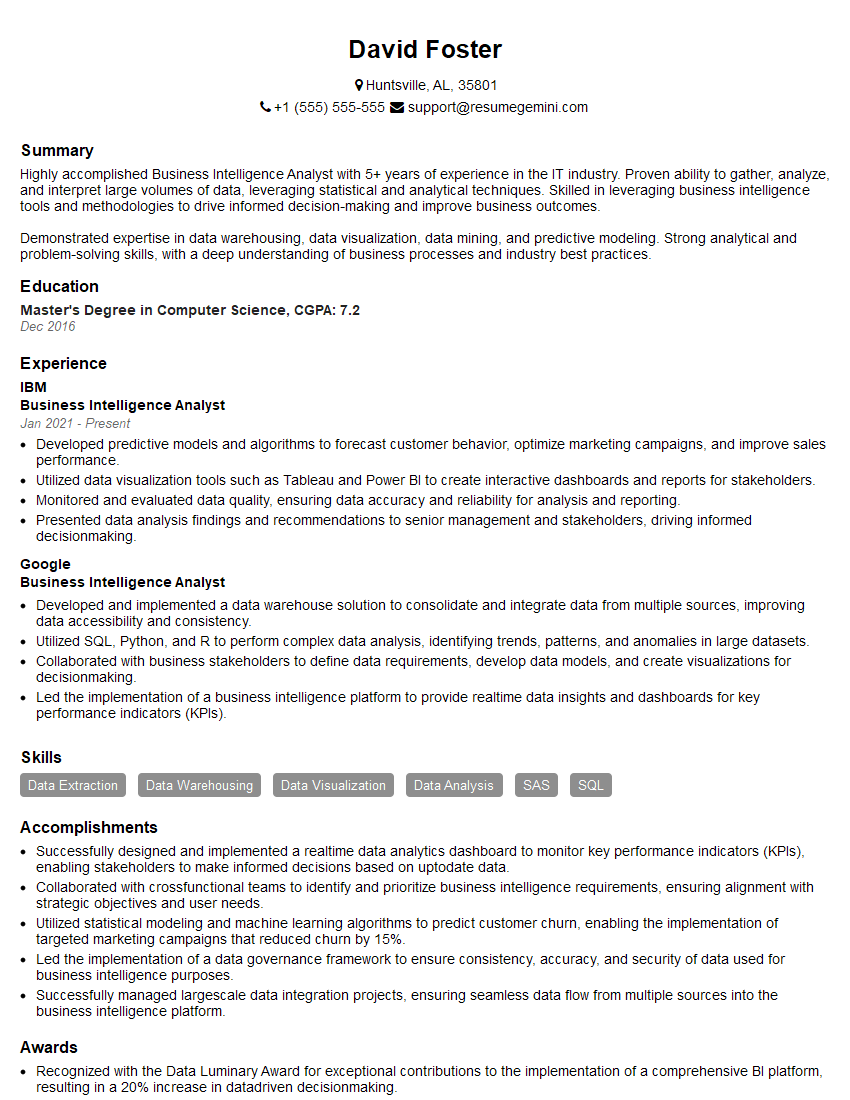
Business Intelligence Analyst Resume Sample
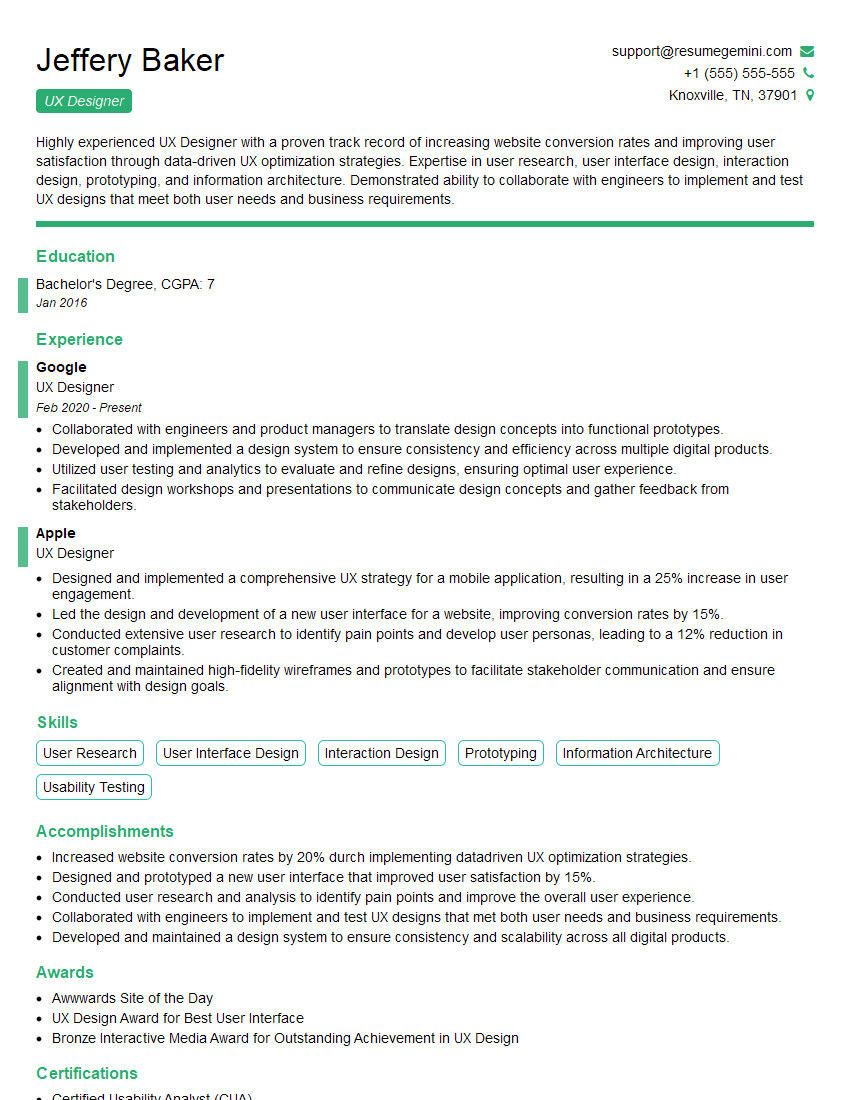
UX Designer Resume Sample
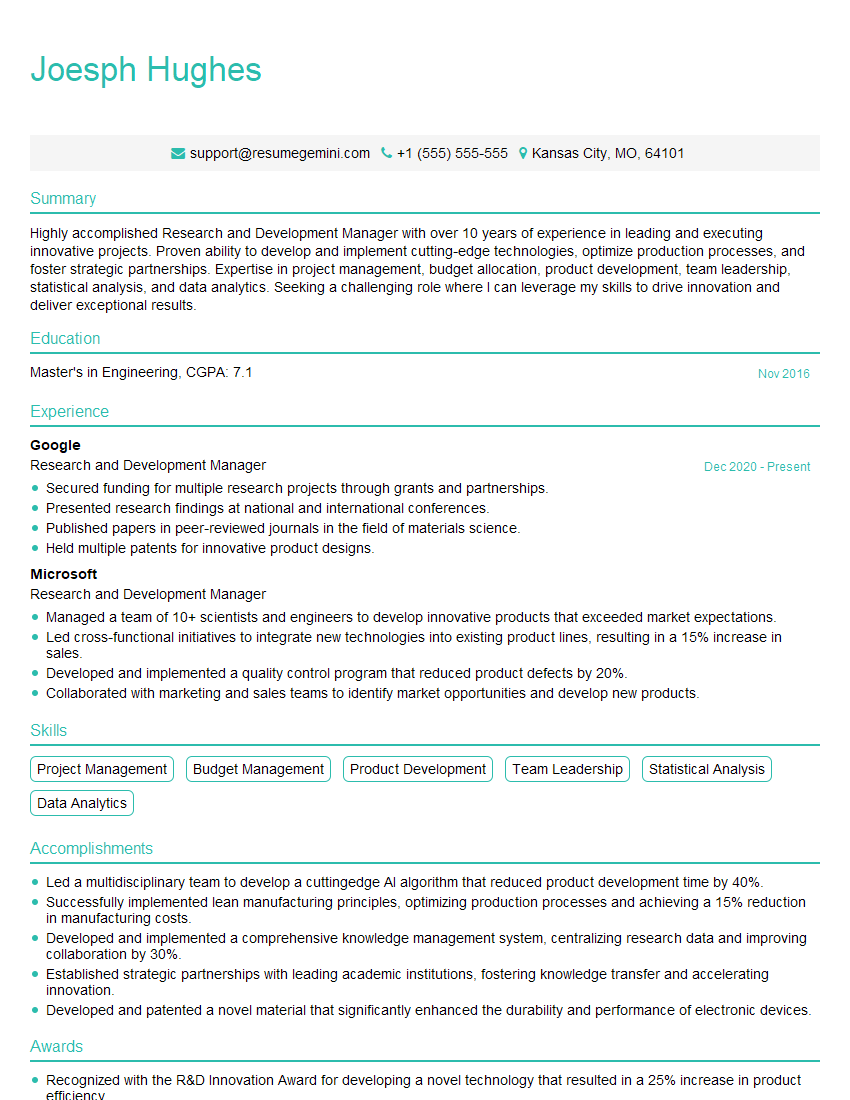
Research and Development Manager Resume Sample
- Strategic Planner
- Product Manager
- Chief Technology Officer (CTO)
- Management Consultant
- Market Research Analyst
- Data Analyst
- Data Scientist
- Software Engineer
- Technical Project Manager
- Information Architect
- Solution Architect
- Web Developer
- Business Intelligence Analyst
- UX Designer
- Research and Development Manager
Explore more articles
Users Rating of Our Blogs
Share Your Experience
We value your feedback! Please rate our content and share your thoughts (optional).
What Readers Say About Our Blog
Really detailed insights and content, thank you for writing this detailed article.
IT gave me an insight and words to use and be able to think of examples