The right preparation can turn an interview into an opportunity to showcase your expertise. This guide to Knowledge of electrical and pneumatic systems interview questions is your ultimate resource, providing key insights and tips to help you ace your responses and stand out as a top candidate.
Questions Asked in Knowledge of electrical and pneumatic systems Interview
Q 1. Explain the difference between a normally open and normally closed pneumatic valve.
The difference between normally open (NO) and normally closed (NC) pneumatic valves lies in their default state when no power or signal is applied. Think of it like a door:
- Normally Open (NO): A NO valve is like a door that’s already open. Air flows freely through the valve when unpowered. To stop the airflow, you need to activate the valve (e.g., by applying electrical power to a solenoid). In a pneumatic circuit diagram, it’s represented with two parallel lines indicating the open passage.
- Normally Closed (NC): An NC valve is like a door that’s closed by default. Airflow is blocked until the valve is activated, usually by applying power or a signal. Once activated, it opens allowing the air to flow. In diagrams, it’s represented with a line crossing the passage.
Example: Imagine an automated clamping system. An NO valve could supply air to the clamp, keeping it closed unless a sensor signals the need to open it by de-energizing the valve. An NC valve could prevent the clamp from closing until a signal activates the valve. This ensures safety by preventing accidental clamping.
Q 2. Describe the function of a pressure regulator in a pneumatic system.
A pressure regulator in a pneumatic system maintains a constant downstream pressure regardless of fluctuations in the upstream supply pressure. It’s crucial for reliable system operation. It acts like a valve that automatically adjusts its opening to keep the output pressure consistent. Imagine a water faucet: you can adjust the flow rate, but the water pressure remains relatively constant.
Function: The regulator uses a sensing element that detects the downstream pressure. If the pressure is too high, the regulator partially closes to reduce the flow. If the pressure is too low, it opens wider to increase the flow. This maintains the desired downstream pressure within a set range.
Practical Application: Pressure regulators are essential to prevent damage to pneumatic actuators from excessive pressure and ensure consistent operation of pneumatic tools and equipment. For instance, a robotic arm using pneumatic cylinders needs a regulated pressure to avoid over-extending and damaging itself.
Q 3. What are the common types of pneumatic actuators?
Pneumatic actuators convert compressed air energy into mechanical motion. Common types include:
- Pneumatic Cylinders: These are the workhorses of pneumatic systems, providing linear motion (push or pull). They come in various configurations: single-acting (one-way motion, usually spring return) and double-acting (bi-directional movement).
- Rotary Actuators: These provide rotary motion. They can be vane-type or gear-type, offering a compact way to generate rotational force.
- Diaphragm Actuators: These are often used for linear movement with short strokes. They use a flexible diaphragm to create the movement. These are ideal for applications where a smaller actuation force is needed
Example: A pneumatic cylinder opens and closes a hatch on an aircraft. A rotary actuator rotates a valve to control fluid flow. Diaphragm actuators can be found in precise metering pumps.
Q 4. How do you troubleshoot a leak in a pneumatic system?
Troubleshooting a pneumatic leak involves systematically checking various parts of the system. Think of it as a detective investigation:
- Visual Inspection: Carefully examine all connections, tubes, and fittings for visible cracks, damage, or loose connections. Pay close attention to areas with higher pressure.
- Pressure Drop Test: Isolate sections of the pneumatic system by temporarily blocking off lines. Observe the pressure gauge and note where the pressure drops significantly, narrowing down the leak’s location.
- Soapy Water Test: Apply a soapy water solution to suspected leak points. Bubbles will form where air is escaping, clearly indicating the leak’s location.
- Acoustic Leak Detection: Using a special ultrasonic leak detector can identify leaks that are otherwise difficult to detect visually or with soapy water. This is particularly useful in hard-to-reach locations.
- Pressure Gauge Monitoring: Monitor pressure gauges during system operation to identify pressure drops, even small ones. This will help in pinpointing problematic components.
Once the leak is found, repair or replace the damaged component and retest the system.
Q 5. Explain the principle of operation of a solenoid valve.
A solenoid valve uses an electromagnet to control airflow. Imagine it as a remotely controlled gate for air.
Principle of Operation: When an electric current flows through the solenoid coil, it generates a magnetic field. This magnetic field attracts a plunger or armature, which opens or closes a valve port, allowing or preventing airflow. When the current is switched off, the spring returns the plunger to its default position (NO or NC).
Practical Application: Solenoid valves are widely used in automated systems for controlling pneumatic cylinders and other pneumatic components. Think of an automated assembly line where solenoid valves precisely control the timing and movement of various components.
Q 6. What are the advantages and disadvantages of pneumatic systems compared to hydraulic systems?
Pneumatic and hydraulic systems both use fluid power, but they have distinct advantages and disadvantages:
| Feature | Pneumatic Systems | Hydraulic Systems |
|---|---|---|
| Power Source | Compressed air | Hydraulic fluid (oil) |
| Advantages |
|
|
| Disadvantages |
|
|
The best choice depends on the specific application. Pneumatic systems are ideal for lower force applications where safety and simplicity are paramount, while hydraulic systems excel in high-power, precision tasks.
Q 7. Describe different types of pneumatic cylinders and their applications.
Pneumatic cylinders come in various types, each suited for different applications:
- Single-Acting Cylinders: Extend when pressurized and retract using a spring. Simple and cost-effective, ideal for applications requiring only one direction of movement (e.g., opening a door).
- Double-Acting Cylinders: Extend and retract using pressurized air. Provide bidirectional motion, offering greater versatility (e.g., controlling robotic arm movements).
- Telescopic Cylinders: Extend in stages, allowing for a long stroke within a compact package. Suitable for applications needing a large stroke in a confined space (e.g., extending a loading platform).
- Tandem Cylinders: Two cylinders mechanically connected for greater force or stroke length. Useful when more force than a single cylinder can provide is required (e.g., heavy-duty clamping applications).
The choice depends on the required stroke length, force, and direction of movement.
Q 8. How do you calculate the flow rate in a pneumatic system?
Calculating flow rate in a pneumatic system depends on several factors and the specific application. The most common method involves using the following formula:
Flow Rate (Q) = Area (A) * Velocity (V)
Where:
- Q is the volumetric flow rate, typically measured in liters per minute (LPM) or cubic feet per minute (CFM).
- A is the cross-sectional area of the pipe or tubing, calculated using the formula for the area of a circle (πr²) if it’s circular, where ‘r’ is the radius.
- V is the velocity of the air flowing through the system, often measured in meters per second (m/s) or feet per second (ft/s).
Determining Velocity: Velocity can be tricky to measure directly. You might use a flow meter specifically designed for pneumatic systems. Alternatively, if you know the pressure drop across a known restriction (like an orifice plate), you can use Bernoulli’s equation (along with some iterative calculations or specialized software) to estimate the velocity. Pressure and temperature also play crucial roles; colder, denser air will flow slower at the same pressure than warmer, less dense air.
Example: Let’s say you have a pneumatic line with a diameter of 10mm (radius = 5mm = 0.005m). You measure a flow rate of 10 LPM (which is approximately 0.000167 m³/s). You can rearrange the formula to solve for velocity: V = Q / A. Calculating the area (A = π*(0.005)² ≈ 7.85 x 10⁻⁵ m²), we find the velocity: V ≈ 0.000167 m³/s / 7.85 x 10⁻⁵ m² ≈ 2.13 m/s.
Remember that this is a simplified calculation. Real-world pneumatic systems often have more complex factors such as friction losses in the tubing, pressure drops in fittings, and changes in temperature affecting the accuracy of this simple calculation. Specialized software and more advanced fluid dynamics principles are often needed for precise flow rate determination in complex systems.
Q 9. Explain the concept of air filtration in pneumatic systems.
Air filtration in pneumatic systems is crucial for preventing contamination and maintaining the longevity and efficient operation of pneumatic components. Contaminants like dust, oil mist, and water vapor can severely damage pneumatic actuators, valves, and other components. This contamination can lead to reduced performance, increased wear, and even system failure.
How it Works: Filters typically consist of a porous media that traps particles based on their size. Common filter types include:
- Depth filters: These use a fibrous material with a complex structure that traps particles throughout its depth.
- Surface filters: These have a smooth surface that screens out particles based on their size.
Filters are often rated by their micron rating, which indicates the smallest particle size they can effectively remove. A lower micron rating means a finer filtration. The selection of the filter is crucial and depends on the specific application and sensitivity of pneumatic components. For instance, a precision assembly robot may require a much finer filter than a simple pneumatic cylinder for lifting.
Placement: Filters are strategically placed in the pneumatic system, typically near the compressor to remove contaminants before they enter the main air supply. Additional filters may also be placed closer to sensitive components to provide additional protection. Regular filter maintenance (cleaning or replacement) is important to prevent filter clogging which could restrict airflow and ultimately damage the system.
Example: Imagine a paint spraying robot in a car factory. Dust or other contaminants in the compressed air could easily ruin the paint job. A high-efficiency filter with a very low micron rating would be essential here to prevent this issue. This is a perfect example of where clean compressed air is not a nice-to-have, but rather crucial for the quality of the end product.
Q 10. What are the safety precautions when working with pneumatic systems?
Working with pneumatic systems requires adherence to strict safety precautions to prevent injuries and damage to equipment. The high-pressure air involved poses significant risks.
Key Safety Precautions:
- Eye Protection: Always wear safety glasses or goggles to protect against flying debris or leaks of compressed air which could cause eye injuries.
- Hearing Protection: Some pneumatic tools can generate loud noise, so hearing protection is often necessary.
- Hand Protection: Wear appropriate gloves to protect hands from sharp edges, pinch points, or high-pressure air jets.
- Proper Training: Thorough training on the specific pneumatic system is essential to understand its operation and potential hazards.
- Pressure Relief: Before working on any pneumatic components, ensure the system is depressurized completely. Use pressure relief valves to safely release the pressure.
- Lockout/Tagout Procedures: Implement lockout/tagout procedures before performing maintenance or repairs to prevent accidental activation of the system.
- Emergency Shutdown: Know the location and operation of emergency shut-off switches or valves. Ensure everyone in the work area is aware of them.
- Regular Inspection: Conduct regular inspections of the system to identify and address any potential hazards, such as leaks or damaged components. Damaged tubing or fittings must be replaced immediately.
Example: Failure to depressurize a system before maintenance can lead to unexpected system activation, potentially causing serious injury. Similarly, ignoring a small leak can lead to a larger problem down the line, potentially causing damage to the pneumatic equipment or even injury.
Q 11. Describe the different types of pneumatic fittings and their applications.
Pneumatic fittings are essential for connecting various components in a pneumatic system. They come in a variety of types, each designed for specific applications.
Common Types and Applications:
- Push-to-connect fittings: These are quick and easy to connect and disconnect, ideal for applications requiring frequent assembly and disassembly. They are commonly used in prototyping or when quick changes are needed. However, they are typically not ideal for high-pressure systems.
- Compression fittings: These create a seal by compressing a ferrule against the tube and fitting body. They offer good reliability and are widely used in many pneumatic applications.
- Flare fittings: These involve flaring the end of the tube and using a nut to secure it to the fitting. They are often used in applications with higher pressures.
- Swaged fittings: These involve permanently crimping a fitting onto the tube. They provide a very secure connection suitable for high-pressure and vibration applications. They are, however, not easily disassembled.
- Threaded fittings: These use standard pipe threads to connect components. They’re a robust solution for higher pressures, but require more time for assembly and can be prone to leaks if not properly tightened.
Material Selection: The material of the fitting also influences its application. Common materials include brass, steel, and various plastics. The choice depends on factors such as pressure, temperature, and the type of fluid being used (compressed air, oil, etc.).
Example: In a high-vibration industrial setting, swaged fittings provide superior reliability compared to push-to-connect fittings, which may become loose over time and lead to air leaks. In a lab setting where rapid prototyping is needed, push-to-connect fittings are far more convenient.
Q 12. How do you interpret a pneumatic circuit diagram?
Pneumatic circuit diagrams are schematics that illustrate the flow of compressed air through a system. They use standardized symbols to represent components and their connections. Understanding these diagrams is crucial for designing, troubleshooting, and maintaining pneumatic systems.
Interpreting the Diagram:
- Symbols: Familiarize yourself with the symbols used in pneumatic schematics (e.g., cylinders, valves, pressure regulators, filters). Most diagrams use symbols conforming to ISO 1219-1 standard.
- Flow Direction: The arrows on the diagram show the direction of air flow. This is crucial to tracing the path of compressed air and understanding the function of each component.
- Connections: The lines connecting the symbols represent the pneumatic tubing or piping. The thickness of lines might sometimes indicate different pipe sizes.
- Valves: Pay close attention to the valves. Understand their functions (e.g., normally open, normally closed, directional control valves). Their positions determine the direction of air flow.
- Actuators: Identify the actuators (e.g., cylinders, rotary actuators). Their movements are controlled by the valves in the circuit.
Example: A simple diagram might show a pressure regulator connected to a filter, then to a 3/2-way valve, which controls the air flow to a double-acting pneumatic cylinder. By following the arrows and understanding the valve’s function, one can easily determine how the cylinder’s movement is controlled by the 3/2-way valve’s switching action.
Proficiency in reading these diagrams is essential; it forms the basis for designing and troubleshooting any pneumatic system. They provide a visual representation of the entire system, allowing easy identification of potential problems and efficient maintenance planning.
Q 13. What are the common causes of pneumatic system malfunctions?
Pneumatic system malfunctions can stem from various causes. Identifying the root cause is critical for effective troubleshooting.
Common Causes:
- Leaks: Leaks in the tubing, fittings, or components reduce system pressure and can prevent proper operation. Leaks can be caused by damaged components, loose connections, or worn seals.
- Clogged Filters or Lines: Contaminants accumulating in filters or within the pneumatic lines restrict airflow, impacting system performance. This needs regular maintenance and filter replacement.
- Valve Malfunctions: Faulty valves may not switch correctly, causing improper air flow direction or preventing actuators from functioning. This can be caused by dirt, wear, or internal damage.
- Compressor Problems: Insufficient air supply from the compressor, due to issues like low oil levels, faulty belts, or motor problems, reduces the system’s ability to function as intended.
- Actuator Failures: Actuators (cylinders, grippers, etc.) can malfunction due to wear, damage, or internal seal failures. This may lead to sluggish movement or complete failure.
- Power Supply Issues: For systems with electrically controlled valves, power supply problems could lead to malfunctions. This needs verification of both the correct power voltage and adequate current supply.
Troubleshooting: Systematic troubleshooting involves checking each component and connection, starting from the source of compressed air and working towards the actuators. Using a pressure gauge to monitor pressure at different points in the system can help pinpoint the location of leaks or blockages.
Example: A pneumatic cylinder might fail to extend because of a leak in the air line, a clogged filter restricting air flow to the cylinder, or a malfunctioning directional control valve preventing air from reaching the cylinder’s extension port. Systematic testing helps isolate the precise cause of the malfunction.
Q 14. Explain the function of a pressure switch in a pneumatic system.
A pressure switch in a pneumatic system is a safety and control device that monitors system pressure and triggers an action when the pressure reaches a preset value. It’s essentially a pressure-sensitive switch.
Function:
- Pressure Monitoring: The pressure switch continuously monitors the pressure within the pneumatic system.
- Threshold Activation: When the pressure reaches a predetermined high or low threshold, the switch activates or deactivates an electrical circuit.
- Safety Shut-Off: Pressure switches are often used as safety devices. If the pressure becomes excessively high (e.g., due to a leak or malfunction), the switch can trigger an emergency shutdown of the system, preventing damage to equipment and injury to personnel.
- Control Functions: Beyond safety, pressure switches can also be used for various control functions. For example, they can start or stop a compressor based on system pressure, activate or deactivate pneumatic valves at specific pressure levels, or control other parts of a system.
Types: There are various types of pressure switches, using different sensing mechanisms (e.g., diaphragm, piston) and offering different pressure ranges and accuracy levels.
Example: In a large industrial pneumatic system, a pressure switch might be set to shut down the compressor if the pressure drops too low, preventing damage from low-pressure operations. Or, it may activate an alarm if the pressure exceeds a safe operating limit, alerting operators to a potential problem.
Careful selection of the pressure switch is important; it needs to be compatible with the system’s pressure range and the desired control or safety function.
Q 15. Describe different types of pneumatic logic controllers (PLCs).
While the term “pneumatic logic controller” isn’t as common as “PLC” (Programmable Logic Controller) which typically refers to electrical systems, pneumatic systems can utilize logic elements to control processes. Instead of having a centralized electronic brain like an electrical PLC, pneumatic logic uses a network of interconnected pneumatic components to achieve control. These components perform logical operations, like AND, OR, and NOT gates, using air pressure to direct the flow of air and actuate pneumatic devices.
Simple Pneumatic Logic Systems: These often consist of individual valves, cylinders, and directional control valves wired together using tubes to manipulate air pressure. Think of a simple automated assembly line where different steps are triggered sequentially using strategically placed valves responding to pressure signals.
Modular Pneumatic Logic Systems: These utilize pre-engineered modules containing multiple logical functions integrated into a single unit. This simplifies design and maintenance compared to completely custom-built pneumatic systems.
Pneumatic/Electric Hybrid Systems: Increasingly common, these incorporate both pneumatic and electrical components, with the PLC controlling the pneumatic portion. This allows for more complex control strategies and tighter integration with other parts of a larger system. Imagine a robotic arm where the PLC directs the movement (electric motors), and the grippers use pneumatic cylinders for delicate object handling.
Career Expert Tips:
- Ace those interviews! Prepare effectively by reviewing the Top 50 Most Common Interview Questions on ResumeGemini.
- Navigate your job search with confidence! Explore a wide range of Career Tips on ResumeGemini. Learn about common challenges and recommendations to overcome them.
- Craft the perfect resume! Master the Art of Resume Writing with ResumeGemini’s guide. Showcase your unique qualifications and achievements effectively.
- Don’t miss out on holiday savings! Build your dream resume with ResumeGemini’s ATS optimized templates.
Q 16. How does a proximity sensor work in an automated system?
A proximity sensor detects the presence of an object without physical contact. In automated systems, they’re crucial for triggering actions based on object detection. Different types exist, but a common one is the inductive proximity sensor. It works by generating a high-frequency magnetic field. When a metallic object enters this field, it disrupts the field, changing the sensor’s output. This change is then interpreted by the PLC or control system to trigger an action.
How it works (Inductive type): The sensor’s oscillator creates a magnetic field. A metallic object nearby alters this field’s inductance. This inductance change is detected by a circuit, which then changes the output signal (often a digital signal: ON/OFF). The distance the sensor can detect depends on its design and the object’s size and material.
Example: In a conveyor belt system, an inductive proximity sensor might be placed to detect the presence of a product. When a product passes, the sensor triggers the activation of a pneumatic cylinder that pushes the product to the next stage.
Q 17. Explain the concept of ladder logic programming.
Ladder logic is a graphical programming language used primarily to program PLCs. It’s named for its resemblance to a ladder, with vertical rails representing power supply and horizontal rungs representing logic statements. Each rung represents a condition, and if the condition is met, the output connected to that rung is activated.
Basic Elements:
Inputs (I): These represent sensors, switches, or other devices that provide signals to the PLC.
Outputs (O): These represent actuators, such as motors, solenoids, or lights, which respond to the PLC’s commands.
Logic Gates (AND, OR, NOT): These perform logical operations on the inputs to determine the output state.
Example: Imagine a simple system where a motor turns on only if two switches (SW1 and SW2) are both closed. In ladder logic, this would be represented by an AND gate:
|---[SW1]---[SW2]---( )---[Motor]
|                                 |
|----------------------------------|
If both SW1 and SW2 are closed (representing a true condition), the AND gate’s output becomes true, activating the motor.
Q 18. What are the different types of electrical sensors used in automation?
Many electrical sensors are used in automation, each suited for different applications:
Proximity Sensors: Already discussed above. Inductive, capacitive, and photoelectric types exist, each sensing different properties.
Limit Switches: Mechanically activated switches that detect the presence or position of an object. They’re simple and robust but require physical contact.
Photoelectric Sensors: Detect the presence or absence of light, used in applications like object detection, counting, or level sensing.
Temperature Sensors: Measure temperature using various technologies, such as thermocouples, resistance temperature detectors (RTDs), and thermistors.
Pressure Sensors: Measure pressure in pneumatic or hydraulic systems, often using strain gauges or capacitive techniques.
Encoders: Measure angular or linear position and speed, often using optical or magnetic principles.
Load Cells: Measure weight or force.
Q 19. Describe the function of a limit switch in an electrical system.
A limit switch is a simple electromechanical device that acts as an on/off switch activated by physical contact. It’s widely used in automated systems to detect the end of a travel or the presence of an object at a specific location.
Function: When an actuator (e.g., a cam, lever, or roller) presses the switch’s actuator button, it closes the electrical contacts, completing a circuit. This signal indicates to the control system that the limit has been reached. Conversely, when the actuator is removed, the contacts open, signaling that the limit is no longer reached.
Example: In a robotic arm, limit switches might be installed at the extreme points of the arm’s range of motion to prevent damage from overextension. When the arm reaches its limit, the limit switch activates, stopping the motor and signaling the PLC.
Q 20. Explain the difference between AC and DC motors.
AC (Alternating Current) and DC (Direct Current) motors differ fundamentally in how they receive and use electrical power:
AC Motors: Run on alternating current, where the direction and magnitude of the current periodically reverse. They typically use induction or synchronous principles to create a rotating magnetic field that drives the motor’s rotor. They are generally robust, less expensive, and require less maintenance than DC motors.
DC Motors: Run on direct current, where the current flows in one direction. They use a commutator and brushes (in brushed DC motors) or electronic commutation (in brushless DC motors) to create a rotating magnetic field. They can offer precise speed control and high torque at low speeds, but often require more maintenance and are generally more expensive.
In short: AC motors are simpler, more rugged, and typically cheaper; DC motors offer more precise speed and torque control.
Q 21. How do you troubleshoot a faulty electrical motor?
Troubleshooting a faulty electrical motor involves a systematic approach:
Safety First: Always disconnect the power supply before starting any troubleshooting.
Visual Inspection: Check for obvious problems like burned wires, loose connections, or physical damage to the motor housing or windings.
Check Power Supply: Verify that the motor receives the correct voltage and current using a multimeter. Ensure that the power supply is functioning correctly.
Check for Continuity: Use a multimeter to check for continuity in the motor windings. An open circuit indicates a broken winding, which requires motor replacement.
Check for Shorts: Check for shorts between the windings and the motor casing. A short circuit usually leads to excessive current draw and possibly overheating.
Measure Insulation Resistance: Using a megohmmeter, measure the insulation resistance of the windings to detect any insulation breakdown.
Load Test: If possible, run the motor under a known load to check its performance and identify problems like mechanical binding or excessive friction.
Check Controls: Examine the motor’s control circuit (e.g., starters, relays, PLCs) for any faults that might be preventing the motor from running correctly.
If you’re not comfortable performing these checks yourself, it’s best to call a qualified electrician to diagnose and repair the problem.
Q 22. Describe different types of electrical relays and their applications.
Electrical relays are electromechanical switches that use a small electrical current to control a much larger current or voltage. Think of them as electronic gatekeepers for electricity. They’re categorized in several ways, with the most common being based on their operating mechanism:
- Electromagnetic Relays: These are the most common type. They use an electromagnet to pull a set of contacts together or apart, switching the circuit on or off. They’re used in countless applications, from simple automotive blinkers to complex industrial control systems. Imagine a refrigerator compressor – a relay uses a low voltage signal from the thermostat to activate the high voltage motor.
- Solid-State Relays (SSRs): These relays use semiconductor devices instead of mechanical contacts. They’re faster, quieter, and have a longer lifespan than electromagnetic relays. They’re particularly useful in applications requiring high switching speeds or where mechanical wear is a concern, such as controlling high-power motors in industrial processes or precise temperature control in industrial ovens.
- Reed Relays: These utilize magnetic reeds sealed within a glass tube. The reeds close when an external magnetic field is applied. They’re often found in low-voltage, low-current applications where high speed and sensitivity are critical, like telephone switching systems or sensors.
- Mercury Wetted Relays: These feature a small amount of mercury within the switch. The mercury ensures consistent contact closure, leading to high reliability. Although durable, they are less common today due to environmental concerns associated with mercury disposal.
The application of a specific type of relay depends on factors such as voltage and current ratings, switching speed, lifespan requirements, and environmental conditions.
Q 23. Explain the concept of electrical safety regulations.
Electrical safety regulations are crucial to prevent injury, death, and property damage. These regulations encompass a wide range of standards and codes designed to ensure safe electrical installation, operation, and maintenance. They cover everything from proper wiring practices and equipment grounding to lockout/tagout procedures and arc flash hazard mitigation. Key concepts within these regulations include:
- Grounding: Provides a safe path for fault currents to flow to the earth, preventing dangerous voltage buildup.
- Overcurrent Protection: Uses circuit breakers and fuses to protect circuits from excessive current that could cause overheating and fires.
- Isolation and Lockout/Tagout: Ensures that equipment is safely de-energized before maintenance or repair.
- Arc Flash Protection: Mitigates the risks associated with high-energy arc flashes that can occur during electrical faults.
- Personal Protective Equipment (PPE): Requires workers to use appropriate safety gear, such as insulated gloves and eye protection.
Failure to adhere to these regulations can result in significant fines, legal liability, and potentially fatal accidents. Examples of major regulatory bodies include OSHA (in the USA) and similar organizations in other countries. They provide detailed guidelines and standards that must be followed.
Q 24. What is the function of a circuit breaker?
A circuit breaker is an automatic device designed to protect an electrical circuit from damage caused by excess current. Unlike a fuse, which melts and must be replaced after an overload, a circuit breaker can be reset after tripping. Think of it as a sophisticated switch that automatically cuts off power when it detects an unsafe current level.
It works by monitoring the current flowing through the circuit. When the current exceeds a predetermined threshold (its rating), a mechanism within the breaker opens the circuit, interrupting the flow of electricity. This prevents overheating of wires and potential fires. After the fault is cleared, the breaker can usually be reset, restoring power.
Types of circuit breakers include thermal, magnetic, and thermo-magnetic, each with different operating principles and applications.
Q 25. How do you read and interpret an electrical schematic diagram?
Reading electrical schematic diagrams is a fundamental skill for electricians and engineers. These diagrams use standardized symbols to represent components (like switches, resistors, and motors) and their connections within a circuit. Here’s a step-by-step approach:
- Identify the Symbols: Learn the standard symbols for different components. Many resources, including online databases and textbooks, provide comprehensive lists.
- Trace the Circuit Path: Follow the lines connecting the components to understand the flow of current.
- Analyze Circuit Logic: Determine how the components interact to achieve the desired function of the circuit.
- Understand Voltage and Current Levels: The diagram may indicate voltage levels at various points, helping to understand the operational parameters of the system.
- Reference Designations: Pay attention to reference designations (e.g., X1, R1) to locate specific components and simplify cross-referencing information.
For example, a simple circuit showing a switch controlling a light bulb would have a symbol for the switch, a symbol for the light bulb, and lines connecting them to a power source. Understanding the diagram allows you to predict how the circuit will behave under different conditions.
Q 26. Describe the different types of wiring techniques used in industrial settings.
Industrial settings employ various wiring techniques to ensure safety, efficiency, and maintainability. The choice of technique depends on factors like voltage levels, environmental conditions, and the specific application.
- Conduit Wiring: This involves running wires inside protective metal or plastic conduits. It offers superior protection against physical damage, corrosion, and environmental hazards. This is common in many industrial settings where wires may be exposed to harsh conditions or heavy machinery.
- Cable Tray Wiring: Wires are installed in cable trays, offering a structured and organized approach. It’s suitable for large numbers of cables, making it efficient for complex systems. Cable trays also allow for easy cable additions or replacements.
- Open Wiring: In this method, wires are run directly on surfaces, often with supports or clips. It’s often used in areas with less stringent safety requirements, such as clean rooms or laboratories.
- Busbar Wiring: Used for high-current applications, busbars are large conductive bars that distribute power to multiple circuits. This simplifies the wiring configuration and improves efficiency, commonly found in power distribution centers.
Each method has its advantages and disadvantages regarding cost, ease of installation, and protection levels. Compliance with relevant safety standards and codes is crucial regardless of the chosen technique.
Q 27. Explain the concept of grounding and its importance in electrical systems.
Grounding, also known as earthing, is the connection of an electrical system to the earth. It provides a path for fault currents to flow safely to the ground, preventing dangerous voltage buildup that could cause shocks or fires. Imagine it as a safety valve for the electrical system.
Without grounding, a fault (like a short circuit) could result in exposed metal parts becoming energized, posing a significant risk of electric shock. Grounding provides a low-impedance path for the fault current to flow to the earth, thereby quickly tripping the circuit breaker or fuse and minimizing the hazard. It also helps to minimize voltage surges and protect against lightning strikes.
Grounding is crucial for both safety and equipment protection. It’s mandated by electrical codes worldwide, and proper grounding is essential for any electrical installation to be considered safe.
Q 28. How do you troubleshoot a short circuit in an electrical system?
Troubleshooting a short circuit involves systematically identifying and correcting the fault causing an abnormally low resistance path in the circuit. This often results in an overcurrent condition that trips circuit breakers or blows fuses. Here’s a step-by-step approach:
- Safety First: De-energize the circuit before starting any troubleshooting. Lockout/tagout procedures are crucial to prevent accidental energization.
- Inspect for Obvious Damage: Visually examine the wires, connectors, and equipment for any signs of damage, such as burnt insulation or melted components.
- Use a Multimeter: A multimeter can measure voltage, current, and resistance. Check the continuity of wires and look for unexpected low resistance readings indicating a short circuit.
- Isolate the Faulty Section: Systematically test different parts of the circuit to pinpoint the location of the short. This may involve disconnecting parts of the circuit to isolate the problem area.
- Repair or Replace Faulty Components: Once the short circuit is located, repair or replace the faulty wire, component, or equipment. Ensure proper insulation and secure connections.
- Test Thoroughly: After making repairs, thoroughly test the circuit to ensure that the short circuit is resolved and the system is functioning correctly.
Remember, always prioritize safety. If you’re not comfortable performing electrical troubleshooting, consult a qualified electrician.
Key Topics to Learn for Knowledge of Electrical and Pneumatic Systems Interviews
- Electrical Systems Fundamentals: Understanding circuit diagrams, Ohm’s Law, Kirchhoff’s Laws, AC/DC circuits, and basic troubleshooting techniques. Consider practical applications like motor control circuits and sensor integration.
- Pneumatic Systems Fundamentals: Comprehending pneumatic symbols, pressure regulators, valves (directional control, flow control, pressure control), cylinders, and actuators. Explore practical examples such as automated assembly lines or robotic systems.
- System Integration: Focus on the interaction between electrical and pneumatic systems. This includes understanding how electrical signals control pneumatic components, safety considerations, and the role of PLCs (Programmable Logic Controllers) in automation.
- Troubleshooting and Diagnostics: Develop skills in identifying malfunctions in both electrical and pneumatic systems. Practice using diagnostic tools and techniques to isolate and resolve problems efficiently.
- Safety Procedures: Understanding and adhering to safety protocols related to high-pressure systems, electrical hazards, and lockout/tagout procedures is crucial.
- Common Components and their Applications: Familiarize yourself with various sensors (pressure, proximity, temperature), relays, solenoids, and their applications within integrated systems.
- Practical Problem-Solving: Practice applying your knowledge to real-world scenarios. Consider working through example problems that involve diagnosing faults, optimizing system performance, or designing simple pneumatic/electrical circuits.
Next Steps
Mastering knowledge of electrical and pneumatic systems opens doors to exciting career opportunities in automation, manufacturing, and various engineering fields. A strong understanding of these systems is highly valued by employers, significantly enhancing your job prospects. To maximize your chances of securing your dream role, creating an ATS-friendly resume is essential. ResumeGemini is a trusted resource that can help you build a professional and impactful resume. We provide examples of resumes tailored to showcase expertise in electrical and pneumatic systems to help guide you through the process.

Automation Engineer Resume Sample
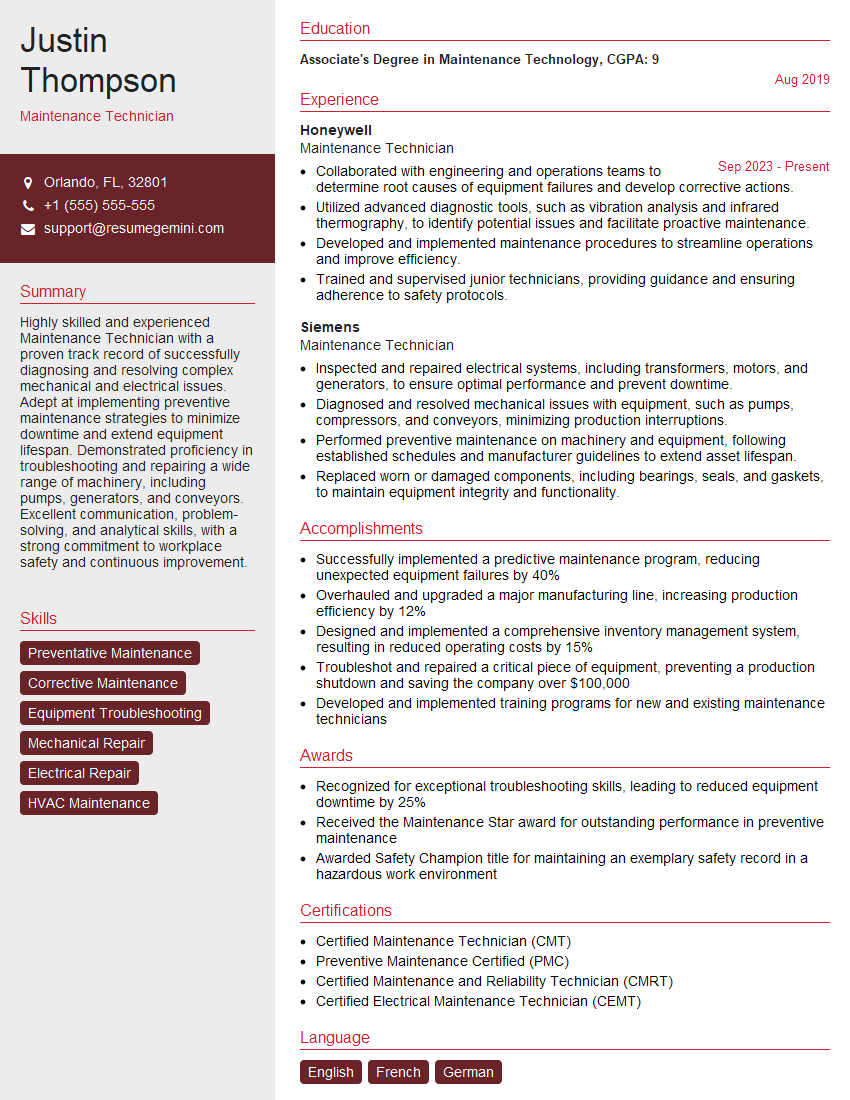
Maintenance Technician Resume Sample

Field Service Engineer Resume Sample
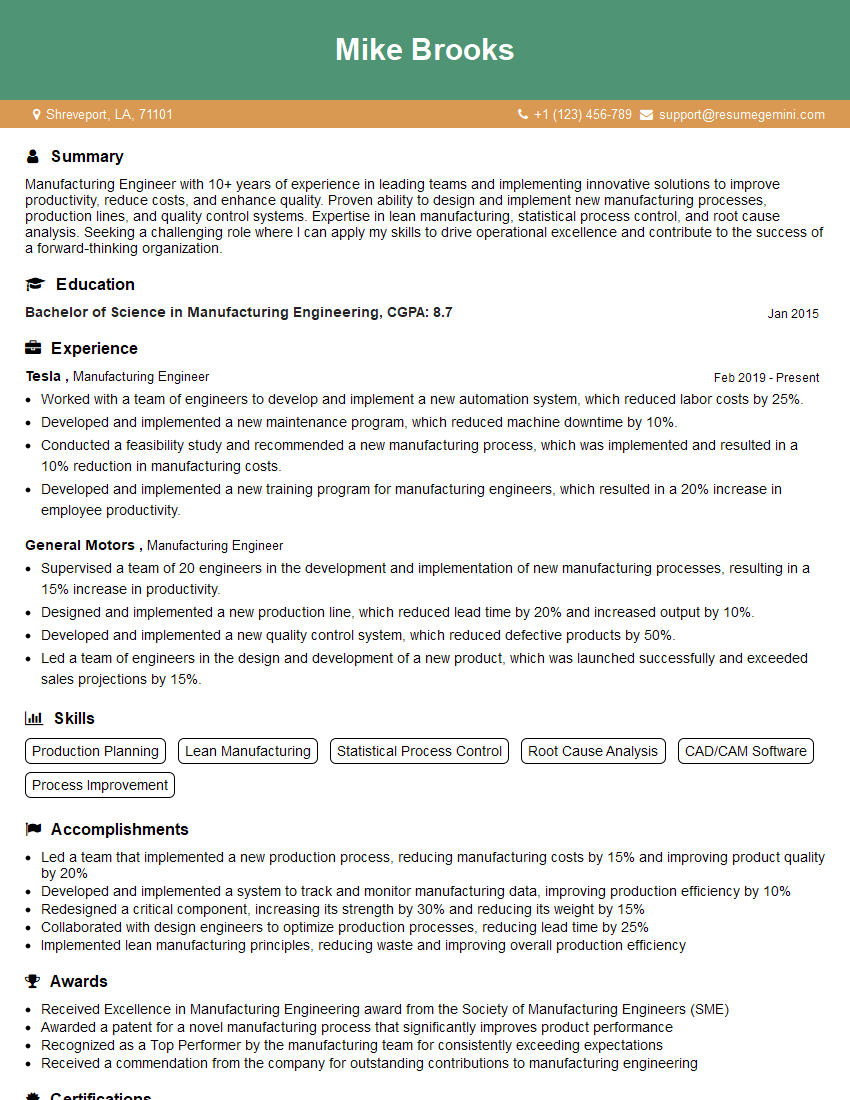
Manufacturing Engineer Resume Sample
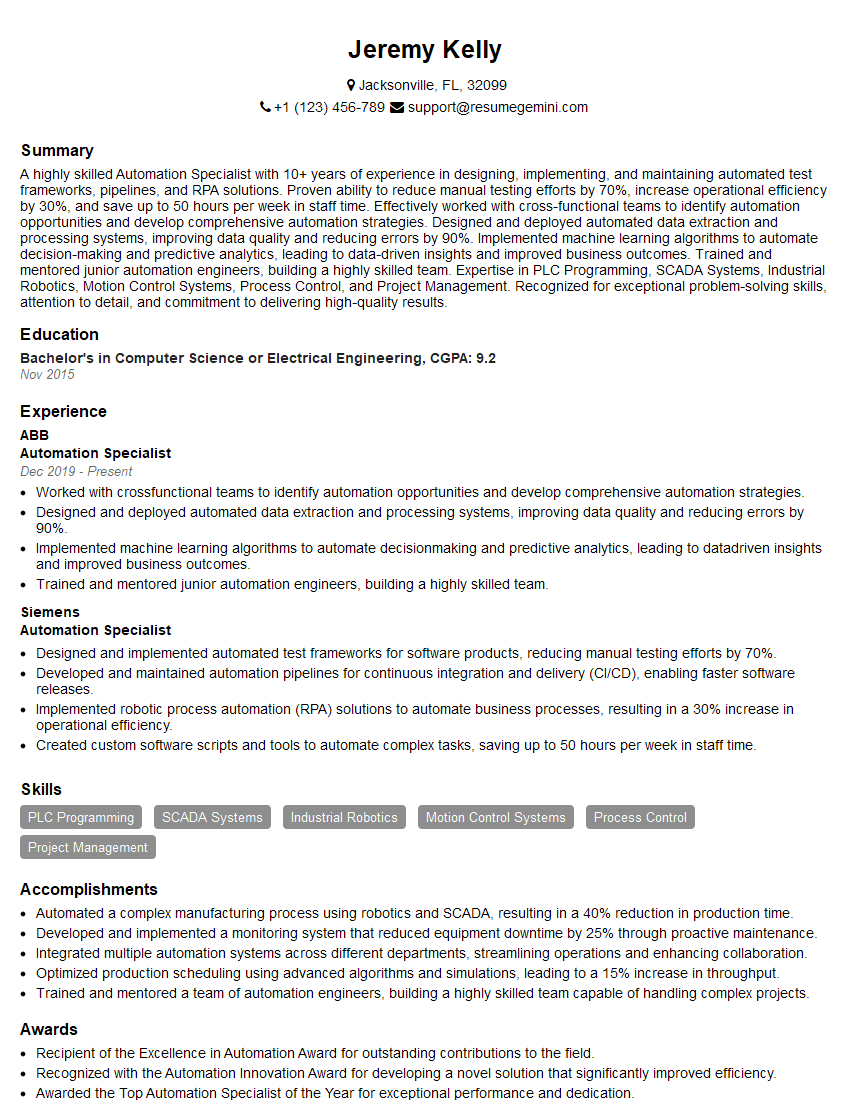
Automation Specialist Resume Sample
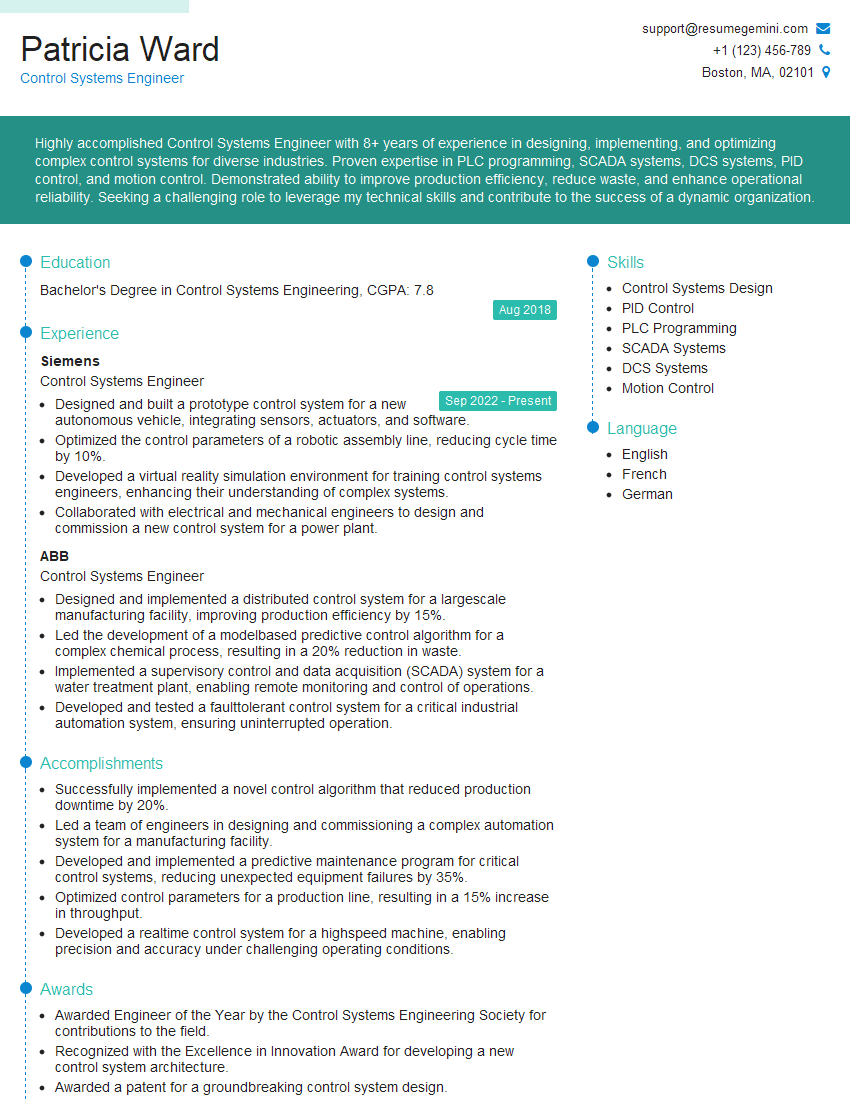
Control Systems Engineer Resume Sample
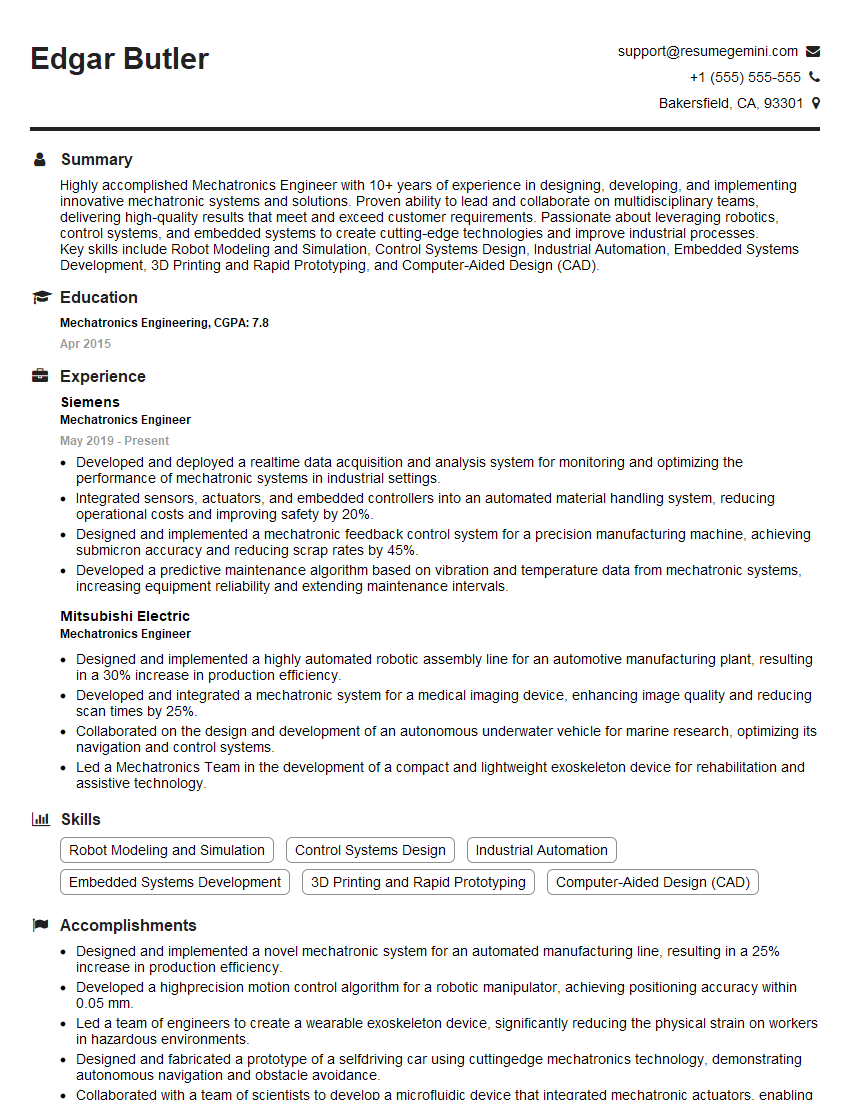
Mechatronics Engineer Resume Sample

Robotics Engineer Resume Sample
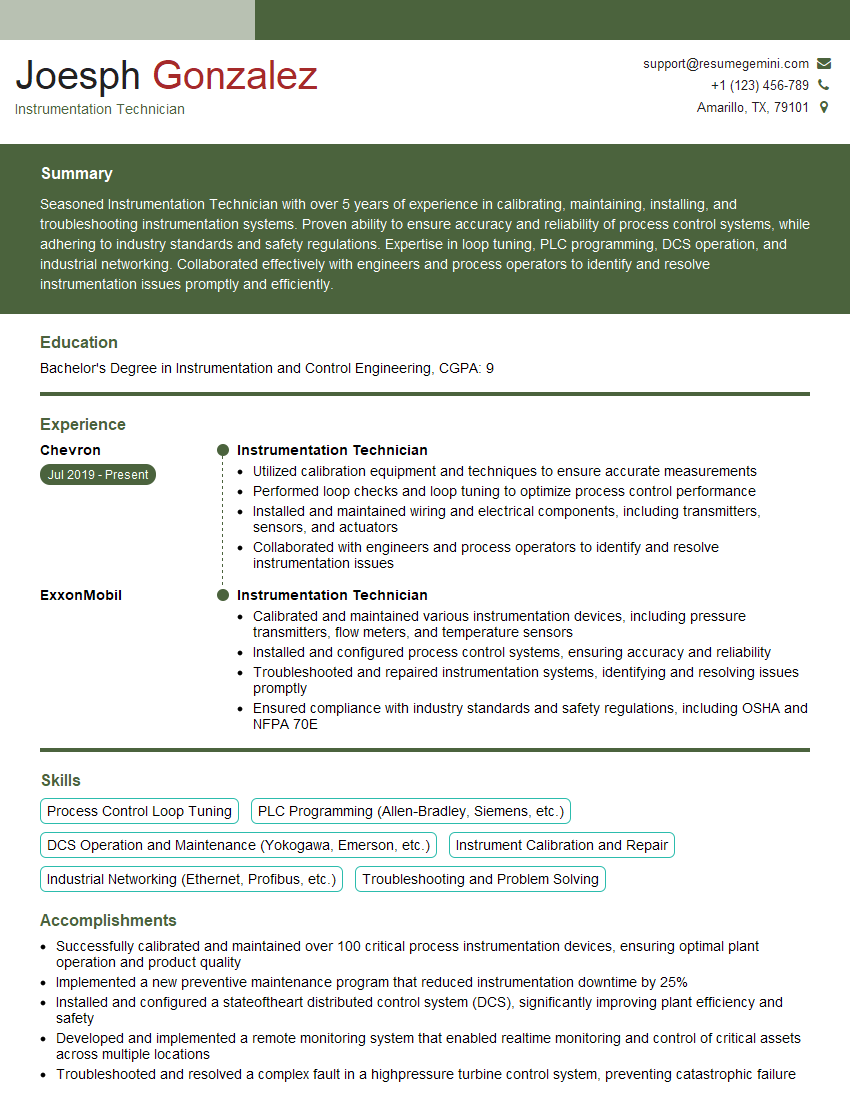
Instrumentation Technician Resume Sample
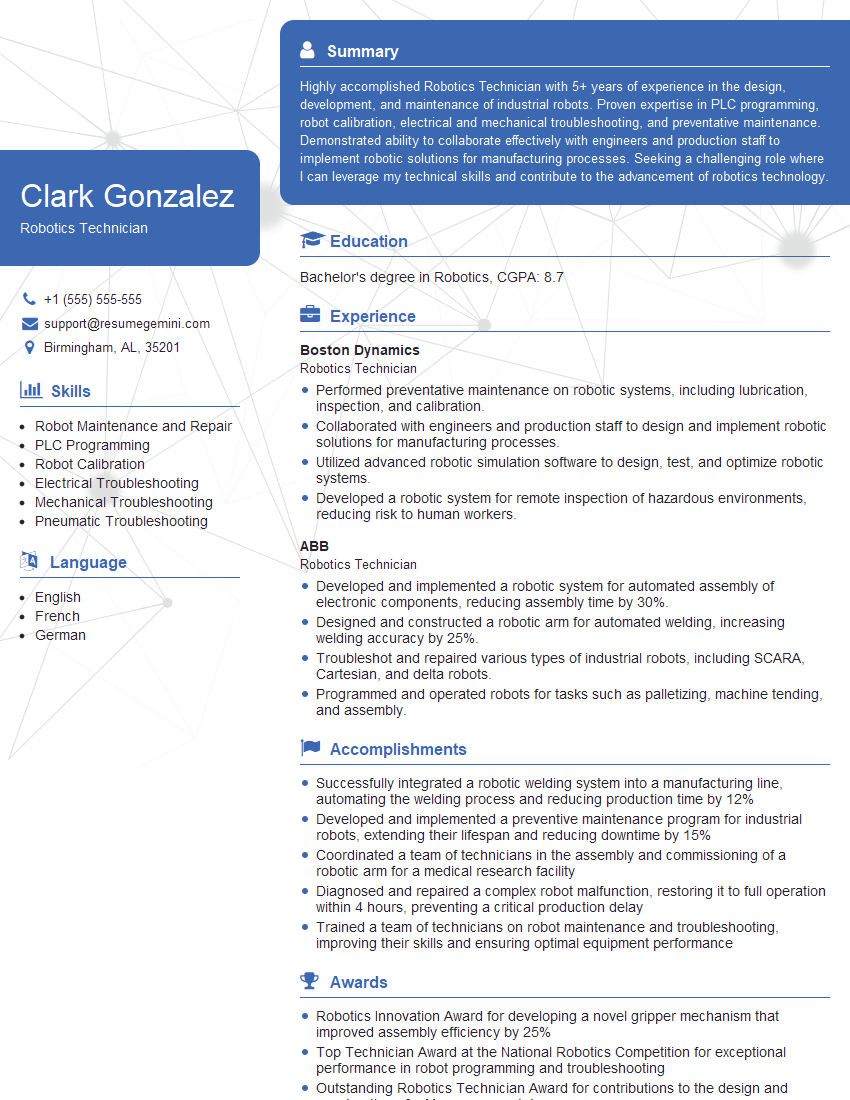
Robotics Technician Resume Sample
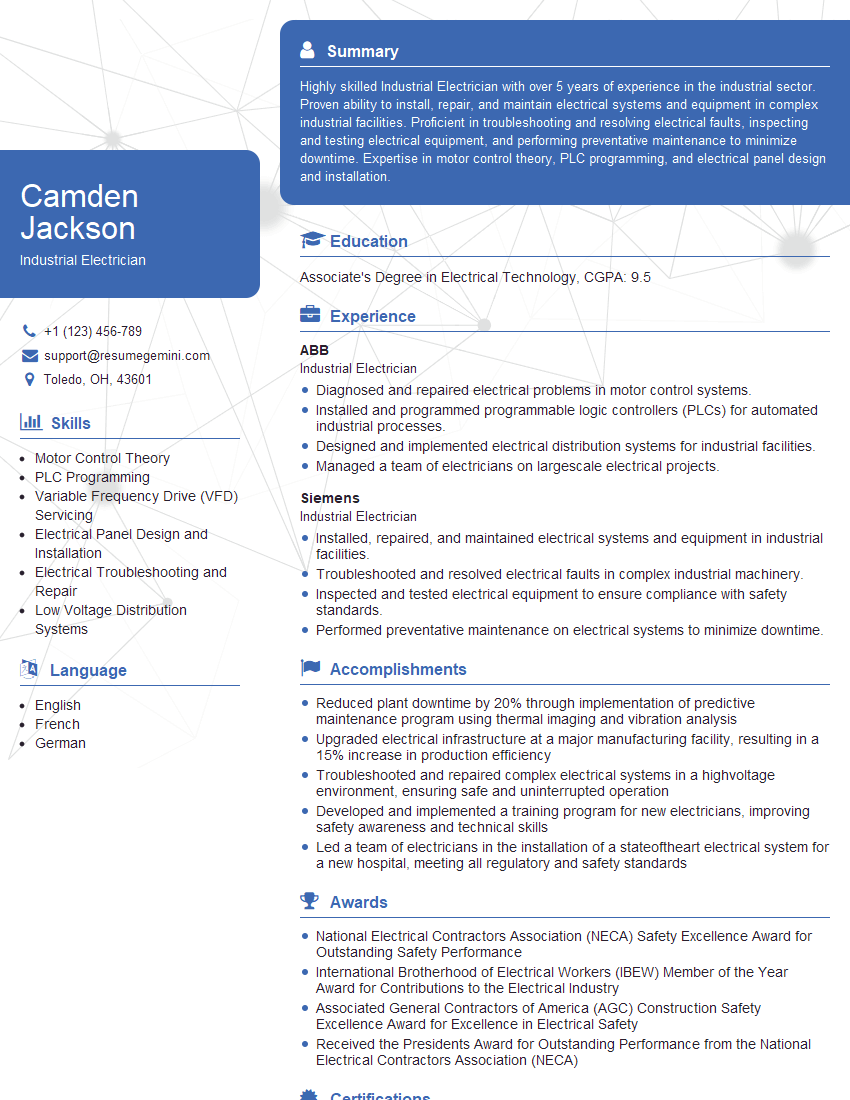
Industrial Electrician Resume Sample
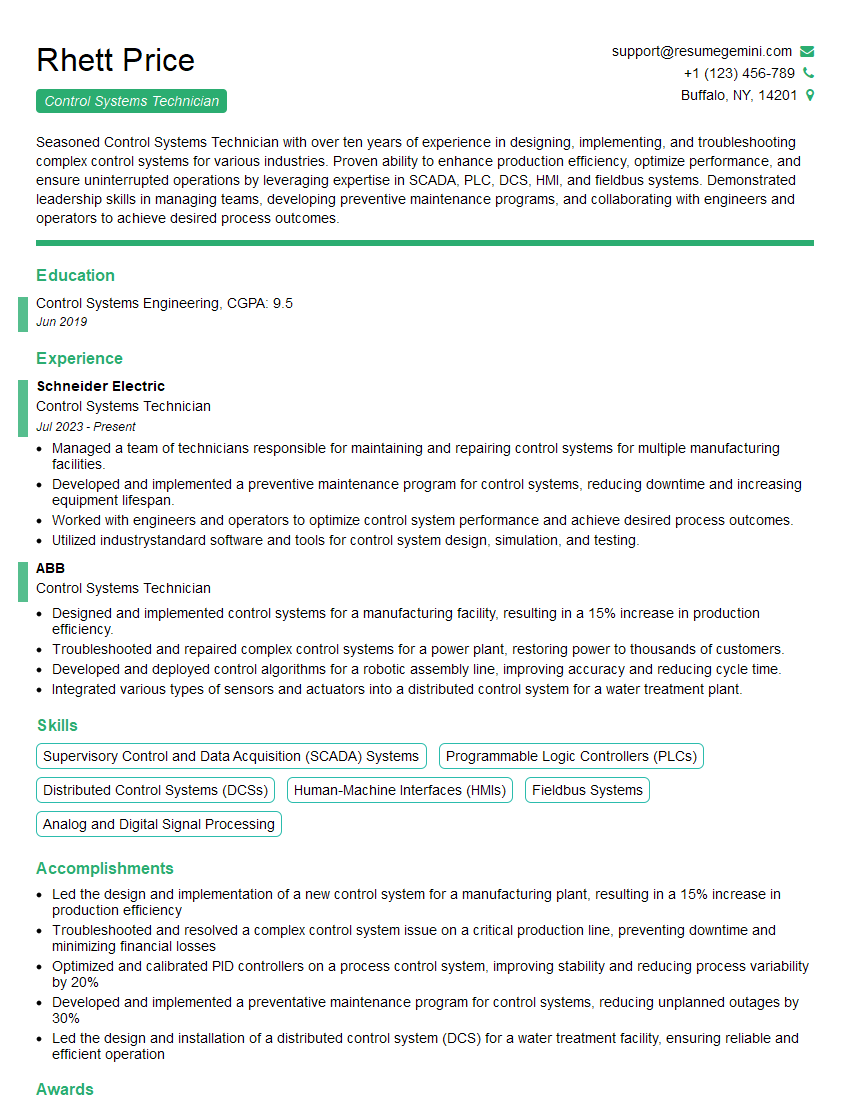
Control Systems Technician Resume Sample
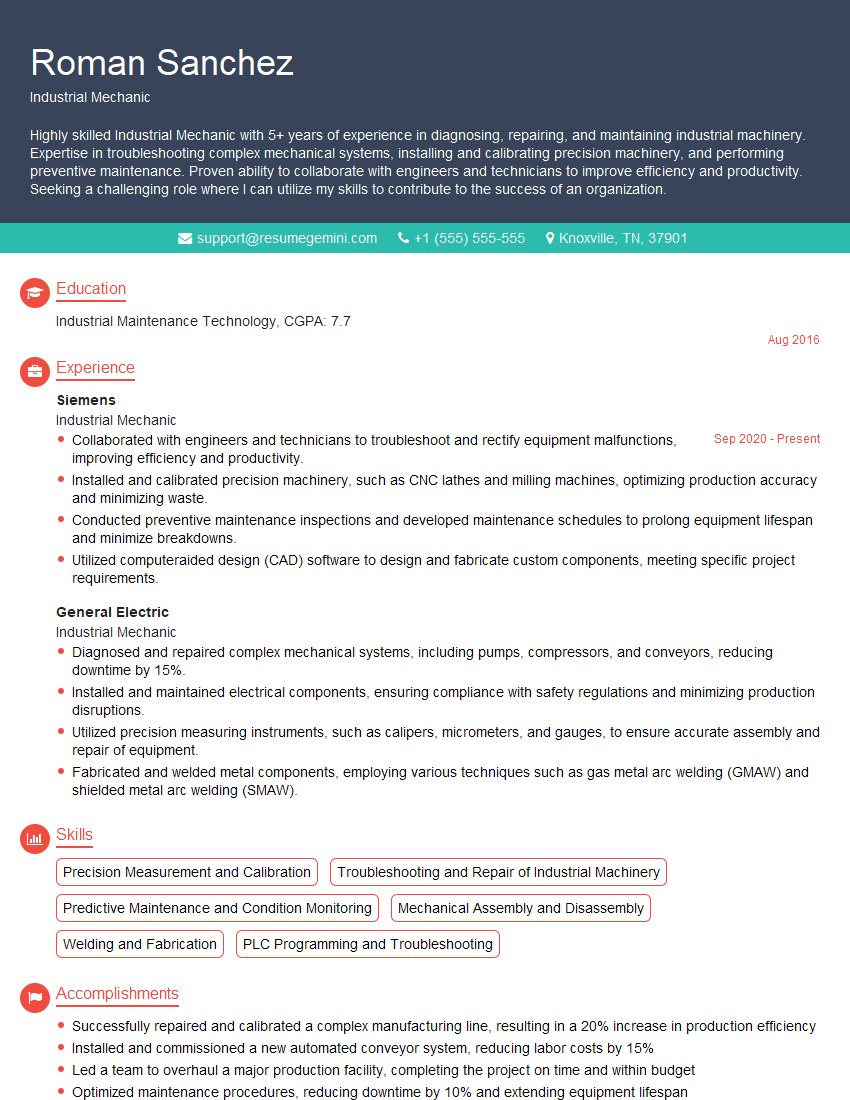
Industrial Mechanic Resume Sample
Explore more articles
Users Rating of Our Blogs
Share Your Experience
We value your feedback! Please rate our content and share your thoughts (optional).
What Readers Say About Our Blog
Really detailed insights and content, thank you for writing this detailed article.
IT gave me an insight and words to use and be able to think of examples