Every successful interview starts with knowing what to expect. In this blog, we’ll take you through the top Shelf Stocking interview questions, breaking them down with expert tips to help you deliver impactful answers. Step into your next interview fully prepared and ready to succeed.
Questions Asked in Shelf Stocking Interview
Q 1. Describe your experience with using a handheld scanner for inventory management.
Handheld scanners are essential tools for efficient inventory management in shelf stocking. They streamline the process of tracking stock levels, verifying product information, and updating inventory databases in real-time. My experience involves using scanners from various vendors, all with similar core functionalities but differing in features like screen size, battery life, and connectivity options (Wi-Fi, Bluetooth).
For example, in my previous role, I utilized a Zebra TC70 scanner to conduct cycle counts. This involved scanning each item on a shelf, and the scanner instantly compared the scanned data with the system’s inventory records. Any discrepancies were flagged, allowing for immediate correction of data and preventing stock inaccuracies. The scanner also facilitated the process of receiving new shipments, allowing me to quickly scan each product and confirm its arrival against the expected order quantities. This immediate feedback helps maintain accurate inventory levels.
Beyond basic scanning, some scanners offer features like barcode generation for internal tracking, data analysis dashboards to understand stock trends, and even integration with warehouse management systems (WMS) for complete supply chain visibility. I’m proficient in using these advanced features to optimize stocking procedures and improve overall efficiency.
Q 2. How do you prioritize tasks when stocking shelves with multiple products?
Prioritizing tasks when stocking shelves with multiple products requires a structured approach. My strategy centers around a combination of factors, prioritizing products based on:
- Demand: High-demand products, often those nearing sell-out or located in high-traffic areas, are prioritized to avoid stockouts and maintain customer satisfaction. Imagine a popular brand of cereal—it needs to be stocked first.
- Expiry Dates (FEFO): Products with shorter shelf lives (First Expired, First Out) take precedence to minimize waste. This is crucial for perishable items like milk or bakery goods.
- Location: Products located in highly visible or easily accessible areas are prioritized to ensure they are fully stocked. Items placed at eye level usually sell more, hence they need to be prioritized.
- Promotional Items: Products involved in current promotions or sales events require immediate stocking to capitalize on the marketing effort. These items get additional prioritization during peak times.
I often use a visual aid, like a prioritized list on a clipboard or a digital task management app, to stay organized and ensure that the most critical tasks are handled first.
Q 3. Explain your process for identifying and resolving out-of-stock situations.
Identifying and resolving out-of-stock situations is critical for maintaining customer satisfaction and sales. My process starts with proactive monitoring. This involves regularly checking shelves for empty spaces and using inventory management systems to identify products with low stock levels. The system will often send alerts for products close to zero stock.
Once an out-of-stock situation is identified, I immediately:
- Verify the Stock: I double-check the inventory system to confirm the out-of-stock status and ensure there isn’t a discrepancy between the physical stock and the system record.
- Check Backstock: I locate and retrieve the product from the backstock area if available.
- Communicate: I inform the appropriate personnel (e.g., supervisor, stock clerk) about the shortage and initiate a re-order process if necessary. In some cases, I may need to create a temporary solution like moving stock from a different location, or create a sign indicating the item will be available soon.
- Update System: Once the product is restocked, I update the inventory management system to reflect the corrected stock levels.
By combining proactive monitoring with a structured response procedure, I ensure that out-of-stock situations are addressed efficiently and effectively, minimizing customer frustration and potential lost sales.
Q 4. How do you ensure proper product rotation (FIFO/FEFO)?
Proper product rotation, following the FIFO (First In, First Out) or FEFO (First Expired, First Out) method, is crucial for minimizing waste and maintaining product freshness. My approach involves a combination of visual checks and systematic organization.
For FIFO, I ensure that older products are placed in front of newer products on the shelves. This is like a queue—the oldest item is served first. When restocking, I place the new stock behind the existing stock, pushing the older products forward. For FEFO, I use expiry dates as the primary guide, always placing products with the earliest expiry dates at the front, ensuring their consumption before they expire.
I also regularly check expiry dates and remove expired or nearing-expiry products promptly, preventing waste and potential health hazards. In some cases, specific systems have been implemented to organize the shelves and flag items nearing their expiration date.
Q 5. What is your approach to maintaining shelf cleanliness and organization?
Maintaining shelf cleanliness and organization is paramount for creating a positive shopping experience and ensuring product visibility. My approach is multifaceted:
- Regular Cleaning: I perform regular cleaning, dusting, and sweeping of shelves and surrounding areas, removing any debris or spills.
- Straightening and Facing: I consistently straighten and face products to ensure they are neatly arranged and easily visible to customers. This includes ensuring the labels are facing outward, with no gaps or empty spaces between products.
- Damage Control: I immediately remove or report any damaged or incorrectly labeled products. This helps maintain a high standard of presentation and reduces potential customer complaints.
- Signage: I ensure proper signage and price tags are in place, clearly indicating product information and pricing. This makes the shopping experience smoother and more pleasant.
I view shelf cleanliness and organization not just as a task, but as a crucial element in boosting sales and creating a welcoming environment for shoppers. A clean and organized shelf is more appealing and can even influence a customer’s purchasing decision.
Q 6. Describe your experience with facing and straightening products on shelves.
Facing and straightening products is a core component of shelf stocking that directly impacts customer experience and sales. It involves ensuring that all products are neatly aligned, with labels facing outward and the shelves looking full and visually appealing.
My process includes:
- Removing Damaged Products: I start by removing any damaged, expired, or misplaced items.
- Filling Gaps: I fill in any gaps or empty spaces on the shelves by carefully placing products in their designated spots.
- Aligning Products: I neatly align all products, ensuring they are straight and evenly spaced.
- Checking Labels: I confirm that all labels are facing outward, allowing for easy readability and product identification.
- Maintaining Shelf Integrity: I take care not to overstock shelves, compromising the structure of the shelves.
I use a systematic approach, moving from one section of the shelf to another, ensuring consistency in presentation across the entire shelf. Facing and straightening not only enhance the visual appeal of the store but also make it easier for customers to locate the products they are looking for, leading to increased sales and improved customer satisfaction.
Q 7. How do you handle damaged or expired products?
Handling damaged or expired products requires a systematic approach to minimize waste and prevent potential health or safety issues. My process involves:
- Identification: I regularly inspect products for any signs of damage (dents, tears, etc.) or check expiry dates to identify expired or nearing-expiry items.
- Removal: I immediately remove damaged or expired products from the shelves to prevent customer purchase of unsuitable items.
- Segregation: I segregate these products from sellable items, placing them in a designated area for disposal or return.
- Documentation: Depending on company policy, I document the removal of these items, noting the quantity, reason for removal (damage, expiry), and the date.
- Disposal/Return: I follow established procedures for disposing of or returning the damaged or expired products to the supplier, ensuring compliance with company and regulatory guidelines.
In some cases, damaged products might be salvaged if possible— for example, repackaging or discounted sales. However, I prioritize safety and regulatory compliance, ensuring that any product unfit for consumption or sale is removed promptly and correctly disposed of or returned to the supplier.
Q 8. What is your experience with planograms and how you implement them?
Planograms are visual diagrams that show the ideal placement of products on shelves. They’re crucial for maximizing sales and creating a positive customer experience. My experience involves receiving, understanding, and accurately implementing these planograms. This includes carefully analyzing the diagram, noting product facing (how many units are visible to the customer), shelf height assignments, and any promotional displays indicated. I then meticulously check the stockroom to ensure I have the correct quantities and variations of each product, prior to starting my work. I use the planogram as a blueprint, ensuring each product is in its designated spot. For example, if a planogram shows a specific arrangement of breakfast cereals—starting with low-sugar options on the top shelf and moving to higher-sugar options on the lower shelves—I adhere to that precisely. Any discrepancies are noted and communicated to my supervisor immediately. Furthermore, I take before and after pictures to document the process for quality control purposes.
Q 9. How do you manage a high-volume stocking workload efficiently?
Managing a high-volume stocking workload efficiently requires a structured approach. It’s like running a well-oiled machine—every action needs to be purposeful. I start by prioritizing high-demand products and those nearing depletion, ensuring essential items remain consistently available. I utilize a ‘wave’ system, working on one section of the store at a time. For instance, I might tackle the dairy aisle first during a morning rush. Additionally, I optimize my movements by using a stocking cart that allows me to carry more items per trip. I frequently communicate with team members, ensuring a balanced workload and effective collaboration, avoiding duplication of effort. If a shelf has a particularly high turnover, I might coordinate with a fellow stocker to maintain that section continuously throughout the day. Finally, I regularly check my progress against my assigned tasks and adjust my strategy as needed, making sure not to get behind schedule.
Q 10. Explain your understanding of safety procedures in a warehouse or retail environment.
Safety is paramount in any warehouse or retail setting. My understanding encompasses several key areas. First, I always prioritize proper lifting techniques to avoid injuries; using my legs to lift, keeping the load close to my body and asking for help with overly heavy items. I wear appropriate footwear and stay aware of my surroundings, avoiding obstacles and spills. I am diligent in following all company safety protocols and reporting any hazards immediately—such as damaged shelving, wet floors, or faulty equipment. Furthermore, I am trained in the use of safety equipment such as ladders and pallet jacks, adhering to all manufacturer guidelines. I understand the importance of maintaining a clean and organized work area and ensuring that walkways are always clear. Ultimately, my commitment to safety ensures the well-being of both myself and my colleagues. For instance, I’d never attempt to retrieve an item from a high shelf without a properly inspected and stable ladder.
Q 11. How do you work effectively as part of a team during busy periods?
During busy periods, effective teamwork is essential. I believe in open communication and collaboration. This means readily communicating my progress, assisting colleagues where needed, and proactively offering support. For example, if I see a teammate struggling with a particularly large shipment, I’ll immediately offer help. I actively listen to team assignments and adapt my workflow to assist in areas where there are immediate needs. Effective teamwork doesn’t just mean doing my job well but also supporting the overall success of the team, making sure we collectively meet all our goals in a timely fashion. This might include helping restock a quickly emptying shelf, even if it isn’t in my designated area. A strong team spirit leads to much smoother and more efficient operations.
Q 12. What is your experience with using a ladder or other lifting equipment?
I have extensive experience using ladders and other lifting equipment. Before using any equipment, I always conduct a thorough safety check—ensuring the ladder is stable, secure, and free from damage, for instance. I follow all safety guidelines provided by the manufacturer and the company. When using a ladder, I maintain three points of contact at all times. I am equally proficient with other lifting equipment, such as pallet jacks and hand trucks, which I use following the appropriate safety procedures. I always remember that safety is paramount and any shortcuts can have serious consequences. For example, I would never overload a hand truck; it might be tempting to hurry during rush hour, but it isn’t worth the risk of injury.
Q 13. How do you handle customer interactions while stocking shelves?
Handling customer interactions while stocking shelves requires a balance of efficiency and courtesy. I always make an effort to acknowledge customers with a smile and a brief greeting even while concentrating on my work. If a customer has a question or needs assistance, I stop what I’m doing to help them find a product or answer their query as quickly as possible. If I’m unable to immediately assist them, I inform them of that and will direct them to a colleague who can help. My aim is to provide helpful and courteous service without significantly delaying my stocking tasks. It’s about prioritizing good customer service without sacrificing efficiency. I think of it as multitasking, weaving friendly interaction into my workflow.
Q 14. Describe a time you had to troubleshoot a shelving issue.
I once encountered an issue where a section of shelving had become unstable due to damage. I noticed that several shelves were slightly bowed and products were starting to lean precariously. Instead of simply continuing my work, I immediately reported the issue to my supervisor. We then followed the established procedures to address the problem, which involved temporarily removing all the products from the affected section. A maintenance team member then assessed the damage and repaired the shelving. It reinforced the importance of being vigilant and reporting any potential safety concerns immediately. Quick action prevented a potential hazard and maintained a safe environment for both customers and staff. It showcased my commitment to workplace safety and proactive problem-solving.
Q 15. What are some common challenges you encounter during shelf stocking and how do you overcome them?
Shelf stocking, while seemingly straightforward, presents several challenges. One common issue is dealing with out-of-stock items. Customers expect products to be readily available, so empty shelves are a major problem. I overcome this by diligently checking inventory levels, prioritizing restocking high-demand items, and communicating effectively with management about low stock situations. Another challenge is product placement. Incorrect placement can lead to lost sales and customer frustration. I address this by carefully following planograms (visual diagrams showing product placement) and ensuring products are easily accessible and visually appealing. Finally, time constraints are a significant factor; there’s often a lot to do in a short timeframe. To overcome this, I prioritize tasks, work efficiently, and use tools like inventory management software to streamline processes.
For instance, during a recent busy holiday season, we were severely low on holiday-themed wrapping paper. By immediately reporting this to my supervisor, we expedited the restocking order, minimizing lost sales during a crucial period. I also learned to strategically place the most popular wrapping paper designs at eye level to optimize visibility and sales.
Career Expert Tips:
- Ace those interviews! Prepare effectively by reviewing the Top 50 Most Common Interview Questions on ResumeGemini.
- Navigate your job search with confidence! Explore a wide range of Career Tips on ResumeGemini. Learn about common challenges and recommendations to overcome them.
- Craft the perfect resume! Master the Art of Resume Writing with ResumeGemini’s guide. Showcase your unique qualifications and achievements effectively.
- Don’t miss out on holiday savings! Build your dream resume with ResumeGemini’s ATS optimized templates.
Q 16. How familiar are you with different types of shelving units and their best uses?
My experience encompasses a variety of shelving units, each with its own strengths and weaknesses. Gondola shelving is the most common type; its adjustable shelves make it versatile for various product sizes and displays. I find it ideal for maximizing space and product visibility in supermarkets and retail stores. Wall shelving is great for showcasing promotional items or products at eye level. However, it’s less space-efficient than gondolas. Gravity flow shelving utilizes a sloping design to automatically move products forward, ideal for high-volume inventory and reducing stockouts. I’ve worked with this type in warehouses and distribution centers. Finally, pallet racking is crucial for storing large quantities of goods in warehouses. These are essential for bulk storage and efficient order fulfillment. The choice of shelving depends on the type of product, available space, and inventory management strategies.
Q 17. What is your experience with receiving and processing incoming shipments?
Receiving and processing incoming shipments is a critical part of my role. It involves verifying the quantity and condition of incoming products against delivery manifests. This includes checking for damaged goods, verifying product codes and expiry dates, and ensuring that the quantity received matches the order placed. I then organize the products, often using pallet jacks or other equipment depending on the volume, and then move them to their designated storage areas before starting the stocking process. Proper documentation of the entire process is crucial for inventory accuracy and traceability, and I’m meticulous about keeping detailed records. Discrepancies are immediately reported to the relevant team for resolution. I’ve become proficient in using inventory management systems to track incoming shipments and update stock levels.
For example, I once discovered a shipment of canned goods with dented cans. I immediately documented this, took photos, and contacted the supplier to initiate a return and replacement process. This prevented damaged goods from reaching the shelves and potentially causing complaints.
Q 18. How do you ensure accurate inventory counts while stocking shelves?
Accurate inventory counts are vital for efficient stock management. I follow a systematic approach that includes both visual checks and inventory management software. While stocking, I visually verify the quantity of each product placed on the shelves, cross-referencing with delivery manifests. Our inventory software helps track stock levels in real-time, allowing me to quickly identify discrepancies. Regular cycle counts (checking a small section of inventory at a time) are conducted to ensure accuracy. This helps to identify and address potential issues before they become major problems. At the end of each stocking shift, I reconcile the physical stock with the electronic inventory, reporting any differences. I use a handheld scanner to update the inventory system as I go, ensuring real-time accuracy.
Q 19. Describe your experience with using a pallet jack or forklift (if applicable).
I am proficient in operating a pallet jack and have some experience with a forklift. Safety is my top priority when using these machines. I have completed all required safety training and always follow established safety protocols. The pallet jack is my everyday tool for moving pallets around the warehouse and to the shelves. It’s crucial for efficient movement of heavy loads. Forklift operation requires more training and is typically used for higher-level tasks such as stacking pallets in high-reach storage areas. I always prioritize safe operating procedures, regularly inspect the equipment, and adhere to weight limits.
Using a pallet jack safely involves assessing the floor condition, ensuring stable footing before operating and using appropriate lifting techniques. With a forklift, pre-operation checks, such as inspecting hydraulic fluids and tire pressure are crucial.
Q 20. How do you stay organized and maintain a clean workspace?
Maintaining an organized and clean workspace is essential for efficiency and safety. I follow a ‘clean as you go’ philosophy. This means putting items back in their designated areas, immediately removing any debris or packaging, and keeping aisles clear. At the end of each shift, I perform a more thorough cleanup, sweeping the floor and ensuring all equipment is properly stored. Using a designated area for each type of product prevents clutter and streamlines the stocking process. This simple system minimizes the time spent searching for items and reduces the risk of accidents.
Q 21. How do you handle discrepancies between inventory records and physical stock?
Discrepancies between inventory records and physical stock are handled systematically. First, I verify the discrepancy by recounting the physical stock. I then investigate possible causes, such as inaccurate recording, damaged goods, theft, or stock rotation issues. Once the cause is identified, I take corrective action. This may involve adjusting inventory records, removing damaged goods, or initiating an investigation if theft is suspected. Accurate documentation of the entire process is crucial for tracking and preventing future occurrences. In many cases, a thorough recount followed by careful reconciliation against the inventory management system is all that’s needed to solve the discrepancies. This systematic approach ensures accuracy in the inventory system.
Q 22. What strategies do you use to prevent stockouts?
Preventing stockouts is crucial for maintaining customer satisfaction and sales. My strategy involves a multi-pronged approach focusing on accurate forecasting, efficient inventory management, and proactive communication.
Accurate Forecasting: I analyze sales data to predict demand fluctuations. For example, I noticed a significant spike in sales of sunscreen during summer months, so I adjusted ordering accordingly to avoid running out.
Efficient Inventory Management: I regularly check stock levels, using both physical inventory counts and the store’s inventory management system. This allows me to identify low-stock items early and initiate re-ordering processes promptly. I’m familiar with various inventory management techniques, such as FIFO (First-In, First-Out) and JIT (Just-In-Time) inventory.
Proactive Communication: I maintain open communication with the stockroom and management team to ensure timely replenishment. This includes reporting any discrepancies, potential stockouts, or unusual demand patterns.
By combining these strategies, I minimize the risk of stockouts and ensure product availability for customers.
Q 23. How do you adapt to changing priorities and unexpected situations?
Adaptability is key in shelf stocking. I handle changing priorities and unexpected situations by prioritizing tasks, seeking clarification when needed, and remaining flexible.
Prioritization: If a sudden sale requires immediate shelf adjustments, I prioritize that task over routine stocking. I use a system of urgency and importance to determine the order of tasks.
Seeking Clarification: If instructions are unclear or a new product requires special handling, I don’t hesitate to ask for clarification from my supervisor to ensure I’m following the correct procedures and avoid making costly mistakes.
Flexibility: I understand that unexpected events, such as a damaged shipment or a sudden increase in customer traffic, can disrupt the schedule. I adapt by reorganizing my workflow and prioritizing tasks to maintain efficiency. For example, I might ask a colleague for assistance during peak hours.
Essentially, my approach is to remain calm, assess the situation, and proactively find solutions to maintain a smooth workflow.
Q 24. What is your experience with various types of retail products (e.g., grocery, clothing, hardware)?
My experience spans various retail environments, including grocery, clothing, and hardware stores. Each category presents unique challenges and requires specific knowledge.
Grocery: I’m experienced in managing perishable goods, ensuring proper rotation using FIFO (First-In, First-Out) to minimize waste and maintain freshness. I’m also adept at handling different temperature requirements for various products.
Clothing: I understand the importance of visual merchandising and product presentation. This involves organizing clothing by size, color, and style, ensuring a neat and appealing display for customers.
Hardware: I have experience handling bulky and heavy items, ensuring safe and efficient stacking to prevent accidents and maximize storage space. I also understand the importance of proper labeling and organization in a hardware setting.
This diverse background has equipped me with a versatile skillset adaptable to different retail environments.
Q 25. How do you ensure product placement complies with company standards and regulations?
Compliance with company standards and regulations is paramount. I meticulously follow planograms (visual diagrams showing product placement) and ensure that all products are correctly labeled and priced.
Planogram Adherence: I carefully refer to planograms to ensure that products are placed in the designated locations, facing forward, and at the correct shelf height. This maximizes visibility and sales.
Labeling and Pricing: I verify that all products are accurately labeled with the correct price and any necessary warnings or information. Inaccurate pricing can lead to customer dissatisfaction and financial losses.
Regular Audits: I proactively check for discrepancies and report any issues immediately. This ensures the shelf is always in compliance with company standards.
My commitment to accuracy ensures a positive shopping experience and avoids potential legal or financial issues for the company.
Q 26. Describe your experience with maintaining a safe and efficient workflow.
Maintaining a safe and efficient workflow involves following safety procedures, organizing the workspace, and utilizing best practices for handling various products.
Safety Procedures: I always use proper lifting techniques to prevent injuries. I’m aware of safety regulations regarding stacking heights and use appropriate safety equipment when handling hazardous materials.
Workspace Organization: I keep the work area clean and organized, removing any obstacles that could cause accidents. This includes properly disposing of waste and ensuring clear pathways for movement.
Efficient Practices: I optimize my workflow by utilizing tools and equipment efficiently, and I proactively identify and address any potential bottlenecks.
A safe and organized workspace contributes to increased productivity and reduces the risk of accidents.
Q 27. How do you prioritize tasks when facing multiple deadlines?
When faced with multiple deadlines, I prioritize tasks based on urgency and importance using a system I call the ‘Urgency-Importance Matrix’.
Urgent and Important: These tasks are addressed immediately, such as restocking high-demand items before they sell out.
Important but Not Urgent: These are scheduled for later, such as organizing a slow-moving section, to ensure overall efficiency.
Urgent but Not Important: These tasks are delegated if possible or quickly handled to avoid bottlenecks, such as addressing a minor spill.
Not Urgent and Not Important: These are postponed unless they become more urgent or important.
This matrix helps me manage my time effectively and ensure all deadlines are met.
Q 28. What are your strengths and weaknesses related to shelf stocking?
My strengths lie in my attention to detail, my ability to work efficiently under pressure, and my proactive approach to problem-solving. I’m also adaptable and quick to learn new procedures.
One area I am continuously working on is my delegation skills. While I can manage many tasks simultaneously, effectively delegating certain aspects to colleagues could improve overall team efficiency. I’m actively seeking opportunities to enhance this aspect of my skillset.
Key Topics to Learn for Your Shelf Stocking Interview
- Product Organization and Placement: Understanding principles of efficient shelf organization, including facing, zoning, and planogramming. Consider how you would prioritize products based on sales data or company guidelines.
- Inventory Management: Discuss your experience with stock rotation (FIFO/FEFO), identifying low-stock items, and ensuring product availability. Think about how you’d handle discrepancies between physical inventory and system records.
- Safety and Compliance: Explain your understanding of workplace safety regulations, proper lifting techniques, and procedures for handling damaged or expired goods. Describe how you maintain a safe and organized working environment.
- Customer Service and Teamwork: Highlight your ability to work collaboratively with colleagues, maintain a positive attitude, and contribute to a productive team environment. Consider how your skills contribute to a positive customer experience (e.g., assisting customers, answering questions).
- Efficiency and Time Management: Describe strategies for maximizing productivity and completing tasks efficiently within time constraints. Consider scenarios where you had to prioritize tasks or manage unexpected interruptions.
- Technology and Equipment: Demonstrate familiarity with relevant technologies (e.g., scanners, inventory management software). Explain how you adapt to new technologies and utilize them effectively.
Next Steps
Mastering shelf stocking skills opens doors to various roles within retail and logistics, offering opportunities for advancement and skill development. To significantly improve your job prospects, create an ATS-friendly resume that highlights your key achievements and relevant skills. ResumeGemini is a trusted resource to help you build a professional and impactful resume that gets noticed. We provide examples of resumes tailored to the Shelf Stocking role to guide you. Take advantage of these resources and present yourself confidently in your interview!
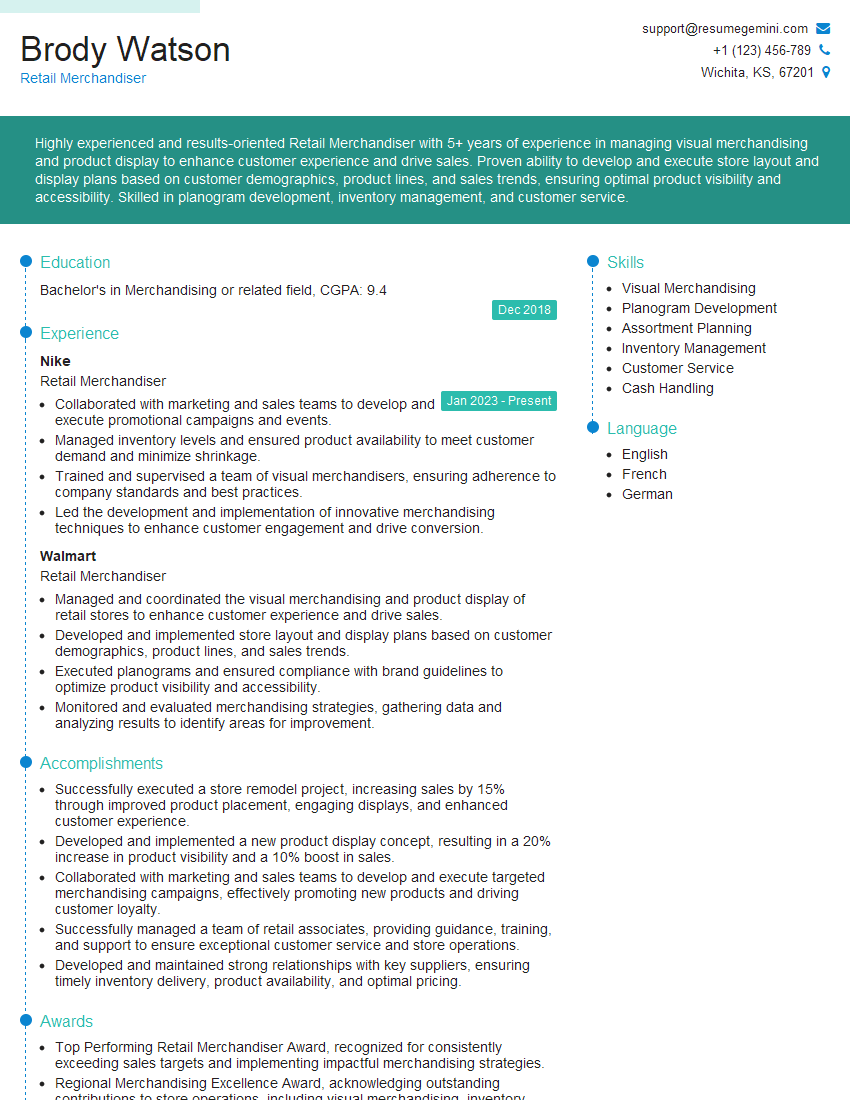
Retail Merchandiser Resume Sample
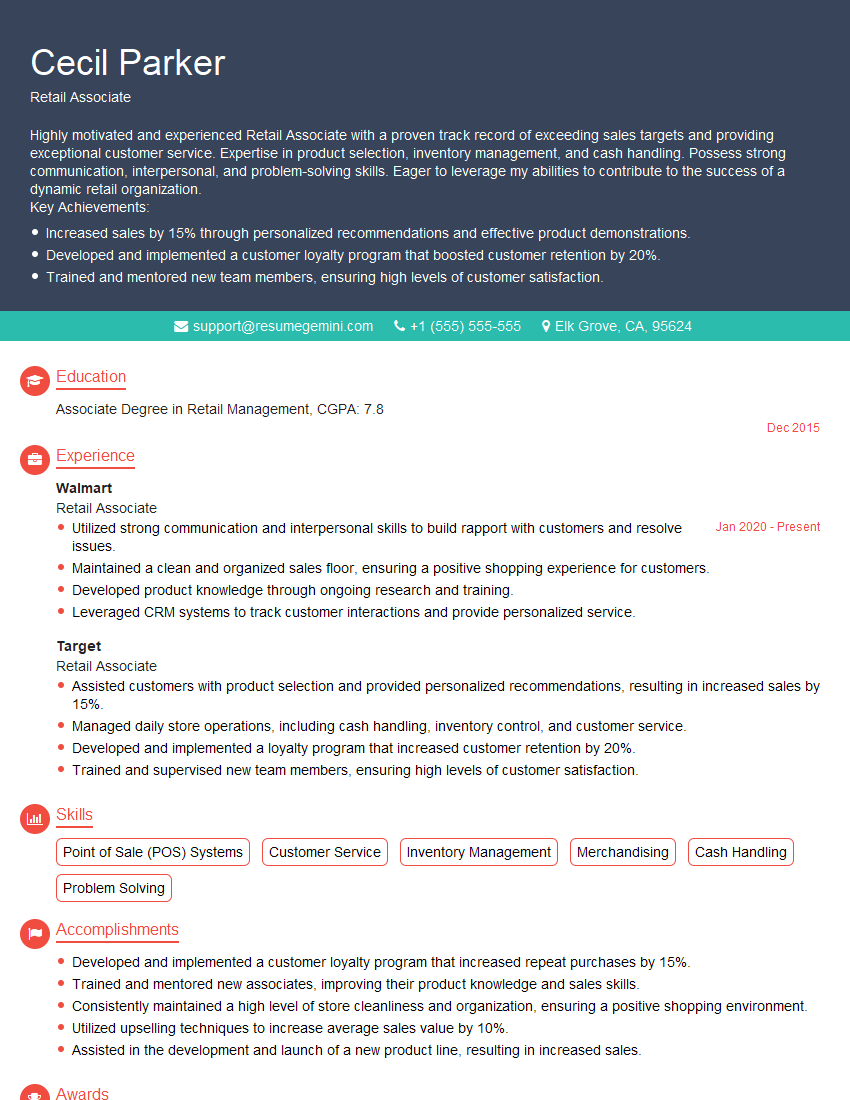
Retail Associate Resume Sample
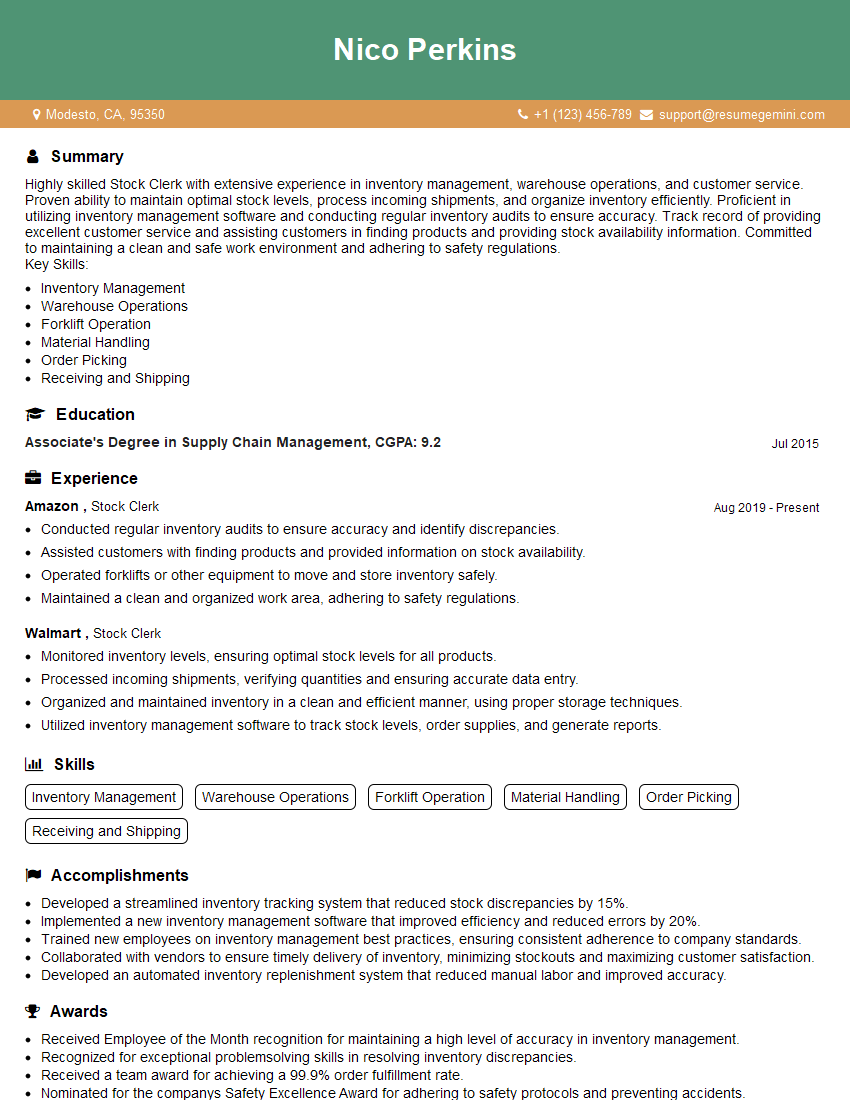
Stock Clerk Resume Sample
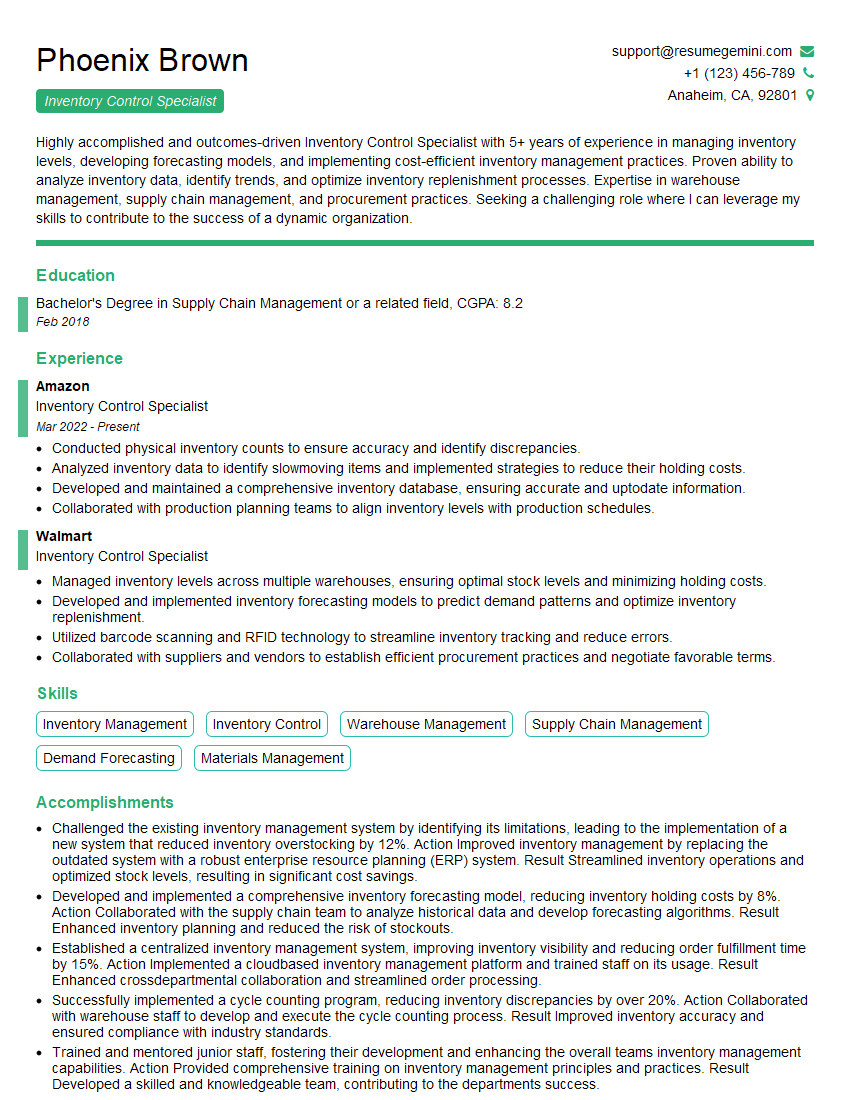
Inventory Control Specialist Resume Sample
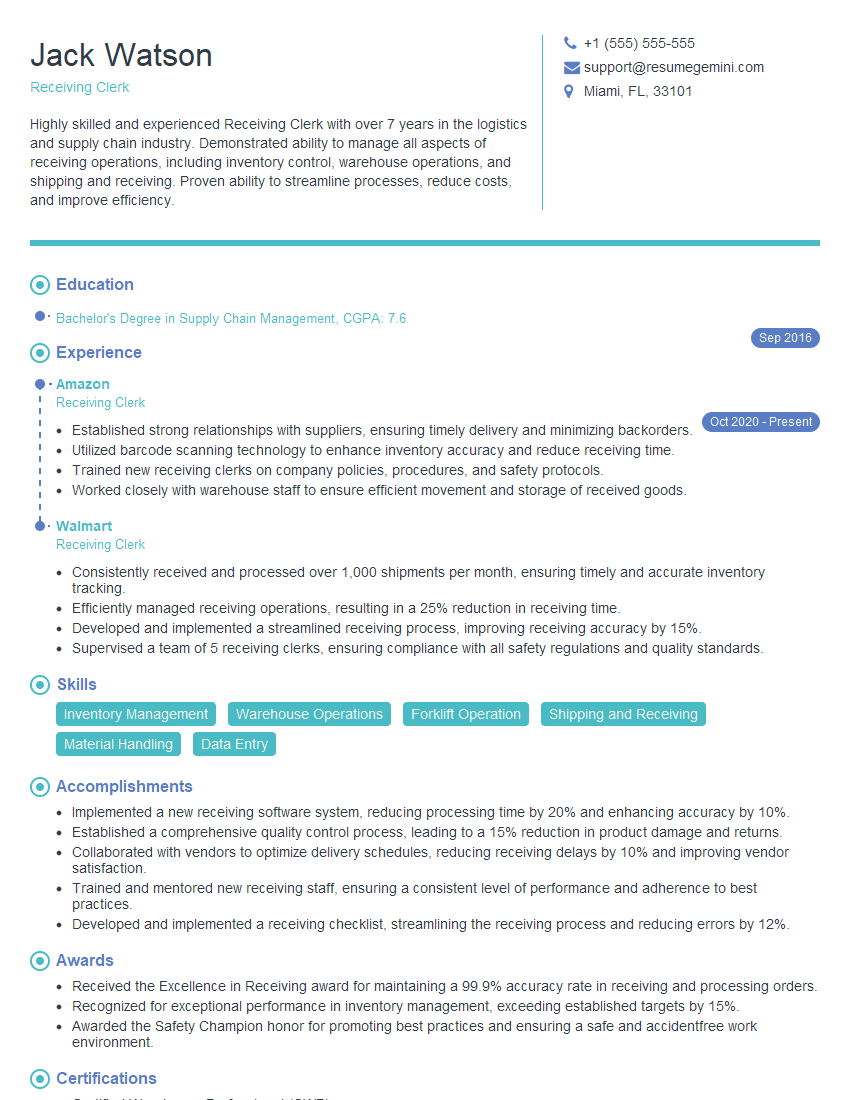
Receiving Clerk Resume Sample
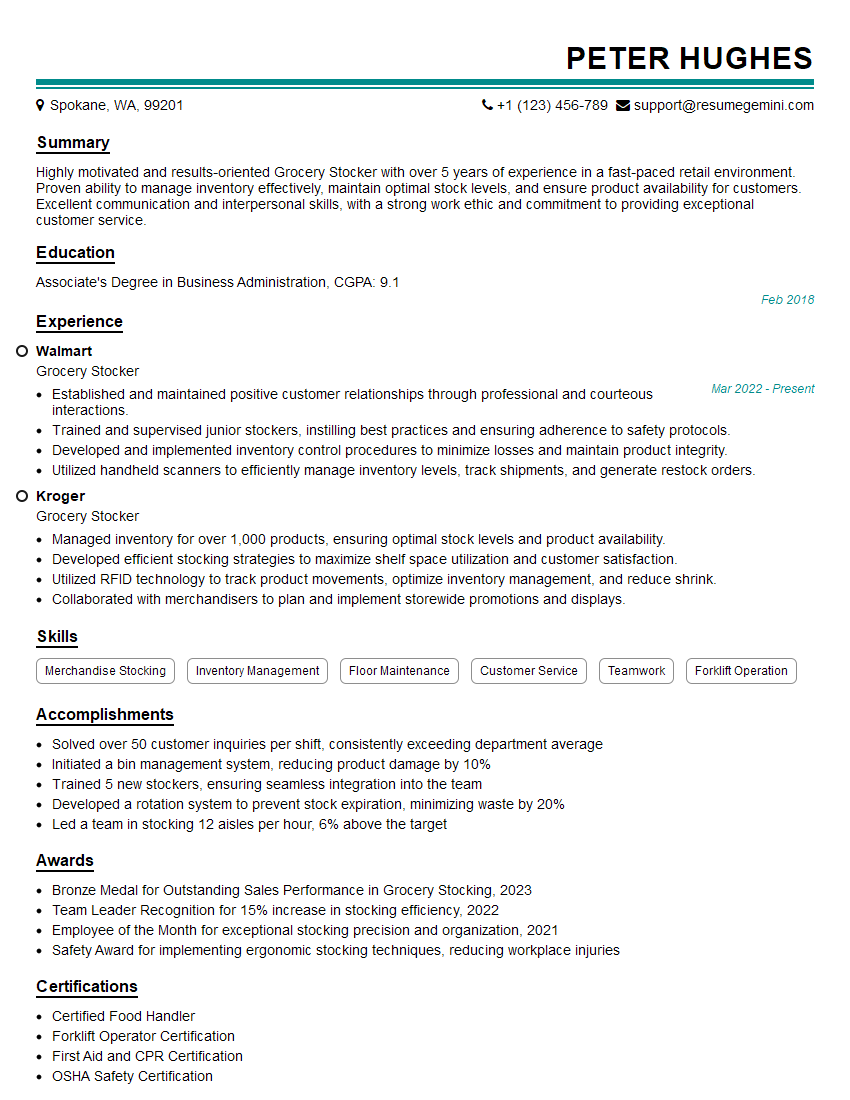
Grocery Stocker Resume Sample
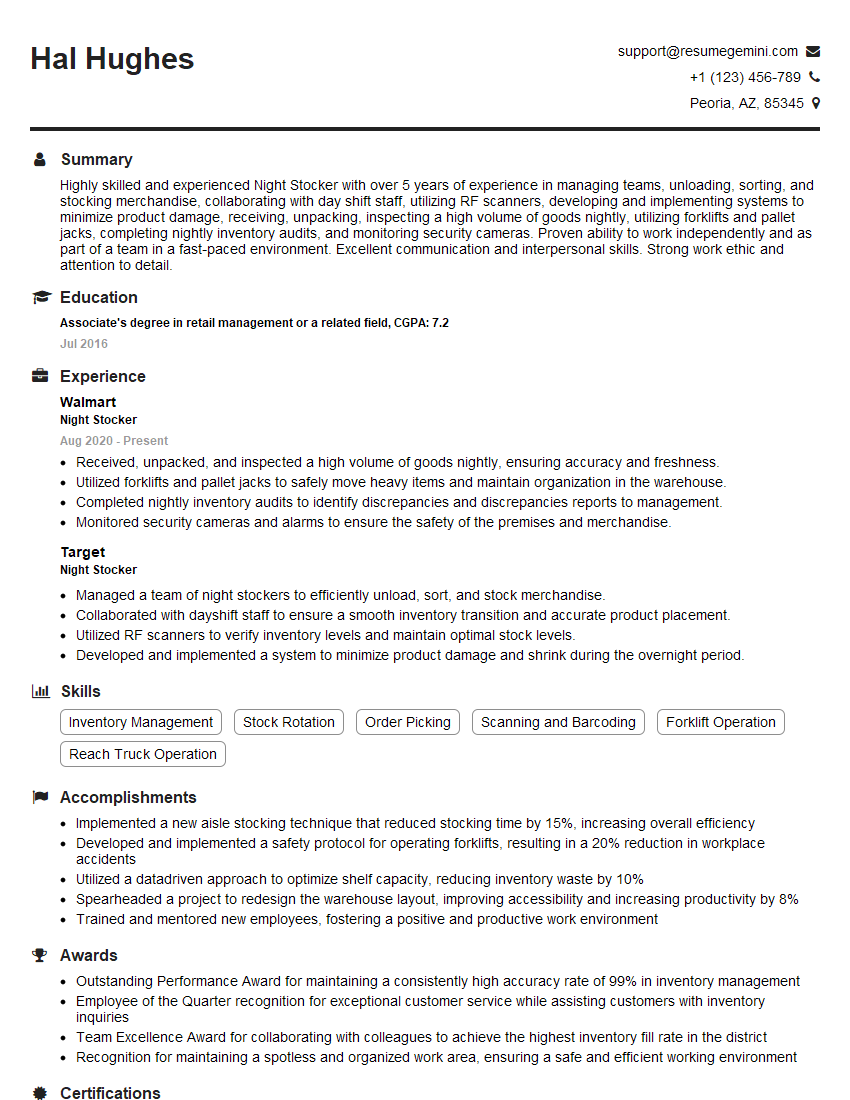
Night Stocker Resume Sample
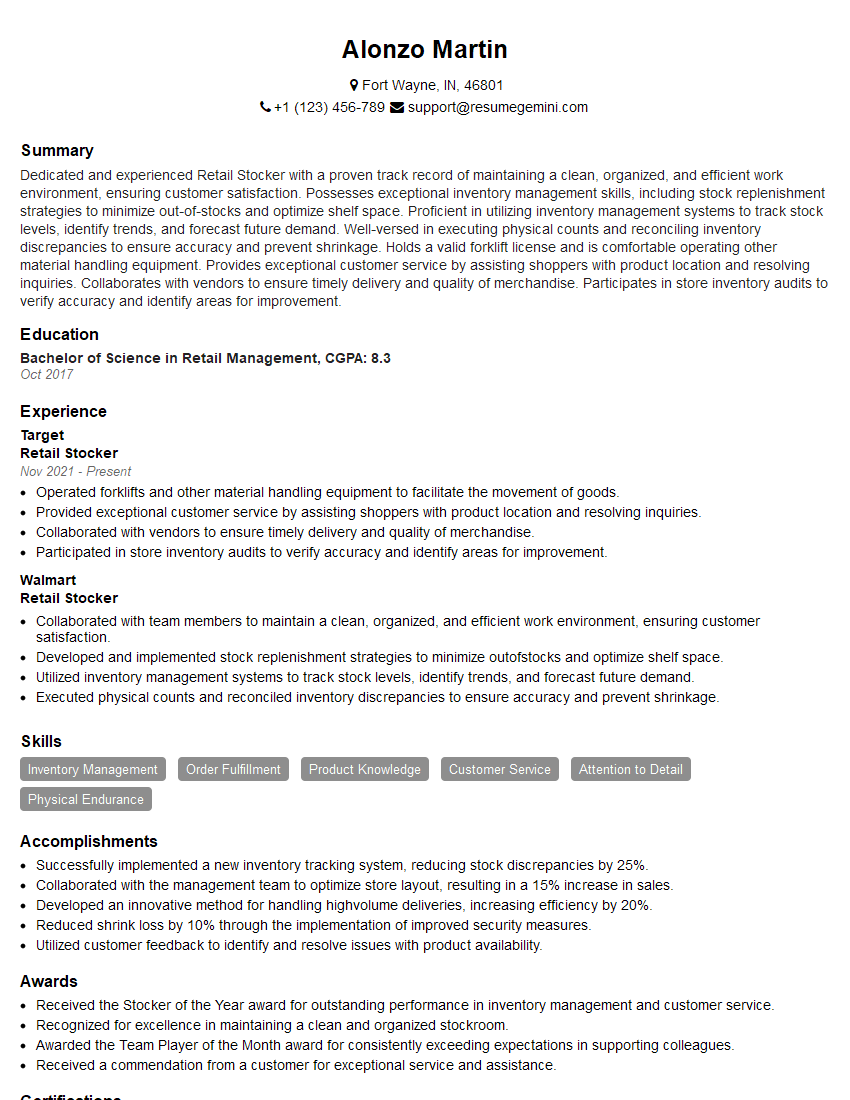
Retail Stocker Resume Sample
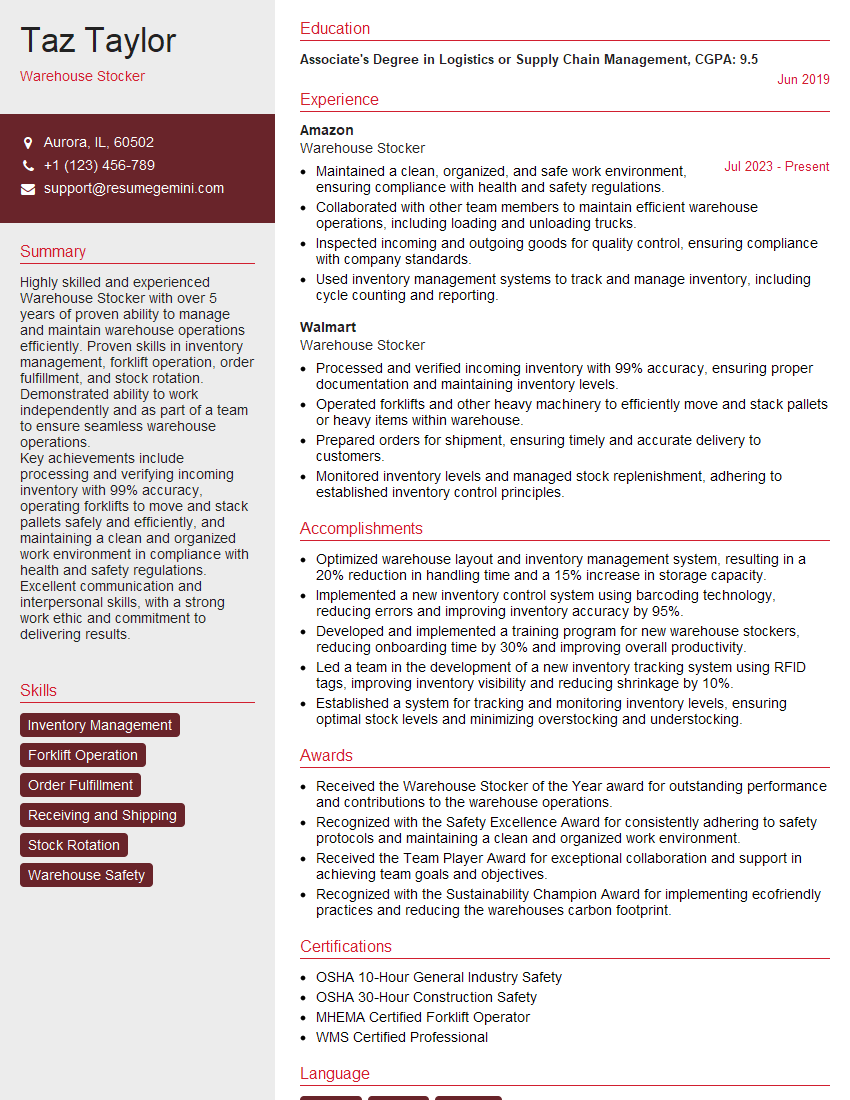
Warehouse Stocker Resume Sample
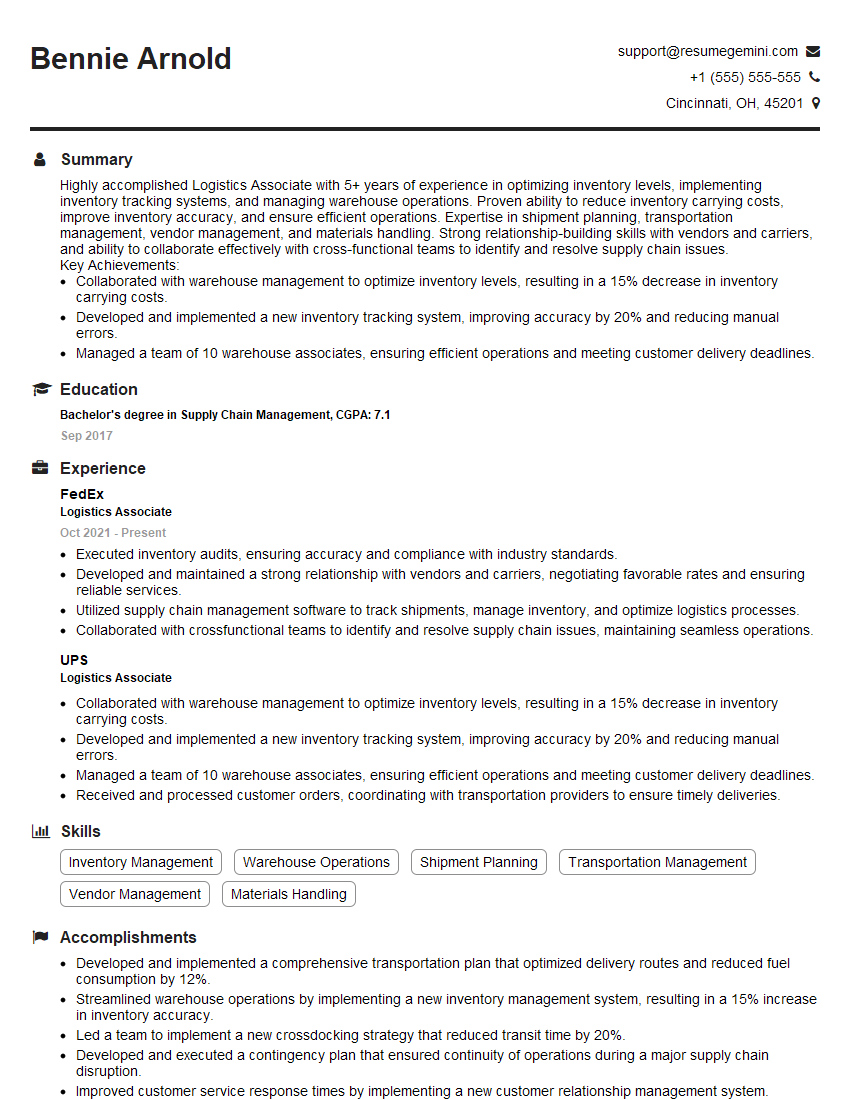
Logistics Associate Resume Sample
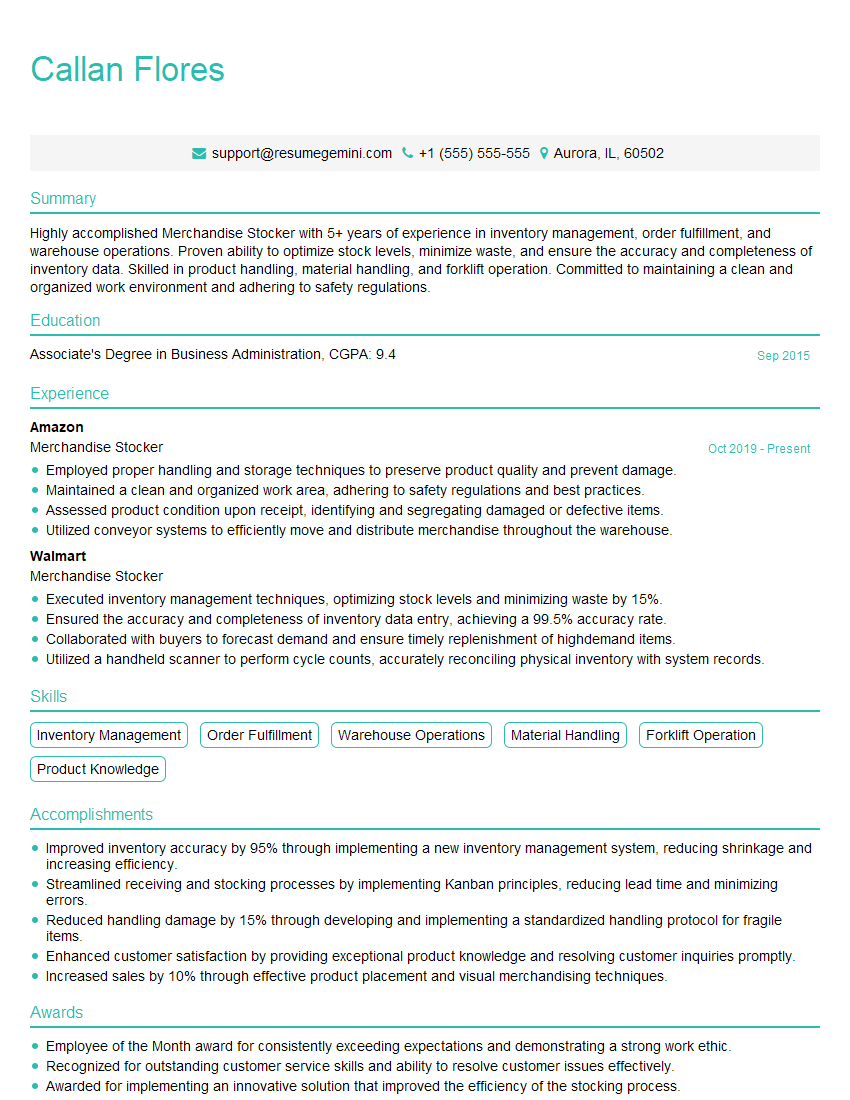
Merchandise Stocker Resume Sample
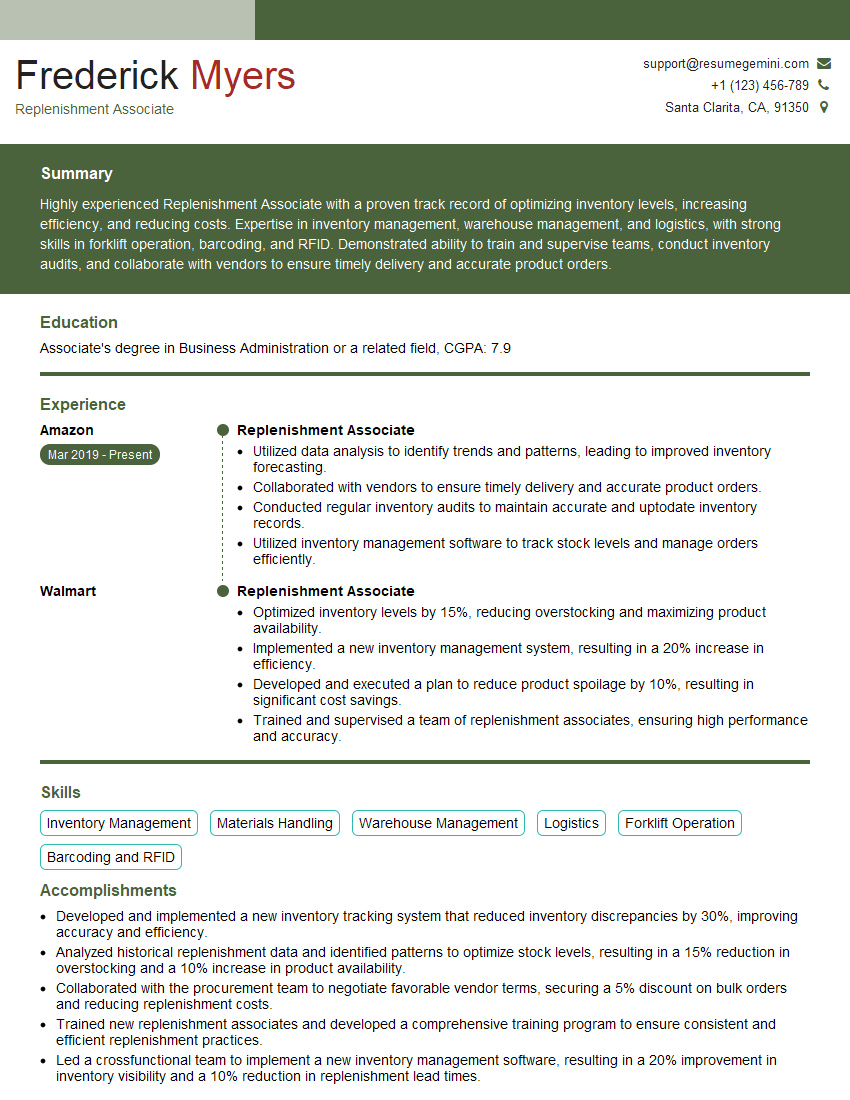
Replenishment Associate Resume Sample
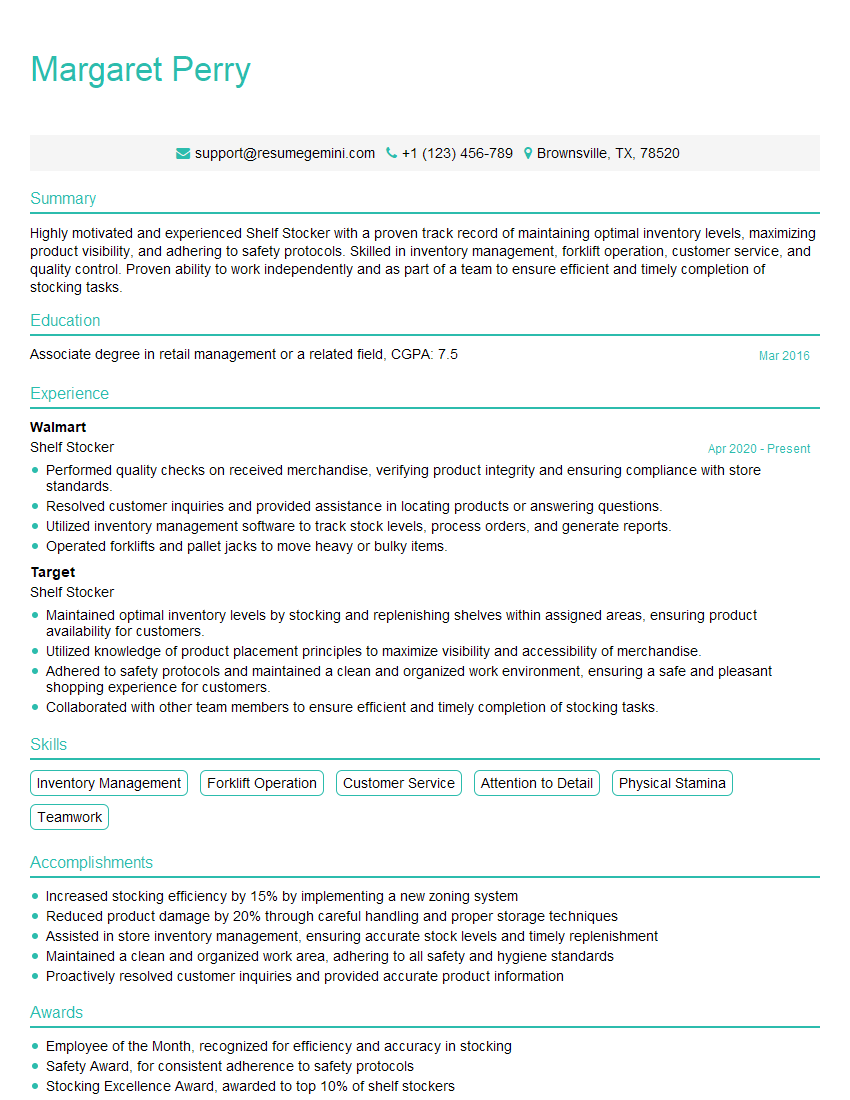
Shelf Stocker Resume Sample
Explore more articles
Users Rating of Our Blogs
Share Your Experience
We value your feedback! Please rate our content and share your thoughts (optional).
What Readers Say About Our Blog
Really detailed insights and content, thank you for writing this detailed article.
IT gave me an insight and words to use and be able to think of examples