Preparation is the key to success in any interview. In this post, we’ll explore crucial Knowledge of Ethics and Integrity interview questions and equip you with strategies to craft impactful answers. Whether you’re a beginner or a pro, these tips will elevate your preparation.
Questions Asked in Knowledge of Ethics and Integrity Interview
Q 1. Describe a situation where you had to make a difficult ethical decision. What was the outcome?
One of the most challenging ethical dilemmas I faced involved a research project. We discovered some data points that, while not directly falsifying our initial hypothesis, significantly weakened our conclusions. Initially, there was pressure to downplay these findings to maintain a positive narrative for publication and funding. However, I believed that omitting or misrepresenting the data would be unethical and compromise the integrity of our research.
I raised my concerns with the team, presenting a detailed analysis of the data and its implications. After robust discussions, the team agreed that transparency was paramount. We revised our paper to fully acknowledge the limitations and nuances of the data, resulting in a more nuanced and ultimately, more credible conclusion. The outcome, while potentially delaying publication and impacting funding applications, solidified the team’s commitment to ethical research practices and enhanced our credibility within the scientific community. We also learned the importance of proactively addressing ethical concerns from the beginning of any project.
Q 2. How do you define professional ethics in your field?
In my field, professional ethics encompass a commitment to intellectual honesty, integrity, and fairness. It’s about upholding the highest standards of conduct in research, teaching, and practice. This includes things like avoiding plagiarism, accurately representing data, acknowledging contributions of others, and maintaining objectivity in evaluating ideas and evidence. It also demands respectful engagement with colleagues and stakeholders, fostering collaboration while upholding professional standards.
Imagine a scenario where two researchers independently come up with a similar discovery. Professional ethics demands that both properly cite and acknowledge each other’s work, preventing accusations of plagiarism and fostering a culture of mutual respect and academic integrity.
Q 3. Explain the importance of maintaining confidentiality in a professional setting.
Maintaining confidentiality is crucial in professional settings because it builds trust and protects individuals’ rights to privacy. It is often legally mandated, especially in fields dealing with sensitive information like healthcare, finance, or legal matters. When we breach confidentiality, it can lead to significant harm— emotional distress, financial losses, legal repercussions, and damage to reputation.
For example, a therapist who reveals a patient’s personal information without their consent is violating ethical guidelines and potentially causing significant harm. Similarly, an accountant sharing a client’s financial details with unauthorized individuals is jeopardizing the client’s privacy and could face serious legal consequences.
Maintaining confidentiality involves securely storing and handling sensitive data, using appropriate encryption methods, and adhering strictly to disclosure guidelines, including only sharing information with those who have a legitimate need to know on a need-to-know basis.
Q 4. Describe your understanding of corporate social responsibility.
Corporate social responsibility (CSR) is a self-regulating business model that helps a company be socially accountable—to itself, its stakeholders, and the public. By practicing corporate social responsibility, companies can be conscious of the kind of impact they are having on all aspects of society, including economic, social, and environmental. It’s not just about maximizing profits but also considering the broader social and environmental impact of a company’s actions.
A company demonstrating CSR might invest in sustainable practices to minimize its environmental footprint, engage in ethical sourcing, support local communities through philanthropic initiatives, and ensure fair labor practices throughout its supply chain. Think of companies that prioritize fair trade, donate a portion of profits to charity, or actively reduce their carbon emissions. These actions reflect a commitment to going beyond mere profit maximization and contributing positively to society.
Q 5. How would you handle a conflict of interest in the workplace?
Conflicts of interest arise when personal interests or relationships could potentially compromise professional judgment or impartiality. The first step in handling a conflict of interest is to recognize and disclose it. Transparency is key. Once identified, I would immediately inform my supervisor or relevant authority within the organization.
Depending on the nature of the conflict, various measures might be necessary. This could range from recusal from decisions where a conflict exists to implementing strict protocols to ensure objectivity. For instance, if I had a financial stake in a company that our organization was evaluating for a contract, I would disclose this immediately and likely recuse myself from any decisions involving that company. The goal is to eliminate any potential bias and maintain the highest standards of integrity.
Q 6. What is your approach to resolving ethical dilemmas?
My approach to resolving ethical dilemmas involves a systematic process. First, I clearly define the ethical issue, gathering all relevant facts and perspectives. Second, I identify the stakeholders involved and consider their interests. Third, I explore potential courses of action, carefully weighing their ethical implications using relevant ethical frameworks (e.g., utilitarianism, deontology) and considering the potential consequences of each choice.
Finally, I document my decision-making process, including the rationale behind my chosen course of action. It’s crucial to consult with colleagues, mentors, or ethics committees when facing complex dilemmas to gain diverse perspectives and ensure a well-informed decision. For example, if unsure about the ethical implications of a certain data analysis technique, I would consult with experienced colleagues or research ethicists before proceeding.
Q 7. How do you ensure compliance with relevant laws and regulations?
Ensuring compliance with laws and regulations requires continuous effort and a proactive approach. This includes staying informed about relevant legislation, internal policies, and industry best practices. I regularly review these regulations and seek clarification when needed, often by attending professional development courses, participating in workshops, and consulting with legal counsel.
Furthermore, proactive monitoring of compliance is crucial. This could involve regular audits, implementing robust internal control mechanisms, and establishing clear reporting channels for potential compliance violations. If a compliance issue arises, it’s crucial to address it promptly, reporting it to the appropriate authorities and taking corrective actions to prevent future occurrences. A culture of compliance should be fostered within the organization through regular training and clear communication about expectations and consequences.
Q 8. What are some common ethical challenges faced in your industry?
Ethical challenges in my field, focusing on knowledge of ethics and integrity, are multifaceted and often interconnected. They frequently involve navigating conflicts of interest, maintaining confidentiality, ensuring objectivity in research or analysis, and upholding intellectual honesty. For example, a researcher might face pressure to manipulate data to achieve desired results, compromising the integrity of their work. Another challenge involves situations where personal biases might inadvertently influence professional judgments, leading to unfair or discriminatory outcomes. Similarly, the temptation to plagiarize or present someone else’s work as one’s own is a pervasive ethical dilemma. Finally, the use of AI tools and large language models presents new challenges regarding originality, appropriate attribution, and the potential for biases embedded within the algorithms themselves.
- Conflict of Interest: A consultant advising a company might have a personal stake in the outcome of their recommendations.
- Confidentiality: A therapist might be tempted to share sensitive client information.
- Objectivity: An auditor might face pressure to overlook minor irregularities to maintain a positive relationship with a client.
- Intellectual Honesty: A student might plagiarize work to achieve a good grade.
Q 9. Explain the difference between legal and ethical compliance.
While both legal and ethical compliance aim to ensure proper conduct, they differ significantly. Legal compliance focuses on adhering to the letter of the law – what is mandated or prohibited by statutes and regulations. Violation results in legal penalties. Ethical compliance, however, goes beyond mere legality. It involves adhering to a broader set of principles, values, and moral standards that guide behavior, even when not explicitly codified in law. Ethical behavior might exceed legal minimums, promoting fairness, respect, and responsibility. Think of it this way: the law sets the floor, while ethics aim for the ceiling.
Example: It may be legal to manufacture a product that is somewhat harmful, provided it meets minimal safety standards. Ethically, however, a company might choose to enhance its safety features beyond legal requirements, prioritizing consumer well-being. This proactive approach prioritizes ethical compliance over minimal legal fulfillment.
Q 10. How do you identify and mitigate ethical risks within an organization?
Identifying and mitigating ethical risks requires a proactive and systematic approach. This typically involves:
- Risk Assessment: Identifying potential ethical issues that could arise within the organization, considering all aspects of operations and interactions. This might involve brainstorming sessions, reviewing past incidents, or engaging external experts.
- Policy Development: Creating clear, comprehensive policies that address the identified risks. These policies should provide guidance on ethical decision-making, define expectations, and outline reporting mechanisms.
- Training and Education: Providing regular training to employees on ethical principles, company policies, and relevant legal frameworks. This ensures everyone understands their responsibilities and the potential consequences of unethical behavior.
- Monitoring and Reporting: Establishing mechanisms to monitor compliance with ethical policies. This may include regular audits, anonymous reporting channels, and feedback mechanisms. Prompt investigation of any reported violations is crucial.
- Disciplinary Actions: Having a clear process for addressing unethical behavior, with appropriate consequences to deter future misconduct.
Example: A bank might assess the risk of biased lending practices. They would develop policies promoting fair lending, train employees on anti-discrimination laws, and implement monitoring systems to track loan applications for potential biases. They would then have a transparent process for handling complaints and investigating potential violations.
Q 11. Describe a time you witnessed unethical behavior. How did you respond?
In a previous role, I witnessed a colleague falsifying data in a research project. This was a significant breach of ethical conduct, potentially compromising the validity of our findings and misleading stakeholders. My initial response involved carefully documenting the incident, including dates, times, and specific details of the observed misconduct. I then approached my supervisor privately, expressing my concerns and presenting the evidence I had gathered. It was crucial to do this confidentially and professionally, focusing on the impact of the actions on the integrity of the research rather than resorting to personal attacks or accusations. My supervisor took my concerns seriously, initiating an internal investigation which resulted in corrective measures and revised procedures to prevent similar incidents in the future. The focus remained on upholding the ethical standards of the organization, which was paramount.
Q 12. What are some key elements of a strong ethical culture?
A strong ethical culture isn’t built overnight; it’s a continuous process requiring commitment from leadership and engagement from all employees. Key elements include:
- Leadership Commitment: Leaders must visibly champion ethical values and demonstrate ethical conduct in their actions. This ‘tone at the top’ influences the behavior of the entire organization.
- Clear Ethical Codes and Policies: Easily accessible and understandable guidelines outlining the organization’s values, principles, and expectations. These codes should be regularly reviewed and updated.
- Effective Communication: Open communication channels that encourage reporting of ethical concerns without fear of retaliation. This necessitates a culture of trust and transparency.
- Training and Development: Regular training programs that reinforce ethical awareness and provide practical guidance on navigating ethical dilemmas.
- Accountability Mechanisms: A robust system for investigating, addressing, and correcting ethical violations. This ensures accountability and prevents recurrence.
- Rewarding Ethical Behavior: Recognizing and rewarding employees who consistently uphold ethical standards reinforces desired behavior.
Q 13. How would you address a situation where a colleague is acting unethically?
Addressing unethical behavior by a colleague requires a sensitive and strategic approach. The first step is to gather facts and ensure a complete understanding of the situation. Direct confrontation might be necessary, but it’s crucial to approach the situation with empathy and respect. I would begin by having a private conversation with the colleague, expressing my concerns in a calm and professional manner. I would focus on the impact of their actions, rather than making personal judgments. If the behavior continues or is severe, I would escalate the matter to a supervisor or HR, providing documented evidence to support my concerns. This process ensures a fair and impartial investigation, while protecting both the organization and the individuals involved.
It is vital to consider the severity of the unethical behavior. Minor infractions may warrant a less formal approach, while major breaches demand immediate reporting through appropriate channels.
Q 14. Explain the importance of whistleblowing policies and procedures.
Whistleblowing policies and procedures are vital for safeguarding organizational integrity and promoting ethical conduct. They provide a safe and confidential mechanism for employees to report suspected wrongdoing without fear of reprisal. A well-designed policy clarifies what constitutes reportable conduct, outlines the reporting process, and guarantees protection for whistleblowers against retaliation. It’s essential that investigations are impartial, thorough, and timely. Without such safeguards, unethical behavior can go unchecked, damaging the reputation of the organization and potentially harming stakeholders. Effective whistleblowing mechanisms are crucial for fostering a culture of ethical accountability and transparency.
Key elements include: a clear definition of reportable conduct, confidential reporting channels, protection against retaliation, a timeline for investigation and response, and procedures for handling complaints fairly and efficiently.
Q 15. What is your understanding of data privacy regulations and how do they impact ethical considerations?
Data privacy regulations, like GDPR and CCPA, are legal frameworks designed to protect individuals’ personal information. They dictate how organizations can collect, use, store, and share this data. Ethical considerations are intrinsically linked because these regulations reflect societal values around autonomy, fairness, and transparency. Violating these regulations isn’t just illegal; it’s a significant ethical breach, eroding trust and potentially causing significant harm to individuals.
For example, using someone’s personal data without their explicit consent for targeted advertising, even if legally permissible in a specific context, raises serious ethical questions about manipulation and exploitation. Ethical data handling goes beyond mere compliance; it involves proactively considering the potential impact on individuals and striving for responsible data stewardship.
The impact on ethical considerations manifests in several ways. Organizations must implement robust data security measures, ensure data minimization (collecting only necessary data), and provide users with clear and accessible mechanisms to control their data. Ethical considerations also extend to algorithmic transparency, ensuring fairness and avoiding bias in data-driven decision-making processes. Ignoring these ethical dimensions, even with legal compliance, can damage an organization’s reputation and foster a climate of distrust.
Career Expert Tips:
- Ace those interviews! Prepare effectively by reviewing the Top 50 Most Common Interview Questions on ResumeGemini.
- Navigate your job search with confidence! Explore a wide range of Career Tips on ResumeGemini. Learn about common challenges and recommendations to overcome them.
- Craft the perfect resume! Master the Art of Resume Writing with ResumeGemini’s guide. Showcase your unique qualifications and achievements effectively.
- Don’t miss out on holiday savings! Build your dream resume with ResumeGemini’s ATS optimized templates.
Q 16. How do you stay updated on changes in ethical standards and regulations?
Staying abreast of evolving ethical standards and regulations requires a multi-pronged approach. I actively subscribe to and regularly read publications from leading ethical organizations and regulatory bodies, such as the Institute of Business Ethics and the Information Commissioner’s Office (ICO). I participate in professional development workshops and conferences to engage with experts and learn about emerging trends. I also maintain a network of colleagues and peers in the field, fostering discussions and sharing knowledge.
Furthermore, I utilize online resources such as legal databases and academic journals to access the latest research and legal updates. This ensures I’m not just reacting to changes but proactively anticipating and adapting to them. Regularly reviewing and updating internal ethical guidelines within my organization forms a crucial part of this process, enabling effective dissemination of new information to colleagues and ensuring consistent application of ethical principles.
Q 17. Describe your experience with developing or implementing ethics training programs.
I’ve been involved in developing and implementing ethics training programs for several organizations, ranging from small startups to large multinational corporations. My approach is always tailored to the specific context, audience, and organizational culture. It begins with a thorough needs assessment, identifying the unique ethical challenges the organization faces. This assessment informs the content and delivery method of the training.
For example, for a tech company focused on AI development, the training would heavily emphasize algorithmic bias, data privacy, and responsible innovation. For a financial institution, it would focus on conflict of interest, fraud prevention, and regulatory compliance. I favor interactive training methods that involve case studies, role-playing, and group discussions to foster critical thinking and practical application of ethical principles. I believe that effective training goes beyond simply disseminating rules; it involves cultivating a culture of ethical reflection and accountability.
After implementation, I meticulously track program effectiveness using metrics like participant feedback surveys, post-training assessments, and observation of behavioral changes in the workplace. This data informs future iterations and helps us refine the program for maximum impact.
Q 18. How would you assess the effectiveness of an organization’s ethics program?
Assessing the effectiveness of an organization’s ethics program requires a holistic approach, going beyond simple compliance checks. I would utilize a multi-faceted strategy involving several key steps:
- Review of Policies and Procedures: Are the ethics policies comprehensive, clearly written, easily accessible, and regularly reviewed and updated? Do they address relevant organizational risks?
- Employee Surveys and Interviews: Gather anonymous feedback from employees to gauge their understanding of ethical standards, their perception of the organization’s ethical climate, and their experiences reporting ethical concerns.
- Incident Reporting and Investigation: Analyze the number and nature of reported ethical violations, investigating thoroughly to identify trends and systemic weaknesses in the program. A high number of incidents might indicate a deficiency in training or a lack of awareness.
- Leadership Commitment and Tone at the Top: Assess whether senior management demonstrably champions ethical behavior and actively promotes a culture of integrity. This is crucial for the program’s success.
- Training Effectiveness: Evaluate the effectiveness of ethics training programs through pre- and post-training assessments, feedback surveys, and observation of employee behavior.
By combining quantitative and qualitative data from these sources, a comprehensive picture of the program’s strengths and weaknesses emerges. This data will inform recommendations for improvement and ensure the organization has a robust and effective ethics program.
Q 19. How do you balance ethical considerations with business objectives?
Balancing ethical considerations with business objectives is not a zero-sum game; it’s a matter of integration. Ethical behavior isn’t an obstacle to success; rather, it’s a cornerstone of long-term sustainability and profitability. Ignoring ethical considerations can lead to significant reputational damage, legal liabilities, and ultimately, financial losses.
For example, prioritizing short-term profits by cutting corners on safety or engaging in misleading advertising might yield temporary gains, but the long-term consequences can be devastating. Conversely, demonstrating a strong commitment to ethics can attract and retain top talent, foster trust with customers and stakeholders, and enhance brand reputation, contributing significantly to the bottom line.
The key is to view ethics as a strategic asset, proactively integrating ethical considerations into every aspect of decision-making. This requires a framework that assesses the ethical implications of business decisions alongside their financial and operational ramifications. This might involve utilizing ethical frameworks like utilitarianism (maximizing overall good) or deontology (adhering to moral duties) to guide decision-making. Open communication, transparency, and a willingness to prioritize ethical considerations even when they present short-term challenges are essential for achieving a successful balance.
Q 20. Describe your experience with conducting ethical risk assessments.
Conducting ethical risk assessments involves systematically identifying and evaluating potential ethical risks within an organization. It’s a proactive approach to prevent ethical lapses and ensure compliance. My experience in this involves a structured methodology that typically includes the following steps:
- Identify Potential Risks: This involves brainstorming sessions with stakeholders across various departments, reviewing past incidents, and analyzing industry best practices to identify potential ethical vulnerabilities within the organization. Examples include bribery and corruption, data breaches, discrimination, and environmental damage.
- Assess the Likelihood and Impact: For each identified risk, I evaluate the likelihood of it occurring and the potential impact if it does occur. This is often done using a risk matrix that categorizes risks by severity and probability.
- Develop Mitigation Strategies: Based on the risk assessment, I develop specific strategies to mitigate or reduce the likelihood and impact of each identified risk. This might include implementing new policies, enhancing training programs, or improving internal controls.
- Monitor and Review: The ethical risk assessment is not a one-time activity. Regular monitoring and review are crucial to ensure that the strategies are effective and to adapt to changing circumstances and emerging risks.
The outcome of an ethical risk assessment is a prioritized list of risks and a detailed action plan for mitigation. This helps organizations proactively address ethical challenges and build a strong ethical culture.
Q 21. How do you ensure that ethical considerations are integrated into decision-making processes?
Ensuring that ethical considerations are integrated into decision-making processes requires a systematic and multi-faceted approach. It’s not enough to simply have an ethics policy; it must be embedded into the organizational culture and daily operations.
I advocate for creating a culture of ethical awareness through consistent training, open communication, and leadership buy-in. Decision-making frameworks should explicitly incorporate ethical considerations. For instance, using a decision-making matrix that incorporates ethical impact alongside financial and operational implications can ensure that ethical considerations aren’t overlooked. This requires robust communication channels for reporting ethical concerns and a clear process for investigating and addressing them.
Furthermore, ethical considerations should be explicitly discussed during strategic planning processes. This ensures that ethical risks are proactively identified and addressed during the planning phase, rather than as an afterthought. By incorporating ethical considerations into every stage of the decision-making process, from problem definition to solution implementation, organizations can ensure that their actions are aligned with their values and that ethical concerns are addressed in a timely and effective manner.
Q 22. What are the potential consequences of unethical behavior?
Unethical behavior carries significant consequences, impacting individuals, teams, and entire organizations. These consequences can be broadly categorized into legal, financial, reputational, and operational areas.
- Legal Ramifications: Unethical actions can lead to lawsuits, fines, and even criminal charges. For example, violating data privacy laws can result in hefty penalties and damage to the company’s reputation.
- Financial Losses: Ethical lapses can significantly impact the bottom line. Think of a company involved in a major accounting scandal; the resulting loss of investor confidence and potential legal fees could be devastating.
- Reputational Damage: Once trust is broken, regaining it is incredibly difficult. A single act of unethical behavior can irrevocably damage a company’s reputation, leading to decreased customer loyalty, difficulty attracting talent, and ultimately, business failure.
- Operational Disruptions: Internal investigations, employee turnover, and decreased productivity are common consequences of unethical behavior within a team. This disruption can cripple operational efficiency and hinder the ability to achieve business goals.
In essence, unethical behavior creates a ripple effect, impacting every aspect of an organization. Proactive measures to foster an ethical culture are crucial to mitigating these risks.
Q 23. How would you measure the success of an ethics and compliance program?
Measuring the success of an ethics and compliance program requires a multi-faceted approach, going beyond simply avoiding legal trouble. We need to look at both quantitative and qualitative indicators.
- Quantitative Measures: This includes tracking the number of reported ethical violations, the completion rate of ethics training, the number of investigations conducted, and the cost associated with compliance activities. A decrease in reported violations suggests a potential improvement, but it should be viewed with caution, as it might indicate underreporting.
- Qualitative Measures: This involves assessing employee perceptions and understanding of the ethics program. Methods include surveys, focus groups, and interviews to gauge employee comfort in reporting concerns, confidence in the fairness of investigations, and understanding of the code of conduct. A high level of employee engagement and comfort in reporting issues is a strong indication of program success.
A truly successful ethics and compliance program fosters a culture of ethical behavior, not just compliance with rules. The program should be viewed as a continuous improvement process, with regular assessments and adjustments to ensure it remains effective and relevant.
Q 24. What strategies would you recommend for promoting ethical behavior within a team?
Promoting ethical behavior within a team requires a holistic approach, focusing on leadership, communication, training, and reinforcement.
- Lead by Example: Leaders must embody the ethical standards they expect from their team. Their actions speak louder than words.
- Clear Communication: Establish a clear code of conduct, ensuring it’s easily accessible and understood by everyone. Regularly communicate expectations and reinforce ethical principles.
- Comprehensive Training: Invest in regular and engaging ethics training that goes beyond simple compliance. The training should cover relevant scenarios, ethical dilemmas, and best practices.
- Open Communication Channels: Create a safe and confidential space for employees to report ethical concerns without fear of retaliation (e.g., whistleblower hotlines).
- Recognition and Reward: Recognize and reward ethical behavior. This reinforces positive actions and encourages others to follow suit.
- Accountability: Ensure that there are consequences for unethical behavior, proportionate to the severity of the infraction.
Creating an ethical culture is an ongoing process, not a one-time event. Consistent effort, open communication, and strong leadership are crucial for success.
Q 25. Explain the importance of transparency and accountability in maintaining ethical standards.
Transparency and accountability are cornerstones of maintaining ethical standards. They build trust and foster a culture of responsibility.
- Transparency: Openly communicating decisions, processes, and performance data fosters trust and allows for scrutiny. This includes being transparent about conflicts of interest and potential ethical concerns.
- Accountability: Establishing clear lines of responsibility and ensuring individuals are held accountable for their actions—both ethical and unethical—is critical. This means creating a system where ethical violations are investigated thoroughly and appropriate consequences are applied.
Think of it like this: Transparency is about being open and honest about what you’re doing, while accountability is about taking ownership of your actions and their consequences. Together, they form a powerful deterrent to unethical behavior and a strong foundation for ethical decision-making.
Q 26. Describe your understanding of the Sarbanes-Oxley Act (SOX) or other relevant compliance regulations.
The Sarbanes-Oxley Act of 2002 (SOX) is a landmark legislation in the United States aimed at improving corporate governance and financial disclosures. It was enacted in response to major accounting scandals like Enron and WorldCom.
Key aspects of SOX relevant to ethics and compliance include:
- Section 302: Corporate responsibility for financial reports. Executives must certify the accuracy of financial statements.
- Section 404: Internal controls over financial reporting. Companies must establish and maintain a robust system of internal controls to ensure the reliability of financial reporting.
- Whistleblower Protection: SOX offers protection to whistleblowers who report suspected violations of the act.
Beyond SOX, other relevant compliance regulations vary by industry and geography. For instance, HIPAA in healthcare ensures the privacy and security of patient information, while GDPR in Europe sets strict standards for data protection. Understanding and adhering to these regulations is essential for maintaining ethical standards and avoiding legal repercussions.
Q 27. How do you handle situations where ethical considerations conflict with personal values?
Conflicts between ethical considerations and personal values are challenging, but navigating them requires careful consideration and a commitment to ethical principles.
My approach involves:
- Identifying the Conflict: Clearly define the ethical dilemma and the conflicting personal values.
- Seeking Guidance: Consult with a trusted mentor, colleague, or ethics officer to gain different perspectives.
- Considering Stakeholders: Analyze the potential impact of different courses of action on all stakeholders involved.
- Applying Ethical Frameworks: Employ ethical frameworks like utilitarianism (greatest good for the greatest number) or deontology (duty-based ethics) to guide the decision-making process.
- Documenting the Decision: Maintain a record of the decision-making process, including the reasoning behind the chosen course of action.
Ultimately, while personal values are important, upholding ethical principles and organizational standards often takes precedence. It’s crucial to be transparent and consistent in applying ethical standards, even when facing difficult personal choices.
Q 28. What are some best practices for building trust and integrity within a team or organization?
Building trust and integrity within a team or organization is a crucial aspect of fostering a positive and productive work environment. It requires a consistent commitment to ethical principles and open communication.
- Open and Honest Communication: Create a culture where open dialogue is encouraged, and concerns are addressed promptly and fairly. This fosters a sense of psychological safety for employees.
- Fair and Consistent Treatment: Ensure equitable treatment of all employees, regardless of their position or background. This includes fair compensation, opportunities for growth, and consistent application of rules and policies.
- Leading by Example: Leaders must embody the values they expect from their teams. This builds trust and sets the tone for the entire organization.
- Accountability and Transparency: Create a system where individuals are accountable for their actions and decisions. Transparency in processes and decision-making builds confidence and trust.
- Continuous Improvement: Regularly assess and adjust processes to ensure they align with ethical principles and promote trust. This demonstrates a commitment to continuous improvement and strengthens organizational integrity.
Building trust and integrity is a marathon, not a sprint. Consistent effort, clear communication, and a commitment to ethical principles are key to creating a culture of trust and integrity within any team or organization.
Key Topics to Learn for Knowledge of Ethics and Integrity Interview
- Ethical Frameworks: Understand different ethical theories (e.g., utilitarianism, deontology, virtue ethics) and their application in professional settings. Consider how these frameworks guide decision-making in ambiguous situations.
- Conflict of Interest: Explore the various types of conflicts of interest and strategies for identifying, managing, and avoiding them. Practice articulating how you’d handle a potential conflict in a professional context.
- Whistleblowing and Reporting Mechanisms: Learn about the ethical considerations and practical implications of whistleblowing. Understand the importance of reporting mechanisms and the steps involved in reporting ethical violations responsibly.
- Data Privacy and Security: Examine ethical implications related to data handling, privacy, and security. Discuss how you would ensure compliance with relevant regulations and maintain ethical data practices.
- Corporate Social Responsibility (CSR): Explore the concept of CSR and its relevance to ethical business practices. Consider how companies integrate ethical considerations into their operations and decision-making processes.
- Professional Codes of Conduct: Familiarize yourself with relevant professional codes of conduct and ethical guidelines specific to your field. Be prepared to discuss how these codes inform your professional behavior.
- Bias and Fairness: Understand the different types of biases and how they can impact ethical decision-making. Discuss strategies for mitigating bias and promoting fairness in your work.
- Problem-Solving and Ethical Decision-Making Models: Learn and practice using ethical decision-making frameworks to analyze complex situations and develop solutions that align with ethical principles.
Next Steps
Mastering Knowledge of Ethics and Integrity is crucial for career advancement. It demonstrates your commitment to responsible conduct and builds trust with employers and colleagues. To maximize your job prospects, create an ATS-friendly resume that showcases your ethical qualifications. ResumeGemini is a trusted resource to help you build a professional resume that highlights your skills and experience effectively. We provide examples of resumes tailored to Knowledge of Ethics and Integrity to help you get started. Invest the time in crafting a compelling resume – it’s a key step towards securing your dream role.
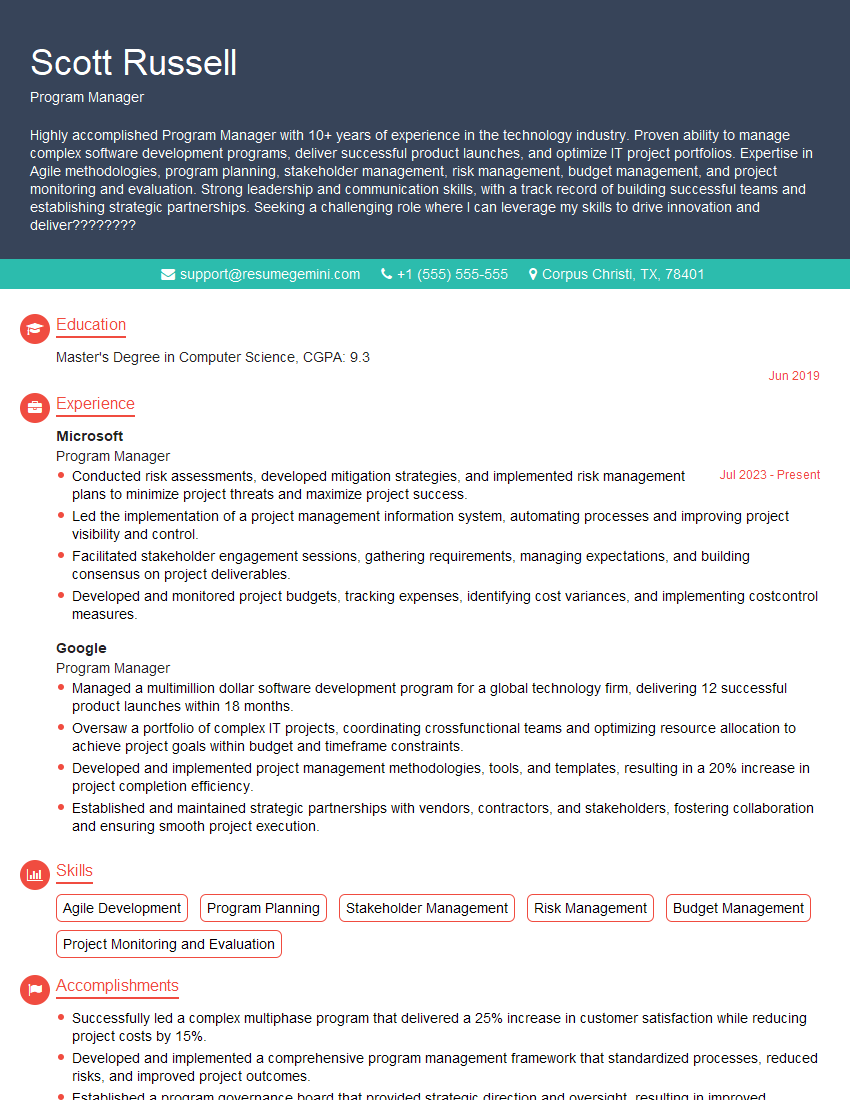
Program Manager Resume Sample
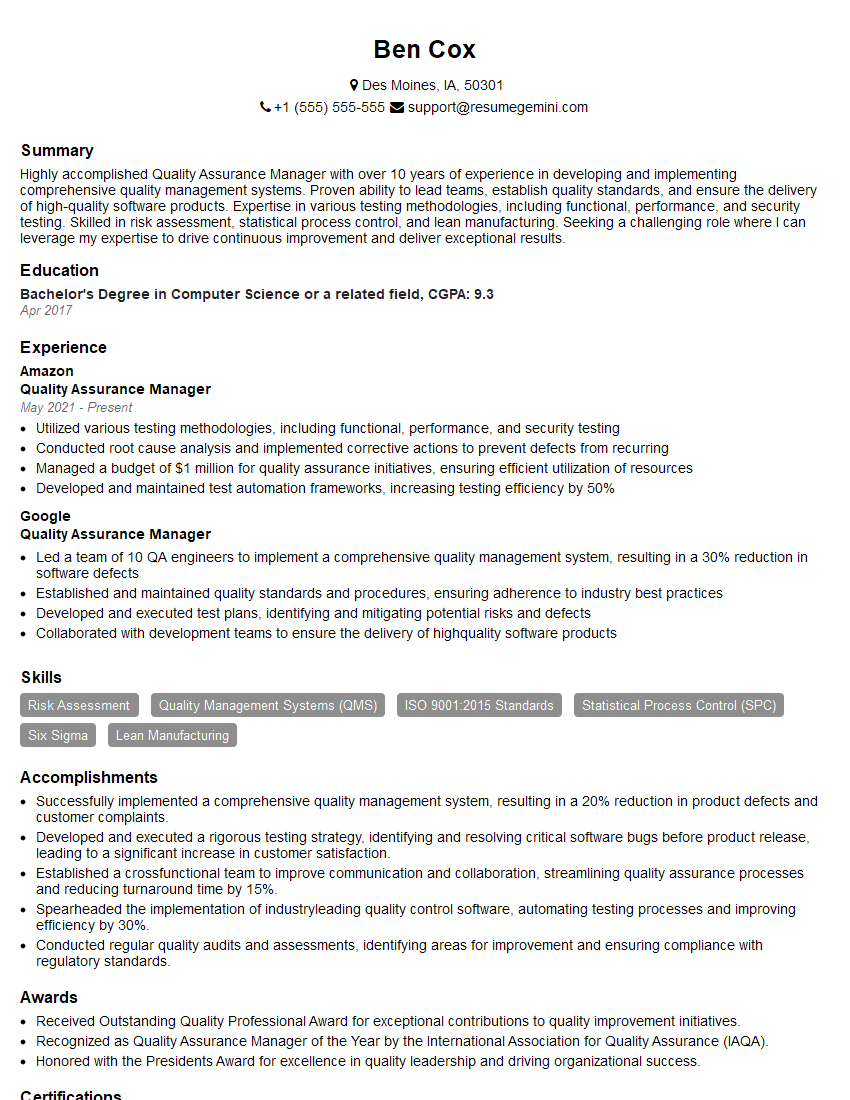
Quality Assurance Manager Resume Sample
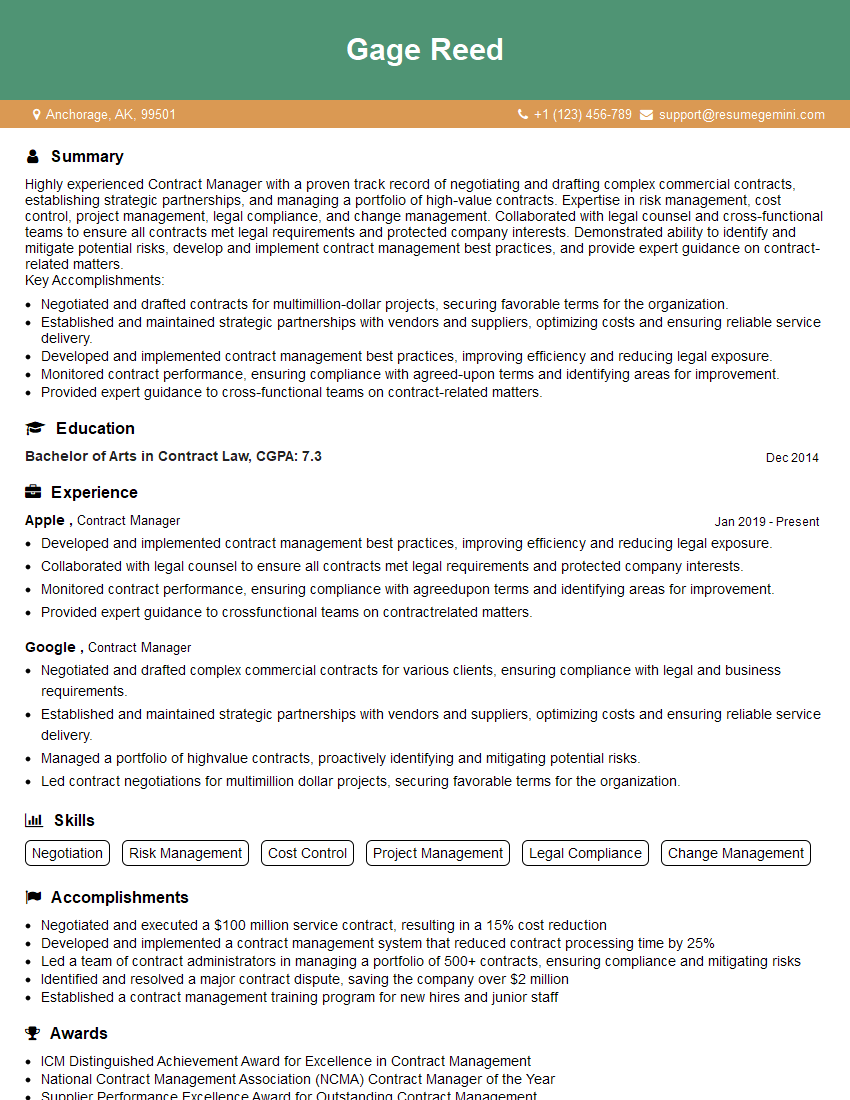
Contract Manager Resume Sample
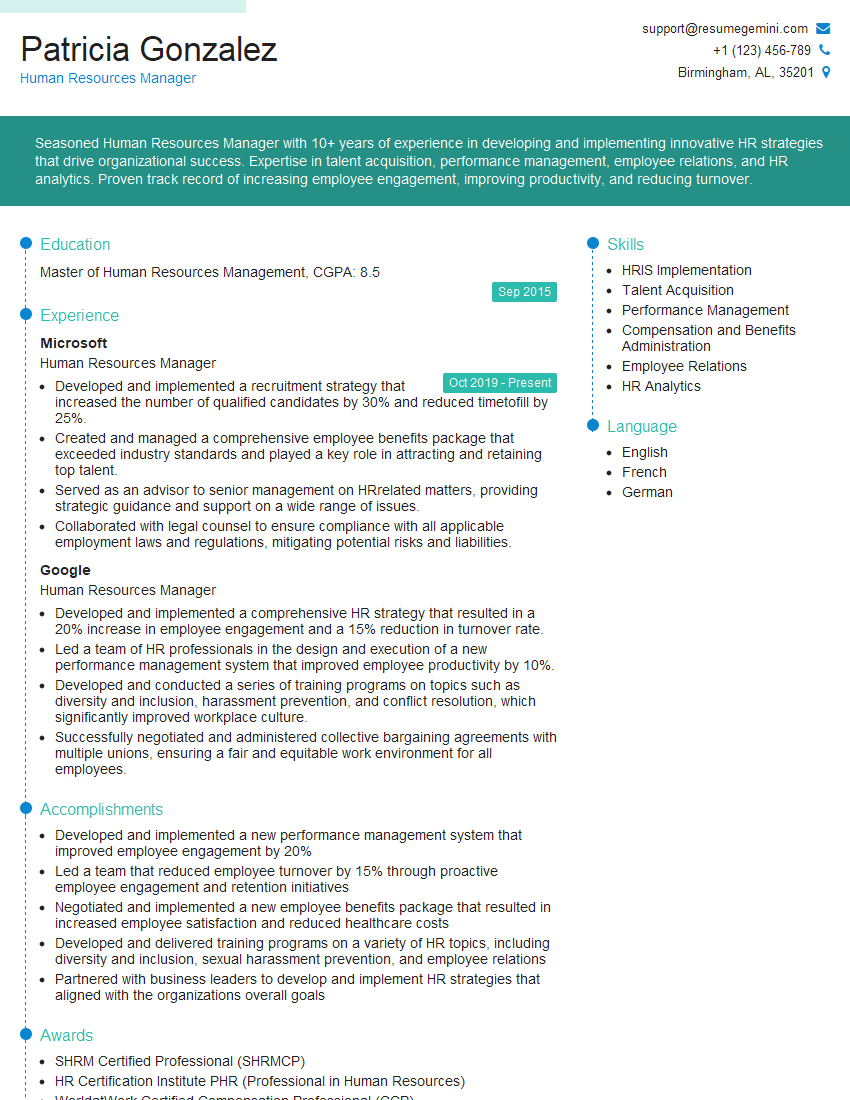
Human Resources Manager Resume Sample

Project Manager Resume Sample
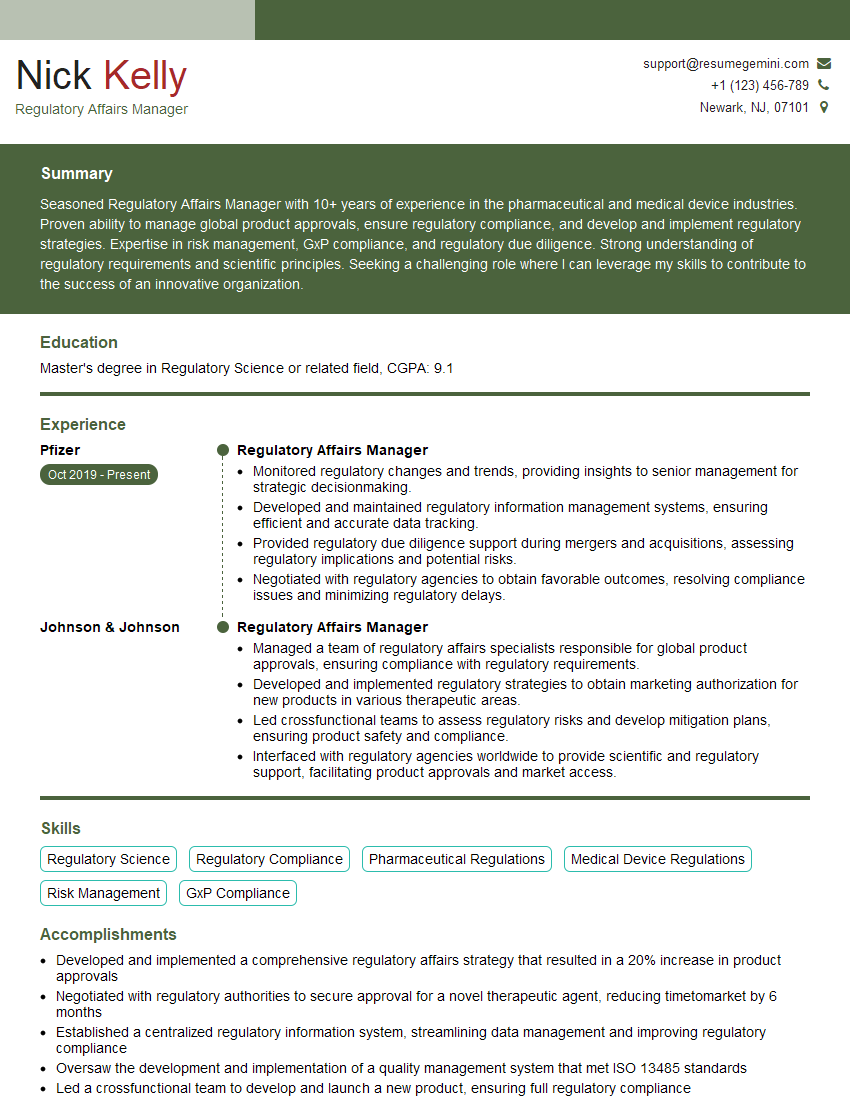
Regulatory Affairs Manager Resume Sample

Compliance Officer Resume Sample
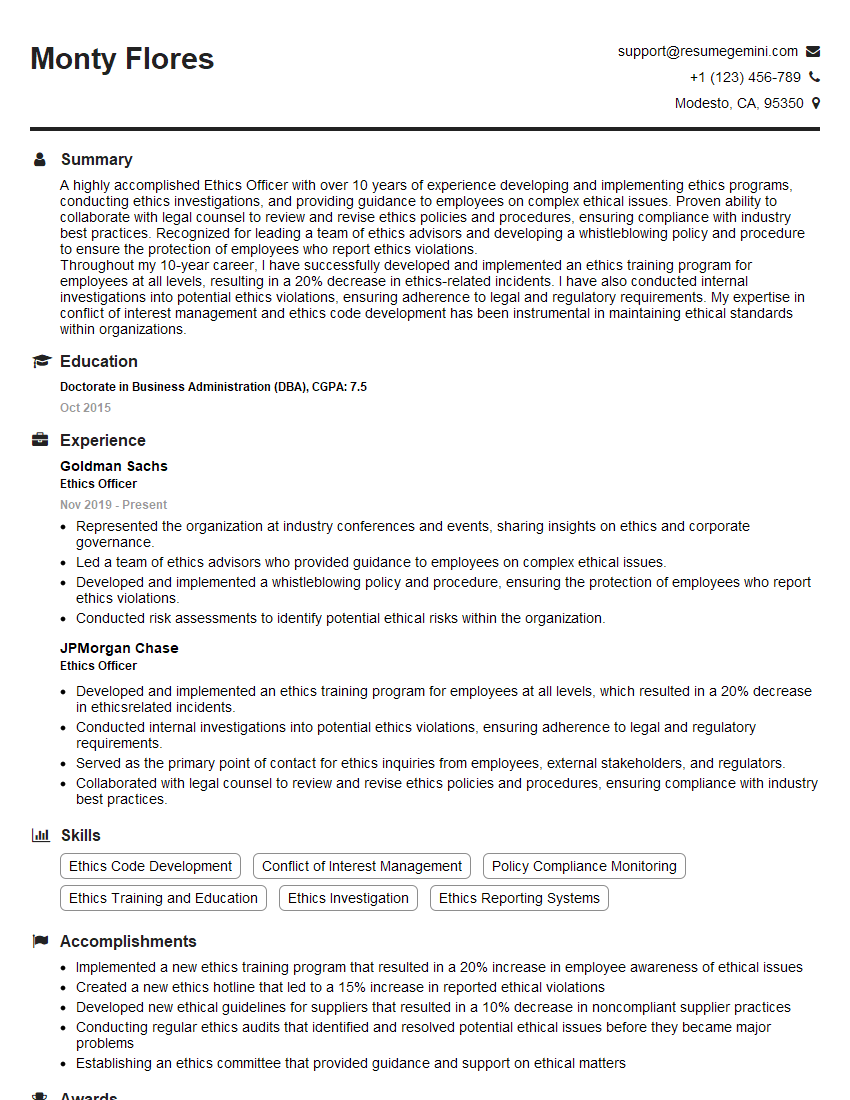
Ethics Officer Resume Sample
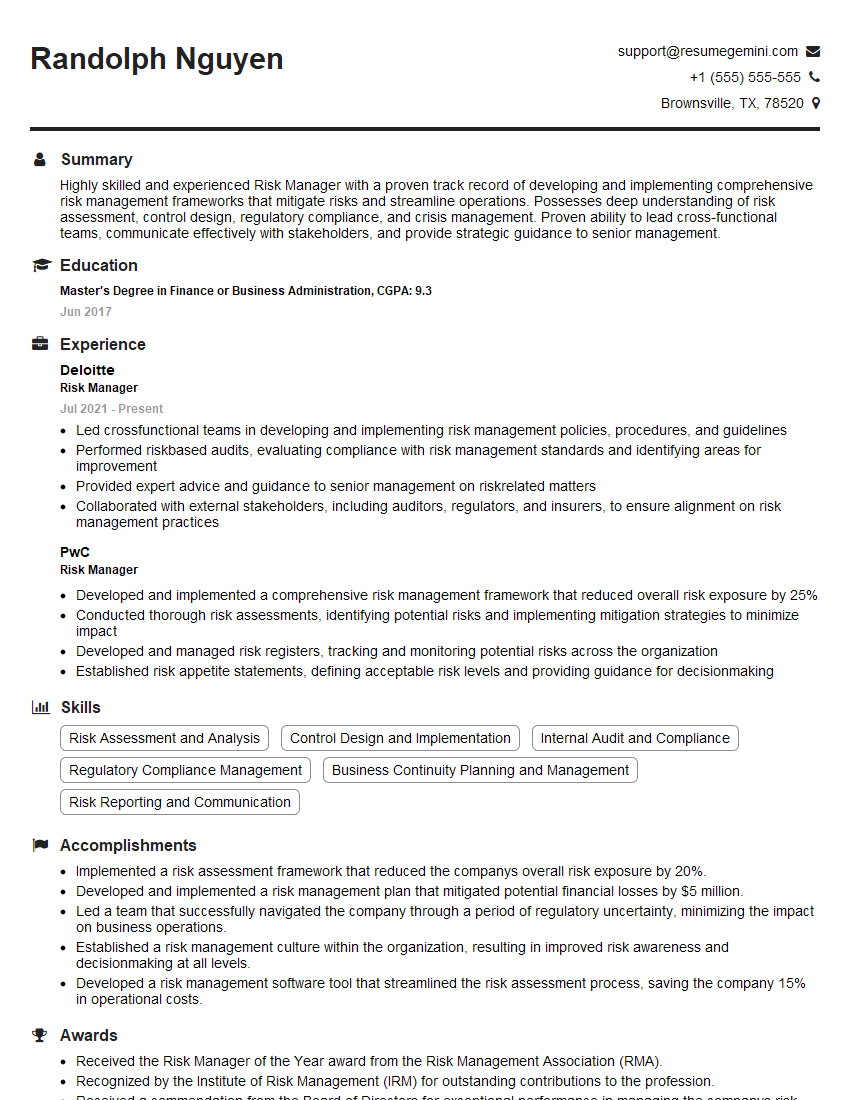
Risk Manager Resume Sample
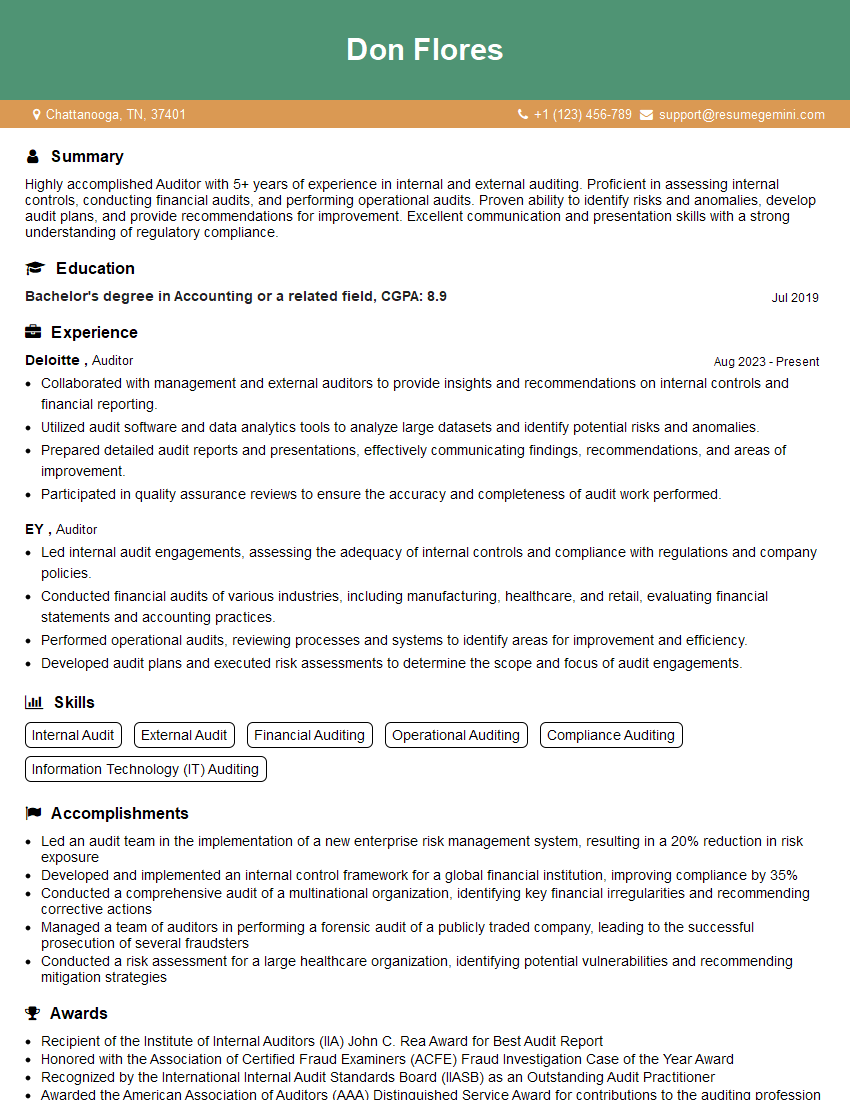
Auditor Resume Sample
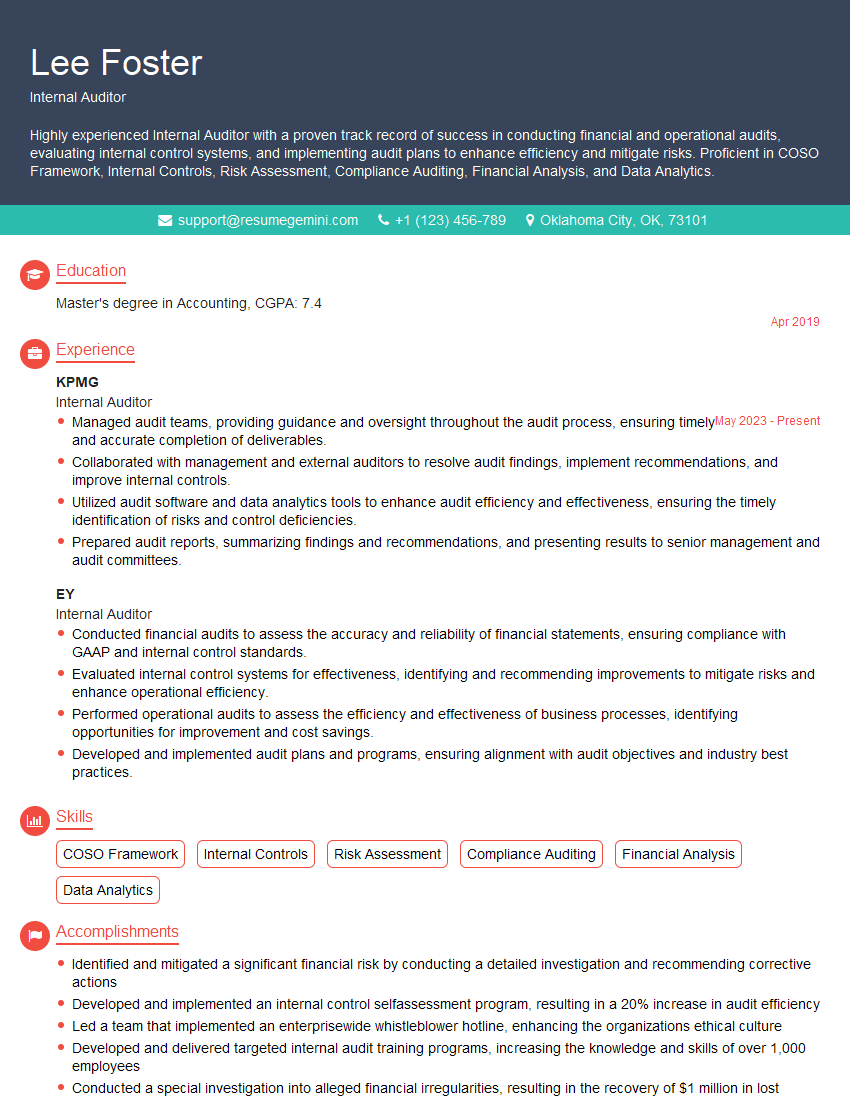
Internal Auditor Resume Sample
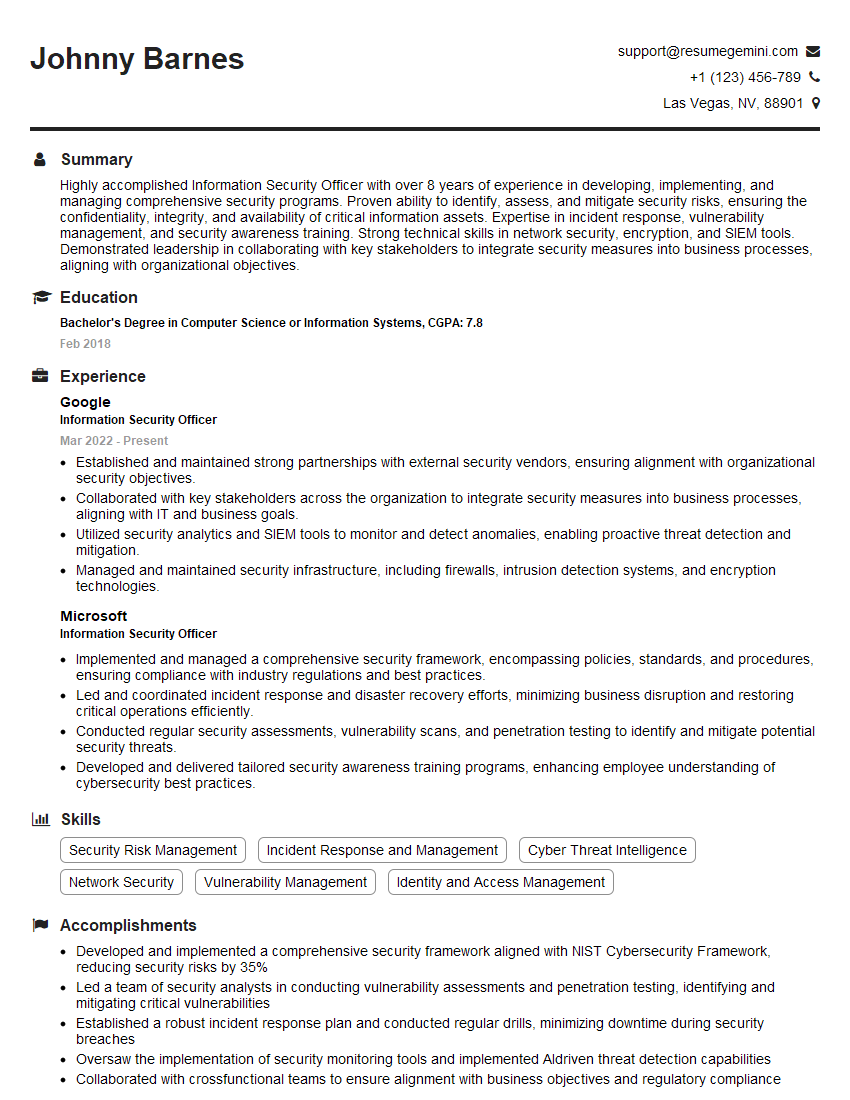
Information Security Officer Resume Sample
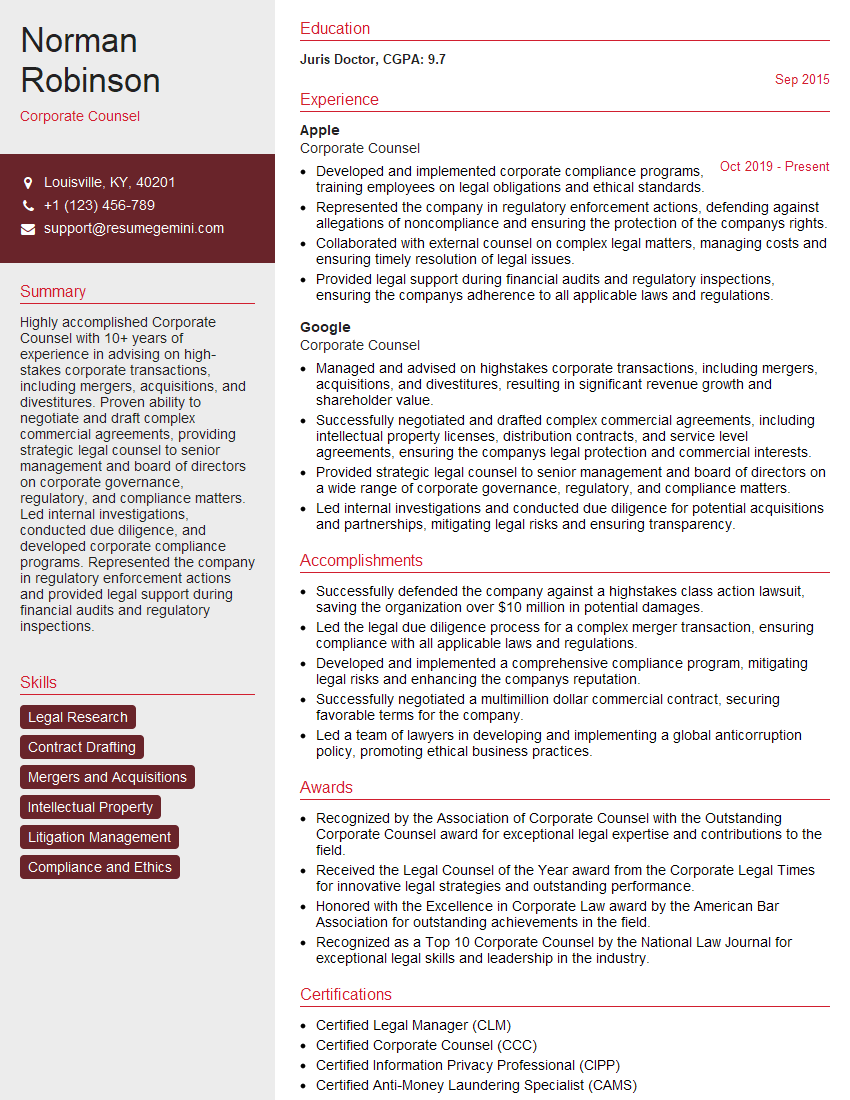
Corporate Counsel Resume Sample
Explore more articles
Users Rating of Our Blogs
Share Your Experience
We value your feedback! Please rate our content and share your thoughts (optional).
What Readers Say About Our Blog
Really detailed insights and content, thank you for writing this detailed article.
IT gave me an insight and words to use and be able to think of examples