Interviews are more than just a Q&A session—they’re a chance to prove your worth. This blog dives into essential Knowledge of food processing operations interview questions and expert tips to help you align your answers with what hiring managers are looking for. Start preparing to shine!
Questions Asked in Knowledge of food processing operations Interview
Q 1. Describe your experience with HACCP principles.
HACCP, or Hazard Analysis and Critical Control Points, is a preventative food safety management system. It’s not just about reacting to problems; it’s about proactively identifying and controlling hazards that could compromise food safety. My experience spans over ten years, encompassing various roles from line supervisor to plant manager, where I’ve been directly involved in developing and implementing HACCP plans for diverse food products, including baked goods, processed meats, and frozen vegetables.
This involves conducting hazard analyses, identifying critical control points (CCPs) – points in the process where hazards can be prevented, eliminated, or reduced to safe levels – establishing critical limits for each CCP, implementing monitoring procedures, establishing corrective actions, verification procedures, and record-keeping. For instance, in a bakery, a CCP might be the oven temperature for ensuring adequate lethality to destroy pathogens. A deviation from the critical limit would trigger corrective action, such as discarding the batch. I’m proficient in using HACCP software for data management and analysis, and regularly conduct HACCP audits and training for team members, ensuring compliance with regulatory standards.
Q 2. Explain the difference between Good Manufacturing Practices (GMP) and Standard Operating Procedures (SOPs).
Good Manufacturing Practices (GMPs) are a set of general principles that govern the manufacturing process to ensure food safety and quality. Think of them as the foundational rules. They cover aspects like sanitation, personnel hygiene, equipment maintenance, and facility design. Standard Operating Procedures (SOPs), on the other hand, are detailed, step-by-step instructions for specific tasks within the manufacturing process. They’re the ‘how-to’ guides that ensure consistency and adherence to GMPs.
For example, a GMP might state that all equipment must be sanitized regularly. The corresponding SOP would specify the exact cleaning agents to use, the steps involved in cleaning and sanitizing a specific piece of equipment (e.g., a meat slicer), the frequency of cleaning, and the documentation required. SOPs provide the concrete steps needed to fulfill the broader GMP guidelines, ensuring consistent practices across the facility.
Q 3. How do you ensure food safety throughout the processing chain?
Ensuring food safety throughout the processing chain requires a multi-faceted approach, starting with raw material sourcing and extending to the final product delivery. It’s a holistic process that combines HACCP principles with rigorous GMP implementation and stringent quality control measures.
- Supplier verification: We meticulously vet our suppliers, ensuring they adhere to appropriate food safety standards. This involves audits and verification of their own HACCP plans.
- Temperature control: Maintaining proper temperatures throughout the process (refrigeration, freezing, cooking) is crucial in preventing microbial growth.
- Sanitation and hygiene: Implementing strict sanitation protocols and ensuring proper employee hygiene practices, like handwashing and wearing protective gear, are essential.
- Regular testing and monitoring: We perform routine microbiological and chemical testing of raw materials and finished products to ensure they meet safety standards.
- Traceability: Implementing a robust traceability system allows us to quickly identify the source of any contamination, facilitating prompt recalls and preventing wider issues.
A specific example would be our rigorous monitoring of the temperature of our refrigerated storage areas. Automated temperature monitoring systems, coupled with regular manual checks, ensures that any deviation is immediately addressed, safeguarding our product quality and safety.
Q 4. What are your methods for preventing cross-contamination?
Preventing cross-contamination is paramount in food processing. We utilize a comprehensive strategy involving spatial separation, dedicated equipment, and thorough sanitation practices.
- Spatial segregation: Raw and ready-to-eat areas are strictly separated to prevent any possibility of contact.
- Dedicated equipment: We use color-coded equipment and utensils for different product types to avoid cross-contamination. For example, cutting boards and knives designated for raw meat would be different from those used for vegetables.
- Thorough cleaning and sanitizing: A rigorous sanitation program, involving proper cleaning and sanitizing of all surfaces and equipment between production runs, is absolutely crucial.
- Employee training: Our employees receive thorough training on cross-contamination prevention, including proper handwashing techniques, the importance of wearing protective gear, and the correct use of sanitizing agents.
For example, in a facility processing both poultry and vegetables, the poultry processing area will be completely separated from the vegetable processing area, with designated equipment and personnel. Following each processing run, a thorough sanitation procedure takes place to eliminate any residual pathogens or allergens.
Q 5. Describe your experience with various food preservation techniques.
My experience encompasses a broad range of food preservation techniques, each with its own advantages and limitations.
- Thermal processing: This includes canning, pasteurization, and sterilization, all based on using heat to destroy microorganisms. I’ve worked extensively with retort systems for high-temperature sterilization and pasteurization units for extending the shelf life of liquid products.
- Refrigeration and Freezing: Lowering the temperature slows down microbial growth and enzymatic activity. My experience extends to managing cold chain logistics, ensuring the temperature integrity of refrigerated and frozen products throughout the supply chain.
- Drying: Removing water inhibits microbial growth and extends shelf life. I’ve worked with various drying methods, including air drying, freeze-drying, and spray drying.
- High-pressure processing (HPP): This relatively new technique uses high pressure to inactivate microorganisms while preserving product quality. I have experience in overseeing HPP operations, ensuring its proper implementation and effectiveness.
- Irradiation: Using ionizing radiation to eliminate microorganisms. While not directly involved in radiation processing, I understand its application and its role in food safety and preservation.
The choice of preservation technique depends on the specific product characteristics and desired shelf life. For example, canning is suitable for high-acid foods like tomatoes, while freezing is ideal for maintaining the quality of fruits and vegetables.
Q 6. What is your experience with different types of food packaging and their suitability?
Food packaging is critical for maintaining product quality and safety. My experience encompasses various packaging types and materials, each chosen based on the specific product’s characteristics and shelf-life requirements.
- Flexible packaging: This includes pouches, films, and wraps, often used for extended shelf life with modified atmosphere packaging (MAP) or vacuum packaging techniques.
- Rigid packaging: This comprises cans, glass jars, and bottles, providing excellent protection against physical damage and microbial contamination.
- Aseptic packaging: This involves sterilizing both the product and the packaging separately before combining them, offering an extended shelf life without refrigeration.
- Modified Atmosphere Packaging (MAP): This technique involves altering the gas composition within the package (e.g., replacing oxygen with nitrogen) to extend shelf life and preserve product quality.
For instance, ready-to-eat meals might utilize aseptic packaging for a long shelf life without refrigeration, while fresh produce often benefits from MAP to slow down spoilage. The selection process always considers factors such as cost-effectiveness, environmental impact, and regulatory compliance.
Q 7. How do you troubleshoot equipment malfunctions in a food processing plant?
Troubleshooting equipment malfunctions requires a systematic approach that prioritizes safety and minimizes downtime.
- Safety first: The first priority is always safety. If the malfunction poses a safety risk, immediately shut down the equipment and secure the area.
- Identify the problem: Carefully assess the situation, noting any unusual sounds, smells, or visual cues. Check the equipment’s manual or consult with colleagues experienced with that specific equipment.
- Gather data: Collect data regarding the malfunction, such as error codes, production logs, or maintenance records, to help diagnose the problem.
- Check simple things first: Before calling in specialists, check basic issues like power supply, air pressure, or sensor functionality. These are often quick fixes.
- Escalate if necessary: If the problem persists or if you lack the expertise, consult with more experienced maintenance personnel or contact the equipment manufacturer.
- Document everything: Meticulously document the issue, troubleshooting steps, and resolution, for future reference and continuous improvement.
For example, if a conveyor belt stops, I would first ensure the area is safe, then check the power supply, fuses, and motor. If those are fine, I’d then check for any obstructions. If none are found, I’d refer to the equipment manual for troubleshooting steps or contact the manufacturer. A detailed report would document each step taken and the final resolution, to prevent similar issues in the future.
Q 8. What are some common quality control checks performed during food processing?
Quality control in food processing is crucial for ensuring safety and maintaining consistent product quality. It’s a multi-stage process encompassing various checks throughout the production line.
- Raw Material Inspection: This involves checking for quality, freshness, and the absence of contaminants. For example, we’d assess the ripeness of fruits, check for bruises on vegetables, and analyze the microbial load in incoming ingredients.
- In-Process Monitoring: Throughout processing, parameters like temperature, pH, and moisture content are continuously monitored and recorded. For instance, during pasteurization, we meticulously track temperature to ensure the process eliminates harmful bacteria. Deviations trigger immediate investigation and corrective actions.
- Finished Product Testing: This includes sensory evaluations (taste, texture, appearance), microbial testing to confirm pathogen absence, and chemical analysis to verify nutritional content and the absence of contaminants. We’d use techniques like plate counting for microbial analysis and spectrophotometry for chemical analysis.
- Packaging Inspection: Checks ensure proper sealing, labeling accuracy, and absence of damage. This step prevents contamination and ensures products reach consumers in ideal condition.
Regular calibration and maintenance of testing equipment are also vital for data accuracy and reliability. We use statistical process control (SPC) charts to track key parameters and identify trends that might indicate emerging problems.
Q 9. How do you manage inventory and production scheduling?
Effective inventory and production scheduling are essential for minimizing waste and optimizing production flow. We utilize a combination of methods.
- Demand Forecasting: We analyze historical sales data, market trends, and seasonal variations to predict future demand. This informs our production planning and raw material purchasing decisions.
- Inventory Management System (IMS): We employ an IMS (often software-based) to track inventory levels in real-time, providing alerts for low stock and preventing stockouts. The system integrates with our production scheduling software.
- Material Requirements Planning (MRP): MRP helps us calculate the precise quantities of raw materials needed for scheduled production runs, taking into account lead times and potential delays. This minimizes waste by avoiding overstocking.
- Production Scheduling Software: We use specialized software to create efficient production schedules that optimize resource allocation (equipment, personnel) while meeting demand. This includes features like capacity planning and constraint management.
Regular inventory audits are conducted to reconcile physical inventory with system records and identify discrepancies. We also perform regular reviews of our forecasting methods to improve their accuracy over time. Imagine planning a large wedding – you wouldn’t order 500 cakes if only 100 guests are attending. The same principle applies here, optimizing resources and minimizing losses.
Q 10. What are your strategies for improving efficiency in food processing operations?
Improving efficiency in food processing involves a holistic approach focusing on various aspects.
- Process Optimization: Analyzing production bottlenecks using Lean Manufacturing principles helps us identify and eliminate inefficiencies. Value stream mapping is a powerful tool for this purpose.
- Automation: Implementing automation technologies like robotic palletizers and automated cleaning systems reduces labor costs and improves consistency.
- Improved Equipment Maintenance: A proactive maintenance program reduces downtime and extends the lifespan of equipment, ultimately improving productivity.
- Employee Training: Well-trained employees are more efficient and less prone to errors. This involves regular training on safety protocols, equipment operation, and quality control procedures.
- Waste Reduction: Implementing strategies to minimize waste at every stage of the process—from raw materials to packaging—is vital for improved efficiency and sustainability.
For example, we might implement a system for capturing and reusing waste heat from processing, or optimize packaging design to reduce material usage. Continuous improvement (Kaizen) is a philosophy we embrace to encourage ongoing efficiency gains.
Q 11. Describe your understanding of different food processing technologies (e.g., pasteurization, freezing).
Food processing technologies are diverse and critical for preserving food and enhancing its shelf life.
- Pasteurization: This heat treatment process eliminates harmful microorganisms by heating food to a specific temperature for a set time. Different methods exist, including high-temperature short-time (HTST) and ultra-high temperature (UHT) pasteurization. HTST is commonly used for milk, while UHT is used for products with extended shelf lives.
- Freezing: Freezing rapidly lowers the temperature of food, inhibiting microbial growth and enzymatic activity, which maintains food quality for extended periods. Quick freezing methods, such as cryogenic freezing using liquid nitrogen, are preferred for preserving texture and nutritional value.
- High-Pressure Processing (HPP): This non-thermal technology uses high pressure to inactivate microorganisms while preserving food quality. It is particularly useful for extending the shelf life of ready-to-eat products like juices and guacamole.
- Irradiation: This technology uses ionizing radiation to eliminate microorganisms and extend the shelf life of food. It is a safe and effective method used for various products, including spices and fresh produce.
- Drying: Drying methods like air drying, freeze-drying, and spray drying remove water from food, inhibiting microbial growth and extending shelf life. Different drying methods are chosen based on the product’s characteristics and desired final properties.
The choice of technology depends on the type of food, desired shelf life, and the preservation of nutritional and sensory attributes.
Q 12. How do you ensure compliance with regulatory standards (e.g., FDA, USDA)?
Compliance with regulatory standards is paramount in the food industry. We maintain stringent adherence to FDA (Food and Drug Administration) and USDA (United States Department of Agriculture) regulations.
- Hazard Analysis and Critical Control Points (HACCP): We implement HACCP plans to identify and control potential hazards throughout the food production process. This systematic approach helps prevent contamination and ensure food safety.
- Good Manufacturing Practices (GMP): We strictly follow GMP guidelines, covering sanitation, hygiene, personnel practices, and record-keeping. Regular internal audits and inspections ensure we meet these standards consistently.
- Labeling Regulations: We ensure that all products are accurately labeled, with details such as ingredients, nutritional information, and allergen warnings, complying with FDA labeling regulations.
- Traceability Systems: We have implemented robust traceability systems to track products from raw material sourcing to the point of sale. This allows us to quickly identify and remove contaminated products in case of a recall.
- Regular Audits: We conduct periodic internal audits and welcome external audits from regulatory agencies. This ensures compliance and identifies areas for improvement.
Compliance isn’t just about avoiding penalties—it’s about demonstrating our commitment to producing safe, high-quality food for our consumers. It’s a fundamental aspect of our business ethics.
Q 13. Explain your experience with sanitation and hygiene protocols in a food processing environment.
Sanitation and hygiene are cornerstones of our operations. We maintain a rigorous program to prevent contamination and ensure food safety.
- Cleaning and Sanitizing Procedures: We have detailed cleaning and sanitizing procedures for all equipment, surfaces, and utensils, using approved chemicals and following established protocols. This includes regular deep cleaning and sanitization of the facility.
- Personal Hygiene: Employees are required to adhere to strict personal hygiene standards, including handwashing, wearing appropriate protective clothing (hairnets, gloves), and avoiding activities that could contaminate food.
- Pest Control: A comprehensive pest control program is implemented to prevent pest infestations and contamination. Regular inspections and preventative measures are key.
- Water Quality: We monitor and control water quality to ensure its suitability for cleaning and processing. Regular testing ensures water meets safety standards.
- Waste Management: Proper waste disposal procedures are followed to prevent cross-contamination and maintain a sanitary environment.
Think of it like a surgical operating room—everything is meticulously clean and controlled to minimize the risk of contamination. Regular training and ongoing monitoring ensure consistent adherence to these protocols.
Q 14. How do you handle food recalls or product contamination incidents?
Handling food recalls or product contamination incidents requires a swift and decisive response. Our plan involves:
- Immediate Response Team Activation: A dedicated team is immediately activated to investigate the incident, identify the source of contamination, and contain the problem.
- Product Traceability: Using our traceability systems, we quickly pinpoint all affected products and their distribution channels. This allows for efficient recall.
- Notification of Regulatory Agencies: We immediately notify the relevant regulatory agencies (FDA, USDA) and fully cooperate with their investigations.
- Recall Implementation: We execute the recall using the most effective methods, such as contacting distributors, retailers, and consumers to remove the affected products from the market.
- Communication: Open and transparent communication with consumers, regulatory agencies, and the media is crucial during a recall. This builds trust and minimizes negative impact.
- Root Cause Analysis: Following the recall, a thorough investigation is carried out to identify the root cause of the contamination or problem and implement corrective actions to prevent future occurrences.
A recall is a serious event, but a well-defined plan, robust traceability, and a commitment to transparency can minimize the damage and restore consumer confidence. We learn from every incident, using it to strengthen our processes and prevent future issues.
Q 15. What is your experience with Lean Manufacturing or Six Sigma methodologies?
Lean Manufacturing and Six Sigma are powerful methodologies for optimizing processes and eliminating waste. Lean focuses on streamlining workflows to maximize value with minimal resources, while Six Sigma aims for near-perfect quality by reducing defects. In my previous role at a large-scale bakery, we implemented Lean principles to reduce downtime on our automated bread-slicing lines. This involved mapping the entire process, identifying bottlenecks (primarily jams in the slicing mechanism), and implementing changes like preventative maintenance schedules and operator training on quick-fix procedures. We saw a 15% increase in output and a significant reduction in waste. Regarding Six Sigma, I’ve led DMAIC (Define, Measure, Analyze, Improve, Control) projects focusing on reducing ingredient inconsistencies leading to improved product uniformity and fewer rejected batches. I’m proficient in tools like Value Stream Mapping, 5S, Kaizen events, and statistical process control charts (control charts, Pareto charts).
Career Expert Tips:
- Ace those interviews! Prepare effectively by reviewing the Top 50 Most Common Interview Questions on ResumeGemini.
- Navigate your job search with confidence! Explore a wide range of Career Tips on ResumeGemini. Learn about common challenges and recommendations to overcome them.
- Craft the perfect resume! Master the Art of Resume Writing with ResumeGemini’s guide. Showcase your unique qualifications and achievements effectively.
- Don’t miss out on holiday savings! Build your dream resume with ResumeGemini’s ATS optimized templates.
Q 16. How do you manage a team in a fast-paced food processing environment?
Managing a team in a fast-paced food processing environment requires a blend of strong leadership, clear communication, and effective delegation. Think of it like conducting an orchestra – each member has a critical role, and seamless coordination is key. I prioritize open communication, ensuring everyone understands production goals and their individual contributions. Daily stand-up meetings are crucial for addressing immediate issues and coordinating tasks. I also emphasize cross-training, empowering team members to handle multiple roles, improving flexibility and resilience during peak periods or unexpected equipment failures. For example, during a recent production surge, cross-trained personnel quickly filled in for an absent operator, preventing significant delays. Finally, I foster a culture of collaboration and problem-solving, encouraging team members to share ideas and contribute to process improvements.
Q 17. Describe your experience with process improvement initiatives.
My experience with process improvement is extensive, spanning various areas of food processing. In one instance, we implemented a new automated weighing system to replace a manual process in our ingredient handling. This reduced human error significantly, leading to a decrease in ingredient waste and improved product consistency. Another project involved optimizing our cleaning and sanitation procedures. By implementing a color-coded system for cleaning equipment and tools, we minimized cross-contamination risks and improved efficiency. These initiatives relied heavily on data analysis to identify areas for improvement and track the impact of implemented changes. For example, we tracked ingredient waste percentages before and after the automated weighing system implementation to demonstrate a clear ROI.
Q 18. What are your problem-solving skills when dealing with production bottlenecks?
My approach to solving production bottlenecks uses a structured, data-driven methodology. First, I identify the bottleneck using tools like process mapping and data analysis. For instance, a sudden drop in production could stem from equipment malfunction, insufficient raw materials, or a problem in a specific processing step. Next, I gather data to understand the root cause. This often involves analyzing production logs, equipment maintenance records, and interviewing personnel involved in the process. Once the root cause is identified, I work with the team to develop and implement solutions. For example, a recurring bottleneck in a canning line was traced to a faulty sealing mechanism. The solution involved replacing the faulty part and implementing a preventative maintenance schedule, completely resolving the issue. The key is proactive monitoring and a focus on continuous improvement.
Q 19. What is your experience with different types of food processing equipment?
My experience encompasses a wide range of food processing equipment, including:
- Mixing and blending equipment: From planetary mixers for dough to high-shear mixers for emulsions.
- Size reduction equipment: Grinders, mills, and homogenizers for various applications.
- Thermal processing equipment: Retorts, ovens, and freezers for preservation and stabilization.
- Packaging equipment: Form-fill-seal machines, can sealers, and labeling systems.
- Automation and control systems: PLC programming and SCADA systems for monitoring and controlling processing parameters.
Q 20. How do you track and analyze key performance indicators (KPIs) in food processing?
Tracking and analyzing KPIs in food processing is critical for maintaining efficiency and quality. Key indicators I monitor include:
- Production output: Units produced per hour/day.
- Yield: Percentage of usable product obtained from raw materials.
- Waste: Quantities of rejected products or by-products.
- Downtime: Time equipment is not operational.
- Quality metrics: Defect rates, microbial contamination levels.
- Energy consumption: Monitoring and reducing energy usage.
Q 21. What are your methods for training and developing food processing personnel?
Training and development are vital in a food processing environment to ensure safe and efficient operations and maintain high quality standards. My approach combines on-the-job training with classroom instruction and hands-on practice. For example, new employees receive comprehensive safety training and orientation to our facility’s procedures. I emphasize continuous learning, providing opportunities for skill development and cross-training. This could involve sending employees to specialized workshops or providing in-house training sessions on new equipment or techniques. Regular performance reviews and feedback sessions provide opportunities for individual improvement and identification of training needs. I also incorporate simulations and interactive training methods to make learning engaging and effective. The goal is to build a highly skilled and adaptable workforce.
Q 22. Explain your understanding of food microbiology and its relevance to food safety.
Food microbiology is the study of microorganisms – bacteria, yeasts, molds, and viruses – that inhabit, create, or contaminate food. Understanding food microbiology is paramount to food safety because these microorganisms can cause foodborne illnesses, spoilage, and alter the quality and safety of food products. We need to know how they grow, what conditions they thrive in (temperature, pH, water activity), and how to control or eliminate them.
For example, Listeria monocytogenes is a bacterium that can survive and even grow at refrigeration temperatures, making it a significant concern in ready-to-eat foods. Understanding its growth characteristics allows us to implement effective control measures such as sanitation protocols, proper refrigeration, and heat treatments to minimize the risk of contamination.
My work involves implementing Hazard Analysis and Critical Control Points (HACCP) plans, which are systematic preventative approaches to food safety. These plans identify potential hazards, such as microbial contamination, and establish critical control points (CCPs) – stages in the process where control can be applied – to minimize or eliminate the risks.
Q 23. How do you manage waste and ensure sustainability in food processing?
Waste management and sustainability are critical aspects of modern food processing. We aim for a ‘zero-waste’ approach, minimizing waste generation and maximizing resource utilization. This involves strategies across the entire process, from sourcing to disposal.
- Source Reduction: Optimizing ingredient usage, minimizing packaging, and improving yield during processing.
- Waste Diversion: Separating waste streams (organic, recyclable, non-recyclable) for efficient recycling and composting programs. For instance, we’d separate fruit peels and vegetable scraps for composting to create nutrient-rich soil for local farms.
- Energy Efficiency: Implementing energy-saving technologies in equipment, improving insulation in facilities, and using renewable energy sources.
- Water Conservation: Utilizing water-efficient equipment, implementing closed-loop water systems to recycle and reuse water, and investing in advanced wastewater treatment facilities.
For instance, in a previous role, we implemented a program where food waste was composted and used as fertilizer in a nearby community garden, reducing landfill waste and supporting local agriculture. This demonstrated a commitment to both environmental sustainability and community engagement.
Q 24. Describe your experience with different types of food processing layouts and their efficiency.
Food processing layouts significantly impact efficiency and productivity. I’ve worked with several layouts, each suited to different production volumes and process types.
- Linear Layout: A straightforward, sequential arrangement where food moves through processing steps in a straight line. This is suitable for high-volume, simple processes.
- U-Shaped Layout: Minimizes material handling by bringing processing steps closer together in a U-shape. It’s efficient for moderate production volumes.
- Island Layout: Individual processing islands with specialized equipment are arranged flexibly, which offers greater flexibility and adaptability to changing product lines and production needs, but requires more space.
In a previous project, we transitioned from a linear layout to a U-shaped layout for a fruit processing plant. This change significantly reduced material handling time and improved overall efficiency by approximately 15%, ultimately leading to increased output and reduced operational costs.
Q 25. What is your experience with automation in food processing?
Automation plays a vital role in enhancing efficiency, consistency, and safety in food processing. My experience includes integrating various automated systems including:
- Automated material handling systems: Conveyors, robotic arms, and automated guided vehicles (AGVs) to move materials efficiently and safely.
- Automated inspection systems: Vision systems and sensors to detect defects, contaminants, and ensure product quality. This minimizes manual labor and improves accuracy.
- Process control systems: PLC (Programmable Logic Controllers) and SCADA (Supervisory Control and Data Acquisition) systems to monitor and control process parameters like temperature, pressure, and flow rates, ensuring consistency and preventing product spoilage.
For example, implementing an automated sorting system for a vegetable processing plant reduced manual labor by 40% and improved the accuracy of sorting, leading to less waste and improved product quality.
Q 26. How do you ensure accurate labeling and traceability of food products?
Accurate labeling and traceability are critical for food safety and consumer protection. We employ a combination of strategies to ensure this.
- Batch tracking systems: Each batch of product is assigned a unique identifier, enabling us to trace its journey through the entire processing chain, from raw material to finished product.
- Barcode and RFID technology: These technologies are used for efficient tracking and identification of products and materials at various stages of processing and distribution.
- Data management systems: Sophisticated software systems are used to collect, store, and manage product information, allowing quick access to crucial data when needed.
- Labeling compliance: Labels must comply with all relevant regulations, including ingredient lists, nutritional information, and allergen declarations.
A robust traceability system enables us to quickly identify and isolate any contaminated batches, preventing widespread contamination and protecting consumers. In the event of a recall, a well-maintained traceability system significantly simplifies the process.
Q 27. What is your experience with supply chain management in the food industry?
Supply chain management (SCM) in the food industry is complex and demands careful planning and coordination. My experience involves managing relationships with suppliers, optimizing logistics, and ensuring the timely delivery of high-quality ingredients. Effective SCM relies on:
- Supplier selection and management: Choosing reliable suppliers who meet quality and safety standards. This involves rigorous audits and ongoing monitoring of supplier performance.
- Inventory management: Optimizing inventory levels to minimize waste and ensure timely availability of materials. Techniques like Just-in-Time (JIT) inventory systems can be employed.
- Logistics and transportation: Ensuring efficient and safe transportation of materials, considering factors like temperature control, packaging, and delivery schedules.
- Risk management: Identifying and mitigating potential risks in the supply chain, such as disruptions due to weather events or geopolitical instability.
In one project, I streamlined the supply chain by implementing a collaborative platform connecting suppliers, processors, and distributors, improving communication and information flow. This significantly reduced lead times and improved overall efficiency.
Q 28. How do you maintain a safe and productive work environment in food processing?
Maintaining a safe and productive work environment in food processing involves a multifaceted approach focused on both employee safety and operational efficiency. Key aspects include:
- Hygiene and sanitation: Implementing strict hygiene protocols, including regular cleaning and sanitization of equipment and facilities, to prevent contamination and ensure food safety. Personal hygiene training for all employees is essential.
- Safety training and procedures: Providing comprehensive safety training to all employees to educate them about potential hazards, safe operating procedures, and emergency protocols. Regular safety audits and inspections are crucial.
- Ergonomics: Designing workstations and processes to minimize physical strain and repetitive movements, improving worker comfort and reducing the risk of musculoskeletal injuries.
- Personal protective equipment (PPE): Providing and ensuring the correct use of PPE, such as gloves, aprons, and safety glasses, to protect employees from potential hazards.
- Employee engagement: Fostering a positive and supportive work environment that values employee contributions and feedback to improve safety and productivity.
For instance, in a previous role, we implemented a comprehensive safety program that included regular safety training, ergonomic assessments, and a feedback mechanism for employees to report safety concerns. This resulted in a significant reduction in workplace accidents and improved employee morale.
Key Topics to Learn for a Food Processing Operations Interview
- Food Safety and Hygiene: Understand HACCP principles, GMPs (Good Manufacturing Practices), and sanitation procedures. Consider practical applications like implementing a cleaning schedule or troubleshooting a contamination issue.
- Process Engineering: Grasp the principles of unit operations (e.g., mixing, heating, cooling, separation, packaging). Be prepared to discuss the application of these principles in various food processing contexts, such as optimizing a pasteurization process or improving efficiency in a canning line.
- Quality Control and Assurance: Familiarize yourself with quality control methodologies, including statistical process control (SPC) and sensory evaluation techniques. Think about how these methods ensure product consistency and safety.
- Food Preservation Techniques: Explore different methods of food preservation (e.g., canning, freezing, drying, irradiation) and their impact on food quality and shelf life. Be ready to discuss the advantages and disadvantages of each method.
- Process Optimization and Efficiency: Understand the importance of lean manufacturing principles and their application to food processing. Be prepared to discuss strategies for reducing waste, improving yield, and enhancing overall process efficiency.
- Equipment and Technology: Develop a working knowledge of common food processing equipment (e.g., mixers, homogenizers, pasteurizers, packaging machines). Be able to discuss their functionalities and maintenance needs.
- Regulatory Compliance: Understand relevant food safety regulations and industry standards (e.g., FDA regulations, ISO standards). Consider how these regulations impact daily operations.
- Troubleshooting and Problem Solving: Practice identifying and resolving common problems encountered in food processing operations. Be ready to discuss your approach to problem-solving using a structured method.
Next Steps
Mastering knowledge of food processing operations is crucial for career advancement in this dynamic field. Demonstrating a strong understanding of these principles will significantly enhance your interview performance and job prospects. To maximize your chances of success, create an ATS-friendly resume that showcases your skills and experience effectively. ResumeGemini is a trusted resource that can help you build a professional and impactful resume. Examples of resumes tailored to food processing operations are available to guide you. Take the next step towards your dream career – build a resume that shines!

Operations Manager Resume Sample
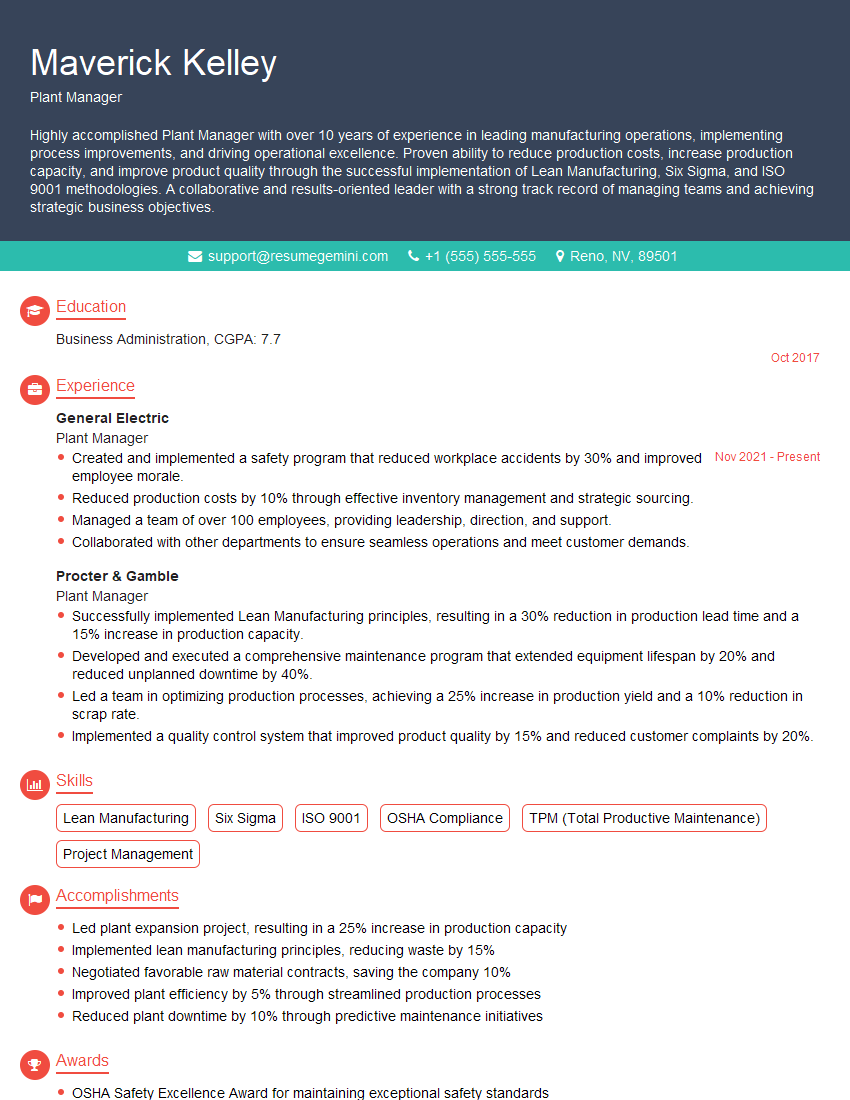
Plant Manager Resume Sample
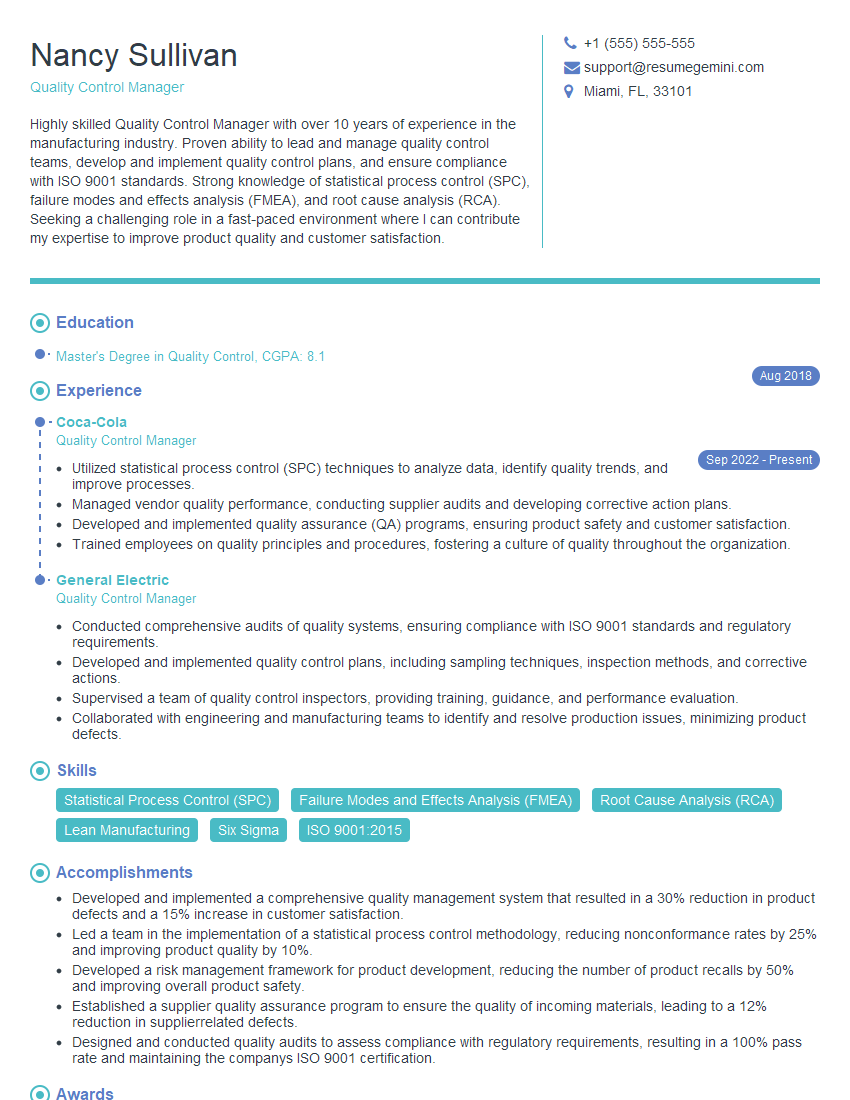
Quality Control Manager Resume Sample
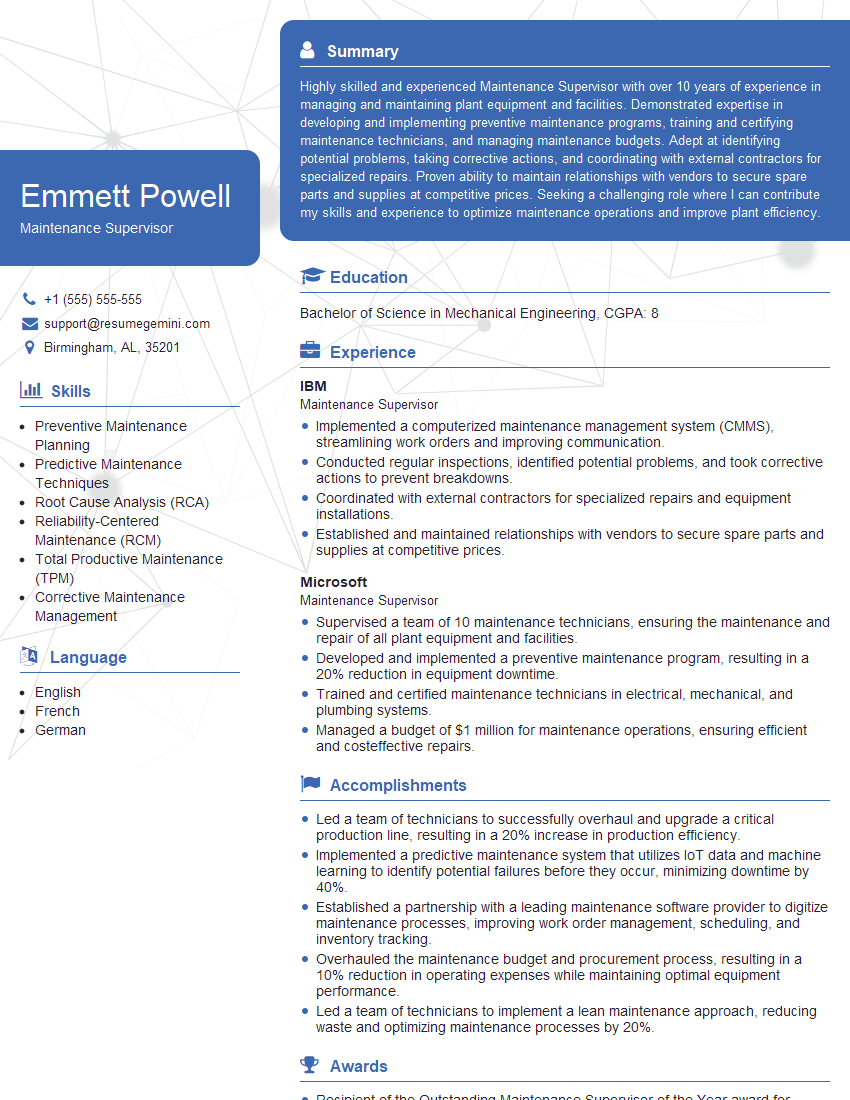
Maintenance Supervisor Resume Sample
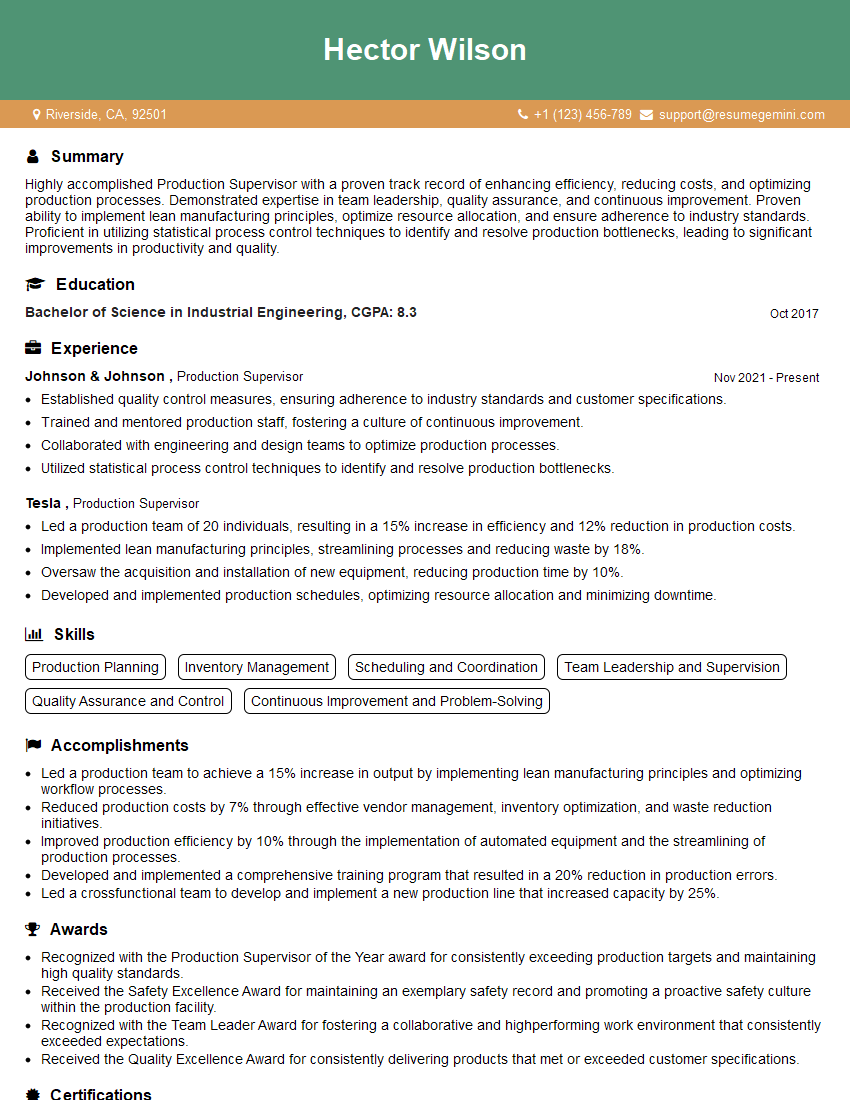
Production Supervisor Resume Sample

Supply Chain Manager Resume Sample
Quality Assurance Specialist Resume Sample
Regulatory Affairs Specialist Resume Sample
Production Planner Resume Sample
Process Engineer Resume Sample
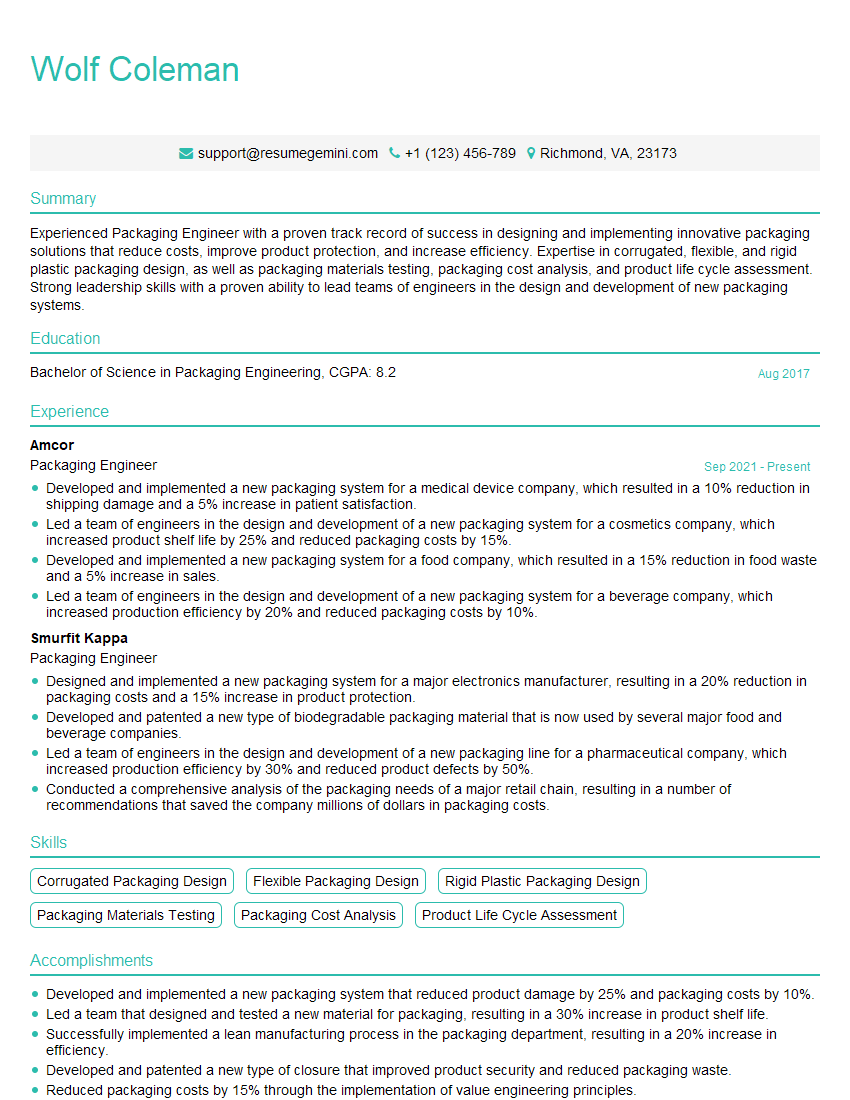
Packaging Engineer Resume Sample
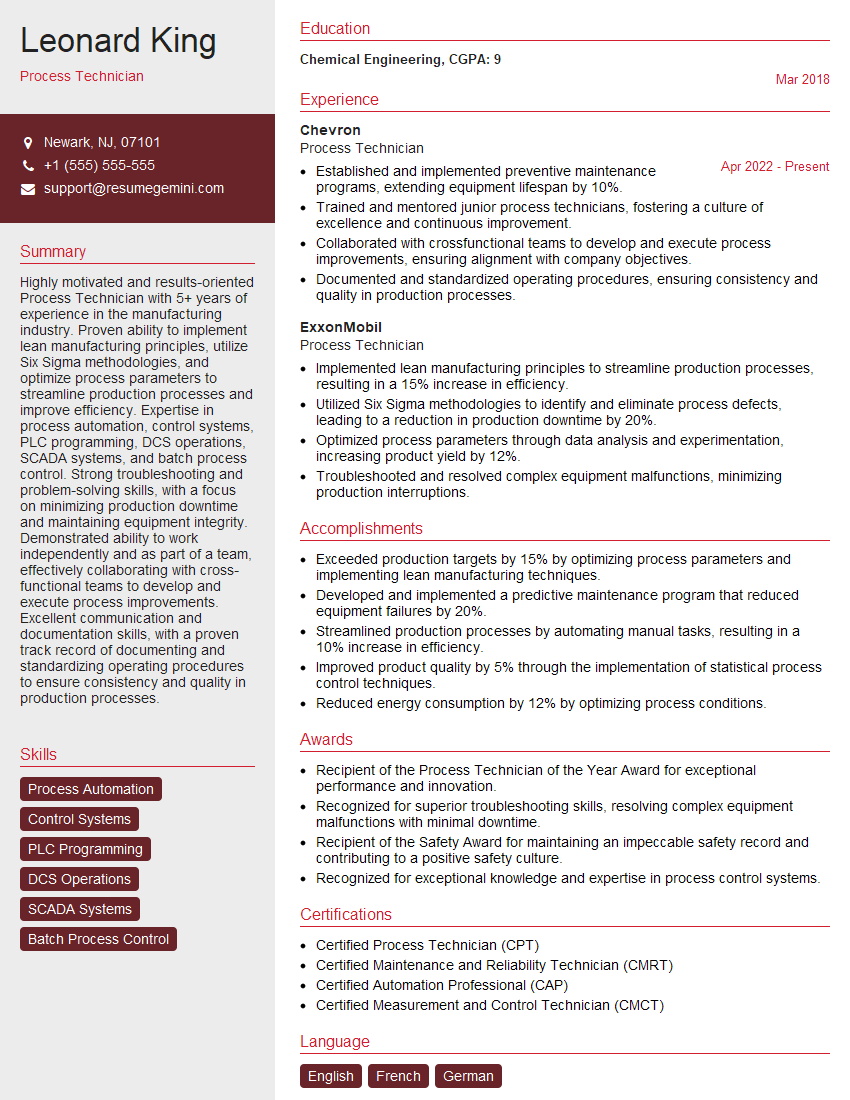
Process Technician Resume Sample
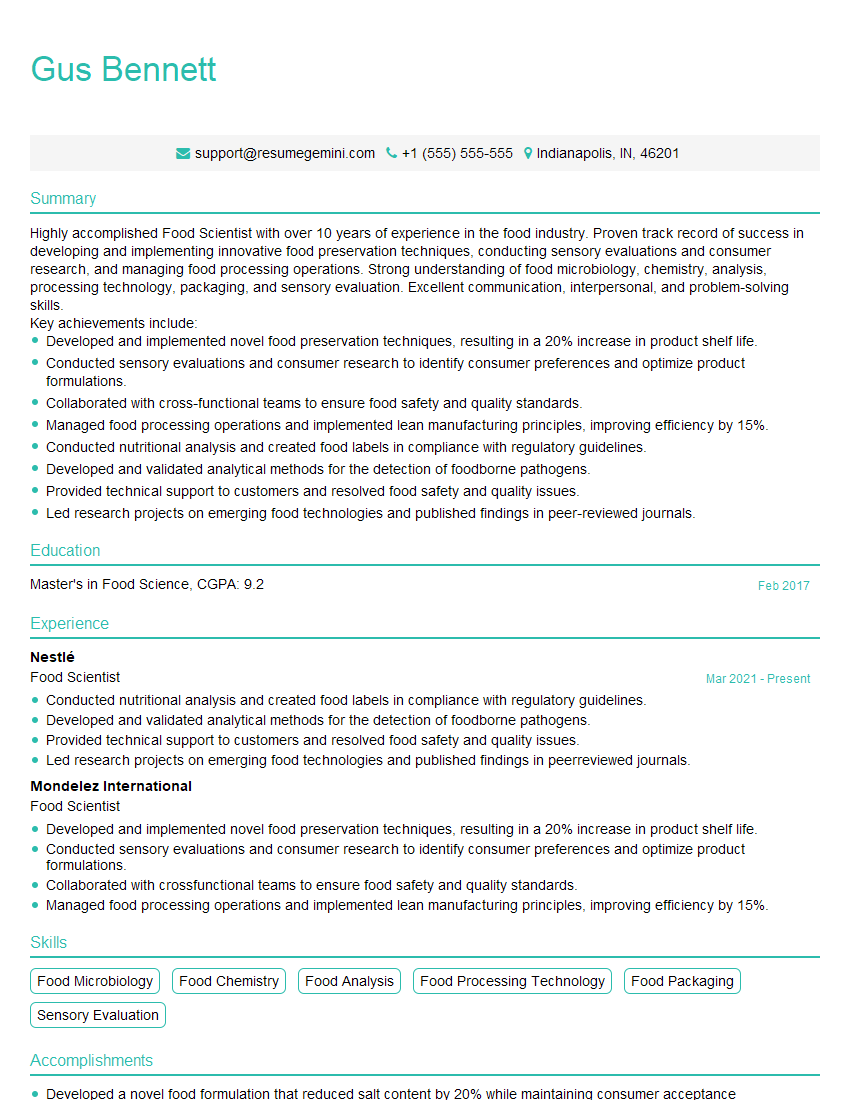
Food Scientist Resume Sample

Food Technologist Resume Sample
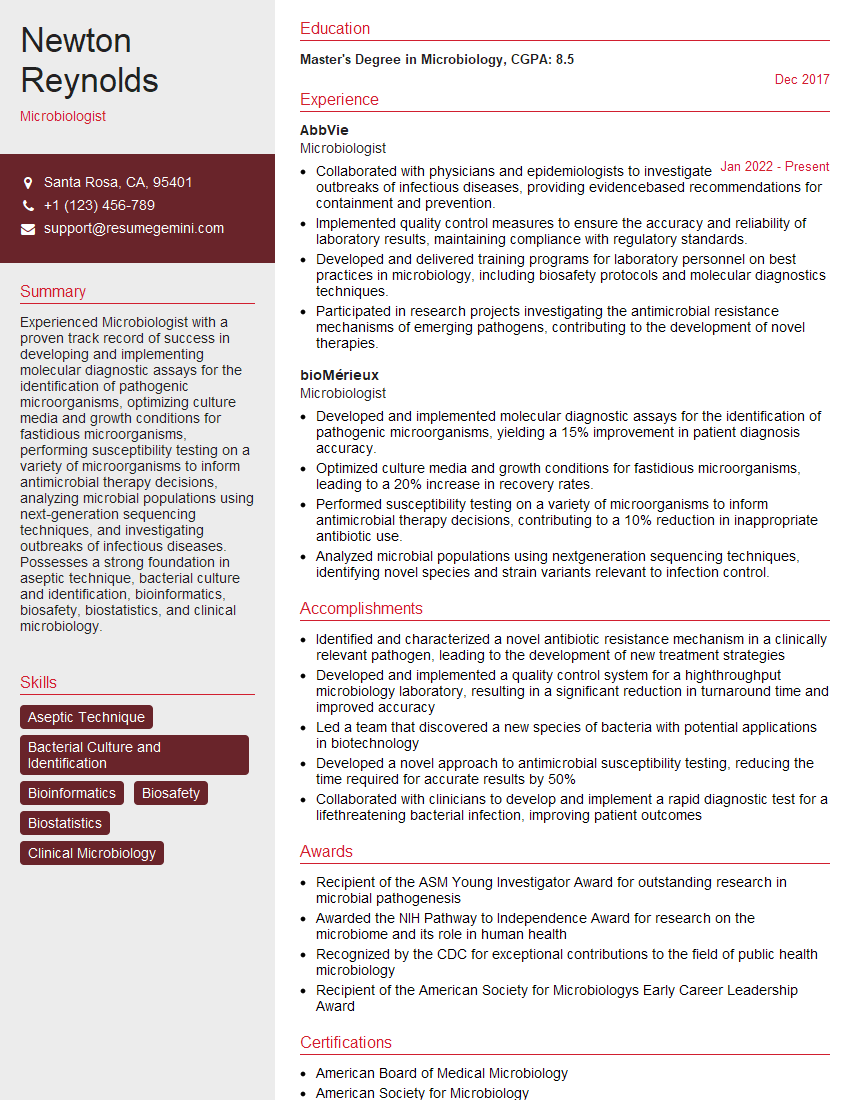
Microbiologist Resume Sample
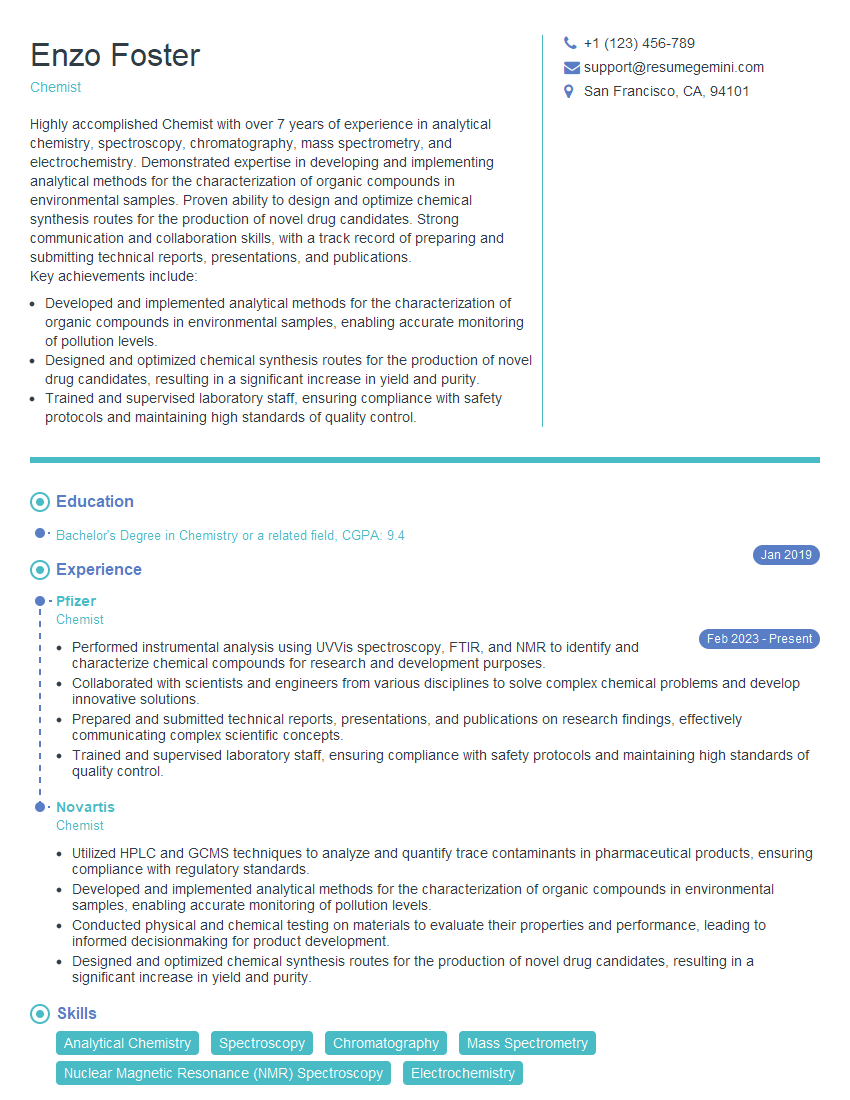
Chemist Resume Sample
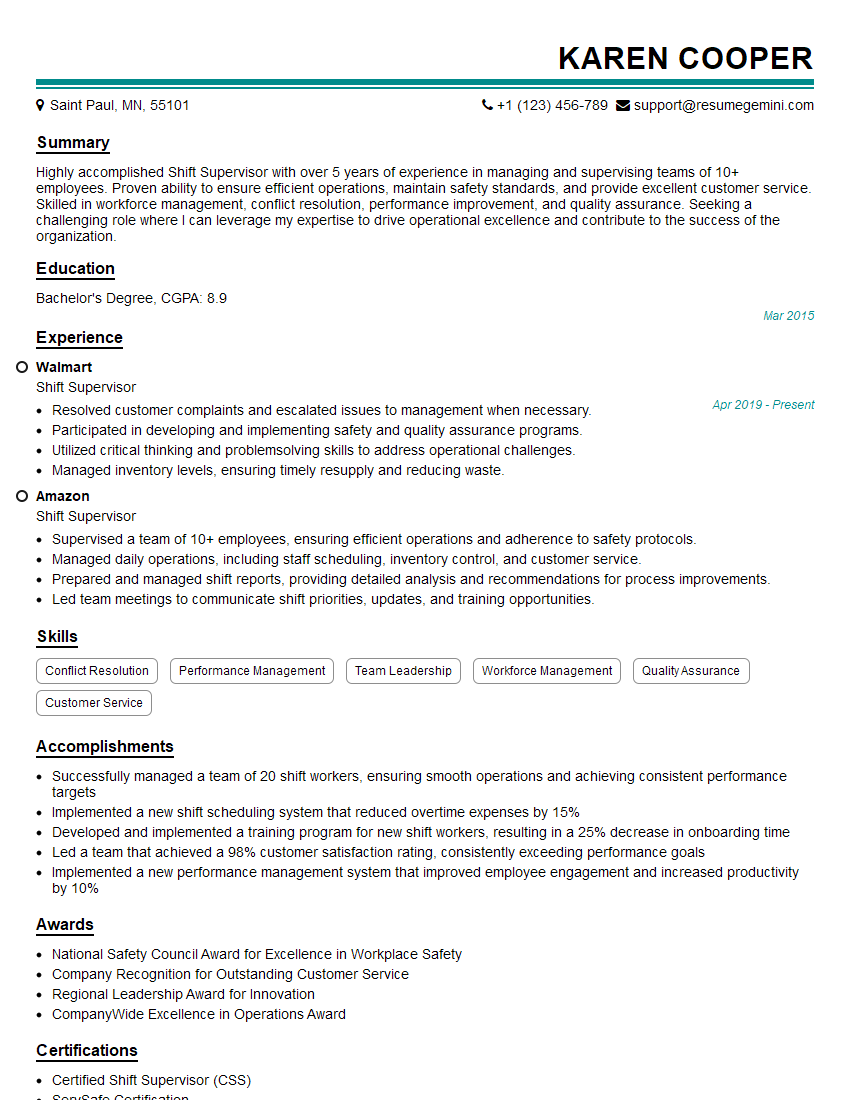
Shift Supervisor Resume Sample
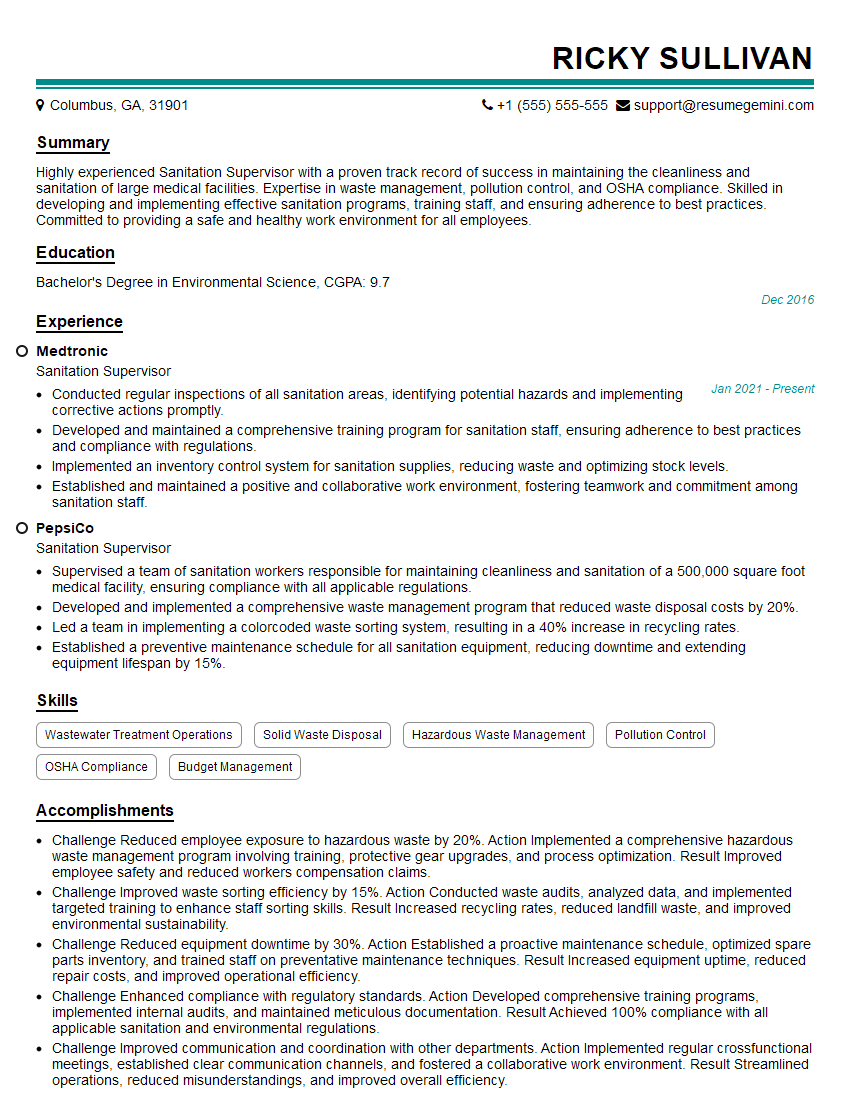
Sanitation Supervisor Resume Sample
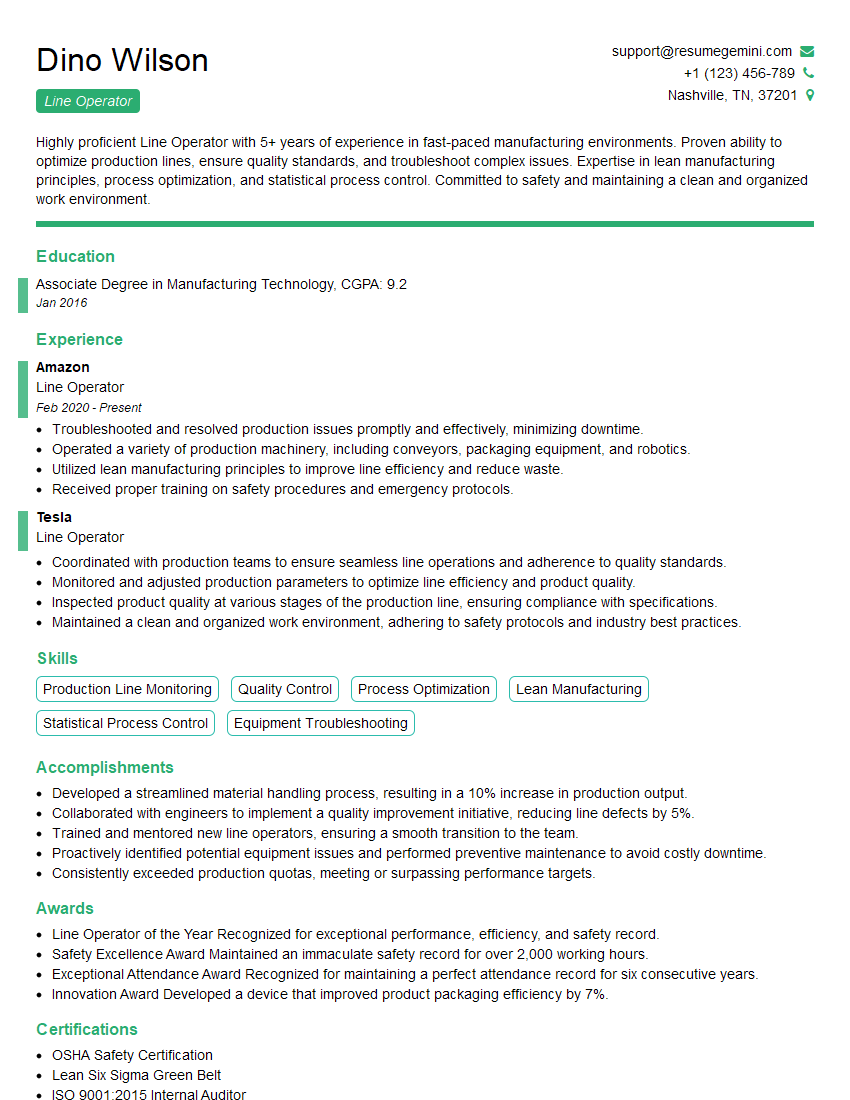
Line Operator Resume Sample
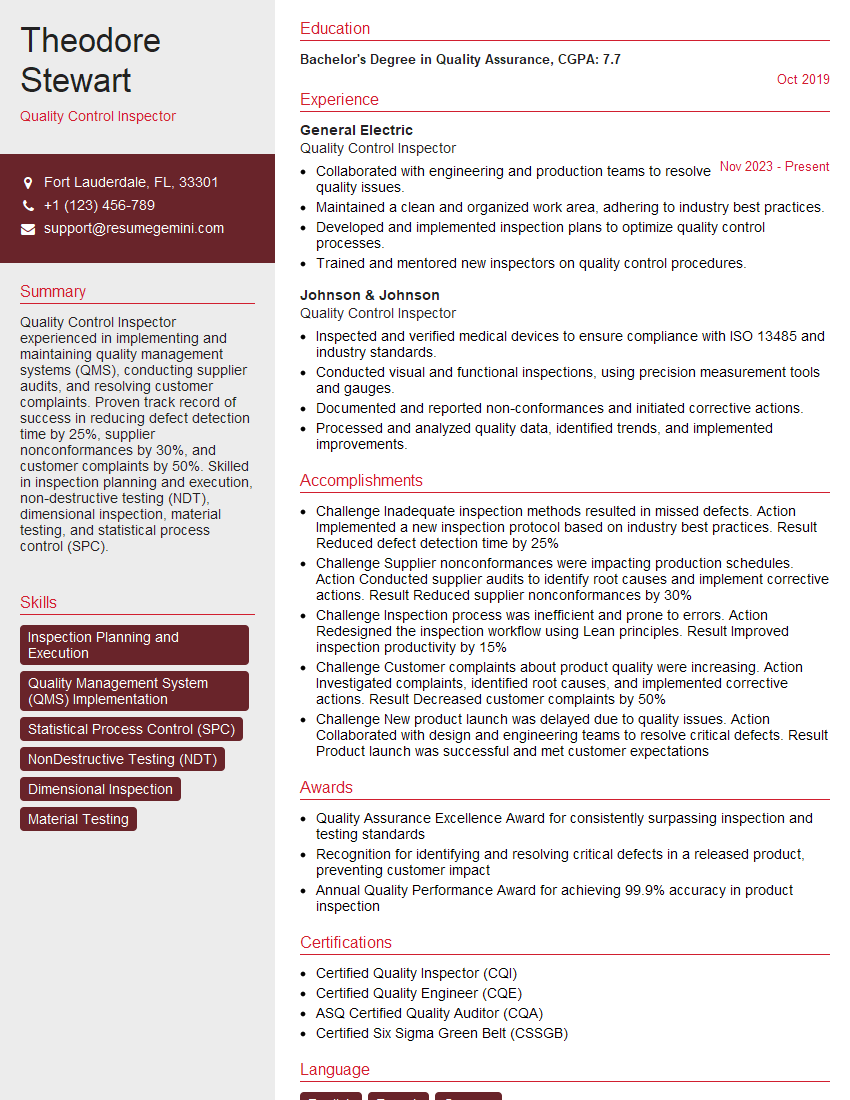
Quality Control Inspector Resume Sample
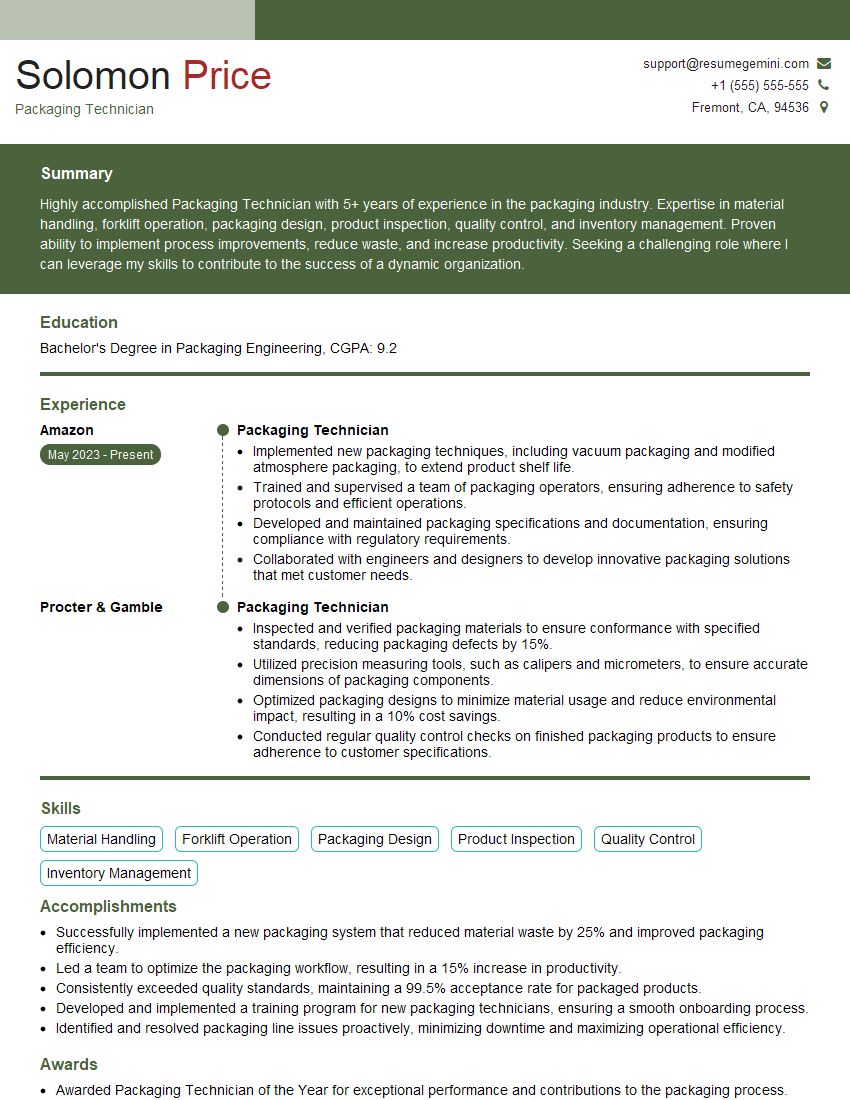
Packaging Technician Resume Sample
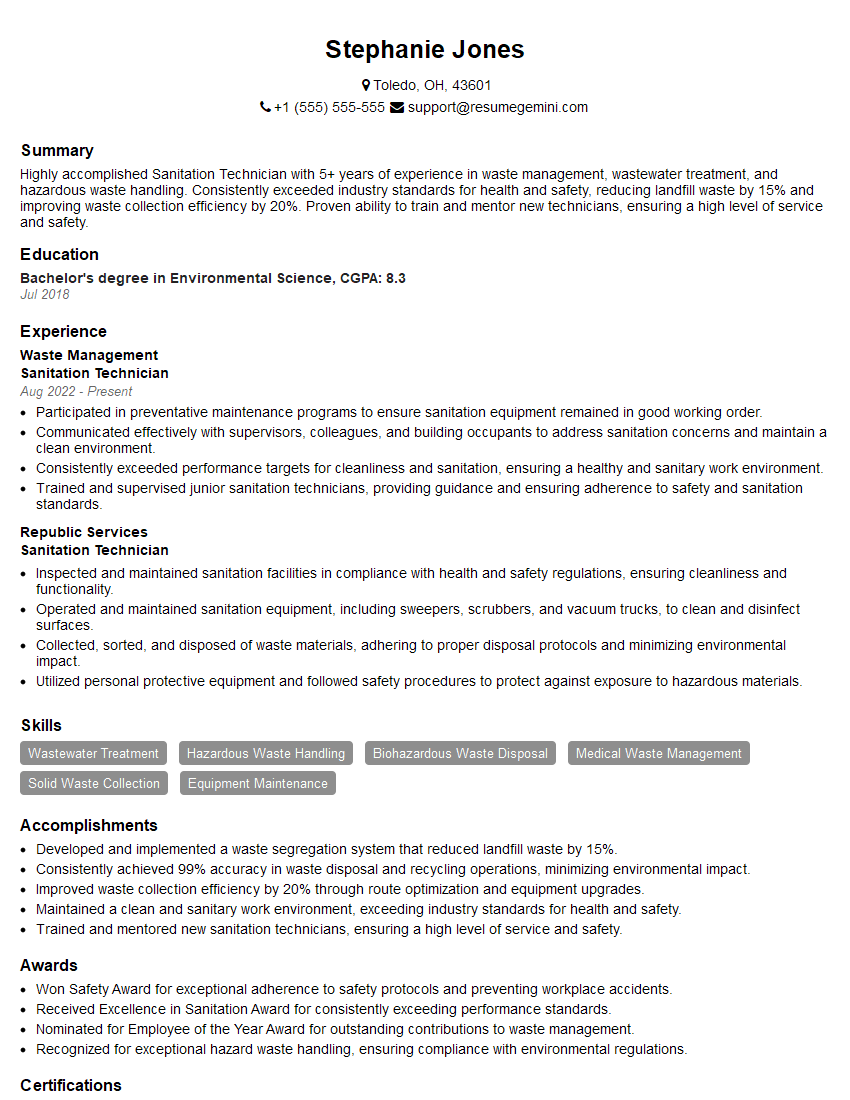
Sanitation Technician Resume Sample
- Operations Manager
- Plant Manager
- Quality Control Manager
- Maintenance Supervisor
- Production Supervisor
- Supply Chain Manager
- Quality Assurance Specialist
- Regulatory Affairs Specialist
- Production Planner
- Process Engineer
- Packaging Engineer
- Process Technician
- Food Scientist
- Food Technologist
- Microbiologist
- Chemist
- Shift Supervisor
- Sanitation Supervisor
- Line Operator
- Quality Control Inspector
- Packaging Technician
- Sanitation Technician
Explore more articles
Users Rating of Our Blogs
Share Your Experience
We value your feedback! Please rate our content and share your thoughts (optional).
What Readers Say About Our Blog
Really detailed insights and content, thank you for writing this detailed article.
IT gave me an insight and words to use and be able to think of examples