Are you ready to stand out in your next interview? Understanding and preparing for Knowledge of food safety risk assessment interview questions is a game-changer. In this blog, we’ve compiled key questions and expert advice to help you showcase your skills with confidence and precision. Let’s get started on your journey to acing the interview.
Questions Asked in Knowledge of food safety risk assessment Interview
Q 1. Describe the HACCP principles and their application in a food production setting.
HACCP, or Hazard Analysis and Critical Control Points, is a preventative food safety management system. It focuses on identifying and controlling potential hazards that can cause foodborne illness. Instead of reacting to problems, HACCP proactively minimizes risks throughout the entire food production process.
- Principle 1: Conduct a Hazard Analysis: Identify potential biological, chemical, and physical hazards that could occur at each step of the process.
- Principle 2: Determine Critical Control Points (CCPs): Identify the points in the process where control is essential to prevent or eliminate a hazard or reduce it to an acceptable level.
- Principle 3: Establish Critical Limits: Set specific measurable limits for each CCP to ensure safety. These are the boundaries that must not be crossed.
- Principle 4: Establish Monitoring Procedures: Develop procedures to monitor CCPs and ensure critical limits are met.
- Principle 5: Establish Corrective Actions: Define actions to take when monitoring indicates a deviation from critical limits.
- Principle 6: Establish Verification Procedures: Verify that the HACCP system is working as intended through regular monitoring, reviews, and audits.
- Principle 7: Establish Record-Keeping and Documentation Procedures: Maintain thorough records of all HACCP activities, including hazard analyses, CCPs, monitoring data, and corrective actions.
Application in a food production setting: Imagine a bakery. A hazard analysis might identify flour contamination (biological), improper oven temperature (physical), or cross-contamination with allergens (chemical). CCPs might be ingredient receiving, dough mixing, baking temperature, and allergen control measures. Critical limits would specify acceptable levels of contaminants and temperature ranges. Monitoring might involve regularly checking temperatures and allergen presence. Corrective actions would define steps to take if temperatures drop or contamination is found.
Q 2. Explain the difference between a hazard and a risk in food safety.
A hazard is any biological, chemical, or physical agent that has the potential to cause harm. A risk is the likelihood that a hazard will cause harm, and the severity of that harm. Think of it this way: a hazard is the *potential* for trouble, while a risk is the *probability* and *impact* of that trouble actually happening.
Example: Hazard: Salmonella bacteria in chicken. Risk: The probability of Salmonella causing illness, considering the concentration of bacteria, the consumer’s vulnerability, and the cooking temperature.
Q 3. How do you conduct a hazard analysis using a decision tree?
A decision tree is a visual tool to systematically analyze hazards. It guides you through a series of questions to determine whether a hazard is likely and significant. Each question leads to a branch in the tree, with ‘yes’ or ‘no’ answers determining the next question. The end of each branch identifies whether a hazard is present and the control measures required.
Example: Let’s say we are analyzing the hazard of Listeria monocytogenes in ready-to-eat meats. The decision tree might start with: ‘Is Listeria likely to survive in this food?’ If yes, the next question is: ‘Can the Listeria multiply during storage?’ and so on. Each ‘yes’ answer leads to deeper questioning, finally identifying control measures needed at specific stages, highlighting where CCPs are needed.
While there is no single standard decision tree structure, the principles remain the same: structured yes/no questions to classify hazards and determine the extent of required control.
Q 4. What are the critical control points (CCPs) in a specific food production process (e.g., canning)?
In the canning process, several CCPs exist. This is a high-risk process due to the potential for botulism.
- Cleaning and sanitation of equipment: Preventing bacterial contamination before the canning process.
- Heat treatment (retorting): Ensuring the product reaches a temperature and time sufficient to destroy harmful microorganisms, including Clostridium botulinum spores.
- Cooling: Ensuring rapid cooling to prevent spoilage and further bacterial growth.
- Seal integrity: Ensuring hermetic sealing to prevent post-processing contamination.
Each of these steps is crucial to preventing foodborne illness. A failure at any CCP can result in serious health consequences.
Q 5. Explain the importance of critical limits in HACCP.
Critical limits are the maximum or minimum values for a CCP that must be met to ensure food safety. They are specific, measurable, achievable, relevant, and time-bound (SMART). They define the boundaries of acceptable operation. If a critical limit is not met, it signifies a failure of the CCP, necessitating corrective action.
Example: In the canning process, the critical limit for retorting might be a minimum temperature of 121°C for a specified duration. If the temperature drops below this limit, the product is unsafe and corrective action is required, such as discarding the batch.
Q 6. How do you verify the effectiveness of control measures?
Verification of control measures involves confirming that the HACCP system is effective in controlling hazards. This includes various procedures:
- Monitoring records review: Regularly checking that critical limits are consistently met.
- Environmental monitoring: Testing for the presence of pathogens in the processing environment (e.g., swabbing equipment).
- Product testing: Testing finished products to confirm that they meet safety standards (e.g., microbiological testing).
- Calibration of equipment: Ensuring that equipment used for monitoring (e.g., thermometers) is accurate.
- Internal audits: Regularly reviewing the HACCP plan and its implementation to identify areas for improvement.
- External audits: Engaging third-party auditors to verify compliance with regulatory standards and HACCP principles.
Effective verification relies on a combination of these methods to provide a comprehensive evaluation of the system’s performance.
Q 7. What are the common foodborne pathogens and their associated risks?
Numerous foodborne pathogens pose significant risks. Some common ones include:
- Salmonella: Causes gastroenteritis; often linked to poultry, eggs, and undercooked meats.
- E. coli (especially O157:H7): Can cause severe bloody diarrhea, and kidney failure; associated with contaminated beef, leafy greens, and unpasteurized milk.
- Listeria monocytogenes: Particularly dangerous to pregnant women, newborns, and immunocompromised individuals; found in ready-to-eat foods and soft cheeses.
- Campylobacter: One of the most common causes of foodborne illness; linked to raw or undercooked poultry and unpasteurized milk.
- Staphylococcus aureus: Produces toxins that cause food poisoning; associated with improperly handled high-protein foods.
- Clostridium botulinum: Produces a potent neurotoxin, causing botulism; often found in improperly canned or preserved foods.
The risks associated with these pathogens vary depending on factors like the amount ingested, the individual’s immune system, and the specific strain of the pathogen. Proper food handling, cooking, and storage are essential in mitigating these risks.
Q 8. Describe your experience with food safety audits and inspections.
My experience with food safety audits and inspections spans over 10 years, encompassing various roles from conducting audits myself to managing facilities undergoing third-party inspections. I’ve been involved in audits across diverse food sectors including manufacturing, processing, and retail, covering everything from small artisan bakeries to large-scale food production plants. I’m proficient in conducting both internal audits, identifying potential hazards and ensuring compliance with relevant regulations (like HACCP and GMPs), and preparing for external audits, ensuring documentation is complete and readily accessible. For example, during an audit of a meat processing facility, I identified a critical control point (CCP) weakness in the temperature monitoring of chilling processes. This led to the implementation of a new real-time monitoring system and enhanced staff training, successfully mitigating the risk of microbial contamination.
My approach always prioritizes a collaborative spirit – working with the audited facility’s team to highlight areas of strength and opportunities for improvement rather than simply pointing out deficiencies. This collaborative approach promotes a culture of continuous improvement, crucial for maintaining robust food safety practices.
Q 9. How do you handle food safety incidents and non-conformances?
Handling food safety incidents and non-conformances requires a structured and proactive approach. My experience dictates a swift, multi-step response. First, we contain the issue, preventing further contamination or spread. This might involve isolating affected products, halting production lines, and implementing immediate corrective actions. Second, we conduct a thorough root cause analysis (RCA). This involves carefully investigating the incident, identifying the underlying causes, and documenting all findings. For instance, a recent incident involving contaminated ingredients traced back to a faulty supplier led us to revise our supplier approval process and strengthen our incoming inspection procedures. Third, we implement corrective actions to prevent recurrence, including employee retraining, process improvements, or enhanced monitoring systems. Fourth, we document every step of the process, creating a comprehensive report that serves as a learning tool and evidence of compliance. Finally, depending on the severity, we might need to initiate a product recall or alert regulatory authorities.
Q 10. What is your understanding of GMPs (Good Manufacturing Practices)?
Good Manufacturing Practices (GMPs) are a set of guidelines ensuring that products are consistently produced and controlled according to quality standards. They aren’t specific to food, but are crucial in the food industry. GMPs encompass a broad range of practices, including hygiene, sanitation, facility design, equipment maintenance, personnel training, and material handling. Think of them as the foundational pillars of food safety. For instance, GMPs dictate strict cleaning and sanitization protocols for food contact surfaces, personnel hygiene practices such as handwashing and appropriate protective clothing, and pest control measures to prevent contamination. Failure to adhere to GMPs can lead to product contamination, spoilage, and ultimately, serious health risks for consumers.
I’ve worked extensively with GMPs, integrating them into food safety management systems and conducting audits based on their principles. A key aspect is ensuring that GMPs are not just documented policies, but actively implemented and regularly monitored. Regular internal audits and employee training are crucial for maintaining GMP compliance and a culture of food safety.
Q 11. Explain the role of traceability in food safety management.
Traceability, in the context of food safety, is the ability to track a food product through all stages of its production, processing, and distribution. It’s like a detailed history of the product’s journey, from farm to table. It’s vital for quickly identifying the source of contamination during a food safety incident, enabling swift recall and preventing widespread illness. For example, if a batch of contaminated spinach is identified, traceability allows us to rapidly trace it back to the specific farm, field, and even harvesting date, minimizing the impact of the contamination. Effective traceability systems often utilize batch numbers, lot codes, and detailed records maintained at each stage of the supply chain.
Implementing robust traceability systems is essential for food safety management, including clear labelling, accurate record-keeping, and efficient data management systems. This allows for effective investigation, recall management, and prevention of future incidents. In practice, this might involve using barcode scanners, RFID tags, or sophisticated software solutions to track products throughout the supply chain.
Q 12. How do you manage allergens in a food production environment?
Managing allergens in a food production environment is critical, as even trace amounts can trigger severe reactions in susceptible individuals. My approach involves a multi-layered strategy. First, we meticulously identify all potential allergens present in our ingredients and processes. Second, we implement strict segregation of allergen-containing ingredients and products, using dedicated equipment, processing lines, and storage areas. We clearly label all ingredients, products, and packaging to indicate the presence of allergens. Third, we establish rigorous cleaning and sanitization procedures to prevent cross-contamination. This includes thorough cleaning of equipment between production runs and dedicated cleaning protocols for allergen-containing product lines. Finally, we implement comprehensive staff training programs to raise awareness and ensure adherence to these procedures. We regularly conduct allergen audits and review our procedures to ensure continual improvement and minimize risk. A strong emphasis on documentation at every step is also critical for traceability and regulatory compliance.
Q 13. Describe your experience with food safety management systems (e.g., ISO 22000).
I have extensive experience with food safety management systems, particularly ISO 22000. I’ve led the implementation, maintenance, and improvement of ISO 22000 systems in multiple food production facilities. ISO 22000 provides a framework for establishing, implementing, maintaining, and improving a food safety management system (FSMS). It’s based on the principles of HACCP (Hazard Analysis and Critical Control Points), but expands upon it by encompassing the entire organization’s food safety related activities, including interactions with suppliers and customers. My experience includes conducting internal audits, implementing corrective actions, and managing documentation to ensure compliance. I’ve also been involved in certification audits, guiding facilities through the process and addressing any identified non-conformances. I understand the requirements for ongoing system maintenance and continuous improvement, which is key to maintaining certification and demonstrating ongoing commitment to food safety.
Q 14. What are the key elements of a food safety plan?
A comprehensive food safety plan is the cornerstone of any food safety management system. Key elements include a thorough hazard analysis, identifying potential biological, chemical, and physical hazards throughout the food production process. This involves considering every stage, from raw material sourcing to final product distribution. Next, the plan outlines critical control points (CCPs), which are the steps in the process where control is essential to prevent or eliminate identified hazards. For example, cooking temperature is a CCP for many meat products. The plan details critical limits for each CCP, defining specific parameters (e.g., temperature, time) that must be met to ensure safety. Then comes the monitoring procedures, specifying how CCPs will be monitored to ensure these limits are consistently met. Finally, there are corrective actions, detailing the steps to take if a critical limit is not met, and verification procedures to confirm the effectiveness of the entire food safety plan. Record-keeping is paramount throughout this entire process, ensuring traceability and accountability.
Q 15. Explain the importance of employee training in food safety.
Employee training is the cornerstone of a robust food safety program. It’s not just about compliance; it’s about cultivating a culture of safety where every employee understands their role in preventing foodborne illnesses. Effective training goes beyond simply reading a manual; it involves hands-on practice, interactive sessions, and regular reinforcement.
- Comprehensive Curriculum: Training should cover topics like proper handwashing techniques, safe food handling procedures, allergen awareness, sanitation protocols, and the identification of potential hazards. For example, training should explicitly detail the correct temperature ranges for storing different food types to prevent bacterial growth.
- Regular Refreshers: Food safety regulations and best practices evolve. Regular refresher courses ensure employees stay up-to-date and maintain their knowledge. Think of it like a yearly car inspection – crucial for maintaining safety and efficiency.
- Practical Application: Training should include practical exercises and simulations to allow employees to apply their knowledge in real-world scenarios. This could involve role-playing scenarios like handling a spill or identifying contaminated food.
- Documentation and Assessment: A well-structured training program includes documentation of training completion, along with assessments to gauge employee understanding and retention. This documentation is vital for audits and demonstrating compliance.
For instance, in a bakery, employees might receive specialized training on handling dough to prevent cross-contamination, while in a meat processing plant, the focus might be on proper sanitation of equipment to eliminate E. coli.
Career Expert Tips:
- Ace those interviews! Prepare effectively by reviewing the Top 50 Most Common Interview Questions on ResumeGemini.
- Navigate your job search with confidence! Explore a wide range of Career Tips on ResumeGemini. Learn about common challenges and recommendations to overcome them.
- Craft the perfect resume! Master the Art of Resume Writing with ResumeGemini’s guide. Showcase your unique qualifications and achievements effectively.
- Don’t miss out on holiday savings! Build your dream resume with ResumeGemini’s ATS optimized templates.
Q 16. How do you ensure proper sanitation and hygiene in a food processing facility?
Maintaining proper sanitation and hygiene in a food processing facility is paramount. It’s a multifaceted process requiring a combination of stringent procedures, regular monitoring, and proactive measures.
- Cleaning and Sanitizing: A rigorous cleaning and sanitizing schedule must be established and meticulously followed. This includes the regular cleaning and sanitizing of all surfaces, equipment, and utensils. Specific cleaning agents should be chosen based on the type of surface and potential contaminants.
- Pest Control: A proactive pest control program is essential. Regular inspections and the implementation of preventative measures are crucial to prevent infestations. This often involves working with a professional pest control service.
- Waste Management: Proper waste disposal is vital to prevent contamination. Designated areas for waste disposal should be clearly marked and regularly cleaned. Waste should be properly contained and disposed of according to regulations.
- Personal Hygiene: Employees must adhere to strict personal hygiene standards, including proper handwashing, wearing appropriate protective clothing, and avoiding actions that could lead to contamination.
- Monitoring and Documentation: Regular monitoring and documentation of cleaning and sanitation procedures are necessary to ensure compliance and track effectiveness. This usually involves maintaining detailed logs and records.
Imagine a scenario where a food processor doesn’t properly sanitize its equipment. This could lead to cross-contamination, bacterial growth, and potentially a serious food safety incident. A robust sanitation plan minimizes such risks.
Q 17. What is your understanding of food safety legislation and regulations (e.g., FDA, USDA)?
My understanding of food safety legislation and regulations, such as those from the FDA (Food and Drug Administration) and USDA (United States Department of Agriculture), is comprehensive. These agencies establish the legal framework for food safety in the United States, covering everything from the production and processing of food to its distribution and sale.
- FDA: The FDA regulates most food products, including processed foods, bottled water, and seafood. Their regulations cover areas like hazard analysis and critical control points (HACCP), current good manufacturing practices (cGMP), and labeling requirements.
- USDA: The USDA primarily regulates meat, poultry, and egg products. Their regulations are similar to the FDA’s, focusing on HACCP, sanitation, and inspection programs.
- State and Local Regulations: In addition to federal regulations, state and local governments may have their own food safety regulations. It’s crucial to be aware of all applicable regulations at every level.
Understanding these regulations is critical for ensuring compliance and minimizing legal risks. Non-compliance can lead to significant fines, product recalls, and reputational damage. Staying abreast of updates and changes in regulations is an ongoing process requiring consistent attention.
Q 18. Describe your experience with risk assessment methodologies (e.g., FMEA).
I have extensive experience using various risk assessment methodologies, including Failure Mode and Effects Analysis (FMEA). FMEA is a systematic approach to identifying potential failure modes in a process, analyzing their effects, and determining their severity, occurrence, and detectability. This allows prioritization of risk mitigation efforts.
- Steps in FMEA: The process typically involves forming a team, defining the process to be analyzed, identifying potential failure modes, assessing the severity, occurrence, and detection of each failure mode, calculating the risk priority number (RPN), developing actions to mitigate the risks, and implementing and monitoring the effectiveness of the actions.
- Application in Food Safety: In food safety, FMEA can be used to assess the risks associated with various aspects of the food production process, from ingredient sourcing to packaging and distribution. For example, we can use it to analyze the risk of bacterial contamination during the cooking process or the risk of cross-contamination between different food items.
- Software Tools: Various software tools are available to support FMEA, enabling efficient data management and analysis. These tools help streamline the process and ensure consistency.
For instance, in a previous role, we used FMEA to analyze the risk of equipment malfunction in a canning line. This led to the implementation of preventative maintenance procedures, significantly reducing the risk of product contamination and recall.
Q 19. How do you identify and evaluate potential food safety hazards in a supply chain?
Identifying and evaluating potential food safety hazards in a supply chain requires a comprehensive approach that considers all stages, from farm to table. It’s not just about the manufacturing process; it encompasses the entire journey of the product.
- Supplier Audits: Conducting regular audits of suppliers is critical to assess their food safety practices and compliance with regulations. This includes verifying their sanitation protocols, traceability systems, and pest control measures.
- Hazard Analysis: A thorough hazard analysis must be performed, identifying potential biological, chemical, and physical hazards at each stage of the supply chain. This might include considering the risk of contamination from raw materials, processing equipment, or transportation.
- Traceability Systems: Implementing robust traceability systems is essential to track products through the entire supply chain. This allows for rapid identification and removal of contaminated products in case of an outbreak or recall.
- Data Analysis: Analyzing data from various sources, including supplier audits, production records, and customer complaints, helps identify trends and patterns that could indicate potential hazards.
A practical example: Imagine a case where a supplier’s inadequate storage practices lead to spoilage. A strong supply chain management system, including regular audits and traceability, would quickly pinpoint the source, prevent widespread contamination, and limit the damage.
Q 20. How do you manage food safety risks during product recall?
Managing food safety risks during a product recall is a critical and complex process requiring swift action and clear communication. The objective is to minimize the impact on public health and the company’s reputation.
- Rapid Response: A rapid and effective response is crucial. The first step involves confirming the extent of the contamination and identifying the affected products.
- Product Removal: The next step is to immediately initiate the recall process, removing the affected products from the market. This often involves working closely with distributors and retailers.
- Communication: Clear and transparent communication with consumers, regulatory agencies, and stakeholders is essential. This ensures timely notification and minimizes public health risks.
- Investigation: A thorough investigation must be conducted to determine the root cause of the contamination and prevent similar incidents in the future. This often involves tracing the products back through the supply chain.
- Corrective Actions: Once the root cause is identified, corrective actions should be implemented to prevent recurrence. This might involve changes in production processes, supplier selection, or quality control procedures.
Consider a scenario where a certain batch of peanut butter is found to be contaminated with salmonella. Effective recall management would involve rapidly identifying the contaminated batch, issuing a public recall notice, removing the product from shelves, and thoroughly investigating the contamination source to prevent future incidents.
Q 21. Describe your experience with data analysis and interpretation in food safety.
Data analysis and interpretation are integral to effective food safety management. This involves collecting, analyzing, and interpreting data from various sources to identify trends, patterns, and potential risks.
- Data Sources: Data sources include production records, supplier information, environmental monitoring results, customer complaints, and regulatory reports.
- Statistical Analysis: Statistical methods can be used to analyze data and identify significant trends. For example, statistical process control (SPC) charts can be used to monitor key parameters and identify potential deviations from the norm.
- Data Visualization: Visualizing data through graphs and charts helps to communicate findings effectively and identify patterns that might not be apparent in raw data.
- Predictive Modeling: Advanced techniques such as predictive modeling can be used to forecast potential food safety risks based on historical data and other factors.
For instance, in a previous project, we analyzed data from a food processing plant to identify the sources of microbial contamination. This involved analyzing environmental monitoring data, production records, and employee training records to pin point areas for improvement and reduce contamination rates. By visualizing this data, we could clearly see correlations and make data-driven improvements to our processes.
Q 22. What are the key challenges in implementing food safety programs?
Implementing robust food safety programs presents several significant hurdles. Think of it like building a house – you need strong foundations and attention to every detail. One key challenge is maintaining consistent adherence to standards across all levels of the operation. This involves training staff thoroughly, providing clear guidelines, and performing regular audits to ensure everyone understands and follows protocols. Another challenge is managing resources effectively. Food safety initiatives require investment in equipment, training, and testing, which can strain budgets, especially for smaller businesses. Furthermore, keeping up with evolving regulations and technological advancements in food safety is crucial yet demanding. For instance, the emergence of new pathogens or changes in consumer expectations necessitate continuous adaptation of existing protocols. Finally, effectively addressing unforeseen events, such as equipment malfunctions or supply chain disruptions, requires proactive planning and rapid response capabilities.
- Inconsistent Staff Adherence: A common problem is inconsistent application of hygiene practices, leading to potential contamination.
- Budgetary Constraints: Implementing advanced technologies or comprehensive training programs can be expensive.
- Regulatory Changes: Keeping up with constantly evolving regulations and standards can be challenging.
- Unexpected Events: Handling unexpected situations like power outages or supplier issues requires a robust contingency plan.
Q 23. How do you ensure effective communication of food safety information to employees and stakeholders?
Effective communication is the backbone of any successful food safety program. It’s about ensuring everyone is on the same page, from the CEO to the cleaning staff. We use a multi-pronged approach. Firstly, we leverage various channels – formal training sessions, regular updates through newsletters, posters in high-traffic areas, and easily accessible online resources. Secondly, we focus on making information easily understandable. We avoid overly technical jargon and use clear, concise language complemented by visuals where appropriate. This is especially vital for training less technically-skilled employees. Thirdly, we encourage open communication. We establish feedback mechanisms, allowing employees to voice concerns or suggest improvements. For example, we have a suggestion box and regular staff meetings dedicated to food safety. Finally, communication with external stakeholders, such as suppliers and regulatory agencies, requires clear documentation, timely updates, and proactive engagement. This ensures transparency and trust.
- Multi-Channel Approach: Training, newsletters, posters, online resources.
- Clear and Concise Messaging: Avoiding jargon and using visuals.
- Open Feedback Mechanisms: Suggestion boxes, staff meetings.
- Proactive Stakeholder Engagement: Transparent communication with suppliers and agencies.
Q 24. What is your approach to continuous improvement in food safety?
Continuous improvement in food safety is not a destination, but a journey. We employ a structured approach using the Plan-Do-Check-Act (PDCA) cycle. This means we constantly plan improvements, implement them, check their effectiveness, and then act on the results to refine our processes. We actively track key performance indicators (KPIs), such as the number of non-conformances, positive microbiological tests, and customer complaints. Regular internal audits identify areas for improvement. We also embrace external benchmarking, comparing our practices against industry best practices and those of our competitors. In addition, investing in new technologies and participating in industry training programs helps us stay updated on the latest advancements. For instance, we recently invested in a new rapid pathogen detection system which significantly reduced our testing time, and improved our response to potential contamination events. This iterative process ensures that our food safety management system is always evolving and improving.
Q 25. How do you manage conflicting priorities regarding food safety and production efficiency?
Balancing food safety and production efficiency is a delicate act, akin to walking a tightrope. It requires a holistic approach. We view food safety not as a constraint, but as an integral part of efficient production. Cutting corners on safety can lead to costly recalls, production halts, and reputational damage, ultimately impacting efficiency far more than adhering to safety protocols. We use risk assessment tools to identify critical control points and prioritize resources. We invest in technologies that enhance both safety and efficiency. For example, automated sanitation systems reduce labor costs while improving hygiene. By integrating food safety into employee training and performance evaluations, we encourage a culture where safety is not seen as a burden, but as a shared responsibility. We regularly review our processes to identify areas where improvements can be made without compromising safety. This approach allows us to consistently meet both food safety requirements and production targets.
Q 26. What is your understanding of preventive controls for human food?
Preventive controls for human food are proactive measures implemented to prevent hazards from occurring rather than just reacting to them after they’ve happened. Think of it as a proactive approach, like putting a fence around a pool to prevent accidents rather than waiting for someone to fall in. The FDA’s Preventive Controls for Human Food rule outlines seven key categories: 1) Hazard Analysis and Risk-Based Preventive Controls (HARPC): Identifying hazards and implementing controls, 2) Supply-Chain Program: Ensuring safe ingredients, 3)Good Agricultural Practices (GAPs): Safe growing and harvesting of produce, 4)Current Good Manufacturing Practices (cGMPs): Sanitation, personnel hygiene, and facility maintenance, 5)Preventive Controls for Food Allergens: Preventing cross-contamination and labeling accuracy, 6)Sanitation Controls: Maintaining a clean and sanitary environment, and 7)Recall Plan: Procedure for handling product recalls. Implementing these controls requires thorough documentation, training, and monitoring to ensure their effectiveness. For example, we’ve implemented a rigorous allergen management plan, including designated equipment and cleaning procedures to prevent cross-contamination. This ensures our products meet legal requirements and maintain consumer confidence.
Q 27. Describe your experience with microbiological testing and interpretation of results.
My experience with microbiological testing is extensive, covering various methods such as plate counts, PCR, and ELISA. I am proficient in interpreting results, understanding the significance of different colony counts, and identifying potential sources of contamination. For example, an elevated E. coli count in a finished product sample might indicate a failure in sanitation procedures during processing. The interpretation also considers the specific microorganism, its concentration, and the food matrix. A low count of a particular bacteria might be acceptable in one type of product, but unacceptable in another, more susceptible type. I’m also well-versed in using statistical analysis to interpret results, understanding variability and calculating confidence intervals. Accurate interpretation requires attention to detail, proper documentation, and a thorough understanding of microbiology principles and regulatory guidelines. My experience extends to managing and analyzing data from environmental monitoring programs, helping to pinpoint sources of contamination within the facility.
Q 28. How would you assess the risk associated with a new food product launch?
Assessing the risk associated with a new food product launch is a critical step. We use a structured hazard analysis and critical control point (HACCP) approach. This starts with identifying all potential hazards associated with the product, from raw materials to packaging. For instance, for a new ready-to-eat salad, potential hazards might include Listeria contamination, cross-contamination from other products during production, and inadequate refrigeration during distribution. Then, we conduct a risk assessment for each hazard considering its likelihood and severity. A high likelihood and severe consequence would lead to the implementation of stringent controls. This involves identifying Critical Control Points (CCPs) – steps in the process where control is essential to prevent or eliminate the hazard. At each CCP, we define critical limits and monitoring procedures. We develop a verification process to ensure the effectiveness of controls, such as regular testing and employee training. Finally, a comprehensive recall plan is created outlining procedures in case of a food safety incident. This structured approach allows us to proactively manage risks, ensuring the safety and quality of our new product launch.
Key Topics to Learn for a Food Safety Risk Assessment Interview
- Hazard Analysis and Critical Control Points (HACCP): Understand the principles of HACCP, including hazard identification, risk assessment, critical control point determination, and monitoring procedures. Consider practical applications like implementing HACCP plans in different food production environments.
- Risk Assessment Methodologies: Familiarize yourself with various risk assessment approaches, such as qualitative and quantitative methods. Be prepared to discuss their strengths and weaknesses, and when each is most appropriate. Practice applying these methods to hypothetical scenarios.
- Foodborne Illnesses and Pathogens: Develop a strong understanding of common foodborne pathogens (e.g., Salmonella, E. coli, Listeria), their sources, and the conditions that promote their growth. Be able to discuss preventative measures and control strategies.
- Food Safety Regulations and Standards: Review relevant food safety regulations and standards (e.g., FDA, USDA guidelines) and how they relate to risk assessment. Consider the legal implications of non-compliance.
- Preventive Controls for Human Food (PCFH): Understand the requirements and implementation of PCFH, including preventative controls for biological, chemical, and physical hazards.
- Data Analysis and Interpretation: Practice interpreting data related to food safety, such as microbial testing results or consumer complaint data, to identify trends and potential risks. Develop problem-solving skills to address identified issues.
- Good Manufacturing Practices (GMPs) and Sanitation: Understand the importance of GMPs and proper sanitation procedures in minimizing food safety risks. Be able to discuss their practical implementation.
- Allergen Control: Know the procedures for managing allergens throughout the food production process, including preventing cross-contamination and accurate labeling.
Next Steps
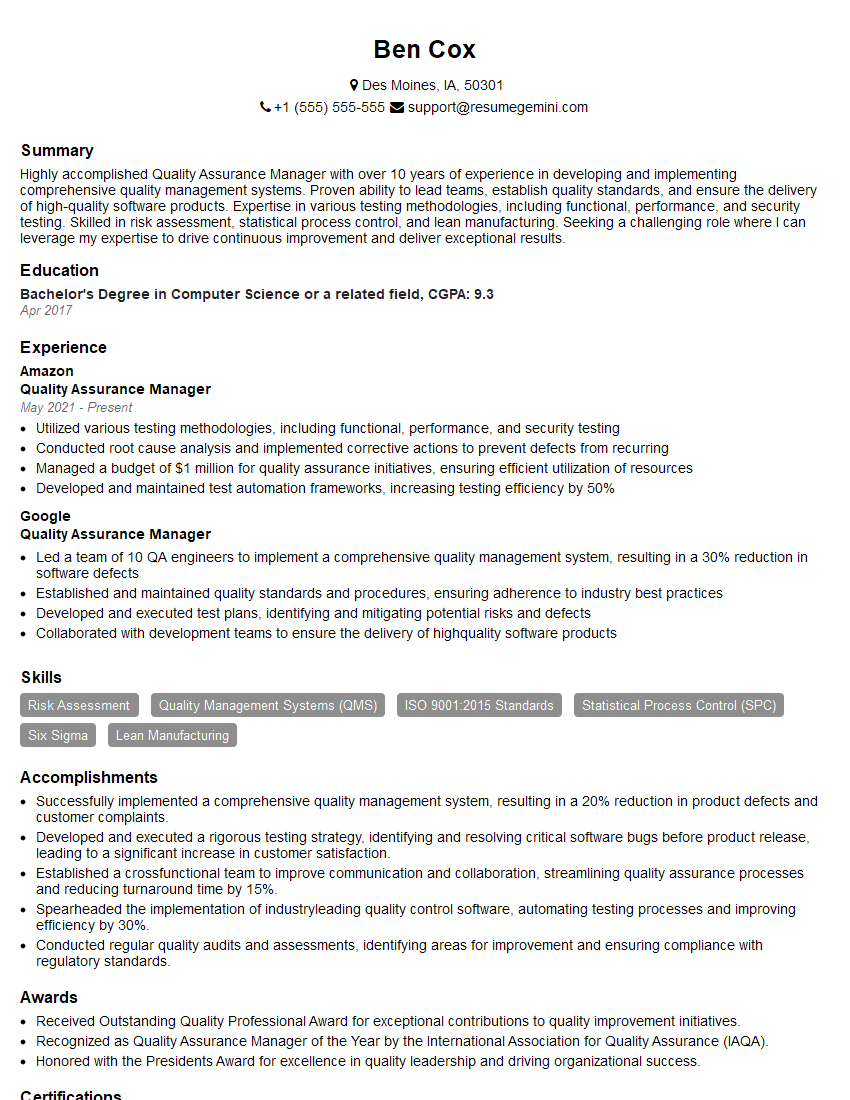
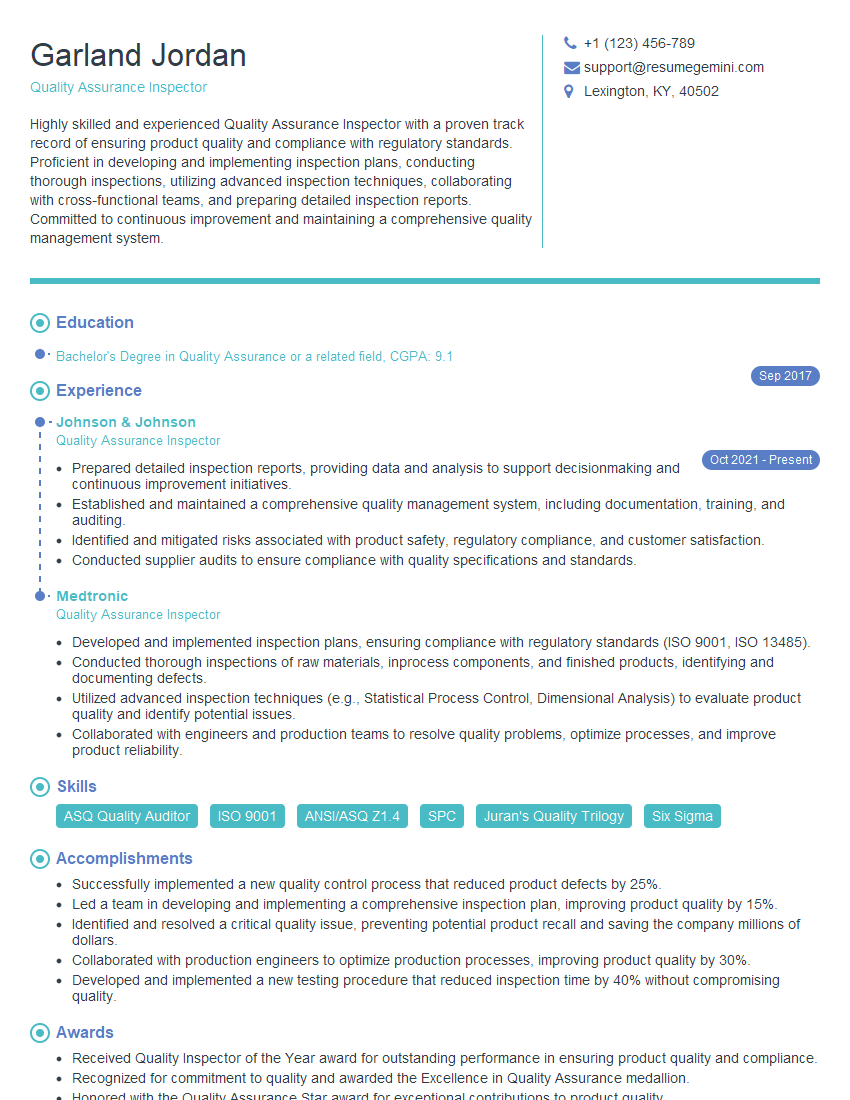
Mastering food safety risk assessment is crucial for career advancement in the food industry, opening doors to leadership roles and higher earning potential. A strong resume is your key to unlocking these opportunities. Creating an ATS-friendly resume that highlights your skills and experience is essential. ResumeGemini can help you craft a compelling and effective resume that showcases your expertise in food safety risk assessment. Use ResumeGemini’s tools to build a professional document that will impress recruiters. Examples of resumes tailored to food safety risk assessment are available to guide you.

Explore more articles
Users Rating of Our Blogs
Share Your Experience
We value your feedback! Please rate our content and share your thoughts (optional).
What Readers Say About Our Blog
Really detailed insights and content, thank you for writing this detailed article.
IT gave me an insight and words to use and be able to think of examples