Are you ready to stand out in your next interview? Understanding and preparing for Knowledge of Industry Standards (e.g., FARs, JARs, AS9100) interview questions is a game-changer. In this blog, we’ve compiled key questions and expert advice to help you showcase your skills with confidence and precision. Let’s get started on your journey to acing the interview.
Questions Asked in Knowledge of Industry Standards (e.g., FARs, JARs, AS9100) Interview
Q 1. Explain the key differences between FAR Part 25 and FAR Part 45.
FAR Part 25 and FAR Part 45 are both sections of the Federal Acquisition Regulation (FAR), but they govern very different aspects of government contracting. FAR Part 25 deals specifically with airworthiness standards for aircraft and related products, focusing on ensuring safety and airworthiness throughout the aircraft’s lifecycle. This involves stringent design, manufacturing, and maintenance requirements. Think of it as the regulatory framework ensuring the plane you’re flying on is safe.
In contrast, FAR Part 45 addresses government property. It outlines the responsibilities of both the government and contractors regarding the acquisition, use, maintenance, and disposition of government-furnished property (GFP) and contractor-acquired property (CAP). This part ensures that government assets are properly managed and accounted for throughout the project lifecycle. Imagine it as the rulebook for handling all the tools and materials the government provides to a contractor for a project.
Key Differences Summarized:
- Part 25: Airworthiness, safety, design, manufacturing, maintenance of aircraft.
- Part 45: Management and control of government property (GFP and CAP).
For example, a company building aircraft under a government contract would need to adhere to Part 25’s stringent airworthiness standards, while simultaneously managing government-furnished tooling and materials according to Part 45.
Q 2. Describe your experience with AS9100D requirements and audits.
I have extensive experience with AS9100D, having led and participated in numerous internal and external audits. My experience spans various roles, from internal auditor to management representative. AS9100D, based on ISO 9001, is the quality management system standard specifically tailored for the aerospace industry. It focuses on consistently meeting customer requirements and enhancing customer satisfaction through process improvements and risk mitigation.
During audits, I’ve focused on verifying the effectiveness of a company’s QMS against the standard’s requirements. This includes reviewing documentation, conducting interviews with personnel at all levels, and observing on-site processes. I’ve identified numerous non-conformances across different areas, such as: process control, material traceability, and calibration management. Successfully resolving these has always been my top priority. For example, in one instance, we uncovered a gap in the traceability of critical components. Through a thorough root cause analysis, we implemented a new barcoding system to eliminate this issue.
Beyond audits, I’ve been involved in the development and implementation of AS9100D compliant quality management systems, leading training sessions for employees, and providing ongoing support to ensure continued compliance.
Q 3. How do you ensure compliance with JAR-OPS 1 regulations?
JAR-OPS 1 (now largely superseded by EASA regulations) relates to the operational aspects of air operations. Ensuring compliance involves a multi-faceted approach that goes beyond simple checklist adherence. It’s about fostering a safety-conscious culture throughout the organization.
To ensure compliance, we would focus on:
- Comprehensive Documentation and Procedures: Maintaining up-to-date operational manuals, training programs, and safety procedures that align with JAR-OPS 1 (or its equivalent EASA regulations). This would include flight operation manuals, maintenance programs and safety management systems.
- Pilot Training and Proficiency: Regular training and assessment programs to ensure pilots meet the required competency levels. This includes recurrent training, simulator sessions and line checks.
- Aircraft Maintenance and Airworthiness: Strict adherence to maintenance schedules, thorough inspections, and prompt resolution of any detected defects. This also involves careful management of aircraft maintenance records and compliance with relevant airworthiness directives.
- Risk Management: Proactive hazard identification and risk mitigation strategies to address potential safety issues before they become incidents or accidents. Regular safety audits and reviews are essential.
- Continuous Improvement: Implementing a safety management system (SMS) that facilitates continuous improvement through data analysis, lessons learned from incidents, and proactive hazard management.
In essence, JAR-OPS 1 compliance requires a holistic approach where safety isn’t just a department’s responsibility, but a core value integrated into every aspect of the organization’s operations.
Q 4. What are the core principles of ISO 9001 and how do they relate to AS9100?
ISO 9001 is a globally recognized standard for quality management systems (QMS). Its core principles revolve around customer focus, leadership, engagement of people, process approach, improvement, evidence-based decision making, and relationship management. Essentially, it’s a framework for organizations to consistently deliver quality products and services that meet customer requirements.
AS9100, specifically AS9100D, builds upon ISO 9001 by adding requirements relevant to the aerospace industry. It incorporates additional clauses focusing on areas like: product safety, risk management, and continual improvement relevant to aerospace manufacturing and service provision. While ISO 9001 provides a foundational framework, AS9100 enhances it with the specific needs of the aerospace sector to provide increased assurances of quality and safety.
Think of it like this: ISO 9001 is the general recipe for making a cake, while AS9100 adds specific instructions and ingredient checks to ensure the cake meets the stringent quality and safety requirements needed for an aerospace application (imagine building a cake for use in a spacecraft!).
Q 5. Explain the significance of the ‘ITAR’ (International Traffic in Arms Regulations).
The International Traffic in Arms Regulations (ITAR) is a set of U.S. government regulations that control the export and import of defense-related articles and services. It aims to prevent the unauthorized transfer of sensitive technologies and equipment that could pose a threat to national security. This includes military hardware, but also extends to software, technology, and even technical data that could have military applications.
The significance of ITAR lies in its potential impact on businesses involved in the defense industry. Non-compliance can lead to severe penalties, including hefty fines, criminal prosecution, and reputational damage. Companies must carefully review their products and processes to ensure they comply with ITAR’s export control requirements. This involves accurately classifying items, obtaining necessary licenses or exemptions, and maintaining detailed records of transactions.
For example, a company exporting software with embedded cryptographic algorithms that could have military applications would need to adhere to ITAR’s requirements, potentially requiring export licenses and other regulatory compliance.
Q 6. How would you handle a non-conformity discovered during an internal audit?
Discovering a non-conformity during an internal audit requires a systematic and thorough response. My approach would involve these steps:
- Immediate Containment: The first step is to contain the non-conformity to prevent further issues. This might involve halting the affected process or quarantining non-compliant products.
- Root Cause Analysis: A thorough investigation is necessary to identify the root cause of the non-conformity. Tools like 5 Whys or fishbone diagrams can be very helpful here.
- Corrective Action: Once the root cause is identified, a corrective action plan is developed and implemented to eliminate the non-conformity. This might involve process changes, employee retraining, or equipment upgrades.
- Preventative Action: Equally important is developing preventative actions to ensure the non-conformity doesn’t recur. This might involve implementing new controls, improving processes, or strengthening training programs.
- Verification: After corrective and preventative actions are implemented, verification is crucial to confirm their effectiveness. This might involve re-auditing the process or testing the products.
- Documentation: All actions, including the non-conformity, root cause analysis, corrective actions, preventative actions, and verification, are meticulously documented.
Throughout this process, effective communication is key. All relevant stakeholders should be kept informed of the issue and the steps taken to address it.
Q 7. Describe your experience with Corrective Action Preventative Action (CAPA) systems.
I possess significant experience with Corrective Action Preventative Action (CAPA) systems. These systems are critical for continuous improvement and ensuring quality in any organization, particularly in regulated industries like aerospace. My experience covers various aspects of CAPA, from implementation and maintenance of the system itself to investigation and resolution of individual non-conformances.
In my previous roles, I’ve been involved in developing and implementing CAPA systems that align with industry best practices and regulatory requirements, including AS9100. This involved defining clear procedures for identifying, investigating, and resolving non-conformances, ensuring effective root cause analysis, implementing corrective and preventative actions, and verifying the effectiveness of these actions. I’ve used various tools and techniques such as 5 Whys, fault tree analysis, and fishbone diagrams to facilitate thorough root cause analyses.
A successful CAPA system isn’t just about reacting to problems; it’s about building a culture of continuous improvement, proactively identifying potential issues, and preventing future occurrences. I’ve seen firsthand the benefits of a well-functioning CAPA system, leading to reduced non-conformances, improved product quality, and enhanced customer satisfaction. In one instance, a rigorous CAPA investigation following a minor manufacturing defect allowed us to implement a new process control that saved over $100,000 in scrap and rework over the following year.
Q 8. What is your understanding of Export Administration Regulations (EAR)?
The Export Administration Regulations (EAR) are a set of US government regulations that control the export of certain items, including technology and software, to specific countries or entities. The EAR aim to protect national security, foreign policy, and economic interests. They are administered by the Bureau of Industry and Security (BIS) within the Department of Commerce. Understanding the EAR is crucial for any company involved in international trade, as non-compliance can lead to significant penalties.
The EAR employs a licensing system, where exports of controlled items require specific licenses. Determining whether a license is needed involves classifying the item using the Export Control Classification Number (ECCN), the destination country, and the end-user. The regulations are complex and frequently updated, necessitating ongoing monitoring and expert interpretation.
For example, imagine a company developing advanced encryption software. They need to determine the ECCN of their software, which will dictate the licensing requirements depending on the intended export destination and end-user. Exporting to certain countries might require a license, while exporting to others might be prohibited altogether. Incorrect classification can lead to hefty fines and legal repercussions.
Q 9. How do you manage conflicting requirements between different industry standards?
Managing conflicting requirements between different industry standards, such as FARs, JARs, and AS9100, demands a structured and methodical approach. My strategy involves several key steps:
- Identification and Documentation: First, I meticulously identify all applicable standards and clauses. This often involves cross-referencing regulations and collaborating with legal and compliance teams.
- Prioritization: Next, I determine which standard takes precedence. This may depend on contractual obligations, regulatory mandates, or the potential impact of non-compliance. Often, a ‘most stringent’ approach is adopted, meaning the most restrictive requirements are followed.
- Variance Analysis: I then analyze areas of conflict. This may involve researching waivers, exemptions, or alternative compliance methods. This step necessitates a deep understanding of each standard and its underlying intent.
- Documentation and Implementation: Finally, I document the chosen course of action, ensuring the solution is communicated clearly and implemented effectively. This includes updating internal procedures and training personnel.
For instance, a conflict might arise between FAR clauses mandating specific reporting procedures and AS9100 requirements regarding quality management documentation. A well-defined process allows for a resolution that satisfies both sets of requirements, perhaps by integrating the reporting information into the AS9100 system.
Q 10. Explain your approach to risk assessment and mitigation within a regulated environment.
My approach to risk assessment and mitigation in a regulated environment is rooted in a systematic, proactive methodology. It starts with a detailed identification of potential risks, categorizing them by likelihood and severity. This often involves utilizing risk assessment matrices and conducting thorough gap analyses against applicable standards.
Once risks are identified, I develop mitigation strategies. These strategies can range from implementing new controls (e.g., additional testing procedures, enhanced training programs) to modifying existing processes. The effectiveness of these strategies is continuously monitored and reviewed. This iterative process allows for adaptation to changing circumstances and emerging threats.
For example, during the development of a new aerospace component, a key risk might be the failure to meet specific material properties. Mitigation could involve implementing stricter incoming inspection procedures, investing in advanced testing equipment, and developing robust corrective action plans. Regular monitoring ensures these plans remain effective and relevant.
Q 11. Describe your experience with implementing and maintaining a Quality Management System (QMS).
I have extensive experience in implementing and maintaining Quality Management Systems (QMS), primarily based on ISO 9001 but adaptable to other standards such as AS9100. My approach emphasizes a holistic view, integrating quality principles throughout the organization’s processes and culture.
Implementation begins with a thorough gap analysis, identifying current processes and comparing them against the requirements of the chosen standard. This is followed by documentation development, creating detailed procedures, work instructions, and quality records. Crucially, effective training is provided to all personnel involved. Maintaining the QMS involves continuous improvement through regular internal audits, management reviews, and corrective/preventive action processes. Data analysis is key to identify areas needing improvement, fostering continuous optimization.
In a previous role, I led the implementation of AS9100 in a manufacturing facility. This included developing a robust document control system, implementing a nonconforming material management process, and establishing a rigorous internal audit program, leading to certification within a year and sustained compliance.
Q 12. How would you interpret and apply specific clauses from a particular industry standard (e.g., FAR 52.244-6)?
FAR 52.244-6, ‘Government Property’, outlines the responsibilities of both the government and the contractor regarding government-furnished property (GFP). Understanding this clause is critical to avoid disputes and ensure efficient project execution.
The clause specifies that the contractor is responsible for the care, custody, control, and proper use of GFP. This includes maintaining accurate records, implementing appropriate security measures, and reporting any loss, damage, or destruction. The contractor’s responsibility often extends beyond the initial acceptance of the GFP, potentially including disposal at the end of the project. Clear identification of GFP, thorough inspections upon receipt, and meticulous record-keeping are essential to demonstrate compliance.
For example, if a contractor receives specialized test equipment from the government, they are responsible for ensuring that it’s properly maintained, calibrated regularly, and used only as specified. Failure to comply could lead to financial penalties and contract disputes.
Q 13. What are your methods for staying current with changes and updates to relevant industry standards?
Staying current with changes and updates to industry standards is paramount. My approach combines several methods:
- Subscription to Regulatory Updates: I subscribe to relevant publications and newsletters from organizations like the International Organization for Standardization (ISO), the Federal Acquisition Regulation (FAR) website, and other pertinent industry bodies.
- Professional Networks: I actively participate in industry conferences, workshops, and online forums to engage with peers and experts, ensuring I’m abreast of emerging trends and updates.
- Regular Internal Training: I ensure that the team receives regular training on changes to the relevant standards, enabling a collaborative approach to compliance.
- Software and Databases: I utilize software and databases that provide updated information on regulatory changes and compliance requirements.
This multi-pronged approach ensures I’m not only aware of changes but also understand their implications and how to adapt our processes accordingly.
Q 14. Describe a situation where you identified and resolved a compliance issue.
In a previous project, we discovered a discrepancy between our internal processes and a recently updated clause in AS9100D, regarding the handling of nonconforming materials. We found that our existing procedures lacked adequate detail on disposition decisions, potentially leading to inconsistencies and non-compliance.
To resolve this, I convened a team to revise our existing procedures. We conducted a thorough review of the updated AS9100D standard, paying particular attention to the clause in question. We then drafted revised procedures, incorporating the necessary requirements while ensuring they aligned with our operational capabilities. These new procedures were rigorously reviewed, approved by management, and implemented throughout the organization. Subsequent internal audits confirmed the effectiveness of the corrective action and demonstrated our ongoing compliance.
Q 15. How do you ensure traceability throughout a manufacturing process?
Traceability in manufacturing ensures we can track a product’s journey from raw material to finished goods. This is crucial for quality control, identifying defects, and meeting regulatory requirements like AS9100 (aerospace) or ISO 9001 (general manufacturing). Think of it like a detailed recipe for your product, with every ingredient (material), step (process), and person (operator) meticulously documented.
Unique Identification: Each component and subassembly receives a unique identifier (serial number, barcode, etc.) throughout the process. This allows for precise tracking.
Process Documentation: Detailed process instructions, work instructions, and inspection reports are documented for every step. This creates an audit trail of all activities.
Material Traceability: We maintain detailed records of the origin and history of materials used, including certificates of conformance and test results.
Software Systems: Enterprise Resource Planning (ERP) systems and Manufacturing Execution Systems (MES) are frequently utilized to digitally manage and track this information. They help to automate data entry and streamline the traceability process.
For instance, in aerospace manufacturing, if a faulty part is discovered, traceability allows us to quickly identify the batch of parts it belongs to, isolate the source of the problem, and prevent further issues. This saves time, money, and protects safety.
Career Expert Tips:
- Ace those interviews! Prepare effectively by reviewing the Top 50 Most Common Interview Questions on ResumeGemini.
- Navigate your job search with confidence! Explore a wide range of Career Tips on ResumeGemini. Learn about common challenges and recommendations to overcome them.
- Craft the perfect resume! Master the Art of Resume Writing with ResumeGemini’s guide. Showcase your unique qualifications and achievements effectively.
- Don’t miss out on holiday savings! Build your dream resume with ResumeGemini’s ATS optimized templates.
Q 16. What is your understanding of the role of a Designated Export Control Officer?
A Designated Export Control Officer (DECO) is a crucial role in organizations that handle items subject to export controls (ITAR, EAR, etc.). Their primary responsibility is to ensure the company complies with all relevant export regulations. They act as the internal expert and point of contact for all export control-related matters.
Compliance: The DECO develops and implements export control policies and procedures within the company. They ensure all export transactions are properly licensed, documented, and compliant.
Training: They provide training to employees on export control regulations and procedures.
Audits: They conduct internal audits and self-assessments to identify weaknesses and ensure compliance.
Government Liaison: They act as the main point of contact for government agencies and handle any inquiries or investigations related to export compliance.
Imagine a company exporting sensitive technology. The DECO ensures the correct licenses are obtained before shipping, that end-users are vetted, and that all documentation is meticulous. Failing to comply can result in substantial fines, legal repercussions, and reputational damage.
Q 17. Explain the importance of documentation control in maintaining compliance.
Documentation control is the backbone of compliance in any regulated industry. It ensures that all documents related to design, manufacturing, quality, and regulatory compliance are accurate, up-to-date, and readily accessible. Think of it as the ‘single source of truth’ for your operations.
Version Control: Every document has a unique identifier and revision history, eliminating confusion and ensuring everyone uses the most current version.
Approval and Release: A formal process ensures documents are reviewed, approved, and released by authorized personnel before they can be used.
Distribution and Access Control: Only authorized individuals have access to specific documents. Distribution is managed and tracked.
Storage and Retention: Documents are stored securely and retained according to regulatory requirements and company policy.
Without proper documentation control, imagine the chaos if a company is audited and cannot demonstrate compliance due to outdated or missing documents. This could lead to significant penalties, lost contracts, and a tarnished reputation. In regulated industries like aerospace (AS9100), thorough documentation control is not just beneficial—it’s mandatory.
Q 18. Describe your experience working with regulatory bodies.
I have extensive experience interacting with regulatory bodies, including the FAA (Federal Aviation Administration) for aerospace compliance, and the Department of Commerce for export control regulations. This has involved:
Audits: Successfully managing numerous audits, providing complete documentation, and addressing any findings promptly.
Regulatory Submissions: Preparing and submitting required documentation and applications to regulatory agencies in a timely and accurate manner.
Compliance Assessments: Conducting regular self-assessments and risk assessments to proactively identify and mitigate potential compliance issues.
Liaison: Building strong working relationships with regulatory agency personnel to foster open communication and facilitate resolution of any issues.
One example includes successfully navigating a complex FAA audit which led to positive outcomes by proactively addressing potential non-conformances through comprehensive documentation and corrective actions. My consistent approach focuses on preventing non-compliance, rather than simply reacting to it.
Q 19. How would you communicate complex regulatory requirements to non-technical stakeholders?
Communicating complex regulatory requirements to non-technical stakeholders requires clear, concise, and relatable language. Jargon should be avoided, and analogies should be used to explain complex concepts.
Plain Language: Avoid technical terms. Use simple language, short sentences, and bullet points.
Visual Aids: Use flowcharts, diagrams, or other visuals to illustrate processes and procedures.
Real-world Examples: Relate regulatory requirements to real-world scenarios familiar to the stakeholders.
Interactive Sessions: Conduct interactive sessions or workshops to encourage questions and ensure understanding.
For example, when explaining export control regulations to sales staff, I would use a relatable scenario like sending a package internationally to help illustrate the licensing requirements. The key is to translate technicalities into everyday language that everyone can grasp.
Q 20. What are your strategies for managing change within a regulated environment?
Managing change in a regulated environment requires a structured and controlled approach to minimize risks and ensure continued compliance. The key is to plan carefully, communicate clearly, and document thoroughly.
Impact Assessment: Conduct a thorough assessment of the potential impact of the change on compliance requirements.
Risk Assessment: Identify and assess potential risks associated with the change.
Change Control Process: Establish a formal change control process that includes documentation, approval, implementation, and verification steps.
Training and Communication: Provide adequate training and communication to all stakeholders affected by the change.
For instance, if a new manufacturing process is implemented, a comprehensive change control process will document the modifications, assess its impact on compliance (e.g., updating relevant documents), and provide training to the personnel operating the new process. This ensures a smooth transition and reduces the risk of compliance violations.
Q 21. How do you use data analysis to identify trends and potential compliance issues?
Data analysis plays a critical role in identifying trends and potential compliance issues. By analyzing historical data on processes, non-conformances, and audits, we can identify patterns and predict potential problems before they escalate.
Defect Tracking: Analyzing defect trends can reveal underlying process issues requiring corrective actions. For example, a spike in a particular type of defect might indicate a problem with a specific piece of equipment or a flaw in a work instruction.
Audit Findings: Tracking audit findings over time helps identify recurring non-conformances and areas requiring continuous improvement.
Metrics Monitoring: Monitoring key metrics such as on-time delivery, defect rates, and compliance scores can flag potential issues early.
Predictive Analytics: Using statistical methods to forecast potential compliance risks based on historical data.
For example, by analyzing historical data on non-conformances, we might discover a particular type of defect is consistently linked to a specific supplier. This data-driven insight can inform corrective actions, such as switching suppliers or implementing more stringent incoming inspection procedures.
Q 22. What is your experience with internal and external audits?
My experience with internal and external audits spans over 10 years, encompassing various roles from auditor to audit manager in aerospace and defense industries. I’ve led and participated in numerous AS9100, ISO 9001, and FAR Part 45 audits. Internal audits are crucial for proactive identification of non-conformances and improvement opportunities. For example, during an internal audit of our quality management system, we uncovered a weakness in our calibration process, leading to immediate corrective actions and preventing potential costly errors downstream. External audits, on the other hand, provide independent verification of our compliance with regulatory requirements. I’ve successfully managed several external audits with zero major non-conformances, demonstrating our robust compliance program. I’m adept at both the planning and execution stages, ensuring effective communication with auditors and timely remediation of any identified issues. This experience has equipped me with a keen understanding of industry best practices and a proactive approach to continuous improvement.
Q 23. How do you prioritize compliance tasks and manage competing deadlines?
Prioritizing compliance tasks requires a structured approach. I typically utilize a risk-based prioritization framework, considering the potential impact and likelihood of each task’s non-completion. For instance, regulatory deadlines for mandatory reporting or critical system upgrades take precedence over less urgent tasks. I employ project management tools like Gantt charts and Kanban boards to visually manage competing deadlines and dependencies. Effective communication is vital. I maintain transparent communication with stakeholders regarding potential delays and resource allocation adjustments, ensuring that everyone is informed and aligned. For example, during a period of multiple regulatory compliance deadlines, I proactively communicated potential resource conflicts to senior management, which led to the prioritization of resources and successful completion of all tasks on time.
Q 24. What software or tools have you used to manage compliance?
Throughout my career, I’ve leveraged several software and tools for compliance management. I have extensive experience with enterprise resource planning (ERP) systems like SAP and Oracle, which are invaluable in tracking compliance documentation, managing training records, and monitoring corrective actions. I’m also proficient in using dedicated compliance management software that helps automate tasks like audit scheduling, document control, and non-conformance tracking. Furthermore, I’m comfortable using collaboration tools such as SharePoint and Microsoft Teams to facilitate efficient teamwork and communication during audits and compliance projects. Selecting the appropriate tools depends on the organization’s specific needs and resources; however, the core principles of efficiency, data integrity, and accessibility always guide my choice.
Q 25. How familiar are you with the different types of regulatory inspections and audits?
My familiarity with regulatory inspections and audits extends across various industry standards, including FARs (Federal Acquisition Regulations), JARs (Joint Aviation Regulations – now largely replaced by EASA regulations), and AS9100 (aerospace quality management system standard). I understand the differences between a Stage 1 audit (document review), a Stage 2 audit (on-site assessment of processes), and follow-up audits for corrective actions. I’m familiar with the nuances of different regulatory bodies and their respective inspection styles and expectations. For instance, the FAA’s focus on airworthiness in aviation audits differs significantly from the emphasis on quality management systems in AS9100 audits. This understanding allows me to tailor my preparation and responses according to the specific audit type and regulatory body.
Q 26. Describe your understanding of the concept of ‘due diligence’ in relation to regulatory compliance.
Due diligence in regulatory compliance involves proactively identifying, assessing, and mitigating potential compliance risks. It’s about more than just meeting minimum legal requirements; it’s a continuous process of staying informed about evolving regulations, understanding their implications for the organization, and implementing measures to ensure consistent compliance. A key aspect is maintaining updated records and documentation to demonstrate compliance efforts. For example, conducting thorough risk assessments to identify potential areas of non-compliance, regularly reviewing and updating policies and procedures to reflect changes in regulations, and implementing effective monitoring mechanisms are all integral parts of due diligence. Failure to exercise due diligence can lead to significant financial penalties, reputational damage, and operational disruptions.
Q 27. How would you approach the investigation of a potential compliance violation?
Investigating a potential compliance violation follows a structured process. First, I would gather all relevant information: witnesses’ statements, documentation, and data logs. Then, I would conduct interviews with individuals involved, ensuring that the process is fair and unbiased. Next, I’d analyze the gathered information to determine the root cause of the violation, whether it was accidental, intentional, or due to systemic weaknesses. This analysis is crucial for implementing effective corrective and preventive actions (CAPA). Following this, I’d document the investigation thoroughly, including findings, conclusions, and recommended actions. Finally, I’d implement corrective actions, monitor their effectiveness, and report the incident to relevant authorities, if required. For example, if a discrepancy in production records was detected, I would investigate the process, identify if there was a training gap or system failure, and implement training and system enhancements accordingly.
Q 28. Explain the importance of a robust training program for maintaining regulatory compliance.
A robust training program is paramount for maintaining regulatory compliance. It ensures that all employees understand their roles and responsibilities concerning compliance requirements. Training should encompass all relevant regulations, standards, and procedures. For instance, in an aerospace setting, training would cover AS9100 requirements, safety procedures, and relevant FAR parts. Regular training refreshes reinforce knowledge and address changes in regulations. Furthermore, a well-structured training program includes mechanisms for evaluating employee understanding, such as tests and practical exercises. Documentation of training records is crucial for demonstrating compliance to auditors. Without sufficient and effective training, employees may unknowingly commit violations, leading to audits failures, penalties, and compromised product quality or safety. Therefore, a proactive and comprehensive training program is a cornerstone of any successful compliance strategy.
Key Topics to Learn for Knowledge of Industry Standards (e.g., FARs, JARs, AS9100) Interview
- FARs (Federal Acquisition Regulations): Understanding the fundamental principles of FAR, including contract types, cost accounting standards, and compliance requirements. Focus on practical application in proposal writing and contract management.
- JARs (Joint Aviation Regulations): Key aspects of airworthiness, maintenance, and safety regulations. Explore how JARs impact operational procedures and regulatory compliance within the aviation industry. Consider the practical application of these regulations in a maintenance or operational setting.
- AS9100 (Quality Management Systems): Deep dive into the requirements of AS9100, including quality planning, control, and improvement processes within the aerospace industry. Focus on practical application in audit preparation and implementation of corrective actions.
- Compliance and Auditing: Develop a strong understanding of auditing procedures and techniques related to these standards. Practice identifying potential non-conformances and developing effective corrective actions.
- Risk Management: Learn how risk management principles are applied within the context of these standards. Understand the identification, assessment, and mitigation of risks related to projects and operations.
- Relevant Documentation and Record Keeping: Understand the importance of maintaining accurate and complete records in compliance with these industry standards. Explore best practices for document control.
Next Steps
Mastering industry standards like FARs, JARs, and AS9100 is crucial for career advancement in highly regulated sectors. Demonstrating this expertise significantly improves your job prospects. To maximize your chances, create an ATS-friendly resume that highlights your relevant skills and experience. ResumeGemini is a trusted resource that can help you build a professional and effective resume tailored to your specific industry and experience. Examples of resumes tailored to showcasing expertise in Knowledge of Industry Standards (e.g., FARs, JARs, AS9100) are available to guide you.
Program Manager Resume Sample
Auditing Manager Resume Sample
Manufacturing Manager Resume Sample
Director of Quality Resume Sample
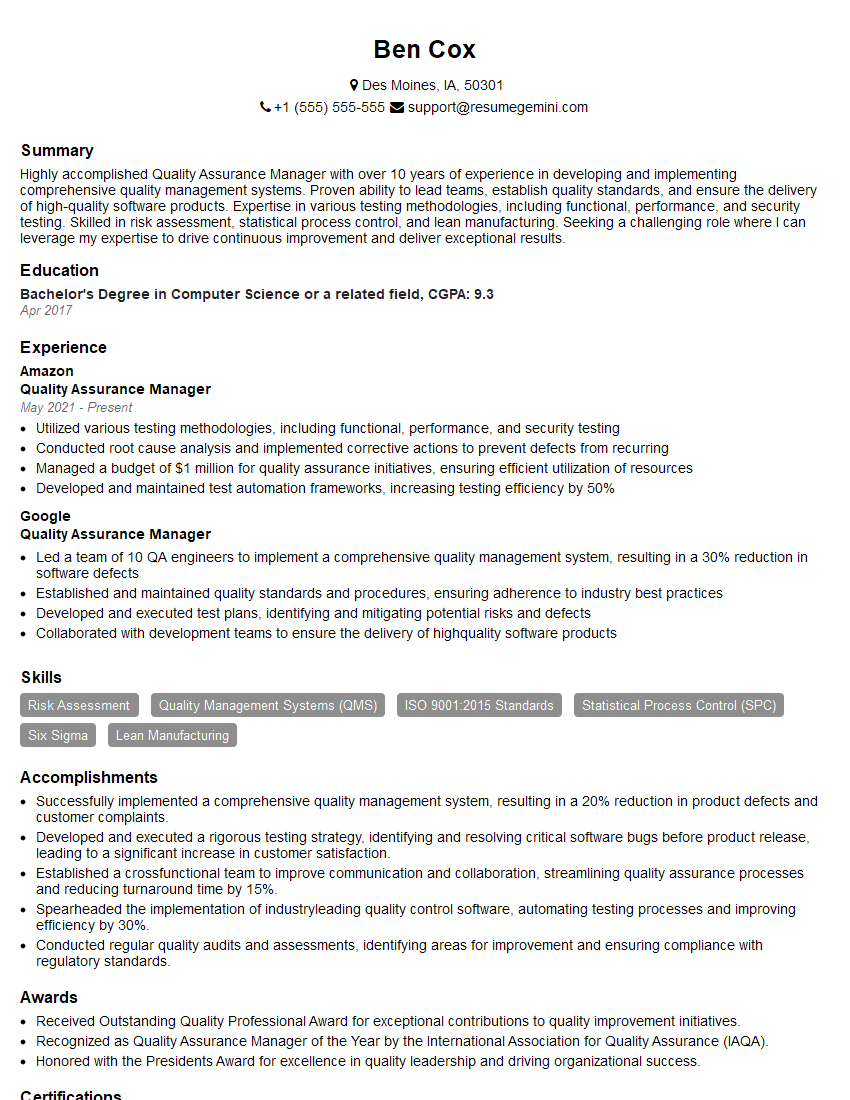
Quality Assurance Manager Resume Sample

Procurement Manager Resume Sample
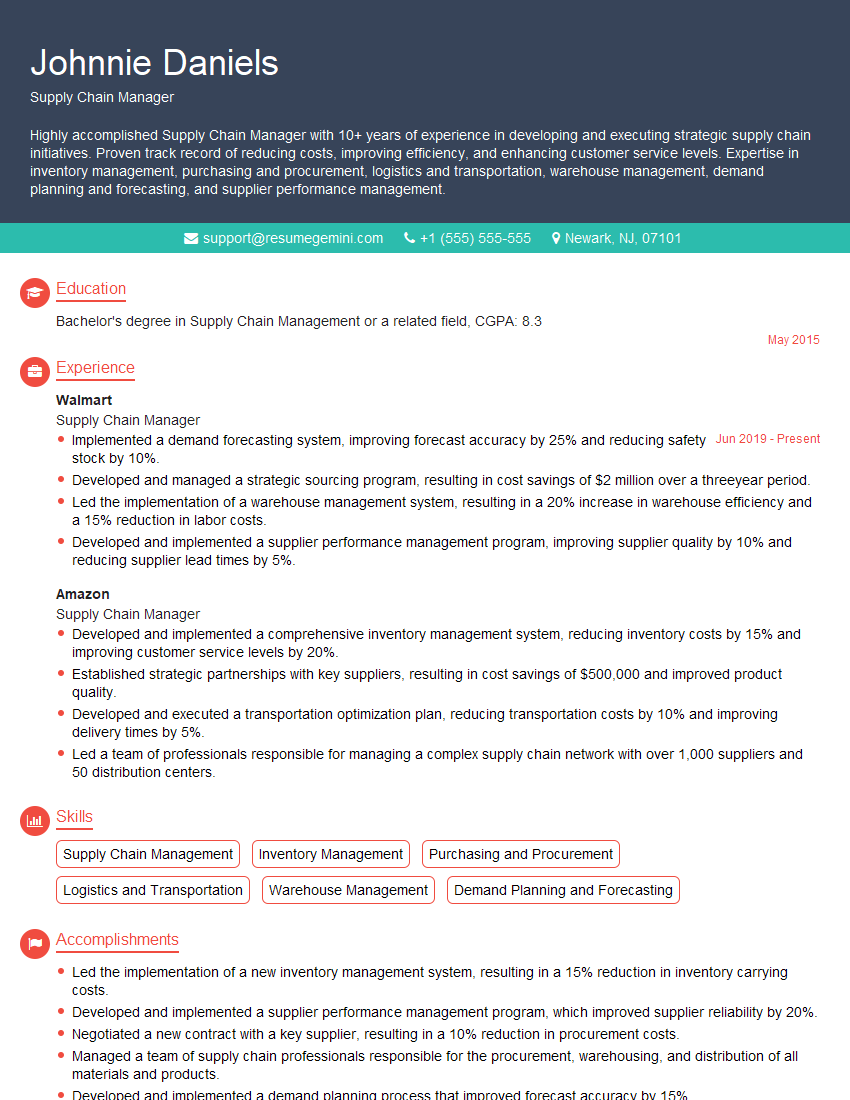
Supply Chain Manager Resume Sample
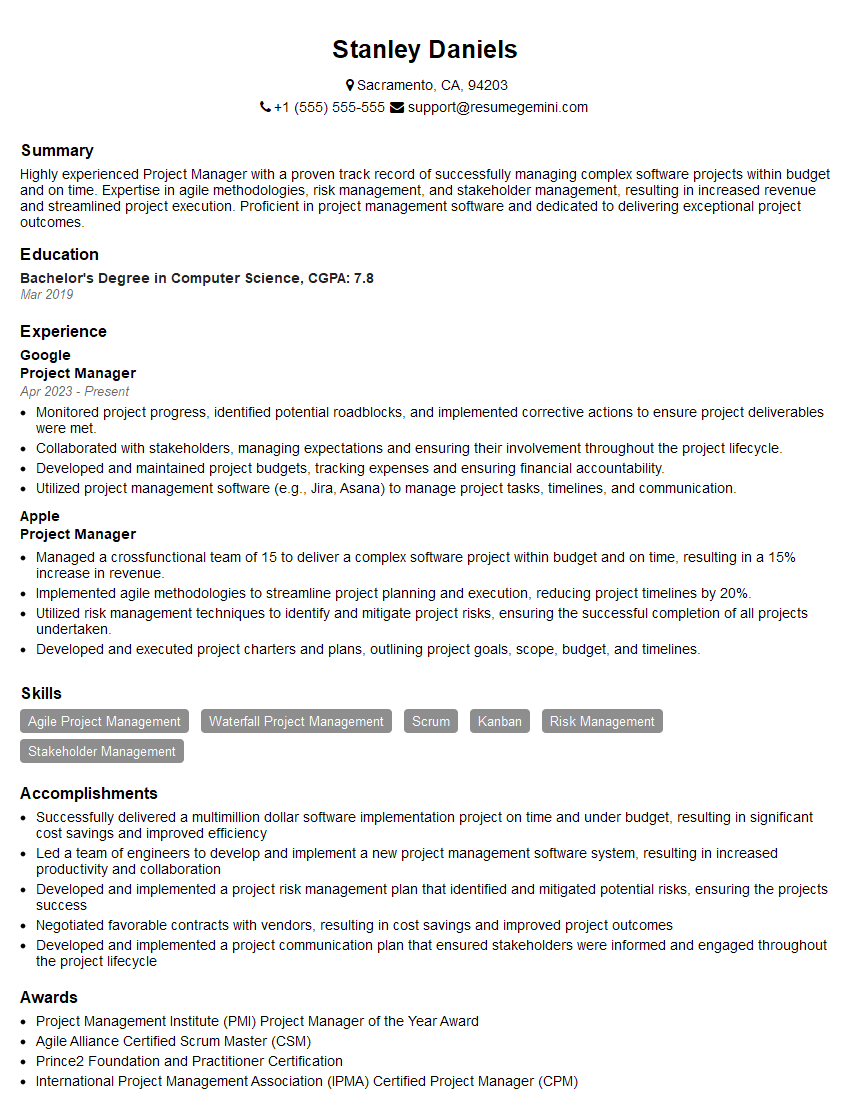
Project Manager Resume Sample
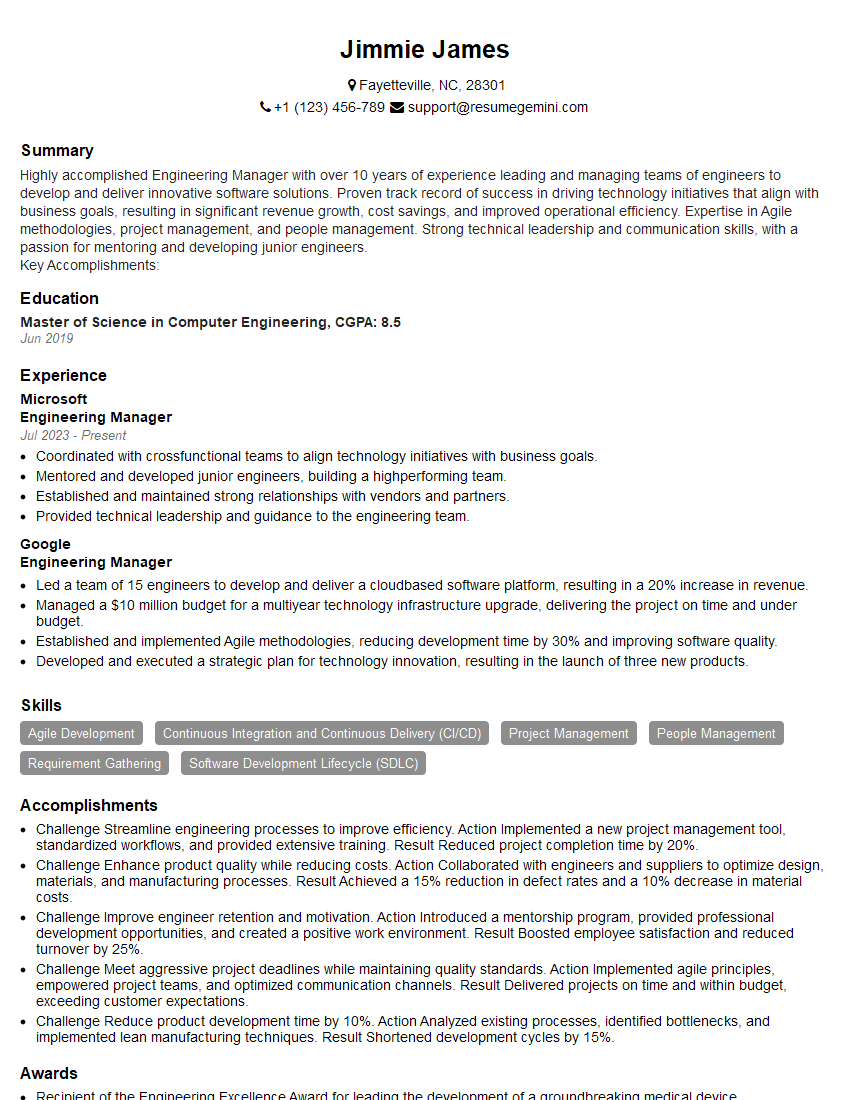
Engineering Manager Resume Sample
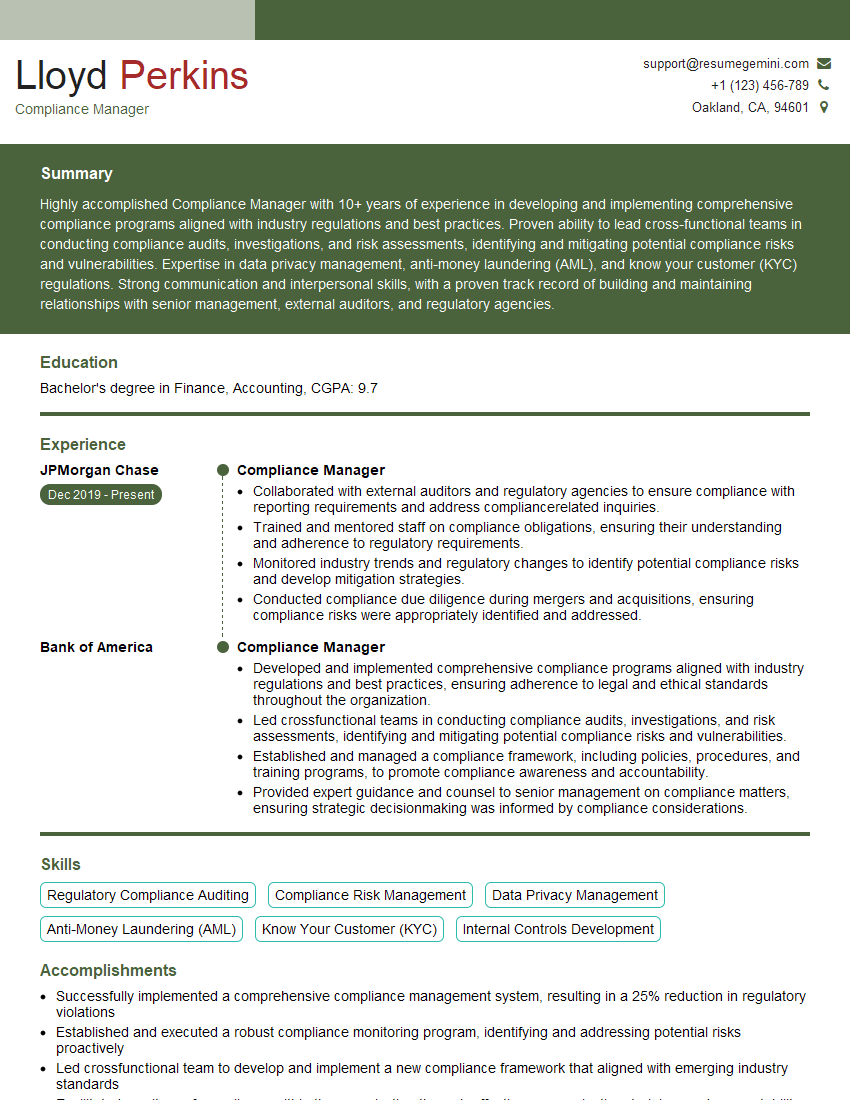
Compliance Manager Resume Sample
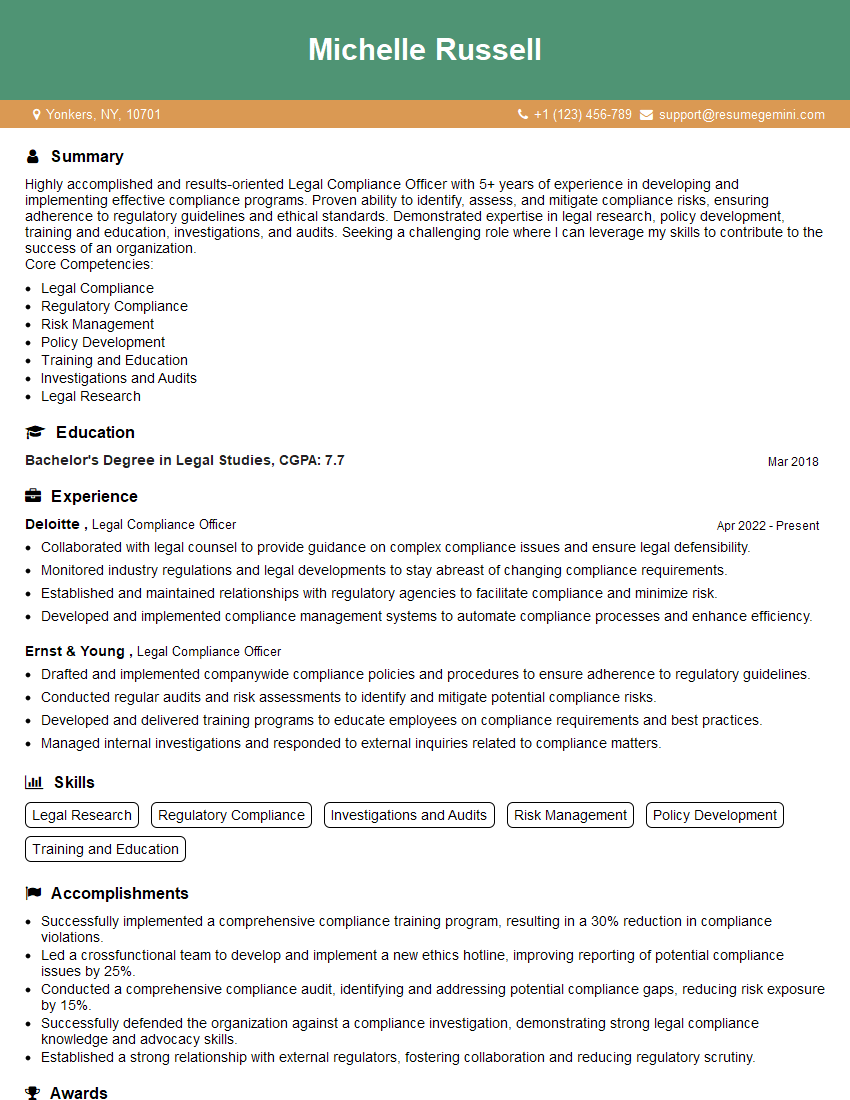
Legal Compliance Officer Resume Sample
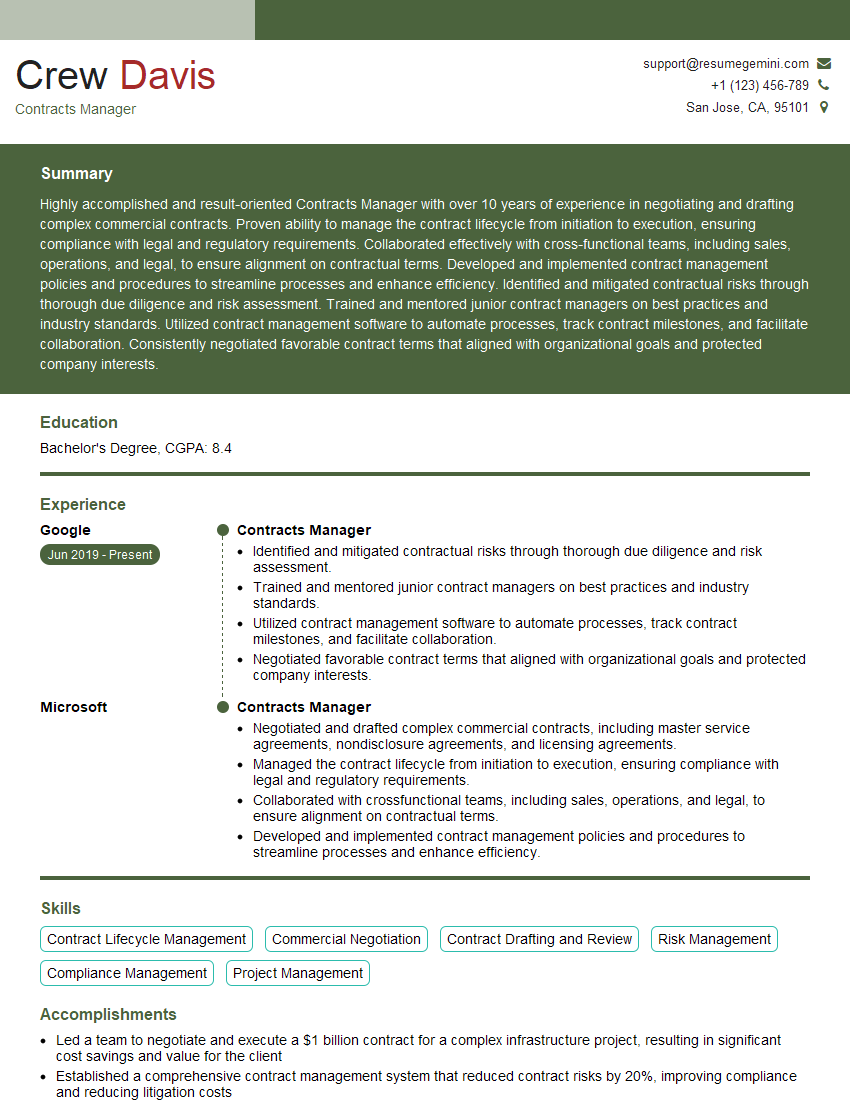
Contracts Manager Resume Sample
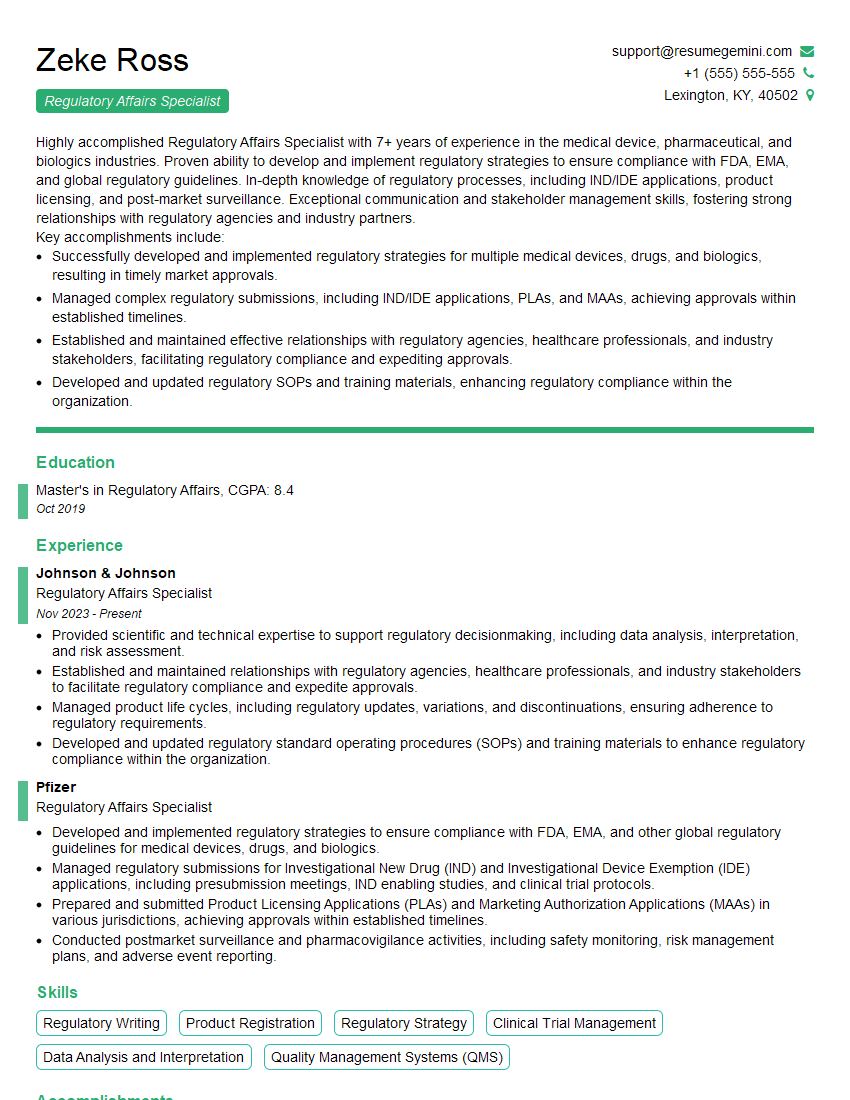
Regulatory Affairs Specialist Resume Sample
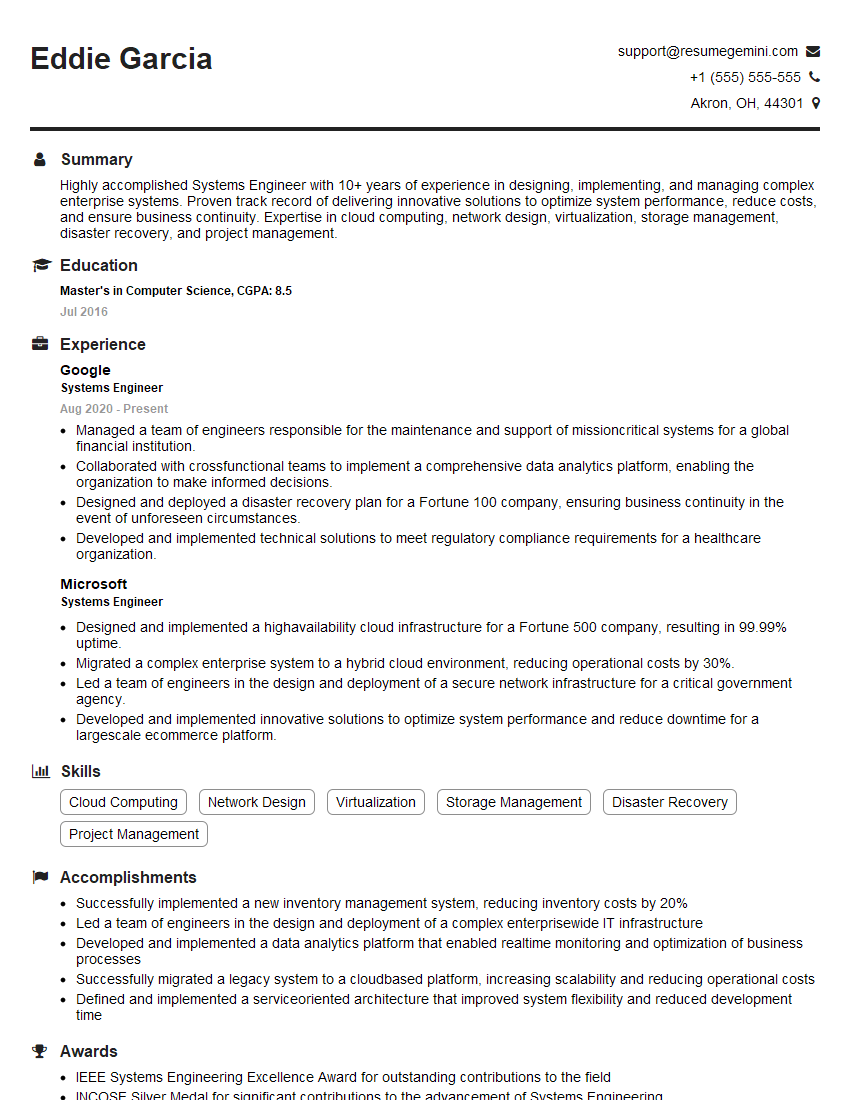
Systems Engineer Resume Sample
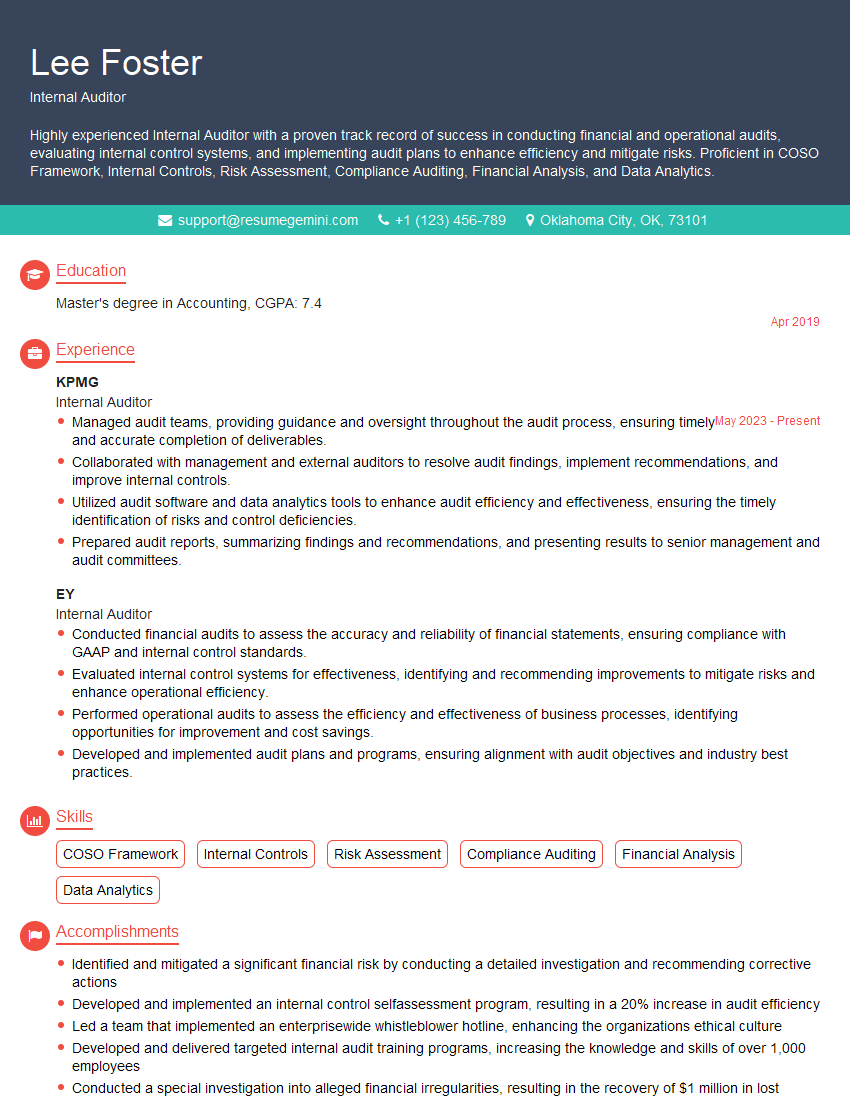
Internal Auditor Resume Sample
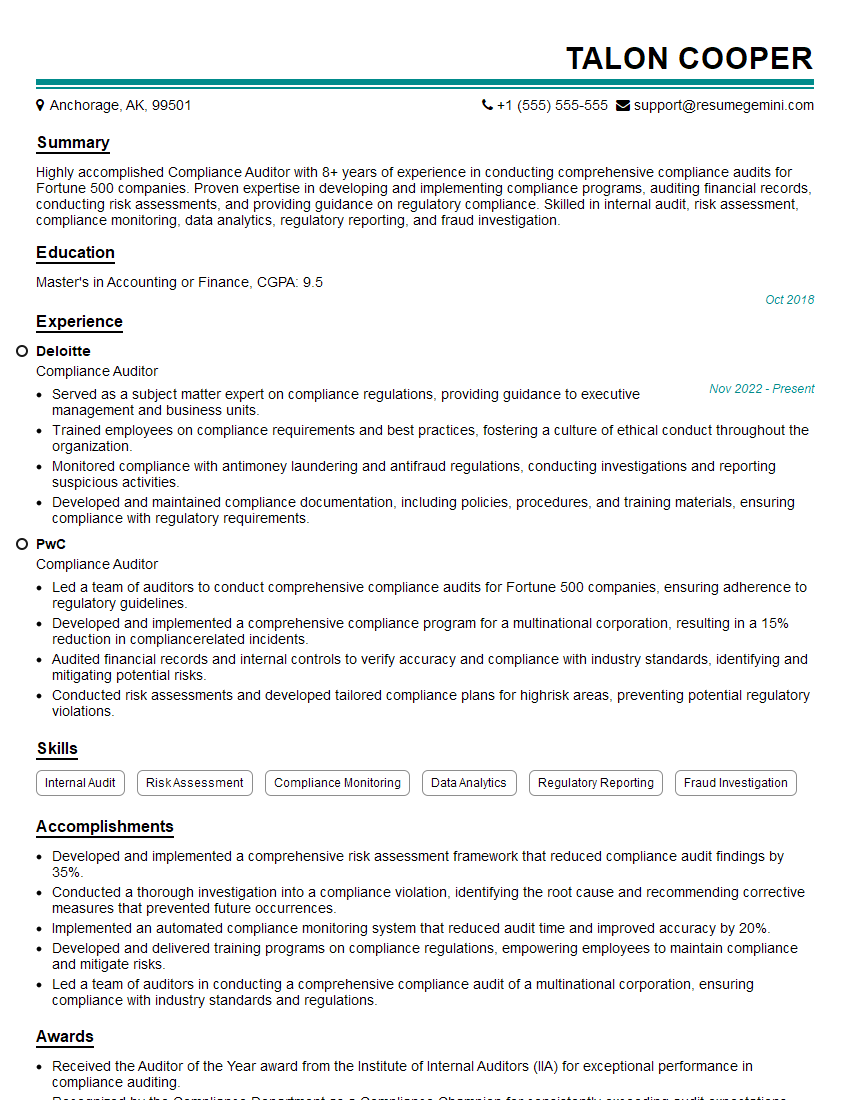
Compliance Auditor Resume Sample

Risk Management Specialist Resume Sample
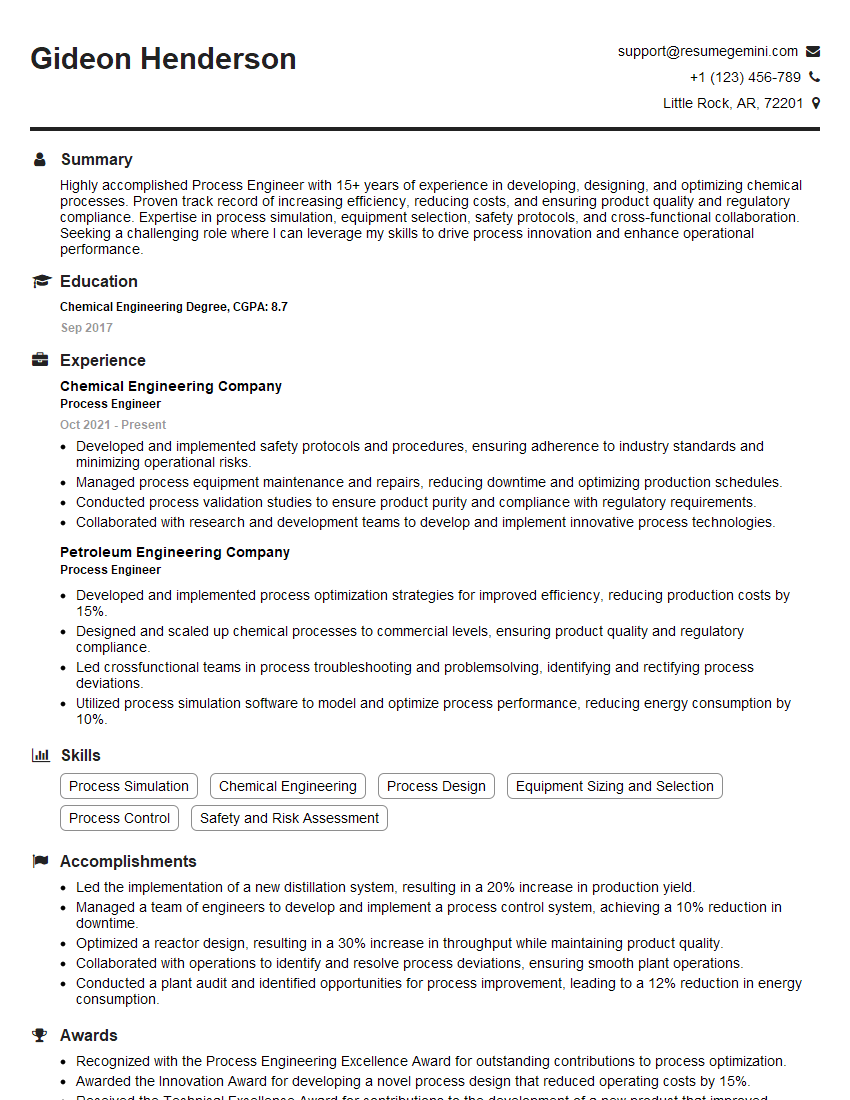
Process Engineer Resume Sample
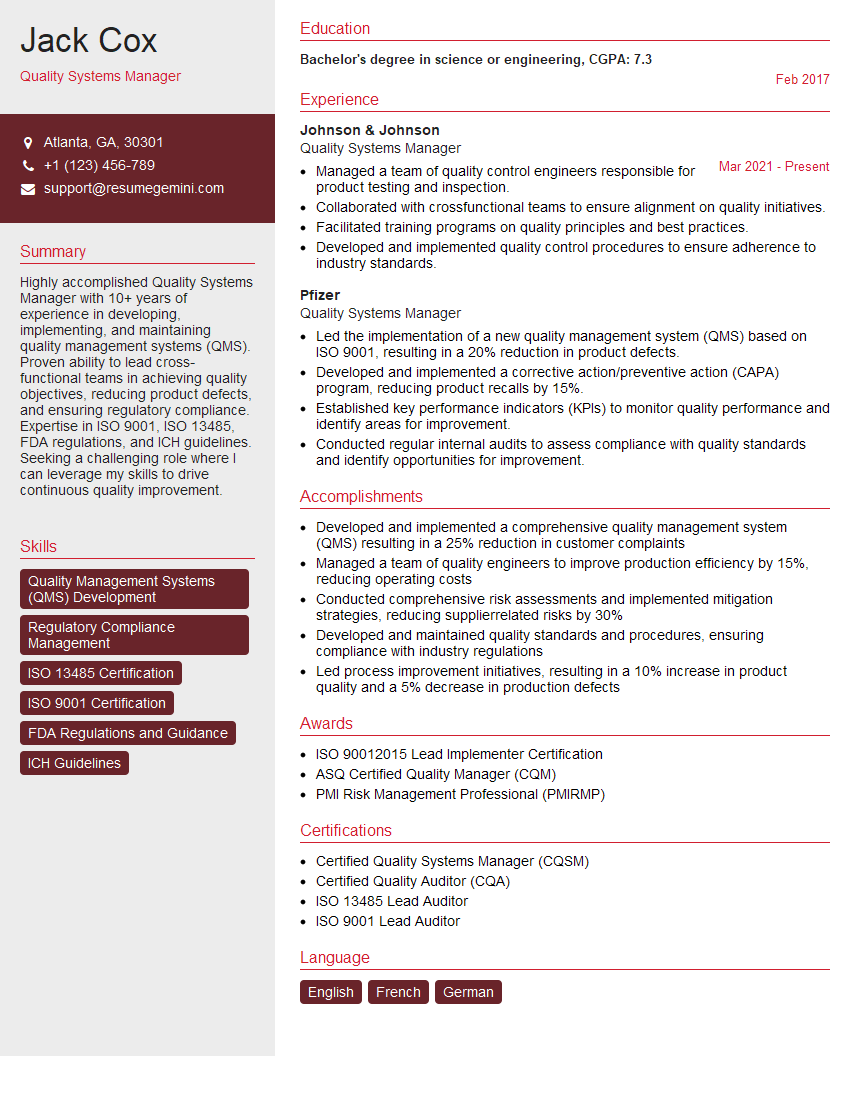
Quality Systems Manager Resume Sample
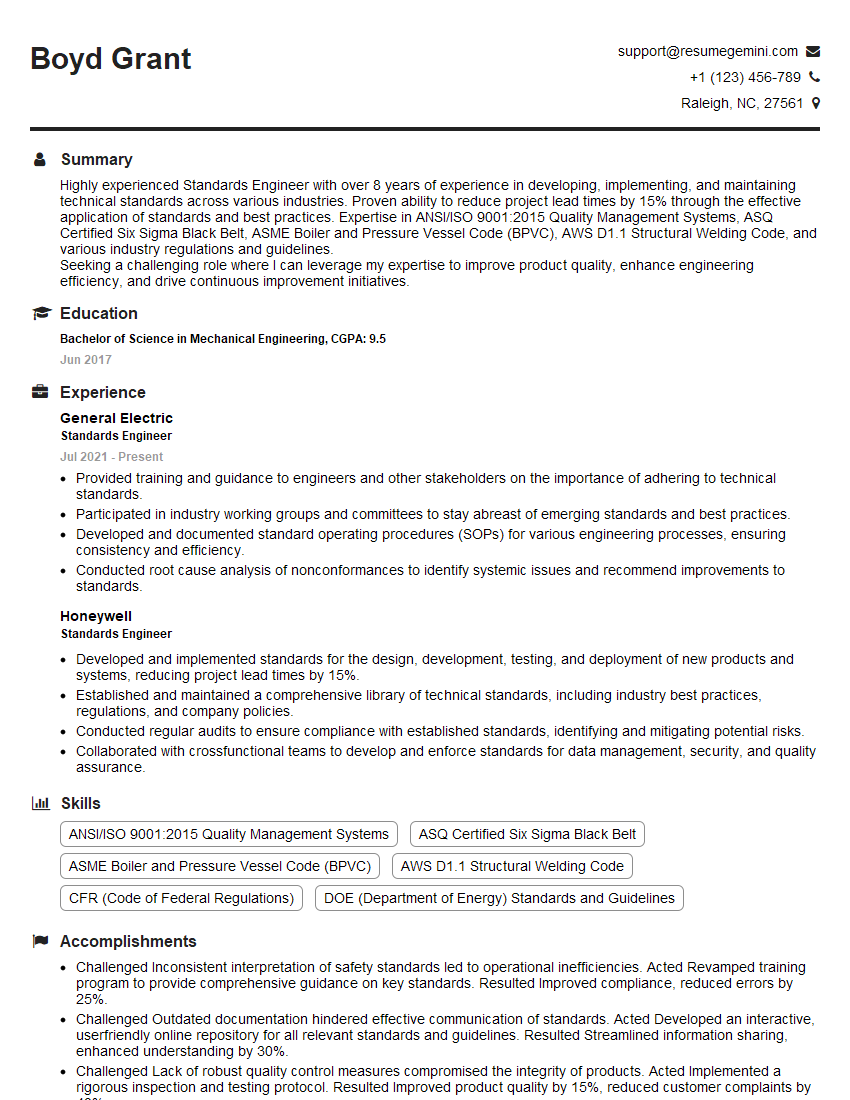
Standards Engineer Resume Sample
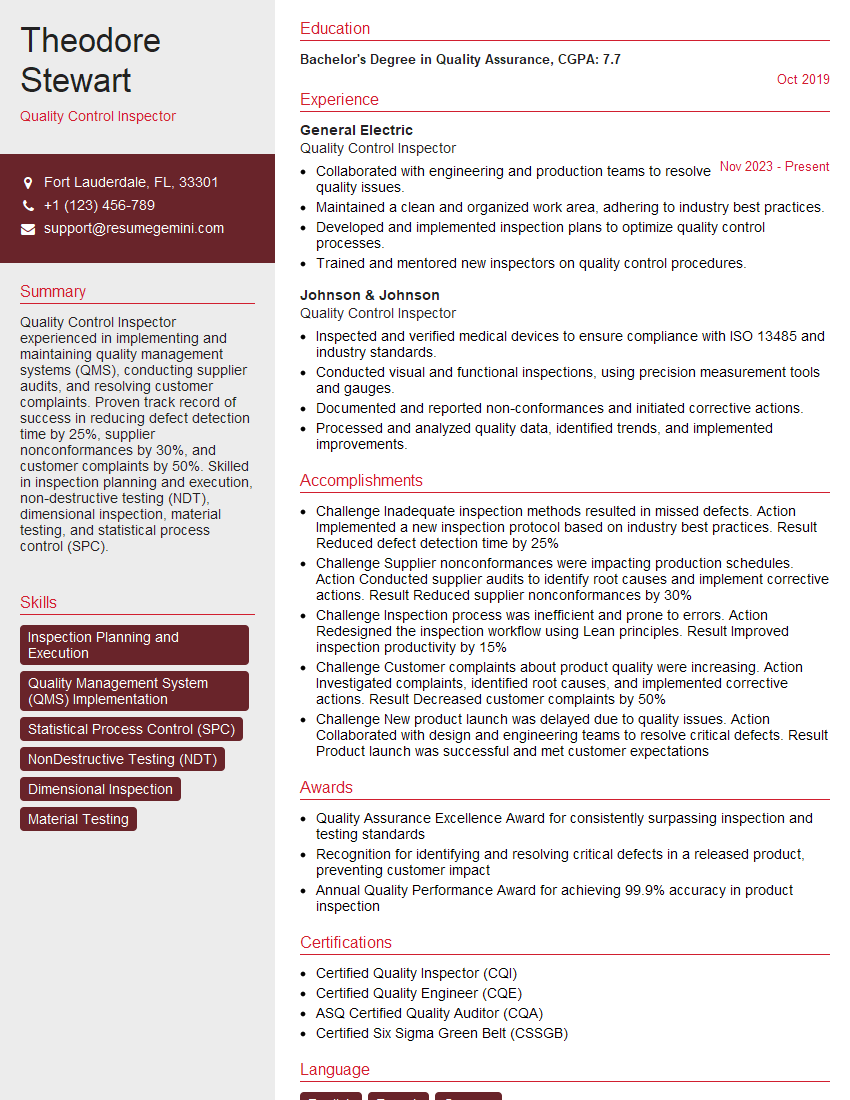
Quality Control Inspector Resume Sample
- Program Manager
- Auditing Manager
- Manufacturing Manager
- Director of Quality
- Quality Assurance Manager
- Procurement Manager
- Supply Chain Manager
- Project Manager
- Engineering Manager
- Compliance Manager
- Legal Compliance Officer
- Contracts Manager
- Regulatory Affairs Specialist
- Systems Engineer
- Internal Auditor
- Compliance Auditor
- Risk Management Specialist
- Process Engineer
- Quality Systems Manager
- Standards Engineer
- Quality Control Inspector
Explore more articles
Users Rating of Our Blogs
Share Your Experience
We value your feedback! Please rate our content and share your thoughts (optional).
What Readers Say About Our Blog
Really detailed insights and content, thank you for writing this detailed article.
IT gave me an insight and words to use and be able to think of examples