Every successful interview starts with knowing what to expect. In this blog, we’ll take you through the top Knowledge of metalworking materials interview questions, breaking them down with expert tips to help you deliver impactful answers. Step into your next interview fully prepared and ready to succeed.
Questions Asked in Knowledge of metalworking materials Interview
Q 1. Explain the difference between ferrous and non-ferrous metals.
The primary distinction between ferrous and non-ferrous metals lies in their iron content. Ferrous metals contain iron as a primary alloying element, while non-ferrous metals do not. This fundamental difference leads to significant variations in their properties and applications.
Ferrous metals, such as steel and cast iron, are generally strong, tough, and relatively inexpensive. However, they are susceptible to rust and corrosion. Think of the ubiquitous use of steel in construction – its strength and affordability make it ideal for building frameworks and supporting structures.
Non-ferrous metals, on the other hand, exhibit a wider range of properties. Some, like copper and aluminum, are excellent conductors of electricity and are widely used in electrical wiring and electronics. Others, such as titanium and zinc, offer superior corrosion resistance, making them suitable for marine applications or protective coatings. For instance, the lightweight yet strong aluminum is prevalent in aerospace due to its high strength-to-weight ratio.
- Ferrous Examples: Steel, Cast Iron, Wrought Iron
- Non-ferrous Examples: Aluminum, Copper, Brass, Bronze, Titanium, Zinc
Q 2. Describe the properties of stainless steel and its common applications.
Stainless steel is a ferrous alloy, primarily composed of iron, chromium, and nickel. The critical component is chromium, typically present at a minimum of 10.5%, which forms a passive chromium oxide layer on the surface, providing excellent corrosion resistance. This passivation layer protects the underlying metal from oxidation and rust, a key characteristic differentiating it from typical steels.
Properties: Stainless steel exhibits a combination of desirable properties including high strength, excellent corrosion resistance, good ductility (ability to be deformed), and relatively high temperature resistance. Different grades of stainless steel possess varying properties tailored to specific applications.
Common Applications: Its versatility makes it incredibly useful in diverse sectors:
- Kitchenware: Its resistance to corrosion and staining makes it ideal for cutlery, cookware, and sinks.
- Architecture: Used in building facades, structural elements, and roofing due to its strength, durability, and aesthetic appeal.
- Medical devices: Biocompatibility and corrosion resistance make it suitable for implants and surgical instruments.
- Chemical processing: Resistant to many chemicals, it is used in pipelines, storage tanks, and reaction vessels.
Q 3. What are the different types of heat treatments and their effects on metal properties?
Heat treatments are crucial processes that alter the microstructure of metals, thereby modifying their mechanical properties. These treatments involve controlled heating and cooling cycles, often involving specific time durations at each temperature.
Types of Heat Treatments:
- Annealing: Reduces internal stresses and increases ductility by heating the metal to a specific temperature, holding it, and then slowly cooling it. This makes the material softer and easier to machine.
- Normalizing: Refines the grain structure, improving strength and toughness. It involves heating to a higher temperature than annealing, followed by air cooling.
- Hardening: Increases hardness and strength by rapidly cooling (quenching) the metal from a high temperature. This is often followed by tempering.
- Tempering: Reduces brittleness that may result from hardening. The hardened metal is reheated to a lower temperature and then cooled, achieving a balance between hardness and toughness.
Effects on Metal Properties: Heat treatments significantly impact various mechanical properties, including hardness, tensile strength, yield strength, ductility, and impact resistance. The selection of the appropriate heat treatment depends heavily on the desired final properties of the metal and its intended application. For example, a knife blade requires hardening for sharpness, followed by tempering to prevent brittleness.
Q 4. Explain the process of casting and its limitations.
Casting is a manufacturing process involving pouring molten metal into a mold, allowing it to solidify, and then removing the solidified part from the mold. It’s a versatile method capable of creating complex shapes in various metals and alloys.
Process Steps:
- Mold Making: Creating a mold cavity with the desired shape, typically using sand, metal, or other materials.
- Melting: Heating the metal to its liquid state.
- Pouring: Pouring the molten metal into the mold cavity.
- Solidification: Allowing the metal to cool and solidify into the shape of the mold.
- Removal: Removing the solidified casting from the mold.
Limitations:
- Surface Finish: Castings often have a rough surface finish that may require further machining.
- Dimensional Accuracy: Achieving precise dimensions can be challenging; some tolerance is typically required.
- Internal Defects: Porosity (small holes) or shrinkage cavities can occur during solidification, affecting the integrity of the casting.
- Material Limitations: Not all metals are easily cast; some may have high melting points or exhibit undesirable behavior during solidification.
Casting is highly suitable for creating complex geometries in large quantities, but its limitations must be carefully considered when selecting a manufacturing process. A good example of a cast part would be an engine block.
Q 5. Discuss the advantages and disadvantages of forging.
Forging is a metalworking process that involves shaping metal by applying compressive forces, typically using hammers, presses, or forging machines. The metal is heated (hot forging) or worked at room temperature (cold forging) to improve its mechanical properties.
Advantages:
- Improved Strength: Forging aligns the grain structure, resulting in increased strength and toughness compared to casting or machining.
- Superior Fatigue Resistance: The refined grain structure also enhances resistance to fatigue failures.
- Complex Shapes: Forging can create intricate and complex shapes, although typically with less detail than casting.
- Excellent Surface Quality: With proper techniques, forging can yield relatively smooth surfaces requiring less machining.
Disadvantages:
- High Initial Cost: Forging requires specialized equipment, making it relatively expensive compared to other methods.
- Limited Production Rate: It is generally slower than casting or machining.
- Material Waste: Some material may be lost during the forging process.
- Skill Requirement: Skilled operators are needed to control the process effectively.
Forging is ideal for high-strength applications, such as crankshafts, connecting rods, and other critical components where mechanical integrity is paramount. A classic example is the creation of swords and tools in ancient times.
Q 6. What are the different types of welding processes and when would you use each?
Welding is a joining process that fuses materials together by applying heat or pressure, or both. Numerous welding processes exist, each with its strengths and weaknesses.
Types of Welding Processes:
- Gas Metal Arc Welding (GMAW): Uses a continuously fed consumable wire electrode and a shielding gas to create the weld. It’s highly versatile and productive, suitable for a range of materials and thicknesses. Common in automotive manufacturing.
- Gas Tungsten Arc Welding (GTAW): Employs a non-consumable tungsten electrode and a shielding gas. It produces high-quality welds with excellent penetration but is slower and more complex than GMAW. Used for critical applications requiring high precision.
- Shielded Metal Arc Welding (SMAW): A common process utilizing a consumable electrode coated with flux. It’s relatively inexpensive and portable, well-suited for outdoor work, but requires skilled operators and produces a less refined weld appearance. Useful in field repairs.
- Resistance Welding: Joins metals by applying pressure and heat generated by electrical resistance. Fast and efficient for repetitive joining, commonly used in spot welding for car bodies.
Process Selection: The choice of welding process depends on factors like material type, thickness, joint design, required quality, cost, and accessibility. GTAW may be preferred for thin materials where precision and aesthetics are essential, while GMAW is ideal for large-scale production of thicker materials.
Q 7. How do you select the appropriate metal for a specific application?
Selecting the appropriate metal for a specific application involves a systematic approach that considers various factors related to the part’s performance requirements and the overall cost. A thorough understanding of material properties is critical.
Selection Process:
- Define Requirements: Clearly specify the intended use of the part, including functional requirements (strength, stiffness, ductility, etc.), environmental conditions (temperature, corrosion exposure, etc.), and performance criteria (fatigue life, wear resistance, etc.).
- Identify Candidate Materials: Based on the defined requirements, shortlist potential materials that could meet those needs. Consider properties like strength, weight, corrosion resistance, cost, machinability, and weldability.
- Evaluate Materials: Thoroughly compare the candidate materials based on their relevant properties. Consult material datasheets and engineering handbooks for detailed information.
- Perform Testing: If necessary, conduct experiments or simulations to validate the selected material’s performance in the intended application. This might include tensile testing, fatigue testing, or corrosion testing.
- Cost Analysis: Assess the overall cost of the material, including manufacturing processes, and compare it with the performance benefits.
Example: Designing a lightweight component for an aircraft requires careful consideration. Aluminum alloys are often preferred due to their high strength-to-weight ratio and excellent corrosion resistance. However, if exceptionally high strength is needed, a titanium alloy might be selected, even though it is more expensive.
Q 8. What are the common causes of metal fatigue?
Metal fatigue is the progressive and localized structural damage that occurs when a material is subjected to cyclic loading. Think of it like repeatedly bending a paperclip back and forth – eventually, it’ll break, even if the force applied in each bend is less than what would break it immediately. This isn’t a sudden failure; it’s a gradual weakening and cracking over time.
- Cyclic Loading: Repeated stress application, like the rotation of a shaft in a machine.
- Stress Concentration: Points of higher stress due to geometric features (holes, notches, etc.) or surface imperfections. These act as initiation points for cracks.
- Material Defects: Inclusions, voids, or other imperfections within the metal structure can act as stress concentrators.
- Corrosion: Corrosion weakens the metal, making it more susceptible to fatigue.
- Temperature Fluctuations: Repeated heating and cooling cycles can introduce thermal stresses that contribute to fatigue.
Imagine a bridge constantly experiencing traffic – the repeated stress from vehicles eventually leads to micro-cracks, which grow over time, potentially causing catastrophic failure. Understanding fatigue is crucial for designing structures and components with sufficient endurance.
Q 9. Explain the concept of stress-strain curves and their significance in material selection.
A stress-strain curve is a graphical representation of a material’s response to applied force. The x-axis represents strain (deformation) and the y-axis represents stress (force per unit area). It’s a crucial tool in material selection because it reveals key properties.
- Yield Strength: The point at which the material starts to deform plastically (permanently). Beyond this point, the material won’t return to its original shape after the load is removed.
- Tensile Strength: The maximum stress the material can withstand before breaking.
- Ductility: The material’s ability to deform plastically before fracture, indicated by the length of the curve.
- Elastic Modulus (Young’s Modulus): The slope of the linear portion of the curve, representing the material’s stiffness.
For example, a material with a high yield strength is desirable for applications requiring high load-bearing capacity, while a material with high ductility is preferred for applications requiring formability. By comparing the stress-strain curves of different materials, engineers can choose the material best suited for a specific application based on its desired properties.
Q 10. Describe different methods for surface treatment of metals.
Surface treatments enhance the properties of metals, improving their performance and lifespan. Several methods exist, each serving a unique purpose:
- Anodizing (for aluminum): Forms a protective oxide layer on aluminum, enhancing corrosion resistance and wear resistance. It’s often used in aerospace and automotive applications.
- Electroplating: Depositing a thin layer of a different metal onto the surface, improving corrosion resistance, wear resistance, or appearance. Chrome plating on car bumpers is a common example.
- Powder Coating: Applying a dry powder coating that’s cured by heating, creating a durable, protective, and aesthetically pleasing finish. Used extensively in furniture and appliances.
- Shot Peening: Bombarding the surface with small metal shot, inducing compressive residual stresses that increase fatigue resistance. This is critical in parts under cyclic loading.
- Chemical Conversion Coatings: Applying a chemical treatment to create a thin protective layer, like phosphating or chromating, often improving paint adhesion and corrosion resistance.
The choice of surface treatment depends heavily on the application and the desired properties. For instance, a high-wear application might benefit from shot peening, while a decorative application might utilize electroplating.
Q 11. What are the common types of metal corrosion and how are they prevented?
Metal corrosion is the deterioration of a metal due to chemical reactions with its environment. Several types exist:
- Uniform Corrosion: Even corrosion across the entire surface, like rusting of mild steel in humid air.
- Galvanic Corrosion: Corrosion that occurs when two dissimilar metals are in contact in an electrolyte (e.g., saltwater). The more active metal corrodes preferentially. Think of a zinc coating protecting steel—the zinc corrodes instead of the steel.
- Pitting Corrosion: Localized corrosion leading to small pits or holes on the surface. It’s often difficult to detect and can cause significant damage.
- Crevice Corrosion: Corrosion concentrated in crevices or narrow gaps where stagnant solutions can accumulate.
- Stress Corrosion Cracking: Cracking caused by the combined action of tensile stress and a corrosive environment. This is particularly dangerous and can lead to sudden failures.
Corrosion prevention strategies involve:
- Protective Coatings: Paints, plating, anodizing.
- Corrosion Inhibitors: Chemicals added to the environment to slow down corrosion reactions.
- Cathodic Protection: Using a more active metal to sacrifice itself and protect the primary metal from corrosion.
- Material Selection: Choosing corrosion-resistant materials like stainless steel or aluminum.
- Design Modifications: Avoiding crevices, ensuring good drainage, and minimizing stress concentrations.
Q 12. How do you perform a hardness test on a metal sample?
Hardness testing measures a material’s resistance to indentation. Several methods exist, with the Rockwell and Brinell tests being the most common:
Rockwell Hardness Test: A relatively simple and widely used test. A hardened indenter (diamond cone or steel ball) is pressed into the material under a minor load, followed by a major load. The difference in penetration depth determines the hardness value. Different scales (e.g., Rockwell B, Rockwell C) are used depending on the material’s hardness.
Brinell Hardness Test: A steel ball indenter is pressed into the material under a specific load. The diameter of the indentation is measured, and the Brinell hardness number is calculated. This method is suitable for softer materials.
Procedure (general):
- Prepare the sample surface by ensuring it is clean and smooth.
- Select the appropriate hardness testing machine and indenter based on the material.
- Apply the specified load and hold it for a defined period.
- Measure the indentation depth or diameter.
- Calculate the hardness value based on the machine’s scale and the measured dimension.
These tests provide valuable information for material selection, quality control, and process monitoring in manufacturing.
Q 13. Explain the process of powder metallurgy.
Powder metallurgy is a manufacturing process where metal parts are produced from metal powders. This avoids the need for traditional melting and casting, offering advantages in terms of material properties, complexity of shapes, and cost-effectiveness.
The Process:
- Powder Production: Metal powders are produced by various methods, including atomization (breaking a molten metal stream into droplets), reduction (chemical reduction of metal oxides), and mechanical alloying (mixing powders to form alloys).
- Blending: The metal powders are blended with additives such as lubricants and binders to improve flow and compaction.
- Compaction: The blended powders are compacted under high pressure in a die to form a ‘green compact’ which has the desired shape but is not yet strong.
- Sintering: The green compact is heated to a high temperature (below the melting point of the metal) in a controlled atmosphere. This process bonds the powder particles together through diffusion and strengthens the part.
- Finishing (optional): Additional operations such as machining, heat treatment, or surface finishing may be performed to achieve final dimensions and properties.
Powder metallurgy allows for the creation of parts with complex geometries that are difficult or impossible to produce by conventional casting or machining. It’s frequently used to create porous parts, parts with precise tolerances, and components made from difficult-to-machine materials. Examples include self-lubricating bearings, cutting tools, and complex shapes in medical implants.
Q 14. What are the common non-destructive testing methods for metals?
Non-destructive testing (NDT) methods for metals allow for the evaluation of material properties and identification of defects without damaging the component. Several techniques are commonly used:
- Visual Inspection: The simplest method, involving visual examination for surface cracks, corrosion, or other defects.
- Liquid Penetrant Inspection: A dye is applied to the surface, penetrating any cracks. A developer is then used to draw the dye out, revealing the cracks. Useful for detecting surface-breaking cracks.
- Magnetic Particle Inspection: Suitable for ferromagnetic materials, this method uses magnetic fields to detect surface and near-surface defects. Magnetic particles are applied, and those are attracted to defects, making them visible.
- Ultrasonic Testing: High-frequency sound waves are transmitted into the material. Reflections from defects or changes in material properties are detected, enabling the location and sizing of internal flaws.
- Radiographic Testing (X-ray or Gamma-ray): Penetrating radiation is passed through the material. Variations in density, such as voids or inclusions, cause changes in the radiation intensity that are recorded on film or a digital detector.
- Eddy Current Testing: Uses electromagnetic induction to detect surface and near-surface flaws in electrically conductive materials. A probe induces eddy currents in the material, and changes in these currents indicate the presence of defects.
The choice of NDT method depends on the type of defect being sought, the material being tested, and the access to the component. NDT plays a critical role in ensuring the safety and reliability of metal components in various industries.
Q 15. Describe the different types of metal alloys and their properties.
Metal alloys are created by combining two or more metallic elements, often to improve upon the properties of the base metal. The resulting alloy inherits a unique set of characteristics that differ from its constituent elements. Different types of alloys are categorized based on their primary components and applications.
- Ferrous Alloys: Primarily based on iron. Examples include:
- Steels: Iron and carbon alloys, often with additional alloying elements like chromium, nickel, and manganese for enhanced strength, corrosion resistance (stainless steel), or other specific properties.
- Cast Irons: Higher carbon content than steels, resulting in increased hardness and brittleness. Commonly used in engine blocks and machine parts.
- Non-Ferrous Alloys: Do not contain iron as a primary component. These have diverse properties and applications.
- Aluminum Alloys: Lightweight, corrosion-resistant, and easily machinable. Widely used in aerospace, automotive, and packaging industries. Examples include Al-Cu alloys for strength and Al-Mg alloys for corrosion resistance.
- Copper Alloys (Brass and Bronze): Brass (copper and zinc) is known for its ductility and corrosion resistance, while bronze (copper and tin) boasts high strength and wear resistance. They find use in plumbing, electrical components, and decorative items.
- Titanium Alloys: Extremely strong, lightweight, and corrosion-resistant. Prized for aerospace applications and high-performance components, despite higher cost.
- Nickel Alloys: Exhibit exceptional resistance to corrosion and high temperatures. Used in chemical processing, nuclear reactors, and high-temperature applications.
The properties of an alloy, such as strength, hardness, ductility, and corrosion resistance, are finely tuned by controlling the composition and processing techniques used in its creation. For example, adding nickel to steel increases its corrosion resistance dramatically, leading to the production of stainless steels.
Career Expert Tips:
- Ace those interviews! Prepare effectively by reviewing the Top 50 Most Common Interview Questions on ResumeGemini.
- Navigate your job search with confidence! Explore a wide range of Career Tips on ResumeGemini. Learn about common challenges and recommendations to overcome them.
- Craft the perfect resume! Master the Art of Resume Writing with ResumeGemini’s guide. Showcase your unique qualifications and achievements effectively.
- Don’t miss out on holiday savings! Build your dream resume with ResumeGemini’s ATS optimized templates.
Q 16. What are the safety precautions when working with molten metals?
Working with molten metals presents significant safety hazards due to the extreme temperatures and potential for burns, explosions, and toxic fumes. Safety precautions must be rigorously followed.
- Personal Protective Equipment (PPE): This is paramount and includes specialized heat-resistant clothing (full-length sleeves and trousers, gloves, aprons), safety glasses with side shields, and respiratory protection to prevent inhalation of fumes.
- Proper Ventilation: Molten metal processes often generate toxic fumes and gases. Adequate ventilation or local exhaust ventilation (LEV) is critical to ensure a safe working environment.
- Fire Safety: A readily available and easily accessible fire extinguisher rated for metal fires (typically Class D extinguishers) is a must. Fire blankets should also be available.
- Emergency Procedures: Workers should be thoroughly trained on emergency procedures, including the use of fire extinguishers and first aid for thermal burns.
- Safe Handling Practices: Molten metal should be handled with appropriate tools and equipment. Sudden movements or spills must be avoided, and proper pouring techniques must be used to minimize splashing.
- Working Area: The working area should be clean and free of flammable materials. Proper shielding should be in place to protect workers from splashes or spills.
Ignoring these safety precautions can result in severe burns, eye injuries, respiratory problems, and even death. Safety training and adherence to established protocols are crucial for anyone working with molten metals.
Q 17. Explain the difference between tensile strength and yield strength.
Tensile strength and yield strength are both crucial measures of a material’s ability to withstand stress, but they represent different aspects of its mechanical behavior.
- Tensile Strength: This is the maximum stress a material can withstand before it fractures. It represents the material’s ultimate capacity to resist pulling forces. Think of it as the point where the material completely breaks.
- Yield Strength: This is the stress at which a material begins to deform plastically (permanently). It marks the point beyond which the material will not return to its original shape after the load is removed. Yield strength is often more important for design purposes as it indicates the onset of permanent deformation.
Imagine stretching a rubber band. Tensile strength is the point where the rubber band snaps. Yield strength is the point where you stretch it so far that it no longer returns to its original length. In engineering applications, the yield strength often dictates the design limits to prevent permanent deformation or yielding of the component under load.
Q 18. How do you interpret a phase diagram?
A phase diagram is a graphical representation of the equilibrium relationships between different phases of a material (e.g., solid, liquid, gas) as a function of temperature, pressure, and composition. Interpreting a phase diagram allows us to predict the phases present at different conditions and understand transformations during heating or cooling.
Interpreting a Binary Phase Diagram (e.g., for a two-component alloy):
- Axes: The x-axis usually represents the composition (weight percentage or atomic percentage of one component), and the y-axis represents the temperature.
- Phase Regions: The diagram is divided into regions, each representing a single phase (e.g., liquid, α-phase, β-phase) or a mixture of phases. The boundaries between regions indicate phase transitions.
- Liquidus and Solidus Lines: The liquidus line represents the temperature at which the alloy begins to solidify, while the solidus line represents the temperature at which the alloy is completely solid.
- Eutectic Point: In some diagrams, a eutectic point exists, representing the lowest temperature at which a liquid can solidify into two solid phases simultaneously. This point has practical implications in casting processes as it dictates the minimum temperature to fully solidify the alloy.
- Lever Rule: The lever rule is used to determine the relative amounts of each phase present in a two-phase region.
By understanding phase diagrams, metallurgists can control the microstructure of an alloy by carefully manipulating temperature and composition during processing, leading to desired properties in the final product. For example, a steel’s heat treatment process involves controlled cooling to achieve specific phases and thereby manipulate its hardness and strength.
Q 19. What is the role of grain size in metal properties?
Grain size, the average size of the individual crystals (grains) in a metal, significantly influences its mechanical properties. This is due to the grain boundaries acting as barriers to dislocation movement, which are crystal imperfections responsible for plastic deformation.
- Smaller Grain Size: Generally results in higher strength and hardness because the smaller grains provide more barriers to dislocation motion. This leads to a material requiring more stress to deform. Imagine trying to push a pile of small rocks versus a pile of large boulders; the smaller rocks are more difficult to move.
- Larger Grain Size: Leads to lower strength and hardness but often increases ductility (ability to deform before breaking) and toughness (resistance to fracture). The larger grains offer fewer obstacles to dislocation movement.
- Grain Boundary Engineering: Controlling grain size is a key aspect of materials processing. Techniques like heat treatments or alloying can be used to influence grain size and thereby tailor properties to meet specific applications.
For instance, a high-strength steel often benefits from a fine grain structure produced through controlled cooling to enhance its strength, while a material intended for deep drawing or forming may require a coarser grain structure for improved ductility to allow for significant deformation without cracking.
Q 20. Discuss the effects of impurities on metal properties.
Impurities in metals, even in small amounts, can significantly alter their properties. These impurities can be intentional alloying elements or unintentional contaminants introduced during processing.
- Solid Solution Strengthening: Impurities can dissolve into the metal’s crystal lattice, creating lattice distortions that hinder dislocation movement and thus increase strength and hardness. This is how many alloying elements strengthen base metals.
- Precipitation Hardening: Some impurities form fine precipitates within the metal matrix, further impeding dislocation movement and significantly increasing strength. This is a common strengthening mechanism in aluminum alloys and many high-strength steels.
- Grain Boundary Segregation: Impurities may segregate (concentrate) at grain boundaries, weakening the grain boundaries and potentially reducing the material’s ductility and toughness. This can have detrimental consequences in terms of material fracture behavior.
- Formation of Intermetallic Compounds: Impurities can react with the base metal to form intermetallic compounds, which can have distinctly different properties and potentially cause brittleness or corrosion.
Even seemingly small amounts of impurities can drastically impact properties. For instance, a few parts per million of sulfur in steel can drastically reduce its ductility, while carefully controlled additions of elements such as chromium to iron create stainless steels with superior corrosion resistance.
Q 21. Explain the concept of creep in metals.
Creep is the time-dependent, permanent deformation of a material under sustained stress at elevated temperatures. It’s a gradual, continuous deformation that occurs even under loads significantly below the material’s yield strength at room temperature.
Mechanism: At high temperatures, atoms have more energy and can more easily move within the crystal structure. This allows dislocations to climb over obstacles, leading to time-dependent deformation. Imagine a glacier slowly flowing downhill under the influence of gravity – creep is analogous to that slow, continuous deformation.
Factors Affecting Creep:
- Temperature: Creep rate increases exponentially with increasing temperature.
- Stress: Higher stress levels lead to faster creep rates.
- Material Properties: The material’s inherent microstructure and composition play a critical role in determining its creep resistance.
Consequences: Creep can lead to significant dimensional changes in components operating at high temperatures, potentially leading to failure. It’s a critical consideration in the design of components for power plants, gas turbines, and other high-temperature applications. Careful material selection and design considerations are crucial to mitigate creep effects and ensure the longevity of such components.
Q 22. What are the different types of machining processes?
Machining processes encompass a wide range of techniques used to remove material from a workpiece, typically metal, to create a desired shape and size. These processes are crucial in manufacturing various components, from simple screws to complex engine parts. They’re generally categorized based on the type of cutting tool used and the way material is removed.
- Turning: A rotating workpiece is shaped by a cutting tool that moves linearly along its axis. Think of a lathe creating cylindrical parts.
- Milling: A rotating cutter removes material from a workpiece that’s typically stationary, producing various shapes like flat surfaces or intricate patterns. Milling machines are essential for creating complex geometries.
- Drilling: Creating circular holes using a rotating drill bit. This is one of the most fundamental machining processes.
- Grinding: Uses abrasive wheels to remove material, achieving high surface finish and accuracy. This process is ideal for finishing operations or sharpening tools.
- Boring: Enlarging existing holes to precise dimensions.
- Reaming: Similar to boring but aimed at improving the accuracy and surface finish of existing holes.
- Broaching: Uses a multi-tooth tool to quickly shape a workpiece, often creating internal features like keyways or splines. This method is highly productive for mass production.
The choice of machining process depends on factors such as the material properties, the desired shape and tolerance, and the production volume.
Q 23. Describe the principles of metal forming.
Metal forming involves shaping a metal workpiece by applying compressive forces. Unlike machining, which removes material, forming alters the shape without significant material loss. The principles are primarily based on plasticity – the ability of metals to deform permanently under stress without fracturing. Several key principles govern this process:
- Plastic Deformation: The metal is subjected to stresses beyond its yield strength, causing permanent deformation. Imagine clay being molded into a new shape.
- Strain Hardening (Work Hardening): As the metal deforms, it becomes stronger and harder, increasing its resistance to further deformation. This needs to be considered in designing forming processes.
- Friction: Friction between the workpiece and the forming tool affects the deformation process and can cause uneven shaping or surface damage. Lubricants are crucial to minimize this.
- Die Design: The shape and geometry of the die (the tool used for shaping) are paramount in achieving the desired final shape. It needs to be carefully designed to control the flow of material.
Common metal forming processes include forging (hammering the metal into shape), rolling (passing metal through rollers to reduce thickness), extrusion (forcing metal through a die to create a continuous profile), and drawing (pulling metal through a die to reduce diameter). Each process relies on the principles of plasticity, strain hardening, and friction to reshape the metal.
Q 24. How do you identify different types of metal fractures?
Identifying different types of metal fractures is crucial for determining the cause of failure and improving material selection or manufacturing processes. Fracture analysis is a specialized field, but some key distinctions can be made visually and through microscopic examination.
- Ductile Fracture: Characterized by significant plastic deformation before failure. The fracture surface appears rough and fibrous, often showing a cup-and-cone shape in tensile specimens. This indicates slow crack propagation. Think of pulling taffy until it breaks – that’s ductile failure.
- Brittle Fracture: Occurs suddenly with minimal plastic deformation. The fracture surface is usually flat and crystalline, exhibiting a cleavage-like appearance. This signifies rapid crack growth and a catastrophic failure.
- Fatigue Fracture: This type is associated with repeated stress cycles. The fracture surface often displays distinct regions, including a smooth, beach-mark region indicating crack propagation and a rough, final fracture region. Fatigue failures are common in components subjected to cyclic loading.
- Creep Fracture: Caused by prolonged exposure to high temperatures and stresses, leading to slow, time-dependent deformation and eventual failure. The fracture surface often exhibits intergranular cracking.
Microscopic examination is crucial to understand the fracture mechanism further. Analyzing the grain structure, presence of inclusions, and the fracture surface morphology aids in precisely pinpointing the root cause of failure.
Q 25. Explain the role of alloying elements in improving metal properties.
Alloying elements are added to base metals (like iron, aluminum, or copper) to significantly alter their properties. These additions can improve strength, hardness, corrosion resistance, weldability, and many other characteristics. The choice of alloying element and its concentration are critical to achieving the desired properties.
- Increased Strength and Hardness: Carbon in steel, for example, significantly increases its hardness and strength. Similarly, adding elements like manganese or chromium to steel boosts its toughness and resilience.
- Improved Corrosion Resistance: Chromium and nickel are commonly added to steel to create stainless steels, greatly improving their resistance to rust and corrosion. Aluminum alloys often incorporate zinc for similar purposes.
- Enhanced Weldability: Certain alloying elements can improve a metal’s weldability by reducing cracking or porosity during welding. Manganese is often used for this purpose in steel.
- Increased Ductility: Elements such as nickel can improve a metal’s ductility (ability to deform plastically before fracture), making it easier to form.
The effects of alloying elements are complex and depend on interactions between the base metal and the added elements. Phase diagrams are essential tools used to understand these interactions and predict the resulting properties.
Q 26. What are the environmental concerns associated with metalworking?
Metalworking processes present several environmental concerns, primarily related to:
- Air Pollution: Machining processes generate airborne particulate matter (metal dust and chips), which can be hazardous to human health and the environment. Proper ventilation and filtration systems are essential.
- Water Pollution: Coolants and lubricants used in metalworking can contaminate water sources if not properly managed. Recycling and treatment systems are vital to mitigate this.
- Waste Generation: Metalworking generates significant amounts of scrap metal, chips, and sludge. Recycling and responsible waste management are crucial for reducing landfill burden.
- Energy Consumption: Many metalworking processes are energy-intensive, contributing to greenhouse gas emissions. Improving energy efficiency through process optimization is important.
- Noise Pollution: The operation of metalworking equipment generates significant noise levels, requiring noise control measures to protect workers and the surrounding environment.
Sustainable metalworking practices are increasingly important. This includes implementing cleaner production technologies, using environmentally friendly coolants and lubricants, optimizing processes to reduce waste, and recycling materials to reduce the overall environmental footprint.
Q 27. Discuss the importance of quality control in metalworking processes.
Quality control is paramount in metalworking to ensure that the produced components meet specified requirements, functionality, and safety standards. It involves a systematic approach to monitor and control all aspects of the process, from raw material selection to final product inspection.
- Raw Material Inspection: Checking the chemical composition, mechanical properties, and surface quality of raw materials to ensure they meet the specifications.
- Process Monitoring: Regularly monitoring machining parameters (speed, feed, depth of cut) to maintain consistency and prevent defects.
- In-Process Inspection: Performing checks at various stages of the process to identify and correct deviations early on.
- Dimensional Inspection: Verifying the dimensions and tolerances of finished components using precise measuring instruments.
- Surface Finish Inspection: Evaluating surface roughness, imperfections, and overall quality of the finished surface.
- Non-Destructive Testing (NDT): Using techniques like ultrasonic testing, radiography, or magnetic particle inspection to detect internal flaws without damaging the component.
Effective quality control minimizes defects, improves product reliability, reduces waste, and ultimately enhances the reputation and profitability of the metalworking operation. Statistical Process Control (SPC) techniques are often employed for continuous monitoring and process optimization.
Q 28. Describe your experience with specific metalworking software or equipment.
Throughout my career, I’ve extensively used various metalworking software and equipment. My experience includes proficiency in CAD/CAM software such as Mastercam and SolidWorks, allowing me to design and program CNC machines for complex parts. I’m also familiar with operating and maintaining various CNC milling machines, lathes, and grinding machines. I’ve worked with different control systems, including Fanuc and Siemens, and am capable of troubleshooting and programming these systems. Furthermore, I have experience utilizing simulation software to optimize machining processes before actual production, minimizing errors and maximizing efficiency. A recent project involved designing and manufacturing custom tooling for a high-precision aerospace component using SolidWorks and Mastercam. The subsequent CNC machining resulted in parts that met stringent dimensional and surface finish requirements. This project highlighted my ability to integrate design, simulation, and manufacturing to achieve optimal results.
Key Topics to Learn for Knowledge of Metalworking Materials Interview
- Material Properties: Understanding tensile strength, yield strength, ductility, hardness, toughness, and fatigue resistance of various metals (steel, aluminum, titanium, etc.) and how these properties affect machinability and performance in applications.
- Metal Selection: Learn the criteria for selecting appropriate metals for specific applications, considering factors like cost, strength, corrosion resistance, and required processing techniques. This includes understanding material specifications and standards (e.g., ASTM).
- Manufacturing Processes: Gain a strong grasp of common metalworking processes such as casting, forging, rolling, extrusion, machining (turning, milling, drilling), welding, and their impact on material properties and final product quality. Consider the advantages and limitations of each process.
- Heat Treatment: Understand the principles of annealing, quenching, tempering, and other heat treatments and how they affect the microstructure and mechanical properties of metals. Be prepared to discuss case hardening and other surface treatments.
- Material Failure Analysis: Develop your ability to identify common causes of metal failure (fatigue, creep, stress corrosion cracking) and discuss preventative measures. This includes understanding fracture mechanics and failure analysis techniques.
- Joining Techniques: Explore various metal joining methods including welding (different types), brazing, soldering, and adhesive bonding, considering their suitability for different materials and applications. Understand the impact on material properties.
- Quality Control and Testing: Familiarize yourself with common methods for inspecting and testing the quality of metal components, such as visual inspection, dimensional measurement, non-destructive testing (NDT) techniques (e.g., ultrasonic testing, radiography), and destructive testing (tensile testing).
- Sustainability and Recycling: Demonstrate awareness of sustainable metalworking practices, including the environmental impact of different processes and the importance of metal recycling.
Next Steps
Mastering knowledge of metalworking materials is crucial for career advancement in engineering, manufacturing, and related fields. A deep understanding of these materials directly impacts your ability to design, manufacture, and troubleshoot effectively. To significantly boost your job prospects, focus on crafting an ATS-friendly resume that highlights your skills and experience clearly and concisely. ResumeGemini is a trusted resource to help you build a professional and impactful resume. Examples of resumes tailored to the knowledge of metalworking materials are available to help you get started.
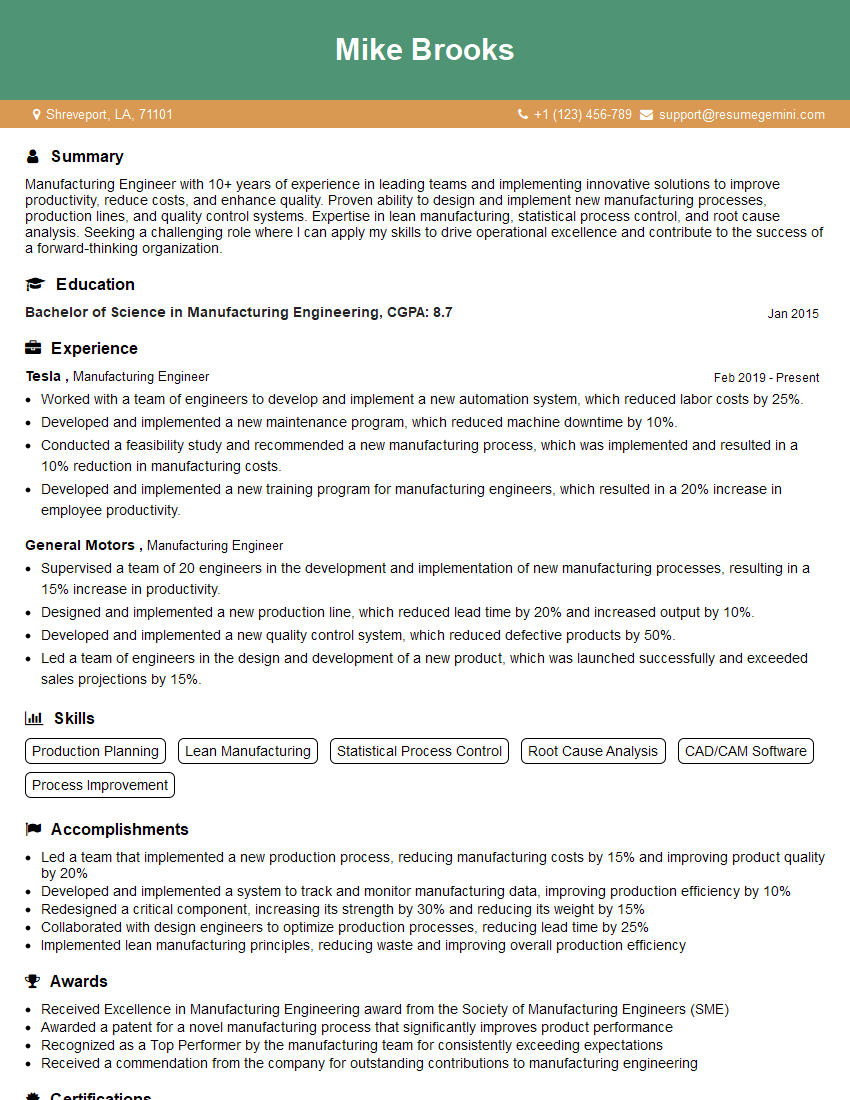
Manufacturing Engineer Resume Sample

Materials Engineer Resume Sample

Metallurgist Resume Sample

Welding Engineer Resume Sample

Machinist Resume Sample

Metallurgical Technician Resume Sample

Materials Scientist Resume Sample
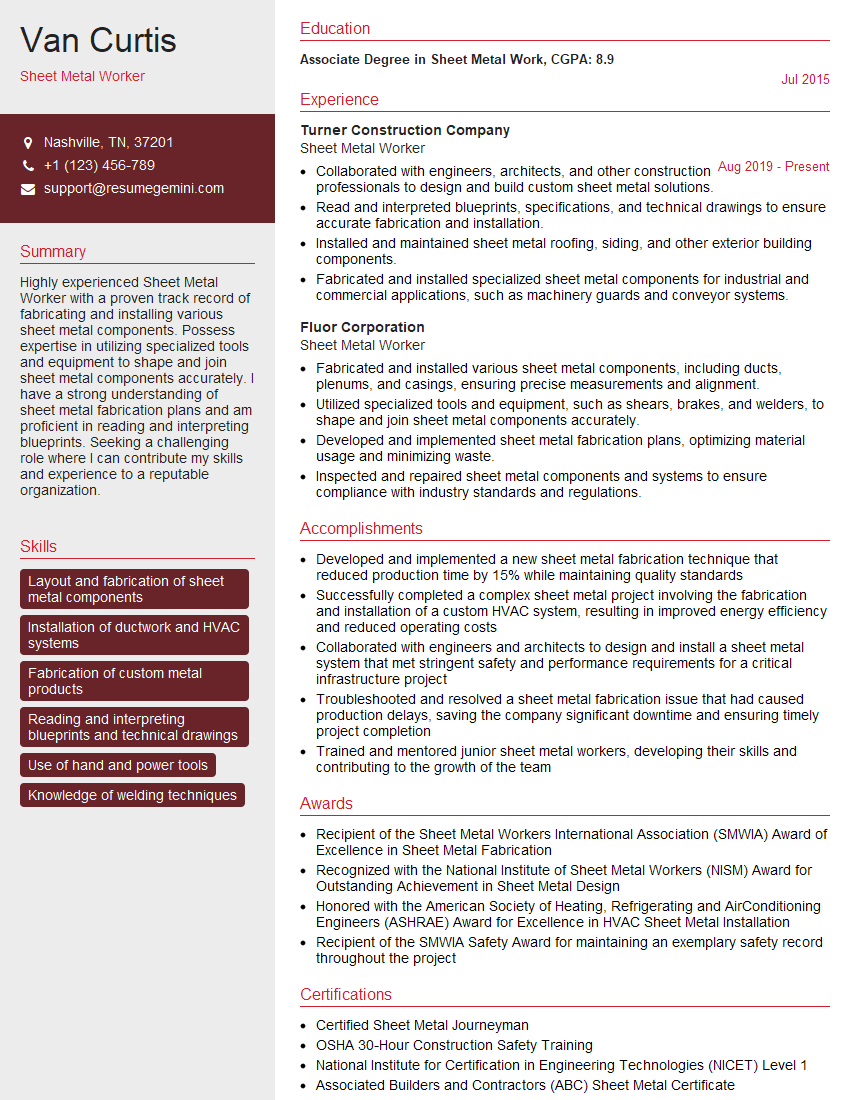
Sheet Metal Worker Resume Sample

Metal Fabricator Resume Sample

Welder Resume Sample
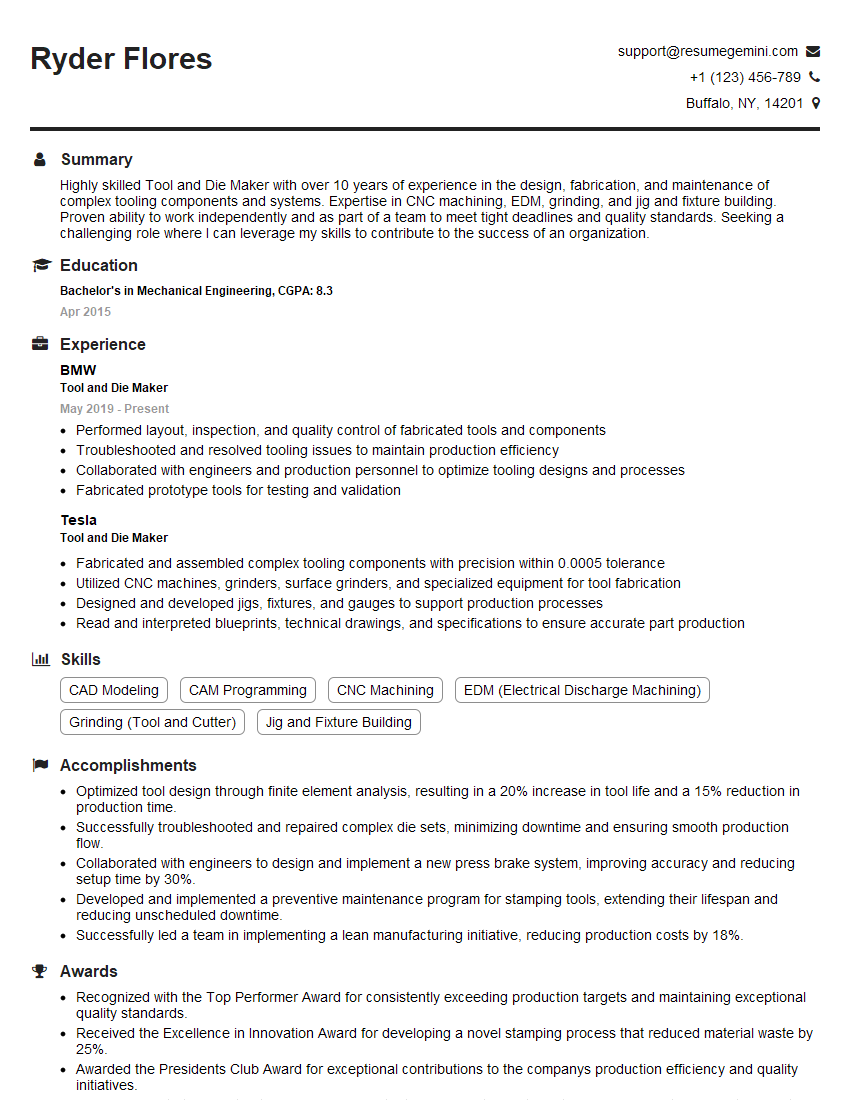
Tool and Die Maker Resume Sample

Foundry Worker Resume Sample

Heat Treater Resume Sample
Explore more articles
Users Rating of Our Blogs
Share Your Experience
We value your feedback! Please rate our content and share your thoughts (optional).
What Readers Say About Our Blog
Really detailed insights and content, thank you for writing this detailed article.
IT gave me an insight and words to use and be able to think of examples