Interviews are opportunities to demonstrate your expertise, and this guide is here to help you shine. Explore the essential Knowledge of safety protocols and procedures interview questions that employers frequently ask, paired with strategies for crafting responses that set you apart from the competition.
Questions Asked in Knowledge of safety protocols and procedures Interview
Q 1. Describe your experience developing and implementing safety protocols.
Developing and implementing safety protocols involves a systematic approach, starting with a thorough understanding of the potential hazards within a specific work environment. My experience includes leading the creation of protocols for a manufacturing facility, where we identified risks associated with machinery operation, chemical handling, and material storage. This involved collaborating with engineers, safety officers, and workers to create detailed, step-by-step procedures, incorporating best practices and regulatory requirements. We then implemented these protocols through training programs, regular inspections, and ongoing monitoring of safety performance. For instance, we implemented a lockout/tagout procedure for machinery maintenance, with detailed visual aids and step-by-step instructions reducing near-miss incidents by 40%. Furthermore, we developed a comprehensive chemical handling protocol, including detailed safety data sheets (SDS) access and training on personal protective equipment (PPE) use, resulting in zero chemical-related incidents within the past year.
Q 2. Explain your understanding of OSHA regulations.
My understanding of OSHA regulations is comprehensive, covering general industry standards, as well as specific regulations relevant to various industries. I am familiar with OSHA’s mission to ensure safe and healthful working conditions, and I understand the importance of compliance with regulations such as hazard communication (29 CFR 1910.1200), lockout/tagout (29 CFR 1910.147), personal protective equipment (29 CFR 1910.132), and emergency action plans (29 CFR 1910.38). I’m also knowledgeable about OSHA’s recordkeeping requirements and the process for reporting workplace injuries and illnesses. My experience involves staying updated on revisions and new regulations through continuous professional development and utilizing OSHA’s online resources. I’m adept at interpreting OSHA standards and translating them into practical workplace procedures. For example, I successfully implemented a new respiratory protection program, complying with all relevant OSHA standards, which significantly reduced cases of work-related respiratory illnesses.
Q 3. How would you handle a workplace accident?
Handling a workplace accident involves a structured, multi-step process prioritizing immediate response and thorough investigation. First, I would ensure the safety of all involved parties, providing first aid or calling emergency services if needed. The next step is securing the accident scene to prevent further incidents and preserve evidence. Following this, I would initiate a thorough investigation, including gathering witness statements, reviewing safety records, and documenting the incident. This investigation would determine the root cause of the accident and identify any contributing factors. Based on the findings, corrective actions would be implemented to prevent similar incidents in the future. Finally, I would ensure proper reporting to OSHA, as required by law, and conduct a post-incident review to assess the effectiveness of the implemented safety measures. For example, in a past incident involving a fall from a ladder, the investigation revealed a lack of proper ladder safety training. We subsequently implemented mandatory training and updated the ladder safety policy, leading to a significant improvement in workplace safety.
Q 4. What are the key components of a comprehensive safety program?
A comprehensive safety program incorporates several key components working together to create a safe and healthy work environment. These include a strong safety policy, clearly defining the company’s commitment to safety; hazard identification and risk assessment procedures, to proactively identify and mitigate risks; a thorough training program, educating workers on safe work practices and procedures; effective communication channels, to foster open communication about safety concerns; regular safety inspections and audits, to monitor adherence to safety protocols; incident investigation and reporting mechanisms, to learn from past events and prevent future incidents; and a robust emergency action plan, outlining procedures for responding to various emergencies. Also crucial is ongoing performance monitoring and program evaluation to ensure the safety program’s effectiveness. This holistic approach allows for a proactive and responsive safety culture, significantly reducing workplace accidents and promoting employee well-being.
Q 5. How do you conduct safety inspections and audits?
Conducting safety inspections and audits involves a systematic process of identifying hazards and assessing compliance with safety standards. Inspections are typically more frequent and focused on specific areas or equipment, while audits are more comprehensive reviews of the entire safety program. My approach involves using checklists based on OSHA standards and company-specific procedures. I would conduct both planned and unplanned inspections, incorporating visual observations, interviews with workers, and review of relevant documentation. During an audit, I’d assess the effectiveness of the safety program, including the adequacy of training, the quality of risk assessments, and the efficiency of incident investigation procedures. Findings are documented, and corrective actions are recommended and tracked to closure. For example, during a recent audit of our chemical storage area, we discovered a lack of proper labeling on some containers. This led to immediate corrective actions, including retraining personnel and improving the labeling system.
Q 6. Describe your experience with risk assessments.
My experience with risk assessments includes conducting both qualitative and quantitative assessments. Qualitative assessments often involve brainstorming sessions with workers to identify potential hazards, while quantitative assessments utilize data to determine the probability and severity of risks. I’m proficient in various risk assessment methods, such as Failure Mode and Effects Analysis (FMEA) and HAZOP (Hazard and Operability Study). For instance, in assessing risks associated with a new manufacturing process, we utilized FMEA to identify potential failure points and their impact on safety. This led to the implementation of control measures, significantly reducing the likelihood of serious incidents. Risk assessments are not one-time events; they are regularly reviewed and updated to reflect changes in the work environment or processes.
Q 7. How do you identify and mitigate safety hazards?
Identifying and mitigating safety hazards involves a proactive and ongoing process. This starts with hazard identification, utilizing methods such as job safety analyses (JSAs), walk-through inspections, and incident investigations. Once hazards are identified, a risk assessment is conducted to determine the likelihood and severity of potential harm. Based on the risk assessment, appropriate control measures are implemented, following a hierarchy of controls: elimination, substitution, engineering controls, administrative controls, and personal protective equipment (PPE). For example, if a risk assessment identifies excessive noise levels, engineering controls such as noise barriers might be implemented first. If that’s insufficient, administrative controls like limiting exposure time would be considered. PPE, such as earplugs, would be the last line of defense. Regular monitoring and evaluation of control measures are essential to ensure their ongoing effectiveness. It’s important to remember that safety is a continuous improvement process, requiring constant vigilance and adaptation to changing circumstances.
Q 8. What is your experience with emergency response planning?
Emergency response planning is the cornerstone of a safe workplace. It involves anticipating potential hazards, developing procedures to mitigate risks, and establishing a clear chain of command for responding to incidents. My experience spans over ten years, encompassing the development of comprehensive plans for various industries, from manufacturing to healthcare. This includes conducting risk assessments, identifying vulnerabilities, creating emergency response procedures (ERPs) – including evacuation plans, incident reporting processes, and communication protocols – and regularly conducting drills and training exercises to ensure preparedness. For instance, in a previous role at a chemical manufacturing plant, I led the development of an ERP that specifically addressed the risks associated with chemical spills, including detailed containment procedures, evacuation routes, and the deployment of specialized equipment and personnel. We conducted regular drills simulating different scenarios, constantly refining our plans based on feedback and lessons learned.
Q 9. How do you train employees on safety procedures?
Employee training on safety procedures is crucial, and I employ a multi-faceted approach. This begins with a thorough needs analysis to identify specific training requirements based on job roles and potential hazards. My training methodologies incorporate various techniques, including interactive classroom sessions, hands-on demonstrations, practical exercises, and online modules. I ensure the training is tailored to different learning styles, incorporating visual aids, real-life case studies, and opportunities for interactive discussion. For example, when training employees on lockout/tagout procedures (LOTO), I utilize interactive simulations that allow employees to practice the process in a safe environment before applying it in the real world. Regular assessments and quizzes ensure comprehension and retention of the material, and I always maintain detailed records of employee training participation and performance. This approach also includes refreshers and updates as regulations change or new equipment is introduced.
Q 10. How do you ensure compliance with safety regulations?
Ensuring compliance with safety regulations is an ongoing process that requires vigilance and a proactive approach. I achieve this through a combination of strategies. First, I stay updated on the latest regulations and standards relevant to the industry. This includes regularly reviewing legislation, guidelines, and best practices issued by regulatory bodies (like OSHA). Second, I conduct regular safety audits and inspections to identify areas of non-compliance. These audits use checklists and focus on critical areas like PPE use, machine guarding, and emergency equipment maintenance. Third, I implement corrective actions promptly to address any identified deficiencies. This might include modifying procedures, providing additional training, or upgrading equipment. Finally, I maintain comprehensive records of all compliance activities, including audit reports, training records, and corrective action documentation. This documentation provides a clear trail for demonstrating ongoing compliance to regulatory bodies and internal stakeholders.
Q 11. Describe your experience with incident investigation.
Incident investigation is critical for preventing future occurrences. My approach follows a structured methodology. The first step is to secure the scene, ensuring the safety of personnel and preserving any evidence. Then, I gather information through interviews with witnesses, reviewing documentation (like maintenance logs), and analyzing physical evidence. I use root cause analysis techniques, such as the ‘five whys’ method, to identify the underlying causes of the incident, not just the immediate trigger. This process helps determine whether the incident was caused by human error, equipment failure, or systemic issues. Finally, I prepare a detailed report outlining the findings, causes, and recommendations for corrective actions to prevent similar incidents. For example, in investigating a near-miss incident involving a forklift, we used the ‘five whys’ to discover a lack of proper training on operating the equipment in confined spaces was the root cause, leading to revised training programs and improved safety guidelines.
Q 12. How do you manage safety documentation?
Managing safety documentation is crucial for demonstrating compliance and facilitating effective safety management. I utilize a combination of electronic and physical systems. All safety-related documents, including policies, procedures, training records, audit reports, and incident investigation reports are stored in a centralized digital repository, ensuring easy access and version control. A detailed filing system is implemented to categorize and locate documents efficiently. Furthermore, I ensure that all documents are properly labeled, dated, and readily accessible to authorized personnel. Regular review and updates of documents are scheduled to ensure accuracy and compliance with current regulations and best practices. Physical records are maintained as backups for critical documents and for certain regulatory requirements, ensuring both digital and physical copies are available.
Q 13. How do you communicate safety information to employees?
Effective communication of safety information is paramount. I employ a multi-channel approach that considers different learning preferences and communication styles. This includes regular safety meetings, where key information, updates, and upcoming training are discussed. I also utilize visual aids like posters, infographics, and safety alerts placed strategically throughout the workplace. Regular safety newsletters, emails, and intranet postings keep employees informed about important safety updates, incidents, and new procedures. Feedback mechanisms, such as suggestion boxes and regular surveys, encourage employee participation and allow for addressing their concerns. For example, a recent safety campaign focused on hand hygiene, utilizing posters, videos, and interactive training modules, resulted in a significant reduction in workplace illnesses.
Q 14. What is your experience with safety equipment and PPE?
My experience with safety equipment and Personal Protective Equipment (PPE) encompasses selection, procurement, maintenance, and training. I ensure that the right PPE is provided based on a thorough hazard assessment. This process includes selecting appropriate PPE based on identified risks, considering factors such as comfort, fit, and compatibility. Regular inspections are conducted to ensure the equipment is in good working order, and I manage the inventory, ordering replacements as needed. Training is provided to ensure employees understand how to use and care for their PPE correctly, including proper donning and doffing procedures. I also enforce the consistent use of PPE by employees through regular monitoring and addressing any non-compliance promptly. For example, in a construction environment, we implemented a rigorous PPE program, including regular inspections of hard hats, safety glasses, and harnesses, leading to a significant decrease in workplace injuries.
Q 15. How do you handle non-compliance with safety rules?
Addressing non-compliance with safety rules requires a multi-pronged approach that prioritizes both corrective action and preventative measures. My approach begins with understanding the root cause of the non-compliance. Was it a lack of training, unclear instructions, inadequate personal protective equipment (PPE), or simply carelessness?
Step 1: Investigation I would conduct a thorough investigation to determine why the violation occurred. This might involve interviewing the individual, reviewing relevant documentation, and assessing the work environment. For instance, if a worker wasn’t wearing safety glasses, I’d need to determine if they didn’t have access to them, didn’t understand the importance, or simply forgot.
Step 2: Corrective Action Once the cause is identified, I implement corrective actions. This could include retraining, providing additional PPE, improving signage, or adjusting work procedures. If the non-compliance is serious or repeated, disciplinary action, as per company policy, may be necessary. For example, repeated failure to wear safety glasses might lead to a written warning or suspension.
Step 3: Preventative Measures Finally, and most importantly, I focus on preventing future occurrences. This often involves improving safety communication, reinforcing training, and ensuring that safety protocols are clearly understood and consistently enforced. We might implement a system of regular safety checks or introduce a peer-to-peer safety observation program.
Career Expert Tips:
- Ace those interviews! Prepare effectively by reviewing the Top 50 Most Common Interview Questions on ResumeGemini.
- Navigate your job search with confidence! Explore a wide range of Career Tips on ResumeGemini. Learn about common challenges and recommendations to overcome them.
- Craft the perfect resume! Master the Art of Resume Writing with ResumeGemini’s guide. Showcase your unique qualifications and achievements effectively.
- Don’t miss out on holiday savings! Build your dream resume with ResumeGemini’s ATS optimized templates.
Q 16. Explain your knowledge of lockout/tagout procedures.
Lockout/Tagout (LOTO) procedures are critical for preventing the unexpected energization or startup of equipment during maintenance or repair, protecting workers from serious injury or death. My understanding of LOTO encompasses a detailed knowledge of the five steps:
- Preparation: Identify all energy sources (electrical, mechanical, hydraulic, pneumatic, etc.) to be controlled. Gather the necessary lockout/tagout devices, such as locks and tags, ensuring they are properly labeled and assigned to individuals.
- Energy Isolation: Safely disconnect the equipment from its energy sources. This often involves shutting off breakers, valves, or other controls. Thoroughly verify that the energy source is indeed isolated by using appropriate testing equipment.
- Lockout/Tagout: Secure all energy isolation points with personal lockout devices. Each individual involved should attach their own lock and tag, clearly identifying themselves.
- Verification: Before commencing work, a final verification step is needed. This involves making sure that the equipment cannot be accidentally started. This could involve double-checking the isolation points, testing the equipment to confirm isolation, and verifying that all team members have properly locked out the equipment.
- Release: Once the work is completed, the removal of lockout/tagout devices should be done in a controlled and supervised manner, only by the person who applied the device. Verification of safe restart is crucial before releasing the equipment.
I have extensive experience implementing and overseeing LOTO procedures in various industrial settings, emphasizing the importance of thorough training and strict adherence to protocol.
Q 17. What is your experience with hazard communication?
Hazard communication is the process of informing workers about the hazards of the chemicals and substances they handle in the workplace. My experience involves ensuring compliance with OSHA’s Hazard Communication Standard (HCS) which mandates the use of Safety Data Sheets (SDS) and proper labeling of hazardous materials.
I’ve been involved in creating and maintaining a comprehensive chemical inventory, ensuring that SDS are readily available and easily accessible to all employees. I’ve also conducted regular training programs to educate workers on how to interpret SDS, identify hazard symbols, and understand the risks associated with specific chemicals. In addition, I have experience in developing and implementing procedures for handling chemical spills and other emergencies.
For example, in a previous role, I developed a training module using interactive scenarios to enhance employee comprehension of SDS information, significantly improving the overall understanding and safety practices related to chemical handling.
Q 18. How do you conduct safety meetings?
Effective safety meetings are crucial for fostering a strong safety culture. My approach emphasizes active participation and relevance. I begin by setting a clear agenda, outlining topics to be discussed, such as recent incidents, new safety regulations, or upcoming training. I ensure that the meeting has a clear purpose and that the information shared is directly relevant to the attendees’ work tasks.
The meetings are interactive, not just lectures. I encourage discussion, using open-ended questions to prompt participation and feedback. I’ll often use case studies of incidents – both near misses and actual accidents – to illustrate safety principles and discuss how similar situations could be prevented. Visual aids, like videos or diagrams, can also enhance understanding.
Finally, I always end the meeting with actionable steps. Attendees should leave with a clear understanding of their roles and responsibilities in maintaining a safe workplace. For example, a recent meeting focused on the proper use of hand tools, culminating in a hands-on demonstration and a commitment to weekly safety checks of personal tools.
Q 19. Describe your experience with ergonomic assessments.
Ergonomic assessments focus on evaluating the physical demands of a job and adapting the workplace to prevent musculoskeletal disorders (MSDs). My experience involves conducting thorough assessments, using observation, interviews, and measurements to identify potential risk factors. This includes analyzing workstation setup, tools used, work postures, and repetitive movements.
I’ve utilized various tools and techniques, such as the Rapid Upper Limb Assessment (RULA) and the Rapid Entire Body Assessment (REBA) to quantify the risk level of different tasks. Based on my assessments, I develop recommendations for improving workstation design, suggesting modifications to tools and equipment, and recommending changes to work procedures to reduce physical strain. For instance, I’ve successfully implemented changes to reduce repetitive strain injuries in a manufacturing facility by adjusting conveyor belt heights and introducing ergonomic chairs.
Following implementation, I conduct follow-up assessments to measure the effectiveness of implemented changes and make further refinements as needed. A holistic approach that combines engineering controls, administrative controls, and personal protective equipment is vital for a successful ergonomic program.
Q 20. What safety certifications do you possess?
I hold several safety certifications, including:
- Certified Safety Professional (CSP)
- Occupational Health and Safety Technician (OHST)
- Certified Hazardous Materials Manager (CHMM)
These certifications demonstrate my commitment to professional development and expertise in safety management. They reflect a rigorous training process and ongoing commitment to staying current with best practices and industry standards. My experience and certifications contribute to my ability to provide comprehensive safety solutions and manage risk effectively.
Q 21. How do you stay up-to-date on safety regulations?
Staying current on safety regulations is paramount in this ever-evolving field. I utilize several methods to ensure I’m always up-to-date:
- Professional Organizations: I am an active member of several professional safety organizations such as the American Society of Safety Professionals (ASSP) and the Board of Certified Safety Professionals (BCSP). These organizations provide access to updated information, training, and networking opportunities.
- Industry Publications and Journals: I regularly read industry-specific publications and journals that focus on safety and health. This keeps me informed about new regulations, best practices, and emerging safety challenges.
- Government Websites and Regulatory Bodies: I frequently check the websites of regulatory bodies such as OSHA (Occupational Safety and Health Administration) to monitor changes in regulations and guidance documents.
- Continuing Education: I actively participate in professional development courses and workshops to maintain and enhance my knowledge. This includes attending seminars, webinars, and conferences related to safety and health.
By consistently employing these methods, I can ensure I am always knowledgeable about the latest safety regulations and best practices, allowing me to effectively manage safety in any work environment.
Q 22. How do you measure the effectiveness of safety programs?
Measuring the effectiveness of safety programs isn’t a simple task; it requires a multi-faceted approach. We can’t solely rely on the absence of incidents. Instead, we need to look at leading indicators (proactive measures) and lagging indicators (reactive measures).
- Lagging Indicators: These are measures that reflect past performance, such as the number of accidents, lost-time injuries (LTIs), recordable incidents, and property damage. Analyzing trends in these metrics over time reveals improvements or deteriorations in safety performance. For example, a decrease in LTIs over a year suggests an effective program.
- Leading Indicators: These are measures that predict future performance. Examples include the number of safety training hours completed, the number of near-miss reports submitted, safety observation scores, and the effectiveness of safety audits. A high number of near-miss reports, while seemingly negative, actually indicates a strong safety culture where people feel comfortable reporting potential hazards.
- Other Key Metrics: Beyond these, we consider employee satisfaction surveys related to safety, safety committee participation rates, and the effectiveness of management’s commitment to safety. These all paint a more comprehensive picture.
Ultimately, a robust safety program measurement system combines quantitative data (numbers) with qualitative data (employee feedback and observations) to gain a holistic view of effectiveness. Regular review and adjustment based on these metrics are vital.
Q 23. Describe a time you had to improve a safety protocol.
In my previous role, we had a protocol for working at heights that relied heavily on written procedures and infrequent inspections. After an incident where a worker suffered a minor injury due to inadequate fall protection, it became clear that the protocol needed improvement.
I initiated a process improvement project focusing on three key areas:
- Enhanced Training: We implemented hands-on training sessions using real equipment and simulated scenarios, replacing the previous solely paper-based approach. This improved understanding and practical skills.
- Regular Inspections: We increased the frequency of safety inspections, not only from management but also peer-to-peer checks. This created a more vigilant environment and early detection of potential issues.
- Improved Communication: We established a more transparent communication channel where workers could comfortably report safety concerns without fear of reprimand. This included feedback forms and regular team meetings.
The result was a noticeable decrease in near misses and a significant improvement in overall worker confidence and safety awareness related to working at heights. This experience underscored the importance of practical training, proactive monitoring, and open communication in maintaining effective safety protocols.
Q 24. How do you handle conflicting safety priorities?
Conflicting safety priorities are a common challenge. For example, speeding up production might conflict with ensuring thorough safety checks. My approach is a systematic one that prioritizes risk assessment and communication:
- Risk Assessment: For each priority, a thorough risk assessment is conducted, identifying potential hazards, likelihood of occurrence, and potential severity of consequences. This allows for objective comparison of risks.
- Prioritization Matrix: The risks are then plotted on a prioritization matrix (often a simple chart showing likelihood vs. severity). This visual tool facilitates decision-making, focusing resources on the highest-risk areas.
- Stakeholder Communication: Open and transparent communication with all stakeholders (workers, management, clients) is crucial. Explaining the reasoning behind the prioritization decisions builds trust and buy-in. This might involve compromise, potentially modifying timelines or work processes.
- Documentation: The entire decision-making process, including the risk assessments and prioritization, is documented for transparency and accountability. This helps justify choices if any incidents later occur.
The ultimate goal is to find a balance that minimizes risk while still achieving operational objectives. Sometimes, this involves accepting a slightly higher risk in one area to mitigate a much greater risk elsewhere. This requires careful consideration and clear communication.
Q 25. Explain your experience with contractor safety management.
My experience with contractor safety management involves a structured approach built on pre-qualification, ongoing monitoring, and communication.
- Pre-qualification: Before engaging any contractor, we thoroughly review their safety records, insurance certifications, and safety management systems. This ensures they meet our minimum safety standards. We might require evidence of safety training for all personnel.
- Site-Specific Orientation: All contractors receive site-specific safety orientation before commencing work. This covers unique hazards and emergency procedures at our location. We emphasize the importance of adhering to our safety rules.
- Ongoing Monitoring: Regular site inspections and safety observations involve contractors. We check their adherence to safety protocols and provide feedback. We also track their incident rates.
- Communication: Establishing clear communication channels is vital, allowing for prompt reporting of incidents, near misses, and safety concerns. Regular meetings with contractors help ensure alignment and address any issues proactively.
Contractor safety isn’t just about compliance; it’s about integrating their safety practices seamlessly into our overall safety management system. This collaborative approach leads to a safer working environment for everyone on site.
Q 26. How familiar are you with different types of safety audits?
I’m familiar with various safety audit types, each offering a unique perspective on an organization’s safety performance. Some common types include:
- Compliance Audits: These verify adherence to regulations, standards, and company policies. They focus on identifying gaps in compliance. Think checking for proper machine guarding or ensuring proper documentation.
- Management System Audits: These assess the effectiveness of the overall safety management system, including policies, procedures, and processes. They look beyond simple compliance to evaluate how well the system is functioning.
- Behavioral-Based Safety (BBS) Audits: These focus on observing worker behaviors and identifying unsafe acts. They aim to understand the root causes of unsafe behaviors and implement targeted interventions. This might involve observing whether workers are using PPE correctly.
- Environmental Audits: These assess the physical work environment for hazards. This could involve checking for trip hazards, proper lighting, or ergonomic risks.
- Process Safety Audits: These specifically target process-related hazards, especially relevant in industries like chemical manufacturing or oil refining. They assess the safety of the production processes.
The choice of audit type depends on the specific goals and context. Often, a combination of audit types is used for a comprehensive assessment.
Q 27. How would you approach improving safety culture within a company?
Improving safety culture is a long-term commitment requiring a multi-pronged approach that goes beyond simply implementing rules. It’s about fostering a mindset where safety is everyone’s responsibility.
- Leadership Commitment: Visible and active leadership commitment is paramount. Leaders must champion safety initiatives, model safe behavior, and actively participate in safety programs.
- Employee Engagement: Actively engage employees in safety initiatives. This could include safety committees, safety suggestion programs, and regular safety meetings where employees’ voices are heard.
- Training and Communication: Invest in comprehensive safety training programs that are engaging and relevant. Use multiple communication channels (meetings, emails, posters) to reinforce safety messages.
- Recognition and Rewards: Recognize and reward employees who actively contribute to safety. This reinforces positive behavior and demonstrates that safety is valued.
- Incident Investigation: Conduct thorough investigations into all incidents (including near misses) to identify root causes and implement corrective actions. This is a learning opportunity and not a blame-seeking exercise.
- Continuous Improvement: Regularly review and update safety programs based on feedback, data analysis, and best practices. Safety is an ongoing process, not a one-time fix.
Building a strong safety culture is like building trust – it takes time, consistency, and genuine commitment from everyone in the organization.
Q 28. Describe your experience with near-miss reporting and analysis.
Near-miss reporting and analysis is a critical component of proactive safety management. A near miss is an event that could have resulted in an injury or damage but didn’t, often due to luck. Analyzing near misses provides invaluable insights into potential hazards and weaknesses in safety procedures.
My experience involves establishing a system where near misses are easily reported without fear of blame. This includes:
- Easy Reporting System: Creating a simple and accessible reporting system, whether online, via phone, or a suggestion box. Confidentiality and non-punitive responses are essential.
- Thorough Investigation: Each near miss is thoroughly investigated to determine the root cause. This often involves interviewing witnesses, reviewing procedures, and examining the work environment.
- Corrective Actions: Based on the investigation, specific corrective actions are implemented to prevent similar incidents. These might include modifying procedures, adding safety devices, or providing additional training.
- Data Analysis: Near-miss data is regularly analyzed to identify trends and patterns. This helps prioritize corrective actions and predict potential future hazards. Identifying recurring near misses in a particular area highlights a potential systemic issue.
- Feedback to Reporters: Communicating the findings of the investigation and the corrective actions taken back to the reporter reinforces the importance of reporting and demonstrates that their feedback is valued.
Near-miss reporting isn’t about assigning blame; it’s about learning from potential mistakes and preventing future accidents. It’s a powerful tool for improving safety performance.
Key Topics to Learn for Knowledge of Safety Protocols and Procedures Interview
- Hazard Identification and Risk Assessment: Understanding methods for identifying potential hazards in various work environments and evaluating associated risks. This includes learning how to use risk matrices and developing control measures.
- Emergency Response Procedures: Familiarity with emergency action plans, including evacuation procedures, first aid response, and reporting protocols. Practical application might include describing your experience with fire drills or emergency situations.
- Personal Protective Equipment (PPE): Knowledge of different types of PPE, their appropriate use, limitations, and maintenance. Be prepared to discuss examples of PPE used in various settings and the rationale behind their selection.
- Safety Regulations and Compliance: Understanding relevant industry-specific safety regulations and legal requirements. This involves knowing how to interpret and apply these regulations in practice.
- Incident Reporting and Investigation: Knowledge of procedures for reporting safety incidents, conducting investigations, and implementing corrective actions to prevent recurrence. Consider discussing the importance of accurate record-keeping and root cause analysis.
- Safety Training and Communication: Understanding the importance of effective safety training programs and communication strategies for maintaining a safe work environment. This could involve discussing methods for engaging employees and promoting a safety-conscious culture.
- Lockout/Tagout Procedures: Understanding and applying lockout/tagout procedures to ensure the safe isolation of energy sources during maintenance or repair activities.
Next Steps
Mastering knowledge of safety protocols and procedures is crucial for career advancement in almost any field. Demonstrating a strong commitment to safety significantly enhances your employability and showcases your responsibility and professionalism. To make sure your skills and experience shine, create a compelling and ATS-friendly resume. ResumeGemini is a trusted resource that can help you build a professional resume tailored to highlight your expertise in safety. We provide examples of resumes specifically designed for candidates with knowledge of safety protocols and procedures to help guide you. Take the next step towards your dream job today!
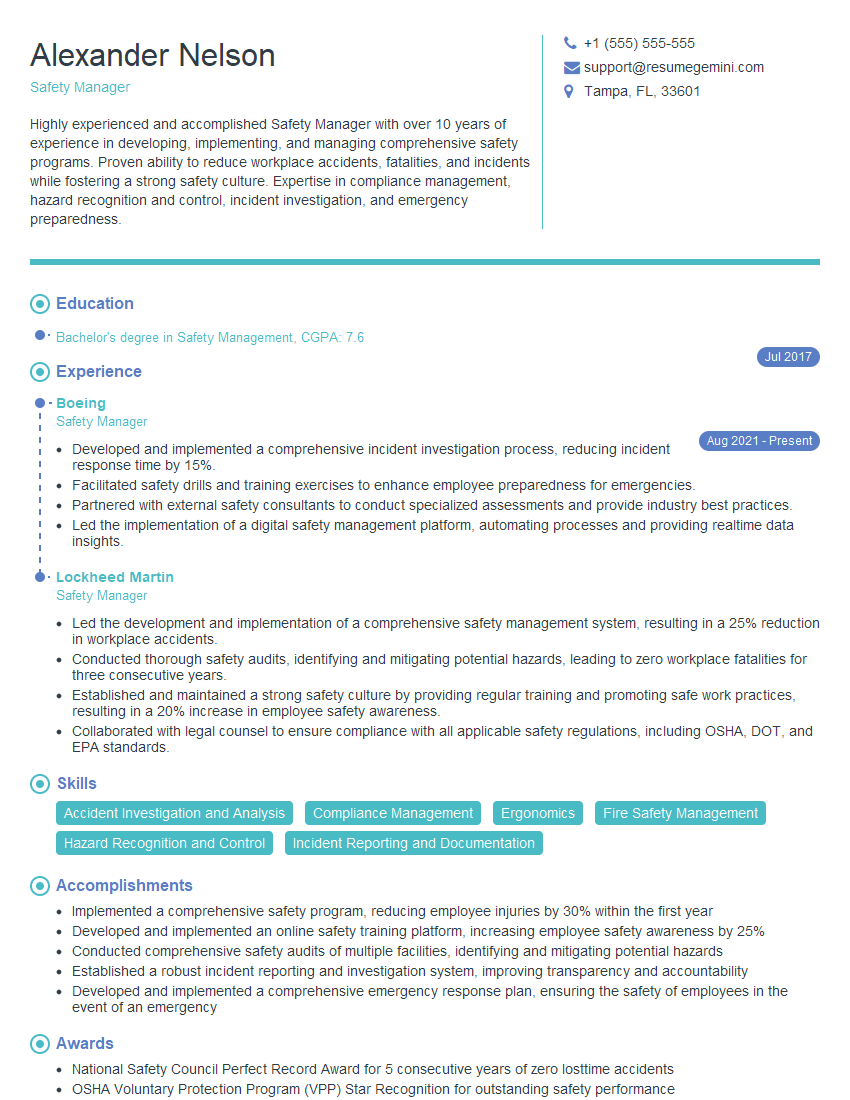
Safety Manager Resume Sample
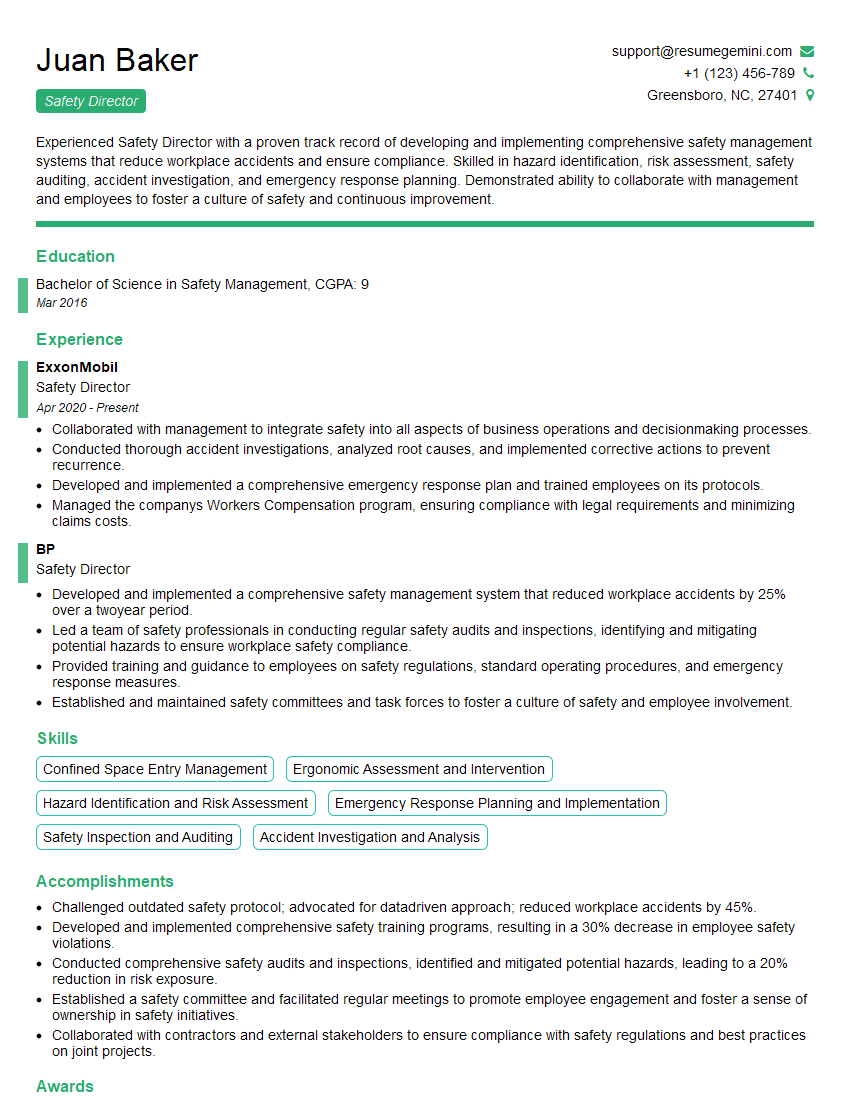
Safety Director Resume Sample
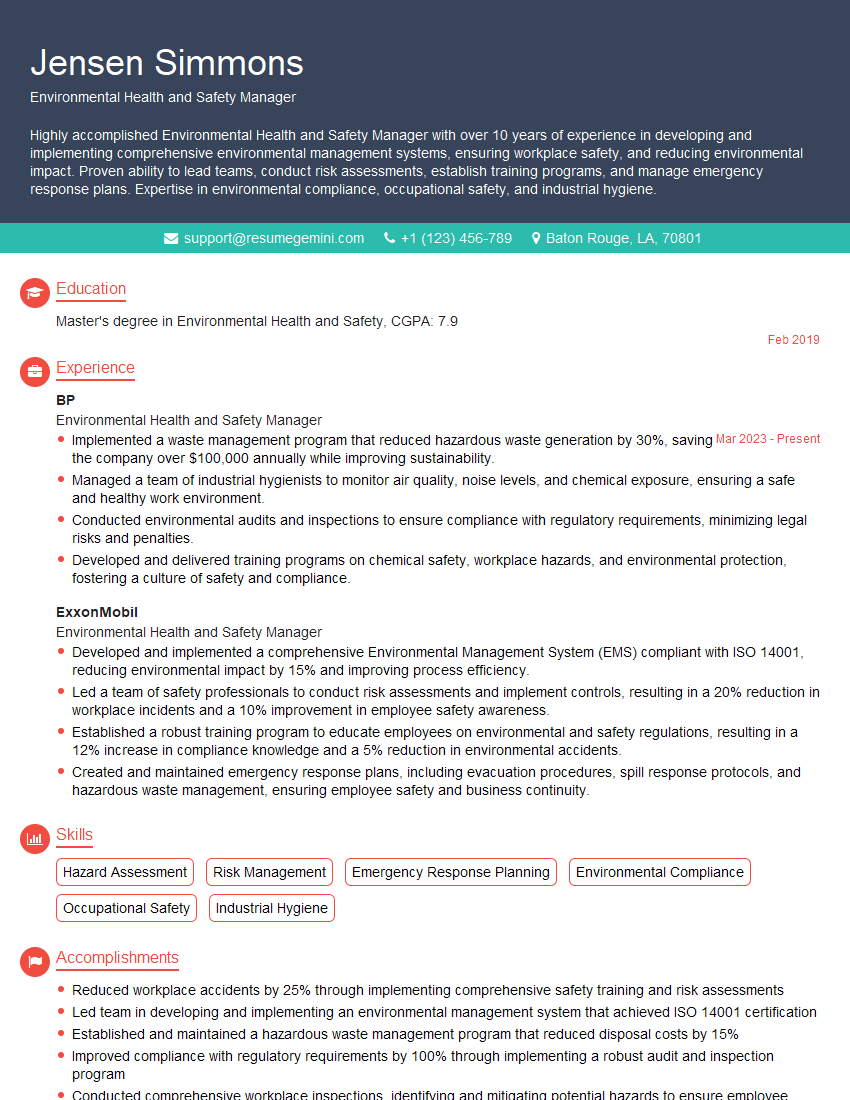
Environmental Health and Safety Manager Resume Sample
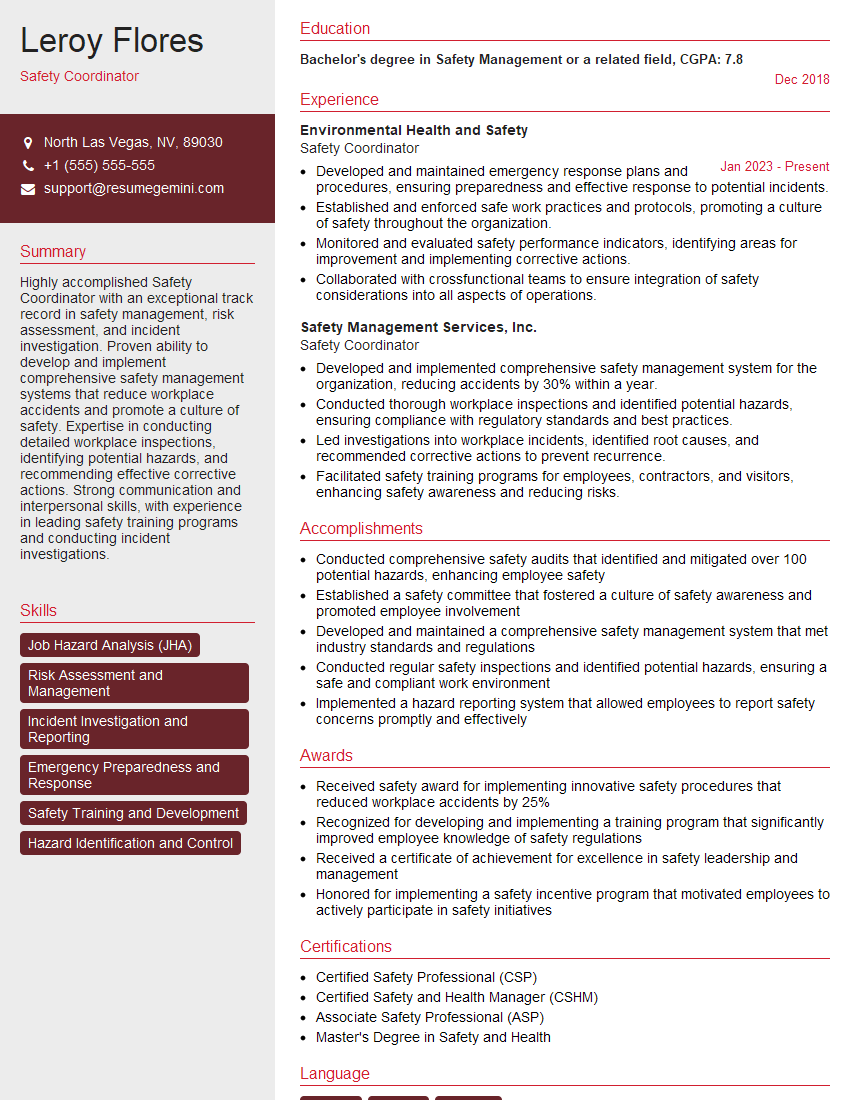
Safety Coordinator Resume Sample

Compliance Officer Resume Sample
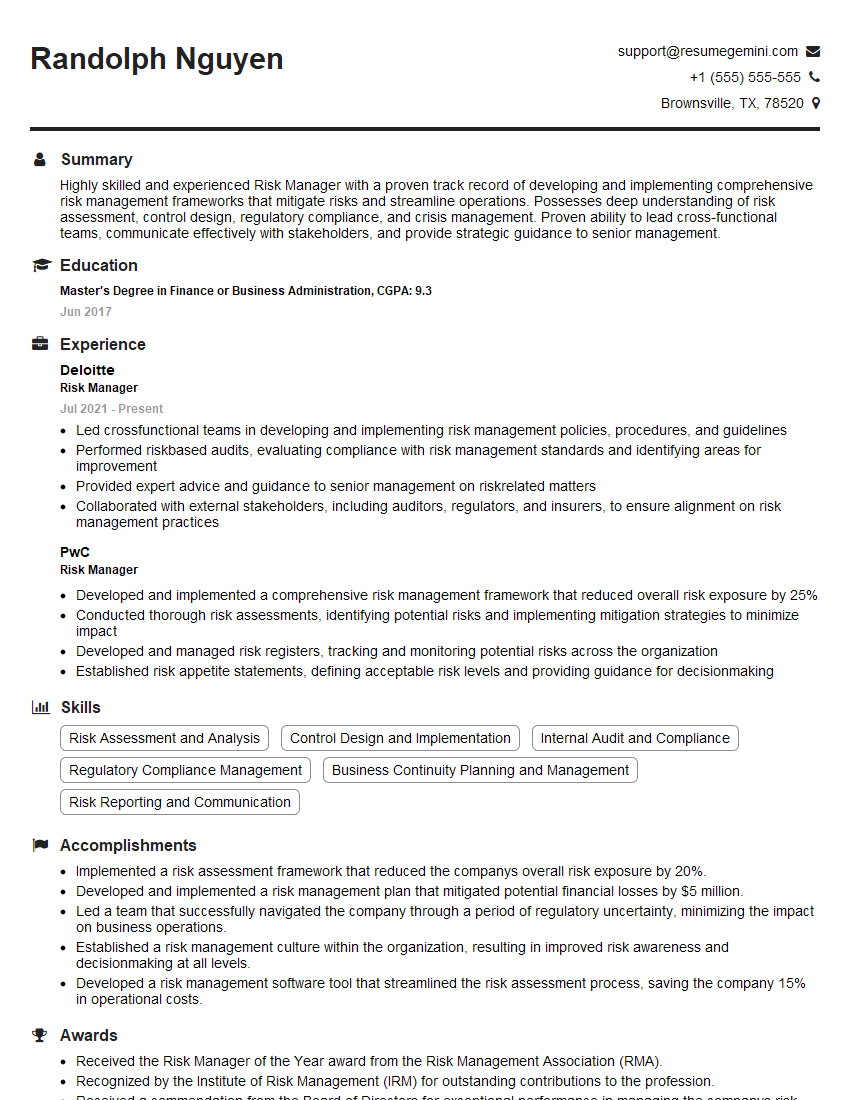
Risk Manager Resume Sample
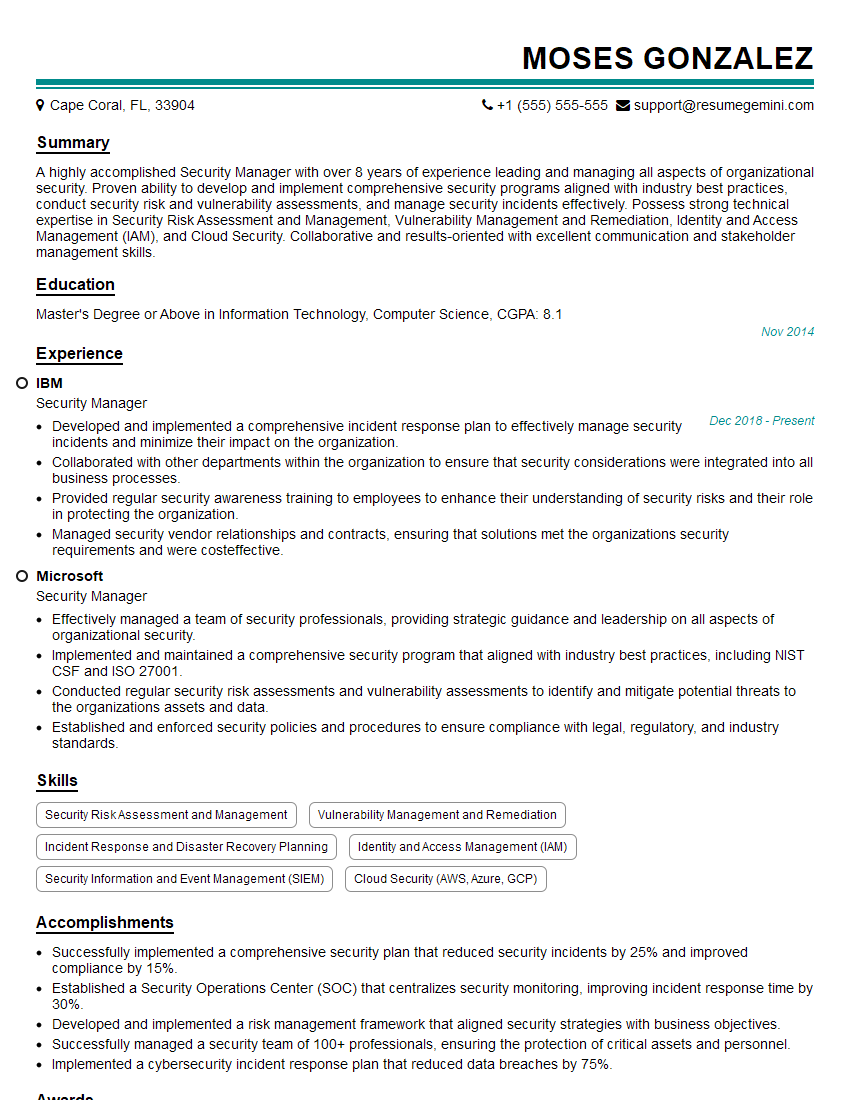
Security Manager Resume Sample
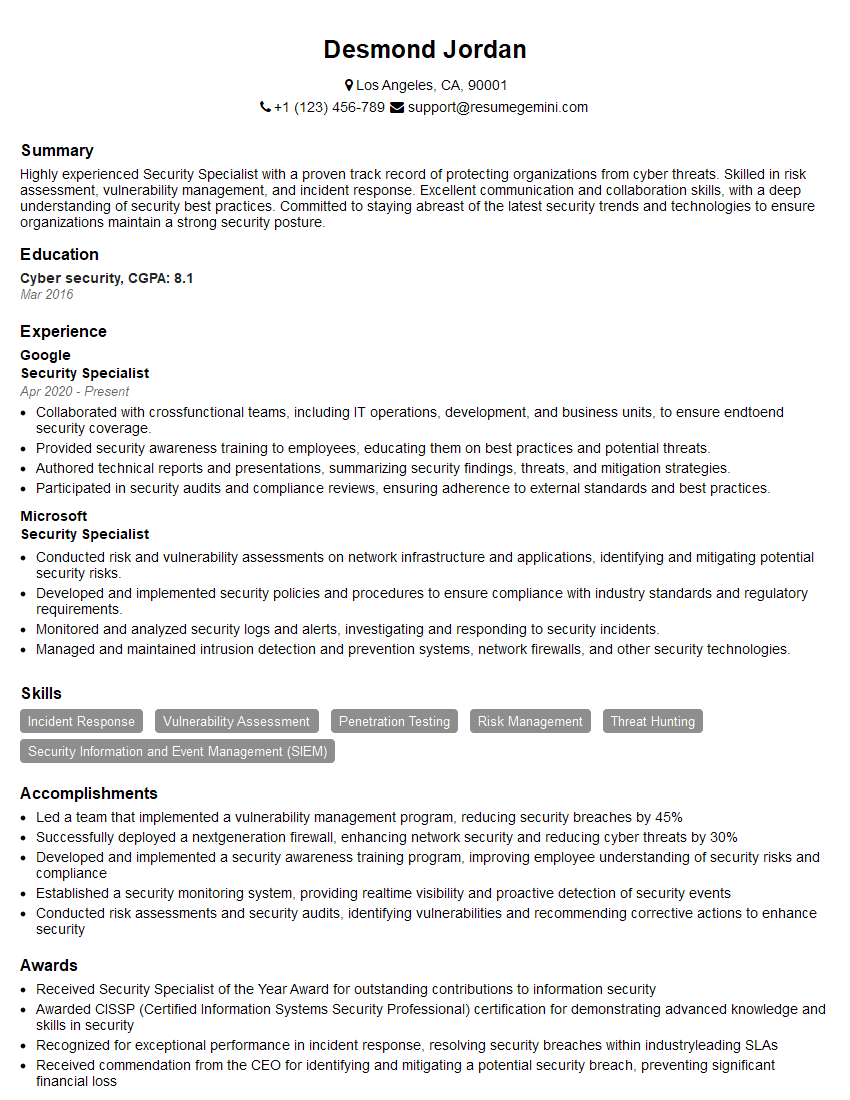
Security Specialist Resume Sample
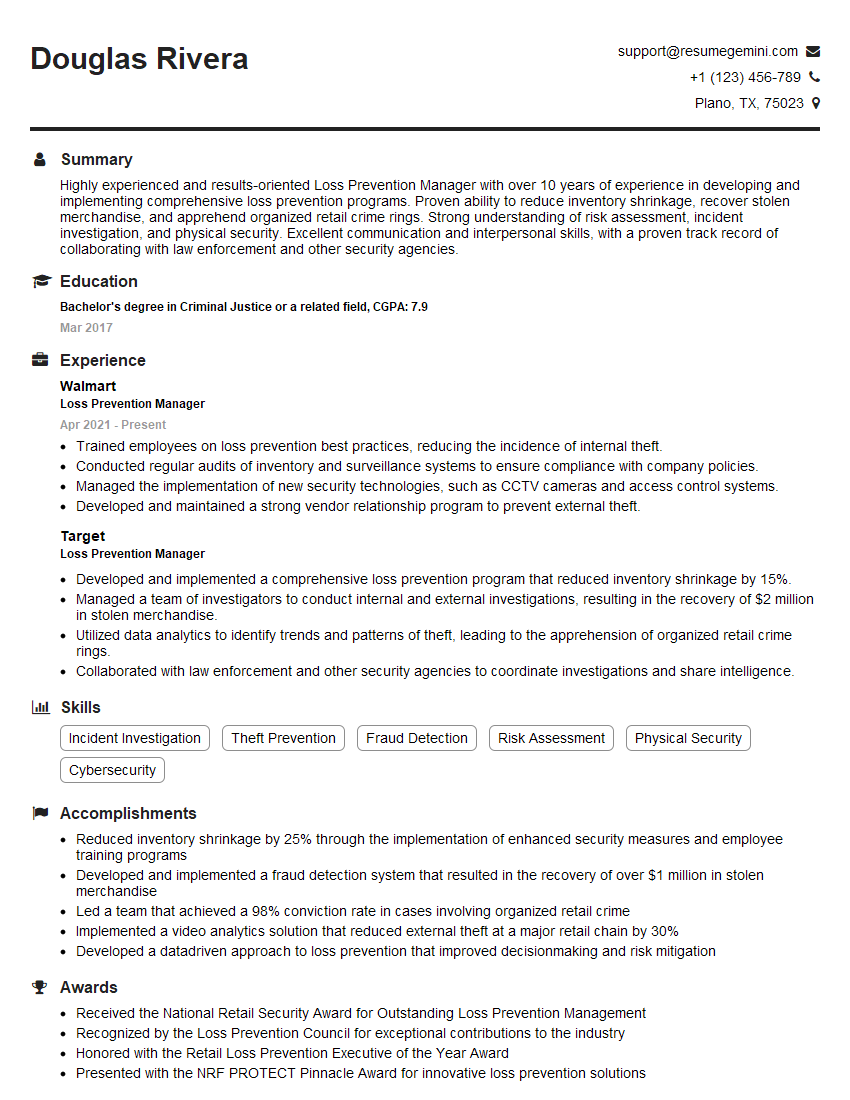
Loss Prevention Manager Resume Sample
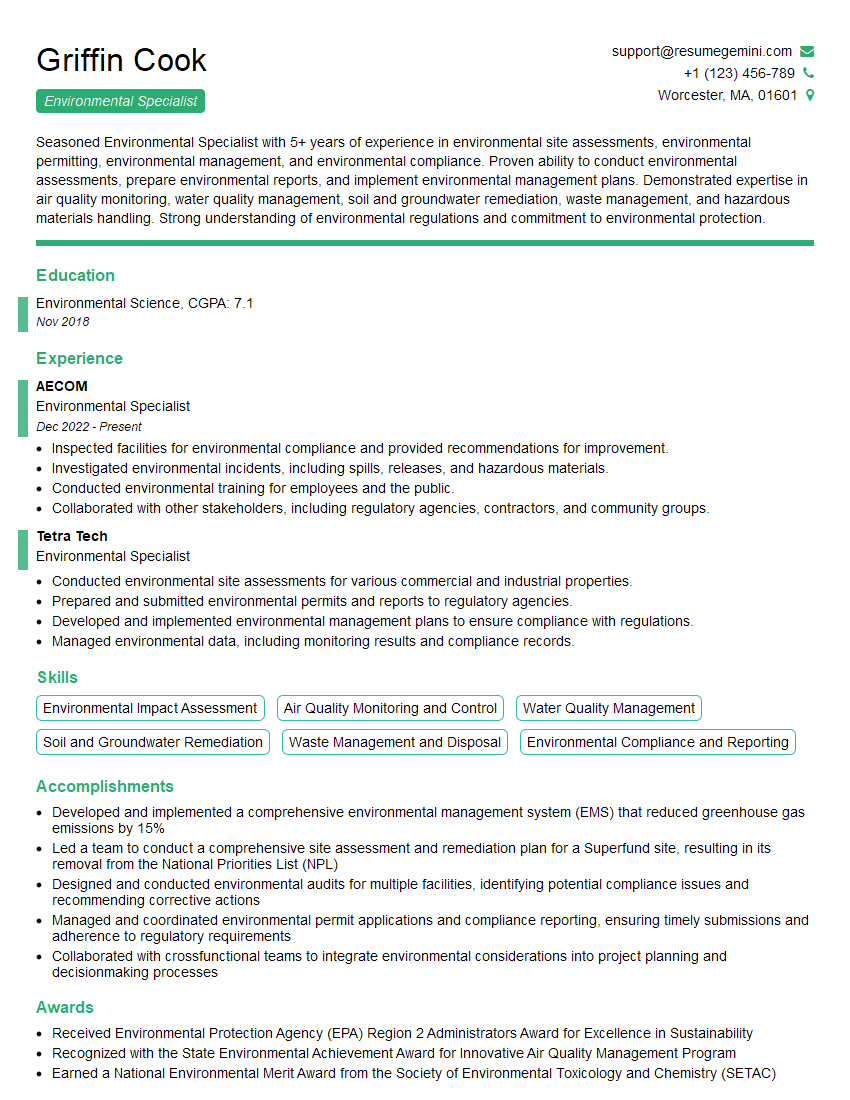
Environmental Specialist Resume Sample
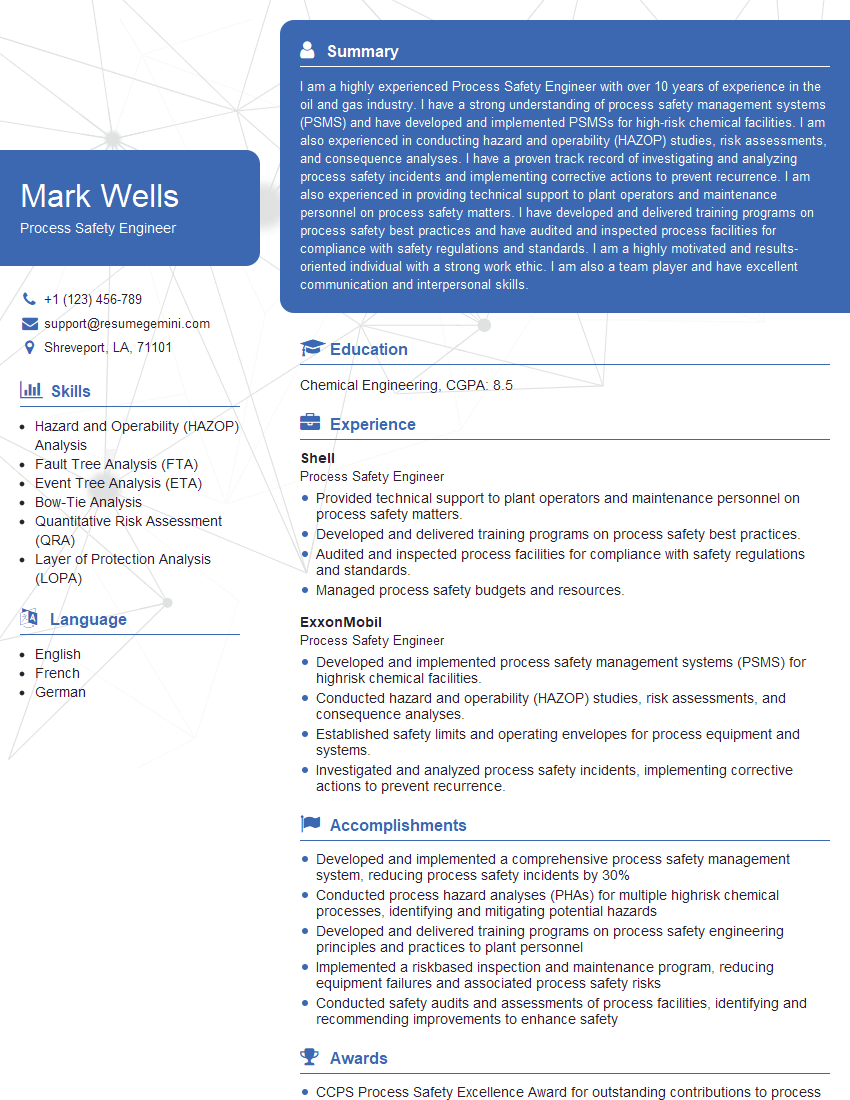
Process Safety Engineer Resume Sample
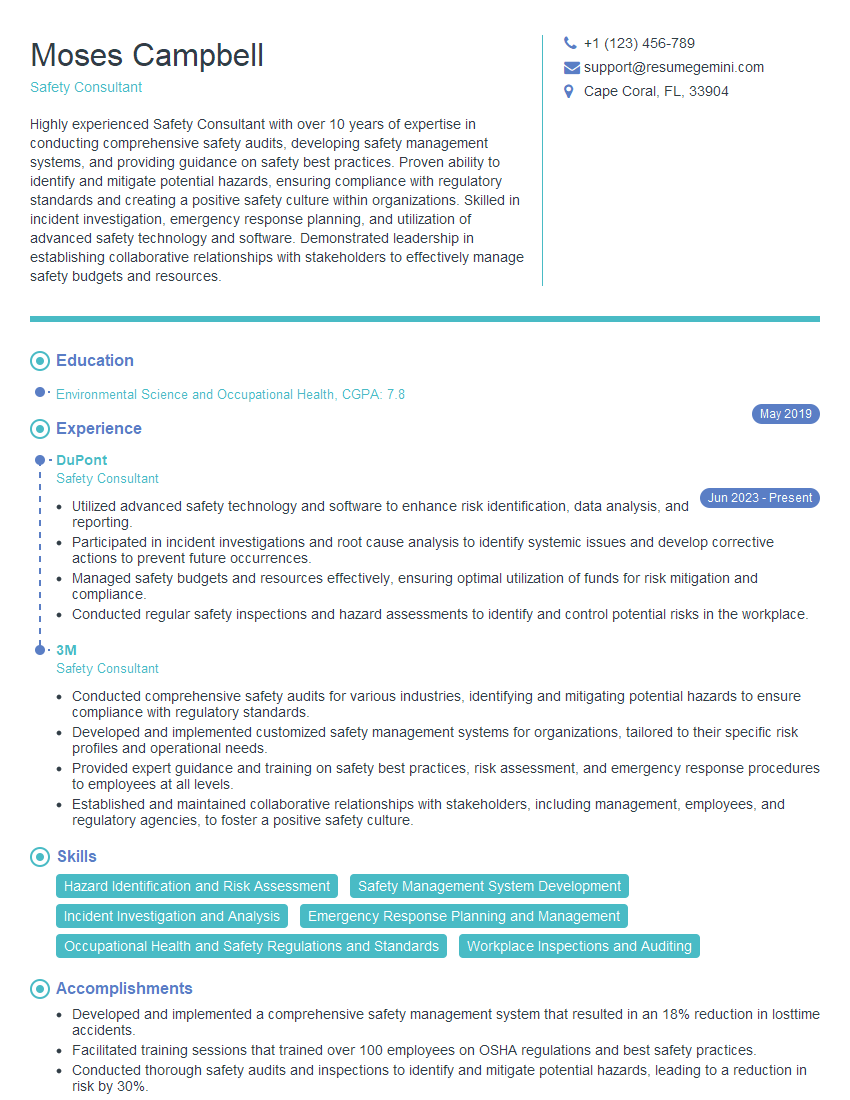
Safety Consultant Resume Sample
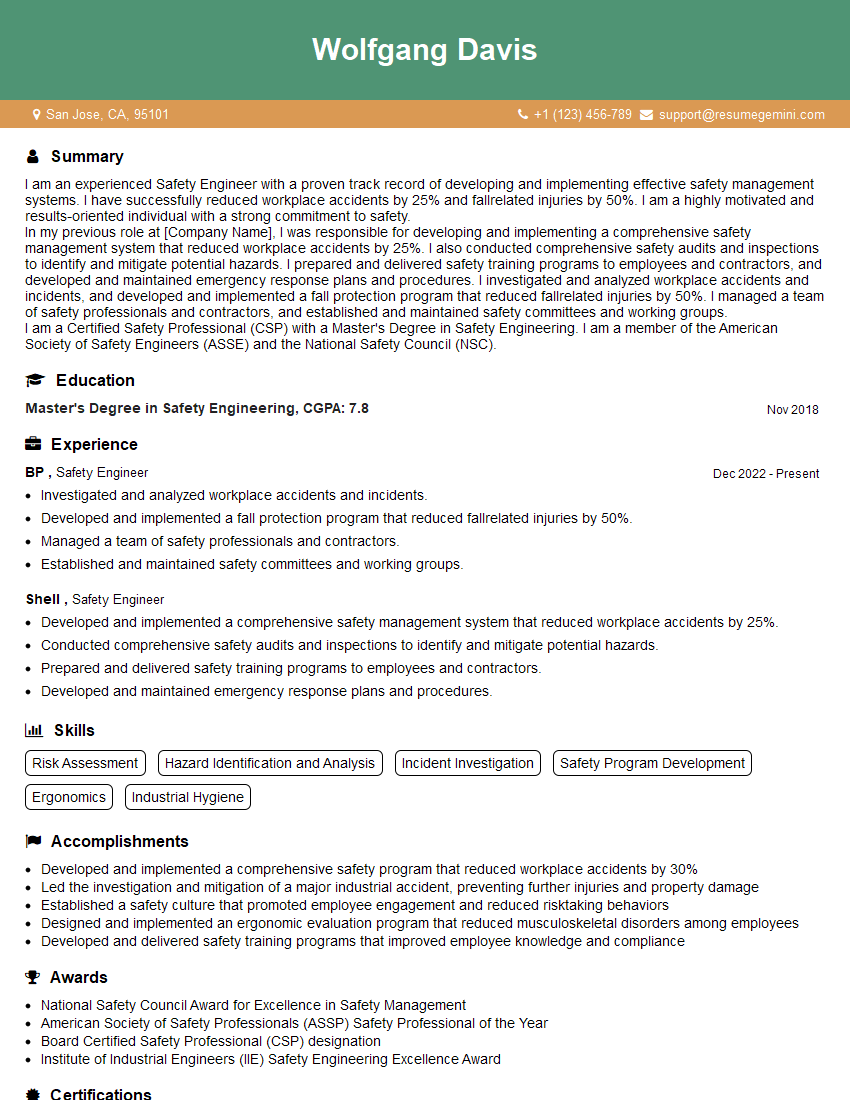
Safety Engineer Resume Sample
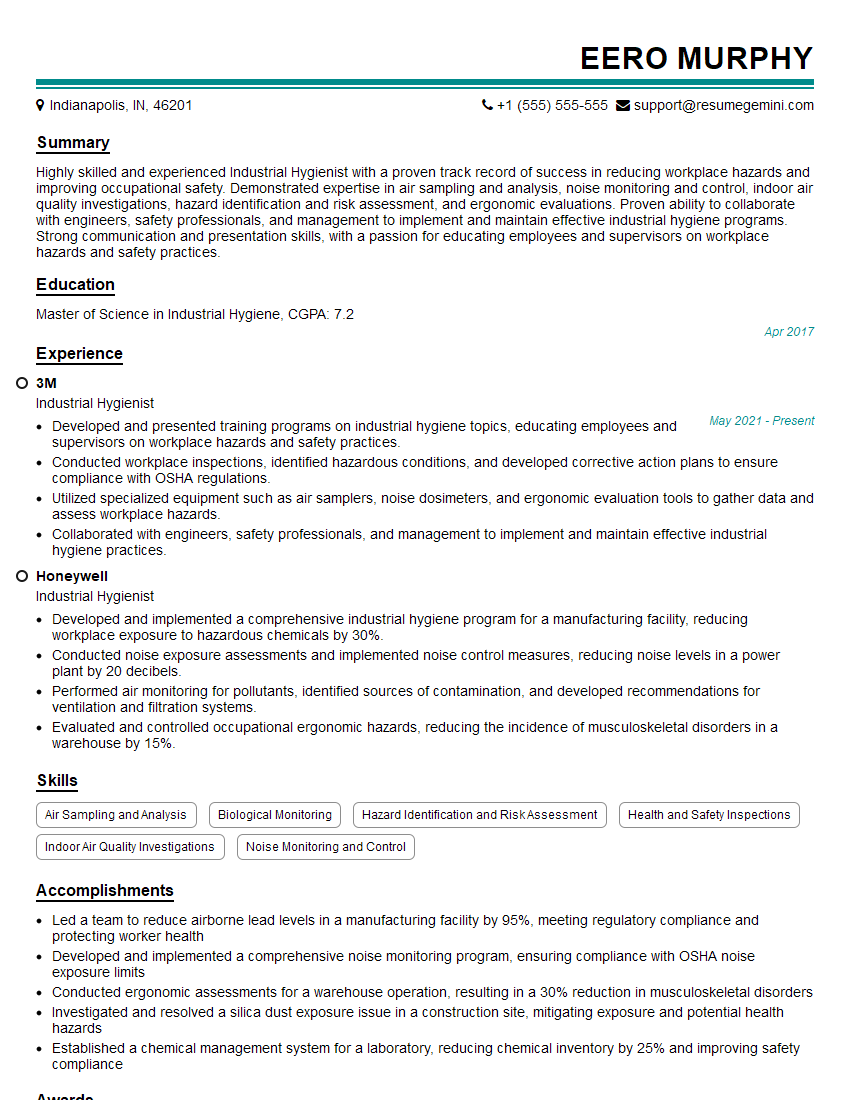
Industrial Hygienist Resume Sample
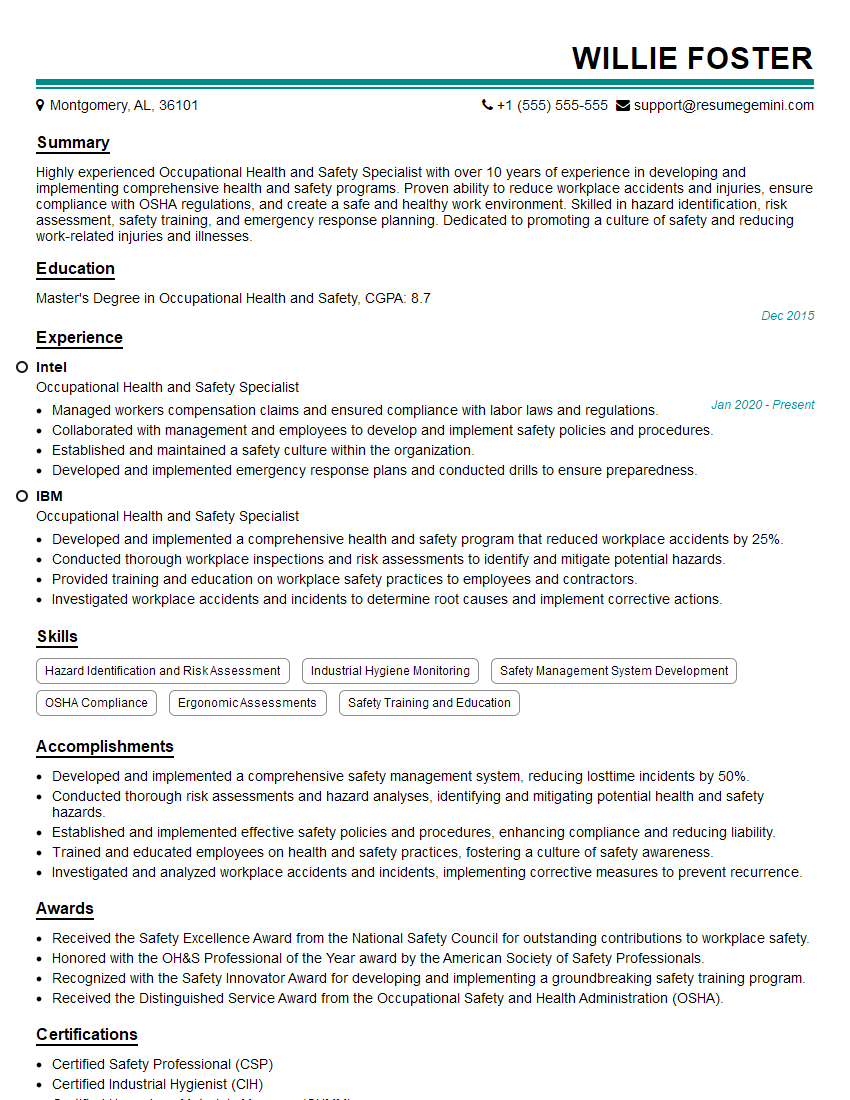
Occupational Health and Safety Specialist Resume Sample
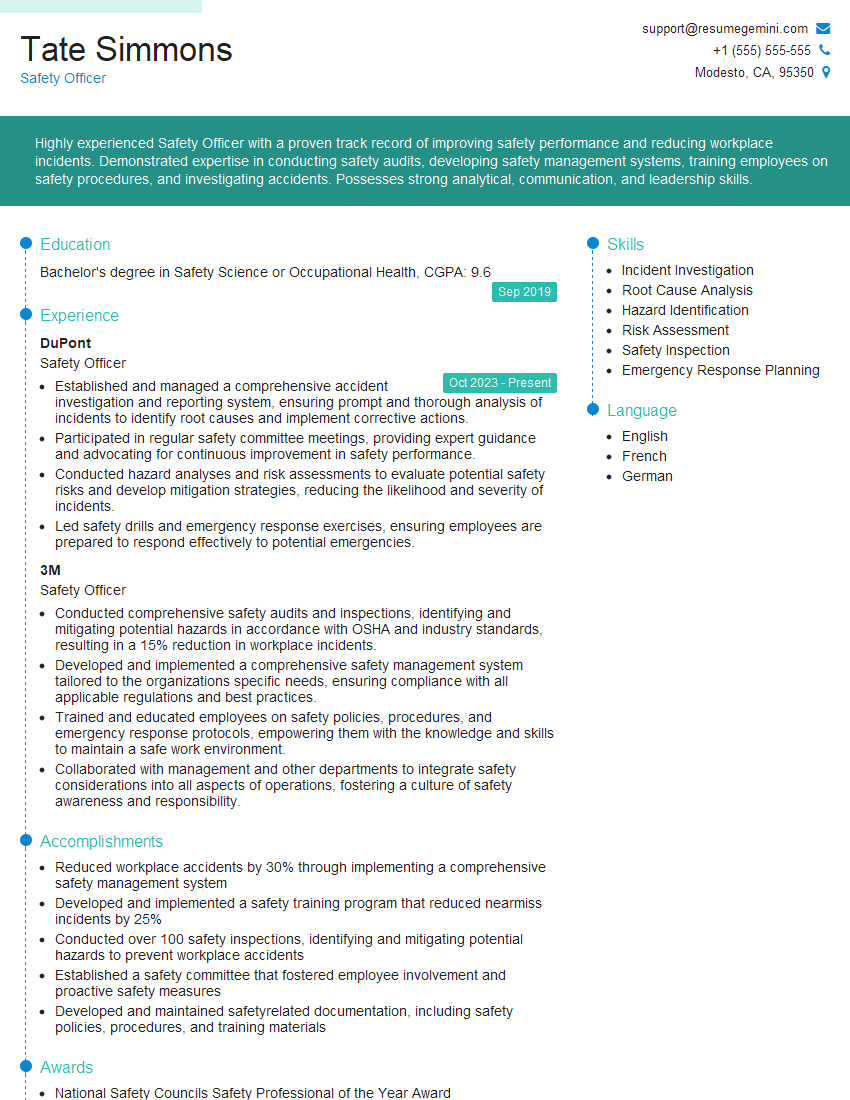
Safety Officer Resume Sample
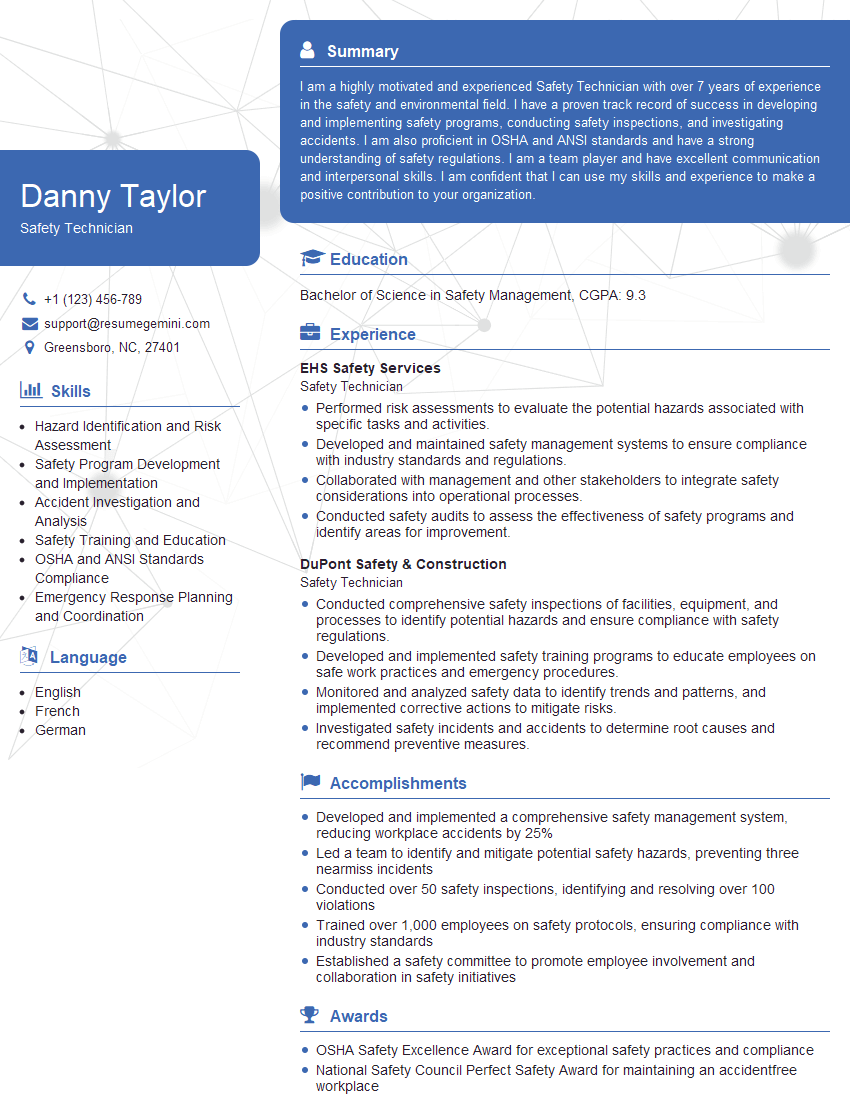
Safety Technician Resume Sample
- Safety Manager
- Safety Director
- Environmental Health and Safety Manager
- Safety Coordinator
- Compliance Officer
- Risk Manager
- Security Manager
- Security Specialist
- Loss Prevention Manager
- Environmental Specialist
- Process Safety Engineer
- Safety Consultant
- Safety Engineer
- Industrial Hygienist
- Occupational Health and Safety Specialist
- Safety Officer
- Safety Technician
Explore more articles
Users Rating of Our Blogs
Share Your Experience
We value your feedback! Please rate our content and share your thoughts (optional).
What Readers Say About Our Blog
Really detailed insights and content, thank you for writing this detailed article.
IT gave me an insight and words to use and be able to think of examples