Feeling uncertain about what to expect in your upcoming interview? We’ve got you covered! This blog highlights the most important Land Use Interpretation interview questions and provides actionable advice to help you stand out as the ideal candidate. Let’s pave the way for your success.
Questions Asked in Land Use Interpretation Interview
Q 1. Explain the difference between intensive and extensive land use.
Intensive and extensive land use describe the level of input and output per unit area. Think of it like farming: intensive farming packs a lot of effort (labor, fertilizer, etc.) into a small space to get a high yield, like a hydroponic tomato farm. Extensive farming, on the other hand, uses less input per unit area, focusing on large expanses of land with less intensive management, like a vast wheat field.
- Intensive Land Use: High input (labor, capital, technology) resulting in high output per unit area. Examples include urban areas, high-density housing, industrial parks, and intensive agriculture (e.g., greenhouses).
- Extensive Land Use: Low input, low output per unit area. Examples include grazing land for livestock, extensive agriculture (e.g., large-scale grain farming), and sparsely populated rural areas.
The key difference lies in the efficiency of land use. Intensive systems maximize production from limited space, while extensive systems prioritize broader land coverage with lower yields per acre.
Q 2. Describe the process of interpreting land use from aerial imagery.
Interpreting land use from aerial imagery involves a systematic process of visual analysis and often incorporates digital image processing techniques. It’s like being a detective, piecing together clues to understand what’s happening on the ground.
- Visual Interpretation: This starts with a careful examination of the imagery. We look at factors like tone, texture, pattern, shape, size, and association of features. For example, a smooth, dark tone might indicate a water body, while a repetitive pattern of square shapes could suggest agricultural fields.
- Digital Image Processing: Software like ArcGIS or ENVI allows us to enhance the imagery, sharpening details, classifying land cover using spectral signatures, and performing other analyses to improve interpretation accuracy.
- Ground Truthing: To confirm our interpretations, we often need to visit the site to verify land uses. This involves physically checking the locations identified in the imagery to ensure accuracy.
- Data Integration: We often combine aerial imagery with other data sources like topographic maps, census data, and land ownership records to create a complete picture of land use.
For instance, identifying a residential area involves recognizing patterns of houses, roads, and other infrastructure. Similarly, identifying a forest would involve recognizing its distinct texture and spectral reflectance.
Q 3. How do you identify and classify different land use types using GIS software?
GIS software provides powerful tools for classifying land use. It’s like having a sophisticated toolbox for organizing and analyzing spatial data.
- Data Input: We start by importing aerial imagery or other relevant raster data into the GIS software.
- Image Classification: We can use supervised or unsupervised classification techniques. Supervised classification requires training the software using samples of known land use types, allowing it to classify the rest of the image. Unsupervised classification groups pixels based on their spectral similarity without prior training data.
- Accuracy Assessment: After classification, it’s crucial to assess the accuracy by comparing classified data with ground truth data. This involves calculating metrics like overall accuracy, producer’s accuracy, and user’s accuracy.
- Vectorization: Once classified, the raster data can be converted to vector data (polygons representing different land use areas), facilitating further spatial analysis and mapping.
Example using ArcGIS: We might use the 'Classify' tool with a maximum likelihood classifier to classify satellite imagery into different land use categories based on spectral signatures. Then we'd conduct an accuracy assessment using an error matrix.
Q 4. What are the common sources of land use data?
Land use data comes from a variety of sources, each with its strengths and limitations. It’s important to choose the appropriate source based on the project’s needs and budget.
- Remote Sensing Data: Satellite imagery (Landsat, Sentinel) and aerial photography provide large-scale coverage and are frequently used for land use mapping.
- Field Surveys: Direct observation and data collection on the ground provide highly accurate, localized data but are time-consuming and expensive.
- Census Data: Demographic data from census surveys can provide information on population density and housing types, indirectly indicating land use.
- GIS Databases: Many governmental and private organizations maintain GIS databases containing land use information.
- Cadastral Maps: These maps show land parcels and ownership information, providing a framework for understanding land use patterns.
For example, a large-scale regional land use study might rely heavily on satellite imagery, while a detailed analysis of a specific urban neighborhood could benefit from a combination of aerial photography, field surveys, and census data.
Q 5. Explain the role of zoning regulations in influencing land use patterns.
Zoning regulations are the backbone of controlling land use patterns, dictating what activities can and cannot occur in specific areas. Think of them as the rules of the game for land development.
Zoning ordinances define allowable land uses (residential, commercial, industrial), building heights, densities, and setbacks. They influence land use by:
- Directing Development: By designating areas for specific uses, zoning guides development towards pre-planned patterns. For instance, designating a specific area as exclusively residential helps ensure a quiet residential neighborhood.
- Protecting Property Values: Zoning prevents incompatible land uses from negatively affecting neighboring properties. A factory next to a residential area would likely lower property values.
- Managing Infrastructure: Zoning helps plan infrastructure accordingly. Concentrating commercial activities in specific zones facilitates efficient traffic management and resource allocation.
For example, a city might zone an area for high-density residential development, leading to the construction of apartment buildings rather than single-family homes.
Q 6. How do environmental regulations impact land use decisions?
Environmental regulations significantly influence land use decisions by prioritizing ecological protection and sustainability. It’s about balancing development with environmental preservation.
Regulations such as:
- Clean Water Act: Restricts development in wetlands and riparian areas, protecting water quality.
- Endangered Species Act: Limits development in habitats of endangered species, ensuring their survival.
- National Environmental Policy Act: Requires environmental impact assessments for large-scale projects, forcing consideration of ecological consequences.
These regulations can lead to:
- Land Use Restrictions: Development may be prohibited or severely limited in environmentally sensitive areas.
- Mitigation Measures: Developers may be required to implement measures to offset environmental impacts, such as creating artificial wetlands or habitat restoration projects.
- Sustainable Design: Regulations can encourage the use of green building materials and sustainable practices in development.
For example, a proposed highway project might be altered to avoid sensitive habitats, or a developer might be required to restore a degraded stream as compensation for habitat loss.
Q 7. Describe the various land use change models.
Land use change models help us understand and predict how land use will shift over time. They act like crystal balls, albeit imperfect ones, offering insights into future land use scenarios.
- Markov Chain Models: These are relatively simple models that predict future land use based on the probabilities of transitions between different land use types. It’s like predicting the weather—based on past patterns, you can estimate the likelihood of various outcomes.
- Cellular Automata Models: These spatially explicit models simulate land use change by considering interactions between neighboring cells (pixels). They account for spatial dependencies, allowing for more realistic predictions.
- Agent-Based Models (ABMs): These more complex models simulate the actions of individual agents (e.g., landowners, developers) and their interactions, offering deeper insights into the processes driving land use change. Think of it as a sophisticated simulation of human behavior affecting land use decisions.
- Integrated Assessment Models (IAMs): These holistic models combine land use change with other factors (economic, social, environmental) to simulate the complex interactions within a system. They offer a comprehensive view of the impacts of various land use scenarios.
The choice of model depends on the specific research question, data availability, and computational resources. Each has its strengths and weaknesses, and often multiple models are used in conjunction to improve predictive capabilities.
Q 8. What are the key indicators used to assess land use sustainability?
Assessing land use sustainability involves evaluating its environmental, social, and economic impacts over the long term. We’re not just looking at what’s happening now, but also projecting the consequences of current practices. Key indicators fall into several categories:
- Environmental Indicators: These assess the impact on natural resources. Examples include soil erosion rates, water quality changes (e.g., nutrient runoff from agriculture), biodiversity loss (habitat fragmentation due to development), greenhouse gas emissions (from deforestation or industrial activities), and air quality. We might measure these using indices like the Normalized Difference Vegetation Index (NDVI) from satellite imagery to monitor vegetation health.
- Social Indicators: These focus on the well-being of communities. Key metrics include access to essential services (healthcare, education, clean water), population density and its impact on social cohesion, equity in land distribution, and public health outcomes (e.g., rates of respiratory illnesses in areas with high air pollution). For example, a high level of social inequality linked to unequal access to land can be detrimental to long-term sustainability.
- Economic Indicators: These consider the financial viability and efficiency of land use practices. Examples include land values, economic productivity of different land uses (e.g., crop yields, tourism revenue), employment opportunities generated, and the overall economic contribution of land-based activities. A sustainable land use system must be economically viable in the long run to prevent land degradation driven by economic pressure.
A holistic sustainability assessment considers the interconnections between these three pillars. For example, unsustainable agricultural practices (economic focus on short-term profits) can lead to soil degradation (environmental damage) and displacement of farmers (social injustice).
Q 9. How can remote sensing contribute to land use mapping and monitoring?
Remote sensing, particularly through satellite imagery and aerial photography, is a game-changer in land use mapping and monitoring. It provides a synoptic view, allowing us to cover large areas efficiently and repeatedly over time. This is crucial for tracking changes in land use patterns, such as deforestation, urban sprawl, or agricultural expansion.
Here’s how it contributes:
- Mapping Land Cover: Different land cover types (forests, grasslands, urban areas) have unique spectral signatures that can be detected by sensors. Algorithms process this data to classify pixels into various land use/land cover categories, creating detailed maps.
- Monitoring Change Detection: By comparing images from different time periods, we can identify changes in land use over time. For instance, comparing images from 1990 and 2020 can reveal the extent of urban growth or deforestation in a region.
- Assessing Land Degradation: Remote sensing can monitor changes in vegetation health, soil moisture, and other indicators of land degradation, helping us understand the impact of various land use practices.
- Supporting Land Use Planning: The information derived from remote sensing is vital for informed land use planning, guiding decisions on urban expansion, infrastructure development, and conservation efforts.
For example, imagine using Landsat imagery to track deforestation in the Amazon rainforest. The change detection analysis reveals the rate of forest loss, helping policymakers to design targeted conservation strategies.
Q 10. Explain the concept of carrying capacity in relation to land use.
Carrying capacity in land use refers to the maximum population size or level of resource use that a specific area can sustainably support without causing environmental degradation or compromising its ability to support future generations. It’s a dynamic concept, influenced by both natural factors (climate, soil fertility, water availability) and human activities (land management practices, technology).
Think of it like this: a small island has a limited carrying capacity for people. If the population exceeds the island’s ability to provide food, water, and shelter sustainably, the resources will be depleted, leading to environmental damage and social problems. Similarly, a forest has a limited carrying capacity for logging. Excessive logging can lead to deforestation and habitat loss, exceeding the ecosystem’s ability to regenerate.
Assessing carrying capacity requires understanding the ecological limits of a specific area and projecting the environmental impacts of different levels of human activity or population density. It’s a complex undertaking involving integrating ecological, social, and economic factors. For example, improved agricultural techniques might increase the carrying capacity of a region for food production, but only if water resources and soil health are managed sustainably. Overestimating carrying capacity can lead to environmental damage, social unrest, and ultimately, ecological collapse.
Q 11. What are the implications of urbanization on land use patterns?
Urbanization significantly alters land use patterns, leading to a dramatic shift from natural ecosystems and agricultural lands to built environments. The implications are multifaceted:
- Loss of Natural Habitats: Urban expansion directly consumes natural habitats, leading to biodiversity loss and fragmentation of ecosystems. This can disrupt ecological processes and reduce ecosystem services like water purification and carbon sequestration.
- Increased Impervious Surfaces: Urban areas are characterized by extensive impervious surfaces (roads, buildings, parking lots) that reduce water infiltration, increase runoff, and contribute to flooding and water pollution.
- Changes in Water Resources: Urbanization can alter hydrological cycles, affecting water availability and quality. Increased demand for water and altered drainage patterns can lead to water scarcity and pollution.
- Heat Island Effect: Urban areas tend to be warmer than surrounding rural areas due to the heat-absorbing properties of buildings and pavement. This “heat island effect” can impact air quality and human health.
- Increased Pollution: Urban areas are sources of various pollutants, including air pollution from vehicles and industrial activities, and water pollution from sewage and runoff.
Consider the case of Los Angeles. Rapid urbanization has led to significant habitat loss, air and water pollution, and the spread of urban heat islands, necessitating significant mitigation efforts to improve environmental and public health.
Q 12. How do you assess the suitability of land for different uses?
Assessing land suitability for different uses requires a systematic approach, integrating various factors to determine the appropriateness of a given area for a specific purpose. This is often done through a process called Land Suitability Assessment (LSA).
The steps generally involve:
- Defining Land Use Objectives: Clearly specifying the intended land use (e.g., agriculture, residential development, conservation).
- Identifying Relevant Criteria: Identifying factors relevant to the specific land use, including soil type, slope, climate, water availability, proximity to infrastructure, and environmental sensitivity.
- Data Acquisition: Gathering data on the identified criteria using various methods, including field surveys, remote sensing, and GIS analysis.
- Weighting Criteria: Assigning weights to the different criteria based on their relative importance for the specific land use. For example, soil quality might be more important for agriculture than proximity to roads.
- Suitability Classification: Classifying land units into different suitability classes (e.g., highly suitable, moderately suitable, unsuitable) based on their scores across the criteria. This often involves overlaying maps of different criteria in a GIS environment.
- Sensitivity Analysis: Assessing the impact of uncertainty or variations in data on the results to ensure robustness of the assessment.
For example, assessing suitability for agriculture might consider soil fertility, slope (steeper slopes are less suitable), rainfall, and irrigation potential. An area with fertile soils, moderate slope, and adequate rainfall would receive a high suitability rating for agriculture.
Q 13. What are the potential conflicts arising from competing land use demands?
Competing land use demands frequently lead to conflicts, arising from the inherent scarcity of land and the diverse needs of different stakeholders. Some common conflicts include:
- Urban Sprawl vs. Agriculture: Expanding urban areas often encroach upon fertile agricultural lands, reducing food production capacity and impacting rural communities.
- Conservation vs. Development: Protecting biodiversity and natural habitats can clash with the need for infrastructure development and economic growth.
- Resource Extraction vs. Environmental Protection: Mining, logging, and other extractive industries can conflict with environmental protection goals, leading to habitat destruction and pollution.
- Residential Development vs. Recreation: Building houses in scenic areas can displace recreational activities and impact tourism.
- Agriculture vs. Water Resource Management: Intensive irrigation can deplete water resources, creating conflicts with other users, such as municipalities or downstream ecosystems.
These conflicts often involve diverse stakeholders with differing interests and values, making resolution challenging. For example, a proposed dam project might provide hydroelectric power but also displace communities and damage downstream ecosystems, requiring careful balancing of competing interests.
Q 14. Describe various methods for mitigating land use conflicts.
Mitigating land use conflicts requires a multi-pronged approach that incorporates stakeholder engagement, planning, and regulatory measures:
- Integrated Land Use Planning: Developing comprehensive land use plans that consider the needs of all stakeholders and balance competing demands. This involves participatory processes to ensure that all relevant voices are heard.
- Environmental Impact Assessment (EIA): Conducting thorough EIAs to assess the environmental consequences of proposed land use changes, helping to identify potential conflicts and inform mitigation strategies.
- Zoning and Land Use Regulations: Implementing zoning regulations and land use policies to guide development and protect sensitive areas. This includes setting aside land for conservation, agriculture, or other specific purposes.
- Market-Based Instruments: Utilizing market-based instruments, such as carbon markets or payments for ecosystem services, to incentivize sustainable land use practices.
- Stakeholder Engagement and Negotiation: Facilitating dialogue and negotiation between different stakeholders to find mutually acceptable solutions. Mediation and collaborative planning processes can help resolve conflicts and build consensus.
- Public Awareness Campaigns: Raising public awareness of the importance of sustainable land use and the consequences of land use conflicts through education and communication.
For example, a community might engage in collaborative planning to decide on the optimal location for a new park, balancing the needs for recreational space with the preservation of natural habitats and minimizing disruption to existing land uses.
Q 15. How do you incorporate public participation into land use planning?
Public participation is crucial for successful land use planning. It ensures that the plan reflects the needs and desires of the community, leading to greater acceptance and implementation. We incorporate public participation through various methods, starting with early and frequent public consultations. This could involve town hall meetings, online surveys, focus groups, and workshops tailored to different community segments (e.g., youth, seniors, businesses).
For instance, when planning a new park, we might hold a workshop for children to gather ideas on playground features, while simultaneously conducting a survey to understand the park’s usage preferences among adults. We also use participatory GIS (PGIS) tools, allowing the public to directly contribute spatial data, such as identifying areas for preservation or suggesting locations for new amenities. Finally, transparency in the process is vital; we make all survey results, meeting minutes, and planning documents publicly accessible for continued feedback and review.
Career Expert Tips:
- Ace those interviews! Prepare effectively by reviewing the Top 50 Most Common Interview Questions on ResumeGemini.
- Navigate your job search with confidence! Explore a wide range of Career Tips on ResumeGemini. Learn about common challenges and recommendations to overcome them.
- Craft the perfect resume! Master the Art of Resume Writing with ResumeGemini’s guide. Showcase your unique qualifications and achievements effectively.
- Don’t miss out on holiday savings! Build your dream resume with ResumeGemini’s ATS optimized templates.
Q 16. How do you evaluate the economic impacts of different land use scenarios?
Evaluating the economic impacts of different land use scenarios requires a multi-faceted approach. We use economic impact analyses, which consider various factors. For example, converting a farm into a housing development has direct economic consequences like increased property tax revenue and job creation in the construction sector. However, it might also lead to the loss of agricultural income and related jobs.
We use economic modeling tools to project these changes. These models often incorporate input-output analysis to trace the ripple effects across various sectors of the economy. For example, a new industrial park might stimulate demand for transportation services, leading to more jobs in that sector. We also consider indirect and induced economic effects, using cost-benefit analysis to compare the economic advantages and disadvantages of different scenarios. The final assessment will help decision-makers choose options that maximize overall economic well-being.
Q 17. What are the social impacts of land use change?
Land use change significantly impacts social structures and communities. For example, the construction of a highway through a residential neighborhood can disrupt established social networks and lead to displacement. Similarly, the development of a large shopping mall can alter traffic patterns, impacting local businesses and social interaction within the community.
Social impact assessments are crucial. These evaluate the changes in community cohesion, access to amenities, and overall quality of life. We consider factors like social equity, ensuring that the benefits of land use changes are distributed fairly. For example, affordable housing provisions are crucial when redeveloping an area. We also assess the impact on vulnerable populations, such as the elderly or individuals with disabilities, ensuring their needs are addressed. Public participation in these assessments is critical to understanding and addressing potential social consequences.
Q 18. Explain the role of Geographic Information Systems (GIS) in land use planning.
Geographic Information Systems (GIS) are indispensable tools for land use planning. GIS allows us to visualize, analyze, and manage spatial data. This includes land cover maps, property boundaries, transportation networks, and demographic data. We use GIS to create detailed land use maps, identifying areas suitable for different developments. We analyze proximity to existing infrastructure, environmental constraints, and community needs.
For example, GIS helps us identify suitable locations for schools by considering factors like population density, proximity to roads, and distance from hazardous areas. We can also use GIS for modeling various scenarios, such as simulating the impact of a new road on traffic flow or predicting future land use patterns based on growth trends. GIS also provides a platform for community engagement, allowing public participation through interactive mapping tools.
Q 19. How do you perform spatial analysis to understand land use patterns?
Spatial analysis is the backbone of land use pattern understanding. We employ a range of techniques, including overlay analysis, to combine multiple data layers (e.g., soil type, slope, proximity to water). This allows us to identify areas meeting specific criteria for development. For example, we could overlay soil suitability maps with slope maps to find areas suitable for agriculture.
Another crucial technique is spatial autocorrelation analysis, which helps us understand how land uses cluster together. This can reveal patterns of urban sprawl or the concentration of specific land use types. We use spatial statistics to quantify these patterns. For example, a high Moran’s I index indicates a strong spatial clustering of similar land uses. Furthermore, proximity analysis is crucial to understand relationships between features. For instance, analyzing the distance between residential areas and schools helps us understand the accessibility of education. We may use tools such as kernel density estimation to identify hotspots of activity.
Q 20. What are the limitations of using satellite imagery for land use interpretation?
While satellite imagery provides a valuable source of information for land use interpretation, it has limitations. Spatial resolution is often a constraint. High-resolution imagery can be expensive and may not always be available. Lower resolution images may struggle to differentiate between similar land use types, leading to classification errors. Temporal resolution is another factor; cloud cover can obscure the view and limit the frequency of useful imagery.
Spectral resolution also limits interpretation. While different land cover types reflect light differently, subtle differences can be difficult to distinguish. For example, differentiating between different types of vegetation may require advanced techniques like hyperspectral imagery. Finally, interpretation of imagery requires expertise. Accurately classifying land use from satellite imagery requires trained personnel to account for variations in lighting, seasonality and other factors.
Q 21. How do you handle inconsistencies or errors in land use data?
Inconsistencies and errors in land use data are common. To handle these, we use a multi-step approach. Firstly, we conduct data quality checks, including visual inspection and statistical analysis to identify outliers or improbable values. We then employ data editing techniques, such as spatial smoothing or outlier removal, to correct minor errors. For more significant inconsistencies, we may need to employ data reconciliation techniques, comparing our data with other sources, such as field surveys or other datasets.
In cases of major discrepancies, field verification is often necessary. This involves visiting the sites in question to conduct ground truthing and confirm or correct the land use classifications. Finally, a well-defined data quality assessment framework is crucial. This framework helps in documenting the sources of uncertainty and the methods employed to address inconsistencies. Transparency is crucial – we thoroughly document all data corrections and validations to ensure the integrity and reliability of the final land use data.
Q 22. Explain the importance of land use planning in urban development.
Land use planning in urban development is crucial for ensuring sustainable and equitable growth. It’s essentially a blueprint for how land will be used – residential, commercial, industrial, recreational, etc. – and how these uses interact. Without careful planning, cities risk uncontrolled sprawl, traffic congestion, environmental degradation, and social inequalities.
Effective land use planning anticipates future needs, allocates resources efficiently, protects valuable natural areas, and promotes community well-being. For example, strategically placing parks within residential areas improves quality of life and reduces urban heat island effects. Similarly, zoning regulations can guide the location of industries to minimize pollution impacts on residential areas. A well-planned city ensures that different land uses complement each other, creating a functional and livable environment.
- Reduces urban sprawl: Planned development prevents haphazard expansion into surrounding natural areas.
- Manages traffic flow: Strategic placement of commercial zones and transportation infrastructure reduces congestion.
- Protects natural resources: Designates green spaces and conservation areas, safeguarding biodiversity and ecosystem services.
- Promotes social equity: Ensures access to essential services like schools, healthcare, and affordable housing for all residents.
Q 23. How does climate change influence land use planning?
Climate change significantly impacts land use planning, requiring adaptation and mitigation strategies. Rising sea levels necessitate relocating coastal infrastructure and development away from vulnerable areas. Increased frequency and intensity of extreme weather events (floods, droughts, heat waves) necessitate designing resilient infrastructure and land use patterns that can withstand these challenges. For instance, creating green spaces to absorb stormwater runoff reduces flood risks. Similarly, incorporating heat-resistant materials in urban design mitigates urban heat island effects.
Furthermore, land use planning plays a crucial role in mitigating climate change by promoting sustainable transportation systems, reducing energy consumption through efficient building design, and protecting carbon sinks like forests and wetlands. For example, promoting cycling and public transport reduces reliance on private vehicles and lowers carbon emissions. Similarly, urban farming and green roofs can help absorb CO2.
Climate change considerations must be integrated into all phases of land use planning, from initial assessments to final implementation and monitoring.
Q 24. What are the ethical considerations in land use decision-making?
Ethical considerations in land use decision-making are paramount, ensuring fairness, justice, and environmental responsibility. Key ethical principles include:
- Environmental justice: Preventing the disproportionate impact of environmental hazards (pollution, flooding) on marginalized communities.
- Social equity: Ensuring access to essential services and resources for all residents, regardless of socioeconomic status or background.
- Intergenerational equity: Considering the needs of future generations and preserving resources for their use.
- Transparency and public participation: Involving the community in the planning process to ensure decisions reflect their needs and values.
- Respect for Indigenous rights: Recognizing and protecting the land rights and traditional knowledge of Indigenous peoples.
For example, a development project might necessitate a careful assessment of its potential impact on surrounding communities, ensuring that any negative consequences (e.g., increased traffic, noise pollution) are mitigated and that benefits are shared equitably.
Q 25. How would you assess the impact of a proposed development on surrounding land uses?
Assessing the impact of a proposed development on surrounding land uses involves a systematic approach. This typically begins with a comprehensive environmental impact assessment, incorporating both quantitative and qualitative methods.
- Identify affected land uses: Determine which existing land uses (residential, commercial, recreational, etc.) are proximate to the proposed development.
- Analyze potential impacts: Assess the potential positive and negative impacts on each affected land use. This might involve analyzing changes in traffic patterns, noise levels, air quality, visual aesthetics, and property values.
- Gather data: Collect relevant data through field surveys, interviews, and secondary sources (census data, environmental reports).
- Model potential impacts: Employ GIS software and simulation models (e.g., traffic simulation models, noise propagation models) to predict the magnitude and extent of impacts.
- Develop mitigation strategies: Design measures to reduce or eliminate negative impacts. This might include building noise barriers, creating green buffers, implementing traffic management strategies, etc.
- Evaluate mitigation effectiveness: Assess whether the proposed mitigation measures are sufficient to address the potential negative impacts.
For instance, a proposed highway construction project would require analyzing its impact on nearby residential areas, considering noise pollution, air quality, and changes in traffic patterns. Mitigation strategies could include constructing noise barriers, planting vegetation, and creating alternative transportation routes.
Q 26. Describe your experience with land use modeling and simulation.
My experience with land use modeling and simulation spans over [Number] years, encompassing various projects. I’ve utilized a range of modeling techniques, including cellular automata models for urban growth simulation, agent-based models for exploring land use change dynamics driven by individual decision-making, and spatial statistical models for analyzing land use patterns and their relationships with environmental factors. For example, I employed a cellular automata model to predict future urban sprawl scenarios based on past growth patterns and influencing factors such as transportation infrastructure and land availability. This provided valuable insights into potential impacts on natural areas and helped inform land use planning strategies.
In another project, I used agent-based modeling to understand the factors driving deforestation in a particular region. This involved simulating the behavior of individual land users (farmers, loggers) and analyzing how their interactions and decisions contributed to deforestation. This allowed me to identify key drivers and develop targeted interventions to promote sustainable land management.
Q 27. Explain your experience using specific GIS software (e.g., ArcGIS, QGIS).
I am proficient in both ArcGIS and QGIS, leveraging their capabilities for diverse land use applications. In ArcGIS, I’ve extensively utilized spatial analysis tools for tasks such as overlay analysis (to identify areas suitable for specific land uses), proximity analysis (to determine buffer zones around sensitive areas), and network analysis (to optimize transportation routes). I’ve also used ArcGIS Pro for 3D visualization of land use data and scenario planning.
QGIS, with its open-source nature and flexibility, has been instrumental in several projects involving data processing and visualization. For example, I used QGIS to process remotely sensed imagery (satellite data) to classify land cover types, providing a foundational layer for land use planning. I’ve also used its scripting capabilities (Python) for automating repetitive tasks and developing customized spatial analysis tools. A recent project involved using QGIS to create interactive maps that allowed stakeholders to visualize and explore various land use scenarios, facilitating informed decision-making.
#Example QGIS Python script snippet (simplified): #This is a basic example and would need to be adapted for specific use cases #Import necessary libraries from qgis.core import * #Access the layer layer = iface.activeLayer() #Perform a spatial query (example: select features within a certain buffer) #...code to perform query...Q 28. How do you stay current with advances in land use interpretation techniques?
Staying current in land use interpretation techniques requires a multi-faceted approach. I actively participate in professional organizations like the [Name of relevant organization], attending conferences and workshops to learn about the latest advancements in GIS technology, remote sensing, and spatial modeling. I regularly read peer-reviewed journals and publications in the field of urban planning, environmental science, and geography, to stay informed about new methods and research findings.
Furthermore, I actively engage in online communities and forums dedicated to GIS and land use planning, participating in discussions and learning from the experiences of other professionals. I also dedicate time to exploring new software tools and techniques, experimenting with them on sample datasets to gain hands-on experience. This continuous learning ensures that my skills and knowledge remain relevant and up-to-date, allowing me to apply the most effective methods to solve complex land use challenges.
Key Topics to Learn for Land Use Interpretation Interview
- Remote Sensing & GIS Applications: Understanding how satellite imagery, aerial photography, and GIS software are used to interpret land use patterns. Practical application: Analyzing land cover change over time using multi-temporal imagery.
- Land Use Classification Systems: Familiarity with various classification systems (e.g., Anderson Level I-II, USGS land use/land cover) and their application in mapping and analysis. Practical application: Choosing the appropriate classification system for a specific project and justifying your choice.
- Spatial Analysis Techniques: Proficiency in using spatial analysis tools (e.g., buffer analysis, overlay analysis, proximity analysis) to understand spatial relationships between different land use types. Practical application: Identifying areas vulnerable to flooding based on land use and elevation data.
- Data Interpretation & Visualization: Ability to interpret land use maps, tables, and charts, and effectively communicate findings through clear and concise visualizations. Practical application: Presenting land use change analysis results to stakeholders in a clear and easily understandable format.
- Legal & Regulatory Frameworks: Understanding relevant zoning regulations, environmental laws, and land use planning policies that influence land use decisions. Practical application: Evaluating the compliance of a proposed development project with existing regulations.
- Land Use Change Modeling: Understanding the principles and applications of land use change modeling techniques for predicting future land use scenarios. Practical application: Assessing the potential impact of urban sprawl on agricultural land.
- Sustainable Land Use Planning: Knowledge of principles of sustainable land use planning, including environmental protection, resource management, and social equity. Practical application: Designing a land use plan that minimizes environmental impacts and promotes social justice.
Next Steps
Mastering Land Use Interpretation is crucial for a successful career in environmental science, urban planning, geographic information systems, and related fields. It demonstrates a strong understanding of spatial data analysis, environmental regulations, and sustainable development principles – all highly valued skills in today’s job market. To significantly boost your job prospects, invest time in creating an ATS-friendly resume that effectively highlights your skills and experience. ResumeGemini is a trusted resource that can help you build a compelling and effective resume. They provide examples of resumes specifically tailored to Land Use Interpretation to guide you in crafting your own professional document.
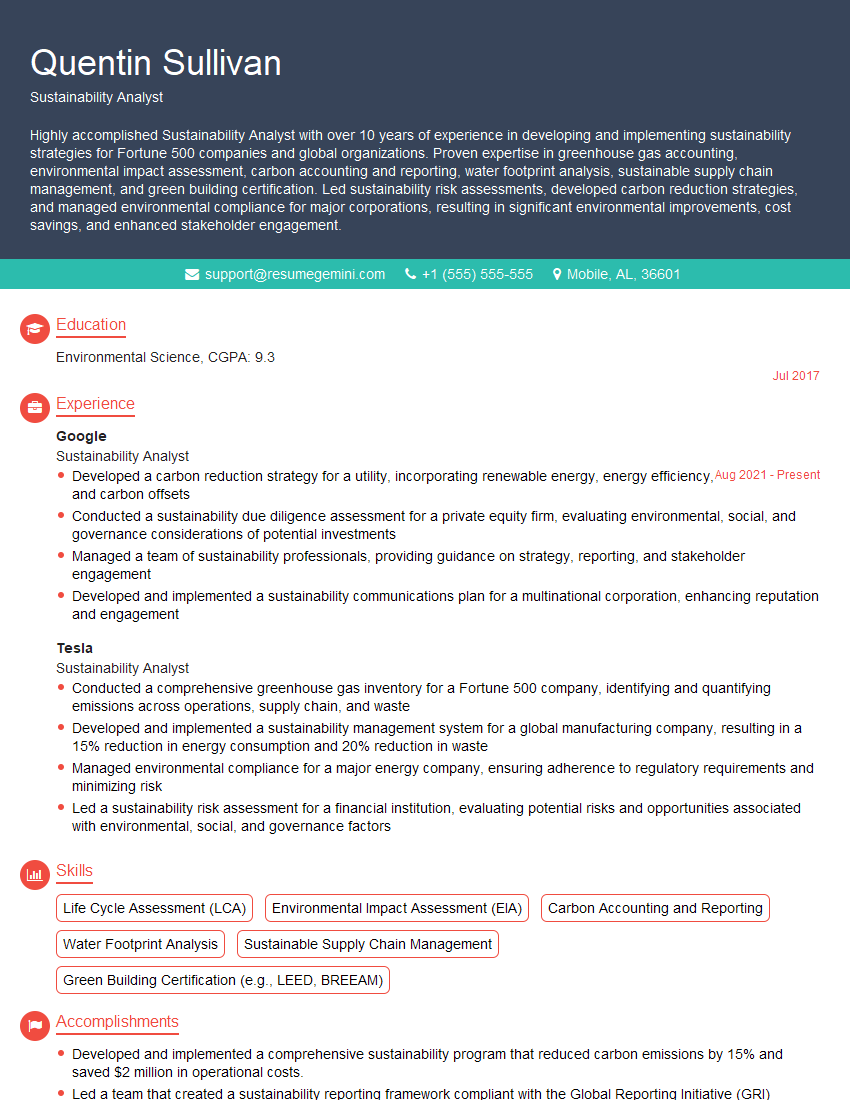
Sustainability Analyst Resume Sample
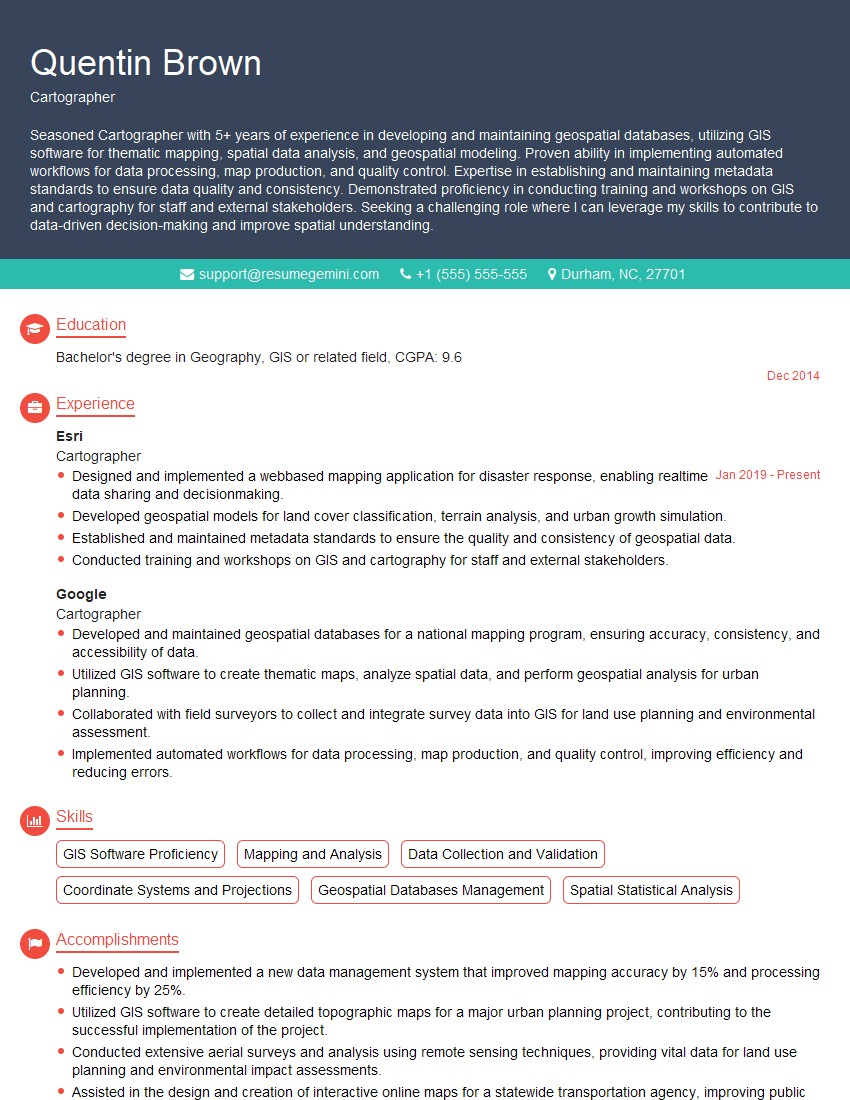
Cartographer Resume Sample
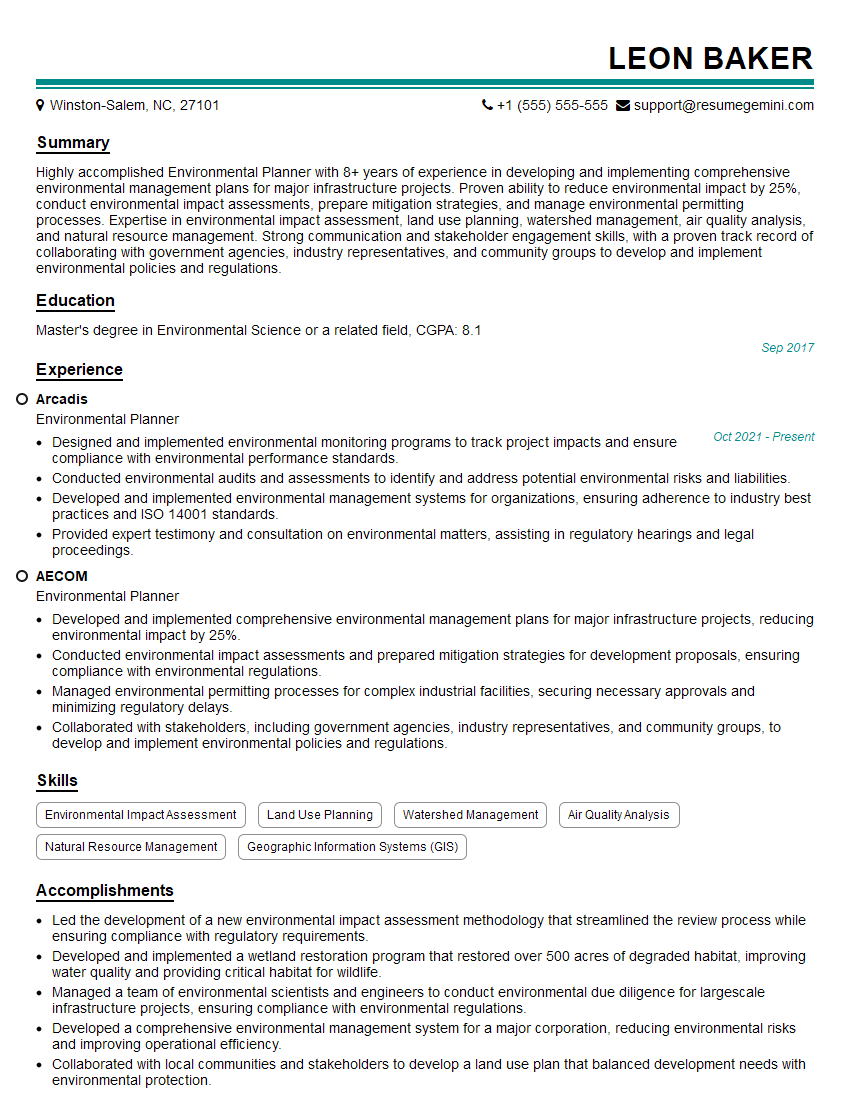
Environmental Planner Resume Sample
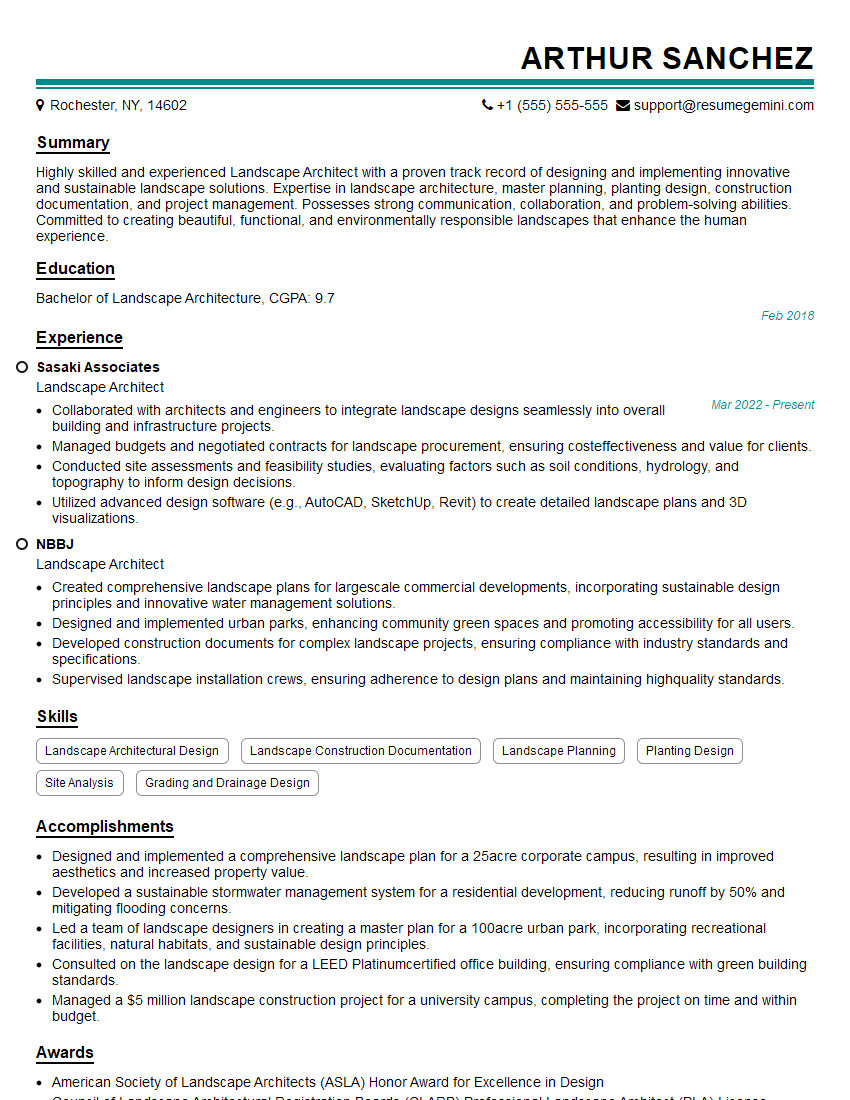
Landscape Architect Resume Sample
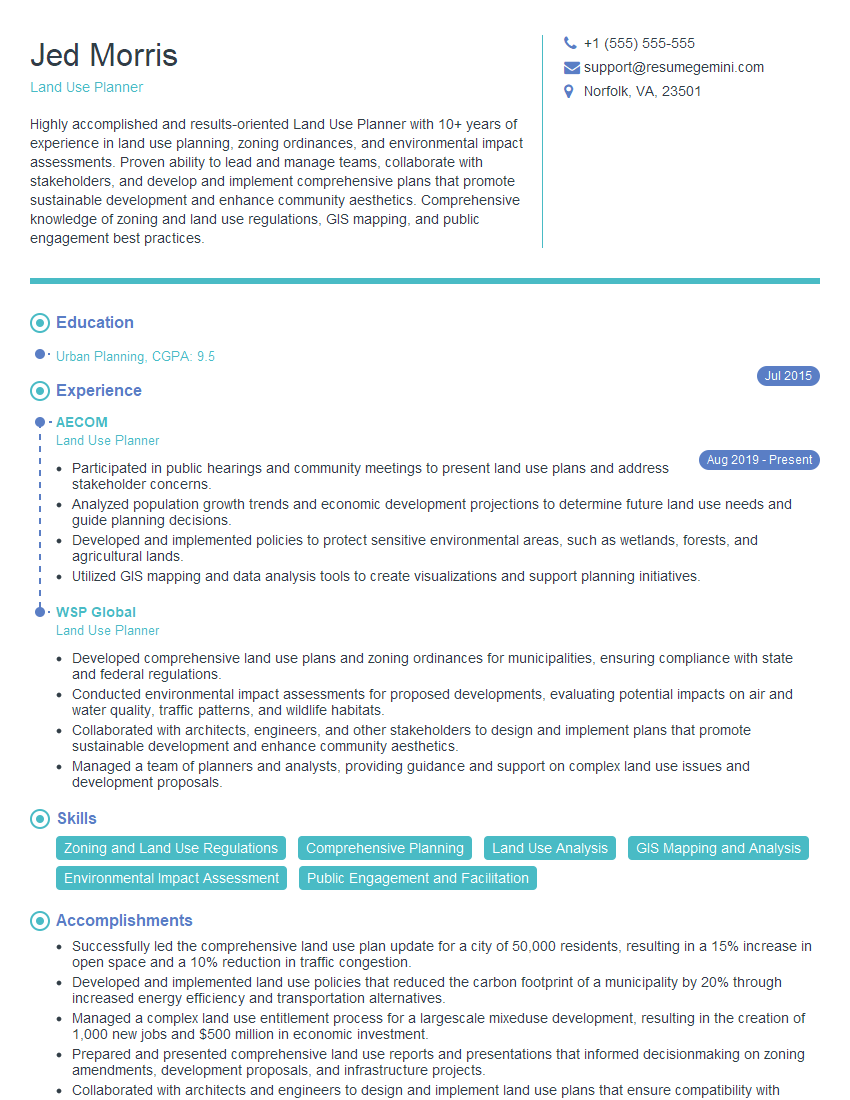
Land Use Planner Resume Sample
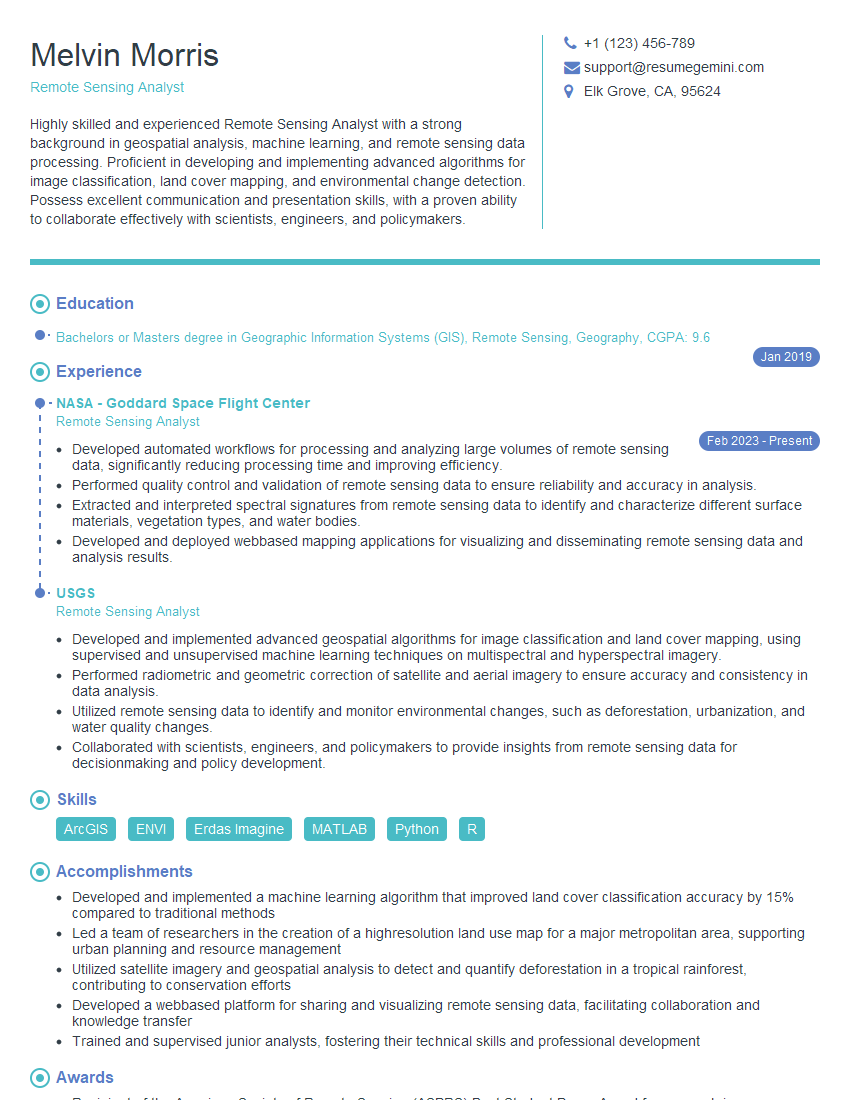
Remote Sensing Analyst Resume Sample
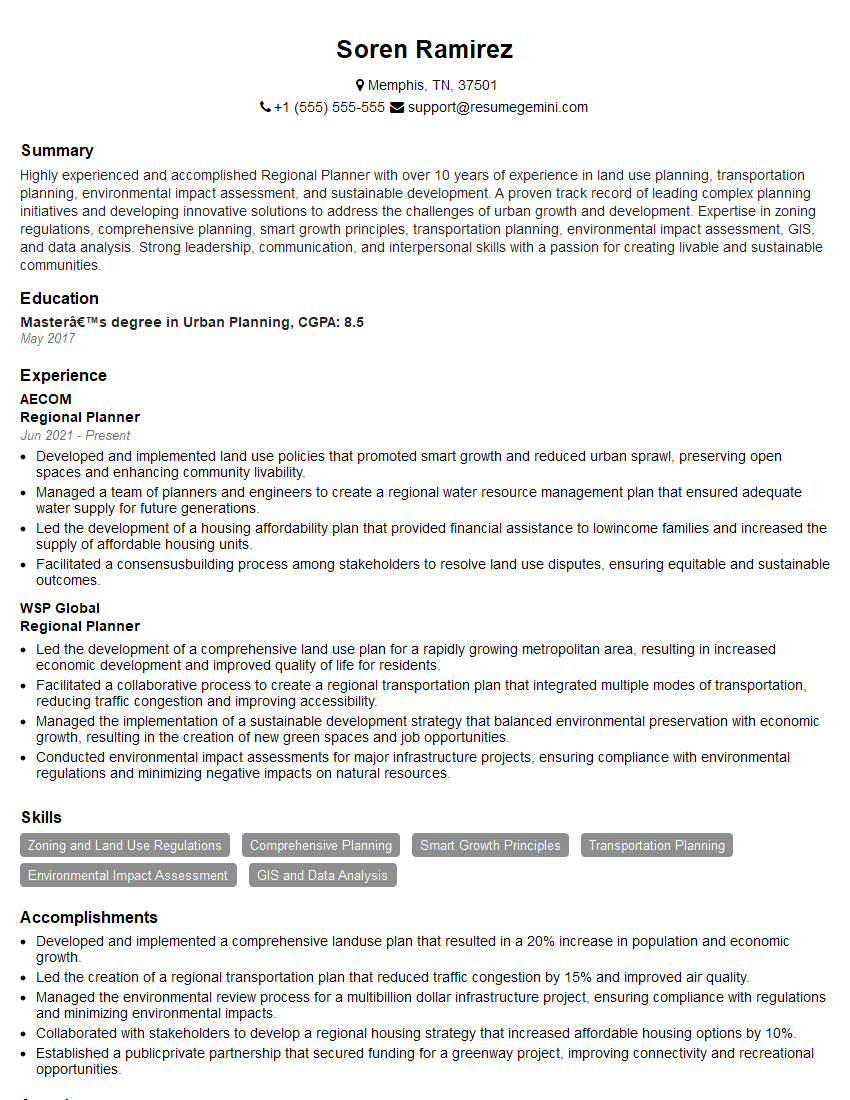
Regional Planner Resume Sample
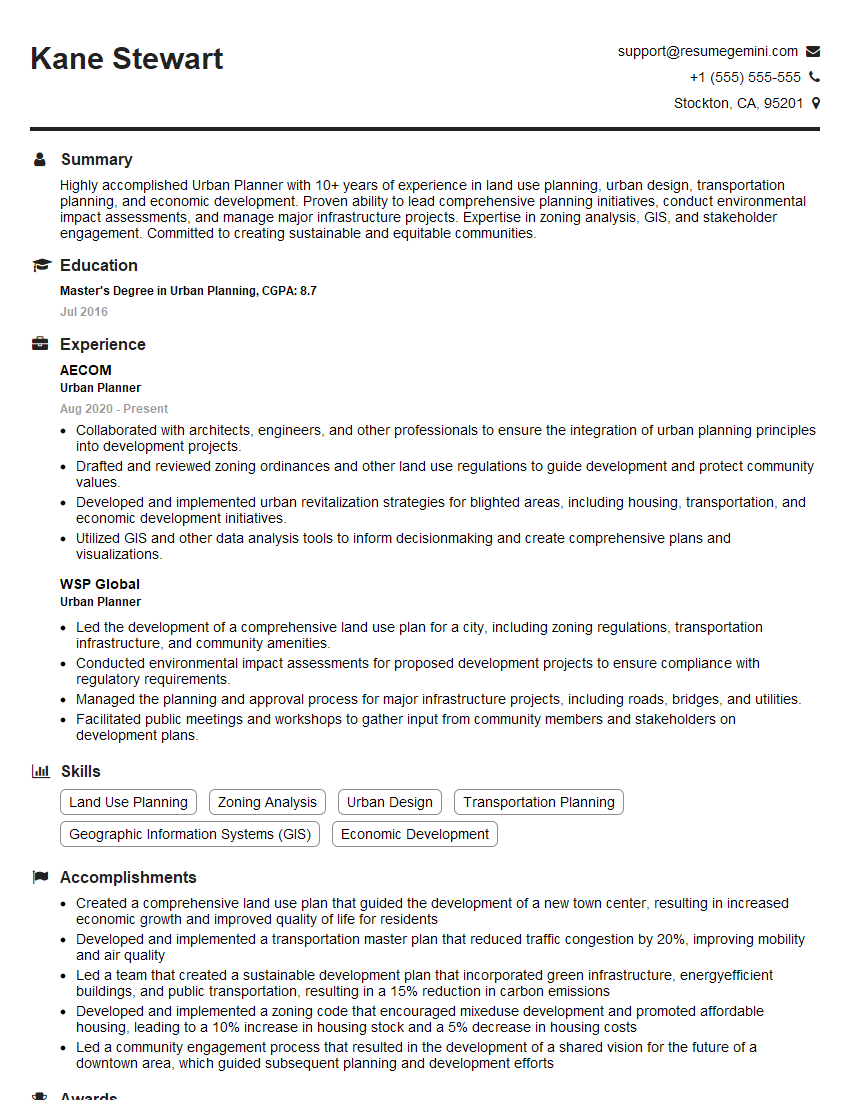
Urban Planner Resume Sample
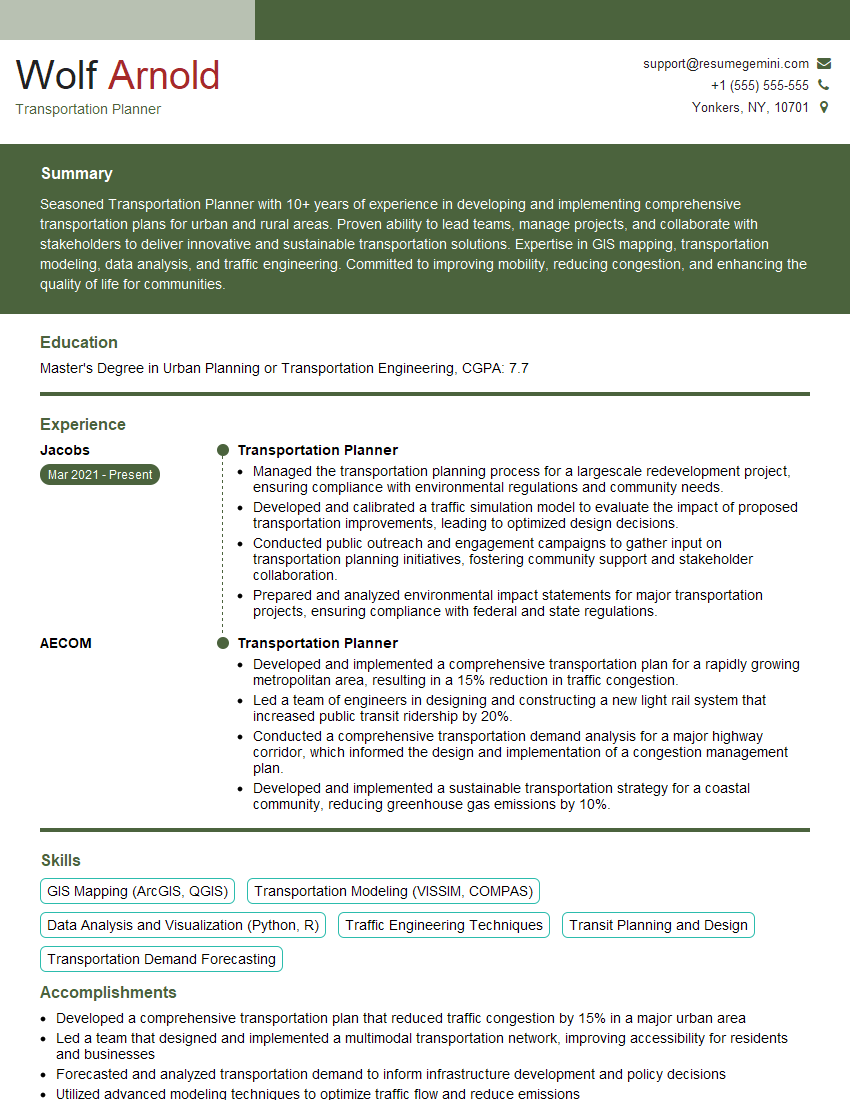
Transportation Planner Resume Sample
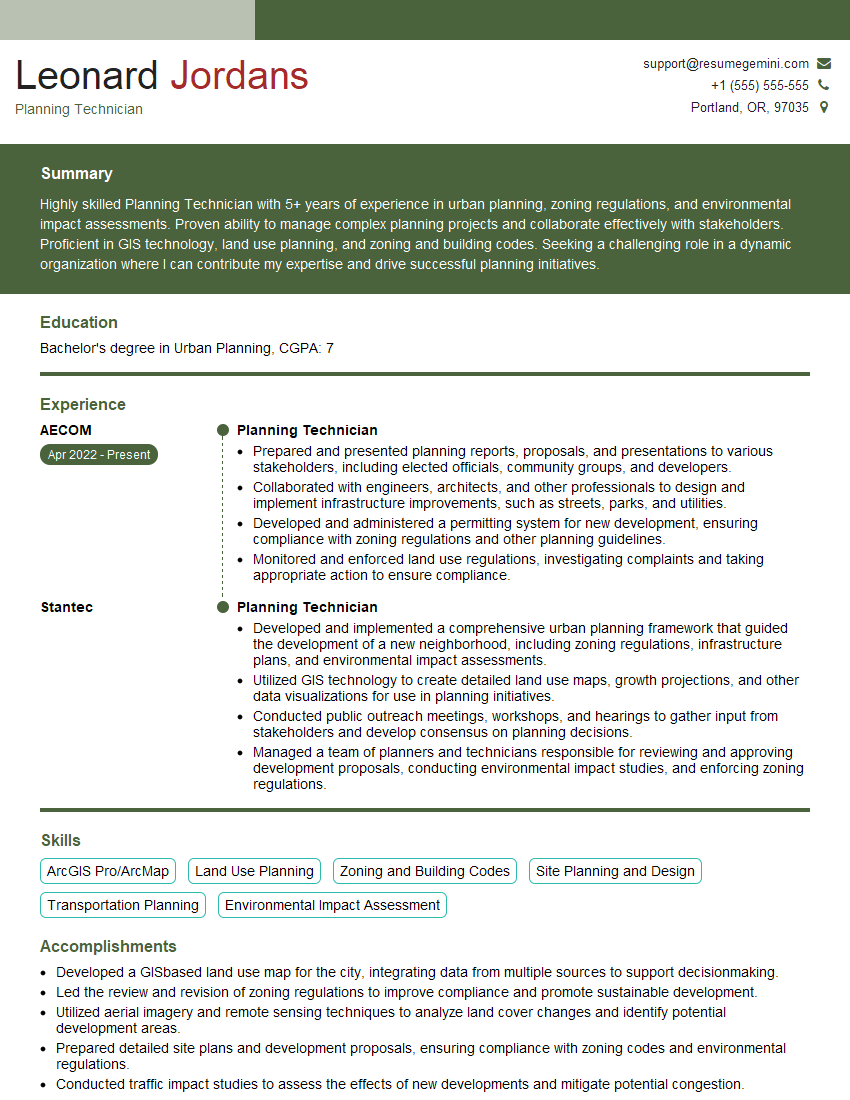
Planning Technician Resume Sample
Explore more articles
Users Rating of Our Blogs
Share Your Experience
We value your feedback! Please rate our content and share your thoughts (optional).
What Readers Say About Our Blog
Really detailed insights and content, thank you for writing this detailed article.
IT gave me an insight and words to use and be able to think of examples