The thought of an interview can be nerve-wracking, but the right preparation can make all the difference. Explore this comprehensive guide to Landscape maintenance and cleanup interview questions and gain the confidence you need to showcase your abilities and secure the role.
Questions Asked in Landscape maintenance and cleanup Interview
Q 1. Describe your experience with different types of mowing equipment.
My experience with mowing equipment spans a wide range, from basic walk-behind mowers to sophisticated riding mowers and zero-turn radius machines. I’m proficient in using both gas-powered and electric models, understanding their strengths and weaknesses for different applications. For instance, walk-behind mowers are ideal for smaller, intricate areas or those with obstacles, offering greater maneuverability. Riding mowers excel in large, open spaces, significantly increasing efficiency. Zero-turn mowers are best for larger properties requiring precision and speed, allowing for quick turns and minimizing overlaps. I’m also familiar with the maintenance requirements for each type, including blade sharpening, oil changes, and air filter cleaning – crucial for maximizing equipment lifespan and performance.
Furthermore, my experience extends to the use of robotic mowers. These automated systems are excellent for maintaining smaller, regularly shaped lawns requiring minimal intervention. I can program and maintain these robotic systems, ensuring they efficiently cover the designated areas without causing damage to the surrounding landscaping.
Q 2. Explain your process for identifying and treating common lawn diseases.
Identifying and treating lawn diseases starts with careful observation. I look for visual clues such as discoloration, patches of dead or dying grass, unusual growth patterns, or the presence of fungi or insects. A crucial first step is to accurately diagnose the disease. Common lawn diseases include fungal infections like brown patch, dollar spot, and leaf spot, each having distinctive symptoms. For instance, brown patch often appears as large, circular brown areas, while dollar spot manifests as small, circular spots with a straw-colored appearance.
Once identified, treatment varies. Cultural practices like proper fertilization, watering, and aeration are often the first line of defense. These promote a healthy lawn better equipped to resist disease. If the disease is more severe, I’ll utilize appropriate fungicides, always following label instructions carefully regarding application rates and safety precautions. I prioritize using environmentally friendly options whenever possible and combine chemical treatments with cultural practices for a holistic approach.
For example, I once encountered a severe case of dollar spot on a client’s lawn. After identifying the disease, I implemented a three-pronged approach: proper aeration to improve air circulation, adjusted the watering schedule to avoid overwatering, and applied a labeled fungicide. The results were excellent; within a few weeks, the lawn had recovered significantly.
Q 3. How do you handle difficult clients or unexpected problems on a job site?
Handling difficult clients or unexpected problems requires a calm, professional approach. Open communication is key. I actively listen to their concerns, asking clarifying questions to fully understand their perspective. I then explain the situation clearly, outlining the problem, the proposed solution, and the potential timeline. Transparency builds trust. For unexpected problems, I assess the situation quickly, prioritizing safety and identifying the best course of action. If I lack the necessary expertise, I don’t hesitate to consult with colleagues or specialists.
For instance, I once encountered a situation where a heavy rain unexpectedly delayed a project. Instead of simply stating the delay, I contacted the client immediately, explaining the weather’s impact, and offered alternative solutions to minimize disruption. Proactive communication in this way mitigated potential frustration.
Q 4. What safety measures do you follow while operating landscaping equipment?
Safety is paramount. Before operating any equipment, I always perform a pre-operational check, ensuring all safety guards are in place and the equipment is in proper working order. I wear appropriate personal protective equipment (PPE), including safety glasses, hearing protection, sturdy work boots, and gloves. I maintain a safe distance from bystanders, especially children and pets. When using string trimmers or other equipment with rotating blades, I avoid pointing them towards myself or others. I never fuel equipment while the engine is running and always follow the manufacturer’s safety guidelines.
Furthermore, I regularly inspect the equipment for any potential hazards, like loose parts or worn components. I ensure that the area is clear of any debris before starting work and remain aware of potential environmental hazards, like uneven terrain or hidden obstacles.
Q 5. Describe your experience with irrigation system maintenance and repair.
My experience with irrigation system maintenance and repair includes troubleshooting malfunctions, repairing leaks, replacing faulty components, and performing seasonal adjustments. I’m familiar with various irrigation system types, including drip irrigation, sprinkler systems, and rotor systems. I can identify problems using diagnostic tools and techniques such as pressure testing and flow rate measurements. My skills encompass repairing valves, replacing heads, clearing clogged lines, and adjusting timers to optimize water usage and ensure even distribution.
For example, I recently repaired a sprinkler system plagued by low water pressure. After thorough inspection, I discovered a significant leak in the main line. I isolated the section, repaired the leak, and conducted a pressure test to ensure optimal functionality. Regular maintenance, like winterizing the system, is crucial, preventing damage from freezing temperatures.
Q 6. How do you manage a team effectively in a landscape maintenance setting?
Effective team management in landscaping involves clear communication, delegation, and fostering a positive work environment. I assign tasks based on individual skills and experience, ensuring everyone feels valued and contributes meaningfully. Regular team meetings facilitate updates, problem-solving, and open communication, allowing for immediate feedback and adjustments. I lead by example, demonstrating professionalism, hard work, and a commitment to safety. I encourage collaboration and mutual support, promoting a sense of teamwork and shared responsibility.
For example, when faced with a large project with tight deadlines, I divide the work into manageable sections, assigning responsibilities and setting realistic timelines. Regular check-ins throughout the project allow for early identification of any potential challenges, allowing for adjustments and collaboration. A positive work environment leads to higher efficiency and morale.
Q 7. What is your experience with pruning different types of trees and shrubs?
My pruning experience encompasses a variety of trees and shrubs. I understand the principles of proper pruning techniques, tailoring my approach to the specific species and its growth habit. This includes understanding the difference between heading cuts and thinning cuts. Heading cuts remove the terminal bud, stimulating branching; thinning cuts remove entire branches at their origin, opening the canopy and allowing for better light penetration. I also understand the importance of proper timing, avoiding pruning during periods of active growth or extreme weather conditions.
I’m familiar with the pruning requirements of various plant species, considering their unique characteristics. For instance, evergreens typically require light pruning to maintain shape, while deciduous trees may need more extensive pruning to remove dead or damaged branches. I prioritize safety, using proper equipment and techniques to prevent damage to both plants and people.
Q 8. How do you control weeds effectively and sustainably?
Effective weed control is crucial for maintaining a healthy and aesthetically pleasing landscape. My approach focuses on a sustainable, integrated strategy that minimizes the use of harmful chemicals. This involves a combination of preventative measures and targeted treatments.
Preventative Measures: These are key to reducing weed populations in the first place. This includes proper mulching (2-4 inches of organic mulch like wood chips or shredded bark suppresses weed growth), regular mowing at the correct height for the grass type, and ensuring healthy, dense turf that outcompetes weeds for resources. I also carefully monitor for new weeds and remove them promptly before they go to seed.
Targeted Treatments: For persistent weeds, I employ selective herbicides, only applying them where absolutely necessary and following label instructions meticulously. I prioritize organic and biodegradable options whenever possible, such as vinegar-based solutions or specific weed killers targeting only broadleaf or grassy weeds. Hand weeding is also a vital part of my strategy, especially in sensitive areas like flowerbeds.
Cultural Practices: Improving soil health through proper fertilization and aeration strengthens the existing plants and reduces the chances of weed encroachment. Correct watering techniques, avoiding overwatering, also help create an environment less hospitable to weeds.
For example, on a recent project, I implemented a program of pre-emergent herbicide in the spring, followed by regular mowing and hand-weeding. This resulted in a significant reduction in weed pressure throughout the growing season, requiring minimal use of post-emergent herbicides.
Q 9. What knowledge do you have of different types of fertilizers and their application?
Understanding fertilizers is vital for healthy plant growth. Fertilizers are broadly categorized by their NPK ratio – Nitrogen (N), Phosphorus (P), and Potassium (K). Nitrogen promotes leaf growth, phosphorus aids root development and flowering, and potassium strengthens stems and improves disease resistance.
Types of Fertilizers: There are various types, including granular, liquid, slow-release, and organic. Granular fertilizers are easy to apply but can be less efficient. Liquid fertilizers provide immediate results but require more frequent applications. Slow-release fertilizers provide a sustained nutrient supply. Organic fertilizers, like compost or manure, offer a more environmentally friendly option, improving soil structure along with providing nutrients.
Application: Application methods vary depending on the fertilizer type and plant needs. Granular fertilizers are spread evenly using a spreader, while liquid fertilizers are applied through watering cans or specialized sprayers. The application rate should always be determined by a soil test and the specific needs of the plants.
Soil Testing: Before applying any fertilizer, I always recommend a soil test to determine the existing nutrient levels. This prevents over-fertilization, which can damage plants and harm the environment.
For instance, I recently used a slow-release granular fertilizer on a large lawn to provide consistent nutrients throughout the growing season. For flowerbeds, I opted for a liquid feed with a higher phosphorus content to promote blooming.
Q 10. How do you prioritize tasks when faced with multiple urgent landscaping needs?
Prioritizing tasks in landscaping is critical for efficiency and client satisfaction. I employ a system based on urgency, impact, and client expectations.
Urgency: Tasks that pose an immediate risk (e.g., a fallen tree limb obstructing a pathway) take top priority. This ensures safety and prevents further damage.
Impact: Tasks with the greatest visual impact (e.g., addressing a large weed infestation in a prominent area) are usually prioritized next, as they directly affect the overall aesthetic appeal.
Client Expectations: Deadlines and client preferences influence task sequencing. If a client requests immediate attention for a specific area, that will take precedence, even if another task might be deemed more impactful from a purely horticultural perspective.
I often use a task management system – sometimes as simple as a prioritized list, other times a more sophisticated project management software – to track progress and maintain organization. A simple example: If I have a dying tree, a overgrown hedge, and a client’s request to edge a particular area, I’d address the dying tree first (potential safety hazard), then the hedge (significant impact), finally, the edging (client request).
Q 11. Explain your experience with hardscape maintenance (patios, walkways, etc.).
Hardscape maintenance is a significant part of landscaping, requiring both preventative and restorative measures. My experience encompasses various materials and techniques.
Cleaning and Sealing: Patios and walkways made from materials like brick, pavers, or stone often require regular cleaning to remove dirt, moss, and weeds. Sealing helps protect the surface from the elements and staining. The type of cleaner and sealant will vary depending on the material.
Repair and Replacement: Cracks, loose stones, or damaged sections need timely repair or replacement to prevent tripping hazards and maintain the integrity of the hardscape. This might involve re-pointing mortar, resetting pavers, or replacing damaged sections.
Weed Control: Preventing weed growth between pavers or cracks is crucial. I use selective herbicides (again, with careful attention to label instructions) or manual removal to maintain a clean look.
For instance, I recently restored an aging brick patio by carefully removing weeds, cleaning the bricks with a pressure washer, and re-pointing the mortar in damaged areas. This involved selecting the correct type of mortar to match the existing material and ensure longevity.
Q 12. What are your skills in operating different types of landscaping machinery?
Proficiency in operating landscaping machinery is essential for efficiency and safety. My skills include operating a range of equipment, including:
Lawnmowers: Both push and riding mowers, including different cutting styles (rotary, reel).
String Trimmers/Weed Eaters: For trimming edges and hard-to-reach areas.
Hedge Trimmers: Both gas-powered and electric, for shaping and maintaining hedges.
Blowers: For quick and efficient cleanup of leaves and debris.
Tillers: For soil preparation before planting.
I’m also familiar with the safety protocols associated with each piece of equipment, including proper maintenance, fuel handling, and personal protective equipment (PPE) usage.
Q 13. How do you ensure the safety of yourself and others on the job site?
Safety is my paramount concern. I adhere to rigorous safety protocols throughout every project.
Personal Protective Equipment (PPE): I always use appropriate PPE, including safety glasses, gloves, hearing protection, and steel-toed boots, as needed.
Equipment Maintenance: Regular maintenance of all equipment is crucial to prevent malfunctions and accidents. I ensure that all equipment is in good working order before use, and I follow manufacturer’s recommendations for maintenance schedules.
Site Awareness: I am always aware of my surroundings, watching for potential hazards like underground utilities, uneven terrain, and overhead obstructions.
Communication: Clear communication with colleagues and clients is essential. I always brief my team on safety procedures before starting any task and promptly report any accidents or near misses.
Proper Training: I have received thorough training on the safe operation of all the landscaping equipment I use.
I view safety not as a set of rules to follow, but as a mindset that permeates everything I do. It’s a continuous process of risk assessment and mitigation.
Q 14. What experience do you have with planting trees, shrubs, and flowers?
Planting trees, shrubs, and flowers requires careful planning and execution to ensure successful establishment and long-term health. My experience covers all stages of the planting process.
Site Assessment: I evaluate the site’s conditions, including sun exposure, soil type, and drainage, to select the appropriate plants.
Plant Selection: I choose plants that are well-suited to the site’s conditions and the client’s aesthetic preferences. I always consider factors like mature size, growth habit, and hardiness.
Planting Techniques: I employ proper planting techniques, including digging the right-sized hole, amending the soil as needed, and ensuring the plant is planted at the correct depth. I also water thoroughly after planting.
Ongoing Care: Post-planting care, including watering, fertilizing, and mulching, is critical for the plants’ successful establishment and ongoing health. This includes pruning and protecting against pests and diseases.
For example, I recently planted a row of flowering dogwoods, carefully amending the soil to improve drainage before planting and adding a layer of mulch to retain moisture. The dogwoods are now thriving.
Q 15. Explain your knowledge of different soil types and their impact on plant health.
Understanding soil types is fundamental to successful landscape maintenance. Different soils have varying textures, drainage capabilities, and nutrient content, all impacting plant health. Think of it like baking a cake – you need the right ingredients in the right proportions for the best result. Similarly, plants thrive best in soils suited to their needs.
- Sandy Soils: Well-draining, but poor at retaining water and nutrients. Plants in sandy soil need more frequent watering and fertilization. I often amend sandy soils with compost to improve water retention and add organic matter.
- Clay Soils: Retain water and nutrients well, but can become compacted and poorly aerated, leading to root rot. Improving drainage is key; I often incorporate organic matter like composted manure to improve structure and aeration.
- Silty Soils: A good balance between sandy and clay soils, offering decent drainage and nutrient retention. However, they can be susceptible to erosion. I typically focus on maintaining soil structure through mulching and avoiding over-compaction.
- Loamy Soils: The ideal soil type! A balanced mix of sand, silt, and clay, offering excellent drainage, aeration, and nutrient retention. Maintaining this balance is often a matter of preserving existing soil health through proper mulching and responsible fertilization practices.
For example, when planting a drought-tolerant shrub in a clay soil, I might amend the planting hole with sand to improve drainage, preventing root rot. Conversely, when planting a moisture-loving plant in sandy soil, I would add organic matter to increase water retention.
Career Expert Tips:
- Ace those interviews! Prepare effectively by reviewing the Top 50 Most Common Interview Questions on ResumeGemini.
- Navigate your job search with confidence! Explore a wide range of Career Tips on ResumeGemini. Learn about common challenges and recommendations to overcome them.
- Craft the perfect resume! Master the Art of Resume Writing with ResumeGemini’s guide. Showcase your unique qualifications and achievements effectively.
- Don’t miss out on holiday savings! Build your dream resume with ResumeGemini’s ATS optimized templates.
Q 16. How do you deal with pest and disease issues in the landscape?
Pest and disease management is crucial for maintaining a healthy landscape. My approach is always integrated pest management (IPM), prioritizing preventative measures and employing least-toxic methods. This involves a combination of cultural practices, biological controls, and, when necessary, targeted chemical interventions.
- Cultural Practices: Proper plant selection, appropriate spacing to allow for good air circulation, and regular watering and fertilization promote healthy growth, making plants more resistant to pests and diseases.
- Biological Controls: Introducing beneficial insects, like ladybugs for aphids, or using nematodes to control certain soilborne pests, offers a natural and sustainable approach.
- Chemical Control: When other methods fail, I use targeted pesticides or fungicides, always following label instructions meticulously and choosing the least toxic option available. I prioritize preventative treatments and only use chemicals when absolutely necessary, minimizing environmental impact.
For instance, I recently encountered a powdery mildew outbreak on a rose bush. Instead of immediately resorting to chemicals, I first improved air circulation by pruning overcrowded branches and then applied a baking soda solution as a natural fungicide. This worked effectively, avoiding the need for stronger chemicals.
Q 17. What is your experience with estimating project costs and timelines?
Accurate cost and timeline estimation is critical. I use a detailed, step-by-step process to ensure accuracy. It starts with a thorough site assessment and a detailed breakdown of the project scope.
- Site Assessment: I carefully examine the area, noting all existing plants, structures, and soil conditions. This informs the required materials and labor.
- Detailed Scope: The scope defines all tasks, including planting, pruning, mulching, hardscaping (if applicable), and any necessary soil amendments. Each task is assigned a specific time and material cost.
- Material Costing: I obtain quotes from reputable suppliers to ensure accurate material pricing.
- Labor Costing: Based on the complexity of each task and my crew’s efficiency, I estimate the labor hours required. This includes accounting for potential unforeseen delays.
- Contingency Planning: I always include a contingency in my estimates to account for unexpected issues like weather delays or changes in project scope.
For example, a recent project required significant soil amendment. I researched different options, sourced quotes, and factored the additional time and material costs into the final estimate, ensuring the client was fully informed and avoiding surprises.
Q 18. Describe your experience with winterizing landscaping equipment.
Proper winterization is essential to extend the lifespan of landscaping equipment. Neglecting this can lead to costly repairs or premature equipment failure.
- Cleaning: Thoroughly clean all equipment, removing mud, debris, and grass clippings. This prevents corrosion and ensures efficient operation next season.
- Fuel Stabilization: Add fuel stabilizer to gasoline-powered equipment to prevent gumming and varnish buildup during storage. For diesel equipment, I ensure the tank is full to minimize condensation.
- Oil Changes: Change engine oil and filters in all equipment before storage. Fresh oil protects internal components from corrosion.
- Sharpening and Storage: Sharpen blades on mowers and other cutting tools. Store all equipment in a dry, sheltered location, preferably covered or indoors, to protect them from the elements.
- Battery Care: For battery-powered equipment, remove the batteries and store them in a cool, dry place. A full charge is beneficial for long-term storage.
I always meticulously document winterization procedures. This allows for efficient spring preparation and ensures that equipment is ready for use at the start of the growing season.
Q 19. How do you maintain the cleanliness and organization of your work area?
Maintaining a clean and organized work area is paramount for safety and efficiency. It also reflects professionalism towards our clients.
- Daily Cleanup: At the end of each day, we remove all debris, leftover materials, and tools. This minimizes tripping hazards and keeps the work area presentable.
- Tool Organization: Tools are stored in designated areas or containers, labeled clearly for easy access. This improves workflow and ensures that tools remain in good condition.
- Waste Disposal: We adhere strictly to local regulations for waste disposal, separating recyclable and non-recyclable materials. This shows environmental responsibility.
- Vehicle Maintenance: Our trucks and trailers are kept clean and organized, ensuring efficient transport of equipment and materials.
- Regular Inspections: We regularly inspect our workspace for hazards, potential risks, and areas that could benefit from improved organization.
For example, before leaving a client’s property, we always perform a final sweep to collect any leftover debris and ensure everything is tidy, leaving behind a beautifully landscaped area and a clean working space.
Q 20. Explain your understanding of sustainable landscaping practices.
Sustainable landscaping prioritizes environmental responsibility. It aims to minimize resource consumption and enhance biodiversity. It’s about creating beautiful landscapes that are also environmentally friendly.
- Water Conservation: Implementing drought-tolerant plant selection, efficient irrigation systems (e.g., drip irrigation), and rainwater harvesting are crucial. I often advise clients on xeriscaping techniques, which utilize water-wise landscaping principles.
- Soil Health: Maintaining healthy soil through composting, mulching, and avoiding the use of chemical fertilizers promotes biodiversity and reduces reliance on external inputs.
- Pest and Disease Management: Prioritizing integrated pest management minimizes the need for chemical pesticides, protecting beneficial insects and the environment.
- Biodiversity: Incorporating native plants attracts local wildlife and creates a more resilient ecosystem.
- Reduced Waste: Composting organic waste on-site reduces landfill waste and provides nutrient-rich material for the landscape.
For instance, in a recent project, I recommended native wildflowers to replace high-water-demand plants, reducing the property’s water consumption by 40%. This not only saved the client money but also promoted local biodiversity.
Q 21. How familiar are you with different types of mulch and their uses?
Mulch offers numerous benefits for the landscape, from improving soil health to suppressing weeds. The choice of mulch depends on the specific needs of the site and the plants.
- Wood Mulch: A common and readily available option, offering good weed suppression, moisture retention, and soil temperature regulation. Types include shredded bark, wood chips, and hardwood mulch. The decomposition rate varies, affecting nutrient release.
- Stone Mulch: Provides excellent weed control and drainage, ideal for sloped areas or drier climates. Options include gravel, river rock, and crushed stone. It doesn’t break down, offering a longer-lasting solution.
- Organic Mulches: These decompose over time, enriching the soil with nutrients. Examples include composted manure, leaf mold, and shredded leaves.
- Plastic Mulch: Effective for weed control and moisture retention, but it doesn’t improve soil health and can be detrimental to the environment. I typically avoid plastic mulch unless absolutely necessary.
For example, when working with vegetable gardens, I often recommend organic mulches like composted manure to improve soil fertility. For a rock garden, however, I would recommend stone mulch for its drainage benefits and long-term aesthetics.
Q 22. Describe your problem-solving skills in relation to landscape challenges.
My approach to problem-solving in landscaping is systematic and client-focused. I begin by thoroughly assessing the challenge, considering factors like soil type, drainage, sun exposure, and the client’s specific needs and preferences. This involves careful observation, sometimes utilizing tools like soil testing kits to gather data. For example, if a client is experiencing significant weed growth, I wouldn’t simply apply herbicide. Instead, I’d investigate the cause – is it poor drainage, compacted soil, or an imbalance in the ecosystem? Addressing the root cause is key. Once I’ve identified the problem, I develop a solution that’s both effective and sustainable, outlining potential approaches and discussing the pros and cons with the client before implementation. This collaborative approach ensures the solution aligns with their vision and budget. I also document the process, including the challenges faced, solutions implemented, and the results achieved, which helps me continuously improve my problem-solving skills.
- Example 1: A client had significant runoff issues after heavy rain. My assessment revealed poorly graded landscaping. The solution involved creating swales (shallow ditches) to redirect water and installing permeable paving to increase water absorption.
- Example 2: A lawn was experiencing patchy growth. Soil testing revealed nutrient deficiencies. The solution was a customized fertilization program tailored to the specific deficiencies identified.
Q 23. What is your experience with using GPS or other mapping tools for landscaping?
I’m proficient in using GPS technology and mapping tools for efficient landscaping. Specifically, I utilize GPS-enabled devices and apps like Google Earth Pro and ArcGIS to survey properties, accurately measure areas, and plan layouts. This ensures precise planting, accurate material estimations, and efficient workflow. For instance, when designing a new landscape, I use GPS to map the property’s contours, identify existing structures, and plan the placement of plants, pathways, and other features. The data collected is then imported into landscaping software for a more detailed design. This method minimizes errors, saves time, and allows for more accurate cost estimations. I also find that the mapping tools allow me to better visualize the finished project and communicate effectively with clients.
Beyond GPS, I use satellite imagery to assess existing landscapes, identify potential issues, and plan maintenance strategies. For larger projects, I can use drone technology to capture high-resolution images for even more detailed planning and progress monitoring.
Q 24. How do you handle complaints or concerns from clients?
Handling client concerns is a critical aspect of my job. I approach complaints with empathy and professionalism, aiming to resolve issues swiftly and effectively. I begin by actively listening to the client’s concerns, showing that I value their feedback. I then thoroughly investigate the issue, objectively assessing the situation and determining the source of the problem. Transparency is key; I explain my findings and proposed solutions clearly and concisely. This may involve revisiting the site, consulting relevant documentation, or reviewing the project plan. If it is a legitimate issue, I prioritize rectifying it promptly and efficiently, keeping the client informed throughout the process. Even if a complaint proves to be unfounded, I thank the client for bringing it to my attention and use it as an opportunity to improve my service. Excellent communication is crucial in diffusing tension and maintaining a positive client relationship.
Q 25. What are your strategies for preventing and controlling erosion?
Erosion control is crucial for maintaining healthy landscapes. My strategies focus on preventative measures as well as active remediation. Prevention involves optimizing water flow, stabilizing soil, and promoting vegetation growth. This includes implementing proper grading techniques to direct water away from vulnerable areas, creating swales or drainage systems to manage runoff, and using retaining walls to stabilize slopes. I also utilize appropriate mulching techniques to improve soil health, suppress weed growth, and reduce water evaporation, reducing erosion risk.
For existing erosion problems, I employ a combination of methods. This may involve installing erosion control blankets or mats to stabilize slopes, seeding with erosion-resistant grasses, or constructing terraces to slow down the flow of water. Selecting appropriate vegetation is important as native plants are often more resilient and better suited to the local climate and soil conditions. Monitoring is essential – I regularly inspect the areas prone to erosion to identify and address potential problems early on.
Q 26. What is your experience with using landscaping software or applications?
I’m experienced with various landscaping software and applications. I use landscape design software such as SketchUp, Realtime Landscaping Architect, and LandVision to create detailed plans, 3D renderings, and cost estimates for projects. These tools allow me to visualize designs, experiment with different layouts, and present clients with professional presentations. I also use project management software like Asana or Trello to track tasks, manage schedules, and maintain clear communication with team members and clients. This ensures efficient resource allocation and streamlined workflows. For client communication, I frequently use collaborative platforms where clients can provide feedback and track project progress. My proficiency in these tools enhances the efficiency and accuracy of my work.
Q 27. Describe a time you had to adapt to changing weather conditions during a job.
During a large-scale planting project, we encountered an unexpected severe thunderstorm. The initial plan involved planting several dozen trees and shrubs throughout the day. However, the heavy rain and strong winds made it impossible to safely complete the work as scheduled. We immediately adjusted our plans; the team moved the delicate plants to a sheltered location to prevent damage, secured partially planted trees, and focused on tasks less affected by the weather, such as soil preparation in covered areas. We postponed the most weather-sensitive tasks until the storm passed and the ground dried sufficiently. Open communication was vital; I updated the client on the situation and provided a revised schedule. The flexibility and adaptability of our team prevented significant delays and ensured the safety of the workers and the plant material. This experience underscored the importance of careful weather monitoring and contingency planning for outdoor projects.
Key Topics to Learn for Landscape Maintenance and Cleanup Interview
- Mowing and Trimming Techniques: Understanding various mowing patterns, proper blade maintenance, and safe operation of different types of mowers and trimmers. Practical application includes demonstrating knowledge of appropriate mowing heights for different grasses and identifying optimal trimming techniques for various plants and hedges.
- Weed Control and Pest Management: Identifying common weeds and pests, understanding environmentally friendly control methods (both preventative and reactive), and knowing the safe and effective application of herbicides and pesticides. Practical application involves explaining strategies for integrated pest management and choosing appropriate control measures based on the specific weed or pest.
- Plant Health and Care: Recognizing signs of plant disease and stress, understanding proper fertilization and watering techniques, and knowing how to prune and maintain various plant species. Practical application includes describing how to diagnose plant issues and implement appropriate solutions, such as adjusting watering schedules or applying fertilizers.
- Irrigation Systems: Understanding the components of irrigation systems (sprinklers, drip systems, etc.), troubleshooting common malfunctions, and knowing how to maintain system efficiency and water conservation. Practical application includes describing how to identify leaks, adjust sprinkler heads, and maintain proper water pressure.
- Safety Procedures and Equipment Maintenance: Understanding and adhering to safety regulations when operating power equipment, performing routine maintenance checks on equipment, and properly storing tools and materials. Practical application involves outlining safe operating procedures for different tools and describing a routine maintenance schedule.
- Landscape Design Principles (Basic): While not always a core requirement, a basic understanding of landscape design principles (e.g., balancing plant types, creating visual interest) can be beneficial. Practical application might include demonstrating an understanding of how plant height and color can be used to create visually appealing landscapes.
Next Steps
Mastering landscape maintenance and cleanup is key to a successful and rewarding career. It demonstrates dedication, practical skills, and a commitment to environmental responsibility. To significantly boost your job prospects, creating a strong, ATS-friendly resume is crucial. ResumeGemini is a trusted resource that can help you build a professional resume that highlights your skills and experience effectively. Examples of resumes tailored to landscape maintenance and cleanup are available to help guide you. Investing time in crafting a compelling resume will significantly increase your chances of landing your dream job.
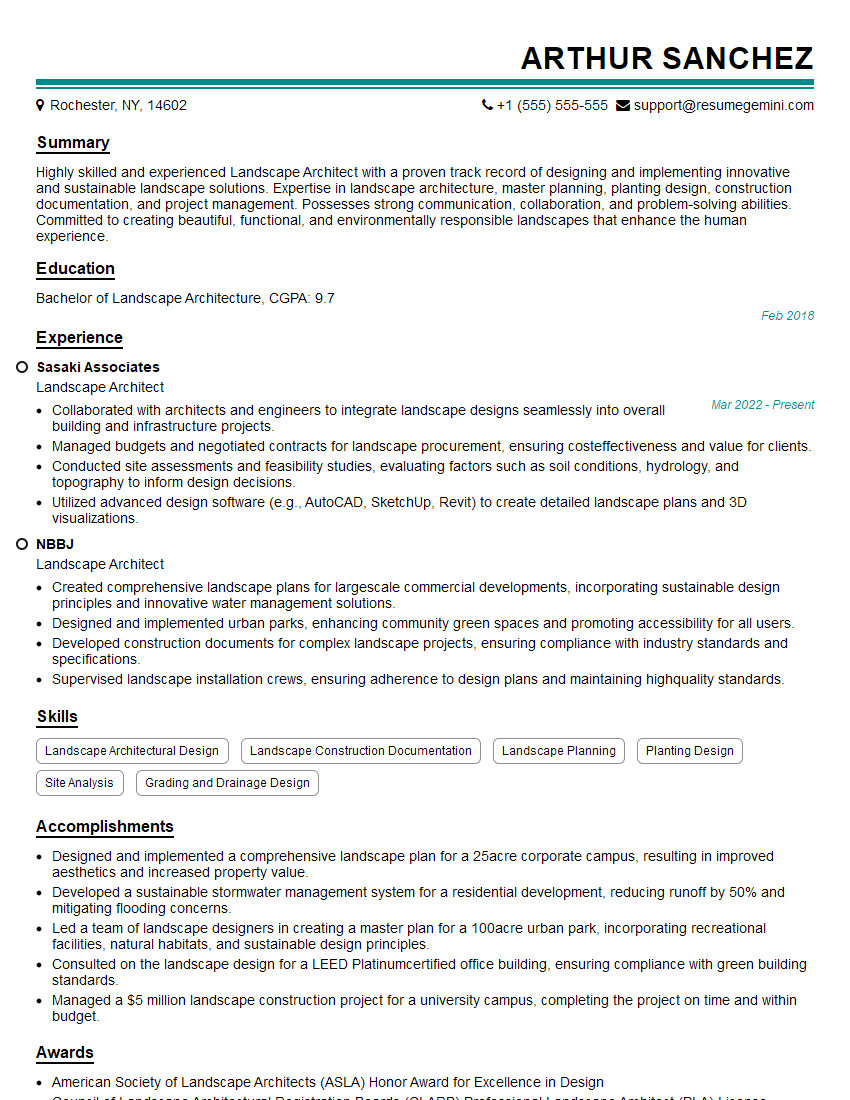
Landscape Architect Resume Sample
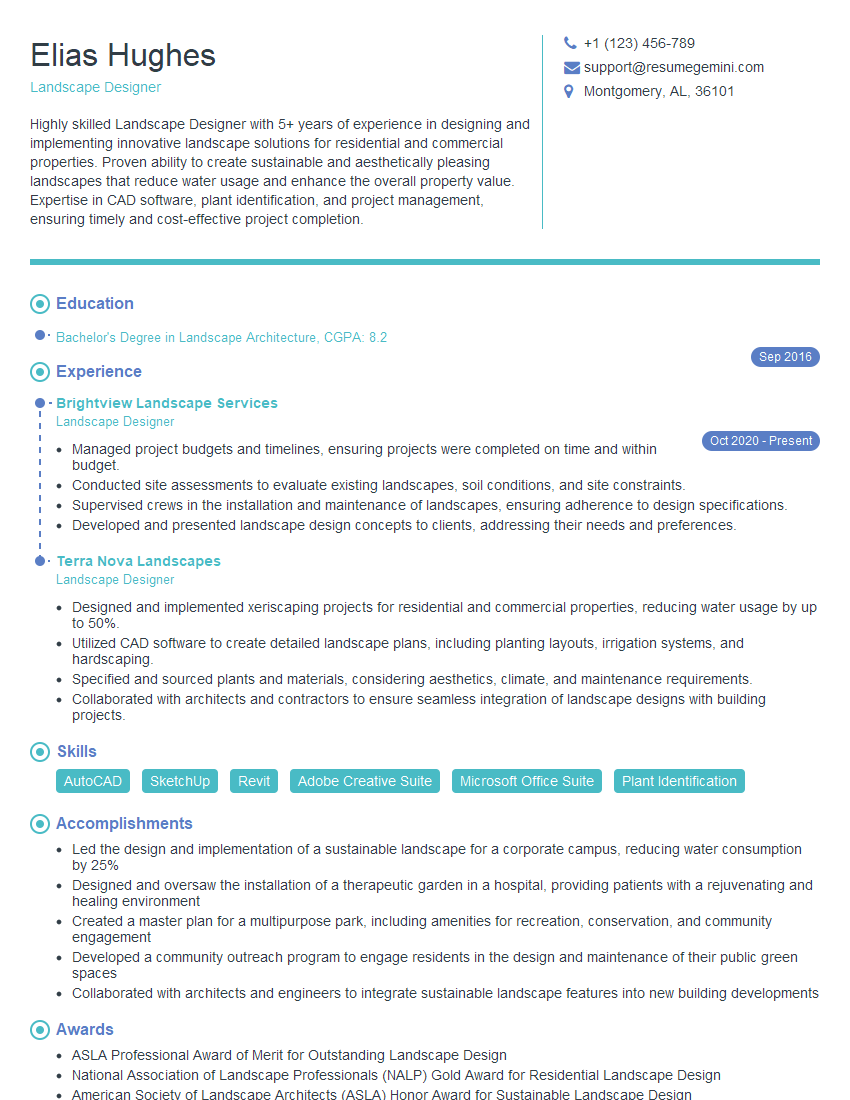
Landscape Designer Resume Sample

Field Technician Resume Sample

Arborist Resume Sample
Equipment Operator Resume Sample
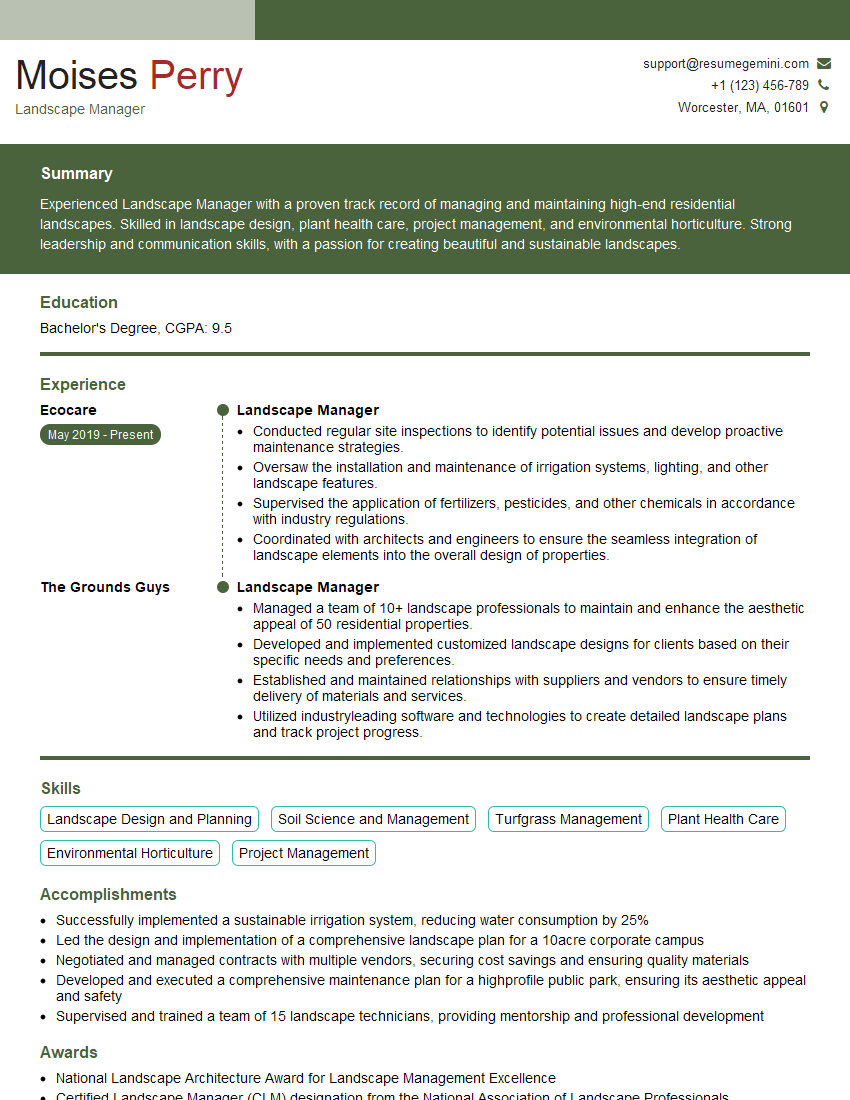
Landscape Manager Resume Sample
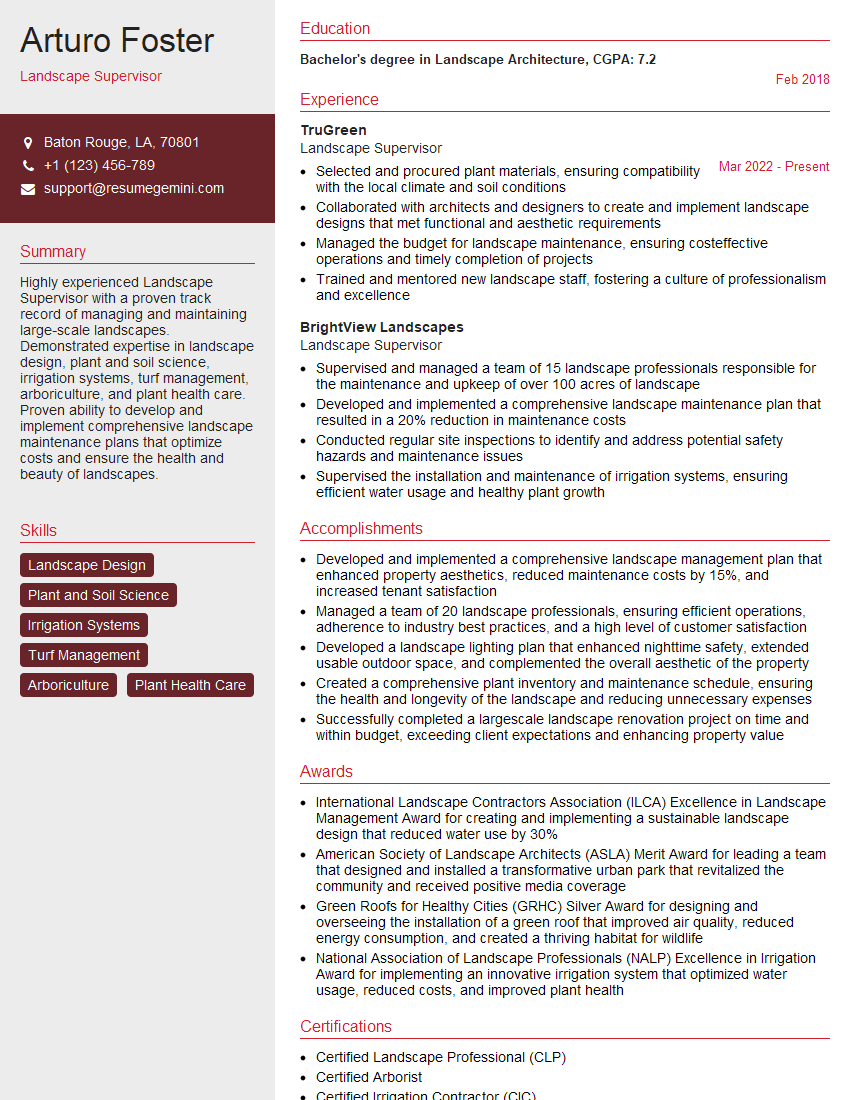
Landscape Supervisor Resume Sample
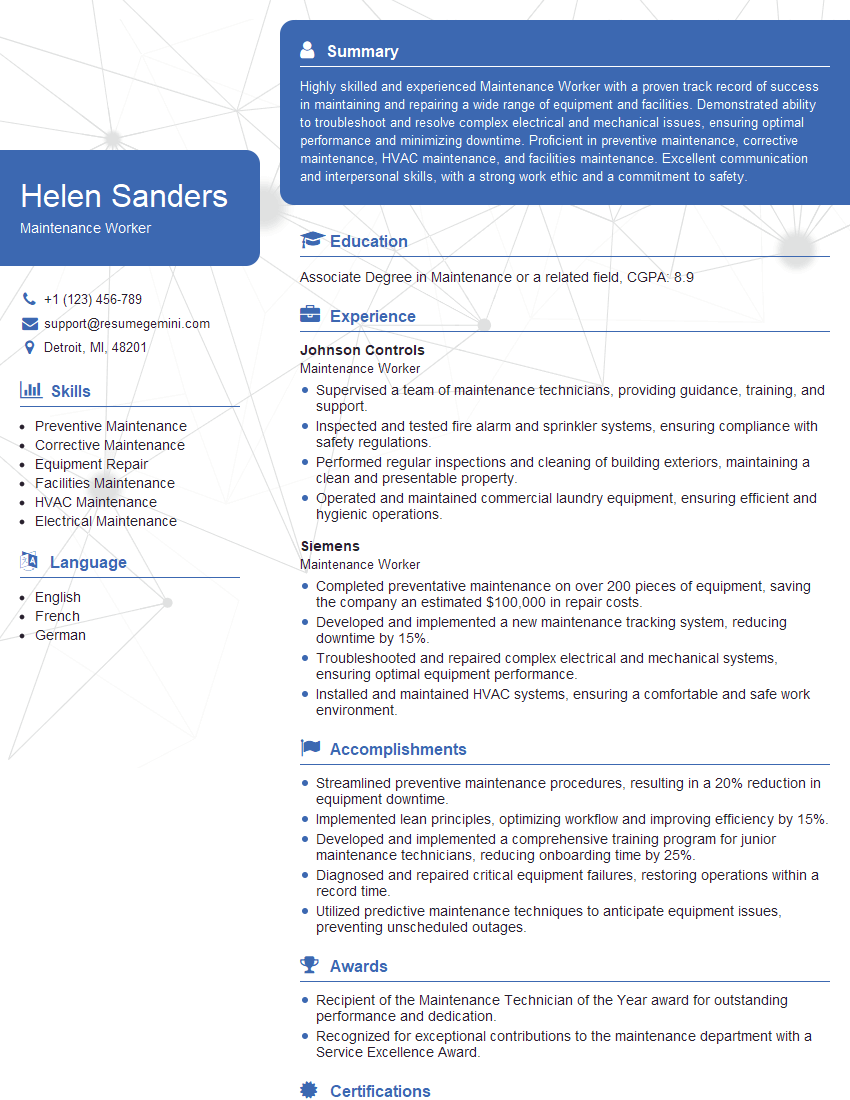
Maintenance Worker Resume Sample
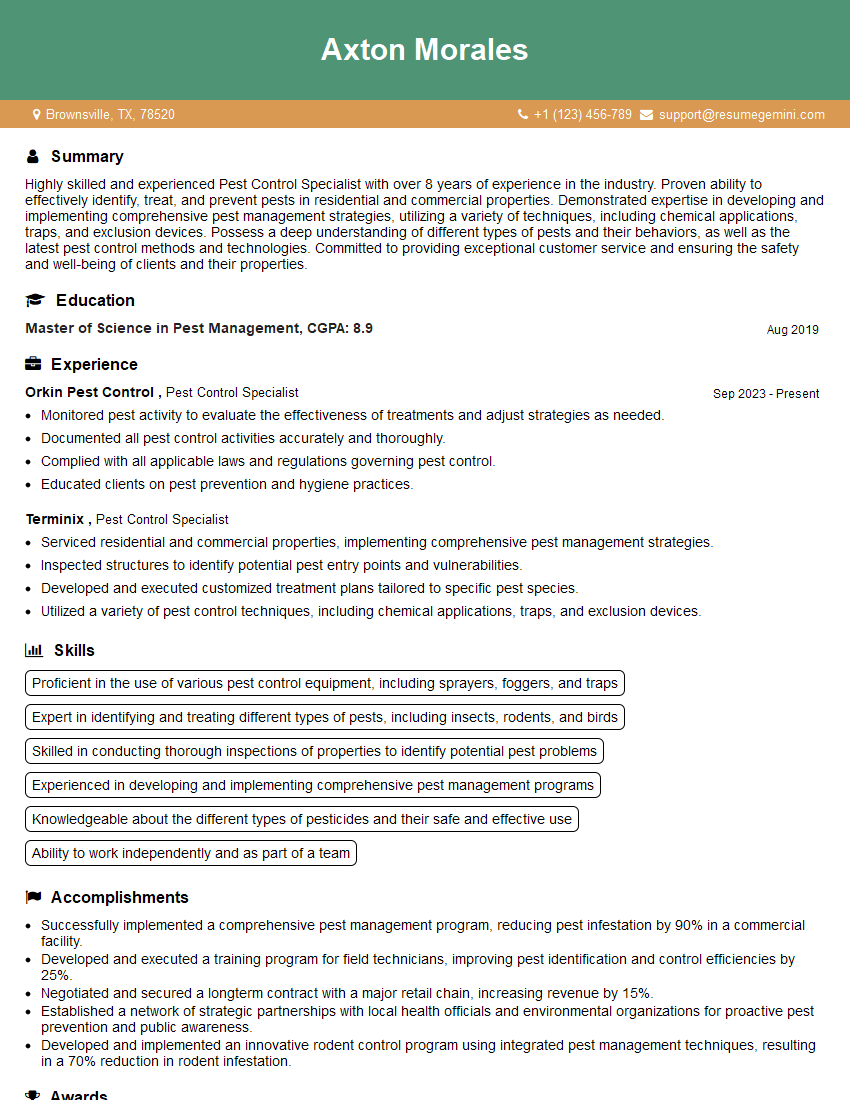
Pest Control Specialist Resume Sample
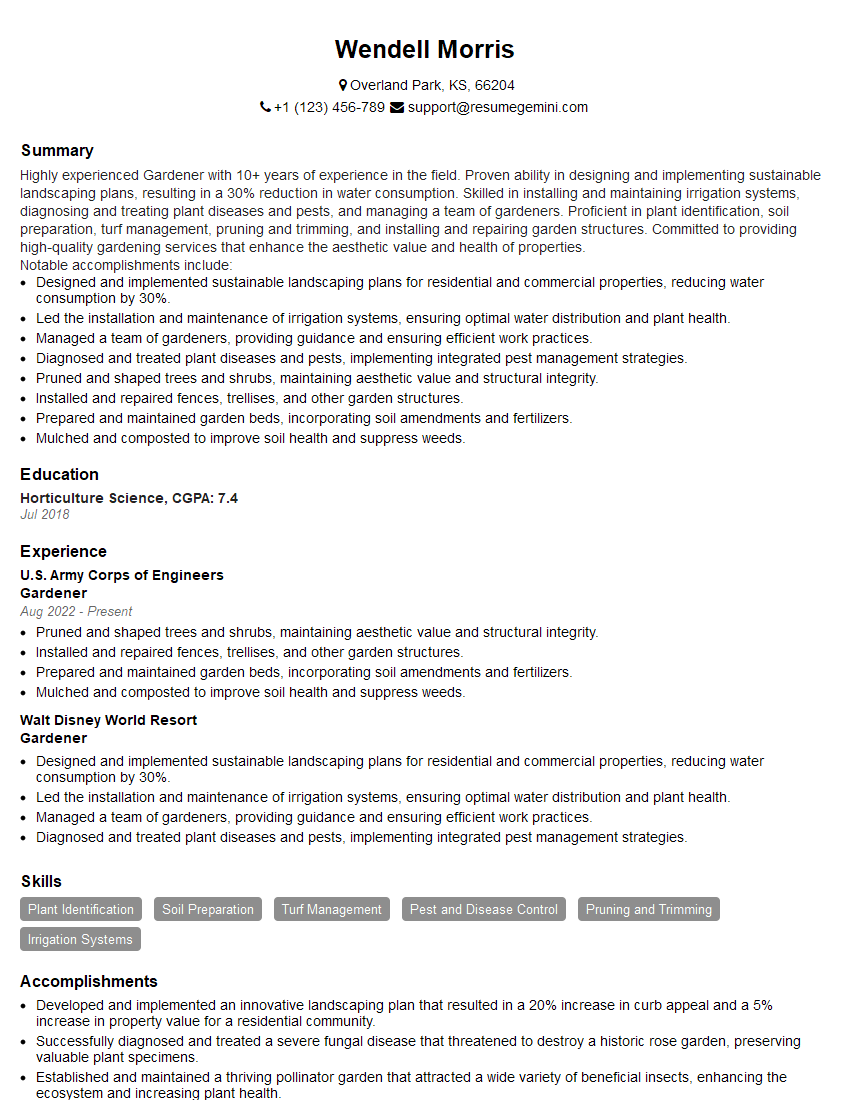
Gardener Resume Sample
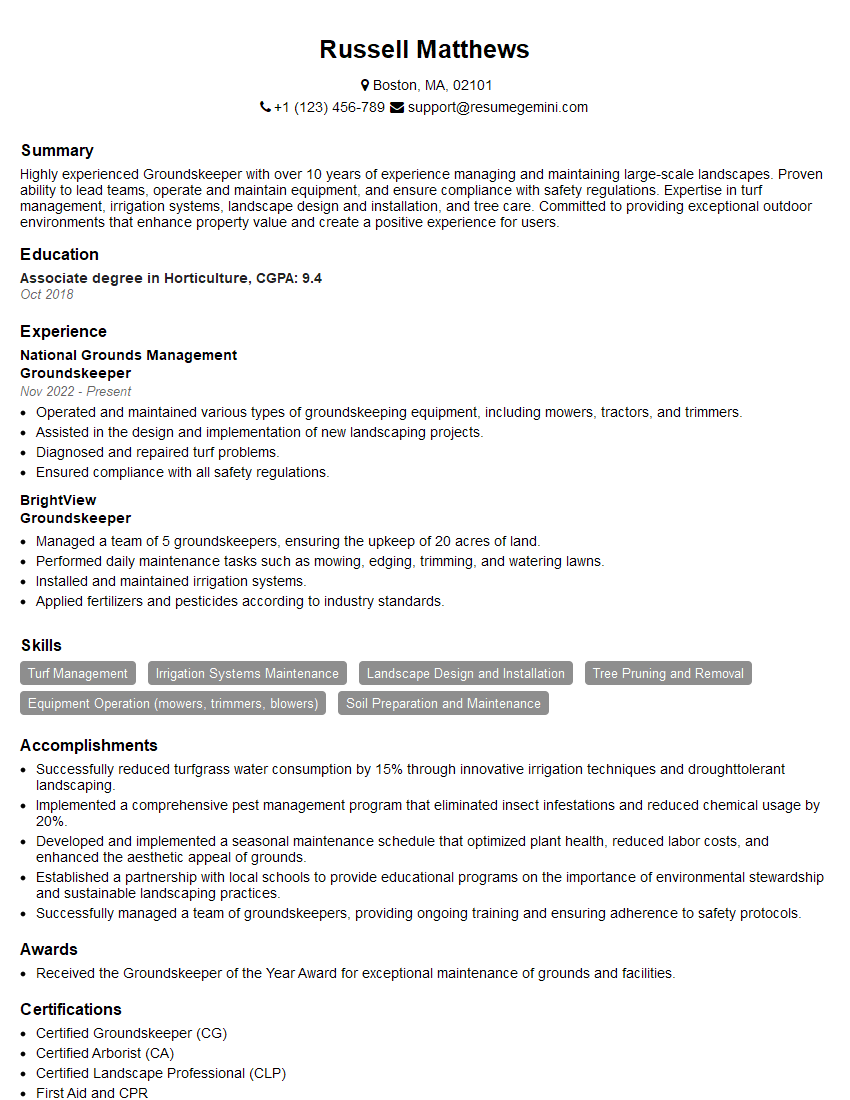
Groundskeeper Resume Sample
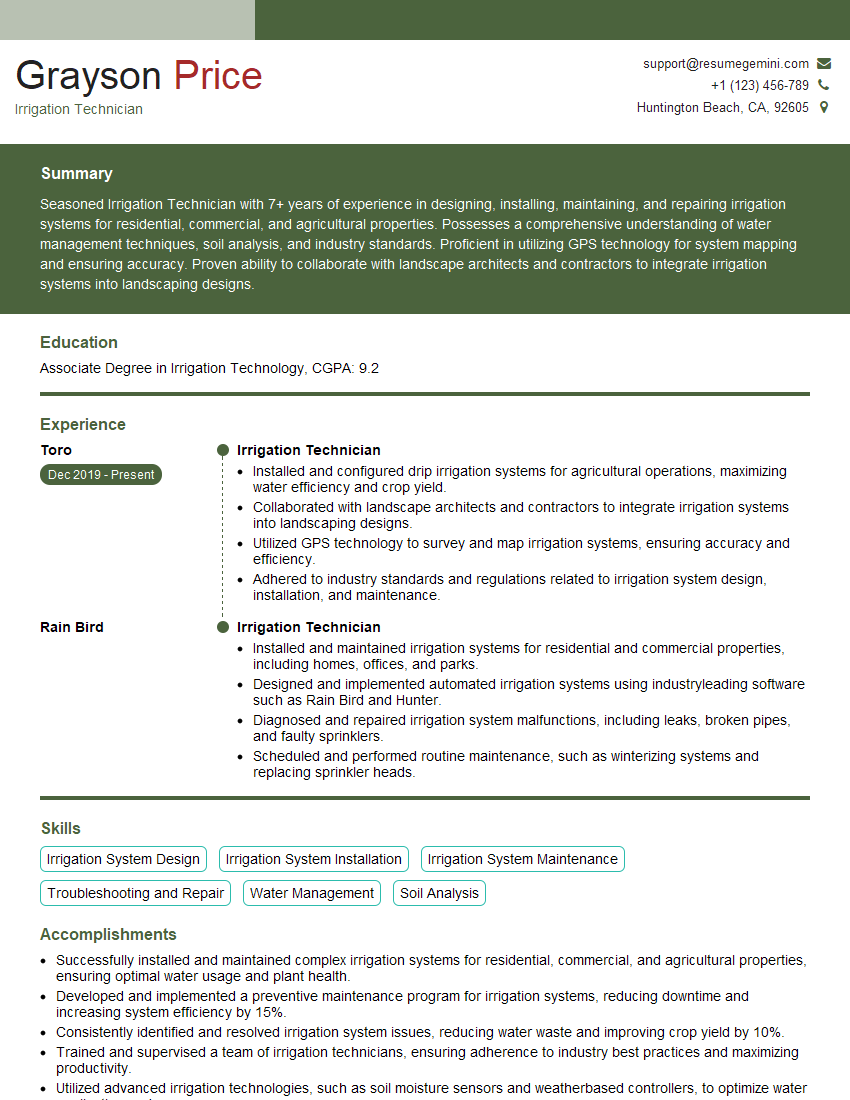
Irrigation Technician Resume Sample
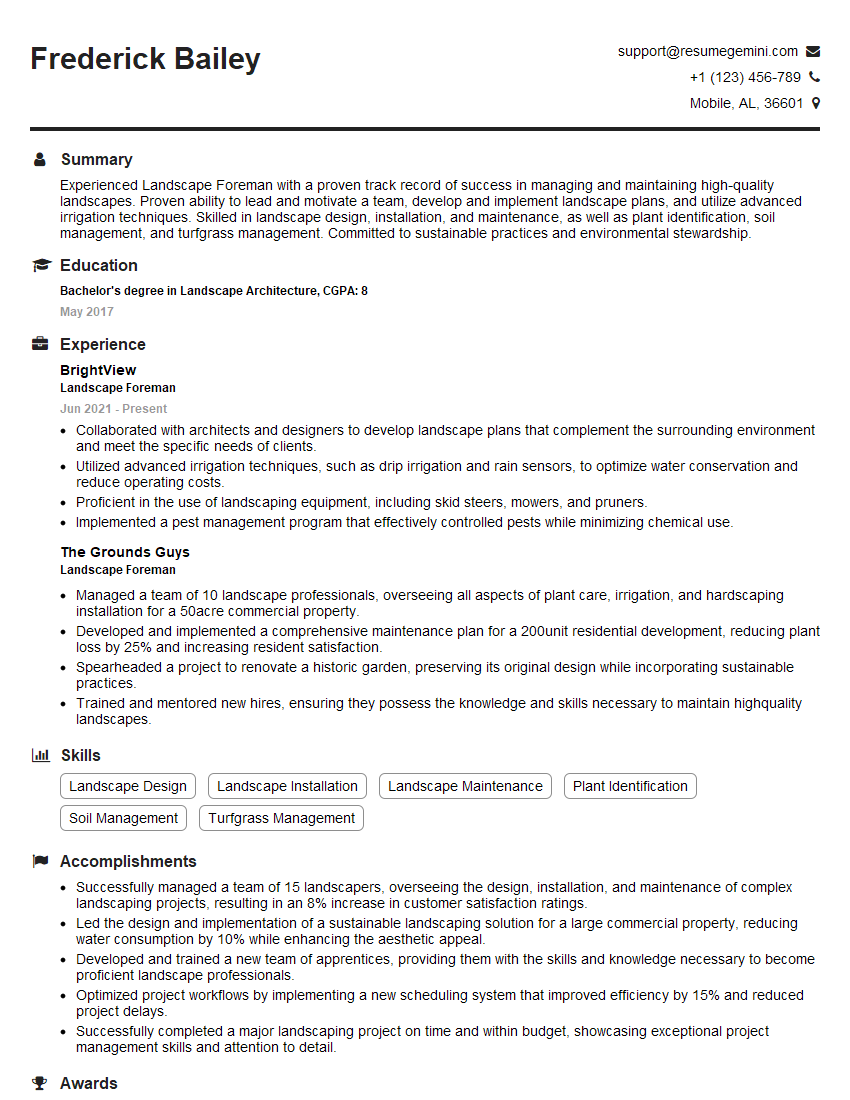
Landscape Foreman Resume Sample
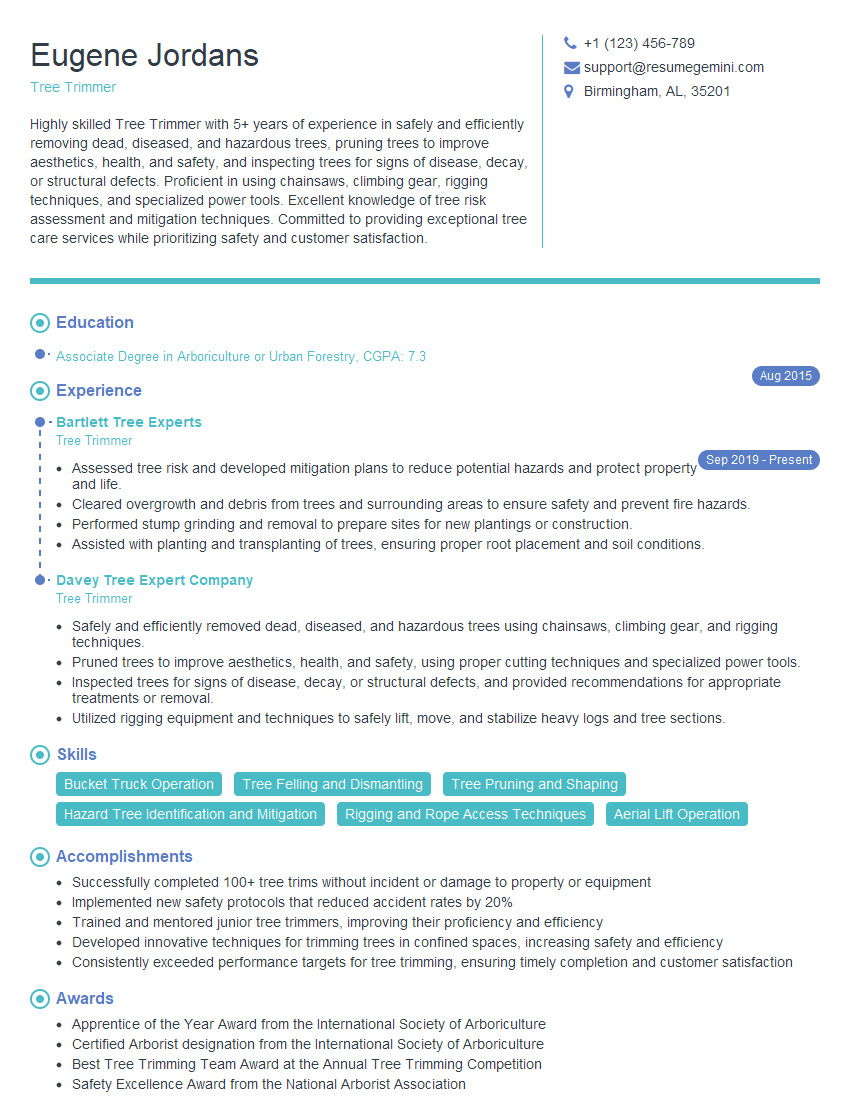
Tree Trimmer Resume Sample
Explore more articles
Users Rating of Our Blogs
Share Your Experience
We value your feedback! Please rate our content and share your thoughts (optional).
What Readers Say About Our Blog
Really detailed insights and content, thank you for writing this detailed article.
IT gave me an insight and words to use and be able to think of examples