Feeling uncertain about what to expect in your upcoming interview? We’ve got you covered! This blog highlights the most important Livestock Disease Diagnostics interview questions and provides actionable advice to help you stand out as the ideal candidate. Let’s pave the way for your success.
Questions Asked in Livestock Disease Diagnostics Interview
Q 1. Describe the process of diagnosing bovine respiratory disease.
Diagnosing bovine respiratory disease (BRD), also known as shipping fever, requires a multi-faceted approach. It’s rarely a single pathogen causing the problem, but rather a complex interaction of viruses and bacteria, often exacerbated by stress factors like transportation or overcrowding.
The diagnostic process typically begins with a thorough history and clinical examination. This includes assessing the animal’s respiratory rate, observing for signs like nasal discharge (color, consistency), cough, and reduced appetite. Temperature is crucial; fever is a strong indicator of infection.
- Physical examination: Auscultation (listening to the lungs) reveals crackles or wheezes, indicating pneumonia.
- Sample Collection: Samples are vital. Nasal swabs, tracheal washes, and lung tissue (in severe cases requiring necropsy) are collected aseptically.
- Laboratory Testing: This is the cornerstone of diagnosis. Tests include:
- Bacterial culture and sensitivity: Identifies the specific bacteria present and guides antibiotic treatment.
- Viral detection: Techniques like PCR (Polymerase Chain Reaction) or ELISA (Enzyme-Linked Immunosorbent Assay) can detect common BRD viruses like bovine herpesvirus-1 (BHV-1) and bovine respiratory syncytial virus (BRSV).
- Serology: Blood tests detect antibodies against various pathogens, indicating past or present infection. However, serology alone can’t definitively diagnose an acute infection because it takes time for antibodies to develop.
Example: Imagine a herd experiencing a BRD outbreak. A clinical examination reveals several calves with fever, coughing, and nasal discharge. Nasal swabs are sent to a lab for PCR and bacterial culture. The results reveal the presence of Mannheimia haemolytica and BRSV. This allows for targeted antibiotic therapy and implementing biosecurity measures to prevent further spread. The whole process highlights the importance of integrating clinical observation with laboratory diagnostics for accurate and timely treatment.
Q 2. Explain the different diagnostic techniques used for avian influenza.
Diagnosing avian influenza (AI) demands rapid and sensitive techniques, especially considering its zoonotic potential (ability to spread between animals and humans). The primary diagnostic methods fall under two main categories: direct detection of the virus and detection of antibodies against the virus.
- Direct Virus Detection:
- Real-time Reverse Transcription PCR (rRT-PCR): This is the gold standard. It’s highly sensitive and specific, detecting viral RNA directly from clinical samples such as cloacal swabs, tracheal swabs, and tissue samples. Results are usually available within a few hours, enabling quick responses to outbreaks.
- Virus Isolation: This involves cultivating the virus in embryonated chicken eggs or cell cultures. It’s more time-consuming than PCR but confirms the presence of a live virus and allows for further characterization, such as subtyping.
- Antigen Detection: Rapid tests using enzyme immunoassays (EIAs) or immunofluorescence assays can detect viral antigens in samples. These tests are faster than PCR but generally less sensitive.
- Indirect Virus Detection (Antibody Detection):
- ELISA: This is widely used to detect antibodies against AI viruses in serum. A positive result indicates past exposure or infection, but it doesn’t provide information on the current infection status. It is useful for surveillance purposes and identifying exposed flocks.
- Hemagglutination Inhibition (HI): This test measures the ability of serum antibodies to inhibit the hemagglutination (clumping of red blood cells) caused by the AI virus. It’s a relatively simple and inexpensive test.
Practical Application: During an AI outbreak, rRT-PCR is used for rapid confirmation in suspected cases, guiding immediate quarantine and control measures. ELISA testing is then often employed to assess the seroprevalence (proportion of the population with antibodies) within the affected area, helping to map the outbreak’s extent and guide culling decisions.
Q 3. What are the key indicators of Johne’s disease in cattle?
Johne’s disease (JD), caused by Mycobacterium avium subsp. paratuberculosis, is a chronic intestinal infection in cattle characterized by insidious onset and progressive wasting. Diagnosis can be challenging due to the slow progression and the lack of obvious clinical signs in the early stages.
Key indicators include:
- Persistent Diarrhea: This is often intermittent and may be overlooked initially. The diarrhea is typically not bloody but may be pale and watery.
- Progressive Weight Loss: Despite maintaining a good appetite, affected animals experience gradual weight loss, leading to emaciation.
- Reduced Milk Production: In dairy cattle, reduced milk yield is a significant sign.
- Decreased Fertility: Infertility or reduced reproductive performance is common.
- Pot-bellied Appearance: In advanced stages, cattle may develop a pot-bellied appearance due to abdominal distention.
Diagnostic Tests: Clinical signs alone are insufficient for diagnosis. Laboratory tests are crucial:
- Fecal Culture: This is the gold standard but is slow and requires specialized laboratories due to the slow-growing nature of the bacteria.
- ELISA: Detects antibodies against M. avium subsp. paratuberculosis in serum or milk. It is relatively quick and widely available but can yield false positives.
- PCR: Detects bacterial DNA in fecal samples and provides quicker results than culture, but can also give false positives if not performed carefully.
Example: A dairy farmer notices reduced milk production and gradual weight loss in several cows. ELISA testing reveals positive results for JD antibodies in some animals, while fecal culture confirms the presence of the bacteria in a subset of these cows. This leads to implementing biosecurity protocols and selective culling of infected animals to control the spread of the disease within the herd.
Q 4. How would you differentiate between viral and bacterial diarrhea in pigs?
Differentiating between viral and bacterial diarrhea in pigs requires a careful consideration of clinical signs, coupled with laboratory diagnostics. While both can cause severe diarrhea, there are subtle but important distinctions.
Viral Diarrhea:
- Clinical Signs: Often involves high fever, vomiting, dehydration, and sometimes respiratory signs. Diarrhea can range from watery to bloody. Specific viruses can produce unique clinical presentations (e.g., transmissible gastroenteritis virus causing profuse watery diarrhea).
- Laboratory Findings: Detection of viral particles or viral RNA/DNA through techniques like PCR or ELISA is key. Viral isolation from fecal samples can also be performed but is more time-consuming.
Bacterial Diarrhea:
- Clinical Signs: May or may not involve fever. Diarrhea can be watery, mucoid (containing mucus), or bloody. Specific bacteria produce characteristic clinical features; for example, Salmonella often causes bloody diarrhea.
- Laboratory Findings: Bacterial culture and sensitivity testing of fecal samples identifies the causative bacteria and their susceptibility to antibiotics. PCR can also be used to detect specific bacterial DNA.
Key Differences Summarized:
| Feature | Viral Diarrhea | Bacterial Diarrhea |
|---|---|---|
| Fever | Often present | May or may not be present |
| Vomiting | Common | Less common |
| Blood in feces | Can be present | Can be present (often in cases of Salmonella) |
| Laboratory Diagnosis | PCR, ELISA, Virus Isolation | Bacterial Culture, PCR |
Example: A pig farm experiences an outbreak of diarrhea. Some piglets have high fever, vomiting, and watery diarrhea. PCR tests detect rotavirus. This points towards a viral etiology, guiding supportive care focusing on hydration and preventing secondary infections rather than antibiotic treatment. In contrast, if the diarrhea was bloody, and bacterial culture reveals Salmonella, then targeted antibiotic therapy becomes appropriate.
Q 5. Discuss the role of PCR in livestock disease diagnostics.
Polymerase Chain Reaction (PCR) is a revolutionary technique in livestock disease diagnostics, allowing for the rapid and highly sensitive detection of specific DNA or RNA sequences from pathogens. It’s like making millions of copies of a specific gene or genetic segment so that it becomes easily detectable.
Role in Livestock Disease Diagnostics:
- Early Detection: PCR can detect even minuscule amounts of viral or bacterial genetic material, enabling early diagnosis before clinical signs appear. This is crucial for timely intervention and prevention of outbreaks.
- Rapid Diagnosis: The process is relatively quick compared to traditional methods like culture, providing rapid results for quick decision-making.
- Specificity: PCR targets specific DNA or RNA sequences, minimizing false-positive results. This ensures accurate identification of the causative agent.
- Sensitivity: PCR can detect pathogens even in samples with low pathogen load.
- Application across species: PCR is applicable across a wide range of livestock species and diseases. It can be used to detect viruses, bacteria, parasites, and prions.
Example: In the case of Foot-and-Mouth Disease (FMD), a highly contagious viral disease affecting cloven-hoofed animals, rRT-PCR is used for rapid detection of the virus in clinical samples like vesicle fluid or tissue samples. This allows for rapid quarantine measures and prevention of widespread spread of the disease.
Q 6. Explain the limitations of serological tests in disease diagnosis.
Serological tests, which detect antibodies in blood serum, are valuable tools in livestock disease diagnostics, but they have limitations:
- Timing: Antibody production takes time. Serological tests might be negative in the early stages of infection, when the animal is still shedding the virus or bacteria but hasn’t yet mounted an immune response. This delayed response can hinder early detection of an outbreak.
- Cross-reactivity: Antibodies may cross-react with other closely related pathogens, leading to false-positive results. This is particularly common for diseases caused by viruses within the same family.
- Persistence of Antibodies: Antibodies can persist in the bloodstream long after the infection has cleared, making it difficult to distinguish between recent and past infections. This is problematic in surveillance programs trying to identify currently infected animals.
- Sensitivity and Specificity: The sensitivity (ability to detect true positives) and specificity (ability to detect true negatives) of serological tests vary depending on the disease and the quality of the test. Some tests may not detect low levels of antibodies, resulting in false-negative results.
Example: Using ELISA to detect antibodies against Brucellosis in cattle. A negative result doesn’t entirely rule out infection, particularly during the early phase, as antibody production hasn’t reached detectable levels yet. Likewise, a positive result doesn’t definitively indicate an active, current infection; it could be a result of past exposure.
Q 7. How do you interpret ELISA results for various livestock diseases?
Enzyme-Linked Immunosorbent Assay (ELISA) is a widely used serological test in livestock disease diagnostics. Interpreting ELISA results requires understanding the specific test used and its cut-off value (the threshold that differentiates positive from negative results).
Typical ELISA Results:
- Positive: An optical density (OD) value above the cut-off value indicates the presence of antibodies against the target pathogen. The magnitude of the OD value can sometimes reflect the level of antibodies and potentially the intensity of the infection (though not always).
- Negative: An OD value below the cut-off value indicates the absence of detectable antibodies.
- Equivocal/Borderline: Results around the cut-off value may be considered equivocal, requiring further investigation with additional testing or follow-up samples.
Interpreting Results in Context:
- Disease Prevalence: A positive result must be interpreted in the context of the prevalence of the disease in the population. A positive result in a low-prevalence area is more suspect and may warrant confirmatory testing.
- Test Performance Characteristics: Sensitivity and specificity of the ELISA kit should be considered. A highly specific test is less likely to produce false positives, while a sensitive test is less likely to produce false negatives.
- Clinical Signs: ELISA results should be integrated with clinical findings. A positive ELISA result in an animal with consistent clinical signs strengthens the diagnosis, while a positive result in an asymptomatic animal may suggest past exposure.
Example: An ELISA test for bovine leukemia virus (BLV) is conducted on a cow. The OD value is significantly above the cut-off. In conjunction with the presence of persistent lymphocytosis (increased lymphocytes in the blood), a clinical sign associated with BLV, the positive ELISA result strengthens the diagnosis of BLV infection.
Q 8. What are the biosecurity measures to prevent the spread of foot-and-mouth disease?
Preventing the spread of Foot-and-Mouth Disease (FMD) relies heavily on robust biosecurity measures. Think of it like creating a strong fortress to keep the disease out. This involves a multi-pronged approach targeting various entry points.
- Strict Quarantine and Movement Control: Restricting the movement of animals, especially from infected or high-risk areas, is crucial. This includes implementing quarantine periods for newly introduced animals. Imagine a new animal arriving at a farm – it needs to be isolated for a while to ensure it’s disease-free before joining the herd.
- Hygiene and Sanitation: Maintaining high levels of cleanliness on the farm is paramount. Regular cleaning and disinfection of animal housing, equipment, and vehicles help eliminate the virus. This is like regularly cleaning your house to prevent the spread of germs.
- Vector Control: FMD can be spread through vectors like rodents and birds. Implementing rodent control measures and limiting bird access to the farm can significantly reduce transmission risk. It’s about controlling all potential carriers.
- Vaccination Programs: Vaccination plays a vital role in protecting susceptible animals. Effective vaccination programs, coupled with surveillance, can create a strong barrier against the disease. This acts as a shield for the livestock.
- Personnel Hygiene: People can unknowingly carry the virus. Enforcing strict hygiene protocols for farm workers, such as handwashing and changing clothes, is crucial. This is like maintaining personal hygiene to prevent spreading illnesses among ourselves.
- Surveillance and Early Detection: Regular monitoring of animals for any signs of FMD and prompt reporting of any suspected cases are critical for early intervention. Early detection is key to quick and effective control measures.
A comprehensive biosecurity plan, tailored to each farm’s specific circumstances, is essential for effective FMD prevention. It’s about building a resilient defense system, not just relying on one or two measures.
Q 9. Describe the post-mortem examination procedure for suspected infectious diseases.
A post-mortem examination, or necropsy, on an animal suspected of having an infectious disease is a systematic procedure. It’s like a detailed investigation to understand the cause of death and identify potential pathogens. The process follows a careful sequence of steps to avoid contamination.
- External Examination: Begin by thoroughly examining the carcass externally, noting any lesions, swelling, or unusual body condition. Note the overall body condition and any external signs of disease.
- Internal Examination: Open the body cavities (thoracic, abdominal, and cranial) and examine the organs systematically. Pay close attention to any abnormalities in size, color, consistency, or presence of lesions. This involves carefully removing and examining the organs one by one.
- Sample Collection: Collect samples from various organs and tissues (liver, spleen, lung, lymph nodes, etc.) aseptically for further laboratory testing, including bacteriology, virology, parasitology, and histopathology. This ensures any collected samples are truly representative of the issue at hand.
- Documentation: Meticulously document all findings, including gross lesions, organ weights, and sample collection details. Photography can be invaluable here to record observations.
- Laboratory Analysis: Samples are sent to a veterinary diagnostic laboratory for comprehensive testing to confirm the diagnosis. This step confirms initial observations through scientific analysis.
The necropsy findings, along with laboratory results, are crucial for determining the cause of death and informing control measures in the event of an infectious disease outbreak. Proper technique is paramount to avoid spreading the infection during the procedure.
Q 10. Explain the importance of sample collection and handling in accurate diagnosis.
Proper sample collection and handling are absolutely vital for accurate diagnosis. Imagine trying to build a house with faulty bricks; the outcome will be compromised. Similarly, flawed samples lead to inaccurate results. It’s the foundation of any diagnosis.
- Appropriate Sample Type: Selecting the correct sample type is critical. For example, blood samples are best for hematological and biochemical analyses, while tissue samples are ideal for histopathology and bacteriology.
- Aseptic Techniques: Maintaining sterile conditions during collection prevents contamination with extraneous bacteria or viruses, leading to false-positive results. Think of it like preventing your experiment from being contaminated by outside interference.
- Proper Labeling and Packaging: Clearly labeling samples with the animal’s identification, date, and sample type prevents confusion and ensures traceability. Safe and appropriate packaging protects the sample integrity during transport and storage. Imagine it like addressing a letter clearly to ensure delivery to the correct recipient.
- Prompt Transportation and Storage: Samples should be transported and stored at the appropriate temperature to maintain their integrity and prevent degradation. Some samples need to be kept cold, while others might need to be kept frozen to ensure their integrity is maintained. Timely delivery of the samples is also critical.
- Chain of Custody: Maintaining a detailed chain of custody from sample collection to laboratory analysis is critical for legal and evidentiary purposes. It ensures accountability and prevents issues of contamination or misidentification.
Errors at any stage of sample handling can lead to incorrect diagnoses, impacting treatment decisions and disease control efforts. Careful attention to detail is crucial at each step.
Q 11. How do you interpret hematological and biochemical parameters in disease diagnosis?
Hematological and biochemical parameters provide valuable insights into an animal’s health status and can be crucial in diagnosing diseases. Think of them as vital signs, giving us a snapshot of the body’s internal environment.
Hematological parameters, such as white blood cell count (WBC), red blood cell count (RBC), hemoglobin, and platelet count, reflect the animal’s immune system status, oxygen-carrying capacity, and blood clotting ability. For instance, a significantly elevated WBC count might suggest an infection, while a low RBC count might indicate anemia.
Biochemical parameters, such as blood urea nitrogen (BUN), creatinine, liver enzymes (AST, ALT), and glucose levels, reflect the function of various organs. Elevated BUN and creatinine levels could indicate kidney problems, while increased liver enzymes might signal liver damage. Abnormal glucose levels might point towards diabetes.
Interpreting these parameters requires expertise and considering the animal’s species, age, breed, and clinical signs. Deviations from normal ranges need to be interpreted in context with the complete clinical picture. We use reference intervals, which are species and age-specific, to interpret these values correctly.
For example, an increase in inflammatory markers (e.g., fibrinogen) combined with increased WBC count and clinical signs of infection would strongly suggest an infectious disease process. This holistic approach is critical for accurate diagnosis.
Q 12. Describe your experience with bacterial culture and identification techniques.
Bacterial culture and identification techniques are fundamental in veterinary diagnostics. They are the cornerstone of identifying bacterial pathogens. It’s like detective work, isolating and identifying the culprit causing the disease.
My experience encompasses various techniques, including:
- Sample inoculation onto various culture media: Different media support the growth of specific types of bacteria. For example, blood agar is a rich medium used for growing a wide range of bacteria, while MacConkey agar selects for gram-negative bacteria. It’s like using specialized tools for specific tasks.
- Incubation: Cultures are incubated under optimal conditions (temperature, atmosphere) to allow bacterial growth. This is like providing the ideal environment for the bacteria to reproduce.
- Colony morphology examination: Observing the appearance of bacterial colonies (shape, size, color, texture) provides initial clues about the bacterial species. Each bacteria has a unique characteristic appearance.
- Gram staining: This differential staining technique differentiates bacteria into Gram-positive and Gram-negative based on their cell wall structure. It’s a quick and essential method of initial classification.
- Biochemical tests: Various biochemical tests (e.g., oxidase, catalase, carbohydrate fermentation tests) further aid in species identification. These tests look at the bacteria’s metabolic capabilities.
- Molecular techniques (PCR, 16S rRNA sequencing): Molecular methods offer accurate and rapid identification of bacterial species, particularly for fastidious or difficult-to-culture bacteria. These advanced techniques are like using high-tech tools for precise identification.
I’m proficient in interpreting culture results and using identification schemes like API systems, which helps provide a precise identification of the bacteria at hand. Combining culture with other diagnostic techniques allows for a more comprehensive and accurate diagnosis.
Q 13. How do you manage a suspected outbreak of a highly contagious disease?
Managing a suspected outbreak of a highly contagious disease requires a swift and coordinated response. It’s like fighting a wildfire – fast action and a coordinated strategy are crucial. This involves several steps:
- Confirmation of Diagnosis: First, confirm the suspected disease through laboratory testing. This is the foundation for any effective control measures.
- Immediate Isolation and Quarantine: Isolate affected animals to prevent further spread. Implement strict quarantine measures to prevent contact with susceptible animals. This is like containing the fire to prevent it from spreading.
- Notification of Authorities: Report the suspected outbreak to the relevant animal health authorities. Collaboration with the authorities is vital.
- Trace Back and Trace Forward Investigations: Trace back to identify the source of the infection and trace forward to identify all potentially exposed animals. This is like tracing the source of the fire and finding everyone in the path of the flames.
- Vaccination and Treatment: Depending on the disease, implement appropriate vaccination and treatment programs. This is like fighting the fire directly.
- Disposal of Infected Animals: Dispose of infected carcasses safely and hygienically to prevent further spread of the pathogen. This is like removing the fuel source for the fire.
- Movement Restrictions: Implement strict movement controls of animals and products from the affected area. This is like creating a firebreak to contain the fire.
- Hygiene and Sanitation: Implement rigorous hygiene and sanitation measures on the affected farm and surrounding areas. This is like removing any remaining fuel that might reignite the fire.
- Surveillance: Implement ongoing surveillance to monitor the effectiveness of control measures and detect any further outbreaks. This is like keeping an eye on the area after the fire is put out.
Effective management requires collaboration among veterinarians, farmers, and animal health authorities. The key is coordinated effort and prompt action.
Q 14. What are the different types of parasites affecting livestock?
Livestock are susceptible to a wide range of parasites, broadly classified into three major groups: endoparasites, ectoparasites, and hemoparasites. Think of them as different kinds of invaders affecting different parts of the animal.
- Endoparasites: These parasites live inside the animal’s body. Examples include:
- Nematodes (roundworms): Such as Haemonchus contortus (barber pole worm) in sheep and goats, and Ostertagia ostertagi in cattle, causing significant gastrointestinal problems.
- Cestodes (tapeworms): Like Moniezia expansa in sheep and cattle, affecting intestinal function.
- Trematodes (flukes): Such as liver flukes (Fasciola hepatica) affecting the liver.
- Ectoparasites: These parasites live on the surface of the animal’s body. Examples include:
- Ticks: Various species of ticks transmit diseases (e.g., babesiosis, anaplasmosis) while also causing irritation and blood loss.
- Mites: Such as Psoroptes ovis (sheep scab mite) causing severe skin lesions and itching.
- Lice: Affecting skin and causing irritation and hair loss.
- Fleas: Causing irritation and transmitting diseases in some cases.
- Hemoparasites: These parasites live in the animal’s blood. Examples include:
- Babesia spp.: Protozoa that infect red blood cells, causing babesiosis (redwater).
- Anaplasma spp.: Bacteria that infect white blood cells, causing anaplasmosis.
- Trypanosoma spp.: Protozoa that cause trypanosomiasis (nagana).
The specific parasites affecting livestock vary depending on geographic location, climate, animal species, and management practices. Accurate identification and treatment of parasites are crucial for maintaining animal health and productivity.
Q 15. Explain the life cycle of a common livestock parasite.
Let’s explore the life cycle of a common livestock parasite, taking the example of a gastrointestinal nematode like Haemonchus contortus (barber’s pole worm) in sheep. Understanding their life cycle is crucial for effective control.
The cycle begins with eggs passed in the sheep’s feces. These eggs require specific environmental conditions (temperature, moisture) to develop. In optimal conditions, larvae hatch from the eggs. These larvae go through several developmental stages (L1, L2, L3) on pasture. The infective third-stage larva (L3) can survive for weeks in the environment. Sheep become infected when they ingest these L3 larvae while grazing. Once ingested, the larvae mature into adult worms in the abomasum (the fourth stomach compartment). Adult worms then reproduce, producing more eggs, which are passed in the feces, completing the cycle.
- Egg stage: Microscopic, passed in feces.
- Larval stages (L1-L3): Develop on pasture, L3 is infective.
- Adult stage: Mature worms in the host’s digestive tract, producing eggs.
Understanding this cycle allows for targeted interventions such as strategic grazing management to minimize larval exposure or the use of anthelmintics to kill the adult worms in the sheep.
Career Expert Tips:
- Ace those interviews! Prepare effectively by reviewing the Top 50 Most Common Interview Questions on ResumeGemini.
- Navigate your job search with confidence! Explore a wide range of Career Tips on ResumeGemini. Learn about common challenges and recommendations to overcome them.
- Craft the perfect resume! Master the Art of Resume Writing with ResumeGemini’s guide. Showcase your unique qualifications and achievements effectively.
- Don’t miss out on holiday savings! Build your dream resume with ResumeGemini’s ATS optimized templates.
Q 16. Describe the diagnostic methods used for identifying parasites.
Diagnosing parasites in livestock involves a range of methods, from simple visual inspection to sophisticated laboratory techniques. The choice depends on the suspected parasite and the resources available.
- Fecal Examination: This is the most common method. A sample of feces is examined microscopically for parasite eggs or larvae. Techniques like the McMaster egg count quantify the number of eggs per gram of feces, indicating the infection’s intensity.
- Direct Smears: For some parasites, direct examination of tissue samples (e.g., skin scrapings for mange mites) under a microscope is possible.
- Copro-antigen ELISA Tests: These tests detect parasite antigens (proteins) present in the feces, providing a more sensitive detection than egg counts, particularly for low-intensity infections.
- Blood tests: Certain parasites cause changes in blood cell counts or antibody production, detectable by blood tests. These are particularly useful for blood-borne parasites.
- Necropsy: Post-mortem examination allows for the direct identification of adult parasites in various organs.
Choosing the right diagnostic method requires considering the specific parasite, the stage of infection, and the sensitivity needed. For example, detecting lungworm infection requires a different approach than detecting liver fluke.
Q 17. How do you interpret microscopic findings from parasite examination?
Interpreting microscopic findings requires experience and a systematic approach. The key is recognizing the characteristic morphology of different parasite eggs and larvae.
For example, identifying Haemonchus contortus eggs involves looking for their characteristic barrel shape and size. Misinterpreting them could lead to incorrect treatment. Similarly, differentiating between different types of coccidial oocysts requires understanding their size, shape, and wall structure. The number of eggs or larvae present also matters. A high egg count suggests a heavy infection and may necessitate more aggressive treatment. It’s crucial to consider the animal’s clinical signs alongside the microscopic findings to paint a complete picture. Experienced veterinary technicians and parasitologists have expertise in differentiating the various species.
In case of doubt, specialist labs using molecular diagnostic techniques such as PCR can provide further confirmation.
Q 18. Discuss the role of vaccination in preventing livestock diseases.
Vaccination plays a crucial role in preventing livestock diseases by stimulating the animal’s immune system to develop immunity against specific pathogens. This immunity can prevent infection, reduce the severity of disease, or even eliminate the disease entirely. Successful vaccination programs reduce morbidity (illness) and mortality (death), leading to significant economic benefits.
Consider Foot and Mouth Disease (FMD) in cattle. Effective vaccination programs have successfully controlled or eradicated FMD in many regions. However, the effectiveness of a vaccination program depends on many factors, including the vaccine’s quality, proper administration techniques, and achieving high vaccination coverage within a herd and across the wider population.
The benefits go beyond individual animal health; effective vaccination programs protect entire herds and populations, contributing to herd immunity and preventing the spread of diseases.
Q 19. What are the different types of vaccines used in livestock?
Various vaccine types exist for livestock, each with specific advantages and disadvantages:
- Live attenuated vaccines: These use weakened forms of the pathogen. They typically produce a strong and long-lasting immune response. However, they can cause disease in immunocompromised animals.
- Inactivated vaccines (killed vaccines): These use killed pathogens. They are safer than live vaccines but may require multiple doses for full immunity.
- Subunit vaccines: These use specific components of the pathogen, such as proteins or polysaccharides, rather than the whole pathogen. They are very safe but may induce a weaker immune response.
- Recombinant vaccines: These vaccines are made through genetic engineering techniques. They offer several benefits in terms of safety and efficacy.
- Toxoid vaccines: These vaccines are used against diseases caused by toxins produced by bacteria rather than the bacteria themselves (e.g., tetanus).
The choice of vaccine depends on several factors: the target pathogen, the animal species, the prevalence of the disease, safety concerns, and the availability of the vaccines.
Q 20. Explain the principles of herd immunity in livestock health.
Herd immunity is a concept where a high percentage of animals within a population are immune to a specific disease, protecting the susceptible animals. This protection arises because the disease has difficulty spreading when it encounters a large number of immune animals. Imagine a wildfire—if a large area is clear, the fire spreads easily. But if there are numerous firebreaks, the fire’s progress is hindered.
Herd immunity is crucial in preventing livestock disease outbreaks. If enough animals are vaccinated (or have naturally acquired immunity), the pathogen’s chance of finding a susceptible host is significantly reduced, thus preventing or minimizing an outbreak. The level of herd immunity needed to achieve protection varies depending on the pathogen’s characteristics and the level of contact between animals.
Maintaining herd immunity requires sustained vaccination efforts and proper biosecurity measures. Any lapse in vaccination coverage can lead to outbreaks, highlighting the ongoing commitment needed for effective herd immunity.
Q 21. How do you determine the economic impact of a livestock disease outbreak?
Determining the economic impact of a livestock disease outbreak involves assessing several factors:
- Mortality and morbidity: Direct losses due to animal deaths and reduced productivity (milk, meat, egg production) from sick animals.
- Reduced productivity: Lower milk yield, weight gain, or egg production in surviving animals can persist long after the outbreak.
- Treatment costs: Expenses associated with veterinary care, medications, and labor.
- Culling costs: The cost of slaughtering and disposing of infected or exposed animals.
- Trade restrictions: Reduced market access or lower prices for livestock and products due to export restrictions.
- Control measures: Costs associated with implementing biosecurity measures and disease control programs.
- Loss of future income: Reduced breeding capacity due to loss of animals or fertility problems can impact income over several years.
Quantifying these impacts requires data on the number of animals affected, the severity of the disease, market prices, and production costs. Economic modeling techniques can be employed to estimate the total economic burden. For instance, a foot-and-mouth outbreak could result in staggering losses due to trade bans and culling. Precise quantification requires meticulous record-keeping and possibly the involvement of economists specializing in agricultural economics.
Q 22. Describe your experience with epidemiological investigations.
Epidemiological investigations are crucial for understanding the spread and control of livestock diseases. They involve systematically collecting and analyzing data to identify the cause, source, and mode of transmission of a disease outbreak. My experience encompasses all stages, from initial case identification and hypothesis generation to data analysis, interpretation, and the development of control strategies.
For example, I was involved in an investigation of a suspected foot-and-mouth disease outbreak. This involved a multi-faceted approach: visiting affected farms to collect samples, interviewing farmers to gather information on animal movements and management practices, and collaborating with veterinary laboratories for diagnostic testing. We used statistical methods to map the spread of the disease and identify risk factors. This helped to target control measures effectively and prevent further spread.
- Case Identification and Definition: Defining the disease and identifying cases, including suspect cases.
- Descriptive Epidemiology: Describing the outbreak in terms of time, place, and person (or animal).
- Analytical Epidemiology: Investigating the risk factors using tools such as odds ratios and regression models.
- Control Measures: Implementing interventions based on findings, including vaccination, quarantine, and culling.
Q 23. What are the reporting requirements for notifiable animal diseases?
Reporting requirements for notifiable animal diseases are critical for rapid response and prevention of widespread outbreaks. These requirements vary by country and disease, but generally involve immediate reporting to the relevant animal health authorities (e.g., the Office International des Epizooties, or OIE, for internationally notifiable diseases). Reporting usually involves specific details like the location of the outbreak, the number of affected animals, the clinical signs, and the suspected causative agent.
Failure to report can have serious consequences, including hefty fines and legal repercussions, as timely reporting allows for swift implementation of control measures and helps protect the health of both livestock and humans. For instance, immediate reporting of highly contagious diseases like avian influenza is essential to prevent widespread economic losses and potential zoonotic transmission.
The information reported is usually standardized to facilitate efficient data collection and analysis. This includes using specific codes and formats that are recognized internationally. This standardization allows for a timely and effective response to outbreaks, wherever they occur.
Q 24. Discuss the ethical considerations in livestock disease control.
Ethical considerations in livestock disease control are paramount and should always guide our actions. The welfare of animals is a primary concern; any control measures, such as culling or quarantine, must be carried out humanely and with minimal suffering. Transparency and communication with stakeholders, including farmers and the public, are crucial for building trust and cooperation.
For example, when considering culling during an outbreak, the decision must be carefully weighed against the potential benefits of preventing wider spread and minimizing future economic losses. The process must be carefully monitored to ensure it’s carried out humanely, often with veterinary oversight. Furthermore, fair compensation for farmers whose animals are culled is essential.
- Animal Welfare: Minimizing animal suffering during disease control.
- Transparency and Communication: Open and honest communication with all stakeholders.
- Justice and Fairness: Ensuring fair compensation for losses incurred.
- Scientific Integrity: Basing decisions on sound scientific evidence.
Q 25. Explain the role of regulatory agencies in animal health.
Regulatory agencies play a vital role in maintaining animal health, safeguarding public health, and protecting the economy. Their responsibilities include establishing and enforcing regulations related to animal movement, disease surveillance, and biosecurity. This includes setting standards for animal import and export, licensing veterinary practitioners and facilities, and conducting inspections to ensure compliance.
Examples of such agencies include the USDA’s Animal and Plant Health Inspection Service (APHIS) in the United States, and equivalent agencies in other countries. These agencies work to prevent the introduction and spread of animal diseases, ensuring that livestock production is safe and sustainable. They also play a crucial role in coordinating national and international responses to outbreaks.
Furthermore, these agencies often conduct research and develop educational materials to improve animal health practices and raise awareness among producers and the public.
Q 26. Describe your experience with using diagnostic software and databases.
My experience with diagnostic software and databases is extensive. I’m proficient in using various software packages for data analysis, image processing, and result management. These include specialized veterinary diagnostic software that integrates data from various sources, such as laboratory results, clinical observations, and epidemiological data. I am also familiar with databases containing extensive information on animal diseases, pathogens, and diagnostic techniques. This allows for rapid retrieval of crucial information during investigations and diagnosis.
For example, I regularly utilize software for analyzing serological data to identify antibodies against specific pathogens. These programs help in data visualization and statistical analysis, aiding in determining the prevalence of disease and identifying risk factors. Furthermore, access to comprehensive databases enables quick identification of similar past outbreaks and relevant research articles, greatly accelerating the diagnostic process.
Q 27. How do you stay current with advancements in livestock disease diagnostics?
Staying current with advancements in livestock disease diagnostics is crucial for maintaining high-quality diagnostics. I achieve this through a multi-pronged approach:
- Professional Journals and Publications: Regularly reading peer-reviewed journals like the Journal of Veterinary Diagnostic Investigation and Veterinary Microbiology.
- Scientific Conferences and Workshops: Attending conferences and workshops to hear about the latest research and techniques.
- Online Resources and Databases: Utilizing online resources and databases (e.g., PubMed) to access the latest research publications.
- Continuing Education Courses: Participating in continuing education courses to update knowledge and skills.
- Networking with Colleagues: Engaging with colleagues and experts through professional organizations and networks.
This combination of approaches keeps me informed about new diagnostic techniques, emerging diseases, and improved analytical methods.
Q 28. Describe a challenging diagnostic case and how you solved it.
One particularly challenging case involved an outbreak of respiratory disease in a large pig farm. Initial tests yielded inconclusive results, leading to uncertainty about the causative agent. Clinical signs were non-specific, and common pathogens were ruled out. The challenge was to pinpoint the underlying cause while minimizing further spread and economic losses.
My approach involved a meticulous investigation. We collected a wide range of samples, employing advanced molecular techniques like PCR and next-generation sequencing. We also closely monitored the clinical progression of the disease and analyzed environmental factors. After extensive investigation, we identified a novel porcine coronavirus as the causative agent. This finding was published in a peer-reviewed journal and improved our understanding of swine respiratory diseases.
This case highlighted the importance of a thorough and systematic approach, integrating various diagnostic methods, and not prematurely ruling out uncommon causes. The ability to utilize advanced molecular techniques was key to the successful resolution of this case.
Key Topics to Learn for Livestock Disease Diagnostics Interview
- Clinical Examination Techniques: Mastering the art of physical examination in livestock, including observation, palpation, auscultation, and percussion. Consider different species-specific nuances.
- Sample Collection and Handling: Understand appropriate techniques for collecting various samples (blood, tissue, fecal, etc.) while maintaining sample integrity and minimizing contamination. This includes understanding relevant biosecurity protocols.
- Laboratory Diagnostic Methods: Gain a solid understanding of common diagnostic tests such as serology (ELISA, agglutination), microbiology (culture and sensitivity), parasitology (fecal examination), histology, and molecular diagnostics (PCR).
- Disease Recognition and Differential Diagnosis: Practice identifying common livestock diseases based on clinical signs and laboratory results. Develop skills in forming differential diagnoses and considering various disease possibilities.
- Interpretation of Laboratory Results: Learn to critically analyze laboratory data, correlate findings with clinical signs, and draw accurate conclusions. Understand the limitations of different diagnostic tests.
- Biosecurity and Disease Control: Demonstrate knowledge of biosecurity measures to prevent disease spread and outbreak management strategies. Understand concepts like quarantine, vaccination, and culling.
- Data Analysis and Reporting: Develop skills in organizing and analyzing diagnostic data. Understand how to effectively communicate findings in a clear and concise report format.
- Emerging Diseases and Technologies: Stay updated on emerging infectious diseases affecting livestock and novel diagnostic technologies employed in their detection.
- Ethical Considerations in Diagnostics: Understand the ethical implications of diagnostic testing, including animal welfare and responsible use of resources.
Next Steps
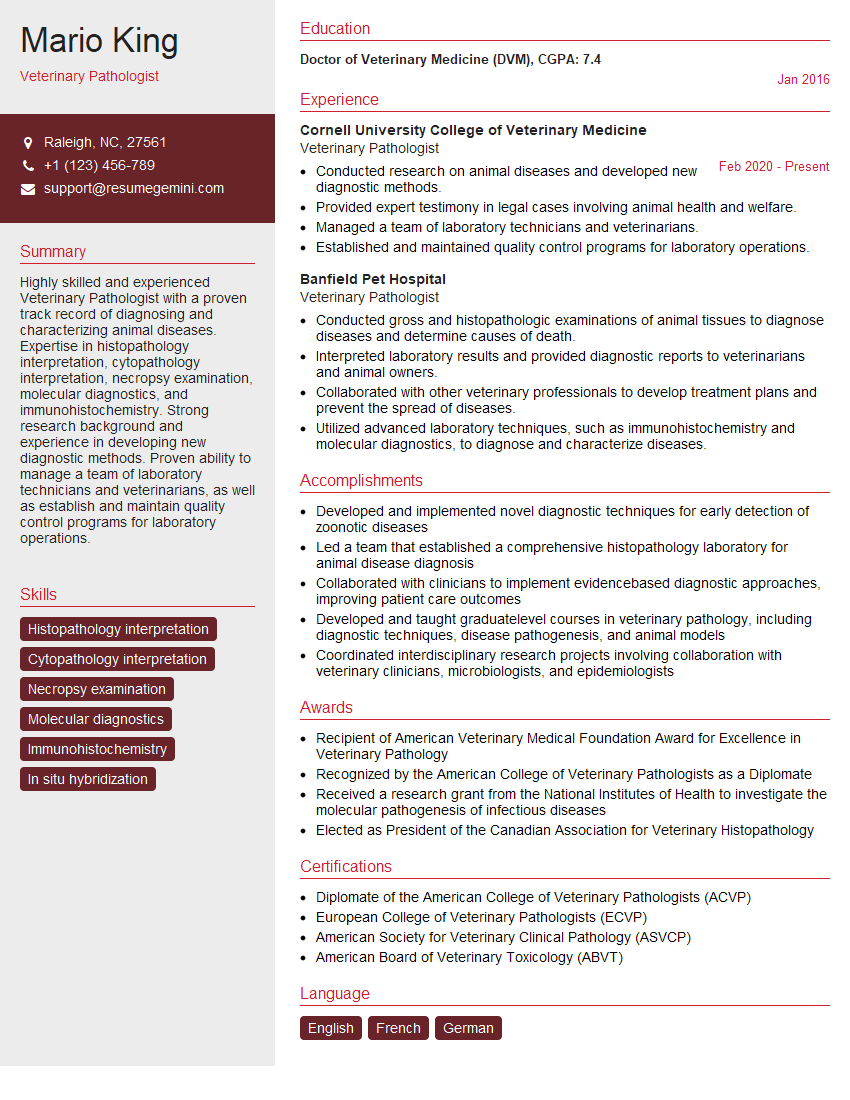
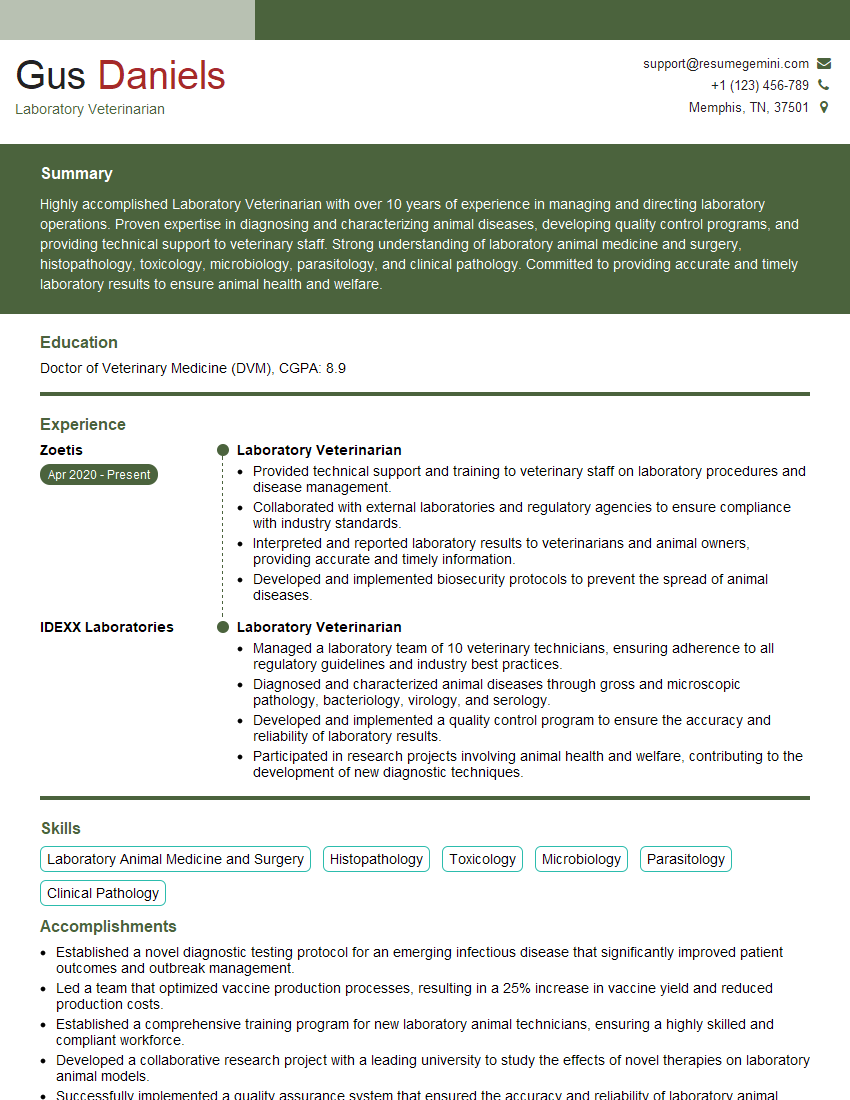
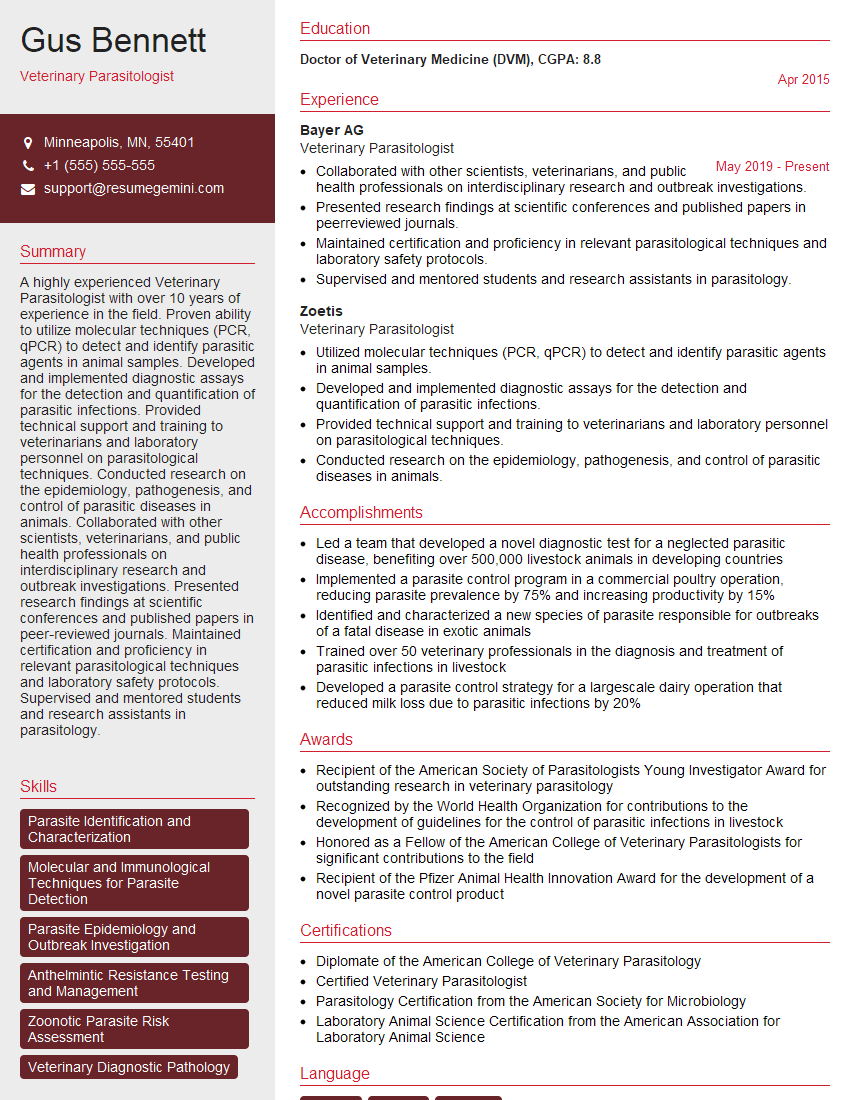
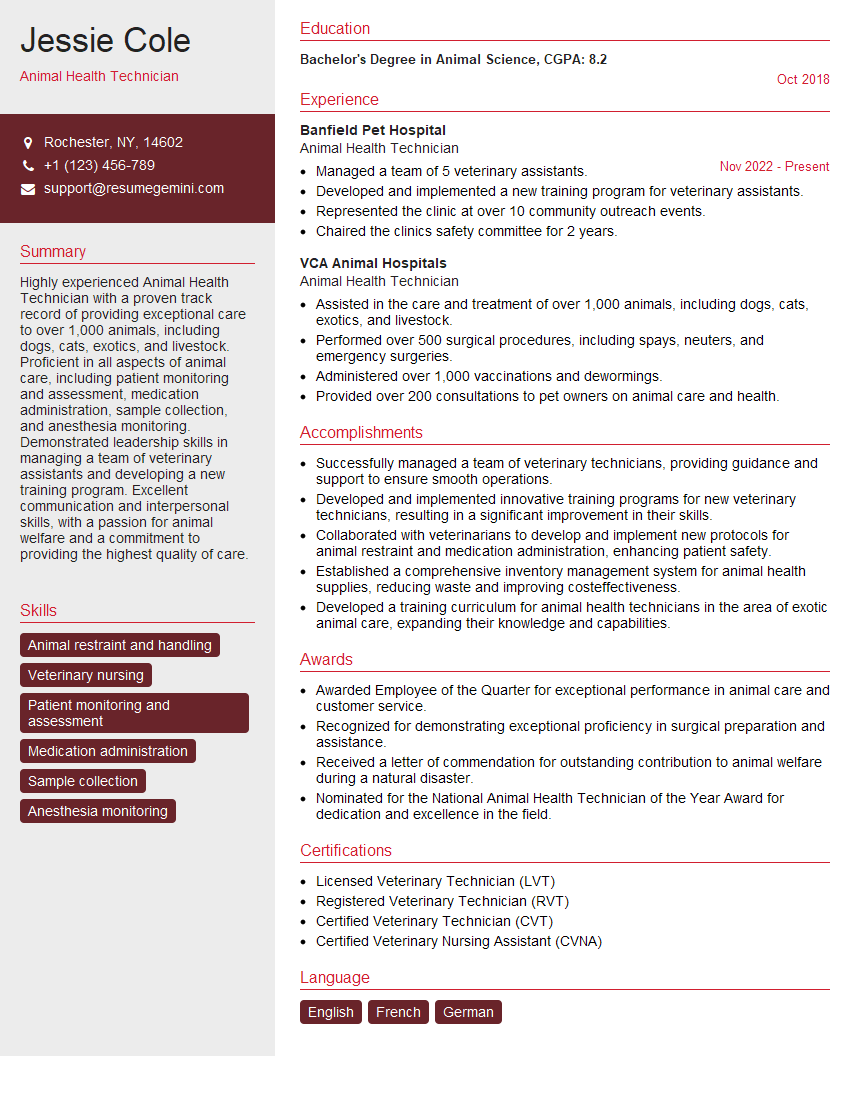
Mastering Livestock Disease Diagnostics is crucial for a successful and rewarding career in veterinary medicine or animal science. It opens doors to specialized roles with significant impact on animal health and food security. To maximize your job prospects, create a strong, ATS-friendly resume that effectively showcases your skills and experience. ResumeGemini is a trusted resource to help you build a professional resume that highlights your unique qualifications. Examples of resumes tailored specifically to Livestock Disease Diagnostics are available to help guide you.

Explore more articles
Users Rating of Our Blogs
Share Your Experience
We value your feedback! Please rate our content and share your thoughts (optional).
What Readers Say About Our Blog
Really detailed insights and content, thank you for writing this detailed article.
IT gave me an insight and words to use and be able to think of examples