Interviews are opportunities to demonstrate your expertise, and this guide is here to help you shine. Explore the essential Livestock Market Inspection interview questions that employers frequently ask, paired with strategies for crafting responses that set you apart from the competition.
Questions Asked in Livestock Market Inspection Interview
Q 1. Describe the process of visually inspecting livestock for signs of disease.
Visual inspection of livestock for disease is a crucial first step in maintaining herd health and preventing outbreaks. It involves a systematic examination of each animal, looking for subtle signs that might indicate illness. Think of it like a detective searching for clues!
- General Appearance: We look for overall alertness, posture, and gait. A listless animal, one that’s hunched over or reluctant to move, might be unwell.
- Coat Condition: A dull, rough, or patchy coat can signal malnutrition or disease. Think of how your own hair looks when you’re feeling under the weather.
- Eyes and Mucous Membranes: We check for clear, bright eyes. Yellowing (jaundice) or redness (inflammation) can be indicative of serious problems. We also assess the color of the gums and other mucous membranes—pale gums can be a sign of anemia.
- Respiratory System: We listen for unusual sounds like coughing, sneezing, or labored breathing. These are clear indicators of respiratory infections.
- Digestive System: We check for diarrhea, constipation, or unusual fecal matter. Changes in bowel movements are often a key sign of digestive problems.
- Skin and Limbs: We look for lesions, sores, swellings, or lameness, all of which could indicate infections or injuries.
For example, if an animal presents with a high fever, a distinctive rash, and labored breathing, it might suggest a highly contagious disease like Foot and Mouth Disease requiring immediate isolation and veterinary attention.
Q 2. Explain the different grading systems used for livestock.
Livestock grading systems categorize animals based on factors affecting their market value. These systems vary by species (cattle, pigs, sheep) and region but generally consider factors like conformation, weight, and quality of the meat.
- Conformation: This refers to the animal’s overall structure and muscling. A well-muscled animal with good body proportions will generally grade higher.
- Weight: Market weight is a crucial factor, as it determines the amount of meat produced. Animals within a specific weight range command premium prices.
- Fat Cover: The amount of fat on the carcass impacts the quality and tenderness of the meat. Too little or too much fat can negatively affect the grade.
- Quality Grade: This refers to the inherent qualities of the meat, such as marbling (fat distribution within the muscle), color, and texture. Prime, Choice, Select, and Standard are common quality grades for beef, for example.
Different countries and organizations utilize their own grading systems. For instance, the USDA (United States Department of Agriculture) has established grading standards for beef, pork, and lamb. These standards are essential for fair and transparent trading in livestock markets.
Q 3. What are the key indicators of animal welfare concerns in a livestock market?
Identifying animal welfare concerns requires careful observation and understanding of animal behavior. Indicators are often subtle and require experience to interpret.
- Physical Signs: Injuries, lameness, emaciation (extreme thinness), dehydration, and excessive fear or stress are major red flags.
- Behavioral Signs: Restlessness, repetitive movements (stereotypies), reluctance to move, excessive vocalization, or aggression can signal distress.
- Environmental Conditions: Overcrowding, lack of access to water or feed, extreme temperatures, poor hygiene (accumulation of manure), and lack of appropriate shelter all negatively impact animal welfare.
- Handling Practices: Rough handling during loading, transportation, or unloading is a significant welfare concern. Animals should be treated with care and respect at all times.
For example, observing a group of pigs exhibiting constant tail-biting is a strong indicator of poor environmental conditions and stress, possibly due to overcrowding. A cow with a visibly limping leg suggests an injury requiring attention. It’s critical to intervene swiftly to alleviate suffering and prevent further harm.
Q 4. How do you identify and handle potential biosecurity risks in a livestock market?
Biosecurity in livestock markets focuses on preventing the introduction and spread of infectious diseases. It’s essential to minimize the risk of contamination between animals from different farms or regions.
- Hygiene and Cleaning: Thorough cleaning and disinfection of facilities, equipment, and vehicles between animal batches is paramount.
- Traffic Control: Restricting access to the market to authorized personnel only and implementing controlled movement of animals help prevent disease transmission.
- Animal Quarantine: Suspected or confirmed diseased animals should be immediately isolated to prevent contact with healthy animals. This is vital to prevent outbreaks.
- Vector Control: Effective strategies to manage rodents, insects, and other disease vectors are crucial.
- Record Keeping: Maintaining accurate records of animal movements, health status, and any interventions taken is essential for traceability and effective disease management.
Imagine a scenario where a disease like African Swine Fever is suspected. Strict biosecurity measures, including immediate quarantine and disinfection, would be critical to prevent its spread to other pigs in the market and beyond.
Q 5. What are the legal requirements for livestock transportation and handling?
Legal requirements for livestock transportation and handling vary across jurisdictions but often focus on animal welfare and safety. These are designed to minimize stress and prevent injury.
- Vehicle Suitability: Animals must be transported in appropriately designed vehicles with adequate space, ventilation, and proper loading and unloading facilities.
- Journey Times: There are usually maximum journey times specified to prevent excessive travel time and fatigue.
- Rest Periods: Animals may need mandatory rest stops during long journeys to rest and access food and water.
- Proper Loading and Unloading: Procedures should minimize stress and injuries during loading and unloading; avoiding overcrowding is vital.
- Health Certificates: Animals may require valid health certificates and proper documentation demonstrating compliance with disease control regulations.
- Driver Training: Drivers must be appropriately trained on safe and humane handling practices.
For example, a transport truck carrying pigs should comply with specific regulations regarding space allocation per animal to prevent overheating and injuries during travel. Non-compliance with these regulations would lead to legal penalties.
Q 6. Explain the procedures for documenting and reporting livestock inspection findings.
Documentation and reporting are fundamental aspects of livestock inspection. Accurate records provide transparency, accountability, and aid in disease tracking and prevention.
- Inspection Forms: Standardized forms record individual animal observations (e.g., breed, age, weight, health status), market conditions, and any interventions undertaken.
- Digital Systems: Many markets now utilize digital systems to capture and manage inspection data, improving efficiency and traceability.
- Reporting System: Inspection findings are reported to relevant authorities (e.g., veterinary services) following established protocols. This allows prompt action in the event of disease outbreaks.
- Data Analysis: Aggregated data from inspections informs disease surveillance and helps identify areas needing improvement in biosecurity and animal welfare.
For instance, if several animals show signs of a particular disease during inspection, the findings are documented and reported to initiate a broader investigation and appropriate control measures.
Q 7. How do you ensure the accuracy and reliability of your livestock assessments?
Ensuring accuracy and reliability involves a multi-faceted approach emphasizing professional training, standardized procedures, and quality control.
- Training and Certification: Inspectors must undergo rigorous training to develop their expertise in animal health, welfare, and grading. Regular certification maintains skill levels.
- Standardized Procedures: Adhering to established protocols and using standardized forms ensures consistency and minimizes subjective bias in assessments.
- Regular Calibration: Inspectors need opportunities for ongoing professional development to refine skills, remain updated on best practices, and address any inconsistencies in assessments.
- Quality Control Measures: Supervision, regular audits, and periodic reassessment of inspectors’ work help detect and correct errors or deviations from standards.
- Data Verification: Cross-checking data from different sources, comparing findings with laboratory results, and involving multiple inspectors in critical assessments helps enhance reliability.
A continuous improvement mindset is essential. Regular calibration and feedback mechanisms allow inspectors to improve the accuracy and reliability of their assessments, contributing to a more efficient and safer livestock market.
Q 8. What are the common diseases affecting livestock in your region?
The common diseases affecting livestock in my region vary depending on the species and the season, but some prevalent ones include:
- Bovine Respiratory Disease (BRD) in cattle: This complex of diseases, often caused by viruses and bacteria, leads to pneumonia and significant economic losses. Early detection through careful observation of coughing, nasal discharge, and reduced appetite is crucial.
- Foot-and-Mouth Disease (FMD): A highly contagious viral disease affecting cloven-hoofed animals. Characterized by fever, blisters in the mouth and on the feet, and lameness. Immediate reporting to animal health authorities is paramount to prevent widespread outbreaks.
- Mastitis in dairy cows: An inflammation of the udder, usually caused by bacterial infection. This impacts milk production and quality and necessitates prompt treatment and good hygiene practices.
- Parasitic infections: Internal and external parasites like worms and ticks are common, particularly in warmer climates. Regular deworming and tick control are essential for maintaining animal health and productivity.
- Avian influenza (bird flu): In poultry, this highly contagious viral disease can cause significant mortality and severe economic repercussions. Biosecurity measures are critical to its prevention.
Effective disease management relies on preventative measures like vaccination, biosecurity protocols, and regular veterinary check-ups. Early detection and rapid response are key to minimizing economic losses and protecting animal welfare.
Q 9. Describe your experience with livestock identification methods.
Livestock identification is crucial for traceability and disease control. My experience encompasses a range of methods:
- Ear tags: These are widely used, providing a visual identifier with a unique number. They are relatively inexpensive and easy to apply, but can be lost or become illegible.
- Branding: Hot or freeze branding leaves a permanent mark on the animal’s skin. While permanent, it can be less precise than other methods and can cause stress to the animal.
- Microchipping: A small microchip is injected under the skin, containing a unique identification number. This method offers a reliable and permanent identification that can be read with a scanner, and reduces the risk of misidentification.
- Tattooing: Numbers or letters are tattooed on the animal’s skin. This method offers a fairly permanent solution, but can be difficult to read if the animal’s skin is heavily pigmented or becomes scarred.
- RFID (Radio-Frequency Identification) tags: These tags contain a microchip that emits a unique signal that can be read by a scanner without physically handling the animal. This is gaining popularity due to its efficiency and accuracy.
The choice of method often depends on the species, the animal’s age, the resources available, and the specific needs of the traceability system. In many instances, a combination of methods is used to ensure accurate and reliable identification.
Q 10. How do you handle conflicts or disagreements with livestock producers?
Handling conflicts with livestock producers requires diplomacy, professionalism, and a thorough understanding of the regulations. My approach involves:
- Active listening: I make sure to understand the producer’s perspective fully before offering any solutions. This builds trust and reduces defensiveness.
- Clear communication: I explain the relevant regulations and inspection procedures in a clear and understandable way, using non-technical language where appropriate.
- Documentation: I maintain meticulous records of all inspections and conversations to avoid misunderstandings. Having evidence is crucial in case of dispute.
- Mediation: If a conflict cannot be resolved directly, I try to mediate between the producer and relevant authorities, facilitating a fair and reasonable resolution.
- Escalation: In rare cases where mediation fails, I follow the established escalation protocols, reporting the matter to my supervisors for further action.
Maintaining a strong working relationship with producers is essential for effective livestock market inspection. Fair and transparent procedures, coupled with empathy and respect, are key to resolving conflicts constructively.
Q 11. Explain the role of traceability in livestock markets.
Traceability in livestock markets is the ability to track an animal’s movement and history throughout its life, from birth to slaughter. This is vital for several reasons:
- Disease control: In the event of a disease outbreak, traceability allows for rapid identification and isolation of affected animals, preventing further spread.
- Food safety: Traceability ensures that meat products can be traced back to their origin, facilitating recalls if contamination is detected.
- Consumer confidence: Consumers are increasingly concerned about the origin and welfare of their food. Traceability provides transparency and builds consumer confidence.
- Market access: Many international markets require traceability systems as a condition for importing livestock and livestock products.
- Fraud prevention: Traceability can help to prevent fraud and mislabeling of meat products.
Effective traceability systems often involve electronic databases, barcodes, RFID tags, and secure data management practices. Collaboration between producers, processors, and regulatory authorities is essential for building a robust and reliable system.
Q 12. What are the ethical considerations in livestock inspection?
Ethical considerations are paramount in livestock inspection. These include:
- Animal welfare: Inspections should be conducted in a manner that minimizes stress and discomfort to the animals. This includes using humane handling techniques and avoiding unnecessary procedures.
- Impartiality and objectivity: Inspectors must remain unbiased and objective in their assessments, avoiding conflicts of interest and ensuring fair treatment of all producers.
- Confidentiality: Information obtained during inspections should be treated confidentially, respecting the privacy of livestock producers.
- Transparency and accountability: Inspection procedures should be transparent and clearly documented, allowing for scrutiny and accountability.
- Professionalism: Inspectors should maintain a high standard of professionalism in their interactions with producers and other stakeholders.
Adherence to ethical guidelines is essential for maintaining public trust and ensuring the integrity of the livestock market inspection process.
Q 13. Describe your knowledge of different livestock breeds and their characteristics.
My knowledge of livestock breeds encompasses a wide range, including cattle, sheep, pigs, and poultry. For example:
- Cattle: I am familiar with breeds like Angus (known for their marbling and meat quality), Holstein Friesian (a high-yielding dairy breed), and Hereford (a beef breed adapted to harsh climates). I understand their different characteristics, including growth rates, milk production, meat yield, and disease resistance.
- Sheep: I recognize breeds like Merino (valued for their fine wool), Suffolk (a dual-purpose breed with good meat and wool production), and Dorper (a hardy breed known for its meat production). I understand their differences in wool quality, meat yield, and adaptability to various environments.
- Pigs: I am familiar with breeds like Duroc (known for their meat quality and growth rate), Yorkshire (a prolific breed known for its lean meat), and Landrace (another prolific breed characterized by long bodies). I understand differences in growth rates, carcass composition, and reproductive performance.
- Poultry: I have knowledge of various chicken breeds like Leghorn (a prolific layer), Cornish Cross (a fast-growing broiler), and Rhode Island Red (a dual-purpose breed). I am also aware of turkey, duck, and goose breeds and their specific production characteristics.
This knowledge is crucial for assessing animal health, productivity, and compliance with breed standards.
Q 14. How do you maintain objectivity and impartiality in your inspections?
Maintaining objectivity and impartiality is crucial for the credibility of livestock market inspections. I achieve this through:
- Following established procedures: I strictly adhere to the established inspection protocols, ensuring consistent and fair treatment of all producers.
- Using standardized assessment tools: I use standardized checklists and scoring systems to minimize bias and ensure consistency in my evaluations.
- Avoiding conflicts of interest: I avoid any situations that could create a conflict of interest, such as personal relationships with producers or financial incentives based on inspection outcomes.
- Continuous professional development: I participate in regular training and professional development activities to keep my knowledge and skills up-to-date and ensure my assessments are informed by the latest scientific evidence.
- Documentation: I meticulously document all inspection findings, supporting my assessments with objective evidence.
- Peer review: I actively participate in peer review processes to ensure the quality and consistency of my inspections.
By adhering to these principles, I strive to ensure that my inspections are fair, accurate, and unbiased.
Q 15. What are the potential consequences of failing to properly inspect livestock?
Failing to properly inspect livestock can have severe consequences, impacting both animal welfare and public health. It can lead to the spread of diseases, impacting the entire livestock population and potentially causing significant economic losses for producers. Moreover, inadequate inspections can result in contaminated meat entering the food chain, posing a serious risk to consumers.
- Disease Outbreaks: Inadequate inspection can fail to identify animals carrying diseases like Foot-and-Mouth Disease or Avian Influenza, leading to widespread outbreaks requiring costly culling and quarantine measures. Imagine the devastating impact on a local farming community.
- Foodborne Illnesses: If animals with underlying infections or contaminated with harmful bacteria (like Salmonella or E. coli) aren’t detected, their meat can cause serious foodborne illnesses in consumers, leading to hospitalizations and even death. The resulting public health crisis could severely damage consumer confidence in the food supply.
- Economic Losses: The spread of disease, coupled with the implementation of control measures like quarantines and restrictions on trade, can cripple local economies that rely heavily on livestock production. For instance, a single case of a highly contagious disease can close down entire markets.
- Legal and Regulatory Penalties: Failure to adhere to inspection protocols often results in significant fines and legal repercussions for both the inspectors and the producers, impacting livelihoods and business reputations.
Career Expert Tips:
- Ace those interviews! Prepare effectively by reviewing the Top 50 Most Common Interview Questions on ResumeGemini.
- Navigate your job search with confidence! Explore a wide range of Career Tips on ResumeGemini. Learn about common challenges and recommendations to overcome them.
- Craft the perfect resume! Master the Art of Resume Writing with ResumeGemini’s guide. Showcase your unique qualifications and achievements effectively.
- Don’t miss out on holiday savings! Build your dream resume with ResumeGemini’s ATS optimized templates.
Q 16. How do you handle emergency situations involving sick or injured animals?
Handling emergency situations with sick or injured animals requires swift, decisive action guided by established protocols. My approach prioritizes the animal’s welfare while ensuring the safety of personnel and preventing the spread of disease.
- Immediate Assessment: I first assess the animal’s condition – noting visible injuries, signs of illness (e.g., fever, lethargy, respiratory distress), and potential zoonotic risks (diseases transmissible to humans).
- Isolation and Containment: The sick or injured animal is immediately isolated to prevent contact with other animals. This often involves using appropriate barriers and restraining techniques, prioritizing safety for both the animal and the handlers.
- Veterinary Consultation: A veterinarian is contacted immediately to provide appropriate treatment and guidance. This may involve administering emergency medication, performing wound care, or initiating further diagnostic testing.
- Disease Control Measures: Depending on the suspected illness, biosecurity protocols are implemented, which might include disinfection of the area, contact tracing of other animals, and implementation of quarantine measures.
- Reporting and Documentation: The entire incident is meticulously documented, including the initial assessment, actions taken, veterinary recommendations, and the final outcome. This information is crucial for future outbreak investigations and risk mitigation.
For example, if I encounter an animal with suspected rabies, the immediate priority would be safe containment, contacting animal control, and ensuring any potential human exposures receive prompt medical attention.
Q 17. Explain your experience with using technology in livestock inspection (e.g., mobile apps).
Technology plays a vital role in modern livestock inspection, enhancing efficiency and accuracy. I’ve extensively used mobile applications for data collection, image capture, and real-time reporting. These apps streamline the inspection process, reducing paperwork and improving data analysis.
- Mobile Data Collection Apps: I use apps that allow for real-time data entry of observations, including animal identification numbers, health assessments, and compliance with regulations. This eliminates the need for manual record-keeping and reduces transcription errors.
- Image and Video Capture: The ability to capture and upload photos and videos of animals and market conditions provides valuable visual documentation, supporting comprehensive inspection reports and facilitating subsequent analysis. This is particularly useful for documenting injuries, disease signs, or potential sanitation issues.
- GPS Tracking: Some apps utilize GPS tracking to record inspection locations, creating a detailed map of inspected facilities and aiding in efficient route planning. This improves time management and ensures comprehensive coverage.
- Data Analysis and Reporting: Many applications provide automated report generation, summarising inspection findings and allowing for easy sharing of data with relevant authorities. This supports proactive disease surveillance and trend analysis, allowing for better resource allocation and prevention strategies.
For instance, one app I regularly use allows me to record detailed observations, take high-resolution pictures of any concerning issues, and then generate a report directly from my smartphone – a significant improvement over the previous paper-based system.
Q 18. What are the key indicators of food safety concerns in a livestock market?
Several key indicators point to potential food safety concerns in a livestock market. Recognising these indicators is critical for preventing the entry of unsafe meat into the food chain.
- Poor Sanitation: The presence of fecal matter, standing water, and inadequate waste disposal systems are strong indicators of potential contamination. These conditions can harbour pathogens that can contaminate animals and their surroundings.
- Sick or Injured Animals: Animals displaying signs of illness (fever, lethargy, lameness) or injuries are a major concern, as they are more likely to carry pathogens and their meat may not be fit for consumption.
- Improper Handling Practices: Rough handling of animals, inadequate stunning or slaughtering techniques, and insufficient carcass chilling can increase the risk of contamination and reduce meat quality.
- Temperature Abuse: Meat held at unsafe temperatures (above 4°C for extended periods) can lead to rapid bacterial growth and spoilage, making it unsafe for consumption.
- Lack of Traceability: Inability to trace animals from farm to market to consumer increases the risk of foodborne illnesses as it makes it difficult to quickly identify and contain the source of contamination in case of an outbreak.
For example, if I observe animals exhibiting signs of respiratory disease in a market with poor sanitation, I would immediately flag this as a high-risk situation and report it to the relevant authorities for further investigation and appropriate action.
Q 19. Describe your understanding of food safety regulations related to livestock.
My understanding of food safety regulations related to livestock is comprehensive, encompassing national and international standards. These regulations aim to protect public health by ensuring livestock are raised, handled, and processed safely.
Key regulations frequently focus on:
- Pre-slaughter animal health: Regulations dictate the assessment of animal health before slaughter to identify and remove animals unfit for consumption. This includes screening for diseases and verifying that animals haven’t received prohibited medications.
- Slaughterhouse hygiene and procedures: Strict guidelines govern the hygiene of slaughterhouses, including sanitation protocols, equipment maintenance, and waste disposal. Procedures for stunning and slaughtering animals are also carefully regulated to minimize stress and contamination.
- Meat inspection: Post-mortem inspection of carcasses is mandatory to detect any signs of disease or contamination. This often involves visual inspection and may include microbiological testing.
- Temperature control: Regulations dictate the appropriate temperature for storing and transporting meat to prevent bacterial growth and maintain quality.
- Traceability systems: Regulations require the establishment of traceability systems, enabling the tracking of animals from farm to consumer. This is essential for identifying the source of contamination in case of an outbreak.
Failure to comply with these regulations results in penalties, including fines and closure of facilities, highlighting the importance of strict adherence to ensure food safety.
Q 20. How do you maintain accurate records of your inspections?
Maintaining accurate inspection records is paramount. My approach combines electronic and paper-based systems for optimal efficiency and data integrity.
- Digital Record Keeping: I utilize mobile applications, as previously mentioned, for real-time data entry. These apps generate automatically timestamped records, reducing manual errors and ensuring consistency.
- Data Backup and Storage: All digital data is regularly backed up to a secure cloud-based system to safeguard against data loss. This ensures data accessibility even in the event of equipment failure.
- Paper-based Records: While digital records are preferred, I also maintain a paper trail, especially in instances where digital technology may be unavailable. This ensures redundancy and maintains a physical record of inspections.
- Record Verification: Records are regularly reviewed and verified for accuracy, and any discrepancies are investigated and resolved immediately. This ensures data quality and reliability.
- Secure Storage: Both physical and digital records are stored securely, complying with all data protection regulations. Access is restricted to authorised personnel only.
This multi-layered approach ensures comprehensive, accurate, and easily accessible records, crucial for effective monitoring, analysis, and compliance reporting.
Q 21. How do you communicate effectively with livestock producers and other stakeholders?
Effective communication is crucial in livestock market inspection. My approach involves building trust and rapport with all stakeholders, using clear, concise language tailored to each audience.
- Active Listening: I begin by actively listening to producers’ concerns, understanding their perspectives and addressing their questions. This builds trust and fosters cooperation.
- Clear and Concise Communication: I use clear and straightforward language, avoiding technical jargon whenever possible. I ensure that my explanations are easily understood, regardless of the recipient’s background.
- Visual Aids: Where appropriate, I utilize visual aids, such as photographs or diagrams, to enhance understanding, especially when explaining complex concepts or inspection findings.
- Written Communication: Detailed inspection reports are provided, outlining findings and recommendations in a clear and organised manner. This allows producers to review the information at their leisure.
- Constructive Feedback: When providing feedback on non-compliance issues, I focus on constructive solutions rather than criticism, emphasizing collaborative improvement and assisting in addressing identified problems.
For instance, when explaining a sanitation issue to a producer, I might show them pictures of the problem area and offer specific suggestions on how to rectify the situation, rather than simply pointing out the deficiency. This approach fosters a collaborative relationship, leading to positive change and improved food safety practices.
Q 22. Describe your experience with different types of livestock markets (e.g., auction, direct sales).
My experience encompasses a wide range of livestock markets, from large-scale auction facilities handling thousands of animals to smaller, direct sales operations focusing on specific breeds or niche markets. Auction markets are fast-paced and high-volume, requiring efficient inspection techniques to ensure animal welfare and compliance. I’ve honed my skills in rapidly assessing large numbers of animals, identifying potential health issues, and verifying documentation. Direct sales, on the other hand, often involve more detailed individual animal evaluations and discussions with buyers and sellers, focusing on specific health and genetic traits. For example, in one instance, I assisted in the verification of pedigree cattle for a direct sale to a renowned breeder, ensuring the accuracy of the bloodline documentation. In another case, at a large auction, I quickly identified a potential outbreak of respiratory disease in a group of sheep, preventing further spread and potential losses.
- Auction Markets: High volume, rapid assessment, documentation verification.
- Direct Sales: Detailed individual animal evaluation, breed-specific knowledge, buyer-seller communication.
Q 23. What are the challenges of conducting livestock inspections in various weather conditions?
Inspecting livestock in various weather conditions presents significant challenges. Extreme heat can lead to animal stress and heatstroke, requiring quicker inspections and potentially modifying procedures to minimize animal exposure. Conversely, extreme cold and wet conditions can make animals more susceptible to hypothermia and disease, and make inspection more difficult for the inspector themselves. For example, during a particularly cold winter, I had to adjust my inspection techniques to avoid prolonged exposure for both the animals and myself. I shortened the inspection time focusing on vital signs and obvious signs of disease or distress, and utilized thermal imaging where possible to reduce the handling time. Similarly, heavy rain or snow can make the inspection area muddy and slippery, posing safety risks. I always prioritize the well-being of the animals and my own safety, adjusting my techniques based on the weather. I may reschedule inspections under extreme conditions or employ additional safety measures, such as using waterproof gear and extra lighting.
Q 24. How do you ensure the safety and security of yourself and others during inspections?
Ensuring safety and security is paramount. This begins with proper planning and risk assessment before each inspection. I always inform someone of my location and expected return time. When inspecting livestock, I use appropriate handling techniques to minimize stress on the animals and avoid injury to myself. This includes using proper restraint methods and being aware of potential hazards, such as sharp horns or aggressive animals. I always wear appropriate Personal Protective Equipment (PPE), including sturdy boots, gloves, and high-visibility clothing. In high-risk situations, I may carry a personal alarm or request the presence of another inspector or security personnel. For example, when investigating a suspected case of animal neglect on a large farm, I had a colleague accompany me for security reasons, ensuring a more controlled and safe environment for the inspection.
Q 25. Describe your experience with investigating suspected cases of animal cruelty.
Investigating suspected cases of animal cruelty requires a systematic and thorough approach. I begin by carefully documenting all observations, including photographic and video evidence. This documentation is vital for potential legal proceedings. I meticulously note the animal’s physical condition, including any signs of injury, malnutrition, or neglect. I also gather information from the owner or custodian, reviewing any relevant records. I then follow established protocols for reporting suspected cruelty to the appropriate authorities. One case involved a farmer whose cattle were visibly underweight and lacking adequate shelter. My detailed report, including photographic evidence, led to the farmer being charged with animal neglect and implementing corrective measures. The outcome reinforced the importance of thorough documentation and adherence to the established procedures.
Q 26. Explain your knowledge of different livestock handling techniques.
My knowledge of livestock handling techniques is extensive, encompassing various species and age groups. I am proficient in low-stress handling techniques, which prioritize animal welfare and minimize stress during procedures. This includes understanding animal behavior and using appropriate equipment and methods for restraint. I’m well-versed in the safe use of handling tools, such as halters, headgates, and chutes. For example, understanding bovine behavior, I’ll avoid sudden movements or loud noises, while carefully guiding an animal through a chute for a health examination. Different species require different handling techniques, and understanding this nuance is crucial for maintaining both animal safety and the inspector’s well-being.
Q 27. How do you stay current with changes in livestock regulations and best practices?
Staying current is essential in this field. I regularly attend professional development courses and workshops to keep up with changes in regulations, best practices, and emerging diseases. I actively participate in professional organizations, such as [mention relevant professional organizations], to stay informed through their publications, newsletters, and conferences. I also regularly consult up-to-date veterinary literature and government guidelines to ensure my knowledge remains current. This constant professional learning allows me to adapt to changes, ensure compliance, and provide the most effective livestock inspection services.
Q 28. Describe your problem-solving skills in a livestock inspection context.
Problem-solving in livestock inspection often involves identifying and resolving inconsistencies. For example, if an animal’s documentation doesn’t match its physical condition, I need to investigate and determine the cause. This might involve cross-referencing records, conducting further examinations, or consulting with other experts. Another challenge is dealing with complex situations involving multiple parties with conflicting interests. I use a structured approach, gathering all the facts, objectively evaluating the evidence, and then working to find a fair and compliant solution. My ability to critically analyze information and communicate clearly is crucial in these scenarios. For instance, I recently resolved a dispute between a buyer and seller over an animal’s health status by meticulously reviewing the inspection records and comparing them with veterinary reports, which allowed me to provide an objective assessment and support a fair resolution.
Key Topics to Learn for Livestock Market Inspection Interview
- Animal Health and Welfare: Understanding common livestock diseases, biosecurity protocols, and humane handling practices. Practical application: Identifying signs of illness or stress in animals during market inspection.
- Livestock Identification and Traceability: Knowledge of various identification methods (e.g., ear tags, branding) and their importance in tracking animals throughout the supply chain. Practical application: Verifying the accuracy and legitimacy of animal identification documentation.
- Meat Inspection Regulations and Standards: Familiarity with relevant regulations and standards concerning animal slaughter, meat processing, and food safety. Practical application: Assessing the compliance of market practices with established regulations.
- Market Procedures and Operations: Understanding the flow of animals through the market, including receiving, handling, and sales procedures. Practical application: Identifying potential inefficiencies or safety hazards within the market operations.
- Record Keeping and Reporting: Knowledge of proper record-keeping practices and the ability to generate accurate reports on market inspections. Practical application: Maintaining detailed and accurate records of inspection findings and submitting clear reports to regulatory bodies.
- Communication and Interpersonal Skills: Effectively communicating inspection findings to producers, market operators, and other stakeholders. Practical application: Diplomacy and negotiation skills to address non-compliance issues constructively.
- Data Analysis and Interpretation: Analyzing market data to identify trends and potential risks related to animal health, welfare, and food safety. Practical application: Using data to inform recommendations for improving market practices.
Next Steps
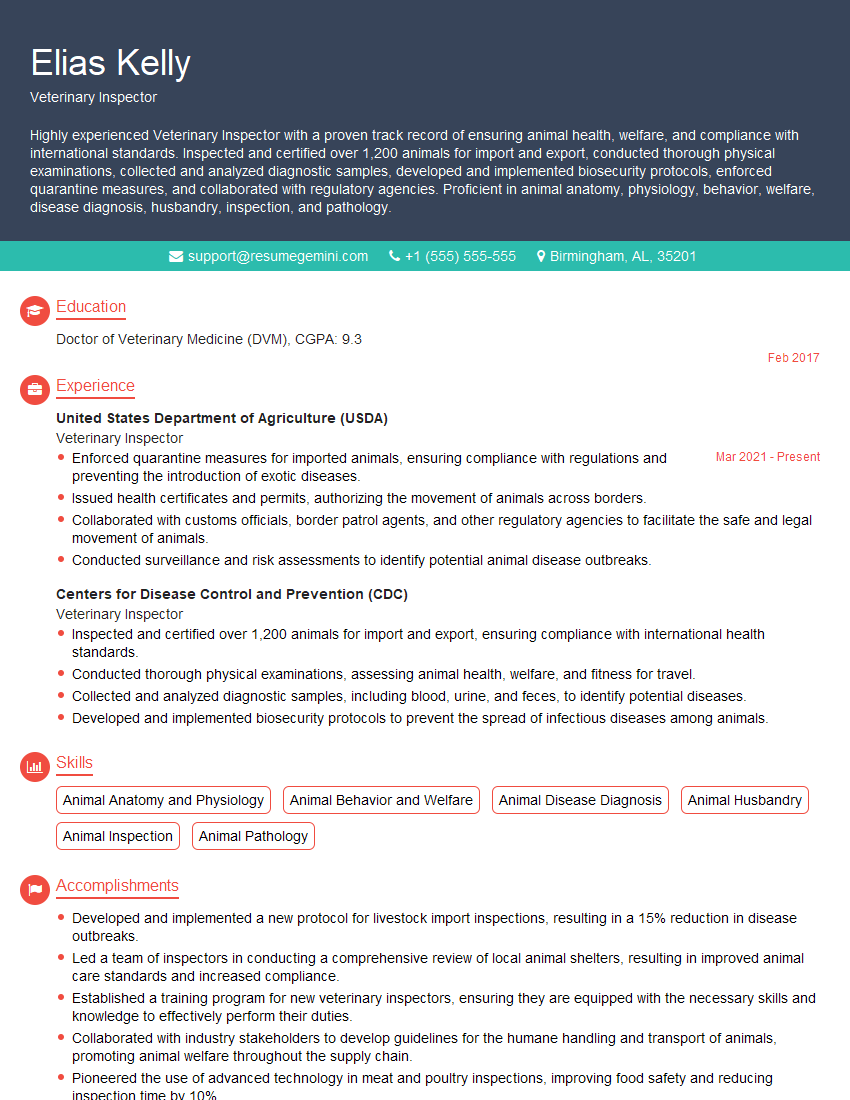
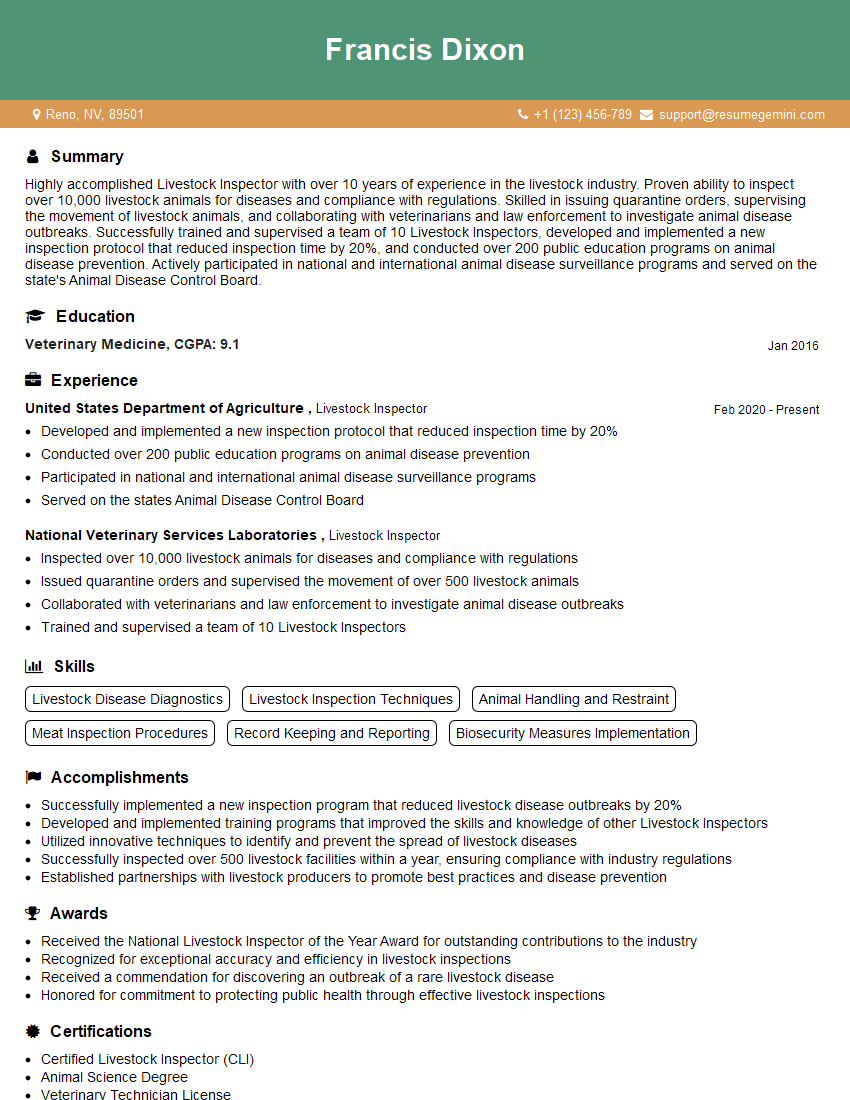
Mastering Livestock Market Inspection opens doors to a rewarding career with significant impact on food safety and animal welfare. Your expertise in this field is highly valuable to employers seeking professionals who can ensure ethical and efficient market operations. To significantly boost your job prospects, creating an ATS-friendly resume is crucial. ResumeGemini is a trusted resource that can help you build a professional resume tailored to highlight your skills and experience effectively. Examples of resumes specifically designed for Livestock Market Inspection professionals are available to help guide you. Take the next step towards your dream career – build a winning resume today!
Explore more articles
Users Rating of Our Blogs
Share Your Experience
We value your feedback! Please rate our content and share your thoughts (optional).
What Readers Say About Our Blog
Really detailed insights and content, thank you for writing this detailed article.
IT gave me an insight and words to use and be able to think of examples