Interviews are more than just a Q&A session—they’re a chance to prove your worth. This blog dives into essential Loading and Unloading Expertise interview questions and expert tips to help you align your answers with what hiring managers are looking for. Start preparing to shine!
Questions Asked in Loading and Unloading Expertise Interview
Q 1. Describe your experience with different types of loading equipment.
My experience encompasses a wide range of loading and unloading equipment, from basic hand trucks and pallet jacks to sophisticated forklift systems and automated guided vehicles (AGVs). I’m proficient in operating forklifts of various capacities, ensuring safe and efficient material handling. I’ve also worked with conveyor systems, both stationary and mobile, understanding their limitations and optimizing their use depending on the size and type of goods. Furthermore, I’m familiar with crane operations and specialized lifting devices for oversized or heavy items, always adhering to strict safety protocols.
- Forklifts: I’m certified to operate various types, including counterbalance, reach trucks, and order pickers, adapting my technique to the specific load and environment. For instance, I’ve used a narrow-aisle reach truck to maximize storage space in a warehouse with limited floor area.
- Pallet Jacks and Hand Trucks: While seemingly simple, mastering the safe and efficient use of these tools is crucial for preventing injuries and optimizing workflow. I’ve trained colleagues on proper techniques to reduce strain and increase productivity.
- Conveyor Systems: Understanding the flow and capacity of conveyor systems is essential for preventing bottlenecks and optimizing loading/unloading times. I have experience troubleshooting minor malfunctions and coordinating with maintenance teams for larger issues.
Q 2. Explain your process for safely unloading fragile items.
Safe unloading of fragile items requires a meticulous approach. My process begins with a thorough assessment of the packaging and the condition of the goods. I carefully inspect for any damage before beginning the unloading process. I prefer to use appropriate equipment, such as soft-surface dollies or hand trucks with cushioned surfaces to minimize impacts. Gentle handling is paramount; abrupt movements or dropping items are strictly avoided. Items are placed on stable surfaces, away from edges and potential hazards. For exceptionally delicate items, I might employ additional protective measures like padding or specialized packaging materials. Finally, I always verify the condition of the items after unloading and document any damage noted.
For example, when unloading a shipment of antique porcelain vases, I would first identify the heaviest and most fragile pieces. These would be carefully unloaded last, using extra padding and support, ensuring a steady and controlled movement. I would avoid stacking anything on top of these pieces during the unloading process to maintain their safety and integrity. Documentation of the handling process is vital in case of any potential damage claims.
Q 3. How do you prioritize tasks when faced with multiple loading/unloading requests?
Prioritizing tasks during peak loading/unloading periods requires a systematic approach. I utilize a combination of factors, including urgency, size and weight of the shipment, fragility of the goods, and delivery deadlines. I employ a First-In, First-Out (FIFO) method for many shipments. Time-sensitive deliveries naturally take precedence. I prioritize tasks based on the potential impact of delays. For instance, shipments of perishable goods or essential supplies would take precedence over other items. I also utilize a visual workflow system, frequently updating the loading/unloading schedule to maintain efficiency and accuracy.
Imagine a scenario where I’m faced with three orders: A large shipment of non-perishable goods, a small shipment of urgent medical supplies, and a large order of fragile electronics. I’d immediately start with the medical supplies due to their urgency and the implications of a delay. The fragile electronics would be handled with care next, and the larger non-perishable shipment would follow, making sure to handle everything efficiently, so everything is loaded/unloaded within the required timeframe.
Q 4. What safety measures do you implement when loading/unloading heavy goods?
Safety is paramount when handling heavy goods. I always begin with a risk assessment, identifying potential hazards like uneven surfaces, obstructions, or inadequate lighting. Appropriate Personal Protective Equipment (PPE) is mandatory, including safety shoes, gloves, and high-visibility vests. I ensure that heavy items are properly secured during loading and unloading using appropriate straps, chains, or nets to prevent shifting. Mechanical equipment is thoroughly inspected before use, and I utilize correct lifting techniques to minimize the risk of injury. Load limits of equipment are strictly observed, and I coordinate with colleagues or use assistance equipment when necessary. Clear communication and signaling are crucial to prevent accidents, especially in busy environments.
For instance, when handling pallets of heavy machinery, I use a forklift, making sure its forks are properly positioned and secured. I use appropriate straps or other securing devices to ensure that the pallets remain stable during transit. Moreover, I always ensure the path is clear and that nobody is in the vicinity during movement.
Q 5. Describe your experience with inventory management during loading/unloading.
Inventory management is integral to efficient loading and unloading. I maintain accurate records of incoming and outgoing items, often using handheld scanners to update inventory systems in real-time. This ensures a smooth flow of goods and minimizes discrepancies. I perform regular stock checks to identify any shortages or damages. I’m familiar with different inventory management software and utilize these systems to track products throughout the loading/unloading process. This prevents confusion and ensures an accurate record of inventory levels.
For example, I utilize barcode scanners to verify each item against the manifest during both loading and unloading. This digital verification minimizes errors and ensures inventory accuracy in real-time. Any discrepancies are flagged instantly, allowing for immediate investigation and resolution.
Q 6. How do you handle discrepancies between shipped and received items?
Discrepancies between shipped and received items require a methodical approach. I begin by carefully comparing the received items against the packing list or bill of lading. Any discrepancies are immediately documented, including photos or videos as supporting evidence. I then contact the shipping company or the supplier to report the issue. Depending on the nature of the discrepancy, I may need to initiate a claims process or arrange for replacement items. Clear and concise communication is key to resolving discrepancies promptly and accurately.
For example, if a shipment of 100 boxes is received, but only 98 are listed on the packing list, I document the discrepancy, provide photos of the missing items’ supposed location (if known), and contact the shipper. Depending on their investigation and response, I’d either initiate a claim or wait for the remaining boxes to arrive.
Q 7. Explain your familiarity with different types of packaging and their handling requirements.
My familiarity with various packaging types is extensive, including pallets, crates, boxes (cardboard, corrugated, wooden), shrink-wrapped items, and specialized containers for hazardous materials. I understand the handling requirements for each type, recognizing that certain materials are more susceptible to damage than others. For instance, palletized goods need to be handled by forklifts and secured to prevent collapsing, while fragile items in cardboard boxes require gentle handling and appropriate stacking to prevent damage. I also recognize and understand the labeling of hazardous materials packaging and adhere to all relevant safety guidelines during handling.
For example, when unloading a crate of delicate glassware, I would know to prioritize its safe placement and careful movement, avoiding jarring impacts that could crack or break the contents. In contrast, handling a standard pallet of canned goods would involve a different approach, where speed and efficiency are paramount, but safety is still of prime importance.
Q 8. Describe a time you had to troubleshoot a loading/unloading problem.
One time, we experienced a significant delay in unloading a shipment of perishable goods due to a mismatch in the delivery manifest and the actual contents of the truck. The manifest indicated a certain number of pallets of strawberries, but upon inspection, we discovered a substantial discrepancy – several pallets were missing, and some contained different produce altogether. This could have led to significant spoilage and financial losses.
To troubleshoot, we first initiated a thorough recount of all pallets using handheld scanners to verify the actual inventory against the original delivery manifest. We then cross-referenced this information with the supplier’s records and the driver’s documentation. The discrepancy was pinpointed to an error during the initial loading process at the supplier’s warehouse. We immediately contacted the supplier, documented the issue thoroughly, and worked collaboratively to resolve the problem, minimizing the impact on the perishable goods by prioritizing the unloading of the correctly identified items first. The missing pallets were subsequently located and delivered the next day, ensuring that the overall impact on the supply chain was minimal. This experience highlighted the critical importance of accurate documentation and real-time inventory tracking throughout the entire supply chain.
Q 9. How do you ensure the efficient flow of goods during peak loading/unloading periods?
Efficient flow during peak periods hinges on meticulous planning and coordination. Think of it like orchestrating a well-oiled machine. We employ several strategies. First, we optimize dock scheduling using advanced software that considers truck arrival times, product type, and unloading priorities. Second, we leverage cross-docking techniques when feasible, allowing direct transfer of goods between incoming and outgoing trucks, bypassing intermediate storage. Third, we clearly demarcate loading and unloading zones, preventing congestion. Fourth, we ensure adequate staffing levels and cross-train our team members to handle various tasks, ensuring flexibility to meet fluctuating demands. Fifth, and critically, we utilize real-time communication tools, such as two-way radios or dedicated communication systems, to maintain constant coordination between dock workers, truck drivers, and warehouse personnel.
For example, during peak holiday seasons, we often have dedicated teams focused solely on optimizing the flow of high-demand items, utilizing prioritization algorithms based on order fulfillment deadlines and the perishability of products. This ensures faster processing and prevents bottlenecks.
Q 10. What is your experience with using scanning devices for inventory tracking during loading/unloading?
My experience with scanning devices is extensive. We utilize barcode and RFID scanners extensively for real-time inventory tracking throughout the loading and unloading process. This improves accuracy, speeds up the process, and minimizes errors. Barcode scanners are commonplace for verifying individual items or pallets against shipping manifests. RFID technology allows for quicker scanning of multiple items simultaneously and reduces the need for manual data entry. We use this data to update our inventory management system in real-time, allowing for continuous monitoring and accurate tracking of goods from the moment they arrive until they leave our facility. The system generates reports that help identify any discrepancies, inefficiencies or potential areas for improvement. For instance, we can track the time it takes to unload a specific product from different trucks, identifying potential issues with packing or labelling that cause delays. This data-driven approach ensures accountability and facilitates timely adjustments to operational procedures.
Q 11. How do you maintain a clean and organized loading/unloading area?
Maintaining a clean and organized loading/unloading area is paramount for safety and efficiency. It’s about creating a workspace that minimizes risks and maximizes productivity. We adhere to a strict 5S methodology (Sort, Set in Order, Shine, Standardize, Sustain). This involves regularly clearing debris, ensuring proper storage of materials, and implementing a system for regular cleaning. We clearly mark designated areas for different types of goods and equipment, using visual cues such as colored floor markings and signage to improve workflow and reduce confusion. Furthermore, we enforce strict safety regulations regarding the use of forklifts and other heavy machinery, requiring all operators to undergo proper training and certification. Regular inspections ensure that the area remains free from hazards and that all equipment is functioning correctly. We also educate our team about proper waste disposal procedures to maintain cleanliness and prevent potential environmental hazards.
Q 12. Explain your understanding of weight limits and load capacity.
Understanding weight limits and load capacity is crucial for safety and legal compliance. It’s essentially about ensuring that the weight of the goods loaded onto a vehicle, a pallet, or a piece of equipment doesn’t exceed its maximum carrying capacity. Exceeding these limits can lead to structural damage, equipment failure, accidents, and even serious injuries. We rigorously check the weight of each shipment using certified scales and carefully distribute the weight to maintain balance. We also meticulously examine the load capacity of each vehicle and piece of equipment used in the loading and unloading process, referring to manufacturer specifications and relevant regulations. For example, forklifts have specific weight limits, and we use load charts to ensure that we do not overload them, potentially causing damage to the machine or jeopardizing the safety of the operator. We also use load securing techniques to prevent shifting or falling during transit.
Q 13. Describe your experience with different types of pallets and their handling.
My experience encompasses a wide range of pallet types, including standard wooden pallets, plastic pallets, and specialized pallets designed for specific goods. Each type requires different handling techniques. Wooden pallets, for instance, are prone to damage and require careful handling to prevent splintering or breakage. Plastic pallets are more durable but can be susceptible to warping under extreme conditions. Specialized pallets, such as those with integrated RFID tags or those designed for specific hazardous materials, need meticulous handling to ensure safety and compliance. We use forklifts, pallet jacks, and other specialized equipment according to the pallet type and the weight of the goods. Our team receives regular training on proper pallet handling techniques, including safe lifting procedures, secure stacking methods, and the appropriate use of equipment to minimize risks and ensure efficiency. We also routinely inspect pallets for damage before use to prevent accidents or potential product damage.
Q 14. How do you adapt to changes in loading/unloading schedules?
Adaptability is key in the loading and unloading field. Schedules can change frequently due to unforeseen circumstances such as unexpected delivery delays, equipment malfunctions, or changes in customer demands. Our approach is to maintain flexible staffing and utilize real-time communication to respond swiftly to any change. We use advanced scheduling software that enables us to adjust our plans dynamically. We prioritize tasks based on urgency and importance, focusing on critical shipments while maintaining the flow for others. The team is trained to react quickly and efficiently to changing demands, understanding that flexibility and problem-solving abilities are essential to maintaining operations in a dynamic environment. We also emphasize open communication and collaboration among team members to effectively manage and implement changes as they occur. For example, if a shipment arrives earlier than anticipated, we promptly adjust the loading schedule to accommodate it without disrupting other planned operations.
Q 15. What is your experience with managing hazardous materials during loading/unloading?
Managing hazardous materials during loading and unloading requires meticulous attention to detail and strict adherence to safety protocols. It begins with proper identification and classification of the materials using Globally Harmonized System of Classification and Labelling of Chemicals (GHS) standards. This ensures everyone involved understands the risks involved.
For example, I’ve handled shipments of corrosive chemicals. Before unloading, we confirmed the integrity of the containers – checking for leaks or damage. We used specialized equipment like spill containment pallets and ensured all personnel wore appropriate Personal Protective Equipment (PPE), including respirators, gloves, and protective clothing. Detailed manifests were meticulously checked against the delivery documentation to ensure accuracy and prevent any mishaps. Post-unloading, we followed rigorous decontamination procedures to neutralize any potential hazards and prevent cross-contamination.
My experience also includes working with flammable materials, where strict protocols are followed regarding storage areas, ignition sources, and electrical equipment. We always maintain a safe distance from ignition sources and ensure proper ventilation during handling.
Career Expert Tips:
- Ace those interviews! Prepare effectively by reviewing the Top 50 Most Common Interview Questions on ResumeGemini.
- Navigate your job search with confidence! Explore a wide range of Career Tips on ResumeGemini. Learn about common challenges and recommendations to overcome them.
- Craft the perfect resume! Master the Art of Resume Writing with ResumeGemini’s guide. Showcase your unique qualifications and achievements effectively.
- Don’t miss out on holiday savings! Build your dream resume with ResumeGemini’s ATS optimized templates.
Q 16. How do you ensure the security of goods during loading/unloading?
Ensuring the security of goods during loading and unloading is paramount. This involves a multi-layered approach that starts with robust physical security measures. This includes secured loading docks, surveillance systems (CCTV), and access control systems, limiting entry to authorized personnel only.
Beyond physical security, we use technology to enhance security. We utilize barcoding and RFID tracking to maintain an accurate inventory and monitor the movement of goods throughout the process. This minimizes the risk of theft or loss. Regular reconciliation of physical inventory against the WMS ensures any discrepancies are identified and investigated promptly. Furthermore, thorough documentation, including signed delivery receipts and recorded timestamps, provides a verifiable audit trail. We also train all personnel on security procedures, emphasizing awareness of suspicious activity and reporting protocols.
For instance, in a high-value goods scenario, I’ve coordinated the use of security seals, tamper-evident packaging, and even employed security personnel during the loading and unloading process to maximize protection.
Q 17. Describe your proficiency with loading/unloading documentation procedures.
Proficiency in loading/unloading documentation is crucial for efficient operations and legal compliance. This involves accurately completing a variety of documents, including Bills of Lading, packing lists, delivery receipts, and damage reports. I am adept at using various software systems for documentation, from simple spreadsheets to integrated WMS platforms. My approach prioritizes accuracy and completeness, understanding that these documents serve as legal proof of the transaction and are crucial for tracking and tracing goods.
For each shipment, I carefully verify the details of the shipping documents against the physical goods, checking for quantity, condition, and any discrepancies. Any damages or discrepancies are documented immediately with photographs and detailed descriptions. I am also familiar with various international shipping regulations and documentation requirements. This ensures compliance with all relevant legal and regulatory frameworks, minimizing risks and preventing disputes.
In my experience, maintaining clear, concise documentation has saved us time and resources by preventing disputes and facilitating timely resolution of issues.
Q 18. Explain your understanding of warehouse safety regulations.
My understanding of warehouse safety regulations encompasses a wide range of aspects, including OSHA (Occupational Safety and Health Administration) standards and other relevant local and international regulations. This includes a thorough awareness of hazard identification, risk assessment, and control measures. This knowledge guides my actions in preventing accidents and ensuring a safe working environment for all personnel.
This covers everything from proper forklift operation and training to safe stacking procedures, emergency protocols (fire safety, evacuation plans), and the correct handling of hazardous materials, as previously discussed. Regular safety inspections and training are crucial aspects of maintaining a safe warehouse, and I actively participate and ensure compliance with all regulations.
For example, I’ve implemented a program of regular safety training sessions covering topics such as personal protective equipment (PPE), emergency response procedures, and the safe operation of machinery. I’ve also conducted site audits to identify and mitigate potential hazards before they lead to accidents.
Q 19. How do you communicate effectively with team members during loading/unloading operations?
Effective communication is the backbone of successful loading and unloading operations. I utilize various methods to ensure clear and concise communication within the team. This includes pre-shift briefings to ensure everyone is aware of the day’s tasks, potential hazards, and required procedures. I use clear, unambiguous language, avoiding jargon, and ensuring everyone understands their roles and responsibilities.
During operations, I use a combination of verbal communication, hand signals (especially in noisy environments), and two-way radios to maintain constant coordination. I make sure to actively listen to feedback from team members and address any concerns or issues promptly. In case of unexpected delays or problems, I proactively communicate the situation to relevant parties, keeping everyone informed and ensuring transparency. Regular team meetings provide opportunities for feedback, improving processes and strengthening communication.
For example, in a scenario involving a complex unloading procedure, I used a combination of pre-shift briefing, visual aids (diagrams and checklists), and continuous communication to ensure the smooth and safe execution of the task.
Q 20. Describe your experience with using warehouse management systems (WMS).
My experience with Warehouse Management Systems (WMS) is extensive. I’m proficient in using various WMS platforms to manage inventory, track shipments, optimize space utilization, and streamline loading and unloading operations. I understand how to input and retrieve data accurately, generating reports for inventory management, performance analysis, and operational efficiency.
Using a WMS enables us to receive real-time updates on the location of goods, their status, and their expected arrival and departure times. This improves planning and allows for more efficient allocation of resources. I’m also comfortable using WMS to integrate with other systems such as Transportation Management Systems (TMS) for better supply chain visibility. This allows for end-to-end tracking, streamlining the entire logistics process.
For instance, I’ve utilized a WMS to optimize the loading sequence of trucks to minimize travel time within the warehouse and maximize efficiency. The system’s reporting capabilities have also helped identify bottlenecks and areas for improvement in our loading and unloading processes.
Q 21. What is your experience with loading/unloading in different weather conditions?
Loading and unloading operations in various weather conditions require adaptability and careful planning. Adverse weather significantly impacts safety and efficiency. My experience includes working in extreme temperatures, heavy rain, snow, and high winds. I understand the specific challenges each condition presents and implement appropriate safety measures and operational adjustments.
In extreme heat, for example, we schedule operations during cooler parts of the day and provide workers with ample hydration and breaks. During heavy rain or snow, we ensure adequate lighting, utilize appropriate non-slip footwear and equipment, and take extra precautions to avoid slips and falls. In windy conditions, we secure loads properly, minimizing the risk of shifting or damage. Using appropriate equipment like tarps and covers is crucial to protect goods from the elements.
I’ve also overseen operations where we had to temporarily suspend activities due to severe weather, prioritizing safety over immediate productivity. This demonstrates a commitment to the well-being of personnel and the protection of the goods.
Q 22. How do you identify and report damaged goods during loading/unloading?
Identifying and reporting damaged goods is crucial for maintaining accountability and minimizing losses. My process begins with a thorough visual inspection of each item during both loading and unloading. I look for obvious signs of damage like cracks, dents, punctures, or water damage. For fragile items, I pay close attention to any signs of mishandling.
If damage is detected, I immediately document it using a standardized damage report form. This form typically includes details such as the item’s description, the quantity damaged, a description of the damage, photographs as evidence, and the location of the damage (e.g., ‘corner dent,’ ‘scratched surface’). I then notify my supervisor and the relevant parties, such as the carrier or the receiving party, immediately. This ensures that appropriate actions can be taken, from filing claims to adjusting inventory records.
For example, during a recent unloading operation involving a shipment of electronics, I discovered a box with a crushed corner. I carefully documented the damage with photographs and a detailed description on the damage report, noting the specific model number of the affected electronics. I then immediately reported this to my supervisor and the client who confirmed the damage after I showed them the report and photographs. This prompt reporting allowed for a timely claim and ensured the client received a replacement or credit.
Q 23. How do you ensure the timely completion of loading/unloading tasks?
Ensuring timely completion of loading/unloading tasks requires careful planning and efficient execution. This starts with a clear understanding of the schedule, including deadlines and any potential constraints such as limited dock space or equipment availability.
I utilize several strategies to maximize efficiency. This includes pre-planning the loading sequence to optimize space utilization within the vehicle, ensuring heavier items are loaded strategically for balance and safety. I also coordinate closely with the drivers and warehouse personnel to facilitate a smooth workflow. Communication is key – keeping everyone informed of any delays or challenges. Furthermore, utilizing appropriate loading equipment such as forklifts and pallet jacks significantly reduces loading times.
In a recent project, we faced a tight deadline for loading a large consignment of perishable goods. By pre-planning the loading sequence based on the fragility and temperature sensitivity of the items, and assigning specific tasks to team members, we managed to complete the process 30 minutes ahead of schedule. This helped maintain the product’s integrity and also prevented potential spoilage, minimizing losses for the company.
Q 24. Describe your experience working with different types of transportation vehicles.
I have extensive experience working with a variety of transportation vehicles, including:
- Semi-trailer trucks: I’m proficient in loading and unloading goods onto various types of trailers, including flatbeds, dry vans, and refrigerated trailers, paying close attention to weight distribution and securing the cargo appropriately.
- Box trucks: I understand the limitations of box trucks in terms of space and weight capacity, and I plan the loading process to maximize space utilization efficiently.
- Container ships: While I don’t directly load onto ships, I have experience handling containerized cargo, understanding the protocols for verifying container numbers, ensuring proper sealing and security, and working within the port’s regulations.
- Rail cars: I’ve assisted with loading and unloading goods onto rail cars, ensuring compliance with railway safety regulations and using appropriate equipment such as cranes and specialized loading ramps.
My experience covers diverse cargo types and sizes, requiring me to adapt my techniques to the specific requirements of each vehicle and load. Safety protocols vary for each and I adapt readily.
Q 25. How do you prevent workplace accidents during loading/unloading?
Preventing workplace accidents during loading and unloading requires a proactive approach focusing on safety training, proper equipment use, and adherence to safety protocols.
My key strategies include:
- Proper lifting techniques: I always use appropriate lifting techniques, avoiding strains and injuries. I frequently utilize equipment like pallet jacks and forklifts to minimize manual handling.
- Safe equipment operation: I’m certified in operating forklifts and other equipment, ensuring their safe and efficient operation. Regular maintenance checks are crucial to preventing equipment malfunctions.
- Personal Protective Equipment (PPE): I consistently wear appropriate PPE, including safety shoes, gloves, and high-visibility vests, depending on the task and environment.
- Hazard identification and mitigation: I actively identify potential hazards, such as uneven surfaces, slippery areas, or obstructions, and report them immediately. I implement mitigation strategies, such as using anti-slip mats or providing adequate lighting.
- Clear communication: Effective communication with fellow workers is crucial to avoid collisions and mishaps. I always use hand signals and verbal communication when working in close proximity to other people or equipment.
Regular safety briefings and training ensure everyone is aware of the latest safety guidelines and procedures.
Q 26. What are your strategies for optimizing loading/unloading efficiency?
Optimizing loading/unloading efficiency involves a multi-faceted approach that leverages technology and best practices.
My strategies include:
- Efficient space utilization: I strategically plan the loading sequence to maximize space within the vehicle, considering the weight and dimensions of each item.
- Proper stacking and securing: I ensure that items are stacked securely and appropriately braced to prevent shifting or damage during transit.
- Use of technology: Warehouse Management Systems (WMS) and Transportation Management Systems (TMS) can significantly improve efficiency by optimizing routes, managing inventory, and tracking shipments in real-time.
- Cross-training and teamwork: A well-trained and cooperative team enhances efficiency. Cross-training allows for flexibility and efficient task allocation during peak periods.
- Regular review and process improvement: I continuously evaluate the loading/unloading process, identifying bottlenecks or inefficiencies and implementing solutions for improvement. Lean methodologies are useful here.
For example, by implementing a new loading sequence based on item size and weight distribution, we reduced loading time by 15% in a recent project. This resulted in faster turnaround times and reduced labor costs.
Q 27. Describe a time you had to handle a difficult or unexpected loading/unloading situation.
During a nighttime loading operation, a sudden, severe thunderstorm caused a power outage. This resulted in a complete shutdown of our forklift and conveyor system. We were halfway through loading a shipment of temperature-sensitive pharmaceuticals with a tight delivery deadline.
My immediate response was to prioritize the safety of my team. I ensured everyone moved to a safe, sheltered area, away from the loading dock. Then, I quickly assessed the situation. We had to find an alternative solution immediately to get this shipment out, given the perishable nature of the goods. I contacted our supervisor, who authorized us to use emergency backup generators for limited operation. I worked with my team, using manual handling and prioritizing the most time-sensitive items to ensure at least a partial shipment was sent out that night.
While the situation caused a delay, we ultimately managed to load a substantial portion of the shipment before the storm subsided, preventing significant losses and allowing us to resume operations quickly. We learned a valuable lesson about emergency preparedness and backup power solutions to mitigate similar issues in the future.
Q 28. How do you stay updated on best practices in loading and unloading techniques?
Staying updated on best practices in loading and unloading requires a proactive approach to continuous learning.
My strategies include:
- Industry publications and journals: I regularly read industry publications and journals to stay informed about new techniques, technologies, and safety regulations.
- Professional organizations: I actively participate in professional organizations related to logistics and supply chain management, attending conferences and workshops to learn from experts and network with other professionals.
- Online courses and webinars: I leverage online resources, such as online courses and webinars, to expand my knowledge and skills in areas such as safe lifting techniques, equipment operation, and hazard identification.
- Manufacturer training: I participate in training programs offered by equipment manufacturers, learning about the best practices for operating and maintaining their equipment safely and efficiently.
- Internal training programs: I participate in internal training sessions to reinforce existing knowledge and acquire new skills in loading/unloading techniques and safety procedures.
This continuous learning helps me stay abreast of the latest developments and implement best practices in my daily work, enhancing both efficiency and safety.
Key Topics to Learn for Loading and Unloading Expertise Interview
- Safety Regulations and Procedures: Understanding and adhering to OSHA regulations, company safety protocols, and best practices for safe loading and unloading operations. This includes proper use of equipment and personal protective equipment (PPE).
- Equipment Operation and Maintenance: Practical knowledge of operating various loading and unloading equipment (forklifts, pallet jacks, cranes, etc.), including pre-operation checks, troubleshooting minor issues, and reporting malfunctions. Understanding the limitations of each piece of equipment is crucial.
- Load Planning and Optimization: Efficiently planning load configurations to maximize space utilization and minimize risk of damage or shifting during transit. This includes understanding weight distribution and center of gravity principles.
- Inventory Management and Tracking: Accurately documenting the loading and unloading process, tracking inventory levels, and identifying discrepancies. Experience with inventory management systems is highly beneficial.
- Logistics and Supply Chain Understanding: Understanding the broader context of loading and unloading within the supply chain. Knowing how your role impacts on-time delivery and overall efficiency is important.
- Problem-Solving and Adaptability: Demonstrating the ability to quickly identify and resolve problems that may arise during the loading and unloading process, such as damaged goods, equipment malfunctions, or unexpected delays. Flexibility and adaptability to changing conditions are key.
- Communication and Teamwork: Effective communication with colleagues, supervisors, and clients. Demonstrating teamwork skills and the ability to work collaboratively within a team environment.
Next Steps
Mastering Loading and Unloading Expertise opens doors to numerous career advancement opportunities, from team lead roles to supervisory positions and beyond. A strong understanding of these skills showcases your reliability, efficiency, and commitment to safety – highly valued attributes in any logistics-related field. To maximize your job prospects, creating an ATS-friendly resume is critical. ResumeGemini is a trusted resource to help you build a professional resume that highlights your skills and experience effectively. Examples of resumes tailored to Loading and Unloading Expertise are available to help guide you through the process.

Warehouse Manager Resume Sample

Transportation Specialist Resume Sample
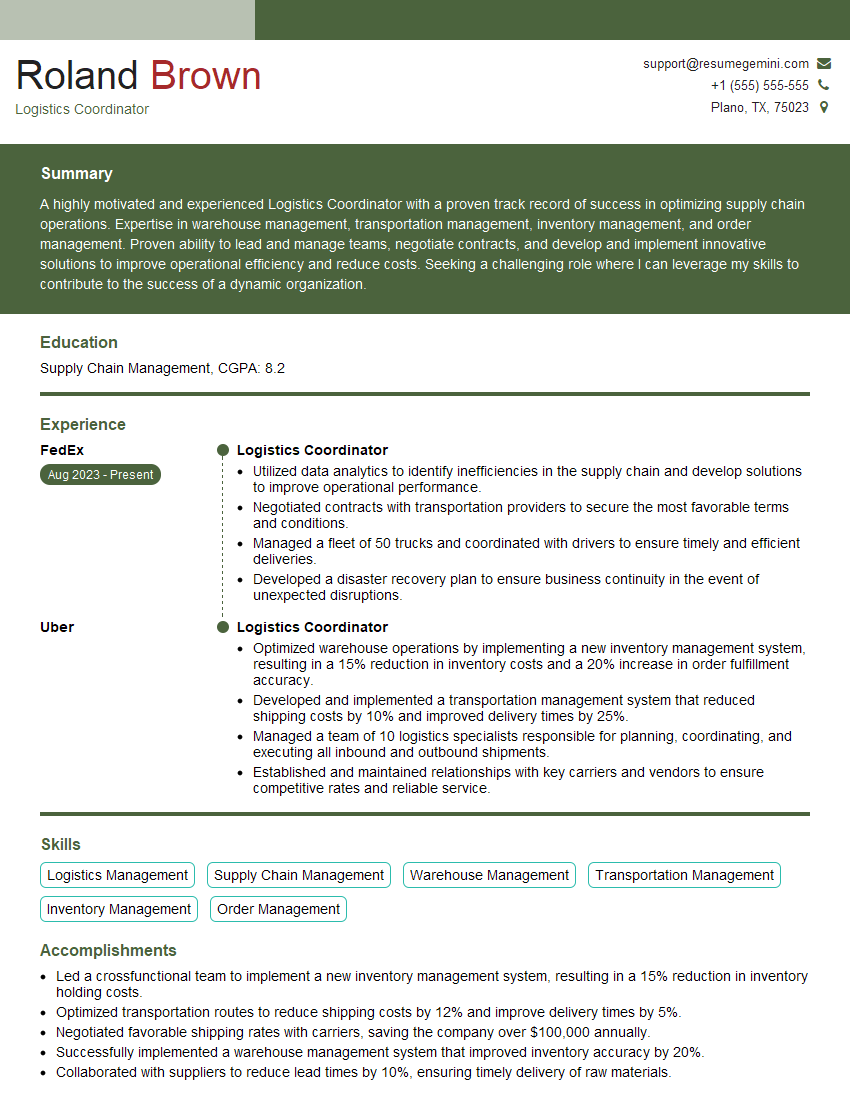
Logistics Coordinator Resume Sample
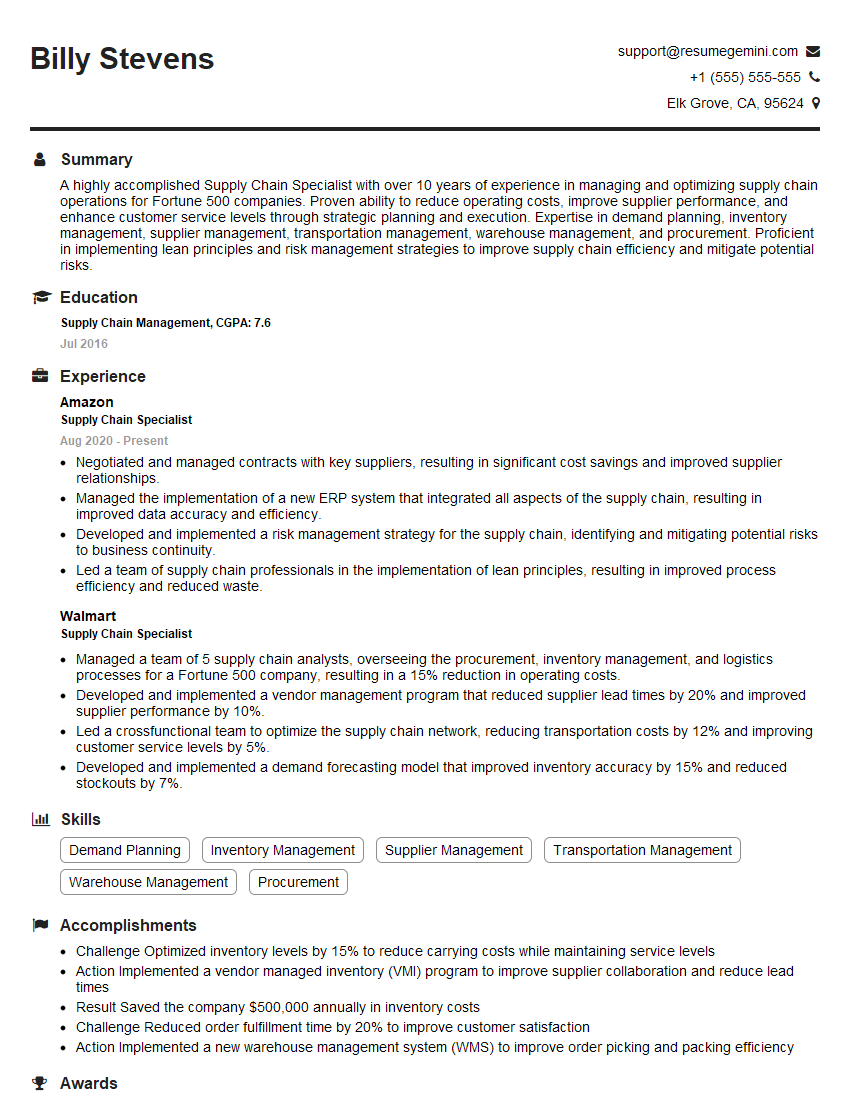
Supply Chain Specialist Resume Sample

Inventory Control Specialist Resume Sample

Shipping and Receiving Clerk Resume Sample
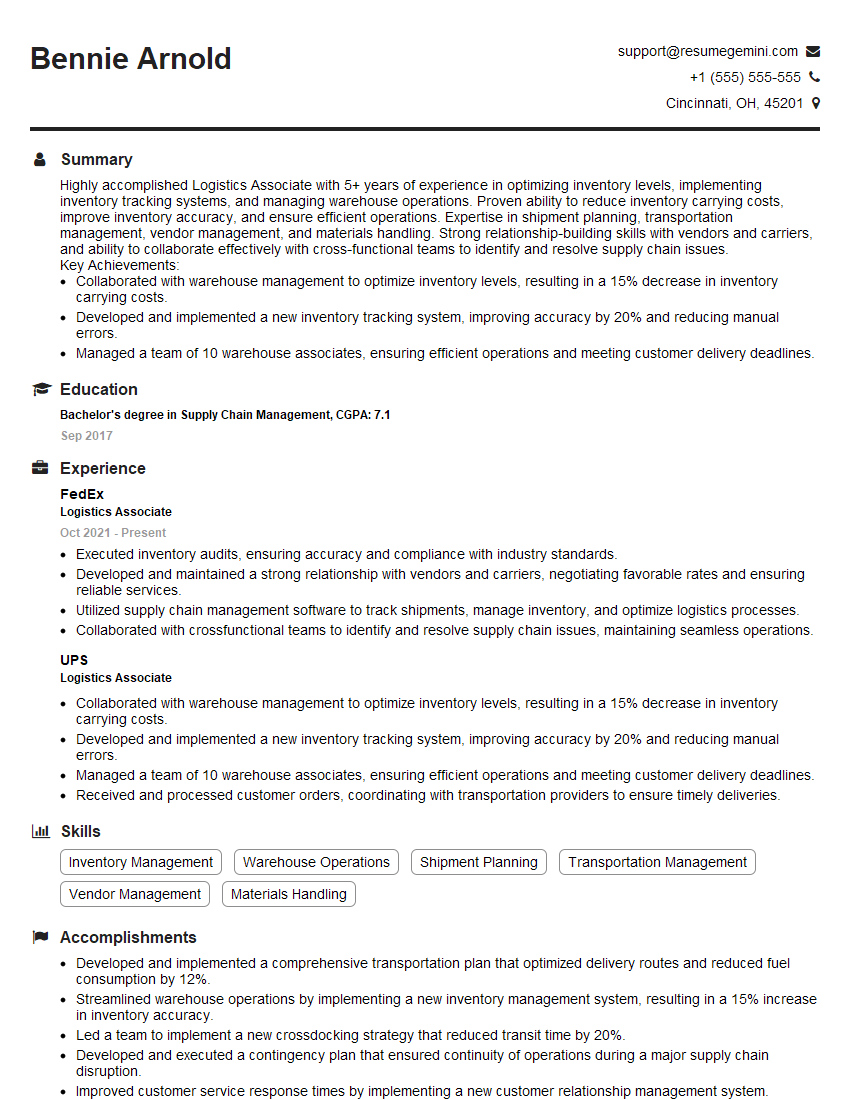
Logistics Associate Resume Sample
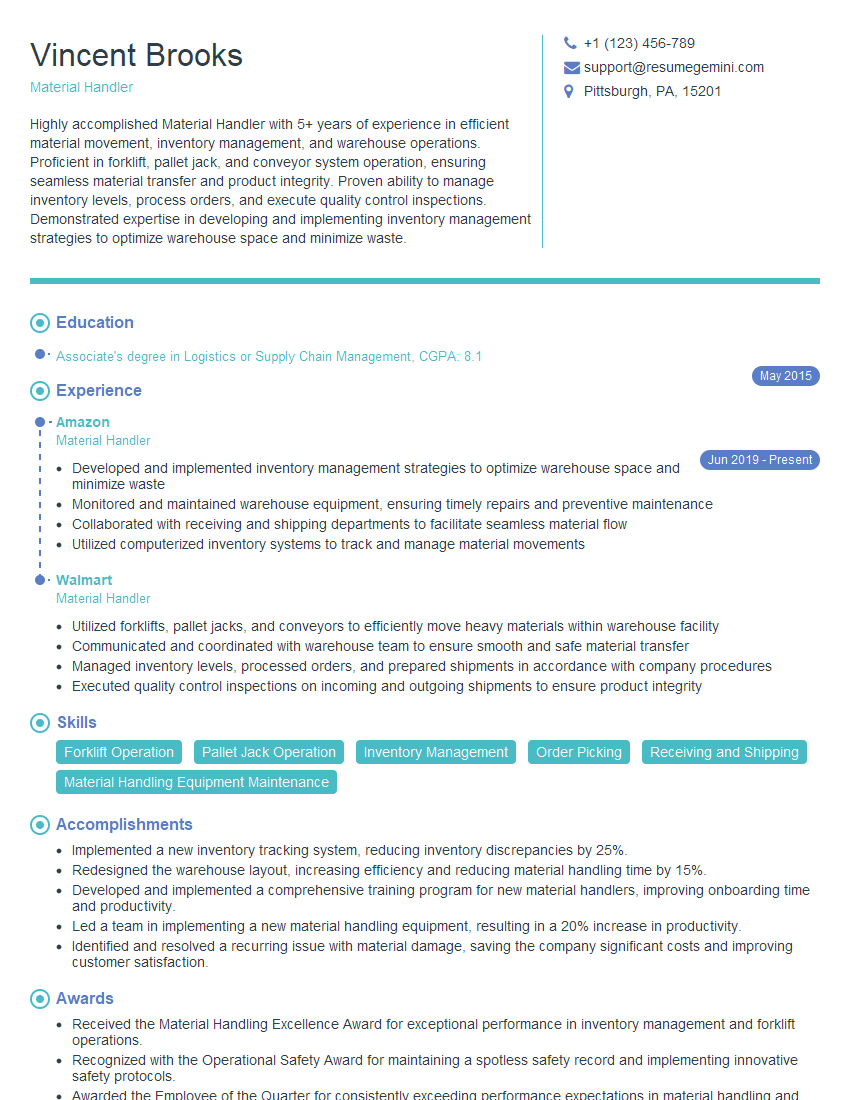
Material Handler Resume Sample
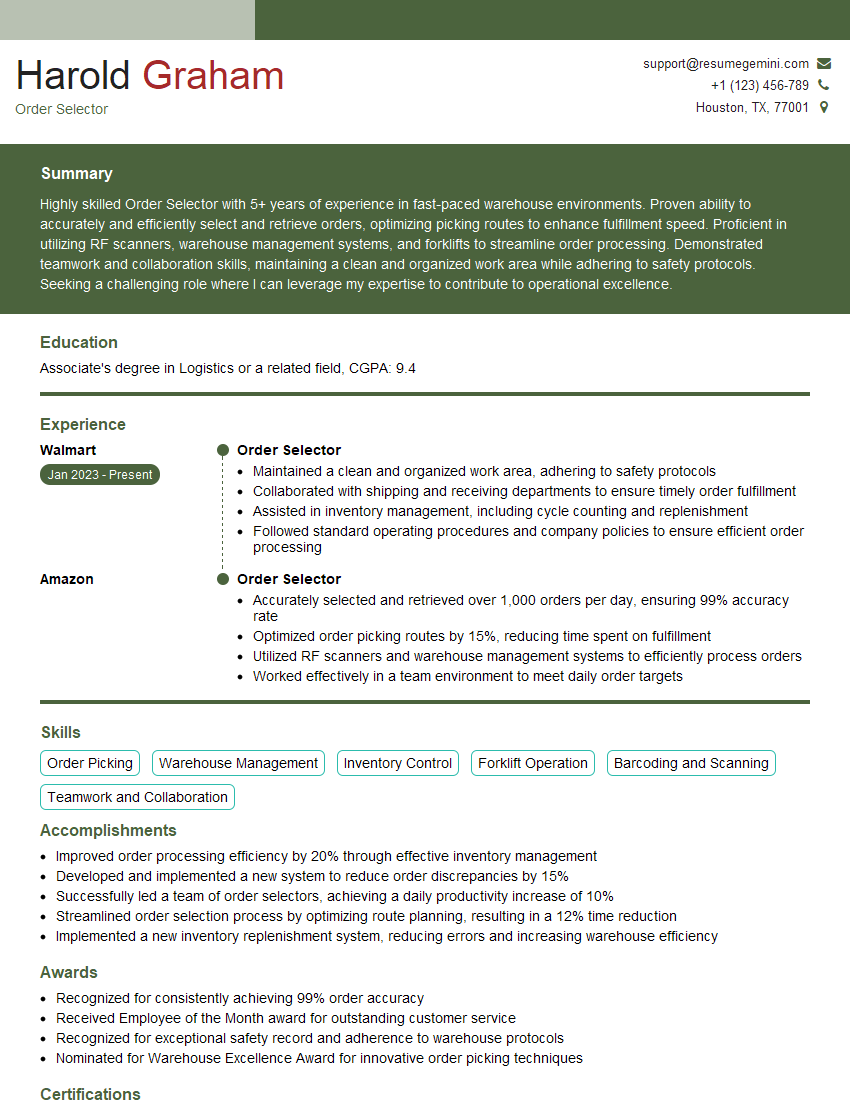
Order Selector Resume Sample

Warehouse Loader Resume Sample
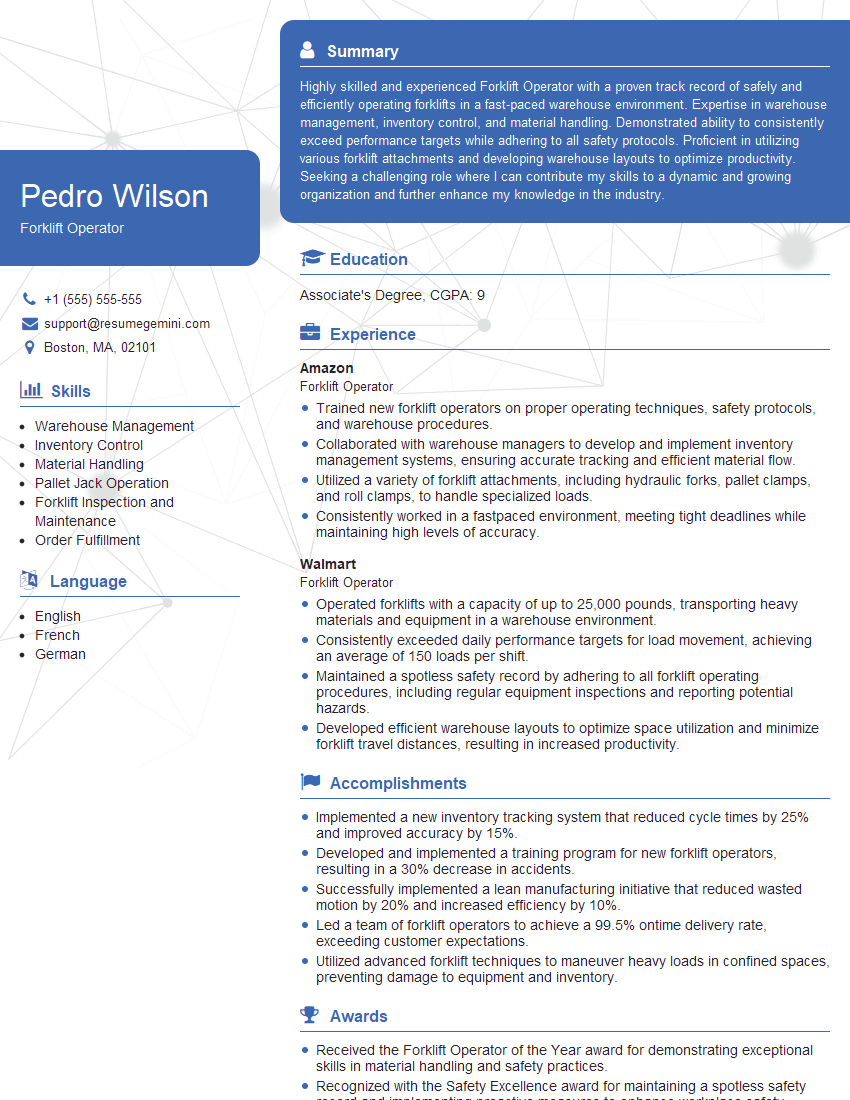
Forklift Operator Resume Sample
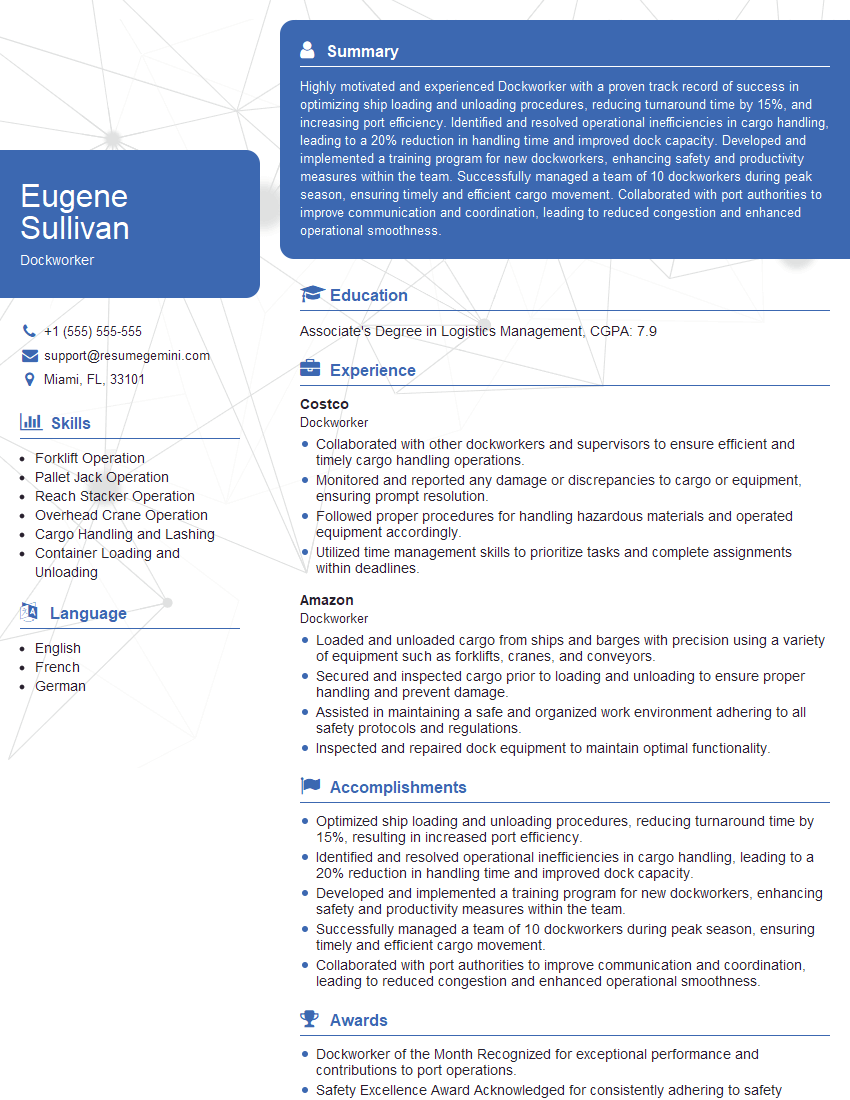
Dockworker Resume Sample

Freight Handler Resume Sample
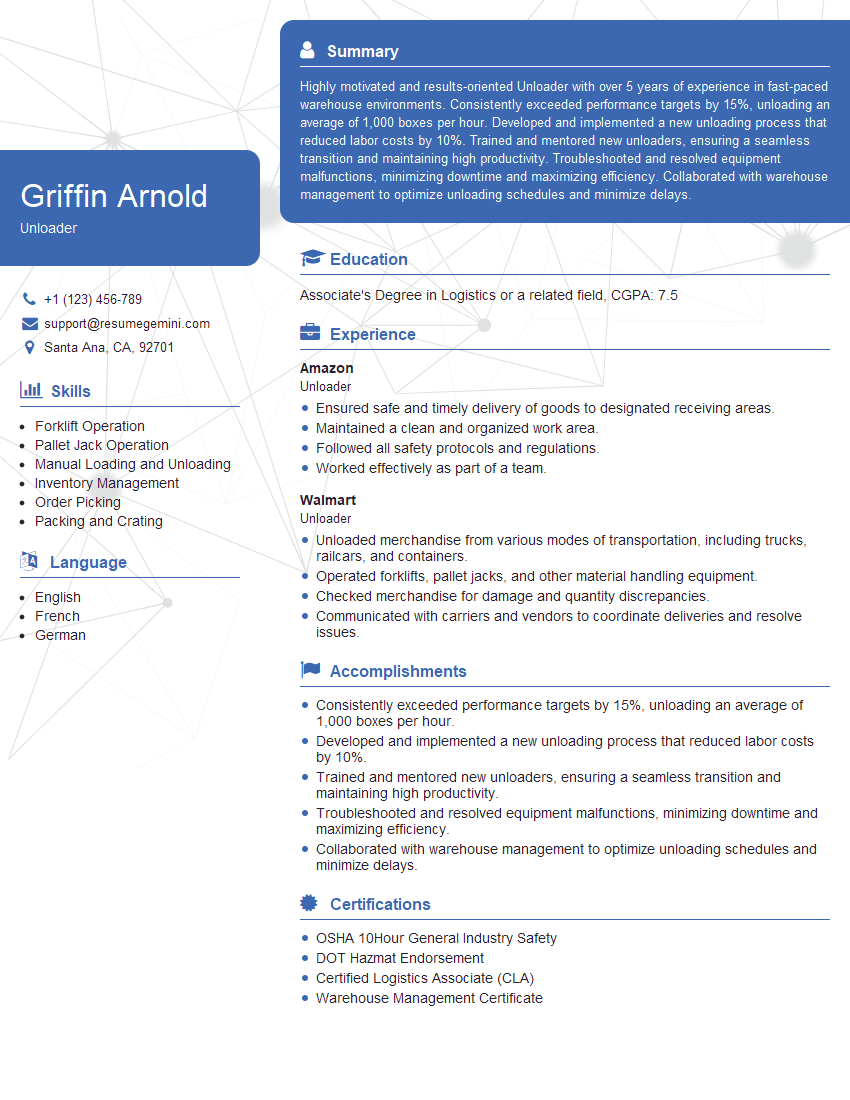
Unloader Resume Sample
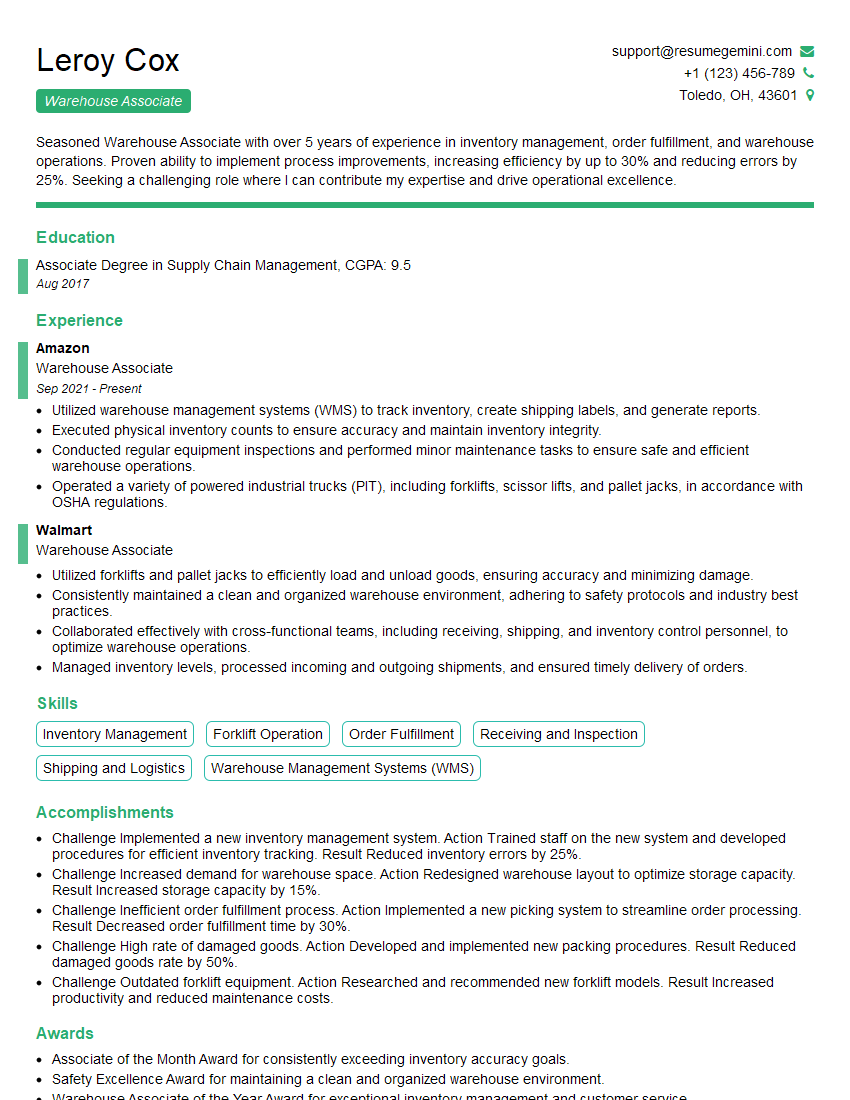
Warehouse Associate Resume Sample
Explore more articles
Users Rating of Our Blogs
Share Your Experience
We value your feedback! Please rate our content and share your thoughts (optional).
What Readers Say About Our Blog
Really detailed insights and content, thank you for writing this detailed article.
IT gave me an insight and words to use and be able to think of examples