Cracking a skill-specific interview, like one for Loading and unloading paper or other materials, requires understanding the nuances of the role. In this blog, we present the questions you’re most likely to encounter, along with insights into how to answer them effectively. Let’s ensure you’re ready to make a strong impression.
Questions Asked in Loading and unloading paper or other materials Interview
Q 1. Describe your experience with different types of pallet jacks.
My experience encompasses a wide range of pallet jacks, from the basic manual pump jacks to electric and powered models. Manual jacks are great for smaller loads and tighter spaces, requiring physical strength and proper technique to avoid strain. I’m proficient in using them effectively and safely, understanding the importance of lifting with my legs and maintaining a stable stance. Electric pallet jacks are much faster and more efficient for larger loads and longer distances, minimizing physical exertion. I’m familiar with their battery levels, safety features, and operational quirks. I’ve also worked with powered pallet jacks that offer features like load leveling and electronic controls; this increased precision and control is very valuable when dealing with fragile or irregularly shaped goods. For example, I once used an electric pallet jack to quickly and safely move a large quantity of delicate paper rolls across a warehouse, significantly increasing efficiency compared to manual handling.
- Manual Pallet Jack: Ideal for small loads and confined spaces. Requires physical effort and proper technique.
- Electric Pallet Jack: Suitable for larger loads and longer distances. Reduces physical strain and increases efficiency.
- Powered Pallet Jack: Offers advanced features like load leveling and electronic controls for improved precision.
Q 2. How do you ensure the safety of yourself and others during loading and unloading?
Safety is paramount in loading and unloading operations. My approach is multifaceted and incorporates several key strategies. Firstly, I always perform a thorough pre-shift inspection of equipment, checking for any damage or malfunctions before beginning work. Secondly, I adhere strictly to established safety protocols, including wearing appropriate personal protective equipment (PPE) such as safety shoes, gloves, and high-visibility vests. I ensure the work area is free of obstacles and well-lit. Thirdly, I communicate clearly with colleagues and drivers to coordinate movements and avoid collisions. I never rush and always take my time to properly secure loads to prevent them from shifting or falling. For instance, I regularly reinforce stacks of paper using stretch wrap to prevent damage during transportation. Finally, I am aware of my own limitations and always seek assistance when lifting heavier or awkwardly shaped items. I believe that a proactive safety mindset is essential to prevent accidents.
Q 3. What is your experience with inventory management systems?
I have extensive experience with various inventory management systems, both simple and sophisticated. I’m comfortable using both manual and computerized systems to track inventory levels, order fulfillment, and location of materials. I’ve used systems like WMS (Warehouse Management Systems) to scan barcodes and update inventory in real-time, ensuring accuracy in tracking supplies and minimizing discrepancies. In one instance, I identified a discrepancy using a WMS system that prevented a significant shipping delay by alerting us to a shortage of a specific paper type, allowing us to expedite a restock order. I’m familiar with reporting and data analysis within these systems to assist in optimizing inventory control, predicting demand and minimizing waste.
Q 4. Explain your understanding of proper stacking and storage techniques.
Proper stacking and storage techniques are crucial for preventing damage, maximizing space utilization, and ensuring safety. My understanding involves adhering to weight limits, understanding the center of gravity of each load, and following FIFO (First-In, First-Out) principles to minimize product degradation (particularly important with paper products which are prone to damage from humidity and pests). I avoid overhangs or uneven stacks that could lead to instability. For paper, specific considerations include stacking according to weight and size, using appropriate pallets, and ensuring adequate ventilation to prevent mold. I always ensure pallets are properly secured before movement, reducing the risk of collapse. For example, when storing heavy reams of paper, I would build a stack that is no higher than the designated level, ensuring that the weight is evenly distributed and using appropriate separators to prevent the paper from becoming damaged by compression.
Q 5. How do you prioritize tasks when handling multiple orders simultaneously?
Prioritizing tasks when dealing with multiple orders requires a systematic approach. I usually start by analyzing order details, considering factors like deadlines, urgency, and the type of materials involved. I then prioritize orders based on their due dates, assigning higher urgency to time-sensitive deliveries. Orders requiring specialized handling, such as fragile items, are also prioritized appropriately. I often use a visual aid like a whiteboard to organize tasks and track progress, which helps me to remain organized and manage my time effectively. In practice, I apply a system of ‘urgency’ and ‘importance,’ which guides my prioritization process. I’ve found that this approach ensures timely completion of all orders, even under pressure.
Q 6. What methods do you use to prevent damage to materials during handling?
Preventing material damage involves careful handling, appropriate packaging, and proper storage. I ensure materials are handled gently, avoiding sharp impacts or drops. I use protective materials like corner boards and edge protectors when needed. For paper products, I carefully wrap or palletize them to minimize the risk of damage from moisture, crushing, or abrasion. During transport, I take care to prevent sudden stops or jarring movements that could dislodge or damage loads. In one case, we were shipping high-value archival paper, and I used specialized climate-controlled containers and additional protective padding to ensure its safe arrival. My attention to detail is crucial in minimizing losses and ensuring the integrity of the paper.
Q 7. Describe your experience with different types of forklifts.
My forklift experience includes various types, from sit-down counterbalance forklifts to reach trucks and order pickers. Sit-down counterbalance forklifts are suitable for general warehousing tasks, but require skill in maneuvering and precise control. I have the necessary certifications and experience to operate these safely and efficiently. Reach trucks allow for access to higher racking, which maximizes vertical space utilization in the warehouse. Order pickers are optimized for efficient retrieval of items from storage locations. Each forklift type requires a specific level of understanding and safety awareness; I’m proficient in the operation and maintenance of all three, and routinely carry out pre-operational checks on safety devices and operational capabilities before starting work. For example, when using a reach truck, I’m acutely aware of the potential for load instability at height and apply extra care to secure loads appropriately to prevent accidents.
Q 8. What is your experience with RF scanners and warehouse management systems (WMS)?
I have extensive experience using RF scanners and Warehouse Management Systems (WMS). RF scanners are indispensable for accurate and efficient inventory tracking. I’m proficient in using them to scan barcodes and RFID tags on pallets, individual items, and shipping documents, ensuring data accuracy within the WMS. My experience with various WMS platforms, including [Mention specific WMS platforms if applicable, e.g., SAP EWM, Oracle WMS], allows me to seamlessly integrate scanning data with inventory management, order fulfillment, and reporting functionalities. For instance, I’ve used RF scanners to track inbound shipments, verifying quantities against purchase orders and flagging discrepancies immediately. This immediate feedback prevents delays in processing and ensures inventory accuracy. In addition, I’m familiar with using WMS reports to monitor key performance indicators (KPIs) such as cycle times and picking accuracy, which help us continually optimize warehouse operations.
Q 9. How do you handle discrepancies between inventory counts and order details?
Discrepancies between inventory counts and order details are a common challenge in warehouse operations. My approach involves a systematic investigation to pinpoint the root cause. First, I meticulously verify the order details against the original documentation, checking for any potential data entry errors or misinterpretations. Next, I physically recount the inventory in question, paying close attention to location and item identification. If the discrepancy persists, I examine possible causes such as damaged or misplaced goods, theft, or incorrect inventory transfers. I document all findings and communicate promptly to the relevant parties, including supervisors and potentially the client. For instance, if a physical count reveals a shortage, I’d investigate potential damage during transit, check security footage (if available), and create a detailed report to explain the discrepancy. Resolving these discrepancies promptly maintains inventory accuracy and strengthens client relationships.
Q 10. Describe a time you had to adapt to unexpected challenges during loading or unloading.
During a particularly busy holiday season, a major snowstorm caused significant delays in inbound shipments. We had several crucial orders scheduled for immediate dispatch, but the delayed deliveries put us significantly behind schedule. To overcome this, I coordinated with the transportation team to prioritize the unloading of the few available shipments. Simultaneously, I worked with the warehouse team to optimize our picking and packing processes, focusing on the most urgent orders. We implemented a more streamlined process, eliminating unnecessary steps to maximize efficiency. We also proactively communicated with clients about potential delays, managing expectations and maintaining transparency. While the situation was stressful, our quick adaptation prevented a major backlog and satisfied our clients. This experience highlighted the importance of flexibility, effective communication, and efficient resource allocation when dealing with unexpected disruptions.
Q 11. How familiar are you with various types of packaging materials?
I’m familiar with a wide range of packaging materials, including corrugated cardboard boxes (various sizes and strengths), plastic pallets, shrink wrap, bubble wrap, foam inserts, air pillows, stretch film, and various types of protective liners. Understanding the properties of each material is critical for selecting the appropriate packaging based on the product’s fragility, weight, and environmental conditions. For example, fragile items necessitate additional cushioning like bubble wrap or foam inserts within sturdy boxes, while heavier items might require reinforced pallets to withstand stacking and transport. My experience extends to recognizing potential issues with damaged or inadequate packaging that could lead to product damage. Proper packaging selection and inspection are vital for minimizing damage and ensuring product integrity during loading, unloading, storage, and transportation.
Q 12. What are your strategies for efficient loading and unloading of heavy items?
Efficient loading and unloading of heavy items requires a combination of planning, proper equipment, and safe handling techniques. Before starting, I ensure the loading area is well-lit, clear of obstructions, and the appropriate equipment is available—forklifts, pallet jacks, etc. Heavy items should be strategically positioned for weight distribution to prevent instability and toppling. We always use proper lifting techniques and equipment like dollies and pallet jacks to avoid strain and injury. For instance, when loading a truck with heavy pallets, we would start with the heaviest pallets at the bottom and distribute weight evenly to maintain balance. We also use load-securing techniques like straps or netting to prevent shifting during transit. Prioritizing safety and using proper equipment is paramount for efficient and damage-free handling of heavy items.
Q 13. How do you ensure the security of materials during storage and transportation?
Securing materials during storage and transportation is crucial. We utilize a multi-layered approach. Firstly, we implement secure storage areas with restricted access, employing surveillance systems (CCTV) where applicable. Inventory is carefully organized and labeled for easy identification and tracking. Secondly, during transportation, we use appropriate load-securing techniques like straps, nets, or bracing to prevent shifting or damage. We also select reputable transportation companies with a proven track record in secure handling of goods. Finally, proper documentation and tracking throughout the entire process help ensure accountability and prevent loss or theft. For sensitive materials, additional security measures, such as sealed containers and specialized tracking devices, might be implemented. A comprehensive security plan addresses all stages of handling, from warehouse storage to delivery to the customer.
Q 14. What safety regulations do you follow when operating a forklift?
Operating a forklift demands strict adherence to safety regulations. Before operation, I always conduct a pre-shift inspection to check for any mechanical issues. I never operate the forklift without proper training and certification. Throughout operation, I maintain a safe speed, avoid sudden movements, and ensure the load is properly secured and within the forklift’s weight capacity. I’m aware of blind spots and always use signals and horns to warn others. I always maintain a safe distance from other equipment and pedestrians. Following company safety protocols, including wearing appropriate personal protective equipment (PPE) such as safety shoes, hard hats, and high-visibility vests, is non-negotiable. Regular training and refresher courses reinforce safety procedures and ensure ongoing compliance with all relevant regulations.
Q 15. Describe your experience with manual handling of materials.
Manual handling of materials, in the context of paper and other materials, involves the physical effort of lifting, carrying, moving, and placing items without the aid of machinery. My experience spans over [Number] years, encompassing various roles where I’ve consistently adhered to safe manual handling techniques. This includes properly assessing the weight and size of the load, maintaining a stable posture, utilizing appropriate lifting techniques (e.g., bending at the knees, keeping the load close to the body), and avoiding twisting movements. For instance, when handling large stacks of paper, I always ensure a colleague is available to assist if the weight exceeds safe limits. We would use a team lift, distributing the weight evenly and coordinating our movements to prevent strain and injury. I have also received and successfully completed training on safe manual handling practices.
In situations involving heavier or awkwardly shaped items, I always prioritize the use of appropriate handling equipment such as dollies, hand trucks, or pallet jacks to minimize the risk of injury. Regular breaks are also crucial to avoid fatigue, and I always report any discomfort or strain promptly.
Career Expert Tips:
- Ace those interviews! Prepare effectively by reviewing the Top 50 Most Common Interview Questions on ResumeGemini.
- Navigate your job search with confidence! Explore a wide range of Career Tips on ResumeGemini. Learn about common challenges and recommendations to overcome them.
- Craft the perfect resume! Master the Art of Resume Writing with ResumeGemini’s guide. Showcase your unique qualifications and achievements effectively.
- Don’t miss out on holiday savings! Build your dream resume with ResumeGemini’s ATS optimized templates.
Q 16. What measures do you take to maintain a clean and organized workspace?
Maintaining a clean and organized workspace is paramount for efficiency and safety. My approach involves a multi-pronged strategy, starting with a methodical approach to unloading and stacking materials. Each pallet or bundle of paper is placed in its designated location, ensuring walkways remain clear and unobstructed. This reduces the risk of trips, slips, and falls. I also regularly sweep and remove debris, keeping the floor free from loose paper or packaging materials. Regular tidying up helps minimize hazards like those from discarded materials.
Furthermore, I practice ‘5S’ methodology – Sort, Set in Order, Shine, Standardize, Sustain. This helps maintain a consistently clean and organized workspace. For example, I regularly check for and dispose of waste materials. Additionally, I clearly label storage areas and ensure that materials are stacked neatly and securely to prevent toppling or damage. A well-organized space greatly reduces the chances of accidents and allows for smoother, more efficient workflow.
Q 17. How do you handle damaged or defective materials?
Handling damaged or defective materials involves a systematic approach to prevent further damage or injury and maintain inventory accuracy. First, I visually inspect the materials for any visible damage upon receipt. If damage is detected, I immediately document it using a standardized form, noting the type of damage, the quantity affected, and any potential causes. This information is then passed to the appropriate personnel – usually a supervisor or quality control department – for further investigation. In cases of significant damage, the materials are segregated from undamaged stock and clearly marked to prevent accidental use.
Damaged materials are typically handled according to company protocols; this may involve repair, recycling, or disposal. For instance, heavily damaged paper may be recycled, while slightly damaged items might be used for internal purposes instead of being sold to clients. Thorough documentation ensures accountability and prevents any disputes related to damaged goods.
Q 18. Explain your understanding of load-bearing capacity and weight limits.
Understanding load-bearing capacity and weight limits is fundamental to safe material handling. Load-bearing capacity refers to the maximum weight a structure or equipment can safely support without collapsing or sustaining damage. Weight limits, on the other hand, refer to the maximum weight that should be lifted, carried, or stacked manually or using specific equipment. Both concepts are critical to preventing accidents and injuries. For example, I am always aware of the weight limit for the pallet jacks and forklifts we use; exceeding these limits can lead to equipment failure and serious accidents.
I always check weight specifications on pallets and other packaging before moving them. This information is usually found on labels or manifests. When using equipment, I carefully follow operating instructions and ensure that the load is evenly distributed to avoid overloading any single component. Furthermore, I understand that different materials have different densities and therefore different weights for the same volume, so accounting for this is critical for safe handling practices.
Q 19. How do you maintain accurate records of loaded and unloaded materials?
Maintaining accurate records of loaded and unloaded materials is crucial for inventory management and operational efficiency. We primarily use a computerized system for tracking inventory. Upon receiving a shipment, I scan barcodes or input data from delivery manifests into the system, recording the quantity, type, and condition of the materials received. Similarly, when materials are unloaded or dispatched, I update the system to reflect the changes in stock levels. This ensures that the system reflects real-time inventory status.
For situations where electronic recording is not possible, I maintain manual logs, recording all relevant information like dates, times, materials involved, quantities and any relevant discrepancies. These logs are reviewed and reconciled regularly with the main inventory system. Accuracy in record-keeping is paramount, as it directly affects inventory levels and operational planning.
Q 20. How familiar are you with different types of paper handling equipment?
My familiarity with different types of paper handling equipment is extensive. This includes:
- Pallet jacks: For moving large stacks of paper pallets efficiently across the warehouse.
- Forklifts: Used for lifting and moving heavier loads more effectively than pallet jacks.
- Conveyors: Used to move materials between different warehouse areas, often reducing the need for manual handling.
- Paper balers: Compress waste paper for easier disposal, recycling and reduced storage space.
- Strapping machines: Securely bind pallets of paper for safe transportation and stacking.
- Crane systems (Overhead and side-loading): For the efficient moving of extremely heavy loads or into hard to reach areas.
I have experience operating and maintaining many of these machines, always prioritizing safety by adhering to manufacturer’s guidelines and regular safety checks. My training encompasses the safe operation and maintenance for each type of equipment. For any equipment I am unfamiliar with, I always seek proper training before operation.
Q 21. How do you identify and address potential hazards in a warehouse environment?
Identifying and addressing potential hazards in a warehouse environment is crucial for safety. My approach involves proactive hazard identification and risk mitigation. This starts with regular inspections of the work area, looking for potential hazards like obstructions in walkways, spills, damaged flooring, faulty equipment, and improperly stacked materials. I am well-versed in identifying potential risks associated with moving materials, including the risks of crushing, falling objects, and manual handling injuries.
Upon identifying a hazard, I immediately take appropriate action depending on the severity of the risk, ranging from simple cleanup (spills, debris) to more complex measures, such as reporting damaged equipment or structural issues. For instance, if I notice a pallet is unstable, I immediately secure it and report the issue to the appropriate supervisor. I am also trained in the use of appropriate Personal Protective Equipment (PPE) including gloves, safety footwear, and high-visibility clothing. Further, I actively participate in warehouse safety training sessions and regularly review safety procedures.
Q 22. Describe your experience with loading and unloading different sizes and weights of paper.
My experience encompasses handling a wide range of paper products, from lightweight printing paper in reams to heavy-duty cardboard sheets and rolls weighing several hundred pounds. I’ve worked with various dimensions, including standard letter-size paper all the way up to large format rolls used in printing presses. Efficient loading and unloading hinges on understanding the weight distribution and potential for damage. Lighter papers require careful handling to avoid creasing or tearing, while heavier materials demand the use of appropriate lifting equipment and secure strapping to prevent shifting or crushing. For instance, I’ve loaded hundreds of pallets of A4 paper onto trucks, requiring precise stacking to maintain stability and avoid exceeding weight limits. Conversely, I’ve managed the unloading of large, heavy rolls of newsprint, demanding the use of forklifts and specialized pallet jacks to ensure safe and efficient transfer.
Q 23. How do you ensure the proper documentation of materials throughout the handling process?
Proper documentation is critical for maintaining inventory accuracy and ensuring accountability. My process starts with verifying the contents of incoming shipments against the accompanying paperwork. I meticulously check quantities, sizes, and condition of the materials. This information is then recorded digitally using warehouse management software (WMS), typically involving scanning barcodes and inputting relevant details such as pallet numbers, lot numbers, and timestamps. Throughout the handling process, every move is tracked. When a pallet is moved to a different location, the WMS is updated. This ensures real-time visibility of inventory location. Upon shipment, the process is repeated, documenting the outgoing materials and updating inventory levels. Any discrepancies, such as damages or shortages, are immediately noted and reported for investigation. Think of it like a detailed accounting of the paper’s journey through the warehouse – from arrival to departure, every step is documented.
Q 24. What are your preferred methods for securing loads to prevent shifting or damage?
Securing loads is paramount to prevent damage and accidents during transport. My approach is multifaceted and depends on the type and size of the load. For pallets of paper, I begin by ensuring they are properly stacked and stable. I then use appropriate strapping techniques, often employing polypropylene straps secured with manual or powered tensioners. The straps are strategically placed to prevent shifting and ensure the load is tightly bound. For larger, heavier rolls of paper, I utilize more robust banding materials like steel or composite banding, often applied with specialized banding equipment. In addition to strapping, I sometimes use corner boards to provide additional protection and prevent damage to the edges of the load. Proper load placement within the vehicle also plays a significant role; heavy items are always placed at the bottom to ensure stable weight distribution. Imagine building a sturdy tower of blocks; each layer must be securely stacked to avoid collapse.
Q 25. Explain your experience with using different types of straps or banding materials.
My experience includes working with various strapping and banding materials, each suited to different needs. Polypropylene straps are versatile and economical, suitable for most pallet loads. They are easy to use and provide sufficient strength for many applications. Steel banding offers superior strength for heavier loads and provides additional security against pilferage. However, it requires specialized tools and more careful handling. I’ve also worked with composite banding, which combines the strength of steel with the flexibility of plastic, offering a balance between strength and ease of use. The choice of material depends on the weight, fragility, and value of the goods being transported. For example, delicate paper products might require gentler polypropylene strapping to prevent damage, whereas heavy rolls of cardboard would necessitate the robust security of steel banding. Choosing the right material prevents costly damage and ensures efficient transportation.
Q 26. How do you prioritize tasks in a fast-paced warehouse environment?
Prioritization in a fast-paced warehouse is essential for efficient operation. I use a combination of techniques, starting with understanding the order fulfillment priorities. Urgent orders or shipments with tight deadlines are always given precedence. I leverage the WMS system to identify tasks based on due dates and location of materials. I prioritize tasks to minimize movement and optimize workflow, completing tasks in a logical sequence to reduce wasted time and effort. Think of it as orchestrating a symphony; each instrument (task) needs to play its part at the right time for the overall performance (warehouse operation) to be successful. Communication is key; I maintain open communication with supervisors and colleagues to address any unexpected delays or changes in priority.
Q 27. What is your experience with using specialized equipment for handling sensitive paper products?
I have experience operating various specialized equipment for handling sensitive paper products. This includes pallet jacks with cushioned forks to prevent damage during lifting, as well as specialized forklifts with adjustable arms for secure handling of oversized or irregularly shaped loads. I’m proficient in using vacuum lifters for handling large sheets of delicate paper without causing damage. These machines provide a gentle and controlled lift, minimizing the risk of tears or creases. I’m also familiar with automated guided vehicles (AGVs) used in some high-throughput warehouses, which help in the efficient movement of heavy paper rolls. Safety training on all equipment is crucial and regularly updated.
Q 28. How do you maintain productivity while ensuring safety standards are met?
Maintaining productivity while adhering to safety standards is not a compromise, but a synergy. I prioritize safety first, ensuring all equipment is inspected and functioning properly before use. I strictly follow safety protocols, including proper use of personal protective equipment (PPE) like safety shoes, gloves, and high-visibility vests. I am trained in safe lifting techniques to minimize the risk of back injuries. Productivity is enhanced, not hindered, by safety. Working safely reduces the risk of accidents, downtime due to injuries, and potential damage to materials. Efficient work practices, using optimal routes, and effective communication all contribute to both safety and productivity. It’s about working smartly, not just hard.
Key Topics to Learn for Loading and Unloading Paper or Other Materials Interview
- Safety Procedures and Regulations: Understanding and adhering to workplace safety rules, including proper lifting techniques, use of personal protective equipment (PPE), and hazard identification.
- Material Handling Equipment: Familiarity with various equipment like forklifts, pallet jacks, conveyor belts, and cranes; understanding their operation and limitations, and safe operating procedures.
- Efficient Loading and Unloading Techniques: Optimizing space utilization within trucks and storage areas, minimizing movement, and preventing damage to materials. This includes understanding weight distribution and load stability.
- Inventory Management and Tracking: Accurately counting and documenting materials, using inventory management systems, and reporting discrepancies.
- Paper-Specific Handling: Understanding the unique challenges of handling paper, such as its susceptibility to damage from moisture, crushing, and improper stacking techniques. Knowing different paper types and their handling requirements.
- Problem-Solving and Troubleshooting: Identifying and resolving issues such as equipment malfunctions, damaged materials, or inefficient workflow processes. This includes proactive identification of potential problems.
- Teamwork and Communication: Effectively collaborating with colleagues, supervisors, and potentially clients to ensure smooth and efficient operations. Clear communication of issues and challenges.
- Logistics and Supply Chain Understanding (Basic): A foundational knowledge of the broader logistics process, including the flow of materials from origin to destination. This helps demonstrate a holistic understanding of the role.
Next Steps
Mastering the skills involved in loading and unloading paper or other materials is crucial for career advancement within logistics, warehousing, and manufacturing industries. It opens doors to higher-paying roles and increased responsibility. To increase your job prospects, create an ATS-friendly resume that highlights your relevant skills and experience. ResumeGemini is a trusted resource that can help you build a professional and effective resume tailored to your specific needs. Examples of resumes tailored to Loading and Unloading paper or other materials are available to help guide you.

Logistics Manager Resume Sample
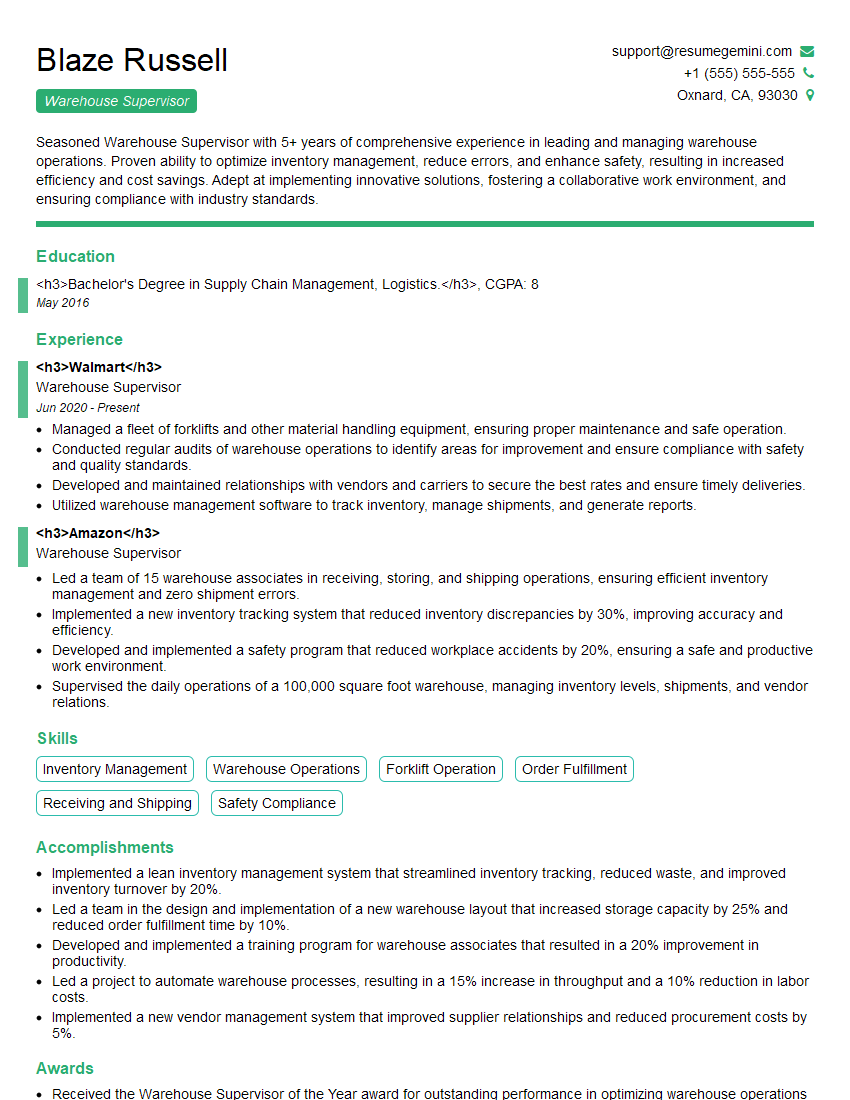
Warehouse Supervisor Resume Sample
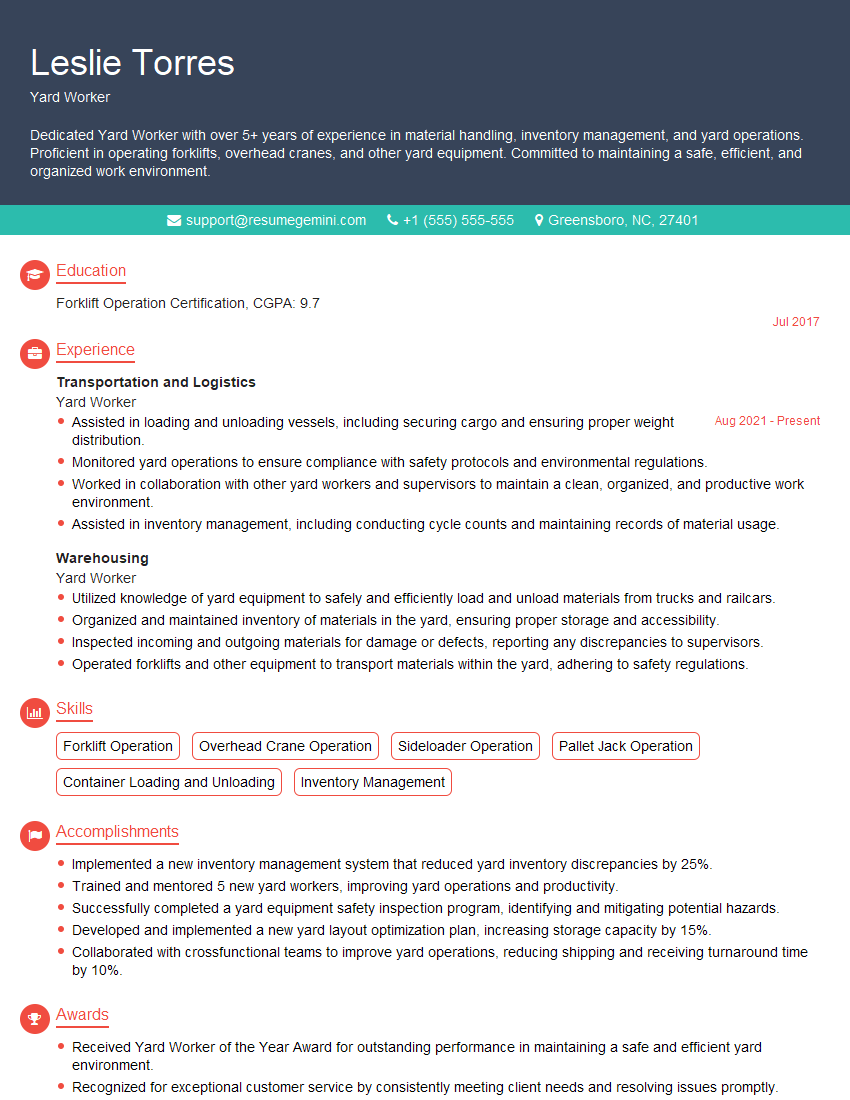
Yard Worker Resume Sample
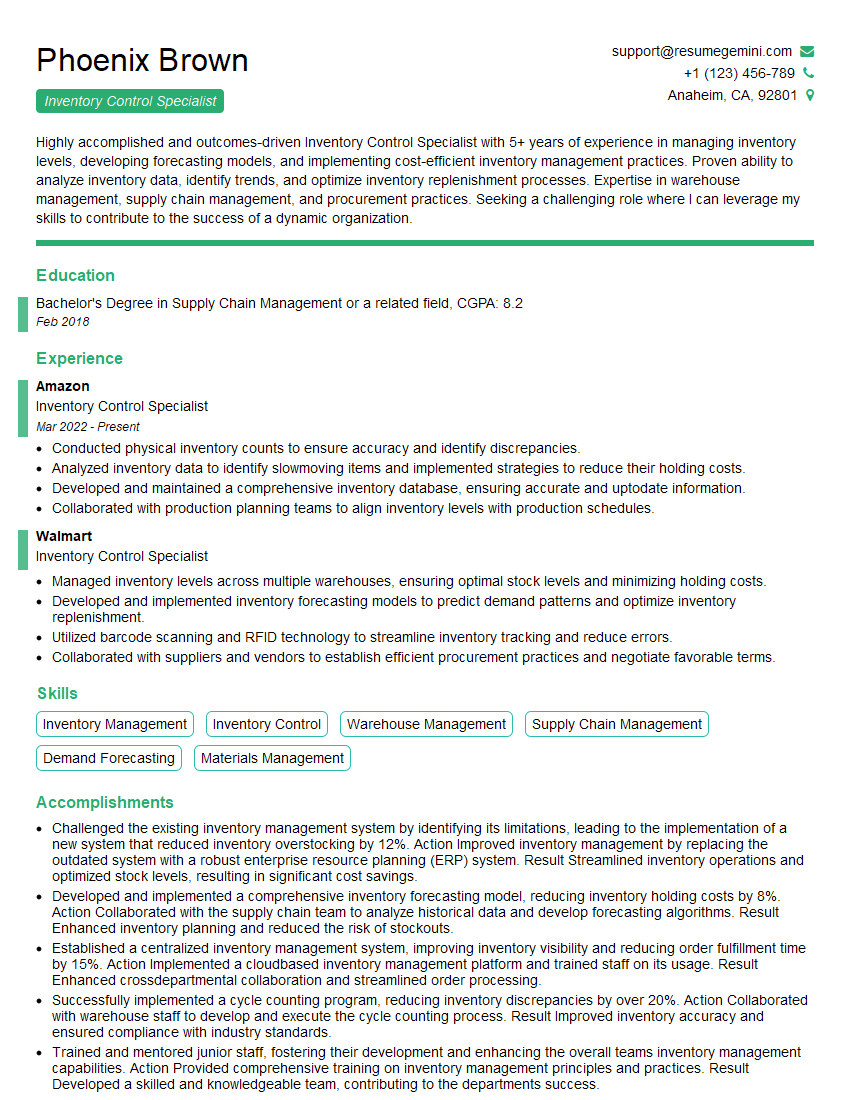
Inventory Control Specialist Resume Sample
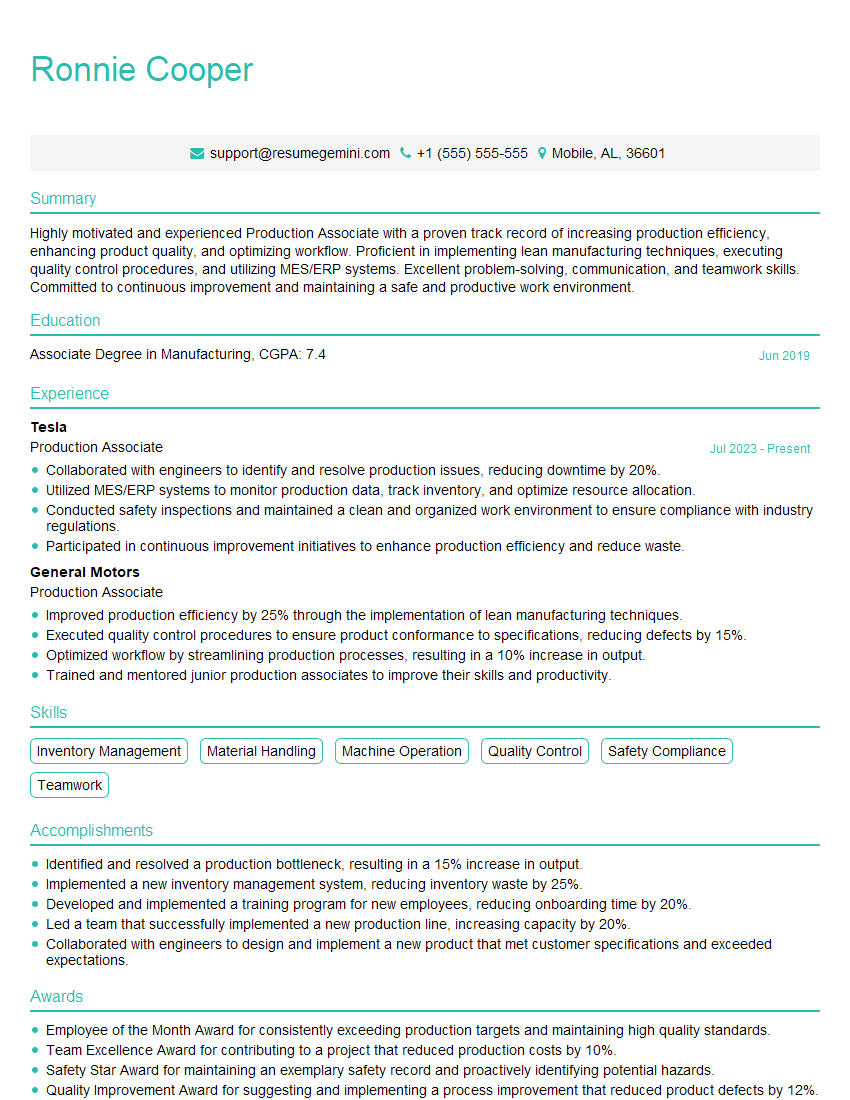
Production Associate Resume Sample
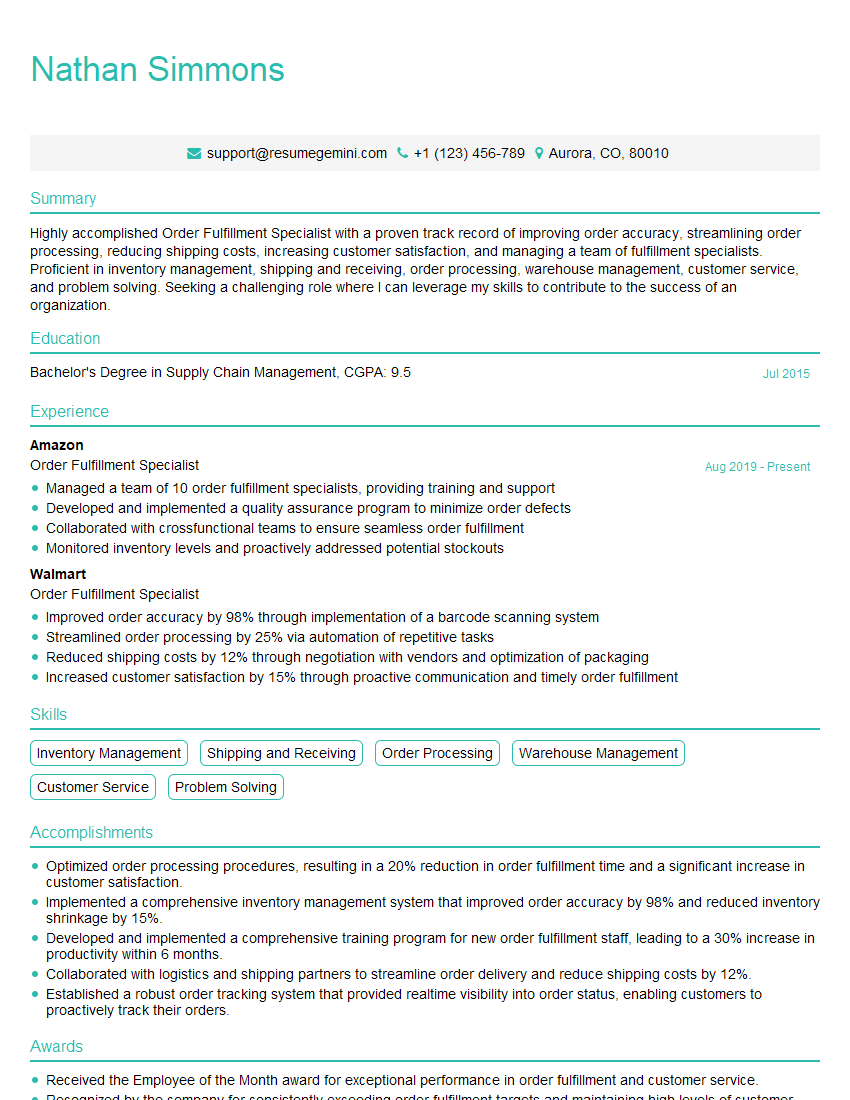
Order Fulfillment Specialist Resume Sample

Shipping and Receiving Clerk Resume Sample
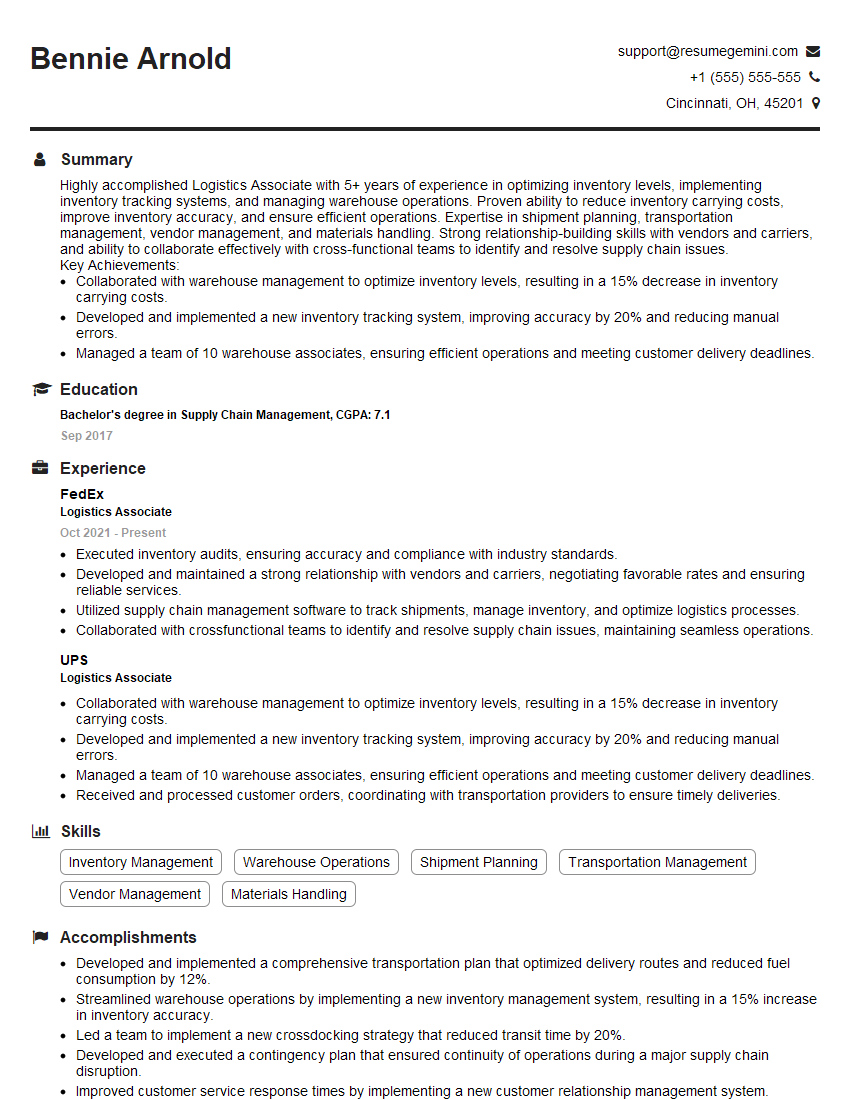
Logistics Associate Resume Sample
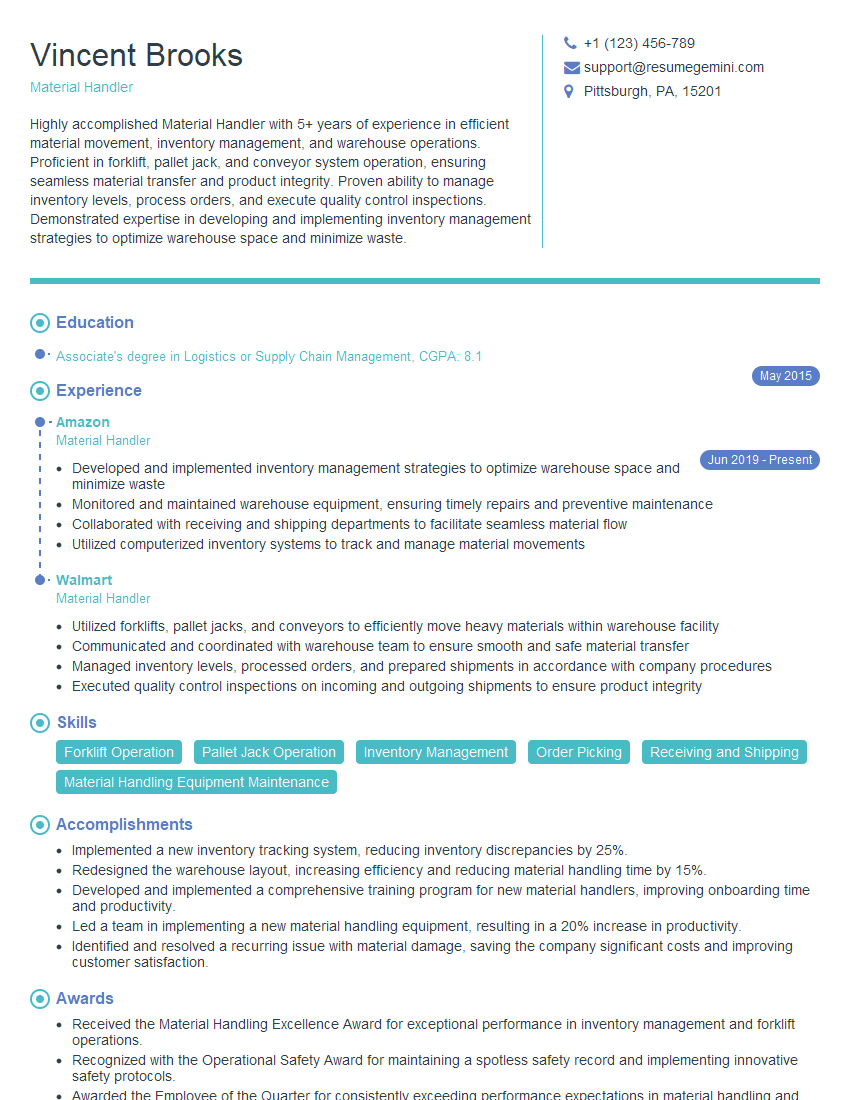
Material Handler Resume Sample
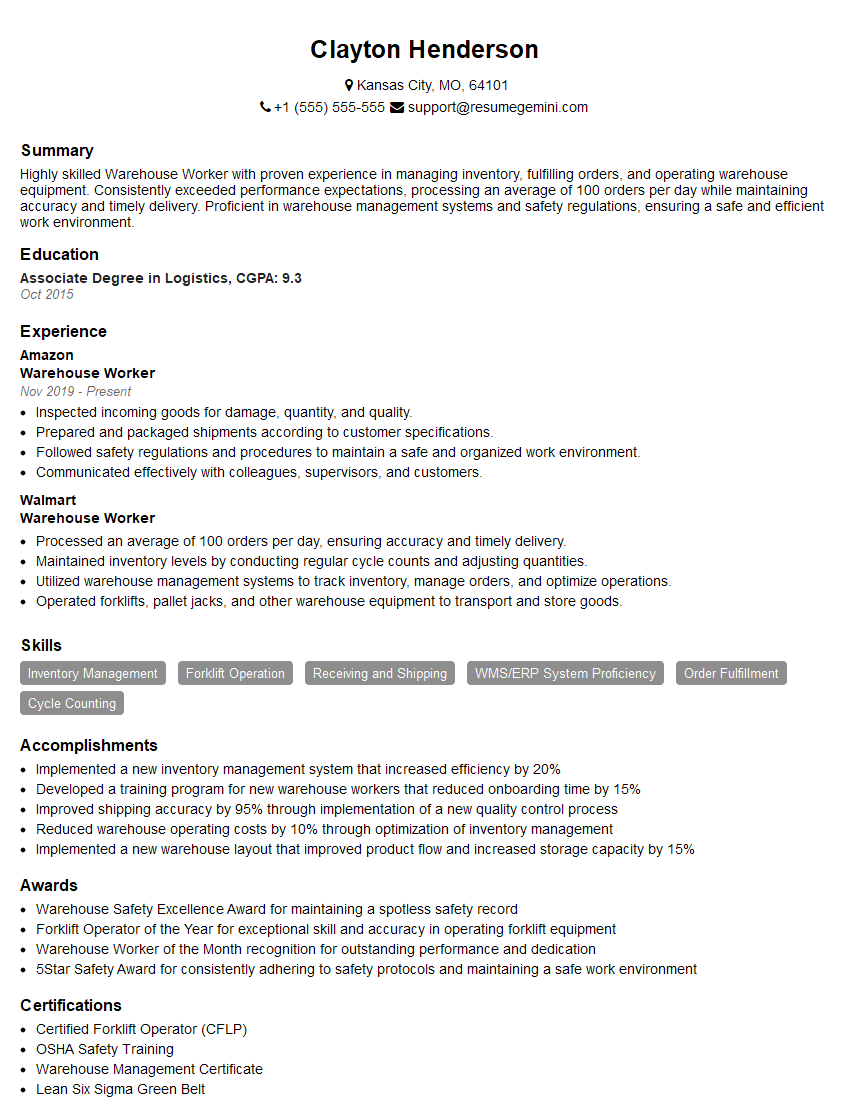
Warehouse Worker Resume Sample
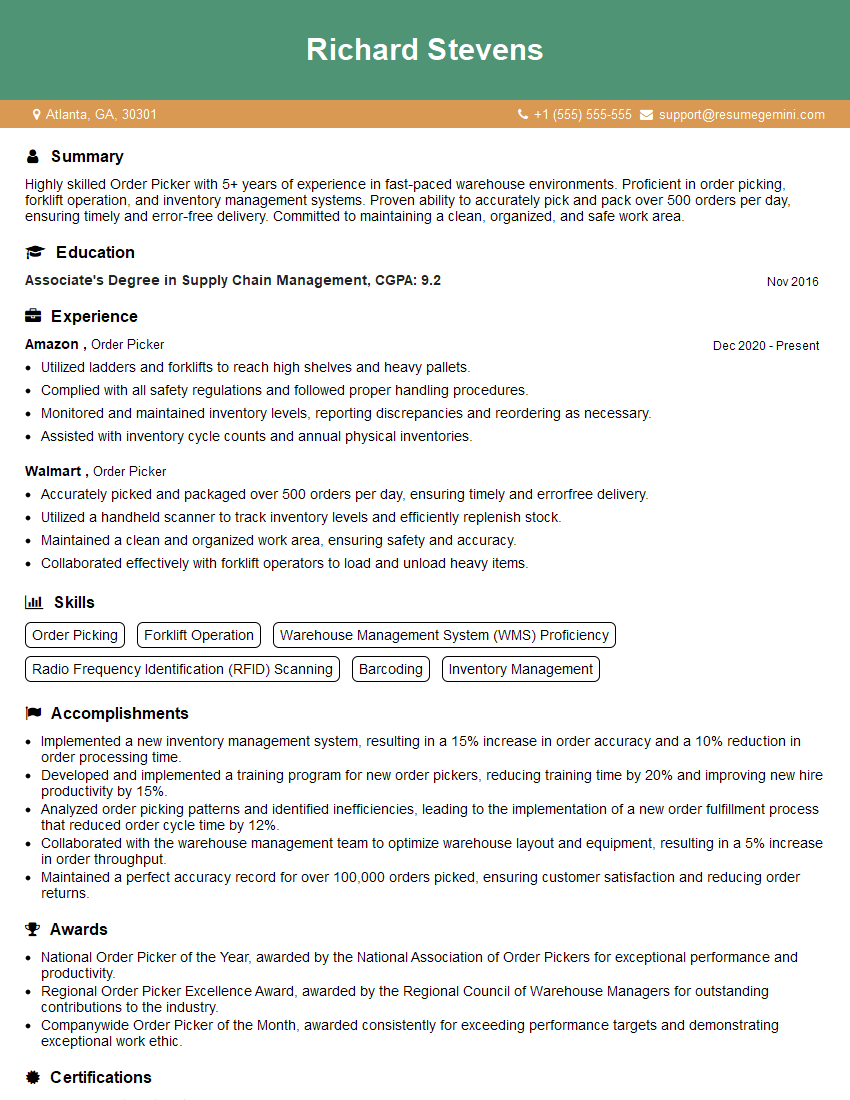
Order Picker Resume Sample
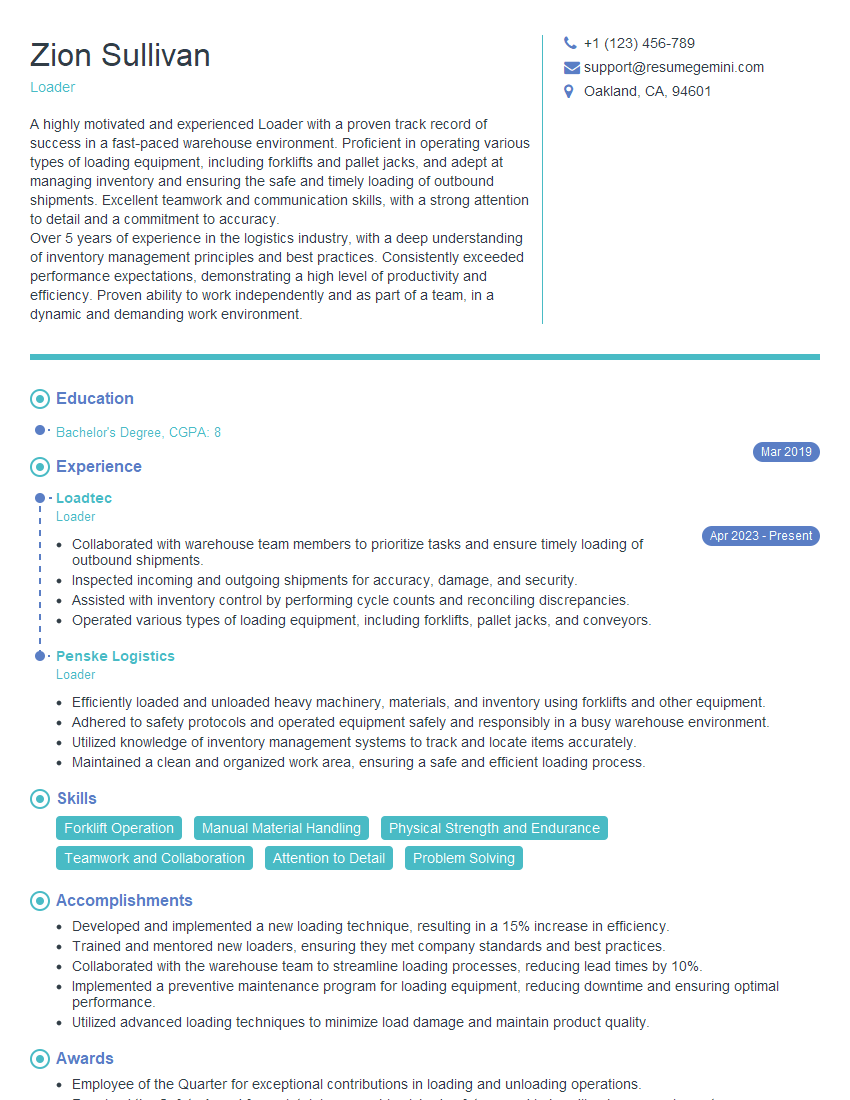
Loader Resume Sample

General Laborer Resume Sample
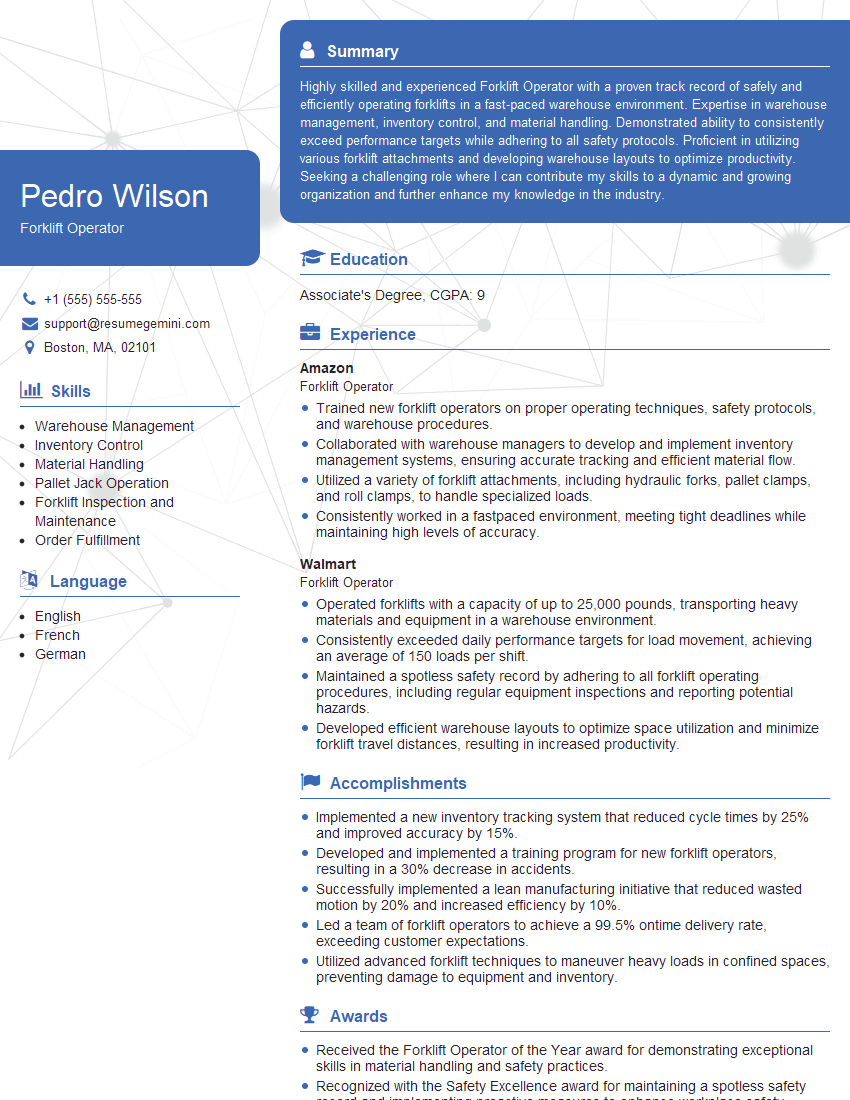
Forklift Operator Resume Sample
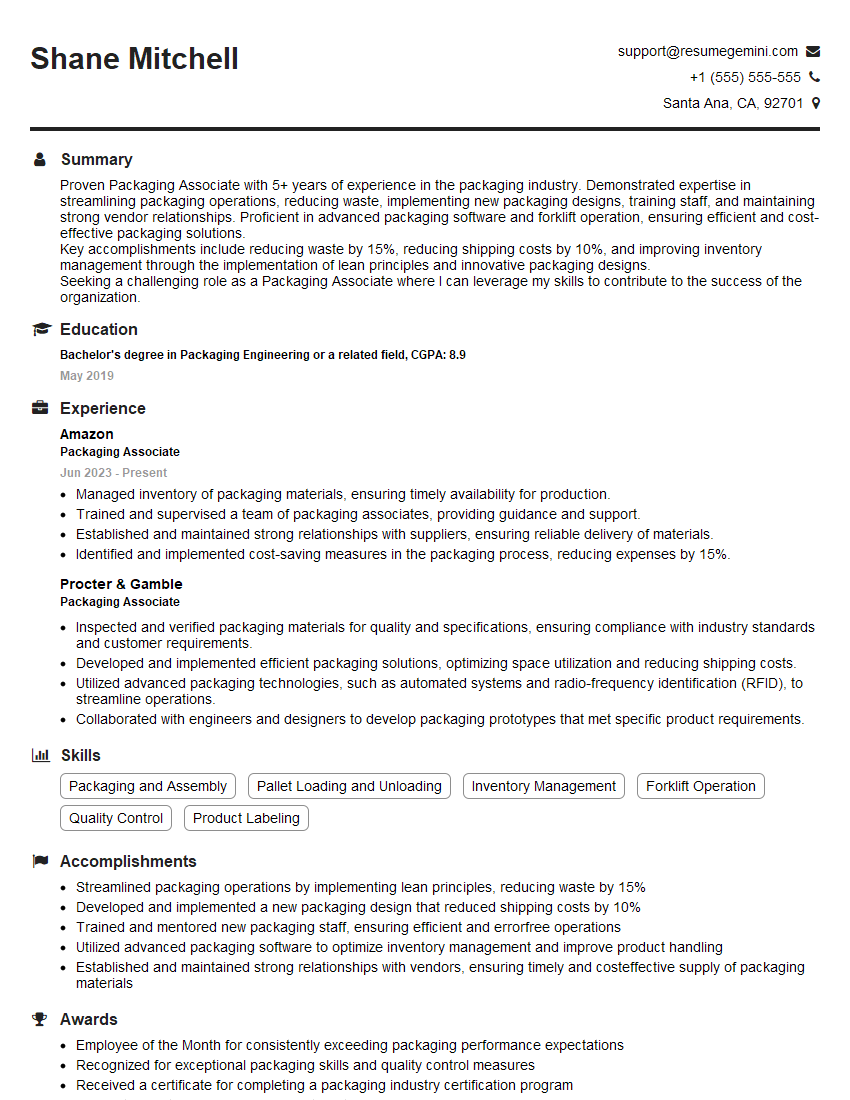
Packaging Associate Resume Sample
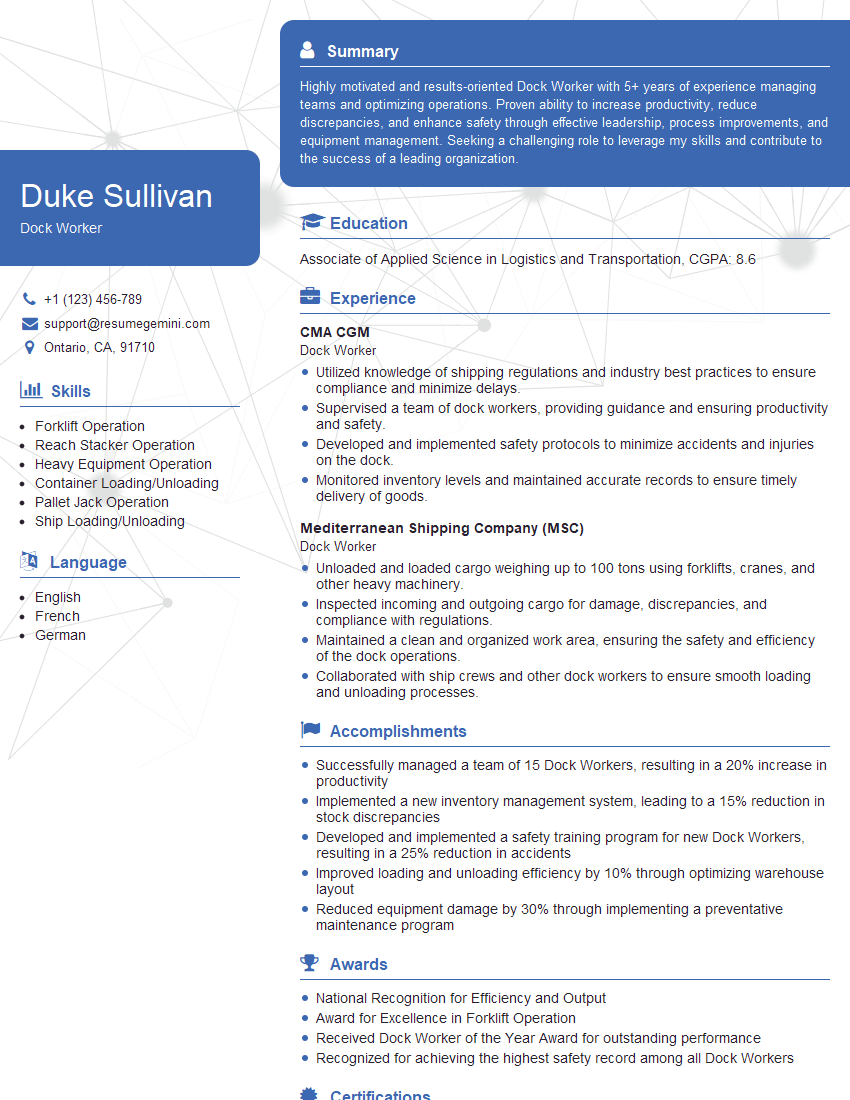
Dock Worker Resume Sample
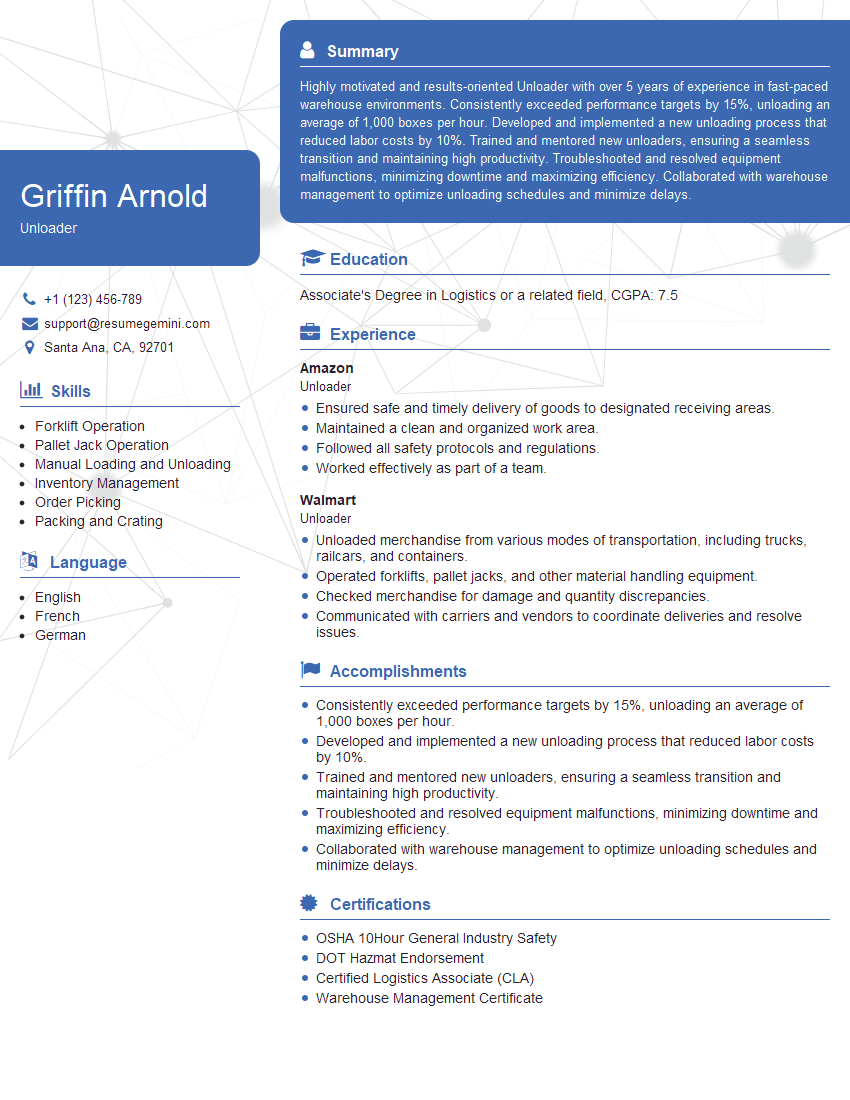
Unloader Resume Sample
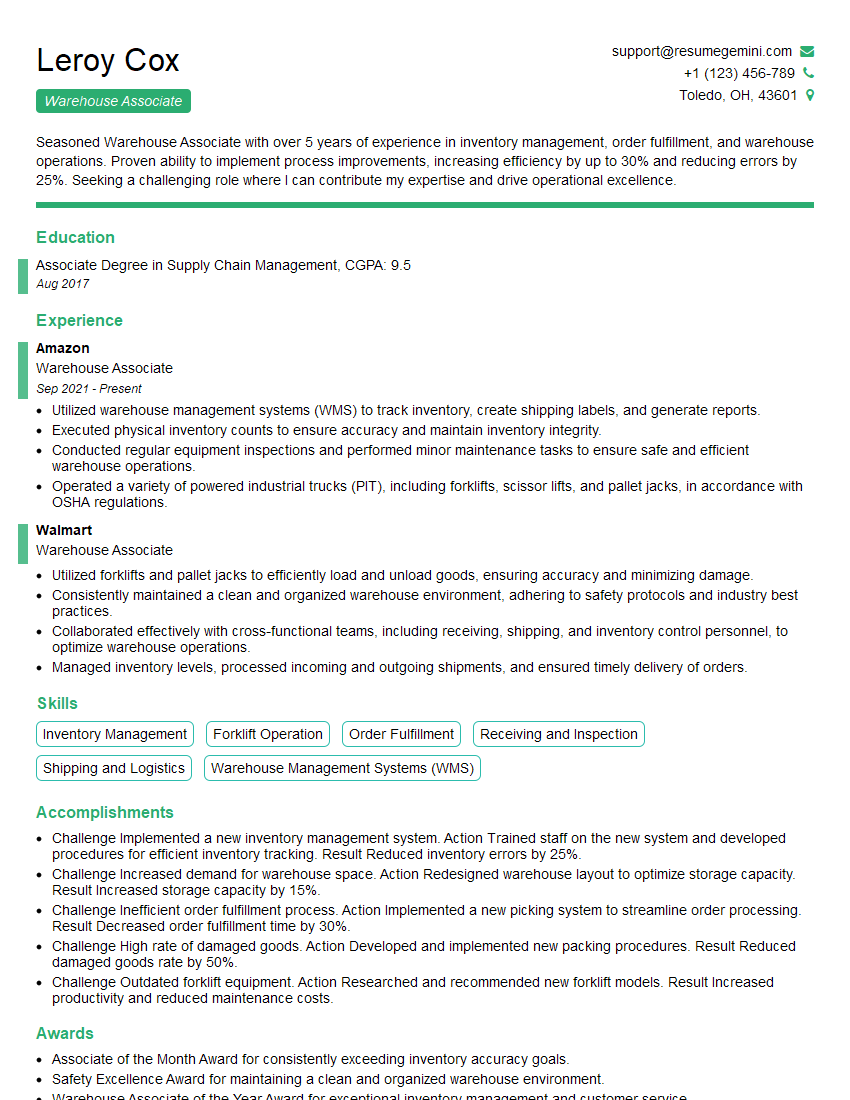
Warehouse Associate Resume Sample
- Logistics Manager
- Warehouse Supervisor
- Yard Worker
- Inventory Control Specialist
- Production Associate
- Order Fulfillment Specialist
- Shipping and Receiving Clerk
- Logistics Associate
- Material Handler
- Warehouse Worker
- Order Picker
- Loader
- General Laborer
- Forklift Operator
- Packaging Associate
- Dock Worker
- Unloader
- Warehouse Associate
Explore more articles
Users Rating of Our Blogs
Share Your Experience
We value your feedback! Please rate our content and share your thoughts (optional).
What Readers Say About Our Blog
Really detailed insights and content, thank you for writing this detailed article.
IT gave me an insight and words to use and be able to think of examples