Interviews are more than just a Q&A session—they’re a chance to prove your worth. This blog dives into essential Understanding of Maritime Operations interview questions and expert tips to help you align your answers with what hiring managers are looking for. Start preparing to shine!
Questions Asked in Understanding of Maritime Operations Interview
Q 1. Explain the SOLAS Convention and its impact on maritime operations.
The Safety of Life at Sea (SOLAS) Convention is the most important international maritime treaty. It sets minimum safety standards for the construction, equipment, and operation of merchant ships. Think of it as a global rulebook for ship safety. It aims to prevent accidents at sea and protect the marine environment.
SOLAS’s impact on maritime operations is profound. It dictates things like:
- Hull design and structural integrity: Ensuring ships can withstand various sea conditions.
- Fire protection and prevention: Requiring specific fire-fighting equipment and procedures.
- Life-saving appliances: Mandating sufficient lifeboats, life rafts, and other survival gear.
- Navigation equipment: Making sure ships have functioning radars, GPS, and other essential navigational tools.
- Safety training for crew: Requiring regular training for all crew members to ensure competency and emergency preparedness.
- Cargo security: Establishing procedures for securing cargo and preventing piracy or theft.
Non-compliance with SOLAS can lead to significant consequences, including detention of the vessel, hefty fines, and reputational damage. It’s a cornerstone of safe and responsible maritime operations worldwide.
Q 2. Describe the International Maritime Organization (IMO) and its role.
The International Maritime Organization (IMO) is a specialized agency of the United Nations responsible for regulating international shipping. Imagine it as the global governing body for maritime affairs. Its primary role is to develop and maintain a regulatory framework for safe, secure, efficient, and environmentally sound shipping.
The IMO achieves its objectives by:
- Developing international maritime conventions and codes: Like SOLAS, MARPOL (Marine Pollution), and the STCW (Standards of Training, Certification and Watchkeeping) Convention.
- Providing a forum for international cooperation: Bringing together governments, industry, and other stakeholders to address maritime issues.
- Adopting technical standards and guidelines: Setting technical requirements for ships and their operations to enhance safety and environmental protection.
- Encouraging the implementation of its standards: Working with member states to ensure that regulations are effectively enforced.
- Providing technical assistance: Supporting developing countries in improving their maritime sectors.
The IMO’s work directly impacts all aspects of maritime operations, from ship design to crew training and environmental protection. Its regulations are fundamental to maintaining a safe and sustainable maritime industry.
Q 3. What are the different types of vessel registrations and their implications?
Vessel registration involves officially recording ownership and nationality of a ship with a specific country’s maritime authority. Different registration types exist, each with its implications:
- Flag State Registration: This is the most common type, assigning nationality to the ship. The flag state assumes responsibility for enforcing international regulations on the vessel and its crew. This ‘flag’ implies that the ship’s operations fall under the jurisdiction of that nation’s maritime laws. Choosing a flag state often involves considerations of tax benefits, regulatory burdens and reputation.
- Open Registry: These registries have less stringent requirements than flag states, often attracting owners looking for lower fees and registration processes. However, they might have less rigorous safety standards and enforcement.
- Closed Registry: Only vessels owned by citizens or residents of that country are allowed to register under such registries.
The choice of registration has significant implications for:
- Liability and legal jurisdiction: Accidents or incidents at sea fall under the jurisdiction of the flag state.
- Taxes and fees: Registration fees and taxes vary significantly between flag states.
- Insurance costs: Insurance premiums can be affected by the reputation and safety record of the flag state.
- Credibility and reputation: Operating under a reputable flag state enhances credibility and reduces potential risks.
For example, a ship registered in Panama (a known open registry) might face different regulatory scrutiny compared to one registered in Norway (known for strict standards).
Q 4. Explain the process of cargo handling and stowage planning.
Cargo handling and stowage planning are crucial for safe and efficient shipping. It involves the careful loading, securing, and unloading of cargo while ensuring the vessel’s stability and the safety of the crew and cargo.
The process generally follows these steps:
- Cargo planning: Determining the type, quantity, weight, and dimensions of the cargo. Using software to plan the optimal placement for each item within the vessel’s hold.
- Stowage plan preparation: Creating a detailed plan showing the location of each cargo unit within the ship, considering factors like weight distribution, stability, and compatibility (e.g., avoiding placing hazardous materials near food).
- Cargo handling: Using appropriate equipment (cranes, forklifts, etc.) to load and unload cargo safely and efficiently.
- Securing cargo: Utilizing lashing, dunnage (protective materials between cargo), and other methods to prevent cargo shifting during transit.
- Monitoring cargo during transit: Regularly checking cargo stability and integrity throughout the voyage.
- Discharge planning: Preparing a discharge plan to ensure efficient and safe unloading of cargo at the destination port.
Inadequate stowage planning can lead to cargo damage, vessel instability, and even accidents at sea. For example, improperly secured containers could shift during rough weather, causing damage or even vessel instability. Proper planning minimizes these risks and ensures efficient operations.
Q 5. Describe the various methods of vessel navigation and positioning.
Vessel navigation and positioning involve determining a ship’s location and course, ensuring safe passage to its destination. Several methods are used:
- Global Positioning System (GPS): Provides highly accurate positioning data using a network of satellites. It’s the most common method, offering real-time location information.
- Electronic Chart Display and Information System (ECDIS): Combines GPS data with electronic navigational charts, providing an integrated navigation system. It enhances situational awareness and reduces human error.
- Inertial Navigation System (INS): Uses sensors to measure acceleration and rotation, allowing for continuous position determination even without GPS signals (though accuracy degrades over time).
- Radar: Detects objects and other vessels within range, improving collision avoidance and navigation in poor visibility.
- Automated Identification System (AIS): Transmits and receives data about a vessel’s position, course, and speed, allowing for better tracking and communication with other vessels.
- Celestial Navigation (for backup): While less common now, using stars and other celestial bodies remains a valuable backup method, especially in the case of electronic system failure.
These methods are often combined to provide a comprehensive navigation solution, ensuring accurate positioning and safe passage. For example, a captain might use GPS and ECDIS for primary navigation, but would also keep an eye on the radar for potential hazards and other vessels.
Q 6. What are the key elements of a voyage plan?
A voyage plan is a detailed document outlining a vessel’s intended journey. It’s crucial for safe and efficient navigation and acts as a roadmap for the voyage.
Key elements include:
- Departure and arrival ports: Specifying the starting and ending points of the voyage.
- Planned route: Detailing the course the vessel will follow, including waypoints, navigational hazards, and anticipated weather conditions.
- Estimated time of arrival (ETA): Calculating an anticipated arrival time based on the planned route and speed.
- Weather forecast: Incorporating weather information to anticipate potential challenges and adjust the plan accordingly.
- Contingency plans: Having backup plans for unexpected events, such as equipment failure or adverse weather.
- Cargo details: Including cargo specifics and relevant safety information.
- Communication plan: Outlining communication protocols and frequencies.
A well-prepared voyage plan significantly reduces risks by anticipating and mitigating potential hazards. Without it, the voyage becomes prone to delays, potential accidents, and even more significant problems.
Q 7. How do you ensure compliance with international maritime regulations?
Ensuring compliance with international maritime regulations requires a multi-faceted approach involving a combination of proactive measures and ongoing monitoring.
Key strategies include:
- Regular training and updates: Keeping crew members up-to-date on the latest regulations and best practices through training programs and regular updates.
- Maintaining accurate documentation: Meticulously keeping records of all inspections, certifications, and maintenance activities to demonstrate compliance.
- Implementing a robust safety management system (SMS): An SMS helps to manage risks, prevent accidents, and enhance compliance. A well-structured SMS ensures that all procedures, from cargo handling to safety drills, are carried out according to regulations.
- Regular inspections and audits: Undergoing regular inspections by port state control authorities (PSC) to confirm adherence to international standards.
- Proactive approach to non-conformances: Immediately addressing any identified non-compliances and taking corrective actions to prevent recurrence.
- Engaging with relevant authorities: Maintaining clear communication with flag state authorities, classification societies, and other stakeholders.
Non-compliance can lead to severe consequences. Therefore, a culture of safety and compliance needs to be ingrained in the vessel’s operations. Continuous improvement and vigilance are crucial for maintaining a spotless regulatory record.
Q 8. Explain the different types of marine insurance and their coverage.
Marine insurance is crucial for mitigating financial risks associated with maritime operations. Several types exist, each offering specific coverage:
- Hull and Machinery Insurance: This covers damage to the vessel itself, including its engines and other machinery. Think of it as car insurance for a ship. Coverage extends to accidents, collisions, grounding, and even fire.
- Protection and Indemnity (P&I) Insurance: This covers third-party liabilities, such as damage caused to another vessel, cargo loss or injury to crew or passengers. It’s essentially liability insurance for maritime activities. For instance, if your ship collides with another and causes damage, P&I insurance would cover the costs.
- Cargo Insurance: This protects the goods being transported. Different types exist, including Institute Cargo Clauses (ICC) A, B, and C, offering varying levels of coverage. ICC A provides the broadest protection, while ICC C is the most basic. Think of it as insurance for the goods shipped on a vessel.
- Freight Insurance: This protects the shipowner’s right to receive freight payments if the cargo is lost or damaged. If the cargo is lost due to an insured peril, this policy compensates the owner for the lost freight revenue.
- War Risks Insurance: This covers losses or damages caused by war, piracy, or other acts of terrorism. This is a separate policy often required for high-risk voyages.
The specific coverage under each policy varies depending on the terms and conditions outlined in the insurance contract. It’s essential to thoroughly understand these details before selecting a policy.
Q 9. Describe your experience with maritime safety procedures and emergency response.
Throughout my career, I’ve been deeply involved in implementing and adhering to strict maritime safety procedures and emergency response protocols. My experience includes:
- Safety Management Systems (SMS): I’ve actively participated in developing and implementing SMS compliant with the International Safety Management (ISM) Code. This involved regular safety drills, risk assessments, and incident investigations to proactively identify and mitigate hazards.
- Emergency Response Drills: I have extensive experience conducting and participating in various drills including fire drills, man overboard drills, and abandon ship drills, ensuring the crew’s preparedness to handle a variety of emergencies. We utilize documented procedures and checklists to ensure consistent and effective responses.
- Emergency Response Plan Development and Implementation: I’ve been involved in creating and updating ship-specific emergency response plans, which detail the procedures for different emergency scenarios, from minor incidents to major catastrophes. These plans are regularly reviewed and updated based on lessons learned from incidents and best practices.
- Communication Systems and Procedures: I’m proficient in using various communication systems, such as GMDSS (Global Maritime Distress and Safety System), to communicate emergency situations to relevant authorities. Clear and concise communication is crucial during emergencies.
In one instance, we faced a major engine failure during a transatlantic voyage. Thanks to our well-rehearsed emergency procedures and efficient communication, we safely navigated the vessel to the nearest port for repairs, minimizing disruption and ensuring the safety of the crew and cargo.
Q 10. How do you manage crew scheduling and resource allocation?
Efficient crew scheduling and resource allocation are crucial for optimizing operations and crew wellbeing. My approach involves:
- Crew Rostering Software: Utilizing specialized software to create optimized crew schedules considering factors such as contractual obligations, rest periods (STCW compliance), and individual crew member preferences. This ensures compliance with international regulations.
- Predictive Planning: Forecasting future crew needs based on planned voyages, maintenance schedules, and potential operational changes. This proactive approach minimizes disruptions and ensures sufficient crew is available.
- Skill-Based Allocation: Matching crew members to tasks based on their qualifications and experience. This ensures tasks are completed efficiently and safely.
- Communication and Feedback: Open communication with the crew is vital for addressing concerns and gathering feedback on the scheduling process, fostering collaboration and improvement.
- Continuous Monitoring and Adjustment: Regularly reviewing crew schedules and resource allocation to adapt to unforeseen circumstances, such as delays or emergencies. This flexibility is essential for smooth operations.
For example, during peak shipping seasons, I’ve successfully managed to optimize crew scheduling by utilizing a combination of internal and external resources to avoid overtime and maintain efficient operations. This involved careful planning and coordination to ensure we had the right personnel in the right place at the right time.
Q 11. Explain the process of vessel bunkering and fuel management.
Vessel bunkering, the process of refuelling a ship, requires meticulous planning and execution to ensure safety and efficiency. The process involves:
- Planning and Ordering: Determining the required quantity and type of fuel based on the voyage plan, considering factors like distance, speed, and fuel consumption. Orders are placed with bunker suppliers well in advance.
- Bunker Supplier Selection: Selecting a reputable supplier who can guarantee quality fuel and timely delivery. Reputation, certifications (ISO standards), and price are key considerations.
- Bunkering Operation: The actual transfer of fuel from the bunker barge or shore facility to the vessel’s tanks. This process requires strict adherence to safety regulations and procedures to prevent spills and ensure accurate measurement. The whole operation is monitored by dedicated personnel who maintain a constant watch.
- Quality Control: Sampling and testing the fuel received to verify its quality and compliance with specifications. This ensures the fuel meets the vessel’s requirements and prevents damage to engines.
- Record Keeping: Maintaining detailed records of all bunkering operations, including quantity, quality, supplier, and date. These records are essential for accounting and compliance purposes.
Failing to properly manage bunkering can result in significant delays, increased costs, and even engine damage. Therefore, a rigorous and well-documented process is essential.
Q 12. What are the key factors influencing vessel speed and fuel efficiency?
Vessel speed and fuel efficiency are interconnected and influenced by several key factors:
- Hull Condition: A clean and well-maintained hull reduces drag, improving fuel efficiency. Biofouling (marine growth on the hull) significantly increases resistance and fuel consumption.
- Weather Conditions: Adverse weather, such as strong headwinds or heavy seas, increases fuel consumption as the vessel needs more power to maintain its course and speed.
- Vessel Trim and Loading: Optimal trim (the balance of the ship) and cargo loading significantly influence hydrodynamic performance. Improper loading can increase resistance and fuel consumption.
- Engine Efficiency: Well-maintained engines operate more efficiently, consuming less fuel at the same speed. Regular maintenance and proper lubrication are key.
- Speed Optimization: Speed significantly affects fuel consumption; higher speeds exponentially increase fuel burn. Finding the optimal speed that balances transit time and fuel economy is critical. This often involves sophisticated speed optimization software.
- Sea State: Calm seas lead to better fuel efficiency. Rough seas cause increased drag, necessitating higher engine power and fuel consumption.
For example, reducing speed by 10% can often result in a much larger reduction (e.g., 20-30%) in fuel consumption. Sophisticated voyage optimization systems leverage these factors to suggest the most fuel-efficient routes and speeds.
Q 13. Describe your experience with port state control inspections.
Port State Control (PSC) inspections are crucial for ensuring compliance with international maritime regulations and safety standards. My experience with PSC inspections includes:
- Preparation and Documentation: Ensuring all necessary documentation, including certificates, crew licenses, and maintenance records, is readily available and up-to-date for inspection. Proactive preparation minimizes delays and potential issues.
- Understanding PSC Requirements: Familiarity with the conventions, codes, and regulations enforced by various PSC organizations (e.g., Paris MOU, Tokyo MOU). This ensures we meet the requirements of different flag states and ports.
- Inspections and Deficiency Resolution: Cooperating fully with PSC inspectors during inspections, addressing any deficiencies identified promptly and efficiently. This demonstrates commitment to safety and compliance.
- Record Keeping: Maintaining accurate records of all PSC inspections, including findings, corrective actions, and follow-up actions. This demonstrates transparency and facilitates continuous improvement.
In one instance, a minor deficiency was identified during a PSC inspection. We addressed it immediately by providing the necessary documentation and rectifying the issue, preventing any delays or further action. Proactive compliance is key to avoiding serious consequences.
Q 14. How do you handle delays and disruptions in shipping operations?
Delays and disruptions in shipping operations are inevitable. Effective management requires a proactive and flexible approach:
- Risk Assessment and Mitigation: Identifying potential sources of delays, such as weather conditions, port congestion, or geopolitical events. Developing contingency plans to minimize the impact of these disruptions.
- Communication and Coordination: Maintaining open communication with all stakeholders, including shippers, agents, and port authorities, to share information and coordinate responses to delays.
- Alternative Planning: Exploring alternative routes, ports, or transportation methods if necessary. This flexibility is crucial in minimizing overall delays.
- Problem-Solving and Decision-Making: Identifying the root cause of the delay and implementing appropriate solutions. This often involves weighing various factors and making timely decisions.
- Documentation and Reporting: Keeping accurate records of all delays and disruptions, including their cause, impact, and corrective actions. This is critical for future planning and analysis.
For example, during a period of severe port congestion, we successfully mitigated delays by coordinating with port authorities and rerouting vessels to alternative ports with less congestion. This required close collaboration and proactive communication with all stakeholders.
Q 15. Explain the concept of ‘deadweight tonnage’ and its significance.
Deadweight tonnage (DWT) represents the total weight a vessel can carry, including cargo, fuel, ballast water, stores, and crew. It’s essentially the difference between the vessel’s displacement at maximum load and its displacement in lightweight condition (empty). Think of it like this: if you weigh a truck empty and then weigh it fully loaded, the difference is its ‘deadweight’ carrying capacity. In shipping, DWT is crucial for determining a vessel’s earning potential. A higher DWT means more cargo can be transported per voyage, leading to increased revenue. It’s also a key factor in port selection, as ports must have the infrastructure to handle vessels of specific DWT.
For example, a tanker with a DWT of 200,000 tonnes can carry significantly more crude oil than a smaller vessel with a DWT of 50,000 tonnes. This directly impacts the profitability of the shipping company. Understanding DWT is fundamental in charter agreements, cargo planning, and overall vessel operation efficiency.
Career Expert Tips:
- Ace those interviews! Prepare effectively by reviewing the Top 50 Most Common Interview Questions on ResumeGemini.
- Navigate your job search with confidence! Explore a wide range of Career Tips on ResumeGemini. Learn about common challenges and recommendations to overcome them.
- Craft the perfect resume! Master the Art of Resume Writing with ResumeGemini’s guide. Showcase your unique qualifications and achievements effectively.
- Don’t miss out on holiday savings! Build your dream resume with ResumeGemini’s ATS optimized templates.
Q 16. What are the different types of maritime cargo and their handling requirements?
Maritime cargo is incredibly diverse. It’s broadly categorized into several types, each with unique handling requirements:
- Dry Bulk Cargo: This includes grains, ores, coal, and other unpackaged materials. Handling involves specialized loading and unloading equipment like conveyor belts, grabs, and cranes. Safety is paramount due to the potential for dust explosions and cargo shifting.
- Liquid Bulk Cargo: This encompasses crude oil, petroleum products, chemicals, and liquefied gases. Specialized tankers and pipelines are needed for efficient and safe handling, with strict regulations to prevent spills and maintain product purity.
- Breakbulk Cargo: This consists of palletized or general cargo that isn’t containerized, such as machinery, timber, and steel. It requires more manual handling and careful stowage to prevent damage.
- Containerized Cargo: This is the most common type today, utilizing standardized containers of various sizes (20ft, 40ft, etc.). This method is highly efficient and simplifies handling using cranes and specialized terminal equipment.
- Refrigerated Cargo (Reefer Cargo): Perishable goods like fruits, vegetables, and pharmaceuticals require temperature-controlled containers and specialized vessels to maintain quality throughout transit.
- Project Cargo: This involves oversized or heavy pieces of equipment, which demand specialized transport methods and may require disassembling parts for efficient handling.
Understanding these categories is crucial for efficient port operations, vessel selection, and minimizing damage and delays.
Q 17. Describe your experience with cargo securing and lashing.
My experience in cargo securing and lashing spans over [Number] years, encompassing diverse cargo types and vessel sizes. I’ve worked extensively with securing containers using twist locks, lashing bars, and securing breakbulk cargo with various methods, including chains, wire ropes, and dunnage. I’m proficient in using lashing plans and ensuring compliance with international maritime regulations (IMO/SOLAS) related to cargo securing.
A specific example involved securing a shipment of oversized wind turbine blades. This required meticulous planning, precise calculations of forces, and the use of specialized lifting equipment and heavy-duty lashing materials. We utilized a detailed lashing plan, accounting for potential stresses during the voyage. Safety briefings were given to the crew before commencement, and the entire process was meticulously documented for audit trail and quality control. Success in this operation depended on accurate calculations, compliance with safety regulations and the utilization of the right equipment for the specific cargo
Q 18. Explain the process of vessel chartering and contract negotiation.
Vessel chartering involves renting a vessel for a specific period and purpose. The process starts with identifying the right vessel type and size for the cargo. Then, a charter party, a legally binding contract, is negotiated between the shipowner (the lessor) and the charterer (the lessee). Key elements of negotiation include:
- Charter type: Voyage charter (for a single voyage), time charter (for a set period), or bareboat charter (leasing the entire vessel).
- Freight rate: The cost of chartering the vessel, often based on DWT or per day.
- Laydays: The period the charterer has to load and unload the cargo.
- Port of loading and discharge: The specific locations of cargo pickup and delivery.
- Liability and insurance: Determining responsibility for damages and insurance coverage.
Effective negotiation requires a thorough understanding of the market, applicable laws, and the specific needs of both parties. Experienced negotiators leverage market intelligence and data analysis to secure favorable terms. I’ve personally handled numerous charter negotiations, achieving cost-effective solutions while ensuring compliance with contractual obligations. This involves thorough contract review to mitigate potential risks and disputes.
Q 19. What are the different types of shipping containers and their specifications?
Shipping containers are the backbone of global trade, standardized for efficient handling. The most common types are:
- 20-foot Standard Container (TEU): The smallest standard container, approximately 20 feet long.
- 40-foot Standard Container (FEU): Twice the length of a 20-foot container, offering double the capacity.
- 40-foot High Cube Container: A 40-foot container with increased height for greater volume.
- Refrigerated Containers (Reefer Containers): Equipped with refrigeration units to maintain temperature for perishable goods.
- Open-Top Containers: Containers with removable roofs for easy loading and unloading of oversized cargo.
- Flatrack Containers: Containers with low sides and removable ends, suitable for oversized and heavy cargo.
Specifications include internal dimensions, maximum weight limits, and specific certifications for hazardous materials. Understanding these specifications is crucial for cargo planning, weight distribution, and safe stacking in vessels.
Q 20. Describe your experience with vessel maintenance and repair planning.
My experience with vessel maintenance and repair planning involves developing and implementing comprehensive maintenance schedules. This includes proactive maintenance, predictive maintenance using data analytics, and reactive maintenance based on equipment failures. I’ve worked closely with engineers and technicians, coordinating dry-docking schedules, spare parts procurement, and ensuring compliance with classification society regulations.
A significant project involved planning a major dry-docking for a bulk carrier. This required meticulous planning, coordination with multiple vendors, and adherence to strict timelines. We developed a detailed work scope, incorporating hull cleaning, engine overhaul, and other necessary repairs. The entire process was meticulously documented, allowing for cost control and efficient resource allocation. This example highlights the need for comprehensive planning and collaboration to successfully execute vessel maintenance without disrupting the operational schedule.
Q 21. How do you manage risks associated with maritime operations?
Managing risks in maritime operations is a multifaceted process. A risk management framework is implemented incorporating identification, assessment, and mitigation strategies. Key risks include:
- Cargo damage and loss: Mitigated through proper handling, securing, and insurance.
- Vessel accidents: Addressed via regular maintenance, crew training, and adherence to safety regulations.
- Weather-related events: Managed by monitoring forecasts, choosing appropriate routes, and having contingency plans.
- Piracy and theft: Addressed through security measures, vessel escorts, and insurance.
- Legal and regulatory compliance: Ensured through continuous monitoring of changes and seeking expert advice when needed.
Risk management is a continuous process involving regular reviews, updates, and proactive measures to reduce potential threats. This allows for proactive risk mitigation through regular safety drills and training sessions, thereby fostering a proactive safety culture.
Q 22. Explain the role of the International Ship and Port Facility Security (ISPS) Code.
The International Ship and Port Facility Security (ISPS) Code is a mandatory international standard developed by the International Maritime Organization (IMO) to enhance maritime security. Its primary goal is to prevent acts of terrorism against ships and port facilities. Think of it as a comprehensive security plan that covers everything from access control to emergency response.
- Ship Security Plans (SSPs): Every ship must have an SSP detailing security measures specific to that vessel. This includes procedures for identifying and responding to security threats.
- Port Facility Security Plans (PFSPs): Similarly, port facilities must develop PFSPs outlining their own security protocols, covering areas like access control, surveillance, and cargo inspection.
- Designated Security Officers (DSOs): Both ships and port facilities designate personnel as DSOs, responsible for implementing and maintaining security measures.
- Security Levels: The ISPS Code defines three security levels (1-3, with 3 being the highest) that dictate the severity of implemented security measures, dependent on the perceived threat level.
For example, during a heightened threat level (level 3), stricter checks might be in place at port entrances, and ships may be subject to more thorough inspections. The ISPS Code’s success relies heavily on international cooperation and communication between ships, ports, and governments to maintain a secure maritime environment. It’s a crucial element in protecting global trade and ensuring the safety of seafarers.
Q 23. Describe your experience with maritime communication systems (VHF, GMDSS).
My experience with maritime communication systems, specifically VHF and GMDSS, is extensive. I’ve used them daily throughout my career on various vessel types. VHF radio is crucial for short-range communication, particularly within a port or between nearby vessels. I’ve relied on it for everything from coordinating pilot transfers to reporting emergencies.
GMDSS, or the Global Maritime Distress and Safety System, is a much broader system for long-range communication and distress alerting. I’m proficient in using its various components, including:
- Very High Frequency (VHF) radio: Essential for short-range communication, coordinating with harbor masters, and pilot services.
- Inmarsat satellite communications: Used for long-range communication, especially in areas with limited VHF coverage. I have experience using Inmarsat-C for sending distress alerts and routine messages.
- EPIRB (Emergency Position-Indicating Radio Beacon): I’ve been trained to activate and use an EPIRB in case of an emergency, triggering an automatic alert to rescue coordination centers.
- NAVTEX (Navigational Telex): I regularly receive NAVTEX broadcasts to stay updated on navigational warnings and meteorological information.
In a real-world example, during a heavy storm, I successfully used Inmarsat-C to update our ETA and communicated with our agents to coordinate assistance while managing the ship’s safety using the relevant GMDSS systems. Proficiency in these systems is paramount for safe and efficient maritime operations.
Q 24. What are the key performance indicators (KPIs) for maritime operations?
Key Performance Indicators (KPIs) for maritime operations are crucial for measuring efficiency, safety, and profitability. They vary depending on the specific operation (shipping line, port authority, etc.), but some common KPIs include:
- Vessel Speed and Fuel Consumption: Monitoring these helps optimize routes and reduce operational costs.
- Cargo Handling Efficiency (Port): Measures the speed and effectiveness of loading and unloading cargo, impacting turnaround times.
- On-Time Performance (OTP): Tracks the percentage of voyages or port calls completed on schedule.
- Safety Incidents: Number of accidents, near misses, and injuries provides an important gauge of safety performance.
- Port Congestion Levels: Monitoring vessel waiting times and berth utilization reveals bottlenecks and areas for improvement.
- Freight Rates and Revenue: Essential for financial performance analysis.
- Cargo Damage Rate: Measures the percentage of cargo damaged during transit.
For instance, a shipping line might focus on improving its OTP to enhance customer satisfaction. A port authority might prioritize reducing congestion levels to increase efficiency. Regularly monitoring and analyzing these KPIs allows for continuous improvement in maritime operations.
Q 25. Explain the impact of weather conditions on maritime operations.
Weather conditions significantly impact maritime operations, posing risks to vessel safety, cargo integrity, and operational efficiency. Factors like wind speed, wave height, visibility, and sea currents all play a crucial role.
- Storms and High Seas: Strong winds and high waves can damage vessels, delay voyages, and increase the risk of accidents. Navigating through such conditions requires skilled seamanship and potentially adjusting the route.
- Reduced Visibility: Fog, rain, or snow can severely limit visibility, making navigation challenging and increasing the risk of collisions. Radar and other navigational aids are critical in such scenarios.
- Extreme Temperatures: High or low temperatures can impact cargo, especially perishable goods. Temperature-controlled containers and careful cargo handling are essential.
- Sea Ice: In polar regions, sea ice significantly restricts navigation and requires specialized ice-class vessels and navigation strategies.
For example, anticipating a typhoon, a vessel might seek shelter in a port or alter its course to avoid the worst of the storm. Accurate weather forecasting and effective communication are crucial in mitigating weather-related risks.
Q 26. Describe your experience with port congestion and its management.
Port congestion, characterized by delays in vessel berthing, cargo handling, and overall port operations, is a major challenge in global maritime trade. I have extensive experience dealing with port congestion in various ports around the world. Causes include:
- Insufficient Port Capacity: Lack of berths, cranes, or storage space can lead to bottlenecks.
- Inadequate Infrastructure: Poor road and rail connections can delay cargo movement.
- Inefficient Port Operations: Slow cargo handling processes and bureaucratic delays contribute to congestion.
- Peak Season Demand: Periods of high demand often exceed port capacity.
Strategies for managing port congestion involve:
- Improved Port Infrastructure: Investing in new berths, cranes, and storage facilities.
- Optimized Cargo Handling Processes: Implementing efficient technologies and streamlined workflows.
- Better Coordination and Communication: Improving information flow between all stakeholders.
- Real-time Monitoring Systems: Using technology to track vessel movements, cargo status, and berth availability.
- Incentivizing Off-Peak Operations: Offering incentives to encourage shipping lines to schedule port calls during less congested periods.
In one instance, I worked with port authorities to implement a new scheduling system that significantly reduced vessel waiting times. Effective congestion management is vital for maintaining the fluidity of global supply chains.
Q 27. How do you ensure the safety and security of crew and cargo?
Ensuring the safety and security of crew and cargo is paramount in maritime operations. This requires a multi-faceted approach, incorporating both preventative measures and emergency response protocols.
- Crew Training and Drills: Regular safety training, including emergency drills, ensures crew preparedness in various situations.
- Vessel Maintenance and Inspections: Rigorous maintenance and regular inspections of the vessel and its equipment are vital for preventing accidents.
- Cargo Security Measures: Secure cargo handling practices, including proper lashing and securing of cargo, reduce the risk of damage or loss.
- Security Systems and Technology: Implementing security systems, such as CCTV and access control, enhances security. Utilizing GPS tracking for cargo containers can prevent theft and aid in timely recovery.
- Compliance with Regulations: Strict adherence to international and national safety and security regulations is mandatory.
- Emergency Response Plans: Having well-defined emergency response plans and protocols in place is critical for effectively handling incidents.
For example, we had a situation where a fire broke out in the engine room. Thanks to our robust emergency procedures, well-trained crew, and timely communication with maritime authorities, we managed to contain the fire and prevent any casualties. A proactive safety culture is essential for mitigating risks and protecting both crew and cargo.
Q 28. Explain the process of ballast water management.
Ballast water management is crucial for preventing the spread of invasive aquatic species between different regions. Ballast water is taken on board to maintain vessel stability, and when discharged, it can release harmful organisms into new environments, disrupting ecosystems and causing ecological and economic damage.
The process involves:
- Ballast Water Exchange: This involves replacing ballast water taken on in one location with water from a different location, diluting the concentration of invasive species.
- Ballast Water Treatment Systems: These systems use various methods, such as filtration, UV radiation, or chemical treatment, to kill or disable harmful organisms in ballast water before discharge.
- Record Keeping: Ships are required to maintain accurate records of ballast water management operations.
- Compliance with Regulations: Adherence to the IMO Ballast Water Management Convention is mandatory for all vessels.
Different treatment technologies have varying levels of effectiveness. Proper maintenance and monitoring of ballast water treatment systems are essential to ensure compliance and protect the environment. For example, I have direct experience installing and maintaining a UV ballast water treatment system, verifying its functionality and ensuring compliance with the regulations. The global implementation of effective ballast water management is a crucial step in preserving marine biodiversity.
Key Topics to Learn for Understanding of Maritime Operations Interview
- International Maritime Regulations (IMO): Understanding key conventions like SOLAS, MARPOL, and STCW, and their practical implications on ship operations and safety.
- Navigation and Chartwork: Demonstrate knowledge of electronic charting systems (ECDIS), navigational techniques, and procedures for safe passage planning. Practical application includes explaining how to handle different navigational challenges.
- Cargo Handling and Stowage: Discuss safe and efficient cargo handling practices, including securing different types of cargo and complying with relevant regulations. Be prepared to discuss potential hazards and mitigation strategies.
- Ship’s Structure and Systems: Familiarity with main engine operation, auxiliary systems (e.g., electrical, plumbing), and the overall structure of different vessel types. Be able to discuss maintenance and troubleshooting scenarios.
- Communication and Teamwork: Highlight your understanding of effective communication protocols within a maritime environment, including the use of GMDSS and other communication systems, and how to effectively work within a team under pressure.
- Safety Management Systems (SMS): Explain your understanding of the implementation and importance of SMS onboard vessels, including risk assessment and hazard identification. Prepare examples of how you’ve contributed to a safe working environment.
- Port State Control (PSC): Discuss the role of PSC inspections and how to ensure compliance with international regulations to avoid detentions. This includes understanding common PSC deficiencies and preventative measures.
- Emergency Procedures: Demonstrate knowledge of emergency response plans, including fire fighting, man overboard procedures, and search and rescue operations. Be ready to discuss your role in a simulated emergency scenario.
Next Steps
Mastering the intricacies of maritime operations significantly enhances your career prospects, opening doors to diverse roles and higher responsibilities within the maritime industry. To maximize your chances of landing your dream job, creating an ATS-friendly resume is crucial. This ensures your application gets noticed by recruiters and hiring managers. We strongly recommend using ResumeGemini, a trusted resource, to build a professional and impactful resume. ResumeGemini provides examples of resumes tailored to Understanding of Maritime Operations to help you showcase your skills and experience effectively. Invest time in crafting a compelling resume – it’s your first impression!
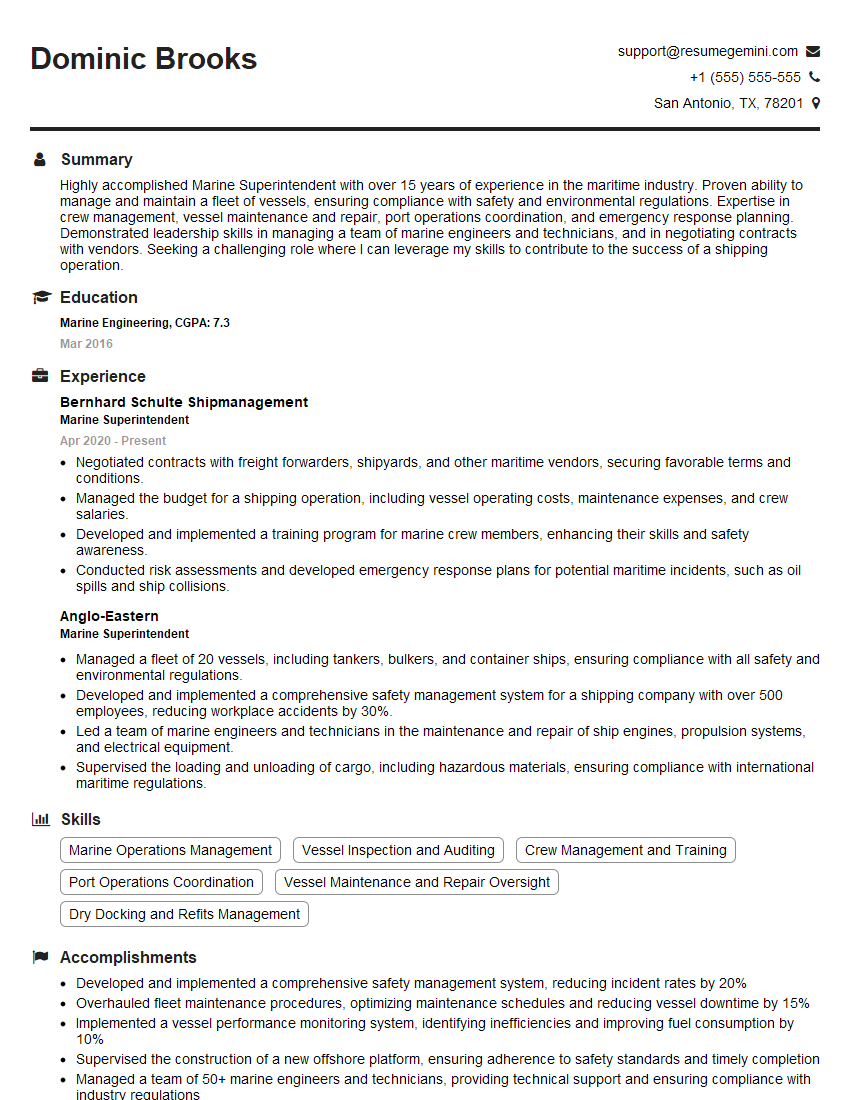
Marine Superintendent Resume Sample
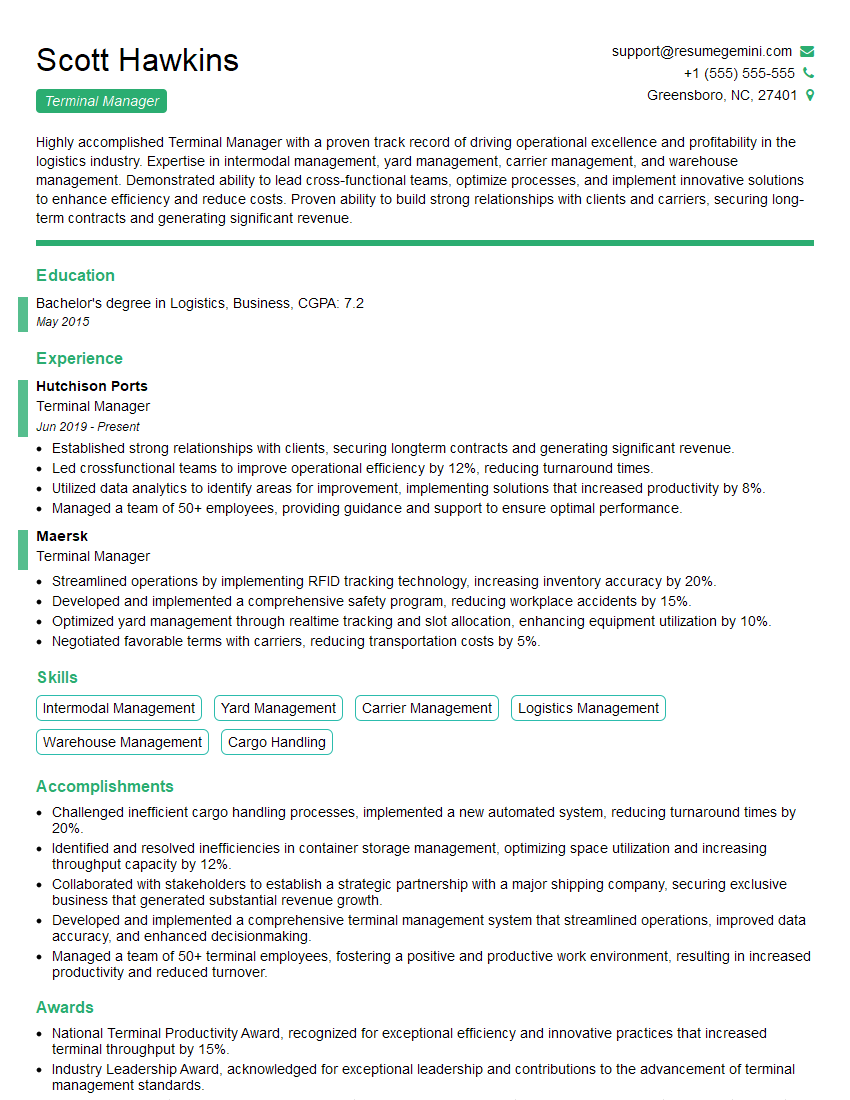
Terminal Manager Resume Sample
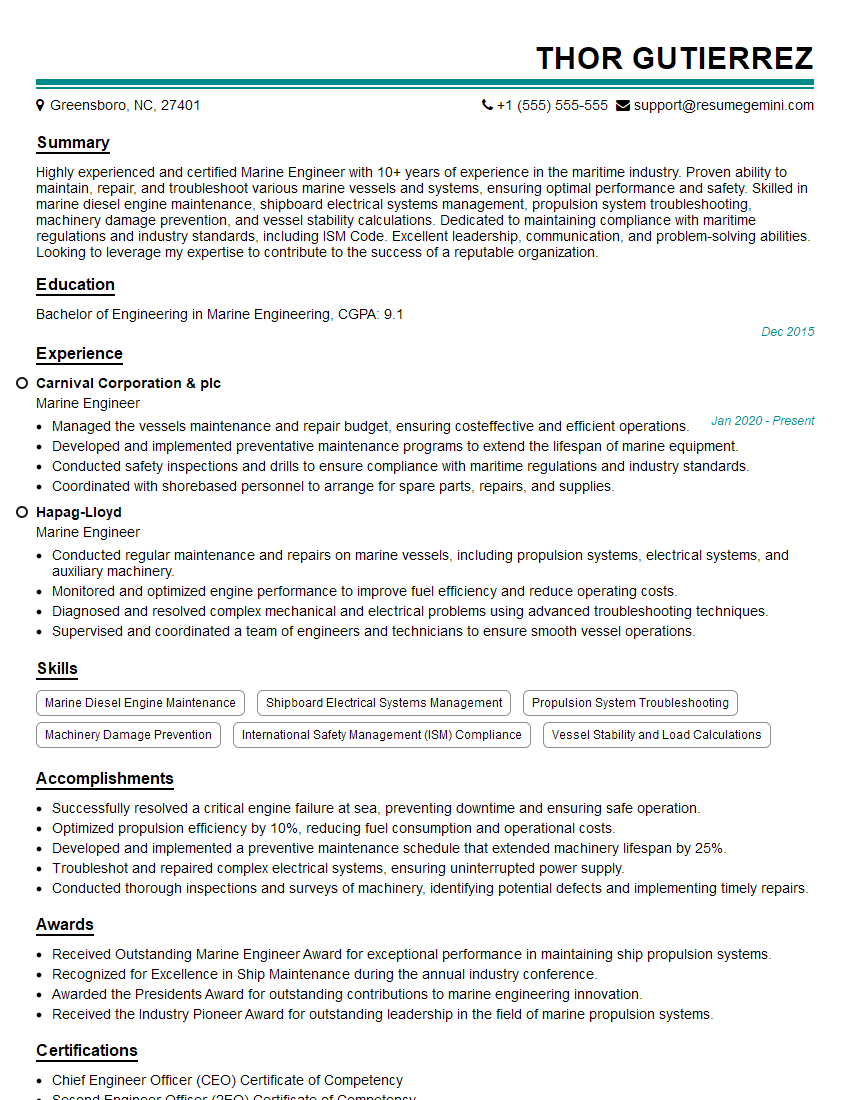
Marine Engineer Resume Sample
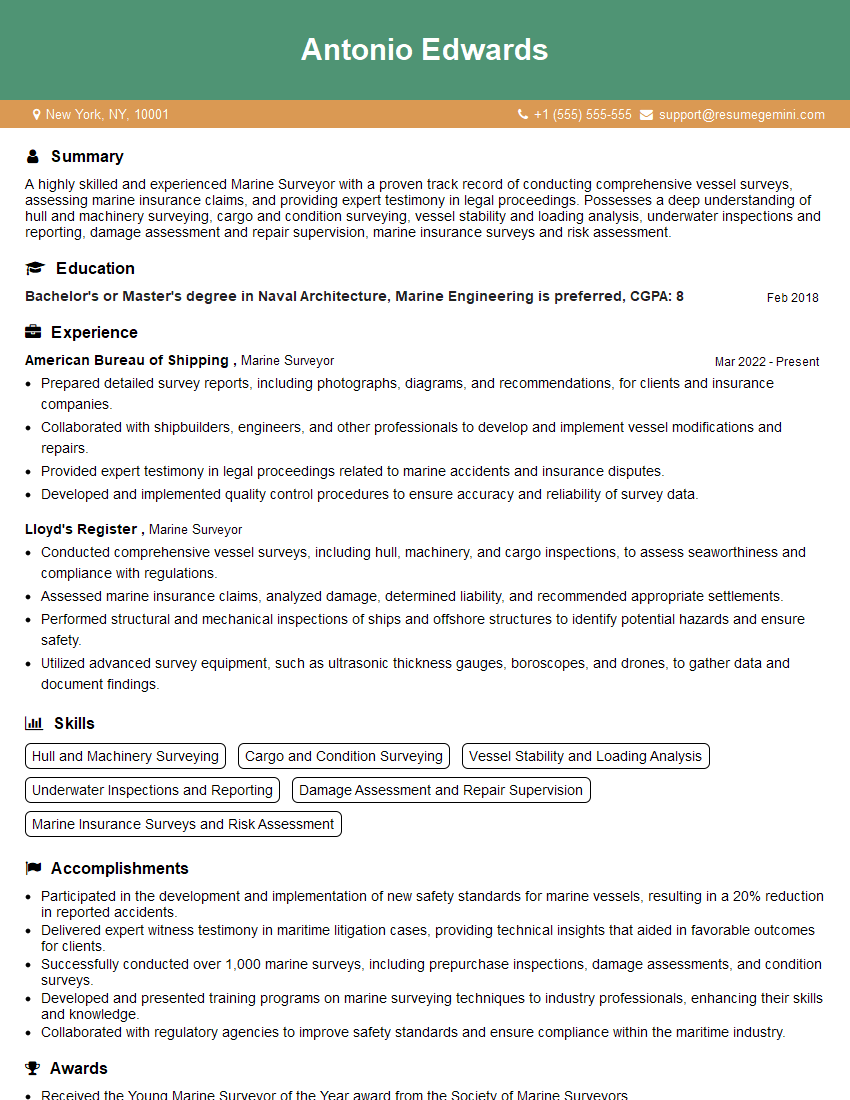
Marine Surveyor Resume Sample
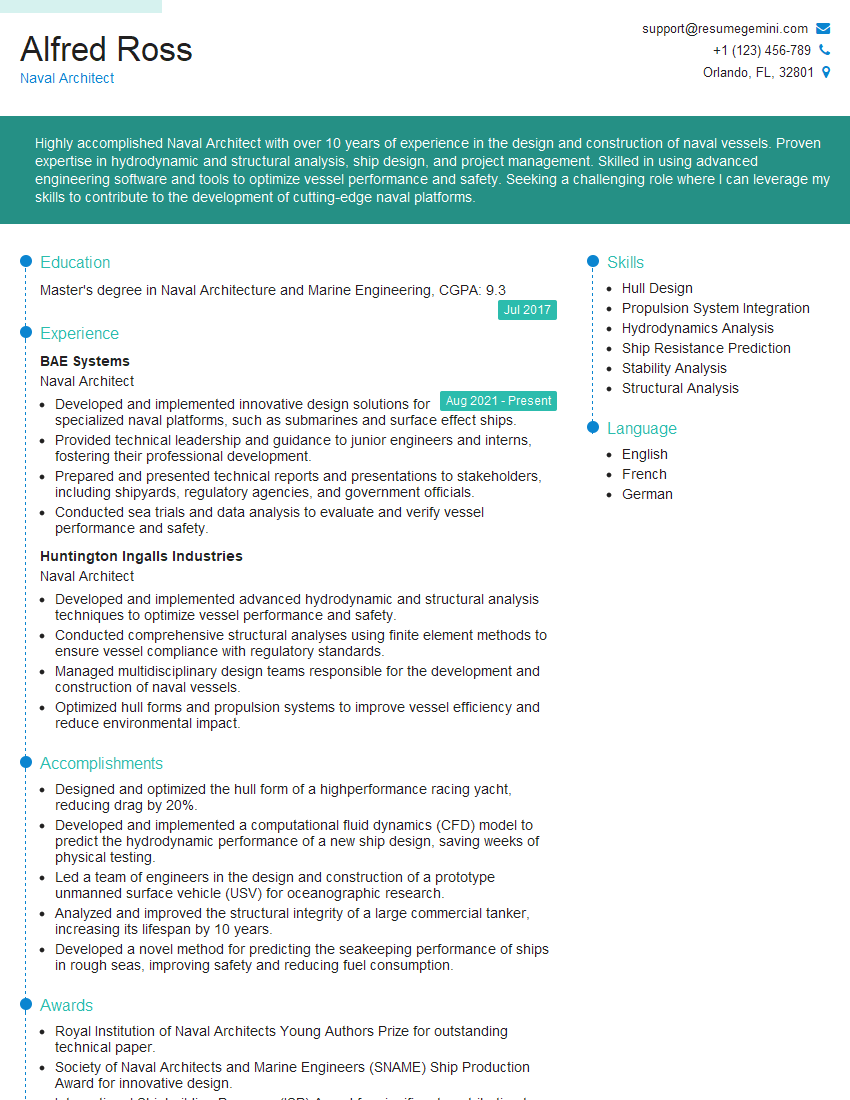
Naval Architect Resume Sample
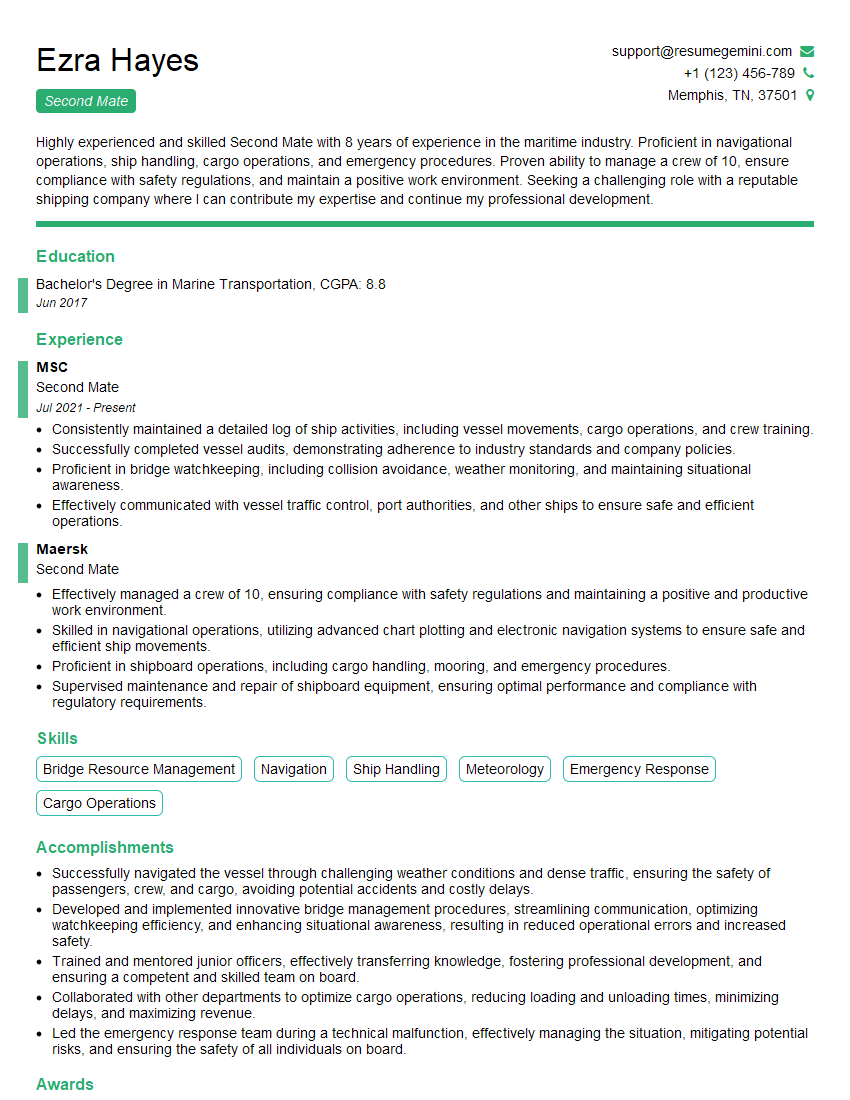
Second Mate Resume Sample
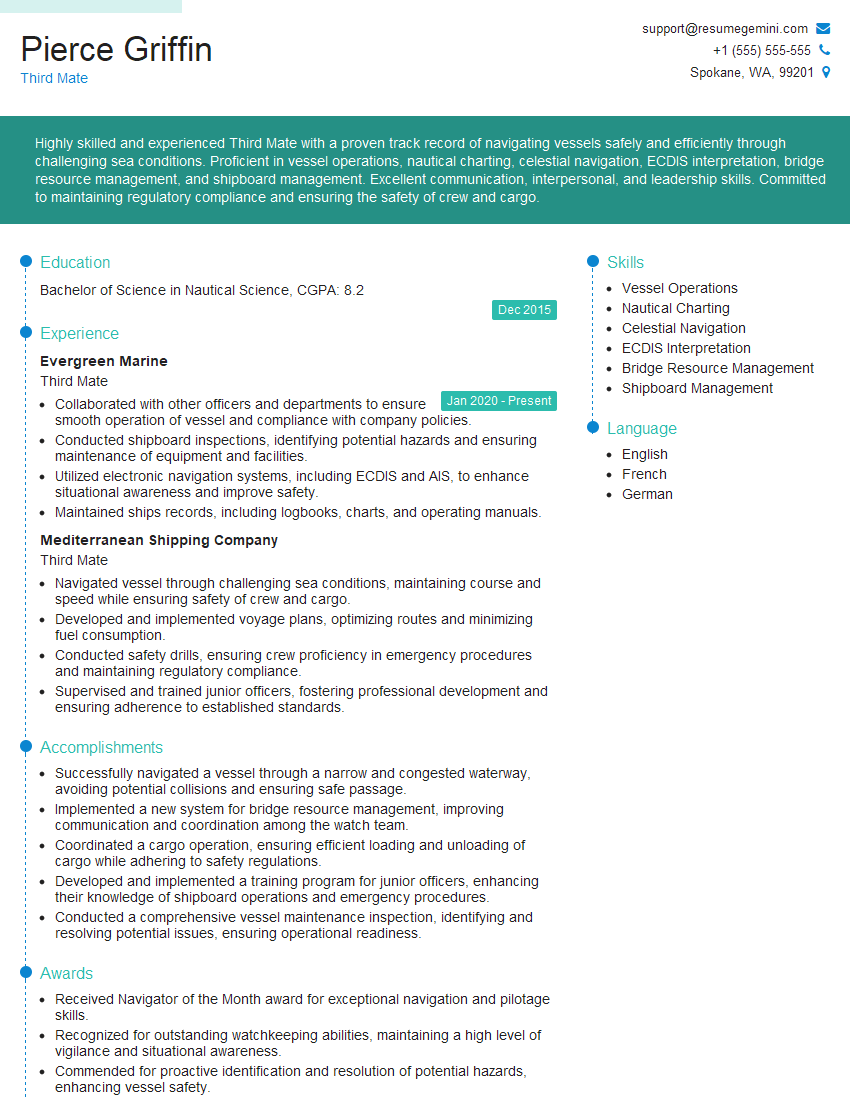
Third Mate Resume Sample
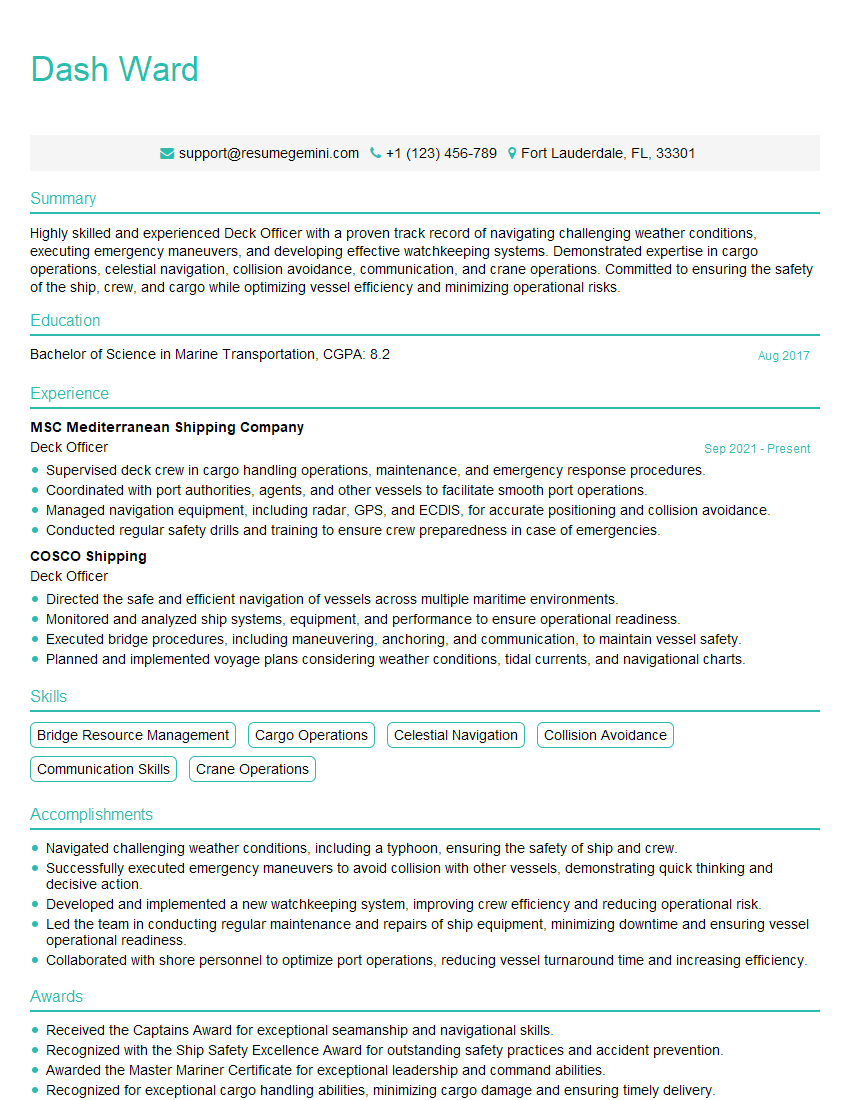
Deck Officer Resume Sample
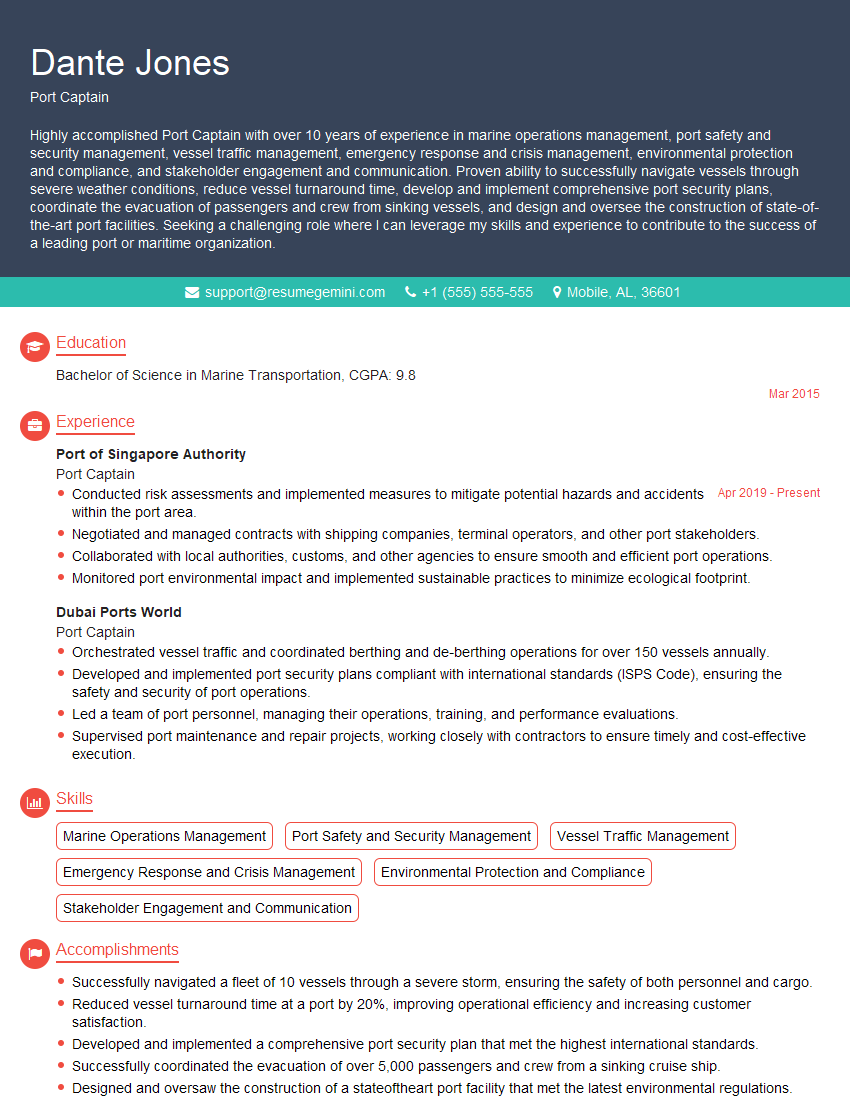
Port Captain Resume Sample
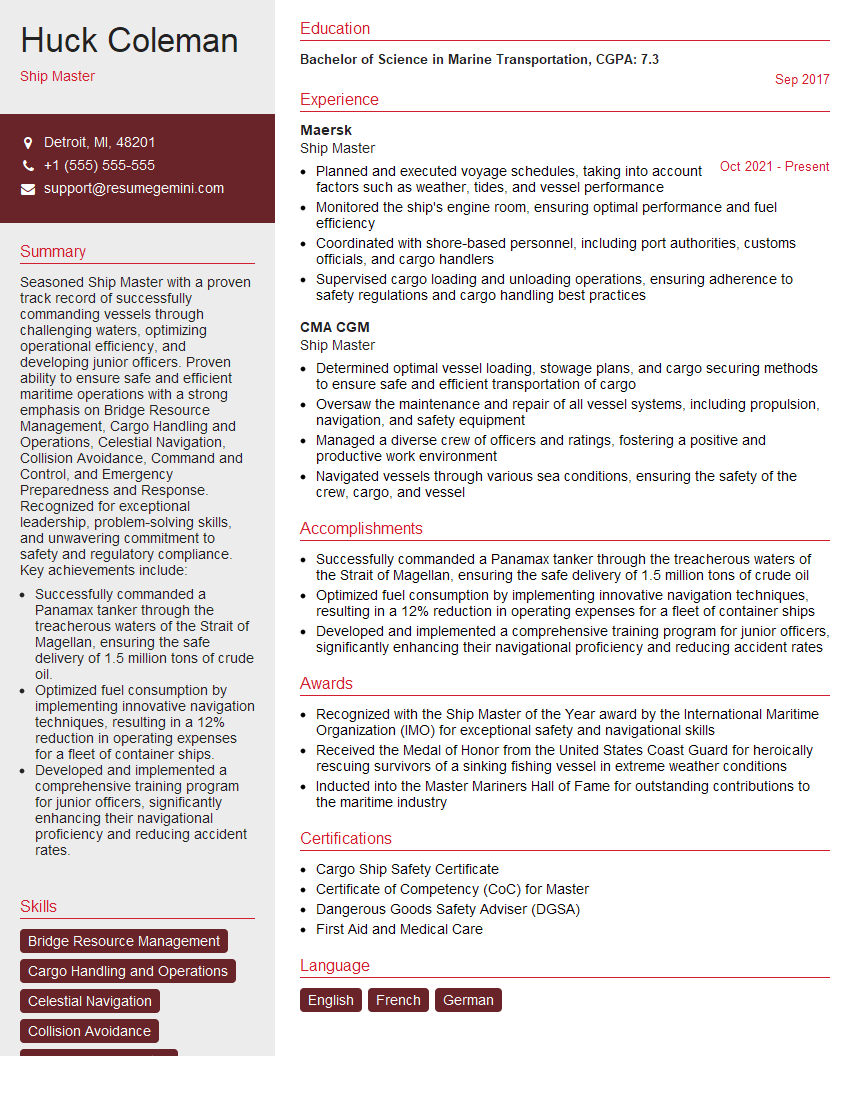
Ship Master Resume Sample
Explore more articles
Users Rating of Our Blogs
Share Your Experience
We value your feedback! Please rate our content and share your thoughts (optional).
What Readers Say About Our Blog
Really detailed insights and content, thank you for writing this detailed article.
IT gave me an insight and words to use and be able to think of examples