Preparation is the key to success in any interview. In this post, we’ll explore crucial Lot Maintenance interview questions and equip you with strategies to craft impactful answers. Whether you’re a beginner or a pro, these tips will elevate your preparation.
Questions Asked in Lot Maintenance Interview
Q 1. Describe your experience with various landscaping equipment (mowers, trimmers, blowers).
My experience with landscaping equipment is extensive and encompasses a wide range of machinery crucial for efficient lot maintenance. I’m proficient with various types of mowers, from walk-behind push mowers ideal for smaller, intricate areas to larger riding mowers perfect for expansive lots. I’m also skilled in operating string trimmers for precise edging and weed whacking, and backpack blowers for quick and effective debris removal. For example, I’ve used zero-turn radius mowers to significantly reduce mowing time on large parking lots, increasing efficiency by at least 30% compared to traditional riding mowers. My experience also includes the safe and proper operation of commercial-grade equipment, ensuring optimal performance and longevity.
- Mowers: Zero-turn radius, riding mowers, walk-behind push mowers
- Trimmers: Gas-powered and electric string trimmers
- Blowers: Backpack blowers, handheld blowers
Q 2. How do you prioritize tasks in a busy lot maintenance schedule?
Prioritizing tasks in a busy lot maintenance schedule requires a systematic approach. I typically use a combination of methods, starting with a thorough assessment of the lot’s condition. This involves identifying urgent needs like immediate safety hazards (e.g., potholes, debris obstructions) and then moving on to routine tasks (e.g., mowing, trimming, blowing). I often employ a matrix that prioritizes tasks based on urgency and impact. For instance, a large pothole posing a safety risk would take precedence over routine lawn mowing. Using a daily checklist and scheduling software also ensures that everything is accounted for and completed efficiently. I also factor in weather conditions; for example, snow removal would naturally take priority during a snowstorm. This ensures consistent lot maintenance and addresses immediate needs swiftly.
Q 3. What safety procedures do you follow while operating power equipment?
Safety is paramount when operating power equipment. I always adhere to a strict set of procedures, including wearing appropriate Personal Protective Equipment (PPE), such as safety glasses, hearing protection, sturdy footwear, and gloves. Before starting any equipment, I perform a thorough pre-operational inspection to check for any mechanical issues. I also ensure that the area is clear of obstacles and bystanders. I never operate equipment when fatigued or under the influence of drugs or alcohol. Following manufacturer’s instructions is essential, and I regularly undertake refresher safety training. For example, I always make sure the blade or cutting element is disengaged before adjusting, cleaning or performing any maintenance. I also keep a safe distance from others while operating the equipment and never operate it in a reckless manner. This commitment to safety prevents accidents and ensures a safe work environment.
Q 4. Explain your experience with snow removal and ice management techniques.
My snow removal and ice management experience is comprehensive. I’m proficient in using various snow removal equipment, including snow blowers, plows (both push and truck-mounted), and snow shovels. My approach depends on the severity of the snowfall and the size of the lot. For light snowfalls, I might use a snow blower, while heavier snowfalls require larger equipment. Ice management involves applying de-icing agents strategically, considering environmental factors and aiming to minimize impact. For example, in areas with high foot traffic, I’d use a less abrasive de-icer and apply it frequently during periods of freezing rain or when temperatures fluctuate near freezing. Safety is key here, ensuring proper signage and communicating icy conditions to relevant stakeholders. My goal is to ensure safe and accessible conditions for all lot users.
Q 5. How do you identify and address potential hazards in a parking lot?
Identifying and addressing potential hazards in a parking lot is a crucial aspect of lot maintenance. My approach involves regular inspections, looking for things like potholes, cracks in the pavement, poorly lit areas, damaged signage, and overflowing trash cans. I also look for potential trip hazards such as uneven surfaces or protruding objects. Any significant damage or safety concern is immediately reported to the appropriate management personnel. For instance, if I notice a significant pothole, I’ll mark it with cones immediately and report it for repair to prevent vehicle damage or injury. Addressing these hazards proactively ensures lot safety and minimizes liability risks.
Q 6. Describe your experience with preventative maintenance of landscaping equipment.
Preventative maintenance of landscaping equipment is essential for ensuring its longevity and safe operation. This includes regular cleaning and inspections after each use, lubricating moving parts, sharpening blades, changing air filters and spark plugs, and replacing worn parts as needed. I meticulously follow manufacturer’s recommendations for maintenance schedules and keep detailed records of all maintenance performed. This proactive approach prevents costly repairs and reduces downtime, ensuring equipment is always ready for use. For example, I maintain a detailed log of all maintenance activities, including dates, types of maintenance performed, and parts replaced. This documentation is invaluable for tracking maintenance needs and ensuring all equipment is properly serviced.
Q 7. How do you handle customer complaints or concerns about the lot?
Handling customer complaints or concerns is an important part of my role. I approach every situation professionally and empathetically, listening carefully to the customer’s concerns without interruption. I strive to understand the issue completely before offering solutions or explanations. If the issue is within my control, I’ll address it immediately. If not, I’ll promptly escalate it to the appropriate supervisor. For example, if a customer complains about an overflowing trash can, I’ll immediately empty it and ensure regular maintenance moving forward. My goal is to resolve the issue and restore the customer’s satisfaction, reinforcing a positive image of our lot maintenance services.
Q 8. What is your experience with weed control and pest management?
Weed control and pest management are critical aspects of lot maintenance, ensuring a clean, safe, and aesthetically pleasing environment. My approach involves a combination of preventative measures and targeted treatments. Preventative measures include regular mowing, trimming, and edging to discourage weed growth. For example, maintaining a consistent mowing height prevents weeds from going to seed, reducing their spread.
Targeted treatments involve identifying specific weeds and pests and using appropriate control methods. This might include selective herbicides for specific weed types, ensuring minimal impact on desirable plants. For pest control, I prioritize integrated pest management (IPM), a sustainable approach that minimizes pesticide use by focusing on preventative measures, monitoring, and only using pesticides when necessary and with environmentally friendly options. I have experience with both pre-emergent and post-emergent herbicides, as well as biological controls for insects. For instance, introducing ladybugs to control aphids is a successful IPM technique I’ve employed.
Q 9. Explain your knowledge of different types of pavement and their maintenance needs.
Different pavement types have varying maintenance needs. Asphalt, for example, is susceptible to cracking and potholes, requiring regular sealing and patching. I have extensive experience in identifying and repairing asphalt damage, from minor cracks to significant potholes. This includes utilizing different patching techniques depending on the severity of the damage, ranging from simple crack sealing to more extensive pothole repairs with hot-mix asphalt.
Concrete, on the other hand, is more durable but prone to cracking and spalling (chipping and flaking). Its maintenance includes crack repair, joint sealing, and potentially surface grinding and resurfacing depending on the level of deterioration. I’ve worked with various concrete repair materials and techniques to restore structural integrity and extend the lifespan of concrete pavements. Knowing the distinct properties of each pavement type, like its permeability and load-bearing capacity, allows for effective and targeted maintenance planning. For example, identifying the type of concrete used (e.g., permeable pavers versus standard concrete) dictates the chosen cleaning and maintenance methods.
Q 10. How familiar are you with local environmental regulations regarding landscaping and waste disposal?
I am very familiar with local environmental regulations pertaining to landscaping and waste disposal. This includes understanding and adhering to guidelines on pesticide and herbicide use, stormwater management, and proper waste disposal procedures. I’m proficient in handling hazardous waste materials, such as used oil and chemicals, following all required safety procedures and ensuring responsible disposal in accordance with local and state regulations. For instance, I know the regulations concerning the disposal of yard waste and ensure that all landscaping waste is managed properly, either through composting or transfer to an approved disposal facility. Staying updated on these regulations is a priority, as they frequently evolve.
Q 11. Describe your experience with maintaining drainage systems in a parking lot.
Maintaining efficient drainage systems is crucial for preventing water damage and ensuring lot safety. My experience includes inspecting and cleaning storm drains and catch basins regularly to remove debris and sediment that can obstruct water flow. This prevents water pooling, which can damage pavement, create slippery conditions, and potentially lead to flooding. I’ve also been involved in identifying and repairing drainage issues, such as cracks in pipes or settling of the ground that alters drainage patterns. This often involved coordinating with specialized contractors for more complex repairs, like pipe replacement or grading adjustments. I am adept at using different tools and techniques for diagnosing drainage problems, such as flow tests and visual inspections.
Q 12. How would you handle a significant amount of litter or debris in the lot?
Handling significant litter or debris requires a systematic approach. First, I would assess the extent of the problem and determine the type of debris. Then, I would develop a cleaning plan, which might involve using different equipment depending on the nature of the litter. This could range from manual sweeping and picking up litter to utilizing mechanical sweepers for larger areas and more extensive debris removal. For example, if the litter is primarily composed of leaves, we might use a leaf blower and collection system; if larger debris is present, a dumpster might be required. Finally, the waste would be disposed of according to local regulations, potentially recycling or composting appropriate materials.
Q 13. How do you ensure the safety of pedestrians and vehicles in the lot?
Ensuring pedestrian and vehicle safety is paramount. This involves proactively identifying and mitigating potential hazards. For pedestrians, this might include ensuring adequate lighting, clearly marked crosswalks, and the removal of obstructions from walkways. For vehicles, this includes maintaining clear sightlines, proper signage, and ensuring that pavement is in good condition to prevent accidents. I would regularly inspect the lot for potential hazards, such as potholes, uneven surfaces, inadequate lighting, or poorly marked areas. Promptly addressing these issues reduces the risks significantly. For instance, placing temporary cones around a pothole until it can be permanently repaired enhances immediate safety. Moreover, regular maintenance is key to preventative safety.
Q 14. Describe your experience with repairing minor pavement damage (e.g., potholes).
Repairing minor pavement damage, like potholes, involves a systematic approach. First, I’d assess the size and depth of the pothole, ensuring the area is clean and dry before starting repairs. For minor cracks, I’d use crack filling sealants. For potholes, I use appropriate patching materials, whether cold-mix asphalt for temporary fixes or hot-mix asphalt for more permanent solutions. The surface needs to be properly prepared, the pothole cleaned out, and the patching material compacted to ensure a smooth, level surface. I understand the importance of following manufacturer’s instructions for material usage, ensuring proper curing time, and properly maintaining the repaired area. The goal is to restore the pavement to its original condition to ensure functionality and safety.
Q 15. How do you maintain the cleanliness and organization of storage areas for equipment and supplies?
Maintaining clean and organized storage areas is crucial for efficient lot maintenance. Think of it like a well-stocked kitchen – if everything has its place, you can find what you need quickly and avoid wasting time searching. My approach involves a multi-pronged strategy:
- Designated Zones: I establish clearly defined areas for different types of equipment and supplies. For example, one section might be for landscaping tools, another for cleaning supplies, and a third for safety equipment. This prevents clutter and makes inventory management easier.
- Regular Cleaning: I schedule regular cleaning sessions to remove debris, dust, and spilled materials. This includes sweeping, mopping, and wiping down shelves. A clean space is a safe space, reducing the risk of accidents.
- Labeling and Inventory: Every item should be clearly labeled, and I maintain an updated inventory list. This helps me quickly identify what’s available and what needs to be reordered. Think of it like a supermarket – they always know how many cans of tomatoes they have in stock.
- First In, First Out (FIFO): For consumable supplies, I strictly follow the FIFO system. Older items are used first to prevent expiration or spoilage. This minimizes waste and ensures that supplies are always fresh.
- Regular Inspections: I conduct regular inspections to identify any damage to equipment or supplies and address issues promptly. This prevents minor problems from escalating into major headaches.
For instance, in my previous role, we implemented a color-coded system for storage bins, making it incredibly easy to locate specific items. This significantly reduced the time spent searching for tools, improving overall efficiency.
Career Expert Tips:
- Ace those interviews! Prepare effectively by reviewing the Top 50 Most Common Interview Questions on ResumeGemini.
- Navigate your job search with confidence! Explore a wide range of Career Tips on ResumeGemini. Learn about common challenges and recommendations to overcome them.
- Craft the perfect resume! Master the Art of Resume Writing with ResumeGemini’s guide. Showcase your unique qualifications and achievements effectively.
- Don’t miss out on holiday savings! Build your dream resume with ResumeGemini’s ATS optimized templates.
Q 16. What is your experience with graffiti removal?
Graffiti removal is a critical aspect of maintaining a clean and appealing lot. My experience encompasses various removal techniques, selected based on the type of surface and the graffiti itself. I’m familiar with:
- Pressure Washing: Effective for removing fresh graffiti from many surfaces, but requires careful consideration to avoid damage.
- Chemical Cleaners: Specialized graffiti removers are available for different types of paint and surfaces. It’s crucial to select the appropriate cleaner and follow safety guidelines meticulously.
- Sandblasting (for tough cases): While powerful, it’s only suitable for durable surfaces and requires proper safety precautions.
- Paint Overcoating: A simple and effective method for smaller areas or when other methods are unsuitable. A quality primer should be used before applying the topcoat for lasting results.
I always assess the situation first, determining the type of graffiti, the surface it’s on, and any environmental factors before choosing the best removal method. For example, I wouldn’t use pressure washing on delicate brickwork. Safety is paramount; I always wear appropriate personal protective equipment (PPE) such as gloves, eye protection, and respiratory protection when handling chemicals or working with power tools.
Q 17. How do you plan and schedule your work to ensure efficient lot maintenance?
Efficient lot maintenance planning and scheduling relies on a systematic approach. I typically use a combination of methods:
- Prioritization: I prioritize tasks based on urgency and importance. Urgent tasks like addressing safety hazards take precedence over less critical tasks like weeding.
- Seasonal Planning: I adapt my schedule based on the season. For instance, leaf removal is a major task in the fall, while snow removal is critical during winter. This anticipatory planning avoids last-minute rushes.
- Regular Inspections: Regular inspections of the lot identify areas needing attention and help anticipate potential problems before they escalate. Think of this as preventative maintenance for your lot.
- Task Assignment (if working in a team): In a team environment, I assign tasks based on each member’s skills and availability, ensuring optimal utilization of resources.
- Technology: I leverage scheduling apps or software to manage tasks, track progress, and set reminders. This keeps everything organized and allows for efficient resource allocation.
For instance, I might use a spreadsheet to list all tasks, their priority, the required resources, and the estimated time for completion. This allows me to create a realistic schedule and track progress effectively.
Q 18. Explain your understanding of proper waste disposal and recycling procedures.
Proper waste disposal and recycling are essential for environmental responsibility and legal compliance. My understanding involves adhering to local regulations and best practices. This includes:
- Waste Segregation: I separate waste into different categories: recyclable materials (paper, plastic, glass, metal), compostable materials (yard waste, food scraps), and non-recyclable trash. Proper segregation maximizes recycling and reduces landfill waste.
- Hazardous Waste Handling: I know how to handle hazardous waste such as chemicals, batteries, and electronics according to local regulations. This involves proper storage and disposal to prevent environmental contamination.
- Recycling Programs: I’m familiar with local recycling programs and guidelines to ensure proper disposal of recyclable materials.
- Regular Removal: I ensure that waste containers are regularly emptied to prevent overflowing and maintain a clean and hygienic environment.
I always follow the guidelines set by the local waste management authority. In my past experience, I even helped implement a new composting program at a large commercial lot, significantly reducing the amount of waste sent to landfills.
Q 19. Describe your experience with using GPS or other mapping software for lot maintenance tasks.
GPS and mapping software are invaluable tools for efficient lot maintenance. My experience includes using GPS devices and software such as Google Maps and dedicated landscaping/maintenance apps to:
- Navigation: Quickly locate specific areas within a large lot, especially when dealing with multiple tasks across a wide area.
- Route Optimization: Plan efficient routes to minimize travel time and fuel consumption when servicing different areas within the lot.
- Data Collection: Record the location of maintenance issues, such as damaged areas needing repair or areas requiring attention. Some apps even allow for photo uploads to document the issues.
- Progress Tracking: Monitor the progress of work completed and areas still needing attention.
In a previous project, we used a GPS-enabled app to track the location and timing of our crew’s work. This allowed us to optimize schedules and respond promptly to any urgent issues reported by residents or clients.
Q 20. How do you handle unexpected maintenance issues or emergencies?
Handling unexpected maintenance issues requires a calm, efficient, and proactive approach. My process usually involves:
- Assessment: I quickly assess the situation’s severity and potential impact. Is it a minor problem or a serious emergency?
- Prioritization: I prioritize addressing immediate safety hazards and critical issues before tackling less urgent problems.
- Communication: If necessary, I immediately communicate the issue to relevant stakeholders, such as supervisors or clients. Transparency is crucial.
- Problem-solving: I utilize my problem-solving skills and knowledge to find the best solution. This might involve temporary fixes to minimize disruption while planning for a permanent solution.
- Documentation: I meticulously document the issue, the steps taken to address it, and any relevant information for future reference.
For example, I once encountered a sudden water leak during a heavy rainstorm. I immediately secured the area to prevent accidents, contacted the appropriate personnel, and implemented temporary measures to minimize water damage until the leak could be properly repaired.
Q 21. Describe your experience working independently and as part of a team.
I’m comfortable working both independently and as part of a team. My experience demonstrates adaptability and a strong work ethic in both environments.
- Independent Work: I can effectively manage my time, prioritize tasks, and work efficiently without constant supervision. This is crucial for handling smaller tasks or when working on remote areas of a lot.
- Teamwork: I effectively communicate, collaborate, and contribute to team goals. I’m always willing to assist colleagues and share my knowledge and experience.
- Communication: I believe open and clear communication is paramount for success in any work environment. I actively listen to others’ ideas and provide constructive feedback.
In my previous role, I was responsible for managing a specific area of a large lot independently. However, I also worked closely with a team to address larger projects, such as major landscaping overhauls. In both cases, my focus has always been on delivering high-quality results.
Q 22. What is your experience with maintaining signage and lighting in a parking lot?
Maintaining signage and lighting in a parking lot is crucial for safety and efficient operations. It involves regular inspections, preventative maintenance, and prompt repairs. My experience encompasses all these aspects.
- Inspections: I routinely check for damaged or missing signs, faded paint, broken or flickering lights, and inadequate illumination levels. I use checklists to ensure thoroughness and consistency.
- Preventative Maintenance: This includes cleaning signs to improve visibility, tightening loose hardware, replacing burnt-out bulbs proactively, and ensuring proper functioning of lighting systems. For instance, I’d regularly check the ballast in high-pressure sodium lamps to prevent premature failure.
- Repairs: When issues are found, I prioritize repairs based on severity and safety concerns. A broken light in a high-traffic area would require immediate attention, while a minor crack in a less crucial sign could be scheduled for later.
- Documentation: I maintain detailed records of all inspections, maintenance, and repairs, including dates, times, and the specific actions taken. This is essential for tracking costs, identifying recurring problems, and ensuring compliance.
For example, in my previous role, I implemented a preventative maintenance schedule for our 500-space lot, reducing repair costs by 15% within the first year through proactive bulb replacements and cleaning.
Q 23. How do you ensure compliance with company policies and safety regulations?
Compliance with company policies and safety regulations is paramount in lot maintenance. My approach involves a multi-pronged strategy:
- Thorough Understanding: I begin by thoroughly understanding all relevant policies, safety regulations (OSHA guidelines, local ordinances), and best practices. This includes familiarizing myself with emergency procedures and reporting protocols.
- Training and Certification: I maintain all necessary certifications and actively participate in safety training programs to ensure my knowledge is up-to-date and I’m aware of any changes in regulations.
- Consistent Application: I diligently apply these policies and regulations in every aspect of my work, from using proper safety equipment (PPE) to following correct procedures for handling hazardous materials.
- Regular Audits: I conduct regular self-audits to identify any potential compliance gaps and take corrective action immediately. I also actively participate in any company-wide safety audits.
- Reporting: Any non-compliance issues or near misses are immediately reported to my supervisor through the established channels.
For instance, I’ve successfully implemented a new system for documenting hazardous waste disposal in compliance with EPA regulations, which significantly improved our environmental compliance record.
Q 24. How would you handle a situation where equipment malfunctions?
Equipment malfunctions are inevitable in lot maintenance. My approach involves a systematic process:
- Safety First: I always prioritize safety. If a malfunction poses a safety risk, I immediately secure the area and report the issue to my supervisor.
- Assessment and Diagnosis: I carefully assess the problem, trying to identify the cause of the malfunction. This might involve checking power supply, fuel levels, or inspecting for visible damage. Simple issues I can usually address myself.
- Repair or Replacement: If I can safely perform a repair, I do so using appropriate tools and following manufacturer instructions. If the repair is beyond my capabilities, I call for assistance from qualified technicians or request replacement parts.
- Documentation: I meticulously document the malfunction, the troubleshooting steps, the repair or replacement action, and any associated costs. This helps prevent future occurrences.
- Preventative Measures: After resolving the issue, I consider implementing preventative measures to avoid similar malfunctions in the future. This might involve regular maintenance schedules or improved operating procedures.
For example, once a snowplow’s hydraulic system malfunctioned. I quickly secured the area, contacted the repair service, and documented the issue. Meanwhile, I utilized a backup plow to ensure the lot remained clear.
Q 25. Explain your experience with budgeting and managing resources for lot maintenance.
Budgeting and resource management are essential for efficient lot maintenance. My experience involves:
- Budget Planning: I participate in the annual budget planning process, estimating costs for labor, materials, equipment repairs, and contract services. This includes forecasting potential needs based on historical data and expected weather patterns.
- Resource Allocation: I efficiently allocate resources, prioritizing tasks based on urgency and impact. This involves scheduling maintenance activities to minimize downtime and optimize labor costs.
- Cost Control: I actively monitor expenses and identify opportunities for cost savings. This might involve negotiating better prices with suppliers, exploring alternative materials, or improving maintenance procedures to extend equipment life.
- Inventory Management: I maintain accurate inventory records of supplies and parts to avoid shortages and minimize waste.
- Reporting: I regularly report on budget performance and resource utilization to my supervisor, highlighting any variances or potential issues.
In a previous role, I successfully reduced our annual maintenance budget by 10% through efficient resource allocation and strategic purchasing.
Q 26. Describe your experience with record-keeping and reporting on maintenance activities.
Record-keeping and reporting are vital for accountability and efficient lot maintenance. My experience includes:
- Maintenance Logs: I meticulously maintain detailed logs of all maintenance activities, including dates, times, tasks performed, materials used, labor hours, and any associated costs. I use a combination of digital and paper-based systems depending on company preference and task complexity.
- Inspection Reports: I create comprehensive inspection reports detailing the condition of the lot’s infrastructure, identifying any potential problems or hazards.
- Incident Reports: Any accidents or incidents are documented in detail, including witness statements and corrective actions taken.
- Performance Reports: I prepare regular reports summarizing maintenance activities, budget performance, and compliance with safety regulations.
- Data Analysis: I use the collected data to identify trends, patterns, and recurring issues, enabling proactive planning and problem-solving.
For example, by analyzing historical maintenance data, I was able to predict and address a recurring issue with potholes, saving the company significant repair costs in the long run.
Q 27. How do you adapt to changing weather conditions and their impact on lot maintenance tasks?
Adapting to changing weather conditions is crucial for effective lot maintenance. My strategy includes:
- Weather Monitoring: I closely monitor weather forecasts to anticipate potential challenges. This allows me to proactively adjust schedules and prepare for adverse conditions.
- Seasonal Planning: I develop seasonal maintenance plans tailored to specific weather challenges. This includes snow removal strategies in winter, strategies for dealing with ice, and preventative measures during periods of extreme heat or rain.
- Emergency Preparedness: I ensure that emergency equipment and supplies (e.g., snowplows, de-icers, sand) are readily available and in good working order.
- Flexibility and Prioritization: I’m flexible and prioritize tasks based on the immediate needs created by the weather. Snow removal might take precedence over other routine maintenance during a blizzard.
- Safety Precautions: I always prioritize safety during inclement weather, using appropriate safety equipment and procedures.
During a major snowstorm, for instance, I effectively coordinated the snow removal efforts, ensuring the lot remained accessible and safe despite the challenging conditions. My proactive planning and quick response minimized disruption.
Q 28. What is your proficiency in using various hand tools and power equipment?
I possess extensive proficiency in using a wide range of hand tools and power equipment commonly used in lot maintenance. This includes:
- Hand Tools: Shovels, rakes, brooms, hammers, screwdrivers, wrenches, saws, measuring tapes, levels.
- Power Equipment: String trimmers, leaf blowers, snow blowers/plows, pressure washers, chainsaws (with proper certification), drills, impact wrenches. I’m also familiar with operating and maintaining smaller pieces of machinery.
I’m comfortable with the safe and efficient operation of all this equipment, understanding the importance of regular maintenance and safety protocols. I’m also adept at troubleshooting minor issues with these tools. I’ve received training on all the equipment I operate, and I regularly review safety guidelines to ensure my practices remain current and safe.
Key Topics to Learn for Lot Maintenance Interview
- Safety Procedures and Regulations: Understanding and adhering to OSHA regulations, proper use of equipment, and hazard identification for a safe work environment.
- Groundskeeping Techniques: Practical application of mowing, trimming, edging, fertilization, weed control, and irrigation techniques for optimal lot appearance.
- Equipment Operation and Maintenance: Safe and efficient operation of mowers, trimmers, blowers, and other groundskeeping equipment; understanding basic maintenance and troubleshooting.
- Landscape Maintenance: Knowledge of plant care, pruning, mulching, and seasonal adjustments to maintain healthy and attractive landscaping.
- Waste Management and Disposal: Proper handling, sorting, and disposal of yard waste, trash, and other materials according to environmental regulations.
- Problem-solving and Troubleshooting: Identifying and resolving issues related to equipment malfunctions, pest infestations, and other challenges encountered in lot maintenance.
- Budgeting and Resource Management: Understanding how to efficiently manage time, materials, and resources to complete tasks within budget constraints.
- Communication and Teamwork: Effectively communicating with supervisors, colleagues, and clients; collaborating effectively within a team environment.
- Record Keeping and Reporting: Maintaining accurate records of work completed, materials used, and any issues encountered; submitting clear and concise reports to supervisors.
Next Steps
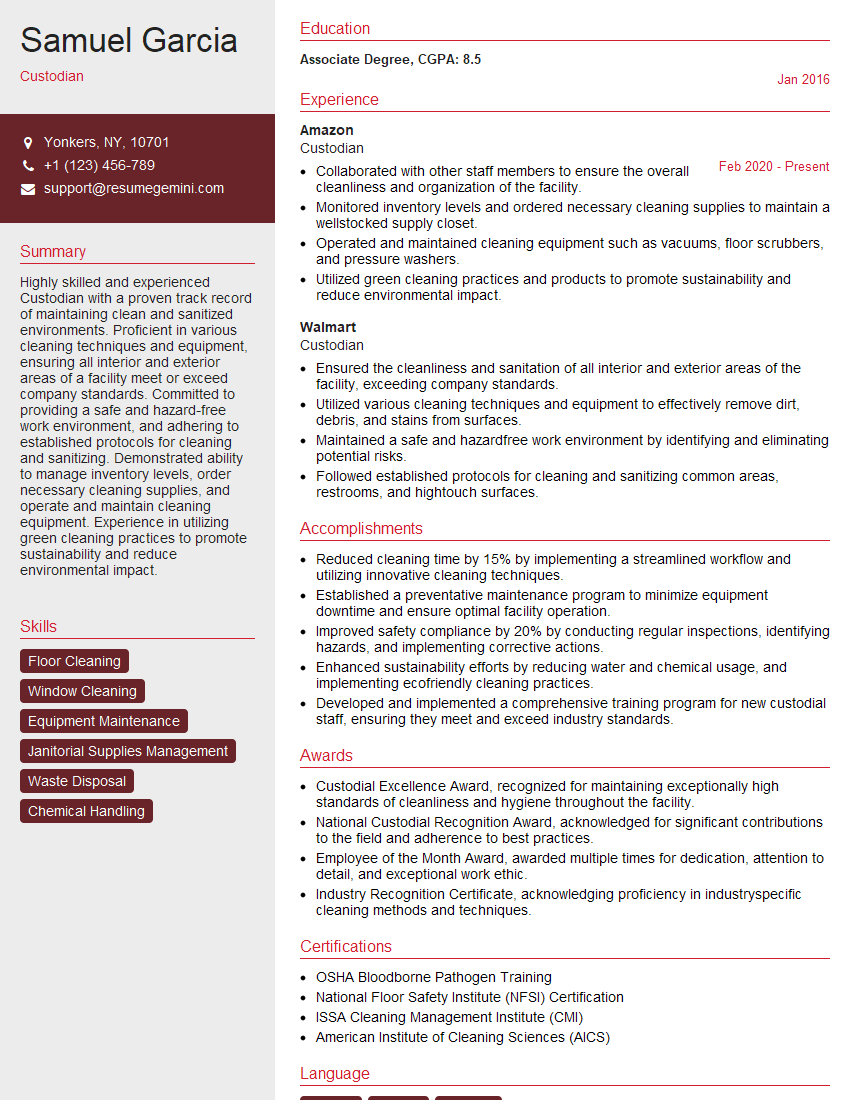
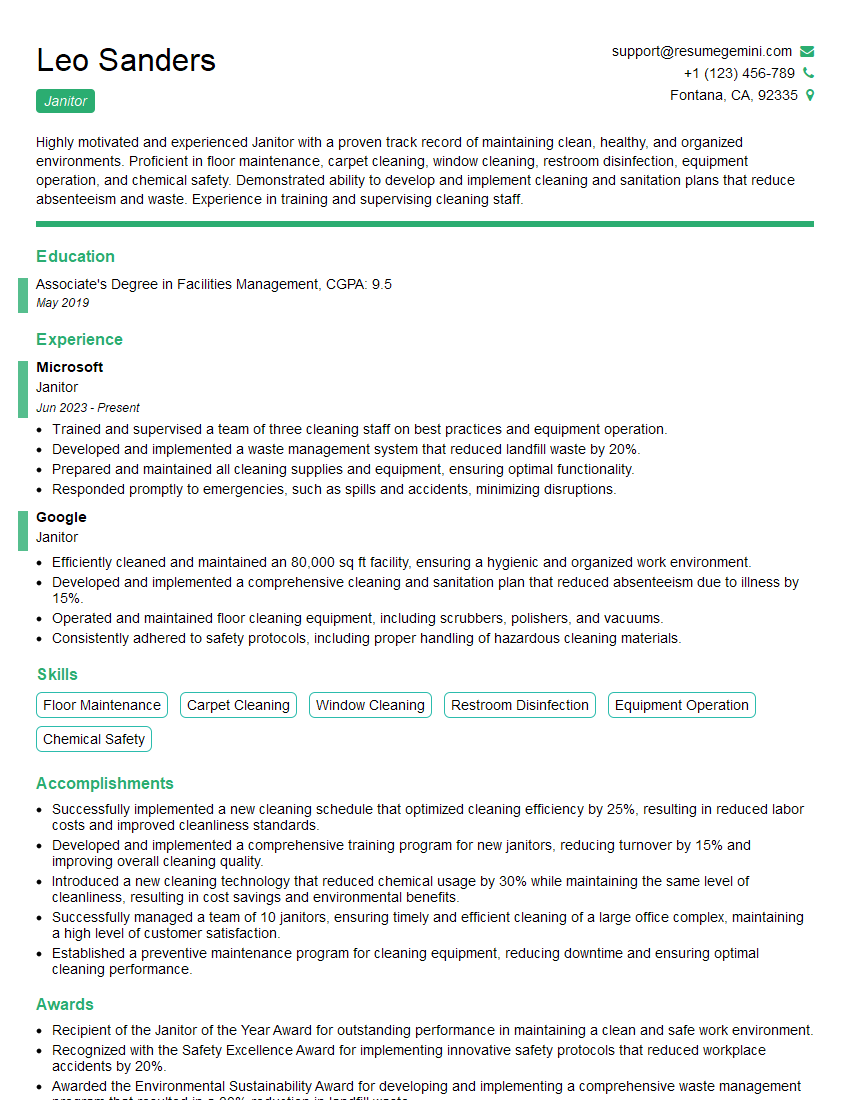
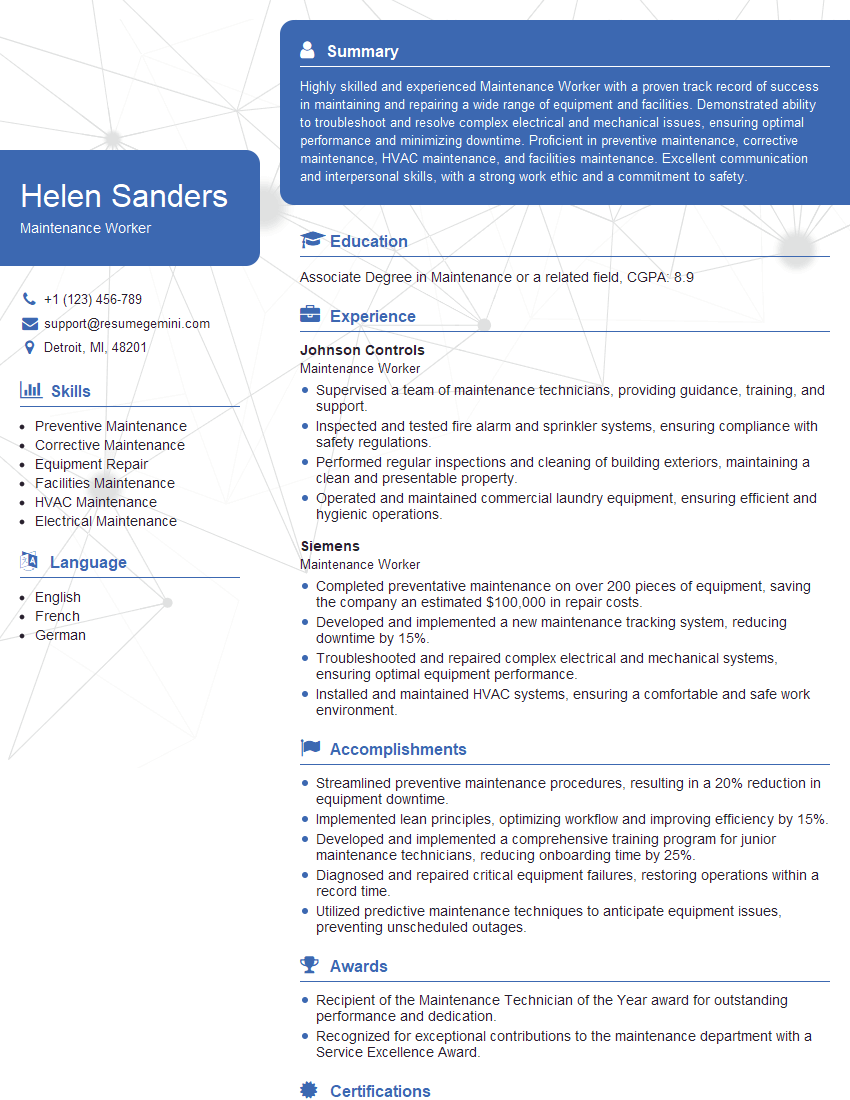
Mastering lot maintenance opens doors to a rewarding career with opportunities for advancement, increased responsibility, and higher earning potential. A strong resume is crucial for showcasing your skills and experience to potential employers. Creating an ATS-friendly resume is essential to ensuring your application gets noticed. ResumeGemini is a trusted resource that can help you build a professional and effective resume tailored to the specific requirements of Lot Maintenance positions. Examples of resumes tailored to Lot Maintenance are available to help you get started.


Explore more articles
Users Rating of Our Blogs
Share Your Experience
We value your feedback! Please rate our content and share your thoughts (optional).
What Readers Say About Our Blog
Really detailed insights and content, thank you for writing this detailed article.
IT gave me an insight and words to use and be able to think of examples