Feeling uncertain about what to expect in your upcoming interview? We’ve got you covered! This blog highlights the most important Meat Inspection Procedures interview questions and provides actionable advice to help you stand out as the ideal candidate. Let’s pave the way for your success.
Questions Asked in Meat Inspection Procedures Interview
Q 1. Describe the process of ante-mortem inspection.
Ante-mortem inspection is the examination of animals before slaughter to identify any signs of disease or condition that could render the carcass unfit for human consumption. It’s a crucial first step in ensuring food safety. Think of it as a preliminary health check for the animals.
The process typically involves a visual inspection of each animal, looking for signs of illness, lameness, unusual behavior, or any external lesions. Inspectors also check for things like fever (using a thermometer), respiratory distress, and signs of recent trauma. Animals showing clear signs of disease, such as advanced stages of tuberculosis or severe lameness, would be immediately condemned and not allowed to enter the slaughter process.
For example, an animal showing pronounced swelling in a joint, consistent with an advanced infection, or exhibiting extreme lethargy and difficulty breathing, would fail ante-mortem inspection. The inspector will document their findings, and the decision to condemn an animal rests on the professional judgment of the inspector, based on established guidelines and regulations.
Q 2. Explain the procedures for post-mortem inspection of cattle.
Post-mortem inspection happens after slaughter. It’s a more detailed examination of the carcass and its organs to detect any abnormalities that may have been missed during ante-mortem inspection or that developed during the slaughter process. This is where we’re looking for internal signs of disease.
- Inspection of the Head: This involves checking the lymph nodes for any swelling, discoloration, or unusual textures. These nodes often reflect infection or disease processes.
- Examination of the Viscera: The internal organs, including the lungs, liver, spleen, heart, and intestines, are meticulously inspected. Inspectors check for lesions, abscesses, tumors, or any other abnormalities.
- Carcass Examination: This involves checking the muscle tissue for any discoloration, bruising, or unusual odors. It also involves checking the lymph nodes associated with the carcass itself.
- Inspection of the Lymph Nodes: Lymph nodes throughout the carcass are examined for signs of disease. These act as filters for the body, and abnormalities within them can indicate systemic infection.
For instance, if the liver shows signs of cirrhosis (scarring) or the lungs have evidence of pneumonia, the carcass might be condemned. The process requires trained personnel with a strong understanding of animal pathology and meat hygiene.
Q 3. What are the key indicators of disease or contamination during meat inspection?
Several key indicators signal disease or contamination during meat inspection. These are often visual, but can involve smell and touch as well. Early detection is paramount for preventing foodborne illness.
- Discoloration: Unusual coloring in muscle tissue or organs (e.g., dark spots, greenish hues) might indicate bacterial contamination or disease.
- Lesions: Any abnormal growths, swellings, or wounds on the carcass or organs are cause for concern. Abscesses, for example, indicate infection.
- Abnormal odors: Putrid or foul-smelling meat usually points to microbial spoilage or decomposition.
- Swelling or inflammation: Enlarged lymph nodes or inflamed organs often signal an underlying infection.
- Parasites or foreign bodies: The presence of parasites (e.g., tapeworms) or foreign materials (e.g., metal fragments) renders the meat unsafe for consumption.
- Abnormal consistency: Unusually soft, firm, or slimy tissue can indicate spoilage or disease.
For example, a carcass with multiple abscesses in the muscle tissue, or a liver with numerous white spots indicative of parasite infestation, would be cause for concern and likely condemnation.
Q 4. How do you identify and handle condemned carcasses?
Condemned carcasses are those deemed unfit for human consumption due to disease, contamination, or other factors identified during ante-mortem or post-mortem inspection. Handling them involves strict procedures to prevent the spread of disease and contamination.
- Segregation: Condemned carcasses are immediately segregated from acceptable carcasses to prevent cross-contamination.
- Identification: They are clearly marked as condemned to prevent accidental processing or consumption.
- Disposal: The method of disposal depends on local regulations, but typically involves rendering (processing into by-products like pet food or fertilizer) or incineration.
- Record Keeping: Detailed records are kept regarding the condemnation, including the reason for condemnation and disposal method.
Imagine a carcass found to have tuberculosis. It would be immediately identified, removed from the production line, and tagged as condemned. The carcass would then be processed for rendering or destruction, and all necessary documentation updated.
Q 5. What are the regulations surrounding the use of antimicrobials in meat production?
Regulations surrounding antimicrobials in meat production are stringent and designed to protect public health. These aim to prevent the development and spread of antimicrobial resistance.
- Withdrawal periods: There are strict rules about the withdrawal period before slaughter following antimicrobial treatment. This period allows sufficient time for the drug to clear the animal’s system. This prevents drug residues from entering the food chain.
- Maximum residue limits (MRLs): Regulations set maximum allowable levels of antimicrobial residues in meat. Exceeding these limits results in condemnation of the carcass.
- Approved antimicrobial agents: Only certain antimicrobial agents are approved for use in livestock. The use of unapproved substances is strictly prohibited.
- Record keeping: Accurate and detailed records of antimicrobial use are required for traceability and to verify compliance with regulations.
Non-compliance can result in significant penalties, including fines and the confiscation of contaminated products. The system of checks and balances, along with routine testing, ensures that meat products meet safety standards.
Q 6. Explain the role of HACCP in meat inspection.
Hazard Analysis and Critical Control Points (HACCP) is a systematic, preventive approach to food safety. In meat inspection, it’s a crucial system for identifying and controlling potential hazards throughout the entire production process, from farm to table. It is proactive, rather than reactive.
HACCP principles are applied to various stages of meat processing to minimize the risks of contamination and disease. This involves identifying critical control points (CCPs) – stages where control is essential to prevent or eliminate a food safety hazard. For example, chilling temperatures after slaughter are a CCP for preventing bacterial growth. Regular monitoring and documentation at each CCP ensure the system remains effective.
Regular audits and reviews are also conducted to evaluate the effectiveness of the HACCP plan and to identify areas for improvement. The ultimate goal is to provide consistently safe meat products for consumers.
Q 7. Describe the different types of meat spoilage and their causes.
Meat spoilage is the deterioration of meat quality, rendering it undesirable or unsafe for consumption. Several types of spoilage exist, each with its own causes.
- Microbial spoilage: Bacteria, molds, and yeasts are the primary culprits. These microorganisms grow rapidly under favorable conditions (temperature, moisture, etc.), producing undesirable odors, flavors, and textures. This is often evident as slime formation, discoloration, and off-odors.
- Enzymatic spoilage: Enzymes naturally present in meat can cause spoilage, particularly after slaughter. These enzymes break down proteins and fats, leading to changes in texture, color, and flavor.
- Chemical spoilage: Oxidation of fats can result in rancidity, producing unpleasant tastes and smells. This is especially true with fatty cuts of meat.
- Physical spoilage: Factors like temperature fluctuations, improper handling, and storage conditions (e.g., exposure to light or air) can contribute to meat spoilage.
For example, leaving meat at room temperature for extended periods fosters rapid bacterial growth leading to microbial spoilage. Proper refrigeration is crucial to slow down microbial growth and enzymatic activity, extending shelf life and maintaining quality.
Q 8. How do you verify the effectiveness of sanitation procedures in a meat processing plant?
Verifying sanitation effectiveness in a meat processing plant requires a multi-pronged approach combining visual inspection, environmental monitoring, and potentially laboratory analysis. Think of it like a detective investigating a crime scene – we need evidence to prove the scene is clean.
Visual Inspection: This is the first line of defense. We check for visible signs of contamination like residual food debris, grease buildup, mold, or pest infestations in all areas – from processing equipment and cutting surfaces to floors, walls, and drains. Proper cleaning and sanitation should leave surfaces visibly clean and free of any organic matter.
Environmental Monitoring: This involves swabbing surfaces to test for the presence of microorganisms. Samples are taken from critical control points (CCPs) like cutting boards and conveyor belts, then sent to a lab for analysis. This quantifies the level of microbial contamination, providing objective data. We often look for indicator organisms like coliforms, which are associated with fecal contamination, indicating a possible sanitation failure.
ATP Bioluminescence Testing: This rapid test measures adenosine triphosphate (ATP), the energy molecule found in all living cells. High ATP levels indicate the presence of biological material, including bacteria, which means inadequate sanitation. This provides a quick assessment during the sanitation process, allowing immediate corrective actions.
Documentation Review: Finally, a thorough review of the plant’s sanitation program, including Standard Operating Procedures (SOPs), cleaning logs, and employee training records, is crucial. This verifies that established procedures were followed correctly and that the plant has a documented system in place to maintain sanitation.
Q 9. What are the legal requirements for labeling and packaging of meat products?
Meat labeling and packaging regulations are stringent and vary slightly by country, but core principles remain consistent. The goal is to provide consumers with accurate and complete information about the product to ensure food safety and prevent fraud.
- Product Name: The label must clearly state the type of meat (e.g., ‘Beef,’ ‘Chicken Breast’).
- Net Weight: The weight of the meat product itself must be accurately stated.
- Ingredients List: All ingredients must be listed in descending order of weight.
- Inspection Mark: An official inspection mark, issued by government regulatory agencies, indicates that the product has passed inspection and meets safety standards. This mark varies by country but is a critical element.
- Handling Instructions: Instructions on safe handling, storage, and cooking temperatures are required to minimize risks associated with foodborne illness.
- Nutrition Facts: Nutrition information like calories, fat content, protein, etc., is mandatory.
- Allergen Information: The label should clearly declare the presence of major allergens (e.g., milk, eggs, peanuts).
- Country of Origin: This is often required to be stated, allowing consumers to make informed purchasing decisions.
- Establishment Number: This identifies the processing plant where the meat was produced, facilitating traceability in case of contamination issues.
Failure to meet these requirements can lead to significant penalties for the processing plant, including product recall and fines.
Q 10. What are the signs of Brucellosis, Tuberculosis, and Salmonella in meat?
Detecting diseases like Brucellosis, Tuberculosis, and Salmonella in meat requires a combination of antemortem (before slaughter) and postmortem (after slaughter) inspections, often combined with laboratory testing.
Brucellosis: Antemortem detection is challenging as signs are often subtle. Postmortem, infected animals might show lesions in reproductive organs (e.g., swollen lymph nodes in the genital area). Laboratory testing of tissue samples is the most reliable method.
Tuberculosis: This disease often manifests as lesions in lymph nodes, lungs, and other organs. Visible lesions are a major indicator during postmortem inspection. Often, additional tests like microbiological cultures are needed to confirm the presence of Mycobacterium bovis.
Salmonella: Salmonella is more difficult to detect visually in meat. It can be present without producing apparent lesions. Therefore, laboratory testing using microbiological culture techniques is essential, particularly sampling carcasses from animals with suspected illness.
It is important to understand that the absence of visible lesions does not guarantee the absence of these diseases, hence the importance of laboratory confirmation. We also use a risk-based approach – high-risk animals or situations are subjected to more rigorous testing. For example, animals that show signs of fever or lethargy during antemortem inspection receive greater scrutiny.
Q 11. Explain the importance of temperature control in meat handling and storage.
Temperature control is paramount in meat handling and storage to prevent bacterial growth and ensure food safety. Think of temperature as the main factor determining how fast bacteria multiply – the warmer it is, the faster they grow.
Maintaining the Cold Chain: From slaughter to retail, maintaining the cold chain is essential. This involves keeping meat at temperatures that inhibit bacterial growth. Different types of meat have different temperature requirements, but generally, refrigeration temperatures (below 4°C or 40°F) are crucial. Freezing (below -18°C or 0°F) halts bacterial growth but does not kill all bacteria.
Time-Temperature Abuse: This is a critical risk factor. Even brief periods at unsafe temperatures can lead to rapid bacterial growth, increasing the risk of foodborne illnesses. For example, leaving meat out at room temperature for extended periods allows pathogens like E. coli or Salmonella to proliferate quickly.
Monitoring and Recording: Regular temperature monitoring using calibrated thermometers and careful record-keeping are essential to ensure compliance and traceability. Temperature deviations must be investigated and documented, and corrective actions implemented.
Thawing Procedures: Proper thawing methods are vital. Safe thawing practices include thawing in the refrigerator, under cold running water, or as part of a cooking process. Never thaw meat at room temperature.
Q 12. Describe your experience with the inspection of poultry.
My experience with poultry inspection spans over [Number] years, encompassing all aspects – from antemortem inspection at the processing plant to postmortem examination and sampling.
Antemortem: I’ve observed flocks for signs of illness, lameness, or other abnormalities. This often involves visually checking for signs of respiratory disease, observing behavior, and checking for any injuries or deformities.
Postmortem: Postmortem inspection includes a thorough visual examination of the carcass, looking for any signs of disease, contamination, or injury. I’ve inspected organs (e.g., heart, liver, spleen) for abnormalities. I also check for adequate bleeding and removal of feathers and viscera.
Sampling: As part of my role, I’ve collected samples for microbiological testing, ensuring compliance with regulatory standards. This involves taking samples from various parts of the carcass and following specific protocols for sample handling and transport to the laboratory.
Emerging Diseases: I’ve participated in training and workshops on emerging poultry diseases and pathogens, enabling me to stay current with best practices and identify potential threats to food safety.
Technology: My experience includes using modern technologies for inspection, such as advanced imaging systems that assist in identifying subtle abnormalities that may not be readily apparent to the naked eye.
Q 13. How do you handle situations where discrepancies arise between your findings and the plant’s records?
Discrepancies between my findings and the plant’s records require a systematic and objective approach. My primary concern is food safety, so resolving such inconsistencies is crucial.
Step 1: Verification: I would first carefully re-examine my findings to ensure accuracy. I’d double-check my observations and any tests I’ve conducted. If I’m inspecting a batch of meat, I might take additional samples from different parts of the lot to confirm my assessment.
Step 2: Documentation Review: Next, I’d thoroughly review the plant’s records, looking for any potential explanations for the discrepancy. This might include reviewing processing logs, temperature records, and cleaning and sanitation logs. I’d interview plant personnel if needed to gather more information.
Step 3: Communication: I’d communicate my findings and concerns to the plant management in a professional and collaborative manner. I’d present my evidence clearly and objectively, highlighting the potential implications of the discrepancy for food safety. A collaborative approach is vital—we’re working together to ensure safe meat products reach consumers.
Step 4: Corrective Actions: Depending on the nature and severity of the discrepancy, corrective actions might be needed. This could range from retraining plant staff to improving record-keeping systems, or even product rejection or recall if there’s a serious risk to public health.
Step 5: Documentation: All findings, discussions, and corrective actions would be meticulously documented. This documentation is crucial for accountability and traceability in case of future issues. I would ensure the record reflects the collaborative process and any agreed-upon corrective actions.
Q 14. What are the key differences between inspection procedures for beef, pork, and poultry?
While the core principles of meat inspection remain the same – ensuring food safety and wholesomeness – specific procedures vary slightly across beef, pork, and poultry due to inherent biological differences and processing methods.
Beef: Inspection focuses heavily on identifying and addressing issues associated with bovine spongiform encephalopathy (BSE), along with other diseases like tuberculosis. Postmortem inspection is detailed, including examination of lymph nodes and organ systems. Carcass handling and aging practices also require careful oversight.
Pork: The main concerns include diseases like trichinosis and Salmonella contamination. Postmortem inspection pays close attention to the condition of lymph nodes and the presence of lesions. Effective sanitation is critical, due to the inherent higher risk of contamination in pork processing.
Poultry: Inspection emphasizes detecting bacterial contamination (e.g., Salmonella, Campylobacter), along with identifying conditions like arthritis, lesions, and other abnormalities affecting the bird’s health and marketability. Due to the volume processed, speed and efficiency of inspection are paramount while maintaining rigorous standards. This often involves advanced technologies like automated imaging systems.
In summary, while the overarching goal is consistent, the specific focus and techniques used for inspection vary based on species-specific risks, prevalence of diseases, and typical processing practices for each type of meat.
Q 15. How do you ensure the accuracy and reliability of your inspection findings?
Ensuring the accuracy and reliability of meat inspection findings is paramount. It’s a multi-faceted process built on a foundation of standardized procedures, rigorous training, and regular quality control checks. Think of it like a scientific experiment – every step needs to be meticulously documented and repeatable.
Adherence to established protocols: We strictly follow guidelines set by the USDA (or equivalent regulatory bodies) covering everything from sampling techniques to data recording. This ensures consistency across all inspections.
Calibration and maintenance of equipment: All tools, from thermometers to testing kits, are regularly calibrated to ensure accuracy. Proper maintenance is also crucial to prevent malfunctions that could compromise results. For example, a poorly calibrated thermometer could lead to inaccurate temperature readings, potentially resulting in the release of unsafe products.
Peer review and audit trails: Our findings are often reviewed by senior inspectors or supervisors to catch any potential errors or inconsistencies. Detailed record-keeping, including photographic evidence, provides a complete audit trail for traceability and accountability. This is akin to a scientific paper being peer-reviewed before publication.
Continuing education and proficiency testing: Regular training and participation in proficiency testing programs ensures that inspectors remain up-to-date with the latest techniques, regulations, and emerging pathogens. This keeps our skills sharp and our knowledge current, just like doctors participate in continuing medical education.
Career Expert Tips:
- Ace those interviews! Prepare effectively by reviewing the Top 50 Most Common Interview Questions on ResumeGemini.
- Navigate your job search with confidence! Explore a wide range of Career Tips on ResumeGemini. Learn about common challenges and recommendations to overcome them.
- Craft the perfect resume! Master the Art of Resume Writing with ResumeGemini’s guide. Showcase your unique qualifications and achievements effectively.
- Don’t miss out on holiday savings! Build your dream resume with ResumeGemini’s ATS optimized templates.
Q 16. Describe your experience with using inspection tools and equipment.
My experience with inspection tools and equipment is extensive. I’m proficient in using a wide array of instruments, including:
Thermometers: Both digital and thermocouple thermometers for checking product temperatures at various stages of processing, crucial for ensuring proper cooking and chilling to prevent bacterial growth.
pH meters: These are used to measure the acidity or alkalinity of meat products, which can indicate spoilage or bacterial contamination. A low pH might signal the presence of lactic acid bacteria, while a high pH might indicate spoilage.
Sampling equipment: I’m skilled in using sterile tools for collecting samples for microbiological testing, ensuring the integrity of the sample and preventing contamination.
Microscope: Microscopic examination of samples is crucial for identifying parasites or other contaminants. For example, trichinosis, a parasitic disease, is detected by microscopic examination of muscle tissue samples.
Rapid testing kits: I’m experienced in using various rapid tests for pathogens like Salmonella and E. coli, which provide faster results than traditional laboratory methods, allowing for quicker decision-making.
I understand the importance of proper equipment handling, calibration, and maintenance to ensure accurate and reliable results. Each piece of equipment is like a specialized tool; understanding its limitations and proper use is vital for getting the job done right.
Q 17. Explain the process for sampling and testing meat products for pathogens.
Sampling and testing meat products for pathogens is a critical step in ensuring food safety. The process involves a series of carefully controlled steps:
Sample selection: Representative samples are collected from different parts of the batch to ensure accuracy. This involves following specific protocols for the type of meat and the suspected pathogen.
Sample preparation: Samples are carefully prepared to maximize the recovery of any pathogens present. This might include homogenization or enrichment steps to increase the detectable levels of the pathogens.
Testing methods: A range of testing methods are employed, depending on the pathogen of concern. These can include:
Culture-based methods: Involve growing pathogens on specialized media to identify and quantify them.
Molecular methods (PCR): Highly sensitive techniques detect the presence of specific pathogen DNA.
Immunological methods (ELISA): Detect the presence of pathogen antigens.
Data analysis and interpretation: The results are carefully analyzed, considering the detection limits of the test methods and the regulatory limits for pathogens. This interpretation involves carefully comparing observed counts against established thresholds.
Reporting and documentation: All results and actions taken are meticulously documented and reported to the plant management and regulatory authorities. A detailed report outlines the sampling procedures, testing methods, and the findings, ensuring transparency and accountability.
For example, if Salmonella is detected above the permissible limits, the contaminated batch will be condemned and appropriate measures will be taken to prevent further contamination.
Q 18. What are your strategies for communicating inspection results to plant management?
Communicating inspection results to plant management is a crucial part of my role, demanding clarity, objectivity, and a focus on collaborative problem-solving. I strive to maintain open communication, adopting the following strategies:
Clear and concise reporting: I provide detailed written reports that clearly outline the findings, including any critical violations or areas for improvement. These reports use plain language, avoiding technical jargon where possible.
Face-to-face meetings: I hold meetings with plant management to discuss the results in person, allowing for clarification of findings and a two-way dialogue. This is much more effective than just sending an email.
Collaborative approach: I view my role as a collaborative effort rather than a purely adversarial one. I work with the plant to develop corrective action plans, offering guidance and support in implementing improvements to their processes.
Follow-up inspections: I schedule follow-up inspections to assess the effectiveness of the corrective actions taken, ensuring compliance with regulations. This shows continued support and ensures the plant is moving in the right direction.
Constructive feedback: I provide constructive criticism, focusing on solutions rather than just pointing out problems. I offer suggestions for improving their processes to prevent future non-compliance issues.
The goal is not just to identify problems but to help the plant improve its food safety practices, protecting public health and ensuring continued operation within regulations.
Q 19. How do you maintain impartiality and objectivity in your inspection work?
Maintaining impartiality and objectivity is fundamental to my work. It’s about ensuring that personal biases or external pressures don’t influence my inspection findings. This is achieved through:
Strict adherence to protocols: Following established procedures ensures consistency and minimizes subjective interpretation. Every decision is based on objective data and established criteria.
Documentation and traceability: Meticulous record-keeping provides an audit trail, making it transparent and verifiable. This ensures that every decision is justifiable and prevents arbitrary actions.
Regular training and professional development: Staying up-to-date with regulations and best practices helps maintain objectivity and consistency in enforcement of the rules.
Avoiding conflicts of interest: I maintain strict professional boundaries, ensuring that any potential conflicts of interest are disclosed and avoided. Personal relationships with those being inspected never influence assessment results.
Independent review: My findings are regularly reviewed by senior inspectors or supervisors to detect and correct any potential biases or errors.
My commitment to objectivity is like a judge in a courtroom: decisions are based solely on the evidence presented and legal frameworks, without personal feelings or outside influence impacting the outcome.
Q 20. Describe your understanding of foodborne illness and its prevention.
Foodborne illnesses are caused by consuming contaminated food or drinks that contain harmful bacteria, viruses, parasites, or toxins. These illnesses can range from mild discomfort to severe, life-threatening conditions. Understanding foodborne illness prevention is essential for ensuring public health.
Common pathogens: Salmonella, E. coli, Listeria monocytogenes, Campylobacter are among the most common bacterial culprits. Viruses like Norovirus and parasites like Toxoplasma gondii are also significant concerns.
Sources of contamination: Contamination can occur at any stage of the food production chain, from farm to table. Improper handling, inadequate cooking, cross-contamination, and insufficient refrigeration are major contributing factors. For example, contaminated equipment or surfaces can readily spread pathogens.
Prevention strategies: Effective prevention strategies rely on:
Maintaining proper hygiene: Thorough handwashing, sanitation of equipment, and use of appropriate personal protective equipment (PPE) are crucial.
Safe handling and storage: Correct temperatures for cooking, chilling, and storage are vital to inhibit bacterial growth.
Preventing cross-contamination: Using separate cutting boards, utensils, and surfaces for raw and cooked foods prevents the spread of pathogens.
Understanding these principles and applying them throughout the food processing chain is crucial for minimizing the risk of foodborne illness and safeguarding public health. Think of it as a chain – if one link fails, the entire system is compromised.
Q 21. What are your experiences with different types of meat processing equipment and procedures?
My experience encompasses a wide range of meat processing equipment and procedures. I’m familiar with the operation, sanitation requirements, and potential hazards associated with:
Slaughterhouse operations: I understand the processes involved in stunning, bleeding, evisceration, and carcass chilling. This includes knowledge of the critical control points for preventing contamination.
Meat cutting and fabrication: I’m familiar with various cutting techniques and the equipment used, including band saws, grinders, and slicers. Safe operation and sanitation are always paramount.
Meat processing equipment: I have experience with equipment like tumblers, grinders, emulsifiers, and stuffers, understanding their function and potential for contamination if not properly sanitized.
Packaging and labeling: I’m familiar with various packaging techniques and labeling requirements to ensure safe and accurate product identification and handling.
Refrigeration and freezing: I understand the importance of maintaining proper temperatures throughout the processing chain to prevent microbial growth. This includes evaluating the effectiveness of chilling and freezing systems within the facilities.
Understanding these processes and their potential risks allows me to effectively assess the safety and quality of the meat products produced. Each piece of equipment is a potential hazard if not properly used and maintained; proper knowledge is crucial for ensuring safe meat handling practices.
Q 22. How do you stay current with changes in meat inspection regulations?
Staying current in the dynamic field of meat inspection regulations requires a multi-pronged approach. I regularly monitor updates from the USDA’s Food Safety and Inspection Service (FSIS), subscribing to their newsletters and attending webinars on new policies and procedures. I also actively participate in professional organizations like the American Meat Science Association (AMSA) and attend conferences to network with colleagues and learn about the latest research and best practices. Furthermore, I meticulously review changes to the Hazard Analysis and Critical Control Points (HACCP) plans implemented by the facilities I inspect. Think of it like staying updated on software patches – you need to constantly adapt to ensure you’re operating with the latest, most effective version.
For example, recent changes regarding the use of antimicrobial interventions in processing plants require close attention, as updated procedures directly impact my inspection protocols.
Q 23. How do you handle stressful situations in the inspection process?
Stressful situations in meat inspection, such as discovering a critical contamination or a serious non-compliance issue, require a calm and systematic response. My approach prioritizes maintaining composure to ensure accuracy and objectivity in the investigation. I follow established protocols, meticulously documenting every step, and utilize checklists to avoid overlooking details. I also know when to seek support from colleagues or supervisors, fostering a collaborative environment that encourages open communication. Think of it as a high-stakes puzzle – you need to systematically gather evidence and follow established processes to find a solution.
For instance, during a recent inspection, we discovered a potential Listeria contamination. Rather than panicking, I immediately initiated the established protocol, taking samples and notifying the appropriate personnel. This methodical approach allowed for a swift resolution and minimized any risks to public health.
Q 24. What are the ethical considerations relevant to meat inspection?
Ethical considerations are paramount in meat inspection. My work directly impacts public health and safety, demanding the highest levels of integrity. This includes maintaining objectivity and impartiality, avoiding conflicts of interest, and adhering strictly to regulations. Confidentiality is also critical, as information obtained during inspections is often sensitive. Data protection and reporting accuracy are also vital components of ethical conduct. It’s like being a trusted guardian – you need to make sure that the public’s health is protected by acting fairly and responsibly.
For example, ensuring that all inspection findings are documented accurately, regardless of whether it benefits or harms a particular processing plant, is crucial for maintaining impartiality. Similarly, respecting the confidentiality of inspection data is a paramount ethical consideration.
Q 25. Explain your understanding of the different grades of meat.
Meat grading systems, like the USDA’s system, classify meat based on factors such as marbling (fat distribution), maturity (age), and color. Prime, Choice, Select, and Standard are common grades for beef, with Prime representing the highest quality due to extensive marbling. Grading criteria vary slightly across different species (pork, lamb, etc.). These grades provide consumers with an indication of the expected quality and tenderness of the meat, though it does not correlate directly with food safety.
Imagine it like rating a hotel; Prime is like a five-star luxury hotel, while Select is a comfortable three-star hotel, and Standard is more like a budget-friendly option. Each still serves a purpose, but offers different levels of quality and experience.
Q 26. Describe your experience with investigating meat-related outbreaks or incidents.
Investigating meat-related outbreaks requires a collaborative approach, involving tracing the source of contamination, analyzing laboratory results, and coordinating with public health agencies. I have experience participating in these investigations, which involve meticulous record-keeping, sample collection and analysis, and interviewing plant personnel. Detailed traceback investigations are crucial for identifying the root cause of the outbreak and implementing corrective actions. The goal is to prevent future occurrences through rigorous analysis and improved procedures.
In one case, we successfully traced a Salmonella outbreak to a specific batch of poultry from a particular processing plant. This involved analyzing production records, interviewing staff, and thoroughly investigating their sanitation practices, ultimately leading to process improvements and preventing further contamination.
Q 27. How do you utilize data and analytics in your inspection work?
Data and analytics play a significant role in modern meat inspection. We utilize data from various sources, including inspection reports, laboratory results, and HACCP records, to identify trends and patterns. This allows for proactive identification of potential hazards and more targeted inspections. Statistical analysis can help pinpoint areas requiring improvement and track the effectiveness of interventions. It’s like using a dashboard to monitor a complex system – you can quickly identify potential problems before they escalate.
For example, tracking the number and type of non-compliances over time for a specific plant can reveal trends, leading to more effective interventions and improved compliance.
Q 28. What are your proficiency levels with different microbial testing methods?
My proficiency in microbial testing methods includes experience with various techniques, such as plating (pour plate, spread plate), enrichment cultures, and rapid detection methods like PCR (Polymerase Chain Reaction) and ELISA (Enzyme-Linked Immunosorbent Assay). I’m familiar with the principles behind these methods, including sample preparation, incubation, and interpretation of results. I understand the limitations of each method and its applicability in different scenarios. Think of it like having a toolbox of diagnostic tools – each serves a specific purpose, and it’s important to know when and how to use each one effectively.
For example, I’m adept at using PCR to detect specific pathogens quickly, while traditional plating techniques provide more detailed information on microbial populations. Understanding this allows me to choose the right technique for the specific context.
Key Topics to Learn for Meat Inspection Procedures Interview
- Ante-mortem Inspection: Understanding the process of examining animals before slaughter, identifying signs of disease or illness, and applying appropriate actions.
- Post-mortem Inspection: Mastering the techniques for inspecting carcasses and organs after slaughter, identifying abnormalities, and applying appropriate condemnations or approvals.
- Pathology and Disease Recognition: Developing proficiency in identifying various diseases and conditions affecting livestock, including parasitic infestations, bacterial infections, and other pathologies.
- Hygiene and Sanitation Procedures: Understanding and applying sanitary practices within the slaughterhouse environment to prevent contamination and ensure food safety.
- Regulatory Compliance: Familiarizing yourself with relevant regulations, guidelines, and standards related to meat inspection and food safety in your region.
- Documentation and Record Keeping: Mastering the accurate and efficient documentation of inspection findings, including the use of inspection stamps and forms.
- Hazard Analysis and Critical Control Points (HACCP): Understanding the principles of HACCP and its application in preventing foodborne illnesses within meat processing facilities.
- Trichinosis and other Parasite Detection: Learning practical methods for identifying and mitigating risks associated with parasitic infections in meat products.
- Problem-Solving and Decision-Making: Developing skills in assessing complex situations, making informed decisions based on inspection findings, and communicating these effectively.
- Equipment and Technology: Familiarizing yourself with the tools and technologies used in modern meat inspection, including handheld devices and automated systems.
Next Steps
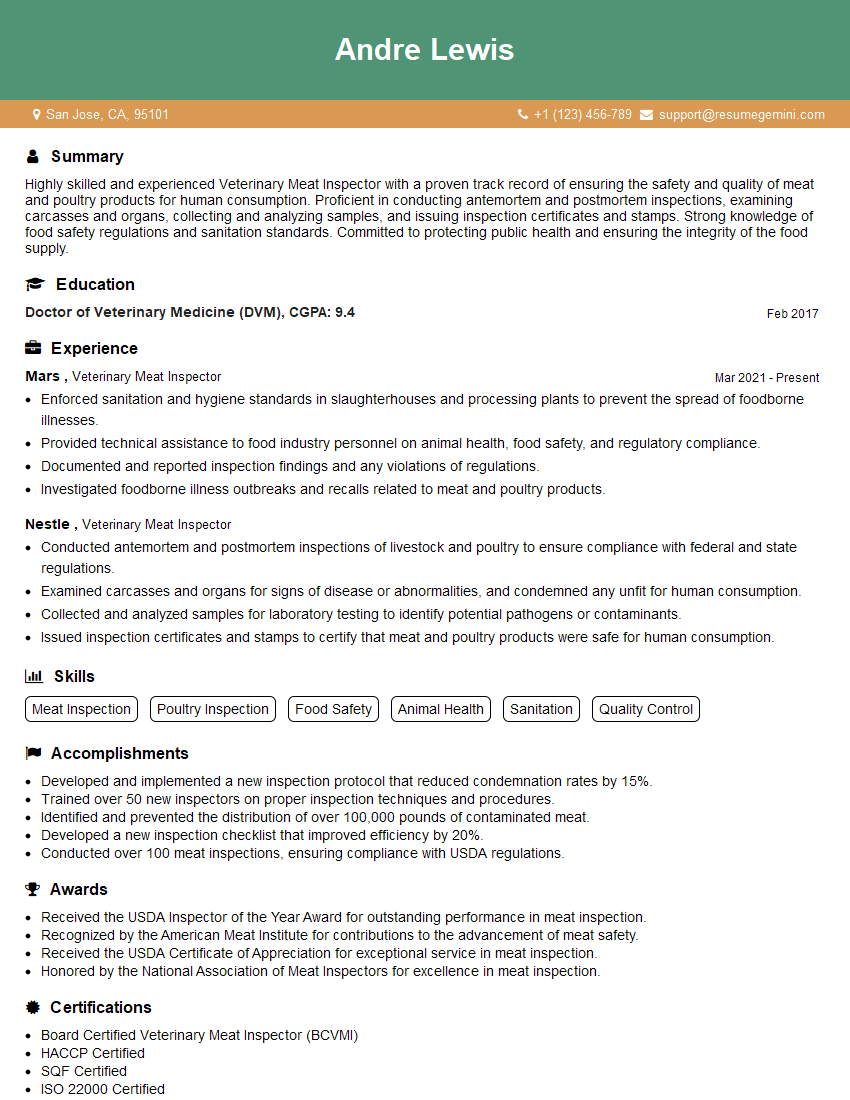
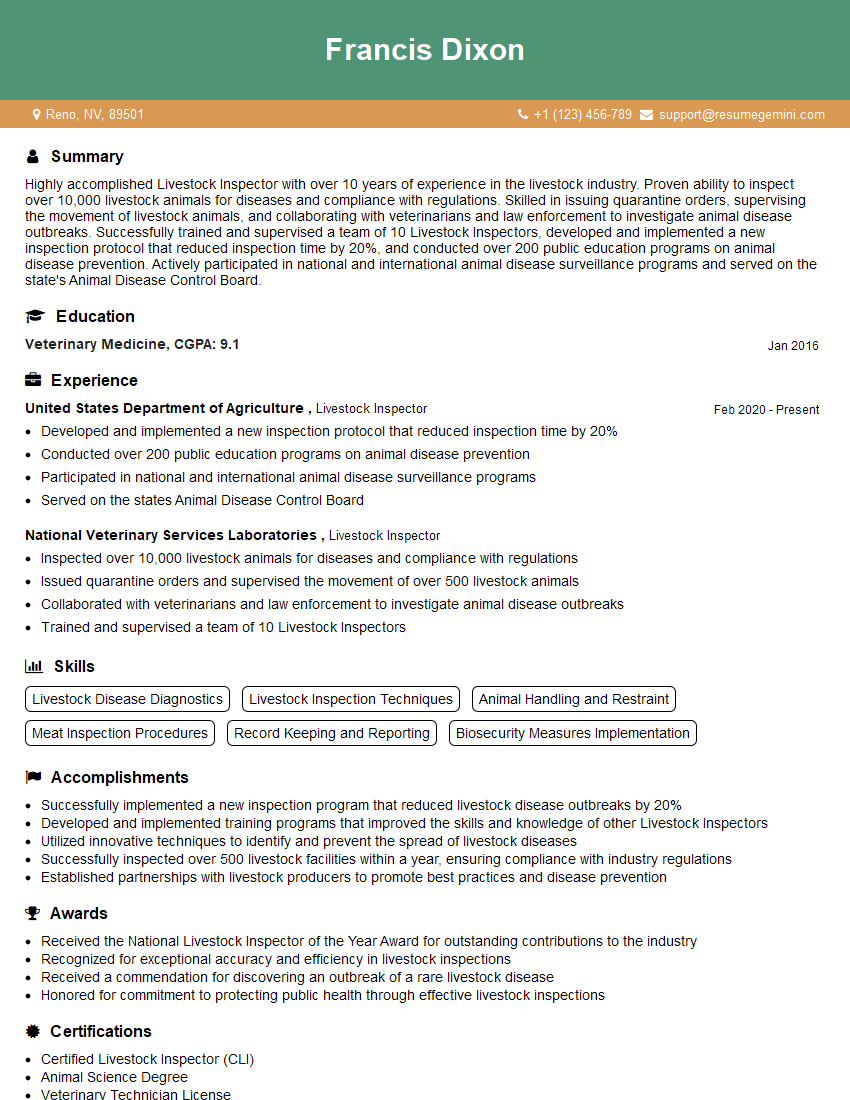
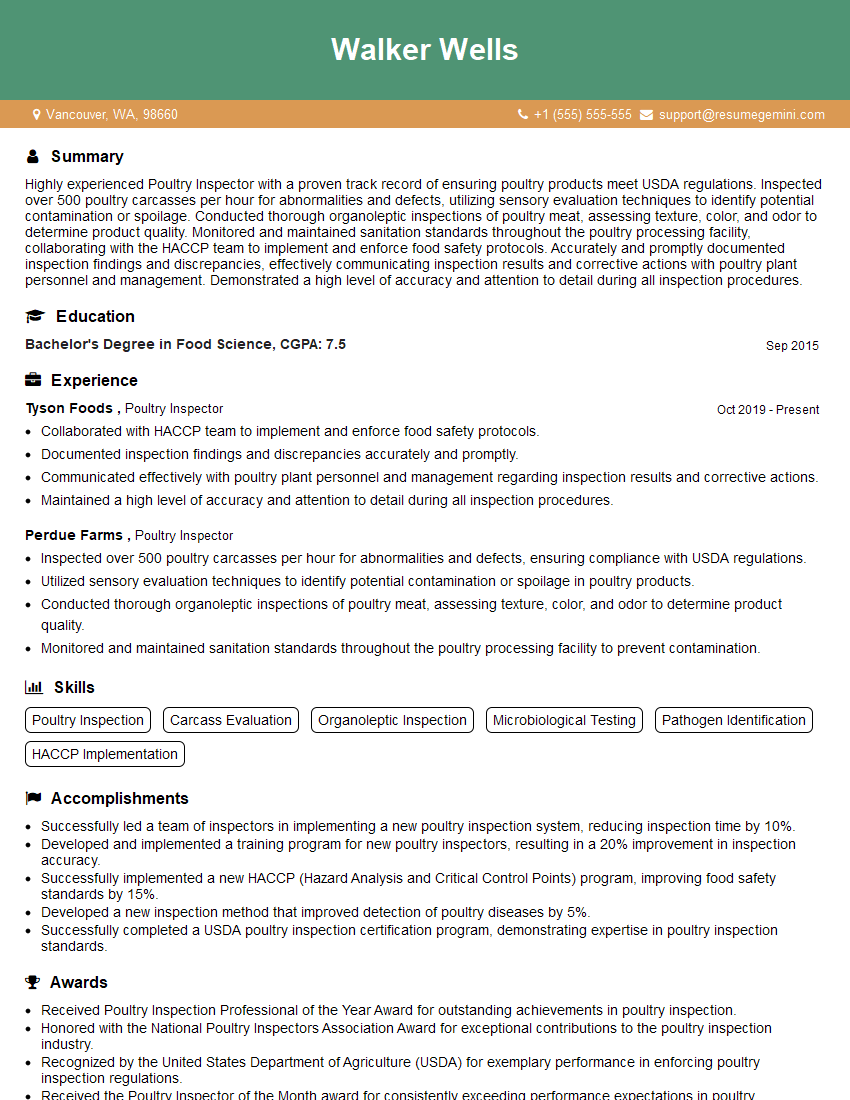
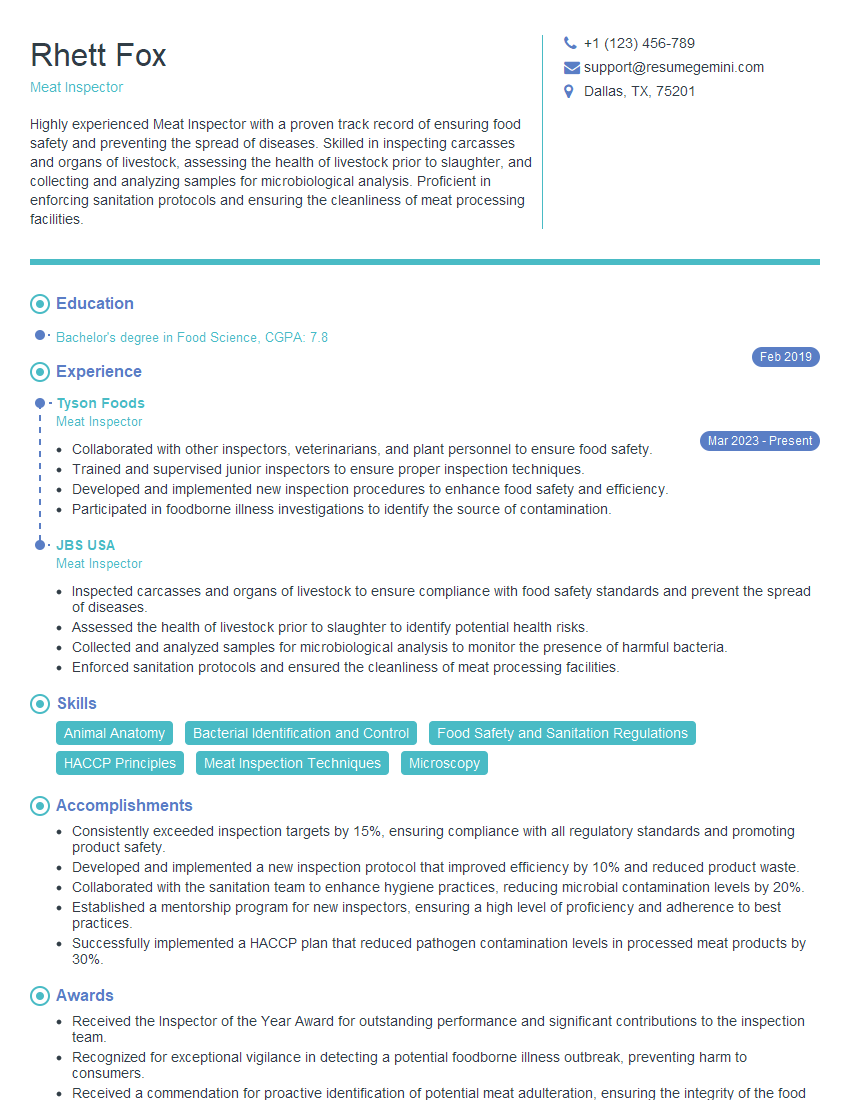
Mastering Meat Inspection Procedures is crucial for career advancement in the food safety and animal health sectors. A strong understanding of these procedures demonstrates commitment to quality and public health, opening doors to leadership roles and specialized positions. To significantly boost your job prospects, create an ATS-friendly resume that highlights your skills and experience effectively. ResumeGemini is a trusted resource that can help you build a professional resume tailored to the meat inspection industry. Examples of resumes tailored to Meat Inspection Procedures are available to help you get started. Invest in your future – build a resume that showcases your expertise and secures your next opportunity.
Explore more articles
Users Rating of Our Blogs
Share Your Experience
We value your feedback! Please rate our content and share your thoughts (optional).
What Readers Say About Our Blog
Really detailed insights and content, thank you for writing this detailed article.
IT gave me an insight and words to use and be able to think of examples