Every successful interview starts with knowing what to expect. In this blog, we’ll take you through the top Medical Coding Compliance interview questions, breaking them down with expert tips to help you deliver impactful answers. Step into your next interview fully prepared and ready to succeed.
Questions Asked in Medical Coding Compliance Interview
Q 1. Explain the difference between upcoding and downcoding.
Upcoding and downcoding are both forms of medical coding fraud, but they represent opposite actions. Upcoding involves assigning a higher-level code than accurately reflects the services provided or the diagnosis. This results in inflated reimbursement from insurance companies. Imagine billing for a complex surgery when only a simple procedure was performed; that’s upcoding. Downcoding, conversely, involves assigning a lower-level code than justified. This results in underpayment to the provider. For example, billing for a routine office visit when a comprehensive examination was conducted is downcoding.
The consequences of both are serious. Upcoding is considered a more egregious offense as it directly leads to increased healthcare costs and potential insurance fraud investigations. Downcoding, while potentially less damaging financially, can still lead to underpayment and financial hardship for the provider, and in some cases, could be viewed as a deliberate attempt to underrepresent the services rendered. Both practices are unethical and violate medical coding compliance regulations. Proper coding requires selecting the code that most accurately reflects the level of service or the complexity of the diagnosis according to established coding guidelines.
Q 2. Describe your experience with ICD-10 and CPT coding.
I have extensive experience with both ICD-10 and CPT coding systems. My experience with ICD-10 (International Classification of Diseases, 10th Revision) involves accurate assignment of diagnosis codes based on patient medical records, including identifying the primary diagnosis and all secondary diagnoses. I’m proficient in understanding the intricate coding conventions and guidelines, including the use of combination codes and excluding specific codes. I’ve worked extensively with ICD-10’s higher specificity compared to its predecessor, ICD-9, resulting in more accurate billing and reimbursement. For example, I’ve successfully navigated the nuances of ICD-10’s laterality coding and the detailed descriptions of conditions to ensure accurate representation of the patient’s health status.
My CPT (Current Procedural Terminology) coding experience includes accurately assigning procedure codes based on the services rendered by healthcare professionals. I understand the different sections within CPT, the proper use of modifiers, and the critical importance of selecting the precise code that matches the level of service and complexity of the procedure performed. For instance, I have a deep understanding of the differences between various evaluation and management (E&M) codes and the specific criteria for selecting the appropriate code based on time spent with the patient, history, physical examination, and medical decision making. I am also well versed in identifying and correctly applying the appropriate modifiers to CPT codes to convey additional information about the services provided.
Q 3. How do you ensure compliance with HIPAA regulations in medical coding?
Ensuring HIPAA (Health Insurance Portability and Accountability Act) compliance in medical coding is paramount. This involves adhering to strict protocols for protecting patient health information (PHI). My approach centers on several key areas:
- Access Control: Implementing strict access controls to PHI, ensuring that only authorized personnel have access to patient records. This includes using secure passwords, limiting access based on job roles, and regularly reviewing access permissions.
- Data Encryption: Utilizing data encryption both at rest and in transit to protect PHI from unauthorized access. This involves encrypting electronic medical records, databases, and any communications involving patient data.
- Security Awareness Training: Providing regular HIPAA compliance training to all staff involved in medical coding, emphasizing the importance of confidentiality and the potential consequences of non-compliance.
- Data Breach Response Plan: Establishing and regularly testing a comprehensive data breach response plan to minimize the impact of any potential security incidents. This plan should outline clear steps to be taken in case of a breach, including notification procedures.
- Audit Trails: Maintaining detailed audit trails of all access to and modifications of patient data to ensure accountability and identify any potential violations.
By meticulously following these procedures, we minimize the risk of HIPAA violations and safeguard patient privacy. A single breach can have devastating consequences, including financial penalties, reputational damage, and legal repercussions.
Q 4. What are the key components of a compliant medical coding system?
A compliant medical coding system is built upon several foundational elements:
- Up-to-date Coding Manuals: Access to and regular updates of the official CPT, ICD, and HCPCS coding manuals are essential. This ensures that coders use the most current and accurate codes.
- Coding Guidelines Adherence: Strict adherence to the Official Coding Guidelines for ICD and CPT codes is critical to accurate billing and reimbursement. This includes understanding the sequencing of codes, the use of modifiers, and the interpretation of guidelines.
- Comprehensive Coding Policies and Procedures: The implementation of clear, concise, and comprehensive coding policies and procedures that are consistently followed by all coders ensures consistency and minimizes errors.
- Regular Audits and Monitoring: A robust system involves regular internal audits and quality checks to identify potential coding errors or inconsistencies. This could involve random sampling of medical records or focused audits on specific codes or procedures.
- Coder Training and Competency: Regular training and competency assessments for medical coders are essential to maintain accuracy and stay abreast of coding changes and updates.
- Robust Documentation: Clear and thorough medical record documentation is vital for accurate coding. Ambiguous notes will inevitably lead to coding errors.
These components, when integrated effectively, create a system that promotes accuracy, efficiency, and compliance with all relevant regulations and guidelines.
Q 5. How do you handle coding discrepancies or errors?
Handling coding discrepancies or errors requires a systematic approach. The first step is identification; through audits, internal reviews, or external payer denials. Once identified, the next step is verification. This involves reviewing the medical record to ensure the documentation supports the code assigned. If the documentation is insufficient, a query to the physician is necessary to clarify the situation. This query needs to be documented thoroughly.
If a coding error is confirmed, a correction is implemented, with the appropriate code changes made. This often necessitates adjustments to claims submitted to payers. Crucially, documentation of the correction process must be maintained. It should be detailed enough to demonstrate the steps taken to identify, investigate, correct, and prevent future similar errors. This record-keeping is essential for both internal quality control and external audits. Finally, a root cause analysis should be performed to identify any systemic issues that may have contributed to the error and implement preventative measures to minimize future occurrences. This might include further staff training or revised coding guidelines.
Q 6. Explain your understanding of the Official Coding Guidelines.
The Official Coding Guidelines are essential for accurate medical coding. They provide detailed instructions and explanations on how to select and sequence codes for both diagnosis and procedures. My understanding of these guidelines encompasses their hierarchical structure. They define the process for choosing the most specific code available, using modifiers correctly, and understanding the implications of code combinations. I am familiar with the different sections of the guidelines, including those addressing general principles, sequencing rules, and specific guidelines for various specialties. For instance, I am proficient in applying the guidelines related to sequencing diagnoses and identifying the primary diagnosis. I understand the critical role they play in preventing upcoding and downcoding and in ensuring consistent and accurate coding practices across various healthcare settings.
The guidelines are not just a set of rules; they are a roadmap for navigating the complexities of medical coding. Understanding these guidelines is crucial not only for accurate billing and reimbursement but also for maintaining ethical and compliant coding practices.
Q 7. Describe your experience with auditing medical records for coding accuracy.
My experience in auditing medical records for coding accuracy involves a systematic approach. It begins with a selection methodology, which might include random sampling, a focus on specific providers, or concentration on specific diagnostic or procedural categories. Once the records are selected, a detailed review is undertaken. This involves comparing the medical record documentation with the assigned codes to identify any discrepancies. I use a standardized checklist and audit forms to maintain consistency and track findings. The review process considers the completeness and clarity of the documentation, and its alignment with the coding guidelines.
After the review, a report summarizing the findings is generated. This report highlights any identified errors, discrepancies, and areas requiring improvement. The report should include specific examples and recommendations for corrective actions. It’s also crucial to identify any trends or patterns of errors, suggesting potential areas for enhanced training or updated policies. The ultimate aim is not just to identify errors but to use the audit process to improve coding accuracy and compliance, leading to better financial management and patient care.
Q 8. How do you stay up-to-date with changes in coding guidelines and regulations?
Staying current in medical coding requires a multi-pronged approach. It’s not a one-time learning experience; it’s an ongoing commitment. Think of it like being a doctor – continuous learning is essential.
- Professional Organizations: I actively participate in organizations like the American Academy of Professional Coders (AAPC) and the American Health Information Management Association (AHIMA). These groups offer regular updates, webinars, and publications detailing changes to coding guidelines from the Centers for Medicare & Medicaid Services (CMS) and other payers.
- Official Government Websites: I regularly check the CMS website for updates on the ICD (International Classification of Diseases) and CPT (Current Procedural Terminology) codes. These are the core coding systems, and understanding their changes is crucial.
- Coding Updates Newsletters & Publications: Several reputable publishers release newsletters and journals dedicated to coding compliance. These provide in-depth analysis of changes and their practical implications, helping me understand how updates translate to day-to-day coding.
- Continuing Education Units (CEUs): I actively pursue CEUs through online courses, conferences, and workshops to maintain my certification and stay informed about regulatory changes. This ensures I always have the most up-to-date knowledge.
- Networking with Peers: Engaging with other coders and compliance professionals through professional networks allows for the exchange of information and insights on practical challenges and best practices. This collaborative approach helps identify and address potential compliance issues proactively.
Q 9. What is your experience with different EHR systems and their impact on coding?
My experience spans several widely used EHR systems, including Epic, Cerner, and Meditech. Each system has its strengths and weaknesses concerning coding. The impact on coding primarily revolves around the systems’ ability (or lack thereof) to integrate seamlessly with coding software and provide accurate data capture.
- Data Integrity: A well-integrated EHR system ensures accurate data entry, reducing the risk of coding errors. For example, the correct capture of diagnoses and procedures directly within the EHR minimizes the need for manual data entry and potential transcription errors.
- Coding Support Tools: Some EHRs offer built-in coding tools, such as automated code suggestions or integrated code lookup features. These can significantly improve efficiency and accuracy, especially when dealing with complex medical scenarios. However, it’s crucial to always review and validate these suggestions as they are not foolproof.
- Workflow Integration: A smoothly integrated system reduces bottlenecks in the coding workflow, allowing coders to focus on accuracy rather than struggling with navigating disparate systems. This is particularly beneficial in high-volume coding environments.
- Reporting & Analytics: EHR systems with robust reporting features allow for the tracking of coding patterns, identification of potential compliance risks, and easier generation of audit trails, which is crucial for demonstrating compliance with regulatory requirements.
For example, I encountered a situation where an EHR system lacked proper integration with our coding software. This caused delays in claim submission and required significant manual intervention to ensure accurate coding. Learning to navigate such challenges, as well as understanding and applying workarounds, is a valuable aspect of my expertise.
Q 10. How do you prioritize tasks and manage your workload in a high-pressure environment?
Prioritizing tasks in a high-pressure environment requires a structured approach. I utilize several methods to manage my workload effectively. It’s like running a marathon; you need a strategy to pace yourself and reach the finish line.
- Prioritization Matrix: I use a prioritization matrix, often based on urgency and importance, to categorize tasks. This allows me to focus on time-sensitive, critical tasks while delegating or scheduling less urgent items.
- Time Blocking: I allocate specific time blocks for different coding tasks. This helps maintain focus and prevents task-switching, which can reduce overall efficiency.
- Workflow Optimization: I constantly assess my workflow for inefficiencies and look for ways to streamline processes, such as using automation tools where appropriate.
- Delegation: When possible, I delegate tasks to other members of the team, ensuring that everyone is working at their optimal capacity. This not only increases overall team efficiency but also allows me to focus on higher-level tasks.
- Stress Management: Recognizing that high-pressure situations can affect performance, I utilize stress-management techniques, such as taking breaks, practicing mindfulness, and ensuring work-life balance. A balanced approach keeps me both productive and healthy.
Q 11. Describe your experience with medical necessity and its role in coding.
Medical necessity is a crucial concept in medical coding. It means that the services or procedures billed must be appropriate and necessary for the diagnosis and treatment of a patient’s condition. Think of it as the foundation upon which accurate coding is built. Without it, claims risk denial.
My experience includes verifying medical necessity by reviewing the patient’s medical record for supporting documentation. This might include physician’s notes, lab results, imaging reports, and other relevant clinical data.
- Documentation Review: I ensure that the documentation clearly supports the medical necessity of each procedure and diagnosis code used. Inadequate documentation is a common cause for claims denials.
- Policy Review: I stay updated on payer policies and guidelines related to medical necessity for specific procedures. Each payer might have different criteria.
- Code Linkage: I verify that the codes used accurately reflect the procedures and diagnoses documented, ensuring that there’s clear linkage between the clinical information and the billing codes.
- Querying Physicians: In cases of unclear or insufficient documentation, I initiate queries with the treating physician to obtain clarification and ensure medical necessity can be adequately substantiated.
For example, if a patient undergoes a costly procedure without sufficient clinical evidence justifying its medical necessity, the claim would likely be denied. By diligently checking for medical necessity, we protect both the patient and the healthcare provider from potential financial losses.
Q 12. How do you identify and resolve coding compliance issues?
Identifying and resolving coding compliance issues requires a systematic approach. It’s like being a detective, meticulously examining evidence to uncover discrepancies.
- Regular Audits: I conduct regular audits of coding practices, focusing on areas like code accuracy, documentation consistency, and compliance with regulatory requirements. These audits can be internal or external, utilizing various auditing methods.
- Data Analysis: I analyze coding data to identify trends and patterns that might indicate potential compliance issues, such as a high denial rate for specific codes or an unusual volume of claims for particular procedures. This might be done with the help of coding software that identifies statistical outliers.
- Compliance Software: Many facilities utilize specialized software to perform compliance checks, flagging potential issues based on pre-defined rules and regulatory guidelines.
- Documentation Review: A thorough review of medical documentation helps identify inconsistencies or discrepancies between the documentation and the codes used, pointing towards potential compliance problems.
- Corrective Actions: Once an issue is identified, I develop and implement corrective actions to prevent future occurrences. This may involve retraining staff, updating internal procedures, or modifying coding practices.
For example, during a recent audit, we discovered a pattern of inaccurate coding related to a specific procedure. By analyzing the coding data, we identified the source of the error and retrained the staff involved, correcting the problem and preventing further inaccuracies.
Q 13. Explain your understanding of the False Claims Act and its relevance to medical coding.
The False Claims Act (FCA) is a federal law that imposes significant civil liability on individuals and entities that knowingly submit false or fraudulent claims to the government for payment. In the context of medical coding, this means that submitting claims with incorrect or unsupported codes can lead to severe penalties. Think of it as a strict set of rules, with serious consequences for violating them.
The FCA’s relevance to medical coding is paramount. It emphasizes the importance of accurate coding, proper documentation, and adherence to all relevant guidelines. Violations can lead to significant financial penalties, exclusion from government healthcare programs, and even criminal prosecution in cases of intentional fraud.
- Knowingly False Claims: Submitting claims with codes that do not accurately reflect the services provided, or lacking proper documentation to support the medical necessity, could be considered knowingly submitting false claims, even if unintentional in some cases.
- Compliance Programs: Healthcare providers often implement comprehensive compliance programs to mitigate the risk of FCA violations. These programs include regular audits, staff training, and robust documentation practices.
Understanding the FCA’s implications is crucial for any medical coder, emphasizing the importance of maintaining high standards of accuracy and integrity in all coding practices.
Q 14. What is your experience with different reimbursement methodologies?
My experience encompasses several reimbursement methodologies, including fee-for-service (FFS), capitation, and value-based care models. Each system has a different impact on the coding process and requires a nuanced understanding of its requirements.
- Fee-for-Service (FFS): This is a traditional method where providers are paid for each service rendered. Accurate coding is critical in FFS to ensure appropriate reimbursement. Incorrect coding can directly impact the revenue received.
- Capitation: In capitation, providers receive a fixed payment per patient per month, regardless of the services rendered. While coding is still important for tracking patient care, its impact on direct reimbursement is less immediate.
- Value-Based Care: This newer model focuses on the quality of care and patient outcomes. Coding plays a role in tracking performance measures and demonstrating value, but it’s less directly tied to reimbursement than in FFS. Quality metrics and outcomes data become as, or more, important than coding alone.
Understanding these different models allows me to adapt my coding practices to meet the specific requirements of each reimbursement system. For example, in a value-based care environment, accurately capturing information related to quality measures is just as important as correct procedural coding, allowing for more effective reporting and analysis.
Q 15. Describe your experience with internal audits and compliance reviews.
Internal audits and compliance reviews are crucial for ensuring a healthcare organization’s coding practices align with regulatory guidelines and internal policies. My experience involves conducting both pre-emptive and reactive audits. Pre-emptive audits focus on identifying potential vulnerabilities before they lead to issues, often using data analytics to spot trends and outliers in coding. Reactive audits, on the other hand, are triggered by a specific incident or concern, for example, an unusually high denial rate from a particular payer.
In a recent pre-emptive audit, I analyzed our coding for Evaluation and Management (E&M) services. By using a data mining tool, I identified a pattern of under-coding for complex patient encounters, leading to potential revenue loss. This allowed for retraining of coders and prevented future issues. In a reactive audit stemming from a high denial rate, I meticulously reviewed medical records and coding documentation to pinpoint the root cause – ultimately uncovering a misunderstanding of the application of a specific ICD-10 code.
My approach involves a structured methodology: planning, data collection, analysis, reporting, and remediation. I use established auditing techniques such as sampling and stratified random sampling to ensure efficient and effective review. Following the audit, I present clear, concise reports with recommendations for improvement, including necessary training and policy updates.
Career Expert Tips:
- Ace those interviews! Prepare effectively by reviewing the Top 50 Most Common Interview Questions on ResumeGemini.
- Navigate your job search with confidence! Explore a wide range of Career Tips on ResumeGemini. Learn about common challenges and recommendations to overcome them.
- Craft the perfect resume! Master the Art of Resume Writing with ResumeGemini’s guide. Showcase your unique qualifications and achievements effectively.
- Don’t miss out on holiday savings! Build your dream resume with ResumeGemini’s ATS optimized templates.
Q 16. How do you collaborate with other departments (billing, clinical) to ensure coding accuracy?
Collaboration is paramount in maintaining coding accuracy. I work closely with billing and clinical departments to ensure a seamless workflow and accurate reflection of patient care. With the billing department, I clarify coding queries, troubleshoot denials, and provide training on updates to coding guidelines. For instance, if a significant number of claims are denied for a particular procedure, I collaborate with billing to determine the reason – perhaps an incorrect CPT code or missing supporting documentation.
My interaction with the clinical staff is crucial for understanding the complexity of patient cases. I participate in chart reviews, clarify clinical documentation, and educate clinicians on the importance of clear, concise, and complete documentation. A common challenge is ensuring documentation supports the level of service coded. To address this, I might work with clinicians to develop standardized documentation templates, offering training on proper documentation practices to ensure their medical records accurately reflect the services provided.
This collaborative approach creates a system of checks and balances that minimizes coding errors and ensures compliance. Regular meetings and open communication channels are essential to this process.
Q 17. What is your approach to resolving coding disputes with payers?
Resolving coding disputes requires a systematic and thorough approach. My first step involves carefully reviewing the payer’s denial reason, cross-referencing it with the medical record and coding documentation. I then identify the discrepancies and compile supporting evidence to justify the coding. This evidence may include the patient’s medical records, relevant guidelines from the American Medical Association (AMA) or Centers for Medicare & Medicaid Services (CMS), and supporting clinical documentation.
For example, if a payer denies a claim due to insufficient documentation, I will gather additional clinical notes or consult with the treating physician to obtain the necessary information. I then prepare a detailed appeal letter outlining the rationale for the coding, the supporting evidence, and cite relevant coding guidelines. If a dispute remains unresolved, I might escalate it to a higher level within the payer’s organization or involve a medical coding expert for a second opinion.
The key to successful dispute resolution lies in providing clear, concise, and accurate documentation that supports the medical necessity and accuracy of the coding. Maintaining meticulous records throughout the process is essential for tracking the appeal status and building a strong case.
Q 18. How do you handle coding challenges related to complex medical cases?
Complex medical cases present unique coding challenges due to their multifaceted nature and often require in-depth analysis of medical records and careful application of coding guidelines. My approach begins with thoroughly reviewing all available documentation including physician notes, laboratory reports, imaging results, and consultation reports. I then identify the principal diagnoses and significant procedures.
I use coding resources such as the CPT and ICD-10 manuals, along with reputable coding reference materials and clinical decision support tools to correctly assign codes. For example, if a patient has multiple comorbidities and undergoes a complex surgical procedure, I would meticulously identify each diagnosis and procedure, assigning appropriate codes for each, ensuring proper sequencing and documentation to support the codes.
In challenging cases, I may consult with other coding specialists or seek clarification from medical professionals to ensure the accuracy of the coding. Peer review within the coding department can also provide valuable insight and help prevent coding errors.
Q 19. Explain your understanding of fraud and abuse in healthcare.
Fraud and abuse in healthcare encompasses a wide range of illegal and unethical practices that undermine the integrity of the healthcare system. Fraud involves intentional misrepresentation of facts for financial gain, while abuse involves practices that are not necessarily illegal but are inconsistent with accepted medical practices or efficient use of resources.
Examples of fraud include upcoding (billing for a higher level of service than provided), unbundling (billing separately for services that should be bundled), and billing for services not rendered. Abuse includes excessive use of tests or procedures, unnecessary admissions, and improper billing practices. Identifying and preventing fraud and abuse requires vigilance, strong compliance programs, and effective internal controls.
My understanding of fraud and abuse involves recognizing potential red flags, understanding relevant regulations (such as the False Claims Act), and implementing preventive measures within the coding process. Regular training on compliance guidelines and ethical coding practices for our team is crucial in mitigating these risks.
Q 20. Describe your experience using coding compliance software or tools.
I have extensive experience using various coding compliance software and tools, including electronic health record (EHR) systems with integrated coding capabilities, clinical decision support (CDS) systems, and specialized coding software for auditing and compliance. EHR systems are invaluable for accessing patient records, and many now have built-in coding tools that provide suggested codes based on clinical documentation, helping to improve accuracy and efficiency.
CDS systems analyze clinical information and alert coders to potential coding inconsistencies or missing data. Specialized coding software packages provide robust auditing functions, allowing for the identification of coding patterns and potential compliance issues. For example, I’ve used software that flags discrepancies between documented procedures and coded services or identifies instances where documentation does not support the level of service billed.
Proficiency in these tools allows for more efficient and accurate coding while enhancing overall compliance. Staying current with technological advancements in coding software is crucial in maintaining a high level of competence.
Q 21. How do you contribute to a positive and productive team environment?
I believe in fostering a collaborative and supportive team environment. I actively participate in team meetings, share my knowledge and expertise with colleagues, and mentor junior coders. I offer constructive feedback and guidance, helping team members improve their coding skills and understanding of compliance regulations. This includes providing training on new coding guidelines, assisting with complex coding cases, and offering support during challenging situations.
Open communication is critical; I encourage team members to openly share their questions and concerns. I promote a culture of continuous learning and improvement by encouraging participation in professional development opportunities and staying up-to-date on industry best practices. I believe a positive and productive team environment leads to improved coding accuracy, reduced error rates, and ultimately a stronger compliance posture for the entire organization.
Q 22. Describe your problem-solving skills in a coding compliance scenario.
My approach to problem-solving in coding compliance is systematic and detail-oriented. I begin by clearly identifying the issue. This might involve analyzing a coding discrepancy flagged by an audit, a query from a payer, or a question from a provider about appropriate coding for a specific procedure. Once the problem is defined, I gather all relevant information: the patient’s medical record, the encounter documentation, applicable coding guidelines (ICD-10, CPT, HCPCS), payer specific policies, and any internal coding protocols.
Next, I leverage my understanding of coding rules and regulations to analyze the situation. For example, if a code is being used incorrectly, I’d investigate the reason—was there a lack of clarity in documentation, an incorrect interpretation of guidelines, or simply human error? I then develop several potential solutions and evaluate their feasibility and compliance with all relevant regulations. This evaluation often includes considering the potential financial and legal ramifications of each solution. Finally, I implement the chosen solution, documenting the process and any changes made, and then follow up to ensure the problem is resolved and doesn’t recur. Think of it like detective work – finding clues in the medical record and using my expertise to solve the mystery of the coding issue.
For example, I once encountered a situation where multiple codes were being used for a single encounter, resulting in overbilling. By meticulously reviewing the medical record, I identified the redundant codes and determined the correct single code to use, preventing potential reimbursement issues and upholding coding integrity.
Q 23. What are your strategies for continuous learning in medical coding and compliance?
Continuous learning is paramount in medical coding and compliance because of the constantly evolving regulatory landscape and updates to coding systems. My strategies focus on a multi-pronged approach. I actively participate in professional development activities such as attending webinars and conferences hosted by organizations like the American Academy of Professional Coders (AAPC) and the American Health Information Management Association (AHIMA).
I also subscribe to industry-leading journals and newsletters that keep me informed on changes to coding guidelines, regulations, and compliance updates. These publications provide insights into emerging trends and potential compliance pitfalls. Furthermore, I actively seek out online resources and training modules focused on specific coding systems and compliance regulations. This allows for targeted learning based on current needs and gaps in my knowledge. Finally, I engage in peer-to-peer learning by participating in online forums and professional networks, allowing me to discuss complex coding challenges and share best practices with other professionals in the field. This collaborative environment provides valuable insights and helps to refine my understanding of nuanced compliance issues.
Q 24. How do you ensure data integrity in medical coding?
Ensuring data integrity in medical coding requires a multi-faceted approach that begins with accurate and complete documentation. Medical records must be thoroughly documented by providers, accurately reflecting the services provided and the patient’s diagnosis. This is the foundation upon which accurate coding is built. Next, I use a combination of methods to maintain data integrity throughout the coding process. This includes regularly reviewing and updating our coding guidelines and ensuring coders are adequately trained and adhering to those guidelines. We utilize auditing processes – both internal and external – to detect and correct any coding discrepancies. These audits often include both retrospective and prospective reviews to ensure ongoing compliance.
Furthermore, we utilize coding software with built-in validation checks and compliance tools. This technology helps catch potential errors in real-time, reducing the likelihood of submitting inaccurate codes. Finally, I emphasize the importance of staff training and adherence to strict coding protocols and procedures. Regular review of compliance policies and procedures helps maintain consistent application of guidelines. Data integrity is a continuous process that requires vigilance and a commitment to accurate and timely data management. Think of it as a quality control system for our coding practices.
Q 25. Explain your understanding of the impact of coding errors on reimbursement.
Coding errors have a significant and potentially devastating impact on reimbursement. Inaccurate coding can lead to underpayments, meaning the healthcare provider receives less than they are due for the services rendered. This can result in significant financial losses and impact the organization’s financial stability. Conversely, coding errors can also lead to overpayments, where the provider receives more than they are entitled to. This is a serious compliance violation, potentially leading to significant financial penalties, legal repercussions, and reputational damage. Overpayments may necessitate refunds, potentially involving substantial sums of money and additional administrative work.
For example, using an incorrect code for a procedure can lead to a lower reimbursement rate, impacting revenue. Conversely, upcoding – assigning a higher level code than is appropriate – can lead to significant financial penalties and even legal action from payers and regulatory bodies. Maintaining accuracy is crucial to avoid these financial and legal consequences. The impact of coding errors isn’t simply financial; it directly affects the sustainability and reputation of healthcare providers.
Q 26. How do you handle pressure and tight deadlines in a compliance-focused role?
Handling pressure and tight deadlines is an essential skill in a compliance-focused role. My strategy focuses on prioritization and efficient workflow management. I use time management techniques like creating detailed to-do lists and prioritizing tasks based on urgency and importance. I break down complex projects into smaller, more manageable tasks to avoid feeling overwhelmed. Furthermore, I leverage technology to streamline my workflow, using coding software with automated features and utilizing project management tools to keep track of deadlines and progress.
Communication is key; I proactively communicate with my team and stakeholders to manage expectations and ensure everyone is on the same page regarding deadlines and priorities. I also don’t hesitate to seek assistance when needed, knowing that teamwork and collaboration are crucial for managing high-pressure situations. While maintaining accuracy is vital, I understand that flexibility and efficient workflow management are essential to meet deadlines without compromising compliance standards. This balanced approach ensures the smooth functioning of the department, even under pressure.
Q 27. Describe your experience with provider education on coding guidelines.
I have extensive experience in educating providers on coding guidelines. My approach is collaborative and focuses on practical application. I begin by assessing the providers’ current understanding of coding guidelines and identifying any knowledge gaps. I tailor my education to their specific needs, focusing on areas where they require the most support. My training often includes interactive workshops, using case studies and real-world examples to illustrate the application of coding guidelines. This hands-on approach helps providers understand how coding rules translate into practical coding scenarios.
I also create and distribute educational materials such as cheat sheets, quick reference guides, and presentations. These materials reinforce key concepts and provide easy-to-access resources for ongoing reference. I maintain open communication channels with providers, encouraging them to ask questions and seek clarification on any unclear aspects of the coding guidelines. I emphasize the importance of accurate coding for both reimbursement and compliance. Finally, I provide regular feedback and ongoing support to ensure providers consistently apply the coding guidelines correctly. The goal is to empower providers with the knowledge and skills to accurately code medical services, preventing errors and ensuring compliance.
Key Topics to Learn for Your Medical Coding Compliance Interview
- Regulatory Compliance: Understanding HIPAA, ICD, CPT, and HCPCS coding guidelines and their practical application in ensuring accurate and compliant medical billing.
- Coding Accuracy and Auditing: Developing a strong understanding of auditing methodologies to identify and correct coding errors, minimizing financial risk and ensuring compliance. Practical application involves reviewing coding samples and identifying potential issues.
- Documentation Review and Analysis: Mastering the skill of analyzing medical documentation to accurately assign codes, focusing on the relationship between clinical documentation and coding practices. This includes understanding the impact of incomplete or ambiguous documentation.
- Fraud, Waste, and Abuse (FWA): Recognizing and preventing instances of FWA through a comprehensive understanding of relevant regulations and best practices. Problem-solving involves scenario-based analysis to identify and address potential FWA issues.
- Coding Systems and Updates: Staying current with the latest updates and changes to coding systems (e.g., ICD-10-CM, CPT updates) and their impact on compliance. This necessitates understanding the process of staying informed about industry changes.
- Reimbursement Processes: Understanding how coding impacts reimbursement from payers, including the influence of coding accuracy on claim processing and revenue cycle management.
- Compliance Policies and Procedures: Developing a strong knowledge of internal compliance policies and procedures within healthcare organizations and applying this knowledge to practical situations.
Next Steps: Unlock Your Career Potential
Mastering Medical Coding Compliance is crucial for career advancement in the healthcare industry. It demonstrates a commitment to accuracy, ethical practices, and regulatory adherence, making you a highly valuable asset to any healthcare organization. To significantly improve your job prospects, it’s essential to create a compelling, ATS-friendly resume that highlights your skills and experience.
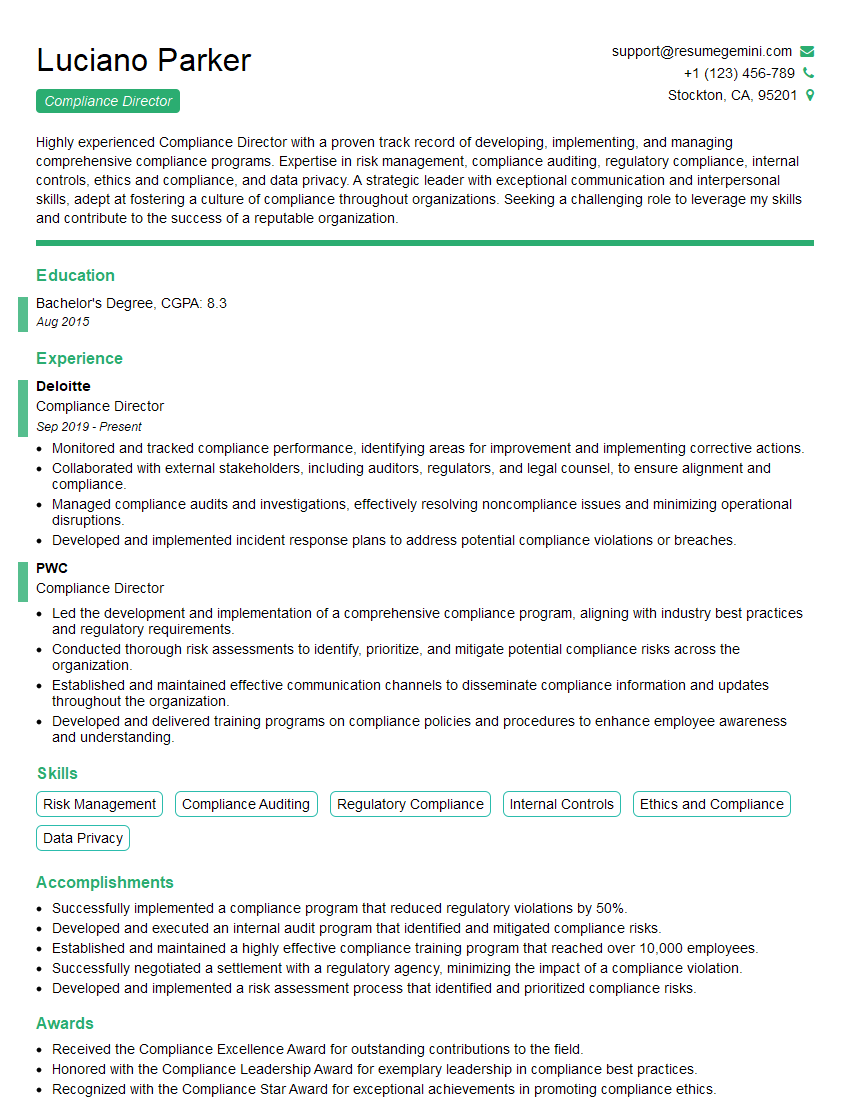
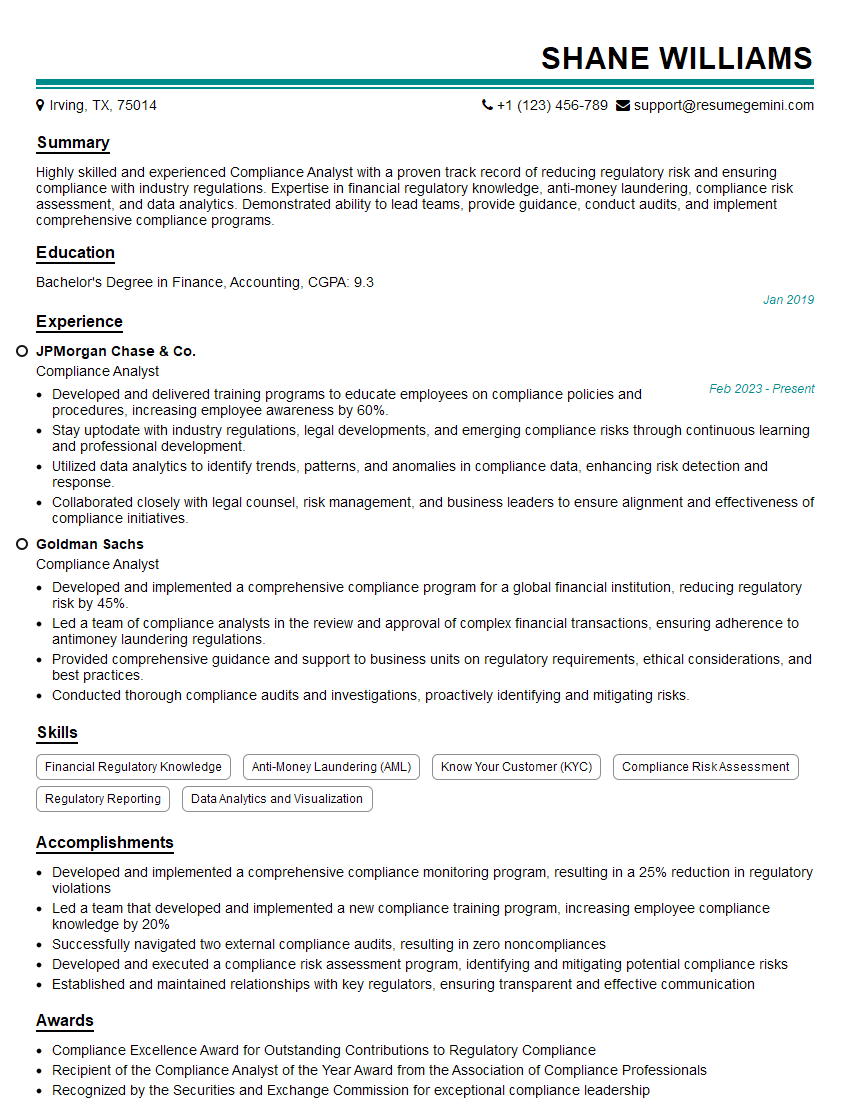
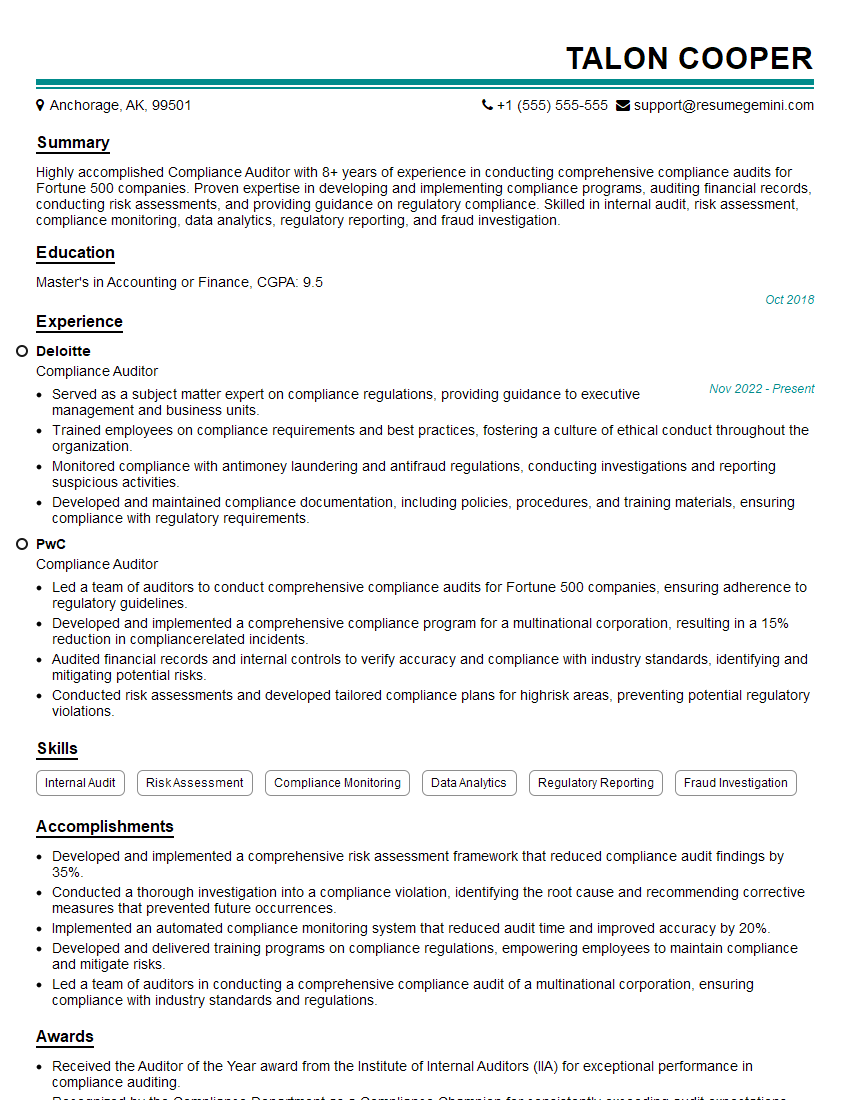
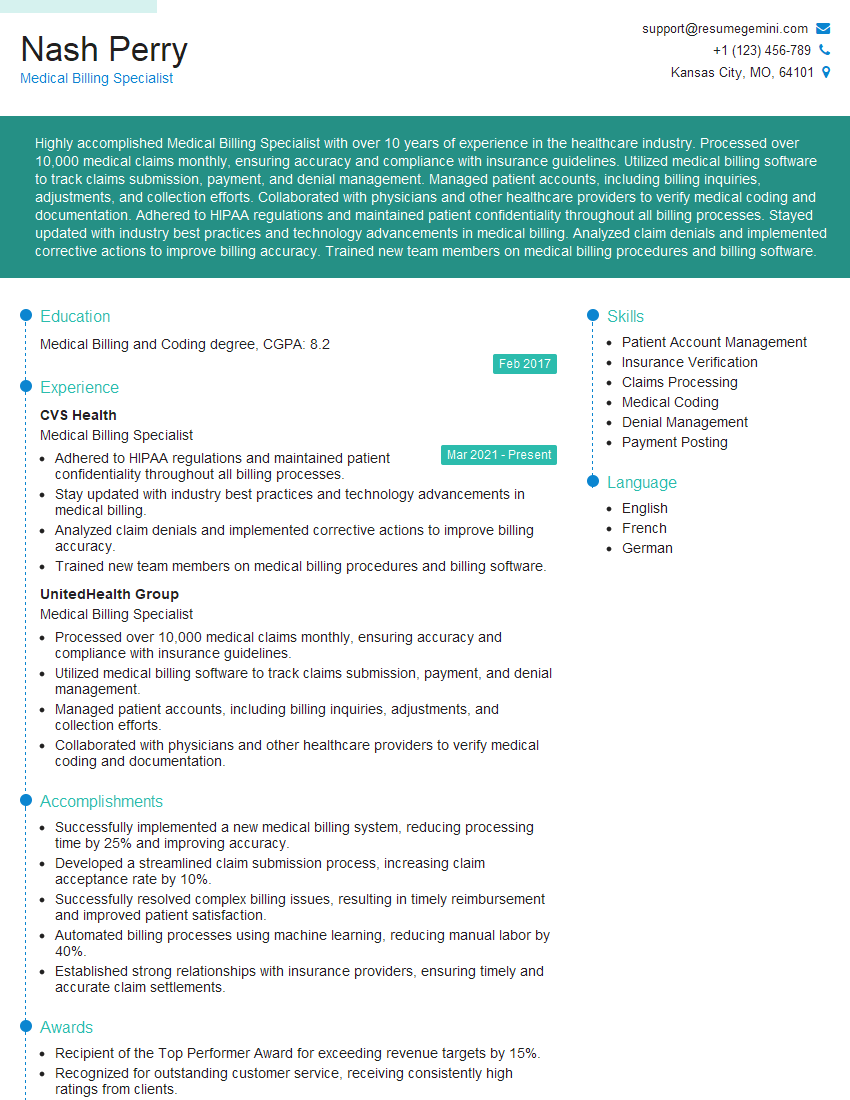
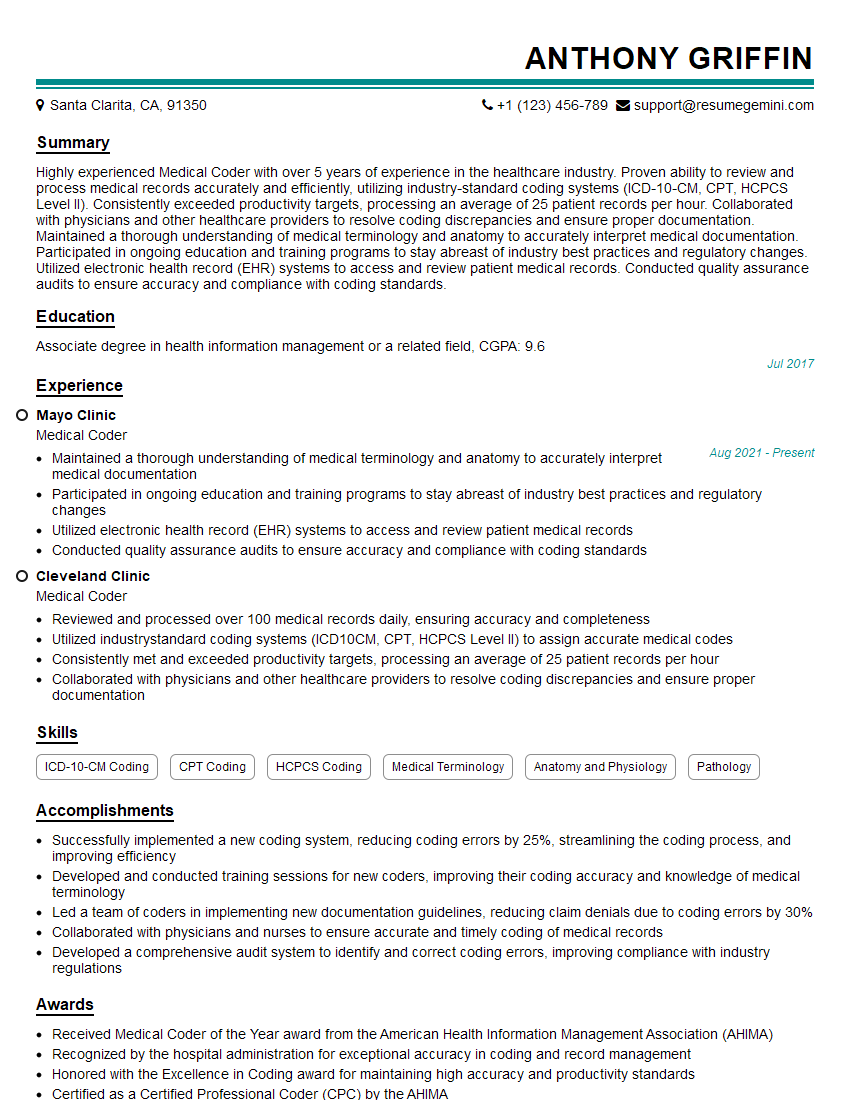
We strongly recommend using ResumeGemini to craft a professional resume tailored to the Medical Coding Compliance field. ResumeGemini provides the tools and resources to build a standout resume that grabs the attention of recruiters. Examples of resumes specifically tailored to Medical Coding Compliance are available to help you get started.

Explore more articles
Users Rating of Our Blogs
Share Your Experience
We value your feedback! Please rate our content and share your thoughts (optional).
What Readers Say About Our Blog
Really detailed insights and content, thank you for writing this detailed article.
IT gave me an insight and words to use and be able to think of examples