Cracking a skill-specific interview, like one for Medical laboratory, requires understanding the nuances of the role. In this blog, we present the questions you’re most likely to encounter, along with insights into how to answer them effectively. Let’s ensure you’re ready to make a strong impression.
Questions Asked in Medical laboratory Interview
Q 1. Explain the process of complete blood count (CBC) analysis.
A Complete Blood Count (CBC) is a comprehensive blood test that provides information about the different components of your blood. The process begins with collecting a blood sample, usually a venous blood draw, into an anticoagulant tube (like EDTA) to prevent clotting. This sample is then analyzed by automated hematology analyzers. These sophisticated machines use a variety of technologies, including electrical impedance, laser diffraction, and flow cytometry, to count and measure the different blood cells.
The analyzer measures several key parameters:
- Red Blood Cell (RBC) count: Number of red blood cells per microliter of blood.
- Hemoglobin (Hgb): The amount of oxygen-carrying protein in red blood cells.
- Hematocrit (Hct): The percentage of blood volume occupied by red blood cells.
- Mean Corpuscular Volume (MCV): The average size of red blood cells.
- Mean Corpuscular Hemoglobin (MCH): The average amount of hemoglobin in each red blood cell.
- Mean Corpuscular Hemoglobin Concentration (MCHC): The average concentration of hemoglobin in each red blood cell.
- Red Cell Distribution Width (RDW): Measures the variation in the size of red blood cells.
- White Blood Cell (WBC) count: Number of white blood cells (leukocytes) per microliter of blood, often further categorized into different types (neutrophils, lymphocytes, monocytes, eosinophils, basophils) – a differential count.
- Platelet count: The number of platelets per microliter of blood.
The results are then reviewed by a medical laboratory professional who will interpret the data and report any abnormalities. For example, low RBC count could suggest anemia, while high WBC count might indicate infection. A CBC is a fundamental test used for diagnosis and monitoring of a wide range of medical conditions.
Q 2. Describe the different types of blood samples and their uses.
Various types of blood samples are used in medical laboratories, each suited for specific tests. The choice depends on the analytes being measured and the method of analysis.
- Venous Blood: Collected from a vein, usually in the arm, using a needle and syringe or vacuum tube system. This is the most common type and is used for most biochemical, hematological, and serological tests. It provides a larger volume of blood compared to other methods.
- Capillary Blood: Obtained from a finger prick or heel prick (in infants). This method is less invasive and is used for point-of-care testing (POCT) or when only a small blood volume is needed, such as for glucose monitoring.
- Arterial Blood: Collected from an artery, typically the radial artery in the wrist. This is used for blood gas analysis (measuring oxygen, carbon dioxide, and pH levels) to assess respiratory function.
- Plasma Samples: Blood collected into tubes containing anticoagulants (like heparin) that prevent clotting. Plasma, the liquid component of blood, is separated by centrifugation and is used for various tests, including coagulation studies.
- Serum Samples: Blood collected into tubes without anticoagulants which allows it to clot. After centrifugation, the serum (liquid component without clotting factors) is separated and is used for numerous tests, including many biochemical assays.
For instance, if a patient presents with shortness of breath, an arterial blood gas would be essential. If routine metabolic testing is needed, venous blood is sufficient.
Q 3. How do you ensure the accuracy and precision of laboratory results?
Ensuring accurate and precise laboratory results is paramount. This relies on a multi-faceted approach encompassing pre-analytical, analytical, and post-analytical phases.
- Pre-analytical: Proper patient identification, correct sample collection (right tube, avoiding hemolysis), timely processing, and appropriate storage are crucial. We use standardized procedures and quality control materials to minimize errors at this stage. For example, barcoding samples helps avoid misidentification.
- Analytical: This involves using calibrated and validated instruments and reagents. Regular maintenance, quality control checks (using control samples with known values), and participation in external quality assessment programs are key to accurate measurements. For example, we routinely run quality controls with each analytical batch.
- Post-analytical: Accurate data entry, result verification by experienced staff, and timely reporting are critical. We have well-defined procedures to review and validate results before releasing them to the healthcare providers.
Moreover, rigorous training for laboratory personnel, adherence to Standard Operating Procedures (SOPs), and use of laboratory information systems (LIS) aid in achieving consistent and reliable results. Regular internal audits and external accreditation processes ensure ongoing quality improvement.
Q 4. What are the common causes of pre-analytical errors in laboratory testing?
Pre-analytical errors are the most frequent source of inaccuracies in lab testing. These errors occur before the actual analysis and can significantly impact the results. Common causes include:
- Improper Patient Identification: Misidentification of the patient can lead to completely wrong results being reported and potentially life-threatening consequences.
- Incorrect Sample Collection: Using the wrong tube type, inadequate mixing of anticoagulants, or insufficient sample volume can all lead to inaccurate results. For example, drawing blood into a tube intended for serum for a test that requires plasma will yield flawed outcomes.
- Hemolysis: Damage to red blood cells during collection releases intracellular components into the plasma, potentially interfering with many biochemical assays.
- Lipemia: High levels of lipids (fats) in the blood can interfere with optical measurements.
- Icterus (Jaundice): High levels of bilirubin (yellow pigment) in the blood, commonly seen in liver disease, can affect certain biochemical assays.
- Improper Sample Handling and Storage: Incorrect temperature or prolonged storage times can lead to degradation of analytes.
- Patient related factors: Dehydration, strenuous exercise, and dietary factors can also impact test results.
Implementing robust quality control measures at the pre-analytical stage, such as proper training for phlebotomists and standardized collection procedures, is vital to mitigate these errors.
Q 5. Explain the principles of ELISA and its applications.
ELISA (Enzyme-Linked Immunosorbent Assay) is a plate-based method widely used to detect and quantify substances such as proteins, peptides, antibodies, and hormones. It relies on the principle of antigen-antibody interaction. A specific antibody or antigen is immobilized on a microplate well. Then, the sample (containing the target substance) is added. If the target substance is present, it binds to the immobilized molecule. After washing away unbound material, a secondary antibody conjugated to an enzyme (e.g., horseradish peroxidase or alkaline phosphatase) is added, which binds to the target-antibody or target-antigen complex. Finally, a substrate is added, and the enzyme converts it into a colored product, the intensity of which is proportional to the concentration of the target substance.
Applications of ELISA are vast:
- Infectious disease diagnostics: Detecting antibodies against viruses (like HIV, Hepatitis) or bacteria.
- Autoimmune disease diagnosis: Detecting autoantibodies such as rheumatoid factor (RF).
- Hormone level measurements: Quantifying hormones like TSH, LH, FSH.
- Allergy testing: Identifying specific allergens.
- Drug screening: Detecting drug metabolites.
ELISA is a highly sensitive and specific technique, with several variations (direct, indirect, competitive ELISA) offering flexibility depending on the analyte being measured. The use of a microplate reader for quantitative analysis simplifies the procedure and allows for high throughput.
Q 6. Describe the different types of microscopy used in medical laboratories.
Medical laboratories utilize several types of microscopy for various diagnostic purposes. The choice of microscope depends on the specimen and the information required.
- Brightfield Microscopy: The most common type, using transmitted light to view stained specimens. It’s used for routine examination of blood smears, tissue sections, and microbiology cultures. Staining techniques enhance contrast and visibility of cellular structures.
- Darkfield Microscopy: Illuminates the specimen indirectly, resulting in a bright specimen against a dark background. It’s useful for visualizing unstained, transparent specimens like spirochetes (e.g., Treponema pallidum, the causative agent of syphilis).
- Phase-Contrast Microscopy: Enhances contrast in transparent specimens without staining. It’s useful for observing living cells and tissues.
- Fluorescence Microscopy: Uses fluorescent dyes or antibodies to label specific structures within cells. It’s used for immunofluorescence techniques, in situ hybridization, and detection of specific molecules within cells and tissues.
- Electron Microscopy (Transmission and Scanning): These advanced techniques use electron beams to visualize ultrastructures of cells and tissues. Transmission electron microscopy (TEM) provides high-resolution images of internal cellular structures, whereas scanning electron microscopy (SEM) creates detailed images of surface structures.
For instance, brightfield microscopy is standard for analyzing blood smears, while fluorescence microscopy would be crucial for detecting specific antigens or antibodies in tissues.
Q 7. How do you troubleshoot equipment malfunctions in the laboratory?
Troubleshooting equipment malfunctions requires a systematic approach. It begins with identifying the problem and then following a logical series of steps.
- Identify the Problem: What exactly is malfunctioning? Are there error codes displayed? Is there a complete failure or a partial one?
- Consult the Manual: The equipment’s instruction manual is the primary resource for troubleshooting. It may provide a list of common errors and troubleshooting steps.
- Check Basic Things: Before assuming a serious mechanical failure, rule out simple problems such as power supply issues (are the cords plugged in correctly?), reagent levels, or sample loading errors.
- Quality Control Checks: Run quality control samples to determine if the issue is related to reagents or the instrument itself. Inconsistent results suggest a problem with the instrument’s calibration or function.
- Visual Inspection: Check for physical damage or leaks. Look for any obvious issues such as debris in the optical path (for microscopes) or leaks in tubing (for automated analyzers).
- Contact Support: If the problem persists after trying basic troubleshooting steps, contact the equipment manufacturer’s support team. This may involve providing detailed descriptions of the problem and potentially remote diagnostics or an on-site visit.
- Documentation: Meticulous record keeping is vital. Note down every step taken in troubleshooting and the results obtained. This allows for effective tracking of the issue and aids in future maintenance.
A well-maintained preventative maintenance schedule can greatly reduce the frequency of equipment malfunctions.
Q 8. What quality control measures are used to ensure the reliability of laboratory results?
Ensuring the reliability of laboratory results is paramount in medical diagnostics. We achieve this through a multi-layered approach encompassing quality control (QC) at every stage, from pre-analytical to post-analytical phases. This involves rigorous internal and external QC procedures.
Internal QC: This involves running control samples alongside patient samples. These controls are materials with known values. We use these to monitor the precision and accuracy of our assays. For instance, if the control values consistently fall outside the acceptable range, it signals a problem with the assay or equipment, prompting investigation and corrective action before patient results are released. We document all QC results meticulously.
External QC: We participate in external quality assessment programs (EQA). These programs send us unknown samples that we analyze alongside our routine workload. The results are then compared to those of other laboratories participating in the program, allowing for inter-laboratory comparison and identification of any systematic errors or biases. This helps ensure our results are comparable to other labs nationally and internationally.
Calibration: Regular calibration of instruments using certified reference materials is crucial for maintaining accuracy. This ensures that the instrument readings accurately reflect the true values of the analyte being measured. For example, spectrophotometers need regular calibration to ensure that absorbance readings are precise.
Preventive Maintenance: Routine maintenance of equipment minimizes malfunctions and ensures optimal performance. A well-maintained instrument provides more reliable and consistent results than a poorly maintained one.
By implementing these stringent QC measures, we minimize errors and ensure the highest possible reliability of our laboratory results, ultimately impacting patient care and treatment decisions.
Q 9. Explain the importance of proper specimen handling and storage.
Proper specimen handling and storage are critical for maintaining the integrity and accuracy of laboratory results. Improper handling can lead to degradation of analytes, contamination, and ultimately, inaccurate results that could lead to misdiagnosis or inappropriate treatment.
Pre-analytical Phase: This phase begins with proper patient identification and correct collection of the sample using the appropriate technique, for instance, venipuncture for blood samples or aseptic techniques for microbiology samples. Incorrect collection methods can introduce errors. For example, hemolysis (rupture of red blood cells) during blood collection can interfere with many blood tests.
Transportation and Storage: Samples need to be transported and stored at the correct temperature to prevent degradation. For example, some samples need to be kept chilled (refrigerated) to prevent enzyme activity or bacterial growth, while others require freezing to maintain stability. Timely processing of samples is also important to prevent deterioration.
Sample Labeling: Accurate and complete labeling is crucial. This includes patient identifier (name, date of birth, medical record number), sample type, date and time of collection, and any other relevant information. This ensures samples are correctly identified and traced throughout the testing process.
Imagine a scenario where a blood glucose sample is left at room temperature for hours before testing – the glucose levels will likely be altered, leading to an inaccurate result potentially impacting diabetes management. Therefore, meticulous attention to specimen handling and storage is essential for accurate and reliable test results.
Q 10. Describe your experience with laboratory information systems (LIS).
I have extensive experience working with Laboratory Information Systems (LIS). These systems are the backbone of modern medical laboratories, managing all aspects of laboratory operations, from sample accessioning to result reporting. My experience encompasses various LIS platforms, including [mention specific LIS systems if comfortable, e.g., Cerner, Epic Beaker].
Data Entry and Management: I am proficient in using LIS for entering patient demographics, test orders, and results. The ability to efficiently enter data and track samples is critical in ensuring timely reporting.
Workflow Management: I understand how the LIS streamlines workflows by providing a platform for tracking samples and managing worklists. This improves efficiency and reduces turnaround times.
Quality Control: Many LIS systems integrate QC functionalities, allowing us to track and manage QC data, generate QC reports, and flag any potential issues. This enhances our QC processes and improves the reliability of our results.
Reporting and Analysis: LIS provides tools for generating comprehensive reports, including patient reports, QC reports, and statistical analyses of laboratory data, helping identify trends and areas for improvement.
My experience with LIS ensures efficient lab operations and accurate, timely reporting, directly benefiting patient care.
Q 11. How do you interpret and report laboratory results?
Interpreting and reporting laboratory results requires a thorough understanding of clinical medicine and laboratory science. The process involves several steps:
Reviewing Results: I carefully examine the numerical results in the context of the patient’s clinical information (age, sex, medical history, presenting symptoms) and the test’s reference ranges. This is crucial, as what might be abnormal in one patient may be normal in another based on their health status.
Identifying Deviations: I identify any values falling outside the reference range and assess their clinical significance. I consider if the deviations are significant enough to warrant clinical attention.
Correlation with Other Tests: Often, a single test may not provide the whole picture. I correlate the results with other tests performed on the same patient to get a more comprehensive understanding.
Reporting: I then generate a clear, concise, and easily understandable report that communicates the findings effectively to the healthcare provider. This report should be free of ambiguity and any potential for misinterpretation. For example, instead of simply stating “abnormal result,” I specify the exact abnormality and its clinical implications.
Effective interpretation and reporting is vital for guiding treatment decisions and impacting patient outcomes. I always prioritize clarity and accuracy in my communication to avoid any potential misinterpretation of results.
Q 12. What are the safety precautions you take when handling biological samples?
Handling biological samples necessitates strict adherence to safety protocols to protect both the laboratory personnel and the environment. This involves a multi-pronged approach:
Personal Protective Equipment (PPE): We consistently use appropriate PPE, including gloves, lab coats, eye protection, and face masks, depending on the nature of the sample and procedure. This is fundamental to preventing exposure to potentially infectious agents.
Biosafety Cabinets: For work with infectious or potentially infectious agents, biosafety cabinets (BSCs) provide a contained environment to prevent aerosolization and protect both the sample and the worker. Proper training on the use and maintenance of BSCs is mandatory.
Sharps Disposal: Needles, syringes, and other sharp objects are disposed of in designated puncture-resistant containers immediately after use. This is an essential safety measure to prevent accidental needle-stick injuries. We strictly follow the guidelines for appropriate waste management.
Decontamination: Work surfaces, equipment, and any potentially contaminated materials are decontaminated regularly using appropriate disinfectants. This helps to eliminate any remaining infectious agents.
Spill Response: We are trained to handle spills of biological materials effectively, using appropriate absorbent materials and disinfectants to minimize the risk of exposure and contamination.
Safety is non-negotiable in our work, and continuous training and adherence to protocols are critical to preventing accidents and maintaining a safe working environment.
Q 13. Explain the principles of PCR and its applications in medical diagnostics.
Polymerase Chain Reaction (PCR) is a powerful molecular biology technique used to amplify specific DNA sequences. Its principle lies in repeatedly cycling through temperature changes that allow for DNA denaturation, primer annealing, and DNA polymerase extension. This exponential amplification allows for detection of even minute quantities of target DNA.
Principles: The process involves three main steps: 1) Denaturation: heating the DNA to separate the double strands. 2) Annealing: cooling to allow specific primers to bind to the target DNA sequence. 3) Extension: raising the temperature slightly to allow a heat-stable DNA polymerase (like Taq polymerase) to synthesize new DNA strands complementary to the template.
Applications in Medical Diagnostics: PCR has revolutionized medical diagnostics. It’s used for:
- Infectious Disease Detection: Detecting viruses (like HIV, Hepatitis B and C), bacteria, and parasites. For example, PCR is widely used for detecting SARS-CoV-2 (the virus causing COVID-19).
- Genetic Testing: Identifying genetic mutations associated with inherited disorders. This can help in early diagnosis and genetic counseling.
- Cancer Diagnostics: Detecting cancer-specific DNA sequences or mutations, aiding in early detection and monitoring treatment response.
- Forensic Science: Amplifying DNA from trace samples for identification purposes.
PCR’s sensitivity and specificity have made it an indispensable tool in modern medical diagnostics. However, it’s crucial to utilize proper controls to minimize false positive or negative results.
Q 14. Describe your experience with different types of automated analyzers.
My experience encompasses a range of automated analyzers commonly used in clinical laboratories. These instruments significantly improve efficiency, accuracy, and throughput. My experience includes working with [mention specific analyzer types if comfortable, e.g., hematology analyzers like Sysmex XN, clinical chemistry analyzers like Roche Cobas, immunoassay analyzers like Siemens Immulite].
Hematology Analyzers: These automated systems perform complete blood counts (CBCs), providing comprehensive information about blood cells (RBCs, WBCs, platelets). They automate the process of cell counting, sizing, and differential analysis, significantly reducing manual workload.
Clinical Chemistry Analyzers: These analyzers measure various analytes in serum or plasma, such as glucose, electrolytes, enzymes, and lipids. They use various methods, including spectrophotometry and electrochemical detection, offering high throughput and precision.
Immunoassay Analyzers: These systems measure levels of specific proteins or antibodies in blood or other fluids using techniques like ELISA (enzyme-linked immunosorbent assay) or chemiluminescence. They are widely used for hormone assays, infectious disease markers, and tumor markers.
Proficiency with these automated analyzers ensures efficient operation of the lab, enabling us to deliver large volumes of accurate results quickly, contributing to the rapid delivery of patient diagnoses and treatment plans.
Q 15. How do you handle discrepancies in laboratory results?
Discrepancies in laboratory results are a common occurrence and require a systematic approach to investigation and resolution. They can arise from pre-analytical, analytical, or post-analytical errors. Pre-analytical errors involve issues with patient preparation, sample collection, or transport. Analytical errors relate to the testing process itself, while post-analytical errors involve data entry, reporting, or interpretation.
My approach begins with a thorough review of the entire testing process, starting with the patient’s identification and sample acquisition. I verify the accuracy of the patient’s information, ensuring it matches the sample label. I then examine the analytical phase, checking for instrument malfunction, reagent expiry, or any deviations from standard operating procedures (SOPs). If the discrepancy is significant, I may repeat the test using a different method or instrument, or even request a new sample from the patient. If the discrepancy persists despite these steps, a consultation with other laboratory personnel, including the supervisor or pathologist, is crucial to determine the most likely cause and appropriate action. Documentation of all steps taken in investigating and resolving the discrepancy is critical for quality control and potential audit trails. For example, a discrepancy between two glucose readings from the same patient might be investigated by checking the sample integrity, instrument calibration, and technician’s adherence to SOPs. If the discrepancy remains after these checks, we might consult a senior member of the team for additional insight and possibly rerun the test with a different method.
Career Expert Tips:
- Ace those interviews! Prepare effectively by reviewing the Top 50 Most Common Interview Questions on ResumeGemini.
- Navigate your job search with confidence! Explore a wide range of Career Tips on ResumeGemini. Learn about common challenges and recommendations to overcome them.
- Craft the perfect resume! Master the Art of Resume Writing with ResumeGemini’s guide. Showcase your unique qualifications and achievements effectively.
- Don’t miss out on holiday savings! Build your dream resume with ResumeGemini’s ATS optimized templates.
Q 16. What are the ethical considerations in medical laboratory practice?
Ethical considerations in medical laboratory practice are paramount. They revolve around patient confidentiality, accurate and timely reporting of results, maintaining professional competence, and ensuring the safety of laboratory personnel. The primary ethical obligation is to maintain patient confidentiality. All patient information must be treated with the strictest confidence, and access to patient data should be restricted to authorized personnel. Accuracy and timeliness in reporting results are also critical. Delayed or inaccurate results can lead to significant harm to the patient. We must ensure that all tests are performed accurately and that results are reported promptly. Continual professional development is essential for maintaining competency and adhering to the evolving standards in the field. Laboratory professionals must ensure they are up-to-date with best practices and advancements in laboratory techniques. Lastly, maintaining the safety of laboratory personnel is a moral and legal obligation. Following safety protocols and employing proper techniques to handle hazardous materials is crucial for preventing accidents and protecting the health of laboratory staff.
A real-world example of ethical considerations involves handling a positive result for a highly sensitive condition like HIV. Maintaining confidentiality while ensuring appropriate follow-up and counseling are critical. This situation necessitates a careful balance between patient autonomy and professional responsibility.
Q 17. Describe your experience with quality assurance and quality control programs.
Quality assurance (QA) and quality control (QC) are integral parts of medical laboratory operations. QA encompasses all systematic actions necessary to provide confidence that a laboratory service will fulfill requirements for quality. QC, on the other hand, involves the specific techniques and procedures used to monitor the accuracy and precision of the tests. In my experience, this involves regular calibration of instruments, participating in proficiency testing programs, following standardized operating procedures (SOPs), and maintaining accurate records of all testing activities. I have extensive experience in developing and implementing QC programs, including the use of control materials to monitor the performance of analytical methods. I’ve also participated in internal and external QA audits, which helped identify areas for improvement in our processes. We regularly assess the effectiveness of our quality programs by reviewing QC data, identifying trends, and taking corrective actions as needed. For example, consistently high or low QC results might indicate a need to recalibrate equipment or investigate reagent stability. We document all QC results and corrective actions taken to provide a comprehensive audit trail.
Q 18. Explain the principles of microbiology and its role in medical diagnosis.
Microbiology is the study of microorganisms, including bacteria, viruses, fungi, and parasites. It plays a crucial role in medical diagnosis by identifying infectious agents that cause diseases. Understanding the principles of microbiology is crucial for selecting appropriate tests, interpreting results, and implementing effective infection control measures. Common microbiological tests include bacterial culture and identification, antimicrobial susceptibility testing (AST), and molecular diagnostic tests like PCR. For instance, a patient presenting with pneumonia might undergo sputum culture to identify the causative bacteria and AST to determine the appropriate antibiotic treatment. Similarly, PCR testing might be used to diagnose viral infections like influenza or COVID-19. Accurate and timely microbiological diagnosis enables effective treatment, reduces morbidity and mortality, and helps prevent the spread of infectious diseases within communities.
Q 19. How do you maintain sterility and prevent contamination in the laboratory?
Maintaining sterility and preventing contamination is paramount in a medical laboratory. This involves a multi-faceted approach that encompasses environmental control, proper sterilization techniques, and strict adherence to aseptic practices. The laboratory environment should be clean and well-maintained. Work surfaces should be regularly disinfected, and appropriate airflow systems should be in place to prevent the spread of airborne contaminants. Sterilization techniques such as autoclaving (steam sterilization) and dry heat sterilization are used to sterilize equipment and supplies. Aseptic techniques, including proper hand hygiene, use of sterile gloves, and working in laminar flow hoods, are essential for preventing contamination during sample processing and testing. Strict adherence to SOPs regarding handling of specimens and cultures is essential to mitigate the risk of contamination and ensure the accuracy and reliability of test results. For example, we use biosafety cabinets to handle highly infectious specimens and implement strict protocols for waste disposal to prevent the release of potentially hazardous materials.
Q 20. Describe your experience with different types of staining techniques.
I have experience with a range of staining techniques, including Gram staining, Acid-fast staining, and various special stains. Gram staining is a crucial technique for differentiating bacteria based on their cell wall structure, enabling rapid identification and guiding appropriate treatment. Acid-fast staining is used to identify bacteria with waxy cell walls, such as Mycobacterium tuberculosis. Special stains, such as Giemsa and Wright stains, are employed for visualizing specific structures within cells, such as parasites or blood cells. These techniques require meticulous attention to detail to obtain accurate results. Proper preparation of stains, slides, and adherence to the specific protocol for each stain are essential to avoid misinterpretation. For instance, improper Gram staining can lead to misidentification of bacteria, potentially leading to inappropriate antibiotic treatment. Proficiency in these techniques is critical for accurate diagnosis and effective patient management.
Q 21. What are the regulatory requirements for medical laboratories?
Regulatory requirements for medical laboratories vary by country and region but generally aim to ensure the quality and reliability of laboratory testing. These regulations typically cover areas such as personnel qualifications, quality assurance programs, testing methodologies, safety procedures, and reporting requirements. Key regulations often include licensing and accreditation requirements, adherence to specific standards (e.g., ISO 15189), and participation in proficiency testing programs. Laboratories must maintain detailed records of their testing procedures, quality control results, and personnel qualifications. Furthermore, regulations often address the handling and disposal of hazardous materials and the protection of patient information. Compliance with these regulations is essential for maintaining the credibility and reliability of the laboratory’s services and safeguarding patient safety. Non-compliance can lead to serious consequences, including sanctions, fines, and suspension of operation.
Q 22. How do you manage workload and prioritize tasks in a busy laboratory environment?
In a busy medical laboratory, efficient workload management is crucial. I employ a multi-pronged approach combining prioritization techniques with effective time management. My strategy starts with understanding the urgency and clinical impact of each test. Stat requests, critical values, and tests directly impacting immediate patient care always take precedence. I utilize a combination of laboratory information systems (LIS) and task management tools to track pending tests, monitor turnaround times, and allocate tasks to the team effectively. For instance, we might use a color-coded system in the LIS – red for stat, yellow for urgent, green for routine – to visually prioritize workload. Furthermore, proactive communication with clinicians about expected turnaround times helps manage expectations and prevents bottlenecks. Regular team meetings are held to discuss challenges, redistribute workload if needed, and identify any process improvements to optimize efficiency.
Beyond individual task management, I’m adept at identifying workflow inefficiencies. For example, we recently streamlined our pre-analytical processes by optimizing specimen handling and implementing barcode scanning, resulting in a 15% reduction in pre-analytical errors and a 10% improvement in turnaround time.
Q 23. Describe your experience with troubleshooting and resolving equipment problems.
Troubleshooting equipment is a regular part of my role, requiring both technical skill and problem-solving ability. My approach is systematic and follows a structured process. I always begin by carefully assessing the nature of the malfunction. Is it a software error, a hardware problem, or a reagent issue? I consult the equipment’s troubleshooting manual and error codes to identify potential causes. Simple issues like reagent replenishment or software updates are often resolved quickly. However, more complex problems might involve checking electrical connections, calibrating instruments, or even contacting the manufacturer for technical support.
For example, I once diagnosed a faulty centrifuge by systematically checking the power supply, rotor balance, and motor functionality. I discovered a loose wire causing intermittent power failure, a fix that took less than 30 minutes but prevented significant delays in processing.
Beyond fixing immediate problems, I’m committed to preventative maintenance. Regular cleaning, calibration, and quality control checks are essential to ensuring equipment functions optimally and minimizing downtime. This includes meticulously documenting all maintenance activities and calibrations.
Q 24. Explain the process of blood typing and crossmatching.
Blood typing and crossmatching are critical pre-transfusion procedures to ensure blood compatibility and prevent adverse reactions. Blood typing identifies the ABO and Rh blood groups of a patient. This is done using commercially available antisera (anti-A, anti-B, and anti-D) that react with corresponding antigens on red blood cells. If agglutination (clumping) occurs, the corresponding antigen is present. For example, agglutination with anti-A and anti-D indicates A positive blood type.
Crossmatching is a more complex procedure that checks compatibility between the donor’s blood and the recipient’s serum. It involves several steps including the major crossmatch (donor red cells and recipient serum) and the minor crossmatch (donor serum and recipient red cells). These tests detect any incompatible antibodies in the recipient’s serum that may react with the donor’s red blood cells, preventing a potentially life-threatening transfusion reaction. Positive results in crossmatching would indicate incompatibility, precluding the transfusion.
Both blood typing and crossmatching are performed using standardized techniques and quality control measures to ensure accuracy and reliability, and results are always carefully reviewed before releasing them for transfusion.
Q 25. How do you interpret and report coagulation test results?
Interpreting coagulation test results requires a good understanding of hemostasis and the various coagulation factors. Common tests include the prothrombin time (PT), activated partial thromboplastin time (aPTT), international normalized ratio (INR), and fibrinogen levels. These tests assess different aspects of the coagulation cascade.
For example, a prolonged PT indicates a deficiency in the extrinsic pathway, often associated with Vitamin K deficiency or liver disease. A prolonged aPTT suggests a problem in the intrinsic pathway, potentially related to hemophilia or lupus anticoagulant. The INR is used to monitor patients on warfarin therapy, ensuring it’s within the therapeutic range. Low fibrinogen levels might indicate disseminated intravascular coagulation (DIC).
I always correlate the results with the patient’s clinical history and other laboratory data to reach a comprehensive interpretation. For instance, a prolonged PT and aPTT in a patient with liver cirrhosis has a different significance than in a patient with a bleeding disorder.
Reporting the results involves clearly stating the values, units, and reference ranges. Any critical findings or deviations from the expected range are highlighted. It’s vital to provide a concise and accurate interpretation that supports clinical decision-making, focusing on the clinical implications for the patient’s care.
Q 26. What are the different types of urinalysis tests and their interpretations?
Urinalysis involves a physical, chemical, and microscopic examination of a urine sample, providing valuable insights into various aspects of kidney function and systemic diseases. The physical examination assesses color, clarity, and odor, indicating potential problems. The chemical examination uses dipsticks to detect substances like glucose, protein, ketones, bilirubin, blood, and leukocytes. For instance, glucosuria suggests diabetes, while proteinuria might signal kidney damage.
Microscopic examination evaluates the presence of formed elements like red blood cells (hematuria), white blood cells (pyuria), casts, and crystals. Hematuria may indicate urinary tract infection or kidney stones, while pyuria often signifies infection. Casts are formed in the renal tubules and can indicate various renal diseases. Crystals can hint at kidney stone formation.
Interpreting urinalysis requires considering the entire picture – physical, chemical, and microscopic findings. An isolated finding may be insignificant, but a combination of abnormalities helps pinpoint the underlying condition. For example, the presence of glucose, ketones, and high specific gravity in a urine sample might point towards uncontrolled diabetes.
Q 27. Describe your experience with performing and interpreting serological tests.
Serological tests detect antibodies or antigens in serum to diagnose infectious diseases or autoimmune disorders. My experience encompasses a wide range of techniques including enzyme-linked immunosorbent assays (ELISAs), immunofluorescence assays (IFAs), and complement fixation tests. ELISAs are widely used to detect antibodies to specific pathogens like HIV or Hepatitis B. IFAs are useful in diagnosing autoimmune diseases by detecting autoantibodies in the patient’s serum. Complement fixation tests can identify the presence of specific antigens.
For instance, a positive ELISA for HIV antibodies is often followed up with a Western blot for confirmation. The interpretation always considers the test sensitivity and specificity, along with the patient’s clinical picture. A positive test may not necessarily mean active infection; it can indicate past exposure or a false positive. Therefore, careful consideration of the patient’s symptoms and other laboratory data is essential to reach an accurate diagnosis.
Quality control is critical in serology. We routinely use positive and negative controls to ensure the accuracy and reliability of the results. Any discrepancies or unexpected results trigger investigations to identify the underlying cause, whether it’s a technical error or a need for further testing.
Key Topics to Learn for Medical Laboratory Interview
- Clinical Chemistry: Understanding fundamental assays (e.g., electrolytes, glucose, enzymes), their clinical significance, and interpretation of results. Practical application: Troubleshooting instrument malfunctions and resolving discrepancies in results.
- Hematology: Knowledge of complete blood counts (CBC), blood coagulation studies, and blood bank principles. Practical application: Performing and analyzing blood smears, identifying abnormalities.
- Microbiology: Familiarization with bacterial, viral, fungal, and parasitic identification techniques, including culture methods and antimicrobial susceptibility testing. Practical application: Implementing proper infection control protocols and interpreting culture results.
- Immunology & Serology: Understanding immunoassays (e.g., ELISA, immunofluorescence), antibody-antigen reactions, and their applications in disease diagnosis. Practical application: Performing and interpreting serological tests for infectious diseases.
- Laboratory Safety and Quality Control: Adherence to safety regulations (e.g., OSHA), understanding quality control procedures, and maintaining accurate record-keeping. Practical application: Implementing and monitoring quality control measures to ensure accurate and reliable results.
- Laboratory Instrumentation and Technology: Familiarity with common laboratory equipment (e.g., analyzers, microscopes) and their maintenance. Practical application: Troubleshooting equipment issues and performing routine maintenance.
- Laboratory Information Systems (LIS): Understanding the use of LIS for managing patient data, test ordering, and result reporting. Practical application: Efficiently utilizing LIS for data entry, retrieval, and reporting.
Next Steps
A strong foundation in medical laboratory science opens doors to diverse and rewarding career paths, offering opportunities for specialization and professional growth. To significantly enhance your job prospects, creating a resume optimized for Applicant Tracking Systems (ATS) is crucial. ResumeGemini is a trusted resource to help you build a professional and impactful resume that showcases your skills and experience effectively. Examples of resumes tailored to the medical laboratory field are available to guide you in crafting a compelling application. Invest time in building a strong resume – it’s your first impression on potential employers.
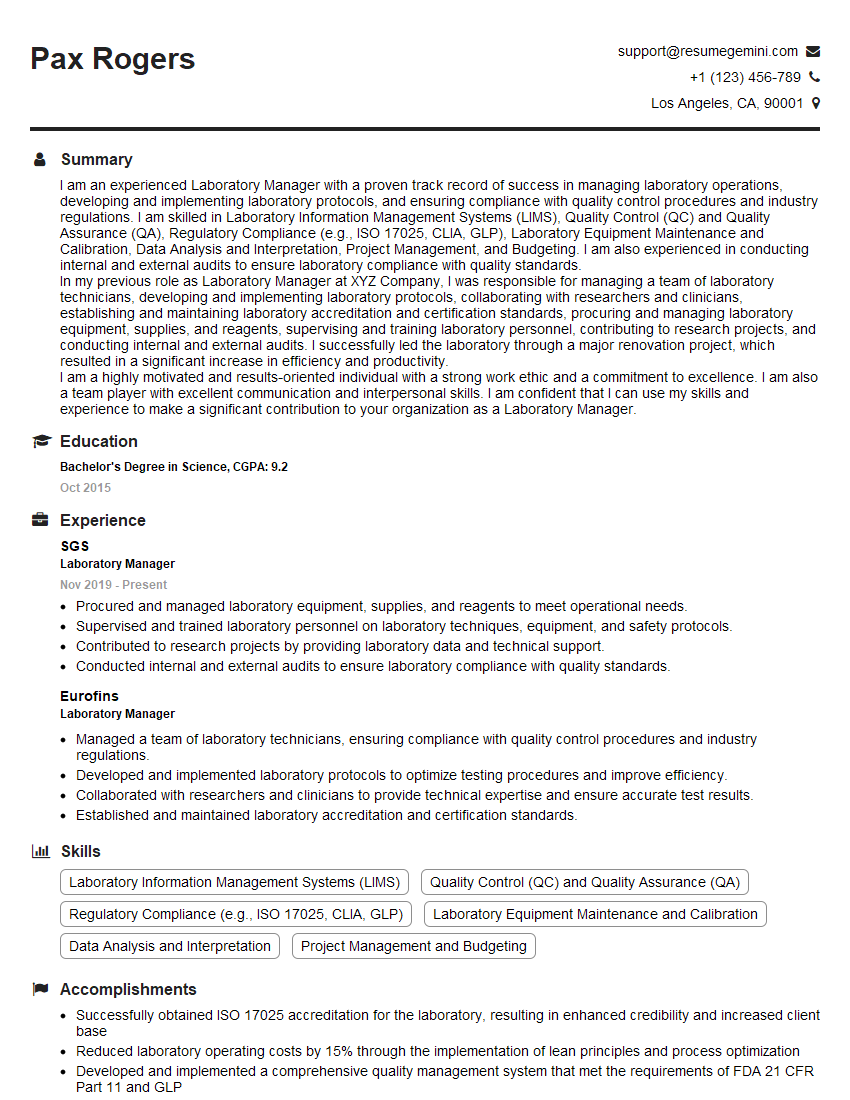
Laboratory Manager Resume Sample

Quality Control Specialist Resume Sample

Laboratory Supervisor Resume Sample
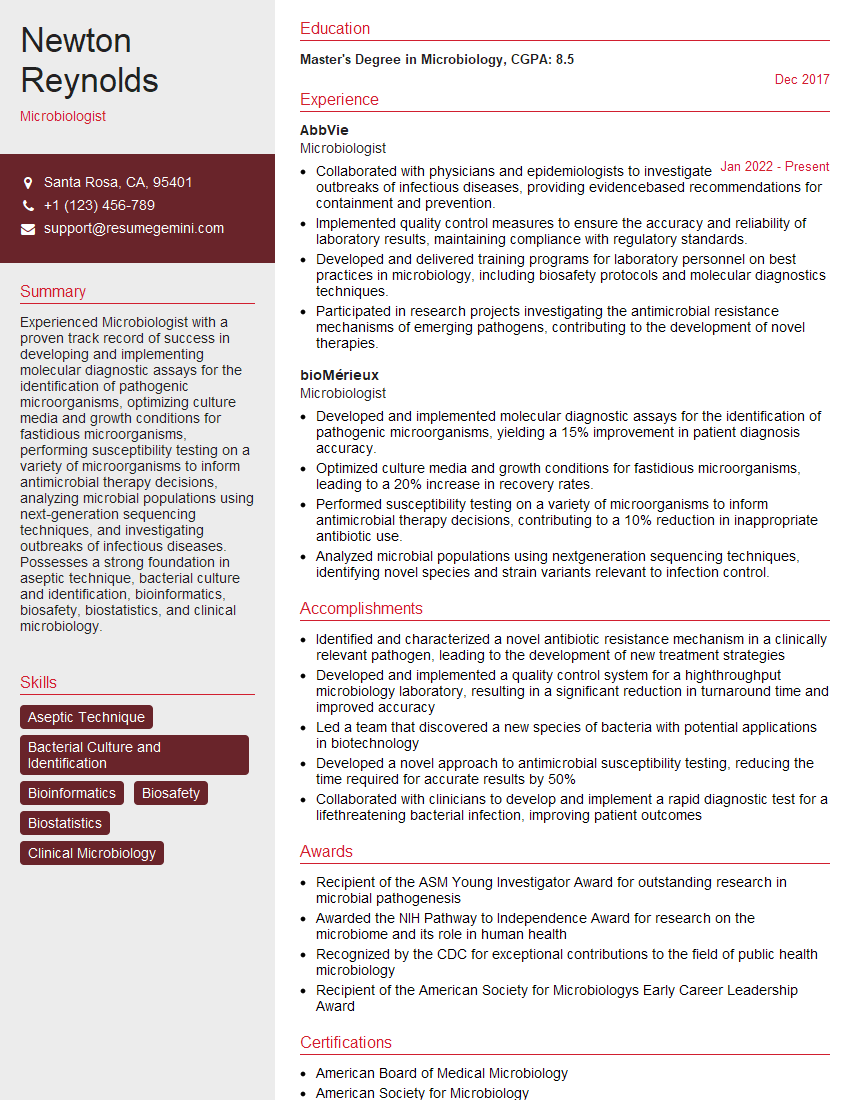
Microbiologist Resume Sample

Clinical Laboratory Scientist Resume Sample

Molecular Biologist Resume Sample
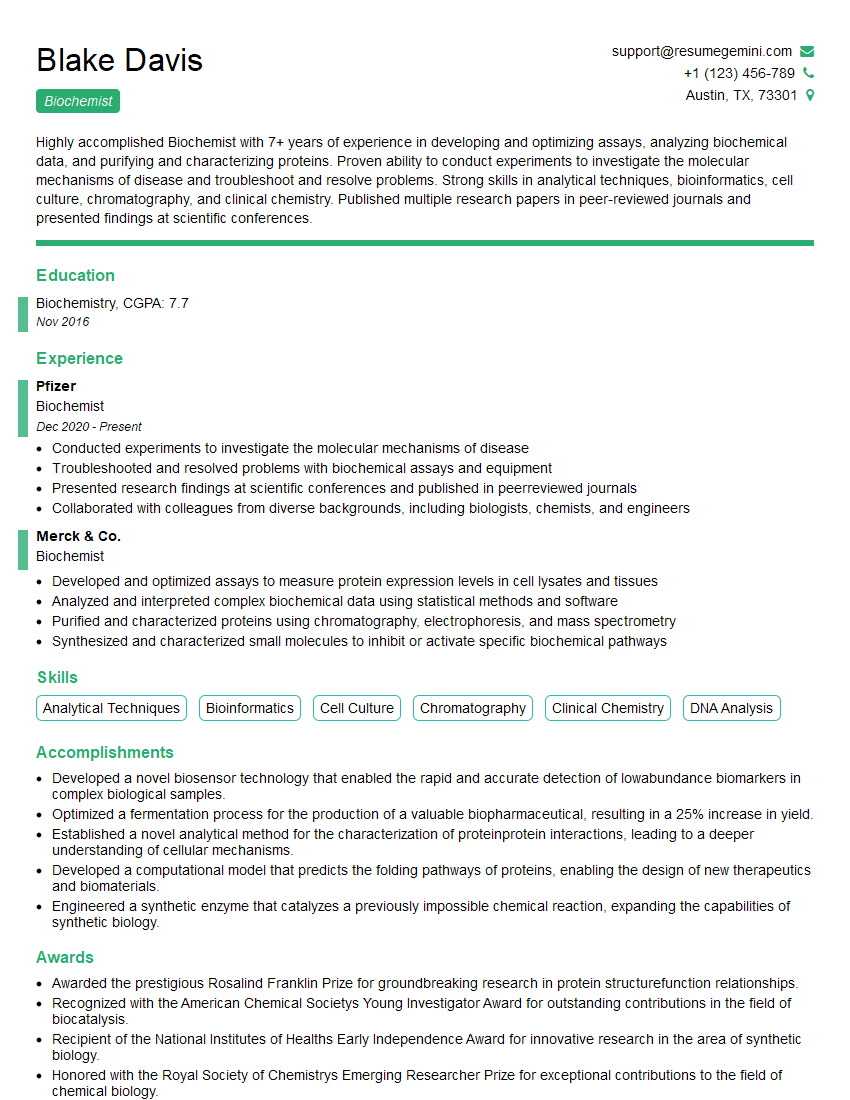
Biochemist Resume Sample

Chemist Resume Sample

Medical Laboratory Technician Resume Sample
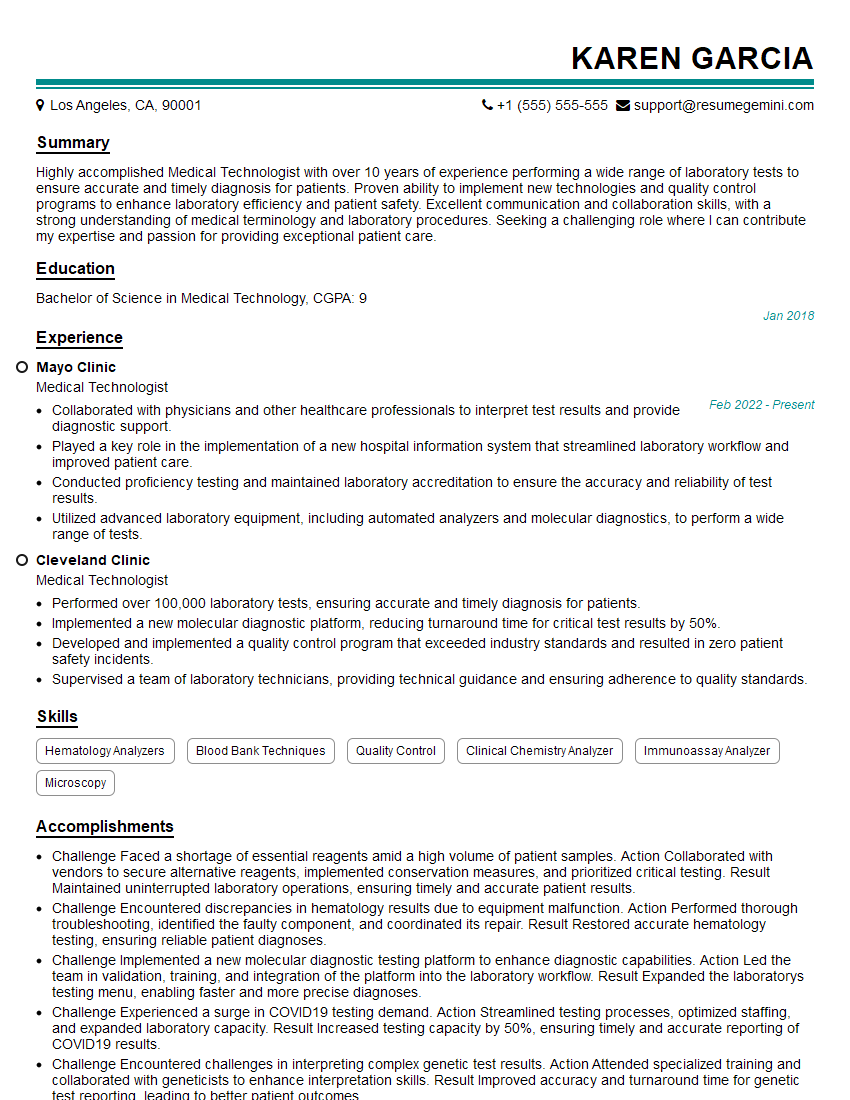
Medical Technologist Resume Sample
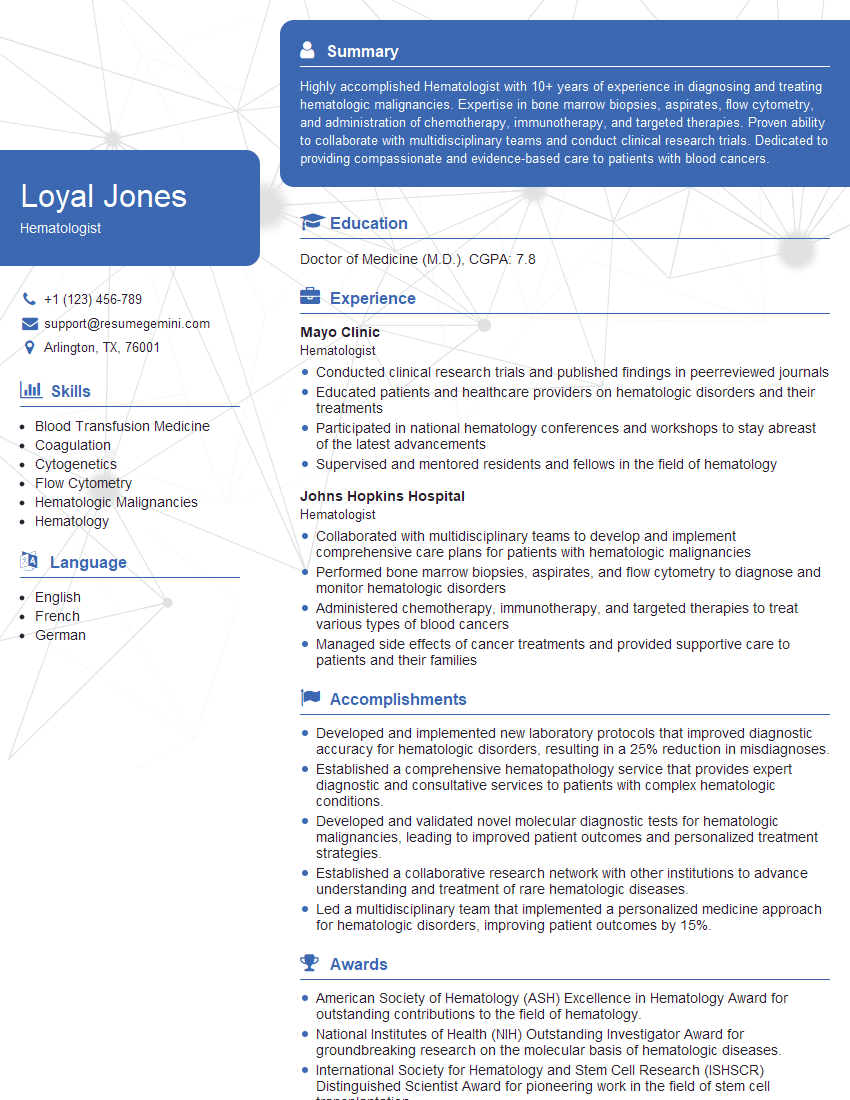
Hematologist Resume Sample

Immunologist Resume Sample
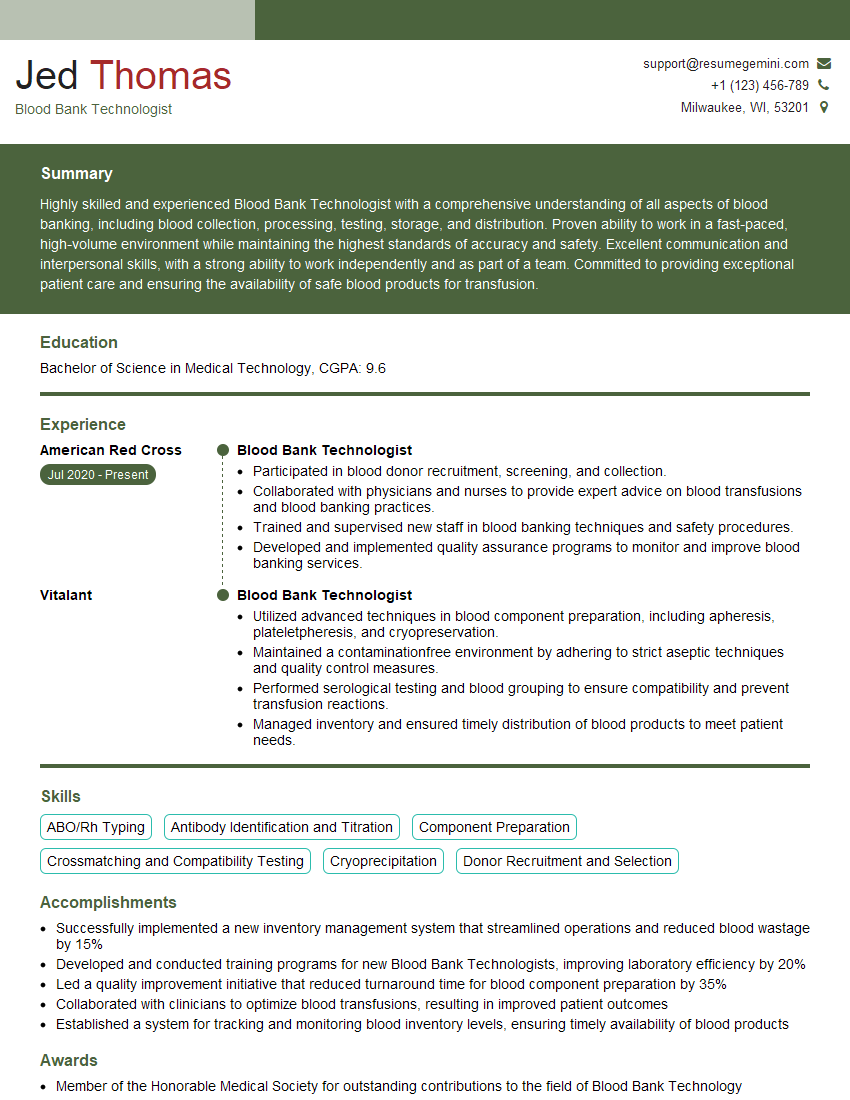
Blood Bank Technologist Resume Sample

Cytotechnologist Resume Sample

Histotechnologist Resume Sample

Medical Laboratory Assistant Resume Sample

Pathologist Assistant Resume Sample

Phlebotomist Resume Sample
- Laboratory Manager
- Quality Control Specialist
- Laboratory Supervisor
- Microbiologist
- Clinical Laboratory Scientist
- Molecular Biologist
- Biochemist
- Chemist
- Medical Laboratory Technician
- Medical Technologist
- Hematologist
- Immunologist
- Blood Bank Technologist
- Cytotechnologist
- Histotechnologist
- Medical Laboratory Assistant
- Pathologist Assistant
- Phlebotomist
Explore more articles
Users Rating of Our Blogs
Share Your Experience
We value your feedback! Please rate our content and share your thoughts (optional).
What Readers Say About Our Blog
Really detailed insights and content, thank you for writing this detailed article.
IT gave me an insight and words to use and be able to think of examples