The thought of an interview can be nerve-wracking, but the right preparation can make all the difference. Explore this comprehensive guide to Meet deadlines and provide highquality work interview questions and gain the confidence you need to showcase your abilities and secure the role.
Questions Asked in Meet deadlines and provide highquality work Interview
Q 1. Describe a time you had to meet an unrealistic deadline. What strategies did you employ?
I’ve encountered situations where deadlines felt impossible to meet, often due to unforeseen complexities or scope creep. One instance involved a critical software update with a seemingly impossible three-day deadline. My strategy involved:
- Immediate Assessment: I first broke down the project into smaller, manageable tasks, identifying the most critical components.
- Prioritization: I focused on the essential features, deferring less critical aspects to a later phase. This involved candid communication with stakeholders to manage expectations.
- Resource Allocation: I leveraged the skills of my team members effectively, assigning tasks based on individual strengths. This included delegating responsibilities and providing necessary support.
- Communication and Collaboration: Regular updates kept everyone informed about progress and potential challenges. This facilitated problem-solving and ensured everyone remained aligned.
- Flexible Work Hours: The situation required extended working hours, but by working in shifts and providing adequate breaks, we avoided burnout and maintained quality.
While we didn’t deliver 100% of the planned features, we successfully shipped the core update, meeting the critical deadline and avoiding major disruption. The key was prioritizing, communicating, and managing expectations effectively.
Q 2. How do you prioritize tasks when facing multiple competing deadlines?
Prioritizing tasks with competing deadlines requires a structured approach. I utilize a system that combines urgency and importance. I employ the Eisenhower Matrix (Urgent/Important):
- Urgent and Important: These tasks demand immediate attention. These are usually crisis-related or have a critical deadline looming.
- Important but Not Urgent: These tasks contribute to long-term goals but don’t have immediate deadlines. Proactive planning is vital here.
- Urgent but Not Important: These tasks often distract from higher priorities. Delegation or a quick solution is often the best approach.
- Neither Urgent nor Important: These tasks can often be eliminated to free up time and focus on more critical areas.
I use project management tools to visualize these tasks, setting realistic deadlines and allocating time effectively. Regularly reviewing and adjusting the priorities ensures I remain adaptable to changing circumstances.
Q 3. What’s your process for ensuring the quality of your work?
Quality assurance is integral to my workflow. My process involves several stages:
- Planning and Design: Thorough planning minimizes errors from the outset. A well-defined process, incorporating best practices, is key.
- Self-Review: I always conduct a self-review of my work before moving to the next phase. This helps to identify and rectify errors early.
- Peer Review: Collaborating with colleagues allows for a fresh perspective and identification of potential blind spots. This is particularly beneficial for complex projects.
- Testing and Validation: Rigorous testing is crucial, ensuring the final product meets the specified requirements and quality standards. This often involves multiple rounds of testing with various datasets.
- Documentation: Clear and comprehensive documentation ensures consistency and easy troubleshooting for future revisions.
Continuous improvement is a key aspect. I regularly reflect on completed projects to learn from both successes and mistakes, refining my process for future endeavors.
Q 4. How do you handle unexpected delays or roadblocks that impact deadlines?
Unexpected delays are inevitable. My response involves a multi-pronged approach:
- Identify the Root Cause: Understanding *why* the delay occurred is the first step. This could be anything from unforeseen technical challenges to external dependencies.
- Assess the Impact: Determine the extent of the delay and its impact on the overall project timeline and deliverables.
- Develop a Mitigation Plan: This may involve re-prioritizing tasks, seeking additional resources, or negotiating revised deadlines with stakeholders.
- Transparent Communication: Keeping all relevant parties informed about the delay and the mitigation plan is crucial to maintaining trust and managing expectations. Transparency minimizes misunderstandings.
- Documentation of changes: A clear record of delays, mitigation strategies, and their impact is vital for future project planning.
Proactive risk management can help to prevent many unexpected delays. Identifying potential problems upfront allows for contingency planning.
Q 5. Describe your approach to time management and organization.
My time management is built around several core principles:
- Planning and Prioritization: I start each day or week with a plan, prioritizing tasks based on urgency and importance (as mentioned earlier).
- Time Blocking: I allocate specific time blocks for different tasks, minimizing context switching and maximizing focus. This helps to maintain momentum.
- Task Batching: Grouping similar tasks together reduces the mental overhead and improves efficiency. For instance, I will answer all emails at once instead of responding sporadically.
- Regular Review: I regularly review my progress and adjust my plans as needed. Flexibility is key to adapt to changing circumstances.
- Tool Usage: I utilize project management software (like Trello or Asana) and calendar applications to organize my tasks and deadlines effectively. This provides a central repository for all my work.
My organization strategy relies heavily on a clear and structured filing system for both physical and digital documents. This ensures quick access to information when needed, reducing search time and improving productivity.
Q 6. Give an example of a time you had to revise your work to improve its quality.
In a recent project, I developed a marketing campaign that, while initially meeting requirements, lacked impact. After receiving feedback highlighting the lack of engagement, I revised the strategy. This involved:
- Analyzing Feedback: I meticulously studied the feedback, identifying the specific aspects that needed improvement.
- Research and Iteration: I researched successful campaigns in similar industries to identify best practices.
- Creative Refinement: The revised campaign incorporated improved visuals, a stronger narrative, and more interactive elements.
- Testing and Optimization: I implemented A/B testing to compare the revised campaign’s effectiveness against the initial version.
The revised campaign significantly outperformed the original, demonstrating the value of iterative improvements based on feedback. This showed my dedication to quality and achieving the best possible results.
Q 7. How do you identify potential problems or risks that could affect deadlines or quality?
Identifying potential problems is crucial for proactive risk management. My approach involves:
- Proactive Risk Assessment: I regularly assess potential risks that could impact deadlines or quality. This is done during the planning phase and throughout the project lifecycle.
- Stakeholder Collaboration: Regular communication with stakeholders helps identify potential problems they might foresee.
- Regular Progress Reviews: Consistent review of progress allows for early identification of deviations from the plan.
- Lessons Learned: Analyzing past projects helps to identify recurring problems and develop strategies to mitigate them in future projects.
- Contingency Planning: Developing contingency plans for identified risks ensures that I have backup strategies in case problems arise.
By implementing a proactive risk management framework, I’m able to identify potential problems early, enabling me to take preventative measures and minimize the impact of unexpected issues.
Q 8. Explain your process for delegating tasks to ensure both timely completion and high quality.
My approach to delegation prioritizes clear communication and defined expectations to ensure both timely completion and high-quality results. I start by selecting the right person for the task, considering their skills and experience. This isn’t simply about assigning the task to the most available person; it’s about finding the best fit for optimal performance.
- Clear Task Definition: I provide a detailed description of the task, outlining objectives, deliverables, timelines, and any relevant resources. This avoids ambiguity and ensures everyone is on the same page.
- Open Communication: I encourage open dialogue throughout the process. This includes regular check-ins to discuss progress, address challenges, and provide support. I’m readily available to answer questions and offer guidance.
- Establishing Accountability: Deadlines and responsibilities are clearly defined upfront. This fosters a sense of ownership and accountability among team members.
- Monitoring Progress: I utilize project management tools to track progress and identify potential roadblocks early on. This proactive approach allows for timely intervention and prevents delays.
- Constructive Feedback: I provide constructive feedback on completed tasks, highlighting both strengths and areas for improvement. This process focuses on continuous learning and development.
For example, in a recent project involving the development of a marketing campaign, I delegated the content creation to a writer with proven experience in the target industry and the graphic design to a designer with a strong portfolio of similar projects. By assigning tasks based on individual expertise, I ensured high-quality output and timely delivery.
Q 9. How do you handle feedback, both positive and negative, to improve your work?
I view feedback as an invaluable tool for growth and improvement. Both positive and negative feedback are equally important for refining my work and processes.
- Positive Feedback: I acknowledge and appreciate positive feedback, using it to reinforce strengths and maintain motivation. It helps me understand what I’m doing well and encourages me to replicate successes in future projects.
- Negative Feedback: I approach negative feedback constructively, focusing on understanding the specific issues raised. Instead of taking it personally, I analyze the feedback to identify areas for improvement. I ask clarifying questions to gain a deeper understanding of the concerns and then actively work on implementing solutions.
For instance, if a client provides feedback on a report saying it lacks clarity, I wouldn’t get defensive. I’d carefully review the report, identify where the clarity is lacking, and revise accordingly, focusing on making it more concise and accessible. This iterative process of receiving feedback and making improvements ensures continual refinement and enhanced quality of work.
Q 10. How do you stay motivated and focused when working on a long-term project with multiple deadlines?
Maintaining motivation and focus on long-term projects with multiple deadlines requires a structured approach and effective self-management techniques.
- Breaking Down Tasks: I break down large projects into smaller, manageable tasks. This makes the overall project less daunting and provides a sense of accomplishment as each smaller task is completed.
- Prioritization: I prioritize tasks based on their urgency and importance, using methods like Eisenhower Matrix (urgent/important). This ensures that the most critical tasks are addressed first.
- Time Management: I utilize time management techniques like time blocking and the Pomodoro Technique to allocate specific time slots for focused work on individual tasks.
- Regular Breaks: I schedule regular breaks throughout the day to avoid burnout and maintain focus. These breaks can be short walks, quick stretches, or simply a few minutes to rest my eyes.
- Goal Setting: I set clear, achievable goals for each phase of the project. This provides a roadmap for progress and maintains motivation throughout the entire project.
- Celebrating Milestones: Acknowledging and celebrating milestones keeps me motivated and encourages perseverance.
Think of it like running a marathon, not a sprint. Regular checkpoints, pacing, and strategic rest stops are crucial to finishing strong.
Q 11. Describe a time you had to work under pressure to meet a critical deadline. What was the outcome?
During a critical product launch, a significant bug was discovered just 48 hours before the scheduled release. The pressure was immense as the launch date was fixed and crucial for meeting market demands.
My team and I immediately implemented a crisis management plan. We prioritized fixing the bug, dividing the task among the most skilled developers and ensuring constant communication. We worked around the clock, leveraging agile methodologies to rapidly test and implement fixes. We even utilized pair programming to maintain code quality under the intense pressure. The outcome was that we successfully resolved the bug within 36 hours, allowing for a successful launch, albeit with a few less hours of sleep!
While stressful, this situation highlighted the importance of well-defined processes, efficient teamwork, and the ability to adapt quickly in high-pressure environments. The successful launch ultimately strengthened team cohesion and reinforced our problem-solving capabilities.
Q 12. How do you use project management tools or techniques to track progress and manage deadlines?
I regularly use project management tools and techniques to ensure projects stay on track. My preferred tools include task management software like Jira or Asana, and Gantt charts for visualizing timelines.
- Task Management Software: These platforms allow for task assignment, progress tracking, deadline setting, and communication within the team. Features such as Kanban boards provide a visual representation of the workflow, assisting in efficient task management.
- Gantt Charts: These are invaluable for visualizing project timelines and dependencies. They provide a clear picture of the project’s duration, milestones, and potential scheduling conflicts. This visual aid allows for proactive identification and resolution of potential delays.
- Progress Reports: I generate regular progress reports, highlighting completed tasks, upcoming milestones, and any potential challenges. This transparency ensures everyone stays informed and facilitates proactive problem-solving.
For example, in a recent project, using a Gantt chart highlighted a scheduling conflict between two key phases. Addressing this early avoided significant delays and allowed for smoother project execution. The software’s tracking features allowed me to promptly identify and manage any resource conflicts or potential bottlenecks.
Q 13. What are your preferred methods for communicating project updates and potential issues?
Effective communication is key to managing projects successfully. My preferred methods include a combination of tools and strategies for different situations.
- Regular Team Meetings: These meetings provide a platform for discussing project updates, addressing roadblocks, and ensuring everyone is aligned on goals and timelines.
- Project Management Software: Using integrated communication features in project management tools allows for quick updates, file sharing, and efficient feedback loops.
- Email for formal updates: Formal updates and important decisions are communicated via email to maintain a record and ensure clear documentation.
- Instant Messaging: For quick questions or urgent issues, instant messaging platforms allow for immediate responses and facilitate rapid problem-solving.
The key is to choose the right communication channel for the message’s urgency and importance. For instance, a quick question about a minor task can be handled via instant messaging, while a major project update warrants a formal email or a team meeting.
Q 14. How do you balance the need for speed with the need for accuracy and quality?
Balancing speed and quality is a constant challenge, but essential for success. It’s not about choosing one over the other; it’s about finding the optimal balance.
- Prioritization: I focus on prioritizing tasks to ensure the most critical aspects receive the necessary attention and thoroughness, even under tight deadlines.
- Process Optimization: Streamlining processes, identifying and eliminating unnecessary steps, and automating repetitive tasks enhance efficiency without compromising quality.
- Quality Control Checks: Implementing thorough quality control checks at different stages of the project helps identify and address errors early, avoiding costly rework later.
- Realistic Deadlines: Setting realistic deadlines based on thorough task estimations and resource availability is crucial to avoid compromising quality due to unrealistic time constraints.
Think of it as driving a car: you can drive fast, but maintaining safety and reaching your destination requires careful planning, speed control, and awareness of your surroundings. The same principle applies to balancing speed and accuracy in project execution.
Q 15. Describe your approach to quality control and assurance in your work.
My approach to quality control and assurance is proactive and multi-layered. It begins even before the project starts with a thorough understanding of requirements and expectations. I believe in a ‘fail fast, learn fast’ mentality. This means incorporating regular checkpoints throughout the project lifecycle to identify and address potential issues early on, preventing them from snowballing into bigger problems later.
- Planning Phase: I meticulously review requirements, identify potential risks, and develop a comprehensive testing strategy. This includes unit testing, integration testing, and user acceptance testing (UAT).
- Execution Phase: I follow coding best practices, use version control effectively (like Git), and write clean, well-documented code. Regular code reviews are crucial for catching errors and inconsistencies before they become embedded in the project.
- Testing Phase: I utilize a range of testing methodologies, including automated testing where appropriate. This not only helps to identify bugs but also ensures consistency and repeatability of results. I always prioritize thorough documentation of testing processes and results.
- Post-Deployment Phase: I monitor the system’s performance post-launch and address any unforeseen issues promptly. Feedback from users is invaluable in this phase and helps in improving the quality of future iterations.
For example, in a recent web application development project, our rigorous testing uncovered a critical security vulnerability before the launch, preventing a potential data breach. This highlights the importance of a robust quality control process.
Career Expert Tips:
- Ace those interviews! Prepare effectively by reviewing the Top 50 Most Common Interview Questions on ResumeGemini.
- Navigate your job search with confidence! Explore a wide range of Career Tips on ResumeGemini. Learn about common challenges and recommendations to overcome them.
- Craft the perfect resume! Master the Art of Resume Writing with ResumeGemini’s guide. Showcase your unique qualifications and achievements effectively.
- Don’t miss out on holiday savings! Build your dream resume with ResumeGemini’s ATS optimized templates.
Q 16. How do you adapt to changing priorities and shifting deadlines?
Adapting to changing priorities and deadlines is a key skill in my field. I approach this through a combination of flexibility, effective communication, and prioritization techniques.
- Communication: Open communication with stakeholders is crucial. I proactively seek clarification on shifting priorities and work collaboratively to adjust the project plan accordingly. This ensures everyone is aligned and understands the implications of any changes.
- Prioritization: I use prioritization frameworks, such as the MoSCoW method (Must have, Should have, Could have, Won’t have), to identify essential tasks and re-allocate resources effectively. This helps in focusing on the most critical aspects of the project while acknowledging that some tasks might need to be deferred or adjusted.
- Flexibility: I am comfortable re-evaluating project plans and adjusting my work approach based on new information. This may involve breaking down tasks into smaller, more manageable units to allow for quicker adaptation.
- Risk Management: I identify potential risks associated with changing priorities, such as delays or compromise in quality, and develop mitigation strategies to minimize negative impacts.
For instance, during a project, a high-priority feature request emerged unexpectedly. By effectively communicating with the team and stakeholders, and re-prioritizing tasks using the MoSCoW method, we successfully incorporated the new feature without significant delays to the overall project timeline.
Q 17. How do you measure the success of a project in terms of both timelines and quality?
Measuring project success involves a holistic approach, evaluating both timelines and quality. I consider a project successful when it delivers the intended functionality, meets the agreed-upon quality standards, and is delivered on time or within an acceptable tolerance.
- Timelines: I track progress against the established schedule using project management tools and regular status meetings. Key metrics include adherence to milestones, task completion rates, and overall project duration.
- Quality: I measure quality using various metrics, including defect density (number of bugs per line of code), code coverage (percentage of code tested), user satisfaction scores (based on surveys or feedback), and adherence to coding standards and best practices.
For example, a recent project was deemed successful because it was delivered on time, within budget, and met all the specified functional and non-functional requirements. User feedback surveys indicated high satisfaction rates, further confirming the success of the project.
Q 18. Have you ever had to make difficult decisions regarding scope to meet a deadline? Explain.
Yes, I’ve faced situations requiring difficult scope decisions to meet deadlines. One instance involved a large-scale software implementation project where we encountered unforeseen technical challenges during the integration phase. Meeting the deadline was crucial for the client’s business continuity.
After careful analysis and stakeholder discussions, we decided to temporarily defer some less critical features from the initial release. This involved transparent communication with the client, outlining the trade-offs and justifying the decision based on prioritizing core functionalities essential for launch. We prioritized features based on user impact and business criticality, using a prioritization matrix. The deferred features were documented and planned for future releases. This approach ensured we delivered a functional and stable system on time while maintaining a positive client relationship.
Q 19. Describe a time when you identified a flaw in your own work. How did you address it?
During a data analysis project, I discovered a flaw in my data cleaning process. I had inadvertently removed some crucial data points due to an incorrect filter condition in my script. This could have significantly affected the accuracy of the final report.
Upon discovering the error, I immediately reviewed the code and corrected the filter condition. I then meticulously re-ran the analysis, carefully validating the results against the original dataset. I also implemented additional checks and validations in my script to prevent such errors from recurring. Finally, I documented the error, my correction process, and preventative measures in my project notes. This transparent approach allowed for accountability and improved the overall quality of the work.
Q 20. How do you handle conflicting deadlines or priorities from different stakeholders?
Handling conflicting deadlines and priorities from different stakeholders requires a structured approach that prioritizes open communication and collaboration.
- Prioritization Matrix: I often use a prioritization matrix to weigh the importance and urgency of different tasks based on input from various stakeholders. This helps in visualizing conflicts and making informed decisions.
- Negotiation and Compromise: Open communication is crucial here. I work with each stakeholder to understand their concerns and explore potential compromises. This might involve adjusting timelines, re-scoping tasks, or finding alternative solutions.
- Escalation: If conflicts cannot be resolved through negotiation, I escalate the issue to a higher level of management for mediation and decision-making.
- Documentation: I meticulously document all decisions, agreements, and compromises to maintain transparency and accountability.
In one project, a marketing team needed a report urgently while the development team required more time to resolve a critical bug. By using a prioritization matrix, negotiating deadlines, and clearly communicating with all stakeholders, we were able to meet both needs without compromising the overall project’s success.
Q 21. What is your process for documenting your work and ensuring its accessibility?
My documentation process is rigorous and aims for complete accessibility. I believe in documenting everything, from initial project planning to final deliverables.
- Version Control: I utilize Git or a similar version control system to track changes to code, documentation, and project files. This ensures that every version of the work is easily accessible and traceable.
- Project Management Tools: I use project management tools (e.g., Jira, Asana) to document tasks, progress, and communication. These tools provide a centralized repository for all project information.
- Clear and Concise Documentation: I strive to create clear, concise, and well-structured documentation in easily accessible formats. This includes detailed code comments, comprehensive user manuals, and well-organized project reports.
- Accessible Formats: I ensure that documentation is available in accessible formats such as PDF, Word, and HTML for easy sharing and viewing.
For example, in a recent project, our detailed project documentation, including version-controlled code and comprehensive user manuals, allowed a new team member to quickly understand the system and contribute effectively.
Q 22. How do you proactively identify potential quality issues before they become major problems?
Proactive quality assurance is about anticipating problems, not just reacting to them. It’s like being a detective, examining the crime scene (your project) before the crime (a quality issue) happens. I employ several strategies:
Thorough Requirements Review: I meticulously review project requirements, looking for ambiguities, inconsistencies, or unrealistic expectations. I ask clarifying questions early to avoid misinterpretations that could lead to defects later. For example, if a requirement mentions ‘user-friendly interface,’ I’d clarify what constitutes ‘user-friendly’ for the target audience. This prevents building a feature that meets the literal requirement but fails to satisfy the user’s needs.
Design Reviews and Prototyping: I strongly advocate for design reviews where the team collaboratively evaluates designs and prototypes. This allows us to identify potential usability issues, performance bottlenecks, or technical challenges before they’re baked into the final product. We often use low-fidelity prototypes to quickly test core functionalities and identify major flaws early in the design phase.
Regular Code Reviews: I participate actively in code reviews, focusing on code style, functionality, security, and maintainability. This collaborative approach ensures that potential bugs or vulnerabilities are detected and addressed proactively before they reach production. We use checklists tailored to the specific project, covering aspects like security vulnerabilities and performance implications.
Testing Strategy: Developing a robust testing strategy is crucial. This involves unit testing, integration testing, and system testing to cover different aspects of the application. I believe in automated testing where possible to increase efficiency and catch problems quickly.
Q 23. Describe a time you had to collaborate with others to meet a challenging deadline.
During my time at [Previous Company Name], we were tasked with launching a new e-commerce platform within a very tight, three-month deadline. This involved a cross-functional team including developers, designers, marketers, and QA specialists. The challenge was immense, as we had a complex feature set and stringent performance requirements.
To meet the deadline, we embraced an Agile methodology. We broke down the project into smaller, manageable sprints, each with specific goals and deliverables. Daily stand-up meetings kept everyone informed about progress and roadblocks. We used a collaborative project management tool to track tasks, dependencies, and deadlines. Crucially, open communication was key. When a sprint faced setbacks, we held brainstorming sessions to find solutions, sometimes re-prioritizing tasks to ensure the most critical features were completed on time. Ultimately, we successfully launched the platform on schedule, demonstrating the power of effective collaboration and agile methodologies.
Q 24. How do you utilize feedback to improve your time management and productivity?
Feedback is a cornerstone of continuous improvement. I actively seek feedback on my work and time management from colleagues, managers, and even clients. I treat feedback as a gift, regardless of how it’s delivered.
I utilize feedback in several ways:
- Identifying Time Wasters: Feedback often reveals areas where I’m inefficient. For example, if feedback highlights that my estimations are consistently off, I might investigate why. Perhaps my task breakdown isn’t detailed enough, or I’m neglecting to account for unforeseen challenges.
- Improving Prioritization: Constructive criticism can point out areas where I’ve misallocated time. Learning to prioritize tasks effectively, based on impact and urgency, is an ongoing process influenced by feedback on project completion and quality.
- Refining Processes: Feedback allows me to refine my workflow and processes. If a particular method consistently results in delays, I adapt my approach. This may involve adopting new tools, seeking training, or implementing a new workflow.
Q 25. How do you ensure your work meets the specified quality standards?
Ensuring high-quality work is a fundamental principle for me. My approach is multi-faceted:
Understanding Requirements: Before beginning any task, I thoroughly understand the project specifications and quality standards. This includes clarifying ambiguities and establishing clear acceptance criteria. A comprehensive understanding of the expectations sets the stage for delivering quality results.
Adhering to Best Practices: I meticulously follow established coding conventions, design principles, and industry best practices. This includes using version control, adhering to coding style guides, and performing regular code reviews. These practices ensure consistency and prevent potential errors.
Thorough Testing: I perform rigorous testing throughout the development lifecycle. This includes unit testing, integration testing, and user acceptance testing. I use a combination of manual and automated tests to ensure comprehensive coverage. Finding and fixing bugs early saves time and resources.
Continuous Learning: The field of technology is ever-evolving, so continuous learning is key. I regularly stay updated on new technologies, techniques, and industry standards to enhance the quality of my work.
Q 26. How do you anticipate and mitigate potential risks that might delay project completion or compromise quality?
Risk management is a crucial component of successful project delivery. My approach involves proactive identification, assessment, and mitigation:
Risk Identification: I proactively identify potential risks throughout the project lifecycle. This involves brainstorming sessions, reviewing past project experiences, and utilizing checklists to pinpoint potential issues. For example, I consider factors like dependencies on third-party services, potential resource constraints, and the complexity of the project.
Risk Assessment: I assess each identified risk based on its likelihood and potential impact. This helps prioritize which risks require immediate attention. A simple matrix helps quantify the risk severity, allowing for focused mitigation efforts.
Risk Mitigation: I develop mitigation strategies for each significant risk. These strategies might include contingency plans (e.g., having backup resources available), buffer time built into the schedule, or implementing robust error handling within the code. For instance, if a third-party API is a potential point of failure, I’d consider caching data or having an alternative data source.
Q 27. How do you stay organized and manage your workload effectively to avoid burnout?
Staying organized and avoiding burnout requires a holistic approach to workload management. I use several techniques:
Prioritization: I use frameworks like Eisenhower Matrix (urgent/important) to prioritize tasks effectively. Focusing on high-impact tasks first maximizes productivity and minimizes stress.
Task Management Tools: I rely on task management tools (like Trello or Asana) to track my progress, deadlines, and dependencies. This allows me to visualize my workload and manage my time efficiently.
Time Blocking: I dedicate specific blocks of time to particular tasks, minimizing interruptions and maximizing focus. This concentrated effort leads to greater efficiency and prevents task-switching overhead.
Regular Breaks: I take regular breaks throughout the day to rest and recharge. Short breaks every hour improve concentration and prevent burnout.
Delegation: When possible, I delegate tasks to others to share the workload and leverage team expertise.
Work-Life Balance: Maintaining a healthy work-life balance is crucial. I make time for activities outside of work to relax and recharge, ensuring sustained productivity and preventing burnout.
Q 28. Describe your experience with using different project management methodologies (e.g., Agile, Waterfall).
I have experience with both Agile and Waterfall methodologies, each with its own strengths and weaknesses.
Waterfall: I’ve used Waterfall on projects with well-defined requirements and minimal anticipated changes. Its sequential nature works well for projects where a clear plan is achievable upfront. The advantage lies in its clear structure and documentation. However, adapting to changing requirements can be challenging in a Waterfall model.
Agile: I’ve extensively utilized Agile (specifically Scrum) for projects with evolving requirements and a need for flexibility. Its iterative nature allows for continuous feedback and adaptation. The focus on collaboration and quick iterations facilitates early detection of issues. Agile excels in dynamic environments but requires strong communication and teamwork.
My preference depends on the project’s specifics. For projects with high uncertainty or frequent changes, Agile is preferable. For projects with well-defined requirements and limited scope for change, Waterfall can be efficient. Ultimately, my goal is to select the methodology best suited to deliver high-quality results on time.
Key Topics to Learn for “Meet Deadlines and Provide High-Quality Work” Interview
- Time Management Strategies: Explore various techniques like prioritization matrices (Eisenhower Matrix), time blocking, and Pomodoro Technique to effectively manage workload and deadlines.
- Prioritization and Task Delegation: Learn how to identify high-impact tasks, delegate effectively when possible, and say “no” to tasks that hinder your primary objectives.
- Project Planning & Execution: Understand project management methodologies (Agile, Waterfall) and their application in delivering high-quality work within constraints.
- Quality Control & Assurance: Discuss methods for ensuring accuracy, completeness, and adherence to standards throughout the project lifecycle. This includes self-review, peer review, and utilizing relevant quality control tools.
- Proactive Communication & Problem Solving: Learn how to communicate proactively about potential delays, challenges, and solutions. Practice articulating problems clearly and proposing effective solutions.
- Adaptability and Resilience: Discuss your ability to handle unexpected changes, setbacks, and evolving project requirements. Highlight instances where you demonstrated flexibility and problem-solving skills under pressure.
- Utilizing Technology for Efficiency: Explore how various tools and software can improve workflow, collaboration, and project tracking to meet deadlines and improve quality.
Next Steps
Mastering the ability to meet deadlines and deliver high-quality work is crucial for career advancement. It demonstrates responsibility, reliability, and a commitment to excellence – qualities highly valued by employers. To significantly boost your job prospects, create an ATS-friendly resume that effectively showcases these skills. ResumeGemini is a trusted resource to help you build a professional and impactful resume that highlights your achievements. Examples of resumes tailored to emphasize “meeting deadlines and providing high-quality work” are available to further guide your preparation.
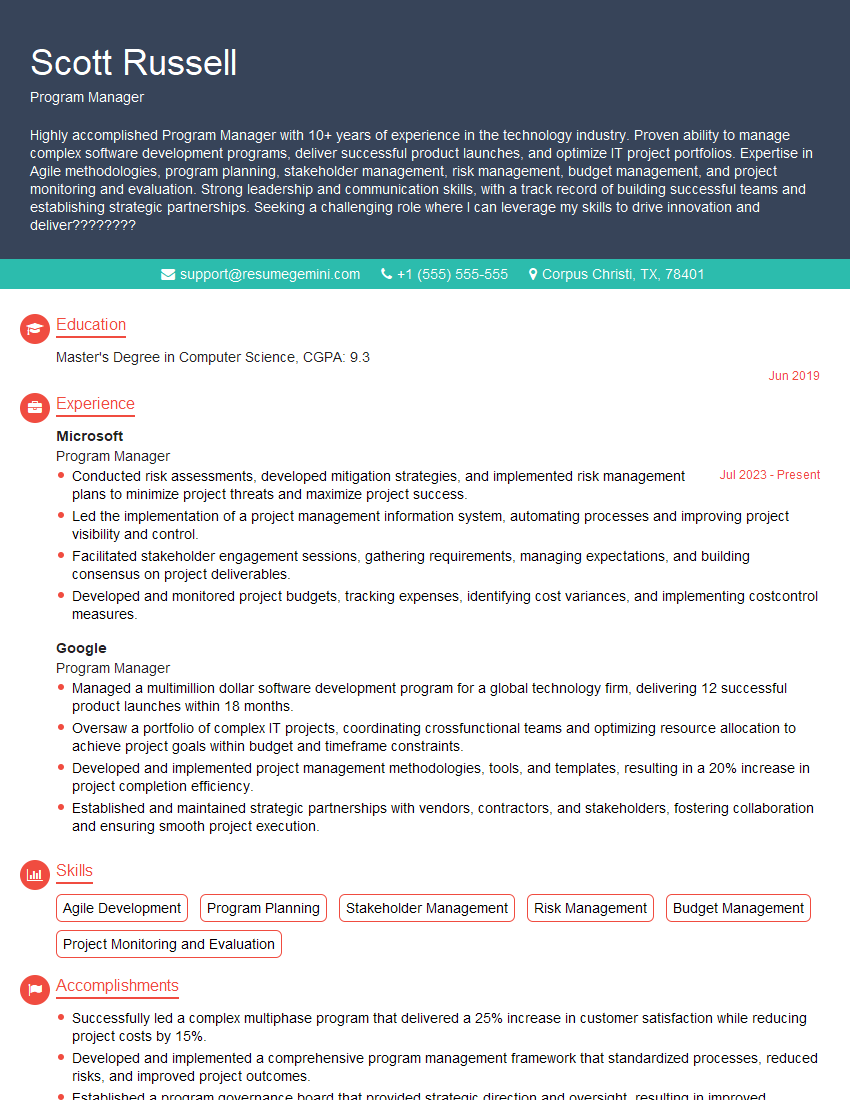
Program Manager Resume Sample
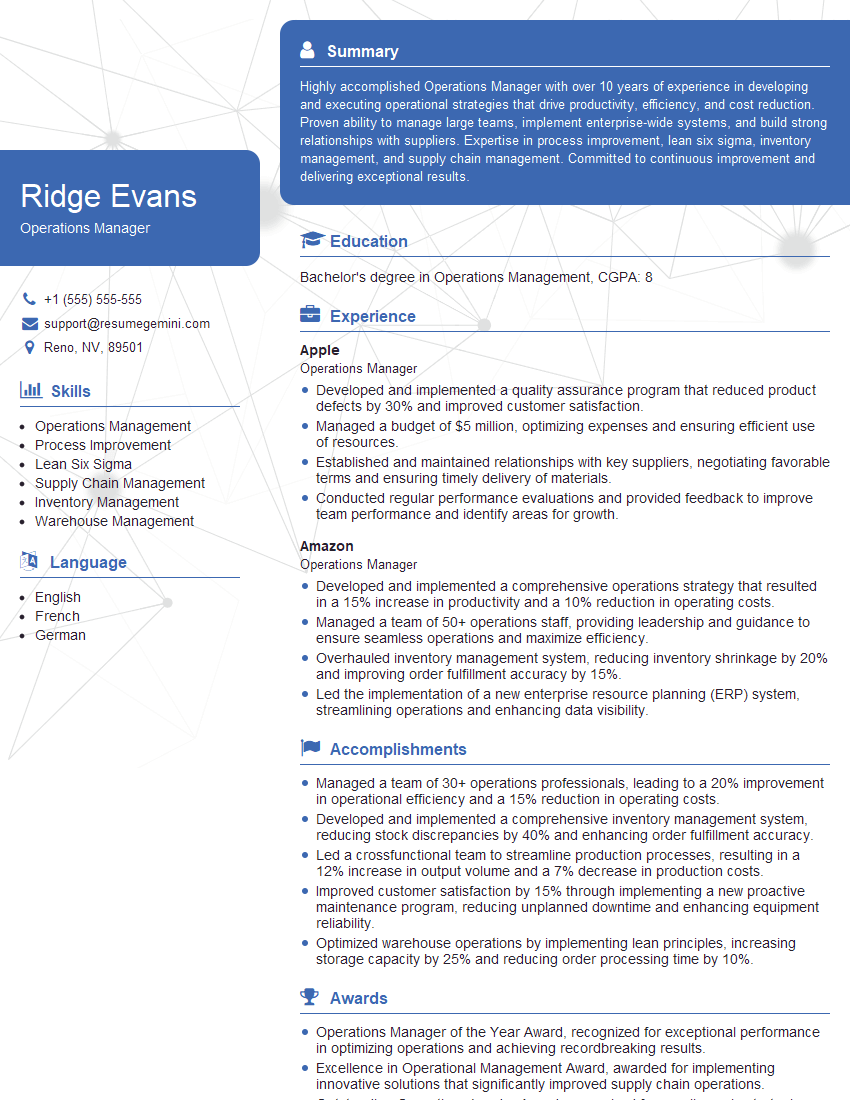
Operations Manager Resume Sample
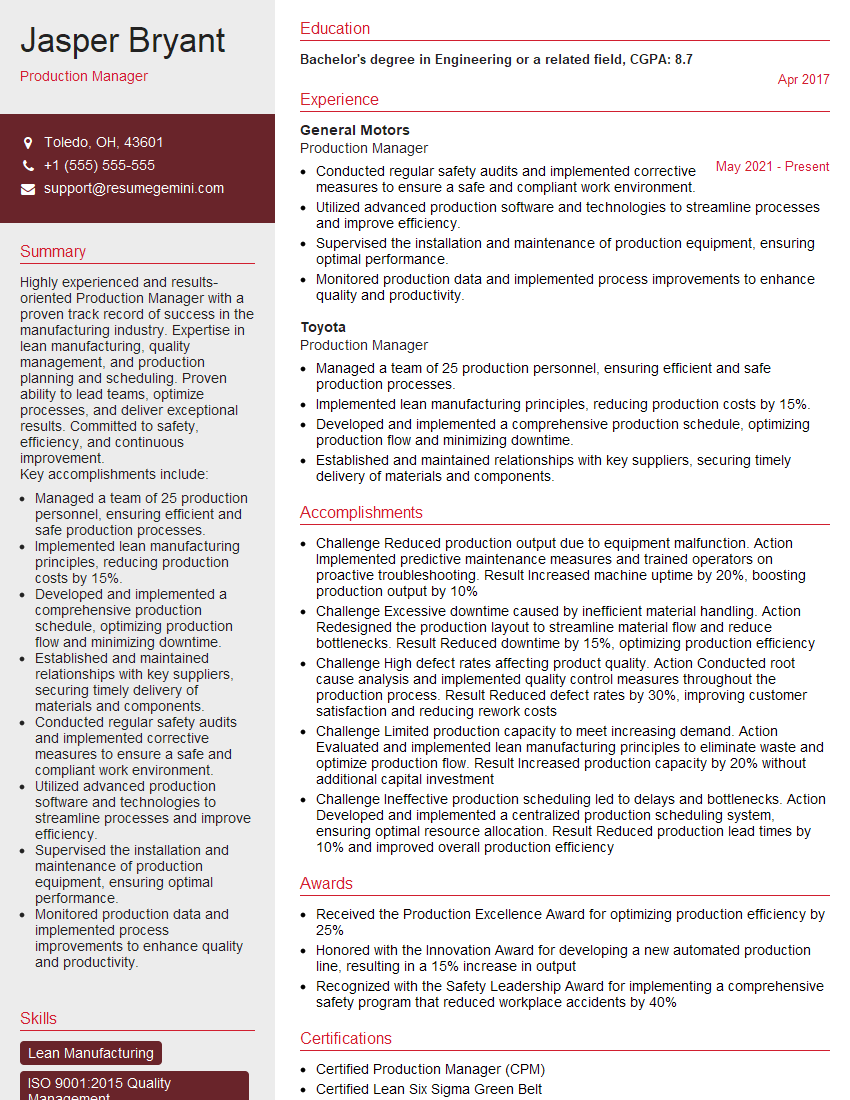
Production Manager Resume Sample
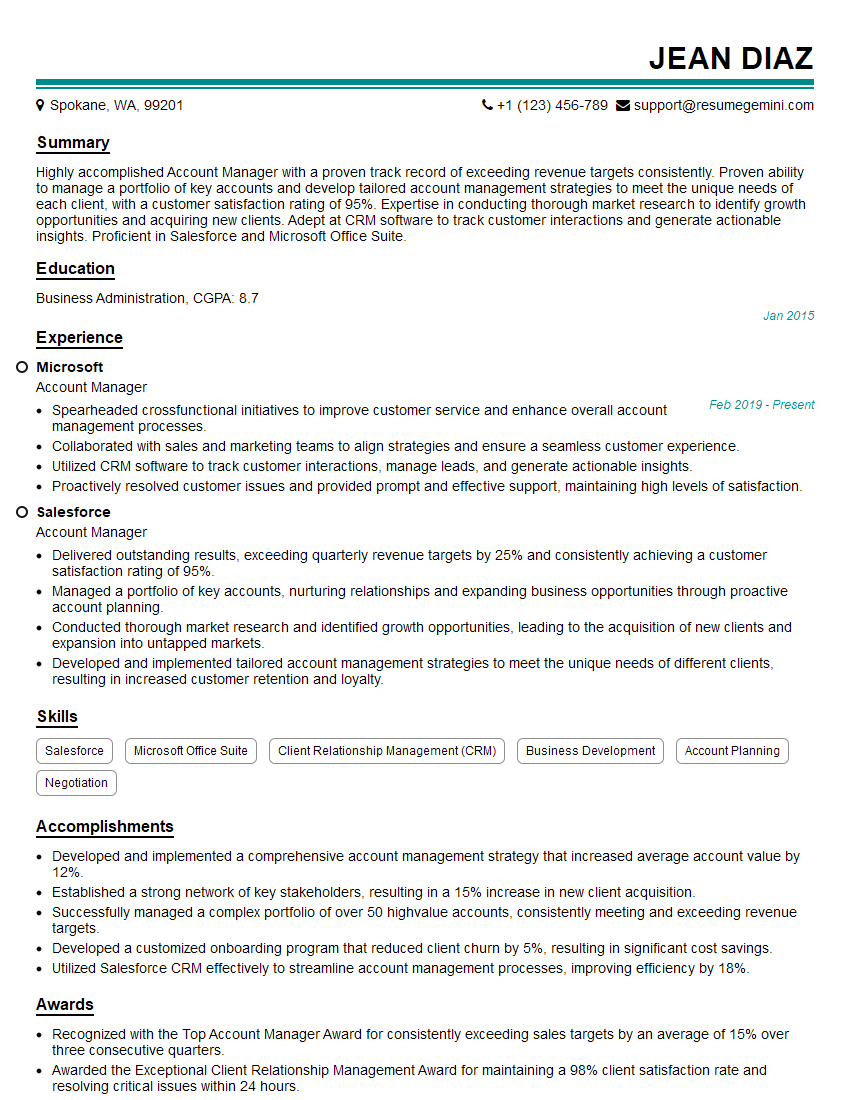
Account Manager Resume Sample
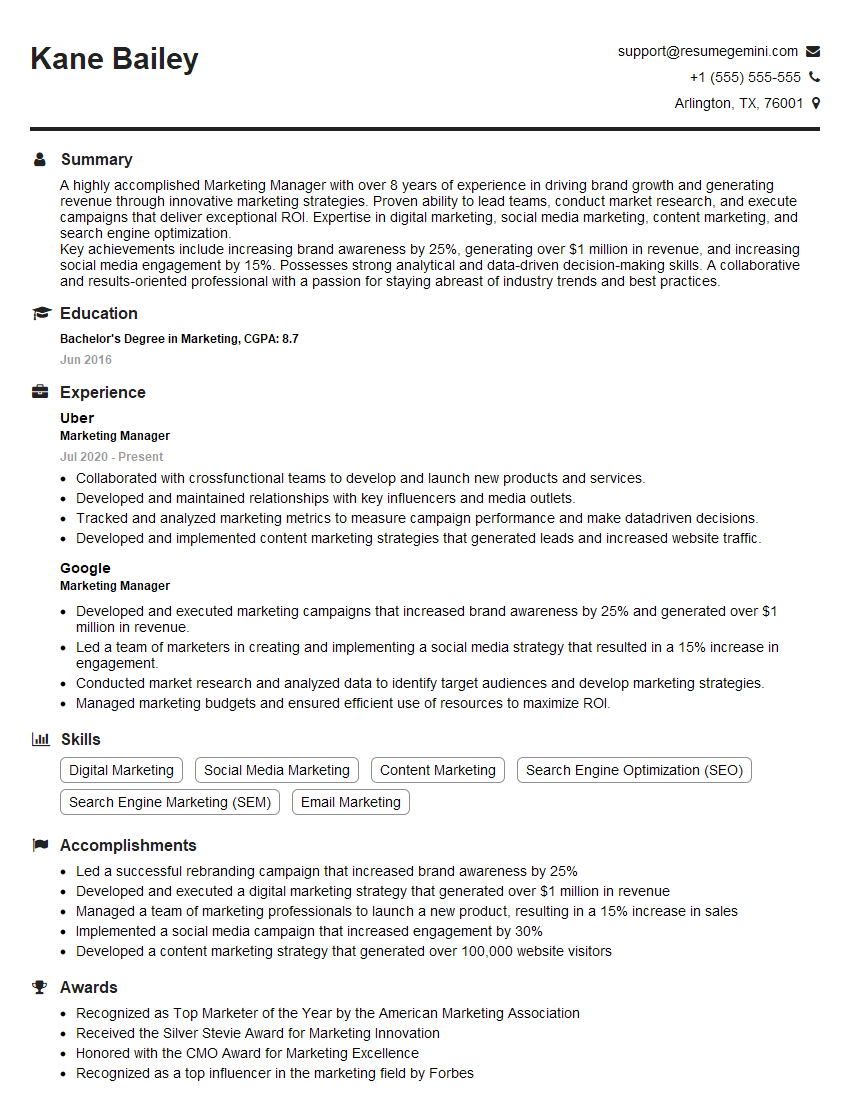
Marketing Manager Resume Sample
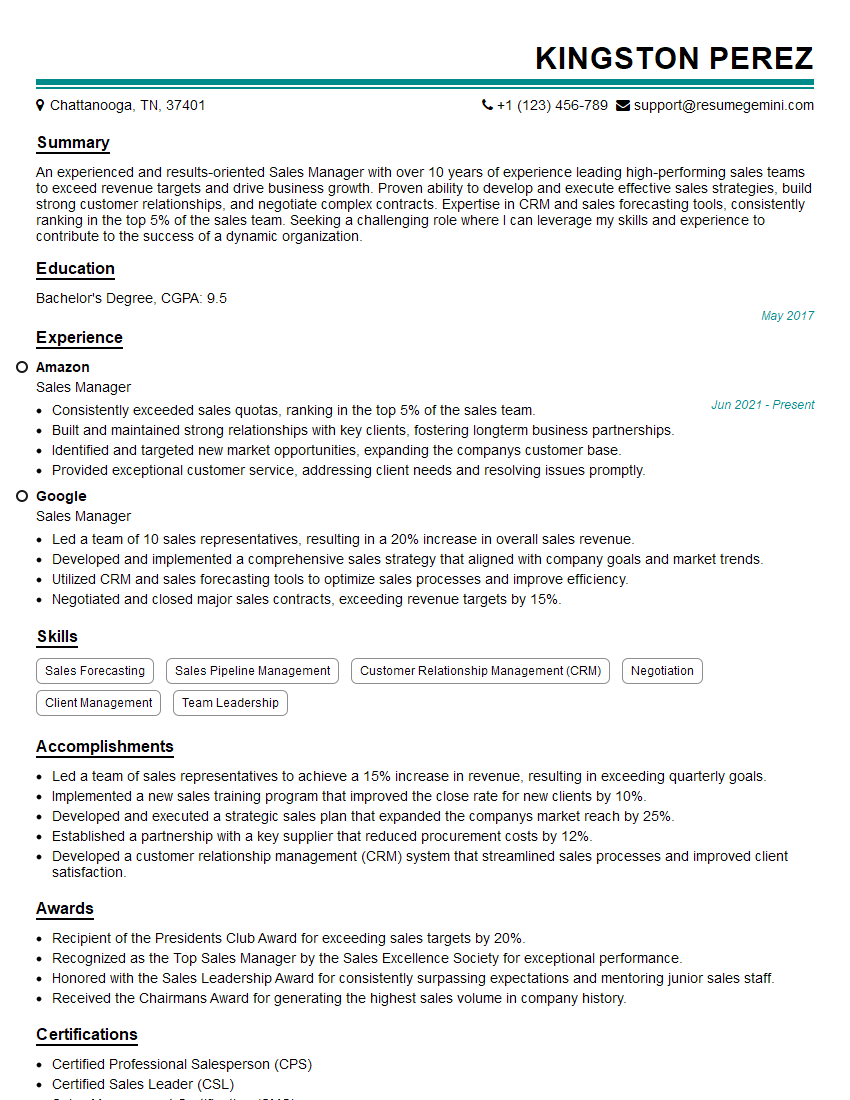
Sales Manager Resume Sample
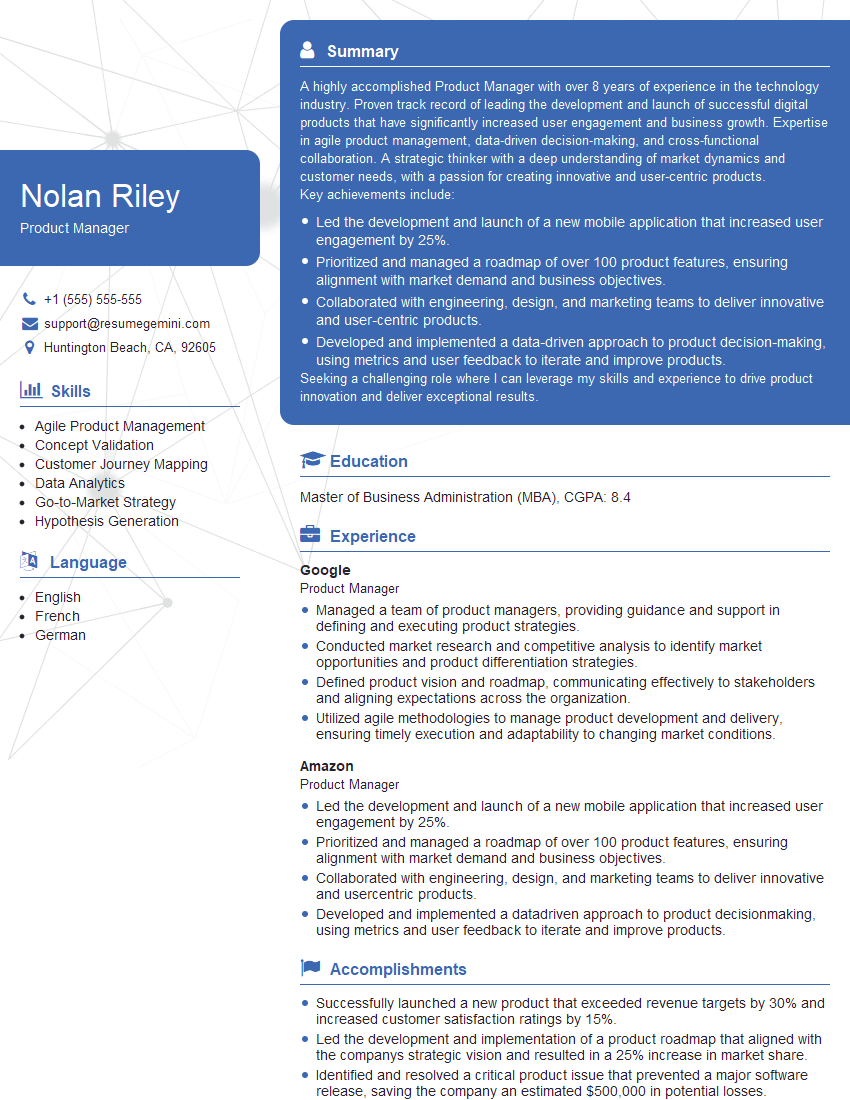
Product Manager Resume Sample
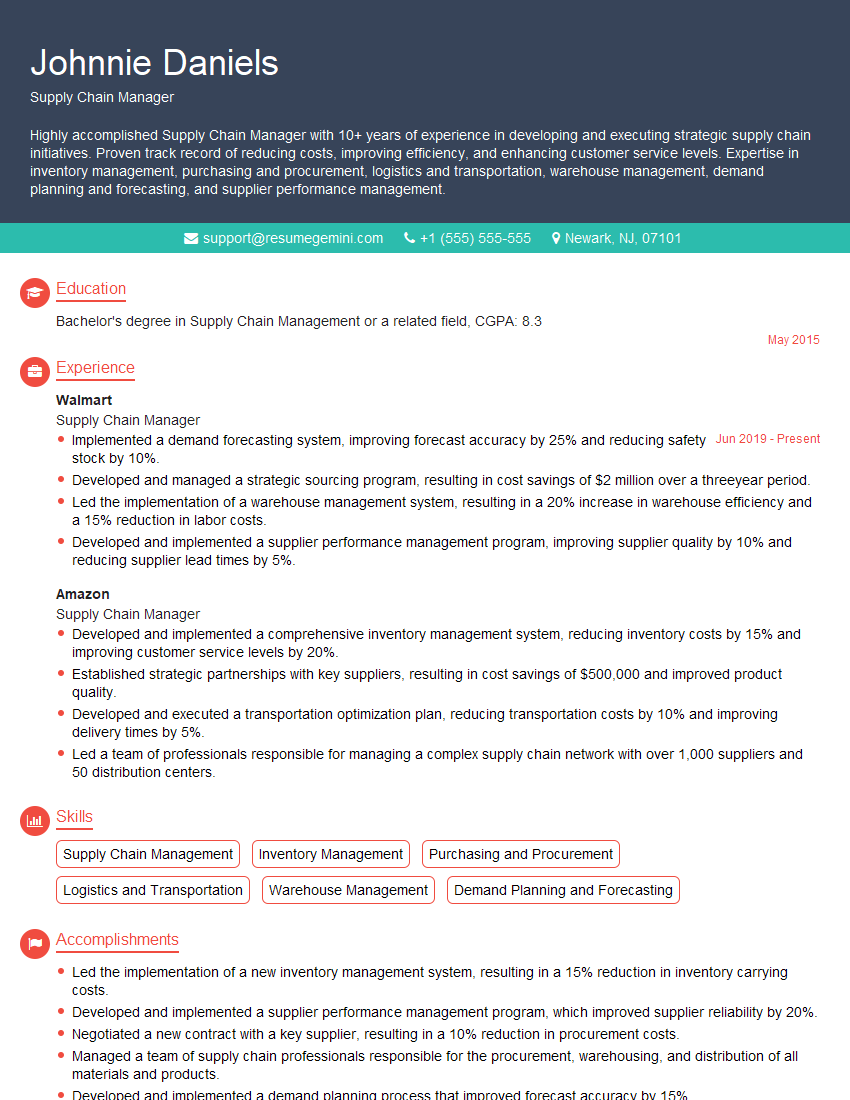
Supply Chain Manager Resume Sample
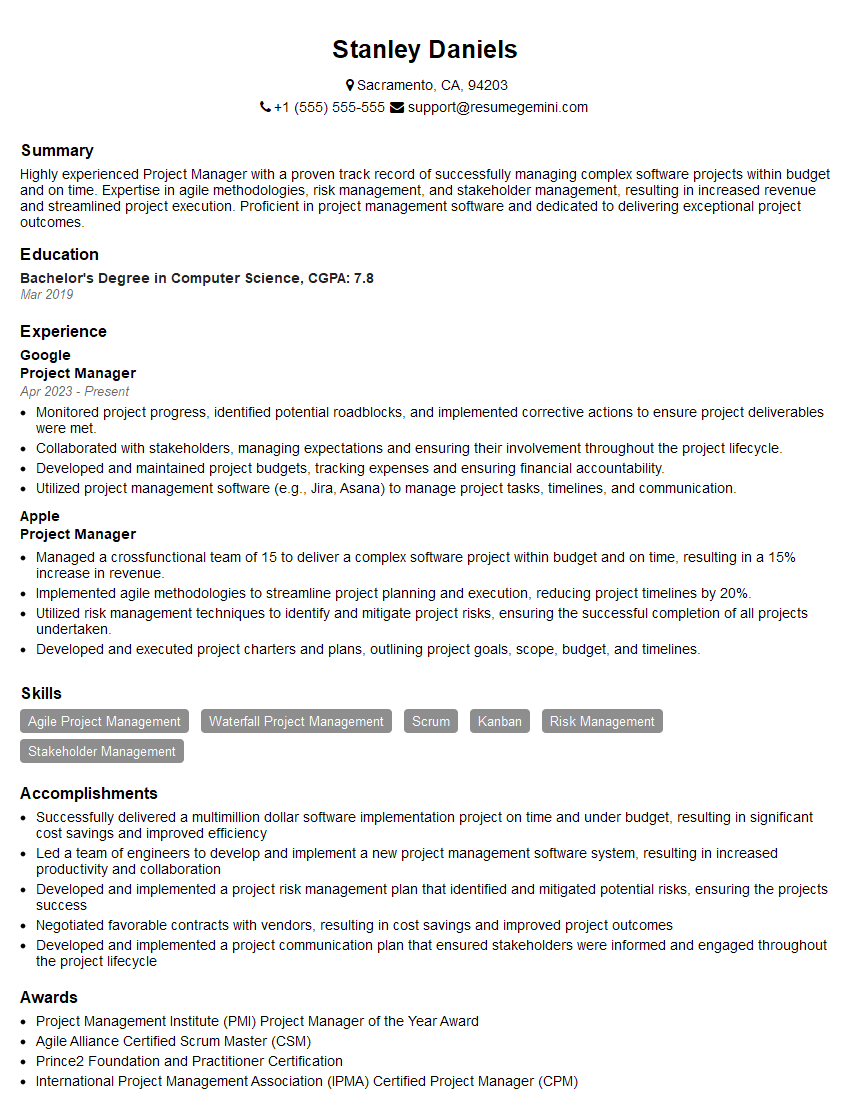
Project Manager Resume Sample
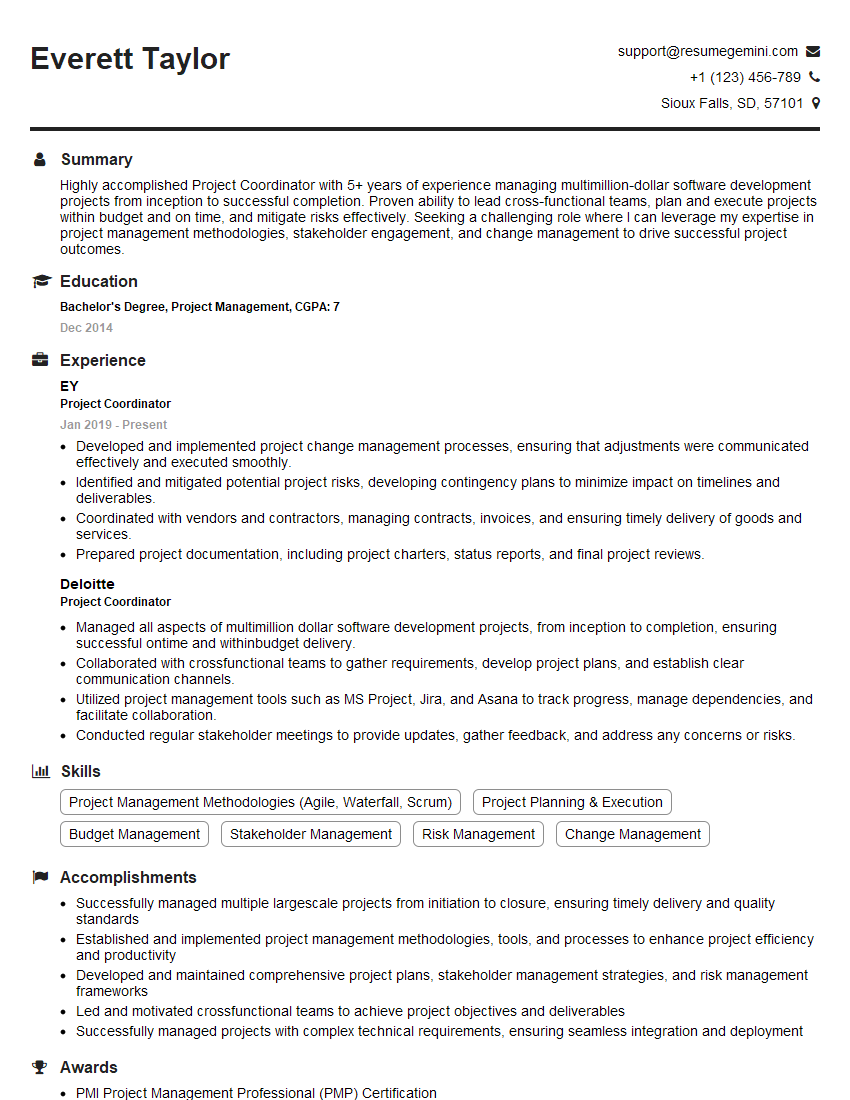
Project Coordinator Resume Sample
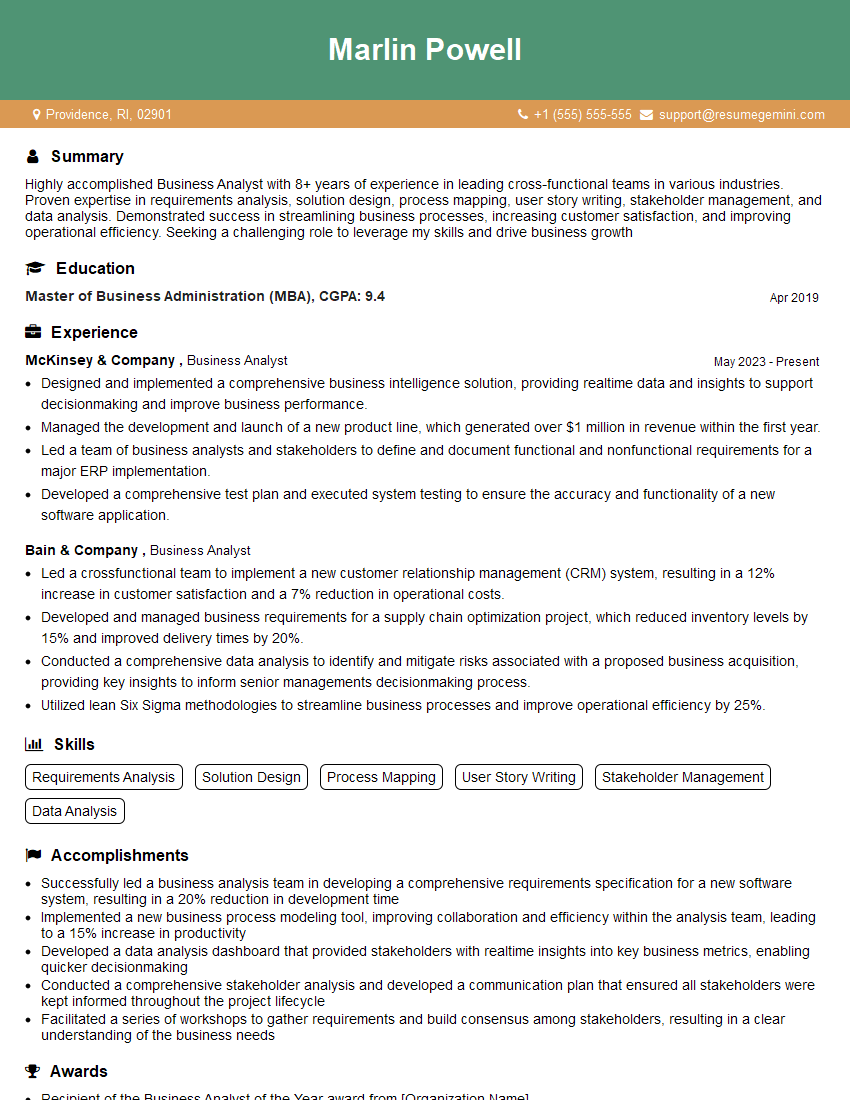
Business Analyst Resume Sample
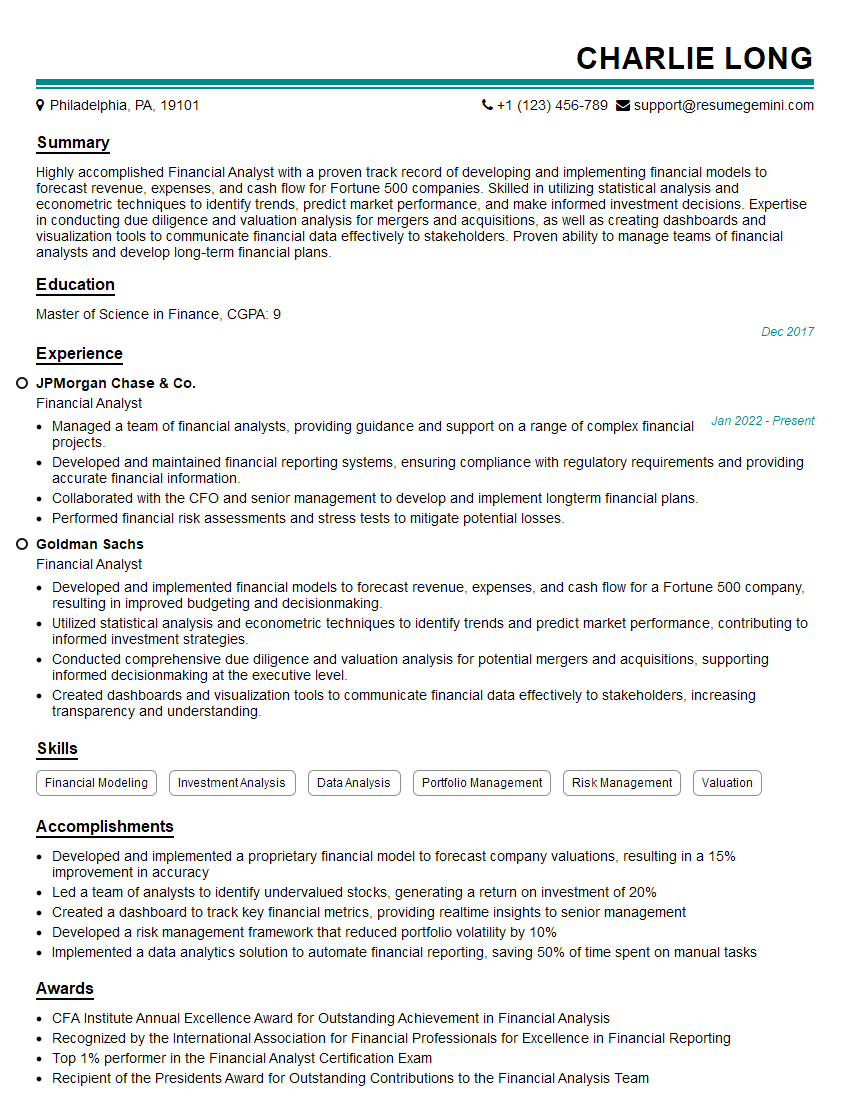
Financial Analyst Resume Sample
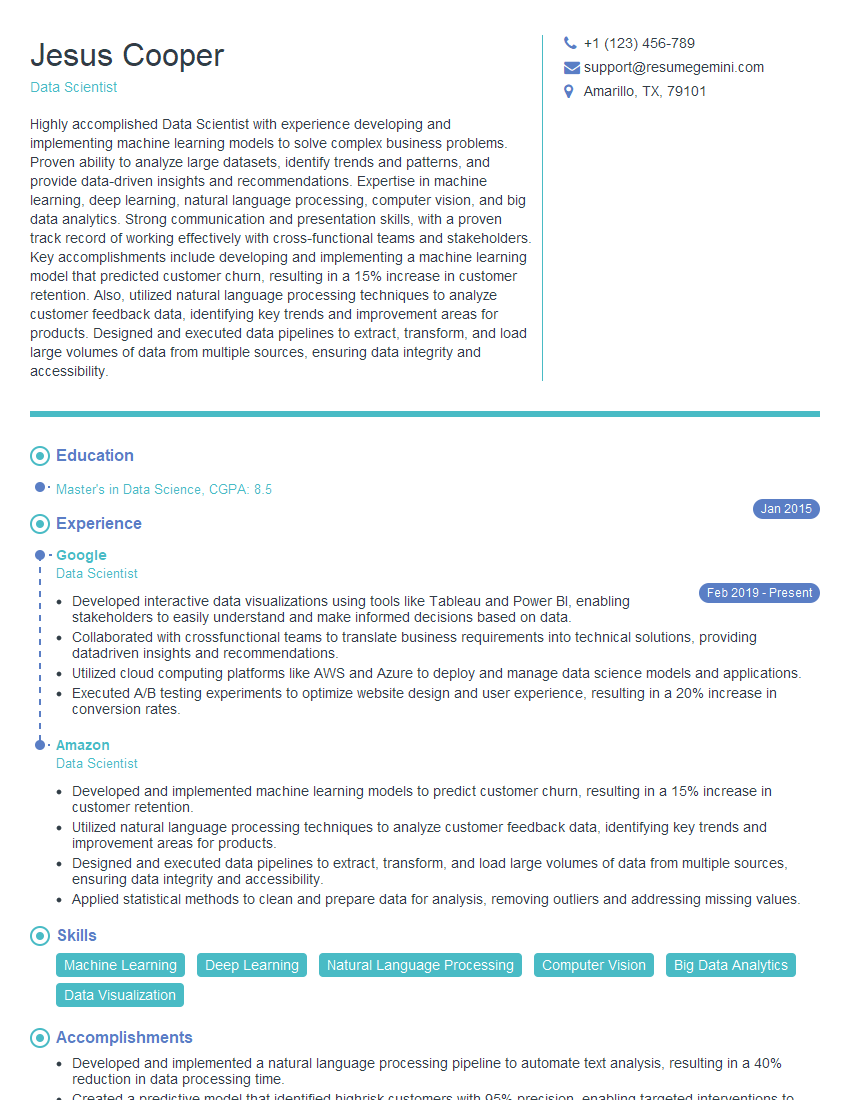
Data Scientist Resume Sample
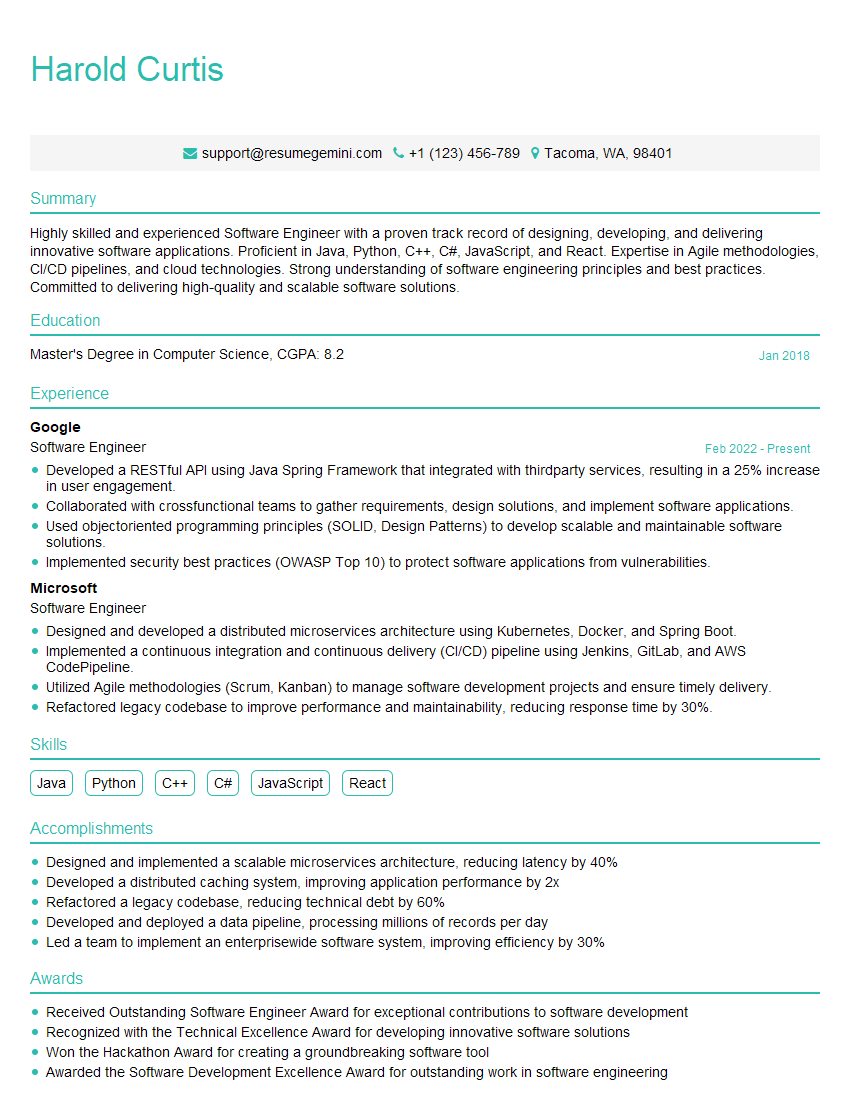
Software Engineer Resume Sample
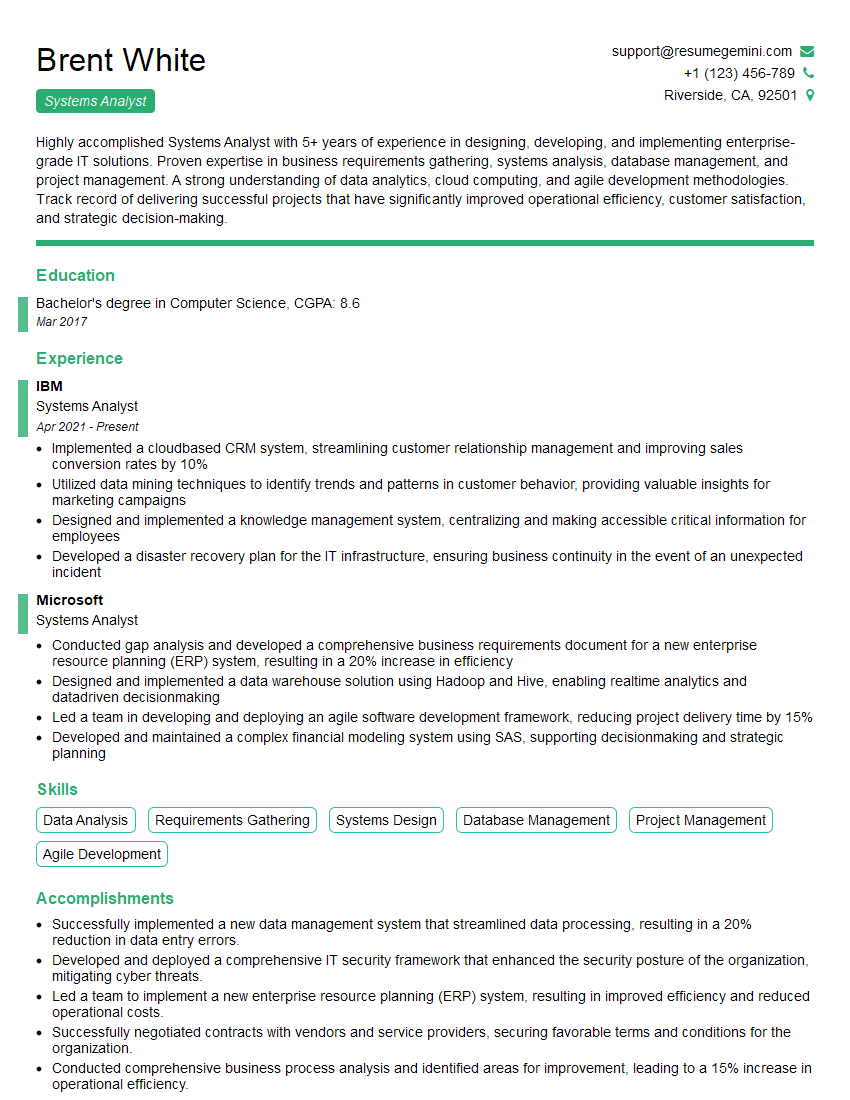
Systems Analyst Resume Sample
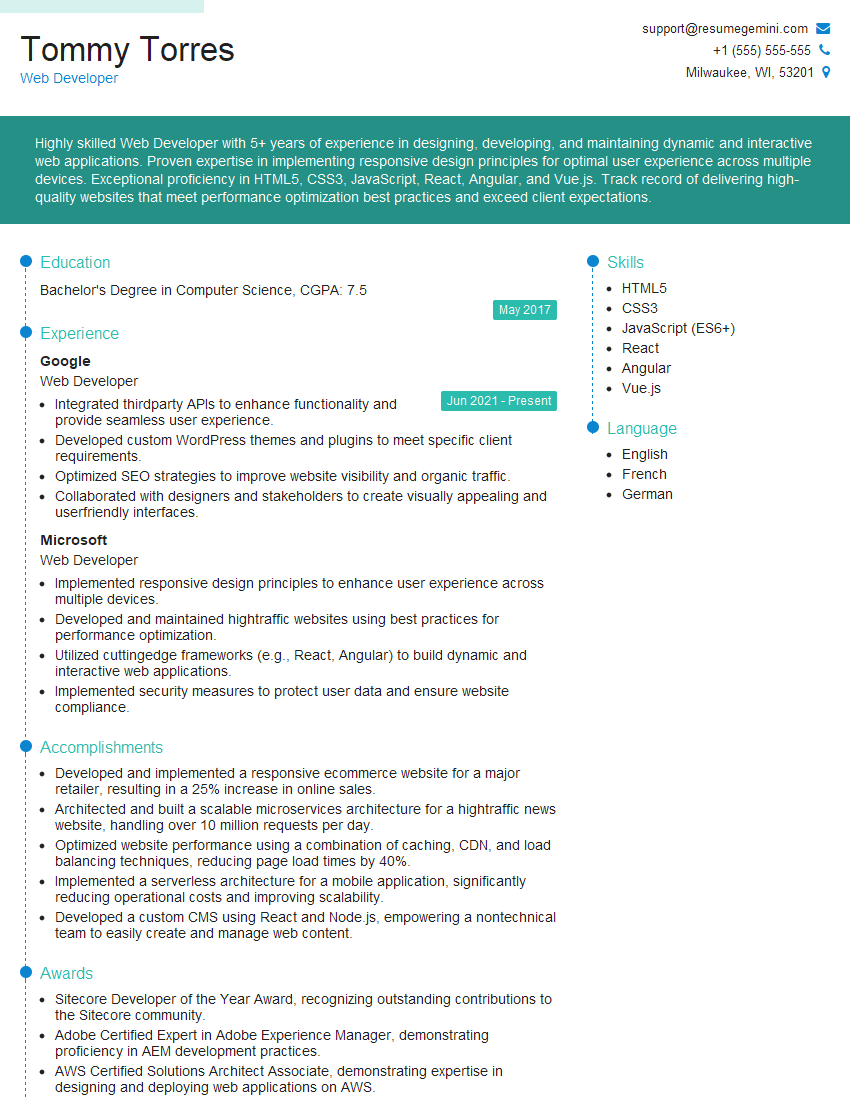
Web Developer Resume Sample
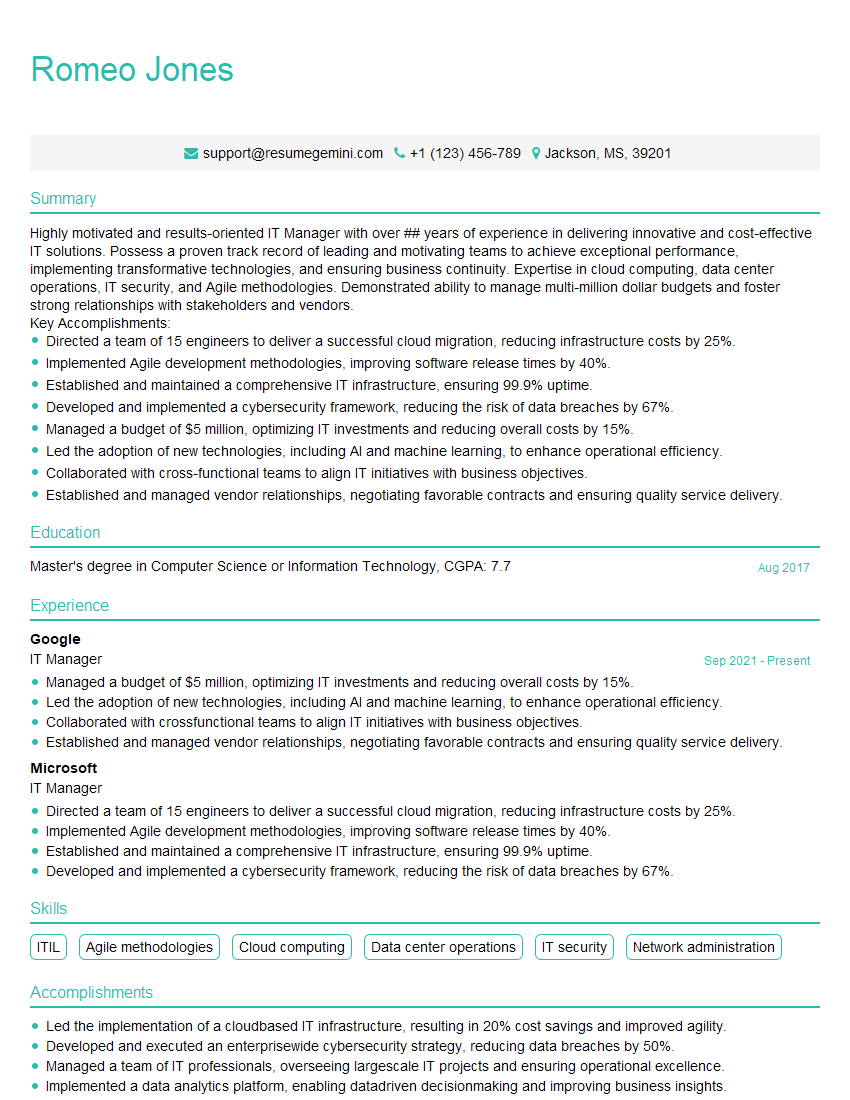
IT Manager Resume Sample
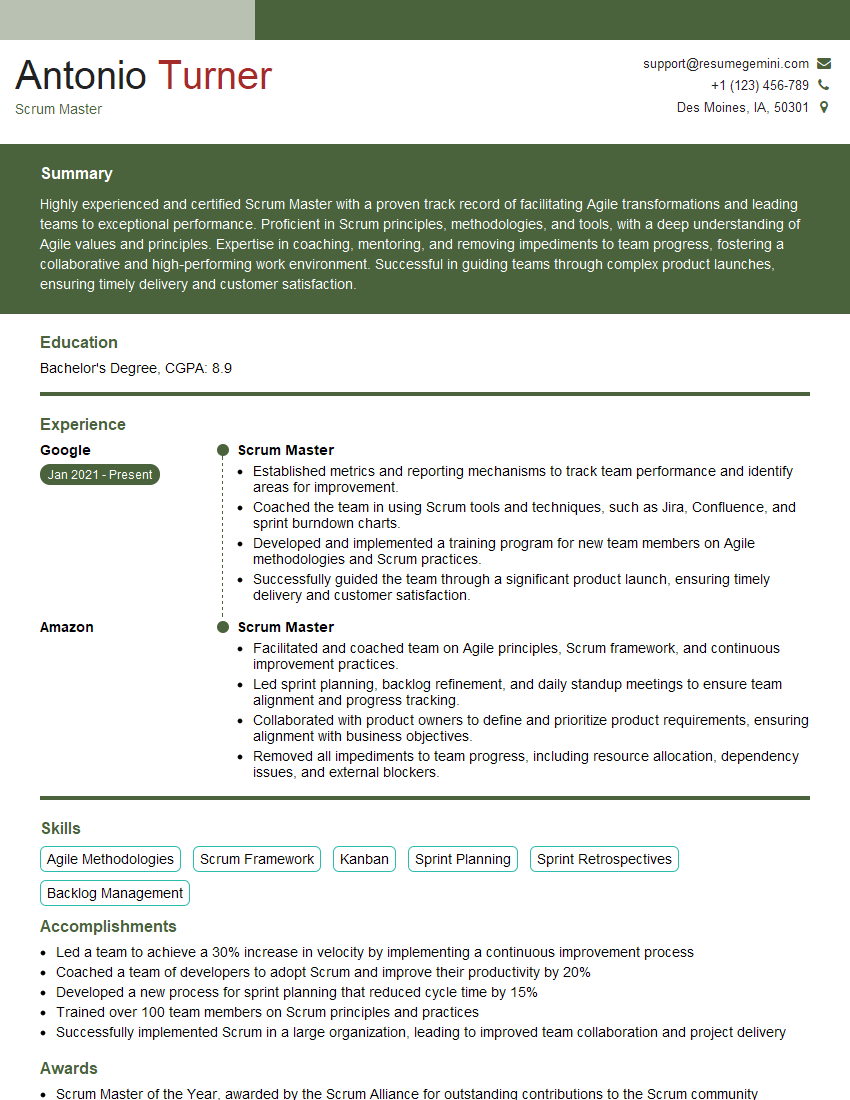
Scrum Master Resume Sample
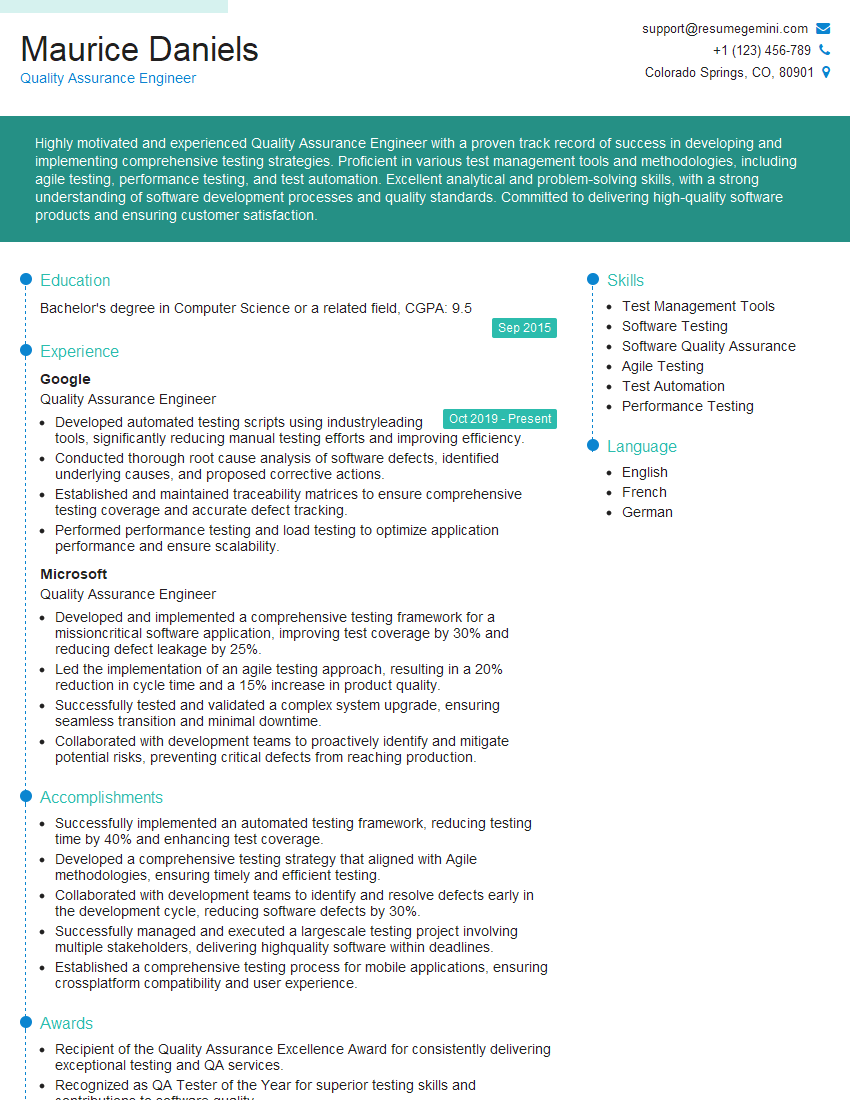
Quality Assurance Engineer Resume Sample

Technical Writer Resume Sample
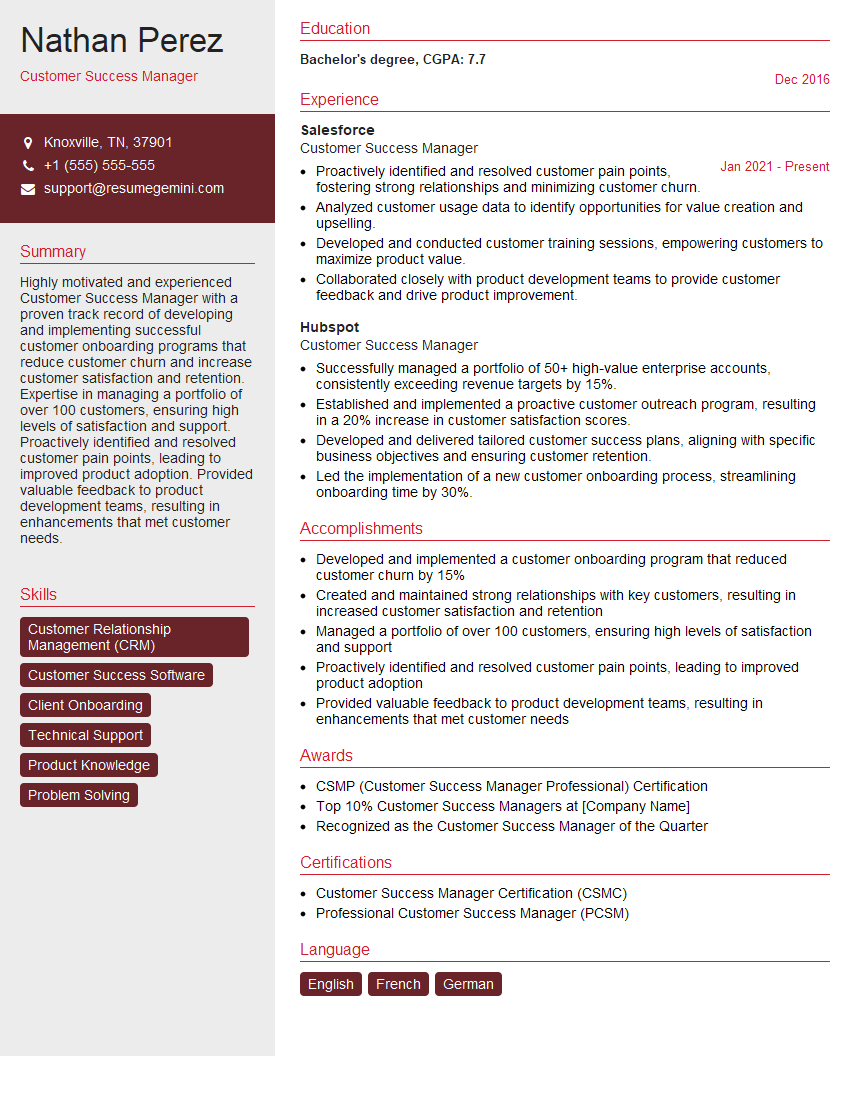
Customer Success Manager Resume Sample
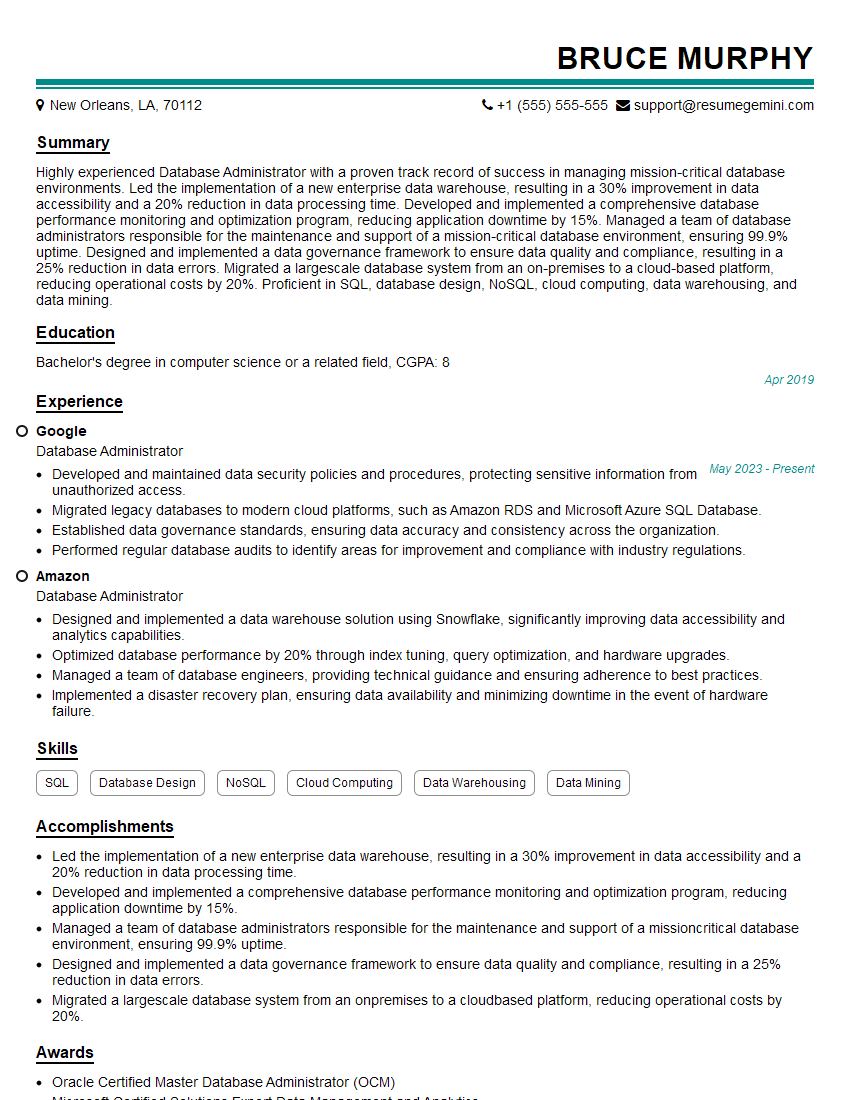
Database Administrator Resume Sample
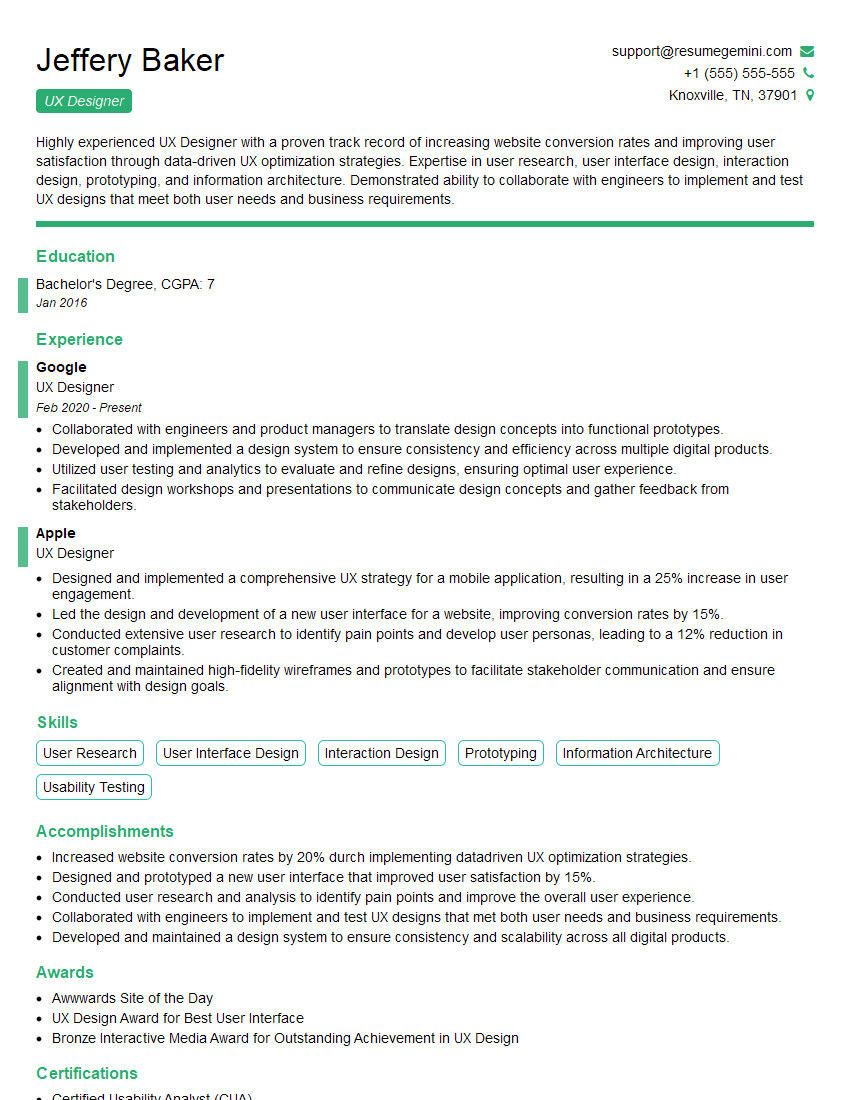
UX Designer Resume Sample
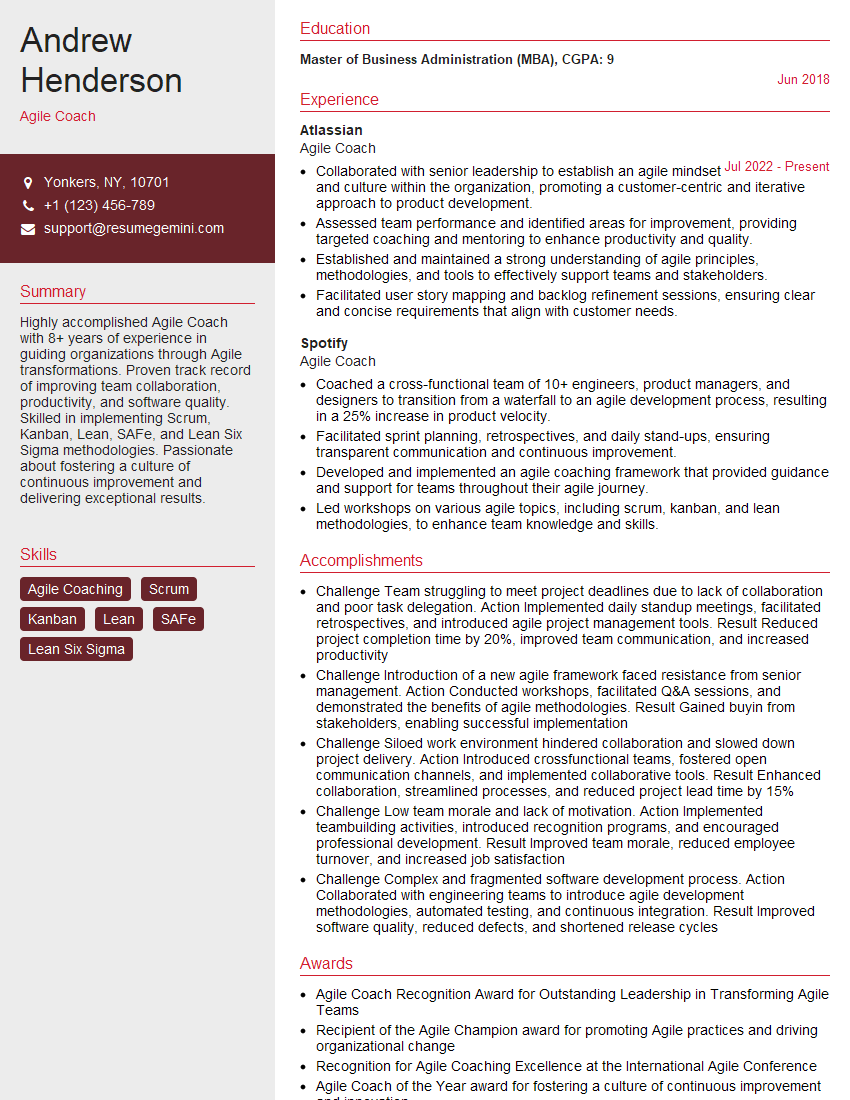
Agile Coach Resume Sample
- Program Manager
- Operations Manager
- Production Manager
- Account Manager
- Marketing Manager
- Sales Manager
- Product Manager
- Supply Chain Manager
- Project Manager
- Project Coordinator
- Business Analyst
- Financial Analyst
- Data Scientist
- Software Engineer
- Systems Analyst
- Web Developer
- IT Manager
- Scrum Master
- Quality Assurance Engineer
- Technical Writer
- Customer Success Manager
- Database Administrator
- UX Designer
- Agile Coach
Explore more articles
Users Rating of Our Blogs
Share Your Experience
We value your feedback! Please rate our content and share your thoughts (optional).
What Readers Say About Our Blog
Really detailed insights and content, thank you for writing this detailed article.
IT gave me an insight and words to use and be able to think of examples