Interviews are more than just a Q&A session—they’re a chance to prove your worth. This blog dives into essential Telephone and Email Etiquette interview questions and expert tips to help you align your answers with what hiring managers are looking for. Start preparing to shine!
Questions Asked in Telephone and Email Etiquette Interview
Q 1. What is your strategy for handling a difficult phone call with an angry customer?
Handling an angry customer on the phone requires a calm, empathetic approach. My strategy focuses on active listening, validating their feelings, and finding a solution. I start by letting them vent without interruption, showing I understand their frustration with phrases like, “I understand your frustration,” or “I can see why you’re upset.” Then, I calmly repeat their concerns to ensure I understand their perspective. This validates their feelings and demonstrates that I’m paying attention. Once I fully grasp the issue, I apologize sincerely, even if it’s not directly my fault—ownership of the situation can defuse tension. Finally, I work collaboratively to find a solution, outlining steps and providing realistic timelines. If the issue needs further investigation, I assure them I’ll follow up promptly, providing a timeframe for a response. For example, if a customer is angry about a delayed shipment, I wouldn’t interrupt their anger but instead empathize, “I understand how frustrating it is to have a delayed package, especially since you needed it by [date]. Let’s see what we can do to resolve this.”
Q 2. How do you ensure your emails are concise and professional?
Concise and professional emails are crucial for effective communication. My strategy involves using a clear subject line that summarizes the email’s purpose. I keep the body brief and to the point, using bullet points or numbered lists for clarity when possible. I avoid jargon and write in plain language, ensuring readability. I always proofread carefully before sending and maintain a professional tone, avoiding slang or informal language. I use strong action verbs and focus on the reader’s needs. Before sending, I ask myself: Is this necessary? Is it clear? Is it concise? For example, instead of writing “Regarding your query about the invoice,” I’d write, “Invoice Inquiry.” I also ensure my email signature is professional and contains only necessary contact information.
Q 3. Explain your process for prioritizing emails and phone calls.
Prioritizing emails and phone calls involves a combination of urgency and importance. I use a system that categorizes them based on factors like deadlines, impact, and sender. For emails, I use flags or labels to indicate priority (high, medium, low). I address high-priority emails first – those with immediate deadlines or from critical stakeholders. Phone calls typically take precedence over emails, particularly if it’s a client or urgent matter. However, I try to group similar tasks to minimize context switching. For example, I might dedicate a block of time to responding to emails related to a specific project before shifting to answering phone calls. I also use calendar reminders to track deadlines and ensure timely responses. This organized approach helps avoid overlooking important communications.
Q 4. How do you handle multiple phone calls simultaneously?
Handling multiple phone calls simultaneously requires efficient multitasking and clear communication. If using a multi-line phone system, I prioritize calls based on urgency and importance. I might politely put a less urgent caller on hold while addressing a more pressing one. I always inform the caller I’m putting them on hold and estimate how long it will take. If I can’t handle multiple calls simultaneously, I politely ask the caller to hold or offer to call them back. This ensures each caller receives prompt and respectful attention. I never leave callers on hold for too long without updating them on the situation. Clear and concise communication is key to ensuring smooth handling of multiple calls. It’s like juggling—you need to be quick, agile, and aware to keep everything from dropping.
Q 5. Describe your experience using professional email templates.
Professional email templates are invaluable for streamlining communication. I use them for frequently sent emails like confirmations, follow-ups, or thank you notes. This ensures consistency in branding and messaging. I personalize each template before sending it, adjusting the details to fit the specific context. Templates save time and reduce the risk of errors, ensuring a professional image is maintained. For example, I have templates for welcome emails to new clients, follow-up emails after meetings, and even rejection emails for job applications. These templates are pre-formatted with my company’s logo and branding, and I just need to input the specific details to tailor them for each recipient.
Q 6. How do you handle confidential information received via email or phone?
Handling confidential information requires stringent adherence to company policies and best practices. For emails, I ensure they’re sent securely, using encryption when necessary and avoiding sensitive information in the subject line. I never discuss confidential information on unsecured phone lines or in public areas. I follow company protocols for storing and accessing sensitive data, ensuring they are only accessible to authorized personnel. When receiving confidential information by phone, I confirm the identity of the caller before proceeding and avoid taking notes in public spaces. If the information is particularly sensitive, I request a secure method of communication, such as a secure messaging system. Confidentiality is paramount and I take it extremely seriously.
Q 7. What is your approach to proofreading emails before sending them?
Proofreading emails is a crucial step to ensure clear and professional communication. My process involves reading the email thoroughly for grammatical errors, typos, and clarity issues. I check the tone to ensure it aligns with the context and my relationship with the recipient. I also review the recipient’s name and address to ensure accuracy. I often read the email aloud to catch errors I might miss when reading silently. I frequently use spell check and grammar check features. If the email contains important information or is sent to a senior stakeholder, I have a colleague proofread it as a second check. A carefully proofread email shows respect for the recipient and reflects professionalism.
Q 8. How do you maintain a professional tone in both written and verbal communication?
Maintaining a professional tone in both written and verbal communication hinges on clarity, respect, and conciseness. Think of it like crafting a well-polished piece of art – every word and inflection counts.
- Verbal Communication: Use a clear and confident voice, avoiding slang, filler words (like ‘um’ and ‘uh’), and overly casual language. Speak at a moderate pace, enunciate clearly, and listen actively before responding. Imagine you’re addressing a valued client; this mindset naturally fosters professionalism.
- Written Communication: Proofread carefully for grammar and spelling errors. Use a formal tone, avoiding emojis and overly informal abbreviations. Structure your writing logically with clear headings and concise paragraphs. Think of emails as mini-business letters; they reflect your image.
Example: Instead of saying, ‘Hey, what’s up?’, try ‘Good morning, [Name], I hope this email finds you well.’ This small change significantly elevates the professionalism of the interaction.
Q 9. How would you respond to an email with an aggressive tone?
Responding to an aggressive email requires tact and professionalism. Your goal is to de-escalate the situation and address the underlying concerns. Avoid mirroring the aggression.
- Acknowledge their feelings: Start by acknowledging their frustration. For example, ‘I understand your frustration regarding [issue].’
- Maintain a calm and respectful tone: Use phrases like ‘I appreciate you bringing this to my attention’ or ‘Let’s work together to find a solution.’
- Address their concerns directly: Provide factual information and solutions to address the issues they raised. If you need time to investigate, set clear expectations.
- Offer a solution or next steps: Outline what you will do and when they can expect an update.
Example: Instead of replying defensively, try: ‘I understand your disappointment with the delay. We are working to expedite the process and anticipate a resolution by [date]. I will keep you updated on our progress.’
Q 10. What steps do you take to ensure clear and effective communication in a diverse team?
Clear communication in diverse teams requires awareness, sensitivity, and proactive measures. Consider it like assembling a diverse orchestra; each instrument needs to be heard and work harmoniously.
- Active Listening: Pay close attention, ask clarifying questions, and ensure everyone feels heard.
- Clear and Concise Language: Avoid jargon or slang that might not be universally understood. Use simple language and explain technical terms.
- Multiple Communication Channels: Use a combination of email, instant messaging, and video conferencing to cater to different communication preferences.
- Cultural Sensitivity: Be mindful of cultural differences in communication styles, such as directness or formality. Research common cultural norms.
- Regular Check-ins: Schedule regular team meetings to discuss progress, address concerns, and maintain open communication.
Example: Before launching a project, discuss preferred communication methods with the team and establish clear guidelines for language and tone.
Q 11. How do you handle voicemail messages efficiently?
Efficient voicemail management is crucial for productivity. It’s like a well-organized inbox for your calls.
- Professional Greeting: Record a professional greeting that includes your name, department, and contact information. Keep it brief and inviting.
- Regularly Check Messages: Check your messages frequently to ensure timely responses. Aim for responding within a reasonable timeframe based on the urgency of the message.
- Detailed Messages: Leave detailed messages when leaving a voicemail, including your name, phone number, and a clear description of your needs.
- Clear and Concise Responses: When returning calls, be clear and concise in your responses to avoid unnecessary back-and-forth.
Example: Instead of saying ‘Hey, it’s me’, try ‘Hello, this is John Smith from the marketing department. Please leave a message.’
Q 12. How familiar are you with email management software or systems?
I am proficient with various email management software and systems, including Microsoft Outlook, Gmail, and others. My expertise extends beyond simply sending and receiving emails; I understand the importance of organization and efficient use of features such as:
- Filtering and Rules: Automating sorting and routing emails for better organization.
- Folders and Labels: Creating a structured system to organize emails based on priority, project, or sender.
- Calendar Integration: Scheduling meetings and setting reminders to ensure timely responses.
- Task Management: Using email to track tasks and set deadlines.
My experience allows me to leverage these features to maximize productivity and ensure prompt and effective communication.
Q 13. How do you deal with miscommunication during a phone call?
Handling miscommunication during a phone call requires clear communication and active listening. Think of it like navigating a tricky conversation; you need to be flexible and adaptable.
- Clarify Understanding: Summarize the key points discussed and confirm your understanding of the other person’s perspective. Ask clarifying questions if anything is unclear.
- Rephrase or Paraphrase: If there’s confusion, try rephrasing your message or paraphrasing what the other person said to ensure mutual understanding.
- Apologize if Necessary: If you realize you caused the miscommunication, apologize sincerely and take steps to correct the issue.
- Document the Conversation: Make notes of the key points discussed to avoid future miscommunication.
Example: ‘To make sure I understand correctly, you’re saying that… Is that right?’ This simple phrase can prevent major misunderstandings.
Q 14. What are some common mistakes to avoid when writing professional emails?
Several common mistakes can derail the effectiveness of professional emails. Avoiding these blunders is like proofreading your resume before submitting it; it shows attention to detail.
- Poor Grammar and Spelling: Proofread carefully before sending. Typos undermine credibility.
- Unclear Subject Lines: Make subject lines clear and concise to indicate the email’s purpose.
- Inappropriate Tone: Maintain a professional and respectful tone. Avoid slang and emotional language.
- Long and Rambling Emails: Keep emails concise and focused. Use bullet points or numbered lists to improve readability.
- Ignoring Attachments: Always double-check to ensure you have included all necessary attachments.
- Lack of Proofreading: A final proofread is essential to catch grammatical errors and ensure your message is clear.
Example: Instead of ‘Hey, check this out’, try ‘Project Update: Progress Report Attached’.
Q 15. Explain your understanding of email security best practices.
Email security is paramount in today’s digital landscape. It’s about protecting sensitive information from unauthorized access, use, disclosure, disruption, modification, or destruction. My approach involves several key best practices:
- Strong Passwords: I use unique, complex passwords for all my email accounts, employing a mix of uppercase and lowercase letters, numbers, and symbols. Password managers are invaluable for securely storing these passwords.
- Two-Factor Authentication (2FA): I always enable 2FA whenever possible. This adds an extra layer of security by requiring a second verification method, such as a code sent to my phone, in addition to my password.
- Secure Email Protocols: I utilize secure protocols like HTTPS (indicated by the padlock icon in the browser address bar) and, ideally, use an email client that supports end-to-end encryption (like some versions of ProtonMail).
- Beware of Phishing and Malware: I am cautious of suspicious emails, avoiding clicking on links or opening attachments from unknown senders. I verify sender identities before taking any action. I’m also careful not to reply to spam emails.
- Regular Software Updates: I ensure that my operating system, email client, and antivirus software are up-to-date with the latest security patches.
- Data Encryption: For extremely sensitive information, I encrypt email attachments before sending them. This ensures that only the intended recipient with the decryption key can access the content.
- Regular Security Audits: While not always applicable to personal email, in a professional setting, I would advocate for regular security audits to identify and address vulnerabilities.
For example, recently I received an email that appeared to be from my bank. However, the sender address was slightly off. By carefully examining the email and verifying the bank’s actual contact information, I confirmed it was a phishing attempt and avoided clicking any links.
Career Expert Tips:
- Ace those interviews! Prepare effectively by reviewing the Top 50 Most Common Interview Questions on ResumeGemini.
- Navigate your job search with confidence! Explore a wide range of Career Tips on ResumeGemini. Learn about common challenges and recommendations to overcome them.
- Craft the perfect resume! Master the Art of Resume Writing with ResumeGemini’s guide. Showcase your unique qualifications and achievements effectively.
- Don’t miss out on holiday savings! Build your dream resume with ResumeGemini’s ATS optimized templates.
Q 16. How would you handle a phone call from a VIP client?
Handling a call from a VIP client requires a polished and professional approach. My process would involve:
- Prompt and Courteous Greeting: I would answer the phone promptly and professionally, using a warm and welcoming tone. I would identify myself and my organization clearly.
- Attentive Listening: I would listen carefully to the client’s needs and concerns, asking clarifying questions to ensure complete understanding.
- Respectful Communication: I would use respectful language, avoiding jargon and ensuring clear, concise communication. I would address the client by their preferred name and maintain a professional demeanor throughout the conversation.
- Efficient Problem Solving: If the client has an issue, I would work efficiently to resolve it, offering solutions and updates as appropriate. If I cannot immediately solve the problem, I would provide a timeframe for resolution and ensure follow-up.
- Appropriate Closing: I would end the call by thanking the client for their time and reiterating any agreed-upon actions.
- Follow Up: I would follow up with a brief email summarizing the conversation and confirming any agreed-upon actions.
For example, if a VIP client called about a delayed shipment, I would first express my sincere apologies for the inconvenience, then quickly access the shipping information to provide an updated delivery estimate and, if necessary, discuss potential alternatives to compensate for the delay.
Q 17. What is your process for following up on emails and phone calls?
My process for following up on emails and phone calls emphasizes promptness and clarity. I aim to respond to emails within 24 hours (or sooner, depending on the urgency) and follow up on phone calls within the timeframe agreed upon during the conversation.
- Email Follow-Up: For emails, I summarize key discussion points, confirm action items, and set expectations for future communication. I use clear subject lines that reflect the email’s purpose.
- Phone Call Follow-Up: After phone calls, I may send a brief email summarizing the key points, action items and deadlines.
- Tracking System: I use a task management system (such as a to-do list or project management software) to keep track of all pending actions, ensuring nothing slips through the cracks.
- Prioritization: I prioritize follow-up tasks based on urgency and importance, focusing on the most critical items first.
For example, if a client called inquiring about a product feature, I would promptly respond to their email with a detailed explanation and offer to schedule a quick follow-up call to answer any additional questions.
Q 18. How do you use email effectively for team communication and collaboration?
Effective email communication within a team requires a structured and collaborative approach. My strategies include:
- Clear Subject Lines: I use concise and informative subject lines that clearly indicate the email’s purpose, making it easy for recipients to prioritize and understand the content.
- Organized Content: I structure emails logically, using bullet points, numbered lists, and headings to enhance readability and comprehension.
- Appropriate Tone: I maintain a professional and respectful tone in all my emails, avoiding slang, jargon, or emotional language.
- Proofreading: I always proofread my emails before sending, ensuring that they are free of grammatical errors and typos.
- BCC for Large Groups: For large group emails, I use BCC (blind carbon copy) to protect recipient privacy and avoid unnecessary reply chains.
- File Sharing: When sharing files, I use cloud storage services or shared network drives to ensure easy access for team members.
- Using Email Threads: I keep discussions organized by responding within existing email threads to maintain context and improve searchability.
For instance, when collaborating on a project, I would create a shared email folder for all project-related documents and communications, keeping the team informed through regularly scheduled email updates.
Q 19. Describe your experience using different communication channels (email, phone, instant messaging).
My experience spans various communication channels, each with its strengths and weaknesses. I adapt my communication style to suit the specific context and audience.
- Email: Best for formal communication, conveying detailed information, or when a written record is needed. I use email for documenting decisions, sharing formal proposals, and asynchronous communication.
- Phone: Ideal for immediate feedback, resolving urgent issues, or building rapport. I utilize the phone for quick updates, addressing sensitive matters where tone of voice matters, and conversations requiring a back-and-forth exchange.
- Instant Messaging (IM): Great for quick questions, informal updates, and real-time collaboration. I use IM for quick questions, brainstorming sessions, and short, informal exchanges within the team.
For example, I might use email to send a detailed project report, then use instant messaging to quickly address a team member’s query before hopping on a phone call with a client to discuss an urgent matter.
Q 20. How do you manage your inbox to avoid email overload?
Managing email overload requires a proactive and organized approach. My strategy involves:
- Unsubscribe from Unnecessary Lists: I regularly unsubscribe from mailing lists that are no longer relevant to avoid unnecessary clutter.
- Filtering and Rules: I utilize email filters and rules to automatically sort emails into specific folders based on sender, subject, or keywords. This helps me quickly identify and prioritize important messages.
- Regular Inbox Cleaning: I set aside time each day to clear out my inbox, archiving or deleting irrelevant emails. I aim to have a near-zero inbox at the end of each day.
- Batch Processing: I process emails in batches rather than responding to each one individually as it arrives, promoting focus and efficiency.
- Prioritization: I use prioritization techniques (like the Eisenhower Matrix) to focus on high-impact tasks, ensuring that urgent and important emails are addressed first.
- Delegate When Possible: In a professional context, I delegate emails that can be effectively handled by others.
For example, I might filter all newsletters to a separate folder, check it once a week, and unsubscribe from anything I no longer find useful. This keeps my primary inbox clear for important communications.
Q 21. How do you handle situations where you need to escalate a phone call or email?
Escalating a phone call or email involves a clear and concise process. My approach involves:
- Document the Issue: I first thoroughly document the issue, including details of the problem, previous attempts at resolution, and all relevant communication.
- Identify the Appropriate Contact: I determine the appropriate person or department to escalate the issue to based on company procedures and the nature of the problem.
- Clear and Concise Communication: When escalating, I summarize the issue clearly and concisely, providing all necessary context and background information. I ensure the escalation email or message is professional, respectful, and avoids unnecessary jargon or blame.
- Follow Up: I follow up on the escalated issue to ensure timely resolution and keep all relevant parties informed of progress.
For example, if I’m unable to resolve a client’s technical issue despite multiple attempts, I would document the problem, including screenshots and error messages, then escalate it to the technical support team with a clear explanation of the situation, copies of previous communications, and the client’s contact information.
Q 22. What are your strategies for effective listening on a phone call?
Effective listening on a phone call goes beyond simply hearing words; it’s about actively understanding the message being conveyed. My strategy involves several key steps:
- Minimize distractions: I find a quiet space, turn off notifications, and let others know I need uninterrupted time.
- Focus on the speaker: I concentrate on understanding their message, paying attention to both verbal and nonverbal cues (tone of voice, pauses).
- Ask clarifying questions: To ensure understanding, I regularly ask questions like, “Can you elaborate on that?” or “So, if I understand correctly…” This prevents misunderstandings.
- Paraphrase and summarize: To confirm comprehension, I periodically summarize the speaker’s points, saying something like, “It sounds like your main concern is…”
- Empathetic listening: I try to understand the speaker’s perspective and emotions, showing empathy through verbal cues like, “I understand how frustrating that must be.”
For example, during a difficult client call about a technical issue, by actively listening and asking clarifying questions, I was able to pinpoint the root cause efficiently, preventing escalation and ultimately resolving the issue to the client’s satisfaction.
Q 23. How do you adapt your communication style based on the recipient (e.g., senior management, colleagues, clients)?
Adapting communication style is crucial for effective interaction. My approach depends on the recipient:
- Senior Management: I use concise, formal language, focusing on key results and strategic implications. I present information in a structured manner, often using data and visuals to support my points.
- Colleagues: My communication with colleagues is more informal and collaborative. I use clear and direct language, and encourage open dialogue and brainstorming.
- Clients: My communication with clients is professional yet personable. I use clear and simple language, avoiding jargon, and focus on their needs and concerns. I actively listen to their feedback and address any anxieties they may have.
Imagine explaining a complex project to senior management versus discussing it with team members. With management, I’d emphasize high-level outcomes and ROI. With the team, I’d focus on collaborative problem-solving and individual tasks. This adaptable approach ensures clear and effective communication in all contexts.
Q 24. How familiar are you with using a company’s phone system and voicemail features?
I am proficient in utilizing various company phone systems and voicemail features. My experience includes navigating complex call routing, utilizing call forwarding, setting up personalized greetings, and managing voicemails efficiently. I am adept at using features like call conferencing, call recording (where permissible and legally compliant), and accessing call history.
For instance, I’m familiar with using features like *99 to hold a call and *67 to mask my number (if allowed within company policy and relevant laws). I understand the importance of professional voicemail greetings that convey the company’s image, and I ensure timely responses to messages.
Q 25. How do you ensure that sensitive information is not shared inappropriately via email or phone?
Protecting sensitive information is paramount. My strategies include:
- Never emailing sensitive data without encryption: I use secure email platforms and ensure any sensitive information is encrypted before transmission.
- Verifying recipient identity: Before sharing information, I confirm the recipient’s identity through multiple methods.
- Avoiding sensitive information on unsecured channels: I refrain from discussing confidential data in public spaces or using personal devices for work-related communications.
- Adhering to company policies: I strictly follow company data security policies and procedures, and am always up-to-date on the latest security guidelines.
- Using secure communication methods: I prefer using secure platforms like company-approved messaging systems for sensitive conversations.
For example, instead of emailing a client’s financial information directly, I would use a secure file-sharing system compliant with company and legal regulations.
Q 26. How do you manage your time effectively when balancing emails, phone calls, and other tasks?
Effective time management when handling multiple communication channels requires a structured approach. My strategies involve:
- Prioritization: I prioritize tasks based on urgency and importance, utilizing techniques like the Eisenhower Matrix (urgent/important).
- Batching similar tasks: I group similar tasks together (e.g., answering emails in a dedicated block of time) to minimize context switching.
- Time blocking: I schedule specific times for checking emails, making phone calls, and attending meetings to avoid constant interruptions.
- Using tools to manage communications: I use email filters, labels, and other organizational tools to manage my inbox efficiently.
- Setting boundaries: I set clear boundaries to avoid being constantly available, ensuring I have dedicated time to focus on high-priority tasks.
By implementing these techniques, I avoid feeling overwhelmed and can consistently meet deadlines while ensuring quality communication.
Q 27. What is your experience with international communication etiquette?
My experience with international communication etiquette encompasses understanding cultural nuances in communication styles. This includes:
- Time zones: I am mindful of time differences and schedule calls accordingly to avoid inconveniencing recipients.
- Cultural differences in communication styles: I adapt my communication style to be respectful of cultural norms. This includes being aware of differences in directness, formality, and nonverbal cues. For example, some cultures prefer more formal communication while others are more direct.
- Language barriers: I leverage translation tools when necessary and am aware of the limitations of translation software.
- Holidays and cultural events: I am respectful of holidays and cultural events celebrated in different countries, avoiding scheduling calls during these periods.
For example, when communicating with a colleague in Japan, I make sure to use a formal tone and respectful language, and I carefully schedule calls to avoid interfering with their working hours or national holidays.
Q 28. Describe a time when excellent communication skills helped you resolve a difficult situation.
During a project launch, a crucial piece of software experienced a critical failure just hours before the scheduled presentation to a major client. Panic ensued within the team. I stepped in and used calm and clear communication to manage the situation.
First, I facilitated a focused meeting, ensuring everyone remained calm and focused on solutions, not blame. Then, I actively listened to each team member’s input and suggestions, clearly articulating the challenges and potential solutions. I collaborated with the technical team to develop a contingency plan, outlining alternative strategies for the presentation. This included a revised presentation, utilizing backup data and a clear explanation to the client about the temporary setback.
Finally, I personally contacted the client, explaining the situation with transparency and sincerity, outlining the contingency plan, and reassuring them of our commitment to providing a successful launch. Thanks to our transparent and proactive communication, the client understood the situation and ultimately, the launch was considered successful.
Key Topics to Learn for Telephone and Email Etiquette Interview
- Professional Phone Demeanor: Mastering a confident and courteous tone, active listening skills, and clear articulation during phone calls. Practical application: Role-playing common scenarios like answering the phone professionally, taking detailed messages, and handling difficult calls.
- Email Composition & Formatting: Crafting professional emails with clear subject lines, concise and grammatically correct language, and appropriate tone. Practical application: Creating professional email templates for different scenarios (e.g., inquiry, follow-up, thank you).
- Effective Communication Strategies: Understanding the nuances of verbal and written communication, adapting your style to the audience, and conveying information effectively. Practical application: Identifying and correcting common communication errors in both emails and phone conversations.
- Time Management & Responsiveness: Prioritizing communication, responding promptly to emails and phone calls, and managing your time efficiently to avoid delays. Practical application: Developing a system for managing incoming communications and setting realistic response times.
- Digital Communication Protocol: Understanding the etiquette of various digital platforms (email, voicemail, instant messaging) and adhering to professional standards in each. Practical application: Demonstrating awareness of the appropriateness of different communication channels for various situations.
- Handling Difficult Situations: Developing strategies for dealing with challenging phone calls or emails, such as managing angry customers or resolving misunderstandings. Practical application: Practicing conflict resolution techniques in a simulated setting.
Next Steps
Mastering telephone and email etiquette is crucial for career advancement. It demonstrates professionalism, strengthens your communication skills, and significantly impacts your first impression on potential employers. Building an ATS-friendly resume is equally vital to increase your chances of landing an interview. ResumeGemini can be a trusted partner in this process, helping you craft a powerful resume that highlights your communication skills and experience. Examples of resumes tailored to showcasing expertise in telephone and email etiquette are available to help you get started.
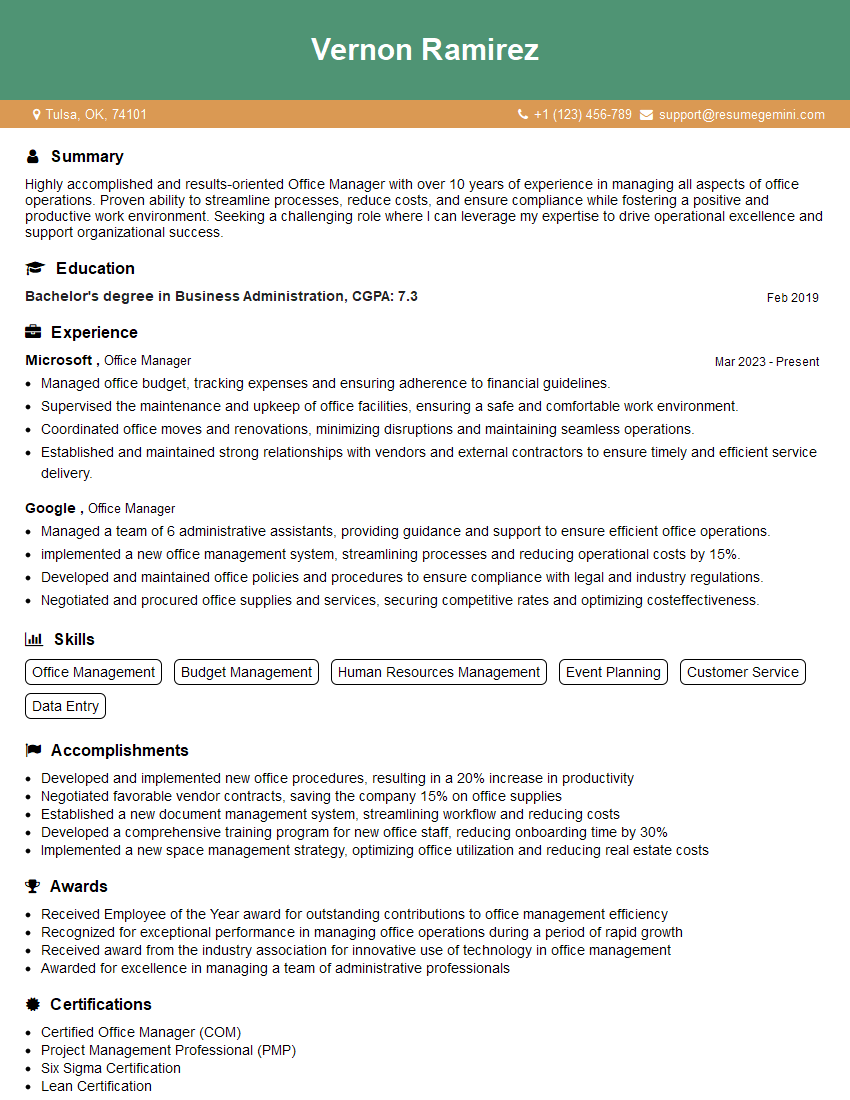
Office Manager Resume Sample
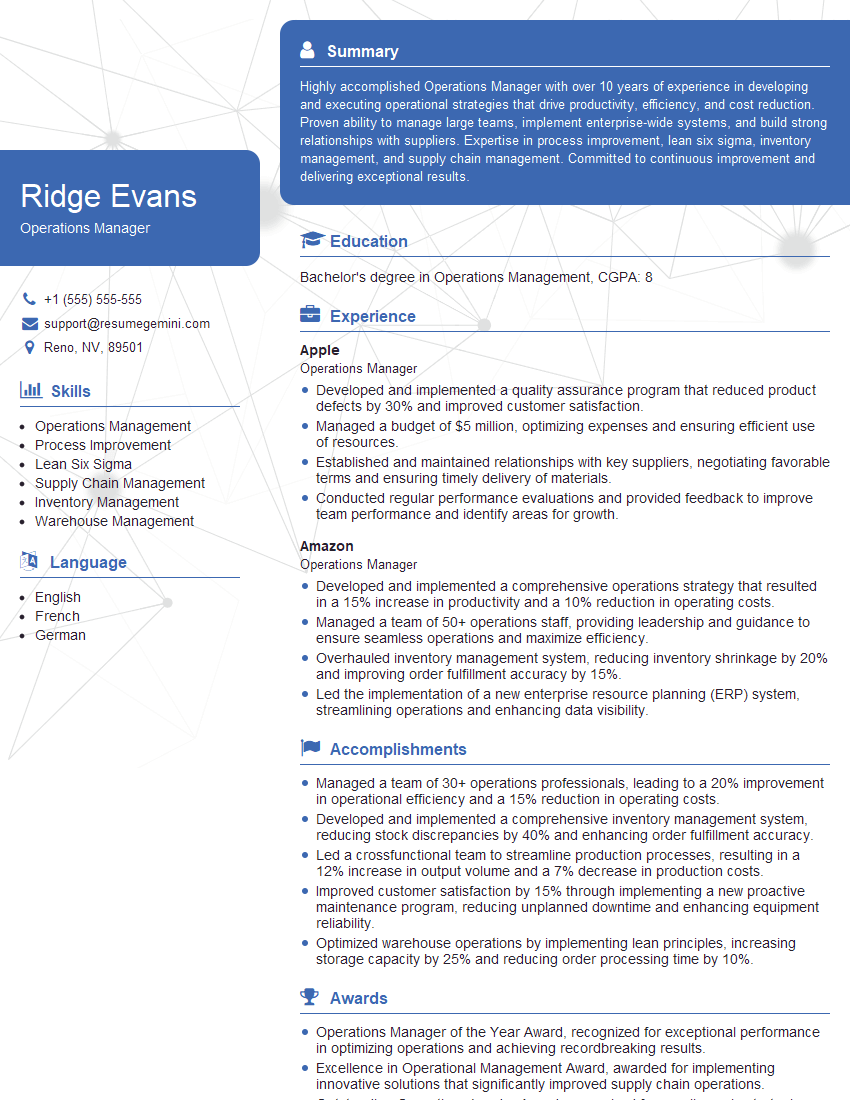
Operations Manager Resume Sample
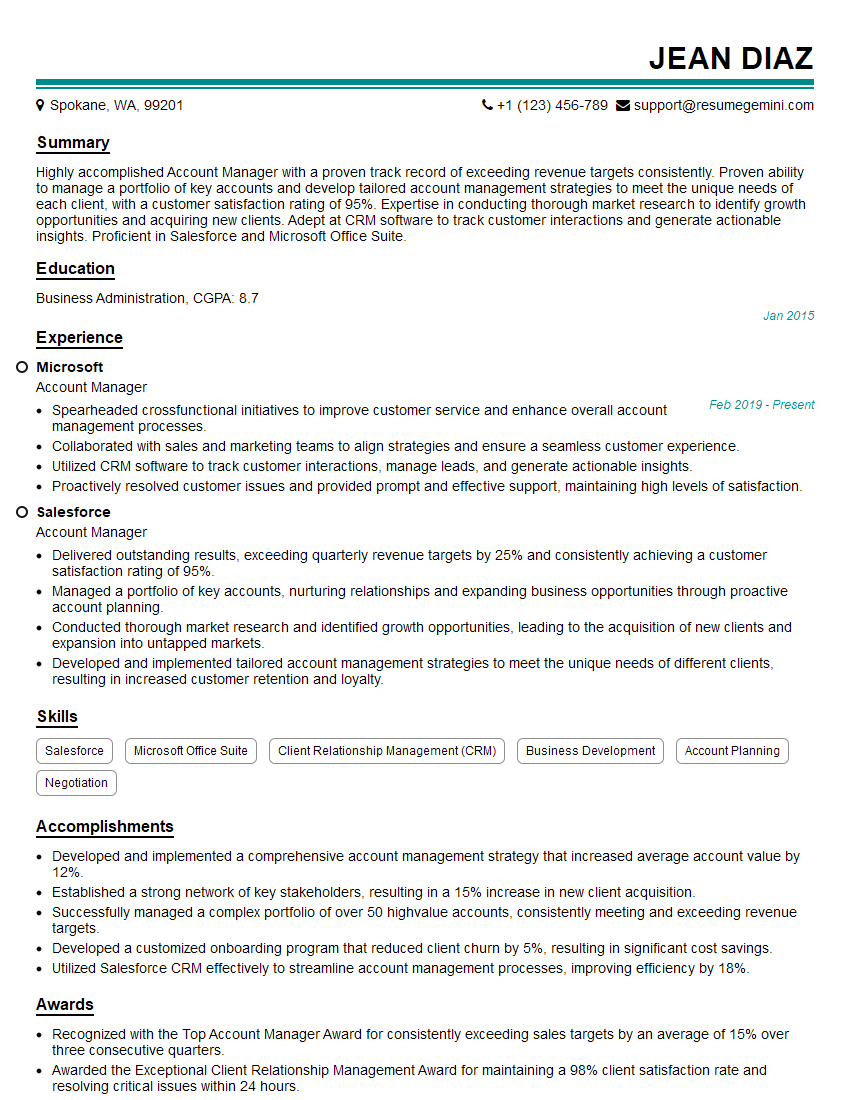
Account Manager Resume Sample
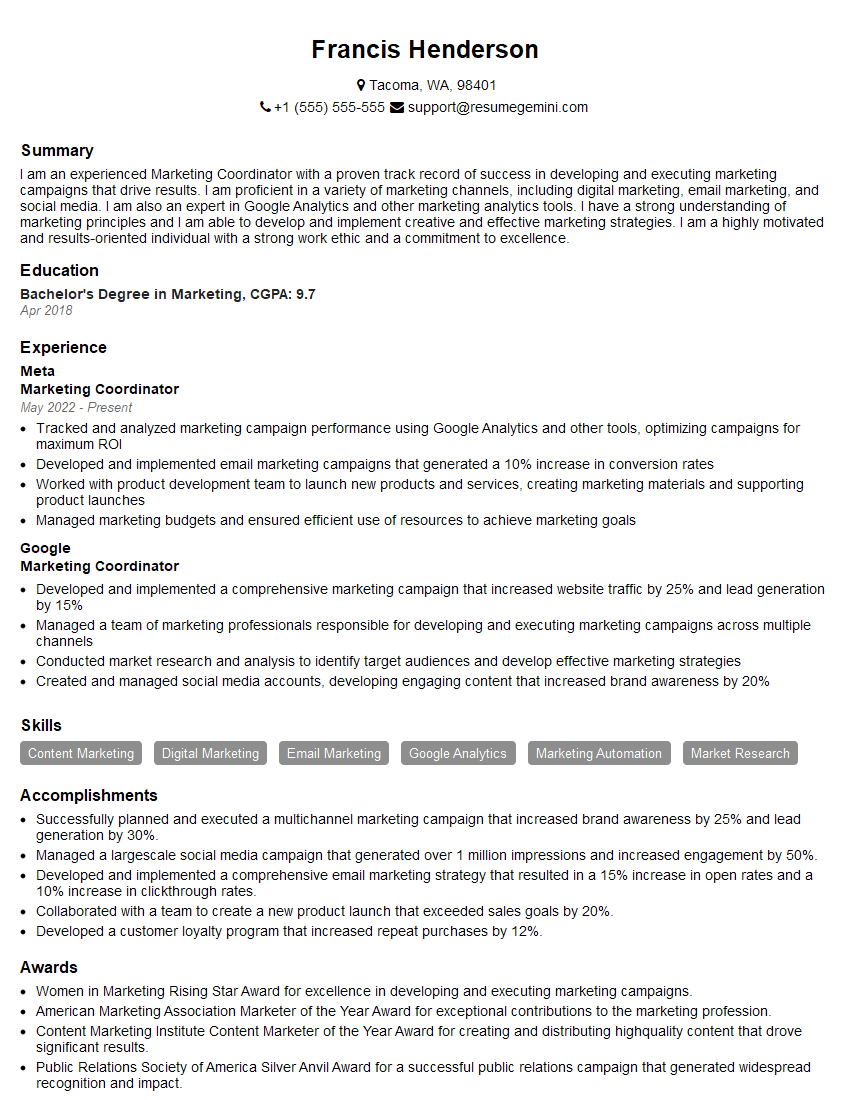
Marketing Coordinator Resume Sample
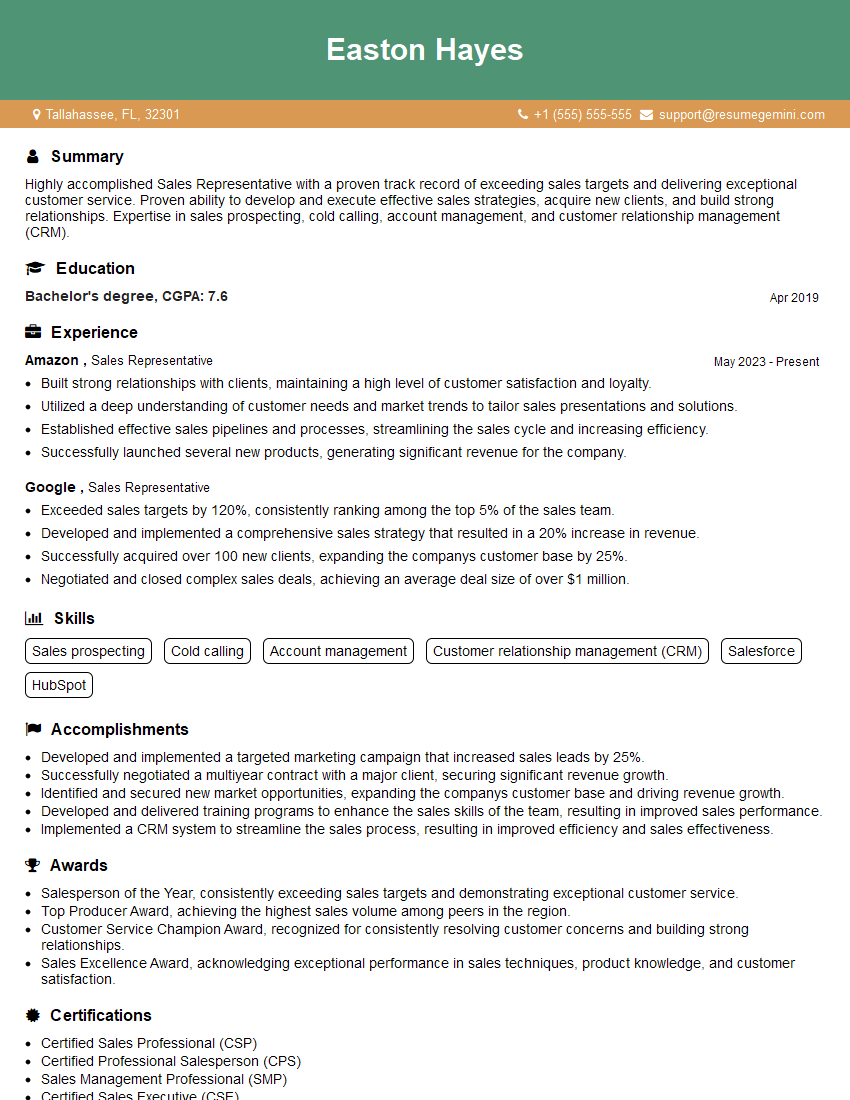
Sales Representative Resume Sample

Communications Manager Resume Sample
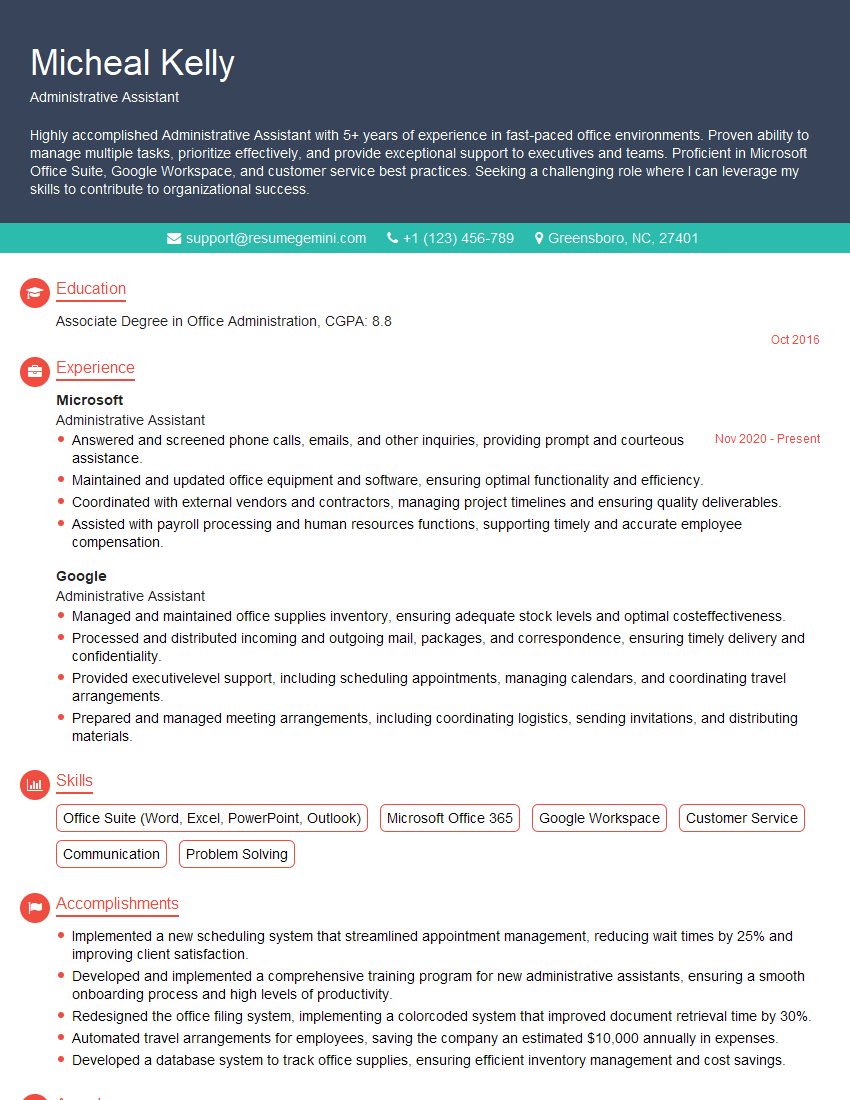
Administrative Assistant Resume Sample
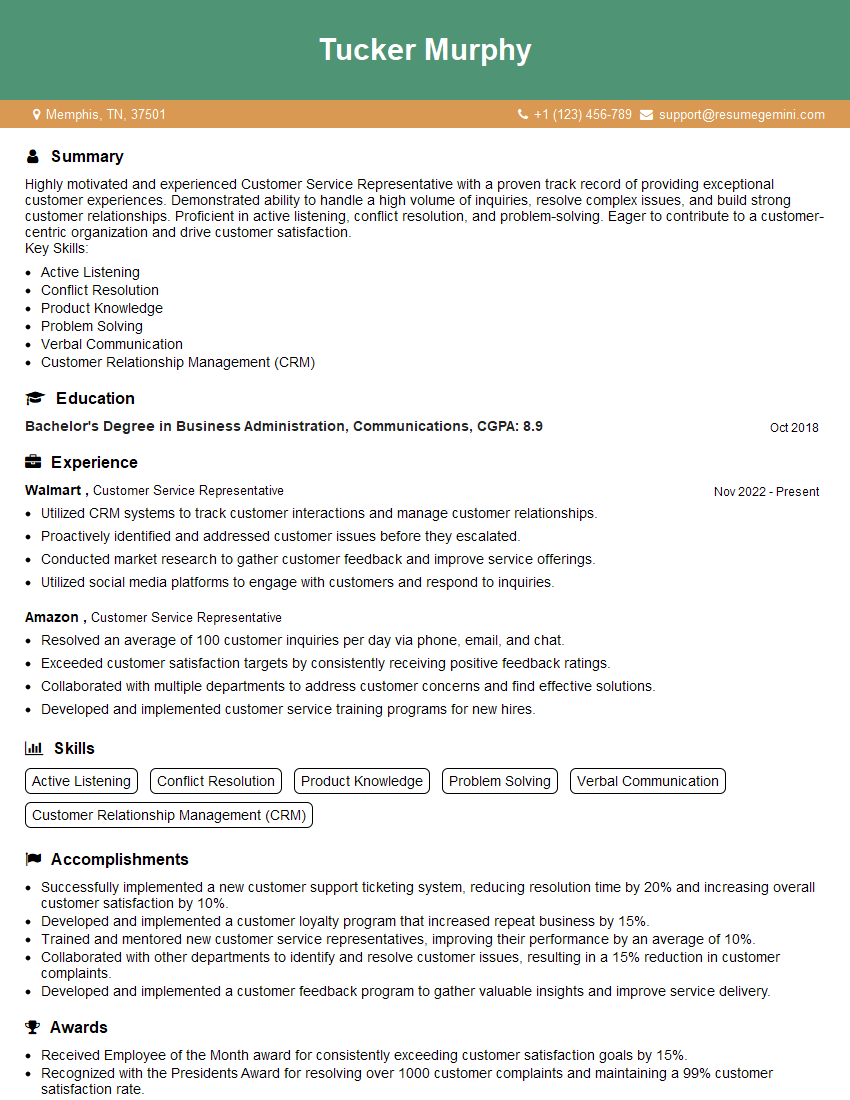
Customer Service Representative Resume Sample
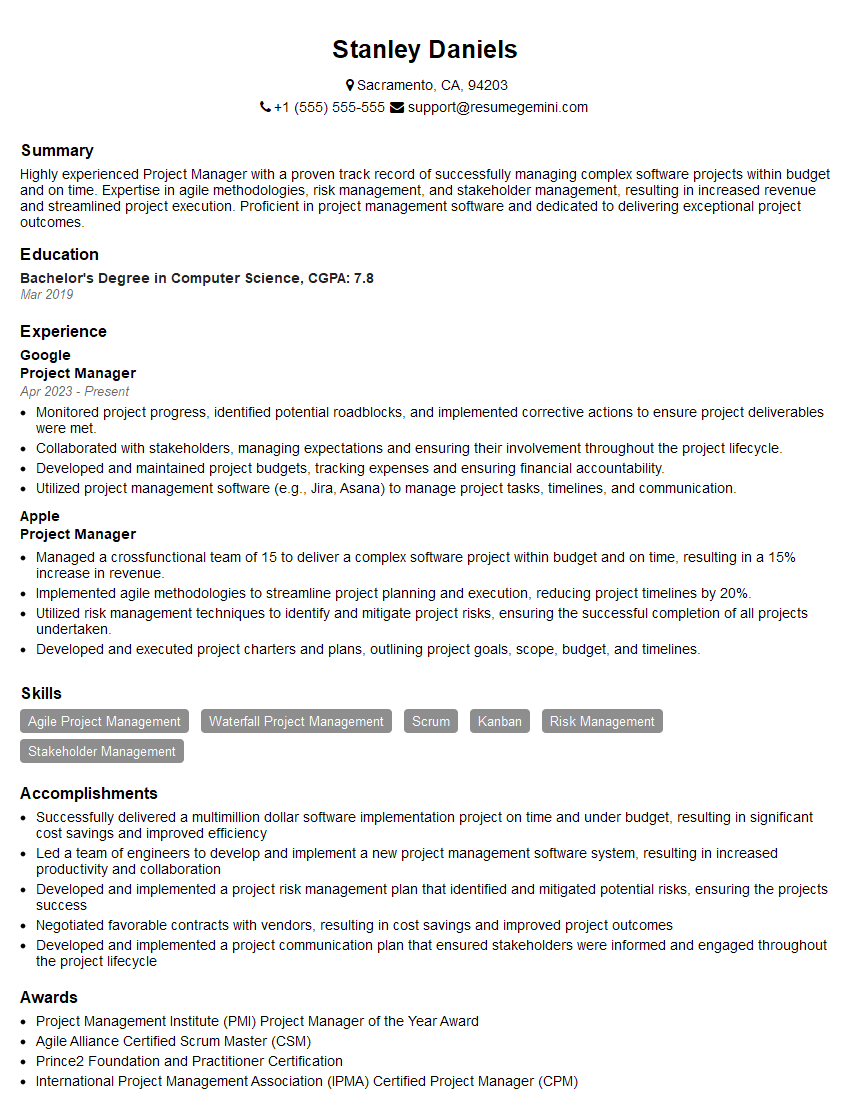
Project Manager Resume Sample
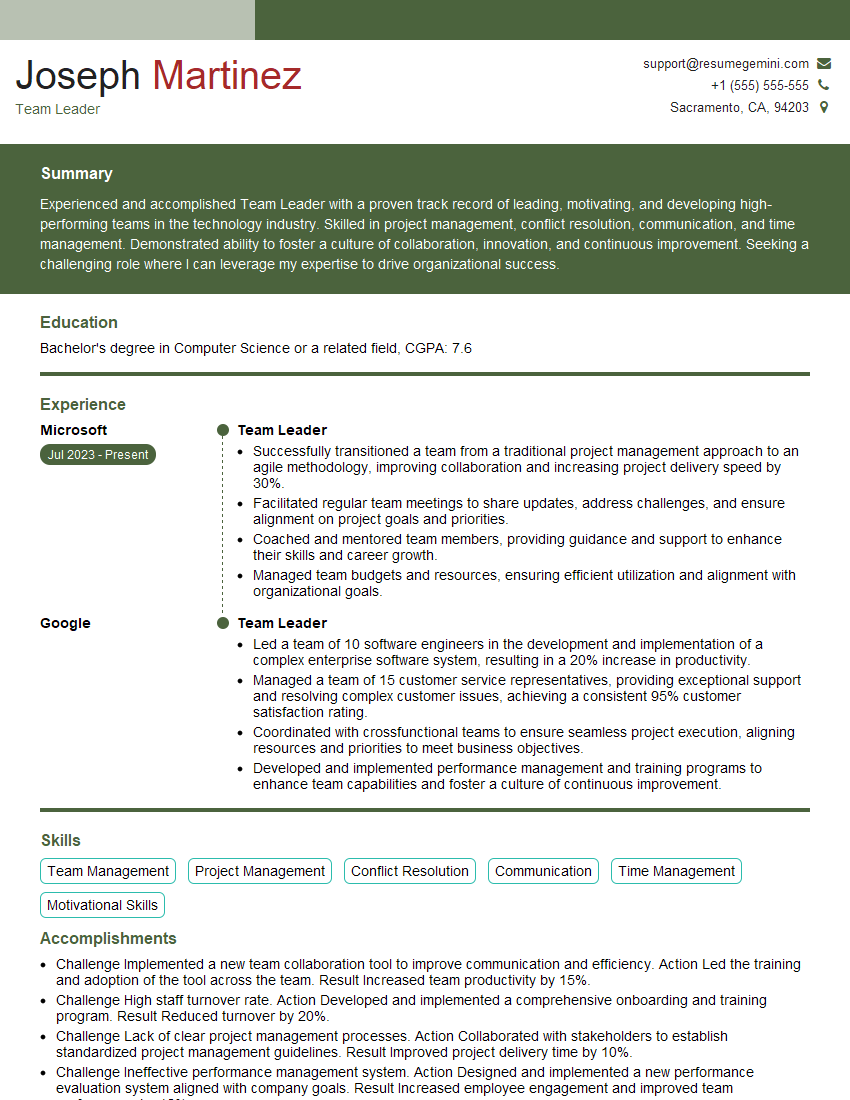
Team Leader Resume Sample

Compliance Officer Resume Sample

Training Specialist Resume Sample
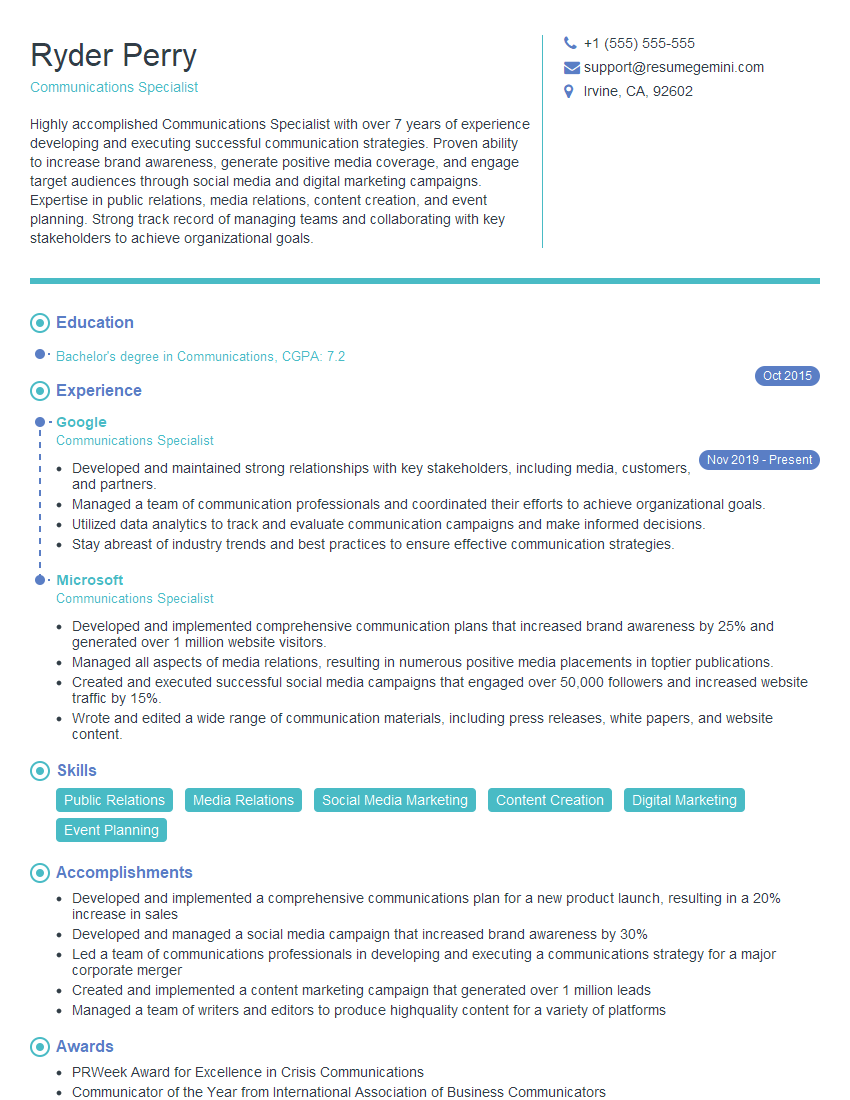
Communications Specialist Resume Sample
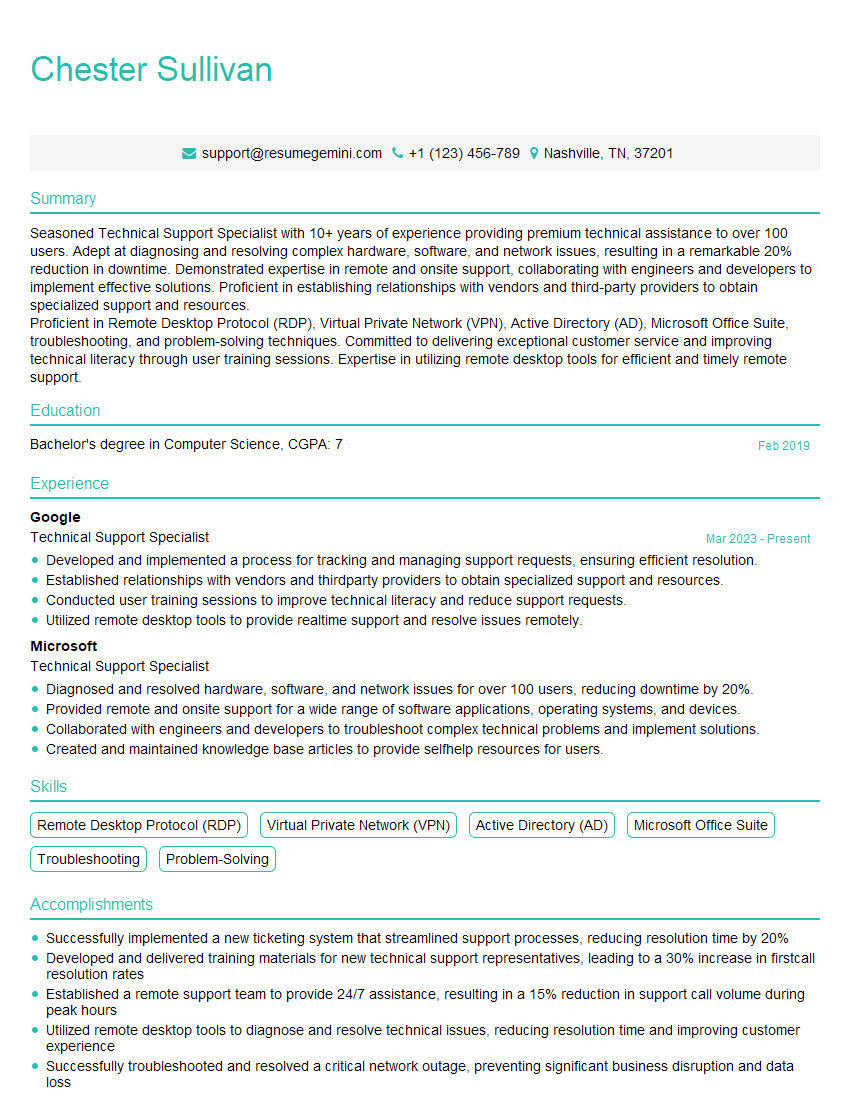
Technical Support Specialist Resume Sample
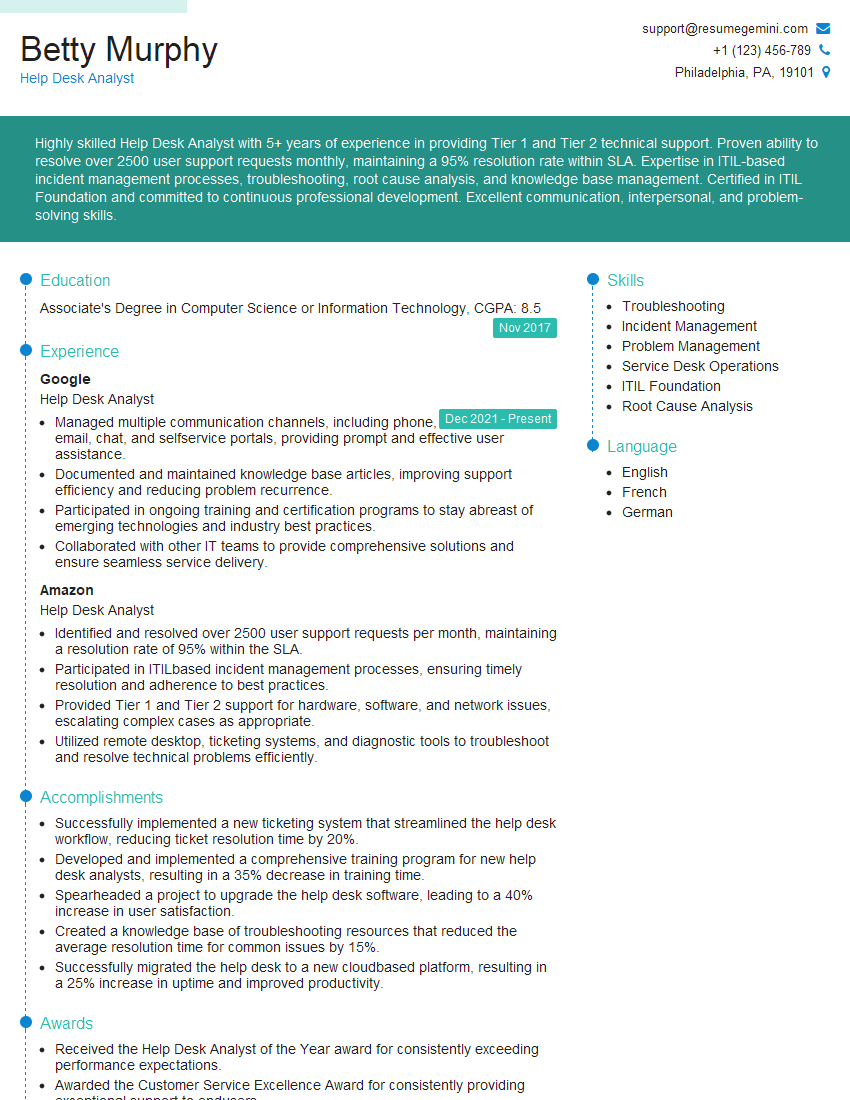
Help Desk Analyst Resume Sample
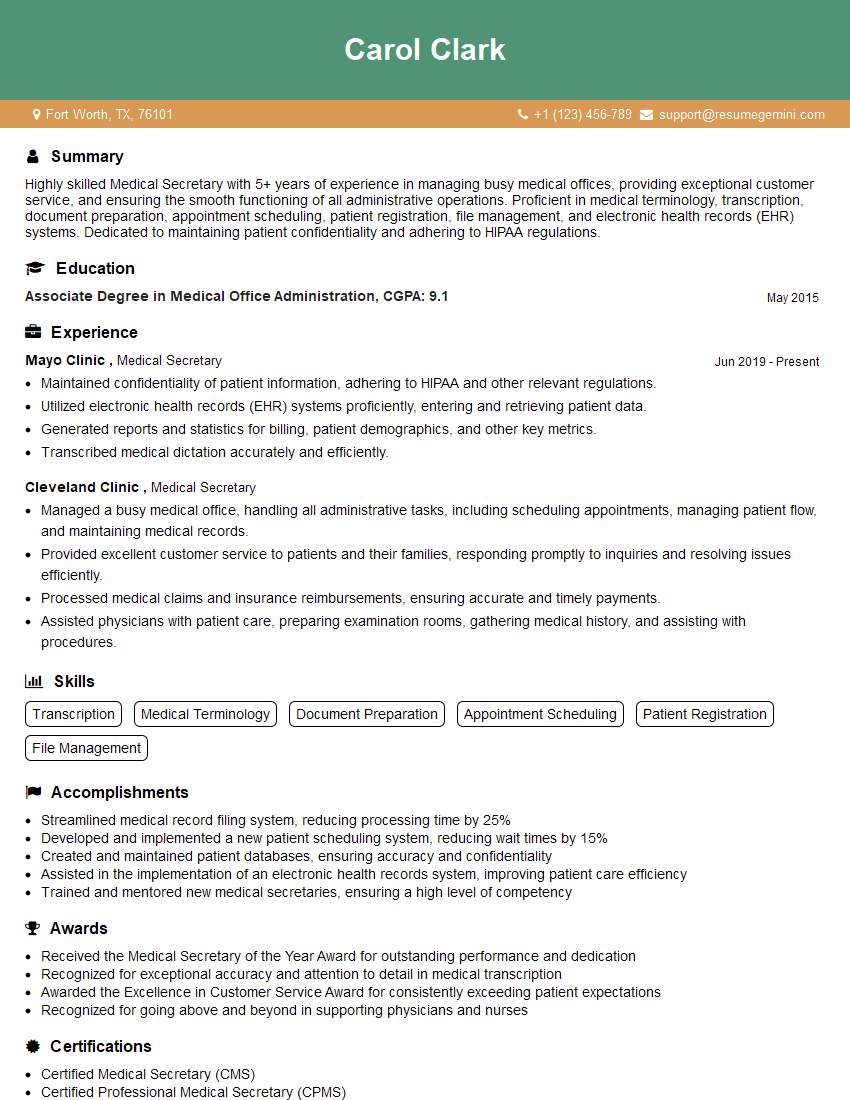
Medical Secretary Resume Sample
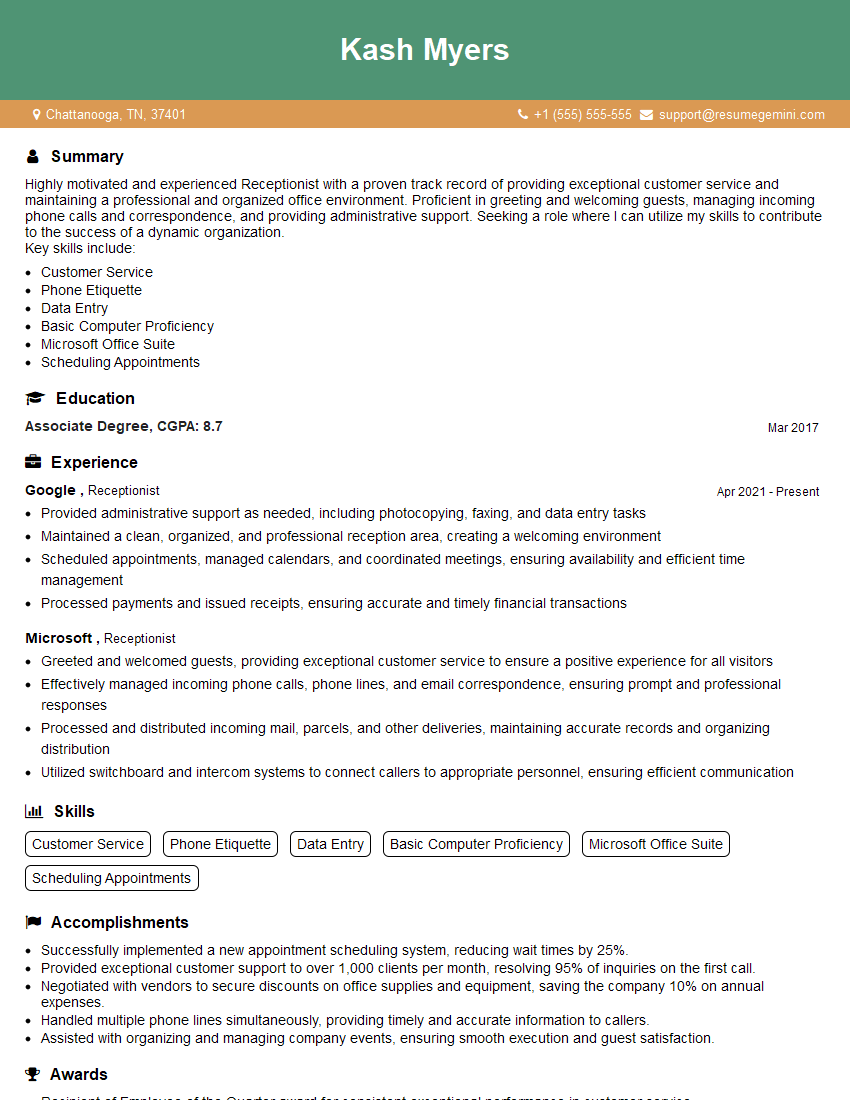
Receptionist Resume Sample
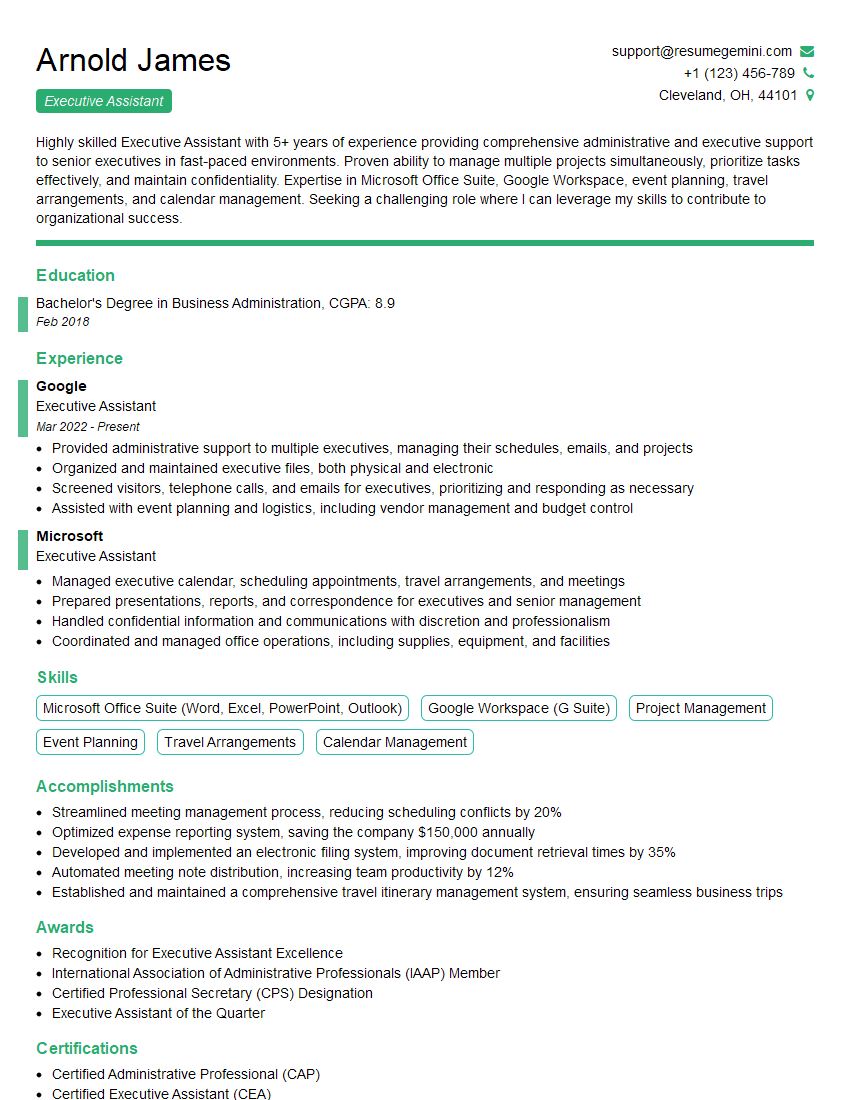
Executive Assistant Resume Sample
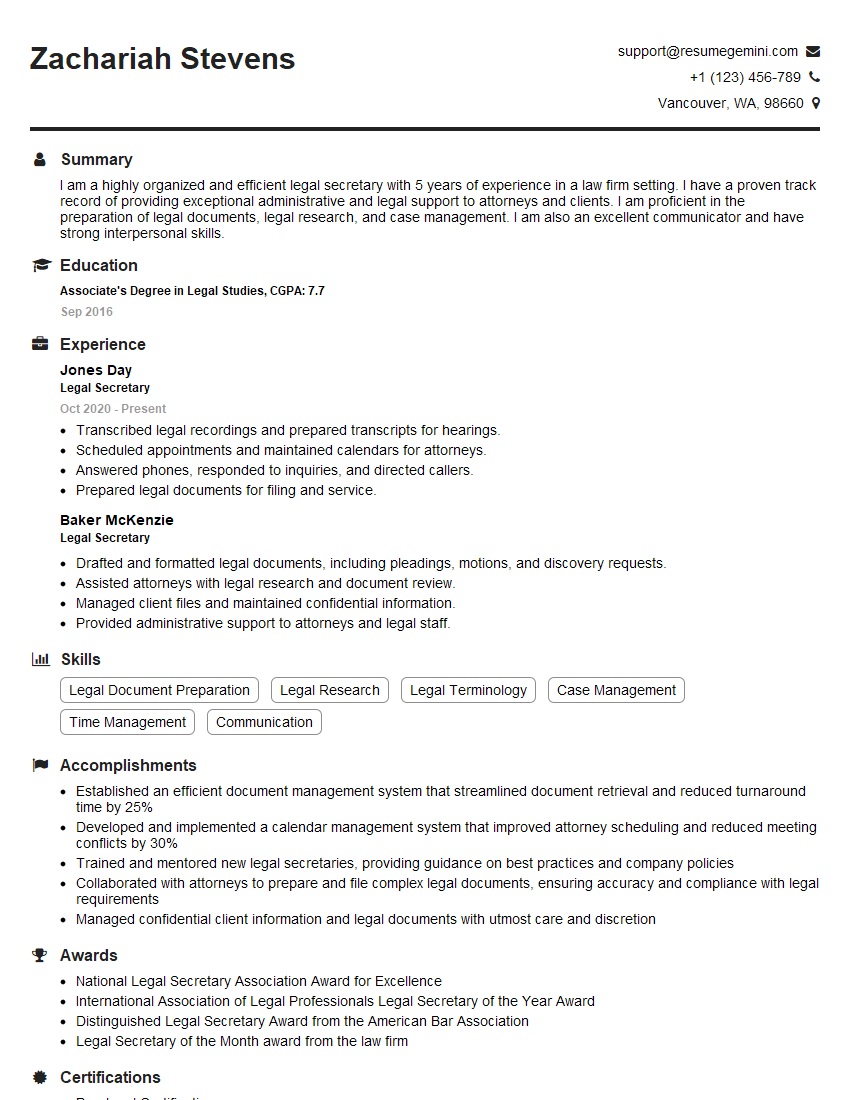
Legal Secretary Resume Sample
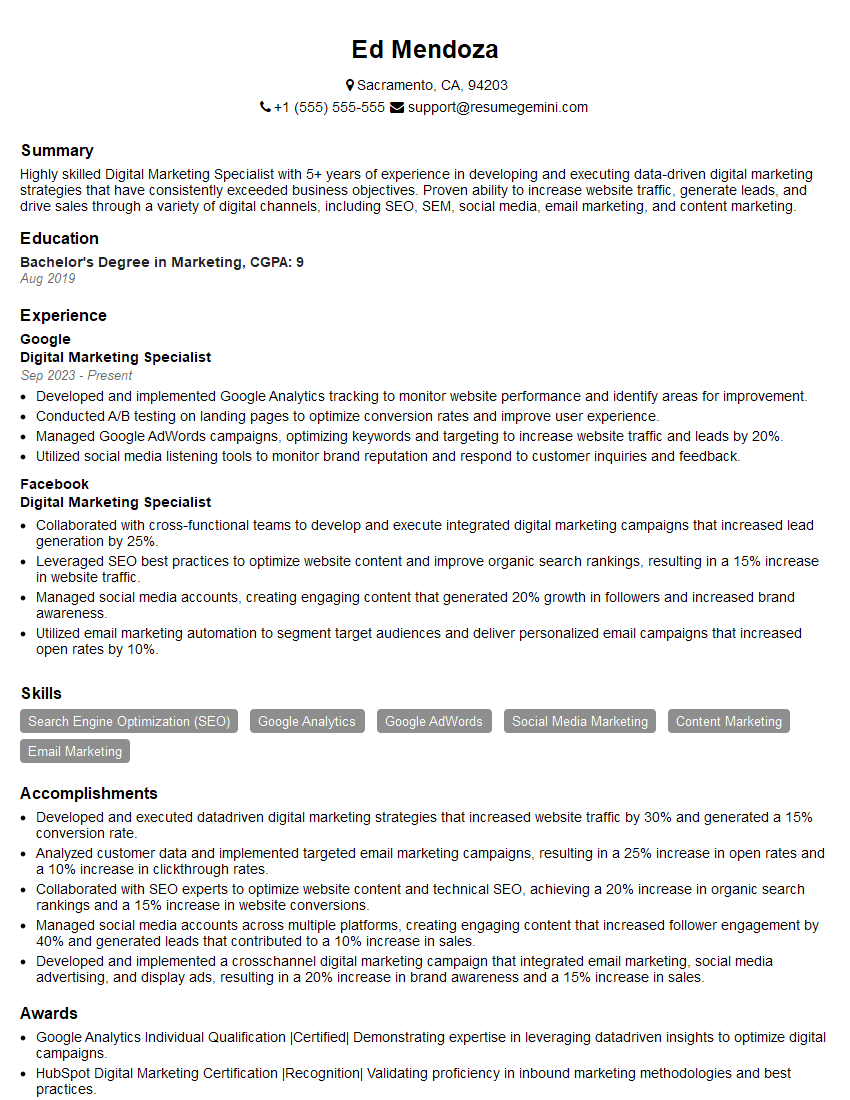
Digital Marketing Specialist Resume Sample
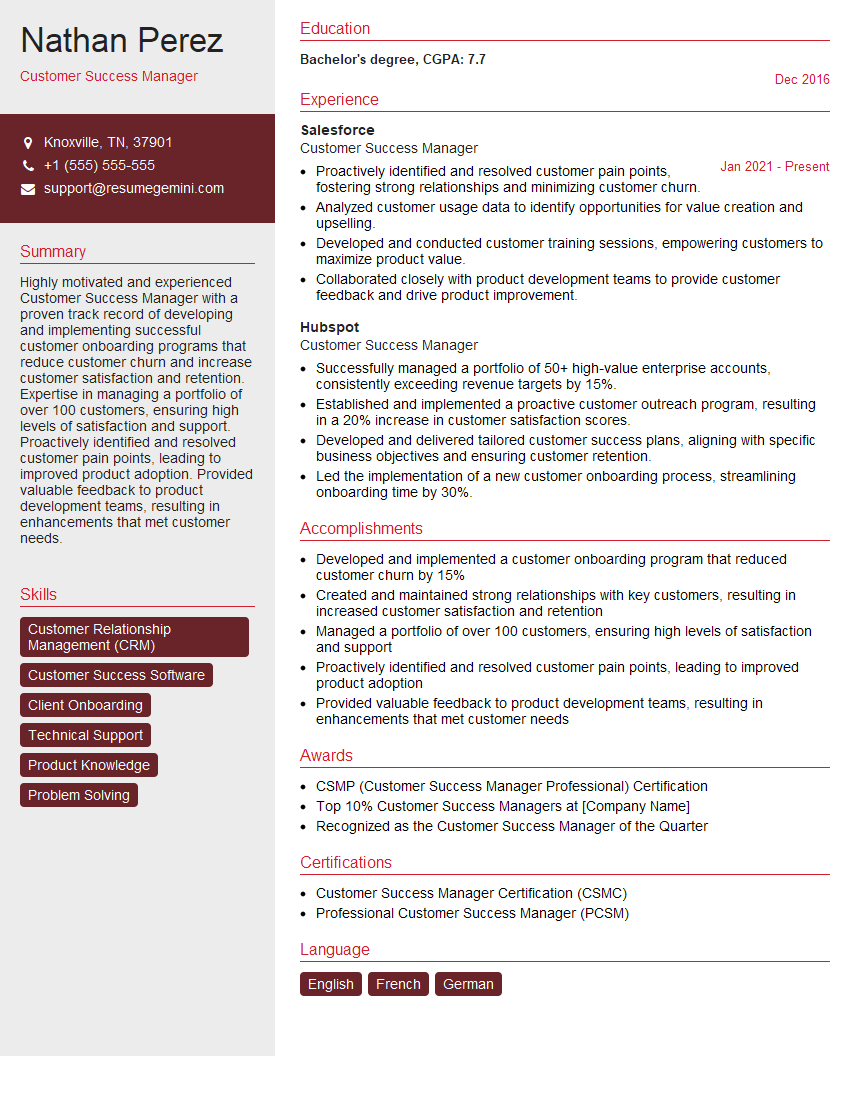
Customer Success Manager Resume Sample
- Office Manager
- Operations Manager
- Account Manager
- Marketing Coordinator
- Sales Representative
- Communications Manager
- Administrative Assistant
- Customer Service Representative
- Project Manager
- Team Leader
- Compliance Officer
- Training Specialist
- Communications Specialist
- Technical Support Specialist
- Help Desk Analyst
- Medical Secretary
- Receptionist
- Executive Assistant
- Legal Secretary
- Digital Marketing Specialist
- Customer Success Manager
Explore more articles
Users Rating of Our Blogs
Share Your Experience
We value your feedback! Please rate our content and share your thoughts (optional).
What Readers Say About Our Blog
Really detailed insights and content, thank you for writing this detailed article.
IT gave me an insight and words to use and be able to think of examples