Interviews are more than just a Q&A session—they’re a chance to prove your worth. This blog dives into essential Member of the American Society for Testing and Materials (ASTM) interview questions and expert tips to help you align your answers with what hiring managers are looking for. Start preparing to shine!
Questions Asked in Member of the American Society for Testing and Materials (ASTM) Interview
Q 1. Explain the significance of ASTM standards in materials engineering.
ASTM International (formerly known as the American Society for Testing and Materials) develops and publishes voluntary consensus technical standards for a vast array of materials, products, systems, and services. In materials engineering, these standards are crucial because they provide a common language and framework for defining material properties, testing procedures, and performance requirements. This ensures consistency and comparability across different manufacturers, industries, and geographical locations. Think of them as the ‘recipe book’ for ensuring quality and safety.
For instance, without ASTM standards, a steel beam produced in one country might not meet the specifications required in another, leading to potential safety hazards. ASTM standards eliminate this ambiguity by providing detailed specifications for chemical composition, mechanical properties (like tensile strength and yield strength), and manufacturing processes.
- Consistency: ASTM standards ensure that materials are tested and evaluated using the same methods, regardless of location.
- Comparability: This standardized approach allows engineers to compare the properties of materials from different sources.
- Quality Control: ASTM standards are essential for quality control, ensuring that materials meet the specified requirements.
- Safety: ASTM standards play a critical role in ensuring the safety of materials used in various applications.
Q 2. Describe your experience with ASTM test methods for tensile strength.
I have extensive experience with ASTM test methods for tensile strength, specifically ASTM E8, Standard Test Methods for Tension Testing of Metallic Materials. This standard outlines the procedures for determining the tensile properties of metals, such as ultimate tensile strength, yield strength, elongation, and reduction in area. I’ve personally overseen countless tensile tests on various metallic alloys, including steels, aluminum alloys, and titanium alloys. This involved preparing the specimens according to the standard’s specifications, operating the universal testing machine, and carefully recording and analyzing the resulting data.
In one particular project, we needed to verify the tensile strength of a new steel alloy developed for a high-performance automotive component. Following ASTM E8 meticulously was critical to ensure the accuracy and reliability of the results, which were then used to validate the alloy’s suitability for the intended application. We carefully calibrated the equipment and followed the prescribed procedures for specimen preparation to minimize any errors. Deviation from the standard could have compromised the integrity of the component and potentially led to safety issues.
Q 3. How familiar are you with ASTM standards for concrete testing?
My familiarity with ASTM standards for concrete testing is very high. I’m well-versed in a range of standards, including those covering compressive strength (ASTM C39), flexural strength (ASTM C78), slump (ASTM C143), and air content (ASTM C231). These standards are fundamental to ensuring the quality and durability of concrete structures. I’ve worked on projects involving both ready-mix and in-situ concrete, and understanding these standards is paramount for accurate quality control and assessment.
For example, when working on a large-scale construction project, we meticulously followed ASTM C39 to determine the compressive strength of the concrete at various stages of curing. This allowed us to monitor the concrete’s strength development and ensure it met the design requirements. Any deviation from the standard’s prescribed methods could lead to incorrect strength estimates, potentially jeopardizing the structural integrity of the building.
Q 4. What is your experience with ASTM standards related to plastics?
My experience with ASTM standards related to plastics is extensive. I’ve worked extensively with standards such as ASTM D638 (Tensile Properties of Plastics), ASTM D790 (Flexural Properties of Plastics), and ASTM D256 (Impact Resistance of Plastics). These standards are crucial for evaluating the mechanical properties of various plastics used in diverse applications.
One particular project involved evaluating the impact resistance of a new type of polycarbonate for use in safety helmets. Using ASTM D256, we conducted impact tests to determine the material’s ability to withstand high-energy impacts. Adherence to the standard’s specifications for specimen preparation, testing conditions, and data analysis was critical to ensuring the accuracy and reliability of our findings, which directly impacted the safety and performance of the helmets.
Q 5. Explain the process of selecting the appropriate ASTM standard for a specific material.
Selecting the appropriate ASTM standard requires a systematic approach. First, you must identify the material’s type (e.g., metal, plastic, concrete). Then, determine the specific property you need to evaluate (e.g., tensile strength, impact resistance, hardness). Finally, you consult the ASTM index or website, using keywords related to the material and property to locate the relevant standard. Cross-referencing the scope of each potential standard is vital to ensure it aligns precisely with your needs.
For example, if you need to determine the tensile strength of a particular steel alloy, you would search for standards related to ‘steel’ and ‘tensile strength.’ This would likely lead you to ASTM E8. Always verify that the standard covers the specific type of steel and the testing conditions relevant to your application.
Q 6. How do you ensure the accuracy and reliability of test results using ASTM methods?
Ensuring accuracy and reliability of test results using ASTM methods requires a multi-faceted approach. First, meticulous attention to detail in following the standard’s procedures is crucial. This includes proper specimen preparation, calibration of testing equipment, maintaining controlled environmental conditions (temperature, humidity), and accurate data recording. Regular calibration and maintenance of the equipment are also essential.
Moreover, proper statistical analysis of the data is necessary to assess the variability and reliability of the results. This often involves calculating mean values, standard deviations, and confidence intervals. A robust quality control program, which includes regular audits and internal checks, is also critical for maintaining high accuracy and reliability.
Q 7. Describe your experience in interpreting ASTM test reports.
Interpreting ASTM test reports requires a strong understanding of the relevant standards and statistical analysis. The report should clearly state the test method used (e.g., ASTM E8, ASTM C39), the specimen details, the testing conditions, and the results obtained. I am proficient in analyzing data presented in these reports and drawing meaningful conclusions. For example, I can assess whether the material meets specified requirements, identify any outliers or anomalies, and make recommendations based on the findings.
Critically evaluating the test data for any inconsistencies or potential sources of error is crucial. Understanding the limitations of the test methods is also important to avoid misinterpretations. My experience extends to presenting the findings in clear and concise reports for both technical and non-technical audiences.
Q 8. What are the common challenges in implementing ASTM standards in a real-world setting?
Implementing ASTM standards in real-world settings often presents challenges. One common issue is the cost and time involved in acquiring necessary equipment, training personnel, and performing the tests meticulously. Another significant hurdle is ensuring consistent compliance across different teams or locations. Variations in interpretation of the standards, lack of proper training, or inconsistent equipment calibration can lead to discrepancies in results. Additionally, some ASTM standards might not perfectly align with the specific needs of a particular project or industry, requiring careful consideration of adaptations and potential limitations. Finally, keeping up-to-date with revisions and new standards can be challenging, demanding continuous investment in training and documentation updates.
- Example: Imagine a construction company using ASTM C39 for concrete compressive strength testing. Ensuring that all testing sites use calibrated equipment and follow the exact procedure outlined in the standard to achieve consistent results across multiple projects is a major undertaking.
- Example: A manufacturer might find that a specific ASTM standard for material flammability is too stringent for their product, requiring careful analysis and possible justification for alternative testing methods.
Q 9. How would you handle discrepancies between test results and ASTM specifications?
Discrepancies between test results and ASTM specifications require a systematic investigation. First, we need to verify the validity of the test itself. This involves checking equipment calibration, confirming adherence to the standard’s procedures, and assessing the competence of the personnel involved. If a systematic error is detected in the testing methodology, corrective actions must be implemented, including retraining or equipment recalibration. If the testing is validated and the discrepancy still persists, the next step is to analyze the material’s characteristics and their potential causes for the deviation. This might involve additional tests or investigations to understand if the material itself does not meet the specifications, or if there are external factors impacting performance. Finally, documentation of the entire process, including the discrepancy, the investigation, and corrective actions, is crucial for quality control and traceability.
Example: If concrete compressive strength is below the ASTM C39 specification, we would first verify the calibration of the testing machine, the proper curing of the concrete specimens, and the accuracy of the testing procedure. Then, we might investigate the concrete mix design, the quality of the raw materials, or even the environmental conditions during curing to determine the root cause.
Q 10. How familiar are you with ASTM’s quality control guidelines?
I am very familiar with ASTM’s quality control guidelines. My understanding encompasses both the general principles outlined in standards like E456 (Standard Practices for Interlaboratory Testing of Construction Materials) and the specific quality control requirements embedded within individual material standards. These guidelines emphasize traceability, calibration of equipment, and competence of personnel. I understand the importance of statistical process control, control charts, and the establishment of clear acceptance criteria for materials or products based on the specific ASTM standard being implemented. Furthermore, I am adept at interpreting and applying quality control protocols related to sampling, testing, and documentation to ensure data integrity and reliability.
Example: When using ASTM D2240 (Standard Test Method for Rubber Property—Durometer Hardness), I would be mindful of the guidelines pertaining to sample preparation, measurement procedures, and the use of calibrated durometers to ensure the results are reliable and comparable to other tests.
Q 11. Describe your experience in using ASTM standards for material characterization.
I have extensive experience using ASTM standards for material characterization across various industries. For example, I’ve utilized ASTM D638 (Standard Test Method for Tensile Properties of Plastics) to characterize the mechanical properties of polymers. In another project, I employed ASTM E8 (Standard Test Methods for Tension Testing of Metallic Materials) to determine the yield strength and ultimate tensile strength of various metals. I also have experience with ASTM C136 (Standard Test Method for Sieve Analysis of Fine and Coarse Aggregates) for characterizing the particle size distribution of aggregates used in concrete. In each instance, I meticulously followed the stipulated procedures, ensured proper equipment calibration, and carefully documented the results. My experience extends to interpreting the results within the context of the relevant specification limits and ensuring the material meets the requirements of the project.
Q 12. How do ASTM standards contribute to product safety and quality?
ASTM standards significantly contribute to product safety and quality by establishing consistent and reliable testing methods. This leads to uniform quality across different manufacturers and suppliers, reducing the risk of defective or unsafe products reaching consumers. The standards also promote transparency and accountability. By using standardized procedures, manufacturers can demonstrate that their products meet pre-defined safety and performance criteria. This transparency helps build consumer confidence and fosters fair competition within the market. Finally, the use of ASTM standards helps to avoid costly product recalls and litigation associated with failures due to poor quality or safety concerns. Using ASTM standards enables manufacturers to design safer and higher-quality products that meet specific performance characteristics and regulatory requirements.
Q 13. What is your understanding of ASTM’s role in international standardization?
ASTM plays a vital role in international standardization through collaboration and alignment with international organizations such as ISO (International Organization for Standardization). While ASTM primarily focuses on standards for the United States, many ASTM standards are adopted internationally or serve as the basis for similar international standards. This harmonization of standards facilitates global trade and reduces the need for multiple, potentially conflicting, standards for similar products or materials. ASTM participates in international forums and collaborates with experts from other countries to ensure consistency and compatibility between standards. This fosters a global understanding of quality and safety requirements.
Q 14. How would you address a situation where an ASTM standard is lacking or ambiguous?
If an ASTM standard is lacking or ambiguous, addressing the situation involves several steps. First, a thorough review of the standard itself, including any notes, footnotes, or supplementary information, is essential to fully understand its intended scope and limitations. If ambiguity still exists, consulting with other experts or contacting ASTM International directly to seek clarification is a crucial step. Another option is to refer to related standards or industry best practices to see if they offer further guidance. In cases where the lack of clarity impacts critical decision-making, it might be necessary to conduct additional testing or research to gather the necessary data for informed decisions. Moreover, documenting the ambiguity and the steps taken to resolve it is paramount for transparent and accountable decision-making. If the lack of clarity is significant and impacts a broader industry, initiating a formal process to propose revisions or updates to the standard through ASTM’s established channels would be appropriate.
Q 15. Explain your experience with ASTM’s terminology and nomenclature.
My experience with ASTM’s terminology and nomenclature is extensive. I’ve worked extensively with ASTM standards for over 10 years, focusing on materials science and engineering. Understanding ASTM’s terminology is crucial for clear communication and unambiguous test results. For instance, the precise definitions of terms like ‘yield strength,’ ‘tensile strength,’ and ‘elongation’ are vital to avoid misinterpretations in material specifications and testing reports. I’m familiar with the nuances of terminology across various ASTM committees, including those focused on metals, polymers, and construction materials. I regularly consult the ASTM terminology standards themselves and leverage the ASTM Compass database to ensure I’m using the most current and accurate language.
For example, I recently worked on a project involving the testing of high-strength steel. The standard specified a particular method for determining the yield strength, and it was vital to understand the ASTM-defined terminology around ‘0.2% offset yield strength’ to ensure accurate measurement and reporting of the data. Misunderstanding this terminology could lead to significant errors in material selection and project design.
Career Expert Tips:
- Ace those interviews! Prepare effectively by reviewing the Top 50 Most Common Interview Questions on ResumeGemini.
- Navigate your job search with confidence! Explore a wide range of Career Tips on ResumeGemini. Learn about common challenges and recommendations to overcome them.
- Craft the perfect resume! Master the Art of Resume Writing with ResumeGemini’s guide. Showcase your unique qualifications and achievements effectively.
- Don’t miss out on holiday savings! Build your dream resume with ResumeGemini’s ATS optimized templates.
Q 16. Describe your experience with different types of ASTM testing equipment.
My experience encompasses a wide range of ASTM testing equipment. I’ve operated and maintained equipment used for mechanical testing (tensile, compression, flexure, impact), thermal analysis (TGA, DSC), and chemical analysis (spectroscopy). This includes universal testing machines from various manufacturers, calibrated to ASTM standards. I’m also proficient with equipment used in non-destructive testing (NDT), such as ultrasonic flaw detectors and penetrant inspection systems. Experience with specific equipment like Instron testing machines, TA Instruments thermal analyzers, and specific spectrometers is a valuable asset.
In a past project, we used a specific model of universal testing machine to test the tensile properties of a new polymer composite. Understanding the machine’s capabilities, limitations, and appropriate ASTM methods was crucial for obtaining reliable and reproducible results. The proper selection of grips and extensometers, for example, is critical for accurate data acquisition.
Q 17. How do you ensure the proper calibration and maintenance of testing equipment according to ASTM guidelines?
Ensuring proper calibration and maintenance of testing equipment is paramount for the accuracy and validity of ASTM testing. We follow a rigorous schedule based on manufacturer recommendations and ASTM guidelines, which usually involve regular calibration checks using traceable standards. This includes documenting all calibration procedures and results. We use accredited calibration laboratories whenever needed to ensure traceability to national standards. Regular preventative maintenance, including cleaning and lubrication of equipment, is also crucial. We maintain detailed logs of maintenance activities, including the date, type of maintenance, and technician involved.
For example, with our universal testing machine, we perform a calibration check every six months, using certified load cells and extensometers. If deviations are detected beyond the acceptable tolerance limits, the equipment is recalibrated or repaired before being returned to service. This meticulous attention to detail is fundamental to complying with the standards’ requirements and generating trustworthy test results.
Q 18. How familiar are you with statistical analysis methods used in ASTM testing?
I am highly familiar with statistical analysis methods used in ASTM testing. This includes descriptive statistics (mean, standard deviation, range), hypothesis testing (t-tests, ANOVA), and regression analysis. I’m proficient in using statistical software packages such as Minitab and JMP to analyze test data and determine the statistical significance of results. Understanding statistical concepts such as confidence intervals, error analysis, and outlier detection is crucial for proper interpretation of test results. We often use these methods to assess the variability in material properties and determine if the observed differences are statistically significant.
In a recent project, we used ANOVA to compare the tensile strengths of three different types of steel. The analysis allowed us to determine whether the differences in average tensile strength between the steel types were statistically significant. This is a typical example of how statistical analysis helps validate testing conclusions.
Q 19. What is your experience with ASTM’s guidelines on data reporting and analysis?
My experience with ASTM’s guidelines on data reporting and analysis is extensive. I understand the importance of clear, concise, and unambiguous reporting to avoid misinterpretations. This includes proper identification of the test method used (e.g., ASTM E8 for tensile testing), detailed description of the test specimen, and presentation of the results, including all relevant statistics (mean, standard deviation, etc.). I also know how to properly report uncertainties associated with the measurements. I ensure all reports include traceability to the relevant ASTM standards and are compliant with any specific reporting requirements.
For example, we recently prepared a report on the compressive strength of concrete. The report meticulously followed ASTM C39, including details on the specimen preparation, testing procedure, and data analysis. This ensures that the report meets all relevant standards and provides unambiguous information.
Q 20. How would you ensure compliance with relevant ASTM standards in your work?
Ensuring compliance with relevant ASTM standards in my work involves a multi-step process. First, I identify the appropriate ASTM standards applicable to the project. Then, I carefully review these standards to understand the requirements for specimen preparation, testing procedures, and data analysis. Throughout the testing process, I meticulously document all steps, ensuring they align with the standards. This includes maintaining accurate records of calibration data, test conditions, and results. Finally, the results are reported according to the specified guidelines in the relevant ASTM standards.
In one instance, we were testing the flammability of a new polymer. We carefully followed the procedures outlined in the ASTM D635 standard to ensure the accuracy and reliability of the results and the compliance of our report.
Q 21. Describe your experience with the development or revision of ASTM standards.
While I haven’t directly participated in the development or revision of ASTM standards, I have actively contributed to the materials science and engineering community through publications and presentations. My work often involves applying ASTM standards and highlighting areas where improvements or clarifications may be beneficial. I regularly review draft standards when they’re made available and participate in discussions regarding updates and revisions. This participation strengthens the rigor and reliability of ASTM’s standards, reflecting the needs of the industry.
For example, I’ve identified instances where current ASTM standards could benefit from updated methodologies or clearer explanations, suggestions I’ve communicated to relevant committees through appropriate channels. This indirect involvement reflects a commitment to improving the standards for the benefit of the broader materials testing community.
Q 22. How familiar are you with ASTM’s procedures for handling nonconformances?
ASTM doesn’t have a single, universally applicable procedure for handling nonconformances. The approach depends heavily on the specific standard being used and the nature of the nonconformances themselves. However, a common thread is a focus on documented investigation, corrective action, and preventive action. Think of it like a detective investigating a crime scene – you must meticulously gather evidence, identify the root cause, and implement solutions to prevent recurrence.
Generally, the process involves:
- Identification: Clearly documenting the nonconformances, including date, time, location, and specific details. This might include photographs or detailed descriptions.
- Investigation: Determining the root cause of the nonconformances. This often involves analyzing data, interviewing personnel, and reviewing processes.
- Corrective Action: Implementing immediate actions to address the specific nonconformances, ensuring they don’t continue to affect the product or process.
- Preventive Action: Identifying and implementing actions to prevent similar nonconformances from occurring in the future. This might involve process improvements, staff training, or equipment upgrades.
- Documentation: Maintaining thorough records of the entire process, from initial identification to final resolution. This documentation is crucial for audits and continuous improvement.
For example, if a tensile strength test on a steel sample fails to meet the requirements specified in ASTM A370, a thorough investigation might reveal a flaw in the manufacturing process, such as improper heat treatment. The corrective action might involve re-treating the affected samples, while preventive action could entail calibrating the heat treatment equipment and improving operator training.
Q 23. Explain your experience with the use of ASTM standards in the manufacturing process.
I’ve extensively used ASTM standards throughout my career in manufacturing, primarily in quality control and material testing. My experience spans various industries, including aerospace and automotive. We utilize ASTM standards to define material specifications, testing methods, and acceptance criteria, ensuring product quality and safety. For example, in aerospace manufacturing, we use ASTM standards like ASTM B209 for aluminum alloys to ensure that the materials meet stringent strength and fatigue requirements, vital for flight safety. In the automotive industry, ASTM D638 is a cornerstone standard for determining the tensile properties of plastics, critical in ensuring the durability of interior components.
Using ASTM standards brings several benefits:
- Standardization: Ensures consistency and comparability of results across different manufacturers and testing facilities.
- Quality Assurance: Provides a framework for controlling and monitoring product quality, reducing defects and improving reliability.
- Regulatory Compliance: Many industries rely on ASTM standards as a basis for regulatory compliance.
- Improved Communication: Provides a common language for discussing material properties and test results.
Q 24. How do you ensure that testing procedures adhere to relevant ASTM standards?
Ensuring testing procedures adhere to relevant ASTM standards requires a multi-faceted approach. It’s not just about following the instructions; it’s about understanding the underlying principles and maintaining a rigorous process.
- Standard Selection: Begin by identifying the appropriate ASTM standard(s) for the material and property being tested. Incorrect standard selection leads to invalid results.
- Procedure Validation: We validate our testing procedures through rigorous checks, including calibration of equipment against traceable standards, participation in proficiency testing programs, and internal audits.
- Equipment Calibration and Maintenance: All testing equipment must be properly calibrated and maintained according to manufacturers’ instructions and relevant ASTM standards. Calibration certificates and maintenance logs are essential.
- Personnel Training: Training personnel on proper testing techniques and interpretation of results is crucial. Well-trained personnel minimize errors and ensure data accuracy.
- Regular Audits: Conducting regular internal audits and external quality audits helps to maintain compliance with ASTM standards and identify areas for improvement.
Imagine a scenario where we are testing the hardness of a metal part. To ensure adherence to ASTM E18, we would check that the equipment is correctly calibrated using traceable standards, that the operator has received proper training, and that all steps in the procedure are strictly followed, documenting every detail of the process.
Q 25. What is your understanding of the different types of ASTM committees?
ASTM committees are the backbone of the organization, responsible for developing and maintaining the standards. They are organized by subject matter, each focusing on a specific area of materials, products, systems, and services. The committee structure allows for expertise and collaboration amongst industry professionals. For example, Committee E01 on Analytical Chemistry focuses on techniques and procedures while Committee D20 on Plastics is solely dedicated to various aspects of plastics and polymers.
These committees can be further subdivided into subcommittees and task groups, creating a hierarchical structure that facilitates efficient development and revision of standards. There are several broad categories of committees, including:
- Material-Specific Committees: These committees focus on specific materials, such as metals, plastics, concrete, textiles, etc.
- Test Method Committees: These committees develop and maintain standards for specific testing methods, irrespective of the material.
- Terminology Committees: Committees that standardize terminology and definitions used within specific fields.
- General Test Methods Committees: These committees address fundamental aspects of testing, such as measurement uncertainty.
The diversity of these committees ensures that ASTM standards cover a broad range of applications, from aerospace engineering to environmental science.
Q 26. Describe your experience with ASTM’s online resources and databases.
ASTM’s online resources and databases are indispensable tools for accessing and managing standards. I regularly utilize the ASTM Compass digital library to search for, download, and stay updated on standards relevant to my work. The database’s search functionality allows me to quickly find the standards based on keywords, material types, and other criteria. Additionally, features such as advanced search and filtering are invaluable for efficiently locating specific information.
Beyond the standard search and retrieval functions, the online platform offers helpful features such as:
- Access to Committee Information: Provides insight into the ongoing work of various ASTM committees, allowing researchers and professionals to track and influence the development of new and revised standards.
- Updates and Revisions: I rely heavily on the online platform’s notification system to stay abreast of newly published standards and revisions to existing ones.
- Version Control: Ensures that I am working with the most up-to-date versions of standards.
The ASTM website is a hub of information and facilitates efficient collaboration between professionals in the materials and standards community. Using the website efficiently saves a tremendous amount of time compared to the traditional reliance on physical copies of standards.
Q 27. How would you stay updated on the latest ASTM standards and revisions?
Staying updated on the latest ASTM standards and revisions is crucial for maintaining compliance and ensuring the accuracy and relevance of our testing procedures. My strategy involves a multi-pronged approach:
- ASTM Compass Subscriptions: Maintaining a subscription to ASTM Compass ensures access to the latest versions of standards and notifications of updates.
- ASTM’s Online Alerts: I utilize the online alert system to receive notifications regarding updates and new publications related to specific committees or standards of interest.
- Professional Networks and Conferences: Attending industry conferences and engaging with colleagues provides valuable insights into recent developments and emerging trends in standardization.
- Review of Industry Publications: Regularly reviewing relevant industry journals and publications that cover standards development and updates.
- Internal Training and Communication: Sharing new standard information and updates with colleagues ensures company-wide adherence.
Staying updated isn’t just a passive activity; it’s an ongoing process that requires dedication to ensure we are always using the most accurate and current information.
Q 28. How do you ensure the traceability of test results according to ASTM guidelines?
Traceability of test results, according to ASTM guidelines, is paramount for ensuring the validity and reliability of data. It means being able to demonstrate the chain of custody for each test result, from sample acquisition to final reporting. This traceability is achieved through a robust documentation system that establishes an unbroken chain of evidence.
Key aspects of ensuring traceability include:
- Unique Sample Identification: Each sample must be uniquely identified and tracked throughout the testing process, using clear and unambiguous labeling systems.
- Equipment Calibration: Maintain detailed records of equipment calibration, including dates, methods, and calibration certificates. These certificates establish the traceability of the measurement equipment to national or international standards.
- Standard Operating Procedures (SOPs): Detailed SOPs must be followed for each test method, documenting every step of the procedure. Any deviations must be clearly recorded and justified.
- Chain of Custody Documentation: A detailed record of the sample’s handling and movement from collection to final disposition is crucial for maintaining the chain of custody. This ensures the integrity of the sample is maintained.
- Data Management: Properly managed electronic or paper-based data logs are critical. These logs should include all relevant information, including operator’s name, test date, and any observations made during the testing process.
- Certified Reference Materials (CRMs): Employing CRMs allows for verification of accuracy and precision of tests against traceable materials.
Imagine a scenario where a critical component fails. The traceable data allows investigators to pinpoint the root cause, potentially identifying a flaw in the manufacturing process or a problem with a specific batch of material. Without proper traceability, determining the cause of the failure and preventing future incidents becomes significantly more difficult.
Key Topics to Learn for Member of the American Society for Testing and Materials (ASTM) Interview
- ASTM Standards Development Process: Understand the stages involved in creating and revising ASTM standards, including proposal submission, committee participation, and ballot procedures. Consider the roles of various stakeholders.
- Specific ASTM Standards (Relevant to your experience): Deeply familiarize yourself with the ASTM standards directly related to your field of expertise. Be prepared to discuss their practical applications and limitations.
- Material Characterization Techniques: Demonstrate a strong understanding of common testing methods used to characterize materials, including mechanical testing, chemical analysis, and non-destructive evaluation. Be ready to discuss their principles and applications.
- Data Analysis and Interpretation: Practice interpreting data from material testing. Be prepared to discuss statistical analysis, error propagation, and the significance of results within the context of ASTM standards.
- Quality Control and Assurance: Understand the role of ASTM standards in ensuring product quality and safety. Be prepared to discuss quality control procedures and their relationship to material testing and standards compliance.
- Ethical Considerations in Testing: Discuss the importance of ethical conduct in conducting testing and reporting results, particularly in relation to the integrity of ASTM standards and the impact of potential biases.
- Applications of ASTM Standards in various Industries: Be able to connect ASTM standards to real-world applications across different sectors like construction, manufacturing, and healthcare.
Next Steps
Mastering the knowledge of ASTM standards and their practical applications is crucial for career advancement in many technical fields. A strong understanding demonstrates your commitment to quality, safety, and adherence to established best practices. To significantly enhance your job prospects, it’s essential to craft an ATS-friendly resume that effectively highlights your skills and experience. ResumeGemini is a trusted resource that can help you build a professional and impactful resume tailored to the specific requirements of your target roles. Examples of resumes tailored to Member of the American Society for Testing and Materials (ASTM) roles are provided to help you get started.

Laboratory Manager Resume Sample

Quality Assurance Manager Resume Sample

Reliability Engineer Resume Sample

Process Engineer Resume Sample

Research Scientist Resume Sample

Test Engineer Resume Sample

Product Development Engineer Resume Sample

Chemical Engineer Resume Sample

Civil Engineer Resume Sample

Manufacturing Engineer Resume Sample

Metrologist Resume Sample

Quality Control Engineer Resume Sample
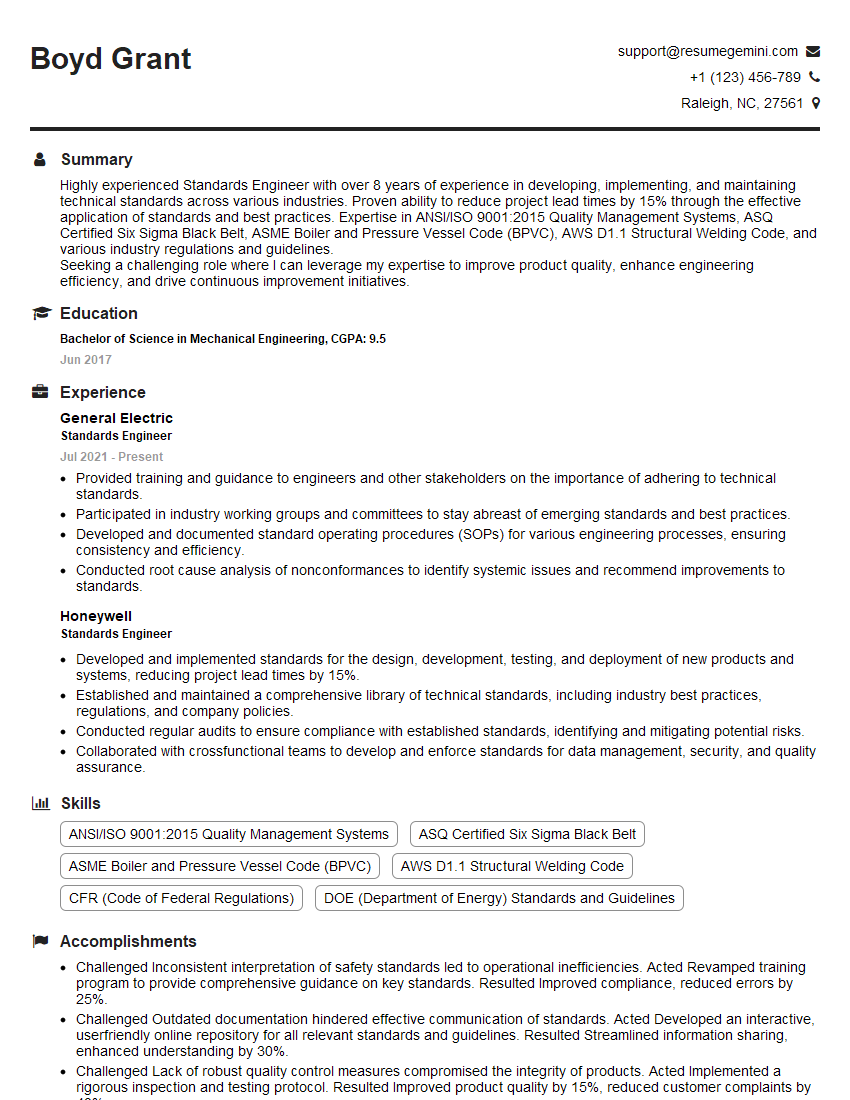
Standards Engineer Resume Sample

Materials Engineer Resume Sample

Metallurgical Engineer Resume Sample
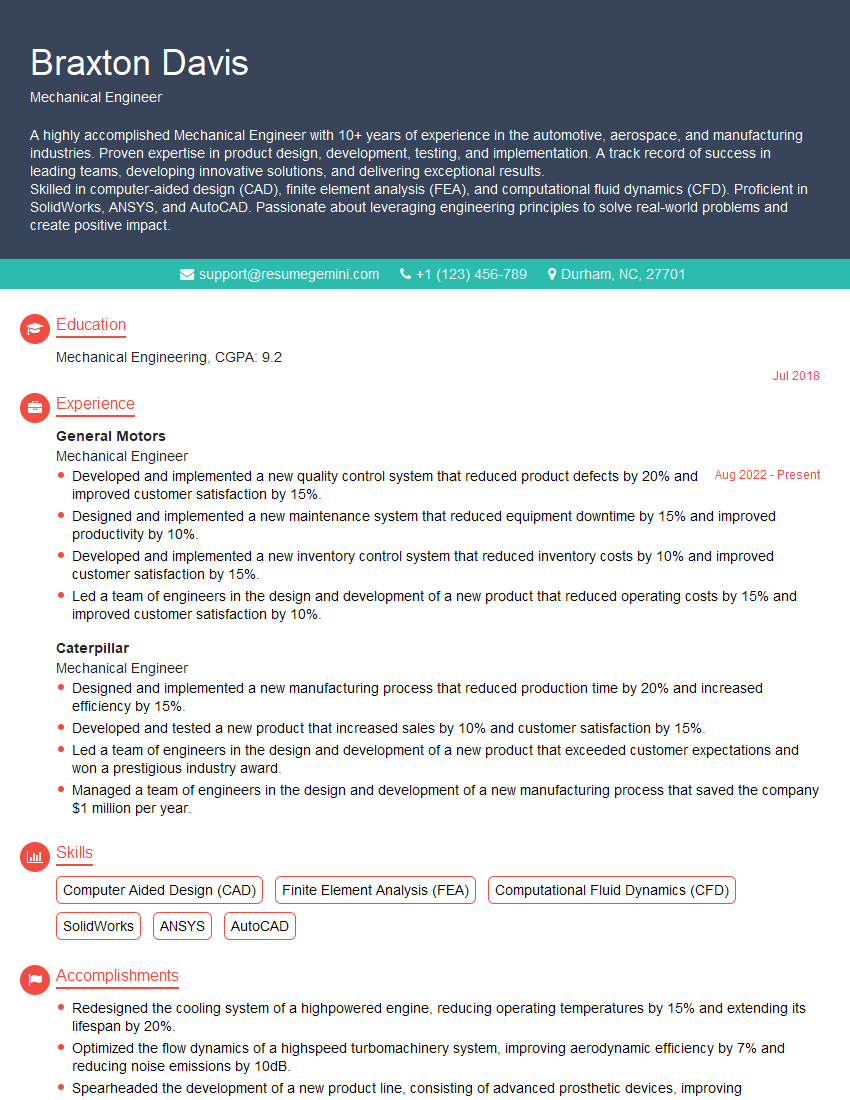
Mechanical Engineer Resume Sample

Calibration Technician Resume Sample

Laboratory Technician Resume Sample

Materials Scientist Resume Sample

Quality Control Inspector Resume Sample
- Laboratory Manager
- Quality Assurance Manager
- Reliability Engineer
- Process Engineer
- Research Scientist
- Test Engineer
- Product Development Engineer
- Chemical Engineer
- Civil Engineer
- Manufacturing Engineer
- Metrologist
- Quality Control Engineer
- Standards Engineer
- Materials Engineer
- Metallurgical Engineer
- Mechanical Engineer
- Calibration Technician
- Laboratory Technician
- Materials Scientist
- Quality Control Inspector
Explore more articles
Users Rating of Our Blogs
Share Your Experience
We value your feedback! Please rate our content and share your thoughts (optional).
What Readers Say About Our Blog
Really detailed insights and content, thank you for writing this detailed article.
IT gave me an insight and words to use and be able to think of examples