Cracking a skill-specific interview, like one for Rinse and Sanitize Procedures, requires understanding the nuances of the role. In this blog, we present the questions you’re most likely to encounter, along with insights into how to answer them effectively. Let’s ensure you’re ready to make a strong impression.
Questions Asked in Rinse and Sanitize Procedures Interview
Q 1. What are the three main stages of a proper sanitation process?
A proper sanitation process typically involves three main stages: cleaning, rinsing, and sanitizing. Think of it like washing your hands – you wouldn’t just slap on some sanitizer without first scrubbing away the dirt (cleaning), then rinsing off the soap (rinsing).
- Cleaning: This is the crucial first step, where you physically remove food residues, soil, and other visible contaminants from surfaces using detergents and appropriate cleaning tools. Imagine scrubbing a dirty dish – that’s cleaning.
- Rinsing: This step removes any remaining cleaning agents from the surface, ensuring they don’t interfere with the sanitizer’s effectiveness. It’s like thoroughly rinsing your hands after using soap – you want all the soap residue gone.
- Sanitizing: This is the final step where a sanitizing agent is applied to reduce the number of microorganisms to a safe level. This is like using hand sanitizer to kill any lingering germs.
Q 2. Explain the difference between sanitizing and disinfecting.
While both sanitizing and disinfecting aim to reduce microbial contamination, there’s a key difference in their scope. Sanitizing reduces the number of microorganisms on a surface to a safe level, as determined by public health standards. Think of it as keeping the microbial population ‘under control’. Disinfecting, on the other hand, is a more aggressive process aimed at killing or inactivating a wider range of microorganisms, including many disease-causing pathogens. Disinfecting leaves a surface much cleaner and safer, potentially achieving a sterilisation effect.
For example, in a food processing plant, sanitizing might be sufficient for routine cleaning of food contact surfaces, while disinfecting might be necessary after a spill of a highly contaminated substance.
Q 3. What are the common types of sanitizers used in the food industry?
The food industry utilizes various sanitizers, each with its strengths and limitations. Common types include:
- Chlorine-based sanitizers: These are widely used due to their effectiveness and affordability. They’re readily available as liquid chlorine bleach solutions (sodium hypochlorite) or chlorine dioxide. However, they are corrosive and can be inactivated by organic matter.
- Iodine sanitizers: Iodine solutions are also effective, often used in food processing environments because they’re less corrosive than chlorine. They are, however, less effective in the presence of high levels of organic matter.
- Quaternary ammonium compounds (Quats): These are broad-spectrum sanitizers that are less corrosive and less affected by hard water than chlorine. They have a lower efficacy than chlorine solutions, especially against certain bacteria, and also react less favourably with the presence of organic matter.
- Acidified Ortho-Phosphoric Acid (AOA): This acid based sanitizer offers excellent performance and is favoured for acid-tolerant bacteria, but requires proper handling and safety measures due to the acidic nature.
The choice of sanitizer depends on factors like the type of surface, the microorganisms of concern, and local regulations.
Q 4. Describe the proper procedure for rinsing equipment after cleaning.
Proper rinsing after cleaning is crucial to remove all traces of cleaning agents, preventing them from interfering with the sanitizer’s action. The procedure should be thorough and systematic. It’s like carefully washing all the soap from your dishes to prevent them from tasting soapy.
- Pre-rinse: Use potable water to remove as much loose debris and food particles as possible before applying the main cleaning agent. This is like pre-rinsing your dirty dishes with cold water.
- Cleaning and rinsing: Follow the manufacturer’s instructions for the cleaning agent and ensure you use enough water to remove all the cleaning solution. Thorough rinsing may require multiple passes.
- Final rinse: Conduct a final rinse with potable water, ensuring all traces of cleaning agent are removed. This is the last step before applying the sanitizer.
- Air dry: Allow the equipment to air dry completely before sanitizing.
Q 5. What factors affect the effectiveness of a sanitizer?
Several factors significantly influence a sanitizer’s effectiveness. These include:
- Concentration: The sanitizer must be at the correct concentration as specified by the manufacturer. Too weak, and it won’t be effective; too strong, and it might damage equipment or be harmful.
- Contact time: The sanitizer must remain in contact with the surface for a sufficient amount of time for it to work properly. The length of this time is determined based on the type of sanitizer, the concentration used, and the nature of the contamination.
- Temperature: Water temperature plays a critical role; sanitizers generally work better at warmer temperatures.
- pH: The acidity or alkalinity of the solution can also affect the sanitizer’s efficacy. Some sanitizers work best within a specific pH range.
- Organic matter: The presence of food debris, grease, or other organic matter can hinder the effectiveness of a sanitizer. Cleaning is paramount to ensure good sanitization outcome.
- Water Hardness: Hard water can interfere with the action of certain sanitizers, reducing their effectiveness. Water softening can help in such circumstances.
Q 6. How do you determine the appropriate concentration of sanitizer to use?
Determining the appropriate sanitizer concentration is critical for safety and effectiveness. Always follow the manufacturer’s instructions. These instructions will specify the concentration required for various applications and will detail the correct test methods to confirm the concentration. Many facilities use test strips or testing kits to regularly check the concentration of the sanitizing solution. These test strips show the concentration visually which enables the user to quickly and easily check if the concentration is correct or if adjustments are needed. For example, a chlorine solution might require a concentration of 50-200 ppm (parts per million) depending on the application. Failure to follow these instructions can lead to ineffective sanitization or even damage to equipment or harm to personnel.
Q 7. What is the importance of water temperature in the sanitation process?
Water temperature plays a vital role in both the cleaning and sanitizing stages. Warmer water generally enhances the effectiveness of both cleaning agents and sanitizers. Hotter water helps to loosen and remove food residues more effectively during cleaning, while many sanitizers work better at elevated temperatures (typically between 40-50°C or 104-122°F). However, extremely hot water can damage certain equipment and is therefore not advisable in all scenarios. Always follow manufacturers guidelines for both the cleaning and sanitizing agents for recommended temperatures.
Q 8. How do you monitor the effectiveness of your sanitation program?
Monitoring the effectiveness of a sanitation program is crucial for preventing foodborne illnesses and maintaining a safe environment. We employ a multi-pronged approach. First, we conduct regular visual inspections to check for any visible signs of soiling or residue. This is like a quick ‘health check’ for our surfaces. Second, we use ATP bioluminescence testing. ATP (adenosine triphosphate) is present in all organic matter. A meter measures the amount of ATP on a surface after cleaning, giving a quantitative measure of cleanliness. A high reading indicates inadequate cleaning. Think of it as a ‘hidden dirt’ detector. Third, we perform microbiological testing, such as swabbing surfaces and analyzing them for the presence of indicator organisms like coliforms or E. coli. This is our most stringent test, confirming the absence of harmful bacteria. Finally, we maintain meticulous records of all cleaning and sanitizing activities, including chemical concentrations, contact times, and test results. These records allow us to track trends, identify potential issues, and demonstrate our commitment to food safety.
Q 9. What are the common indicators of inadequate sanitation?
Inadequate sanitation reveals itself through several common indicators. Visible signs like food residue, grease buildup, or mold growth are obvious red flags. But subtler indicators exist, such as unpleasant odors, slimy surfaces, or pest infestations. These suggest a breakdown in cleaning and sanitation practices. More critically, positive results from ATP bioluminescence testing or microbiological testing indicate the presence of harmful bacteria and pathogens. For instance, a high ATP reading on a cutting board means inadequate cleaning, even if it looks clean to the naked eye. Similarly, detecting E. coli on a food contact surface signifies a serious sanitation failure that necessitates immediate corrective action. These indicators necessitate immediate investigation and corrective actions to prevent potential health risks.
Q 10. What is the role of Personal Protective Equipment (PPE) in sanitation procedures?
Personal Protective Equipment (PPE) is essential for protecting sanitation workers from potential hazards during cleaning and sanitizing procedures. This includes chemical burns from cleaning agents, cuts from broken glass, or exposure to pathogens. Appropriate PPE can vary depending on the task but commonly includes gloves to protect hands from chemicals and microorganisms, aprons or coveralls to protect clothing, and eye protection to prevent splashes from reaching eyes. In some cases, respirators may be necessary when dealing with strong chemicals or aerosolized contaminants. Imagine handling a spilled bottle of bleach without gloves—a recipe for disaster! PPE ensures worker safety and helps prevent cross-contamination.
Q 11. Describe the proper method for cleaning and sanitizing a food contact surface.
Cleaning and sanitizing a food contact surface is a two-step process, and each step is crucial. First, we thoroughly clean the surface to remove all visible soil and debris. This might involve scraping off food particles, pre-soaking heavily soiled areas, and then washing with hot, soapy water using a clean cloth, sponge, or brush. We always ensure we change the wash water frequently to prevent recontamination. Think of it as washing your dishes—thorough scrubbing is key! Second, we sanitize the surface to kill any remaining microorganisms. We use a food-grade sanitizer, ensuring the correct concentration and contact time according to the manufacturer’s instructions. This could involve spraying, wiping, or immersing the surface. For example, a common concentration is 50 ppm chlorine solution with a contact time of 60 seconds. After sanitizing, we allow the surface to air dry to prevent recontamination. Proper rinsing after sanitizing is also crucial to avoid chemical residues which could impart a taste or be harmful.
Q 12. How do you handle contaminated equipment or surfaces?
Handling contaminated equipment or surfaces requires immediate and decisive action to prevent cross-contamination. First, we contain the contamination by preventing its spread. This might involve covering the affected area to prevent further exposure. Next, we thoroughly clean and sanitize the contaminated item using appropriate methods, as described previously, often with a higher concentration of sanitizer or a longer contact time. If the contamination is extensive or involves a hazardous substance, we may need to dispose of the equipment according to established protocols. We also thoroughly clean and sanitize any surfaces or equipment that may have come into contact with the contaminated item. Documentation of the event, including the nature of the contamination, the actions taken, and the results of any subsequent testing, is essential. Consider a spilled jar of raw meat: Containment, thorough cleaning, and sanitization are non-negotiable.
Q 13. What are the potential hazards associated with improper sanitation?
Improper sanitation carries significant hazards. The most immediate danger is foodborne illness. Bacteria, viruses, and parasites can contaminate food and cause serious health problems, even death. For example, Salmonella or E. coli contamination can lead to severe gastrointestinal illness. Beyond illness, improper sanitation can lead to product spoilage, increased waste, and reputational damage for a business. Imagine a restaurant known for food poisoning! Finally, improper handling of chemicals can cause burns or respiratory problems for workers.
Q 14. Explain the importance of proper documentation in sanitation procedures.
Proper documentation is the backbone of a robust sanitation program. It provides a verifiable record of all cleaning and sanitizing activities, allowing for traceability and accountability. This includes detailed records of cleaning schedules, the chemicals used, their concentrations and contact times, and the results of any monitoring activities, such as ATP or microbiological testing. Documentation also helps to identify trends, pinpoint areas needing improvement, and demonstrate compliance with regulatory requirements. Imagine an auditor asking for proof of your cleaning schedule. Without proper documentation, you’re unable to verify your compliance, potentially leading to penalties. These records form a crucial part of a food safety management system. This meticulous record-keeping ensures transparency and helps proactively prevent future issues.
Q 15. What are the regulatory requirements for sanitation in your industry?
Regulatory requirements for sanitation vary depending on the specific industry and geographic location. However, common threads exist across many sectors, particularly those involving food production, processing, or service. For example, in the food industry, regulations often stem from agencies like the FDA (Food and Drug Administration) in the US or the equivalent in other countries. These regulations typically mandate adherence to Good Manufacturing Practices (GMPs), Hazard Analysis and Critical Control Points (HACCP) principles, and specific sanitation standard operating procedures (SOPs).
These regulations cover aspects like:
- Facility design and construction: Requirements for surfaces that are easy to clean and prevent contamination.
- Equipment sanitation: Specific procedures for cleaning and sanitizing processing equipment, ensuring removal of food residues and pathogenic microorganisms.
- Personal hygiene: Handwashing protocols, protective clothing, and procedures to prevent contamination from personnel.
- Pest control: Strategies for preventing pest infestation and contamination.
- Water quality: Ensuring the water used for cleaning and sanitizing meets specified standards.
- Sanitizer efficacy: Verifying the effectiveness of sanitizers used through testing.
- Record-keeping: Maintaining detailed records of sanitation activities and test results to demonstrate compliance.
Non-compliance can result in serious consequences, including fines, product recalls, facility closure, and damage to reputation.
Career Expert Tips:
- Ace those interviews! Prepare effectively by reviewing the Top 50 Most Common Interview Questions on ResumeGemini.
- Navigate your job search with confidence! Explore a wide range of Career Tips on ResumeGemini. Learn about common challenges and recommendations to overcome them.
- Craft the perfect resume! Master the Art of Resume Writing with ResumeGemini’s guide. Showcase your unique qualifications and achievements effectively.
- Don’t miss out on holiday savings! Build your dream resume with ResumeGemini’s ATS optimized templates.
Q 16. How do you ensure compliance with food safety regulations regarding sanitation?
Ensuring compliance with food safety regulations regarding sanitation requires a multi-faceted approach. It begins with a thorough understanding of the applicable regulations, which can be obtained through direct review of the relevant codes and by participating in industry training.
Key strategies include:
- Developing and Implementing SOPs: Detailed written procedures for every sanitation task, including cleaning, sanitizing, and verification steps. These should be readily accessible to all staff.
- Regular Training and Education: Employees must receive thorough training on sanitation procedures, proper chemical handling, and personal hygiene practices. Regular refresher courses help maintain high standards.
- Monitoring and Auditing: Regular internal audits should assess the effectiveness of the sanitation program, identifying areas for improvement. This can include visual inspections, swab testing, and review of sanitation records.
- Corrective Actions: A documented system for addressing any sanitation deficiencies identified during monitoring or audits. This system should include immediate corrective actions and preventive measures to prevent recurrence.
- Record-Keeping and Documentation: Maintaining comprehensive records of all sanitation activities, including cleaning schedules, sanitizer usage, test results, and corrective actions, is crucial for demonstrating compliance to regulatory bodies during inspections.
Think of it like maintaining a meticulously organized home – regular cleaning and attention to detail prevents larger, more difficult problems down the line.
Q 17. What is your experience with HACCP principles related to sanitation?
HACCP (Hazard Analysis and Critical Control Points) is a systematic preventive approach to food safety. Sanitation is a critical component of HACCP, as it directly addresses several potential hazards. My experience with HACCP principles related to sanitation involves identifying critical control points (CCPs) where sanitation failures could lead to food safety issues.
For instance, in a food processing facility, the cleaning and sanitizing of equipment after each production run is likely a CCP. We would define specific parameters to monitor at this CCP, such as the concentration of the sanitizer solution, the contact time, and the temperature. Any deviation from these parameters would trigger corrective actions.
My role involves:
- CCP Identification: Identifying sanitation steps crucial for preventing microbial contamination.
- Monitoring Procedures: Establishing monitoring procedures for these CCPs, such as visual inspections, ATP testing, or microbial swab testing.
- Corrective Actions: Developing and implementing procedures for correcting deviations from established parameters.
- Record-Keeping: Maintaining detailed records of all monitoring, corrective actions, and verification activities.
HACCP provides a structured and proactive framework to ensure sanitation effectiveness, minimizing the risks associated with foodborne illness.
Q 18. Describe your experience with GMPs (Good Manufacturing Practices) related to sanitation.
Good Manufacturing Practices (GMPs) are a set of guidelines that cover all aspects of manufacturing, including sanitation. My experience with GMPs related to sanitation focuses on implementing and maintaining a comprehensive sanitation program that aligns with these guidelines.
This involves:
- Facility Design: Ensuring the facility is designed to facilitate easy cleaning and prevent cross-contamination. This includes smooth, non-porous surfaces, proper drainage, and adequate lighting.
- Cleaning and Sanitizing Procedures: Establishing and implementing written SOPs for the cleaning and sanitizing of all equipment and surfaces.
- Personnel Hygiene: Implementing policies for employee hygiene, including handwashing, protective clothing, and hair restraints.
- Pest Control: Implementing a robust pest control program to prevent pest infestations.
- Sanitizer Selection and Use: Selecting appropriate sanitizers and using them according to manufacturer’s instructions, ensuring proper concentration and contact time.
- Equipment Maintenance: Regular maintenance of equipment to prevent breakdowns and ensure proper sanitation can be achieved.
GMPs offer a framework that ensures consistent and effective sanitation practices are integrated throughout the manufacturing process. It’s not just about cleaning; it’s about building a culture of hygiene and food safety into every aspect of the operation.
Q 19. Explain your understanding of the importance of preventing cross-contamination.
Preventing cross-contamination is paramount in maintaining food safety. Cross-contamination occurs when harmful microorganisms are transferred from one surface or food to another, leading to contamination of safe food. This can happen through direct contact, indirect contact (e.g., through contaminated equipment or utensils), or airborne transmission.
The consequences of cross-contamination can be severe, ranging from mild food poisoning to serious illnesses. Therefore, it is crucial to implement robust measures to prevent it. These measures include:
- Spatial Separation: Physically separating raw and ready-to-eat foods during processing, storage, and preparation.
- Dedicated Equipment: Using separate equipment (cutting boards, utensils, etc.) for handling raw and ready-to-eat foods.
- Effective Cleaning and Sanitizing: Thoroughly cleaning and sanitizing all surfaces and equipment that come into contact with food, using appropriate sanitizers and following correct procedures.
- Personal Hygiene: Maintaining strict personal hygiene practices, including handwashing, wearing gloves, and changing clothing as needed.
- Proper Waste Disposal: Properly disposing of food waste to prevent contamination of other areas.
- Temperature Control: Maintaining proper temperature controls throughout the food handling process to inhibit microbial growth.
Imagine it like keeping your shoes outside your house: you wouldn’t want to track dirt and germs throughout your clean living space; similarly, we need to prevent the spread of contaminants in food preparation.
Q 20. What are the different methods for testing the effectiveness of sanitizers?
Several methods exist for testing the effectiveness of sanitizers. The choice of method depends on factors such as the type of sanitizer, the surface being sanitized, and the regulatory requirements. Common methods include:
- ATP Bioluminescence Testing: This rapid test measures the amount of adenosine triphosphate (ATP) present on a surface. ATP is found in all living cells, including bacteria. A high ATP reading indicates insufficient cleaning and sanitizing.
- Microbial Swab Testing: Swabs are used to collect samples from surfaces, which are then cultured to determine the number of microorganisms present. This provides a direct measure of microbial contamination after sanitization.
- Contact Time Studies: These tests measure the effectiveness of a sanitizer at different contact times. This helps determine the minimum contact time needed for effective sanitization.
- Concentration Studies: These tests evaluate the effectiveness of a sanitizer at different concentrations. This helps determine the optimal concentration for effective sanitization.
- Use-Dilution Tests: These tests involve exposing bacteria to diluted sanitizer solutions to determine their effectiveness against specific microorganisms.
Regular testing ensures the selected sanitizer is performing as expected and that sanitation procedures are effective in reducing microbial loads to safe levels.
Q 21. How do you address sanitation issues or deficiencies?
Addressing sanitation issues or deficiencies requires a systematic and documented approach. It begins with promptly identifying the problem, whether through internal audits, regulatory inspections, or employee observations.
Here’s a step-by-step approach:
- Identify the Deficiency: Determine the specific nature of the sanitation issue, including the location, severity, and potential causes.
- Investigate the Root Cause: Conduct a thorough investigation to identify the underlying reasons for the deficiency. This might involve reviewing sanitation procedures, employee training, equipment maintenance, or environmental factors.
- Implement Corrective Actions: Develop and implement immediate corrective actions to address the immediate problem. This could involve re-cleaning and sanitizing the affected area, adjusting sanitation procedures, or replacing faulty equipment.
- Preventive Measures: Implement preventive measures to prevent the recurrence of the issue. This might involve improving employee training, modifying cleaning procedures, or implementing enhanced monitoring systems.
- Documentation: Meticulously document all steps of the process, including the identified deficiency, the root cause analysis, corrective actions, preventive measures, and verification of their effectiveness.
- Verification: Verify the effectiveness of the corrective and preventive actions through follow-up inspections and testing.
Addressing sanitation issues effectively requires a proactive, data-driven approach. It’s about not just fixing the immediate problem but also preventing similar issues in the future.
Q 22. Describe your experience with different types of cleaning agents.
My experience encompasses a wide range of cleaning agents, categorized by their chemical composition and intended use. I’m proficient with acidic cleaners, like those used to remove mineral deposits; alkaline cleaners, effective for grease and organic matter removal; and neutral cleaners, suitable for general cleaning where aggressive chemicals are unsuitable. I also have extensive experience with enzymatic cleaners, which are particularly good at breaking down proteins and organic soils, and quaternary ammonium compounds (quats), common disinfectants. For example, in a food processing facility, I’d use alkaline cleaners for heavy grease removal from equipment, followed by a sanitizing rinse with a quat solution. In a healthcare setting, I’d select a cleaner and disinfectant appropriate for the specific pathogen being addressed, carefully following the manufacturer’s instructions for contact time and dilution.
I understand the importance of selecting the correct cleaning agent based on the specific surface and the type of soil present. Improper agent selection can lead to ineffective cleaning, damage to surfaces, and even health hazards. I always prioritize safety data sheets (SDS) to understand the potential risks and proper handling procedures for each product.
Q 23. How do you maintain the cleanliness and organization of your sanitation equipment?
Maintaining sanitation equipment is crucial for ensuring consistent and effective cleaning. My approach involves a multi-step process. First, after each use, I thoroughly rinse and clean all equipment to prevent buildup of cleaning solutions and organic matter. This often involves disassembling parts for better access. Then, I store the equipment in a designated, clean, dry location, protected from dust and other contaminants. I establish a regular maintenance schedule, which includes checking for any damage or wear and tear and replacing worn-out parts promptly. We also have a routine calibration and testing protocol for equipment like automated sprayers to ensure consistent application of cleaning and sanitizing solutions. Imagine a scenario where a sprayer malfunctions – uneven application could leave areas unclean, compromising sanitation effectiveness.
Regular cleaning of the equipment itself is as important as its use. A dirty sprayer could introduce contaminants into the cleaning process, defeating the purpose. This systematic approach maintains the equipment’s functionality and extends its lifespan.
Q 24. What is your experience with training others on proper sanitation techniques?
I have extensive experience training others in proper sanitation techniques. My training approach is highly practical and interactive. It combines theoretical knowledge with hands-on practice and real-world scenarios. I start by explaining the importance of sanitation, emphasizing the potential health risks associated with poor hygiene. Then, I cover the different cleaning and sanitizing agents, their applications, and proper usage. The training includes detailed demonstrations of safe handling procedures, proper dilution techniques, and the correct contact times required for effective disinfection. Finally, we practice cleaning and sanitizing different surfaces and equipment, followed by a thorough assessment to identify areas for improvement. For instance, I’ve trained food handlers on the importance of handwashing and proper cleaning of cutting boards, highlighting the dangers of cross-contamination.
The training is tailored to the specific needs of the trainees and the facility, ensuring that they possess the knowledge and skills to maintain a clean and safe environment.
Q 25. How do you troubleshoot common sanitation problems?
Troubleshooting sanitation problems requires a systematic approach. I begin by identifying the nature of the problem – is it inadequate cleaning, ineffective sanitization, or equipment malfunction? I then examine the cleaning process, checking the cleaning agents being used, their concentrations, and contact times. I also assess the equipment for any malfunctions or improper usage. For instance, if we encounter persistent bacterial growth, I’d investigate whether the chosen sanitizer is effective against that specific bacteria, if the contact time is sufficient, or if there are any hidden areas that are not being adequately cleaned. If it is an equipment issue, thorough inspection and potentially repair or replacement might be necessary. Sometimes, the problem lies in poor employee training. In such cases, additional training sessions focusing on the problem area become crucial. This systematic approach helps pinpoint the cause and implement the appropriate corrective measures quickly and efficiently.
Essentially, I treat each issue as a case study, gathering data and systematically eliminating possibilities to reach a clear solution.
Q 26. Describe your understanding of sanitation procedures in different areas of a facility.
Sanitation procedures vary depending on the specific area of a facility. In a food processing facility, stringent sanitation procedures are vital to prevent foodborne illnesses. This includes cleaning and sanitizing food contact surfaces, equipment, and utensils according to regulatory standards. In healthcare settings, sanitation is paramount to prevent the spread of infections. This requires meticulous cleaning and disinfection of surfaces, instruments, and medical equipment, adhering to strict protocols to eliminate pathogens. In a manufacturing facility, the focus may be on maintaining clean workspaces to prevent contamination of products. This involves regular cleaning of machinery, floors, and other surfaces. I adapt my knowledge and techniques to the specific needs and regulations of each area, recognizing that each environment presents unique challenges and requires a tailored approach.
For example, a food processing facility requires more frequent and rigorous cleaning than an office environment, and the choice of cleaning agents needs to be approved for food contact surfaces.
Q 27. How do you ensure the safety of employees while performing sanitation procedures?
Employee safety is paramount during sanitation procedures. This begins with providing comprehensive training on the safe handling of cleaning agents, including the proper use of personal protective equipment (PPE) such as gloves, goggles, and aprons. We also establish clear communication protocols to ensure that employees are aware of potential hazards and know how to react in emergency situations. Regular safety inspections are conducted to identify and mitigate potential hazards, and appropriate signage is used to clearly communicate safety instructions. Furthermore, we provide regular refresher training and encourage employees to report any safety concerns. For instance, employees handling strong chemicals are always required to wear appropriate PPE, and proper ventilation is ensured whenever necessary. This proactive approach minimizes the risk of accidents and ensures a safe working environment for all.
Safety isn’t just about preventing accidents; it’s also about fostering a culture of safety awareness amongst all employees.
Q 28. What are some preventive measures to minimize sanitation issues?
Preventive measures are far more effective than reactive problem-solving when it comes to sanitation. These measures include establishing and enforcing regular cleaning schedules, using appropriate cleaning agents at the correct concentrations, and ensuring proper training for all employees. Implementing a robust pest control program prevents the introduction of contaminants, and regular equipment maintenance ensures optimal functioning and minimizes the risk of breakdowns. Regular inspections and monitoring of sanitation processes help identify potential issues early on, allowing for prompt corrective actions. We also maintain detailed records of sanitation activities, including the cleaning agents used, contact times, and any identified problems, which helps track efficacy and identify trends. For example, regular deep cleaning of hard-to-reach areas prevents the buildup of grime and the harboring of pathogens. This comprehensive approach aims to proactively address potential sanitation issues before they escalate into larger problems.
Think of it as preventative maintenance for your sanitation system—small investments in time and resources yield significant returns in preventing costly and potentially harmful issues.
Key Topics to Learn for Rinse and Sanitize Procedures Interview
- Understanding Sanitation Principles: Learn the fundamental principles of sanitation, including the different types of microorganisms and their susceptibility to various sanitizing agents. This includes understanding the difference between cleaning and sanitizing.
- Types of Sanitizing Agents: Become familiar with common sanitizers (e.g., chlorine, iodine, quaternary ammonium compounds), their strengths, weaknesses, and appropriate applications. Understand how to choose the right sanitizer for a specific situation based on factors like material compatibility and target microorganisms.
- Proper Dilution and Application: Master the techniques for accurately diluting sanitizing solutions and applying them effectively to different surfaces and equipment. This includes understanding contact time requirements for effective sanitation.
- Equipment and Tools: Familiarize yourself with the various equipment and tools used in rinse and sanitize procedures, such as spray bottles, immersion tanks, and automated cleaning systems. Understand their proper operation and maintenance.
- Monitoring and Validation: Understand the importance of monitoring sanitation effectiveness through testing methods and record-keeping. Learn about different validation techniques to ensure procedures are meeting established standards.
- Safety Procedures: Thoroughly understand the safety precautions and personal protective equipment (PPE) required when handling sanitizing agents. This includes understanding proper disposal techniques for used sanitizing solutions.
- Troubleshooting Common Issues: Be prepared to discuss common problems encountered during rinse and sanitize procedures and how to effectively troubleshoot them. Examples might include equipment malfunctions or inconsistent sanitation results.
- Regulatory Compliance: Understand relevant regulations and standards related to sanitation procedures in your industry. This knowledge demonstrates your commitment to safety and best practices.
Next Steps
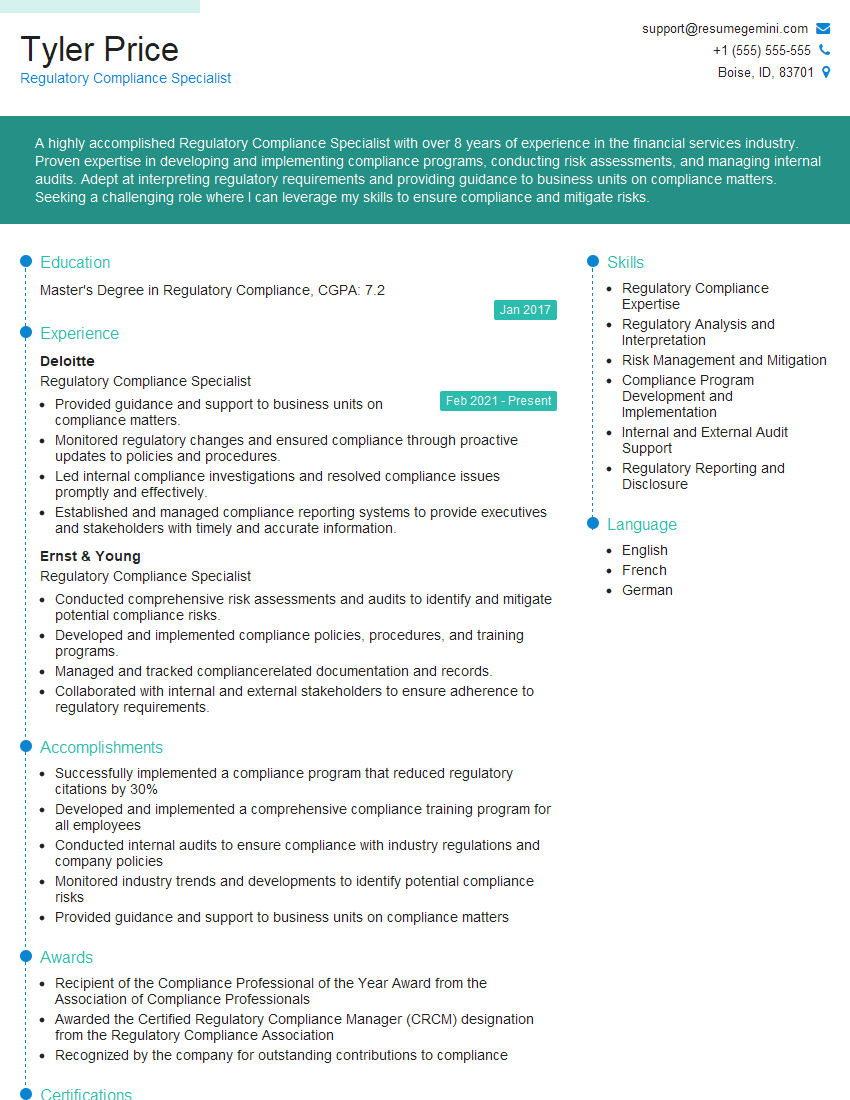
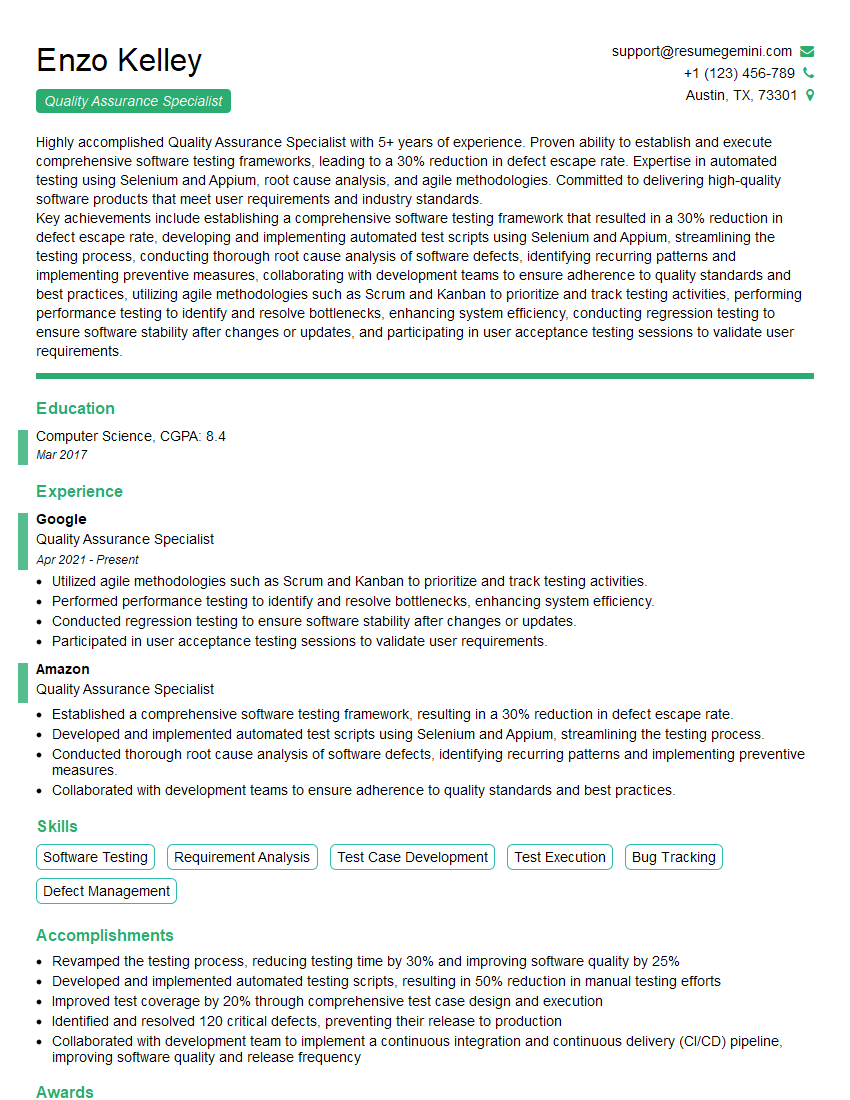
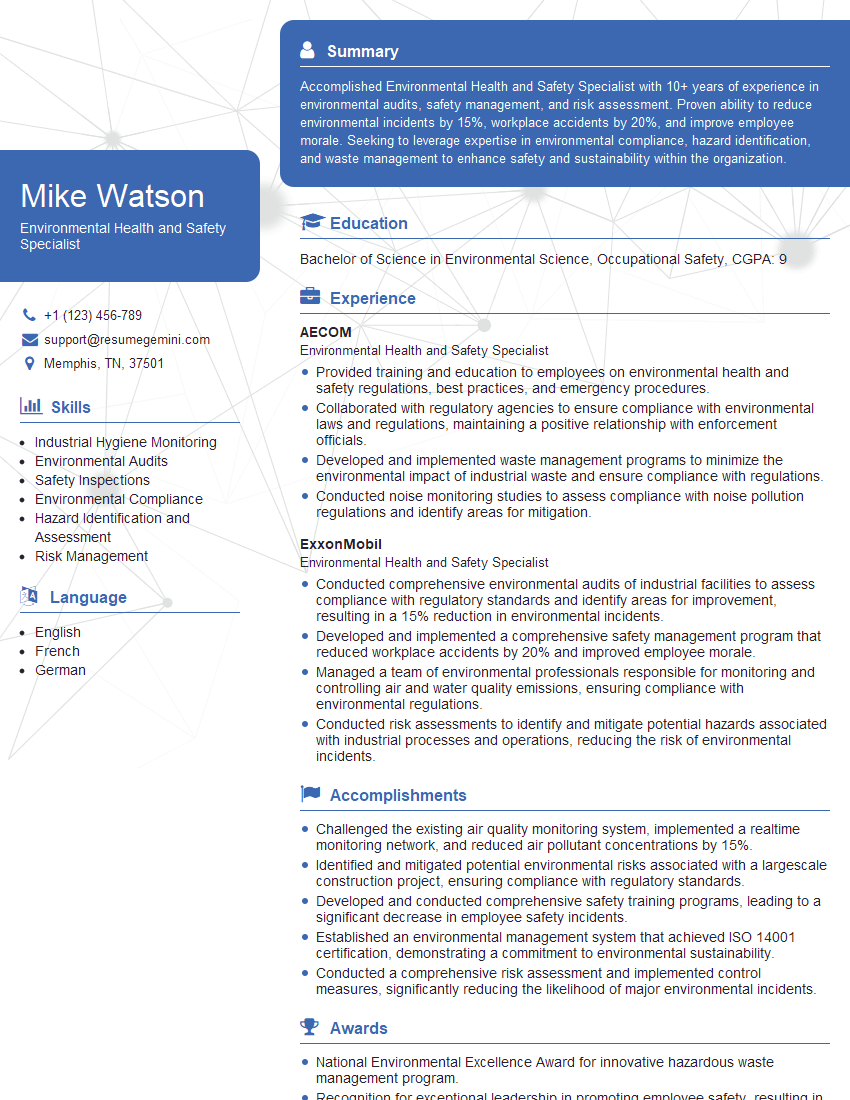
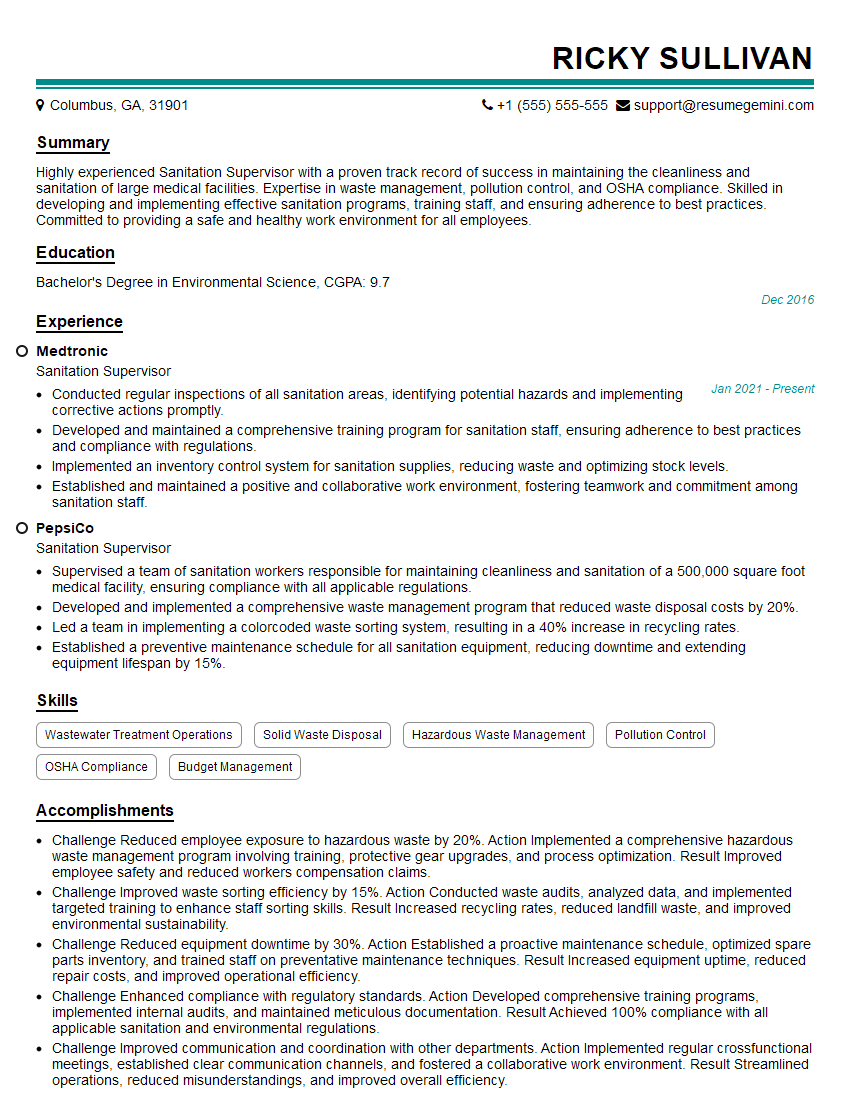
Mastering rinse and sanitize procedures is crucial for career advancement in many industries, showcasing your commitment to hygiene, safety, and regulatory compliance. This expertise opens doors to higher-level positions and demonstrates a strong work ethic. To boost your job prospects, create an ATS-friendly resume that highlights these skills. ResumeGemini is a trusted resource to help you build a professional and impactful resume that gets noticed. We provide examples of resumes tailored specifically to Rinse and Sanitize Procedures to help you get started.
Explore more articles
Users Rating of Our Blogs
Share Your Experience
We value your feedback! Please rate our content and share your thoughts (optional).
What Readers Say About Our Blog
Really detailed insights and content, thank you for writing this detailed article.
IT gave me an insight and words to use and be able to think of examples