Preparation is the key to success in any interview. In this post, we’ll explore crucial Memorial Etiquette interview questions and equip you with strategies to craft impactful answers. Whether you’re a beginner or a pro, these tips will elevate your preparation.
Questions Asked in Memorial Etiquette Interview
Q 1. What are the key differences between a funeral and a memorial service?
The key difference between a funeral and a memorial service lies in the presence of the deceased’s body. A funeral, also known as a burial or cremation service, is a ceremony that typically includes the viewing or presentation of the deceased’s remains. This often takes place before the burial or cremation. A memorial service, on the other hand, is a celebration of the deceased’s life that doesn’t involve the body. It’s a more flexible ceremony, often held at a later date and can be tailored to reflect the individual’s personality and preferences. Think of it this way: a funeral is a goodbye to the physical body, while a memorial service is a celebration of the life lived.
For example, a funeral might include a viewing followed by a religious service and burial, whereas a memorial service might be a more casual gathering with speeches, music, and shared memories, potentially held in a location significant to the deceased.
Q 2. Explain the proper etiquette for attending a viewing or wake.
Proper etiquette at a viewing or wake emphasizes respect and support for the grieving family. Dress conservatively, typically in dark-colored, modest attire. Avoid bright colors or flashy jewelry. Upon arrival, offer your condolences to the immediate family members. A simple, sincere phrase like “I’m so sorry for your loss” is sufficient. Speak in hushed tones, maintaining a respectful atmosphere. If you’re unsure what to say, simply being present and offering your support is enough. Avoid lengthy conversations or loud interactions. If you are attending with children, ensure they are well-behaved and understand the solemnity of the occasion. It’s also considerate to leave promptly after paying your respects. It’s also important to avoid overly personal discussions about your own experiences.
Q 3. How do you handle difficult situations or sensitive conversations with grieving families?
Handling difficult situations with grieving families requires empathy, patience, and active listening. Start by acknowledging their pain and offering sincere condolences. Avoid clichés or platitudes. Let them lead the conversation, allowing them to express their grief in their own way. If they share a painful memory, listen attentively and offer words of comfort. Sometimes, simply being present and offering a listening ear is the most valuable thing you can do. If they express anger or frustration, remain calm and empathetic. Avoid interrupting or offering unsolicited advice unless specifically asked. Remember that grief manifests differently for everyone. Respect their process and allow them the space they need. In particularly challenging situations, consider suggesting professional grief counseling resources.
For instance, if a family member expresses anger at the circumstances of the death, refrain from minimizing their feelings or offering explanations. Instead, acknowledge their emotions: “I can understand why you feel angry; this is a devastating loss.”
Q 4. Describe your experience in coordinating logistics for memorial services.
My experience in coordinating logistics for memorial services involves meticulous planning and attention to detail. This includes liaising with the family to understand their wishes and preferences, selecting a suitable venue, arranging catering, coordinating floral arrangements, and managing RSVPs. I also work closely with funeral homes, officiants, musicians, and other vendors to ensure seamless execution of the service. Effective communication is key, keeping all parties informed and coordinating schedules. I also handle tasks like creating programs, organizing memorial tributes, and managing any transportation requirements. Successful coordination requires strong organizational skills, meticulous record-keeping, and the ability to adapt to changing circumstances, such as unexpected guest numbers or logistical challenges. For example, one time we had an issue with the audio system at the venue, and it required coordinating with a tech team immediately before the ceremony, ensuring it was resolved swiftly and smoothly.
Q 5. What are the common religious and cultural customs surrounding death and remembrance?
Religious and cultural customs surrounding death and remembrance are incredibly diverse. In many Christian traditions, funerals include prayers, hymns, and readings from the Bible. Jewish traditions emphasize mourning rituals, such as Shiva, a seven-day period of mourning. In some Islamic cultures, there are specific prayers and burial practices. Buddhist traditions may include chanting, meditation, and offerings. Hindu ceremonies often involve cremation and elaborate rituals. Many cultures incorporate specific food customs during mourning periods. In some cultures, there are specific periods of mourning with prescribed attire or activities. Understanding these variations is crucial for providing sensitive and culturally appropriate support. It’s important to research the specific cultural background of the family to ensure you are respectful of their traditions.
Q 6. How would you advise a family on choosing appropriate attire for a memorial service?
Advising a family on appropriate attire for a memorial service depends on the overall tone of the service and cultural context. Generally, conservative and respectful attire is recommended. Dark-colored clothing, such as black, navy, or gray, is usually appropriate. Avoid bright colors, flashy patterns, or revealing clothing. Modest dresses, skirts and blouses, or suits are suitable. Comfort is also key; the family should choose clothing they feel comfortable wearing during a potentially emotional event. If the family is unsure or if the service is informal, it is often fine to suggest dark-colored, but more casual attire, such as dress pants with a button down shirt for men or a pant suit or sundress for women. Ultimately, it’s best to suggest that the family choose clothing that makes them feel comfortable and respects the solemnity of the occasion. If the service specifies a dress code, relay that information to the family.
Q 7. Explain the etiquette surrounding gifts and donations for bereaved families.
Etiquette surrounding gifts and donations for bereaved families emphasizes consideration and respect. While offering condolences is most important, some families may appreciate tangible expressions of support. Gifts can be thoughtful, such as food, flowers (although it is important to check for flower allergies), or a charitable donation in the deceased’s name. Cash gifts are generally not appropriate unless you have a very close relationship with the family. If donating to a charity, ensure it aligns with the deceased’s interests or the family’s preferences. Always offer gifts or donations with sincerity and genuine compassion. A heartfelt card expressing condolences is always a thoughtful accompaniment to any gift or donation. Above all, remember that the most important thing is to offer support and comfort to the bereaved family during their time of grief.
Q 8. How do you address different levels of grief and emotional responses during a memorial service?
Addressing the diverse emotional landscape of a memorial service requires a deeply empathetic and nuanced approach. Grief manifests differently; some may express intense sorrow openly, while others may exhibit quiet solemnity or even outward composure. Understanding this spectrum is crucial.
- Active Listening: I prioritize attentive listening to family members, allowing them to share their feelings and needs regarding the service. This helps gauge the overall emotional tone and informs the service’s structure.
- Providing Support: Offering practical support, such as providing tissues, water, or a quiet space for reflection, demonstrates care and acknowledges the emotional weight attendees are carrying.
- Creating a Safe Space: The service itself should feel safe and inclusive. A gentle, compassionate atmosphere helps individuals process their grief at their own pace. This could involve incorporating moments of silence or providing opportunities for shared reflection.
- Professional Guidance: If intense emotional outbursts or unexpected grief reactions occur, I am prepared to offer calm guidance or, when necessary, discreetly connect the family with appropriate support resources such as grief counselors.
For instance, I once worked with a family where the deceased’s young children struggled to understand the concept of death. We incorporated a child-friendly element into the service—releasing balloons with messages—which helped them participate in a healthy way while acknowledging their grief.
Q 9. What are some common challenges in memorial planning, and how have you overcome them?
Memorial planning presents unique challenges, often involving tight deadlines, emotional complexities, and logistical hurdles.
- Conflicting Family Dynamics: Disagreements among family members regarding service details (location, religious elements, speakers) are common. I address this by facilitating open communication and finding compromises that respect everyone’s wishes as much as possible, ensuring the overall atmosphere respects the deceased’s life and memory.
- Budget Constraints: Balancing the desire for a meaningful service with budget limitations requires careful planning and creative solutions. I help families explore cost-effective options without compromising the essence of the memorial.
- Time Constraints: The need to plan a service within a short timeframe necessitates efficient organization and proactive communication with venues, vendors, and family. I manage this with detailed timelines and checklists.
- Unexpected Issues: Unexpected challenges such as inclement weather or last-minute guest changes demand flexibility and preparedness. I address these by having contingency plans in place and being prepared to adapt quickly.
For example, I once had to quickly rearrange a planned outdoor ceremony due to unexpected heavy rain. By having a backup indoor location secured and notifying everyone promptly, we ensured a smooth transition and prevented undue stress for the grieving family.
Q 10. Describe your experience with different types of memorial services (e.g., religious, secular, informal).
My experience encompasses a wide range of memorial service styles, reflecting the diverse beliefs and preferences of individuals and families.
- Religious Services: These often follow established liturgical structures, integrating prayers, hymns, and readings relevant to the specific faith tradition. I collaborate closely with clergy to ensure the service aligns with their faith’s customs and practices.
- Secular Services: These focus on celebrating the life of the deceased, often through personal anecdotes, poems, musical performances, and video tributes, emphasizing their impact on others and celebrating their memory without religious elements.
- Informal Gatherings: These can range from small, intimate family gatherings to more casual celebrations of life involving a wider community. The focus is often on sharing memories and providing mutual support in a relaxed setting.
Each type requires a tailored approach to ensure the service resonates with the deceased’s personality and the family’s wishes. For instance, I helped organize a vibrant, informal celebration of life for an artist, incorporating her artwork into the event’s decorations and incorporating live music that reflected her eclectic taste.
Q 11. How do you ensure the accuracy and sensitivity when creating memorial materials (e.g., programs, obituaries)?
Accuracy and sensitivity are paramount in memorial materials. Errors can cause significant distress to the bereaved family.
- Triple-Checking Information: I meticulously verify all information, such as dates, names, and biographical details, using multiple sources and cross-referencing with the family.
- Proofreading and Editing: Multiple rounds of careful proofreading and editing are essential to catch any typos or factual inaccuracies. A second set of eyes is invaluable.
- Sensitivity to Language: The tone and language used in obituaries and programs should reflect the deceased’s personality and the family’s preferences. It’s crucial to avoid overly sentimental or overly formal language, depending on the context and their wishes.
- Photo Selection: Choosing appropriate photographs that reflect the deceased’s life positively and respectfully is vital. I collaborate with the family to select images that align with their preferences.
For example, I once discovered a minor factual error in a biographical sketch just before printing. By catching this early, we avoided a potentially painful and embarrassing situation for the family.
Q 12. What are the legal and ethical considerations involved in handling personal information of the deceased?
Handling personal information of the deceased requires strict adherence to legal and ethical guidelines, prioritizing confidentiality and respecting the privacy of the deceased and their family.
- Data Protection Laws: I am aware of relevant data protection laws (such as GDPR or HIPAA, depending on jurisdiction) and ensure all handling of personal data complies with these regulations.
- Confidentiality Agreements: When necessary, I utilize confidentiality agreements to protect sensitive information.
- Data Minimization: I only collect and process the information strictly necessary for memorial planning purposes.
- Secure Data Storage: All personal data is stored securely and confidentially, following best practices for data security.
- Disposal of Information: After the service, I ensure the secure and responsible disposal of any unnecessary personal information.
This is a critical aspect of my profession; breaching confidentiality could have severe legal and ethical consequences and cause significant emotional distress to the family.
Q 13. How do you manage guest lists and seating arrangements for large memorial gatherings?
Managing guest lists and seating arrangements for large memorial gatherings requires meticulous organization and planning.
- Guest List Management: I use dedicated software or spreadsheets to manage guest lists, ensuring accurate tracking of RSVPs and contact information.
- Seating Charts: For larger venues, I create detailed seating charts considering family dynamics and guest relationships to minimize potential discomfort or conflict.
- Venue Capacity: I always confirm the venue’s seating capacity to ensure ample space for all guests.
- Registration and Ushering: I coordinate with ushers to efficiently guide guests to their seats and manage any unexpected changes in attendance.
For a recent large-scale memorial, I utilized a dedicated online RSVP system that allowed guests to provide dietary requirements and seating preferences. This allowed for seamless organization and avoided potential logistical issues.
Q 14. How do you handle unexpected circumstances or emergencies during a memorial service?
Unexpected circumstances are a possibility during any event, and memorial services are no exception. Preparedness is key.
- Contingency Plans: I develop contingency plans for various scenarios, including inclement weather, medical emergencies, technical malfunctions, or unexpected guest issues.
- Communication Protocols: I establish clear communication protocols with venue staff, vendors, and family members, ensuring a quick response to any unforeseen events.
- Emergency Contact Information: I gather emergency contact information for key personnel and family members, ensuring swift access to support if needed.
- First Aid and Support: I either have access to or ensure the presence of qualified first aid personnel at the venue, or I arrange for support from the venue itself.
For example, I once had to deal with a sudden power outage during a eulogy. Having a backup generator and a prepared contingency plan (using battery-powered microphones), ensured the service continued without disruption.
Q 15. Explain your understanding of different grief stages and how they impact memorial planning.
Understanding the stages of grief is crucial for effective memorial planning. While Kübler-Ross’s five stages (denial, anger, bargaining, depression, acceptance) offer a framework, it’s vital to remember that grief is highly individual and non-linear. People may experience these stages in a different order, skip stages entirely, or revisit them repeatedly.
Impact on Memorial Planning: The grieving family’s stage of grief significantly influences their ability to participate in planning. Someone in the denial stage might struggle to make decisions, while someone in anger might express frustration with logistical details. Understanding these stages helps me tailor my approach. For instance, I might offer simplified choices for someone in the early stages, allowing them more time and space to process their emotions. Later, as they move towards acceptance, I can engage them in more detailed discussions about personalization and symbolism.
- Example: A family in the initial stages of shock might only be able to focus on the immediate funeral arrangements. Later, once the initial numbness subsides, we can collaboratively plan a more meaningful memorial service that truly celebrates the life of their loved one.
Career Expert Tips:
- Ace those interviews! Prepare effectively by reviewing the Top 50 Most Common Interview Questions on ResumeGemini.
- Navigate your job search with confidence! Explore a wide range of Career Tips on ResumeGemini. Learn about common challenges and recommendations to overcome them.
- Craft the perfect resume! Master the Art of Resume Writing with ResumeGemini’s guide. Showcase your unique qualifications and achievements effectively.
- Don’t miss out on holiday savings! Build your dream resume with ResumeGemini’s ATS optimized templates.
Q 16. What are your strategies for providing emotional support to grieving families?
Providing emotional support is paramount. My strategies focus on active listening, empathy, and validation. I create a safe and non-judgmental space where families can express their feelings without pressure. I avoid clichés and offer practical assistance alongside emotional support.
- Active Listening: I attentively listen to their stories and memories, reflecting their emotions back to them to show understanding.
- Practical Assistance: This might involve handling paperwork, coordinating with vendors, or simply offering a comforting presence.
- Connecting with Resources: I connect families with grief counseling services, support groups, or other relevant resources based on their needs.
- Validation: I acknowledge the legitimacy of their feelings, regardless of how they choose to express their grief.
Example: When a family is overwhelmed, I help them prioritize tasks, breaking down the memorial planning process into manageable steps. I might say something like, ‘Let’s focus on the immediate arrangements for the funeral first. We can plan the memorial service later when you feel more up to it.’
Q 17. Describe your experience working with diverse cultural backgrounds and their memorial customs.
I have extensive experience working with diverse cultural and religious backgrounds, understanding that memorial customs vary significantly. This includes working with families from various ethnicities, faiths (including Christian, Jewish, Muslim, Buddhist, Hindu, etc.), and cultural traditions. I approach each family with respect, seeking to understand their unique customs and traditions before offering suggestions.
- Research and Sensitivity: Before working with a family from a specific cultural background, I research their traditions to ensure I’m well-informed and respectful of their practices.
- Collaboration: I actively collaborate with families to incorporate their cultural customs and beliefs into the memorial service. This may include specific rituals, prayers, attire, or food.
- Translation Services: When necessary, I arrange for professional translation services to facilitate communication and ensure a culturally sensitive approach.
Example: In a recent service for a Muslim family, I ensured that the prayers were recited by an Imam, the body was prepared according to Islamic rituals, and the meal served was Halal. This attention to detail showcased my understanding and respect for their traditions.
Q 18. How do you maintain professionalism and composure in emotionally charged situations?
Maintaining professionalism and composure in emotionally charged situations requires a combination of training, experience, and self-care. It’s not about suppressing emotions, but about managing them effectively to provide support to grieving families.
- Emotional Intelligence: I’m able to recognize and understand my own emotions and those of others, allowing me to respond appropriately.
- Boundary Setting: While empathy is key, I maintain professional boundaries to ensure I can effectively support families without becoming emotionally overwhelmed.
- Self-Care: I prioritize my own well-being through regular self-reflection, stress management techniques, and seeking support when needed. This ensures I can remain emotionally available and resilient.
- Professional Training: My training in grief counseling and death care equips me with the skills and resources to navigate difficult situations effectively.
Example: If I find myself becoming emotionally overwhelmed, I might take a short break to compose myself before continuing to assist the family. It’s crucial to acknowledge my limitations and seek support when necessary.
Q 19. What are some creative ways to personalize and celebrate the life of the deceased?
Personalizing a memorial service is vital in celebrating the unique life of the deceased. Creative personalization makes the service more meaningful and comforting for the grieving.
- Photo and Video Displays: Sharing photos and videos of the deceased throughout their life creates a vivid and heartwarming tribute.
- Themed Memorials: Based on the deceased’s passions (e.g., a sports theme, a nature theme, a musical theme), the memorial can be designed to reflect their personality and interests.
- Guest Book Alternatives: Instead of a traditional guest book, consider a memory jar where guests can write down their favorite memories.
- Memorial Trees or Gardens: Planting trees or establishing a memorial garden provides a lasting tribute and a place for reflection.
- Personalized Keepsakes: Creating small keepsakes (e.g., engraved jewelry, photo frames) that family members can keep as mementos can provide lasting comfort.
Example: For a renowned musician, we could incorporate live performances by their friends and family, display their instruments, and share recordings of their work.
Q 20. How familiar are you with different types of burial and cremation options?
I’m thoroughly familiar with various burial and cremation options. My knowledge encompasses the legal, logistical, and emotional aspects associated with each.
- Burial: This includes traditional ground burial in a cemetery, entombment in a mausoleum, or burial at sea (with appropriate permits). Different types of caskets and burial vaults are available.
- Cremation: This involves the reduction of the body to ashes through a controlled process. The ashes can then be kept in an urn, scattered in a designated location (with necessary permissions), or placed in a columbarium.
- Green Burials: These environmentally friendly options focus on minimizing the environmental impact of burial, using biodegradable materials and natural methods.
- Body Donation: This involves donating the body to medical schools or research institutions for educational purposes.
Guidance: I guide families through the various options, helping them understand the implications of each choice and select an option that aligns with their preferences, beliefs, and budget. I also provide information on legal requirements and available resources for each option.
Q 21. Explain your knowledge of relevant laws and regulations related to death and memorial services.
Understanding relevant laws and regulations is critical in this field. My knowledge covers various aspects, including:
- Death Certificates: I understand the process of obtaining death certificates and the legal requirements for their use in various contexts.
- Burial Permits: I am knowledgeable about the procedures and regulations for obtaining burial permits and other necessary authorizations.
- Cremation Permits: Similar to burial permits, I understand the regulations and procedures associated with cremation permits.
- Transportation of Remains: I’m aware of regulations and procedures related to transporting remains both domestically and internationally.
- Cemetery and Funeral Home Regulations: I am familiar with the rules and regulations pertaining to cemeteries and funeral homes, ensuring compliance with all applicable laws.
- State and Federal Laws: I keep myself updated on relevant state and federal laws concerning death, burial, cremation, and memorial services.
Compliance: I ensure strict adherence to all relevant laws and regulations in every aspect of my work, prioritizing legal and ethical compliance while providing compassionate support to grieving families.
Q 22. How do you balance the needs and wishes of the deceased’s family members?
Balancing the needs and wishes of the deceased’s family members during memorial planning requires exceptional sensitivity and communication skills. It’s about understanding that grief manifests differently, and each family member might have unique perspectives on how best to honor their loved one. My approach involves several key strategies.
- Active Listening: I dedicate ample time to individual conversations, allowing family members to share their memories, feelings, and preferences for the service. This helps me identify common ground and areas of potential conflict.
- Facilitated Discussion: I often facilitate family meetings where I act as a neutral mediator, guiding them towards collaborative decision-making. This structured approach allows for open dialogue and helps everyone feel heard.
- Compromise and Negotiation: It’s rare that everyone will agree on every detail. My role is to help them find acceptable compromises. This might involve suggesting alternatives or offering creative solutions that address everyone’s concerns to the best extent possible.
- Prioritization: Sometimes, minor disagreements are unavoidable. I help prioritize the most important elements, focusing on the core aspects that truly reflect the deceased’s life and the family’s wishes.
For instance, in one case, a family was deeply divided on the location of the service. After several conversations, I proposed a compromise—a smaller, intimate gathering at a meaningful location close to the deceased’s home, followed by a larger memorial at a more accessible venue. This approach satisfied everyone’s needs.
Q 23. How do you use technology to enhance memorial services (e.g., video tributes, online memorials)?
Technology plays a significant role in enhancing memorial services, offering both practical and emotional benefits. It allows us to reach a wider audience, preserve memories, and create a more personalized experience.
- Video Tributes: We often incorporate video tributes featuring photos, videos, and messages from friends and family. These can be heartwarming and powerful, offering a dynamic way to share the deceased’s life story.
- Online Memorial Websites: These platforms allow for guest books, photo sharing, and the posting of condolences, extending the memorial beyond the physical event. Family members can update them with new memories and content over time.
- Live Streaming: Live streaming enables those unable to attend physically (due to distance, illness, etc.) to participate. This ensures that everyone who wishes to pay their respects can do so, regardless of location.
- Interactive Elements: Depending on the family’s preference, we can incorporate interactive elements, such as slideshows with music or even digital memory walls where guests can leave virtual messages or photos.
For example, I once worked on a memorial where we created a beautifully designed website featuring the deceased’s artwork, life story, and guest book. The live stream of the service reached family members across multiple continents, making it a truly inclusive event.
Q 24. How do you handle conflicts or disagreements that may arise among family members?
Handling conflicts among family members requires tact, empathy, and a strong understanding of grief dynamics. I’ve developed a structured approach to address these situations:
- Neutral Ground: I facilitate meetings in a neutral setting, ensuring everyone feels comfortable and respected.
- Active Listening and Validation: I listen attentively to each person’s perspective, validating their feelings even if I don’t agree with their viewpoints.
- Identifying Root Causes: I help identify the underlying causes of the conflict – often, it’s not just about the logistics of the service, but about deeper emotional issues surrounding grief and loss.
- Mediation and Compromise: I act as a mediator, helping family members find common ground and compromise on contentious issues. This might involve suggesting alternatives, finding creative solutions, or offering to make certain decisions on their behalf.
- Setting Boundaries: In extreme cases, I might need to set firm boundaries to ensure the memorial service remains respectful and doesn’t escalate into an unhealthy confrontation.
It is important to remember that not all conflicts are resolvable. My goal is always to create a respectful and meaningful memorial, even if certain disagreements remain.
Q 25. Describe your experience working with vendors and suppliers for memorial services.
Working effectively with vendors and suppliers is crucial for a seamless memorial service. I prioritize building strong relationships based on trust and clear communication.
- Vendor Selection: I carefully select vendors based on reputation, experience, and their understanding of the sensitivities surrounding death and grief. I check references and review their work history.
- Detailed Contracts: I ensure all agreements are documented with detailed contracts outlining services, costs, and timelines. This prevents misunderstandings and disputes later.
- Clear Communication: Open and frequent communication with vendors is paramount. I provide clear instructions, answer their questions promptly, and address any concerns immediately.
- Quality Control: I oversee the quality of the vendors’ work, ensuring the service aligns with the family’s expectations and meets professional standards.
- Budget Management: I work closely with vendors to ensure the service remains within the agreed-upon budget.
For example, I consistently work with a trusted florist who understands the symbolic significance of flowers in memorial services and is able to tailor arrangements according to family preferences and budget.
Q 26. How do you create a budget and manage expenses for memorial services?
Creating and managing a memorial service budget requires careful planning and transparency. I begin by discussing the family’s financial capabilities and their priorities for the service.
- Initial Consultation: I discuss budget expectations upfront, ensuring everyone understands potential costs.
- Detailed Cost Breakdown: I provide a detailed breakdown of anticipated expenses, including venue rental, catering, flowers, programs, transportation, and any additional services like music or photography.
- Negotiating with Vendors: I negotiate with vendors to obtain competitive pricing without compromising quality.
- Tracking Expenses: I meticulously track all expenses and provide regular updates to the family.
- Contingency Planning: I build a small buffer into the budget to account for unforeseen expenses.
It’s important to be sensitive to the family’s financial situation. We often explore options for affordable alternatives without sacrificing the dignity and respect deserved in a memorial.
Q 27. How do you ensure the smooth and efficient execution of a memorial service?
Ensuring the smooth and efficient execution of a memorial service relies on meticulous planning and coordination. My approach involves:
- Detailed Timeline: I create a detailed timeline outlining each step of the process, from the initial meeting to the post-service follow-up.
- Confirmation of Services: I confirm all arrangements well in advance with vendors and relevant parties.
- On-site Coordination: On the day of the service, I coordinate all activities, ensuring everything runs smoothly and according to plan.
- Contingency Planning: I have backup plans in place to handle unexpected issues, such as technical difficulties or last-minute changes.
- Post-service Wrap-up: I confirm all aspects of the service were completed as planned, finalize payments, and prepare thank-you notes to vendors and attendees.
I work tirelessly behind the scenes, ensuring every detail is carefully managed so the family can focus on grieving and celebrating their loved one’s life.
Q 28. Describe your experience in post-memorial service follow-up and support for the bereaved.
Post-memorial service follow-up is a crucial part of my role. It’s about providing continued support to the bereaved during a challenging time.
- Thank-You Notes: I send thank-you notes to those who assisted with the service, including vendors and attendees who offered support.
- Grief Resources: I provide resources and information on grief counseling and support groups.
- Follow-up Communication: I maintain contact with the family in the weeks following the service, offering continued support and checking in on their well-being.
- Memorialization: I can assist with the creation of lasting memorials, such as memory books or planting trees in the deceased’s honor.
Grief is a long journey, and my commitment extends beyond the day of the service. I strive to ensure the bereaved have access to support and resources during their healing process. A simple phone call or card a few weeks later can make a profound difference.
Key Topics to Learn for Memorial Etiquette Interview
- Understanding the Context: Recognizing the type of memorial service (religious, secular, military, etc.) and adapting your behavior accordingly.
- Appropriate Attire: Choosing respectful and conservative clothing suitable for the occasion and venue. Consider the cultural and religious context.
- Behavior and Demeanor: Maintaining a respectful and quiet demeanor throughout the service. Knowing when and how to offer condolences appropriately.
- Showing Respect to the Grieving: Offering sincere condolences, active listening, and avoiding intrusive questions or conversations.
- Handling Difficult Situations: Knowing how to navigate potentially awkward social situations with grace and empathy. This includes dealing with unexpected emotions or behaviors.
- Cultural Sensitivity: Understanding and respecting diverse cultural and religious customs surrounding death and mourning.
- Digital Etiquette: Appropriate online behavior regarding memorial announcements, online condolences, and social media posts.
- Post-Memorial Interactions: Knowing how to maintain respectful communication and offer ongoing support to the bereaved.
- Workplace Considerations: Understanding appropriate workplace practices regarding bereavement leave, attending memorials, and offering support to colleagues.
Next Steps
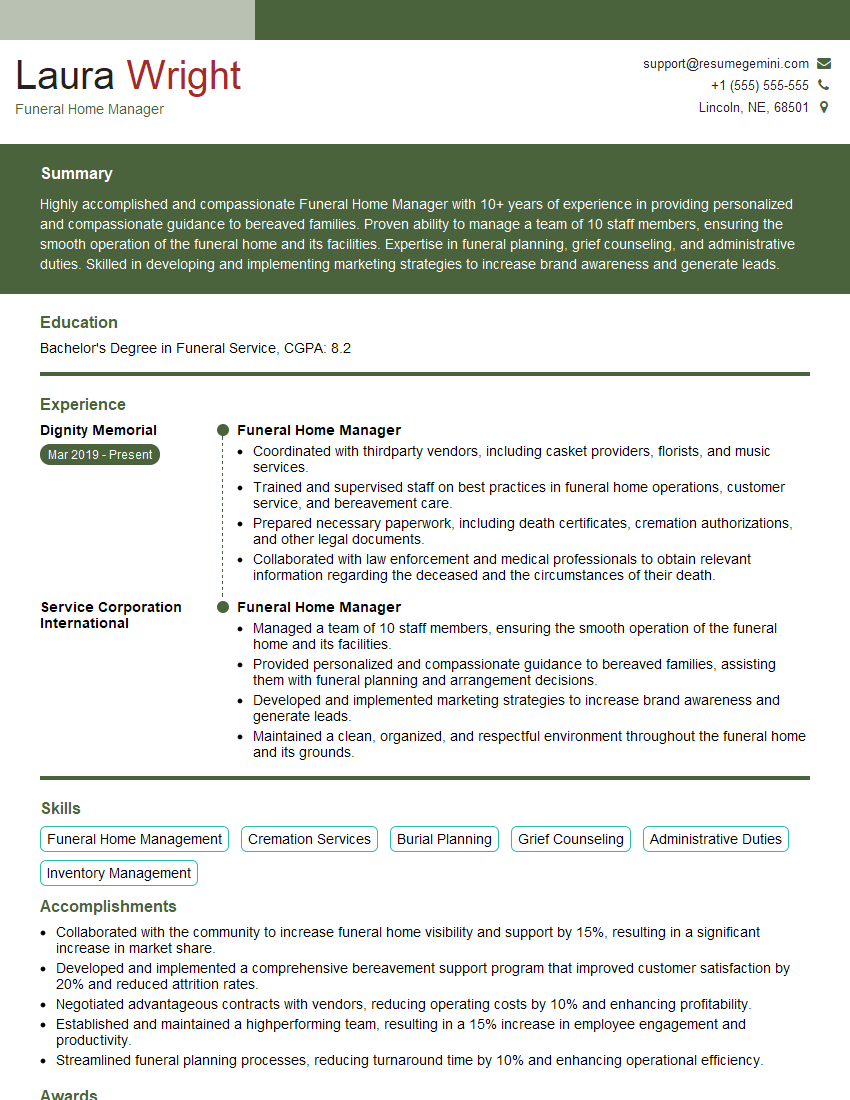
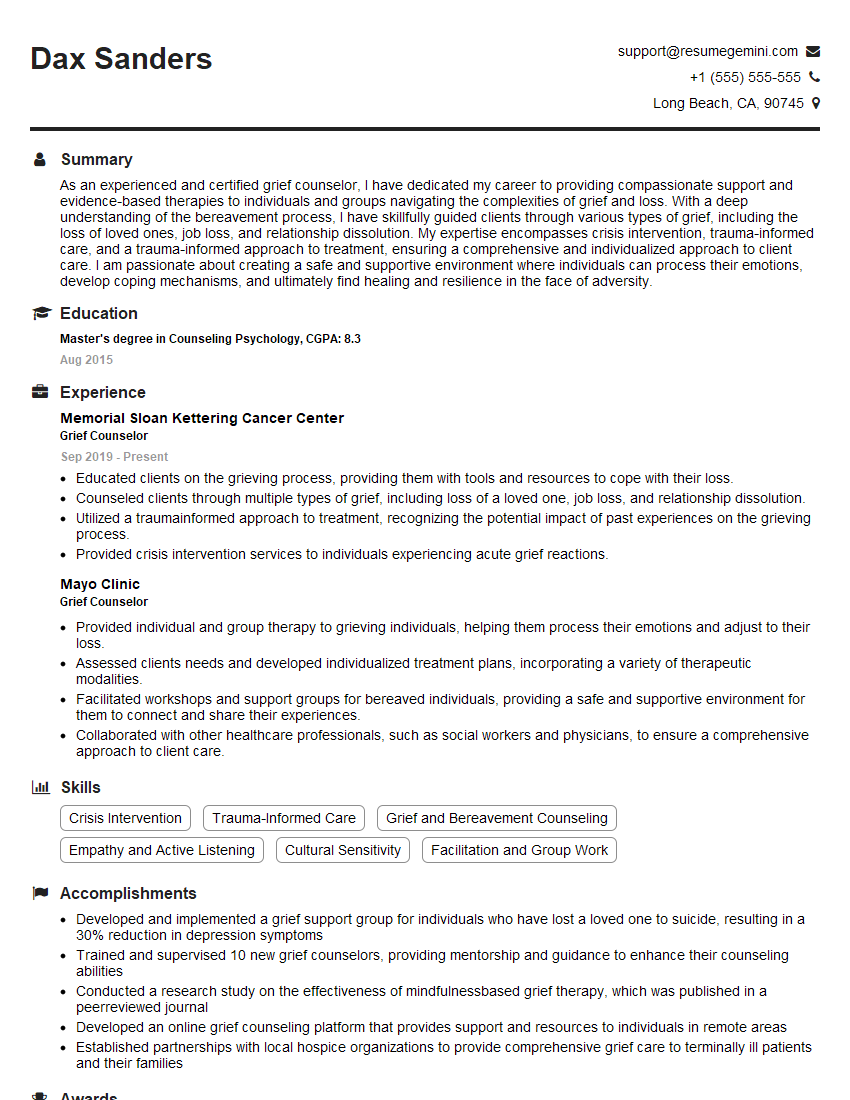
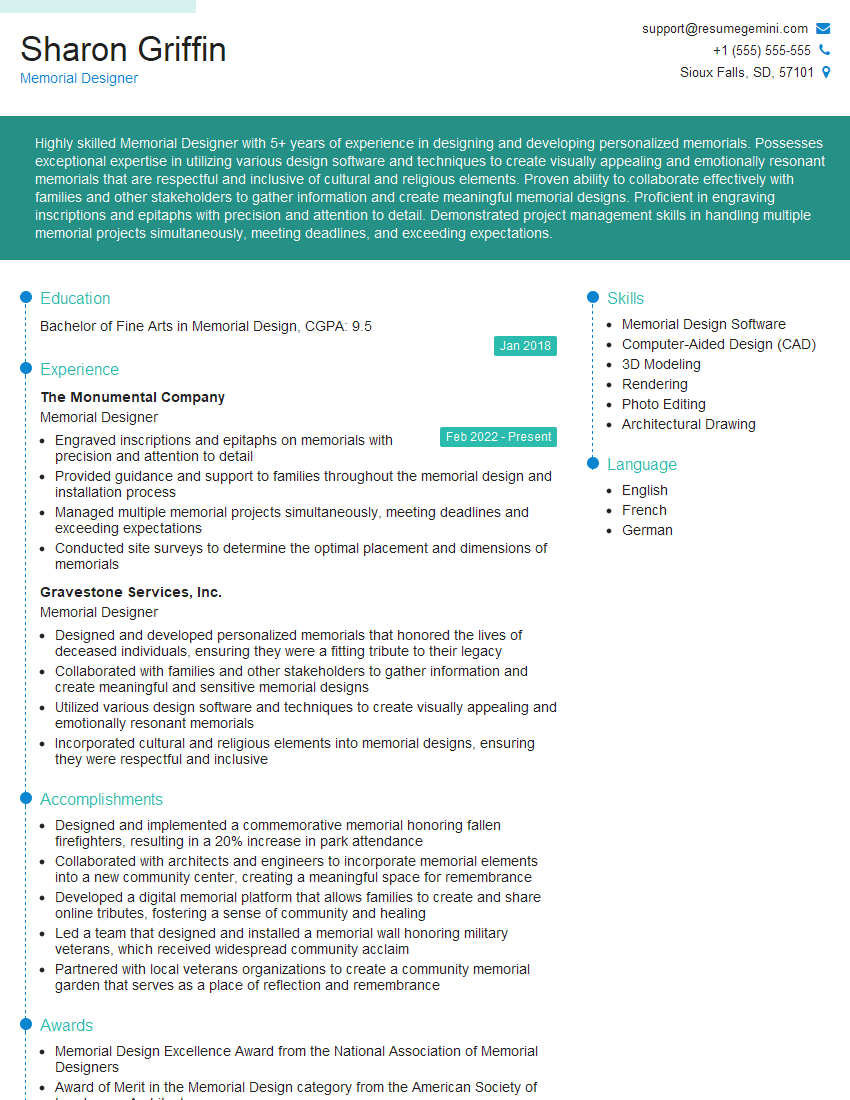
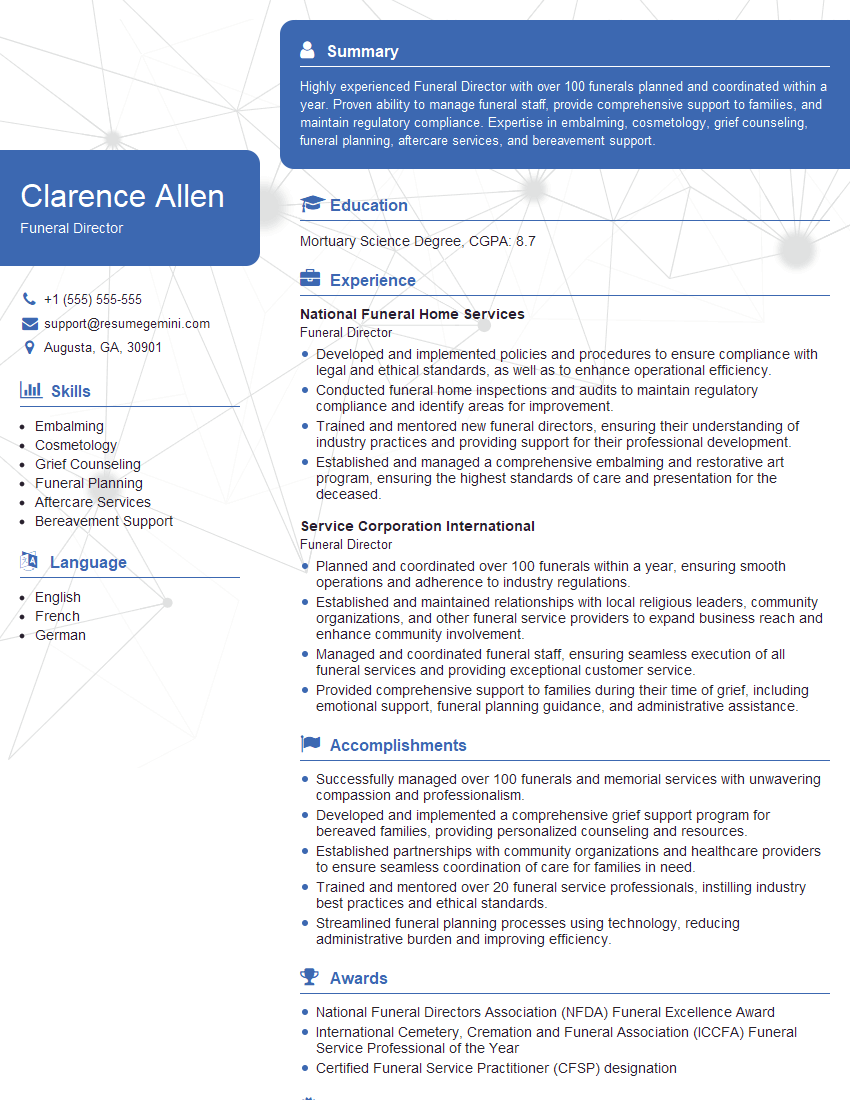
Mastering memorial etiquette demonstrates emotional intelligence and respect, valuable assets in any professional setting. It showcases your maturity and ability to navigate sensitive situations with grace. To boost your job prospects, create an ATS-friendly resume that highlights these soft skills. ResumeGemini is a trusted resource to help you build a professional resume that effectively showcases your qualifications. Examples of resumes tailored to emphasize your skills in Memorial Etiquette are available to guide you.
Explore more articles
Users Rating of Our Blogs
Share Your Experience
We value your feedback! Please rate our content and share your thoughts (optional).
What Readers Say About Our Blog
Really detailed insights and content, thank you for writing this detailed article.
IT gave me an insight and words to use and be able to think of examples