Every successful interview starts with knowing what to expect. In this blog, we’ll take you through the top Metal Testing interview questions, breaking them down with expert tips to help you deliver impactful answers. Step into your next interview fully prepared and ready to succeed.
Questions Asked in Metal Testing Interview
Q 1. Explain the difference between destructive and non-destructive testing methods.
The core difference between destructive and non-destructive testing (NDT) methods lies in their impact on the tested material. Destructive testing involves permanently altering or destroying the sample to obtain material properties. Think of it like dissecting a frog to understand its anatomy – you gain valuable knowledge, but the frog is no longer whole. Non-destructive testing, on the other hand, analyzes the material without causing any damage. This is like using an X-ray on a human – you get information about the internal structure without harming the patient.
Destructive tests are crucial for obtaining precise mechanical properties like tensile strength or yield strength, but you need multiple samples. Non-destructive methods are perfect for quick assessments and quality control checks on a large number of items without sacrificing the integrity of your products.
- Example of Destructive Testing: Tensile testing, where a sample is stretched until it breaks.
- Example of Non-Destructive Testing: Ultrasonic testing, which uses sound waves to detect internal flaws.
Q 2. Describe the principles of tensile testing and its applications in metal analysis.
Tensile testing is a destructive method that measures a material’s response to being pulled apart. A standardized sample is subjected to a controlled tensile load, and its elongation and force are recorded. This data is then used to create a stress-strain curve, which is a graphical representation of the material’s behavior under tension.
The curve reveals key properties like:
- Yield Strength: The stress at which the material begins to deform plastically (permanently).
- Tensile Strength (Ultimate Tensile Strength): The maximum stress the material can withstand before breaking.
- Ductility: The material’s ability to deform before fracture, represented by elongation and reduction in area.
- Young’s Modulus (Elastic Modulus): The material’s stiffness or resistance to elastic deformation.
Tensile testing is widely used in various applications:
- Quality Control: Ensuring materials meet specified strength requirements.
- Material Selection: Comparing the mechanical properties of different materials for a specific application.
- Failure Analysis: Investigating the cause of material failure.
- Research and Development: Studying the effects of different processing parameters on material properties.
Imagine designing a bridge – tensile testing ensures the steel used will withstand the anticipated loads without snapping.
Q 3. What are the common NDT methods used for metal testing, and what are their limitations?
Several common NDT methods are employed in metal testing, each with its strengths and weaknesses. Some of the most prevalent include:
- Ultrasonic Testing (UT): Uses high-frequency sound waves to detect internal flaws like cracks, voids, and inclusions. It’s excellent for detecting subsurface defects but can be operator-dependent and challenging in complex geometries.
- Radiographic Testing (RT): Employs X-rays or gamma rays to create images of the internal structure of the material. It reveals internal flaws and variations in density but involves radiation safety concerns and can miss very fine cracks.
- Magnetic Particle Testing (MT): Detects surface and near-surface flaws in ferromagnetic materials. Magnetic particles are applied to the surface, and they accumulate at discontinuities in the magnetic field, indicating flaws. It’s a relatively inexpensive method but is limited to ferromagnetic materials.
- Liquid Penetrant Testing (PT): Ideal for detecting surface-breaking defects in any material. A dye is applied, penetrating cracks, which are then revealed by a developer. It’s simple and inexpensive but limited to surface flaws.
- Eddy Current Testing (ECT): Uses electromagnetic induction to detect surface and near-surface flaws in conductive materials. It’s fast and versatile but can be affected by surface coatings and requires skilled interpretation.
The choice of NDT method depends heavily on factors like material type, expected flaw size, accessibility of the test area, and cost constraints.
Q 4. How do you interpret a stress-strain curve for a metal?
A stress-strain curve is a powerful tool for understanding a metal’s mechanical behavior. The x-axis represents strain (the material’s deformation), while the y-axis shows stress (the force applied per unit area). Interpreting this curve involves identifying key points:
- Elastic Region: The initial linear portion of the curve. In this region, deformation is elastic, meaning the material returns to its original shape upon unloading. The slope of this region gives Young’s Modulus.
- Yield Point: The point where plastic deformation begins. Beyond this point, the material will not fully recover its original shape.
- Ultimate Tensile Strength: The highest point on the curve, representing the maximum stress the material can withstand before failure.
- Fracture Point: The point at which the material breaks.
The shape of the stress-strain curve provides information about the material’s ductility (ability to deform before fracture) and toughness (ability to absorb energy before fracture). A ductile material will show significant elongation before fracture, while a brittle material will break with little deformation.
For instance, a steep, short curve signifies a brittle material like cast iron, whereas a long, gradual curve points towards a ductile material like mild steel. Understanding the curve helps engineers select the right material for a specific application based on its strength, ductility, and toughness requirements.
Q 5. Explain the concept of hardness testing and the various scales used (e.g., Brinell, Rockwell, Vickers).
Hardness testing measures a material’s resistance to indentation. It’s a widely used NDT method for assessing material strength and wear resistance. Several scales exist, each employing a different indenter and load:
- Brinell Hardness Test: Uses a hardened steel ball indenter under a large load. The hardness is determined by measuring the diameter of the indentation. It’s suitable for testing large samples and softer materials.
- Rockwell Hardness Test: Employs a diamond cone or steel ball indenter with different loads. The hardness number is determined directly from the depth of penetration. It’s widely used due to its speed and simplicity, ideal for industrial quality control.
- Vickers Hardness Test: Uses a square-based diamond pyramid indenter. The hardness is calculated from the diagonal length of the indentation. It’s highly accurate and suitable for a wide range of materials, including very hard ones.
The choice of scale depends on the material’s hardness and the required accuracy. For instance, Brinell is often used for softer metals, while Rockwell is preferred for routine testing, and Vickers offers high precision for harder materials. A high hardness number indicates greater resistance to indentation and wear.
Q 6. What are the different types of metal fractures, and how can you identify them?
Metal fractures are classified based on their appearance and the conditions under which they occur. Common types include:
- Ductile Fracture: Characterized by significant plastic deformation before fracture. The fracture surface shows a cup-and-cone shape, indicating extensive necking. This is typical for ductile materials like mild steel under tensile loading.
- Brittle Fracture: Occurs suddenly with minimal plastic deformation. The fracture surface is typically flat and perpendicular to the applied load. Brittle fracture is common in brittle materials like cast iron or high-carbon steel under tensile loading.
- Fatigue Fracture: Results from repeated cyclic loading. The fracture surface usually shows characteristic beach marks (striations) indicating the progression of the crack. Fatigue failure is a major concern in engineering applications.
- Creep Fracture: Occurs at high temperatures and under sustained loads. The fracture surface is often intergranular (along grain boundaries) and may show cavities. This is a problem in high-temperature applications like power plants.
Identifying fracture types involves visual examination of the fracture surface, macroscopic analysis (size, shape), and microscopic analysis (grain structure, crack propagation). This helps pinpoint the cause of failure and implement preventative measures.
Q 7. Describe the process of metallographic sample preparation and analysis.
Metallographic sample preparation is a crucial step in analyzing a material’s microstructure. It involves several steps to ensure a representative, highly polished surface suitable for observation under a microscope. The process includes:
- Sectioning: Cutting a small, representative piece from the material using a low-speed diamond saw to minimize damage.
- Mounting: Embedding the sample in a resin to facilitate handling and polishing.
- Grinding: Removing surface irregularities using progressively finer grit abrasive papers to create a flat surface.
- Polishing: Achieving a mirror-like finish using progressively finer diamond suspensions or polishing compounds. This removes scratches from the grinding stage.
- Etching: Chemically or electrolytically treating the polished surface to reveal the microstructure. This is usually done by selective corrosion of the grain boundaries or different phases.
After preparation, the sample is examined using optical microscopy, scanning electron microscopy (SEM), or transmission electron microscopy (TEM) to reveal details such as grain size, grain orientation, phase distribution, and the presence of defects.
This analysis provides critical information about the material’s processing history, mechanical properties, and susceptibility to different failure modes. For example, examining the grain size helps determine the material’s strength and toughness, while the presence of precipitates can indicate potential sources of weakness.
Q 8. How do you identify different phases in a metal microstructure?
Identifying different phases in a metal microstructure is crucial for understanding its properties and behavior. We primarily use microscopy techniques, particularly optical microscopy and scanning electron microscopy (SEM), often coupled with energy-dispersive X-ray spectroscopy (EDS). Optical microscopy allows for relatively quick visual identification of phases based on differences in color, grain size, and shape. For example, in a steel sample, we might observe distinct regions of pearlite (a lamellar structure of ferrite and cementite) and ferrite (a softer, ductile phase). SEM provides higher magnification and resolution, revealing finer details of the microstructure. EDS, used in conjunction with SEM, helps determine the chemical composition of each phase, confirming its identity. For instance, a phase might appear light in optical microscopy and then be confirmed as austenite via EDS by its higher carbon content compared to ferrite.
In practice, phase identification often involves comparing the observed microstructure to known phase diagrams for the specific alloy system. Phase diagrams, which are essentially maps showing the stable phases as a function of composition and temperature, serve as a roadmap for understanding what phases should be present under certain conditions. Image analysis software can further assist in quantifying the volume fraction of each phase, which is crucial for predicting material properties.
Q 9. Explain the principles of corrosion testing and various corrosion types.
Corrosion testing evaluates a material’s resistance to degradation due to chemical or electrochemical reactions with its environment. The goal is to understand the rate and mechanism of corrosion under specific conditions. Numerous testing methods exist, each designed to simulate different environments and provide specific information.
- Accelerated Corrosion Testing: Methods like salt spray testing (ASTM B117) expose specimens to a salt solution mist, accelerating corrosion to assess a material’s resistance to atmospheric corrosion. This is often used for coating performance evaluation.
- Electrochemical Techniques: Potentiodynamic polarization and electrochemical impedance spectroscopy (EIS) are powerful methods that measure the electrochemical reactions occurring at the metal surface, providing insight into corrosion mechanisms and kinetics. These are particularly useful for understanding corrosion in specific solutions, such as seawater or acidic environments.
- Immersion Testing: Specimens are immersed in corrosive solutions for a predetermined time, and the weight loss is measured to determine the corrosion rate. This is a relatively simple method, suitable for many applications.
Different types of corrosion include uniform corrosion (even degradation across the surface), pitting corrosion (localized attack), crevice corrosion (in confined spaces), galvanic corrosion (between dissimilar metals), and stress corrosion cracking (a combination of stress and corrosion).
Imagine designing a marine structure. Corrosion testing, using both accelerated methods like salt spray and electrochemical techniques, would be essential to choose materials that offer sufficient resistance to the harsh seawater environment and prevent costly structural failures.
Q 10. What are the common causes of metal fatigue, and how can it be prevented?
Metal fatigue is a progressive, localized structural damage that occurs when a material is subjected to repeated cyclic loading. This leads to crack initiation and propagation, ultimately resulting in failure, even at stresses well below the material’s yield strength.
- Cyclic Loading: Repeated stress cycles, even at relatively low magnitudes, can cause microscopic damage to accumulate over time.
- Stress Concentration: Geometric discontinuities, surface imperfections, or internal flaws concentrate stresses, acting as initiation sites for fatigue cracks.
- Material Properties: The inherent material properties, such as yield strength, ductility, and grain size, significantly influence fatigue resistance. Materials with finer grain sizes typically exhibit better fatigue resistance.
- Environment: Certain environments can accelerate fatigue crack growth, leading to premature failure. For instance, corrosive environments can promote crack propagation.
Fatigue prevention strategies include proper design to minimize stress concentrations (e.g., using fillets to smooth out sharp corners), selecting materials with high fatigue strength, employing surface treatments to improve surface finish and reduce imperfections, and implementing controlled inspections and maintenance to detect and address fatigue cracks early on.
Consider the design of an aircraft wing. Minimizing stress concentrations through optimized geometry, using fatigue-resistant aluminum alloys, and rigorous inspection protocols are vital to prevent catastrophic fatigue failures during flight operations.
Q 11. How do you interpret a fracture surface?
Interpreting a fracture surface provides valuable insights into the cause of failure. The appearance of the fracture surface, examined under a microscope, reveals clues about the type of fracture (ductile or brittle), the loading conditions, and the presence of any defects.
Ductile Fractures: These are characterized by significant plastic deformation before fracture. The fracture surface typically exhibits a cup-and-cone shape, with dimples indicating the void coalescence process. The dimples provide information about the direction of crack propagation.
Brittle Fractures: These involve little to no plastic deformation. Brittle fracture surfaces are typically flat and crystalline, exhibiting cleavage facets. The presence of sharp cracks and lack of deformation suggest a rapid, catastrophic failure.
Fatigue Fractures: These show distinctive features, including a region of crack initiation followed by a propagation zone with characteristic beach marks (indicating periods of crack growth under cyclic loading). The final fracture surface often appears mixed, with ductile and brittle features.
By carefully examining the fracture surface features, a skilled metallurgist can reconstruct the failure sequence and determine the root cause of the failure, which is critical in failure analysis investigations, such as analyzing a broken component from a machine or bridge.
Q 12. Explain the importance of grain size in metal properties.
Grain size significantly impacts a metal’s properties. Metals are polycrystalline materials composed of many individual grains, each with its own crystallographic orientation. The boundaries between these grains (grain boundaries) act as barriers to dislocation movement, which are crystallographic defects responsible for plastic deformation.
Smaller grain sizes generally lead to:
- Higher strength: More grain boundaries impede dislocation motion, making the material stronger and harder.
- Improved ductility: While strength increases, the smaller grains can also enhance ductility by providing more sites for dislocation multiplication and hindering crack propagation.
- Enhanced toughness: A finer grain size generally improves the ability of a material to absorb energy before fracture, increasing its toughness.
- Increased fatigue resistance: Smaller grains act as obstacles to crack propagation, resulting in improved fatigue life.
Larger grain sizes, on the other hand, often lead to:
- Lower strength and hardness.
- Reduced ductility.
- Lower toughness.
Grain size control is frequently achieved through heat treatment techniques such as annealing or normalizing. For example, in steel manufacturing, controlling the cooling rate after hot working is crucial to obtain the desired grain size and mechanical properties.
Q 13. Describe the impact of heat treatment on metal properties.
Heat treatment is a powerful technique to modify the microstructure and, consequently, the mechanical properties of metals. By controlling the temperature and time of heating and cooling, we can influence the phase transformations occurring within the material.
- Annealing: This involves heating a metal to a specific temperature, holding it for a period, and then slowly cooling it. It relieves internal stresses, improves ductility, and refines grain size. For example, annealing is used to soften metals after cold working.
- Quenching: This involves rapidly cooling a heated metal, usually in water or oil. It is used to transform austenite into martensite in steels, enhancing hardness and strength but often reducing ductility.
- Tempering: This is a post-quenching heat treatment where the metal is heated to a lower temperature and slowly cooled. It reduces the brittleness of martensite, improving toughness without significantly compromising hardness.
- Normalizing: This involves heating the metal to a temperature above its upper critical temperature and allowing it to cool in air. It refines the grain size and improves homogeneity of the microstructure.
The choice of heat treatment depends on the desired properties and the specific metal being processed. For instance, a high-strength, high-toughness steel would require a combination of quenching and tempering, while a ductile, easily machinable metal might only require annealing.
A classic example is the heat treatment of tool steels, where a carefully controlled quenching and tempering process is essential to achieve the high hardness and wear resistance required for cutting tools.
Q 14. What are the common standards used in metal testing (e.g., ASTM, ISO)?
Several widely recognized standards govern metal testing procedures, ensuring consistency and reliability in results worldwide. Two of the most prominent are ASTM International (ASTM) and the International Organization for Standardization (ISO).
ASTM: ASTM International develops and publishes numerous standards for materials, including metals. These standards cover various aspects of metal testing, including mechanical testing (tensile strength, yield strength, hardness), chemical analysis, and microstructure evaluation. Examples include ASTM E8 (Tensile Testing of Metallic Materials), ASTM E18 (Hardness Testing), and ASTM E3 (Preparation of Metallographic Specimens).
ISO: The International Organization for Standardization provides similar standards for materials testing worldwide. ISO standards are often internationally harmonized with ASTM standards, though differences can exist. Examples include ISO 6892 (Metallic materials – Tensile testing) and ISO 14577 (Metallic materials – Hardness testing).
In a professional setting, adhering to these standards is crucial for ensuring the validity and comparability of test results. This is essential for quality control, product certification, and compliance with industry regulations. For example, a manufacturer supplying metals to the aerospace industry must adhere to relevant ASTM or ISO standards to guarantee the quality and integrity of their products.
Q 15. How do you ensure the accuracy and reliability of your test results?
Ensuring accurate and reliable metal testing results hinges on a multi-faceted approach encompassing meticulous sample preparation, rigorous adherence to standardized procedures, and careful calibration and maintenance of equipment. Think of it like baking a cake – if your ingredients aren’t measured precisely, or your oven isn’t calibrated correctly, you won’t get a consistent result.
Sample Preparation: Properly preparing the specimen is crucial. This includes selecting representative samples, carefully machining them to the required dimensions, and ensuring the surface is free from contamination or damage that could affect test results. For instance, surface scratches can significantly influence hardness readings.
Calibration and Verification: All testing equipment must be regularly calibrated using traceable standards to ensure accuracy. We maintain detailed calibration logs and perform regular checks to confirm the equipment operates within specified tolerances. Imagine a weighing scale – if it’s not properly calibrated, your measurements will be off.
Standardized Procedures: We strictly follow established testing standards (e.g., ASTM, ISO) to ensure consistency and comparability of results across different tests and laboratories. These standards dictate everything from sample preparation to data analysis, providing a framework for repeatable and reliable outcomes.
Quality Control: We implement robust quality control measures, including running control samples alongside test samples and regularly auditing our processes. This helps us identify and address any potential sources of error or bias before they affect our results. It’s like a chef tasting the food throughout the cooking process to ensure perfect flavor.
Career Expert Tips:
- Ace those interviews! Prepare effectively by reviewing the Top 50 Most Common Interview Questions on ResumeGemini.
- Navigate your job search with confidence! Explore a wide range of Career Tips on ResumeGemini. Learn about common challenges and recommendations to overcome them.
- Craft the perfect resume! Master the Art of Resume Writing with ResumeGemini’s guide. Showcase your unique qualifications and achievements effectively.
- Don’t miss out on holiday savings! Build your dream resume with ResumeGemini’s ATS optimized templates.
Q 16. What are the safety precautions you need to take during metal testing?
Safety is paramount in metal testing. Many processes involve hazardous materials and machinery, so we prioritize safety protocols at every stage. Think of it like working in a chemistry lab – meticulous safety procedures are essential.
Personal Protective Equipment (PPE): This includes safety glasses, gloves, hearing protection, and sometimes respirators, depending on the specific test being performed. For example, grinding samples can produce airborne particles, necessitating the use of respirators.
Machine Safety: We operate equipment according to manufacturer’s instructions, ensuring all guards are in place, and emergency stops are readily accessible. We regularly check for any malfunctions or potential hazards before commencing tests. Regular maintenance is crucial to avoid accidents.
Material Handling: Heavy samples require appropriate lifting techniques and equipment to prevent injuries. We use cranes or hoists for larger specimens to avoid back strain or accidental drops.
Hazardous Materials Handling: When working with corrosive chemicals or toxic materials, proper handling procedures are strictly enforced, including appropriate storage, ventilation, and waste disposal. We follow all relevant safety data sheets (SDS) and environmental regulations.
Q 17. Describe your experience with specific testing equipment (e.g., tensile testing machine, hardness tester).
I have extensive experience with various metal testing equipment, including tensile testing machines, hardness testers (Rockwell, Brinell, Vickers), impact testers, and fatigue testing machines.
Tensile Testing Machine: I’m proficient in operating and maintaining universal testing machines, from preparing specimens to running tests, analyzing stress-strain curves, and determining yield strength, tensile strength, and elongation. For example, I’ve used this equipment to assess the mechanical properties of various steel alloys, including high-strength low-alloy (HSLA) steels used in automotive applications.
Hardness Testers: I have hands-on experience with different hardness testing methods. I understand the principles behind each method and can select the appropriate test based on the material and application. For instance, I’ve used Rockwell hardness testing for inspecting the hardness of heat-treated components and Brinell hardness testing for larger samples or softer materials.
My experience extends to analyzing the data generated by these machines, identifying any anomalies, and creating comprehensive reports. This includes using specialized software for data acquisition and analysis.
Q 18. How do you troubleshoot issues with metal testing equipment?
Troubleshooting metal testing equipment involves a systematic approach. It starts with identifying the problem, isolating the cause, and implementing the appropriate solution. Think of it like diagnosing a car problem – you need to systematically check each component.
Check Calibration: The first step is always to check the calibration status of the equipment. If it’s out of calibration, that’s the most likely cause of inaccurate readings.
Inspect for Physical Damage: Look for any obvious physical damage to the equipment, such as loose wires, cracks, or worn-out parts.
Review Operating Procedures: Ensure that the equipment is being operated correctly according to the manufacturer’s instructions. Sometimes, a simple user error can cause problems.
Consult Manuals and Documentation: Refer to the equipment’s operating manual and troubleshooting guides. These often provide detailed solutions to common problems.
Seek Expert Assistance: If the problem persists, contact the equipment manufacturer or a qualified service technician. Complex issues often require specialized knowledge.
Q 19. Describe your experience with data analysis and reporting in metal testing.
Data analysis and reporting are critical aspects of metal testing. It involves taking the raw data from the testing machines and transforming it into meaningful insights. Think of it as translating numbers into a story that tells the material’s properties.
Data Acquisition: I use software to acquire data from various testing machines and store it in a structured format. Often, this data is exported to spreadsheets or databases.
Statistical Analysis: I use statistical methods to analyze the data, calculating averages, standard deviations, and other relevant parameters. This ensures we understand the variability in our results and any outliers.
Report Generation: I create comprehensive reports that clearly summarize the test results, including relevant charts, graphs, and tables. The reports incorporate relevant standards and methodology used. I ensure that the findings are clearly communicated, avoiding unnecessary technical jargon.
Software Proficiency: I’m proficient in using various software packages for data analysis and report generation, including spreadsheet software, statistical software, and specialized metallurgical software.
Q 20. Explain your experience with different types of metal alloys.
My experience encompasses a wide range of metal alloys, including ferrous and non-ferrous materials. Understanding the composition and properties of different alloys is crucial to select the appropriate testing method and interpret the results. It’s like knowing different types of wood – you need to understand their properties before you can build with them.
Steel Alloys: I’m experienced with various steel grades, including carbon steels, alloy steels, stainless steels, and high-strength low-alloy steels. I understand the influence of alloying elements like chromium, nickel, and molybdenum on the mechanical properties of steel.
Aluminum Alloys: I have worked extensively with aluminum alloys, understanding the effect of alloying elements like copper, magnesium, and zinc on strength, ductility, and corrosion resistance.
Titanium Alloys: I’ve conducted tests on titanium alloys, recognizing their unique characteristics and the need for specialized testing procedures due to their high strength-to-weight ratio and biocompatibility.
Copper Alloys: I’m familiar with brass, bronze, and other copper alloys, understanding their diverse properties and applications.
Q 21. How familiar are you with different types of welding processes and their impact on metal properties?
Welding significantly alters the properties of metals in the heat-affected zone (HAZ). My understanding extends to various welding processes and their impact on the mechanical and metallurgical characteristics of the weld and the surrounding base metal. It’s like understanding how different cooking methods affect the final taste and texture of a dish.
Welding Processes: I’m familiar with common welding processes, including Gas Metal Arc Welding (GMAW), Shielded Metal Arc Welding (SMAW), Gas Tungsten Arc Welding (GTAW), and Resistance Welding. I understand the differences in heat input, cooling rates, and potential for defects in each process.
Heat-Affected Zone (HAZ): I understand how the heat input during welding affects the microstructure and mechanical properties of the HAZ. This area can exhibit changes in hardness, strength, and ductility, potentially leading to cracking or other defects. Knowing the HAZ properties is critical for ensuring weld integrity.
Weld Testing: I’m familiar with non-destructive testing (NDT) methods used to assess the quality of welds, such as radiographic testing (RT), ultrasonic testing (UT), and liquid penetrant testing (PT). These methods help detect internal or surface flaws that might compromise the structural integrity.
Q 22. Describe your experience in identifying and classifying metal defects.
Identifying and classifying metal defects is crucial for ensuring the structural integrity and safety of metallic components. My experience encompasses a wide range of techniques, from visual inspection to advanced non-destructive testing (NDT) methods. Visual inspection, the first step, allows for the identification of surface flaws like cracks, scratches, and corrosion. More sophisticated methods like ultrasonic testing (UT), radiographic testing (RT), and magnetic particle inspection (MPI) are employed to detect internal flaws such as voids, inclusions, and subsurface cracks.
For instance, in a recent project involving the inspection of pressure vessel welds, I utilized UT to detect minute internal discontinuities that would have been invisible to the naked eye. The UT readings, analyzed using specialized software, allowed for precise classification of the defects based on their size, orientation, and type, ultimately guiding the decision on whether repair or replacement was necessary. Similarly, MPI proved invaluable in detecting surface cracks in a high-stress component. I’m proficient in interpreting the results from all these methods, classifying defects according to established standards like ASTM (American Society for Testing and Materials) and ensuring they are documented meticulously.
- Visual Inspection: Identifying surface flaws.
- Ultrasonic Testing (UT): Detecting internal flaws using sound waves.
- Radiographic Testing (RT): Using X-rays or gamma rays to detect internal flaws.
- Magnetic Particle Inspection (MPI): Detecting surface and near-surface cracks in ferromagnetic materials.
- Liquid Penetrant Testing (LPT): Detecting surface-breaking flaws.
Q 23. How would you handle a situation where your test results don’t meet the specifications?
When test results don’t meet specifications, a systematic approach is crucial. The first step is to meticulously review the entire testing process – from sample preparation to data acquisition and analysis. This involves verifying the accuracy and calibration of the equipment, confirming the correct execution of the testing procedures, and scrutinizing the data for any potential errors or outliers.
Let’s say a tensile test yields a lower ultimate tensile strength than the specified value. I would first re-examine the sample preparation: was it properly machined to the required dimensions? Were there any visible surface defects? I would then check the testing machine’s calibration records and repeat the test with a new sample, following a strict protocol. If the results remain inconsistent, I would investigate potential material variations, possibly requesting a chemical analysis of the material batch. Finally, I would document all findings and communicate the results and any corrective actions to the relevant stakeholders, proposing potential solutions, like re-evaluating material specifications or modifying the manufacturing process.
Ultimately, the goal is to identify the root cause of the discrepancy, ensuring accurate and reliable results which meet the required quality standards, and maintaining the integrity of the whole process.
Q 24. Describe a time you had to solve a complex problem related to metal testing.
During a project involving the analysis of fatigue crack propagation in a critical aircraft component, I encountered a complex challenge: the crack growth rate predictions from standard models didn’t match the experimental observations. The component, made of a titanium alloy, exhibited an unexpectedly high crack propagation rate under cyclic loading.
To solve this, I systematically investigated potential factors. First, I re-examined the microstructure of the titanium alloy, using electron microscopy, to identify any microstructural anomalies that could influence crack growth. I discovered the presence of unexpected second-phase particles that were not accounted for in the original models. Secondly, I conducted additional mechanical testing to determine the influence of these particles on the material’s mechanical properties, particularly its fracture toughness. Finally, I incorporated these new findings into a refined crack propagation model, which accurately predicted the observed behavior. This involved using finite element analysis (FEA) to simulate the crack growth process, considering the effect of the second-phase particles. The revised model significantly improved the accuracy of life predictions and contributed to safer aircraft design.
Q 25. How do you stay updated on the latest advancements in metal testing technologies?
Staying current in the rapidly evolving field of metal testing requires a multi-pronged approach. I regularly attend conferences and workshops, such as those organized by ASTM International and ASM International, to learn about the latest advancements in techniques and instrumentation. I actively participate in professional organizations, engaging in discussions and collaborations with leading experts.
Furthermore, I subscribe to relevant journals and online resources, staying informed about published research and technological developments. I also actively seek out training opportunities on new testing methods and software analysis techniques. This continuous learning ensures I remain proficient in the most current and effective metal testing methodologies, adapting my skills to the changing technological landscape.
Q 26. What are your career goals in the field of metal testing?
My career goals in metal testing are centered around expanding my expertise in advanced NDT techniques and contributing to the development of innovative testing methodologies. I aim to become a recognized expert in my field, leading and mentoring teams involved in challenging projects. I’m particularly interested in pursuing research related to the development of artificial intelligence (AI)-driven approaches for automated defect detection and analysis, making metal testing faster, more efficient, and more reliable. Ultimately, I want to help ensure the integrity and safety of metallic structures in critical applications, contributing to a safer and more efficient world.
Q 27. Describe your experience with quality control procedures in a manufacturing setting.
My experience in quality control procedures within a manufacturing setting is extensive. I’ve worked closely with production teams to establish and implement robust quality control protocols, ensuring adherence to industry standards and customer specifications. This involved developing sampling plans, defining acceptance criteria, and conducting regular audits to monitor the effectiveness of the quality control system. The procedures often involve statistical process control (SPC) techniques to identify and address process variations before they lead to non-conforming products. For example, I helped establish a control chart for a particular metal component’s dimensions, allowing for the early identification and correction of any deviations from the specified tolerances.
A key aspect of my role involved training production personnel on proper inspection techniques and the correct use of measuring equipment. Effective communication and collaboration with the manufacturing teams are key to a successful quality control program. My objective is always to minimize defects, enhance product quality, and contribute to a cost-effective manufacturing process.
Q 28. How do you work effectively in a team environment in a metal testing laboratory?
In a metal testing laboratory, teamwork is essential for efficiency and accuracy. I strive to foster a collaborative environment by openly communicating results, sharing expertise, and actively participating in team discussions. I value clear and concise communication, ensuring everyone understands project goals and individual roles. I believe in active listening and respectful collaboration, acknowledging the unique strengths of each team member and contributing my own expertise effectively. I approach teamwork with a problem-solving mindset, where we collectively brainstorm solutions to any challenges encountered during testing or analysis.
A recent example involved a complex project requiring the combined expertise of metallurgists, materials scientists, and engineers. Through open communication and collaborative problem-solving, we successfully identified the root cause of material failure and implemented corrective measures. This experience highlighted the importance of clear communication, shared responsibilities, and mutual respect in achieving optimal results.
Key Topics to Learn for Your Metal Testing Interview
- Mechanical Testing: Understanding tensile strength, yield strength, elongation, and hardness testing methods (e.g., Brinell, Rockwell, Vickers). Consider the practical applications of these tests in quality control and material selection.
- Chemical Analysis: Familiarize yourself with techniques like spectroscopy (OES, AAS, XRF) and their role in determining the chemical composition of metals and alloys. Be prepared to discuss how these analyses inform material properties and performance.
- Non-Destructive Testing (NDT): Explore various NDT methods, including ultrasonic testing (UT), radiographic testing (RT), and magnetic particle testing (MT). Understand their applications in detecting flaws and ensuring structural integrity. Practice explaining the advantages and limitations of each technique.
- Fracture Mechanics: Grasp fundamental concepts like stress intensity factors and crack propagation. Be prepared to discuss how these principles relate to material failure analysis and preventative measures.
- Metallurgical Microscopy: Learn about sample preparation techniques and the interpretation of microstructures observed using optical and electron microscopy. Consider how microstructure relates to mechanical properties and processing history.
- Corrosion and Degradation: Understand the different types of corrosion (e.g., uniform, pitting, crevice) and their impact on metal performance. Discuss methods for corrosion prevention and mitigation.
- Material Selection and Specification: Develop your ability to choose appropriate materials for specific applications based on their properties and performance requirements. Practice interpreting material specifications and standards.
Next Steps
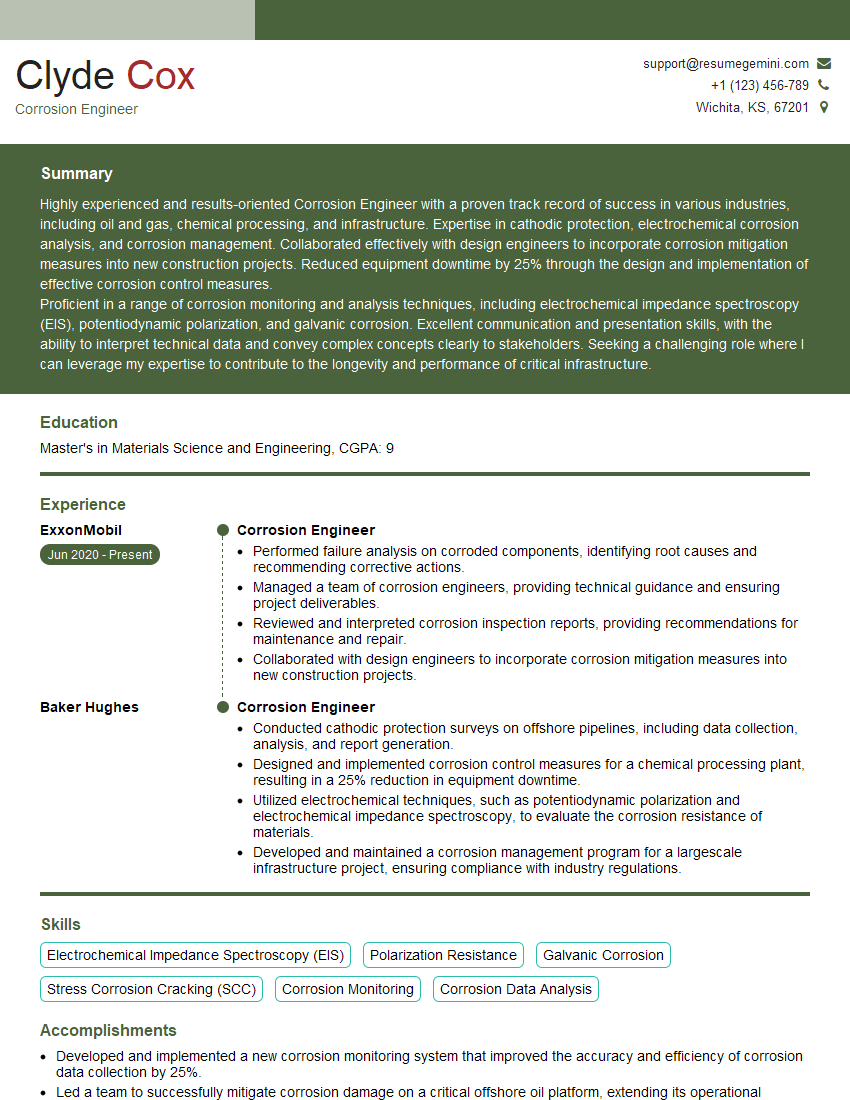
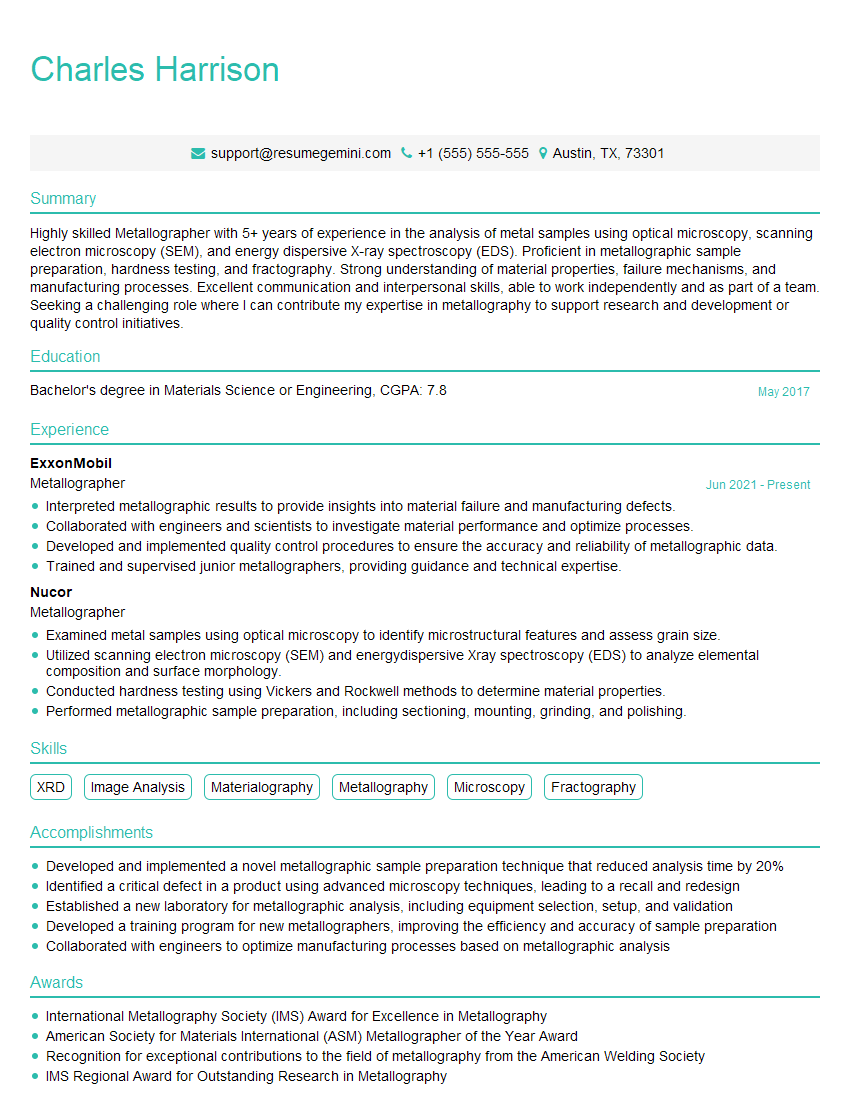
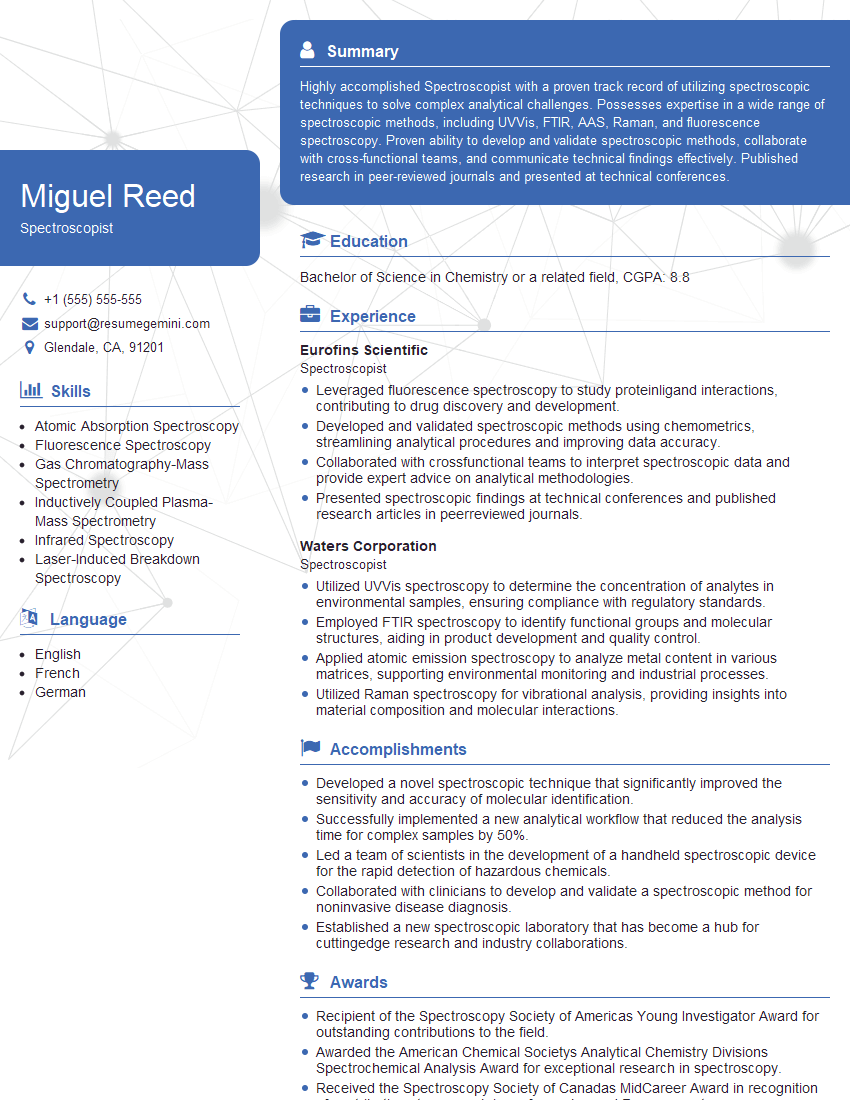
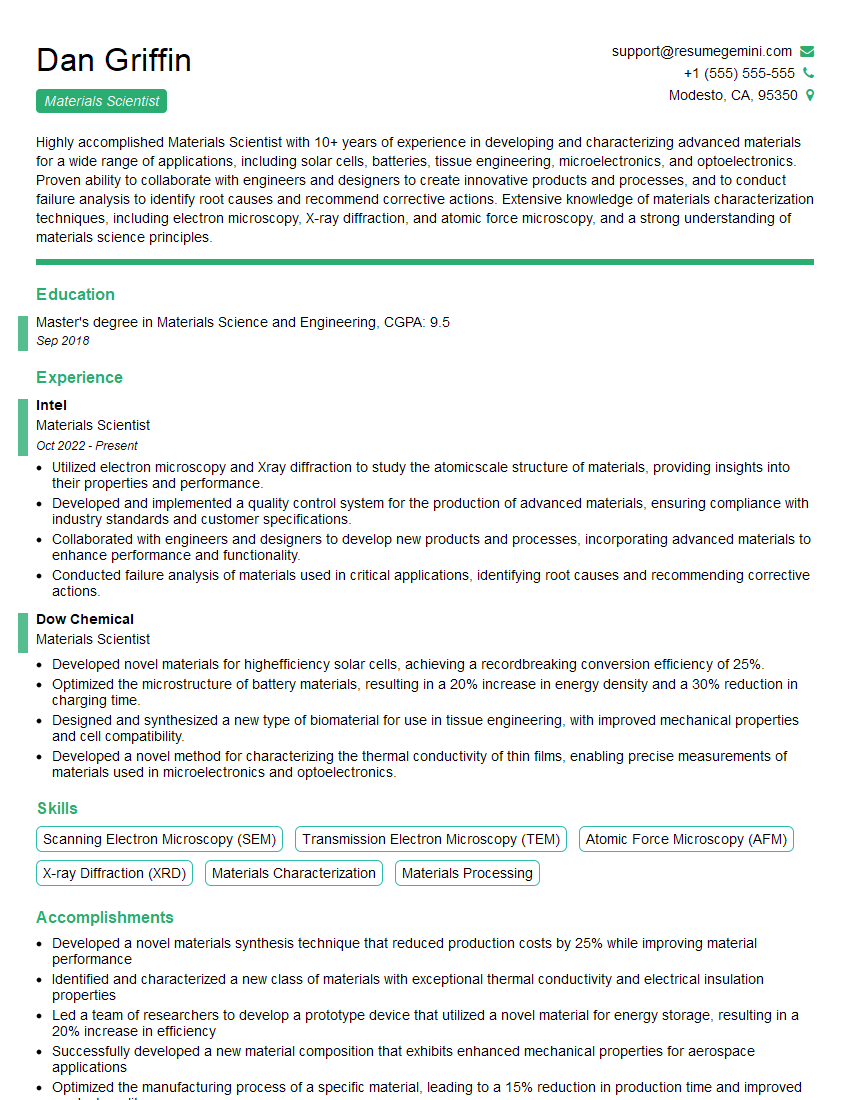
Mastering metal testing principles is crucial for career advancement in various engineering and manufacturing fields. A strong understanding of these concepts opens doors to exciting opportunities and higher-level roles. To maximize your job prospects, create a compelling and ATS-friendly resume that highlights your skills and experience. ResumeGemini is a trusted resource for building professional resumes that get noticed. They provide examples of resumes tailored to the Metal Testing field, helping you present your qualifications effectively and land your dream job.




Explore more articles
Users Rating of Our Blogs
Share Your Experience
We value your feedback! Please rate our content and share your thoughts (optional).
What Readers Say About Our Blog
Really detailed insights and content, thank you for writing this detailed article.
IT gave me an insight and words to use and be able to think of examples