Cracking a skill-specific interview, like one for Vehicle Inspection Reporting and Enforcement (VIRES), requires understanding the nuances of the role. In this blog, we present the questions you’re most likely to encounter, along with insights into how to answer them effectively. Let’s ensure you’re ready to make a strong impression.
Questions Asked in Vehicle Inspection Reporting and Enforcement (VIRES) Interview
Q 1. Explain the process of a standard vehicle inspection.
A standard vehicle inspection is a systematic examination of a vehicle’s components to ensure they meet safety and environmental standards. Think of it like a thorough health check for your car. The process typically involves several key steps:
- Exterior Examination: This includes checking the tires (tread depth, condition, pressure), lights (headlights, brake lights, turn signals), wipers, mirrors, and body damage. We’re looking for anything that could impact safe operation.
- Undercarriage Inspection: This involves a visual check of the exhaust system, suspension, steering components, and brakes for leaks, damage, or wear and tear. We look for rust, broken parts, or anything that compromises the vehicle’s structural integrity.
- Interior Examination: We inspect the seatbelts, horn, gauges, and overall functionality of the interior. Does the speedometer work? Are the seatbelts intact? These seemingly small details are crucial for safety.
- Emissions Test (where applicable): In many jurisdictions, vehicles undergo an emissions test to ensure they meet environmental standards. This involves measuring the levels of pollutants emitted by the vehicle’s exhaust.
- Documentation Review: We verify that the vehicle’s registration and other documentation are valid and accurate.
After the inspection, a report is generated detailing the findings and any necessary repairs or actions.
Q 2. Describe the different types of vehicle inspection reports.
Vehicle inspection reports vary depending on the jurisdiction and the nature of the inspection, but some common types include:
- Pass/Fail Report: A simple report indicating whether the vehicle passed or failed the inspection. This is the most basic type of report.
- Detailed Inspection Report: This provides a comprehensive list of all inspected components, their condition, and any identified defects. It often includes photos or diagrams to illustrate the problems.
- Repair Order: If the vehicle fails the inspection, a repair order will list the necessary repairs to bring the vehicle into compliance.
- Rejection Notice: This document formally indicates the vehicle’s failure to meet standards and may include instructions on how to appeal the decision.
- Out-of-Service Order: This is a more serious document indicating the vehicle is unsafe to operate and should be immediately removed from service until repairs are made.
The level of detail in the report depends on the severity of any issues found and the regulatory requirements.
Q 3. How do you handle discrepancies between your inspection findings and the vehicle’s documentation?
Discrepancies between inspection findings and vehicle documentation are handled with thorough investigation and documentation. For example, if the documentation shows a specific part replacement but the inspection reveals the part is either missing or defective, I’d:
- Carefully re-examine the area: Make sure I haven’t missed something. Double-checking is crucial.
- Compare the vehicle’s VIN (Vehicle Identification Number) to the documentation: Ensure we’re looking at the correct vehicle and paperwork. Errors can happen.
- Document the discrepancy thoroughly: This includes detailed notes, photographs, and any additional evidence supporting the findings. Accuracy in reporting is paramount.
- Contact the vehicle owner or relevant authorities: This could be to clarify the situation, providing them with the documented evidence of the discrepancy and inviting them to provide clarification.
- Escalate as necessary: If the discrepancy cannot be resolved, and if it relates to safety-critical items, the vehicle may be deemed unsafe and put out of service until the issue is resolved.
Maintaining a clear audit trail is essential for transparency and accountability. This process ensures fairness and keeps both the public and the vehicle owner safe.
Q 4. What are the common violations found during vehicle inspections?
Common violations vary by jurisdiction, but some frequently encountered issues include:
- Brake system defects: Worn brake pads, leaking brake lines, malfunctioning ABS systems.
- Steering system problems: Excessive play in the steering wheel, damaged tie rod ends, worn ball joints.
- Lighting issues: Burnt-out headlights, taillights, or turn signals.
- Tire problems: Worn tires, under-inflated tires, or tires with damaged sidewalls.
- Exhaust system leaks: Holes or damage in the exhaust system leading to excessive emissions.
- Windshield wipers: Damaged or improperly functioning wipers can impair visibility.
- Emissions violations (where applicable): Failure to meet emission standards, resulting in excessive pollutants.
These violations often compromise safety and can lead to accidents. Preventing these through inspections is critical for public safety.
Q 5. Explain the legal framework surrounding vehicle inspections in your jurisdiction.
The legal framework surrounding vehicle inspections varies greatly depending on the jurisdiction. However, generally, these laws aim to:
- Ensure road safety: Inspections help identify and remove unsafe vehicles from the roads.
- Protect the environment: Emissions tests help reduce air pollution.
- Maintain vehicle standards: Inspections ensure vehicles meet minimum safety and operational requirements.
Specific laws will define the frequency of inspections, the required components to be inspected, penalties for violations, and the procedures for appealing inspection results. These regulations are typically established by state or provincial transportation departments and are enforced by law enforcement agencies.
For instance, in many jurisdictions, periodic inspections are mandatory, often tied to vehicle registration renewal, and failing to meet these standards can result in fines, vehicle impoundment, or even legal action.
Q 6. How do you ensure accuracy and consistency in your inspection reports?
Accuracy and consistency in vehicle inspection reports are paramount for maintaining public safety. We achieve this through several key measures:
- Standardized Inspection Procedures: Following a detailed checklist ensures all critical components are inspected consistently. This involves using standardized forms and reporting templates.
- Regular Calibration and Maintenance of Equipment: Our tools, like brake testers and emission analyzers, are meticulously calibrated and maintained to ensure precise measurements. This involves regular checks and certifications.
- Training and Certification of Inspectors: Inspectors undergo rigorous training to understand the relevant regulations, procedures, and the proper use of inspection equipment. Ongoing professional development is crucial to stay current with advancements and changes in regulations.
- Quality Control Measures: Regular audits and reviews of inspection reports ensure that procedures are followed accurately. This might include spot checks by supervisors or internal review processes.
- Digital Reporting Systems: The use of digital reporting systems reduces errors and enables easy data analysis, providing valuable feedback for continuous improvement.
By implementing these measures, we can significantly reduce the risk of inconsistencies and errors in our reports, strengthening public trust and safety.
Q 7. Describe your experience with different types of vehicle inspection equipment.
Throughout my career, I’ve worked with a variety of vehicle inspection equipment, including:
- Brake Testers: Used to measure braking force and efficiency. These range from simple handheld devices to sophisticated computerized systems capable of detailed analysis.
- Headlight Testers: Used to verify the alignment and intensity of headlights to ensure adequate illumination.
- Emissions Analyzers: These measure the levels of various pollutants in vehicle exhaust, helping to ensure compliance with environmental standards. Different analyzers have different capabilities, some focusing on specific pollutants.
- Tire Tread Depth Gauges: Simple but essential tools for measuring remaining tire tread, indicating when tire replacement is needed.
- Suspension Testers: These assess the condition of a vehicle’s suspension system, identifying any wear or damage.
- Undercarriage Inspection Cameras: These provide a visual aid in inspecting hard-to-reach areas, allowing for a more thorough examination.
My experience with these diverse technologies has equipped me with a comprehensive understanding of their functionalities and limitations, enabling me to perform accurate and efficient inspections. The use of advanced technology constantly evolves, and continuous learning is vital to stay updated and utilize the best tools available for effective vehicle inspections.
Q 8. How do you prioritize your tasks during a busy inspection schedule?
Prioritizing tasks during a busy inspection schedule requires a structured approach. I utilize a combination of techniques, including prioritizing inspections based on urgency and risk. For example, vehicles displaying obvious safety hazards, like severely worn tires or malfunctioning brakes, take precedence over minor issues. I also employ time management strategies like creating a daily schedule, allocating specific time slots for each inspection, and using a checklist to ensure thoroughness. This systematic approach minimizes delays and maximizes efficiency while guaranteeing that safety-critical issues are addressed promptly.
Imagine a scenario with several vehicles awaiting inspection. I’d first visually assess each one to identify those with immediately apparent safety problems. These would be moved to the front of the queue. I then use the remaining time slots, factoring in estimated inspection times for each vehicle, to create a streamlined workflow. This proactive approach not only optimizes my schedule but also ensures that public safety is prioritized.
Q 9. How do you manage challenging or confrontational interactions with vehicle owners?
Handling challenging interactions with vehicle owners requires patience, diplomacy, and clear communication. My approach always prioritizes de-escalation and professional courtesy. I begin by actively listening to their concerns and validating their feelings. Then, I clearly explain the reason for the inspection findings, using plain language to avoid technical jargon. If necessary, I present supporting evidence, such as photographs or relevant regulations. For persistent confrontations, I follow established protocols by documenting the incident thoroughly, and if the situation warrants, seeking supervisory assistance.
For instance, I once encountered a vehicle owner who vehemently disagreed with a failing inspection due to a minor issue. Instead of getting defensive, I calmly showed him the relevant regulation and explained the potential safety risk involved. Through clear communication and demonstrating my commitment to safety, I eventually gained his understanding. Documenting this interaction, including the owner’s comments and my responses, is crucial for maintaining a clear record.
Q 10. What are the safety protocols you follow during vehicle inspections?
Safety is paramount during vehicle inspections. My protocols begin with a thorough pre-inspection check of my own equipment, ensuring tools are in good working order. I always wear high-visibility clothing and safety glasses. Before approaching any vehicle, I carefully assess the surroundings to identify potential hazards. When inspecting the vehicle, I instruct the owner to remain outside the vehicle’s immediate vicinity. I use caution when handling fluids or parts, and use designated work areas whenever possible. Finally, I maintain a safe distance from moving vehicles during any road testing involved in the inspection process. This multi-layered approach minimizes risk for both myself and the vehicle owner.
For example, if I detect a potential fuel leak, I will never work directly over the leak area. Instead, I’d immediately note the problem in my report and recommend the owner avoid further use of the vehicle until it is repaired.
Q 11. Explain your experience with vehicle inspection software and databases.
I possess extensive experience with various vehicle inspection software and databases. I’m proficient in using systems for recording inspection data, generating reports, managing vehicle records, and accessing regulatory updates. This includes familiarity with both standalone applications and integrated systems that connect to state-level databases. My skills extend to data entry, report generation, data analysis and the use of search functions to quickly locate specific vehicle information or inspection history. I understand the importance of data accuracy and security in these systems.
For example, I’ve used systems that automate the generation of inspection reports, reducing paperwork and improving efficiency. I’m also comfortable working with databases to retrieve historical data for trend analysis, which can help identify common failure points in specific vehicle models or pinpoint areas requiring more attention during inspections.
Q 12. How do you identify and report potentially dangerous vehicle defects?
Identifying and reporting potentially dangerous vehicle defects requires a keen eye for detail and thorough knowledge of vehicle safety standards. My process involves a systematic inspection using a standardized checklist, paying close attention to critical components such as brakes, steering, tires, lights, and exhaust systems. Any defect that poses a significant safety risk, such as severely worn brake pads or a leaking fuel line, is immediately flagged for attention. I document the defect with detailed descriptions, photographs, and measurements where applicable. Then, I categorize the defect based on its severity—critical, major, or minor—according to established guidelines, and the report is immediately generated and submitted following standard protocol.
Imagine finding a crack in a vehicle’s steering column. I’d not only describe it accurately in my report but also provide photographs and measurements illustrating the severity of the damage. I would immediately classify this as a ‘critical’ defect, ensuring the vehicle is removed from service until the problem is resolved.
Q 13. Describe your experience with enforcement procedures for vehicle violations.
My experience with enforcement procedures involves applying established regulations and following established protocols. I am trained to handle various levels of violations, from issuing warnings for minor defects to initiating the process for vehicles that pose significant safety risks and are unfit to operate. I always ensure that the owner is informed of the violation and the consequences, explaining the relevant regulations clearly. I carefully document all actions taken and adhere strictly to legal guidelines to ensure fairness and avoid legal challenges. In situations involving serious violations, I follow established escalation procedures and may involve law enforcement if needed.
For example, a vehicle failing its inspection due to severely worn tires would result in a “fail” with clear instructions for the repair, and the owner is informed of the potential fines associated with operating the vehicle in such a condition. The vehicle would be prohibited from use until the issues are rectified and a subsequent inspection confirms the vehicle is safe for operation.
Q 14. How do you maintain up-to-date knowledge of vehicle inspection regulations?
Maintaining up-to-date knowledge of vehicle inspection regulations is crucial for accurate and compliant inspections. I achieve this through several methods. Firstly, I regularly review official government publications and updates issued by the relevant authorities. Secondly, I participate in professional development programs and training workshops that cover changes in regulations and best practices. Thirdly, I actively engage with professional networks and associations, leveraging opportunities to discuss and learn from my colleagues’ experiences. This multi-faceted approach ensures that my knowledge remains current and I am always aware of any changes or updates to the inspection regulations.
For example, if new emission standards are introduced, I would promptly attend relevant training sessions to familiarize myself with the new requirements and the updated inspection procedures before applying them in my daily work. This proactive approach ensures that I consistently perform inspections compliant with the most current regulations.
Q 15. Explain the process of escalating a complex or unresolved inspection issue.
Escalating a complex or unresolved inspection issue involves a structured approach to ensure the problem gets the attention and expertise it needs. It typically starts with internal review. If I encounter a problem I can’t resolve – perhaps an unusual component failure or ambiguous regulation – I first consult internal resources, like senior inspectors or technical specialists. We discuss the issue, review relevant documentation, and explore possible solutions. This often involves referencing manufacturer specifications, industry best practices, and legal precedents.
If the issue remains unresolved internally, the next step involves escalation to a higher authority, which could be a regional supervisor or the organization’s technical department. This usually involves detailed documentation of the inspection, the attempts at resolution, photographic evidence, and a clear statement of the unresolved issue. A formal report is usually prepared outlining the problem, the steps taken, and the desired outcome. This report is then reviewed and a decision is made on how to proceed, which might involve further investigation, consultation with external experts, or even a referral to a governing body depending on the nature of the discrepancy.
For example, if I encountered a significant discrepancy in emission readings for a vehicle which passed the test according to our established procedures, but I had strong reason to believe there was a problem, I would meticulously document my findings and escalate it, providing all supporting data to the relevant supervisor for further investigation and, possibly, testing at an independent emissions facility.
Career Expert Tips:
- Ace those interviews! Prepare effectively by reviewing the Top 50 Most Common Interview Questions on ResumeGemini.
- Navigate your job search with confidence! Explore a wide range of Career Tips on ResumeGemini. Learn about common challenges and recommendations to overcome them.
- Craft the perfect resume! Master the Art of Resume Writing with ResumeGemini’s guide. Showcase your unique qualifications and achievements effectively.
- Don’t miss out on holiday savings! Build your dream resume with ResumeGemini’s ATS optimized templates.
Q 16. How do you ensure data integrity and confidentiality in your inspection reports?
Data integrity and confidentiality are paramount in VIRES. We use a variety of methods to ensure both. Data integrity is maintained through a combination of rigorous inspection procedures, double-checking mechanisms, and secure digital reporting systems. All data is entered into our system using validated checklists and templates. This reduces the potential for errors during data entry. We frequently conduct audits, cross-referencing data to make sure it matches our records and physical inspection findings. Our systems automatically timestamp and track all changes, providing an audit trail.
Confidentiality is protected through several layers of security. Access to the inspection database is restricted to authorized personnel only, using unique login credentials with different permission levels. All reports are encrypted both during transmission and storage. We adhere strictly to data privacy regulations, ensuring that personal information is only used for the purpose of the inspection and is protected from unauthorized access or disclosure. Physical security measures are also in place to protect the storage of physical documentation. Think of it like a bank vault for vehicle inspection data. Multi-layered security is crucial for safeguarding sensitive information.
Q 17. How do you handle situations where a vehicle fails inspection?
When a vehicle fails inspection, the process is clearly defined to ensure fairness and safety. The inspector provides the vehicle owner with a detailed report explaining the reasons for failure, citing specific standards and regulations that were not met. The report clearly outlines what needs to be repaired or corrected before the vehicle can pass inspection. This includes photographic evidence when appropriate. We give the owner clear instructions on how to schedule a re-inspection once the necessary repairs have been completed.
For example, if a vehicle fails due to brake issues, the report might detail insufficient brake pad thickness, fluid leakage, or a malfunctioning brake light. The owner is then responsible for having those issues addressed by a qualified mechanic. We also offer advice to help the owner find a reputable repair facility. The vehicle must then be re-inspected to verify that all necessary repairs have been made correctly. This entire process is documented to ensure transparency and accountability.
Q 18. What is your experience with different types of vehicle systems (brakes, steering, emissions)?
My experience encompasses a wide range of vehicle systems. I am proficient in inspecting braking systems, identifying issues like worn brake pads, damaged rotors, fluid leaks, and malfunctioning anti-lock braking systems (ABS). Similarly, I can assess steering systems, checking for play in the steering wheel, worn tie rod ends, and any signs of damage to steering components. In terms of emissions, I am experienced in using emission analyzers to test for pollutants like carbon monoxide, hydrocarbons, and nitrogen oxides. I am familiar with different emission control systems and can identify malfunctions. I also understand the regulatory requirements that define acceptable emission levels.
Beyond these core systems, I also have experience working with various other vehicle systems, including lighting systems, suspension, tires, and exhaust systems. My expertise is not limited to specific makes and models of vehicles. I’ve worked with a broad range of vehicles, from passenger cars and light trucks to heavier commercial vehicles, gaining a strong understanding of diverse vehicle technologies. I use diagnostic tools to help me identify problems.
Q 19. Explain your understanding of vehicle maintenance standards and their relevance to inspection.
Vehicle maintenance standards are directly linked to inspection procedures. They define the acceptable level of vehicle condition for safe operation. These standards are typically established by government agencies or industry bodies and are crucial for public safety. My understanding of these standards includes the recommended maintenance schedules for various vehicle components and the specific criteria used to assess their condition. For instance, I know the acceptable limits for brake pad wear, tire tread depth, and exhaust emissions, and I can check that these are met during an inspection. These standards aren’t arbitrary; they’re based on research, testing, and safety considerations.
Understanding these standards allows me to determine whether a vehicle is roadworthy. A vehicle failing to meet these maintenance standards represents a potential safety hazard. Therefore, failing vehicles are deemed unfit for operation until necessary repairs or replacements are done, improving overall road safety. It’s like a health check for a vehicle; regular maintenance based on standards ensures safety and longevity, and inspections are our way of verifying that the vehicle is healthy enough to operate.
Q 20. How do you interpret and apply relevant legal codes and regulations during inspection?
Interpreting and applying relevant legal codes and regulations is fundamental to my role. I regularly consult the specific laws and codes applicable to vehicle inspections in my jurisdiction. This includes understanding the requirements for different vehicle classes, emission standards, and safety regulations. I am familiar with the legal consequences of issuing incorrect inspection reports, and I take immense care to ensure my decisions are legally sound and accurately reflect the vehicle’s condition.
For example, I need to be very clear on the specific emission standards enforced, so I know precisely what levels of pollutants are acceptable. If a vehicle exceeds those limits, I know what actions to take, including documenting the violation and rejecting the vehicle until the problem is rectified. My understanding of the legal framework guides every decision I make during the inspection process, to ensure the safety of the public.
Q 21. Describe your proficiency with report writing and documentation procedures.
Proficiency in report writing and documentation is essential. My reports are detailed, accurate, and objective. They follow a standardized format to ensure consistency and clarity. Each report includes a clear description of the vehicle, the inspection date, and a comprehensive list of findings. Any defects are documented with specific details, including their location, severity, and potential safety implications. I consistently use clear language, avoiding technical jargon unless absolutely necessary, making it easy for vehicle owners and other inspectors to understand the report.
Furthermore, I ensure all documentation is properly filed and archived to adhere to regulatory requirements. Maintaining accurate and complete records is paramount for transparency and to provide a clear audit trail should any questions or disputes arise. Think of my documentation as a complete and reliable history of the vehicle’s condition, meticulously recorded for verification and traceability.
Q 22. How do you contribute to a safe and efficient working environment?
Contributing to a safe and efficient working environment in Vehicle Inspection Reporting and Enforcement (VIRES) is paramount. It involves a multifaceted approach focusing on personal safety, team collaboration, and process optimization.
- Personal Safety: I always adhere to safety protocols, wearing appropriate Personal Protective Equipment (PPE) such as safety glasses and gloves when handling potentially hazardous materials like fluids or sharp objects. I also ensure the inspection area is well-lit and free of obstacles to prevent accidents. For example, I always properly secure the vehicle using wheel chocks before conducting an undercarriage inspection.
- Teamwork and Communication: Effective communication is vital. I clearly communicate inspection findings to my colleagues and supervisors, ensuring consistency and accuracy in reporting. I also proactively identify and report any potential safety hazards I encounter, contributing to a culture of proactive risk management. For example, if I notice a faulty inspection bay light, I immediately report it to prevent accidents.
- Process Optimization: I consistently strive to improve our workflow. This includes suggesting improvements to our inspection checklists, advocating for better equipment, and streamlining processes to minimize delays and maximize efficiency. For instance, I helped implement a new digital reporting system that significantly reduced paperwork and improved data accuracy.
Q 23. What is your experience with using inspection checklists and forms?
My experience with inspection checklists and forms is extensive. I am proficient in using both paper-based and digital systems, ensuring complete and accurate documentation of every inspection.
- Checklist Usage: I utilize checklists to ensure a standardized and thorough inspection process, covering all mandatory checks according to regulatory requirements. The checklist acts as a guide, ensuring no critical components are overlooked. This minimizes errors and enhances the consistency of inspections across different inspectors.
- Form Completion: I meticulously complete inspection forms, accurately recording observations and providing clear and concise descriptions of any defects identified. I understand the importance of accurate record-keeping for compliance and legal purposes. Digital forms, in particular, allow for automated data analysis, which greatly improves efficiency.
- Example: A recent inspection of a heavy-duty truck involved using a digital checklist that automatically flagged critical issues like brake-pad wear below the minimum threshold. The system then generated a detailed report with clear photographic evidence attached.
Q 24. Describe your experience with different vehicle types (cars, trucks, buses, etc.)
I have experience inspecting a wide range of vehicle types, including cars, light trucks, heavy-duty trucks, buses, and motorcycles. My experience extends to different vehicle systems, encompassing mechanical, electrical, and safety components.
- Cars: Proficient in inspecting various car models, focusing on components like brakes, lights, tires, emissions, and structural integrity.
- Trucks: Experienced in inspecting heavy-duty trucks, including extensive checks of braking systems, suspension, cargo securing mechanisms, and load-bearing capacity, complying with regulations specific to commercial vehicles.
- Buses: Skilled in inspecting buses, paying particular attention to passenger safety features such as emergency exits, seat belts, and fire suppression systems.
- Motorcycles: Familiar with the unique aspects of motorcycle inspections, such as tire wear, brake functionality, and steering mechanisms.
This diverse experience allows me to adapt my inspection approach based on the specific vehicle type and its unique safety requirements.
Q 25. How do you handle a high volume of inspection requests?
Handling a high volume of inspection requests requires a structured and efficient approach. My strategy focuses on prioritization, time management, and leveraging technology.
- Prioritization: I prioritize inspections based on factors such as urgency (e.g., emergency vehicles), vehicle type (e.g., commercial vehicles with stricter regulations), and appointment schedules.
- Time Management: I use time management techniques like scheduling appointments strategically to optimize workflow and minimize idle time. I also focus on efficient inspection practices to avoid unnecessary delays.
- Technology: I am proficient in utilizing digital inspection tools, which facilitate quick data entry, automated report generation, and streamlined communication. These tools considerably improve efficiency compared to manual methods.
- Example: During peak season, we often face a surge in inspection requests. By utilizing appointment scheduling software and digital checklists, we were able to manage the increased workload effectively without compromising inspection quality.
Q 26. What are your strengths and weaknesses in performing vehicle inspections?
My strengths lie in my attention to detail, methodical approach, and ability to quickly identify potential safety hazards. I am also a quick learner, adapting easily to new technologies and regulations.
- Strengths: I have a keen eye for detail, ensuring thorough and accurate inspections. My systematic approach minimizes errors and improves consistency. I excel at identifying even minor defects that could potentially lead to significant safety issues. I am proficient in using various inspection tools and software.
- Weaknesses: Like anyone, I can occasionally experience fatigue during long days of inspections. To mitigate this, I make sure to take short breaks to maintain focus and avoid errors. I am always striving to improve my knowledge and skills, particularly in the emerging area of electric vehicle technology.
Q 27. How do you stay updated on changes in vehicle technology and regulations?
Staying updated on changes in vehicle technology and regulations is crucial in VIRES. I actively utilize several methods to ensure my knowledge remains current.
- Professional Development: I participate in industry conferences, workshops, and training courses to stay abreast of the latest advancements in vehicle technology and regulatory updates. This includes attending seminars on emerging technologies like autonomous vehicles and electric vehicle safety.
- Regulatory Websites: I regularly review relevant regulatory websites and publications to stay informed about any changes in vehicle inspection standards and compliance requirements.
- Industry Publications: I subscribe to industry journals and publications that cover vehicle technology and regulatory developments. This keeps me updated on new standards and best practices.
- Manufacturer Information: I access technical manuals and resources provided by vehicle manufacturers to understand the specifics of different vehicle models and their systems.
Q 28. Describe a time you had to make a difficult decision during a vehicle inspection.
During a recent inspection of a used delivery van, I discovered a significant crack in the chassis frame, hidden beneath rust. While the crack wasn’t immediately apparent during the initial visual inspection, closer examination revealed its severity. The decision was difficult because the owner insisted the vehicle was roadworthy.
The dilemma: Passing the vehicle would have posed a significant safety risk, potentially leading to a serious accident. Failing it meant causing significant financial hardship to the owner, who heavily relied on the van for his livelihood.
My approach: I carefully documented the crack with photographs and measurements, explaining the potential safety hazard clearly to the owner. I also provided information regarding repair options and the regulatory requirements for safe road operation. Ultimately, I failed the vehicle, but ensured the owner understood the reasons and had access to the necessary resources to get the van repaired safely.
This experience highlighted the importance of prioritizing safety while maintaining professional integrity and empathy towards vehicle owners.
Key Topics to Learn for Vehicle Inspection Reporting and Enforcement (VIRES) Interview
- Vehicle Inspection Procedures: Understand the standardized procedures for inspecting various vehicle types, including passenger cars, commercial vehicles, and motorcycles. This includes knowing the legal requirements and safety standards involved.
- Defect Identification and Classification: Learn to accurately identify and classify vehicle defects according to established guidelines. Practice applying your knowledge to various scenarios and understanding the severity levels of different defects.
- Reporting and Documentation: Master the process of accurately documenting inspection findings, including using appropriate terminology and completing required forms. Understand the importance of clear, concise, and legally sound reporting.
- Legal Frameworks and Regulations: Familiarize yourself with the relevant laws, regulations, and policies governing vehicle inspections in your jurisdiction. Understand the consequences of non-compliance and the importance of adhering to legal standards.
- Data Management and Analysis: Learn how inspection data is collected, managed, and utilized. Understand the importance of data integrity and its role in ensuring road safety and enforcing regulations.
- Enforcement Procedures: Understand the procedures for issuing citations, warnings, and other enforcement actions for vehicles that fail inspection. This includes knowing the appropriate legal processes and communication protocols.
- Safety and Risk Management: Understand the safety protocols and risk management procedures associated with conducting vehicle inspections. This includes understanding how to mitigate risks to both inspectors and vehicle owners.
- Technological Applications: Explore any technological tools or software used in modern vehicle inspection processes, such as diagnostic equipment and reporting systems.
Next Steps
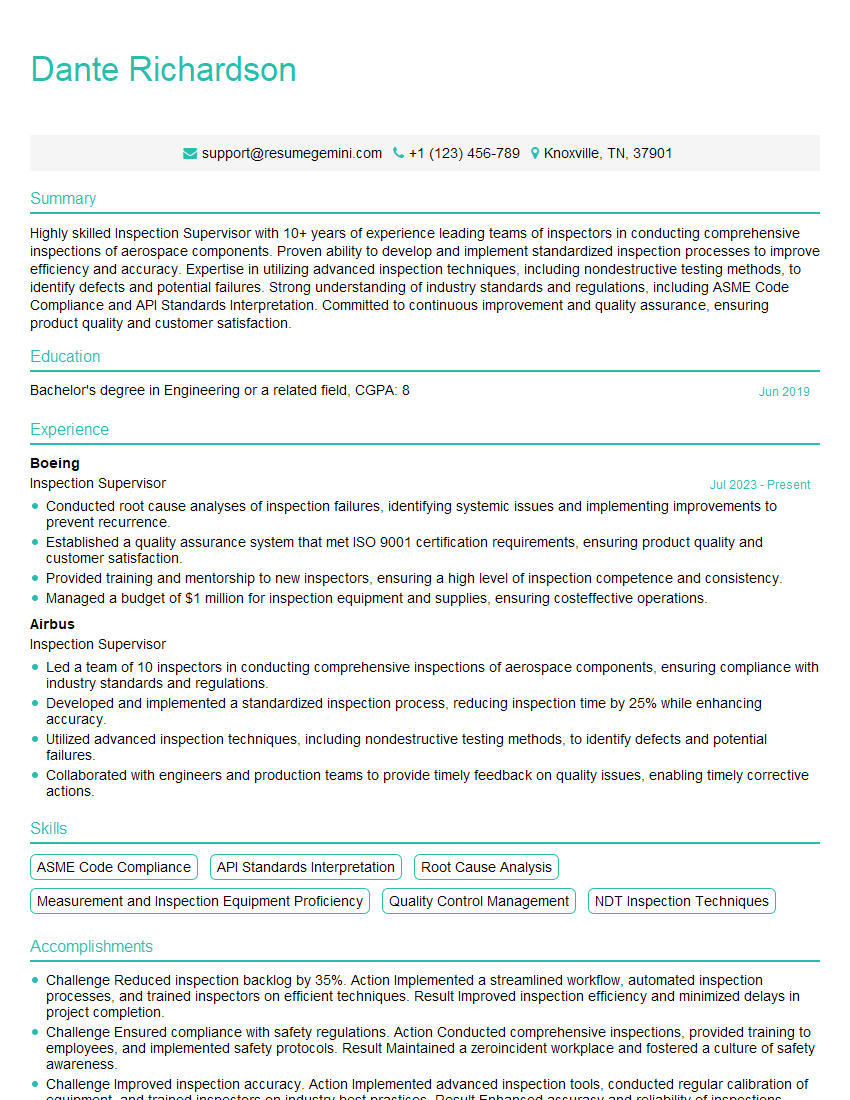
Mastering Vehicle Inspection Reporting and Enforcement (VIRES) opens doors to a rewarding career in ensuring road safety and upholding transportation regulations. A strong understanding of these principles is highly valued by employers. To enhance your job prospects, create an ATS-friendly resume that highlights your skills and experience effectively. We highly recommend using ResumeGemini to build a professional and impactful resume. ResumeGemini provides helpful tools and resources, including examples of resumes tailored to Vehicle Inspection Reporting and Enforcement (VIRES) roles, to give you a competitive edge in your job search.
Explore more articles
Users Rating of Our Blogs
Share Your Experience
We value your feedback! Please rate our content and share your thoughts (optional).
What Readers Say About Our Blog
Really detailed insights and content, thank you for writing this detailed article.
IT gave me an insight and words to use and be able to think of examples