The thought of an interview can be nerve-wracking, but the right preparation can make all the difference. Explore this comprehensive guide to OHSA Safety Training interview questions and gain the confidence you need to showcase your abilities and secure the role.
Questions Asked in OHSA Safety Training Interview
Q 1. Describe your experience conducting OHSA safety training programs.
Throughout my career, I’ve designed and delivered numerous OSHA safety training programs across diverse industries, including manufacturing, construction, and healthcare. My approach is always tailored to the specific hazards and regulatory requirements of each workplace. For example, I developed a comprehensive program for a construction company focusing on fall protection, incorporating both theoretical knowledge and hands-on training with proper equipment usage. Another project involved creating a customized program for a healthcare facility emphasizing infection control and bloodborne pathogen safety, including role-playing scenarios to practice safe handling procedures. I emphasize interactive learning, using a blend of lectures, demonstrations, group discussions, and practical exercises to ensure effective knowledge retention and skill development. Post-training assessments and feedback sessions further solidify learning and allow for continuous improvement of my training methods.
Q 2. Explain the hierarchy of hazard controls according to OHSA.
OSHA’s hierarchy of hazard controls prioritizes eliminating hazards entirely, followed by a series of progressively less effective controls. Think of it as a ladder, with the most effective solution at the top.
- Elimination: This is the most effective control. It involves removing the hazard completely from the workplace. For example, replacing a hazardous chemical with a safer alternative.
- Substitution: Replacing a hazardous material or process with a less hazardous one. Instead of using a solvent with harmful fumes, substituting it with a water-based cleaner.
- Engineering Controls: Modifying the workplace to reduce or eliminate the hazard. Installing machine guards to prevent injuries, implementing ventilation systems to remove hazardous fumes, or using robotics to handle hazardous materials.
- Administrative Controls: Changing the way work is done to minimize risk. This includes establishing safe work procedures, providing adequate training, implementing a permit-to-work system for high-risk tasks, and rotating employees through hazardous tasks to limit exposure.
- Personal Protective Equipment (PPE): This is the last line of defense and should only be used when other controls are not feasible. Examples include hard hats, safety glasses, gloves, respirators, and hearing protection. Remember, PPE only protects the individual wearing it and doesn’t address the root cause of the hazard.
Following this hierarchy ensures the most effective and sustainable hazard control, creating a safer work environment for all.
Q 3. How would you conduct a workplace hazard assessment?
A thorough workplace hazard assessment involves a systematic process to identify potential hazards and evaluate their risks. I typically use a multi-step approach:
- Planning: Define the scope of the assessment, identifying the areas, processes, and tasks to be evaluated.
- Hazard Identification: Use a variety of methods – walk-through inspections, interviews with employees, review of incident reports, and analysis of job safety analysis (JSA) documents – to identify potential hazards. This includes physical hazards (noise, slips, trips, falls), chemical hazards (exposure to hazardous substances), biological hazards (bacteria, viruses), ergonomic hazards (repetitive motions, awkward postures), and psychosocial hazards (stress, bullying).
- Risk Evaluation: Assess the likelihood and severity of each identified hazard. This often involves using a risk matrix to categorize risks as low, medium, high, or critical. The likelihood is the probability of the hazard occurring, while severity is the potential consequences of exposure to the hazard.
- Control Measures: Develop and implement appropriate control measures according to the hierarchy of controls. Document these control measures and assign responsibilities for their implementation and maintenance.
- Monitoring and Review: Regularly monitor the effectiveness of the control measures and review the hazard assessment periodically to ensure it remains current and accurate. Changes in processes, equipment, or personnel may necessitate updates to the assessment.
Throughout this process, employee participation is key. Their insights and experience are invaluable in identifying hazards that might otherwise be missed.
Q 4. What are the key elements of an effective safety training program?
An effective safety training program comprises several key elements:
- Needs Assessment: Clearly identify the training needs based on hazard assessments, job descriptions, and regulatory requirements. This ensures that the training addresses specific workplace risks.
- Clear Objectives: Define specific, measurable, achievable, relevant, and time-bound (SMART) learning objectives. This ensures that the training program is focused and effective.
- Engaging Content: Use a variety of methods—lectures, demonstrations, videos, interactive exercises, and case studies—to keep trainees engaged and facilitate learning. Interactive exercises are particularly useful for retention.
- Competency-Based Training: Focus on developing specific skills and knowledge required to perform tasks safely. Practical exercises and simulations allow trainees to apply their learning in a safe environment.
- Assessment and Evaluation: Use various methods (written tests, practical demonstrations, observation) to assess learning and evaluate the effectiveness of the training program.
- Documentation and Record Keeping: Maintain accurate records of training attendance, performance, and updates. This is essential for demonstrating compliance with regulations.
- Refresher Training: Provide regular refresher training to reinforce learning and address any changes in procedures or regulations.
By incorporating these elements, you can ensure a comprehensive and successful safety training program.
Q 5. How do you ensure compliance with OHSA regulations?
Ensuring compliance with OSHA regulations requires a multi-faceted approach:
- Staying Updated: Regularly review and understand the applicable OSHA standards and regulations. OSHA’s website is an invaluable resource for this purpose.
- Proactive Hazard Identification and Control: Conduct thorough hazard assessments, implement effective control measures according to the hierarchy of controls, and maintain detailed records of these activities.
- Comprehensive Safety Training Programs: Develop and implement comprehensive safety training programs for all employees, including new hires, covering all relevant hazards and safe work practices. This training should be tailored to specific job roles and responsibilities.
- Effective Communication: Maintain open communication with employees, fostering a safety-conscious culture where employees feel comfortable reporting hazards and near misses without fear of reprisal.
- Incident Investigation and Reporting: Thoroughly investigate all incidents and near misses, identify root causes, and implement corrective actions to prevent similar incidents from occurring in the future. Accurate and timely reporting to OSHA is crucial when required.
- Record Keeping: Maintain accurate and complete records of all safety training, hazard assessments, incident investigations, and corrective actions. These records are essential for demonstrating compliance during OSHA inspections.
A proactive and comprehensive approach to safety is crucial for maintaining compliance and creating a safe and healthy work environment.
Q 6. What is your experience with incident investigation and reporting?
I have extensive experience in incident investigation and reporting, following OSHA’s guidelines and best practices. My approach is rooted in thoroughly examining the circumstances surrounding an incident to identify its root causes, not just the immediate factors. I use various investigative techniques, including:
- Witness Interviews: Carefully gathering information from all relevant witnesses, ensuring objectivity and avoiding leading questions.
- Site Inspections: Conducting a detailed examination of the accident scene, collecting physical evidence, and documenting observations with photos and sketches.
- Equipment Examination: Inspecting any equipment involved in the incident to determine if malfunctions or defects played a role.
- Review of Records: Examining relevant documents such as training records, maintenance logs, and safety procedures.
Following the investigation, I prepare a comprehensive report detailing the incident’s circumstances, root causes, and recommendations for corrective actions. This report is then used to implement changes to prevent similar incidents in the future. I understand the importance of accurate and timely reporting to OSHA as required.
Q 7. Describe your knowledge of OHSA’s recordkeeping requirements.
OSHA’s recordkeeping requirements are critical for demonstrating compliance and identifying trends in workplace safety. My understanding of these requirements extends to both the OSHA 300 Log of Work-Related Injuries and Illnesses and the OSHA 300A Summary of Work-Related Injuries and Illnesses. I’m proficient in:
- Recordable Case Determination: Accurately determining which injuries and illnesses are recordable according to OSHA’s criteria. This includes understanding the definitions of recordable cases, the reporting timelines, and the information required to be recorded.
- Data Entry and Maintenance: Accurately entering and maintaining data in the OSHA 300 Log and OSHA 300A Summary, ensuring consistency and accuracy.
- Record Retention: Understanding OSHA’s requirements for the retention of injury and illness records, ensuring that records are stored securely and are readily accessible for inspection.
- Compliance Audits: Conducting regular compliance audits to identify any potential gaps in recordkeeping practices and to ensure that all necessary information is being accurately recorded and retained.
Proper recordkeeping is not just a regulatory requirement; it’s an essential tool for identifying safety trends, prioritizing areas for improvement, and continually enhancing workplace safety.
Q 8. How do you develop and implement safety policies and procedures?
Developing and implementing effective safety policies and procedures is a crucial aspect of any organization’s commitment to workplace safety. It’s not just about creating a document; it’s about building a safety culture.
My approach involves a systematic process:
- Hazard Identification and Risk Assessment: This is the foundation. We conduct thorough workplace inspections, utilizing methods like Job Safety Analyses (JSAs) and hazard checklists, to identify potential hazards and assess the associated risks. For instance, in a manufacturing setting, this might involve identifying the risks associated with operating heavy machinery or working with hazardous chemicals.
- Policy Development: Based on the risk assessment, we develop clear, concise, and easy-to-understand safety policies. These policies should address specific hazards and outline the required preventative measures. For example, a policy might detail the correct use of personal protective equipment (PPE) like safety glasses and hearing protection.
- Procedure Creation: Detailed step-by-step procedures are created to support the policies. These procedures should be specific and practical, leaving no room for ambiguity. A good example would be a lockout/tagout procedure for machinery maintenance, ensuring that the equipment is completely de-energized before any work begins.
- Communication and Training: Effective communication is key. We disseminate policies and procedures through various channels – training sessions, safety meetings, posters, and digital platforms – ensuring all employees understand and can readily access the information. We also conduct regular refresher training to keep safety top of mind.
- Monitoring and Review: Regular audits and inspections are conducted to ensure compliance and identify areas for improvement. The policies and procedures are reviewed and updated periodically to reflect changes in the workplace or relevant legislation.
For example, in my previous role, we implemented a new policy for confined space entry, which included detailed procedures, specialized training, and the use of atmospheric monitoring equipment. This significantly reduced the risk of accidents in those hazardous areas.
Q 9. What is your experience with emergency response planning and drills?
Emergency response planning and drills are vital for minimizing the impact of unforeseen events. My experience encompasses developing comprehensive emergency plans, conducting regular drills, and post-drill analysis for continuous improvement.
My approach includes:
- Identifying potential emergencies: This involves considering various scenarios, such as fires, chemical spills, medical emergencies, and natural disasters. We brainstorm potential scenarios specific to the workplace.
- Developing emergency response plans: These plans detail procedures for evacuation, emergency contact information, roles and responsibilities, and the use of emergency equipment. They include pre-designated assembly points and communication protocols.
- Conducting regular drills: We conduct both full-scale and partial drills to test the effectiveness of the plans and ensure that employees are familiar with the procedures. We use a variety of drills, from fire drills to chemical spill response simulations.
- Post-drill analysis and improvement: After each drill, we conduct a thorough review to identify areas for improvement in the plan and the response. Feedback from participants is crucial in this process.
For instance, I once led the development of a comprehensive emergency response plan for a chemical plant. The plan, which included detailed evacuation procedures and emergency shutdown protocols, successfully guided the team during a simulated chemical spill, allowing for a swift and safe response.
Q 10. How would you handle a situation where an employee refuses to follow safety procedures?
Addressing employee refusal to follow safety procedures requires a careful and progressive approach. It’s crucial to prioritize both safety and employee relations.
My strategy involves:
- Understanding the Reason: The first step is to understand *why* the employee is refusing to comply. Is it due to a lack of understanding, concerns about the procedure’s practicality, or something else? Open communication is key here.
- Retraining and Clarification: If the refusal stems from a lack of understanding, retraining is essential. We would revisit the relevant training materials, clarify any ambiguities, and ensure the employee fully grasps the safety procedures and the reasons behind them.
- Addressing Concerns: If the refusal is rooted in legitimate concerns, we would address those concerns collaboratively. This might involve modifying procedures to make them more efficient or safe, or providing additional support to the employee.
- Disciplinary Action: If retraining and addressing concerns don’t resolve the issue, progressive disciplinary action, as outlined in the company’s policies, may be necessary. This could involve warnings, suspension, or termination, depending on the severity and persistence of the non-compliance. Documentation of all steps is crucial.
It’s important to remember that a disciplinary approach should be a last resort. The goal is to foster a collaborative safety culture where employees feel empowered to raise concerns and work together to prevent accidents.
Q 11. Explain your understanding of lockout/tagout procedures.
Lockout/Tagout (LOTO) procedures are critical for preventing accidental energization of machinery during maintenance or repair, safeguarding employees from serious injury or death. It’s a life-saving procedure, not just a formality.
My understanding encompasses:
- Energy Isolation: The process begins with identifying all energy sources (electrical, mechanical, hydraulic, pneumatic, etc.) connected to the equipment and safely isolating them. This involves shutting down the equipment and disconnecting energy sources.
- Lockout: Each energy source is locked out using a dedicated lock, preventing unauthorized re-energization. Each person involved in the maintenance uses their own lock, further enhancing safety.
- Tagout: A tag is attached to the lockout device, clearly indicating who has locked out the equipment, the date and time, and the work being performed.
- Verification: Before work begins, it’s crucial to verify that the equipment is completely de-energized through testing and verification procedures.
- Removal of Lockout/Tagout: After the work is completed, the lockout devices are removed only by the person who applied them, ensuring that no energy source is accidentally re-activated before the equipment is ready.
Example: In a manufacturing setting, before working on a conveyor belt, all power sources to the motor must be isolated, locked out, and tagged out. This ensures that the belt cannot unexpectedly restart, potentially causing injury.
Q 12. How do you ensure effective communication of safety information?
Effective communication of safety information is paramount for a safe workplace. It’s not a one-size-fits-all approach; it requires a multi-faceted strategy.
My methods for ensuring effective communication include:
- Multiple Communication Channels: We utilize a variety of methods, such as safety meetings, toolbox talks, email updates, posters, training videos, and digital learning platforms. This ensures that information reaches all employees, regardless of their preferred learning style or language.
- Tailored Messaging: The information is tailored to the specific audience and the nature of the hazard. We avoid technical jargon and use plain language, ensuring clarity for everyone.
- Regular Feedback and Engagement: We encourage feedback from employees, making them active participants in the safety process. This could involve safety suggestion boxes, safety committees, or regular feedback sessions.
- Visual Aids and Demonstrations: Safety information is made more engaging and memorable through the use of visual aids, such as diagrams, posters, and videos. Hands-on demonstrations can enhance understanding and retention.
- Language Accessibility: Safety information must be accessible to all employees, regardless of their language proficiency. We use translation services or multilingual materials as needed.
For example, we used a combination of toolbox talks and short videos to communicate the proper use of forklifts. This multi-modal approach helped to improve employee understanding and reduce accidents related to forklift operation.
Q 13. What are some common OHSA violations you have encountered?
Throughout my career, I’ve encountered various OSHA violations. Some of the most common include:
- Lack of proper Personal Protective Equipment (PPE): Employees not wearing required safety gear, such as hard hats, safety glasses, or hearing protection, is a frequent violation.
- Inadequate Lockout/Tagout procedures: Failure to properly de-energize equipment before maintenance, resulting in serious injury risk.
- Unsafe working conditions: Hazards like exposed wiring, tripping hazards, and poor housekeeping contribute to accidents.
- Lack of proper training: Employees working with hazardous materials or machinery without adequate training is a significant issue.
- Inadequate hazard communication: Failure to properly label hazardous materials or provide safety data sheets (SDS).
Addressing these violations involves identifying the root cause, implementing corrective actions, and providing appropriate training to prevent recurrence. Documentation is crucial, both for compliance and for demonstrating a commitment to continuous improvement.
Q 14. Describe your experience with developing and delivering safety training materials.
Developing and delivering engaging safety training materials is crucial for fostering a strong safety culture. My experience in this area involves a comprehensive approach.
My process includes:
- Needs Assessment: I begin with a thorough needs assessment to determine the specific knowledge and skills gaps among employees. This often involves surveys, interviews, and observations.
- Content Development: Using the findings from the needs assessment, I develop training materials that are relevant, engaging, and easy to understand. I incorporate various learning styles and use a mix of methods, including presentations, hands-on activities, simulations, and case studies.
- Material Design: The materials are designed to be visually appealing and user-friendly. I utilize clear graphics, concise text, and real-world examples to enhance comprehension and retention.
- Delivery Methods: The training may be delivered in various formats—classroom sessions, online modules, or on-the-job training—depending on the topic and the needs of the employees. I aim for interactive and engaging sessions that promote active learning.
- Evaluation and Feedback: Post-training assessments, surveys, and follow-up observations are used to evaluate the effectiveness of the training and identify areas for improvement.
For instance, I recently developed an interactive online training module on hazard communication, which included quizzes, videos, and simulations. The module significantly improved employees’ understanding of chemical safety and handling procedures.
Q 15. How do you measure the effectiveness of your safety training programs?
Measuring the effectiveness of safety training programs is crucial for ensuring a safe workplace. It’s not enough to simply deliver the training; we must assess its impact. I use a multi-faceted approach that combines leading and lagging indicators.
Leading Indicators: These measure the effectiveness of the training *before* accidents occur. Examples include:
- Trainee engagement and knowledge retention: Pre- and post-training assessments, quizzes, and active participation in discussions reveal how well the information was absorbed.
- Training completion rates: High completion rates suggest employee commitment to safety.
- Feedback surveys: Gathering feedback from trainees on training content, delivery methods, and overall effectiveness helps identify areas for improvement.
Lagging Indicators: These measure the outcomes *after* training, typically focusing on accident and incident rates.
- Reduction in accidents and near misses: A significant decrease in these incidents shows the training’s positive impact. We track these metrics carefully, comparing rates before and after training implementation.
- Improved safety observation scores: Regular safety observations, conducted by supervisors and safety officers, can identify improvements in safe work practices after training.
- Employee reported safety concerns: A decrease in reported safety concerns suggests increased awareness and proactive reporting.
By combining leading and lagging indicators, we create a comprehensive picture of the training’s effectiveness and identify areas needing further attention. For example, if we see high engagement but lagging indicator scores aren’t improving, it might signal a gap between theoretical knowledge and practical application, suggesting a need for more hands-on training or refresher courses.
Career Expert Tips:
- Ace those interviews! Prepare effectively by reviewing the Top 50 Most Common Interview Questions on ResumeGemini.
- Navigate your job search with confidence! Explore a wide range of Career Tips on ResumeGemini. Learn about common challenges and recommendations to overcome them.
- Craft the perfect resume! Master the Art of Resume Writing with ResumeGemini’s guide. Showcase your unique qualifications and achievements effectively.
- Don’t miss out on holiday savings! Build your dream resume with ResumeGemini’s ATS optimized templates.
Q 16. How familiar are you with OSHA Form 300?
I am very familiar with OSHA Form 300, the Log of Work-Related Injuries and Illnesses. This form is a cornerstone of OSHA recordkeeping, requiring employers to record and report certain work-related injuries and illnesses. Understanding this form is essential for maintaining compliance and proactively managing workplace safety.
My familiarity extends to understanding which types of injuries and illnesses are recordable, the proper methods for recording them, and the annual summary reporting requirements (OSHA Forms 300A and 301). I’ve personally been involved in maintaining these logs, ensuring accurate and timely reporting to OSHA, as well as using the data to identify trends and implement targeted safety improvements. For example, if we noticed a spike in back injuries related to a specific task, we could analyze that data from Form 300 to determine the root cause and develop interventions to prevent future injuries. This is far more effective than simply responding to incidents reactively.
Q 17. Explain your experience with conducting safety inspections.
My experience in conducting safety inspections is extensive and spans various industries. I follow a systematic approach, combining planned inspections with regular, impromptu walk-throughs. A thorough inspection involves a visual assessment of the workplace, checking for hazards and compliance with safety regulations.
My approach includes:
- Pre-inspection planning: Identifying specific areas of concern and relevant OSHA standards.
- Visual inspection: Checking for things like proper use of PPE, equipment maintenance, housekeeping, and potential hazards (e.g., tripping hazards, exposed wires).
- Documentation: Thoroughly documenting findings, including photos and detailed descriptions, with specific references to OSHA regulations where applicable. This documentation serves as a record of the inspection and helps inform corrective actions.
- Follow-up: Working with management to implement corrective actions and verify their effectiveness. A crucial part is ensuring that identified hazards are remedied promptly and that employees are retrained if necessary.
For example, during an inspection of a construction site, I might identify a lack of fall protection, leading to immediate corrective action – halting work in that area until appropriate safety measures are in place. This proactive approach ensures a safe work environment.
Q 18. What are some common safety hazards in the workplace?
Common safety hazards in the workplace are diverse and depend heavily on the specific industry. However, some hazards frequently occur across many sectors.
- Slips, trips, and falls: These are among the most common causes of workplace injuries, stemming from clutter, spills, inadequate lighting, and uneven surfaces.
- Struck-by hazards: Objects falling from heights, collisions with vehicles, or being struck by moving equipment pose significant risks.
- Caught-in/between hazards: Workers can be caught in or between machinery, collapsing structures, or confined spaces.
- Electrical hazards: Exposed wires, faulty equipment, and improper grounding can lead to serious injuries or fatalities.
- Fire hazards: Flammable materials, improper storage of chemicals, and lack of fire suppression systems create significant fire risks.
- Ergonomic hazards: Repetitive motions, awkward postures, and excessive force can cause musculoskeletal disorders.
- Chemical hazards: Exposure to hazardous chemicals without proper safety precautions can have severe health consequences.
It’s important to remember that these hazards are often interconnected. For instance, poor housekeeping (a contributing factor to slips, trips, and falls) can also increase the risk of fire hazards. A comprehensive safety program must address these hazards holistically.
Q 19. How do you promote a positive safety culture in the workplace?
Promoting a positive safety culture is paramount to accident prevention. It’s more than just rules and regulations; it’s about creating an environment where safety is everyone’s responsibility. My approach focuses on several key elements:
- Leadership commitment: Visible and active leadership support is crucial. Leaders must champion safety initiatives, participate in safety meetings, and demonstrate a personal commitment to safety.
- Employee empowerment: Encouraging employees to identify and report hazards without fear of reprisal. This requires establishing open communication channels and a culture of trust.
- Training and education: Providing comprehensive safety training to all employees, covering relevant hazards and safety procedures, and ensuring ongoing refresher courses.
- Safety communication: Regular communication through safety meetings, newsletters, and visual aids keeps safety awareness top-of-mind.
- Incentive programs: Recognizing and rewarding employees for safe work practices and contributions to safety improvements fosters a positive reinforcement cycle.
- Incident investigation: Thorough investigation of all incidents, not just accidents, to identify root causes and implement preventative measures.
For example, I’ve implemented a ‘Safety Suggestion Box’ program, where employees could anonymously submit ideas for improvement. This empowered employees, leading to several insightful suggestions that enhanced our safety program.
Q 20. Describe your experience with personal protective equipment (PPE).
My experience with personal protective equipment (PPE) is extensive, encompassing selection, training, and enforcement of its proper use. PPE is a crucial last line of defense, but it’s essential to remember that it’s most effective when combined with effective engineering controls and administrative controls.
My work with PPE includes:
- Hazard assessment: Determining the specific hazards present in the workplace to select the appropriate PPE.
- PPE selection: Choosing PPE that meets relevant OSHA standards and is comfortable and functional for the employee.
- Training: Providing comprehensive training on proper PPE selection, use, and maintenance. This includes understanding when specific PPE is required and how to properly wear and care for it.
- Fit testing: Conducting fit tests for respirators and other PPE to ensure a proper seal and adequate protection.
- Enforcement: Ensuring that employees wear the required PPE and that it is in good condition. This often involves regular inspections and discussions with employees to address any concerns or challenges.
For instance, in a chemical handling facility, we ensured all employees handling hazardous chemicals used appropriate respirators, gloves, and eye protection, following rigorous training and fit-testing protocols.
Q 21. What is your understanding of the role of a Joint Health and Safety Committee?
A Joint Health and Safety Committee (JHSC) plays a vital role in promoting a safe and healthy workplace. It’s a collaborative body, typically comprised of management representatives and employee representatives, working together to identify, assess, and control workplace hazards.
The JHSC’s responsibilities usually include:
- Hazard identification and assessment: Conducting regular workplace inspections to identify potential hazards.
- Developing and implementing safety programs: Creating and implementing safety policies and procedures based on their findings.
- Investigating workplace incidents: Investigating accidents and near misses to determine root causes and implement preventative measures.
- Providing recommendations: Recommending improvements to safety programs and procedures to management.
- Promoting communication: Facilitating communication and collaboration between management and employees on safety matters.
I’ve worked closely with JHSCs in several organizations, providing support and guidance, facilitating meetings, and assisting with hazard assessments. The success of a JHSC relies heavily on open communication, mutual respect, and a shared commitment to a safe and healthy work environment. Their collaborative approach ensures that employee concerns are addressed and that safety improvements are both effective and well-received.
Q 22. Explain your experience with conducting workplace hazard assessments using different methodologies.
Workplace hazard assessments are crucial for proactively identifying and mitigating risks. I’ve extensive experience using several methodologies, including the hierarchical task analysis (HTA), fault tree analysis (FTA), and the more common, straightforward checklist approach.
Hierarchical Task Analysis (HTA): This method breaks down complex tasks into smaller, more manageable sub-tasks, identifying potential hazards at each stage. For example, when assessing the risk of a warehouse worker operating a forklift, HTA would dissect the task into steps like pre-operation checks, maneuvering, lifting, and stacking, allowing for hazard identification at each point.
Fault Tree Analysis (FTA): FTA is a deductive approach used to determine the root causes of potential accidents. It starts with an undesired event (e.g., a worker falling from height) and works backward to identify the contributing factors. This is exceptionally useful for complex systems where multiple factors could contribute to an accident. For instance, analyzing a fall from a ladder may reveal issues like inadequate ladder condition, inappropriate use, and lack of fall protection.
Checklist Approach: This method, while simpler, is extremely effective for routine tasks and involves using pre-designed checklists to systematically identify hazards. It’s crucial that these checklists are comprehensive and regularly updated. I frequently use this method in conjunction with HTA or FTA for a more robust analysis. For example, a daily pre-shift checklist for machinery operation could significantly reduce the likelihood of equipment-related accidents.
Q 23. How do you manage safety training budgets and resources?
Managing safety training budgets requires a strategic approach balancing cost-effectiveness with comprehensive training. My strategy involves:
- Needs Assessment: I begin by conducting a thorough needs analysis to identify specific training requirements based on identified hazards and employee skill gaps. This ensures that training is targeted and avoids unnecessary expenditure.
- Prioritization: Based on risk assessment results, I prioritize training needs, focusing resources on high-risk areas first. This could mean investing more in fall protection training in a construction environment than in basic first-aid for low-risk office settings.
- Resource Allocation: I explore various training options, including in-house training, external courses, online modules, and blended learning approaches. Cost comparisons and effectiveness assessments inform the best resource allocation. For example, online modules might be cost-effective for general safety awareness, while specialized training might require engaging external experts.
- Tracking and Evaluation: I meticulously track training costs and evaluate training effectiveness using metrics like reduction in accident rates or improvements in safety knowledge scores. This data helps justify budget requests and refine future training programs.
Q 24. How do you stay current with changes in OHSA regulations?
Staying abreast of OSHA regulations is crucial for maintaining compliance. My approach is multi-faceted:
- Subscription to OSHA Updates: I subscribe to OSHA’s official website and newsletters to receive direct updates on regulatory changes.
- Professional Development: I actively participate in professional development courses and conferences focused on OSHA compliance and safety management to maintain my knowledge base.
- Industry Publications: I regularly read industry publications and journals specializing in occupational safety and health to gain insights into evolving best practices and regulatory interpretations.
- Networking: I maintain a network of colleagues and professionals in the field to exchange information and discuss current developments. This informal sharing of knowledge is invaluable.
Q 25. Describe your experience with developing and implementing safety performance indicators.
Developing and implementing safety performance indicators (KPIs) is vital for measuring the effectiveness of safety programs. I have experience creating and monitoring a variety of KPIs, including:
- Incident Rates: Tracking the frequency and severity of workplace accidents (e.g., total recordable incident rate (TRIR), lost time incident rate (LTIR)). A decrease in these rates indicates improved safety performance.
- Near Miss Reporting: Encouraging and tracking near-miss reports helps identify potential hazards before they lead to accidents. An increase in near-miss reporting, if coupled with corrective actions, is a positive indicator.
- Safety Training Completion Rates: Monitoring the percentage of employees who complete required safety training ensures adequate coverage.
- Employee Safety Surveys: Conducting regular employee surveys assesses employee perception of safety and identifies areas for improvement.
- Safety Observation Scores: Regular safety observations and audits, using scoring systems, help quantify compliance with safety rules and identify areas needing attention.
These KPIs are then integrated into dashboards and reports to track progress and inform decision-making. Regular review and adjustments to the KPIs are critical to their effectiveness.
Q 26. Explain your understanding of different types of workplace accidents and their causes.
Workplace accidents are diverse, and understanding their causes is key to prevention. I categorize accidents into several types:
- Falls: Falls from heights, slips, trips, and falls on the same level are common, often caused by unsafe working conditions, lack of personal protective equipment (PPE), or human error.
- Struck-by Accidents: Workers can be struck by falling objects, moving vehicles, or equipment. This necessitates robust hazard controls and safe work procedures.
- Caught-in/Between Accidents: These involve workers getting caught in or between equipment or objects, frequently caused by inadequate machine guarding or lack of lockout/tagout procedures.
- Electrocution: Contact with exposed electrical wires or faulty equipment can lead to severe injuries or fatalities. Regular electrical inspections and proper insulation are crucial.
- Repetitive Strain Injuries (RSIs): These are often overlooked but can severely impact workers’ health. RSIs stem from repetitive movements or awkward postures. Implementing ergonomic measures is key to mitigating risk.
Root cause analysis techniques are essential for understanding the underlying reasons behind each accident type. This involves investigating the human factors, environmental factors, and equipment factors contributing to the event.
Q 27. How do you handle conflicts related to safety issues in the workplace?
Conflicts regarding safety issues require a proactive and diplomatic approach. My strategy involves:
- Open Communication: Creating a culture where safety concerns can be raised without fear of reprisal is paramount. This involves fostering trust and providing channels for anonymous reporting.
- Facilitation: When conflicts arise, I act as a facilitator, bringing conflicting parties together to discuss their concerns in a neutral setting.
- Mediation: If direct discussion fails, I utilize mediation techniques to help parties find common ground and mutually agreeable solutions.
- Formal Grievance Procedures: For serious or unresolved conflicts, I follow established company grievance procedures to ensure fair and impartial resolution.
- Documentation: Thorough documentation of all discussions, decisions, and actions taken is essential to ensure accountability and transparency.
The key is to emphasize that safety is a shared responsibility and that resolving conflicts constructively is crucial to maintaining a safe workplace.
Q 28. What is your experience with safety audits and compliance inspections?
I have extensive experience conducting safety audits and compliance inspections. My approach includes:
- Planning: Careful planning is crucial, defining the scope of the audit, identifying areas to inspect, and preparing checklists or questionnaires based on relevant regulations and standards.
- On-site Inspection: During the inspection, I systematically review work areas, equipment, processes, and documentation, checking for compliance with applicable regulations and identifying hazards.
- Data Collection: I meticulously document all findings, including observations, photographs, and interviews with employees.
- Reporting: A detailed report summarizes findings, identifies non-compliances and hazards, and recommends corrective actions. The report includes a prioritized list of corrective actions with assigned responsibilities and deadlines.
- Follow-up: A crucial step is ensuring that corrective actions are implemented and verified to confirm the effectiveness of the implemented changes. Regular follow-up audits are vital.
These audits and inspections aren’t just about finding problems; they’re opportunities to improve safety performance, foster a proactive safety culture, and ensure workplace compliance.
Key Topics to Learn for OHSA Safety Training Interview
- Hazard Identification and Risk Assessment: Understanding methods for identifying potential hazards in various work environments and conducting thorough risk assessments to mitigate those hazards. This includes learning about different hazard control hierarchies.
- OSHA Regulations and Standards: Familiarizing yourself with relevant OSHA standards and regulations, including their practical application in different industries. Be prepared to discuss specific standards and how they impact workplace safety.
- Accident Investigation and Prevention: Mastering the techniques for investigating workplace accidents, identifying root causes, and implementing corrective actions to prevent future occurrences. This involves understanding different investigation methodologies.
- Personal Protective Equipment (PPE): Knowing the types of PPE required for different hazards, how to select appropriate PPE, and how to ensure its proper use and maintenance. Be ready to discuss specific examples.
- Emergency Response and Procedures: Understanding emergency response plans, evacuation procedures, and the role of safety personnel in emergency situations. This includes knowledge of first aid and CPR.
- Lockout/Tagout Procedures: Demonstrating a thorough understanding of lockout/tagout procedures for controlling hazardous energy sources during maintenance and repair activities.
- Safety Training and Communication: Knowing how to effectively deliver safety training to workers and communicate safety-related information clearly and concisely. This includes understanding different learning styles.
- Safety Program Development and Implementation: Understanding the process of developing and implementing comprehensive safety programs, including elements like safety audits and inspections.
- Incident Reporting and Recordkeeping: Knowing the proper procedures for reporting workplace incidents and maintaining accurate safety records. Understanding OSHA recordkeeping requirements.
Next Steps
Mastering OHSA Safety Training is crucial for career advancement in many industries, opening doors to higher-paying positions and increased responsibility. To maximize your job prospects, it’s vital to create a compelling, ATS-friendly resume that highlights your skills and experience effectively. ResumeGemini is a trusted resource that can help you build a professional resume tailored to the OHSA Safety Training field. They provide examples of resumes specifically designed for this area to help you showcase your qualifications in the best possible light.
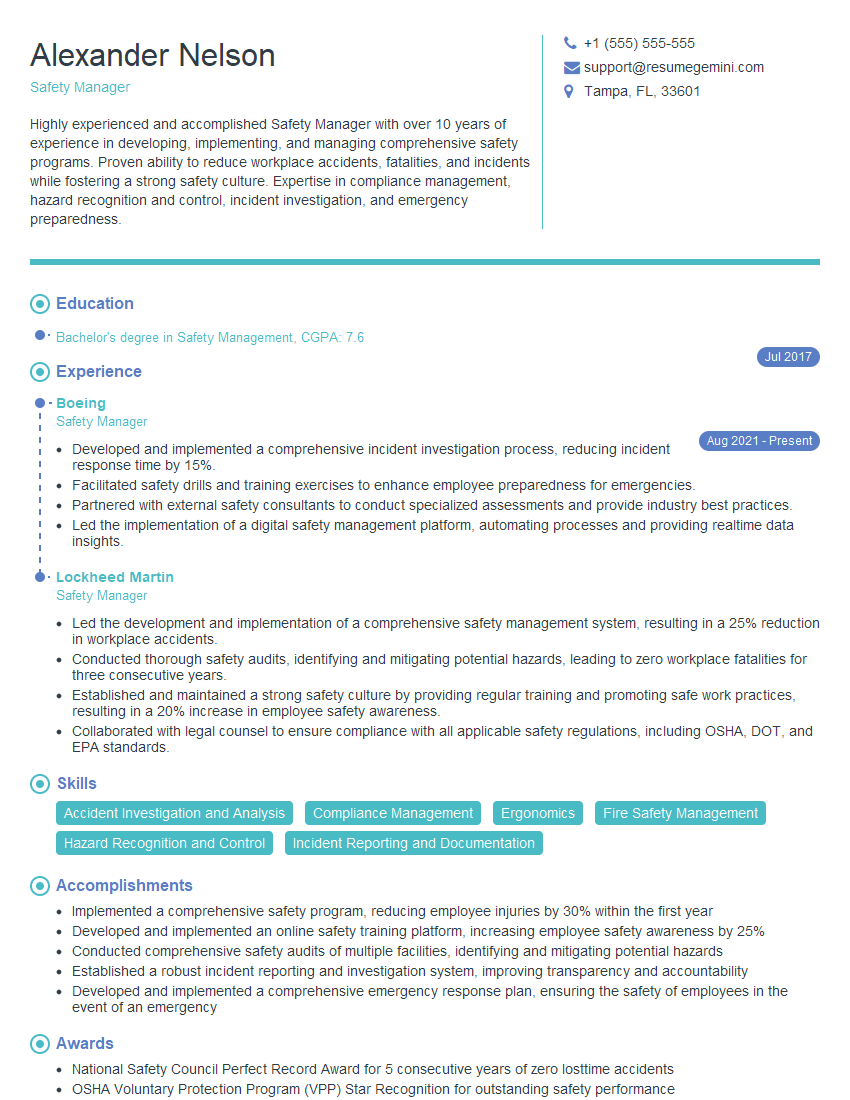
Safety Manager Resume Sample
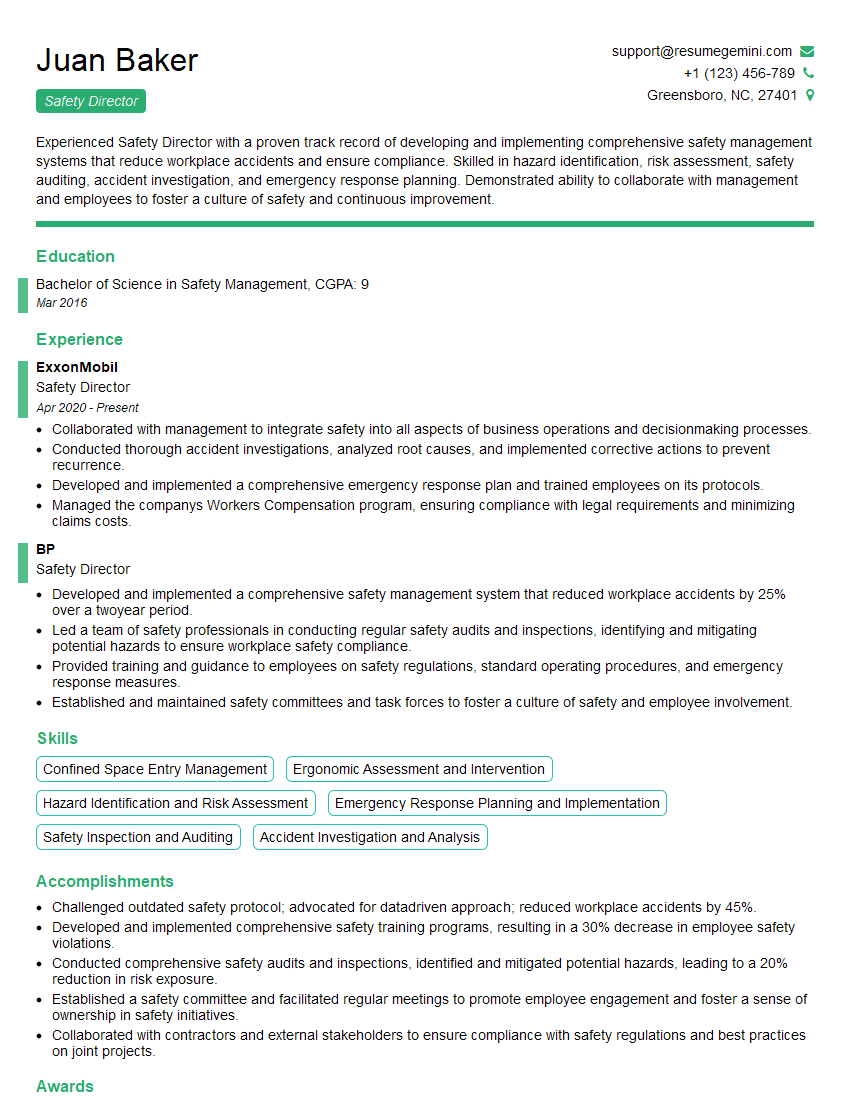
Safety Director Resume Sample
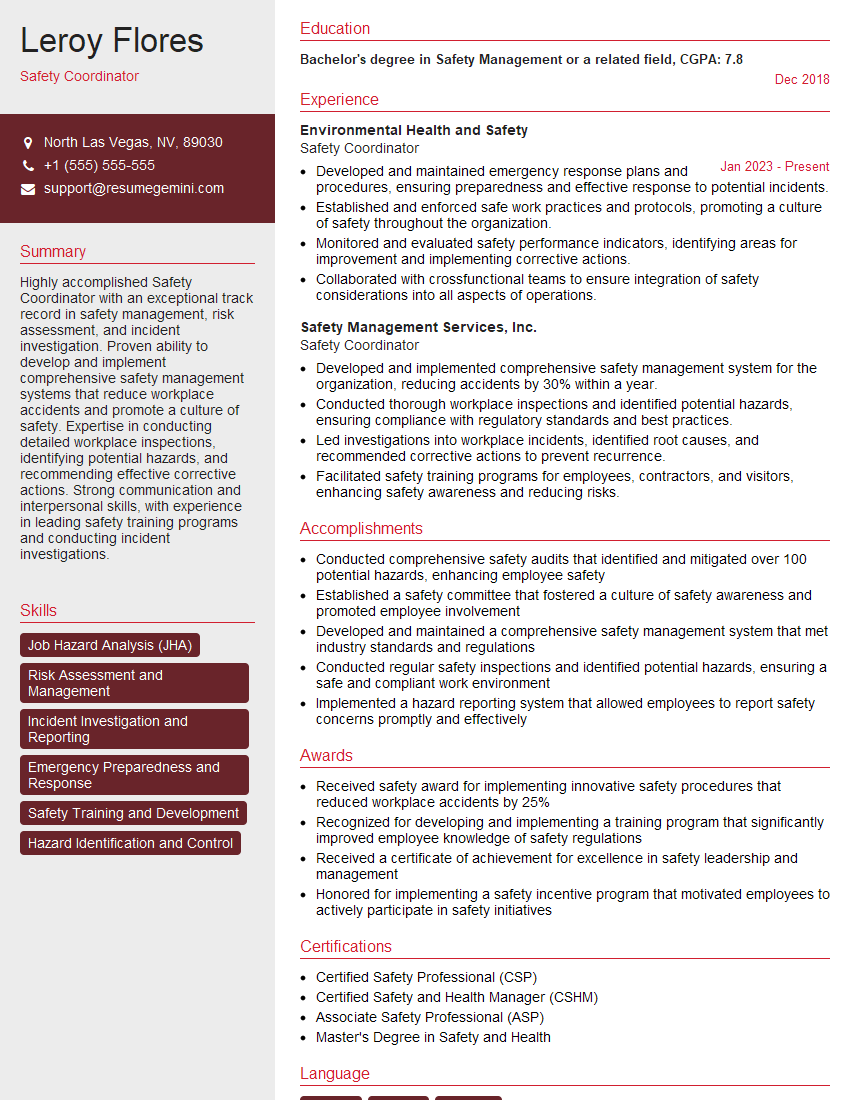
Safety Coordinator Resume Sample
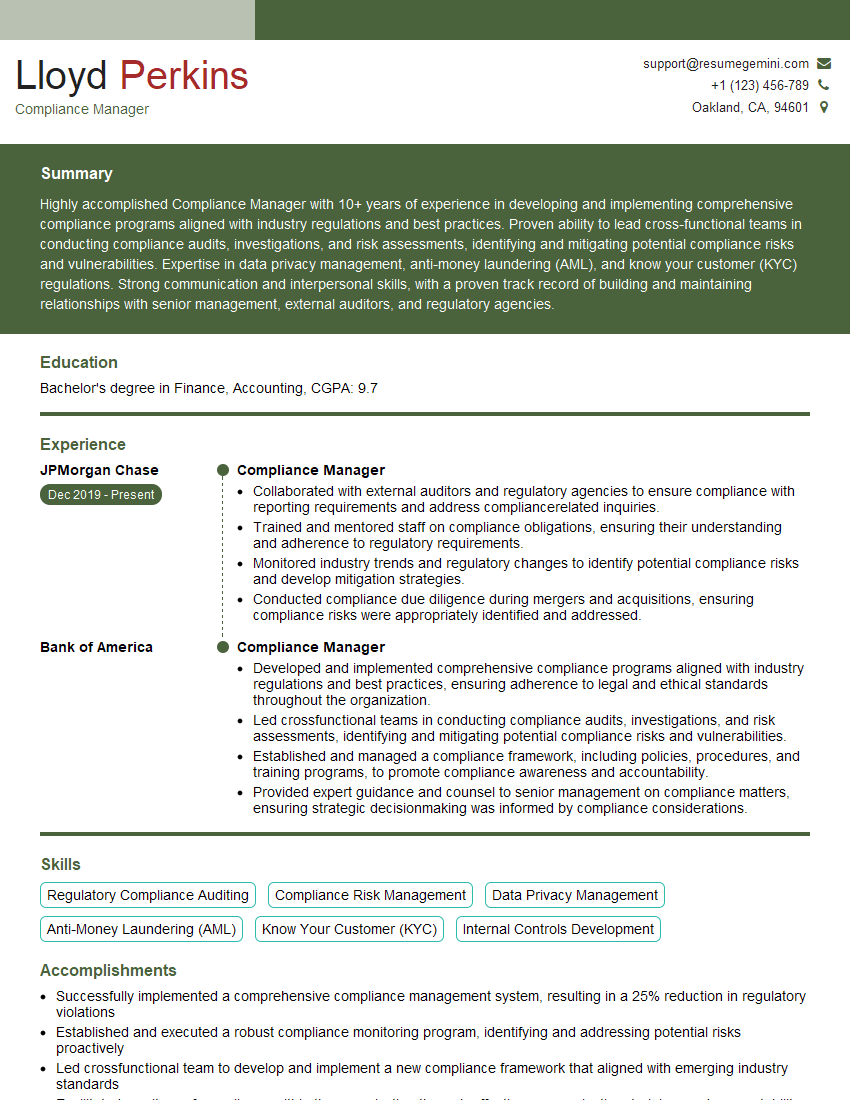
Compliance Manager Resume Sample
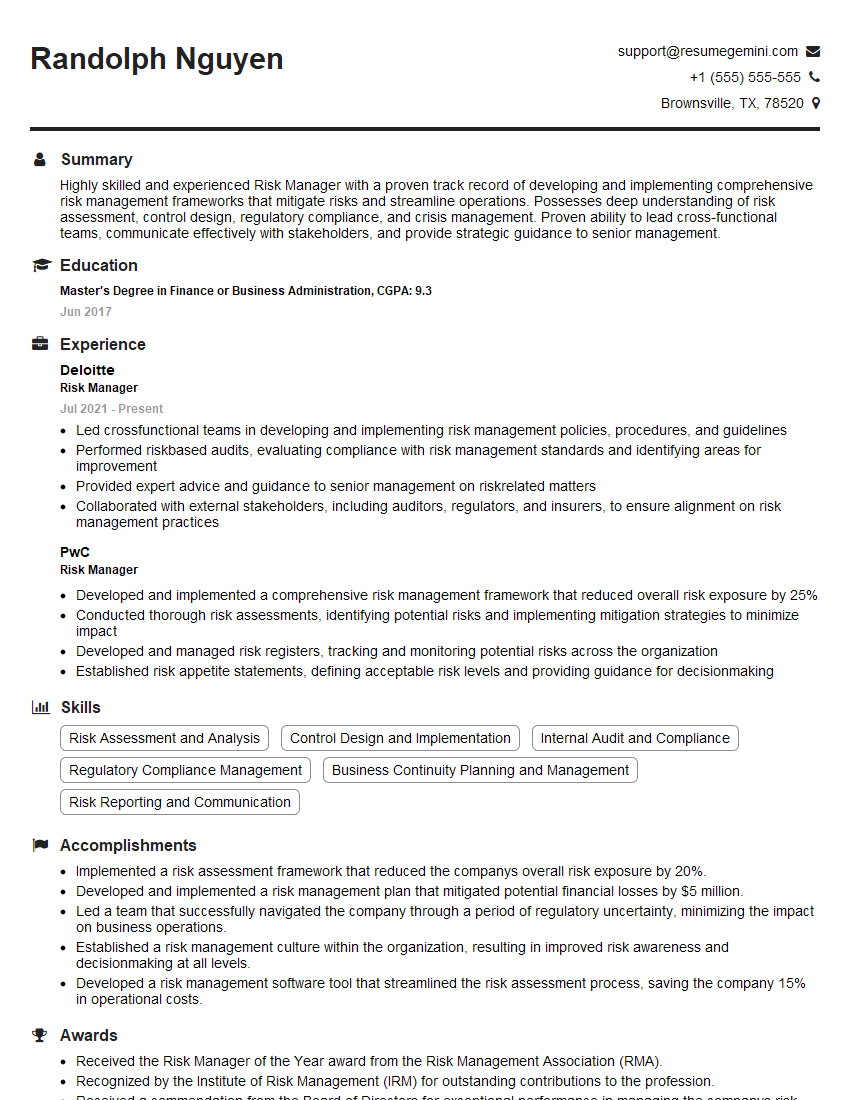
Risk Manager Resume Sample
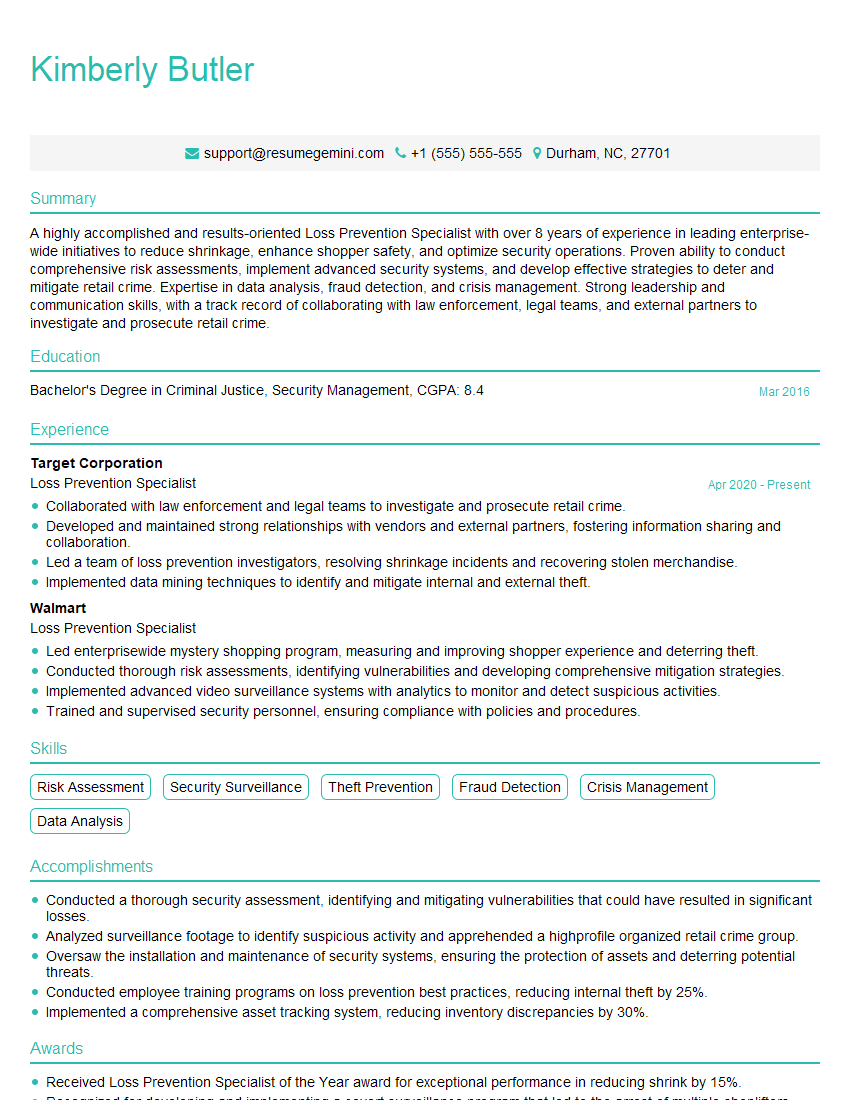
Loss Prevention Specialist Resume Sample
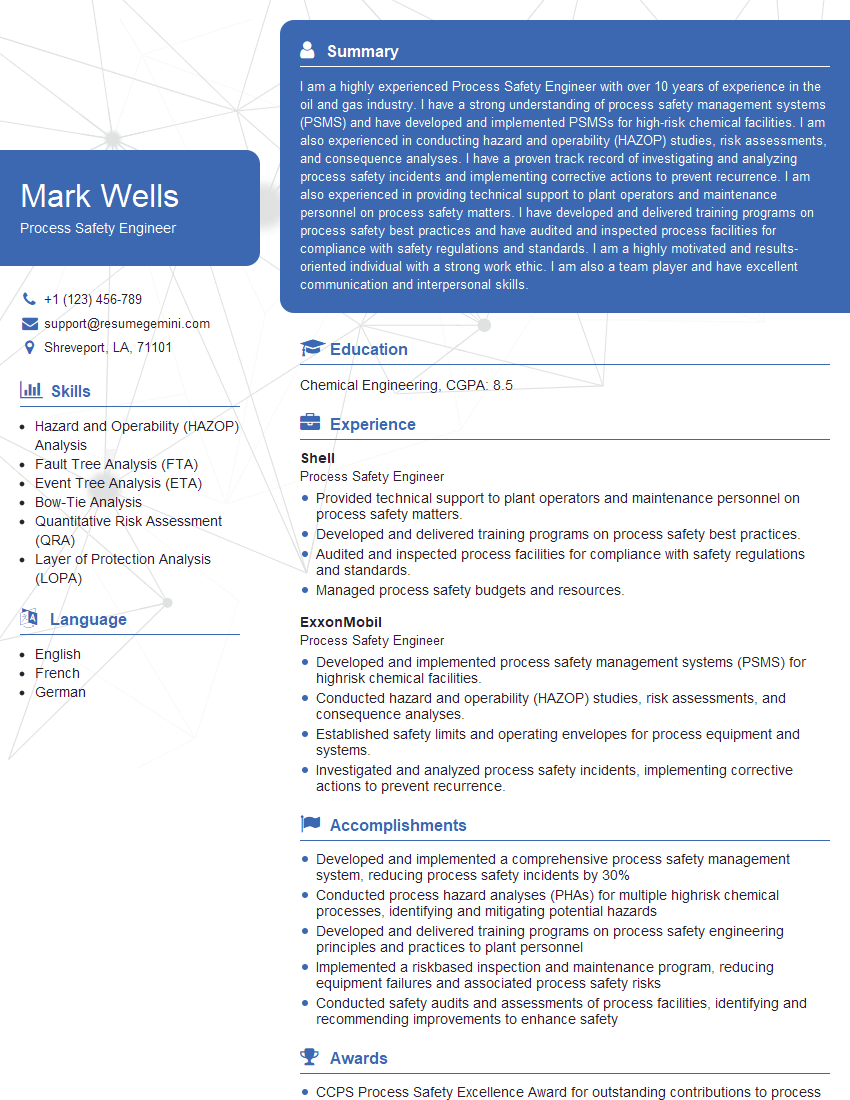
Process Safety Engineer Resume Sample
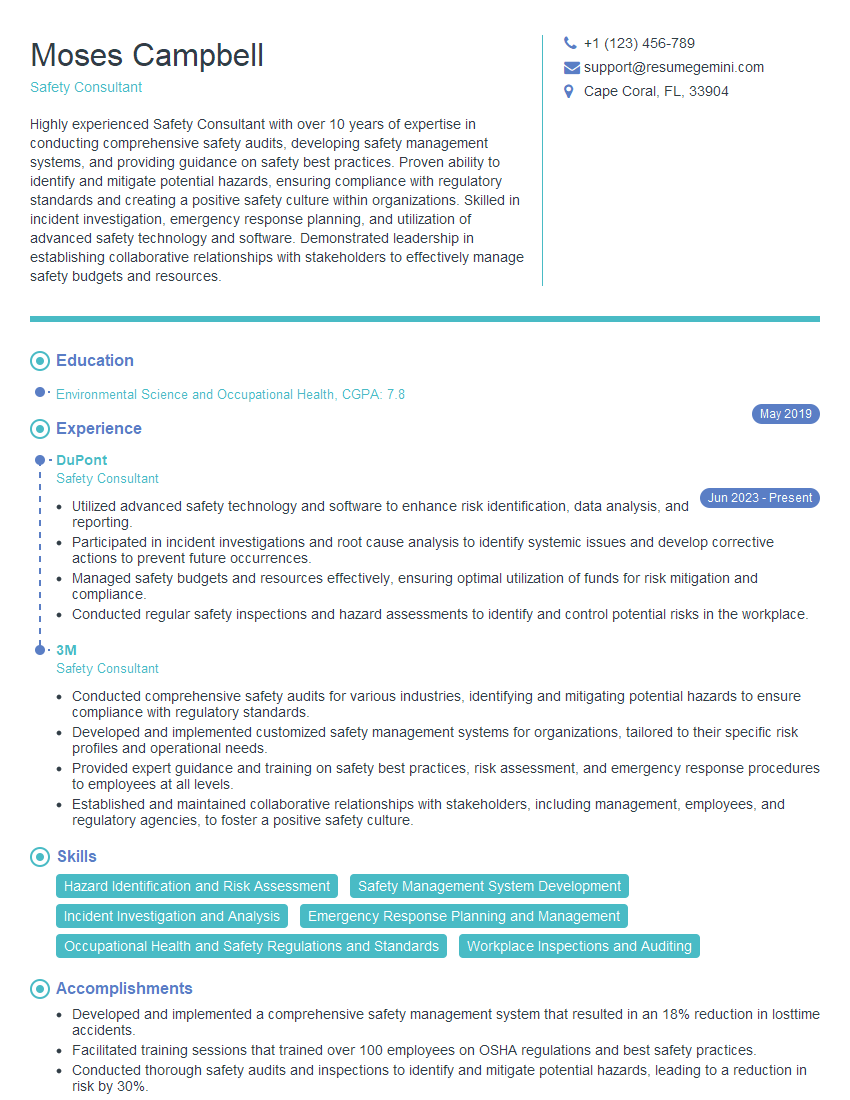
Safety Consultant Resume Sample

Safety Engineer Resume Sample
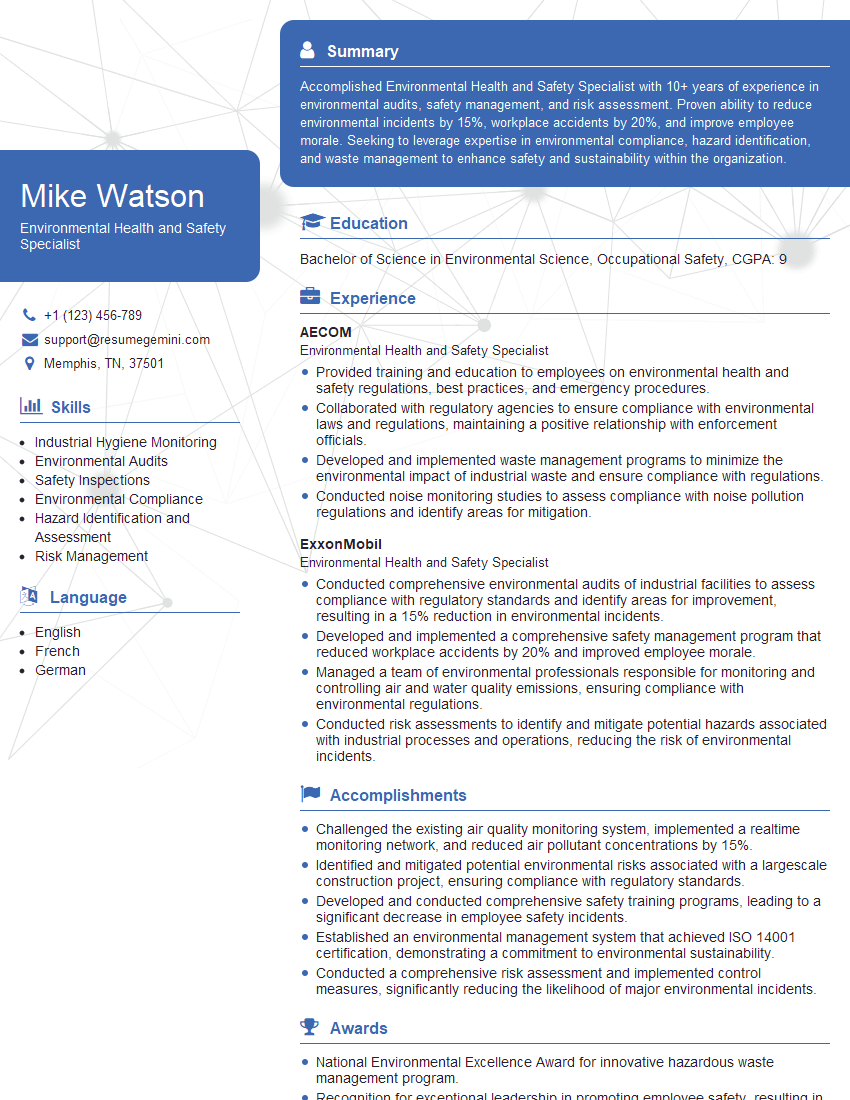
Environmental Health and Safety Specialist Resume Sample

Industrial Hygienist Resume Sample
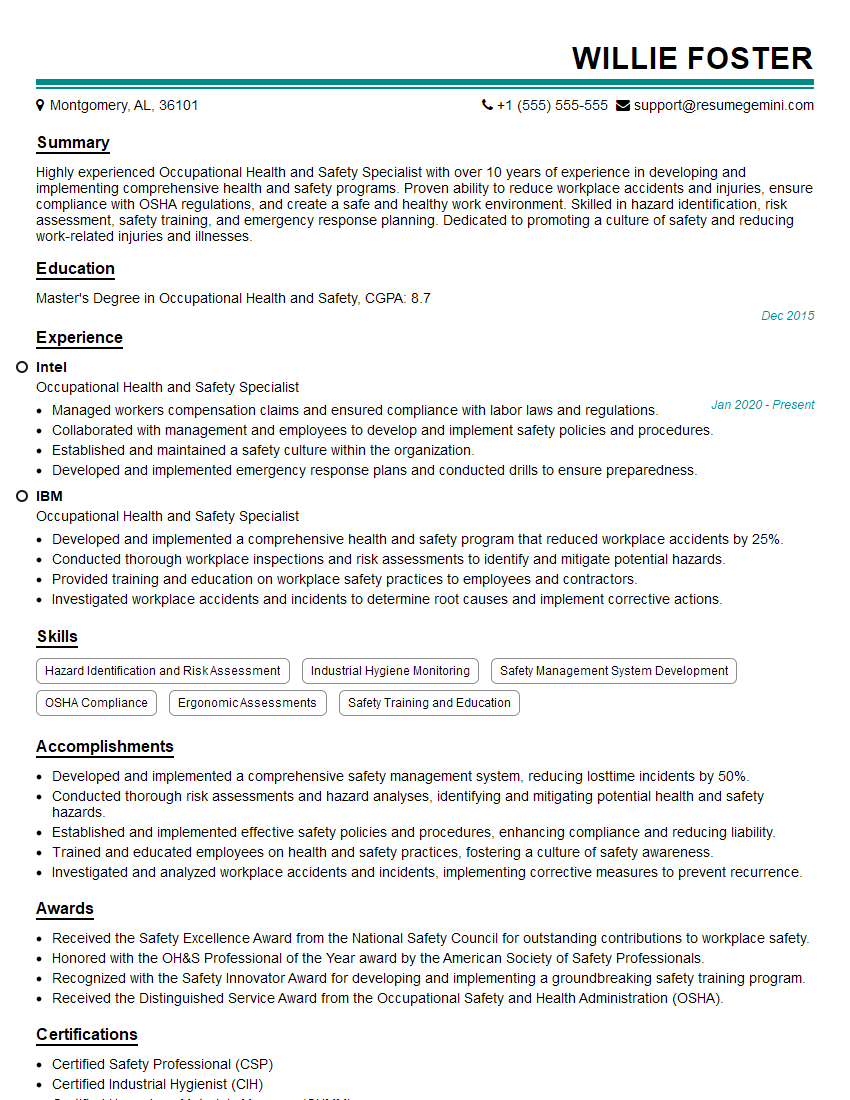
Occupational Health and Safety Specialist Resume Sample
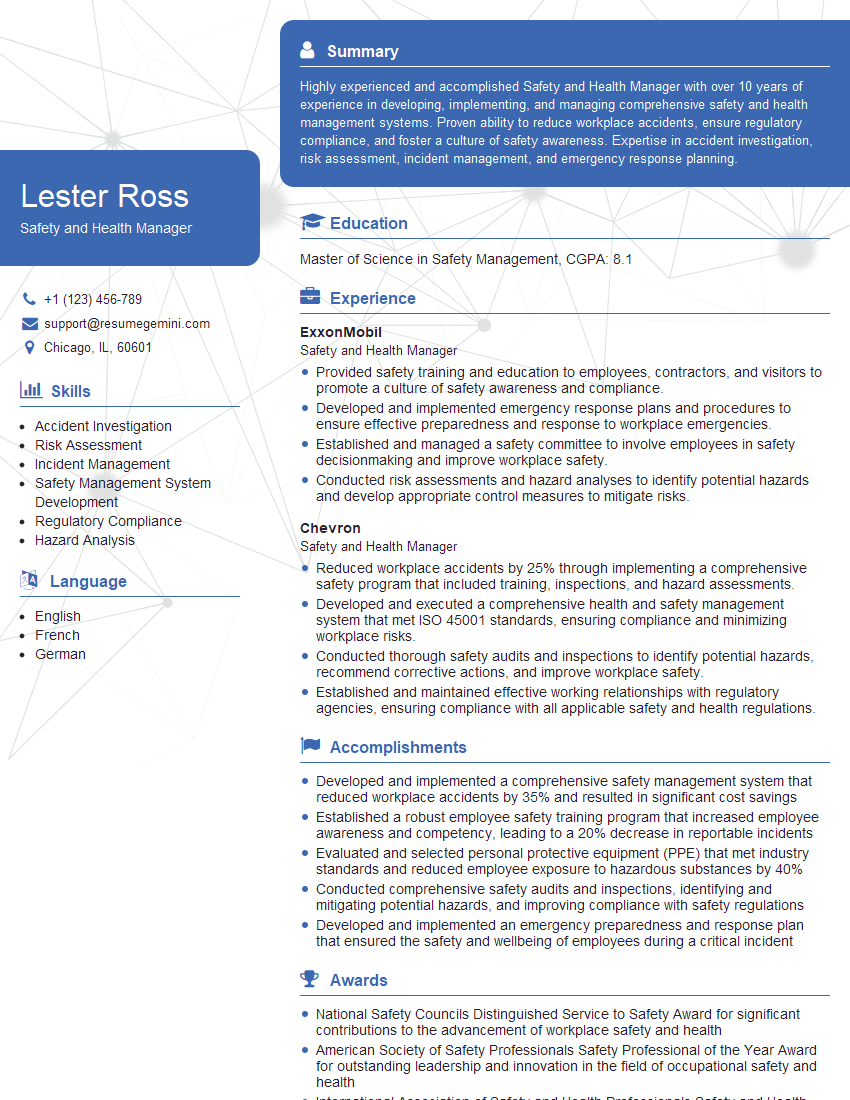
Safety and Health Manager Resume Sample
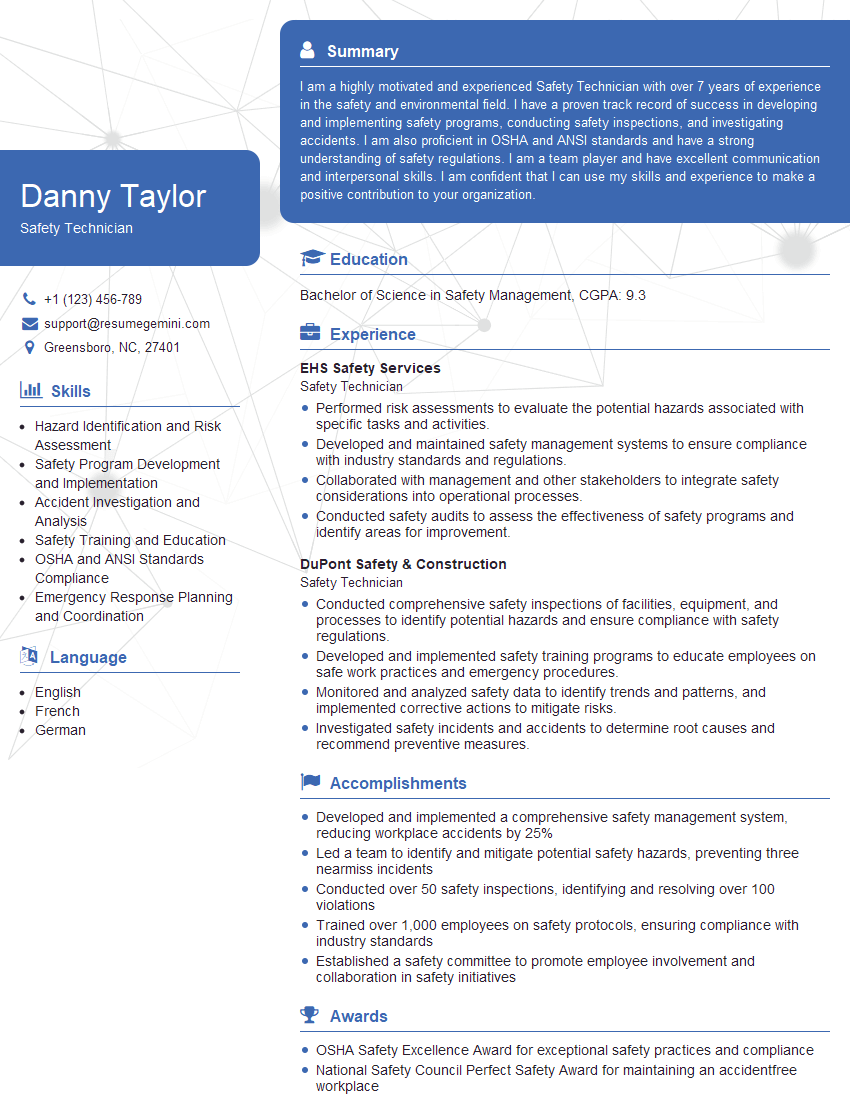
Safety Technician Resume Sample
- Safety Manager
- Safety Director
- Safety Coordinator
- Compliance Manager
- Risk Manager
- Loss Prevention Specialist
- Process Safety Engineer
- Safety Consultant
- Safety Engineer
- Environmental Health and Safety Specialist
- Industrial Hygienist
- Occupational Health and Safety Specialist
- Safety and Health Manager
- Safety Technician
Explore more articles
Users Rating of Our Blogs
Share Your Experience
We value your feedback! Please rate our content and share your thoughts (optional).
What Readers Say About Our Blog
Really detailed insights and content, thank you for writing this detailed article.
IT gave me an insight and words to use and be able to think of examples