Cracking a skill-specific interview, like one for OSHA 10-Hour General Industry Safety and Health Training, requires understanding the nuances of the role. In this blog, we present the questions you’re most likely to encounter, along with insights into how to answer them effectively. Let’s ensure you’re ready to make a strong impression.
Questions Asked in OSHA 10-Hour General Industry Safety and Health Training Interview
Q 1. What are the main components of an OSHA compliant safety program?
An OSHA-compliant safety program is the backbone of a safe and healthy workplace. It’s not just a checklist; it’s a proactive, integrated system designed to prevent workplace injuries and illnesses. Key components include:
- Management Commitment and Employee Involvement: Leadership must champion safety, allocating resources and actively participating. Employees need to be involved in identifying hazards and implementing solutions – they’re often the ones who spot potential problems first.
- Hazard Identification and Assessment: Regularly identifying and evaluating potential hazards is crucial. This could involve walkthroughs, safety audits, incident investigations, and reviewing job safety analyses (JSAs).
- Hazard Prevention and Control: This is where the hierarchy of controls comes into play (explained in the next answer). It’s about eliminating hazards, substituting less hazardous materials, engineering controls, administrative controls, and finally, using PPE as a last resort.
- Safety and Health Training: Providing comprehensive and ongoing training to employees on relevant safety procedures, hazards, and emergency response is essential. This includes things like OSHA 10-hour training, specialized training for specific equipment, and regular refresher courses.
- Emergency Action Plan: A detailed plan outlining procedures for various emergencies, including evacuation routes, communication protocols, and first aid response. Regular drills should be conducted to ensure employees are familiar with these plans.
- Recordkeeping and Reporting: Maintaining accurate records of incidents, injuries, illnesses, and safety training is vital for tracking progress, identifying trends, and complying with OSHA regulations. Proper reporting of incidents is crucial for learning from mistakes and preventing future occurrences.
- Regular Inspections and Audits: Periodic inspections and audits help identify potential hazards and ensure the effectiveness of safety programs. These can be conducted by internal safety personnel or external consultants.
For example, a construction company might incorporate daily toolbox talks, regular equipment inspections, and a comprehensive fall protection program as part of their OSHA-compliant safety program.
Q 2. Explain the hierarchy of hazard controls.
The hierarchy of hazard controls prioritizes the most effective methods for controlling hazards, moving from the most desirable to the least. It’s like a pyramid, with the best solutions at the top.
- Elimination: This is the best approach – completely removing the hazard. Example: Replacing a hazardous chemical with a safer alternative.
- Substitution: Replacing a hazardous substance or process with a less hazardous one. Example: Using a water-based cutting fluid instead of an oil-based one.
- Engineering Controls: Modifying the workplace or equipment to minimize exposure to hazards. Example: Installing machine guards to prevent contact with moving parts or implementing ventilation systems to control airborne contaminants.
- Administrative Controls: Implementing work practices, procedures, or training to reduce exposure to hazards. Example: Rotating employees to minimize exposure to hazardous tasks or implementing strict work permit systems for entry into confined spaces.
- Personal Protective Equipment (PPE): PPE is the last line of defense and should only be used when other controls are not feasible or sufficient. Example: Providing workers with safety glasses, gloves, and respirators.
Imagine a woodworking shop. First, they might eliminate the use of certain hazardous chemicals (elimination). If not possible, they’d substitute with less harmful ones (substitution). Then they could install dust collection systems (engineering controls), implement a strict cleanup schedule (administrative control), and finally, require employees to wear respirators and safety glasses (PPE).
Q 3. Describe the purpose and application of Personal Protective Equipment (PPE).
Personal Protective Equipment (PPE) is any equipment worn to minimize risk of injury or illness. It’s crucial to remember that PPE is a last resort in hazard control – it protects the worker, not the hazard itself.
The purpose is to provide a barrier between the employee and potential hazards. The application depends entirely on the identified hazard. Examples include:
- Eye protection: Safety glasses, goggles, face shields to protect against flying debris, chemicals, or radiation.
- Hearing protection: Earplugs, earmuffs to reduce noise exposure in loud environments.
- Respiratory protection: Respirators to protect against airborne hazards such as dust, fumes, and gases.
- Head protection: Hard hats to protect against falling objects.
- Hand protection: Gloves to protect against cuts, abrasions, chemicals, and burns.
- Foot protection: Safety shoes or boots to protect against falling objects, punctures, and electrical hazards.
Proper selection, fitting, use, and maintenance of PPE are critical. Employers must provide training and ensure that employees use PPE correctly. A construction worker, for instance, might need a hard hat, safety glasses, and steel-toed boots while working on a high-rise building.
Q 4. How do you identify and report workplace hazards?
Identifying and reporting workplace hazards is a continuous process. It involves actively looking for potential dangers and immediately reporting any that are found. Here’s how:
- Regular Inspections: Conduct routine inspections of the workplace, focusing on potential hazards like electrical hazards, fire hazards, tripping hazards, and chemical spills.
- Employee Feedback: Encourage employees to report any hazards they observe. They are often the first to notice unsafe conditions. Create a system where reporting is easy and without fear of reprisal.
- Near Miss Reporting: Document and analyze near misses – incidents that could have resulted in an injury or accident. These provide valuable insights into potential hazards.
- Incident Investigation: Thoroughly investigate any workplace incidents, analyzing the root cause of the accident and identifying preventative measures. This helps to prevent similar incidents in the future.
- Formal Reporting System: Establish a clear and formal process for reporting hazards, including who to report to, what information should be included (location, description of hazard, potential consequences), and how it will be addressed.
For example, if an employee notices a frayed electrical cord, they should immediately report it to their supervisor so it can be repaired or replaced. This prevents a potential electrical shock hazard.
Q 5. What are the requirements for lockout/tagout procedures?
Lockout/Tagout (LOTO) procedures are critical for controlling hazardous energy during maintenance or repair of equipment. These procedures ensure that equipment is de-energized and prevented from accidental start-up.
Requirements typically include:
- Energy Isolation: Identify all energy sources (electrical, mechanical, hydraulic, pneumatic, etc.) and safely disconnect them.
- Lockout Devices: Use lockout devices (padlocks, etc.) to prevent the re-energization of equipment. Each authorized person involved in the work should have their own lock.
- Tagout Devices: Use tagout devices (warning tags) to clearly indicate that the equipment is locked out and should not be operated.
- Energy Control Program: Establish a written energy control program outlining the procedures for LOTO, including training, auditing, and periodic inspections.
- Training: All authorized employees must be properly trained on the procedures and requirements of the LOTO program.
- Periodic Inspections: Regularly inspect lockout devices and procedures to ensure they are working effectively.
Imagine a technician working on a large industrial machine. Before starting, they must follow a strict LOTO procedure, shutting down power, applying locks and tags, and verifying that the equipment is indeed de-energized before beginning any maintenance.
Q 6. Explain the importance of hazard communication and the role of SDS.
Hazard communication is about informing employees about the dangers of hazardous substances in the workplace. It’s essential for preventing accidents and ensuring a healthy work environment.
The Safety Data Sheet (SDS), formerly known as the Material Safety Data Sheet (MSDS), is a crucial part of this process. It provides comprehensive information about a chemical, including:
- Identification: Product name, manufacturer information.
- Hazards Identification: Physical and health hazards.
- Composition/Information on Ingredients: Chemical composition.
- First-aid measures: Emergency treatment procedures.
- Fire-fighting measures: Extinguishing agents and procedures.
- Accidental release measures: Cleanup and containment.
- Handling and storage: Safe handling and storage practices.
- Exposure controls/personal protection: PPE recommendations.
- Physical and chemical properties: Physical and chemical characteristics.
- Stability and reactivity: Reactivity and stability information.
- Toxicological information: Toxicity data.
- Ecological information: Environmental impact.
- Disposal considerations: Proper disposal methods.
- Transport information: Transportation regulations.
- Regulatory information: Relevant regulations.
- Other information: Additional information relevant to the product.
Employers are required to provide employees with access to SDSs and training on how to understand and use them. Imagine a painter working with solvents – they must be aware of the hazards associated with those chemicals and know how to use appropriate PPE and follow safety procedures detailed in the SDS.
Q 7. Describe the process for conducting a job safety analysis (JSA).
A Job Safety Analysis (JSA) is a systematic process to identify and control hazards associated with a specific job task. It’s like a detailed safety checklist for a particular job.
The process typically involves:
- Select the Job: Identify the job task to be analyzed.
- Describe the Job: Break down the job into its individual steps or elements.
- Identify Potential Hazards: For each step, identify potential hazards related to the task, including environmental hazards, equipment hazards, and human factors.
- Identify Existing Controls: Determine what controls are currently in place to mitigate the identified hazards.
- Recommend Additional Controls: Based on the identified hazards and existing controls, recommend additional controls to further reduce the risk. Utilize the hierarchy of controls discussed earlier.
- Document Findings: Create a written document outlining the job steps, potential hazards, existing controls, and recommended additional controls.
- Review and Update: Regularly review and update the JSA to reflect changes in equipment, processes, or work practices.
For example, a JSA for changing a tire might identify hazards such as getting hit by traffic, getting injured by the jack, or coming into contact with sharp objects. The JSA would then outline the steps to complete the task safely, including using safety cones and a well-maintained jack. This document would then be shared with employees involved in tire changing.
Q 8. What are the key elements of emergency action plans?
Emergency Action Plans (EAPs) are crucial documents outlining procedures for employees to follow during workplace emergencies. A well-written EAP ensures a coordinated and safe evacuation or response, minimizing injuries and property damage. Key elements include:
- Emergency escape procedures and routes: Clearly marked and practiced escape routes, including the location of exits and assembly points.
- Procedures for employees who remain to operate critical plant operations before evacuating: For essential personnel, defining their responsibilities and safety measures during an emergency.
- Procedures to account for all employees: A method to confirm everyone has safely evacuated, such as headcounts or designated personnel.
- Rescue and medical duties for employees who are to perform them: Identifying trained individuals responsible for first aid or rescue operations.
- The preferred means of reporting fires and other emergencies: This might involve alarms, designated phones, or a specific communication protocol.
- Names or job titles of persons or departments who can be contacted for further information or explanation of duties under the plan: Clear lines of communication for direction and support.
- Post-emergency procedures: Actions to take after the emergency, such as damage assessment or equipment inspection.
Example: Imagine a fire in a factory. The EAP would detail evacuation routes, assembly points, the role of fire wardens, and procedures for shutting down machinery before evacuating. Regular drills reinforce the plan’s effectiveness.
Q 9. How do you conduct a workplace safety inspection?
Conducting a thorough workplace safety inspection involves a systematic approach to identify hazards. It should be both planned and unannounced to get a comprehensive picture. Here’s a step-by-step process:
- Preparation: Review existing safety procedures, previous inspection reports, and any recent incidents. Gather necessary equipment (checklists, cameras, measuring devices).
- Inspection: Follow a predetermined route, systematically checking all areas, machinery, and equipment. Pay close attention to details. Look for things that are out of place, damaged, or not functioning properly.
- Hazard Identification: Document all identified hazards, noting their location, severity, and potential impact. Use a standardized checklist or form for consistency.
- Documentation: Take photos or videos of hazards as evidence. Record all findings clearly and concisely, including descriptions, locations, and recommendations for corrective actions.
- Corrective Actions: Prioritize the hazards based on their severity and likelihood of causing harm. Develop and implement a plan to eliminate or mitigate these hazards, setting deadlines and assigning responsibilities.
- Follow-up: After implementing corrective actions, verify that they have effectively addressed the hazards. Schedule follow-up inspections to monitor progress and prevent recurrence.
Example: During an inspection, you might discover a frayed electrical cord near a water source. This would be documented, photographed, and addressed immediately by replacing the cord to prevent electrical shock.
Q 10. What are the OSHA recordkeeping requirements?
OSHA recordkeeping requirements mandate employers to maintain accurate records of workplace injuries and illnesses. This data helps OSHA track workplace safety trends and hold employers accountable. The requirements depend on the size of the company and the number of employees. Key aspects include:
- Recordable Cases: Employers must record work-related injuries or illnesses that meet OSHA’s specific criteria (e.g., resulting in death, days away from work, restricted work, or medical treatment beyond first aid).
- OSHA 300 Log: A yearly log summarizing all recordable cases, including employee information, injury type, and date.
- OSHA 300A Summary: A summary of the year’s recordable cases posted annually for employee review.
- OSHA 301 Incident Report: More detailed reports for each recordable case.
- Retention: Records must be retained for a minimum of five years.
Example: An employee cuts their hand while operating a machine. If this injury requires medical attention beyond basic first aid, it must be recorded on the OSHA 300 log, 300A summary, and a 301 incident report.
Note: There are specific exemptions for small employers (generally under 10 employees) and certain industries.
Q 11. Explain the importance of employee training in workplace safety.
Employee training is paramount for workplace safety. It equips employees with the knowledge and skills to identify, avoid, and respond to hazards. Well-trained employees are more likely to follow safety procedures, reducing the risk of accidents and injuries. Effective training programs should be:
- Comprehensive: Cover all relevant hazards, safety procedures, and emergency response protocols.
- Interactive: Engage employees through discussions, demonstrations, and hands-on activities.
- Relevant: Tailor the training to the specific tasks and hazards encountered in the workplace.
- Regular: Provide refresher training periodically to reinforce knowledge and address any changes in procedures or equipment.
- Documented: Maintain records of training sessions, including employee attendance and competency evaluations.
Example: Training for forklift operators might include classroom instruction on safe operation procedures, hands-on practice, and a competency test to ensure they understand and can safely operate the equipment. Regular refresher training would keep their skills sharp and address any new safety regulations or equipment updates.
Q 12. What are the different types of workplace hazards (physical, chemical, biological, ergonomic)?
Workplace hazards encompass various types, each requiring different control measures:
- Physical Hazards: These are hazards that cause physical harm, such as noise, vibration, radiation, extreme temperatures, and slips, trips, and falls. Examples include working near moving machinery, exposure to loud noises, and working at heights.
- Chemical Hazards: These are hazards associated with exposure to harmful chemicals, including gases, liquids, or solids. Examples include exposure to solvents, acids, or asbestos.
- Biological Hazards: These are hazards caused by living organisms such as bacteria, viruses, fungi, and insects. Examples include exposure to bloodborne pathogens or handling of contaminated materials.
- Ergonomic Hazards: These hazards involve musculoskeletal disorders resulting from repetitive motions, awkward postures, forceful exertions, and vibration. Examples include carpal tunnel syndrome, back injuries, and tendinitis.
Example: A construction worker might face physical hazards (falls from heights), chemical hazards (exposure to solvents), and ergonomic hazards (repetitive lifting of heavy materials).
Q 13. How do you recognize and address potential ergonomic hazards?
Recognizing and addressing ergonomic hazards requires a proactive approach. This starts with identifying tasks and workspaces that involve repetitive movements, awkward postures, forceful exertions, or vibrations. Here’s how to approach it:
- Job Hazard Analysis: Conduct a thorough assessment of each job, identifying potential ergonomic risks.
- Observation: Observe employees performing their tasks, noting their postures, movements, and any signs of strain or discomfort.
- Employee Input: Solicit feedback from employees about their experiences and concerns regarding potential ergonomic hazards.
- Engineering Controls: Implement changes to the workplace design, equipment, or processes to reduce ergonomic risks. Examples include adjusting workstation heights, providing ergonomic chairs, or using assistive devices.
- Administrative Controls: Implement changes to work practices or schedules to reduce ergonomic risks. Examples include job rotation, providing frequent breaks, or implementing ergonomic training programs.
- Personal Protective Equipment (PPE): If engineering and administrative controls aren’t sufficient, provide appropriate PPE, such as back supports or gloves.
Example: If employees frequently experience wrist pain from repetitive typing, ergonomic improvements could include adjustable keyboards, ergonomic mice, frequent breaks, and training on proper posture.
Q 14. What is the role of the employer and employee in workplace safety?
Workplace safety is a shared responsibility between employers and employees. Employers have the primary responsibility for providing a safe working environment, while employees have a responsibility to work safely and comply with safety rules.
- Employer Responsibilities:
- Provide a safe and healthy workplace.
- Comply with OSHA standards.
- Develop and implement safety programs.
- Provide necessary training and PPE.
- Conduct regular safety inspections.
- Investigate and address hazards promptly.
- Employee Responsibilities:
- Follow safety rules and procedures.
- Report hazards and unsafe conditions.
- Use PPE correctly.
- Participate in safety training.
- Cooperate with safety inspections.
- Work safely and responsibly.
Example: An employer is responsible for providing proper fall protection equipment for workers at heights. Employees are responsible for using that equipment correctly and reporting any damaged equipment immediately.
Q 15. Describe common causes of workplace injuries and illnesses.
Workplace injuries and illnesses stem from a multitude of factors, often interconnected. We can broadly categorize them into:
- Unsafe Acts: These are actions taken by employees that violate safety procedures. Examples include failing to use personal protective equipment (PPE), operating machinery without proper training, engaging in horseplay, or not following lockout/tagout procedures. Think of a worker rushing to complete a task and skipping a crucial safety step, leading to an injury.
- Unsafe Conditions: These are hazards present in the workplace environment. Examples include poorly maintained equipment, inadequate lighting, cluttered walkways, exposed electrical wiring, or improperly stored materials. Imagine a slippery floor due to a spill, causing a fall.
- Human Factors: These relate to the physical and mental state of the worker. Fatigue, stress, lack of training, poor communication, and substance abuse significantly increase the risk of accidents. A worker struggling with sleep deprivation might be more prone to making mistakes.
- Environmental Factors: Extreme temperatures, noise pollution, exposure to hazardous chemicals or substances, and inadequate ventilation all contribute to workplace injuries and illnesses. Working in extreme heat without proper hydration can lead to heat stroke.
Addressing these root causes requires a multi-pronged approach involving thorough risk assessments, comprehensive safety training, effective hazard controls, and a robust safety culture.
Career Expert Tips:
- Ace those interviews! Prepare effectively by reviewing the Top 50 Most Common Interview Questions on ResumeGemini.
- Navigate your job search with confidence! Explore a wide range of Career Tips on ResumeGemini. Learn about common challenges and recommendations to overcome them.
- Craft the perfect resume! Master the Art of Resume Writing with ResumeGemini’s guide. Showcase your unique qualifications and achievements effectively.
- Don’t miss out on holiday savings! Build your dream resume with ResumeGemini’s ATS optimized templates.
Q 16. How do you investigate workplace accidents and incidents?
Investigating workplace accidents and incidents is crucial for preventing future occurrences. My approach follows a structured methodology:
- Secure the Scene: The first priority is to ensure the safety of everyone involved, preventing further injuries or damage. This often involves cordoning off the area.
- Preserve Evidence: Photograph and document the scene thoroughly, including the location of injuries, equipment involved, and any potential hazards. Collect relevant information, such as witness statements and maintenance records.
- Interview Witnesses: Conduct unbiased interviews with all individuals who witnessed the incident, ensuring they feel comfortable and safe sharing information. Note their accounts precisely.
- Analyze the Data: Carefully review all collected data – photos, witness statements, safety records, maintenance logs, etc. The goal is to determine the root cause, not just the proximate cause (the immediate event leading to the injury).
- Develop Corrective Actions: Based on the analysis, implement effective corrective actions to eliminate the hazards and prevent similar incidents. This could include implementing new procedures, upgrading equipment, improving training, or modifying the work environment.
- Report and Follow Up: Document the entire investigation process in a detailed report, including findings, recommendations, and implemented actions. Follow up to ensure that corrective actions are effective and that a similar incident doesn’t reoccur.
For instance, if an employee was injured due to a faulty machine, the investigation would include examining the machine’s maintenance logs, interviewing the operator and mechanics, and potentially engaging an outside expert to assess the malfunction. The corrective actions might involve replacing or repairing the faulty component, updating maintenance procedures, or enhancing operator training.
Q 17. What are the common OSHA violations you have encountered and how were they rectified?
Throughout my career, I’ve encountered several common OSHA violations. Here are a few examples and how they were rectified:
- Lack of Lockout/Tagout Procedures: In one facility, employees were not properly locking out and tagging out machinery during maintenance, creating a significant risk of electrocution or other injuries. We rectified this by implementing a comprehensive lockout/tagout program, including training, standardized procedures, and regular audits.
- Improper Use of PPE: Another common violation involves employees not using, or improperly using, personal protective equipment. We addressed this by providing the necessary PPE, enforcing its correct usage, and conducting regular safety inspections. We also stressed the importance of PPE through safety talks and training.
- Hazardous Chemical Handling: Inadequate handling of hazardous chemicals was another frequent issue. We improved this through better chemical labeling, proper storage procedures, employee training on Material Safety Data Sheets (MSDS), and the implementation of emergency response plans.
- Inadequate Fall Protection: On construction sites, fall protection violations are common. The solution is implementing and enforcing fall protection systems like guardrails, safety nets, and harnesses and training employees correctly in their use.
In each case, addressing the violation involved a combination of training, improved procedures, regular inspections, and management commitment to a safety-first culture.
Q 18. Explain the difference between a leading and lagging indicator in safety performance.
Leading and lagging indicators are crucial in safety performance monitoring. They represent different aspects of safety management:
- Leading Indicators: These are proactive metrics that predict future safety performance. They measure actions and activities aimed at preventing incidents. Examples include the number of safety training hours completed, the number of safety audits conducted, the number of near-miss reports submitted, and the percentage of employees participating in safety committees. A high number of safety training hours indicates a proactive approach to safety.
- Lagging Indicators: These are reactive metrics that reflect past safety performance. They show the results of incidents that have already occurred. Examples include the number of workplace injuries, the number of lost-time accidents, the number of OSHA citations received, and the total cost of workplace injuries. A high number of workplace injuries is a lagging indicator showing a past failure in safety management.
The key difference is that leading indicators help identify potential problems *before* they lead to incidents, allowing for timely interventions. Lagging indicators only show problems *after* they’ve occurred. A robust safety management system uses both leading and lagging indicators to gain a complete picture of safety performance and to drive continuous improvement.
Q 19. Describe your experience with developing and implementing safety training programs.
I have extensive experience in developing and implementing safety training programs. My approach involves:
- Needs Assessment: Identifying specific safety hazards and training needs through risk assessments, job hazard analyses, and employee feedback.
- Program Design: Creating customized training programs that address identified needs, using a mix of methods such as interactive presentations, hands-on demonstrations, videos, and simulations. The programs are tailored to the specific audience and their roles.
- Program Delivery: Using engaging and effective delivery methods, ensuring active participation and knowledge retention. This could involve classroom instruction, on-the-job training, or e-learning modules.
- Evaluation and Improvement: Regularly evaluating the effectiveness of training through pre- and post-tests, feedback surveys, and observation of workplace behavior. Continuous improvement is crucial.
For example, I developed a comprehensive training program for a manufacturing facility focused on machine guarding and lockout/tagout procedures. The program included interactive presentations, videos showcasing proper techniques, and hands-on practice using mock equipment. We also implemented a follow-up system to ensure employees were consistently using the procedures learned.
Q 20. How do you promote a positive safety culture in the workplace?
Promoting a positive safety culture is essential for preventing workplace accidents. This requires a multi-faceted approach:
- Leadership Commitment: Management must demonstrate a strong commitment to safety by actively participating in safety initiatives, leading by example, and allocating sufficient resources.
- Employee Involvement: Encouraging employees to participate in safety programs, report hazards, and contribute to safety improvement initiatives. This can be achieved through safety committees, suggestion boxes, and regular safety meetings.
- Open Communication: Creating an environment where employees feel comfortable reporting near misses, incidents, and concerns without fear of retaliation.
- Recognition and Rewards: Recognizing and rewarding employees for their contributions to safety, fostering a sense of ownership and responsibility.
- Regular Training and Communication: Providing ongoing safety training and communication to reinforce safe work practices and awareness of potential hazards. This includes regularly updating safety procedures and best practices.
- Consistent Enforcement: Consistently enforcing safety rules and regulations, ensuring that violations are addressed promptly and appropriately.
For instance, in one organization, we implemented a peer-to-peer safety observation program where employees were encouraged to identify and report unsafe actions or conditions. This fostered a sense of shared responsibility and improved safety awareness among the workforce.
Q 21. What is your experience with OSHA inspections and compliance?
I have significant experience with OSHA inspections and compliance. This includes:
- Pre-Inspection Preparation: Working with employers to conduct thorough self-inspections, identify potential hazards, and correct violations before an OSHA inspection occurs.
- Cooperation During Inspections: Facilitating a smooth and cooperative inspection process with OSHA representatives, providing access to records and personnel.
- Addressing Citations: Working with employers to understand and address OSHA citations, developing corrective action plans to eliminate hazards and prevent future violations.
- Maintaining Compliance: Developing and implementing safety management systems to ensure ongoing compliance with OSHA standards.
My goal is not just to ensure compliance but to create a safety-conscious work environment where hazards are proactively identified and eliminated, going beyond simply meeting the minimum requirements. This includes staying up-to-date on all OSHA regulations and best practices.
Q 22. How do you manage and mitigate workplace risks?
Managing and mitigating workplace risks involves a systematic approach encompassing hazard identification, risk assessment, and control implementation. Think of it like this: you’re a detective investigating a crime scene (the workplace), looking for clues (hazards) that could lead to an accident (injury or illness).
- Hazard Identification: This is the first step, involving a thorough walkthrough of the workplace to identify potential hazards. This might include things like slippery floors, exposed electrical wires, heavy machinery, or even stressful work conditions. We utilize methods like job safety analysis (JSA) and hazard and operability studies (HAZOP) for this.
- Risk Assessment: Once hazards are identified, we assess the likelihood and severity of an incident occurring. This involves considering factors like frequency of exposure, potential consequences, and control measures already in place. A simple risk matrix can be used to categorize risks by level of severity.
- Control Implementation: This is where we put our plan into action. Controls can be categorized into:
- Elimination: Removing the hazard entirely (e.g., replacing a hazardous chemical with a safer one).
- Substitution: Replacing the hazard with a less hazardous alternative (e.g., using a less powerful chemical).
- Engineering Controls: Implementing physical changes to the workplace to reduce risk (e.g., installing machine guards, improving ventilation).
- Administrative Controls: Changing work practices or procedures (e.g., implementing safety training, establishing work permits).
- Personal Protective Equipment (PPE): Providing workers with the necessary equipment to protect them from hazards (e.g., hard hats, safety glasses, gloves).
- Monitoring and Evaluation: This is an ongoing process. We regularly inspect the workplace, review incident reports, and adjust our controls as needed to ensure effectiveness. Regular safety meetings and training refreshers are key to maintaining vigilance.
For example, in a construction site, identifying exposed electrical wires is the hazard. Assessing the likelihood of someone touching them and the severity (electric shock) is the risk assessment. Implementing engineering controls like conduit and administrative controls like lockout/tagout procedures are the control implementation.
Q 23. What are some common fall protection measures?
Common fall protection measures aim to prevent falls from heights, a leading cause of workplace injuries. These measures can be broadly categorized as:
- Guardrails: These are installed along edges of elevated work surfaces to prevent falls. They typically consist of a top rail, mid rail, and toe board.
- Safety Nets: These are placed below elevated work areas to catch workers in case of a fall. They are often used in construction where guardrails are impractical.
- Personal Fall Arrest Systems (PFAS): These systems consist of a harness, lanyard, and anchorage point. They are designed to arrest a fall and prevent a worker from hitting the ground. Proper training and inspection are critical.
- Fall Restraint Systems: These systems prevent a worker from reaching the edge of a fall hazard in the first place, often using a lifeline and harness.
- Safety Harnesses: A crucial component of PFAS and fall restraint systems, properly fitted harnesses are essential to distribute the force of a fall.
- Proper Scaffolding: Ensuring scaffolding is correctly erected, maintained, and inspected is crucial to preventing falls from height.
For instance, a worker on a roof should wear a safety harness attached to a lifeline and anchorage point, representing a PFAS. On a construction site, guardrails are mandated on elevated platforms and walkways.
Q 24. How do you ensure compliance with OSHA regulations?
Ensuring compliance with OSHA regulations requires a proactive and multi-faceted approach. It’s not just about ticking boxes; it’s about fostering a safety culture.
- Know the Standards: Thorough understanding of applicable OSHA standards relevant to the industry and workplace is paramount. This involves staying updated with any revisions or new regulations.
- Regular Inspections: Conduct regular workplace inspections to identify hazards and ensure compliance with safety procedures and regulations. This includes documenting findings and corrective actions.
- Employee Training: Providing comprehensive safety training to all employees, tailored to their specific roles and responsibilities. This includes OSHA 10-hour training, hazard-specific training, and refresher courses.
- Record Keeping: Meticulous record-keeping of safety incidents, inspections, training, and corrective actions. OSHA requires specific documentation for certain incidents and injuries.
- Emergency Preparedness: Having a well-defined emergency action plan (EAP) with regular drills and training. This plan outlines procedures for handling various emergencies, including evacuations and first aid.
- Safety Committee: Establishing a safety committee involving management and employees to address safety concerns, conduct inspections, and improve safety programs.
- Communication: Open communication regarding safety concerns from employees to management and vice versa. A transparent and inclusive safety culture promotes proactive reporting and risk management.
Imagine a manufacturing plant. Regular machine inspections ensure guards are in place and functioning; employee training ensures they use the machinery safely; and incident reports track near misses and accidents to prevent recurrence.
Q 25. What are your strengths and weaknesses related to occupational safety and health?
My strengths lie in my ability to identify and assess workplace hazards systematically, develop and implement effective control measures, and communicate safety information clearly and engagingly. I thrive in collaborative environments and have a proven ability to build positive safety cultures. For example, I successfully implemented a new lockout/tagout procedure in a previous role, significantly reducing the risk of electrical injuries.
My area for improvement is enhancing my proficiency in advanced risk assessment methodologies, particularly quantitative risk analysis. While I’m comfortable with qualitative methods, expanding my skills in quantitative analysis would allow for even more precise risk management.
Q 26. Explain your understanding of OSHA’s General Duty Clause.
OSHA’s General Duty Clause (Section 5(a)(1)) is a fundamental principle stating that employers have a responsibility to furnish each of their employees with a workplace free from recognized hazards that are causing or are likely to cause death or serious physical harm. It’s a catch-all provision, meaning if a specific OSHA standard doesn’t address a particular hazard, this clause still holds the employer responsible for protecting their employees.
Think of it as the ‘umbrella’ clause. It ensures that even if there isn’t a specific OSHA rule for a particular hazard (like a newly discovered chemical), the employer still has to ensure worker safety through reasonable means. It’s a broad mandate to provide a safe working environment. The key is that the hazard must be ‘recognized’ – meaning there must be industry knowledge or awareness of the danger.
Q 27. Describe your experience using safety software or databases.
While I haven’t extensively used dedicated safety software databases like specialized incident tracking systems, I’m proficient in using spreadsheet software (like Excel or Google Sheets) to manage safety data, track inspections, document incidents, and generate reports. I’m also familiar with using databases to store and analyze safety information. I quickly adapt to new software, and I believe my proficiency in data analysis would be highly transferable to using such dedicated safety systems.
In a previous role, I used spreadsheets to maintain a detailed record of safety inspections, including dates, locations, hazards identified, corrective actions taken, and follow-up actions. This allowed for easy tracking of compliance and identification of recurring issues. I am eager to learn and implement the use of more sophisticated safety management software.
Q 28. How would you handle a workplace emergency?
Handling a workplace emergency requires a calm, decisive approach based on a well-defined Emergency Action Plan (EAP).
- Activate EAP: Immediately initiate the EAP, notifying emergency services (911) and following established procedures for the specific emergency.
- Assess the Situation: Quickly determine the nature and extent of the emergency to prioritize actions. Is it a fire? Chemical spill? Medical emergency?
- Evacuate or Shelter in Place: Depending on the nature of the emergency, either initiate an evacuation following pre-determined routes or direct employees to shelter in place.
- Account for Personnel: Ensure all personnel are accounted for after an evacuation or shelter in place.
- Administer First Aid: Provide immediate first aid if qualified and appropriate to the situation, while waiting for emergency medical services.
- Cooperate with Emergency Responders: Cooperate fully with emergency responders, providing them with necessary information and access to the affected area.
- Post-Incident Response: Following the emergency, document the incident thoroughly, including actions taken, injuries sustained, and lessons learned. This documentation is vital for future prevention.
For example, in a fire, activating the alarm, evacuating the building using designated exits, and assembling at the designated meeting point are key steps. Following the event, a detailed report aids in identifying areas for improvement in the EAP or workplace safety procedures.
Key Topics to Learn for OSHA 10-Hour General Industry Safety and Health Training Interview
- Hazard Recognition and Control: Understanding how to identify, assess, and control workplace hazards. This includes learning about different types of hazards (physical, chemical, biological, ergonomic, etc.) and the methods for mitigating risk.
- Personal Protective Equipment (PPE): Knowing the types of PPE required for various tasks and how to properly select, use, and maintain them. Be prepared to discuss specific examples and their applications.
- Emergency Action Plans and Procedures: Familiarize yourself with the components of a comprehensive emergency action plan, including evacuation procedures, fire prevention, and first aid response. Understanding your role in these plans is crucial.
- Lockout/Tagout Procedures: Mastering the principles of lockout/tagout to prevent accidental energy release during maintenance or repairs. This is a critical safety procedure and often a key focus in interviews.
- Accident Prevention and Investigation: Learn how to investigate accidents, identify root causes, and implement corrective actions to prevent future incidents. This involves analyzing data and applying problem-solving skills.
- OSHA Regulations and Standards: Develop a strong understanding of relevant OSHA regulations and how they apply to general industry workplaces. Focus on the practical implications of these regulations.
- Recordkeeping and Reporting: Understand the importance of accurate recordkeeping and reporting requirements for workplace injuries and illnesses. This includes OSHA 300 logs and incident reporting procedures.
- Communication and Teamwork: Effective communication and teamwork are vital for workplace safety. Be ready to discuss how you contribute to a safe work environment through collaboration and clear communication.
Next Steps
Mastering OSHA 10-Hour General Industry Safety and Health Training significantly enhances your career prospects, demonstrating your commitment to safety and your ability to contribute to a safe and productive work environment. To maximize your job search success, create an ATS-friendly resume that highlights your newly acquired skills and experience. ResumeGemini is a trusted resource that can help you build a professional and effective resume. They offer examples of resumes tailored to OSHA 10-Hour General Industry Safety and Health Training, ensuring your qualifications shine through.
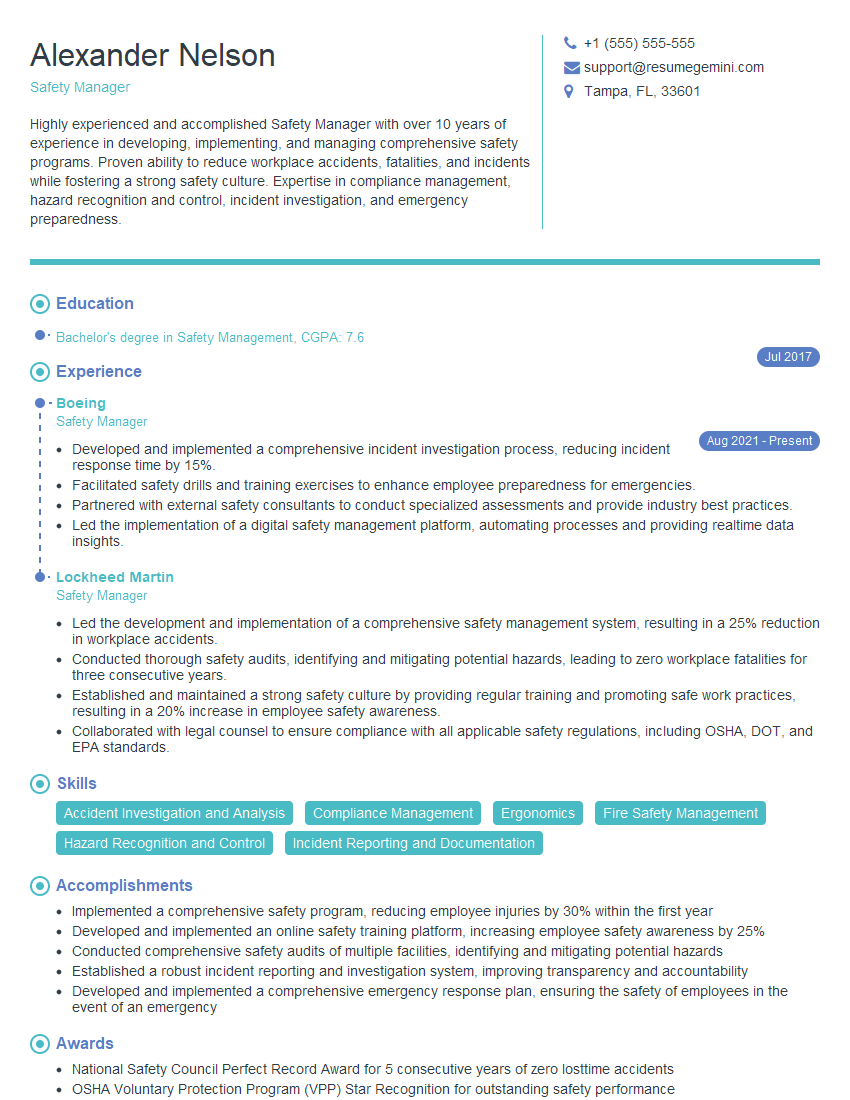
Safety Manager Resume Sample
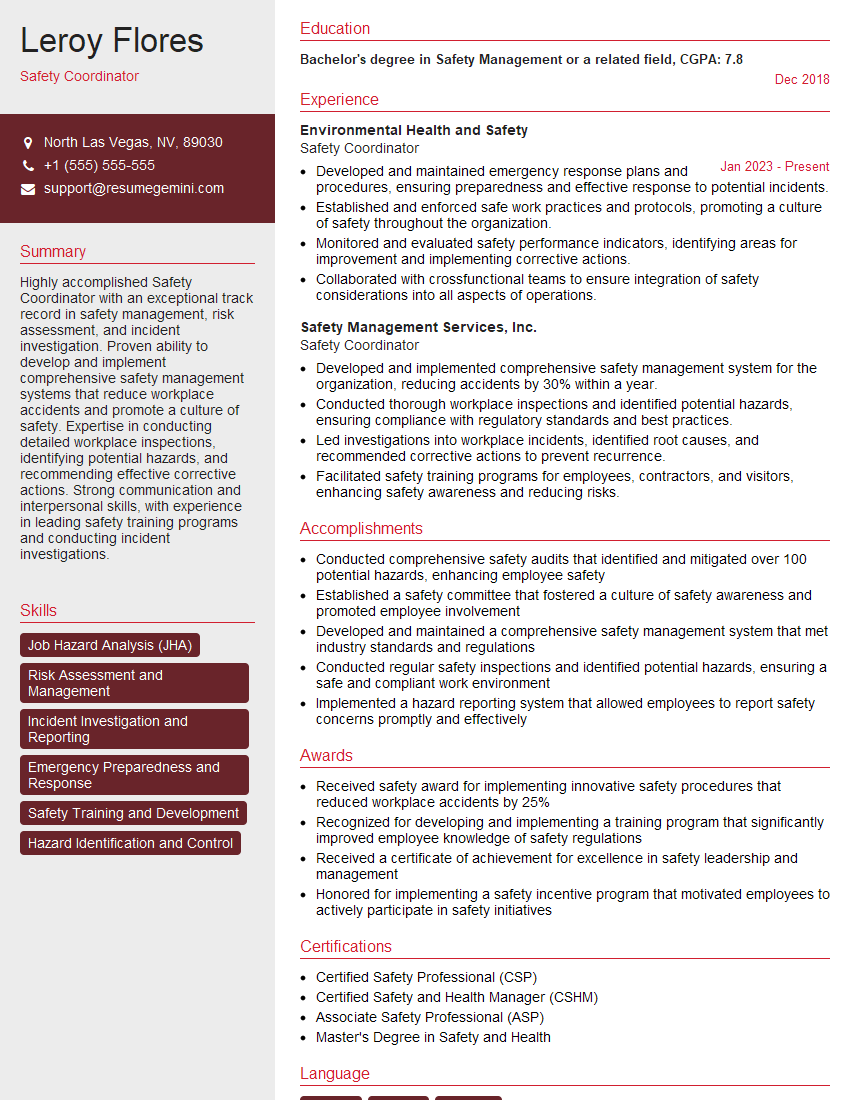
Safety Coordinator Resume Sample

Compliance Officer Resume Sample
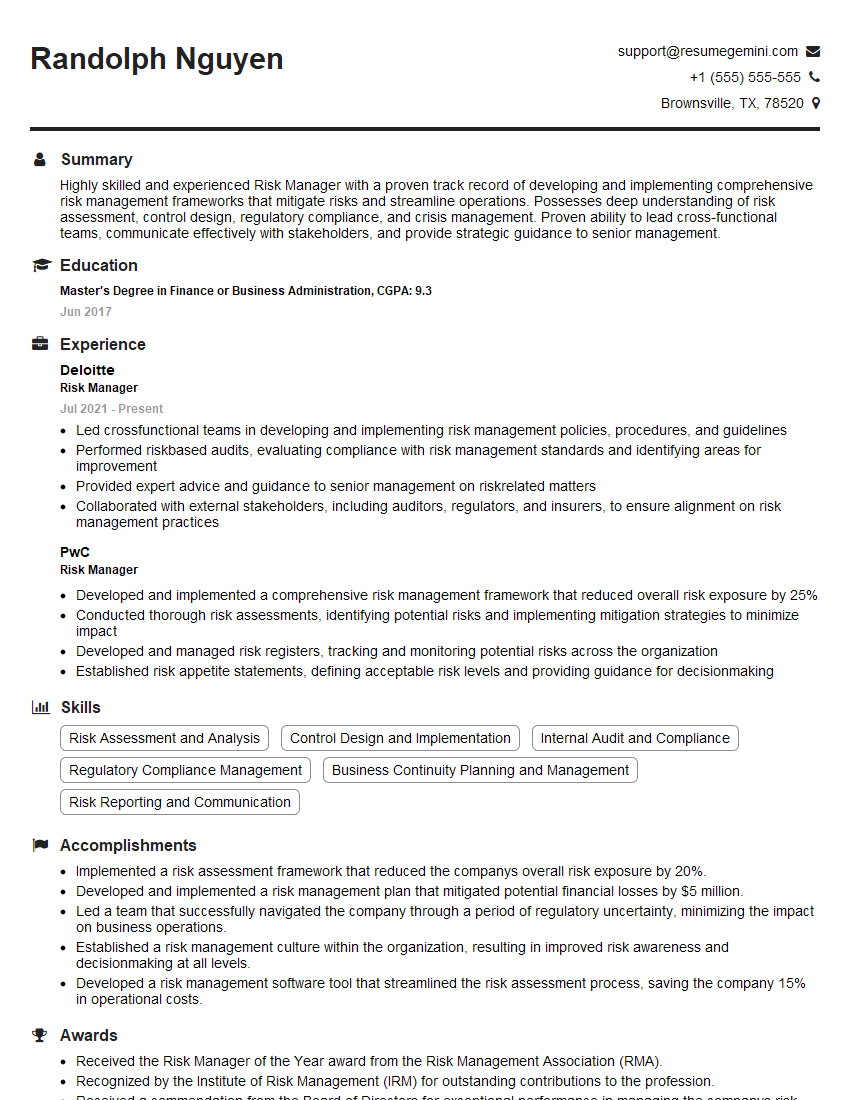
Risk Manager Resume Sample
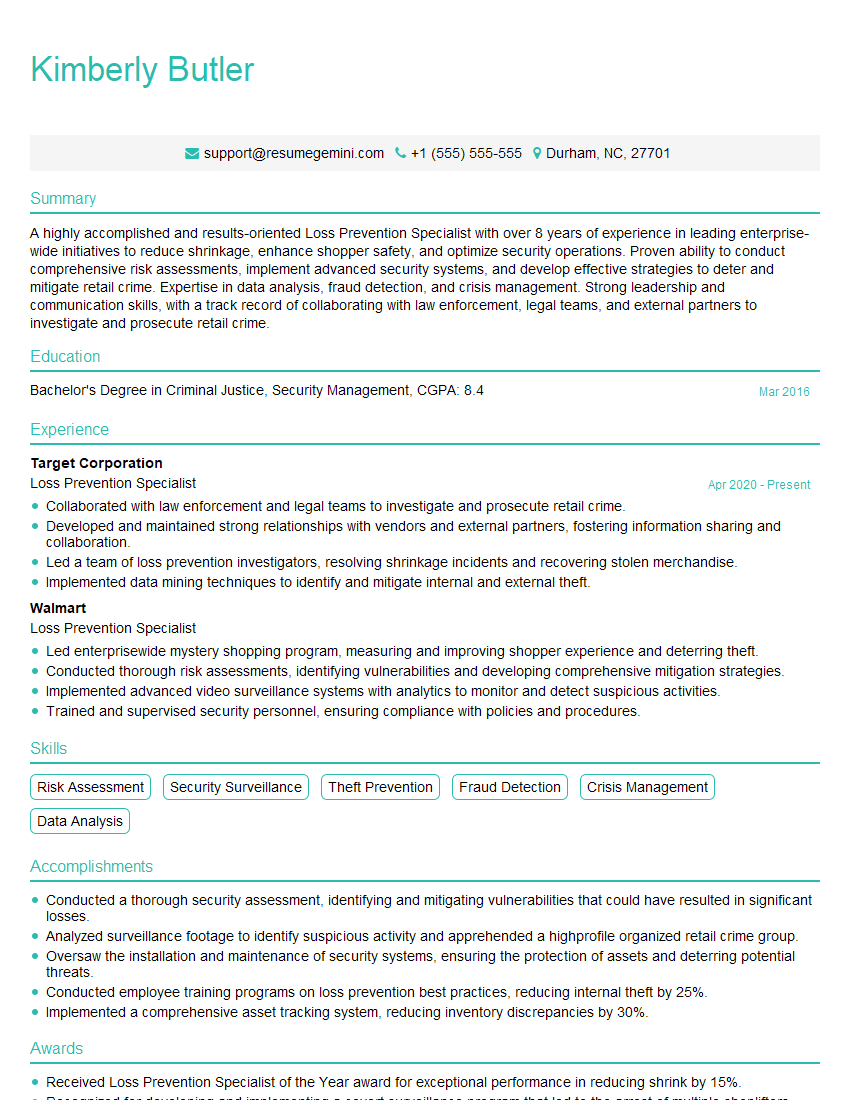
Loss Prevention Specialist Resume Sample
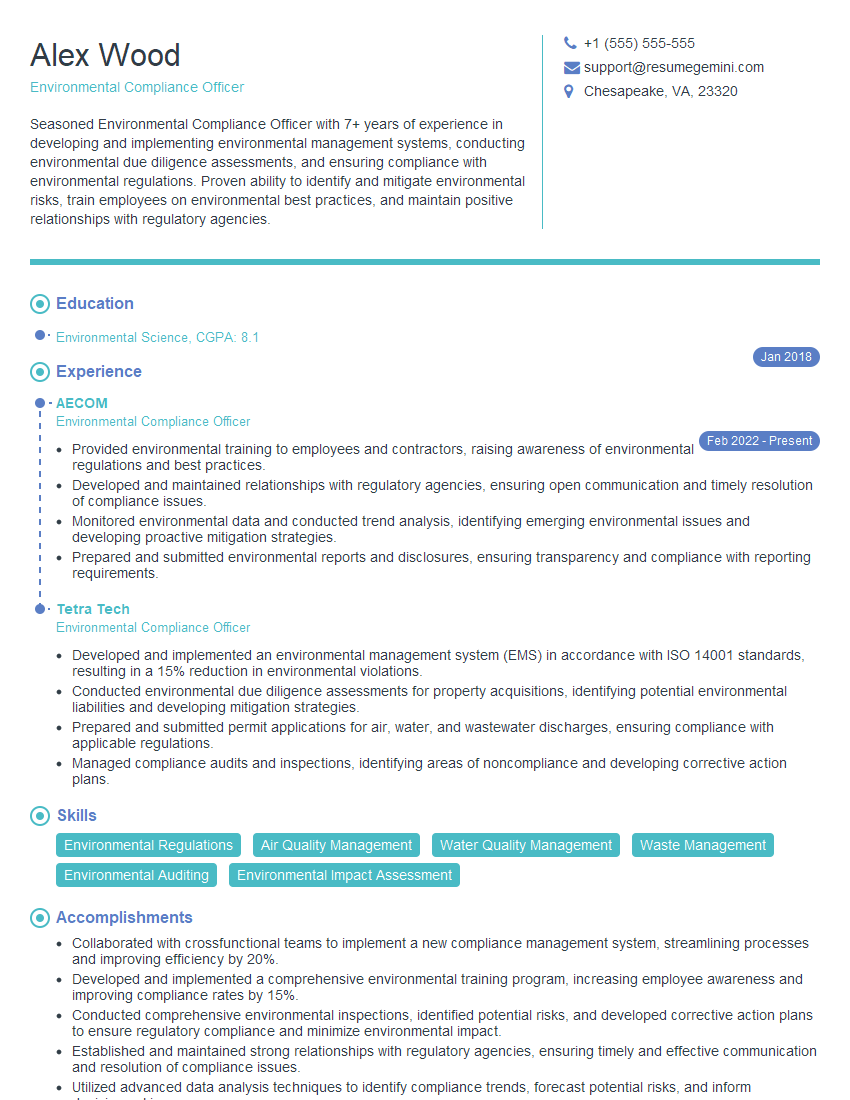
Environmental Compliance Officer Resume Sample
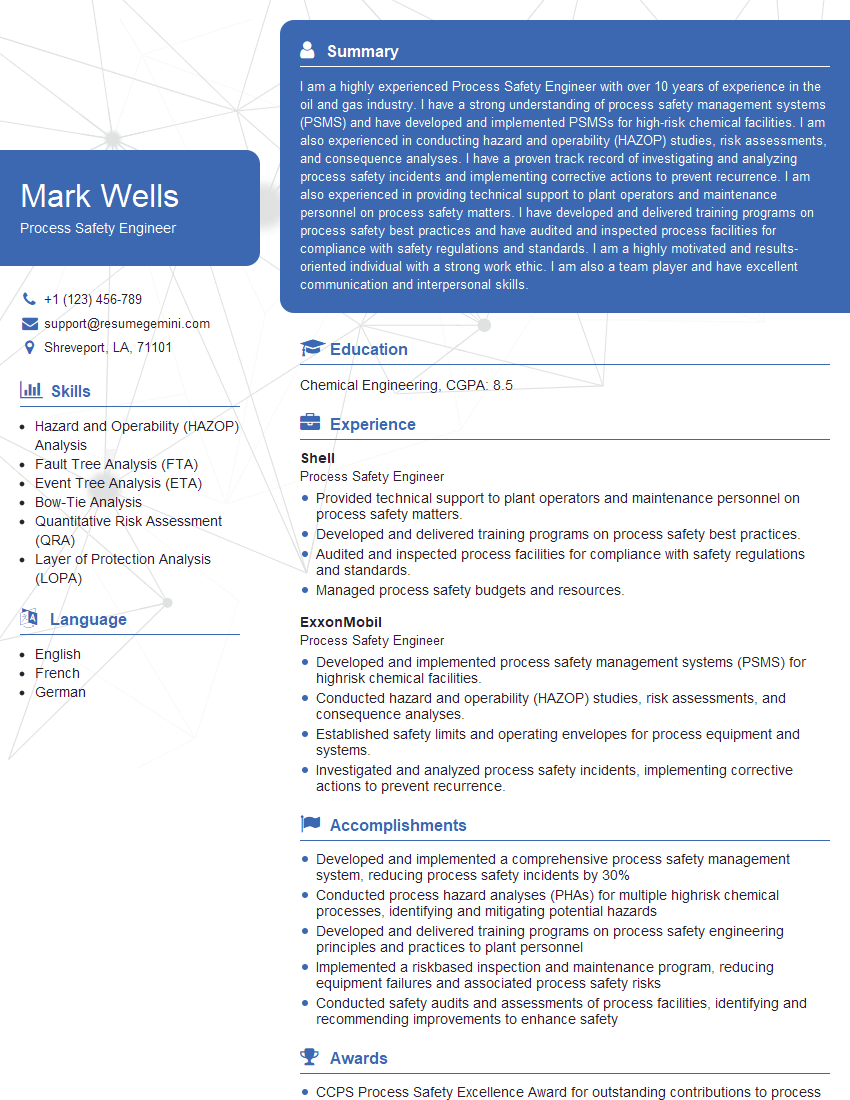
Process Safety Engineer Resume Sample
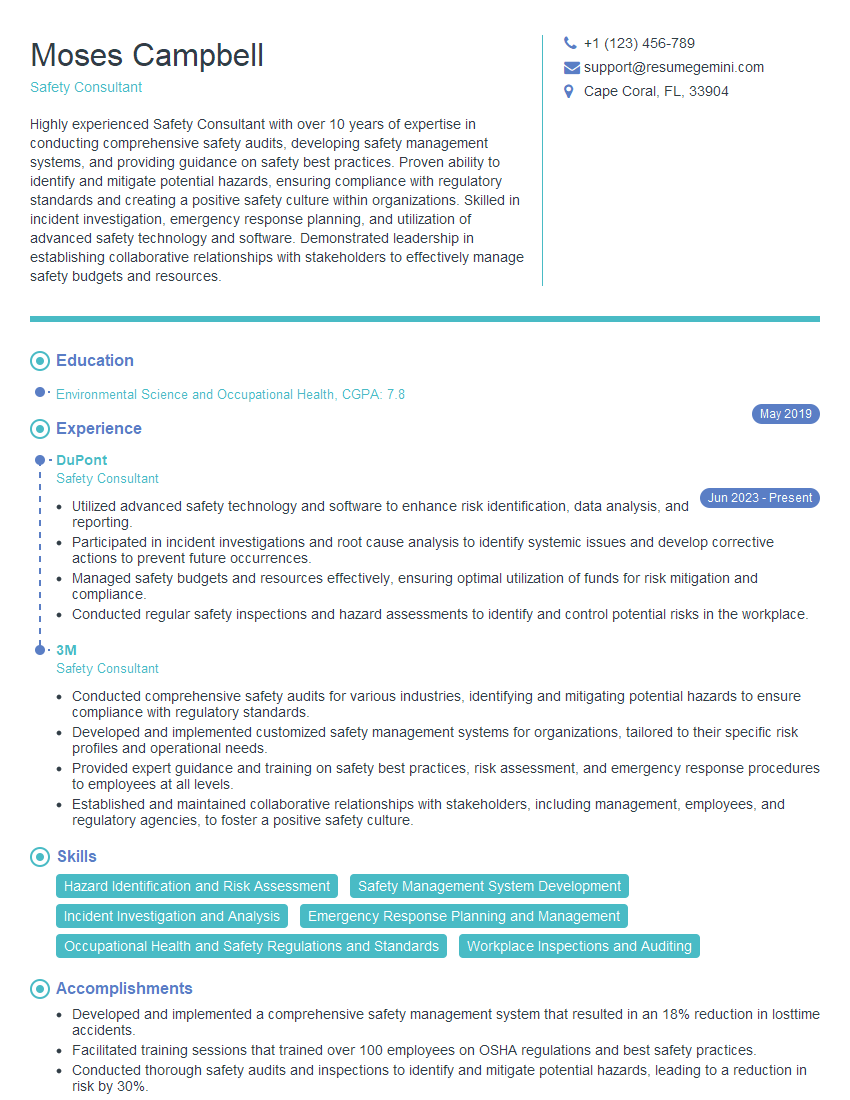
Safety Consultant Resume Sample

Safety Engineer Resume Sample
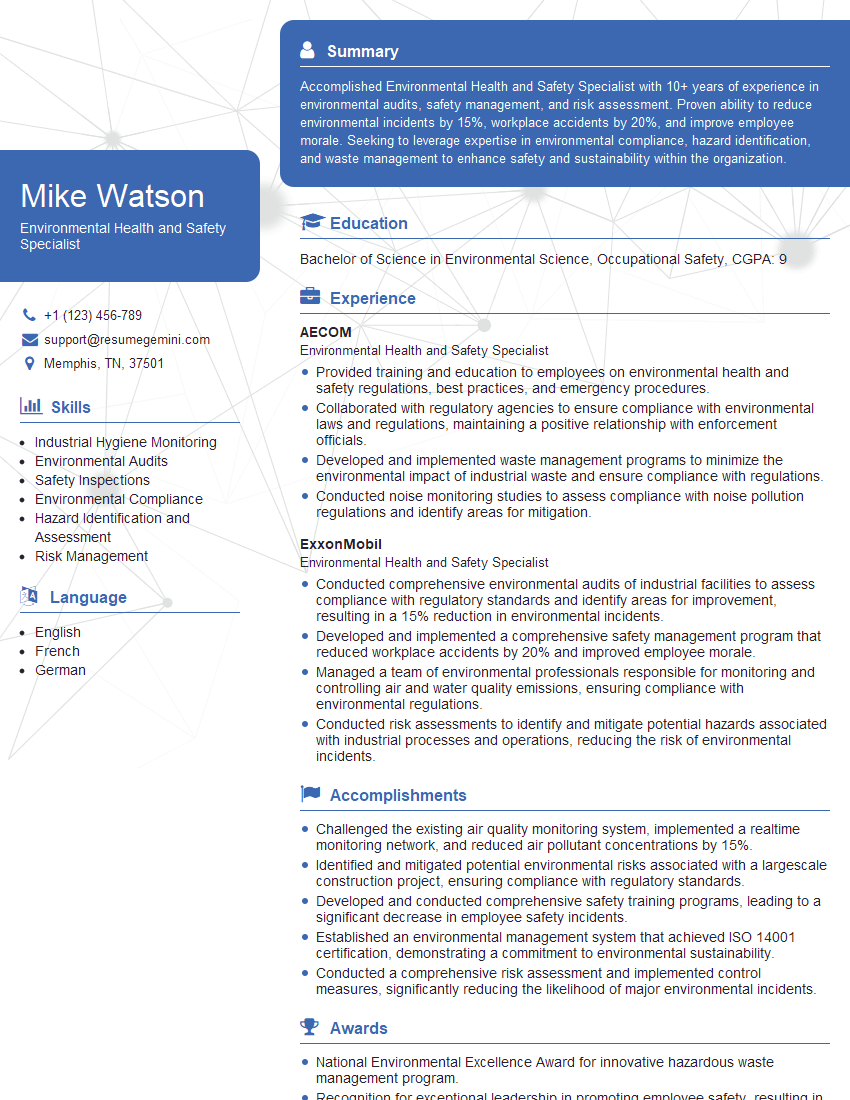
Environmental Health and Safety Specialist Resume Sample
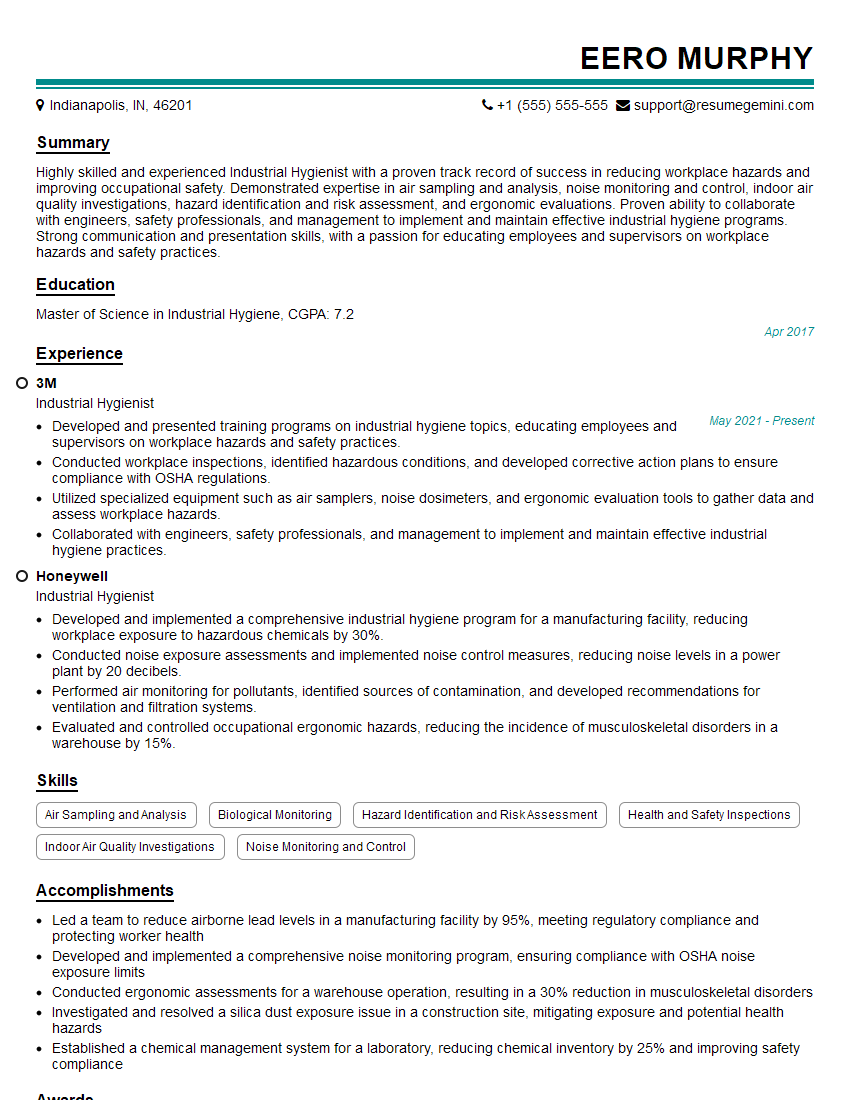
Industrial Hygienist Resume Sample
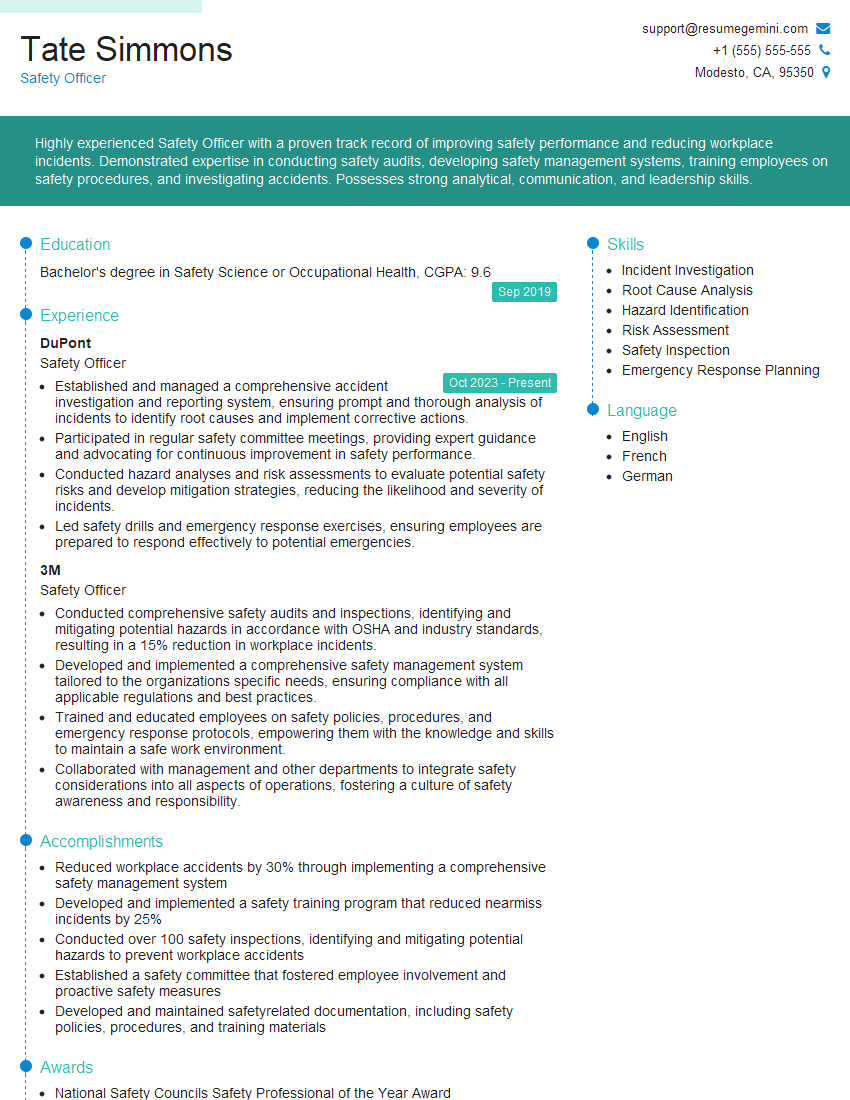
Safety Officer Resume Sample
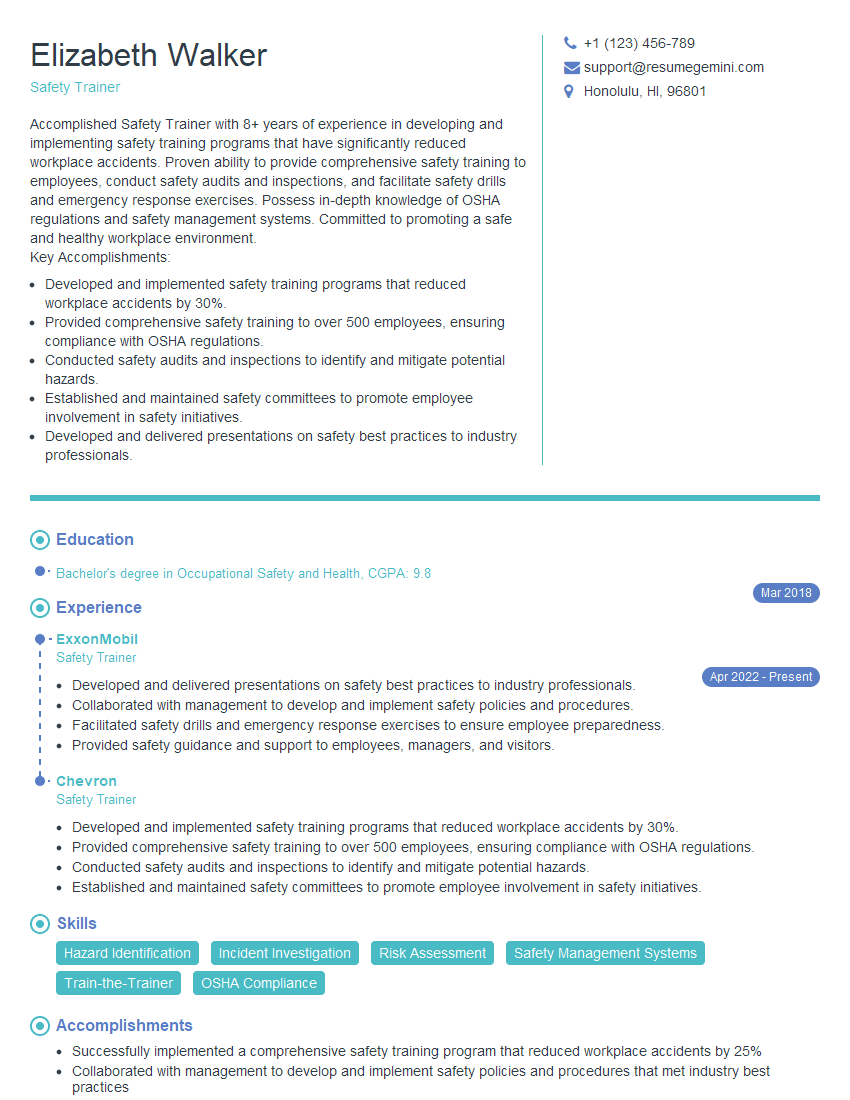
Safety Trainer Resume Sample
Explore more articles
Users Rating of Our Blogs
Share Your Experience
We value your feedback! Please rate our content and share your thoughts (optional).
What Readers Say About Our Blog
Really detailed insights and content, thank you for writing this detailed article.
IT gave me an insight and words to use and be able to think of examples