Cracking a skill-specific interview, like one for Oxyfuel Gas Welding, requires understanding the nuances of the role. In this blog, we present the questions you’re most likely to encounter, along with insights into how to answer them effectively. Let’s ensure you’re ready to make a strong impression.
Questions Asked in Oxyfuel Gas Welding Interview
Q 1. Explain the principles of oxyfuel gas welding.
Oxyfuel gas welding, also known as oxy-fuel welding or OFW, is a thermal welding process that uses the heat generated by a flame produced by burning a fuel gas (commonly acetylene) with oxygen to melt and fuse base metals. Think of it like a highly controlled, intensely hot blowtorch. The process joins metals by melting them together at their juncture and adding a filler metal, often a rod of similar composition, to create a strong, continuous weld.
The heat from the flame melts both the base metal and the filler metal, creating a molten pool. Surface tension and capillary action help draw the molten filler metal into the joint, creating a weld pool that solidifies upon cooling, forming a strong metallurgical bond. The precise control of the flame allows for fine manipulation of the weld pool, leading to good quality and precision.
Q 2. Describe the different types of oxyfuel gas flames and their applications.
Oxyfuel flames are classified primarily based on their oxygen-to-fuel ratio. This ratio dictates the flame’s temperature and characteristics, influencing its application.
- Neutral Flame: This is the most commonly used flame type and is characterized by a balanced oxygen-to-fuel ratio, resulting in a sharp, well-defined inner cone. It’s ideal for most welding applications because it provides a clean, high-temperature melt without excessive oxidation or carbonization. Think of it as the ‘Goldilocks’ flame – not too hot, not too cool, just right.
- Oxidizing Flame: This flame has an excess of oxygen, leading to a shorter, more pointed inner cone. While it can be used for specific applications like cutting or surface cleaning, it’s generally avoided for welding as the excess oxygen can lead to oxidation of the weld metal, weakening the joint. It’s like adding too much spice to a dish; it can ruin the flavor.
- Carburizing Flame: This flame has an excess of fuel gas, creating a longer, softer inner cone with a noticeable feathery appearance. It’s rarely used for welding due to the potential for carbon contamination of the weld metal, but might find niche applications in specific metal treatments. Think of it as adding too much sugar to a cake; it can make it too sweet and less strong.
The choice of flame depends on the material being welded and the desired weld characteristics. For instance, a neutral flame is preferred for most steels, while a slightly oxidizing flame might be used for some non-ferrous metals. The welder’s experience and judgment are critical in selecting the appropriate flame type.
Q 3. What are the safety precautions associated with oxyfuel gas welding?
Oxyfuel gas welding presents significant safety hazards if proper precautions are not followed. Here are some key safety considerations:
- Cylinder Handling: Always secure cylinders upright and use appropriate carts. Never allow them to fall or be subjected to impact. Always follow the manufacturer’s safety guidelines specific to the cylinders.
- Ventilation: Ensure adequate ventilation to prevent the buildup of potentially harmful gases. Welding in enclosed spaces should only be performed with proper exhaust systems. Acetylene is particularly dangerous because it can explode under pressure.
- Flame Ignition: Never ignite the torch near flammable materials or in a confined area. Always use a proper lighter or striker, and ensure proper flow of both gases before ignition.
- Backfires and Flashbacks: Be aware of the signs of backfires and flashbacks, and have a clear understanding of how to handle these situations safely. Proper torch design and maintenance are critical in preventing this.
- Personal Protective Equipment (PPE): Always use appropriate PPE, including safety glasses, welding gloves, and a welding jacket. A helmet with an appropriate shade is also critical to protect eyes from the intense UV radiation and spatter.
- Fire Prevention: Ensure that a fire extinguisher is readily available and that a fire watch is in place, especially in areas with flammable materials near the welding area.
Regular safety training and adherence to safety procedures are paramount for safe oxyfuel gas welding practices. It’s not just about knowing the procedures, but also about developing a mindset of safety throughout the entire welding process.
Q 4. How do you select the appropriate filler metal for a specific application?
The selection of filler metal is crucial for achieving a sound and high-quality weld. The choice depends primarily on the base metal being welded, but also considers factors such as the welding position, desired mechanical properties, and the welding environment. For example, welding mild steel would use a mild steel filler metal rod; stainless steel would require a stainless steel filler rod.
Filler metals are available in various compositions and diameters. The diameter is chosen based on the thickness of the base metal and the size of the weld. Selecting a filler metal with a similar composition to the base metal ensures good metallurgical compatibility and minimizes the risk of weld defects. Consulting manufacturer’s recommendations and welding codes (like AWS D1.1 for structural welding codes) provides guidance on appropriate filler metal selection. Proper filler metal selection minimizes porosity, cracking, and other weld defects, leading to a stronger and more reliable weld.
Often, a welder will have a selection of filler rods available to use depending on the project and specific requirements.
Q 5. Explain the process of preparing a weld joint for oxyfuel gas welding.
Preparing the weld joint is as crucial as the welding process itself. Poor preparation can lead to weak welds and defects. The steps involved are:
- Cleaning: The surfaces to be welded must be meticulously cleaned to remove any dirt, grease, paint, rust, or scale. This can involve using wire brushes, grinding wheels, or solvents, depending on the level of contamination.
- Edge Preparation: The edges of the parts to be welded often need to be bevelled or grooved to create a suitable geometry for the weld. This increases the penetration depth and minimizes weld defects. The geometry depends on factors like the thickness of the material and the welding position.
- Fixturing: Proper fixturing ensures accurate alignment of the parts before and during the welding process. Clamps, jigs, or other fixtures maintain the joint gap and prevent misalignment, leading to a uniform weld bead.
- Preheating (if necessary): Some metals, especially thicker sections, may require preheating to prevent cracking during welding or to improve weld quality. The preheat temperature depends on the material and its thickness.
Proper preparation ensures that the weld metal flows smoothly into the joint, leading to a sound and reliable weld.
Q 6. Describe the techniques for achieving a good weld bead profile.
Achieving a good weld bead profile is essential for both aesthetics and structural integrity. A well-formed bead is smooth, consistent, and free from defects. Here are some techniques to achieve this:
- Consistent Travel Speed: Maintaining a constant speed is critical. Moving too fast will result in a thin, weak weld; moving too slow can lead to excessive build-up and potential defects.
- Correct Flame Angle and Distance: The flame angle and distance from the work piece must be carefully controlled. Generally, the flame should be held at a slight angle to the weld pool, and a consistent distance is maintained to provide uniform heating.
- Proper Filler Metal Addition: Filler metal should be fed smoothly and consistently into the molten pool. Avoid excessive or sporadic additions that can disrupt the weld pool flow.
- Consistent Weld Pool Manipulation: The welder skillfully moves the torch and filler rod to control the molten pool and shape the weld bead. This requires significant practice and experience.
The desired weld bead profile will also depend on the application. Sometimes a wider bead is preferred for strength, while other times a narrower, more precise bead might be needed.
Q 7. What are the common defects found in oxyfuel gas welds and how are they prevented?
Several common defects can occur in oxyfuel gas welds, often resulting from improper technique or inadequate preparation. Some of these are:
- Porosity: Small holes or voids in the weld metal, often caused by trapped gases or impurities. This can be prevented by ensuring good cleanliness of the base metal and proper filler metal selection and application.
- Undercutting: A groove melted into the base metal adjacent to the weld, resulting from excessive heat input or improper torch angle. Maintaining proper flame control and travel speed helps prevent this.
- Overlap: Weld metal extending beyond the edges of the joint, indicative of poor control of the weld pool. This can be avoided by using a correct torch angle and travel speed.
- Lack of Fusion: Incomplete bonding between the weld metal and the base metal, caused by insufficient heat or poor cleanliness. Careful preparation and proper flame control are essential to avoid this.
- Cracking: Breaks or fissures in the weld metal, often resulting from too rapid cooling, improper filler metal selection, or the presence of impurities. Preheating the base metal can often mitigate this defect.
Preventive measures include proper joint design, meticulous preparation, correct welding parameters, and consistent technique. Regular inspection and quality control are crucial in identifying and mitigating any weld defects.
Q 8. How do you adjust the gas pressure for optimal welding performance?
Adjusting gas pressure in oxyfuel welding is crucial for achieving a stable and high-quality weld. The optimal pressure depends on the specific metal being welded, its thickness, and the type of gas being used (typically acetylene and oxygen). Think of it like controlling the flame of a stove – too little gas and the flame is weak; too much and it’s unstable and potentially dangerous.
Typically, you start by setting the oxygen pressure first, then adjust the fuel gas pressure to achieve the desired flame type (neutral, oxidizing, or carburizing). You’ll use pressure gauges on the regulators to monitor this. For example, when welding mild steel, a neutral flame is usually preferred. This is achieved by carefully balancing the oxygen and acetylene pressures, resulting in a clearly defined inner cone and a feathery outer flame. Improper pressure ratios can lead to an oxidizing flame (excess oxygen, resulting in brittle welds) or a carburizing flame (excess fuel gas, leading to porous welds). Accurate pressure adjustment is usually done through trial and error initially, refined over time with experience, and often checked by observing the flame characteristics and weld bead appearance.
Always consult the manufacturer’s guidelines for recommended pressure ranges for different metals and gas types. Safety is paramount – never exceed the maximum pressure rating of your equipment.
Q 9. Explain the importance of preheating and post-heating in oxyfuel gas welding.
Preheating and post-heating in oxyfuel welding are vital for managing thermal stresses and achieving superior weld quality, particularly with thicker materials. Imagine trying to weld two large, thick pieces of metal together – the heat from the welding process could cause significant warping or cracking if not carefully managed.
Preheating reduces the temperature difference between the weld area and the surrounding base metal. This helps prevent rapid cooling, which can lead to cracking. The ideal preheat temperature depends on the base metal and its thickness. It’s often done using a torch or even a furnace. For instance, preheating might be necessary when working with high-carbon steel to prevent the formation of hard, brittle zones in the weld.
Post-heating, or stress relief, follows the welding process and helps to relieve the internal stresses that can build up during cooling. This is particularly important for large welds or those in complex shapes. Post-heating is typically done at a lower temperature than preheating and is maintained for a specific duration, allowing for slow, controlled cooling. This slows down the cooling process, minimizing the potential for cracking and promoting a more uniform microstructure.
Q 10. What are the limitations of oxyfuel gas welding compared to other welding processes?
While oxyfuel welding is versatile and useful for various applications, it has some limitations compared to more modern welding processes like MIG or TIG welding.
- Lower Welding Speed: Oxyfuel welding is generally slower than other processes, making it less efficient for mass production.
- Higher Skill Requirement: It requires a higher level of skill and precision to achieve consistent and high-quality welds. The operator needs to master flame control and precise manipulation of the welding torch.
- Portability Limitations: The equipment is less portable than some other welding methods, especially when dealing with larger cylinders of oxygen and acetylene.
- Heat Affected Zone (HAZ): Oxyfuel welding produces a larger heat-affected zone compared to some other methods, which can alter the properties of the base metal in the vicinity of the weld. This can impact the overall strength and durability, making it less suitable for applications with high strength requirements.
- Safety Concerns: Oxyfuel welding involves working with flammable gases, requiring rigorous safety precautions.
Q 11. Describe the different types of oxyfuel gas welding equipment.
Oxyfuel welding equipment includes several key components:
- Oxygen and Fuel Gas Cylinders: These store the gases used in the process. Acetylene is a common fuel gas.
- Regulators: These control the flow and pressure of the gases from the cylinders.
- Welding Torches: These mix and deliver the gases to the weld point, creating the flame. Different torch types are available, each designed for specific applications or metal thicknesses.
- Hoses: These connect the regulators to the welding torch, carrying the gases safely.
- Safety Equipment: This is crucial and includes safety glasses or a welding helmet, gloves, and appropriate clothing to protect the welder from the intense heat and potential hazards.
- Accessories: This can include various tips for the torch to tailor the flame size and shape, as well as lighter and striker for igniting the torch.
Q 12. How do you maintain and care for oxyfuel gas welding equipment?
Proper maintenance of oxyfuel equipment is essential for safety and performance. Neglect can lead to leaks, poor welds, and even accidents.
- Regular Inspections: Check hoses for cracks or damage before each use. Inspect regulators for leaks.
- Cleaning: After each use, clean the torch tip to remove any spatter or debris. This ensures a clean flame and prevents clogging.
- Storage: Store cylinders upright and secure in a well-ventilated area, away from heat sources and ignition sources. Always cap the cylinders when not in use.
- Leak Checks: Periodically check for leaks in the system using soapy water. Bubbles indicate a leak, requiring immediate attention.
- Professional Servicing: Schedule regular professional servicing of regulators and torches to ensure proper calibration and functionality. Don’t attempt repairs yourself unless properly trained.
Q 13. What is the role of flux in oxyfuel gas welding?
Flux plays a crucial role in oxyfuel welding, particularly when joining metals that readily oxidize. Think of it as a protective shield for the weld puddle.
Flux acts as a cleaning agent, removing oxides and other contaminants from the surfaces of the metals being welded. This is essential because oxides prevent proper fusion between the base metals. It also helps to protect the weld puddle from atmospheric contamination during the welding process, ensuring a cleaner and stronger weld. The type of flux used depends on the specific metals being welded; different fluxes are optimized for different materials.
Q 14. Explain the concept of weld penetration and its importance.
Weld penetration refers to the depth to which the weld metal fuses with the base metal. Imagine it as how deeply the weld ‘bites’ into the material.
Sufficient penetration is crucial for a strong and reliable weld. Insufficient penetration means the weld isn’t fully fused to the base metal, leading to a weak joint that’s prone to failure. Excessive penetration, on the other hand, can cause burn-through or weakening of the base material. Achieving optimal penetration requires proper control of the welding parameters, including gas pressure, travel speed, and angle of the torch. It’s often visually inspected after the weld cools. Proper penetration ensures the weld joint can withstand the design loads and operating conditions.
Q 15. How do you inspect a completed oxyfuel gas weld for quality?
Inspecting an oxyfuel gas weld involves a thorough visual examination and sometimes destructive or non-destructive testing. Visual inspection checks for several key aspects:
- Weld Penetration: Ensure the weld has fused completely through the base metal, creating a sound joint. Insufficient penetration might look like a lack of fusion at the root of the weld.
- Weld Bead Appearance: Look for a smooth, uniform weld bead, free from excessive spatter, porosity (small holes), or cracks. An uneven bead often indicates inconsistent welding technique.
- Undercuts and Overlaps: Check for undercuts (grooves at the edge of the weld) and overlaps (excess weld metal extending beyond the joint). Both weaken the weld.
- Porosity and Cracks: Examine closely for any signs of porosity (tiny holes) or cracks, which are serious defects indicating poor weld quality. These can often be identified with a magnifying glass or even the naked eye under good lighting.
- Dimensions: Verify that the weld bead conforms to the specified dimensions, including width, height, and reinforcement.
Beyond visual inspection, techniques like dye penetrant testing (for surface cracks) or radiographic testing (for internal defects) can provide a more in-depth assessment of weld quality, particularly for critical applications.
For example, I once inspected a weld on a pressure vessel. Initial visual inspection revealed some slight porosity. Further radiographic testing confirmed the extent of the porosity, and the weld was repaired to ensure safety.
Career Expert Tips:
- Ace those interviews! Prepare effectively by reviewing the Top 50 Most Common Interview Questions on ResumeGemini.
- Navigate your job search with confidence! Explore a wide range of Career Tips on ResumeGemini. Learn about common challenges and recommendations to overcome them.
- Craft the perfect resume! Master the Art of Resume Writing with ResumeGemini’s guide. Showcase your unique qualifications and achievements effectively.
- Don’t miss out on holiday savings! Build your dream resume with ResumeGemini’s ATS optimized templates.
Q 16. What are the different types of joints that can be welded using oxyfuel gas?
Oxyfuel gas welding can be used to create a variety of joints, each suited to different applications and base metal thicknesses. Common joint types include:
- Butt Joint: Two pieces of metal butted end-to-end. This is suitable for joining similar thickness materials and provides a strong, continuous joint when properly executed.
- Lap Joint: One piece of metal overlapping another. Easy to weld, but the strength is somewhat lower than a butt joint.
- T-Joint: One piece of metal joining another at a right angle, forming a ‘T’. This is a versatile joint and can be easily welded with appropriate preparation.
- Corner Joint: Two pieces of metal meeting at a 90-degree angle. Commonly used for joining sheet metal.
- Edge Joint: Similar to a lap joint but with a thinner overlap. This is often used with thinner materials.
The choice of joint type depends on factors like the required strength, the thickness of the base metal, and the ease of access for welding.
Q 17. Describe the procedure for performing a butt weld using oxyfuel gas welding.
Performing a butt weld using oxyfuel gas welding involves meticulous preparation and execution. Here’s a step-by-step procedure:
- Preparation: Clean and bevel the edges of the base metals to ensure proper penetration. The bevel angle is important and depends on the material thickness. Thicker materials often need wider bevels.
- Tack Welding: Use small tack welds to hold the two pieces of metal together in the desired position. This prevents shifting during the main welding operation.
- Preheating (If Necessary): Certain materials might require preheating to reduce stresses and improve weld quality. This step is critical for materials prone to cracking.
- Welding: Adjust the gas mixture and flame size. Begin the weld from one end and progress smoothly along the joint, maintaining a consistent travel speed, flame angle, and distance from the workpiece.
- Post-Weld Heat Treatment (If Necessary): Some materials benefit from post-weld heat treatment to relieve residual stresses and improve weld properties. This is often determined by the base metal and welding procedure.
- Inspection: After the weld cools, perform a thorough visual inspection to check for defects like porosity or cracks.
Imagine welding two steel pipes together – proper beveling and preheating would be critical to ensure a leak-proof, strong joint. The consistent progression of the torch across the joint is crucial for a smooth, uniform weld.
Q 18. How do you handle different types of base metals using oxyfuel gas welding?
Handling different base metals with oxyfuel welding requires adjusting the technique and parameters for optimal results. The key differences lie in the melting points, thermal conductivity, and susceptibility to oxidation of various metals.
- Steel: A relatively straightforward metal to weld with oxyfuel. Proper gas mixture and preheating (for thicker sections) are essential.
- Aluminum: Requires a high heat input to melt and needs a strong oxidizing flame to remove the oxide layer that forms on its surface. Flux is sometimes used to assist with this.
- Stainless Steel: Susceptible to oxidation and requires careful control of the welding parameters to prevent weld cracking. It might need a slightly higher oxygen-to-acetylene ratio than carbon steel.
- Copper: High thermal conductivity necessitates a focused, hotter flame, and specialized techniques due to its high heat transfer rate.
- Cast Iron: Can be challenging due to its relatively high carbon content and the potential for cracking. Preheating and slow cooling are usually crucial.
For instance, aluminum welding requires a special oxyfuel technique due to its fast oxidation and low melting point, and we would utilize different fluxes and procedures to accommodate those properties.
Q 19. What are the factors affecting the weldability of different materials?
Weldability of different materials depends on several factors:
- Melting Point: Materials with significantly different melting points are more difficult to weld because it is harder to ensure proper fusion.
- Thermal Conductivity: High thermal conductivity materials (like copper) dissipate heat rapidly, necessitating a hotter flame and specialized techniques.
- Oxidation Resistance: Materials that readily oxidize (like aluminum and stainless steel) require specific techniques to prevent the formation of oxides, which can hinder fusion.
- Chemical Composition: The presence of alloying elements affects the melting point, thermal conductivity, and oxidation resistance of a material, affecting weldability.
- Cleanliness: The surface of the base metals must be clean and free from contaminants (oil, grease, rust, etc.) to ensure proper fusion.
For instance, the presence of impurities in the base metal can lead to porosity or other defects. Maintaining a clean welding environment is vital, in conjunction with proper pre-treatment.
Q 20. What are the environmental considerations in oxyfuel gas welding?
Oxyfuel gas welding has several environmental considerations:
- Gas Emissions: The process produces combustion gases, including carbon monoxide, carbon dioxide, and nitrogen oxides. Proper ventilation is crucial to ensure worker safety and environmental protection.
- Hazardous Materials: Some fluxes and cleaning agents used in welding can be hazardous. Safe handling and disposal are essential to minimize environmental impact.
- Waste Generation: The process generates slag (waste product from the welding process) and other waste materials that should be disposed of properly.
- Noise Pollution: The process can produce noise pollution, so it is important to protect the workers’ hearing.
In many industrial settings, we employ fume extraction systems and follow strict waste management protocols to minimize these environmental effects.
Q 21. How do you identify and address common welding problems during the process?
Common oxyfuel welding problems and their solutions:
- Porosity: Caused by trapped gases. Solutions: Ensure clean metal surfaces, proper gas mixture, and consistent welding technique.
- Cracks: Result from excessive stresses, poor welding technique or inappropriate pre- and post-weld heat treatments. Solutions: Avoid rapid cooling, use proper pre- and post-weld heat treatments, and ensure a smooth consistent weld bead.
- Incomplete Penetration: The weld doesn’t fuse completely through the base metals. Solutions: Use correct bevel angles, proper heat input, and consistent technique.
- Undercuts and Overlaps: Caused by improper welding technique. Solutions: Maintain consistent travel speed and flame angle, practice controlled movements.
- Spatter: Excess weld metal that is scattered around the weld joint. Solution: Proper gas mixture and welding technique.
Troubleshooting involves carefully examining the weld’s appearance and identifying the root cause. Often, a combination of factors contributes to the problem. For example, porosity might be linked to unclean base metals and an improperly adjusted gas mixture. Addressing the root causes, rather than just the symptoms, is key to successful problem-solving.
Q 22. What is the difference between brazing and oxyfuel gas welding?
Both brazing and oxyfuel gas welding join metals, but they differ significantly in the joining process and the resulting joint’s properties. Brazing uses a filler metal with a lower melting point than the base metals. The filler metal is drawn into the joint by capillary action, creating a strong bond. The base metals themselves don’t melt. Think of it like soldering, but on a larger scale and with higher-temperature filler metals. Oxyfuel gas welding, on the other hand, involves melting the base metals themselves along with a filler metal to create a fusion weld. The melted base and filler metals blend together, creating a continuous, homogenous structure.
In short: Brazing joins metals without melting them completely, while oxyfuel gas welding melts the base metals to form a fused joint. This results in oxyfuel welds generally being stronger and more durable than brazed joints, but they also require more precise control and higher temperatures.
Example: Brazing is often used for joining thin sheets of copper in a heat exchanger, while oxyfuel welding might be used to create a strong, leak-proof joint in a steel pipe.
Q 23. Explain the concept of heat input in oxyfuel gas welding.
Heat input in oxyfuel gas welding refers to the amount of heat energy supplied to the weld joint per unit length. It’s a critical factor determining the weld’s properties, including its microstructure, strength, and penetration. Too much heat input can lead to excessive heat-affected zones (HAZ), causing weakness or distortion in the base metal, while too little heat might result in incomplete fusion or insufficient penetration.
Heat input is influenced by several parameters including the flame size, travel speed, and the type of gas used. A larger flame size and slower travel speed mean more heat input. Different gases produce different flame temperatures; acetylene provides a higher temperature than propane, resulting in a higher heat input for the same settings.
Controlling heat input is crucial for consistent weld quality. Experienced welders adjust their technique based on the base metal’s thickness and type to achieve optimal heat input. Imagine baking a cake – you need the right amount of heat for a perfect result, too much or too little, and the cake is ruined. It’s the same principle with welding.
Q 24. Describe your experience with different oxyfuel gas welding techniques (e.g., leftward, rightward).
I’ve extensive experience with both leftward and rightward oxyfuel gas welding techniques. The choice of technique often depends on the material, thickness, and the desired weld profile. Leftward technique involves moving the torch from right to left, keeping the leading edge of the weld pool slightly ahead of the torch. This is generally preferred for thinner materials as it allows better control and puddle manipulation, reducing the chance of burn-through. It provides a more consistent heat distribution.
Rightward welding, on the other hand, involves moving the torch from left to right, with the puddle trailing the torch. This is often used for thicker materials or applications where deeper penetration is required. It tends to produce a wider weld bead, but needs more careful control to avoid undercut.
I have effectively used both methods on numerous projects, adapting my approach based on the job’s specific requirements. I can also utilize other techniques like backhand and forehand welding as needed for specialized applications, always prioritizing safety and weld quality.
Q 25. What safety equipment is crucial while performing oxyfuel gas welding?
Safety is paramount in oxyfuel gas welding. The equipment and protective gear required includes:
- Welding Helmet/Goggles: Essential for eye protection from the intense UV radiation and spatter.
- Welding Gloves: Protect hands from heat and sparks.
- Welding Jacket/Apron: Protects clothing from sparks and molten metal.
- Safety Shoes: Provide foot protection against falling objects and molten metal.
- Gas Cylinders with Regulators: These must be properly secured and used according to manufacturer’s instructions. Cylinders should be stored upright and away from ignition sources.
- Flashback Arrestors: These prevent the dangerous backflow of flame into the gas lines.
- Fire Extinguisher: A readily accessible fire extinguisher rated for Class B (flammable liquids) and Class C (electrical) fires is a must.
- Proper Ventilation: Ensure sufficient ventilation to prevent accumulation of harmful gases.
Regular inspection and maintenance of equipment are crucial to prevent accidents. A thorough understanding of safe gas handling procedures is also essential.
Q 26. How do you ensure consistent weld quality throughout a large project?
Maintaining consistent weld quality throughout a large project requires meticulous attention to detail and adherence to standardized procedures. This involves:
- Pre-Weld Inspection: Thorough inspection of the base materials for defects and cleanliness.
- Calibration of Equipment: Regular calibration of gas pressure regulators and ensuring the torch is properly adjusted.
- Use of Jigs and Fixtures: Using jigs and fixtures to maintain consistent joint fit-up.
- Standardized Welding Procedure Specifications (WPS): Following a detailed WPS ensures consistent parameters like heat input, travel speed, and filler material.
- Regular Weld Inspections: Conducting regular visual and/or non-destructive testing (NDT) on welds to identify and address any deviations from quality standards.
- Operator Qualification and Training: Highly trained and qualified welders will ensure consistency in skill and technique.
- Maintaining Consistent Material Properties: Using consistent batches of filler metal and ensuring the base materials are from the same source minimizes variations.
By implementing a robust quality control program, issues can be identified and addressed early, ensuring the final product meets the required standards.
Q 27. Explain your understanding of different welding symbols and their interpretation.
Welding symbols are a standardized graphical representation of weld requirements on engineering drawings. They provide concise information on weld type, size, length, location, and other relevant details. Understanding these symbols is critical for accurately interpreting design specifications.
A typical symbol includes a reference line, an arrow indicating the weld location, a basic weld symbol (e.g., a square for fillet weld, a triangle for a groove weld), and supplementary symbols indicating specifics like weld size, leg length, and surface finish. Each element of the symbol has a specific meaning. For example, a certain symbol might indicate a fillet weld with a specific leg length or a groove weld with a particular depth.
I am proficient in interpreting a wide range of welding symbols, including those for various weld types (fillet, groove, spot, etc.) and processes (gas tungsten arc welding, shielded metal arc welding, oxyfuel welding). My experience allows me to accurately translate the symbol’s information into the necessary welding procedures to complete the project according to design specifications.
Q 28. Describe a challenging welding project you completed and how you overcame the difficulties.
One challenging project involved repairing a large, corroded section of a steel pressure vessel. The corrosion was extensive, requiring significant material removal before welding. The vessel’s geometry presented difficult access points, and maintaining consistent heat input was vital to avoid distortion or weakening the structure. Furthermore, the vessel needed to meet strict quality standards.
To overcome these challenges, we employed a multi-pronged approach. We used specialized tooling for material removal to ensure a clean, precise weld preparation. We developed a custom welding jig to aid in maintaining accurate joint alignment and to minimize distortion. We used a combination of leftward and rightward techniques to control heat input effectively, optimizing the welding parameters for the specific thickness and material at each location. Thorough inspections, including radiographic testing (RT) were performed at each stage to ensure weld integrity. The project was completed successfully, within budget, and exceeded the quality standards, ultimately demonstrating my adaptability and problem-solving skills.
Key Topics to Learn for Your Oxyfuel Gas Welding Interview
- Gas Properties and Mixture: Understand the properties of acetylene, oxygen, and other fuel gases. Learn how gas mixtures affect flame characteristics and weld quality. Be prepared to discuss safety precautions related to gas handling.
- Equipment Operation and Maintenance: Demonstrate knowledge of various oxyfuel welding torches, regulators, and safety equipment. Be ready to discuss routine maintenance procedures and troubleshooting common equipment malfunctions.
- Flame Adjustment and Control: Explain the different types of oxyfuel flames (neutral, oxidizing, carburizing) and their applications. Discuss how to adjust the flame for optimal welding performance based on the base metal.
- Welding Techniques and Procedures: Describe different welding techniques, such as butt welds, lap welds, and fillet welds. Be able to discuss the importance of proper joint preparation and welding sequence.
- Weld Joint Design and Metallurgy: Understand the relationship between weld joint design, base metal properties, and weld quality. Discuss the metallurgical changes that occur during the welding process and their impact on the final weld.
- Safety and Regulations: Highlight your understanding of safety procedures and regulations related to oxyfuel gas welding, including personal protective equipment (PPE), fire prevention, and emergency response.
- Defect Identification and Correction: Discuss common welding defects (porosity, cracks, slag inclusions) and their causes. Explain methods for preventing and correcting these defects.
- Practical Applications and Case Studies: Be prepared to discuss real-world applications of oxyfuel gas welding in different industries, and perhaps share experiences from previous projects (if applicable).
Next Steps: Launch Your Oxyfuel Gas Welding Career
Mastering oxyfuel gas welding opens doors to diverse and rewarding career opportunities in manufacturing, construction, and repair industries. To maximize your chances of landing your dream job, creating a strong, ATS-friendly resume is crucial. This is where ResumeGemini can be a valuable asset. ResumeGemini helps you build a professional resume that highlights your skills and experience effectively. We offer examples of resumes tailored specifically to the oxyfuel gas welding field to help you get started. Take the next step towards your successful career in oxyfuel gas welding—build your winning resume with ResumeGemini today!
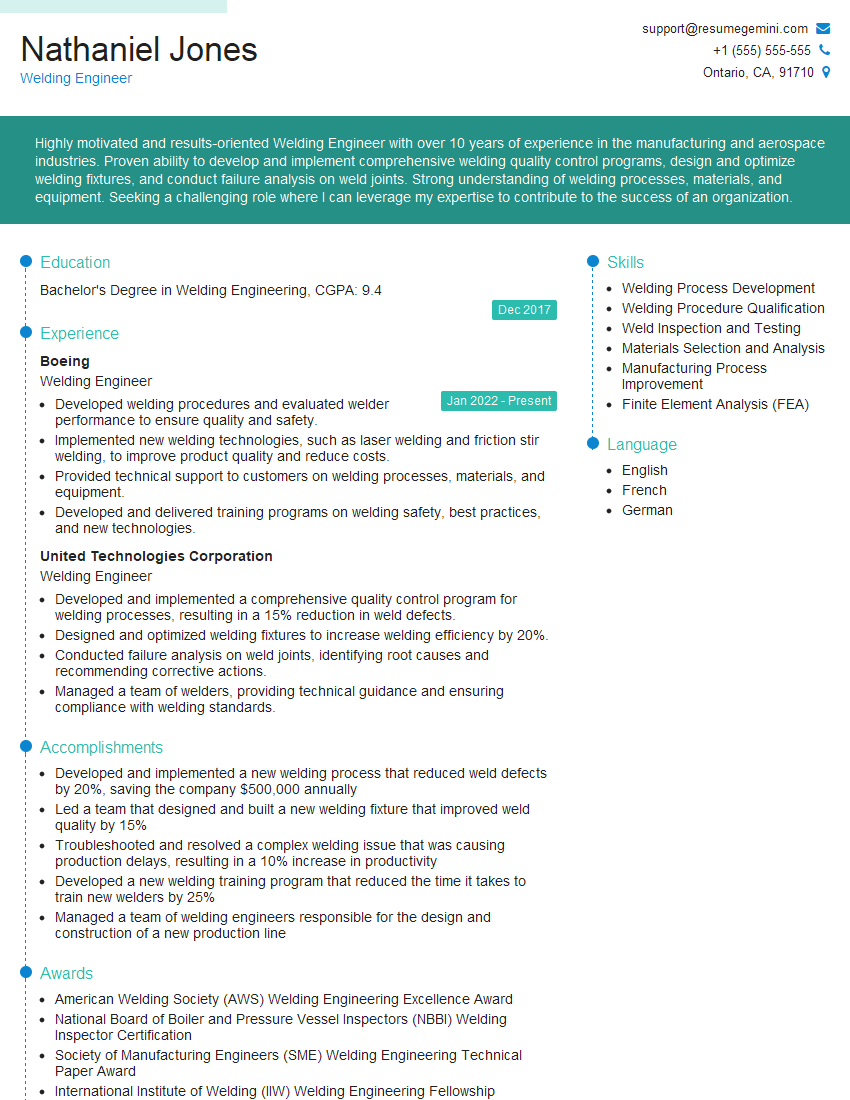
Welding Engineer Resume Sample
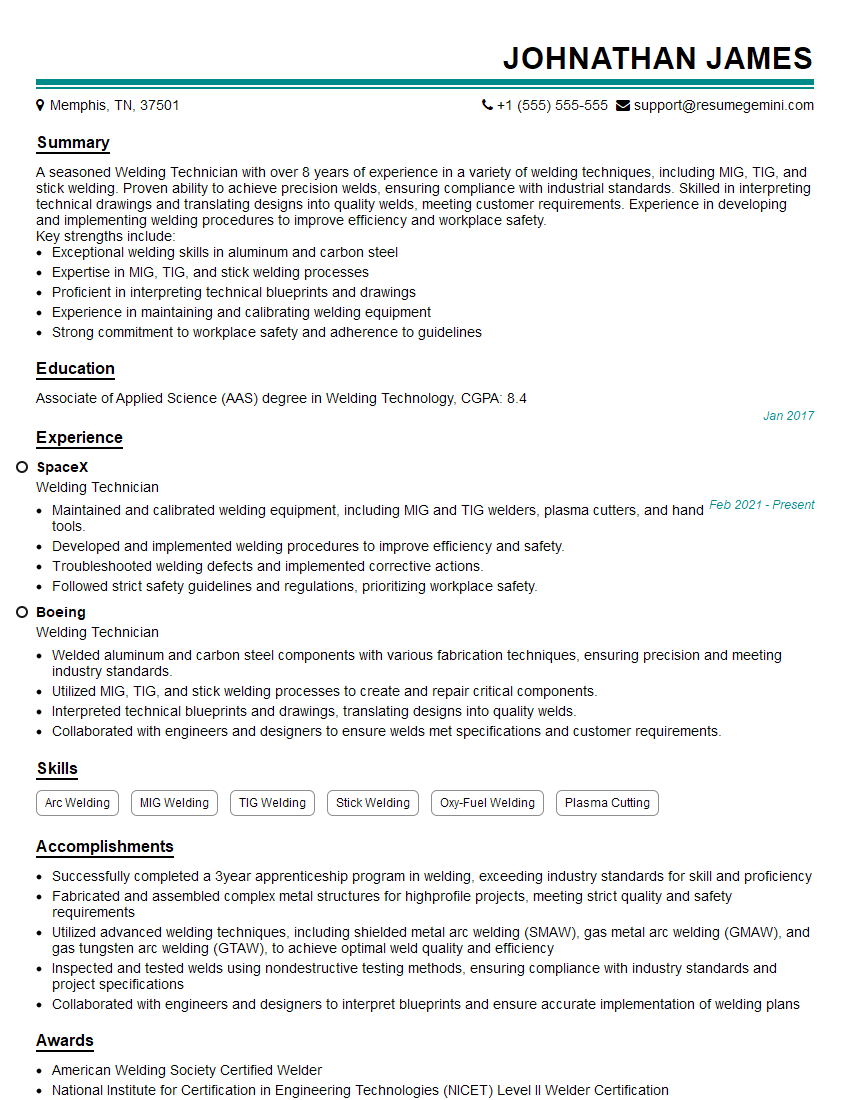
Welding Technician Resume Sample
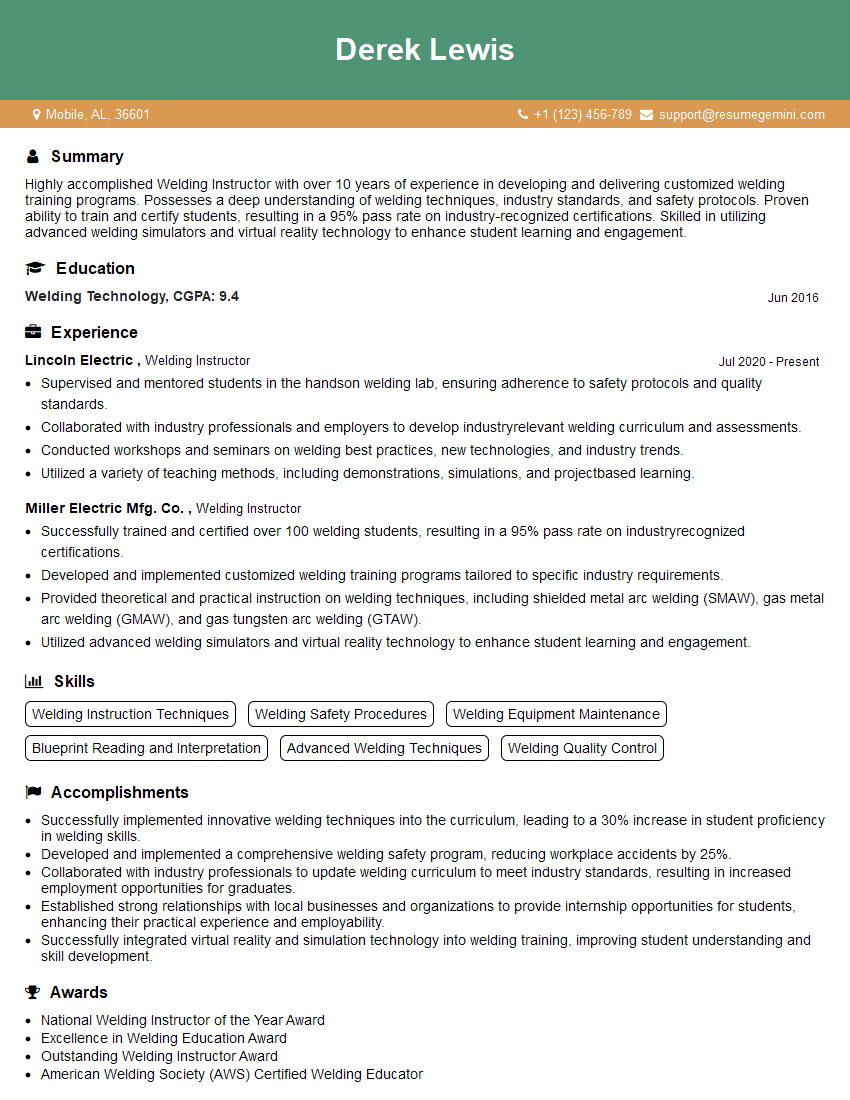
Welding Instructor Resume Sample
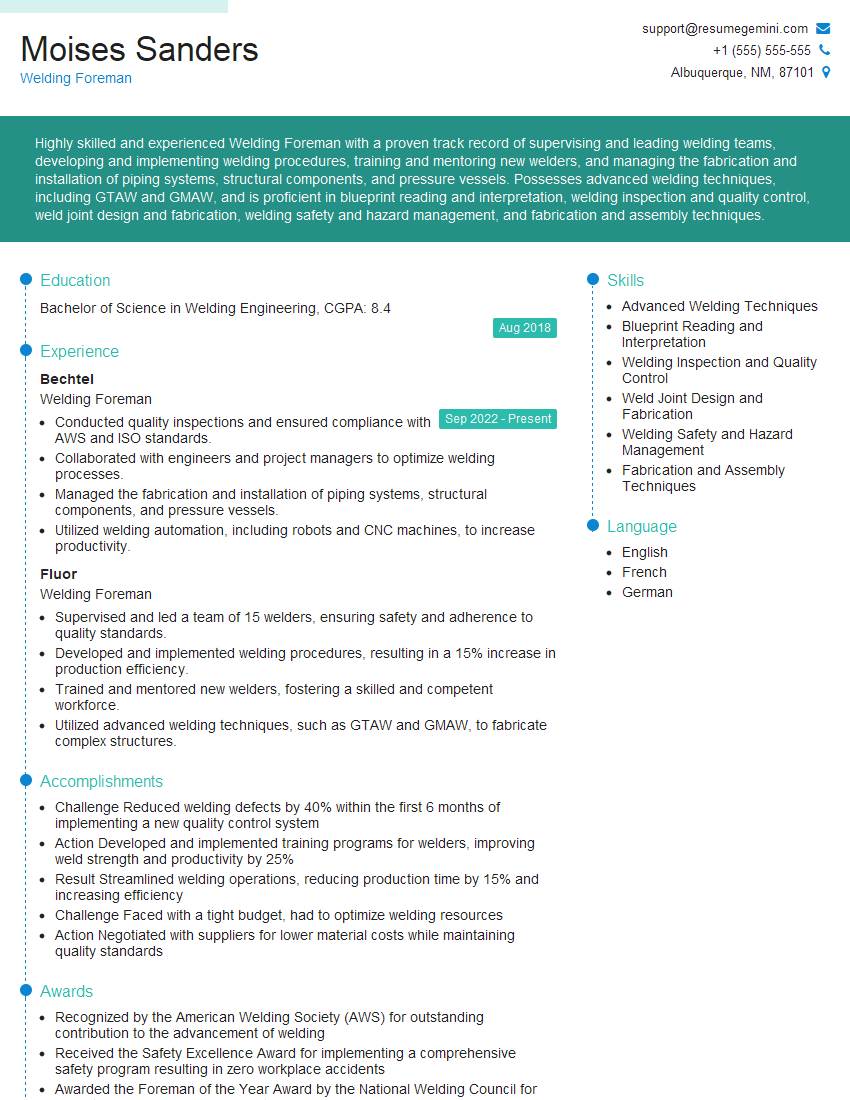
Welding Foreman Resume Sample
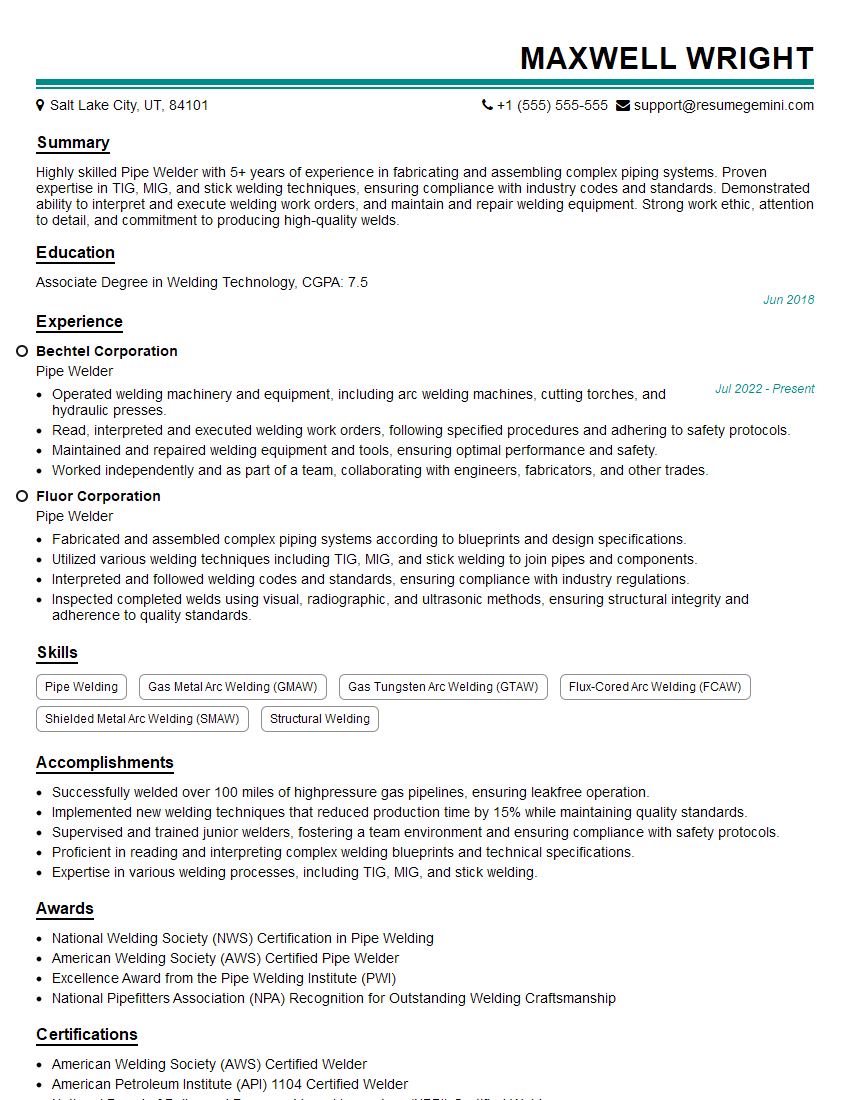
Pipe Welder Resume Sample
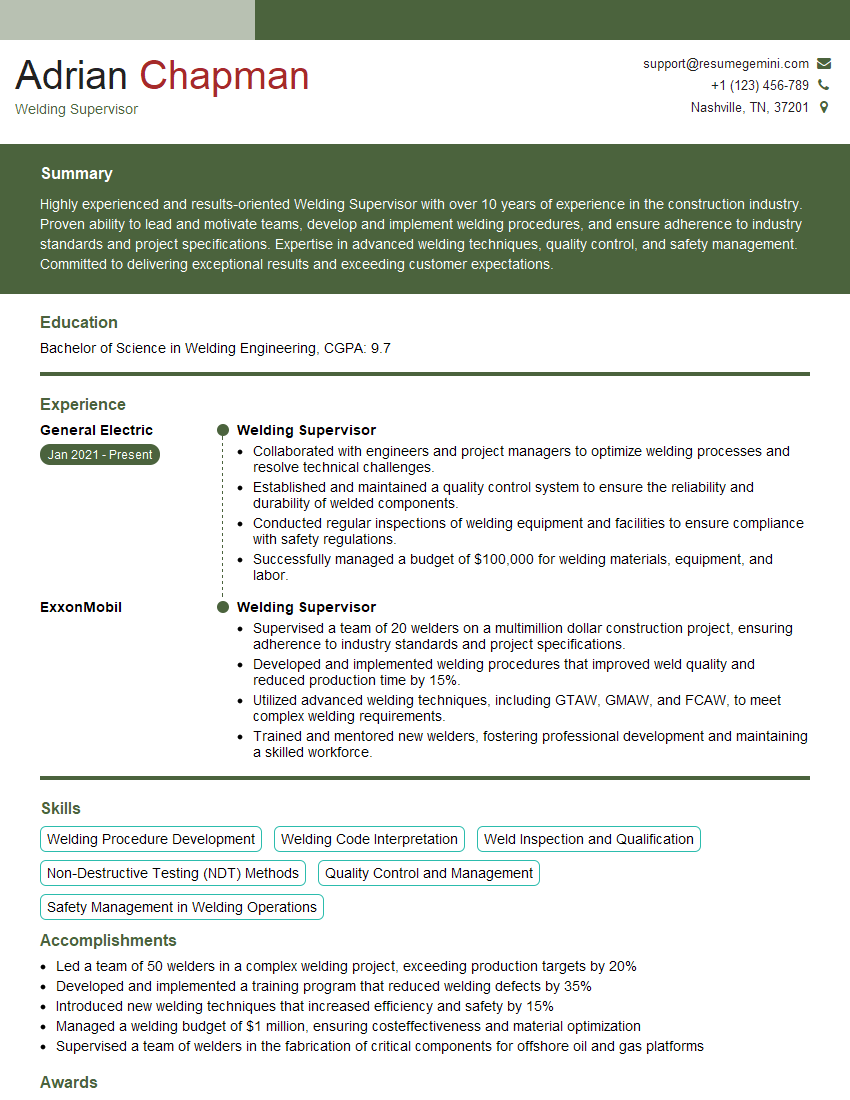
Welding Supervisor Resume Sample
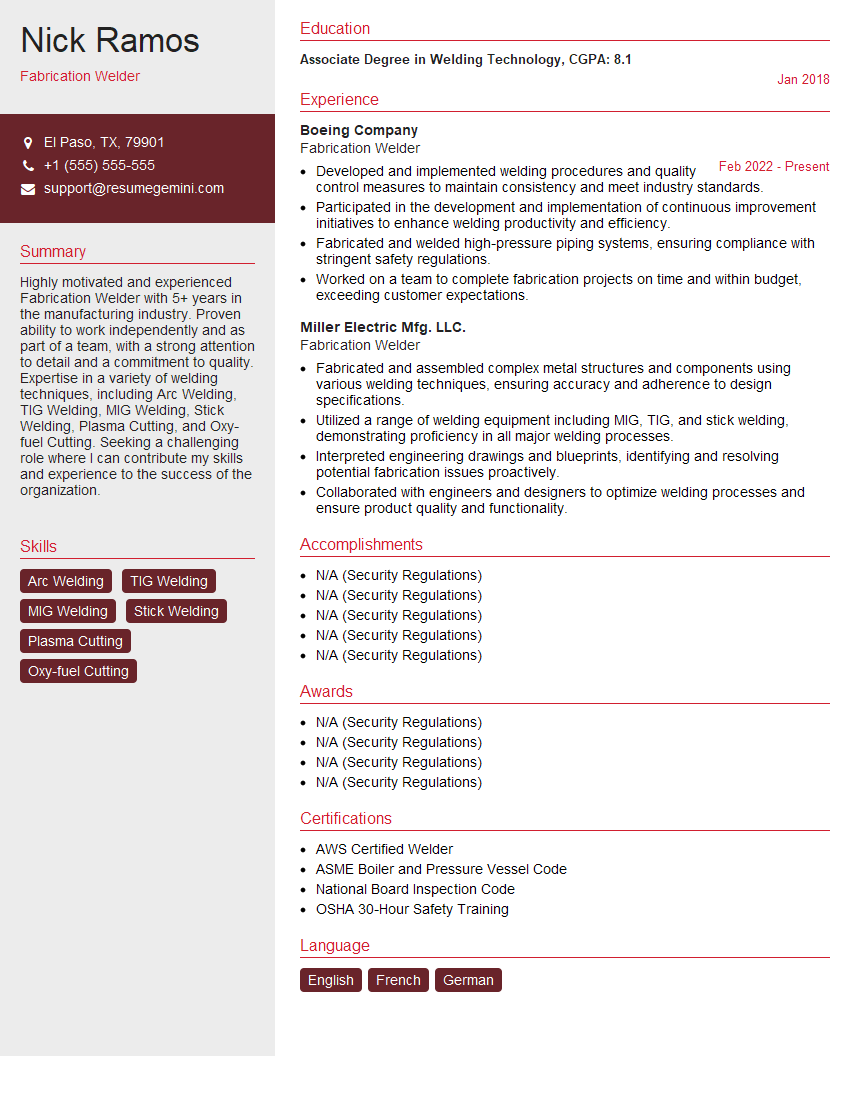
Fabrication Welder Resume Sample
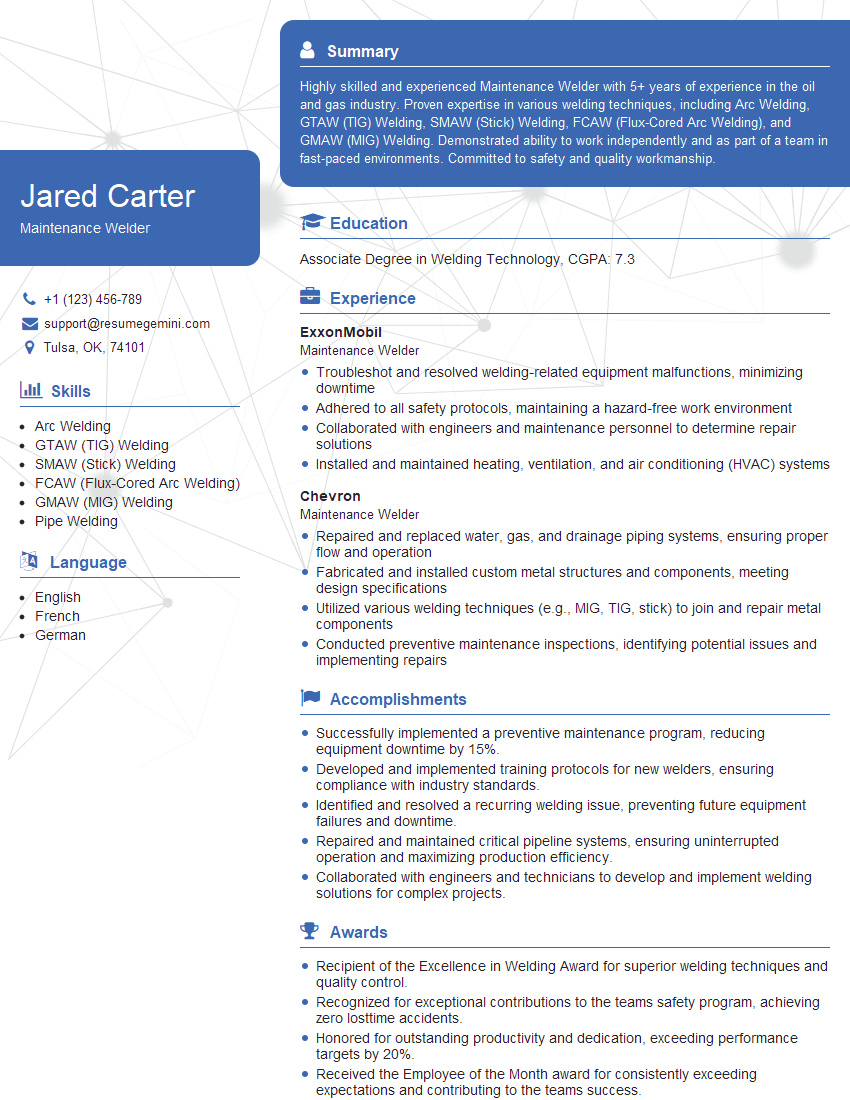
Maintenance Welder Resume Sample
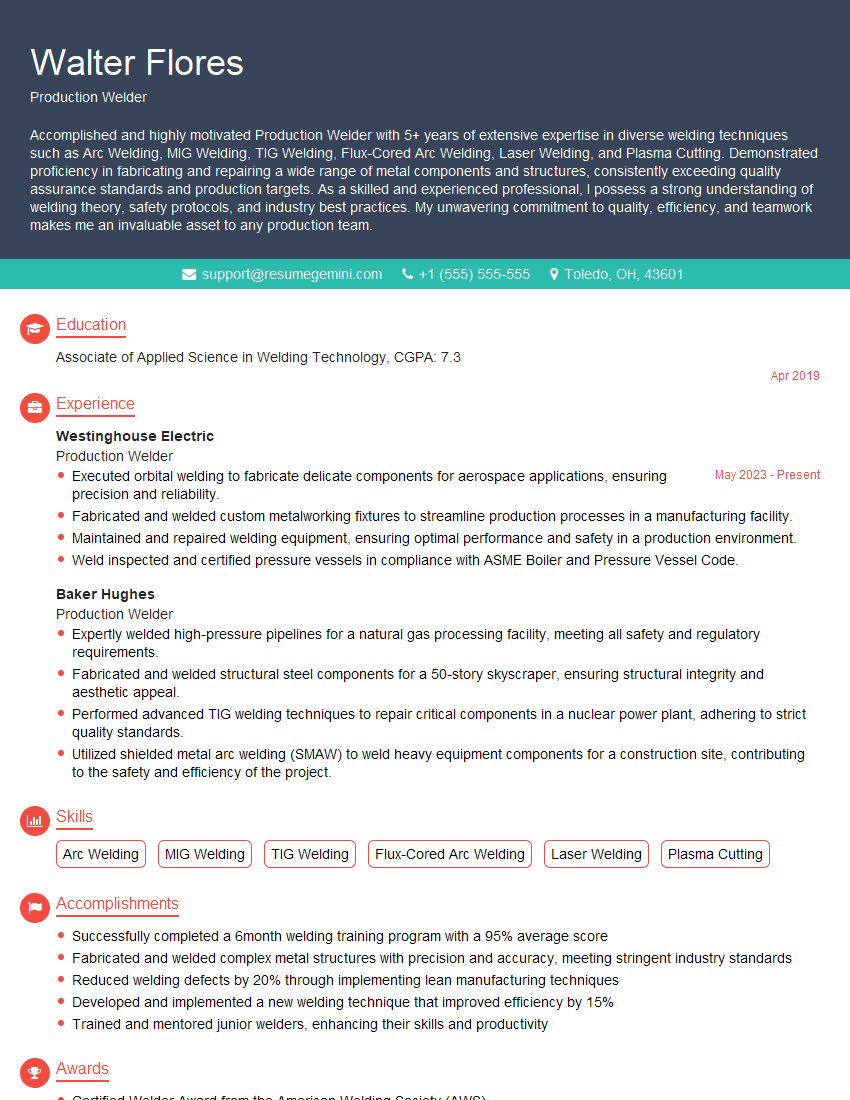
Production Welder Resume Sample
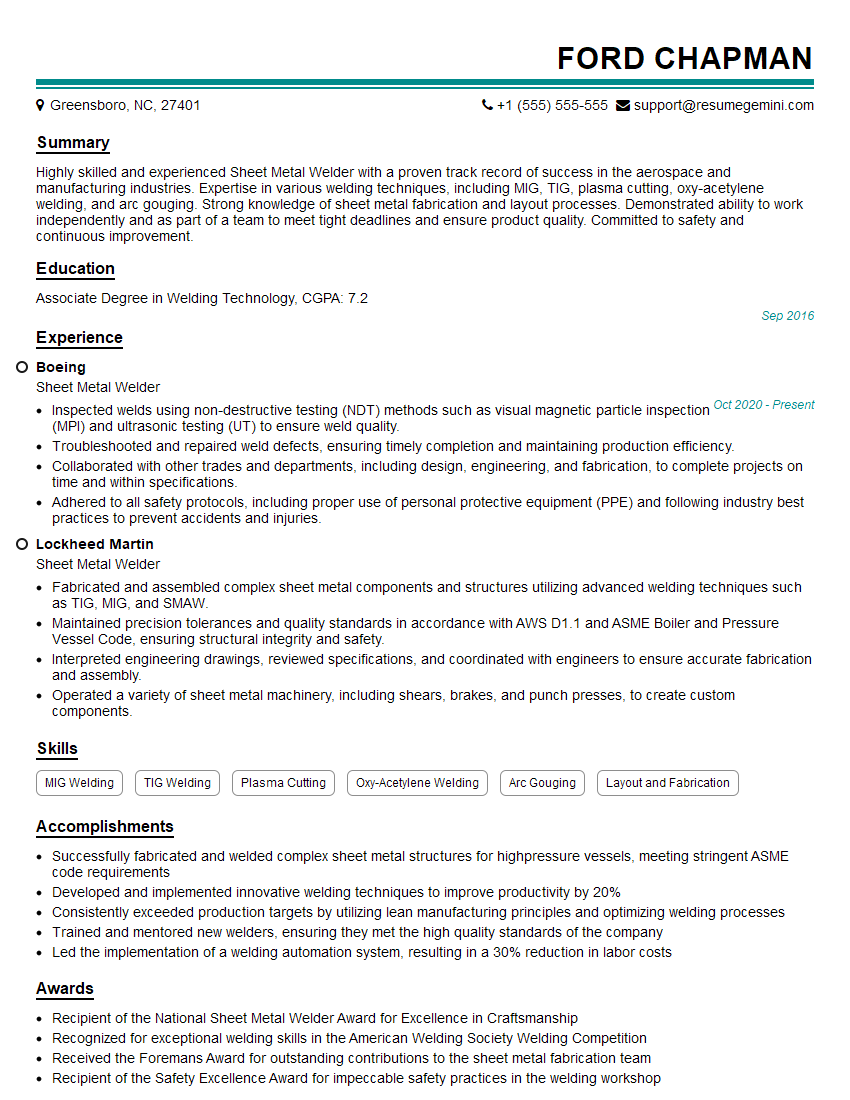
Sheet Metal Welder Resume Sample
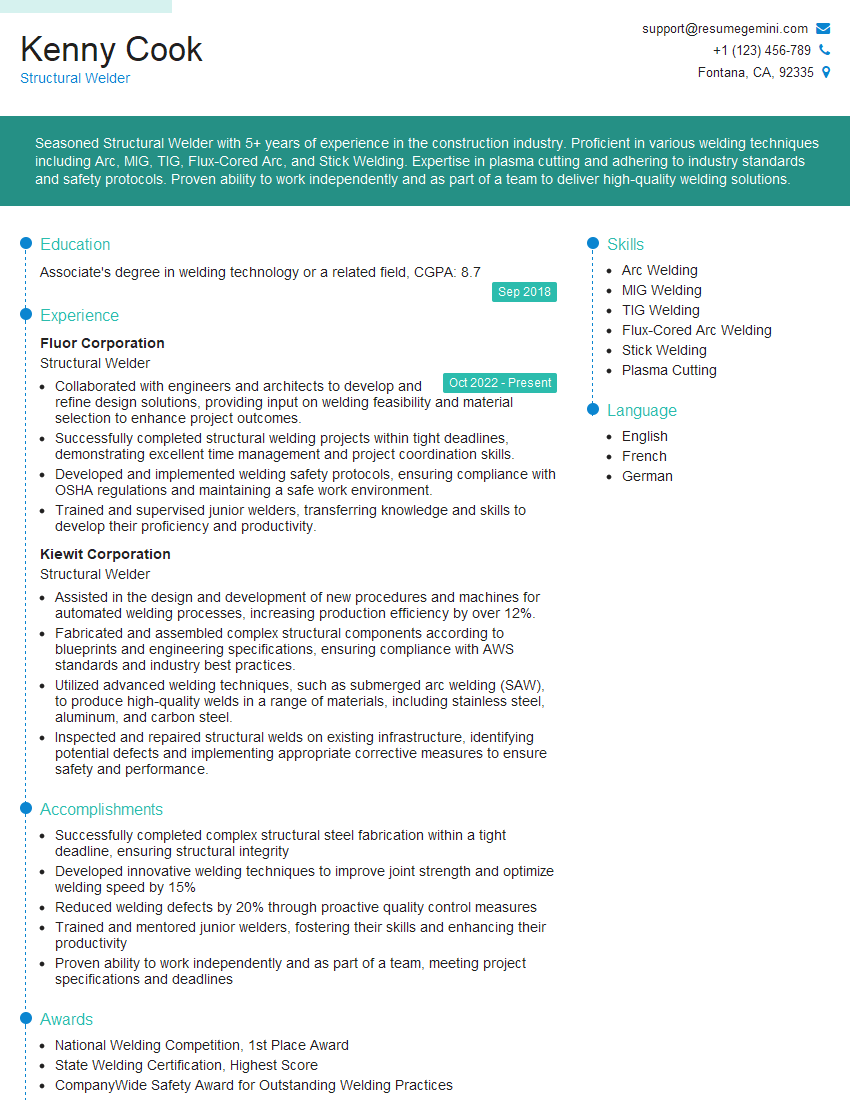
Structural Welder Resume Sample
Explore more articles
Users Rating of Our Blogs
Share Your Experience
We value your feedback! Please rate our content and share your thoughts (optional).
What Readers Say About Our Blog
Really detailed insights and content, thank you for writing this detailed article.
IT gave me an insight and words to use and be able to think of examples