Interviews are more than just a Q&A session—they’re a chance to prove your worth. This blog dives into essential Knowledge of Food Safety Standards interview questions and expert tips to help you align your answers with what hiring managers are looking for. Start preparing to shine!
Questions Asked in Knowledge of Food Safety Standards Interview
Q 1. Explain the principles of HACCP.
HACCP, or Hazard Analysis and Critical Control Point, is a preventative food safety system. Instead of simply reacting to contamination, HACCP proactively identifies and controls potential hazards throughout the entire food production process, from farm to fork. It’s based on the principle of identifying points where contamination is most likely to occur and implementing controls to prevent or eliminate those hazards.
Q 2. Describe the seven HACCP principles.
The seven HACCP principles are the foundation of this proactive system:
- Conduct a hazard analysis: Identify potential biological, chemical, and physical hazards that could occur at each step of the food production process. For example, in a bakery, a hazard analysis might identify flour contamination with E. coli as a biological hazard.
- Determine the Critical Control Points (CCPs): These are steps in the process where control can prevent or eliminate a hazard or reduce it to an acceptable level. In our bakery example, baking the bread at a high enough temperature would be a CCP to eliminate E. coli.
- Establish critical limits: For each CCP, define measurable parameters to ensure control. This might involve setting a minimum baking temperature (e.g., 165°F/74°C) and time.
- Establish monitoring procedures: Implement methods to regularly monitor CCPs and ensure that critical limits are met. This could involve using a thermometer to constantly monitor oven temperature.
- Establish corrective actions: Define actions to take if a critical limit is not met. If the oven temperature drops below 165°F/74°C, corrective action might involve increasing the oven temperature immediately and discarding any partially baked goods.
- Establish verification procedures: Implement methods to ensure that the HACCP system is working effectively. Regular audits and employee training are key verification steps.
- Establish record-keeping and documentation procedures: Maintain thorough records of all HACCP-related activities. This might involve detailed temperature logs, employee training records, and audit reports.
Q 3. What are Good Manufacturing Practices (GMPs)?
Good Manufacturing Practices (GMPs) are a set of general principles that cover all aspects of food production, ensuring food is produced and handled safely and hygienically. They establish minimum standards for sanitary design and construction of facilities, equipment, and processes. Think of GMPs as the foundational framework that ensures a clean and organized production environment, minimizing the risk of contamination before even considering specific hazards.
GMPs encompass various aspects, including:
- Hygiene: Maintaining clean facilities, equipment, and personal hygiene.
- Pest control: Preventing and eliminating pests from the facility.
- Sanitation: Implementing effective cleaning and sanitation procedures.
- Personnel training: Ensuring all food handlers are properly trained in hygiene and safety practices.
- Equipment maintenance: Regular maintenance and calibration of equipment.
While HACCP focuses on specific hazards and their control, GMPs provide the overall foundation of cleanliness and hygiene that supports the effectiveness of the HACCP system.
Q 4. How do you conduct a food safety audit?
Conducting a food safety audit involves a systematic examination of a food business’s practices and procedures to assess its compliance with relevant food safety regulations and standards. The audit process typically includes these steps:
- Planning: Define the scope of the audit, identifying the areas to be reviewed, the relevant standards, and the audit team.
- Documentation review: Examining records such as HACCP plans, GMP procedures, training records, and temperature logs.
- On-site observation: Observing food handling practices, sanitation procedures, and equipment operation.
- Interviews: Interviewing employees at various levels to assess their knowledge and understanding of food safety procedures.
- Testing: If necessary, conducting laboratory tests to verify the safety of food products.
- Reporting: Preparing a comprehensive report detailing the audit findings, including both strengths and weaknesses.
- Follow-up: Following up with the food business to ensure corrective actions are implemented to address identified deficiencies.
A thorough audit should identify areas where the food business excels and areas where improvements are needed, contributing to continuous improvement in food safety.
Q 5. What are the key elements of a food safety management system?
A robust food safety management system (FSMS) integrates various elements to ensure the safety and quality of food products throughout the entire supply chain. Key elements include:
- Hazard analysis and risk assessment: Identifying and evaluating potential hazards.
- HACCP plan development and implementation: Establishing and implementing a HACCP plan to control identified hazards.
- GMP implementation: Maintaining good manufacturing practices to minimize contamination.
- Supplier management: Ensuring suppliers adhere to food safety standards.
- Traceability: Establishing systems to trace food products throughout the supply chain.
- Internal audits: Regularly auditing the FSMS to ensure effectiveness.
- Corrective actions: Implementing procedures to address identified problems.
- Record keeping: Maintaining thorough and accurate records of all FSMS activities.
- Personnel training: Educating employees on food safety procedures and responsibilities.
- Continuous improvement: Regularly reviewing and improving the FSMS.
An effective FSMS is not a static system; it requires constant monitoring, updating, and improvement to maintain optimal food safety.
Q 6. Explain the difference between a critical control point (CCP) and a critical limit.
While both relate to controlling hazards in the HACCP system, they are distinct concepts:
Critical Control Point (CCP): A step in the food production process where a control measure can be applied and is essential to prevent or eliminate a food safety hazard or reduce it to an acceptable level. It’s the *where* in the process.
Critical Limit: A measurable parameter or boundary that must be met at a CCP to prevent or eliminate a hazard. It’s the *what* must be measured and controlled at the CCP. For example, if the CCP is cooking chicken, the critical limit might be an internal temperature of 165°F/74°C.
Example: In canning, the CCP is the heat treatment process, and the critical limit is the minimum temperature and time required to destroy Clostridium botulinum spores.
Q 7. How do you identify and control potential food hazards?
Identifying and controlling potential food hazards requires a systematic approach. It starts with a thorough hazard analysis, considering biological, chemical, and physical hazards.
Biological hazards: Bacteria (Salmonella, E. coli, Listeria), viruses, parasites. Controls include proper cooking temperatures, refrigeration, and sanitation.
Chemical hazards: Pesticides, cleaning chemicals, toxins. Controls include using approved chemicals, proper storage, and preventing cross-contamination.
Physical hazards: Glass, metal, plastic fragments. Controls include using metal detectors, visual inspection, and good housekeeping.
Identifying hazards involves:
- Flowcharting the process: Mapping out all steps involved in food production.
- Hazard identification: Identifying potential hazards at each step.
- Risk assessment: Evaluating the likelihood and severity of each hazard.
Controlling hazards involves:
- Implementing CCPs: Identifying and controlling critical points in the process.
- Setting critical limits: Establishing measurable parameters for control at each CCP.
- Monitoring CCPs: Regularly checking to ensure critical limits are met.
- Taking corrective actions: Addressing any deviations from critical limits.
Continuous monitoring and improvement are crucial to maintain effective hazard control.
Q 8. Describe your experience with foodborne illness prevention.
My experience in foodborne illness prevention spans over 15 years, encompassing roles in both food processing and regulatory compliance. I’ve developed and implemented HACCP (Hazard Analysis and Critical Control Points) plans for multiple facilities, reducing instances of contamination by focusing on critical control points like temperature management and proper sanitation. For example, in a previous role, we implemented a new sanitation protocol focusing on improved cleaning of equipment, leading to a 70% reduction in reported cases of Listeria contamination. I’ve also conducted numerous employee training sessions, emphasizing proper hand hygiene, food handling techniques, and the importance of reporting potential contamination immediately. My approach is proactive, focusing on prevention rather than reactive crisis management.
Q 9. What are the common foodborne pathogens?
Common foodborne pathogens are bacteria, viruses, and parasites that can contaminate food and cause illness. Some of the most prevalent include:
- Salmonella: Often found in poultry, eggs, and meat.
- E. coli: Can be present in undercooked ground beef and contaminated produce.
- Listeria monocytogenes: A particularly dangerous pathogen found in ready-to-eat foods, capable of surviving refrigeration.
- Campylobacter: Commonly associated with poultry and unpasteurized milk.
- Staphylococcus aureus: Produces toxins that can cause food poisoning even if the food is cooked properly.
- Norovirus: A highly contagious virus frequently spread through contaminated food handlers.
Understanding the characteristics of each pathogen and its typical sources is crucial for effective prevention strategies.
Q 10. How do you ensure proper sanitation and hygiene in a food processing facility?
Ensuring proper sanitation and hygiene in a food processing facility requires a multi-faceted approach. It starts with establishing a robust sanitation Standard Operating Procedure (SOP) that covers all areas, including equipment, surfaces, and employee practices. This SOP should detail specific cleaning and sanitizing agents, contact times, and verification methods. Regular and thorough cleaning of equipment and surfaces is essential, using appropriate detergents and sanitizers. For example, we would use high-pressure water jets to clean equipment, followed by a chemical sanitizing rinse. Critical control points, like conveyor belts and food contact surfaces, receive extra attention. Employee hygiene is equally important, with handwashing stations strategically located, personal protective equipment (PPE) provided, and regular training conducted on proper hygiene protocols. We also employ environmental monitoring programs to regularly sample surfaces for microbial contamination and identify potential issues early. Documentation of all sanitation activities is crucial for traceability and regulatory compliance.
Q 11. Explain your understanding of allergen control.
Allergen control is paramount to prevent severe allergic reactions in consumers. Our approach incorporates a comprehensive allergen management program, beginning with identifying all potential allergens present in the facility. This involves meticulously reviewing ingredient lists, production processes, and potential cross-contamination risks. Dedicated equipment, processing lines, or time slots are often used to prevent cross-contamination between allergen-containing and allergen-free products. Strict sanitation procedures are implemented after processing allergen-containing foods to eliminate residues. Labeling is crucial, ensuring that all products accurately reflect allergen content as per regulatory requirements. Training programs educate employees on the significance of allergen control, proper handling procedures, and the potential consequences of improper practices. For instance, we might use color-coded cutting boards and utensils to differentiate products containing various allergens, creating a visual system that ensures effective segregation.
Q 12. How do you manage food recalls?
Managing a food recall requires swift action and meticulous coordination. Upon identifying a potential hazard, we immediately initiate a thorough investigation to determine the scope and cause of the problem. This involves tracing the affected products back to their source, identifying the distribution channels, and assessing the potential risk to consumers. The recall itself is executed in phases, typically beginning with notifying regulatory agencies (like the FDA) and key distributors. A communication plan is essential to inform consumers, providing clear instructions on how to return the affected product. We also maintain comprehensive records throughout the entire recall process, from initial detection to final resolution. Following the recall, we conduct a thorough root cause analysis to prevent similar incidents from occurring in the future. Post-recall activities include product testing and process improvements to bolster our food safety systems.
Q 13. What is the role of traceability in food safety?
Traceability is a cornerstone of food safety. It’s the ability to track a product’s journey from its origin (farm, supplier) through processing, distribution, and ultimately, to the consumer. This involves maintaining detailed records at every stage of the supply chain, including batch numbers, dates, locations, and supplier information. In case of a food safety incident, traceability allows for rapid identification of the contaminated product, facilitating a quicker and more efficient recall. It also provides valuable data for identifying the root cause of contamination and implementing corrective actions. In essence, traceability provides both accountability and responsiveness in food safety management, significantly reducing potential risks and damage in case of contamination.
Q 14. What are your experience with food safety regulations (e.g., FDA, FSMA)?
My experience with food safety regulations, including the FDA and FSMA (Food Safety Modernization Act), is extensive. I have been directly involved in implementing and maintaining compliance programs according to these regulations. This includes developing and implementing HACCP plans, creating and updating food safety SOPs, conducting regular internal audits, and ensuring compliance with labeling requirements. I am familiar with the various sections of the FSMA, such as Preventive Controls for Human Food, Produce Safety, and Foreign Supplier Verification Program, and understand their practical implications for food businesses. We maintain thorough documentation to demonstrate ongoing compliance and readily provide these records during regulatory inspections. Staying abreast of updates and changes to food safety regulations is an ongoing professional commitment.
Q 15. How do you maintain accurate food safety records?
Maintaining accurate food safety records is crucial for ensuring compliance with regulations and preventing foodborne illnesses. It involves a systematic approach combining meticulous record-keeping with a robust system for storage and retrieval.
Detailed Documentation: Every step of the food handling process should be documented, from receiving ingredients to final product distribution. This includes temperature logs, cleaning and sanitization records, pest control logs, employee training records, and supplier certifications.
Traceability: Records must allow for complete traceability of ingredients and products throughout the supply chain. This ensures that in case of a contamination incident, the source can be quickly identified and isolated.
Digital Systems: Utilizing digital record-keeping systems offers significant advantages. Software designed for food safety management provides automated data entry, simplified reporting, and improved data security. For example, a system could automatically alert management if a refrigerator temperature exceeds safe limits.
Regular Audits: Periodic internal audits of records are essential to ensure accuracy and completeness. These audits should involve checks for missing information, inconsistencies, and adherence to established procedures. For instance, a regular audit might reveal a pattern of late temperature log entries, highlighting a need for improved training or process adjustments.
Secure Storage: Physical records need to be stored in a secure, dry, and easily accessible location to prevent damage or loss. Digital records should be backed up regularly to a secure, offsite location to protect against data loss due to system failures or disasters.
Career Expert Tips:
- Ace those interviews! Prepare effectively by reviewing the Top 50 Most Common Interview Questions on ResumeGemini.
- Navigate your job search with confidence! Explore a wide range of Career Tips on ResumeGemini. Learn about common challenges and recommendations to overcome them.
- Craft the perfect resume! Master the Art of Resume Writing with ResumeGemini’s guide. Showcase your unique qualifications and achievements effectively.
- Don’t miss out on holiday savings! Build your dream resume with ResumeGemini’s ATS optimized templates.
Q 16. Explain your experience with pest control in a food environment.
Pest control is paramount in food environments; a single pest can contaminate an entire batch of food, leading to significant losses and health risks. My experience involves implementing and overseeing comprehensive Integrated Pest Management (IPM) programs.
Preventative Measures: IPM emphasizes prevention. This starts with eliminating entry points—sealing cracks and crevices, repairing damaged screens, and ensuring doors and windows close tightly. Regular cleaning and sanitation practices are also crucial in removing attractants and breeding grounds for pests.
Monitoring: Implementing a robust monitoring system is vital. This includes regular inspections of high-risk areas, using traps to detect pest activity, and documenting all findings. For example, sticky traps placed in strategic locations can help identify specific pest types and their activity levels.
Targeted Control: When pests are detected, control methods should be targeted and minimize the use of harmful chemicals. This may include using baits, traps, or biological control methods. For instance, using pheromone traps to attract and capture specific insects, disrupting their breeding cycle.
Record Keeping: Meticulous record-keeping is crucial. This includes documenting all pest sightings, the control methods used, and the effectiveness of those methods. This data provides valuable insights for ongoing IPM program refinement. For example, tracking the frequency of pest sightings over time can help identify recurring issues and inform preventative strategies.
Q 17. Describe your approach to investigating food safety incidents.
Investigating food safety incidents requires a systematic and thorough approach. My process involves several key steps:
Immediate Containment: The first step is to immediately contain the problem to prevent further contamination or illness. This might involve isolating affected products, removing them from circulation, and notifying relevant authorities.
Data Collection: Gather all available information. This includes reviewing production records, interviewing employees, collecting samples for testing, and analyzing customer complaints. Thorough record-keeping during the investigation is crucial for future reference.
Root Cause Analysis: Once the data is collected, a thorough root cause analysis is undertaken to identify the underlying factors that led to the incident. This often involves using tools like 5 Whys or fishbone diagrams to pinpoint the source of the problem. For instance, if a customer becomes ill after eating a product, we’d investigate the ingredients, handling procedures, and storage conditions to understand why.
Corrective Actions: Implement corrective actions to prevent similar incidents from happening again. This might include retraining employees, improving sanitation practices, changing supplier relationships, or upgrading equipment.
Preventive Measures: Develop preventive measures to mitigate future risks. This might involve implementing new procedures, investing in new technology, or strengthening existing food safety systems.
Documentation: Thoroughly document the entire investigation process, including findings, corrective actions, and preventive measures. This documentation will serve as a valuable resource for continuous improvement and regulatory compliance.
Q 18. What is your experience with food labeling regulations?
My experience with food labeling regulations is extensive, covering various jurisdictions and product types. Understanding and adhering to these regulations is critical to ensure consumer safety and avoid legal penalties.
Accuracy: Labels must accurately reflect the product’s contents, including ingredients, weight, nutritional information, and allergen warnings. Any discrepancies can lead to serious consequences, including consumer harm and regulatory actions.
Compliance: Staying current with evolving regulations is crucial. This involves continuous monitoring of changes at the local, national, and international levels and implementing those changes within our operations. For example, recent changes regarding front-of-pack labeling or allergen declaration requirements must be promptly addressed.
Traceability: Labels should facilitate traceability throughout the supply chain. Lot numbers, production dates, and other identifiers must be accurately displayed to enable rapid product recalls if necessary.
Legal Compliance: I ensure that our labeling practices adhere to all relevant legal requirements, including those related to claims (e.g., ‘organic,’ ‘gluten-free’), nutrition facts panels, and unit pricing. Non-compliance can result in fines and legal repercussions.
Q 19. How do you ensure the effectiveness of your food safety program?
Ensuring the effectiveness of a food safety program relies on a multi-faceted approach combining preventative measures, monitoring, and continuous improvement.
Regular Audits: Conducting regular internal audits, including facility inspections, documentation reviews, and staff interviews, is crucial. This helps identify weaknesses and areas for improvement.
Data Analysis: Regularly reviewing data from various sources, such as temperature logs, pest control records, and customer feedback, can reveal patterns and trends that highlight potential issues.
Key Performance Indicators (KPIs): Establishing and tracking key performance indicators, such as the number of food safety incidents, the frequency of corrective actions, and employee training completion rates, provides objective measures of program effectiveness.
Employee Engagement: Effective food safety programs require the active participation of all employees. This is achieved through training, clear communication, and a culture of responsibility.
Continuous Improvement: Regularly reviewing and updating the food safety program based on audit findings, data analysis, and industry best practices ensures its ongoing effectiveness. This might involve implementing new technologies, refining existing procedures, or enhancing employee training.
Q 20. Describe your experience with implementing and maintaining a food safety management system.
Implementing and maintaining a Food Safety Management System (FSMS), such as HACCP (Hazard Analysis and Critical Control Points) or ISO 22000, involves a structured approach to identify, assess, and control food safety hazards.
Hazard Analysis: This involves identifying potential biological, chemical, and physical hazards that could occur at each stage of the food production process.
Critical Control Points (CCPs): Determining the critical control points (CCPs) – stages where control is essential to prevent or eliminate hazards – is a crucial step.
Critical Limits: Establishing critical limits for each CCP, such as temperature ranges or acceptable microbial levels, ensures that hazards are effectively controlled.
Monitoring: Regularly monitoring CCPs using appropriate tools and methods is vital to ensure that critical limits are being met.
Corrective Actions: Having procedures in place to address deviations from critical limits is crucial to prevent contaminated products from reaching the consumer.
Verification: Regular verification activities, such as internal audits and management reviews, ensure that the FSMS remains effective and compliant.
Documentation: Maintaining detailed records of all aspects of the FSMS, including hazard analysis, CCPs, monitoring data, and corrective actions, is essential for traceability and compliance.
Q 21. How do you train employees on food safety procedures?
Training employees on food safety procedures is essential for a successful food safety program. My approach involves a multi-pronged strategy:
Initial Training: All new employees receive comprehensive food safety training upon hiring. This training covers fundamental food safety principles, specific procedures relevant to their roles, and company policies.
Refresher Training: Regular refresher training is provided to ensure employees remain up-to-date on best practices and any changes in regulations or procedures. This could involve online modules, workshops, or on-the-job training.
Interactive Methods: I incorporate interactive training methods, such as hands-on demonstrations, group discussions, and quizzes, to make the learning experience engaging and effective. For example, role-playing scenarios that simulate real-world situations can enhance learning and retention.
Ongoing Education: Providing ongoing opportunities for food safety education and development fosters a culture of safety and continuous improvement. This might involve providing access to online resources, attending industry conferences, or participating in professional development programs.
Documentation: All training activities are documented to ensure accountability and compliance with regulatory requirements. This includes maintaining records of training materials, attendance, and assessments.
Q 22. What are your experiences with using food safety software/technology?
My experience with food safety software and technology spans several years and various systems. I’ve worked extensively with HACCP (Hazard Analysis and Critical Control Points) software, which allows for detailed tracking of critical control points, such as temperature monitoring and allergen management. I’m proficient in using software that manages supplier certifications, traceability records, and employee training documentation. For example, in my previous role, we implemented a system that automatically flagged potential food safety hazards based on real-time temperature data from our refrigerators and freezers, enabling immediate corrective action. I’m also familiar with cloud-based solutions that streamline data entry and reporting, making compliance audits smoother and more efficient. Beyond dedicated food safety software, I’m adept at using data analysis tools like Excel and specialized statistical software to analyze trends, identify patterns in food safety incidents, and support evidence-based decision-making. This allows for a more proactive approach to preventing future issues.
Q 23. How do you handle supplier verification for food safety?
Supplier verification for food safety is paramount. My approach involves a multi-step process, beginning with a thorough review of the supplier’s certifications, such as ISO 22000 or SQF (Safe Quality Food) certification. I then delve into their documented food safety management system, assessing their HACCP plans, preventative controls, and sanitation protocols. This is usually done through a combination of document review and, when possible, on-site audits. During on-site visits, I observe their facilities, production processes, and employee practices firsthand. I meticulously check their record-keeping procedures, verifying that they’re accurately tracking ingredients, processing steps, and potential hazards. Finally, I regularly conduct product testing to ensure that the incoming raw materials and ingredients meet our established safety and quality standards. For example, I once uncovered a critical supplier non-compliance through a detailed review of their pest control records, leading to a rapid corrective action plan and a reassessment of their risk profile.
Q 24. How do you validate cleaning and sanitation procedures?
Validating cleaning and sanitation procedures requires a rigorous and documented approach. We use a combination of visual inspections, ATP (adenosine triphosphate) bioluminescence testing, and microbiological sampling to verify the effectiveness of our cleaning and sanitation protocols. Visual inspections check for visible soil and debris. ATP testing measures the presence of organic matter, providing a quick assessment of cleanliness. Microbiological sampling involves collecting samples from various surfaces and testing them for the presence of bacteria and other microorganisms. We establish cleaning and sanitation Standard Operating Procedures (SOPs) that are regularly reviewed and updated. The validation process ensures that these SOPs are effectively eliminating pathogens and preventing cross-contamination. For instance, if microbiological testing reveals elevated bacterial counts in a specific area, we investigate the root cause, modify our cleaning procedures (e.g., change cleaning agents, adjust contact time), and re-validate the effectiveness of the revised procedure. This ensures ongoing efficacy and compliance.
Q 25. Describe your experience with temperature control in food handling.
Temperature control is a critical element of food safety. My experience includes using a variety of temperature monitoring devices, from simple thermometers to sophisticated data loggers that continuously record temperature readings and provide alerts if predetermined thresholds are breached. We employ a robust system for monitoring temperatures at all stages of the food handling process, from receiving raw materials to storage, preparation, cooking, and service. The emphasis is on maintaining appropriate cold chain integrity (below 4°C for refrigerated products) and ensuring that hot foods are kept at or above 60°C to prevent bacterial growth. Calibration and maintenance of all temperature monitoring equipment is meticulously documented. For instance, we’ve utilized real-time temperature monitoring systems connected to alert systems that immediately notify personnel of any temperature excursions, allowing for prompt corrective actions to mitigate risks associated with food spoilage and the growth of harmful bacteria. This ensures food quality and minimizes the risks of foodborne illness.
Q 26. How do you conduct a risk assessment for food safety?
Conducting a food safety risk assessment involves a systematic approach to identify potential hazards in the food production process and evaluating their likelihood and severity. We typically use a HACCP-based approach, following a seven-step process: (1) Conduct a hazard analysis; (2) Identify critical control points (CCPs); (3) Establish critical limits for each CCP; (4) Establish monitoring procedures; (5) Establish corrective actions; (6) Establish verification procedures; and (7) Establish record-keeping and documentation procedures. For each potential hazard (e.g., biological, chemical, or physical), we assess the likelihood of occurrence and the severity of its potential consequences. This helps prioritize control measures and allocate resources effectively. We use risk matrices to visually represent this assessment. For example, a risk assessment might reveal that inadequate cooking temperatures pose a significant risk of bacterial contamination. This would then lead to the establishment of specific CCPs, critical limits, and monitoring procedures related to cooking temperatures, to ensure that the risk is effectively mitigated.
Q 27. Explain your understanding of food safety culture.
Food safety culture refers to the shared values, beliefs, and behaviors of an organization regarding food safety. It’s more than just following rules; it’s about fostering a mindset where every employee takes ownership of food safety practices. A strong food safety culture starts with leadership commitment, clear communication, and consistent training. Employees must be empowered to report concerns and participate in problem-solving. Regular audits, feedback mechanisms, and open communication channels create a culture of continuous improvement. For example, in a company with a strong food safety culture, employees would readily report a temperature deviation without fear of reprisal, knowing that their concern will be addressed promptly and professionally. This proactive approach minimizes risks and improves overall food safety performance. It’s about proactively identifying and mitigating risks before they result in incidents or illnesses.
Q 28. What are your strengths and weaknesses in the context of food safety?
My strengths in food safety lie in my comprehensive understanding of regulatory requirements, my experience in implementing and maintaining food safety management systems, and my ability to effectively communicate technical information to diverse audiences. I’m adept at problem-solving, identifying root causes, and developing effective corrective actions. I’m also a strong believer in continuous improvement and proactively seek opportunities to enhance our food safety programs. One area for development is my proficiency in advanced statistical modeling for analyzing large food safety datasets. While I have a solid foundation in data analysis, further training in this area would allow me to conduct more sophisticated risk assessments and identify emerging trends more effectively. I am committed to continuous learning and professional development to enhance my expertise in this critical area.
Key Topics to Learn for a Knowledge of Food Safety Standards Interview
- Hazard Analysis and Critical Control Points (HACCP): Understand the principles of HACCP, including hazard identification, critical control point determination, and monitoring procedures. Consider practical applications in various food production settings.
- Good Manufacturing Practices (GMP): Familiarize yourself with GMP principles and their application in maintaining a sanitary food production environment. Be prepared to discuss practical examples of GMP implementation and potential deviations.
- Foodborne Illnesses and Prevention: Develop a strong understanding of common foodborne pathogens (e.g., Salmonella, E. coli, Listeria), their sources, and effective prevention strategies. Consider case studies of outbreaks and how they could have been prevented.
- Food Allergens and Management: Learn about common food allergens and the regulations surrounding their labeling and handling. Be prepared to discuss allergen control programs and strategies for preventing cross-contamination.
- Sanitation and Hygiene: Master the principles of sanitation and hygiene in food handling, including proper cleaning and disinfection procedures. Be able to discuss the importance of personal hygiene in preventing contamination.
- Food Safety Regulations and Standards: Become familiar with relevant food safety regulations and standards at local, national, and potentially international levels. Understand how these regulations are implemented and enforced.
- Food Storage and Temperature Control: Understand the importance of proper temperature control throughout the food production and service chain. Be able to discuss the risks associated with improper temperature control and how to mitigate them.
- Documentation and Record Keeping: Understand the importance of accurate and comprehensive record-keeping in food safety management systems. Be prepared to discuss various documentation practices and their significance.
Next Steps
Mastering Knowledge of Food Safety Standards is crucial for career advancement in the food industry, opening doors to higher-paying roles and increased responsibilities. A strong resume is your first step to showcasing your expertise. Creating an ATS-friendly resume is essential to ensuring your application gets seen by recruiters. ResumeGemini is a trusted resource to help you build a professional and impactful resume that highlights your skills and experience in food safety. Examples of resumes tailored to Knowledge of Food Safety Standards are available to guide you.
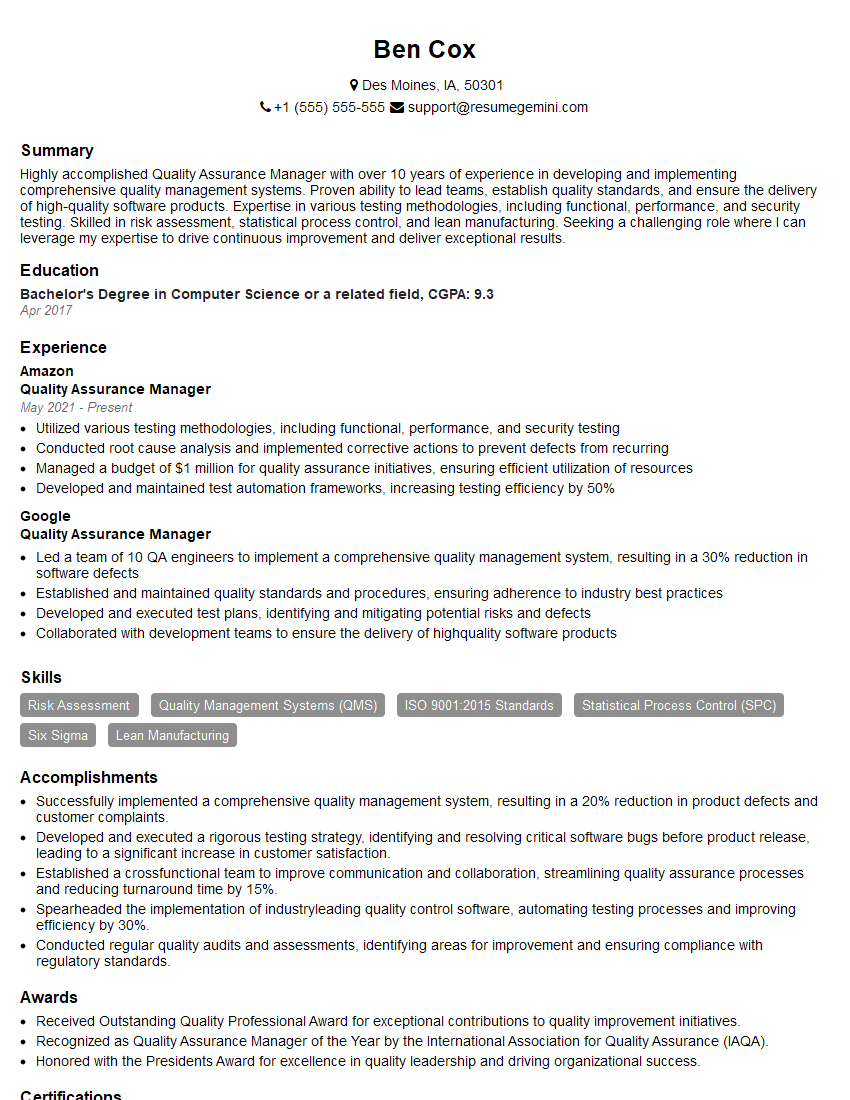
Quality Assurance Manager Resume Sample
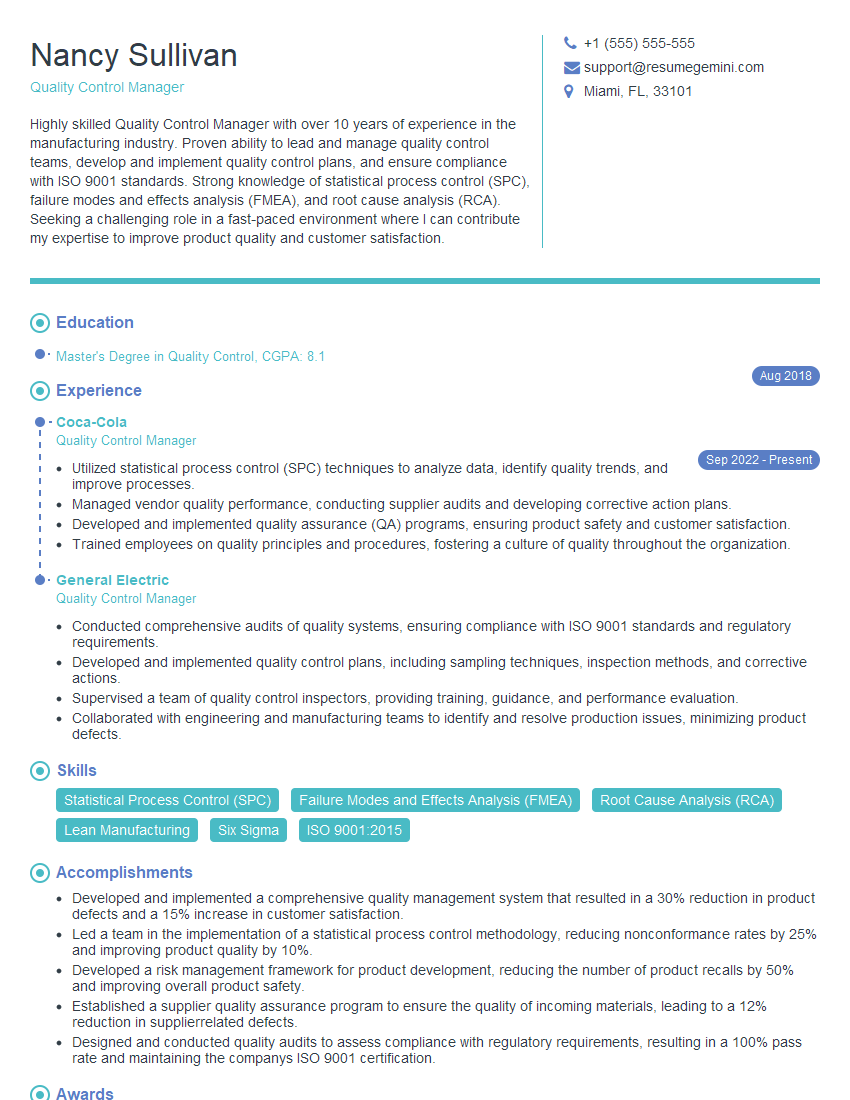
Quality Control Manager Resume Sample

Compliance Officer Resume Sample
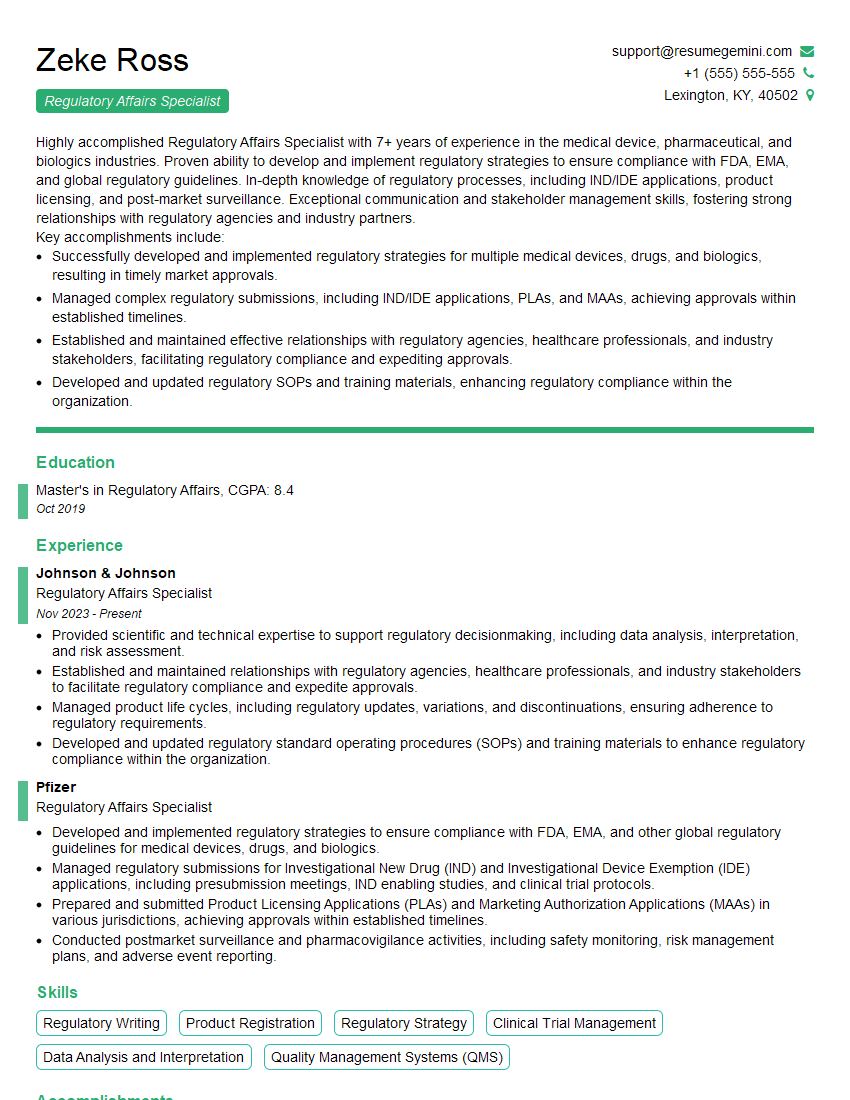
Regulatory Affairs Specialist Resume Sample
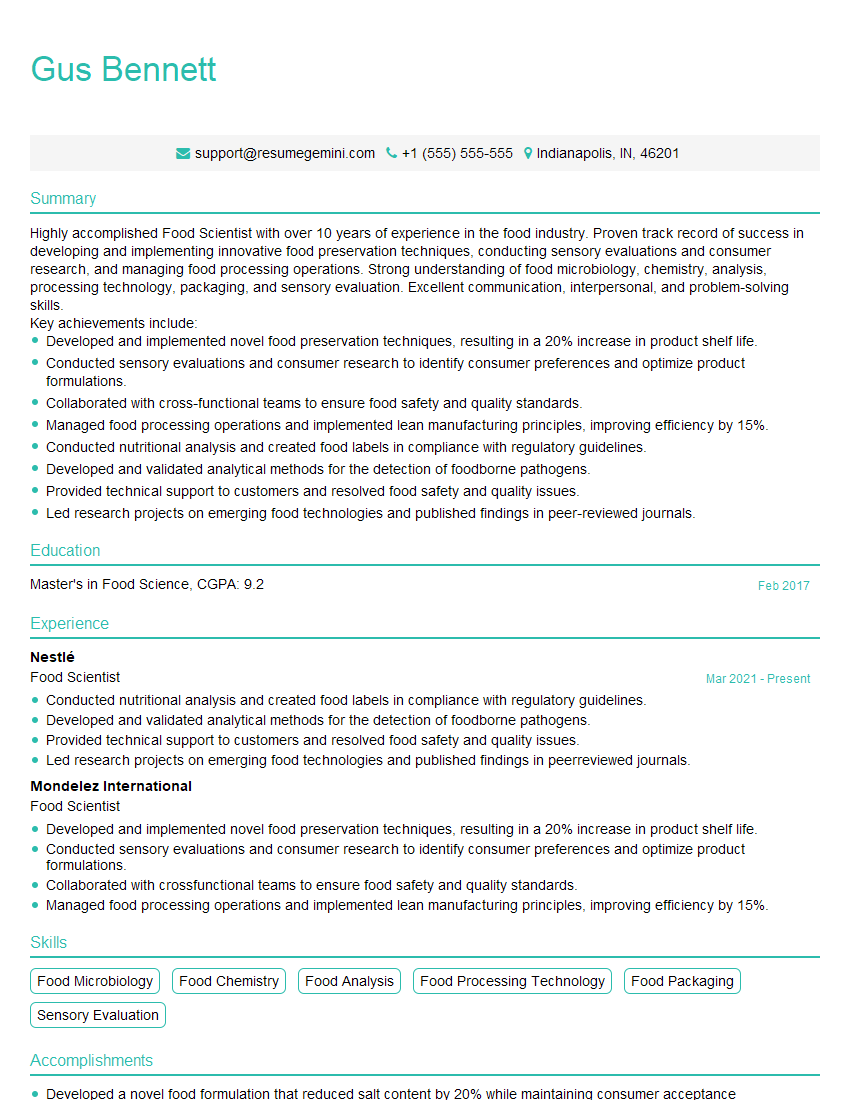
Food Scientist Resume Sample

Food Technologist Resume Sample
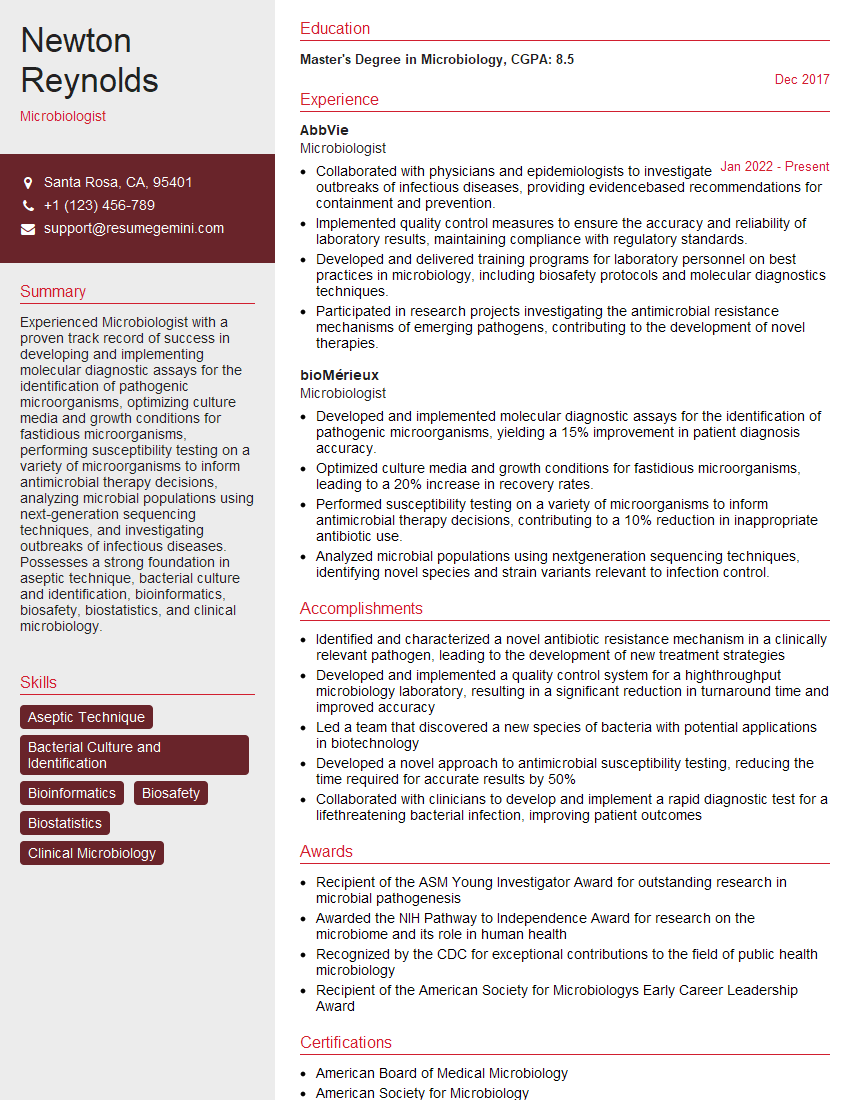
Microbiologist Resume Sample
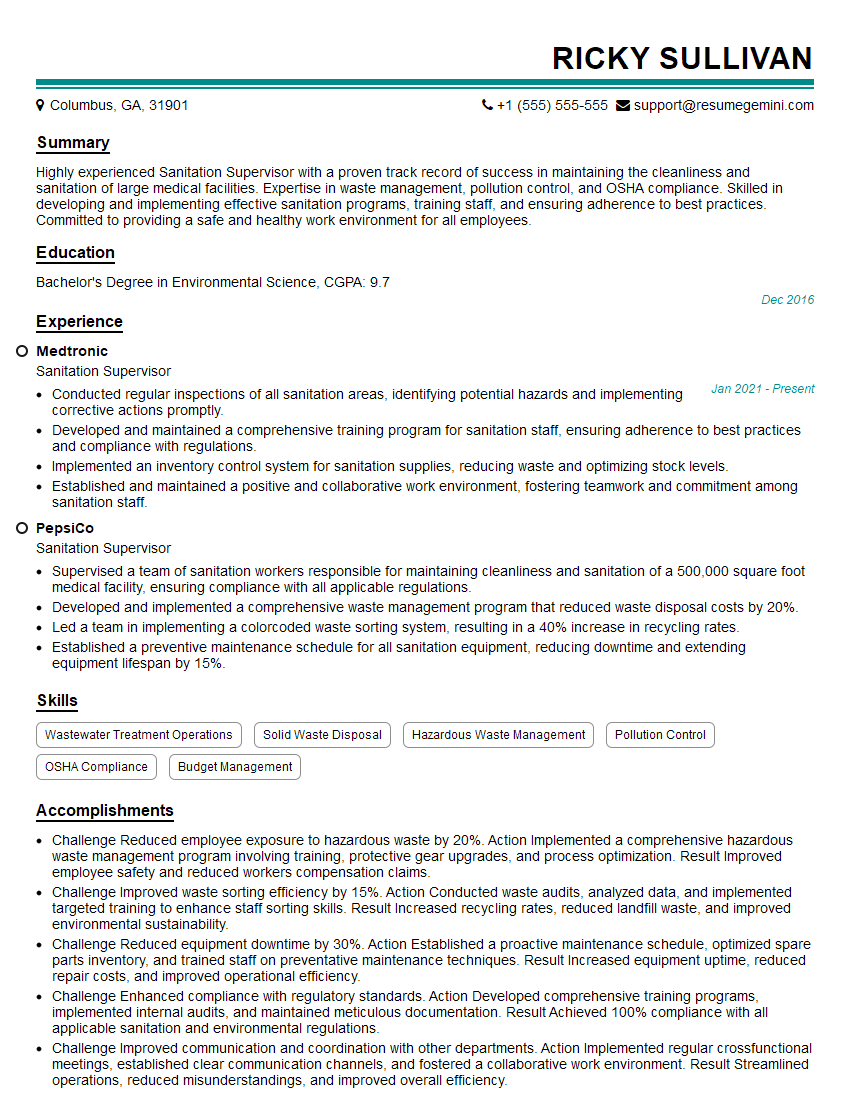
Sanitation Supervisor Resume Sample
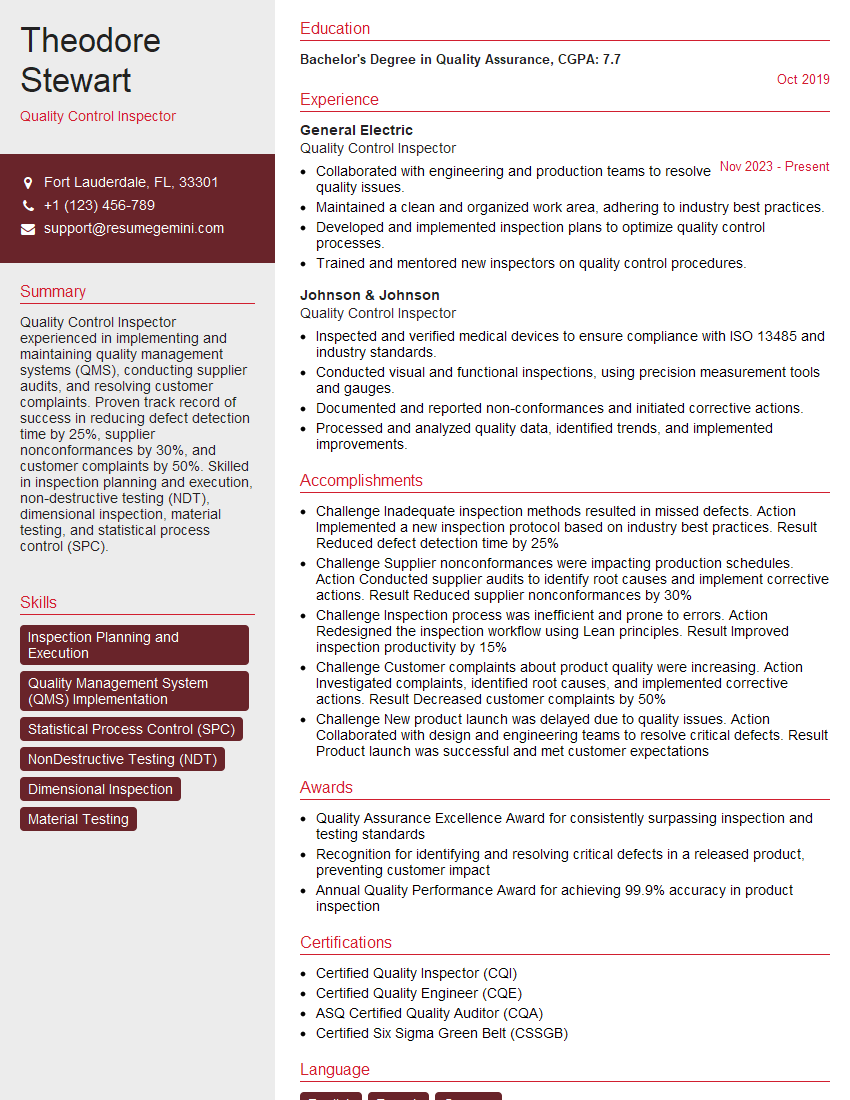
Quality Control Inspector Resume Sample
Explore more articles
Users Rating of Our Blogs
Share Your Experience
We value your feedback! Please rate our content and share your thoughts (optional).
What Readers Say About Our Blog
Really detailed insights and content, thank you for writing this detailed article.
IT gave me an insight and words to use and be able to think of examples