Interviews are more than just a Q&A session—they’re a chance to prove your worth. This blog dives into essential Packing and Wrapping Goods interview questions and expert tips to help you align your answers with what hiring managers are looking for. Start preparing to shine!
Questions Asked in Packing and Wrapping Goods Interview
Q 1. What are the different types of packaging materials you are familiar with?
Packaging materials are diverse and chosen based on product fragility, shipping distance, and environmental considerations. I’m familiar with a wide range, including:
- Corrugated Cardboard: The workhorse of packaging, offering varying degrees of strength depending on flute type (A-flute, B-flute, etc.). Ideal for many products, especially those with some inherent protection.
- Paperboard: Thinner and less durable than corrugated, suitable for lighter items or as part of a multi-layered system. Think cereal boxes or gift boxes.
- Plastic Films: From polyethylene (PE) to polypropylene (PP), these offer excellent moisture and barrier protection. They are often used for shrink wrapping, bubble wrap, or stretch film.
- Foam Padding: EPE (Expanded Polyethylene) foam, polyurethane foam, and other types provide excellent cushioning for fragile items. Their density and thickness can be adjusted to meet specific needs.
- Wood: Crates and pallets offer robust protection for heavy or oddly shaped products, particularly valuable for international shipping.
- Air Pillows and Void Fill: These fill empty spaces in boxes to prevent shifting during transit, reducing damage from impact and vibration. They come in various forms, from inflatable pillows to loose-fill peanuts.
- Specialized Packaging: This includes materials like insulated packaging for temperature-sensitive products, ESD (Electrostatic Discharge) bags for electronics, and custom-fit inserts for precise protection.
The choice of material is a crucial part of cost optimization and damage prevention. I always consider the balance between protection, cost, and environmental impact when selecting materials.
Q 2. Explain the importance of proper packaging in preventing damage during shipping.
Proper packaging is paramount to preventing damage during shipping. Think of it as a protective cocoon for your product, shielding it from the harsh realities of transit – impacts, vibrations, and temperature fluctuations.
Inadequate packaging can lead to:
- Product Damage: Broken items, crushed contents, and dented surfaces resulting in customer dissatisfaction and returns.
- Financial Losses: Replacement costs, shipping fees, and potential damage claims can significantly impact profitability.
- Reputational Harm: Damaged goods lead to negative reviews and loss of customer trust, impacting brand image.
Effective packaging minimizes these risks by absorbing shock, preventing shifting, and protecting against moisture and environmental factors. A well-packaged product is more likely to arrive in perfect condition, leading to happier customers and a stronger bottom line.
Q 3. How do you determine the appropriate size and type of packaging for a given product?
Determining the appropriate packaging size and type involves careful consideration of several factors:
- Product Dimensions and Weight: Accurate measurements are essential to ensure a snug fit without excessive empty space. I always measure the product’s dimensions and add extra space to account for potential variations.
- Product Fragility: Fragile items demand more robust packaging with ample cushioning. Heavy items require strong outer packaging that can withstand significant weight and potential impacts.
- Shipping Distance and Method: Longer distances and more aggressive handling require more protective packaging. Air freight, for example, requires more robust packaging than local delivery.
- Environmental Conditions: Climate considerations are vital. Items shipped in extreme heat or cold may require insulated packaging. Moisture-sensitive products need waterproof protection.
I often use online packaging calculators or consult with packaging suppliers to determine the optimal size and type. Testing with prototypes is invaluable to fine-tune the packaging design and ensure the product’s safety.
Q 4. Describe your experience with different packing methods (e.g., void fill, cushioning, wrapping).
My experience with various packing methods is extensive. I regularly employ:
- Void Fill: I use air pillows, crumpled paper, or foam peanuts to fill empty spaces, preventing product movement and protecting against impacts. The choice depends on the product’s fragility and the amount of void space.
- Cushioning: I select cushioning materials based on the product’s sensitivity. Bubble wrap, foam inserts, or corrugated cardboard are commonly used, with thicker layers for more fragile items. I also consider the cushioning’s ability to absorb shock and vibration.
- Wrapping: I use protective wrapping materials like stretch film to bundle products securely, preventing them from shifting and scratching. For fragile items, I use acid-free tissue paper to prevent surface damage.
- Blocking and Bracing: For heavy or oddly shaped products, I use blocking and bracing techniques to secure them within the packaging, preventing movement and damage during transport.
The selection of methods is often a combination approach, tailored to the specific product’s needs. For instance, I might wrap a fragile vase in bubble wrap, place it in a foam insert, and then fill the rest of the box with void fill for extra protection.
Q 5. What safety precautions do you take while packing and wrapping goods?
Safety is my top priority. I follow these precautions:
- Proper Lifting Techniques: I always use proper lifting techniques to avoid strains and injuries when handling heavy packages.
- Personal Protective Equipment (PPE): I wear gloves when handling sharp objects or materials that could cause skin irritation. Safety glasses are utilized when working with materials that could produce debris.
- Clean and Organized Workspace: Maintaining a clean and organized workspace minimizes tripping hazards and improves efficiency.
- Sharp Object Handling: I exercise caution when handling sharp objects, using protective measures such as cardboard or bubble wrap to cover them.
- Proper Disposal of Waste Materials: I properly dispose of packaging waste, following all relevant recycling and disposal guidelines.
Safety is a continuous commitment, and I regularly review and update my practices to minimize risks.
Q 6. How do you handle fragile or delicate items during the packing process?
Handling fragile items requires meticulous care and attention to detail:
- Abundant Cushioning: I use ample cushioning materials, such as foam inserts, bubble wrap, or air pillows, to surround the item completely and absorb shocks.
- Multiple Layers of Protection: I often use multiple layers of protection, such as wrapping the item in tissue paper before placing it in a cushioned container.
- Custom-Fit Inserts: For exceptionally delicate items, custom-fit inserts provide the most secure and precise protection.
- Proper Orientation: Fragile items should be packed in a way that minimizes stress points. For example, a glass item should be placed upright, avoiding any potential pressure on the base.
- Clear Labeling: I clearly label the package as “Fragile” or “Handle with Care” to alert handlers.
Once packaged, I test the packaging’s integrity by gently shaking it to ensure the item remains secure and unmoved. This ensures a safe and undamaged delivery.
Q 7. What is your experience with using automated packaging equipment?
I have extensive experience using automated packaging equipment, including:
- Automated Taping Machines: These machines significantly speed up the taping process, ensuring consistent and secure closures.
- Case Sealers: These machines automatically seal boxes, improving efficiency and ensuring a robust seal.
- Shrink Wrapping Machines: These machines provide tight, secure shrink wrap, protecting products from moisture and damage.
- Void Fill Systems: Automated systems generate air pillows or other void fill materials on demand, reducing waste and improving efficiency.
Working with automated equipment improves productivity, reduces packaging costs, and ensures consistent packaging quality. My knowledge extends to operating, maintaining, and troubleshooting this equipment, allowing me to optimize workflows and increase efficiency.
Q 8. How do you ensure the efficient use of packaging materials to minimize waste?
Minimizing waste in packaging starts with meticulous planning and execution. It’s not just about saving money; it’s about environmental responsibility and operational efficiency. My approach involves several key strategies:
Right-sizing packaging: I carefully assess the item’s dimensions and fragility to select the smallest appropriate box or envelope. Using oversized packaging is wasteful and increases shipping costs. For instance, I wouldn’t use a large box for a small, lightweight item; instead, I’d opt for a smaller box or even a padded envelope.
Using recycled and sustainable materials: I prioritize using recycled cardboard boxes, paper fill, and biodegradable packing peanuts whenever possible. This aligns with eco-conscious practices and often reduces costs in the long run. I’m always on the lookout for suppliers who offer eco-friendly options.
Optimizing packing techniques: Efficient packing techniques minimize void fill. Instead of simply filling empty space with excessive packing peanuts, I utilize techniques like nested packaging (placing smaller items inside larger ones) or employing custom-cut inserts to snugly hold the product. This reduces the amount of packing material needed.
Inventory management: Tracking packaging material usage helps identify areas for improvement. Regular inventory checks allow me to optimize stock levels, avoiding overstocking of seldom-used materials while preventing shortages that could force me to use less efficient alternatives.
By implementing these strategies, I consistently reduce waste and improve the overall efficiency of the packing process.
Q 9. How do you manage and organize your workspace to maximize packing efficiency?
A well-organized workspace is fundamental to packing efficiency. Think of it like a well-oiled machine – each part needs to be in its place for optimal performance. My approach involves:
Designated zones: I divide my workspace into distinct zones: a packing station, a supply storage area, and a staging area for completed packages. This minimizes wasted movement and prevents bottlenecks.
Ergonomic setup: I ensure my workstation is ergonomically designed to reduce strain and fatigue. This includes proper seating, lighting, and organization of tools and materials within easy reach. A comfortable and efficient workspace directly impacts productivity.
Vertical storage: Shelves and vertical storage solutions maximize space utilization. Packaging materials are neatly stored and easily accessible, preventing clutter and wasted time searching for the right materials.
Regular cleaning: Maintaining a clean and organized workspace is crucial. Regularly clearing debris prevents accidents and keeps the packing process flowing smoothly. I make it a point to spend a few minutes at the end of each day tidying up.
A well-organized workspace is more than just aesthetically pleasing; it significantly enhances efficiency and reduces the likelihood of errors.
Q 10. Describe your experience with inventory management related to packing supplies.
Effective inventory management of packing supplies is crucial for avoiding stockouts and minimizing waste. I typically use a combination of methods:
Regular stock checks: I conduct regular physical inventory checks to monitor stock levels and identify potential shortages. This might involve a simple visual check or a more formal inventory count depending on the volume of supplies.
Spreadsheet tracking: I maintain a detailed spreadsheet or database tracking each type of packing supply – boxes, tape, filler materials, etc. – including quantity on hand, reorder points, and supplier information. This allows for proactive ordering and prevents stockouts.
Just-in-time ordering: I try to implement a just-in-time inventory management system where I order supplies only when needed, minimizing storage space and reducing the risk of obsolescence. However, I also maintain a safety stock of essential items to handle unexpected surges in demand.
Supplier relationships: Maintaining strong relationships with reliable suppliers is key. This ensures timely delivery and allows for negotiation of favorable pricing and terms.
Accurate inventory management ensures I have the right supplies on hand when needed, preventing delays and maintaining a smooth packing process.
Q 11. How do you prioritize tasks when faced with multiple orders with varying deadlines?
Prioritizing tasks with varying deadlines requires a structured approach. I typically use a combination of methods:
Deadline prioritization: I first list all orders and arrange them by their deadlines, prioritizing those with the closest deadlines. This ensures timely fulfillment of urgent orders.
Order size and complexity: After considering deadlines, I assess the size and complexity of each order. Larger, more complex orders may require more time and will be scheduled accordingly.
Customer importance: In some cases, certain customers may have higher priority due to their importance or past relationships. These orders may be prioritized even if their deadlines are not the closest.
Timeboxing: I allocate specific time blocks for each order, ensuring that sufficient time is allocated for each task. This prevents rushing and reduces the risk of errors.
By using a combination of these strategies, I manage to handle multiple orders efficiently while meeting all deadlines.
Q 12. Explain your understanding of shipping regulations and compliance.
Understanding and complying with shipping regulations is paramount for avoiding delays, fines, and legal issues. My knowledge includes:
Hazardous materials regulations: I am familiar with regulations concerning the shipping of hazardous materials, including proper labeling, packaging, and documentation requirements (e.g., IATA, DOT regulations). I ensure all hazardous materials are handled and shipped according to the relevant regulations.
Customs regulations: I am aware of international and domestic customs regulations, including proper documentation (e.g., commercial invoices, packing lists) and procedures for declaring goods. I know the importance of accurate documentation to avoid delays or rejection of shipments.
Shipping carrier requirements: I am familiar with the specific packaging requirements and regulations of different shipping carriers (e.g., UPS, FedEx, USPS), ensuring packages meet their size and weight restrictions.
Prohibited items: I understand which items are prohibited or require special handling for shipment, ensuring these items are not included in shipments.
Staying updated on the latest regulations is an ongoing process, often involving regular review of official guidelines and industry best practices.
Q 13. What are your strategies for dealing with unexpected issues during the packing process?
Unexpected issues during packing are inevitable. My approach focuses on proactive problem-solving and efficient response:
Damage assessment: If an item is damaged, I immediately assess the extent of the damage. This involves taking photos as evidence and contacting the relevant stakeholders to determine the best course of action (e.g., replacement, repair).
Material shortages: If I encounter a shortage of packing supplies, I promptly contact my supplier to arrange for expedited delivery or explore alternative solutions (e.g., using available substitutes, adjusting packing strategies).
Shipping delays: If shipping delays occur, I immediately contact the shipping carrier to understand the cause and explore potential solutions to expedite the shipment or find an alternative carrier.
Communication: Throughout any issue, clear and proactive communication with customers is crucial. Keeping them informed of the situation and any potential delays is essential for maintaining trust.
A calm and methodical approach is essential in handling unexpected issues. Having contingency plans for common problems minimizes disruption and ensures smooth operation.
Q 14. How do you maintain accuracy and speed while packing and wrapping goods?
Maintaining accuracy and speed in packing and wrapping requires a balance of careful attention to detail and efficient work habits. My strategies include:
Standardized procedures: I adhere to standardized packing procedures to ensure consistency and minimize errors. This includes following a checklist to verify that all items are included and correctly packed.
Double-checking: I always double-check the contents of each package before sealing it, ensuring the correct items are included and that fragile items are adequately protected. This minimizes the chance of errors or damage claims.
Efficient packing techniques: I employ efficient packing techniques to minimize wasted time and motion. This includes utilizing proper folding and layering techniques to maximize space utilization.
Regular breaks: Regular short breaks help maintain focus and prevent fatigue, which can lead to errors. Short breaks are more effective than long ones for maintaining productivity.
Process optimization: I’m always looking for ways to improve the packing process, identifying and eliminating bottlenecks, and streamlining workflows. This may involve seeking out new tools, materials, or techniques to improve efficiency.
By prioritizing accuracy and implementing efficient work habits, I can consistently maintain a high level of output while minimizing errors.
Q 15. Describe your experience with labeling and documentation procedures.
Accurate and comprehensive labeling is paramount in the packing and shipping process. It ensures efficient handling, accurate delivery, and minimizes errors. My experience encompasses creating and adhering to strict labeling protocols, including generating shipping labels with accurate addresses, tracking numbers, and weight information. I’m proficient in generating both manual and automated labels, understanding the nuances of different label formats and adhering to regulatory requirements (e.g., IATA for air freight, IMDG for sea freight). Furthermore, I meticulously maintain detailed packing lists, including descriptions of contents, quantities, and any special handling instructions. This documentation aids in tracking inventory, managing returns, and addressing potential claims. For instance, in one project involving fragile glassware, the meticulous labeling and documentation allowed for a 100% successful delivery rate, avoiding any damages or losses.
- Labeling: Using barcode scanners and thermal printers to generate compliant shipping labels.
- Documentation: Creating and maintaining comprehensive packing lists and manifests in both digital and physical formats.
- Compliance: Adherence to international and domestic shipping regulations.
Career Expert Tips:
- Ace those interviews! Prepare effectively by reviewing the Top 50 Most Common Interview Questions on ResumeGemini.
- Navigate your job search with confidence! Explore a wide range of Career Tips on ResumeGemini. Learn about common challenges and recommendations to overcome them.
- Craft the perfect resume! Master the Art of Resume Writing with ResumeGemini’s guide. Showcase your unique qualifications and achievements effectively.
- Don’t miss out on holiday savings! Build your dream resume with ResumeGemini’s ATS optimized templates.
Q 16. How do you ensure that packages are properly sealed and secured?
Proper sealing and securing of packages is critical to preventing damage during transit. My approach is multifaceted and depends on the contents and shipping method. For instance, fragile items might require bubble wrap, foam inserts, and sturdy boxes, followed by the use of strong packing tape. For heavier items, I’d utilize reinforced cartons and potentially specialized strapping. I always prioritize using appropriate materials for the contents’ weight, fragility, and the anticipated handling conditions. Additionally, I regularly inspect sealed packages to ensure their integrity. For example, when shipping electronics, I use anti-static bags to protect sensitive components, and then reinforce the packaging with additional layers of cushioning and high-quality tape to prevent damage during transit.
- Material Selection: Choosing appropriate packaging materials based on content fragility and shipping method.
- Secure Sealing: Using multiple layers of strong tape and reinforced corners.
- Inspection: Regularly checking packages before shipping to ensure secure sealing.
Q 17. What is your experience with different types of shipping containers?
My experience encompasses a wide range of shipping containers, from standard corrugated cardboard boxes to specialized containers for hazardous materials and oversized goods. I understand the properties and limitations of different container types, including their weight capacity, protection levels, and suitability for various products and transportation modes. I’m familiar with pallets, crates, drums, and various types of specialized containers designed to protect sensitive equipment, fragile items, and hazardous materials. For example, I have experience in properly securing goods within a sea freight container, ensuring that the weight distribution is balanced and the goods are appropriately braced to prevent shifting during transport. I’m also familiar with the regulations surrounding the use of these different container types and how to ensure appropriate labeling and documentation.
- Corrugated Boxes: Understanding different box sizes and strengths.
- Pallets & Crates: Securing and stacking goods on pallets for efficient transport.
- Specialized Containers: Experience with UN-rated packaging for hazardous materials.
Q 18. How familiar are you with using shipping software and systems?
I am highly proficient in using various shipping software and systems. My skills include using shipping management systems to generate shipping labels, track shipments, and manage inventory. I am experienced with systems like FedEx Ship Manager, UPS WorldShip, and various other carrier-specific software, as well as integrated warehouse management systems (WMS). I understand how to input accurate data, including dimensions, weight, and contents, to ensure efficient processing and accurate cost calculation. In one project, I implemented a new shipping software system that streamlined our shipping process, reducing processing time by 20% and improving tracking accuracy. My understanding extends to integrating shipping software with inventory management systems to provide real-time updates on inventory levels and shipping status.
- Software Proficiency: Experience with major shipping carrier software (e.g., FedEx, UPS).
- Data Entry: Accurate data entry of shipping details to ensure accurate processing.
- Integration: Experience integrating shipping software with other business systems (e.g., WMS).
Q 19. What steps do you take to ensure the correct product is packed into the correct order?
Ensuring the correct product goes into the correct order is crucial for accuracy and customer satisfaction. My approach involves several steps: Firstly, I meticulously cross-check the packing list against the order details. Secondly, I use visual verification to confirm the product matches the description on the packing list. This involves carefully inspecting product labels and barcodes against the order information. Thirdly, I employ a system of organized staging to segregate orders and products, minimizing the possibility of mix-ups. For example, I might use color-coded bins or designated areas for different orders. Fourthly, I conduct a final audit before sealing the package. This multi-layered approach ensures accuracy and reduces the risk of errors. I’ve successfully implemented this system in multiple settings, minimizing order errors to almost zero.
- Cross-Referencing: Comparing packing lists against order details.
- Visual Verification: Inspecting product labels and barcodes.
- Organized Staging: Using color-coded bins or designated areas for different orders.
- Final Audit: A final check before sealing the package.
Q 20. How do you handle damaged or defective packaging materials?
Damaged or defective packaging materials are immediately identified and replaced. I have a process for inspecting all materials upon arrival and before use. Any damaged boxes, tapes, or cushioning materials are immediately segregated and discarded to avoid using them. I maintain an adequate supply of high-quality packaging materials to minimize delays caused by defective materials. A thorough inspection at each stage of the packing process also helps to identify any damage that may have occurred. For instance, if a box arrives damaged, it’s immediately replaced, preventing potential damage to the product. Maintaining a log of damaged materials helps to identify trends and address potential issues with suppliers.
- Inspection: Regular inspection of packaging materials upon arrival.
- Segregation: Separating damaged materials from usable ones.
- Replacement: Immediate replacement with high-quality materials.
- Record Keeping: Maintaining a log of damaged materials.
Q 21. How do you identify and prevent potential hazards related to packing materials?
Identifying and preventing hazards related to packing materials is essential for safety and regulatory compliance. I’m trained to identify potential hazards, such as materials containing hazardous substances or materials that may be incompatible with the product being packed. For example, I understand the importance of using UN-rated packaging for hazardous materials and adhering to all relevant regulations. I also pay attention to sharp objects and ensure they are appropriately padded and secured. I’m familiar with material safety data sheets (MSDS) and how to handle materials safely. Regular training keeps me updated on best practices and regulations. The use of environmentally friendly and sustainable materials is also a priority, ensuring minimal impact on the environment. By proactively addressing potential hazards, we ensure the safety of our employees and prevent costly incidents and fines.
- Hazard Identification: Understanding potential hazards related to packaging materials.
- Safe Handling: Adhering to safe handling procedures and regulations.
- SDS Review: Regular review of Material Safety Data Sheets.
- Sustainable Practices: Prioritizing environmentally friendly materials.
Q 22. How do you keep up-to-date with changes in packaging technologies and regulations?
Staying current in the dynamic world of packaging requires a multi-pronged approach. I actively participate in industry webinars and conferences, such as those hosted by organizations like the Institute of Packaging Professionals (IoPP), to learn about the latest innovations in materials, automation, and sustainable practices. I also subscribe to leading trade publications like Packaging World and Packaging Digest, which provide in-depth articles on emerging trends and regulatory changes.
Furthermore, I consistently monitor government websites and regulatory bodies like the FDA (for food packaging) and the EPA (for environmental regulations) to stay informed about compliance requirements. Finally, networking with other professionals in the field, attending workshops, and participating in online forums provides valuable insights and keeps me up-to-date on best practices and emerging challenges.
Q 23. Describe your experience working under pressure in a fast-paced environment.
In my previous role at Acme Distribution, we experienced several peak seasons requiring us to process a significantly higher volume of packages than usual. One particular instance involved a massive last-minute order for a new tech product launch. We had to coordinate a team of 20 packers to meet the demanding deadline. To manage this, I implemented a streamlined packing process, prioritized urgent orders, and ensured clear communication among the team. We leveraged visual aids and checklists to ensure uniformity and speed. This involved delegating tasks effectively, monitoring progress continuously, and addressing any bottlenecks swiftly. We successfully shipped all orders on time, meeting the client’s tight deadline and avoiding any stockouts.
The experience honed my ability to remain calm under pressure, to think strategically about resource allocation, and to motivate my team effectively even under the most strenuous circumstances. It reaffirmed the importance of proactive planning and efficient communication in handling high-volume workloads.
Q 24. What is your experience with handling returns and damaged goods?
Handling returns and damaged goods is a crucial aspect of the packing and wrapping process. My experience encompasses meticulous inspection of returned items to determine the cause of damage – whether it was due to inadequate packaging, mishandling during transit, or defects in the product itself. I’ve developed a systematic approach that begins with detailed documentation, including photographic evidence of any damage. This documentation is essential for processing returns, filing claims with carriers, and identifying areas for improvement in our packaging procedures.
For damaged goods, I oversee the proper disposal or salvage processes according to company policy and environmental regulations. This often involves coordinating with the returns department, waste management services, and potentially the original manufacturer for warranty claims. I’m proficient in using inventory management systems to track damaged goods, ensuring accurate reporting and facilitating timely adjustments to inventory levels.
Q 25. Describe your problem-solving skills in relation to packing challenges.
Problem-solving in packing is about finding efficient and cost-effective solutions to challenges. For instance, when faced with irregularly shaped items that were difficult to pack securely, I implemented a custom-fit inner packaging solution using foam inserts. This prevented shifting during transit and reduced damage. Another example involved optimizing packaging materials to minimize waste and shipping costs. This involved researching different packaging sizes, materials, and exploring alternative, more sustainable options. Through rigorous testing and analysis, we were able to reduce packaging material costs by 15% without compromising product protection.
My approach to problem-solving typically involves: 1) identifying the root cause of the issue, 2) brainstorming potential solutions, 3) evaluating the feasibility and cost-effectiveness of each solution, 4) implementing the chosen solution, and 5) monitoring the results to ensure its effectiveness and making adjustments as needed.
Q 26. How do you ensure the security of packages during transit?
Ensuring package security during transit relies on a combination of strategies. Firstly, selecting the right packaging materials is vital. This means using sturdy boxes of appropriate size and strength, along with sufficient cushioning materials like bubble wrap, foam peanuts, or air pillows to protect the contents from impacts and vibrations. For fragile items, I often recommend custom-made inserts to provide additional support and prevent movement.
Secondly, proper sealing and labeling are critical. Securely taping boxes and using tamper-evident seals deter theft and damage. Clear and accurate labeling, including the recipient’s address, contact information, and handling instructions (e.g., “Fragile,” “Handle with Care”) is vital for smooth and safe transit. Finally, for high-value or sensitive items, I utilize additional security measures such as tamper-evident tape, GPS tracking devices, or insured shipping to minimize risks.
Q 27. What methods do you use to verify the accuracy of packing and labeling?
Accuracy verification is paramount in packing and labeling. My methods include visual inspection to ensure that each package contains the correct items, the quantity matches the order details, and that all items are properly protected. I always cross-reference the packing list against the order confirmation before sealing the package. For larger orders or complex products, I implement a double-checking system, where another team member verifies the accuracy before the package is shipped.
For labeling accuracy, I use barcode scanners or automated labeling systems to minimize errors. This technology provides immediate feedback and reduces manual data entry errors. I regularly conduct audits to ensure accuracy, addressing any discrepancies promptly and implementing corrective actions to prevent future errors. This rigorous approach ensures quality control and reduces the likelihood of returns or customer complaints due to packing or labeling errors.
Q 28. How do you contribute to a positive and productive team environment in a warehouse setting?
Contributing to a positive and productive team environment in a warehouse setting is a priority. I believe in fostering open communication, mutual respect, and collaboration among team members. I actively participate in team meetings, share my knowledge and experience with colleagues, and assist them whenever needed. This includes helping with training new hires, troubleshooting packing issues, and offering support to those who are struggling. A positive attitude and willingness to help build a sense of camaraderie and teamwork.
I also believe in promoting a safe working environment. This involves adhering to all safety procedures, reporting any hazardous conditions, and participating in safety training. By consistently upholding these values, I contribute to a workplace that is both efficient and supportive, where everyone feels valued and empowered to do their best work.
Key Topics to Learn for Packing and Wrapping Goods Interview
- Material Handling and Safety: Understanding different packaging materials (cardboard, bubble wrap, foam, etc.), their properties, and safe handling procedures. This includes recognizing potential hazards and implementing appropriate safety measures.
- Packaging Techniques: Mastering various packing techniques for fragile and non-fragile items, including proper cushioning, layering, and securing methods to prevent damage during transit. Practical application includes demonstrating knowledge of different types of boxes and their suitability for specific goods.
- Inventory Management and Organization: Understanding inventory control systems, stock rotation principles, and the efficient organization of packaging supplies to minimize waste and optimize workflow. This includes experience with stock taking and order fulfillment.
- Quality Control and Inspection: Inspecting packed goods for damage, ensuring proper labeling and adherence to company standards, and identifying and addressing any quality issues before shipment. This involves understanding quality assurance protocols and documentation.
- Equipment Operation (if applicable): Familiarity with relevant machinery used in packing and wrapping, such as tape dispensers, shrink-wrap machines, or pallet jacks. This includes safe and efficient operation, as well as basic maintenance procedures.
- Problem-Solving and Adaptability: Demonstrating the ability to troubleshoot issues that arise during the packing process, such as damaged goods, insufficient supplies, or unexpected order changes. This includes describing how you adapt to changing priorities and deadlines.
Next Steps
Mastering packing and wrapping goods techniques is crucial for career advancement in logistics, warehousing, and distribution. A strong foundation in these skills opens doors to higher-paying roles and increased responsibility. To significantly enhance your job prospects, it’s essential to craft an ATS-friendly resume that highlights your skills and experience effectively. ResumeGemini is a trusted resource to help you build a professional and impactful resume that gets noticed. We provide examples of resumes tailored to Packing and Wrapping Goods to help you get started.

Operations Manager Resume Sample

Supply Chain Manager Resume Sample
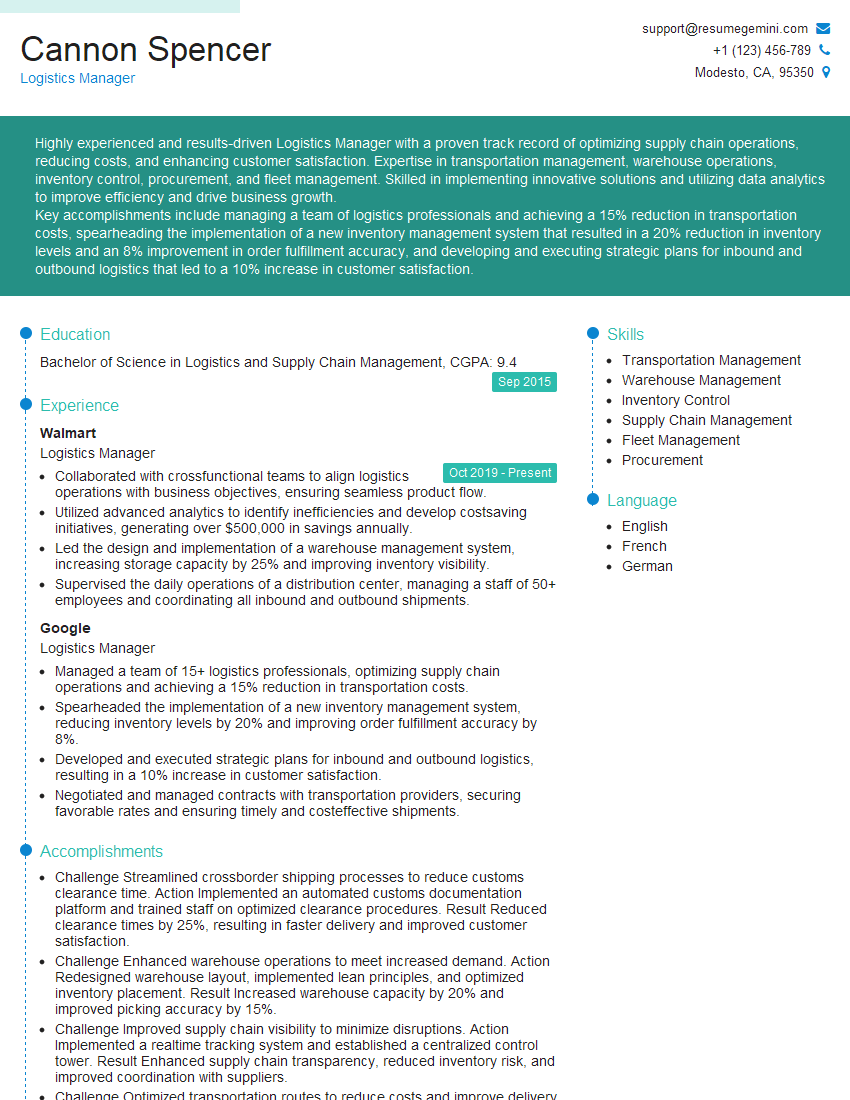
Logistics Manager Resume Sample
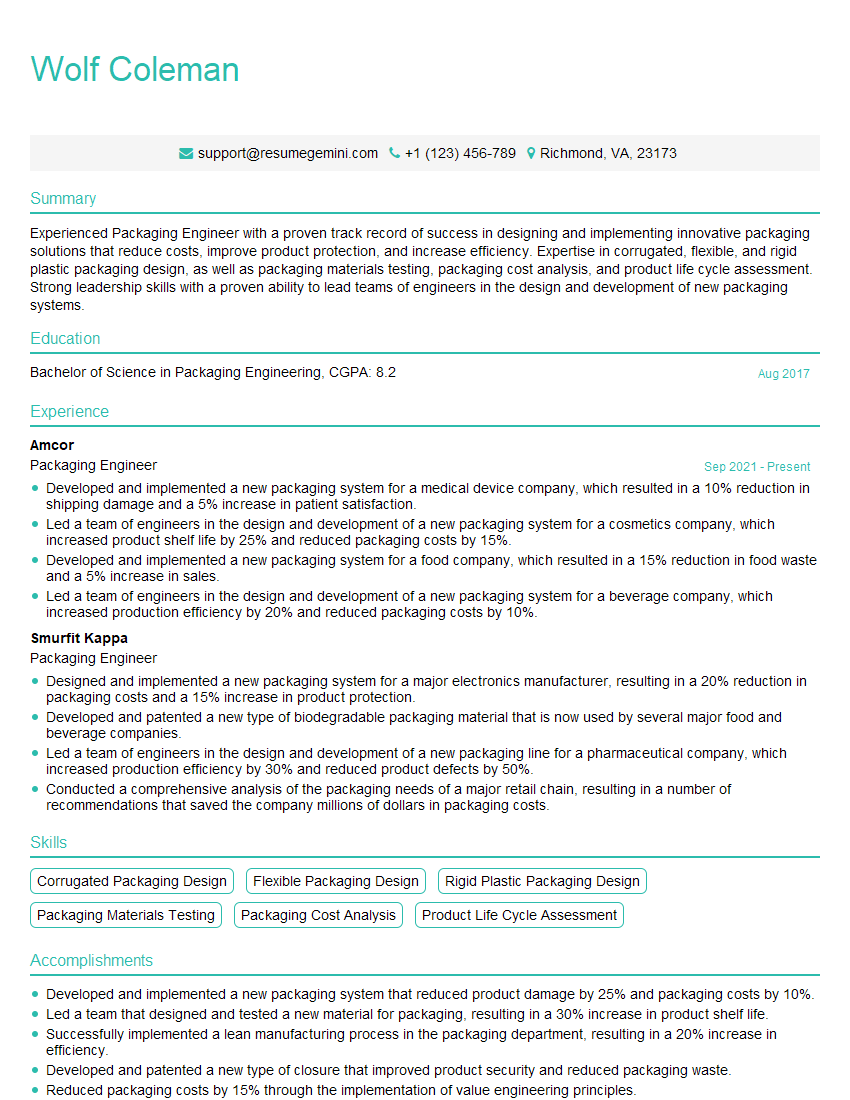
Packaging Engineer Resume Sample
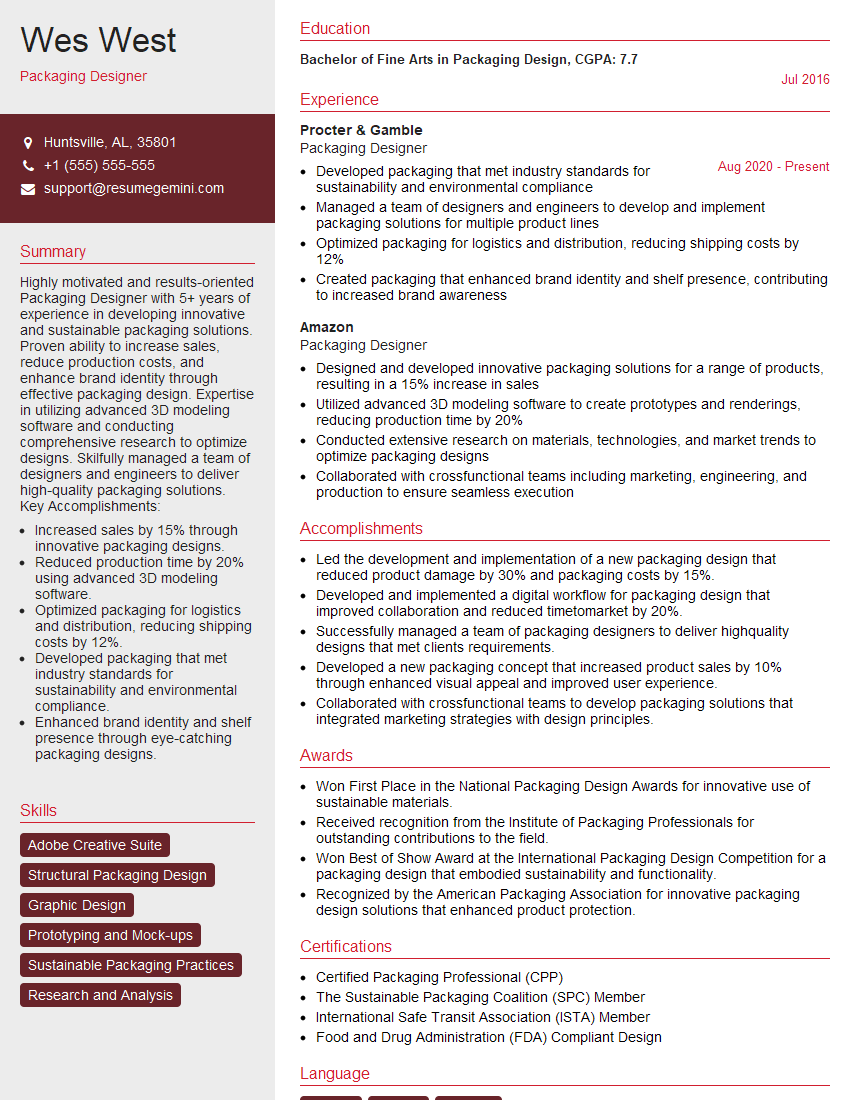
Packaging Designer Resume Sample
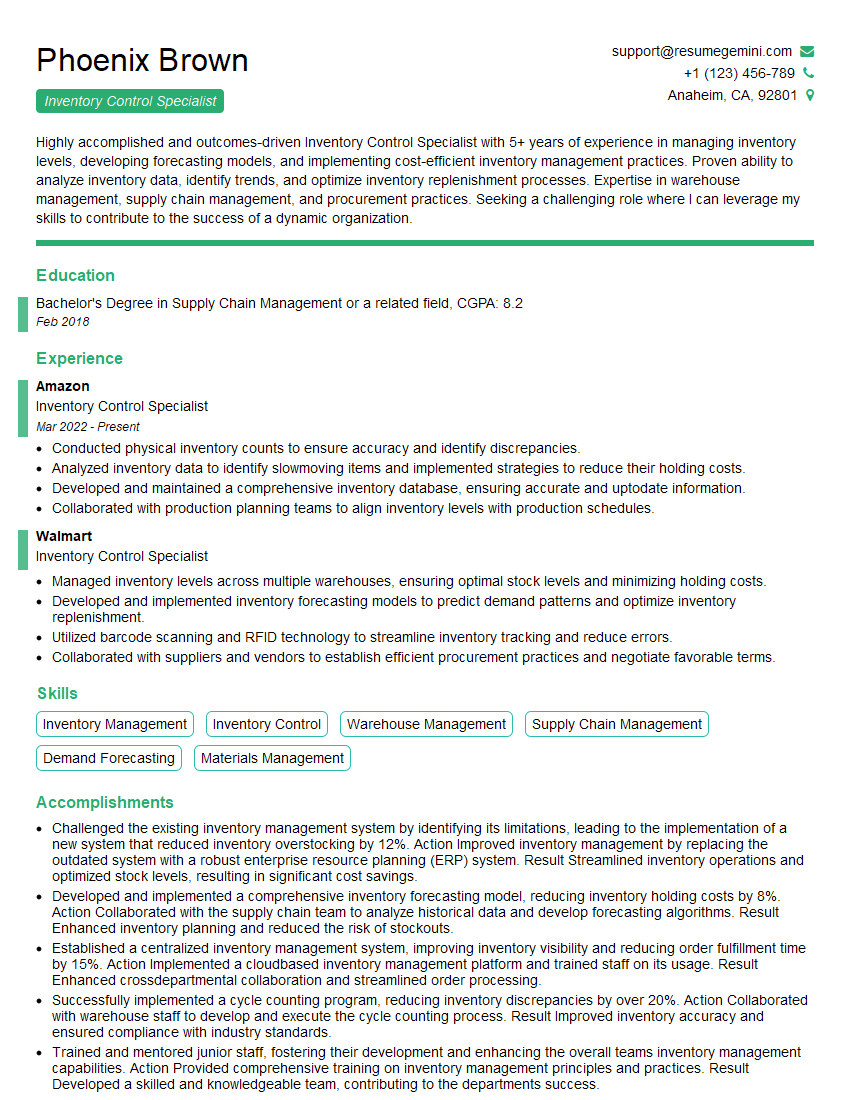
Inventory Control Specialist Resume Sample
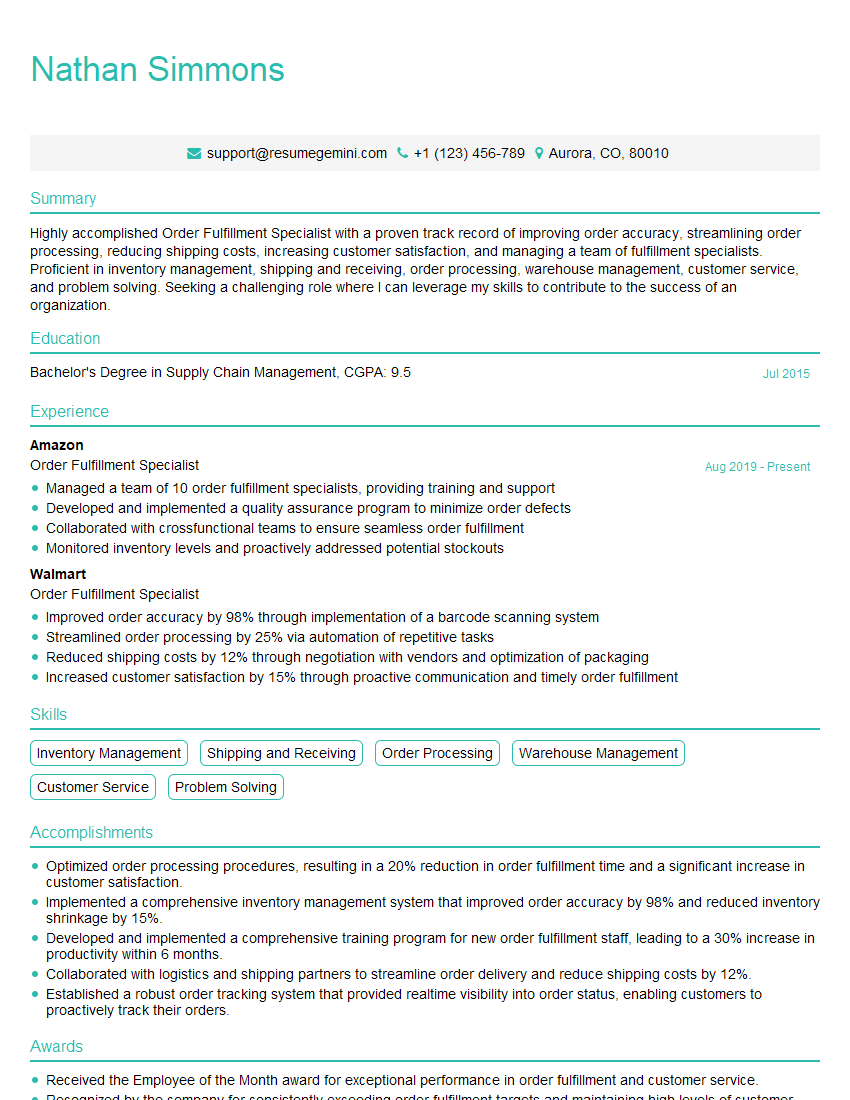
Order Fulfillment Specialist Resume Sample

Shipping and Receiving Clerk Resume Sample
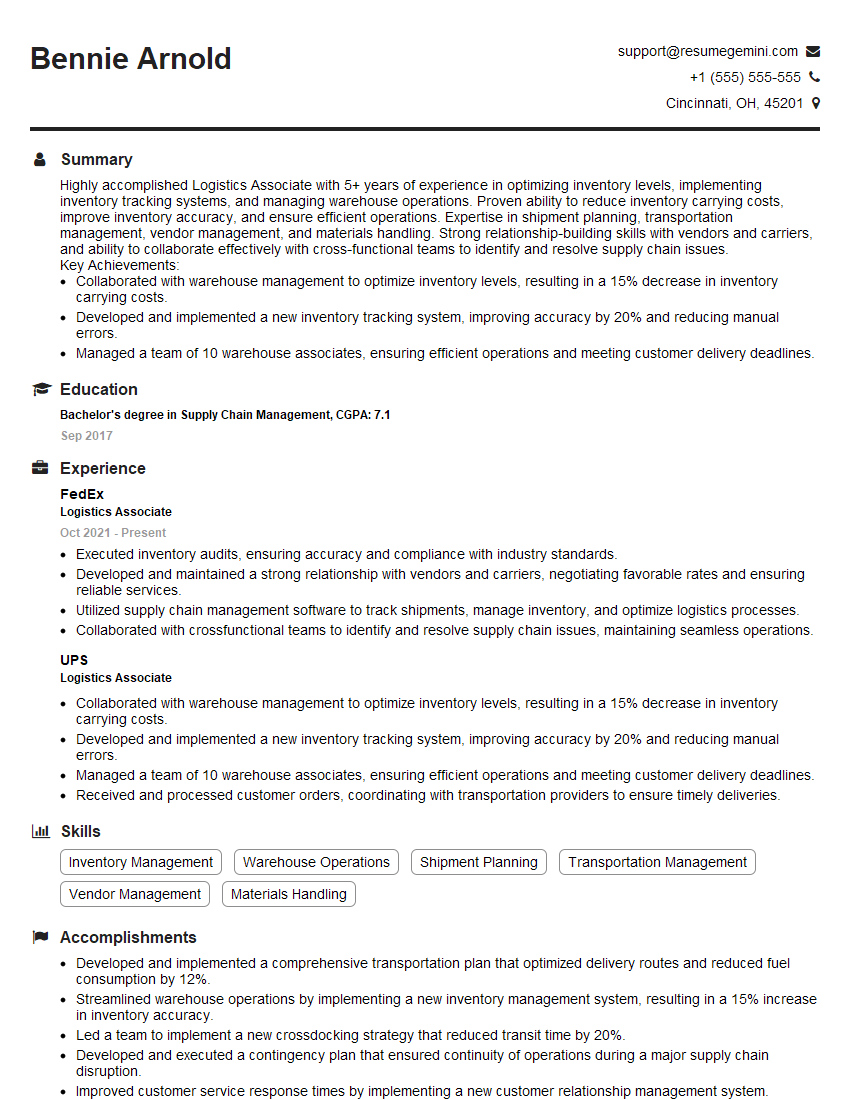
Logistics Associate Resume Sample
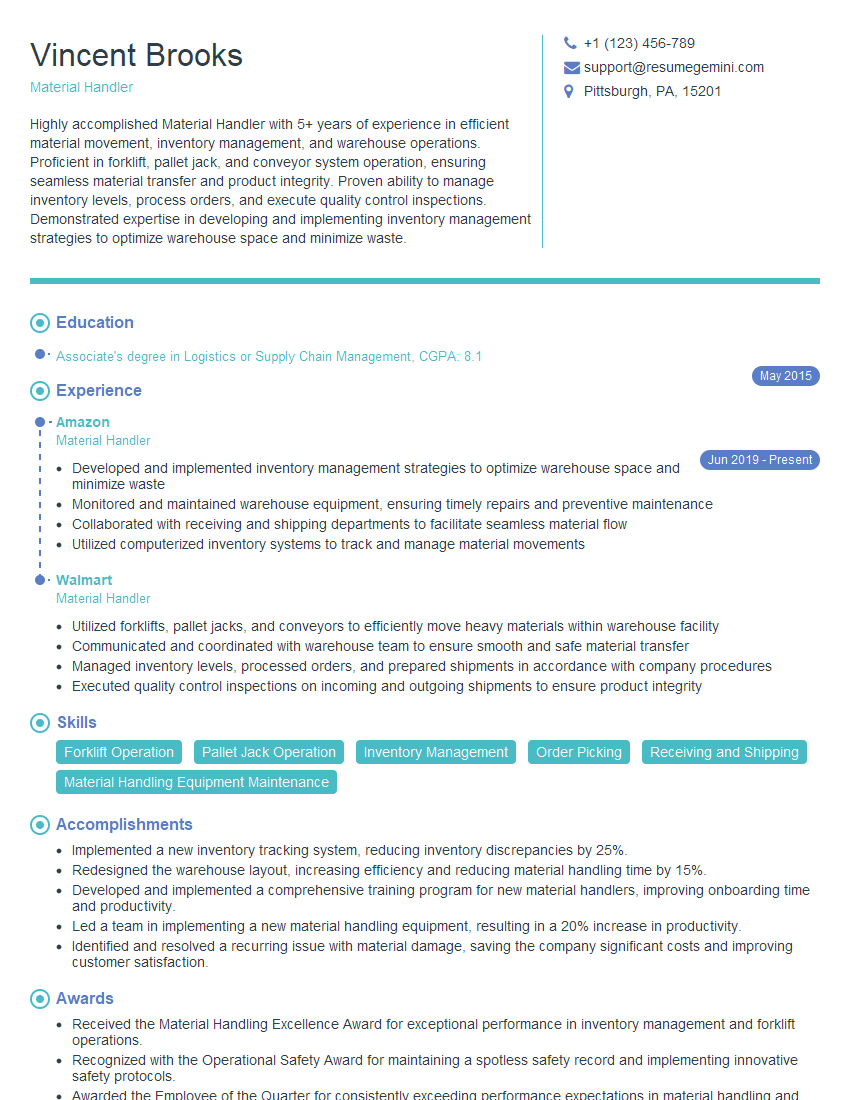
Material Handler Resume Sample
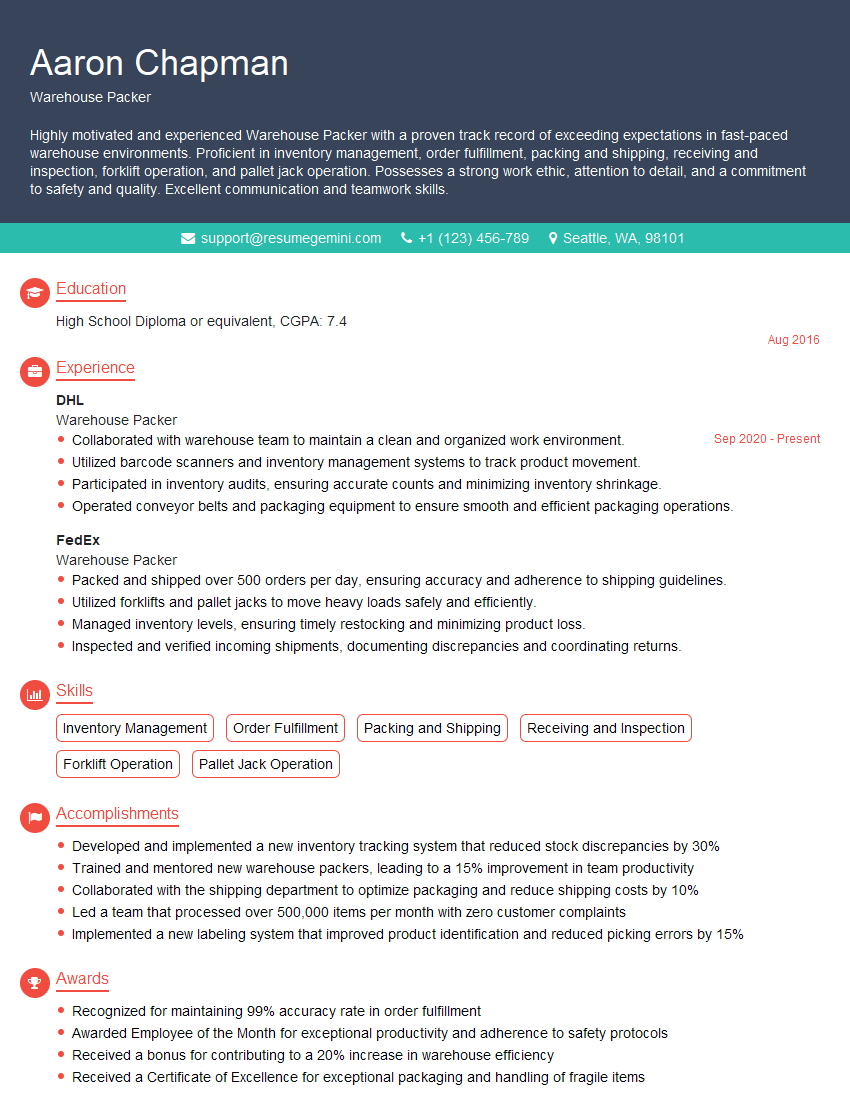
Warehouse Packer Resume Sample
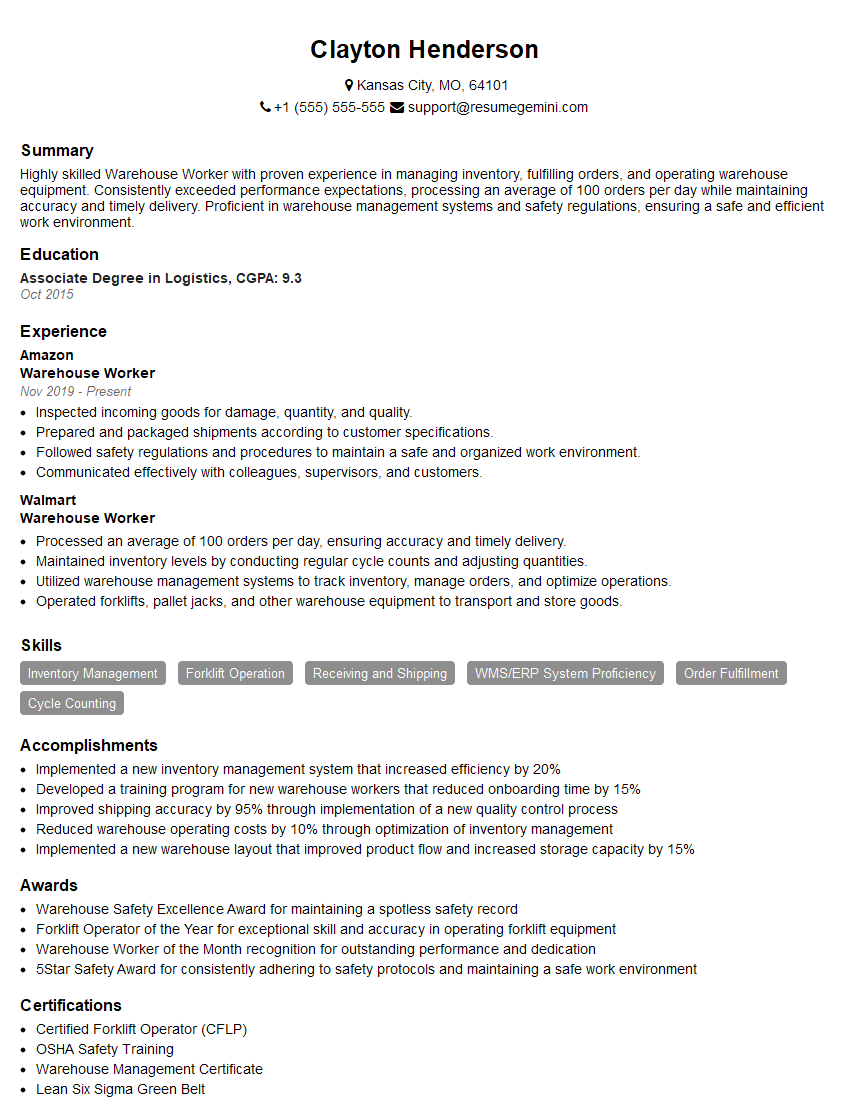
Warehouse Worker Resume Sample
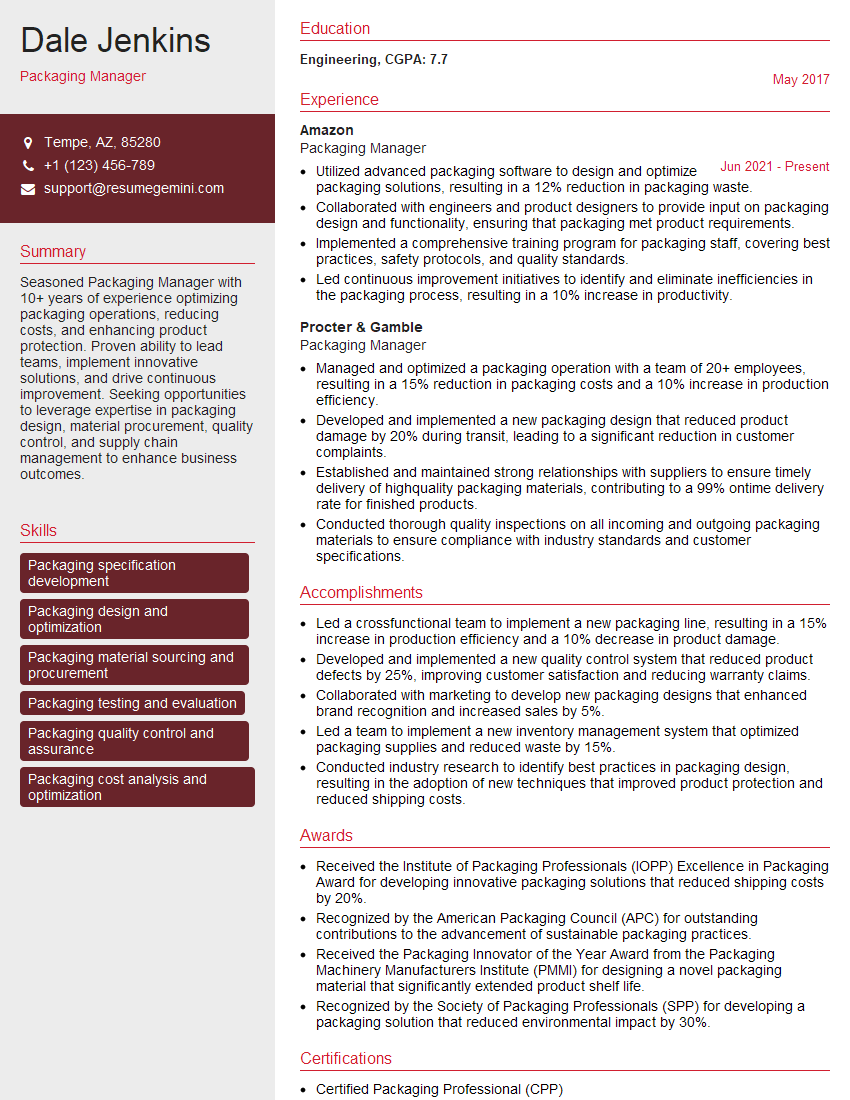
Packaging Manager Resume Sample
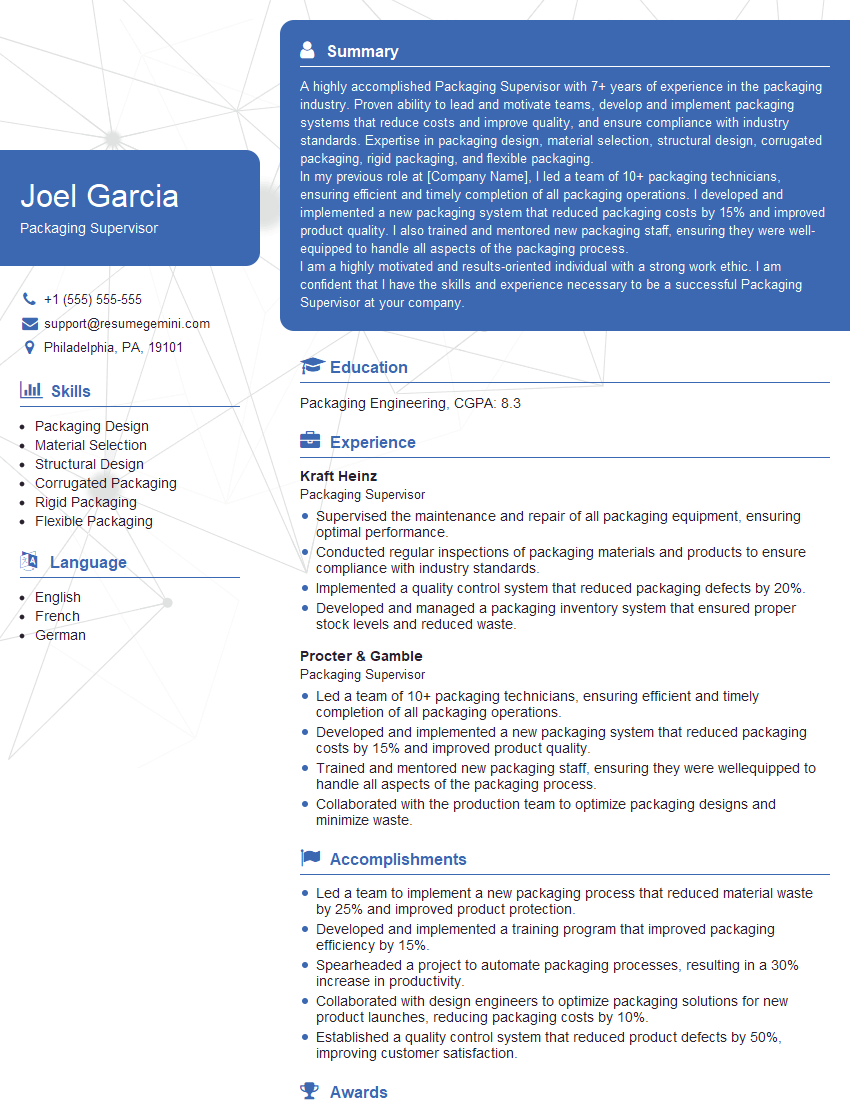
Packaging Supervisor Resume Sample
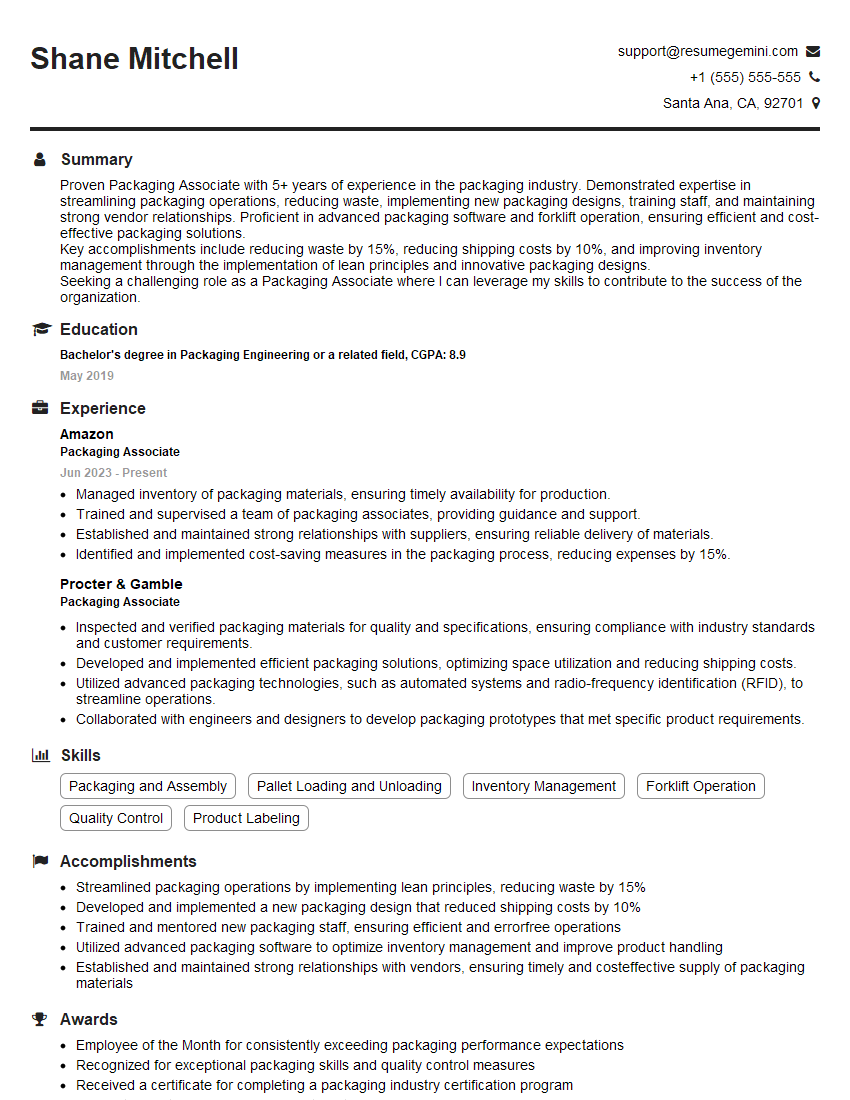
Packaging Associate Resume Sample
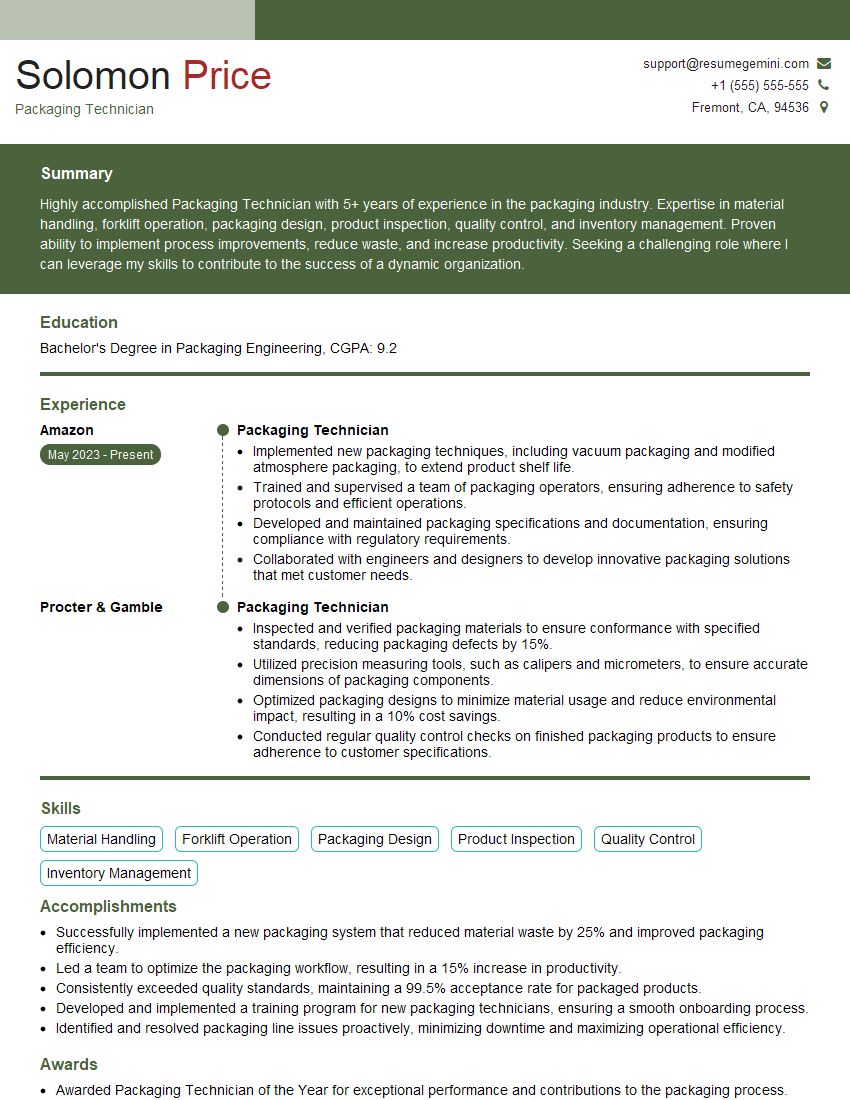
Packaging Technician Resume Sample
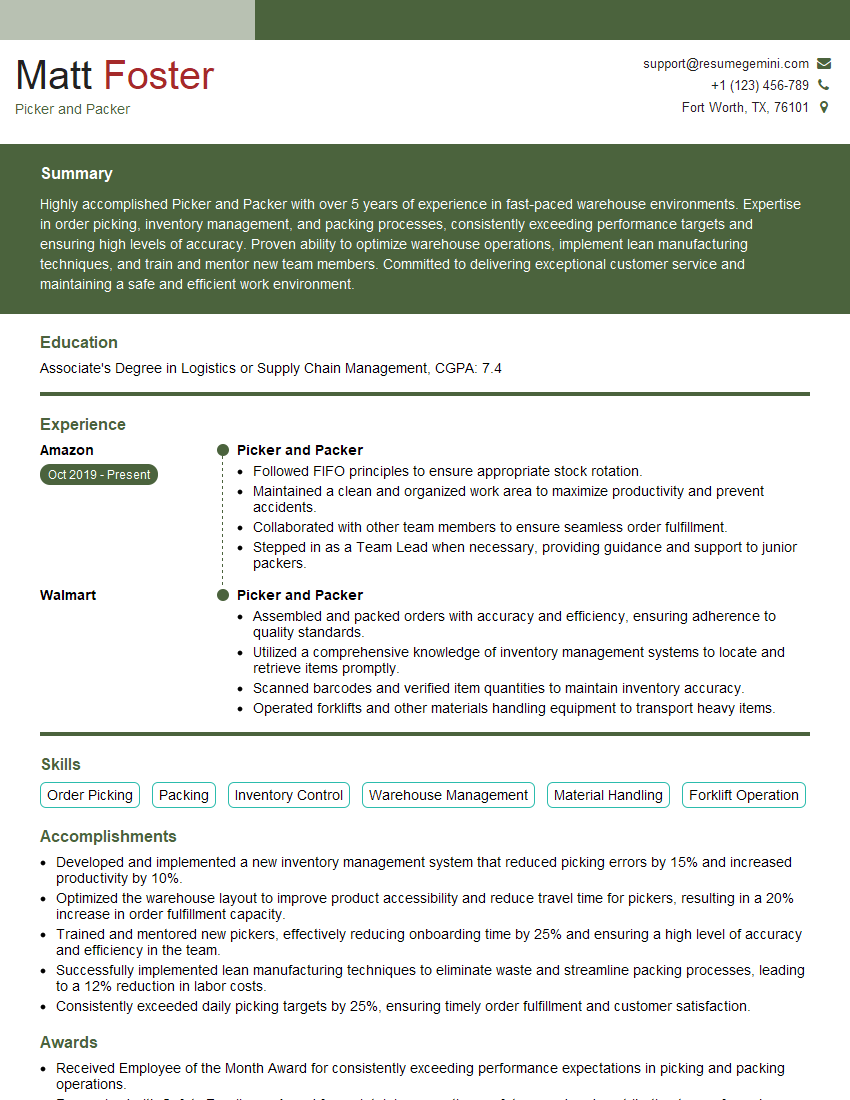
Picker and Packer Resume Sample
- Operations Manager
- Supply Chain Manager
- Logistics Manager
- Packaging Engineer
- Packaging Designer
- Inventory Control Specialist
- Order Fulfillment Specialist
- Shipping and Receiving Clerk
- Logistics Associate
- Material Handler
- Warehouse Packer
- Warehouse Worker
- Packaging Manager
- Packaging Supervisor
- Packaging Associate
- Packaging Technician
- Picker and Packer
Explore more articles
Users Rating of Our Blogs
Share Your Experience
We value your feedback! Please rate our content and share your thoughts (optional).
What Readers Say About Our Blog
Really detailed insights and content, thank you for writing this detailed article.
IT gave me an insight and words to use and be able to think of examples