Are you ready to stand out in your next interview? Understanding and preparing for Passenger Screening and Security Procedures interview questions is a game-changer. In this blog, we’ve compiled key questions and expert advice to help you showcase your skills with confidence and precision. Let’s get started on your journey to acing the interview.
Questions Asked in Passenger Screening and Security Procedures Interview
Q 1. Describe the different types of passenger screening technologies used at airports.
Airport passenger screening employs a variety of technologies to detect threats. These technologies can be broadly categorized into those used for detecting explosives and those used for detecting weapons and other prohibited items.
- X-ray machines: These are the most common method for screening carry-on and checked baggage. They use X-rays to create images of the bag’s contents, allowing security personnel to identify potentially dangerous objects.
- Millimeter-wave scanners: These scanners create images of a passenger’s body without using X-rays. They detect concealed weapons and other objects hidden under clothing. Think of it like a very high-resolution radar for your body.
- Explosive trace detectors (ETDs): These devices swab a passenger’s carry-on baggage or even their hands to detect trace amounts of explosives. They are highly sensitive and can detect even minute particles.
- Metal detectors: These are used to detect metallic weapons hidden on a passenger’s person. They’re the familiar archways you walk through.
- Advanced imaging technology (AIT): AIT machines offer a more detailed image than traditional X-ray machines, providing better detection capabilities for both checked and carry-on baggage. They are designed to reduce the need for manual searches.
The combination of these technologies provides a layered security approach, significantly enhancing the effectiveness of passenger screening.
Q 2. Explain the process for screening carry-on baggage.
Carry-on baggage screening typically involves placing the bag on a conveyor belt that moves it through an X-ray machine. The security officer monitors the X-ray image for any suspicious items. If anything looks questionable, such as an oddly shaped object or something resembling a weapon, the bag will be subject to further inspection, which might involve a manual search.
The officer will compare the image to a pre-defined set of threat images and look for anomalies. For example, a dense, opaque object in a shape resembling a firearm is a high priority for a closer examination. The process is aided by computer software that highlights potentially problematic items to improve speed and accuracy.
If a manual search is necessary, the bag will be opened and its contents examined carefully. The officer will follow specific procedures to avoid damaging the contents while ensuring thoroughness. Any suspicious items are removed and processed according to standard procedures.
Q 3. What are the standard procedures for handling prohibited items found during screening?
When prohibited items are discovered during screening, they are confiscated and handled according to strict procedures. The specific actions depend on the type of item, but generally:
- Documentation: A record is kept of the item, including its type, location found, and the passenger’s details (if applicable).
- Confiscation: The item is removed from the passenger’s possession and placed in secure storage.
- Disposal/Storage: Prohibited items are typically destroyed or stored securely, depending on their nature and potential reuse.
- Passenger Notification: The passenger is informed about the confiscation and the reasons for it. They may be given options for retrieving the item at a later time, or it may be destroyed depending on the rules and regulations.
- Possible further action: In cases involving potentially illegal items, or if there’s suspicion of malicious intent, law enforcement might be involved.
The entire process is carefully documented to maintain accountability and ensure consistency.
Q 4. How do you identify and respond to suspicious behavior during passenger screening?
Identifying suspicious behavior requires keen observation and an understanding of common indicators. This isn’t about profiling; it’s about recognizing unusual actions that deviate from the typical behavior of travelers. Examples include:
- Nervousness or excessive sweating: While understandable for some, excessive nervousness can be a sign of concealed intentions.
- Avoidance of eye contact: Repeated attempts to avoid contact with security personnel could raise concerns.
- Unusual baggage: Bags that appear unusually heavy or bulky for their size, or are unusually difficult to handle, may warrant further attention.
- Suspicious interactions: Communication or actions that suggest collaboration between individuals can trigger a closer inspection.
If suspicious behavior is observed, the security personnel would discreetly follow standard protocols. These might include increased scrutiny of the individual’s baggage, additional questioning, or a more thorough pat-down. Cooperation with law enforcement might be sought if warranted.
Q 5. Describe the steps you would take if a passenger refuses to cooperate with screening procedures.
If a passenger refuses to cooperate with screening procedures, a structured approach is crucial. The situation is handled with professionalism and de-escalation techniques are used:
- Clear Communication: Explain the procedure calmly and clearly, highlighting the importance of cooperation for everyone’s safety.
- Attempt to Understand: Try to understand the passenger’s concerns or objections. Addressing their apprehension can sometimes resolve the situation.
- Escalation: If persuasion fails, the situation will be escalated to a supervisor or law enforcement. This process is documented fully.
- Possible Denial of Boarding: Depending on the severity of non-cooperation and any underlying suspicion, the passenger may be denied boarding.
It’s critical to balance passenger rights with the overriding need for security. Detailed documentation of the entire incident is essential.
Q 6. What are the key elements of effective communication with passengers during screening?
Effective communication is paramount in passenger screening. It involves:
- Clear and concise instructions: Using plain language, free of jargon, ensures all instructions are easily understood.
- Respectful and professional demeanor: Maintaining a calm and courteous attitude can help ease passenger anxieties.
- Patience and empathy: Understanding that passengers might be nervous or stressed is crucial.
- Active listening: Paying attention to passenger concerns and addressing them appropriately shows professionalism and care.
- Transparency: Explaining the reasons behind procedures enhances cooperation.
A positive interaction builds trust and cooperation, making the screening process smoother and more efficient for everyone.
Q 7. How do you ensure the accuracy and efficiency of passenger screening processes?
Ensuring accuracy and efficiency in passenger screening involves a multi-pronged approach:
- Regular training and retraining: Security personnel undergo regular training to stay updated on procedures and technology.
- Quality control measures: Supervisors regularly monitor staff performance and identify areas for improvement.
- Regular equipment maintenance: X-ray machines and other technologies are regularly serviced to ensure optimal performance.
- Data analysis and feedback: Data from screening processes helps identify patterns and areas for adjustment.
- Use of technology: Advancements in technologies like AIT and improved software analysis enhance both speed and accuracy.
By combining human expertise with advanced technologies and robust quality control measures, we can strive for the highest levels of accuracy and efficiency in passenger screening.
Q 8. Explain the importance of maintaining security protocols and procedures.
Maintaining robust security protocols and procedures in passenger screening is paramount for ensuring aviation safety and preventing acts of terrorism or criminal activity. These protocols are the bedrock upon which the entire system of air travel security rests. A lapse in these procedures can have catastrophic consequences.
Think of it like a chain: each link represents a specific security measure. If one link fails, the entire chain – and the safety of passengers and crew – is compromised. This necessitates rigorous adherence to established standards, regular training updates for personnel, and continuous evaluation and improvement of the system itself.
- Consistency: Uniform application of procedures across all airports and airlines minimizes vulnerabilities.
- Prevention: Proactive measures, like thorough screening and threat detection, are far more effective and less costly than reacting to incidents.
- Deterrence: The very presence of strong security protocols acts as a deterrent to potential threats.
- Accountability: Clear protocols ensure accountability in case of failures or security breaches.
Q 9. Describe your experience with different types of explosives detection systems.
My experience encompasses a range of explosives detection systems (EDS), including X-ray machines, millimeter-wave scanners, trace detection devices, and EDS for checked baggage.
- X-ray machines: I’m proficient in interpreting images generated by these systems to identify potentially hazardous items concealed within carry-on baggage. We’re trained to recognize suspicious densities and shapes indicative of explosives.
- Millimeter-wave scanners: I’m familiar with the operation and interpretation of data from these scanners, which generate 3D images of passengers to detect concealed metallic and non-metallic objects. It’s crucial to understand the limitations of this technology and know when to conduct further investigation.
- Trace detection devices: I’ve worked with devices that detect minute traces of explosive residues on passenger belongings. This technology is very sensitive and requires meticulous attention to detail in sample collection and analysis.
- Checked baggage EDS: These larger systems are critical for screening checked luggage for explosives. They utilize X-ray technology and often incorporate advanced algorithms for threat detection.
Regular training and certification ensure I stay updated on the latest advancements in EDS technology and best practices for their effective utilization.
Q 10. How do you handle stressful situations and maintain composure under pressure during security screenings?
Handling stressful situations is a critical skill in passenger screening. High-pressure environments are common, especially during peak travel times or when dealing with difficult passengers.
My approach involves a combination of techniques:
- Deep breathing and mindfulness: Taking a moment to regulate my breathing helps to reduce anxiety and maintain clarity under pressure.
- Prioritization: Quickly assessing the situation and prioritizing tasks helps prevent being overwhelmed. For example, if a security alert is triggered, I prioritize that over a minor passenger complaint.
- Clear communication: Calmly and clearly communicating with both passengers and colleagues reduces misunderstandings and de-escalates tension.
- Standard operating procedures: Following established procedures provides a framework for action and minimizes errors.
- Seeking assistance: Knowing when to seek assistance from a supervisor or colleague is crucial. No one is expected to handle every situation alone.
I’ve found that consistent training and experience build confidence and composure, enabling me to handle difficult situations effectively.
Q 11. What are the common security threats faced in passenger screening?
Passenger screening faces a multitude of security threats, evolving constantly. Some common threats include:
- Explosives: This remains a primary concern, encompassing various types of explosives, from conventional to improvised devices.
- Weapons: Firearms, knives, and other weapons pose a significant risk.
- Improvised Explosive Devices (IEDs): These devices are difficult to detect due to their variable composition and construction.
- Narcotics and other contraband: The transport of illegal drugs and other prohibited substances poses a challenge to security.
- Cybersecurity threats: Threats to airport information systems and passenger data represent a growing concern.
The challenge lies in detecting these threats while minimizing inconvenience to passengers. This requires a balance between thorough security measures and efficient passenger flow.
Q 12. Explain your understanding of TSA regulations and guidelines.
My understanding of TSA regulations and guidelines is comprehensive. I am thoroughly familiar with the TSA’s Screening Procedures, Security Directives, and all relevant policies and regulations pertaining to passenger screening, baggage handling, and security protocols. This includes, but is not limited to:
- Passenger screening procedures: I am adept at applying various screening techniques, such as pat-downs, searches of carry-on baggage, and the use of various detection technologies.
- Prohibited items: I have an in-depth knowledge of items prohibited from being carried onto aircraft, both in carry-on and checked baggage.
- Security Directives: I understand and apply the latest security directives issued by the TSA to ensure compliance with evolving security threats.
- Passenger rights: I am aware of passenger rights and responsibilities during security screenings. I am trained to treat all passengers with respect while maintaining a high level of security vigilance.
Maintaining awareness of any updates and changes to TSA regulations is a continuous process, requiring consistent professional development.
Q 13. Describe your experience with resolving passenger complaints or disputes.
Resolving passenger complaints or disputes requires patience, empathy, and a clear understanding of TSA regulations. My approach emphasizes de-escalation and finding mutually agreeable solutions.
I begin by actively listening to the passenger’s concerns, validating their feelings, and clearly explaining the security procedures involved. If a misunderstanding has occurred, I offer a clear and concise explanation.
If a procedural error is identified, I follow the established protocol for addressing it. If the complaint is regarding a policy or regulation, I explain the reasons behind the policy and offer alternatives where appropriate. In cases where the passenger remains dissatisfied, I refer them to the appropriate channels for further escalation, such as the TSA complaint process.
For example, a passenger might complain about the length of a security line. While I can’t directly control wait times, I can offer information about alternative routes or times of travel. Maintaining a professional and courteous demeanor throughout the process is critical in resolving any complaint effectively.
Q 14. How would you handle a situation where a passenger is carrying a weapon?
Discovering a passenger carrying a weapon is a critical incident. My response would follow established emergency procedures, prioritizing passenger and personnel safety.
- Immediate action: I would immediately alert my supervisor and security personnel.
- Secure the area: The immediate area would be secured to prevent further potential harm.
- Approach with caution: The passenger would be approached calmly but firmly, avoiding any sudden movements that could trigger a negative response.
- Follow standard procedures: The established protocol for handling weapons incidents would be followed. This may include ordering the passenger to disarm themselves or disarming them, if necessary.
- Law enforcement: Local law enforcement would be contacted and briefed on the situation.
- Passenger safety: Passenger safety would remain the top priority throughout the entire process.
The specific procedures may vary depending on the type of weapon and the circumstances of the incident, however, the core principles of safety, calm response and adherence to regulations are paramount.
Q 15. What are your strategies for identifying potential security breaches?
Identifying potential security breaches involves a multi-layered approach combining technological solutions with keen observation and human intelligence. My strategies begin with leveraging advanced technologies like millimeter-wave scanners and X-ray machines to detect concealed weapons or explosives. These technologies provide a first line of defense, flagging anomalies for further investigation. Beyond technology, I focus on behavioral detection. This involves carefully observing passenger demeanor – unusual nervousness, evasiveness, or suspicious interactions – which can be indicators of potential threats. I also pay close attention to unusual baggage – oversized, oddly shaped, or emitting unusual odors – as these could contain contraband. Finally, thorough data analysis plays a crucial role. Analyzing passenger manifests against watchlists and identifying patterns or anomalies in travel data can proactively identify potential risks.
For example, during a routine screening, I once observed a passenger exhibiting extremely nervous behavior while interacting with their luggage. Further examination revealed a concealed weapon. This highlights the importance of combining technological screening with human observation.
Career Expert Tips:
- Ace those interviews! Prepare effectively by reviewing the Top 50 Most Common Interview Questions on ResumeGemini.
- Navigate your job search with confidence! Explore a wide range of Career Tips on ResumeGemini. Learn about common challenges and recommendations to overcome them.
- Craft the perfect resume! Master the Art of Resume Writing with ResumeGemini’s guide. Showcase your unique qualifications and achievements effectively.
- Don’t miss out on holiday savings! Build your dream resume with ResumeGemini’s ATS optimized templates.
Q 16. How do you stay updated on the latest security threats and technologies?
Staying updated on the latest security threats and technologies is paramount in this field. I actively participate in professional development programs offered by organizations like the Transportation Security Administration (TSA) and attend relevant conferences and workshops. I also regularly review publications from industry experts and government agencies for the latest intelligence on evolving threats and advancements in security technology. Furthermore, I maintain a network of colleagues and peers within the security community, exchanging information and best practices to stay ahead of emerging challenges. Subscription to relevant newsletters and online resources also keeps me informed about updates in regulations and best practices. A commitment to continuous learning is vital in such a dynamic environment.
Q 17. Explain your experience with conducting security training or briefings.
I have extensive experience conducting security training and briefings, tailored to diverse audiences ranging from new security personnel to experienced professionals needing refresher courses. My approach emphasizes practical application and scenario-based learning. I use a combination of classroom instruction, interactive exercises, and real-world case studies to facilitate effective learning. For instance, I’ve developed and delivered training modules on the proper use of X-ray machines, passenger behavior detection, and emergency response procedures. I always adapt my training to the specific needs and knowledge level of the participants, ensuring they gain a thorough understanding of security protocols and procedures. Feedback is crucial, and I incorporate it to improve future training sessions.
One memorable training session involved simulating a bomb threat scenario. Participants had to apply their knowledge of threat assessment, communication protocols, and evacuation procedures. The exercise vividly highlighted the importance of clear communication and teamwork under pressure.
Q 18. Describe your understanding of passenger rights and privacy concerns during screening.
Understanding passenger rights and privacy concerns is crucial. While security is paramount, it must be balanced with respect for individual rights. Passengers have the right to be treated with courtesy and respect throughout the screening process. Their privacy must be protected, and personal information should only be collected and used for legitimate security purposes. Screening procedures must adhere to strict guidelines and regulations to minimize intrusion. Passengers should be informed of their rights and the purpose of each screening step. Transparent communication is key to building trust and cooperation. Proper handling of sensitive information, adhering to data protection laws (e.g., GDPR), and providing clear explanations for any additional screening procedures are essential aspects of my approach.
For instance, if a passenger requests a private screening, we must accommodate this request, ensuring their dignity and privacy are upheld while maintaining a high level of security. This balance between security and passenger rights requires careful consideration and attention to detail.
Q 19. How would you handle a medical emergency during passenger screening?
Handling a medical emergency during passenger screening requires swift and decisive action. My approach prioritizes the passenger’s well-being while maintaining security protocols. First, I would immediately summon emergency medical services (EMS). Then, I would assess the situation to determine the nature and severity of the emergency. Depending on the circumstances, this may involve providing basic first aid or facilitating access to necessary medical equipment. I would coordinate with EMS to ensure a smooth and safe transfer of the passenger to medical care. Meanwhile, I would work with my team to manage the flow of passengers through the screening area, minimizing disruption and maintaining security while prioritizing the patient’s well-being. Post-incident, I would document the entire event, ensuring all procedures were followed correctly.
In a practical example, if a passenger experiences a seizure, I would immediately call for medical assistance, clear the immediate area, and ensure the passenger’s safety while waiting for paramedics. Clear communication with EMS is critical to enable a swift response.
Q 20. What are the different levels of security threat and how do they influence screening procedures?
Security threat levels, often categorized as low, medium, and high, significantly influence screening procedures. A low threat level generally involves standard screening procedures, while a medium or high threat level triggers enhanced screening protocols. These could include increased physical searches, more thorough baggage inspections, and potentially the deployment of additional security personnel and equipment. For example, during periods of heightened threat, we might utilize more advanced screening technologies, implement stricter baggage restrictions, or increase the frequency of random searches. The decision to adjust screening procedures is based on a combination of intelligence assessments, risk assessments, and potential threat levels, all while remaining compliant with existing regulations and guidelines. The goal is to adapt security measures to effectively mitigate the specific risks presented by the threat level.
Q 21. Describe your experience working within a team environment in a security setting.
Working effectively within a team environment in a security setting is crucial. My experience involves seamless collaboration with colleagues, including security officers, supervisors, and emergency responders. Effective communication, clear roles, and a shared understanding of procedures are vital for maintaining a coordinated and efficient security operation. I believe in fostering a team environment built on mutual respect, trust, and open communication. In my previous role, we regularly conducted team briefings before each shift, sharing information about potential threats, unusual occurrences, and any changes in procedures. This ensures everyone is informed and prepared for various scenarios. I am also comfortable taking on leadership roles when necessary, delegating tasks effectively, and ensuring everyone works towards common goals. Teamwork ensures consistent high-quality performance and preparedness for any situation.
One specific example involves a situation where a suspicious package was discovered. Our team worked seamlessly, evacuating the area, securing the package, and coordinating with bomb disposal experts. The success of this operation underscored the importance of teamwork, clear communication, and swift response in high-pressure situations.
Q 22. How do you maintain confidentiality and data security related to passenger screening information?
Maintaining confidentiality and data security in passenger screening is paramount. We adhere to strict protocols based on regulations like GDPR and other relevant national and international laws. This involves several key strategies:
- Data Minimization: We only collect the absolutely necessary passenger data, avoiding unnecessary information gathering.
- Access Control: Access to passenger information is strictly limited to authorized personnel on a need-to-know basis, using role-based access control systems.
- Encryption: All sensitive data, including images from scanners, is encrypted both in transit and at rest, using robust encryption algorithms.
- Secure Data Storage: Passenger data is stored in secure, physically and logically protected databases, with regular security audits and vulnerability assessments.
- Data Retention Policies: We have clear policies outlining how long passenger data is retained and procedures for secure data deletion after the retention period expires.
- Incident Response Plan: A well-defined incident response plan outlines procedures for handling data breaches or security incidents, including immediate containment, investigation, and notification of relevant authorities.
Think of it like a high-security bank vault – multiple layers of protection ensure that only authorized personnel can access the information, and that the information itself is protected from unauthorized access or theft.
Q 23. Explain your understanding of different screening technologies’ limitations and strengths.
Different screening technologies each have their strengths and limitations. For example:
- X-ray machines: Strengths include their ability to detect metallic and non-metallic objects concealed within luggage. Limitations involve potential difficulties in identifying certain non-metallic explosives and the need for experienced operators to interpret images.
- Millimeter-wave scanners: Strengths lie in their ability to create detailed images of a passenger’s body without direct physical contact, effectively detecting concealed weapons or explosives under clothing. Limitations include privacy concerns due to the image detail, and occasional false positives necessitating secondary screening.
- Explosive trace detection (ETD) systems: Strengths lie in their sensitivity to trace amounts of explosives on a passenger’s person or belongings. Limitations include potential false positives depending on environmental factors and the need for careful swabbing techniques.
Choosing the right technology involves a careful balancing act, considering factors like cost-effectiveness, passenger throughput, accuracy, and privacy concerns. Often, a layered approach using multiple technologies is most effective.
Q 24. How would you assess the effectiveness of current passenger screening procedures?
Assessing the effectiveness of current passenger screening procedures is an ongoing process involving several key metrics:
- Threat Detection Rate: This measures the percentage of actual threats successfully detected by the screening process. This is continuously monitored and improved upon by analyzing successful and unsuccessful attempts.
- False Positive Rate: This measures the percentage of non-threatening items or individuals incorrectly flagged as threats, requiring further screening. Reducing this rate is crucial for efficiency and passenger experience.
- Passenger Throughput: We analyze how many passengers can be screened efficiently within a given time frame. This considers the balance between security and operational efficiency.
- Passenger Satisfaction: Feedback mechanisms assess passenger experiences, helping identify areas for improvement in terms of convenience, efficiency, and privacy.
Regular audits, technology upgrades, and ongoing training are essential to maintaining high effectiveness. We constantly review procedures in light of evolving threats and technological advancements.
Q 25. Describe a time you had to make a difficult decision related to passenger safety.
I once had to make a difficult decision regarding a passenger who triggered an anomaly on the millimeter-wave scanner. The image was ambiguous, and while not definitively indicating a threat, it warranted further investigation. The passenger was becoming increasingly agitated, and there were significant delays accumulating behind them.
My decision was to perform a thorough pat-down search, despite the passenger’s obvious discomfort. This meticulous search revealed nothing. While it caused a delay, and the passenger expressed frustration, prioritizing safety meant proceeding with the search. Subsequently, we reviewed the scanner images and identified a calibration issue that caused the false positive, a problem we immediately addressed.
This experience highlighted the importance of balancing security protocols with effective communication and de-escalation techniques.
Q 26. How do you handle situations with potentially aggressive or disruptive passengers?
Handling aggressive or disruptive passengers requires a calm and controlled approach, focusing on de-escalation and ensuring the safety of everyone involved.
Our protocol involves:
- Assessment: Quickly assessing the situation and the passenger’s demeanor to gauge the level of threat.
- Communication: Using calm and clear communication, attempting to understand the passenger’s concerns and de-escalate the situation.
- Space and Distraction: Creating space and, if possible, using distraction techniques to ease tension.
- External Assistance: Involving law enforcement if needed. This is done when de-escalation attempts fail and the passenger poses a credible threat to themselves or others.
The key is to remain professional, avoid escalating the situation, and prioritize the safety of all individuals involved.
Q 27. What are your strategies for improving efficiency and reducing wait times during peak hours?
Improving efficiency and reducing wait times during peak hours requires a multi-pronged approach:
- Staffing Optimization: Ensuring adequate staffing levels during peak periods, including sufficient screeners and support staff.
- Technology Upgrades: Investing in advanced screening technologies that increase throughput and reduce processing time. This includes high-speed scanners and automated systems.
- Process Optimization: Streamlining processes to minimize bottlenecks and improve workflow, such as implementing pre-screening measures or improving passenger flow management.
- Communication and Information: Providing clear communication and information to passengers regarding wait times and procedures, potentially through digital tools.
- Predictive Modeling: Utilizing data analysis to anticipate peak times and adjust staffing and resource allocation accordingly.
Think of it like optimizing a highway system. By better managing traffic flow, improving the infrastructure, and providing clear signage, we can reduce congestion and improve the overall experience.
Q 28. Describe your knowledge of international security regulations and their impact on passenger screening.
International security regulations, such as those established by ICAO (International Civil Aviation Organization) and national authorities, significantly impact passenger screening procedures. These regulations outline minimum security standards that must be met by all airports and airlines to ensure a consistent level of aviation security globally.
The impact includes:
- Standardized Procedures: Implementing uniform screening procedures across international borders, improving interoperability and consistency.
- Technology Requirements: Mandating the use of specific screening technologies or setting minimum performance standards, ensuring a baseline level of detection capability.
- Information Sharing: Facilitating the international sharing of passenger information and threat intelligence to enhance collective security efforts.
- Security Training: Setting standards for training and certification of screening personnel, ensuring that all screeners are adequately trained to recognize threats.
Understanding and complying with these regulations is crucial to ensuring a safe and secure air travel environment worldwide.
Key Topics to Learn for Passenger Screening and Security Procedures Interview
- TSA Regulations and Procedures: Understanding the core regulations governing passenger screening and security protocols at airports. This includes knowledge of current TSA guidelines and updates.
- Passenger Screening Technologies: Familiarizing yourself with various screening technologies, including X-ray machines, millimeter-wave scanners, and explosive detection systems. Be prepared to discuss their functionality and limitations.
- Threat Assessment and Risk Management: Demonstrate your understanding of how to assess potential threats and manage risks associated with passenger screening. This includes identifying suspicious behavior and items.
- Prohibited Items and Their Identification: Comprehensive knowledge of prohibited items, their identification methods, and procedures for handling them. This includes liquids, gels, aerosols, and weapons.
- Communication and De-escalation Techniques: Understanding effective communication skills for interacting with passengers, addressing concerns, and de-escalating potentially tense situations.
- Security Protocols and Emergency Procedures: Knowledge of security protocols, including passenger processing, baggage handling, and emergency response procedures in case of security breaches or other incidents.
- Data Privacy and Security: Understanding the importance of maintaining passenger data privacy and adhering to security protocols related to sensitive information.
- Practical Application: Be ready to discuss real-world scenarios and explain how you would apply your knowledge to solve problems related to passenger screening and security.
- Problem-Solving and Decision-Making: Practice your problem-solving skills by preparing for various scenarios that might arise during passenger screening and demonstrate your ability to make sound, quick decisions under pressure.
Next Steps
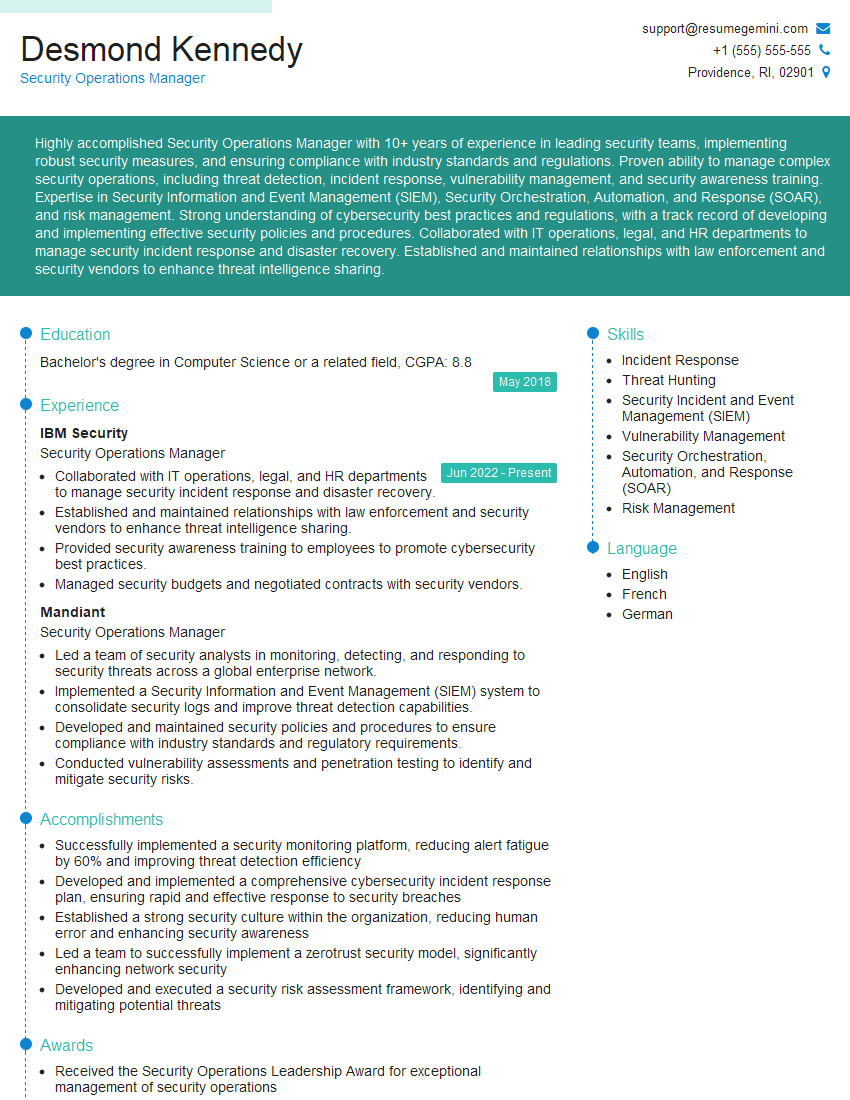
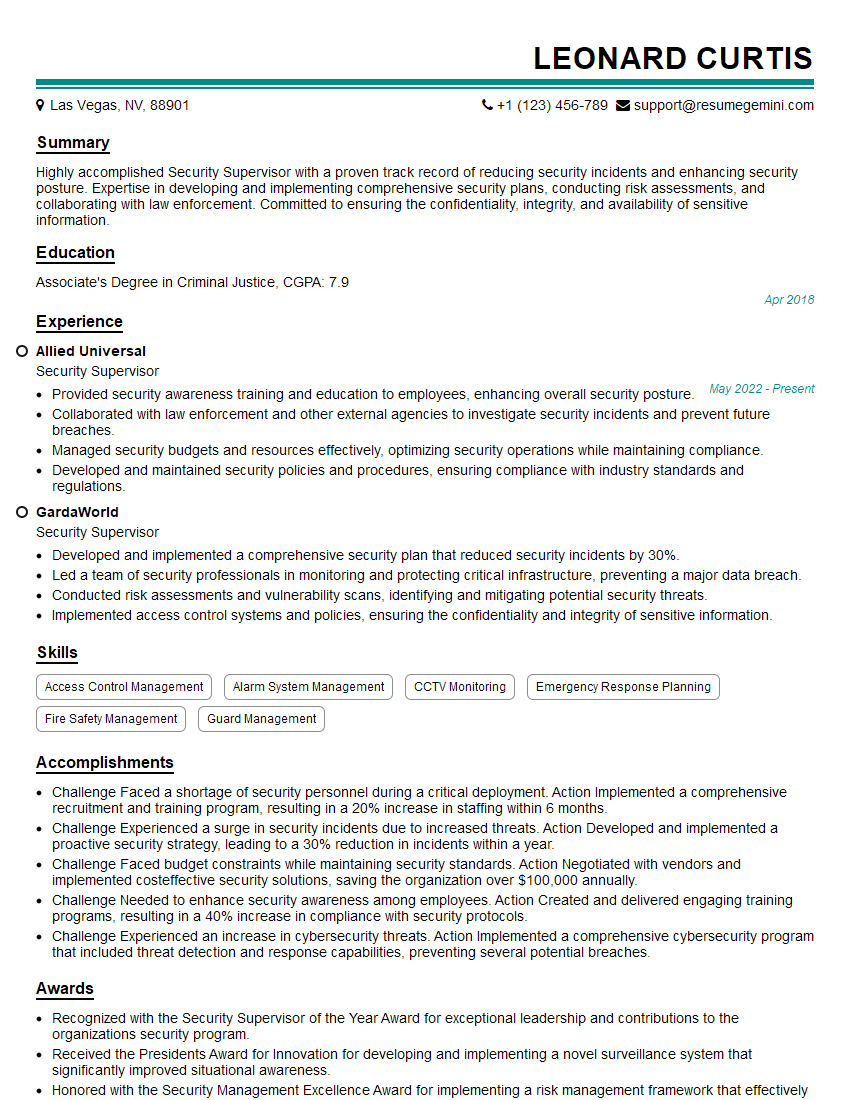
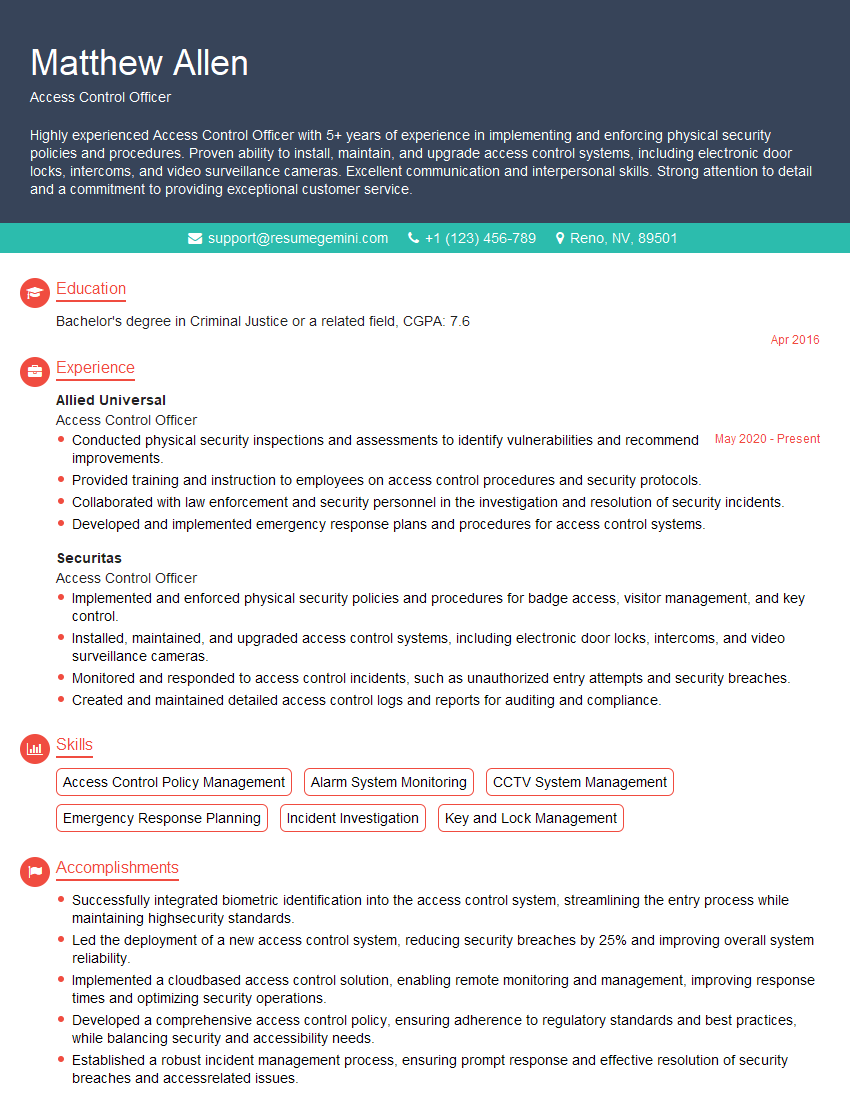
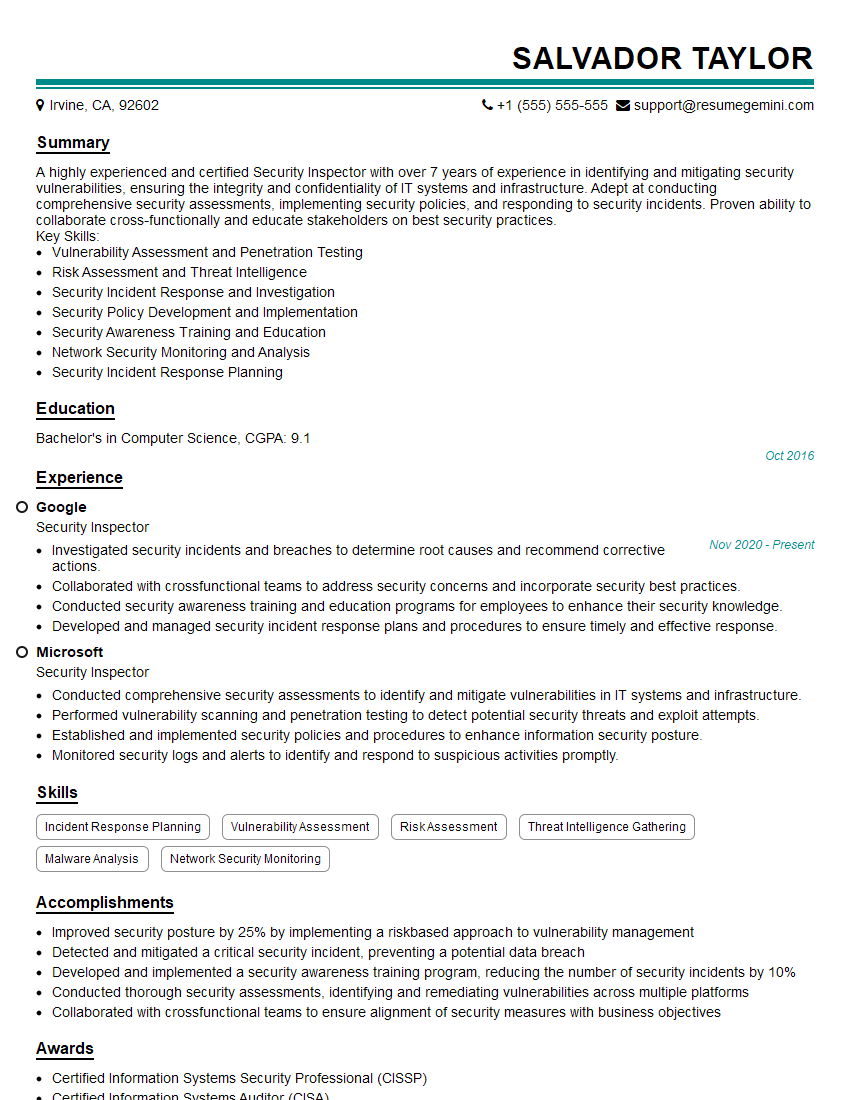
Mastering Passenger Screening and Security Procedures is crucial for a successful and rewarding career in aviation security. It demonstrates your commitment to safety and your ability to handle critical situations effectively. To significantly boost your job prospects, create an ATS-friendly resume that highlights your skills and experience. ResumeGemini is a trusted resource that can help you build a professional and impactful resume. ResumeGemini provides examples of resumes tailored to Passenger Screening and Security Procedures to help you get started. Investing time in crafting a strong resume is a critical step in securing your dream job.
Explore more articles
Users Rating of Our Blogs
Share Your Experience
We value your feedback! Please rate our content and share your thoughts (optional).
What Readers Say About Our Blog
Really detailed insights and content, thank you for writing this detailed article.
IT gave me an insight and words to use and be able to think of examples