The right preparation can turn an interview into an opportunity to showcase your expertise. This guide to Treatment and Restoration Techniques interview questions is your ultimate resource, providing key insights and tips to help you ace your responses and stand out as a top candidate.
Questions Asked in Treatment and Restoration Techniques Interview
Q 1. Explain the difference between preventative conservation and restorative conservation.
Preventative conservation focuses on preventing damage before it occurs, while restorative conservation focuses on repairing existing damage. Think of it like this: preventative conservation is like regular dental checkups – catching small problems early to avoid major issues. Restorative conservation is like a root canal – addressing significant damage that has already occurred.
Preventative conservation involves creating and maintaining stable environmental conditions (controlling temperature, humidity, light exposure), proper storage and handling techniques, and regular monitoring of the object’s condition. Restorative conservation, on the other hand, utilizes a range of techniques to repair damage, such as cleaning, consolidation, mending, and filling.
- Preventative Example: Properly storing a painting in a climate-controlled environment to prevent fading and cracking.
- Restorative Example: Repairing a crack in a ceramic vase using a compatible adhesive and infill material.
Q 2. Describe your experience with various cleaning methods for different materials (e.g., stone, wood, textiles).
Cleaning methods vary drastically depending on the material. I have extensive experience with various techniques. For stone, I frequently employ gentle dry brushing, followed by low-pressure vacuuming to remove loose surface dirt. For more stubborn soiling, I might use aqueous cleaning methods with carefully chosen deionized water and mild, pH-neutral detergents, always testing on an inconspicuous area first. Wood requires a more delicate approach. I often utilize soft brushes and specialized erasers to remove surface grime. For delicate wood carvings, I may use micro-abrasive cleaning techniques. Textiles demand a highly individualized approach depending on the fiber content and the type of soiling. For delicate fabrics like silk, I might use specialized sponges and low-humidity methods; for more robust textiles, I might utilize appropriate solvents, again, always testing for compatibility first. Documentation of the cleaning process is paramount in every instance.
Q 3. How do you assess the stability of a damaged object before initiating treatment?
Assessing the stability of a damaged object is crucial before any treatment. This involves a thorough visual inspection, followed by more in-depth analyses depending on the object and the extent of the damage. I typically begin with a detailed photographic record, documenting the condition of the object from all angles. This is followed by close examination for structural weakness, loose fragments, and signs of active deterioration, which may involve using tools like magnification and specialized lighting. In some cases, non-destructive testing methods such as X-ray or infrared imaging might be employed to assess the object’s internal structure and identify hidden damage. The overall goal is to identify potential hazards and prioritize treatments that address structural integrity before proceeding with aesthetic repairs.
For example, a severely fractured sculpture might require support and reinforcement before cleaning, as the cleaning process itself could cause further fragmentation. This initial assessment is a critical step in developing a safe and effective treatment plan.
Q 4. What are the ethical considerations involved in treatment and restoration?
Ethical considerations are paramount in treatment and restoration. The overarching principle is to do no harm. This involves respecting the object’s integrity, authenticity, and historical context. Key ethical considerations include:
- Reversibility: Treatments should ideally be reversible, allowing future conservators to undo or modify the work if necessary.
- Minimally Invasive Interventions: Interventions should be as minimal as possible, only addressing the areas requiring treatment.
- Transparency and Documentation: A complete record of all treatments, materials used, and decisions made should be meticulously documented to ensure transparency and accountability.
- Material Compatibility: The materials used should be compatible with the object and not cause further damage in the long term.
- Cultural Sensitivity: Treatment decisions should be informed by an understanding of the object’s cultural significance and the needs of the community it belongs to.
For example, the use of inappropriate adhesives can lead to irreversible damage and loss of authenticity; thus, choosing compatible materials is crucial.
Q 5. Explain your experience with the use of consolidants and adhesives.
Consolidants and adhesives play a vital role in stabilizing and repairing damaged objects. Consolidants strengthen weakened materials from within, while adhesives join separated fragments. My experience encompasses working with a wide range of materials, carefully selecting the appropriate consolidant or adhesive based on the object’s material composition and the nature of the damage. For instance, I’ve used Paraloid B72, a widely accepted consolidant for paintings, to strengthen flaking paint layers. For joining broken ceramics, I often use epoxy resins carefully chosen for their compatibility with the ceramic material and their reversibility, if possible. The key is to choose materials that have been rigorously tested and proven to be stable and compatible, avoiding the use of materials that could cause harm or discoloration in the long run. The application techniques also vary significantly depending on the object and the chosen material. The goal is always to be as unobtrusive as possible, only making the necessary repairs.
Q 6. How do you document your treatment process for future reference?
Thorough documentation is essential to maintain the historical record and to allow future conservators to understand the treatments performed. My documentation process typically involves the following:
- Detailed written reports: These reports include a description of the object, a detailed analysis of its condition, the treatment plan, a record of materials used, and a description of the procedures undertaken. They often include images.
- Photography: Before, during, and after images are crucial, documenting the object’s condition and the changes made during treatment.
- Digital records: Digital databases help organize images, treatment notes, material information, and other relevant data.
This thorough record helps to preserve the treatment history for future reference, to track the object’s condition over time, and to facilitate informed decision-making for future interventions. All records are kept securely.
Q 7. What are the common causes of deterioration in [specific material, e.g., wood, metal]?
Let’s consider wood. Wood deterioration is a complex process influenced by a number of factors. Some of the most common causes include:
- Biological agents: Insects (like termites and woodworm) and fungi (like dry rot and brown rot) are significant threats. These organisms feed on the wood’s structure, leading to weakening and decay.
- Environmental factors: Fluctuations in temperature and relative humidity cause wood to expand and contract, leading to cracking, warping, and splitting. Excessive moisture can promote fungal growth, while extreme dryness can cause brittleness.
- Physical damage: Impacts, scratches, and abrasions can damage the wood’s surface and weaken its structural integrity.
- Light exposure: Prolonged exposure to UV light can fade the wood’s color and weaken its fibers.
- Chemical factors: Exposure to pollutants and certain chemicals can cause discoloration, weakening, and degradation of the wood structure.
Understanding these factors allows for the development of appropriate preventative measures, such as controlling environmental conditions, employing pest control strategies, and applying appropriate protective coatings.
Q 8. Describe your experience with in-situ conservation.
In-situ conservation, meaning ‘on-site conservation,’ focuses on preserving cultural heritage or natural ecosystems in their original locations. My experience spans diverse projects, from stabilizing ancient frescoes in a crumbling Italian church to reinforcing eroding cliff faces in a national park. This involves a multifaceted approach. For the frescoes, we employed techniques like consolidating the plaster with carefully chosen consolidants, removing unstable salts using poultices, and finally applying protective coatings tailored to the specific pigment composition. In the case of the cliff face, we used bio-engineering techniques like planting native vegetation to stabilize the soil and prevent further erosion, alongside structural interventions like installing rock anchors where necessary. The key is always to minimize intervention while maximizing long-term preservation.
- Careful Assessment: Thorough documentation and analysis of the site and the object to be preserved are crucial before any intervention. This includes understanding the cause of deterioration and the material’s properties.
- Minimally Invasive Techniques: We prioritize techniques that cause the least possible damage, favouring reversible methods whenever possible.
- Monitoring and Maintenance: Post-treatment monitoring is essential to ensure the effectiveness of the conservation efforts and to detect any further deterioration.
Q 9. How do you choose the appropriate treatment method for a specific type of damage?
Selecting the appropriate treatment method hinges on a detailed diagnosis of the damage. It’s like being a detective for artifacts; we must identify the ‘culprit’ before prescribing the ‘cure’. Factors to consider include:
- Type of Material: Stone, wood, metal, paint – each has unique properties and vulnerabilities requiring specific treatments.
- Type of Damage: Is it physical damage (cracks, breaks), biological attack (fungi, insects), or chemical degradation (corrosion, salt damage)?
- Extent of Damage: Is it localized or widespread? This dictates the scale of intervention.
- Environmental Conditions: Temperature, humidity, and light exposure all influence the choice of treatment and materials.
For example, a bronze sculpture with significant corrosion would necessitate electrochemical cleaning and possibly the application of a protective wax coating, while a wooden painting with insect infestation requires fumigation and consolidation. The decision-making process often involves a combination of scientific analysis, historical research, and artistic judgment to strike a balance between conservation and the aesthetic integrity of the piece.
Q 10. Explain your understanding of material science relevant to restoration.
Material science is fundamental to restoration. A deep understanding of the physical and chemical properties of materials – their composition, structure, and behavior under stress – is critical. For instance, understanding the crystalline structure of a marble allows for the selection of appropriate consolidants that will penetrate the stone without altering its appearance or damaging its integrity. Similarly, knowing the chemical reactions that lead to metal corrosion helps us develop strategies to prevent further damage and reverse existing deterioration. We frequently use techniques such as X-ray diffraction (XRD), scanning electron microscopy (SEM), and Fourier-transform infrared spectroscopy (FTIR) to analyze the material composition and degradation processes, guiding us in making informed decisions regarding treatment methods.
Understanding the aging processes of materials is also crucial. For instance, knowing how UV light degrades paint pigments allows us to choose appropriate protective coatings that filter harmful radiation.
Q 11. Describe a challenging restoration project and how you overcame the difficulties.
One particularly challenging project involved the restoration of a large, 18th-century mural in a historic house. The mural had suffered extensive water damage, leading to delamination of the paint layers and significant fungal growth. The complexity arose because the mural was painted on a lime plaster wall that was itself unstable. A traditional approach could have resulted in further damage to the already fragile surface.
Our solution involved a multi-stage process:
- Stabilization: We carefully consolidated the unstable plaster using a specially formulated consolidant that was compatible with the original materials.
- Fungal Remediation: We employed a minimally invasive method for removing the fungal growth using enzymatic cleaning agents.
- Adhesive Repair: We used an extremely fine-tipped spatula and specific, reversibly bonding adhesives to carefully reattach the delaminated paint layers, minimizing any alterations to the artistic composition.
- Protective Coating: Finally, we applied a breathable, UV-resistant coating to protect the mural from future environmental damage.
Success hinged on careful planning, meticulous execution, and constant monitoring at each stage. We had to adapt our approach on the fly, learning about the mural’s unique sensitivities as we progressed. The result was a painstaking but successful restoration that preserved the artwork’s aesthetic and historical value.
Q 12. What are your experiences with different types of coatings and finishes?
My experience with coatings and finishes encompasses a wide range of materials, each selected for its compatibility with the object and the specific environmental conditions. We use different coatings for different purposes:
- Consolidants: These penetrate porous materials to strengthen them from within.
- Protective Coatings: These form a barrier against environmental factors such as UV radiation, moisture, and pollution. Examples include waxes, varnishes, and acrylic resins.
- Retouching Materials: Used to fill in missing areas, these must be compatible with the original materials and visually unobtrusive.
Choosing the right coating requires careful consideration of its chemical properties, its compatibility with the substrate, its reversibility, and its long-term stability. For example, using a varnish that yellows over time on a painting would be detrimental. Each coating must be tailored to the specific needs of the piece and the preservation goals.
Q 13. How do you manage risks associated with restoration work?
Risk management is paramount in restoration work. We use a multi-layered approach, incorporating:
- Thorough Assessment: A detailed analysis of potential risks, including material instability, environmental factors, and the possibility of accidental damage.
- Method Selection: Choosing minimally invasive and reversible methods whenever possible reduces the chances of irreversible damage.
- Material Compatibility Testing: Before applying any materials, we perform rigorous testing to ensure compatibility and avoid unwanted chemical reactions.
- Environmental Control: Controlling temperature, humidity, and light exposure within the workspace minimizes further deterioration during the treatment process.
- Safety Protocols: Implementing strict safety procedures for handling potentially hazardous materials and equipment.
- Documentation: Detailed documentation of every stage of the restoration, including photographic records, material specifications, and treatment notes, enables evaluation of the work and informs future conservators.
By adopting a proactive approach and careful planning, we minimize the risks and ensure the long-term preservation of the artifacts.
Q 14. Explain your experience with the use of specialized equipment in restoration.
Specialized equipment plays a crucial role in modern restoration. My experience includes the use of:
- Microscopes: For detailed examination of material degradation and the assessment of treatments.
- Spectroscopic Equipment: Techniques like FTIR and XRF provide non-destructive analysis of materials’ composition and degradation processes.
- Environmental Chambers: Used to control temperature, humidity, and light exposure during treatment.
- Micromanipulators and Micro-tools: For precise removal of debris and application of consolidants.
- Laser Cleaning Systems: Used for the removal of surface deposits on sensitive materials, when carefully applied.
The choice of equipment depends entirely on the nature of the object and the type of damage. For instance, a delicate miniature painting would require the use of micro-tools under magnification, while a corroded metal object might benefit from electrochemical cleaning equipment. Proficiency with this diverse range of equipment enhances both precision and efficiency in the restoration process.
Q 15. What are the common methods for repairing cracks and fractures in [specific material, e.g., stone, ceramic]?
Repairing cracks and fractures in stone and ceramic depends heavily on the type of material, the extent of the damage, and the desired aesthetic outcome. Common methods include:
- Consolidation: For minor cracks, a consolidant—a liquid resin that penetrates the cracks and strengthens the material—is applied. Think of it like glue at a microscopic level. This is often the first step for any repair.
- Filling: Larger cracks and fractures require filling. The choice of filler depends on the material. For stone, epoxy resins matched to the stone’s color are frequently used. For ceramic, similar resins or even specialized ceramic fillers are employed. The filler is carefully applied, shaped, and allowed to cure.
- Stitching: In cases of significant fragmentation, stitching might be necessary. This involves using stainless steel pins or other suitable materials to join broken pieces together. Think of it like a miniature surgical procedure for the artifact.
- Mortar Repair: For larger losses, matching mortar can be used to reconstruct missing sections. This requires skill in recreating texture and color.
For example, a small crack in a marble statue might only require consolidation, whereas a severely fractured ceramic vase might need stitching, filling, and potentially color matching.
Career Expert Tips:
- Ace those interviews! Prepare effectively by reviewing the Top 50 Most Common Interview Questions on ResumeGemini.
- Navigate your job search with confidence! Explore a wide range of Career Tips on ResumeGemini. Learn about common challenges and recommendations to overcome them.
- Craft the perfect resume! Master the Art of Resume Writing with ResumeGemini’s guide. Showcase your unique qualifications and achievements effectively.
- Don’t miss out on holiday savings! Build your dream resume with ResumeGemini’s ATS optimized templates.
Q 16. How do you ensure the long-term stability of your restoration work?
Long-term stability in restoration is paramount. It relies on several key factors:
- Material Selection: Using high-quality, durable, and chemically stable materials is crucial. The chosen materials should be compatible with the original material and the environment.
- Proper Preparation: Thorough cleaning and surface preparation are essential to ensure good adhesion between the original material and the repair materials. This involves removing loose debris, cleaning the surface, and sometimes even pre-treating the surface to improve adhesion.
- Careful Application Techniques: Precise application techniques are vital to prevent stress concentrations that can lead to future cracking or failure. This includes controlled filling, proper curing times, and attention to detail.
- Environmental Control: Protecting the restored object from environmental factors such as temperature fluctuations, humidity, and UV radiation is critical. This may involve climate control, protective coatings, or careful placement.
- Regular Monitoring: Regular inspection of the restoration is vital for detecting any early signs of deterioration and enabling timely intervention.
For instance, improperly applied filler in a stone sculpture could lead to cracking and further deterioration, potentially causing more extensive damage.
Q 17. Describe your experience with color matching and retouching.
Color matching and retouching are arguably the most challenging aspects of restoration. My approach involves:
- Careful Observation: I begin by thoroughly analyzing the original material’s color variations, texture, and patina. This involves examining the object under different lighting conditions.
- Testing and Experimentation: I test different pigments and techniques on inconspicuous areas before applying them to visible areas. This iterative process involves mixing pigments until a precise color match is achieved.
- Layered Approach: Often, a layered approach is used, applying thin layers of pigment to build up the desired color and texture gradually. This avoids harsh lines and maintains a natural appearance.
- Blending Techniques: Careful blending techniques are essential to create seamless transitions between the original material and the repaired area. This might involve techniques like stippling, dry brushing, or wet-on-wet blending.
I remember a project where I had to repair a significant chip in a 17th-century porcelain vase. Achieving a precise match of the subtle glaze variations took several weeks of careful experimentation and refinement.
Q 18. How do you handle unexpected discoveries during a restoration project?
Unexpected discoveries during restoration are not uncommon and require careful handling. My approach is to:
- Document Everything: Thoroughly document the discovery, including photographs, sketches, and detailed notes. This ensures that the discovery is accurately recorded and can be used to inform future decisions.
- Consult Experts: If the discovery is significant or raises conservation concerns, I consult with other experts, such as archaeologists, conservators, or historians, to get their insights.
- Prioritize Preservation: The primary goal is always to preserve the object and its historical integrity. This might involve modifying the restoration plan to accommodate the new findings.
- Ethical Considerations: I am always mindful of ethical considerations, ensuring that any actions taken are in accordance with best practices and legal requirements. This might involve delaying certain aspects of restoration to consult stakeholders.
For example, uncovering an inscription during the cleaning phase of a stone carving significantly changed the scope and focus of the restoration project, requiring a complete reassessment of the work plan.
Q 19. What are your proficiency levels in various restoration software and tools?
My proficiency with restoration software and tools is extensive. I am highly proficient in:
- Photogrammetry Software: I use software like Meshroom and RealityCapture to create 3D models from photographs, which are invaluable for planning complex restorations and documenting the process.
- Digital Imaging Software: I am proficient in Adobe Photoshop and other similar software for digital image editing, color correction, and creating detailed documentation.
- CAD Software: I utilize CAD software for creating precise designs for repairs, especially in cases involving complex geometries or significant material loss.
- Specialized Restoration Tools: I am experienced in using a variety of specialized tools, including micro-abrasive tools, dental drills adapted for conservation, and various types of application equipment for consolidants and fillers.
My skills in these areas allow me to integrate traditional restoration techniques with the latest digital technologies for improved accuracy and efficiency.
Q 20. How do you prioritize tasks when working on a multi-faceted restoration project?
Prioritizing tasks in a multi-faceted restoration project requires a structured approach. I typically use a combination of methods:
- Assessment and Documentation: I begin by creating a thorough assessment of the object’s condition, documenting all damage and prioritizing areas that require immediate attention. This might involve creating a detailed condition report.
- Dependency Analysis: I analyze the dependencies between tasks, identifying any tasks that need to be completed before others can begin. This creates a logical workflow.
- Risk Assessment: I assess the risks associated with each task, prioritizing those that carry the highest risk of causing further damage. This ensures that critical areas are addressed first.
- Scheduling and Time Management: Based on the prioritization, I create a realistic schedule and allocate time for each task, keeping in mind potential delays or unforeseen issues.
- Regular Review: I regularly review the progress and make adjustments to the schedule as needed. This ensures that the project stays on track and within budget.
For example, in restoring a damaged fresco, stabilizing the flaking paint would be a top priority before proceeding with color retouching.
Q 21. Explain your understanding of health and safety regulations relevant to restoration work.
Health and safety is paramount in restoration work. My understanding encompasses:
- Material Safety Data Sheets (MSDS): I always consult the MSDS for all materials used, understanding their potential hazards and appropriate handling procedures.
- Personal Protective Equipment (PPE): I use appropriate PPE, including respirators, gloves, eye protection, and protective clothing, as required by the specific materials and tasks.
- Ventilation: Adequate ventilation is crucial when working with solvents, resins, or other potentially harmful materials. I ensure proper ventilation in the workspace.
- Waste Disposal: I follow proper procedures for disposing of hazardous waste, ensuring compliance with all relevant regulations.
- Ergonomics: I maintain good posture and use ergonomic tools and techniques to minimize strain and prevent injuries.
- Emergency Preparedness: I am prepared for potential emergencies, having a plan in place for handling spills, accidents, or other unforeseen circumstances.
Compliance with all these safety regulations is not only essential for the safety of myself and my team, but it is also crucial for maintaining the integrity of the object being restored. A poorly handled spill, for instance, could damage the work irreparably.
Q 22. What is your experience with environmental monitoring in restoration projects?
Environmental monitoring is crucial in restoration, especially for artifacts sensitive to temperature, humidity, and pollutants. It’s not just about the immediate environment during treatment; it also encompasses the storage and display conditions. We use a variety of tools, including data loggers that continuously record temperature and relative humidity. These devices are placed strategically within the treatment area and storage facilities. For instance, in restoring a 17th-century wooden panel painting, we’d monitor for fluctuations that could cause warping or cracking. We also assess air quality, monitoring for particulate matter and gases like sulfur dioxide, which can be corrosive to certain materials. Regular checks and analysis of this data ensure the artifact’s safety and inform decisions on treatment strategies.
For example, if we detect consistently high humidity in a storage facility, we might implement a climate control system to prevent mold growth on a collection of textiles. The data helps us justify interventions and demonstrate a proactive approach to preservation.
Q 23. How do you work collaboratively with other professionals in a restoration project?
Collaboration is fundamental in restoration. I regularly work with conservators specializing in different materials (e.g., textiles, metals, paper), scientists for material analysis, and art historians for contextual information. This collaboration involves clear communication, shared goals, and a willingness to compromise. We hold regular meetings to discuss progress, challenges, and any changes in the treatment plan. A successful restoration often involves a team approach – think of it as an orchestra where everyone plays their part to create a harmonious outcome. For example, when restoring a damaged tapestry, I’d work closely with a textile conservator on the structural repairs while coordinating with a scientist to analyze the dyes and recommend appropriate cleaning methods. We’d share our expertise and work together to decide on the best treatment strategy.
Q 24. How do you handle disagreements about treatment options with clients or colleagues?
Disagreements are inevitable. My approach is to foster open dialogue, encouraging everyone to present their reasoning and supporting evidence. I find it useful to revisit the project’s goals, reviewing the artifact’s condition and considering the long-term consequences of each option. Sometimes, compromise is key. We might agree to a trial treatment on a small, inconspicuous area to evaluate the results before proceeding. In cases of significant disagreement with a client, I explain the rationale behind my recommendations clearly, offering alternative solutions while emphasizing the importance of preserving the object’s integrity. Ultimately, the client makes the final decision, but they should be well-informed.
For example, if a client wanted an overly aggressive cleaning method that could damage a delicate painting, I would carefully explain the risks and propose a less invasive approach, supported by scientific evidence and examples of past successful treatments.
Q 25. Describe your experience with creating and following detailed restoration plans.
Detailed plans are the backbone of any restoration project. My plans include a thorough assessment of the object’s condition, defining the goals of the treatment, outlining the proposed methods and materials, detailing safety precautions, and specifying a timeline and budget. I use photography, detailed written descriptions, and sometimes even 3D modeling to document the initial condition and each stage of the treatment. The plan isn’t static; it evolves as we discover new information during the process. The documentation is essential for transparency and accountability, enabling future researchers to understand our decisions and actions. A well-documented plan also helps manage expectations and ensures the project stays on track.
For example, when restoring a damaged sculpture, the plan might involve detailed drawings of the cracks and losses, photographs of the initial condition, specifications of the repair materials, and a schedule for each stage of repair (cleaning, consolidation, filling, finishing).
Q 26. What methods do you use to assess the authenticity of an object?
Assessing authenticity is a multi-faceted process that relies on a combination of scientific analysis and historical research. We employ techniques such as material analysis (e.g., X-ray fluorescence to identify pigments, dendrochronology to date wood), stylistic analysis comparing the object to known works of a particular period and artist, and examination of construction techniques. Documentation is vital; provenance research helps trace the object’s ownership history. If discrepancies arise between the object’s physical attributes and its purported history, that raises red flags. The aim is to build a strong case for or against authenticity, based on multiple lines of evidence. This is often a collaborative process involving conservators, historians, and scientists.
For instance, analyzing the pigments used in a painting can reveal whether they are consistent with those used in a specific period. Similarly, examination of wood joints in a piece of furniture can offer clues about its age and origin.
Q 27. Explain your understanding of different types of wood decay and their treatment.
Wood decay is primarily caused by fungi and insects. There are several types: brown rot, white rot, and soft rot, each with different characteristics and requiring specific treatments. Brown rot weakens the wood, causing it to crumble into a brown powder; treatment involves carefully consolidating the remaining structure using consolidants, often followed by filling lost areas. White rot causes a bleaching effect and weakens the wood’s structure; it often requires more extensive intervention, including possibly localized replacement. Soft rot degrades the cell walls of the wood, producing a soft, spongy texture; treatment can involve similar techniques to brown rot.
Insect infestation requires different treatment, sometimes involving fumigation or freezing. The treatment for each type of decay is tailored to the specific wood and the extent of damage, requiring careful diagnosis and a precise approach.
Q 28. How do you manage the budget and timeline of a restoration project?
Budget and timeline management are critical. The budget is established through careful estimation of materials, labor, and any specialized testing required. A detailed timeline is created, breaking the project into phases with realistic deadlines for each step. Regular monitoring of expenses and progress is vital, adapting the plan if necessary. Unexpected issues may arise, necessitating adjustments to the budget or timeline; transparent communication with the client about these changes is crucial. Using project management software can be very helpful in tracking progress and managing resources efficiently.
For example, if a significant unforeseen issue occurs, such as discovering extensive hidden damage, we’d discuss potential solutions with the client, reassessing the budget and timeline accordingly and obtaining any necessary approvals before proceeding.
Key Topics to Learn for Treatment and Restoration Techniques Interview
- Material Science Fundamentals: Understanding the properties of materials undergoing treatment and restoration, including their strengths, weaknesses, and reactions to different processes.
- Treatment Methodologies: Deep dive into various techniques like cleaning, consolidation, stabilization, and surface coatings. Explore their applications in different materials (e.g., stone, wood, metal).
- Restoration Principles: Learn about ethical considerations, historical accuracy, and the importance of minimally invasive techniques in restoration projects. Practice explaining your approach to prioritizing preservation over replacement.
- Damage Assessment and Diagnosis: Mastering the skills to accurately identify the type and extent of damage to a structure or artifact. This includes understanding the causes of deterioration and selecting appropriate treatments.
- Practical Application & Case Studies: Familiarize yourself with real-world examples of treatment and restoration projects. Be prepared to discuss successful (and unsuccessful) case studies, highlighting your problem-solving skills.
- Health and Safety Regulations: Demonstrate your knowledge of relevant safety protocols and handling of hazardous materials commonly used in treatment and restoration techniques.
- Documentation and Reporting: Understand the importance of detailed record-keeping, photographic documentation, and preparing comprehensive reports on treatment and restoration procedures.
- Emerging Technologies: Stay abreast of advancements in materials science and restoration technologies. Be ready to discuss innovative approaches and their potential applications.
Next Steps
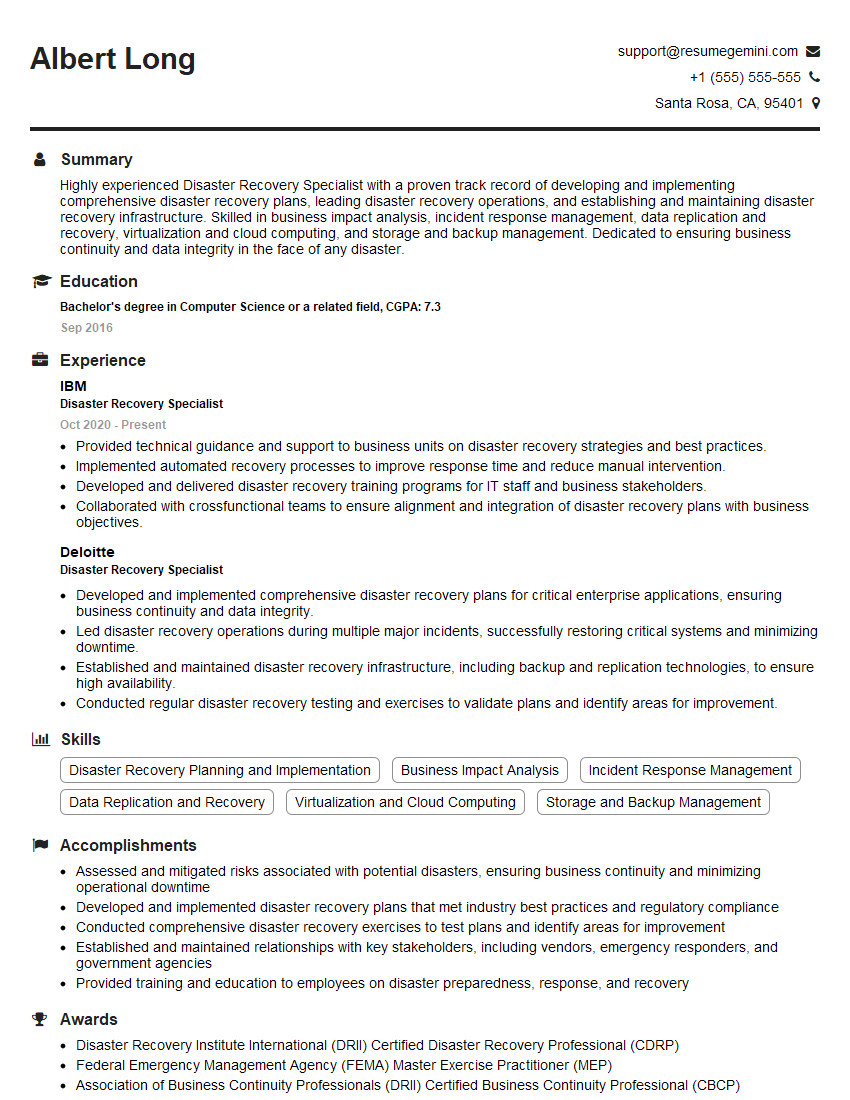
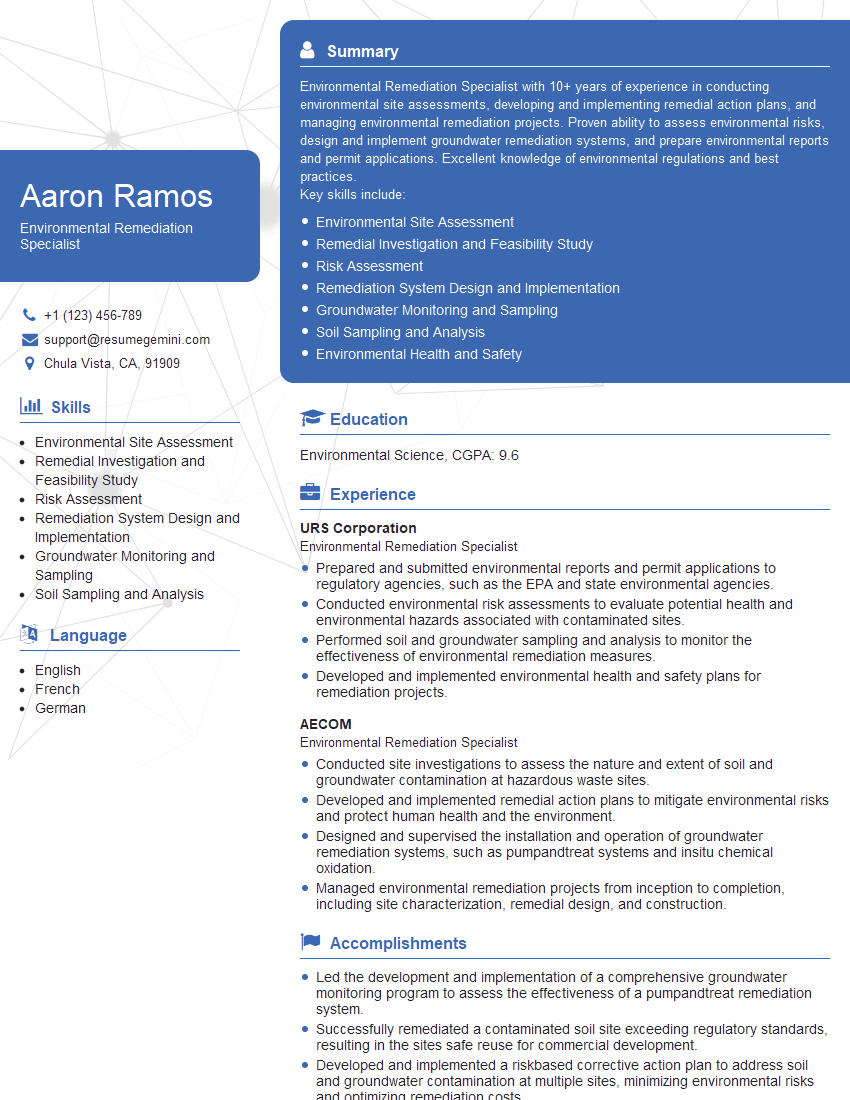
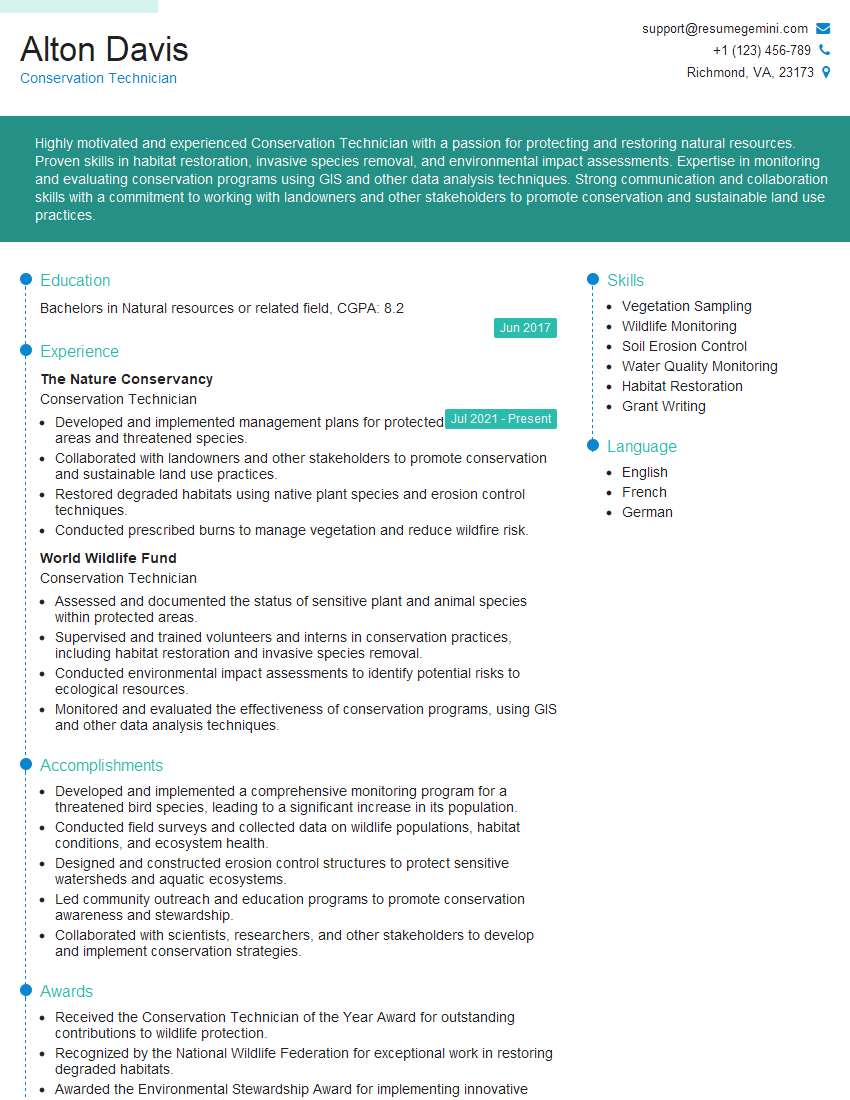
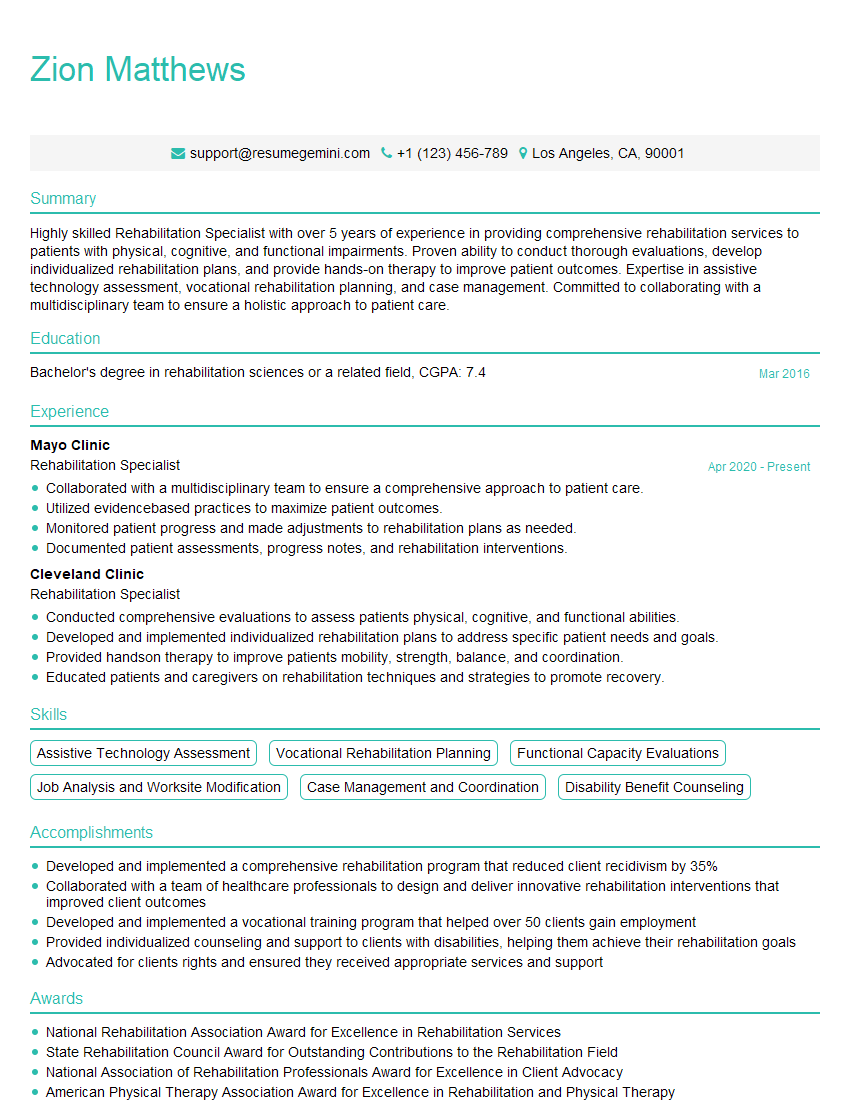
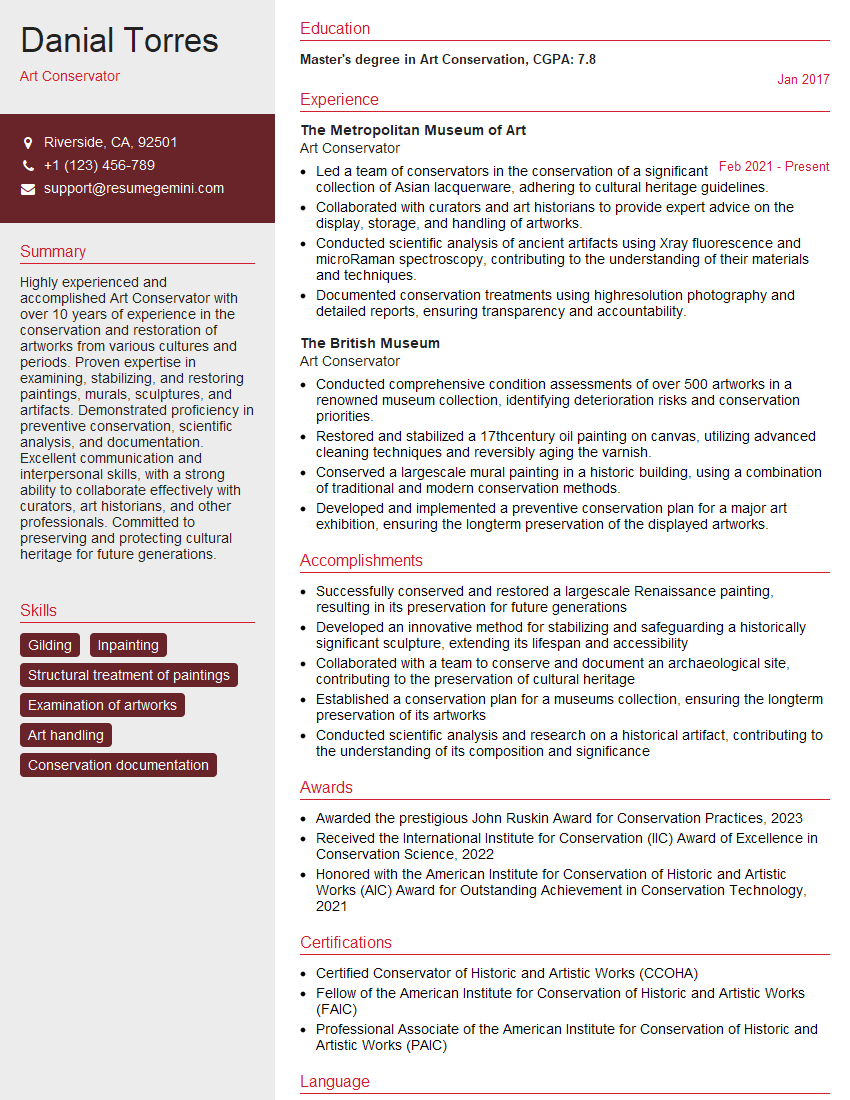
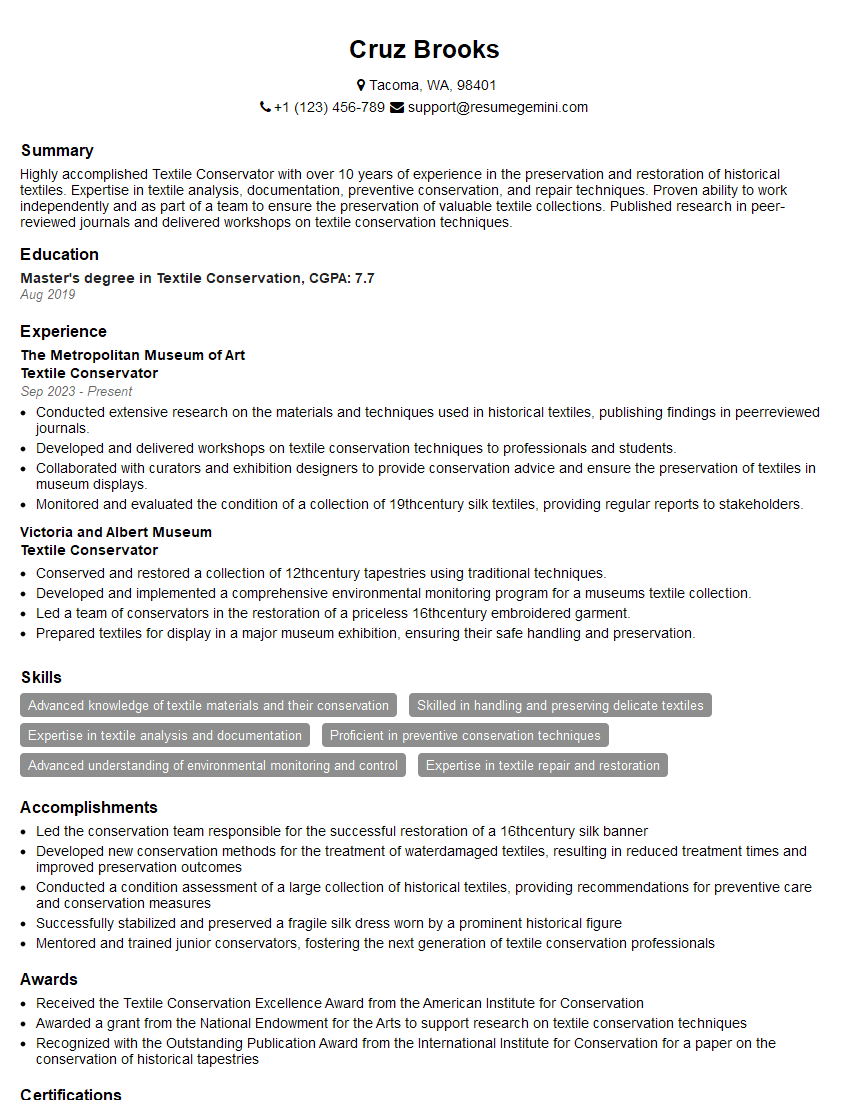
Mastering Treatment and Restoration Techniques is crucial for career advancement in this specialized field. A strong understanding of these principles opens doors to exciting opportunities and showcases your expertise to potential employers. To significantly boost your job prospects, create an ATS-friendly resume that highlights your skills and experience effectively. ResumeGemini is a trusted resource that can help you build a professional and impactful resume. We provide examples of resumes tailored specifically to Treatment and Restoration Techniques to guide you. Take advantage of these resources to present yourself as the ideal candidate.
Explore more articles
Users Rating of Our Blogs
Share Your Experience
We value your feedback! Please rate our content and share your thoughts (optional).
What Readers Say About Our Blog
Really detailed insights and content, thank you for writing this detailed article.
IT gave me an insight and words to use and be able to think of examples