Are you ready to stand out in your next interview? Understanding and preparing for PDCA (Plan-Do-Check-Act) Cycle interview questions is a game-changer. In this blog, we’ve compiled key questions and expert advice to help you showcase your skills with confidence and precision. Let’s get started on your journey to acing the interview.
Questions Asked in PDCA (Plan-Do-Check-Act) Cycle Interview
Q 1. Describe the PDCA cycle in detail.
The PDCA cycle, also known as the Deming cycle or Shewhart cycle, is a four-step iterative process for continuous improvement. It’s a simple yet powerful tool used to systematically solve problems, improve processes, and achieve goals. Think of it as a continuous loop of learning and refinement.
- Plan: This stage involves defining the problem, setting clear objectives, identifying potential solutions, and creating a detailed plan to implement the chosen solution. It includes gathering data to understand the current state and defining measurable goals.
- Do: This is the implementation stage. You put your plan into action, carrying out the steps outlined in the planning phase. It’s crucial to document every step taken and collect data during this process.
- Check: Here, you analyze the results from the ‘Do’ phase. Compare the actual results with the planned outcomes. This often involves data analysis, reviewing metrics, and identifying any deviations from the plan. This stage is critical for learning from the experience.
- Act: Based on your findings in the ‘Check’ phase, you decide what actions to take next. If the plan worked well, you might standardize it, making it a regular process. If the plan wasn’t effective, you might need to revise it, repeat the cycle, or abandon it entirely in favor of a new approach.
The beauty of PDCA lies in its iterative nature; it’s not a one-time process but a continuous loop of improvement. Each cycle informs the next, leading to gradual but significant progress.
Q 2. What are the key benefits of using the PDCA cycle?
The key benefits of using the PDCA cycle include:
- Systematic Problem Solving: Provides a structured approach to identify, analyze, and solve problems effectively.
- Continuous Improvement: Facilitates ongoing enhancements to processes and performance, not just one-off fixes.
- Data-Driven Decisions: Encourages the use of data to make informed decisions, reducing reliance on guesswork.
- Increased Efficiency: Streamlines processes, reduces waste, and improves overall efficiency.
- Improved Quality: Leads to higher quality products, services, and outcomes.
- Enhanced Teamwork and Collaboration: Involves multiple stakeholders in the improvement process, fostering collaboration and shared ownership.
- Reduced Risk: By testing changes incrementally, PDCA minimizes the risk of large-scale failures.
Essentially, PDCA helps organizations learn from their experiences, adapt to change, and consistently improve.
Q 3. Explain how you would apply the PDCA cycle to improve a specific process.
Let’s say we want to improve the customer response time for our helpdesk. I would apply the PDCA cycle as follows:
- Plan: We’ll analyze current response times, identify bottlenecks (e.g., insufficient staffing, complex ticketing system), and set a target for improvement (e.g., reduce average response time by 20%). We might implement a new ticketing system or add extra support staff. We’ll define specific, measurable, achievable, relevant, and time-bound (SMART) goals.
- Do: Implement the chosen solutions. This might involve training staff on the new system, hiring additional personnel, or adjusting team workflows. We’ll meticulously track response times throughout this phase.
- Check: Analyze the collected data on response times after the implementation. Compare the actual average response time to our target. If the target wasn’t met, we’ll identify areas for further improvement or reasons for the shortfall.
- Act: If the target was met or exceeded, we’ll standardize the improved process. If not, we’ll revise our plan, perhaps trying different solutions or refining our approach before restarting the cycle from the ‘Plan’ stage. We might need to adjust staffing levels, optimize the ticketing system, or improve employee training.
This iterative process allows for continuous improvement, gradually reducing response times and enhancing customer satisfaction.
Q 4. What are some common challenges in implementing the PDCA cycle, and how can they be overcome?
Common challenges in implementing PDCA include:
- Lack of Commitment: Without buy-in from all stakeholders, implementation can falter.
- Insufficient Data: Accurate data is crucial for effective analysis; lacking this makes decision-making difficult.
- Resistance to Change: People may resist new processes or methods, hindering progress.
- Inadequate Resources: Implementing improvements requires time, resources, and funding.
- Lack of Training: Proper training is crucial for everyone involved in the cycle.
To overcome these, ensure strong leadership support, provide thorough training, utilize appropriate data collection tools, foster a culture of continuous improvement, and allocate sufficient resources.
Q 5. How do you measure the effectiveness of each stage of the PDCA cycle?
Measuring effectiveness in each stage requires selecting relevant metrics:
- Plan: Measure the clarity and completeness of the plan, including the defined goals and chosen solutions. Did you set SMART goals? How realistic is the plan?
- Do: Track the adherence to the plan and the efficiency of the implementation. Were tasks completed on time and within budget?
- Check: Analyze data against your goals. Use Key Performance Indicators (KPIs) to compare actual results to planned results. This might involve statistical analysis and process charts.
- Act: Assess the impact of the changes made. Did the improvements persist? Was the problem solved? Were there unintended consequences?
Using a combination of quantitative (e.g., numbers, percentages) and qualitative (e.g., feedback, observations) data provides a comprehensive picture of the effectiveness of each stage.
Q 6. How would you use data to inform decisions within the PDCA cycle?
Data is essential for informed decision-making within the PDCA cycle. Data informs every stage:
- Plan: Data analysis helps identify the root causes of problems and inform the selection of solutions. For example, analyzing customer feedback to understand dissatisfaction points.
- Do: Data is used to monitor the implementation and ensure that the process is being carried out as planned. Tracking completion rates and progress towards goals.
- Check: Data analysis is crucial for evaluating the effectiveness of the implemented changes. Comparing baseline data with post-implementation data to determine the impact of the changes.
- Act: Data helps determine whether to standardize the changes, make further adjustments, or abandon the approach. For example, if customer satisfaction scores haven’t improved, it’s a signal that changes are needed.
Data visualization techniques (charts, graphs) can make it easier to understand the data and communicate findings effectively.
Q 7. Describe a time you used the PDCA cycle to solve a problem. What were the results?
In my previous role, we were experiencing high customer churn rates. Using the PDCA cycle, we addressed this:
- Plan: We analyzed customer churn data, identifying common reasons (e.g., poor customer service, lack of features). We hypothesized that improving our customer support would reduce churn. We created a plan to implement more proactive customer support and improved training programs for our support team. Our goal was to reduce churn by 15% within 3 months.
- Do: We implemented new training, improved our support ticketing system, and created more comprehensive knowledge base articles. We also started a proactive customer outreach program.
- Check: After 3 months, we analyzed churn data and found that churn had reduced by 12%. While not reaching the 15% target, it was still a significant improvement. We also analyzed customer feedback to understand areas needing further improvement.
- Act: Based on the feedback, we refined the support training, focusing on specific areas identified as needing improvement. We also updated our knowledge base and refined our customer outreach strategy. We then continued monitoring the churn rate and repeated the cycle for continuous improvement.
The results showed a 12% reduction in customer churn within the first three months, and continued improvements in subsequent cycles. This success demonstrated the power of a structured approach to tackling complex business challenges.
Q 8. How do you ensure accountability and ownership throughout the PDCA cycle?
Accountability and ownership are crucial for a successful PDCA cycle. We achieve this through clear role assignments and shared responsibility. Think of it like a relay race – each team member has a specific leg (phase) to run, but the entire team shares the goal of winning (achieving improvement).
- Plan: Clearly define roles and responsibilities for each stage of the plan. Who is responsible for data collection? Who analyzes it? Who makes the final decisions? Document these assignments.
- Do: Establish a clear process for executing the plan. Regular check-ins and progress updates ensure everyone is on track. Open communication is key – a quick daily stand-up can work wonders.
- Check: Data-driven evaluation is vital. The team jointly reviews the results, not just one individual. This fosters shared understanding and avoids bias. Use visual tools like dashboards to make the data easily accessible and understandable.
- Act: Decisions on implementation of changes should be collaborative, based on the data gathered in the Check phase. Everyone affected by the changes should be involved in the decision-making process. This collaborative approach makes it more likely the chosen actions will be successfully implemented.
Regular reviews and feedback loops further reinforce accountability. We track individual and team contributions, recognizing and rewarding successes, and addressing challenges proactively.
Q 9. How do you adapt the PDCA cycle to different contexts and situations?
The PDCA cycle’s beauty lies in its adaptability. It’s not a rigid framework; rather, it’s a flexible approach that can be tailored to diverse contexts. The key is to adjust the scope and timeframe of each phase appropriately.
- Context: Consider the scale of the problem. A minor process tweak within a team might only need a short PDCA cycle, perhaps just a week. A large-scale organizational change, however, may require multiple iterations of the cycle over several months.
- Timeframe: The duration of each phase depends on the complexity of the task. A simple ‘Do’ phase might be a single day, while a more involved one could span weeks. It’s important to set realistic timeframes that balance speed with thoroughness.
- Resources: Resource availability significantly influences the cycle’s application. If resources are scarce, a phased approach might be necessary, tackling the problem incrementally.
For example, improving customer service might involve a short, focused cycle for improving call handling times, then a longer cycle for redesigning the entire customer service process. A small team could run a cycle focused on improving a single task, while a larger organization might employ the cycle to address a company-wide issue.
Q 10. What are the limitations of the PDCA cycle?
While highly effective, the PDCA cycle isn’t without limitations. One major drawback is its reliance on accurate data. If the data used in the ‘Check’ phase is flawed or incomplete, the entire cycle’s effectiveness is compromised. This can lead to incorrect conclusions and ineffective actions.
- Oversimplification: Complex problems may not be fully addressed with a simple four-step cycle; iterative refinement may be needed across multiple cycles, each focusing on a specific aspect of the problem.
- Time Consumption: While iterative, the PDCA cycle can be time-consuming, especially for large-scale changes. This can create a bottleneck and slow down overall progress.
- Resistance to Change: The cycle’s success depends on the people involved; if there’s significant resistance to change, the ‘Act’ phase may be difficult to execute. People need to be convinced of the need for improvement and actively involved in the solution.
It’s vital to acknowledge these limitations and proactively plan for them through robust data collection methods, clear communication, and stakeholder buy-in.
Q 11. How can the PDCA cycle be integrated with other process improvement methodologies?
The PDCA cycle is highly compatible with many process improvement methodologies. It’s often used in conjunction with Lean, Six Sigma, and Agile methodologies, complementing their strengths.
- Lean: PDCA aligns well with Lean’s emphasis on eliminating waste. A PDCA cycle can be used to identify and eliminate waste in a specific process, aligning perfectly with Lean principles.
- Six Sigma: Six Sigma’s DMAIC (Define, Measure, Analyze, Improve, Control) methodology shares similarities with PDCA. PDCA can be used as a framework for implementing and managing DMAIC projects.
- Agile: The iterative nature of PDCA fits well with Agile’s emphasis on short cycles and rapid feedback. In Agile development, a sprint could be considered a mini-PDCA cycle, with each sprint delivering incremental improvements.
The integration involves adapting the cycle to the chosen methodology’s specific steps and principles, creating a powerful synergy for process enhancement.
Q 12. How would you handle resistance to change when implementing the PDCA cycle?
Resistance to change is a common hurdle. Addressing it requires a proactive, empathetic, and collaborative approach. Here’s a strategy:
- Communication: Transparent and open communication is vital. Explain the reasons for change, highlighting the benefits and addressing concerns early.
- Participation: Involve stakeholders in the process. Let them contribute to the planning and implementation phases, making them feel ownership and reducing resistance.
- Training: Provide adequate training and support to those affected by the change, empowering them to adapt effectively.
- Incentives: Reward early adopters and successful implementation. This can encourage others to embrace the change.
- Celebrate Successes: Acknowledge and celebrate small wins to build momentum and demonstrate the benefits of the changes.
Addressing resistance is an ongoing process, requiring patience and persistence. It’s important to listen to concerns, address them directly, and provide ongoing support to those affected.
Q 13. How do you document and track progress within the PDCA cycle?
Documentation and tracking are critical for continuous improvement and accountability. A variety of methods can be used:
- Spreadsheets: Simple spreadsheets can be effective for tracking key metrics and progress across each PDCA cycle.
- Project Management Software: Tools like Jira, Asana, or Trello provide structured environments for managing tasks, tracking progress, and documenting decisions across the cycle.
- Databases: For larger-scale projects, databases offer the power to store and analyze large amounts of data, providing a holistic view of the project’s progress.
- Visual Management: Using dashboards and visual aids makes progress transparent to everyone involved.
Regardless of the method, ensure your documentation captures the plan, the actions taken, the results observed, and the changes implemented. This creates a valuable historical record to support continuous improvement.
Q 14. Explain the difference between the ‘Check’ and ‘Act’ phases of the PDCA cycle.
The ‘Check’ and ‘Act’ phases are distinct but interconnected steps in the PDCA cycle. They are crucial for learning and improvement.
- Check: This phase focuses on objectively evaluating the results of the ‘Do’ phase. It involves collecting and analyzing data to determine whether the implemented plan achieved its intended goals. This is about gathering evidence—is the change working as expected? Are there any unintended consequences?
- Act: The ‘Act’ phase involves taking action based on the findings of the ‘Check’ phase. This may involve standardizing successful changes, making adjustments to the plan, or abandoning the plan altogether if it isn’t yielding the desired results. This is the implementation of improvements, learning from what happened, and either continuing, adjusting, or abandoning the process.
Think of it as a scientist conducting an experiment. ‘Check’ is the analysis of experimental results, while ‘Act’ is the decision to repeat the experiment, modify it, or reject the hypothesis.
Q 15. Describe a time you identified a problem requiring a PDCA approach.
In a previous role, we experienced a significant drop in customer satisfaction scores. This wasn’t just a fluctuation; it represented a concerning trend that needed immediate attention. We immediately recognized this as a problem requiring a structured approach, and the PDCA cycle was the perfect framework. We used it to systematically analyze the issue, implement solutions, and monitor their effectiveness.
The decline in scores wasn’t a single issue, but a complex problem requiring a systematic approach. The PDCA cycle allowed us to break down this large problem into smaller, manageable steps, eventually leading to the resolution.
Career Expert Tips:
- Ace those interviews! Prepare effectively by reviewing the Top 50 Most Common Interview Questions on ResumeGemini.
- Navigate your job search with confidence! Explore a wide range of Career Tips on ResumeGemini. Learn about common challenges and recommendations to overcome them.
- Craft the perfect resume! Master the Art of Resume Writing with ResumeGemini’s guide. Showcase your unique qualifications and achievements effectively.
- Don’t miss out on holiday savings! Build your dream resume with ResumeGemini’s ATS optimized templates.
Q 16. How do you prioritize which problems to address using the PDCA cycle?
Prioritizing problems for a PDCA approach involves a blend of urgency, impact, and feasibility. I often use a prioritization matrix. One axis represents the impact of the problem (high, medium, low) – how significantly it affects key business goals, like revenue or customer satisfaction. The other axis represents the urgency (high, medium, low) – how quickly the problem needs addressing to prevent further damage. Problems in the high-impact, high-urgency quadrant get immediate attention.
For instance, a critical system failure would be high impact, high urgency. A minor UI bug might be low impact, low urgency. We then assess feasibility – do we have the resources and expertise to tackle it? This helps to avoid choosing problems too complex to solve effectively within the timeframe.
Q 17. What are the key performance indicators (KPIs) you’d use to track the success of a PDCA cycle?
The KPIs used to track the success of a PDCA cycle are highly dependent on the specific problem being addressed. However, some common KPIs include:
- Customer Satisfaction (CSAT): Measures how happy customers are with our product or service.
- Net Promoter Score (NPS): Gauges customer loyalty and willingness to recommend.
- Defect Rate: Tracks the number of defects or errors in a process.
- Cycle Time: Measures the time it takes to complete a process.
- Throughput: Represents the amount of output generated by a process over a period.
- Cost Reduction: Tracks the savings achieved through improvements.
For the customer satisfaction example mentioned earlier, we tracked CSAT scores before, during, and after implementing our changes, allowing us to see the direct impact of the PDCA cycle.
Q 18. How do you involve stakeholders in the PDCA cycle?
Stakeholder involvement is crucial for a successful PDCA cycle. I ensure engagement through various channels:
- Regular Communication: Keeping stakeholders informed throughout the process using emails, meetings, or project management software.
- Collaborative Planning: Involving relevant individuals in the planning phase to ensure buy-in and diverse perspectives.
- Data Sharing: Making data transparent so everyone understands the progress and impact of actions.
- Feedback Mechanisms: Establishing channels for feedback, like surveys or focus groups, to capture stakeholder insights.
- Joint Ownership: Encouraging shared responsibility for both the problem and the solutions.
For example, when addressing the customer satisfaction issue, we involved customer service representatives, sales, marketing, and product development teams in the discussions and implementation.
Q 19. How do you ensure the sustainability of improvements made using the PDCA cycle?
Sustainability of improvements requires embedding changes into existing processes and systems. This involves:
- Documentation: Thoroughly documenting all changes, including the rationale, the process modifications, and the results. This creates a knowledge base for future reference and prevents reverting to old habits.
- Training and Education: Providing comprehensive training to all impacted employees to ensure proper execution of the new process.
- Process Standardization: Integrating improvements into standard operating procedures (SOPs) to make them routine.
- Monitoring and Review: Continuously monitoring KPIs to detect any deviations from expected performance and address them promptly.
- Accountability: Assigning clear responsibilities for maintaining improvements.
In our customer satisfaction case, we updated training materials, revised our SOPs, and incorporated the changes into performance reviews to ensure the improvements were sustainable.
Q 20. How would you handle unexpected issues or setbacks during the implementation of the PDCA cycle?
Unexpected issues and setbacks are inevitable. My approach involves:
- Risk Assessment: Proactively identifying potential problems during the planning phase.
- Contingency Planning: Developing backup plans to address foreseeable challenges.
- Adaptive Planning: Being flexible and adjusting the plan as needed based on new information or unexpected events.
- Root Cause Analysis: Conducting a thorough investigation to determine the underlying cause of the setback, rather than just addressing symptoms.
- Lessons Learned: Documenting what went wrong, what we learned, and how to prevent similar issues in the future.
For example, if a new software implementation caused unexpected downtime, we’d investigate the root cause, implement a hotfix, and review our testing and deployment procedures to prevent future recurrence.
Q 21. What tools or techniques do you use to support the PDCA cycle?
Several tools and techniques enhance the PDCA cycle:
- Control Charts: Visually track process performance over time to identify trends and variations.
- Fishbone Diagrams (Ishikawa Diagrams): Help identify potential root causes of a problem through brainstorming.
- Pareto Charts: Illustrate the vital few factors that contribute to the majority of problems.
- 5 Whys Analysis: Repeatedly asking “Why?” to drill down to the root cause of a problem.
- Project Management Software: Tools like Jira, Asana, or Trello to manage tasks, track progress, and facilitate collaboration.
For the customer satisfaction example, we utilized control charts to track CSAT scores, fishbone diagrams to identify root causes, and project management software to manage the implementation of our solutions.
Q 22. How do you communicate the results of a PDCA cycle to stakeholders?
Communicating PDCA cycle results effectively is crucial for buy-in and continued improvement. My approach involves tailoring the communication to the audience and the context. For executive stakeholders, I focus on high-level summaries, emphasizing key performance indicators (KPIs) and the overall impact on organizational goals. I use clear visuals like charts and graphs to illustrate progress and return on investment (ROI). For team members involved in the process, I provide a more detailed report, highlighting specific successes, challenges encountered, and lessons learned. This fosters a culture of transparency and shared learning. I always include recommendations for future actions based on the findings. For example, if a PDCA cycle aimed to reduce customer wait times resulted in a 15% reduction, I’d present this data clearly, alongside explanations of the implemented changes and next steps to achieve further improvement.
I utilize various communication channels like presentations, emails, project reports, and even informal team meetings depending on the audience and the urgency. The key is to make the information accessible, understandable, and actionable for everyone.
Q 23. What are some common mistakes to avoid when using the PDCA cycle?
Several common pitfalls can hinder the effectiveness of a PDCA cycle. One major mistake is failing to clearly define the problem and establish measurable goals in the planning phase. Without concrete objectives, it’s difficult to track progress and determine the success of implemented changes. Another common error is neglecting the ‘Check’ phase – rushing to implement actions without thoroughly analyzing data and evaluating the impact of previous steps. This can lead to implementing ineffective or even counterproductive solutions. Additionally, insufficient data collection or reliance on subjective assessments can lead to flawed conclusions and hinder accurate evaluation. Finally, a lack of commitment to continuous improvement and failing to integrate the lessons learned into future cycles are common mistakes that prevent true organizational learning and growth. For instance, if a new process is implemented without monitoring its impact, there’s no way to know if it’s actually working and improvements need to be made.
Q 24. Describe your experience with different types of PDCA cycle iterations (e.g., rapid PDCA, mini PDCA).
My experience encompasses various PDCA iterations, including rapid and mini-PDCA cycles. Rapid PDCA is ideal for quickly addressing urgent issues or testing hypotheses. It involves compressed timeframes for each phase, focusing on swift action and quick feedback loops. I’ve used this in situations requiring immediate response, such as addressing a sudden surge in customer complaints or resolving a critical production bottleneck. Mini-PDCA cycles, on the other hand, are small-scale iterations focusing on a specific aspect of a larger problem. This allows for iterative improvements on a smaller, more manageable scale, reducing the risk and improving the efficiency of changes. I employed this approach during a website redesign project, where each mini-cycle addressed a specific feature or user flow, enabling incremental enhancements and continuous testing.
The choice of iteration depends on the complexity of the problem, the urgency of the situation, and available resources. A blend of both approaches can also be highly effective. For example, I might use a rapid PDCA to address a critical immediate issue and then employ mini-PDCA cycles to further optimize the solution over time.
Q 25. How do you ensure that the PDCA cycle aligns with organizational goals?
Aligning PDCA cycles with organizational goals is paramount for maximizing their impact. I begin by clearly understanding the organization’s strategic objectives and translate them into specific, measurable, achievable, relevant, and time-bound (SMART) goals for each PDCA cycle. For example, if the overarching organizational goal is to improve customer satisfaction, a PDCA cycle might focus on reducing customer service response times. This ensures every cycle directly contributes to the broader strategic vision. I regularly review the progress of each cycle to verify alignment and make adjustments as needed. Furthermore, regular communication with leadership ensures that the cycles remain aligned with evolving organizational priorities and that the results are effectively communicated to all stakeholders.
I also use techniques like balanced scorecards and strategic mapping to visualize the connections between individual PDCA cycles and overall strategic objectives, fostering a clear understanding of the contribution of improvement efforts to the big picture.
Q 26. What are the differences between PDCA and other quality management systems?
While PDCA is a foundational framework for quality management, it differs from other systems in its simplicity and iterative nature. Systems like Six Sigma, while also focused on continuous improvement, often involve more complex methodologies, statistical analysis, and extensive training. PDCA’s strength lies in its accessibility and ease of implementation, making it suitable for a wide range of contexts and skill levels. ISO 9001, a widely adopted quality management system, provides a comprehensive framework for quality management systems but does not prescribe a specific improvement methodology. PDCA can be considered a practical tool within an ISO 9001 framework. Lean methodologies, while also focusing on waste reduction and efficiency, emphasize process streamlining and value creation, whereas PDCA is more focused on the iterative cycle of improvement. In essence, PDCA acts as a powerful, versatile cycle for improvement that can be integrated into various quality management systems to drive continuous progress.
Q 27. How do you decide when to stop iterating through the PDCA cycle?
The decision to stop iterating through the PDCA cycle is not arbitrary. It depends on achieving pre-defined goals and a satisfactory level of performance. I consider several factors: Firstly, have the SMART goals established in the planning phase been met? Secondly, has the desired level of improvement been achieved based on data analysis? Thirdly, are the resources allocated to the cycle being used efficiently, or are diminishing returns becoming apparent? Finally, are there more pressing priorities requiring attention? If the goals are achieved, improvement plateaus, resource allocation becomes inefficient, or higher-priority initiatives emerge, then it may be time to conclude the cycle and move on to other areas of focus. However, it’s important to document all findings, lessons learned, and recommendations for future iterations, even if the cycle is concluded, thus ensuring continuous organizational learning.
Key Topics to Learn for PDCA (Plan-Do-Check-Act) Cycle Interview
Mastering the PDCA cycle demonstrates crucial problem-solving and process improvement skills highly valued by employers. Prepare yourself by focusing on these key areas:
- Understanding the PDCA Cycle: Clearly define each stage (Plan, Do, Check, Act) and their interrelationship. Understand the iterative nature of the cycle and its application in continuous improvement.
- Planning Phase: Explore techniques for defining objectives, identifying potential problems, developing solutions, and creating measurable targets. Consider various planning methodologies and their applicability.
- Implementation (Do) Phase: Discuss practical strategies for executing the plan, including resource allocation, task delegation, and risk management. Be prepared to share examples from your experience.
- Checking Phase: Explain different methods for monitoring progress, collecting data, and analyzing results against the defined objectives. Focus on data analysis techniques and interpreting findings.
- Acting Phase: Describe how to use data analysis to inform decisions, make adjustments to the plan, and implement corrective actions. Highlight your ability to adapt strategies based on feedback.
- Practical Applications: Prepare examples from your past experiences where you’ve successfully utilized the PDCA cycle to solve problems or improve processes. Quantify your results whenever possible.
- Problem-Solving & Root Cause Analysis: Demonstrate your understanding of root cause analysis techniques (e.g., 5 Whys, Fishbone diagrams) and how they integrate with the PDCA cycle.
- Continuous Improvement Mindset: Emphasize your commitment to continuous improvement and your ability to proactively identify areas for optimization.
Next Steps
Proficiency in the PDCA cycle significantly enhances your problem-solving skills and demonstrates your commitment to continuous improvement—highly sought-after qualities in today’s competitive job market. This will significantly boost your career prospects. To maximize your chances, focus on crafting an ATS-friendly resume that clearly showcases your abilities. ResumeGemini is a trusted resource for building professional and impactful resumes. We provide examples of resumes tailored to highlight PDCA cycle expertise to help you present your skills effectively. Take the next step towards your dream job today!
Program Manager Resume Sample
Operations Manager Resume Sample
Product Manager Resume Sample
Quality Control Manager Resume Sample
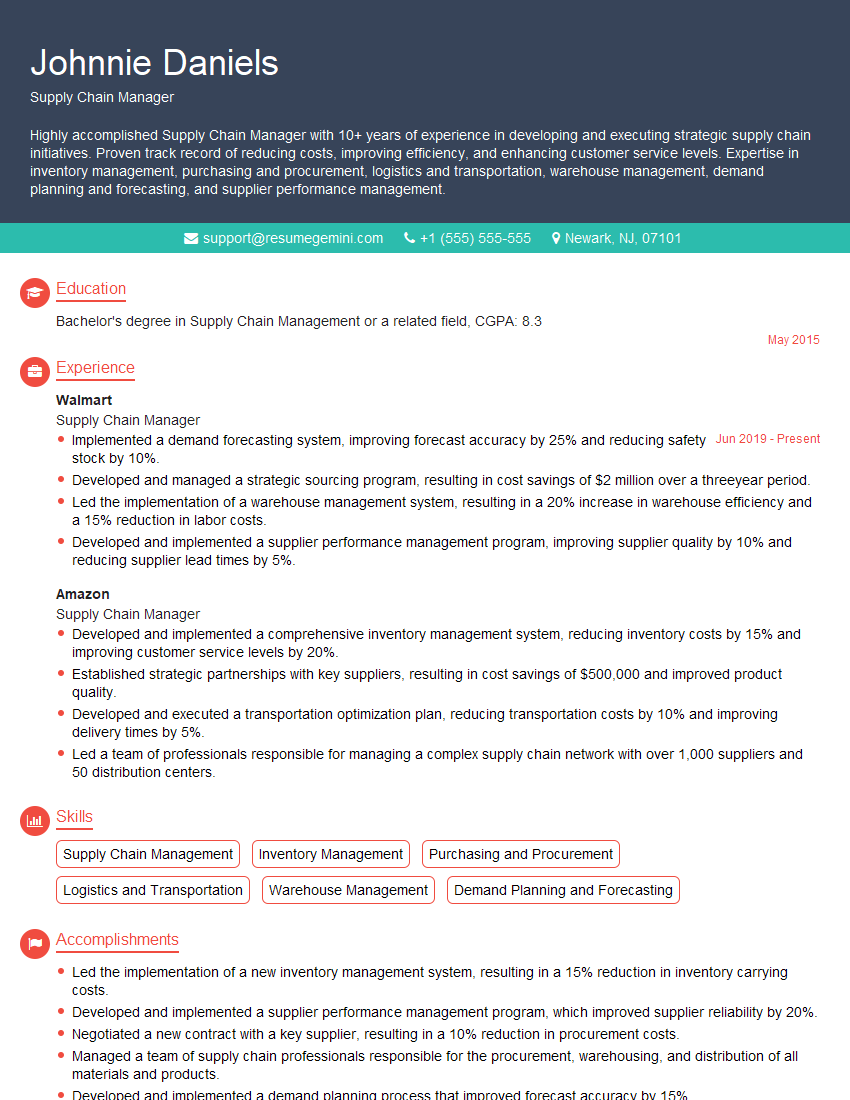
Supply Chain Manager Resume Sample
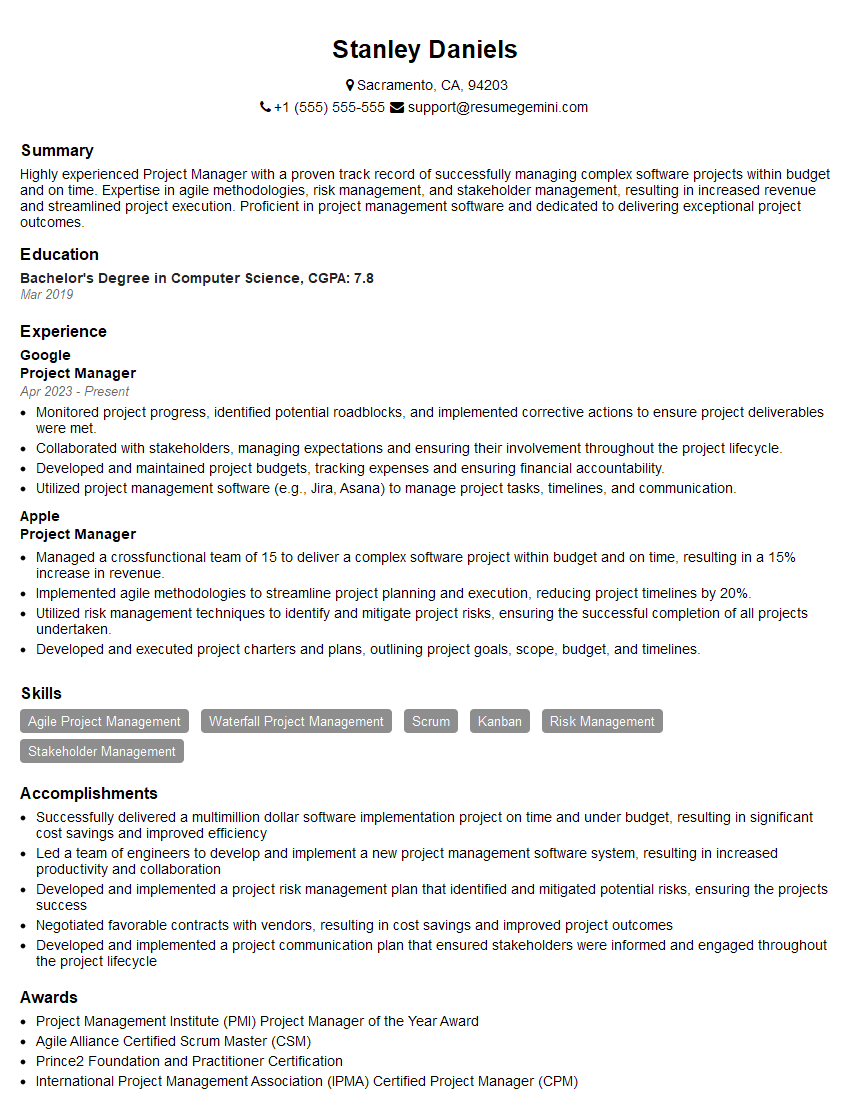
Project Manager Resume Sample
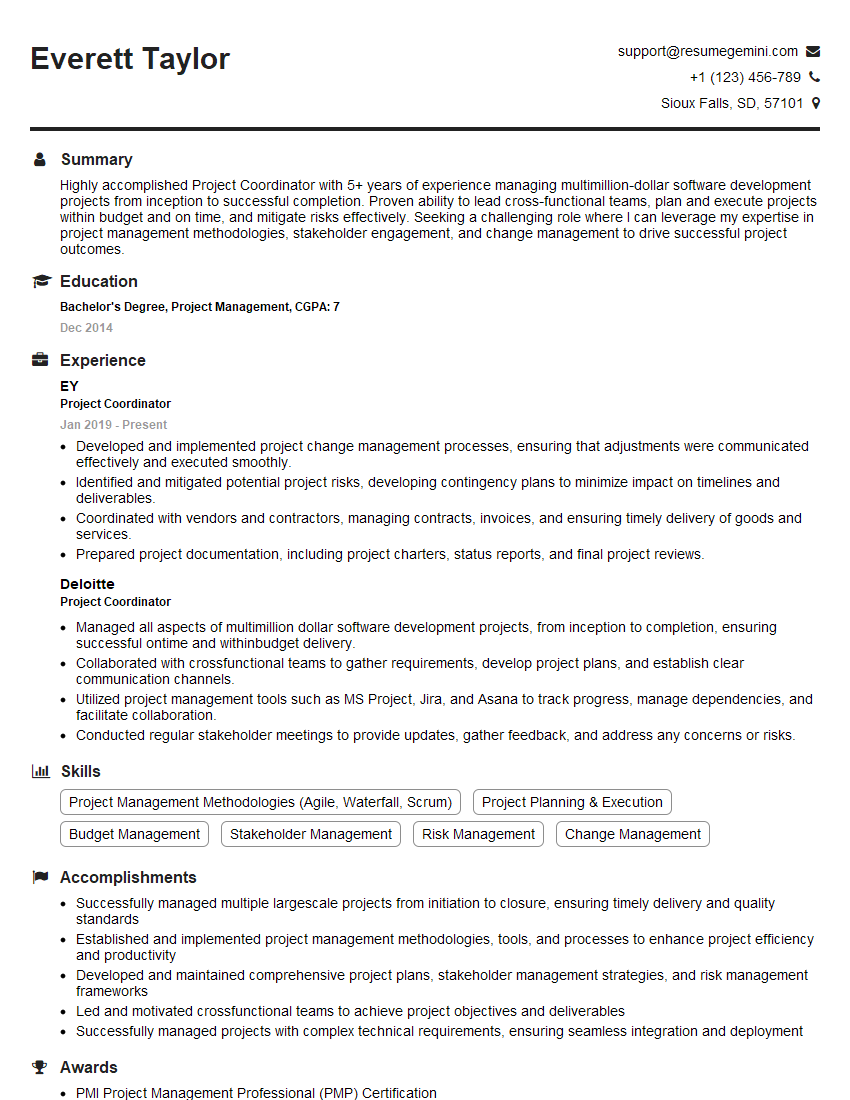
Project Coordinator Resume Sample
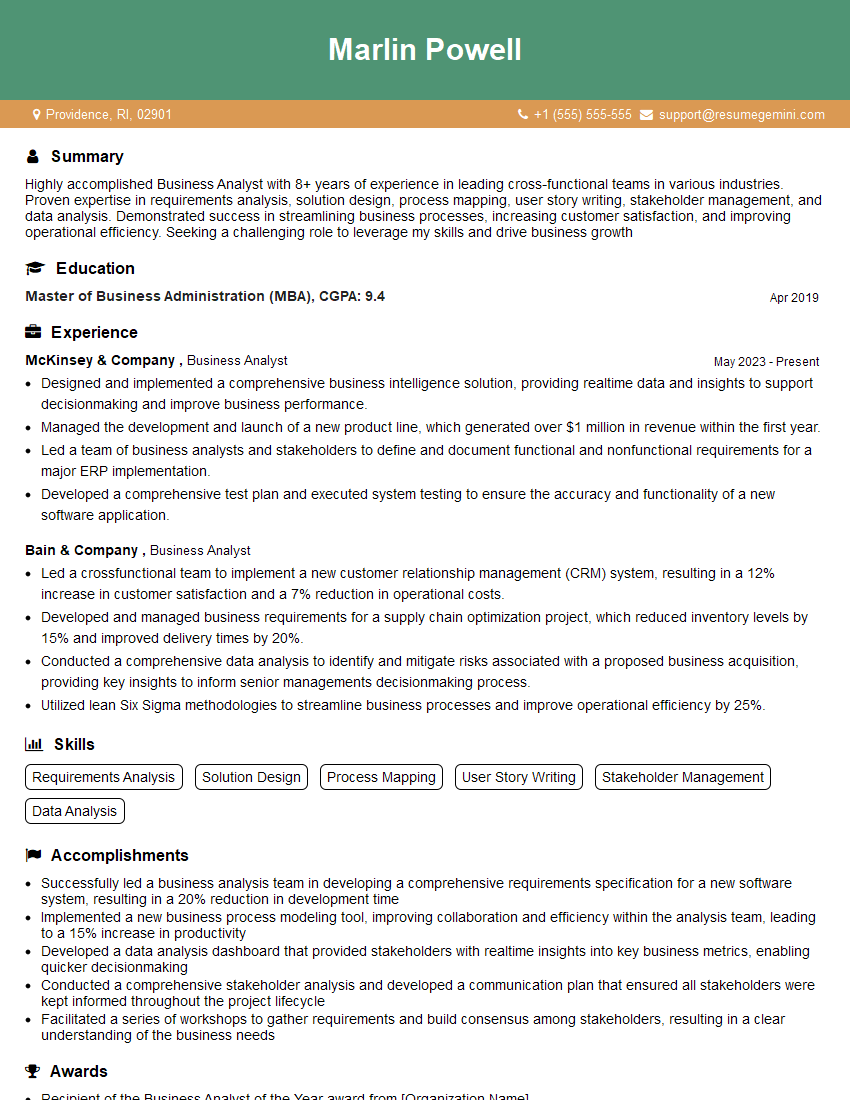
Business Analyst Resume Sample
Management Consultant Resume Sample
Data Analyst Resume Sample
Process Engineer Resume Sample
Technical Project Manager Resume Sample
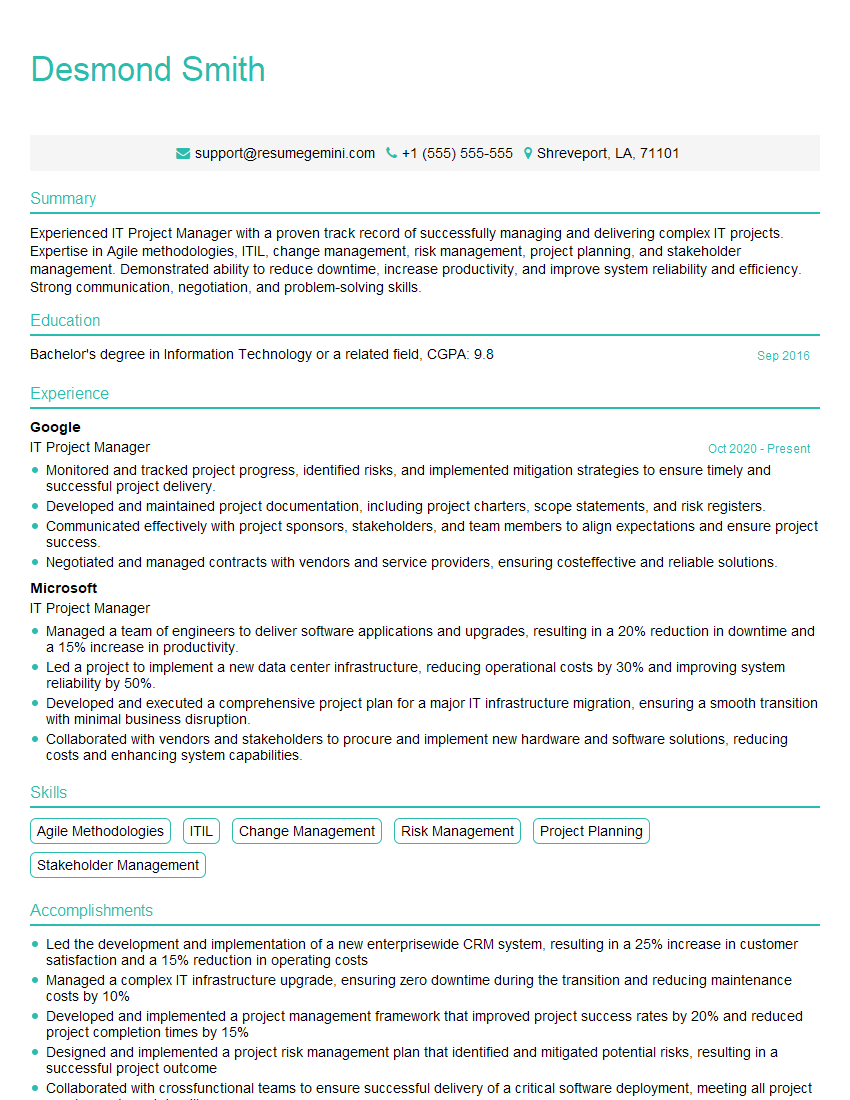
IT Project Manager Resume Sample
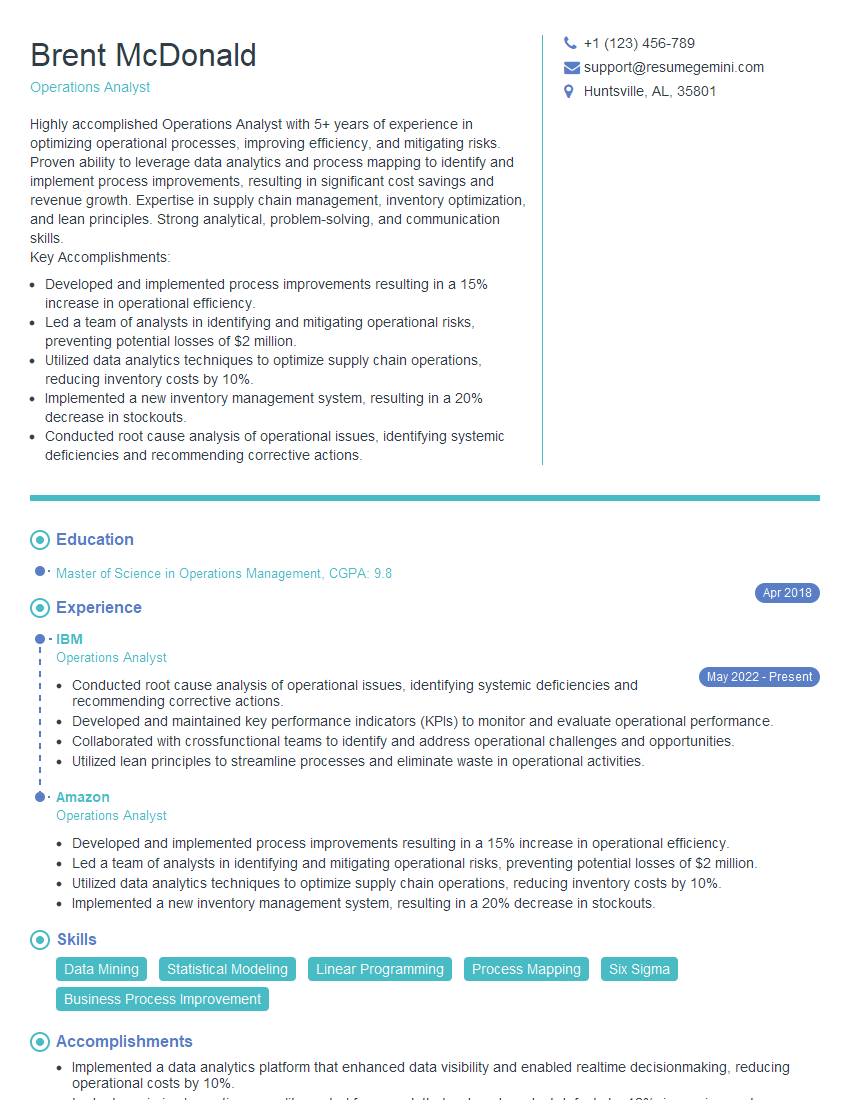
Operations Analyst Resume Sample
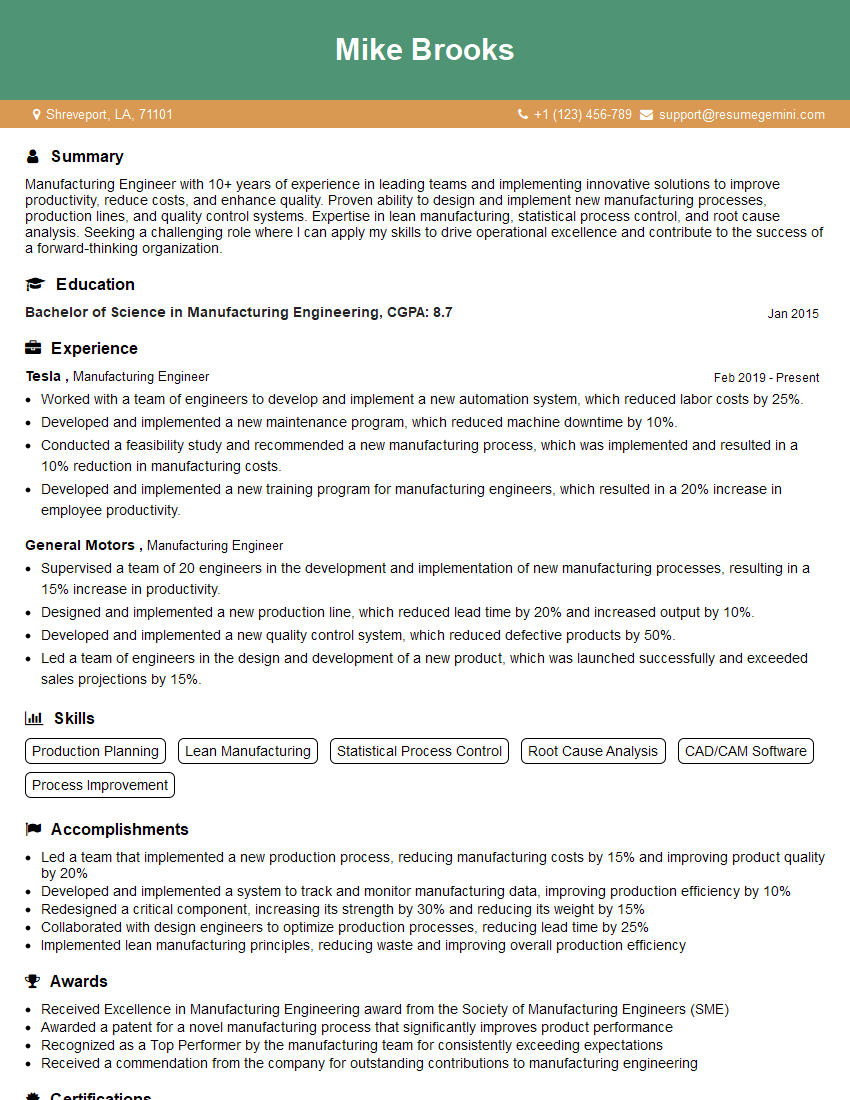
Manufacturing Engineer Resume Sample
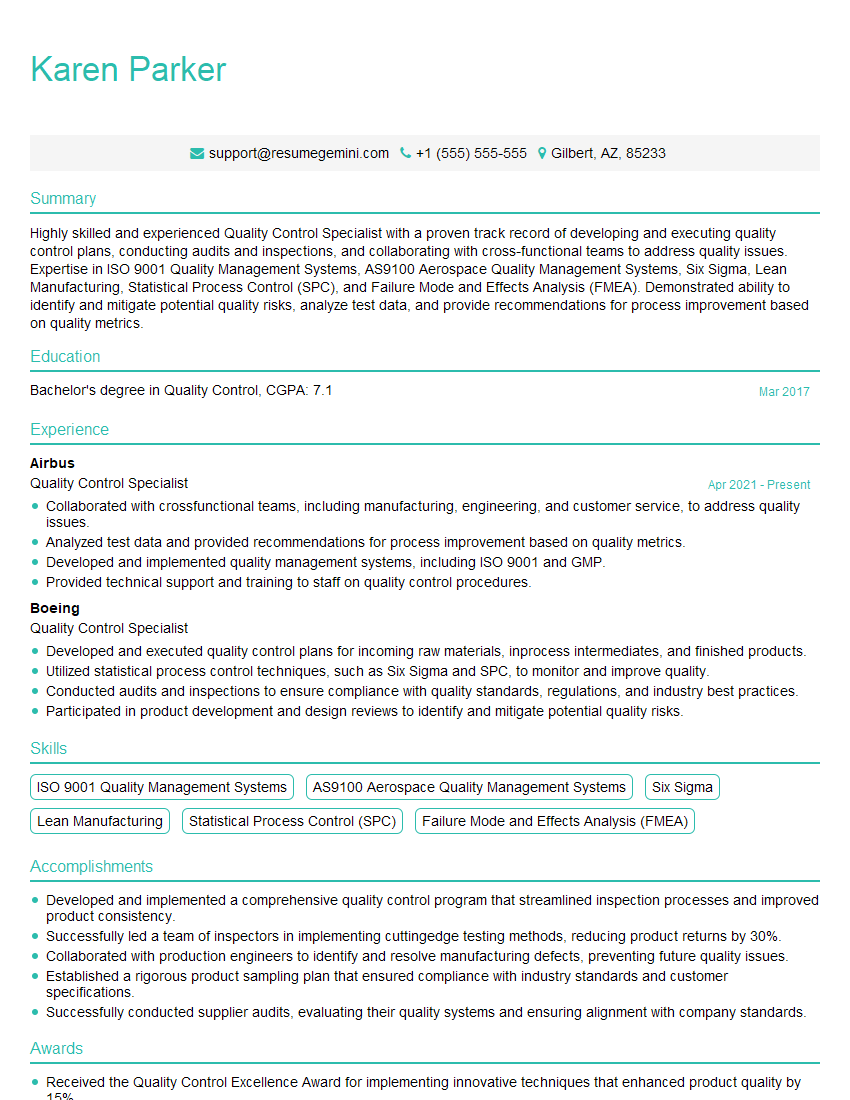
Quality Control Specialist Resume Sample
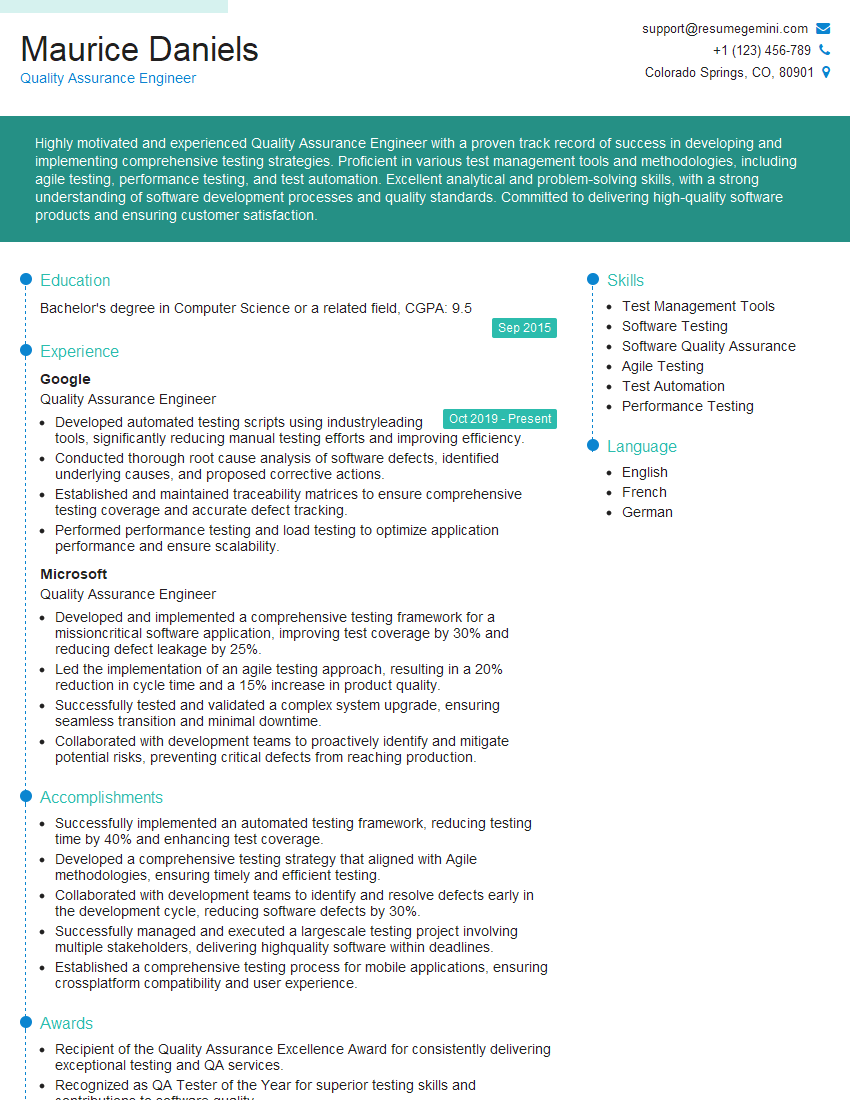
Quality Assurance Engineer Resume Sample
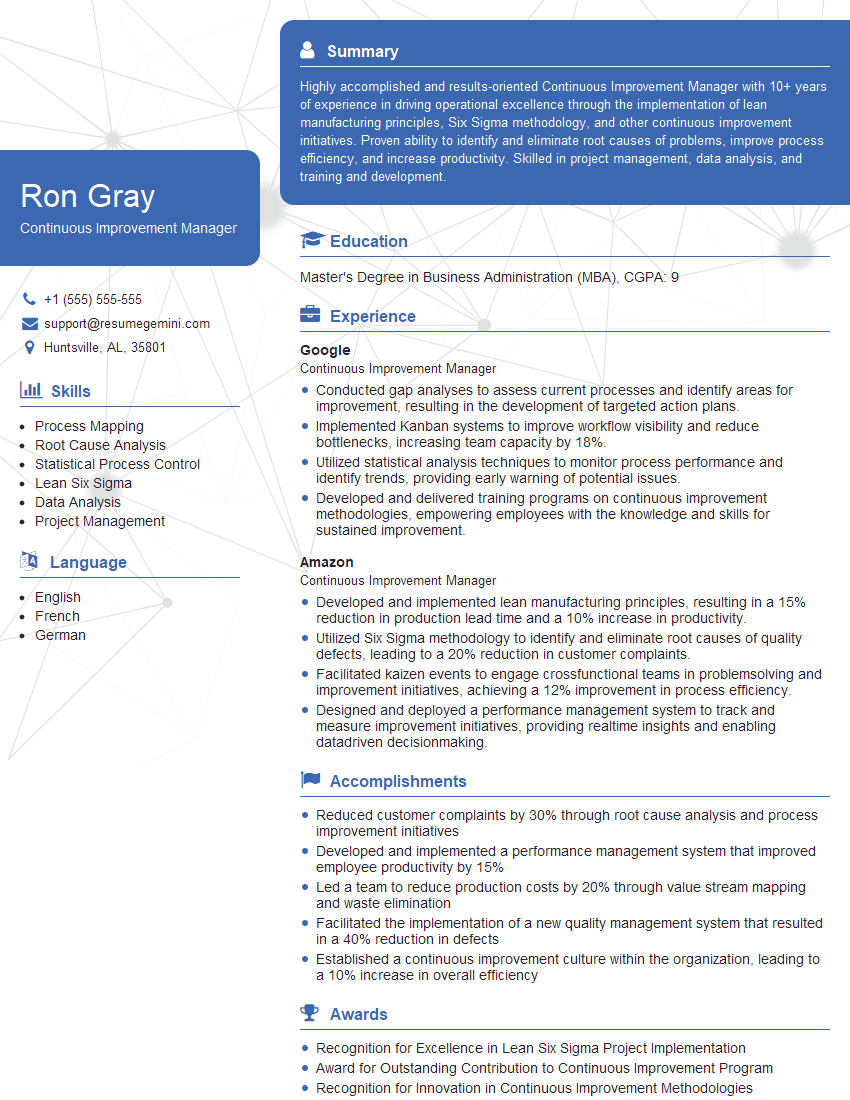
Continuous Improvement Manager Resume Sample
- Program Manager
- Operations Manager
- Product Manager
- Quality Control Manager
- Supply Chain Manager
- Project Manager
- Project Coordinator
- Business Analyst
- Management Consultant
- Data Analyst
- Process Engineer
- Technical Project Manager
- IT Project Manager
- Operations Analyst
- Manufacturing Engineer
- Quality Control Specialist
- Quality Assurance Engineer
- Continuous Improvement Manager
Explore more articles
Users Rating of Our Blogs
Share Your Experience
We value your feedback! Please rate our content and share your thoughts (optional).
What Readers Say About Our Blog
Really detailed insights and content, thank you for writing this detailed article.
IT gave me an insight and words to use and be able to think of examples