Unlock your full potential by mastering the most common Planning and Implementation interview questions. This blog offers a deep dive into the critical topics, ensuring you’re not only prepared to answer but to excel. With these insights, you’ll approach your interview with clarity and confidence.
Questions Asked in Planning and Implementation Interview
Q 1. Describe your experience with Agile project management methodologies.
My experience with Agile methodologies is extensive, encompassing Scrum, Kanban, and Lean principles. I’ve led and participated in numerous projects utilizing these frameworks, consistently delivering value incrementally. For instance, in a recent software development project using Scrum, we implemented daily stand-ups, sprint reviews, and retrospectives to ensure transparency, collaboration, and continuous improvement. This iterative approach allowed us to adapt to changing requirements and deliver a high-quality product within the stipulated timeframe. In another project, using Kanban, we focused on visualizing workflow, limiting work in progress (WIP), and optimizing the flow of tasks. This proved particularly effective in managing a project with a large number of parallel tasks and dependencies.
I understand the importance of Agile principles like self-organization, cross-functional teams, and continuous feedback. I’m comfortable working in dynamic environments, adapting to evolving priorities, and fostering a collaborative team culture that thrives on adaptability and rapid iteration.
Q 2. Explain your approach to risk assessment and mitigation in project planning.
My approach to risk assessment and mitigation is proactive and systematic. I begin by identifying potential risks through brainstorming sessions, stakeholder interviews, and reviewing past project experiences. This often involves using tools like SWOT analysis and risk registers. For example, in a project involving a new technology, I identified the risk of insufficient technical expertise as a high-priority concern. To mitigate this, we proactively invested in training sessions for the team and outsourced certain specialized tasks to a proven vendor.
Next, I analyze each risk, assessing its likelihood and potential impact. This informs prioritization, allowing us to focus resources on the most critical risks. For each prioritized risk, we develop a mitigation plan, outlining preventative measures and contingency strategies. This plan is then integrated into the overall project plan and monitored throughout the project lifecycle. Regular risk reviews ensure ongoing assessment and adjustments to the mitigation plan as needed. It’s like a detective story, we predict potential problems and prepare our defense before they can disrupt the case (or the project!).
Q 3. How do you prioritize tasks in a complex project with competing deadlines?
Prioritizing tasks in a complex project with competing deadlines requires a structured approach. I typically employ a combination of techniques including the MoSCoW method (Must have, Should have, Could have, Won’t have), prioritizing by dependency analysis, and utilizing a weighted scoring system.
The MoSCoW method helps to categorize tasks based on their importance, while dependency analysis clarifies the order in which tasks need to be completed. A weighted scoring system allows for a more quantitative approach, assigning scores based on factors like urgency, impact, and risk. For instance, a task critical for a major milestone gets a higher score than a task with a minor impact. This prioritization is then documented and reviewed regularly to account for changes in project circumstances. Regular communication with stakeholders is crucial in ensuring that everyone understands the rationale behind the prioritization and can adapt as needed. It’s like building a house; you need a solid foundation (essential tasks) before you can add the finishing touches (less critical tasks).
Q 4. What tools and techniques do you use for project planning and scheduling?
For project planning and scheduling, I utilize a variety of tools and techniques. Project management software like Microsoft Project, Jira, and Asana are essential for creating Gantt charts, tracking progress, managing resources, and facilitating collaboration. These tools allow for clear visualization of tasks, dependencies, and timelines.
Beyond software, I utilize techniques like Work Breakdown Structure (WBS) to decompose complex projects into smaller, manageable tasks. Critical Path Method (CPM) and Program Evaluation and Review Technique (PERT) help identify critical tasks and estimate project durations, considering uncertainty. These tools, used in conjunction, offer a robust framework for planning and managing even the most intricate projects. Think of it as a comprehensive toolkit—each tool serves a specific purpose in ensuring that the project is well-planned, well-executed, and stays on track.
Q 5. Describe your experience with Gantt charts and their use in project management.
Gantt charts are a powerful visual tool for project planning and tracking. They provide a clear overview of tasks, their durations, dependencies, and milestones across the project timeline. I have extensive experience using Gantt charts to communicate project plans to stakeholders, monitor progress, and identify potential delays. For example, in a recent construction project, the Gantt chart clearly showed that the foundation work was critical and had to be completed before the framework could begin. Any delays in the foundation would directly impact the project timeline.
Beyond simple scheduling, I use Gantt charts to highlight critical path activities and resource allocation. Visual cues like colors and shading can be used to represent different teams or status of tasks (e.g., completed, in progress, delayed). The ability to easily visualize interdependencies helps manage potential bottlenecks and enables proactive adjustment to the schedule. They serve as an essential communication tool for keeping everyone on the same page, from project managers to team members to clients.
Q 6. How do you measure project success?
Measuring project success goes beyond simply delivering a project on time and within budget. I use a multi-faceted approach incorporating quantitative and qualitative metrics. Quantitative metrics include adhering to the budget, meeting deadlines, and achieving specific deliverables. However, equally important are qualitative aspects such as client satisfaction, stakeholder engagement, and the team’s learning and growth.
For example, on a software development project, we measured success not only by delivering the software on time and within budget but also through user feedback surveys that gauged user satisfaction and identified areas for improvement. We also used post-project reviews to evaluate the team’s processes and identify best practices for future projects. A holistic approach to measuring success gives a more comprehensive and meaningful picture of project performance and provides valuable insights for future improvements.
Q 7. Explain your process for creating a detailed project plan.
Creating a detailed project plan involves a phased approach. It begins with a thorough definition of the project’s scope, objectives, and deliverables, often articulated in a project charter. Next, I decompose the project into smaller, manageable tasks using a Work Breakdown Structure (WBS). This provides a hierarchical structure outlining all the work required to complete the project.
Following this, I estimate the time and resources required for each task, considering dependencies and potential risks. Then, I develop a schedule, often using a Gantt chart to visualize task timelines and dependencies. This schedule also accounts for milestones and key deliverables. Resource allocation is determined, considering availability and skill sets. Finally, the plan is reviewed and approved by stakeholders. Throughout the project lifecycle, the plan is monitored, and adjustments are made as necessary to account for changes in scope, schedule, or resources. This iterative approach ensures that the plan remains relevant and adaptable to the changing project dynamics. It’s akin to creating a detailed map before embarking on a journey; the more detailed the map, the smoother the travel will be.
Q 8. How do you handle unexpected changes or challenges during project execution?
Handling unexpected changes is crucial for project success. My approach involves a proactive, flexible, and collaborative strategy. It begins with robust risk management during the planning phase, identifying potential issues and developing contingency plans. This isn’t about predicting the future perfectly, but about building resilience into the project.
When the unexpected hits, I follow a structured process:
- Assessment: Quickly analyze the impact of the change on the project scope, schedule, budget, and resources. This often involves a quick team meeting to gather information and perspectives.
- Communication: Immediately communicate the issue to relevant stakeholders, keeping them informed of the situation and the steps being taken to address it. Transparency is key.
- Problem Solving: Collaboratively brainstorm solutions with the team, considering different options and their implications. This often involves a prioritization exercise based on impact and feasibility.
- Replanning (if necessary): If the change significantly impacts the project, we revise the plan, adjusting timelines, resources, or scope as needed. This revised plan should be documented and communicated to stakeholders.
- Monitoring & Control: Continuously monitor the situation and track the effectiveness of the implemented solutions. Regular updates keep the project on track and allow for swift course correction.
For example, during a website development project, the client suddenly requested a significant design overhaul halfway through the process. We followed this process, assessing the impact (delay and additional cost), communicating with the client, brainstorming solutions (phasing the changes, adjusting the timeline), and revising the project plan accordingly. Open communication and a collaborative problem-solving approach ensured a successful project outcome despite the unexpected change.
Q 9. Describe a situation where you had to revise a project plan due to unforeseen circumstances.
During a large-scale software implementation project, we encountered unforeseen compatibility issues with a third-party system. Our initial plan assumed seamless integration, but testing revealed significant conflicts. This necessitated a complete revision of the integration plan.
The revision involved:
- Impact Assessment: We identified the specific modules affected, the delay caused, and the extra resources required for rework and additional testing.
- Mitigation Strategies: We explored several options, including modifying our software to accommodate the third-party system, requesting changes from the third-party vendor (which proved unrealistic due to their timelines), and redesigning certain aspects of our system to minimize reliance on the problematic integration points. We ultimately opted for a combination of these approaches.
- Revised Schedule & Budget: We adjusted the project schedule to incorporate the extra time needed for rework and testing. A revised budget was created to reflect the added cost of resources and potential vendor fees (even though we didn’t go with this option).
- Communication to Stakeholders: We proactively communicated the issues and revised plan to the stakeholders, ensuring transparency and managing expectations. This included providing regular updates and revised timelines.
This experience highlighted the importance of thorough risk assessment and flexible planning. While we couldn’t predict the incompatibility, our ability to adapt quickly and communicate effectively minimized the negative impact on the project.
Q 10. How do you ensure effective communication within a project team?
Effective communication is the cornerstone of any successful project. My approach focuses on establishing clear communication channels, using appropriate tools, and fostering a culture of open dialogue.
Key strategies I utilize include:
- Regular Meetings: Consistent stand-up meetings (short, daily updates) and more detailed weekly progress meetings to ensure everyone is aligned and aware of roadblocks.
- Project Management Software: Using tools like Jira or Asana to track tasks, deadlines, and progress, facilitating seamless information sharing and collaboration.
- Clear Communication Protocols: Establishing a clear process for reporting issues, requesting assistance, and sharing updates. This might include using a specific communication channel for different types of information.
- Active Listening & Feedback: Creating a safe space for team members to openly express their concerns and contribute ideas. I ensure I actively listen and provide constructive feedback.
- Transparent Communication: Keeping all stakeholders informed of project progress, challenges, and decisions, avoiding information silos.
For instance, in a previous project, we used a combination of daily stand-ups, weekly progress reports, and a dedicated project management platform to maintain open communication, ensuring everyone was aware of their responsibilities and the overall project status. This resulted in improved team cohesion and more efficient problem-solving.
Q 11. How do you manage stakeholder expectations throughout a project?
Managing stakeholder expectations is critical for project success and involves proactive communication, setting realistic expectations, and regularly updating stakeholders on progress.
My approach involves:
- Stakeholder Analysis: Identifying all stakeholders and understanding their interests, influence, and expectations. This allows me to tailor communication strategies to each group.
- Clearly Defined Scope & Objectives: Establishing a clear project scope and objectives from the outset, ensuring everyone understands what the project aims to achieve.
- Regular Updates: Providing regular updates through various channels (e.g., email, meetings, reports) that are concise and relevant to the stakeholders’ specific needs.
- Proactive Communication: Addressing potential issues or delays promptly and transparently, keeping stakeholders informed and managing expectations appropriately.
- Feedback Mechanisms: Establishing mechanisms for receiving feedback from stakeholders, allowing for adjustments and ensuring the project remains aligned with their needs.
In a past project, we used a stakeholder register to track communication preferences and key information. We held regular meetings with key stakeholders and sent out weekly progress reports. This enabled us to proactively address concerns and keep expectations well-aligned, leading to a positive project outcome.
Q 12. What is your experience with budgeting and resource allocation?
I have extensive experience in budgeting and resource allocation. This includes developing budgets based on project requirements, allocating resources effectively, and tracking expenses against the budget.
My approach involves:
- Cost Estimation: Developing detailed cost estimates using various techniques (e.g., bottom-up, top-down) to accurately predict the project’s financial requirements.
- Resource Planning: Identifying and allocating the necessary resources (human, material, financial) to each task, considering availability, skills, and costs.
- Budget Tracking: Regularly monitoring expenses against the approved budget, identifying any variances and taking corrective action as needed.
- Resource Optimization: Continuously evaluating resource utilization and identifying opportunities for optimization to ensure efficient resource allocation.
- Contingency Planning: Incorporating contingency reserves in the budget to account for unforeseen costs or delays.
For example, in a recent project, I developed a detailed budget using a bottom-up approach, breaking down costs by task and resource. We used project management software to track expenses and identify any potential overruns. This proactive approach ensured we stayed within budget while delivering a high-quality product.
Q 13. Describe your experience with project monitoring and reporting.
Project monitoring and reporting are essential for tracking progress, identifying issues, and making informed decisions. My approach involves establishing clear metrics, regularly collecting data, and presenting findings in a clear and concise manner.
Key aspects of my approach include:
- Defining Key Performance Indicators (KPIs): Identifying critical metrics to track project progress, such as schedule adherence, budget compliance, and quality metrics.
- Data Collection: Regularly collecting data on these KPIs through various methods, including project management software, progress reports, and team meetings.
- Progress Reporting: Creating regular reports (e.g., weekly, monthly) that summarize project progress, highlight any issues or risks, and provide recommendations for corrective actions.
- Dashboard Creation: Developing dashboards to visually represent project progress and key metrics, enabling easy monitoring and identification of potential problems.
- Variance Analysis: Analyzing variances between planned and actual performance, identifying root causes, and implementing corrective actions.
For instance, I created a project dashboard that visually tracked key metrics, including schedule, budget, and quality. This dashboard provided real-time insights into project performance, enabling proactive management and preventing potential issues from escalating.
Q 14. How do you identify and resolve project conflicts?
Conflict resolution is an inevitable part of project management. My approach emphasizes proactive conflict management and collaborative problem-solving.
My strategies include:
- Proactive Communication: Fostering open communication and a collaborative environment to prevent conflicts from arising in the first place.
- Early Identification: Actively looking for signs of conflict (e.g., disagreements, tension, lack of communication) and addressing them promptly.
- Mediation: Acting as a neutral mediator to facilitate discussion, help parties understand each other’s perspectives, and find mutually acceptable solutions.
- Collaboration & Compromise: Encouraging collaborative problem-solving, helping parties find common ground and reach compromises.
- Documentation: Documenting agreements and decisions reached to ensure clarity and accountability.
In one instance, a disagreement arose between the development and design teams regarding the feasibility of a particular design element. I facilitated a meeting between the two teams, encouraging open dialogue and collaborative problem-solving. We ultimately found a compromise that satisfied both teams, ensuring project continuity and a high-quality outcome. The key was active listening, fostering understanding, and facilitating a compromise that served the overall project objectives.
Q 15. What is your approach to quality control and assurance in project implementation?
My approach to quality control and assurance is proactive and multifaceted, integrating quality checks throughout the entire project lifecycle. It’s not just about finding defects at the end; it’s about preventing them from occurring in the first place.
- Planning Phase: We define clear quality standards and metrics from the outset. This involves specifying acceptance criteria for deliverables, outlining testing procedures, and identifying potential risks to quality.
- Implementation Phase: Regular quality gates are established at key project milestones. This involves code reviews, testing (unit, integration, system, and user acceptance testing), and regular progress reports that highlight quality metrics.
- Continuous Improvement: We actively track and analyze quality metrics throughout the project. This data informs continuous improvement efforts and helps us identify areas where processes can be refined. For instance, if we see a high defect rate in a particular module, we might adjust our coding standards or training programs. We also conduct regular post-mortems to identify what went well and what could be improved.
- Tools and Techniques: I leverage various tools and techniques, including Six Sigma methodologies, risk management frameworks, and software testing tools, to enhance the quality of deliverables. This might include using Jira to track bugs and issues or employing test automation frameworks to ensure comprehensive testing.
For example, in a recent project involving the development of a new e-commerce platform, we incorporated automated testing throughout the development process. This resulted in a significant reduction in post-release bugs, leading to increased customer satisfaction and reduced operational costs.
Career Expert Tips:
- Ace those interviews! Prepare effectively by reviewing the Top 50 Most Common Interview Questions on ResumeGemini.
- Navigate your job search with confidence! Explore a wide range of Career Tips on ResumeGemini. Learn about common challenges and recommendations to overcome them.
- Craft the perfect resume! Master the Art of Resume Writing with ResumeGemini’s guide. Showcase your unique qualifications and achievements effectively.
- Don’t miss out on holiday savings! Build your dream resume with ResumeGemini’s ATS optimized templates.
Q 16. Describe your experience with different project lifecycle methodologies (e.g., Waterfall, Agile).
I’m experienced with both Waterfall and Agile methodologies, understanding that each has its strengths and weaknesses and is best suited to different project types. I tailor my approach based on project requirements, team dynamics, and client preferences.
- Waterfall: This is a linear, sequential approach, well-suited for projects with clearly defined requirements and minimal anticipated changes. My experience with Waterfall includes meticulous planning, detailed documentation, and rigorous testing at each stage. It’s excellent for projects where predictability and stability are paramount, such as infrastructure projects.
- Agile (Scrum, Kanban): Agile methodologies are iterative and incremental, allowing for flexibility and adaptability to changing requirements. My experience includes facilitating sprint planning, daily stand-ups, sprint reviews, and retrospectives. Agile excels in projects where innovation and rapid iteration are critical, like software development.
- Hybrid Approaches: In many cases, a hybrid approach combining elements of both Waterfall and Agile can be most effective. This might involve using Waterfall for the initial planning and high-level architecture and then transitioning to Agile for the detailed development and testing phases.
For example, I’ve successfully led projects using Scrum in fast-paced software development environments, delivering MVPs (Minimum Viable Products) quickly and iteratively, incorporating user feedback along the way. In contrast, I’ve managed infrastructure projects using a more Waterfall-centric approach due to the stricter requirements and limited room for change.
Q 17. How do you utilize data analysis to inform project decisions?
Data analysis is crucial for informed decision-making throughout the project lifecycle. I utilize data to track progress, identify risks, and optimize resource allocation. I leverage various analytical techniques depending on the project context.
- Project Tracking: Data on task completion rates, burn-down charts, and resource utilization help monitor progress against the project plan and identify potential delays.
- Risk Management: Analyzing historical data on similar projects helps identify and assess potential risks, allowing for proactive mitigation strategies. This might involve using statistical models to predict potential delays or cost overruns.
- Resource Optimization: Analyzing task dependencies and resource allocation data helps optimize the use of resources, ensuring that the right people are working on the right tasks at the right time.
- Performance Evaluation: Analyzing project performance data allows for identification of areas for improvement, leading to better planning and execution in future projects.
For instance, in a recent marketing campaign, we analyzed website traffic data and customer engagement metrics to optimize our ad spending, resulting in a significant increase in ROI (Return on Investment).
Q 18. How do you ensure projects are delivered on time and within budget?
Delivering projects on time and within budget requires a combination of meticulous planning, proactive risk management, and effective communication. My approach involves:
- Realistic Planning: Developing a comprehensive project plan with realistic timelines and resource allocations is essential. This involves careful estimation of task durations, considering potential risks and contingencies.
- Proactive Risk Management: Identifying and assessing potential risks early on and developing mitigation strategies is crucial. This includes regularly monitoring for risks and adjusting plans as needed. Risk logs and mitigation plans are key to success.
- Effective Monitoring and Control: Regular monitoring of project progress, including tracking costs, timelines, and resource utilization, helps identify potential issues early and allows for corrective action.
- Transparent Communication: Open and transparent communication with stakeholders, including regular progress updates and status reports, keeps everyone informed and helps address any issues proactively.
- Change Management: Having a clear process for managing changes to the project scope, timeline, or budget is crucial. This ensures that any changes are properly evaluated and approved before implementation.
For example, in a construction project, I used earned value management (EVM) techniques to track progress and costs against the baseline plan. Early identification of a potential delay in acquiring materials allowed us to secure alternative suppliers, preventing a significant project delay.
Q 19. Describe your process for documenting project decisions and changes.
Maintaining meticulous documentation of project decisions and changes is vital for transparency, accountability, and future reference. My process typically involves:
- Centralized Repository: Using a centralized repository, such as a project management software (e.g., Jira, Asana), ensures all project documentation is readily accessible to all stakeholders.
- Meeting Minutes: Detailed minutes of all project meetings are documented and distributed to all attendees, capturing key decisions, action items, and assigned responsibilities. This serves as an auditable record of decisions.
- Change Management Log: A change management log meticulously tracks all changes to the project scope, timeline, or budget. Each change request is documented, reviewed, approved, and implemented with its impact clearly stated.
- Version Control: For documents and code, version control systems (e.g., Git) are used to track changes and revert to previous versions if necessary. This ensures that the history of decisions and modifications is preserved.
- Decision Records: A formal record is maintained for all significant decisions. This includes the context, rationale, alternatives considered, and the chosen course of action.
For instance, in a software development project, we use Git for code version control and a detailed change management log within Jira to track and document any alteration to requirements and its impact on the timeline and budget.
Q 20. What is your experience with project closure and post-implementation reviews?
Project closure and post-implementation reviews are critical for learning and improvement. My approach involves:
- Formal Closure: A formal closure process includes verifying that all deliverables have been completed and accepted, finalizing documentation, and conducting a final payment process.
- Post-Implementation Review (PIR): A comprehensive PIR is conducted, involving key stakeholders, to evaluate the project’s success against its objectives. This involves gathering feedback on various aspects including timeline, budget, quality, and stakeholder satisfaction.
- Lessons Learned: The PIR identifies lessons learned from both successes and failures. This information is documented and shared with the team to inform future projects. Areas for improvement are highlighted and action plans are created to address them.
- Documentation Archiving: All project documentation is archived in a readily accessible location for future reference.
For example, following a recent website redesign project, we held a post-implementation review that highlighted the effectiveness of our user testing process. We learned that early user feedback significantly reduced the need for post-launch modifications. This knowledge will inform our approach to similar projects in the future.
Q 21. How do you facilitate team collaboration and problem-solving?
Facilitating team collaboration and effective problem-solving is essential for project success. I utilize several strategies:
- Clearly Defined Roles and Responsibilities: Ensuring each team member understands their role and responsibilities minimizes confusion and overlap.
- Open Communication: Establishing open and transparent communication channels helps keep the team informed and promotes collaboration. This includes regular meetings, effective use of communication tools, and actively encouraging feedback.
- Collaborative Tools: Utilizing collaborative tools, such as project management software and shared online workspaces, streamlines communication and facilitates information sharing.
- Conflict Resolution: Proactively addressing conflicts and disagreements through open dialogue and mediation helps maintain a positive and productive team environment.
- Problem-Solving Techniques: Employing structured problem-solving techniques, such as root cause analysis or brainstorming sessions, helps the team identify and address issues effectively. This might include utilizing frameworks like 5 Whys to delve into root causes.
For instance, during a challenging software development sprint, we used a collaborative whiteboard to brainstorm solutions to a particularly complex bug. This visual approach fostered a sense of shared ownership and led to a rapid resolution.
Q 22. Describe a time you had to make a difficult trade-off in project planning.
Difficult trade-offs are an inevitable part of project planning. It’s often a balancing act between scope, time, and budget – the classic ‘iron triangle’. In one project, we were developing a new e-commerce platform. Our initial timeline aimed for a complete launch within six months, including all planned features. However, during the detailed planning phase, we realized that implementing a complex, highly-customizable payment gateway within that timeframe was unrealistic. This gateway was crucial for smooth transactions, but adding it threatened the deadline and potentially the overall project success.
The trade-off involved prioritizing core features to meet the six-month deadline, launching with a simpler, readily available payment gateway. We documented a phased approach: launching with the simpler gateway and integrating the custom gateway in a later phase. This required detailed communication to stakeholders, managing expectations, and securing buy-in for the adjusted scope. It was difficult because it meant delaying some highly desired features, but it ensured a timely launch of a functional platform, preventing bigger risks associated with missing the deadline.
This decision highlighted the importance of constantly evaluating risks and making data-driven choices. Prioritizing based on the Value vs. Effort matrix helped us quantify the impact of each feature and make a well-justified trade-off.
Q 23. How do you ensure the scalability of your project plans?
Scalability in project planning means designing a system that can handle increased demands in the future without significant rework or limitations. It’s about building for growth. To ensure scalability, I focus on several key areas:
- Modular Design: Breaking down the project into independent modules allows for independent scaling. Changes in one module don’t affect others. Imagine building with Lego blocks – you can add or remove blocks without affecting the entire structure.
- Flexible Architecture: Using scalable technologies and cloud-based infrastructure allows easy expansion of resources (computing power, storage, etc.) as needed. Think of it like using a cloud storage service; you can add more storage as your data grows without buying new hardware.
- Data-Driven Decision Making: Regular monitoring of system performance and resource utilization helps predict future demands and plan accordingly. This prevents bottlenecks and allows proactive scaling.
- Future-Proofing: Anticipating potential growth and designing the system to accommodate it. This often involves incorporating flexible design principles and choosing technologies with a proven track record of scalability.
For example, in a web application project, choosing a scalable database system (like a distributed NoSQL database) is crucial for handling a large number of users and data volume. We also would incorporate automated scaling through cloud services, allowing the application to dynamically adjust resources based on real-time usage.
Q 24. Explain your understanding of critical path analysis.
Critical Path Analysis (CPA) is a project management technique used to identify the sequence of tasks that determine the shortest possible duration of the project. These tasks form the ‘critical path,’ and any delay in these tasks directly impacts the project’s overall completion time. Tasks outside the critical path have some flexibility (float) in their scheduling without delaying the entire project. Think of it as the longest route you must take to reach your destination.
CPA is performed by:
- Defining tasks and their dependencies: Listing all tasks and specifying which tasks must be completed before others can begin.
- Estimating task durations: Determining the time required to complete each task.
- Creating a network diagram: Visually representing the tasks and their dependencies using a chart.
- Identifying the critical path: Determining the longest sequence of dependent tasks, which defines the shortest project duration.
Software tools (like MS Project) automate CPA. Understanding the critical path helps prioritize resources, manage risks, and effectively monitor project progress. If a task on the critical path is delayed, immediate corrective action is required to prevent project slippage.
Q 25. How do you adapt your planning approach based on the project’s complexity and scale?
My planning approach adapts dynamically based on project complexity and scale. For small, simple projects, a lightweight, agile approach may suffice. I might use a simple Kanban board or a spreadsheet to track tasks. Communication is often informal and quick.
However, for large, complex projects with multiple teams and stakeholders, a more structured approach is necessary. This might involve using a formal project management methodology like PRINCE2 or PMI, employing detailed work breakdown structures (WBS), critical path analysis, risk management plans, and regular status meetings. I also leverage project management software for better tracking and collaboration.
Regardless of scale, I always prioritize clear communication, risk management, and iterative planning. The complexity and scale dictates the level of detail and formality, but the underlying principles remain the same: clear objectives, well-defined scope, and effective communication.
Q 26. Describe your experience with using project management software (e.g., Jira, Asana, MS Project).
I have extensive experience with various project management software, including Jira, Asana, and MS Project. My choice of software depends on the project’s needs and team preferences.
Jira: Ideal for agile software development projects. Its features like Kanban boards, Scrum boards, issue tracking, and reporting are invaluable for managing sprints and tracking progress. I’ve used Jira to manage backlogs, assign tasks, track bugs, and monitor velocity in several software projects.
Asana: A more versatile tool suitable for both agile and traditional projects. Its intuitive interface and features like task assignments, timelines, and collaboration tools make it a great option for cross-functional teams. I’ve used Asana to manage marketing campaigns and internal projects with good success.
MS Project: A powerful tool for larger, complex projects requiring detailed scheduling and resource allocation. Its Gantt charts and critical path analysis capabilities are essential for managing project timelines and dependencies. I’ve used MS Project for infrastructure projects needing precise resource scheduling and progress tracking.
My proficiency in these tools allows me to efficiently manage projects, track progress, and foster effective collaboration within teams.
Q 27. How do you handle competing priorities when managing multiple projects simultaneously?
Managing competing priorities across multiple projects requires a structured approach and strong prioritization skills. I typically use a combination of techniques:
- Prioritization Matrix: Using a matrix (e.g., Eisenhower Matrix) to categorize tasks based on urgency and importance helps focus on high-impact activities first. This prevents getting bogged down in less critical tasks.
- Time Blocking: Allocating specific time slots for working on different projects. This dedicated focus improves efficiency and reduces context switching.
- Regular Review and Adjustment: Holding regular meetings to review project status, identify bottlenecks, and re-prioritize tasks based on changing needs and priorities. This ensures flexibility in responding to evolving circumstances.
- Clear Communication: Openly communicating priorities and constraints to all stakeholders. Transparency reduces misunderstandings and fosters cooperation.
Essentially, it’s about strategic allocation of time and resources, focusing on the highest value activities while maintaining awareness of all project needs. This requires discipline and the ability to say ‘no’ to less critical requests to maintain focus on the most important tasks.
Q 28. What is your experience with change management within a project context?
Change management in a project context refers to the structured approach to managing changes to a project’s scope, timeline, budget, or requirements. Ignoring changes or poorly managing them can lead to project failure. My approach involves:
- Establishing a Change Control Process: Defining a clear process for submitting, evaluating, and approving or rejecting change requests. This includes documentation of the impact assessment and decision-making process.
- Communication Plan: Keeping stakeholders informed of all changes and their impact. Transparent communication is crucial for maintaining trust and buy-in.
- Impact Assessment: Carefully evaluating the impact of each change request on the project’s scope, timeline, budget, and resources. This involves analyzing risks and potential delays.
- Configuration Management: Maintaining a controlled environment for project documents, code, and other assets to ensure traceability and prevent uncontrolled modifications.
In a recent project, a significant change request emerged mid-way. We followed our established change control process, carefully assessing the impact on the timeline and budget. This involved extra work but helped us avoid unforeseen complications. By properly managing the change and communicating its effect, we maintained stakeholder trust and project success.
Key Topics to Learn for Planning and Implementation Interview
- Project Scoping and Definition: Understanding how to clearly define project goals, deliverables, and constraints. This includes practical application in creating concise and measurable objectives.
- Resource Allocation and Management: Efficiently assigning resources (budget, personnel, time) to tasks. Consider scenarios involving resource conflicts and prioritization strategies.
- Risk Assessment and Mitigation: Identifying potential project risks and developing proactive strategies to minimize their impact. This includes practical exercises in identifying and assessing risks using various frameworks.
- Scheduling and Time Management: Creating realistic project schedules, using appropriate methodologies (e.g., Gantt charts, Agile), and managing timelines effectively. Explore techniques for managing unexpected delays and maintaining momentum.
- Communication and Collaboration: Establishing clear communication channels and fostering collaboration among team members and stakeholders. Practice effective communication strategies for diverse audiences.
- Monitoring and Evaluation: Tracking project progress, identifying deviations from the plan, and implementing corrective actions. Explore different monitoring tools and techniques for evaluating project success.
- Change Management: Adapting to changing project requirements and managing the impact of those changes on the overall plan. This includes understanding how to effectively communicate changes to stakeholders.
- Post-Implementation Review: Analyzing project outcomes, identifying lessons learned, and documenting best practices for future projects. This involves critical evaluation of successes and areas for improvement.
Next Steps
Mastering Planning and Implementation is crucial for career advancement in virtually any field. It demonstrates your ability to manage complex tasks, deliver results, and contribute effectively to team success. To maximize your job prospects, crafting an ATS-friendly resume is essential. This ensures your qualifications are highlighted effectively for recruiters and Applicant Tracking Systems. We highly recommend using ResumeGemini to build a powerful and professional resume. ResumeGemini offers valuable tools and resources, including examples of resumes tailored to Planning and Implementation roles, to help you present yourself in the best possible light.
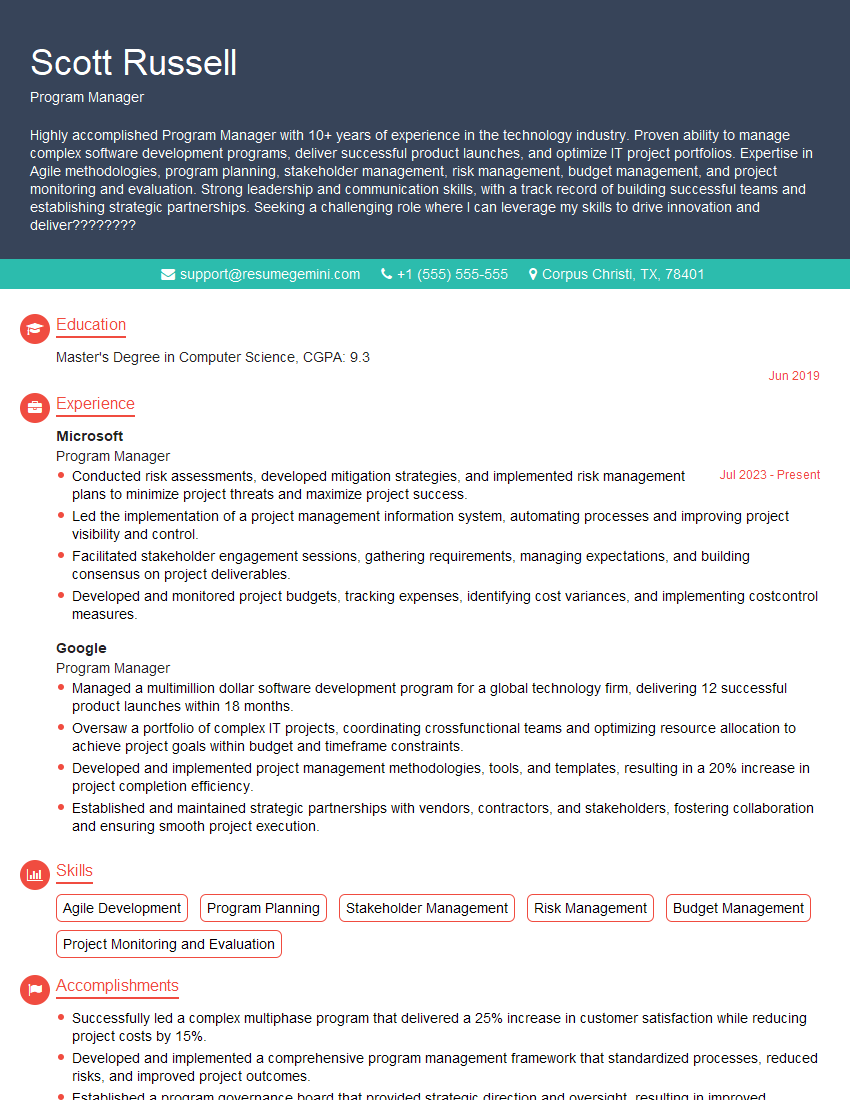
Program Manager Resume Sample
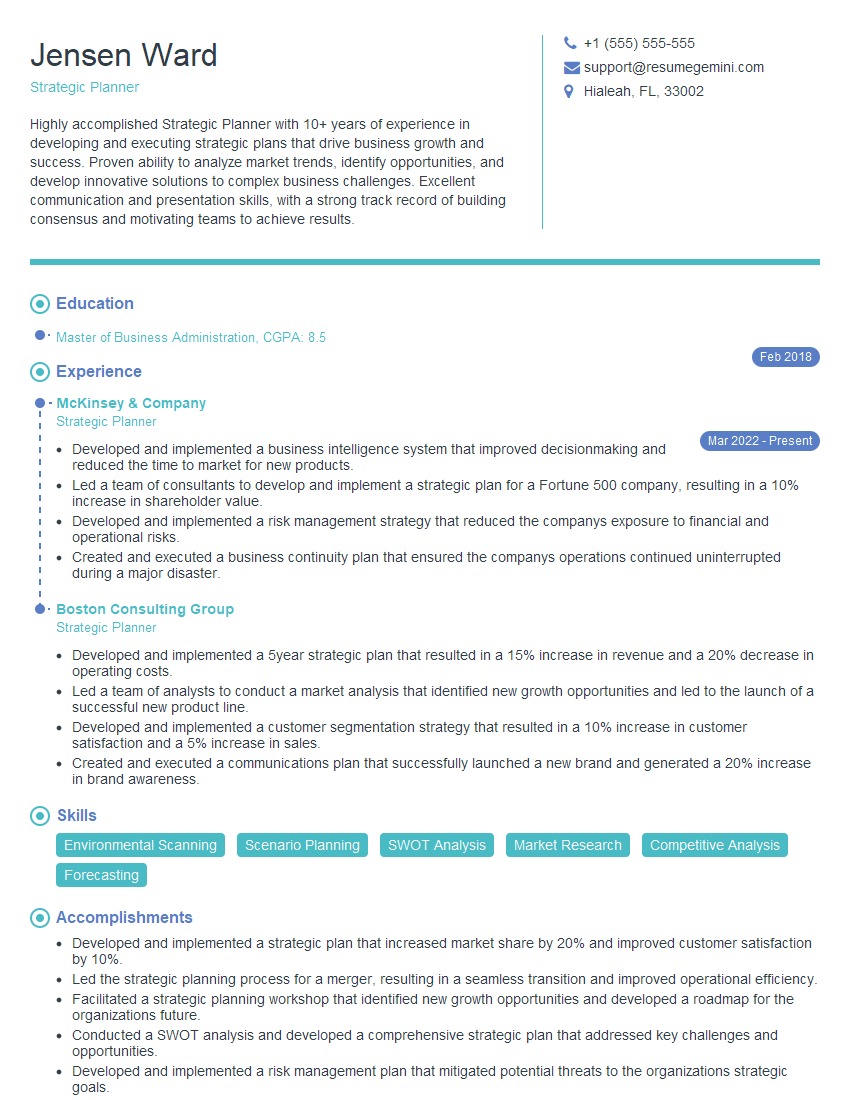
Strategic Planner Resume Sample

Operations Manager Resume Sample
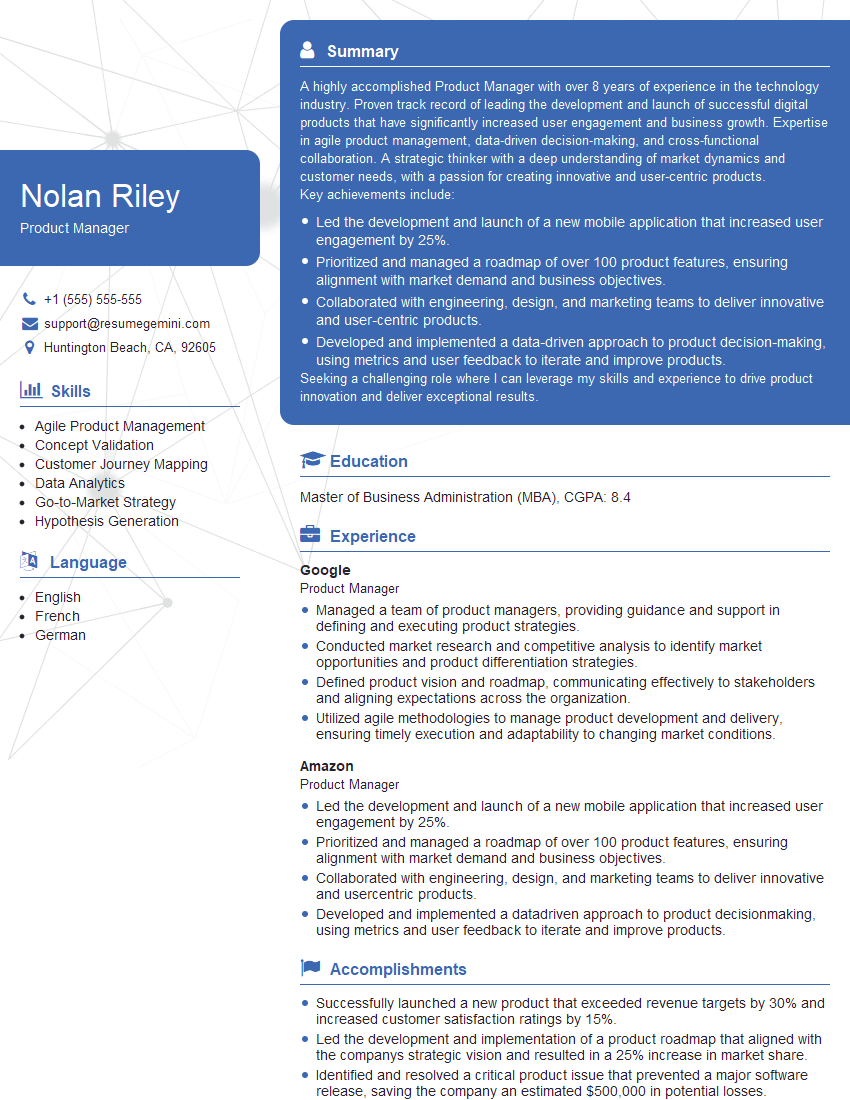
Product Manager Resume Sample
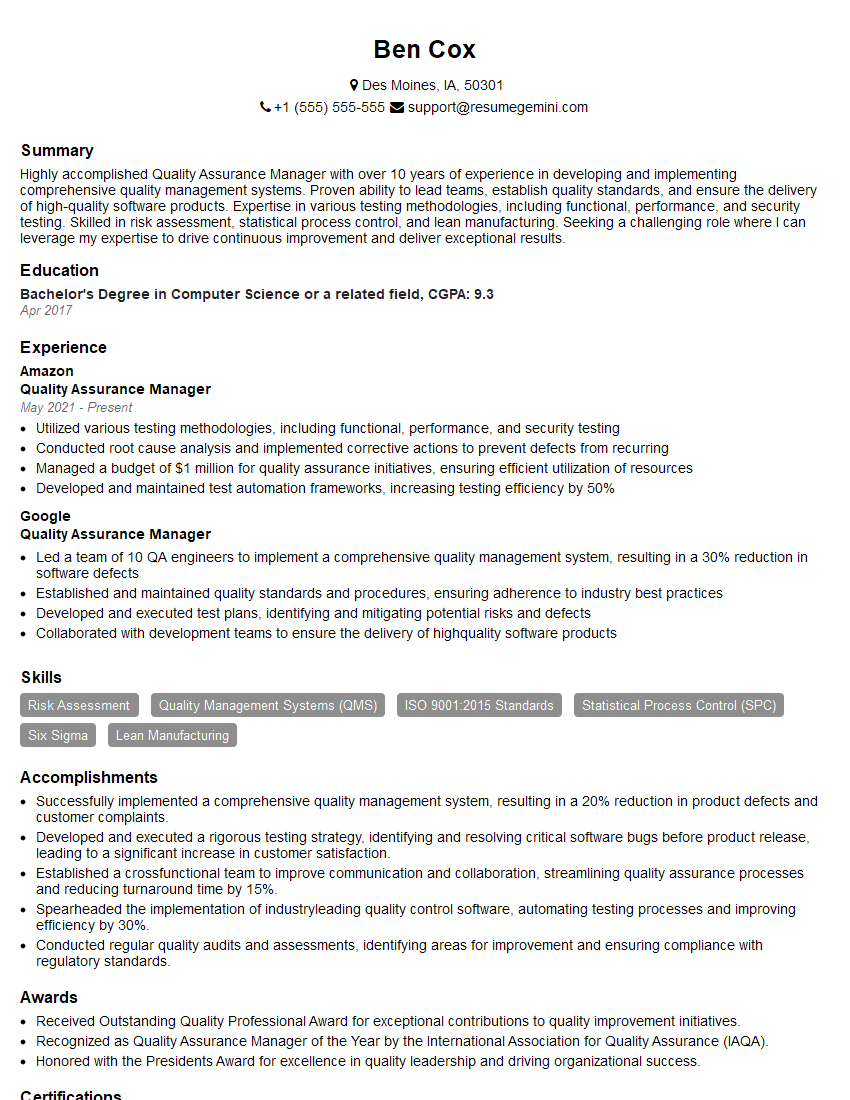
Quality Assurance Manager Resume Sample
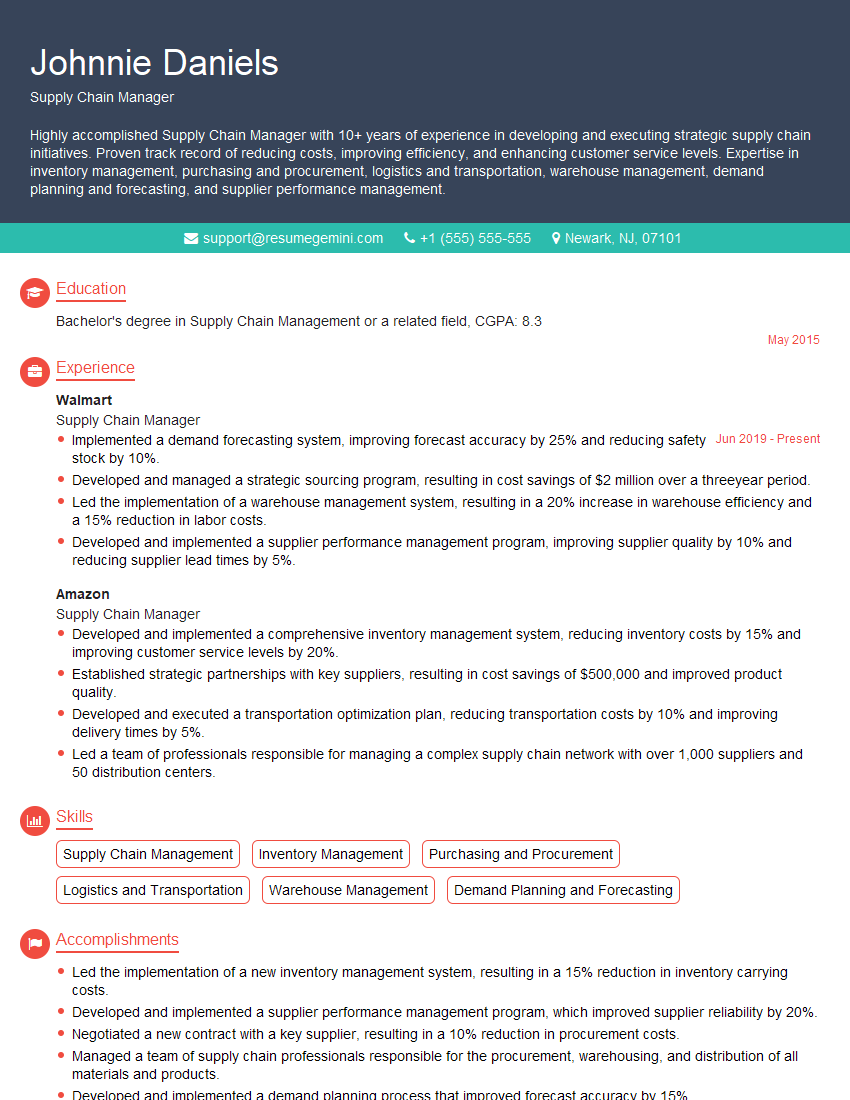
Supply Chain Manager Resume Sample
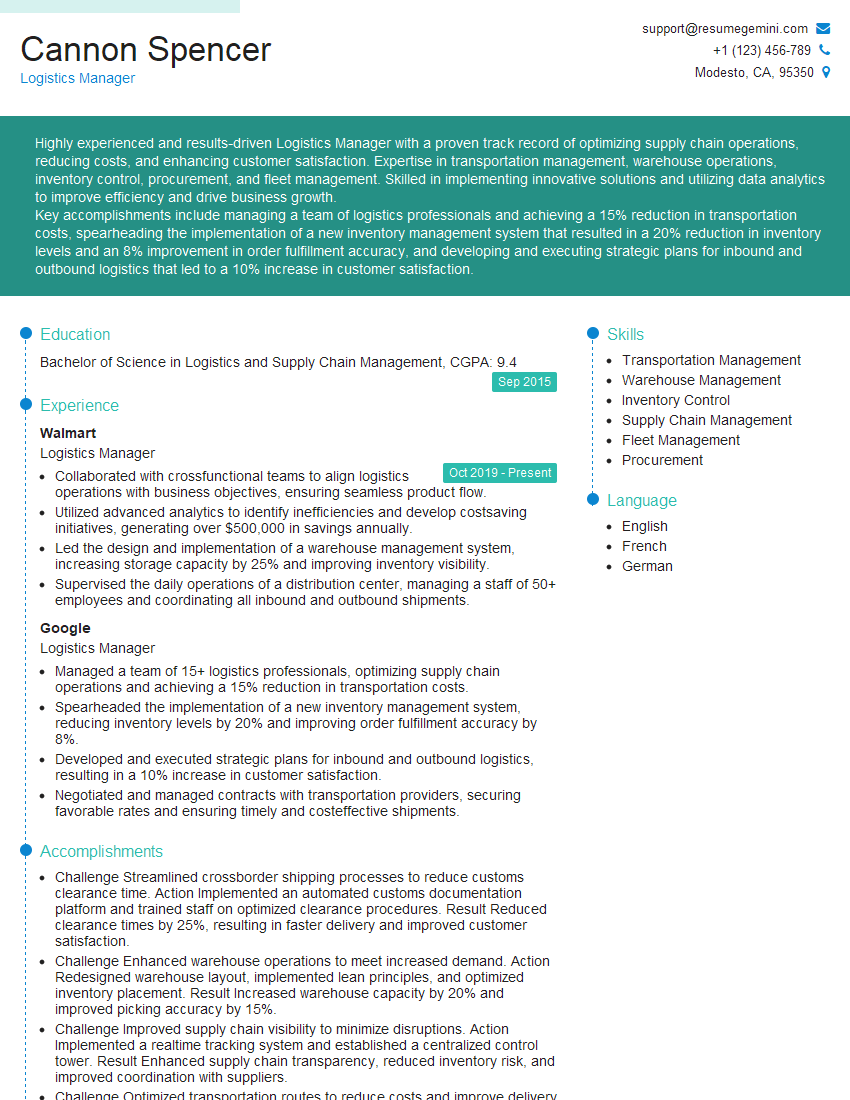
Logistics Manager Resume Sample
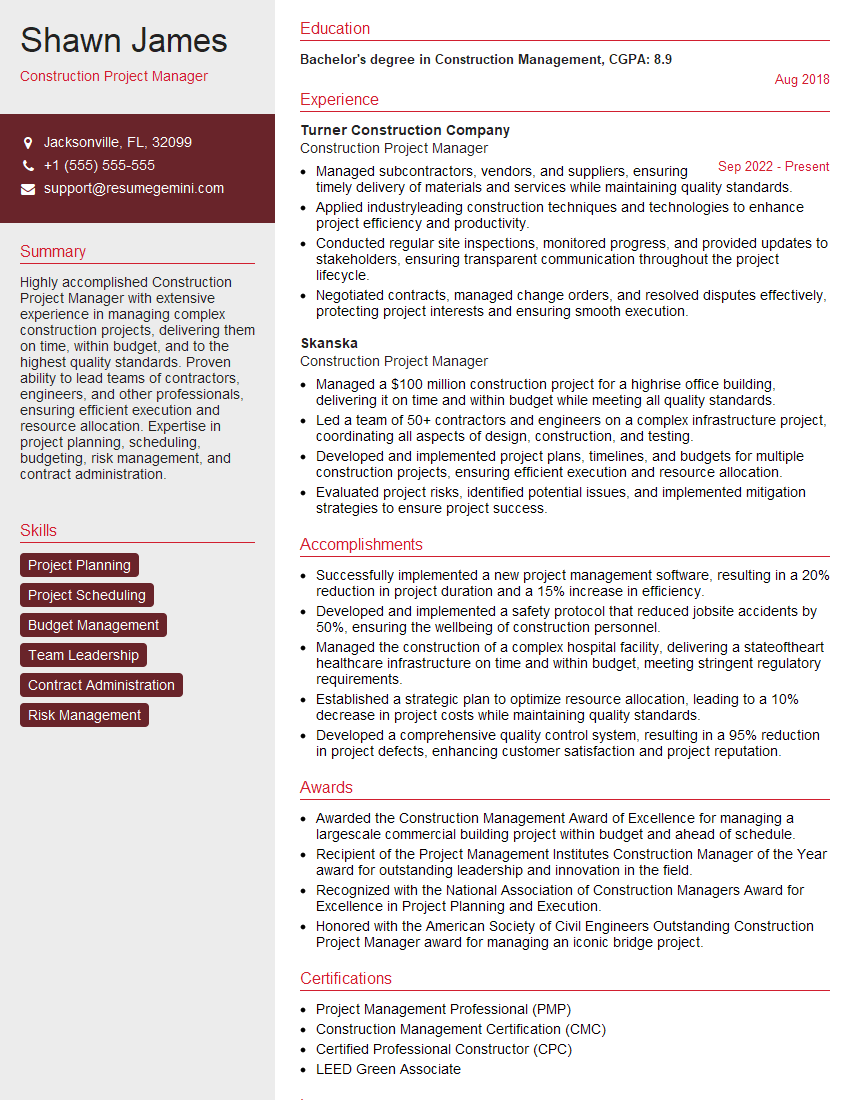
Construction Project Manager Resume Sample
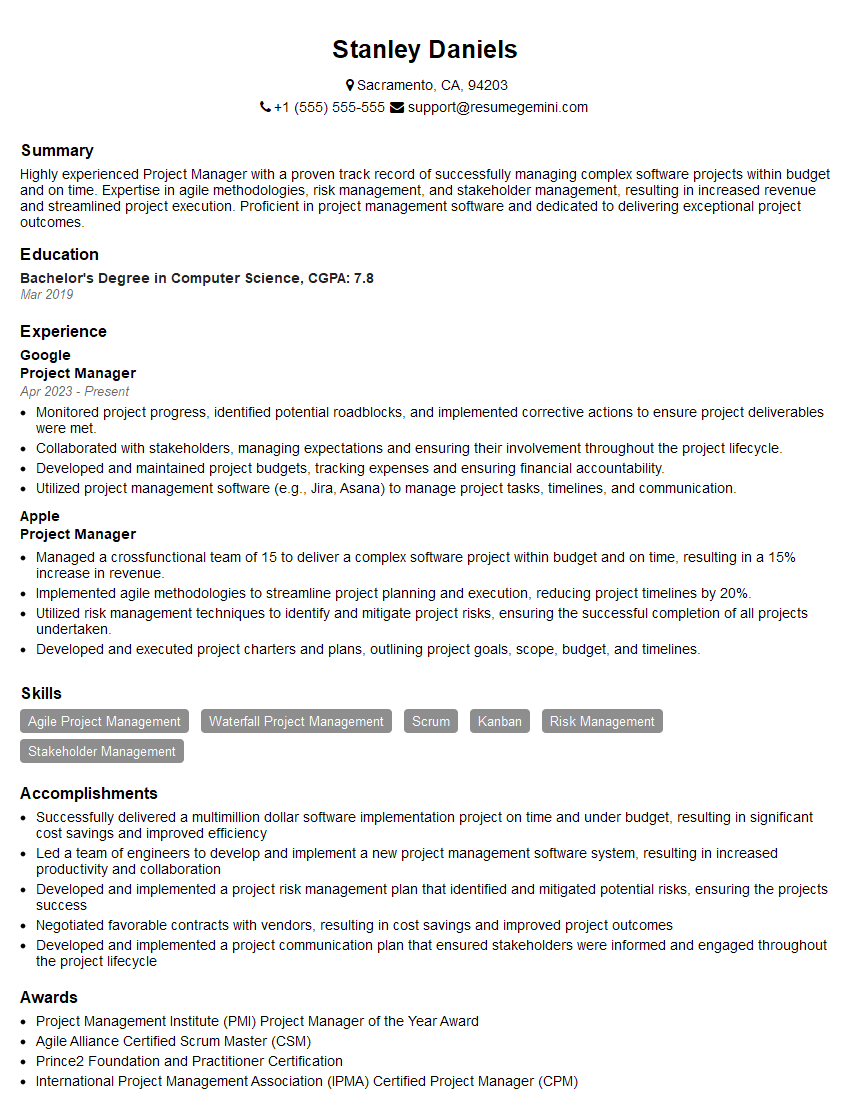
Project Manager Resume Sample
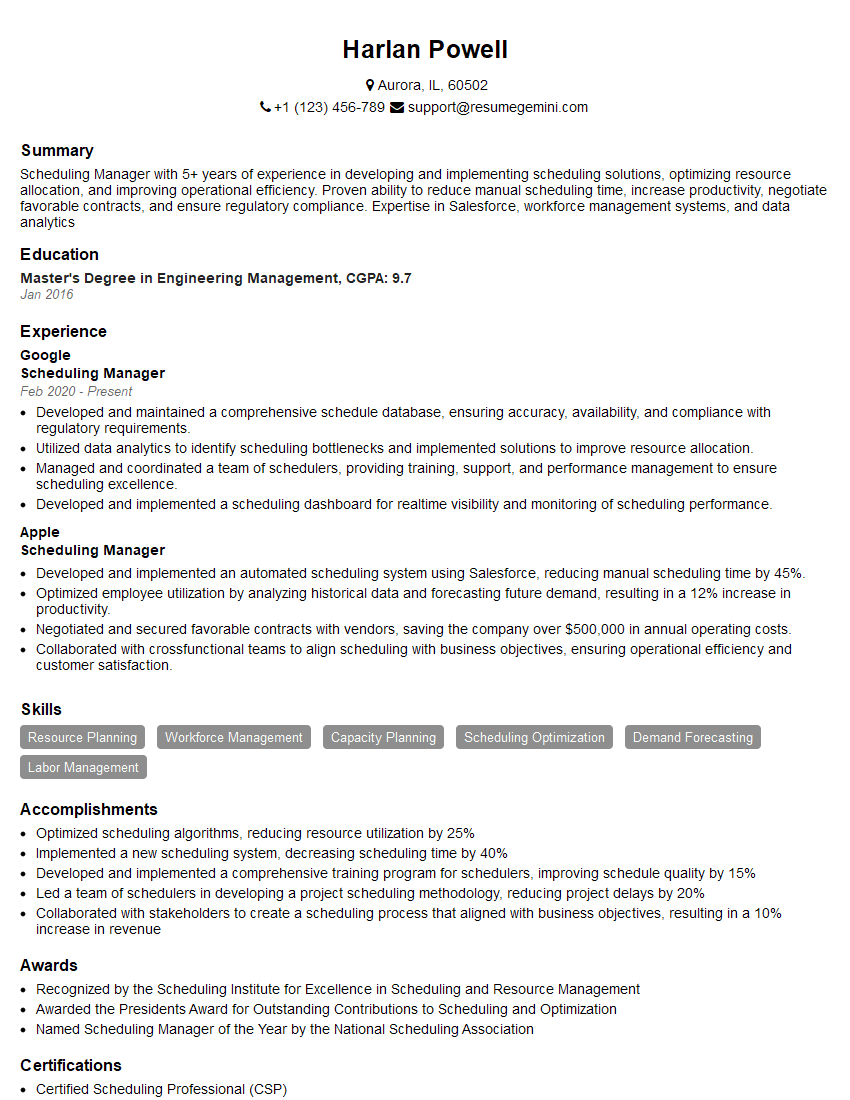
Scheduling Manager Resume Sample
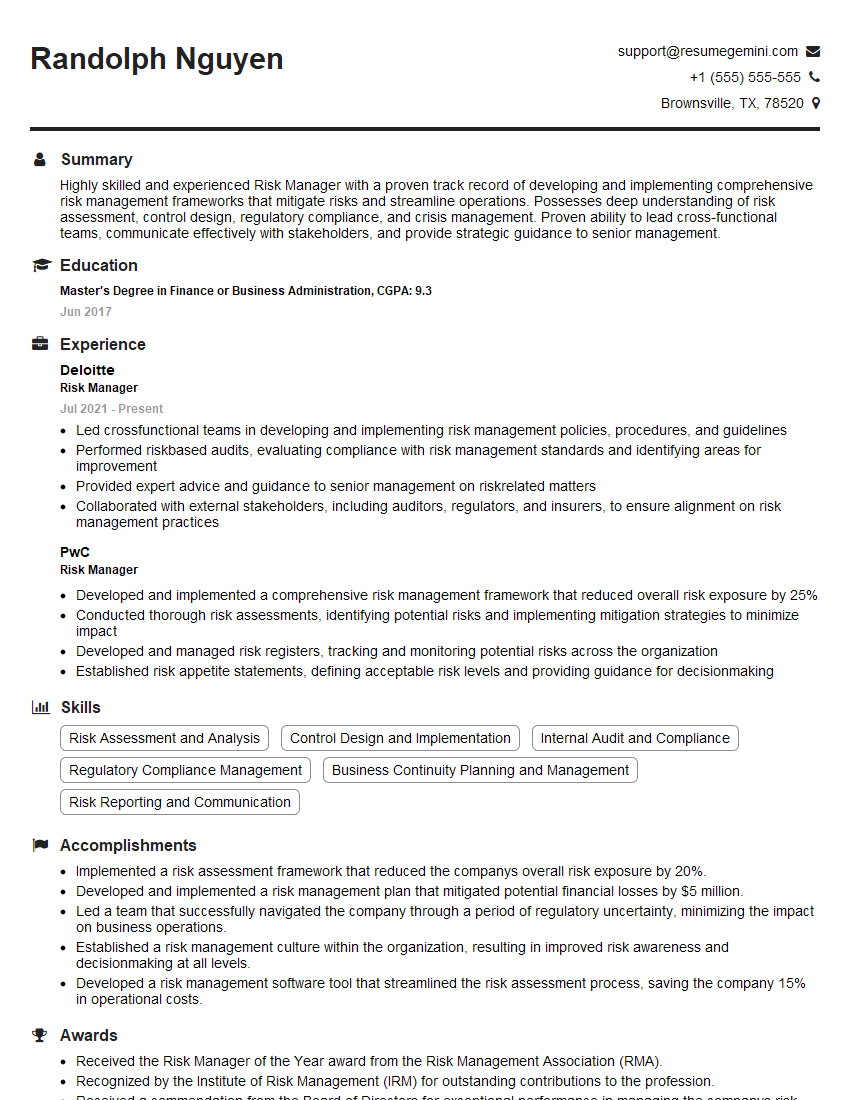
Risk Manager Resume Sample
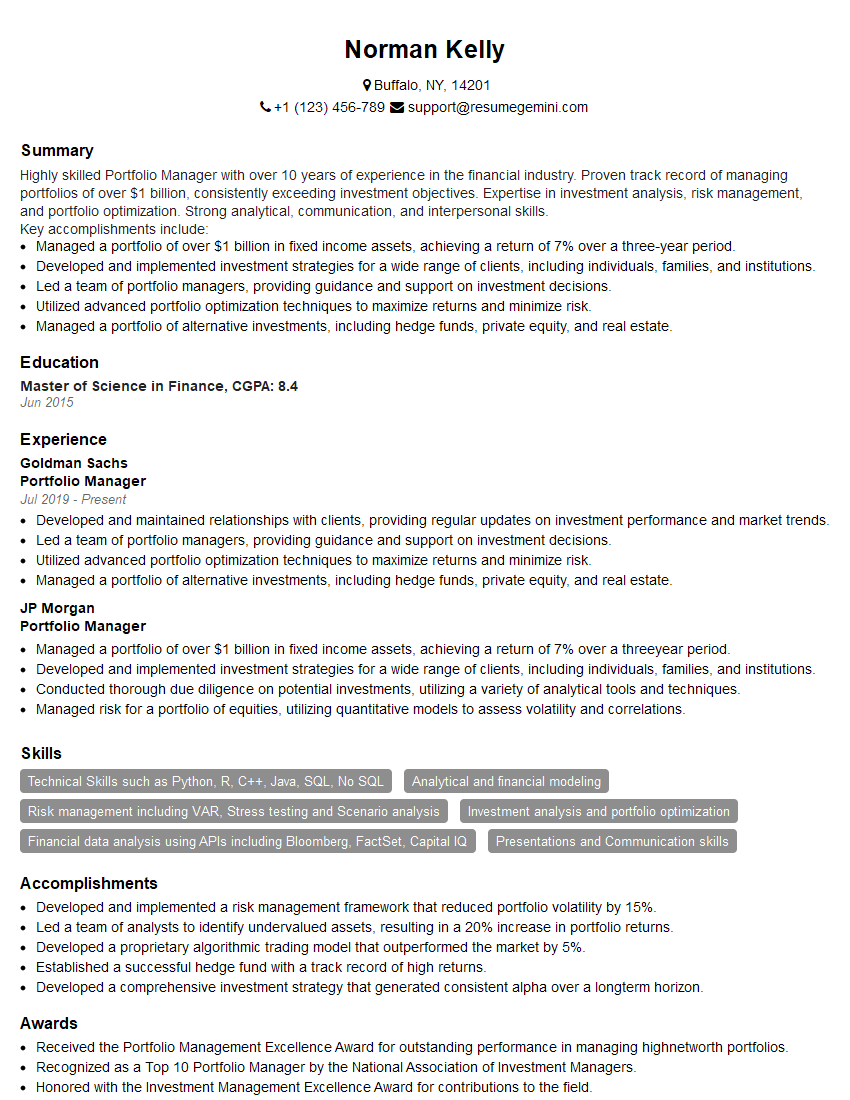
Portfolio Manager Resume Sample
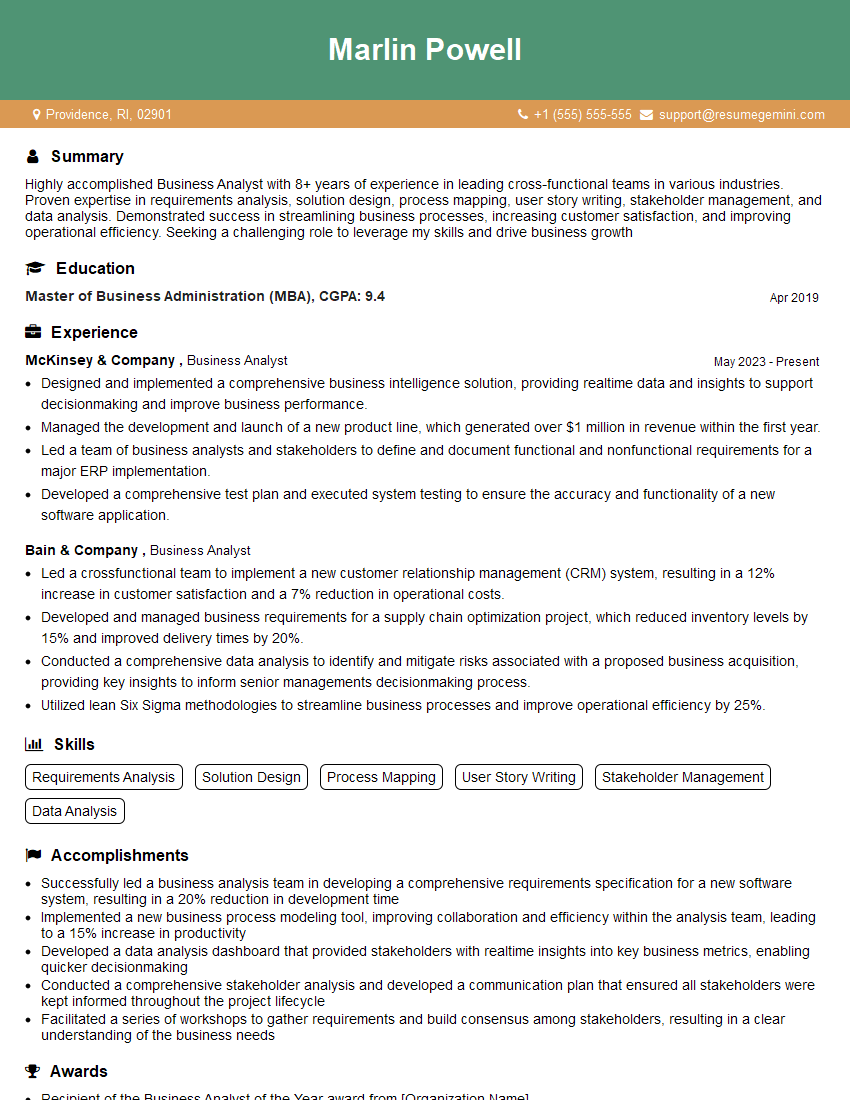
Business Analyst Resume Sample
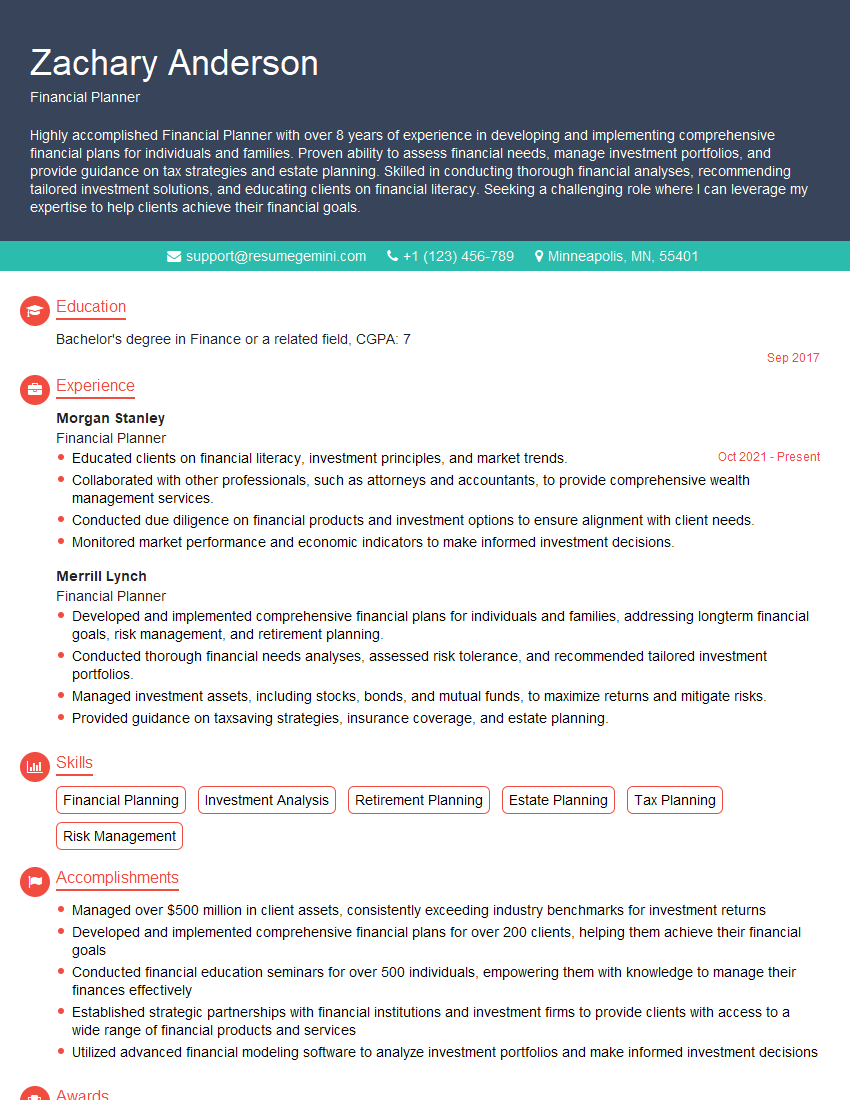
Financial Planner Resume Sample
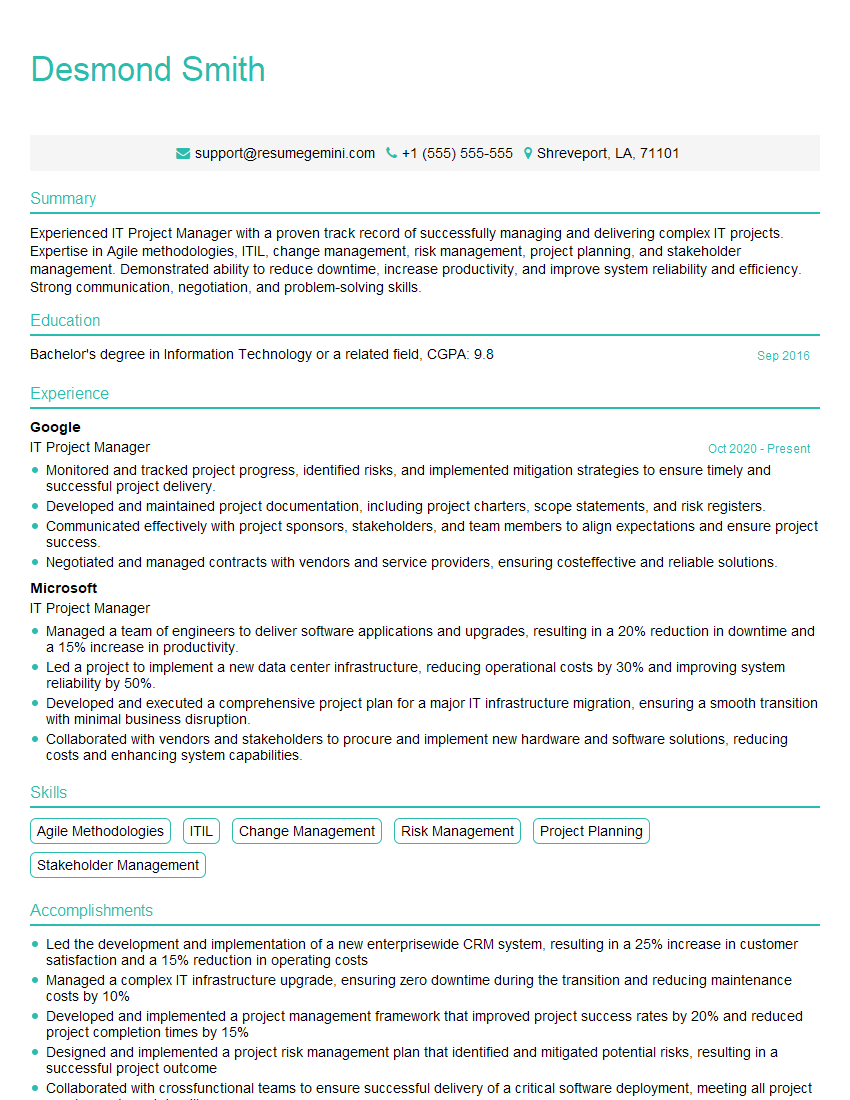
IT Project Manager Resume Sample
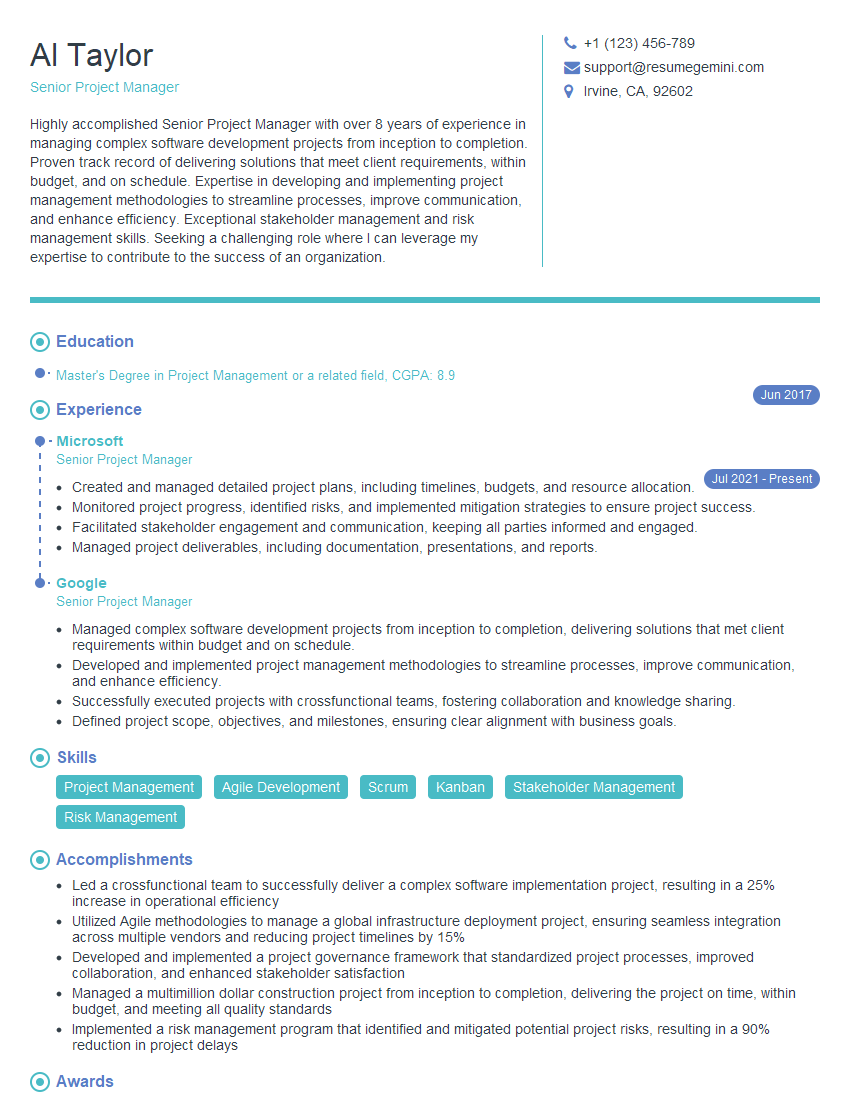
Senior Project Manager Resume Sample
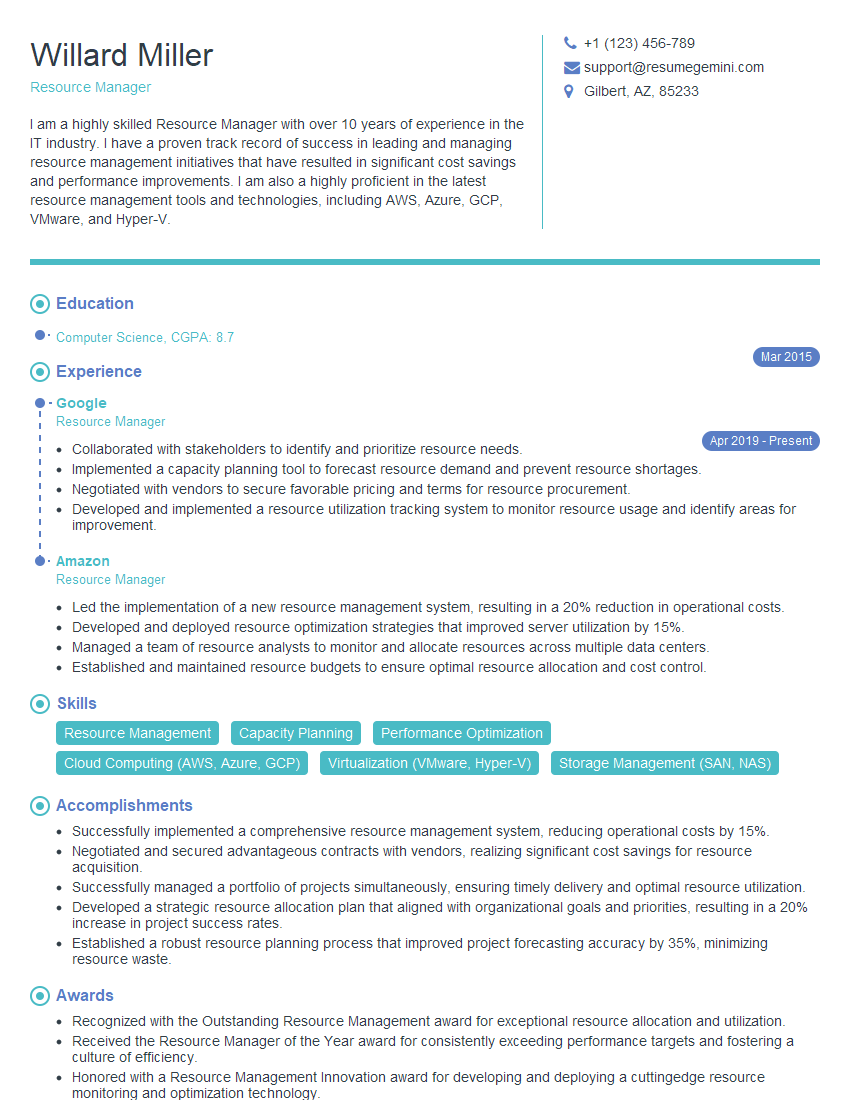
Resource Manager Resume Sample

Planning Manager Resume Sample
- Program Manager
- Strategic Planner
- Operations Manager
- Product Manager
- Quality Assurance Manager
- Supply Chain Manager
- Logistics Manager
- Construction Project Manager
- Project Manager
- Scheduling Manager
- Risk Manager
- Portfolio Manager
- Business Analyst
- Financial Planner
- IT Project Manager
- Senior Project Manager
- Resource Manager
- Planning Manager
Explore more articles
Users Rating of Our Blogs
Share Your Experience
We value your feedback! Please rate our content and share your thoughts (optional).
What Readers Say About Our Blog
Really detailed insights and content, thank you for writing this detailed article.
IT gave me an insight and words to use and be able to think of examples