Every successful interview starts with knowing what to expect. In this blog, we’ll take you through the top Power Plant Maintenance interview questions, breaking them down with expert tips to help you deliver impactful answers. Step into your next interview fully prepared and ready to succeed.
Questions Asked in Power Plant Maintenance Interview
Q 1. Describe your experience with preventative maintenance schedules.
Preventative maintenance schedules are the backbone of reliable power plant operation. They’re meticulously planned routines designed to detect and correct potential issues before they cause major failures or downtime. Think of it like a regular health checkup for your power plant – much better to catch a small problem early than to wait for a major breakdown.
My experience encompasses developing and implementing these schedules for various plant components, from turbines and generators to boilers and cooling systems. This involves analyzing historical data on equipment failures, manufacturer recommendations, and industry best practices. We typically use computerized maintenance management systems (CMMS) to track work orders, schedule tasks, and manage inventory. For example, in one plant, I oversaw the implementation of a predictive maintenance program using vibration analysis on critical rotating machinery, which led to a significant reduction in unplanned outages.
- Developing schedules: This involves breaking down each system into its components and identifying tasks like lubrication, inspections, cleaning, and component replacements based on operating hours or time intervals.
- Prioritization: Critical components requiring more frequent maintenance are prioritized to minimize risk of catastrophic failure. This could involve a risk assessment matrix considering the severity of a potential failure and the probability of its occurrence.
- CMMS utilization: I’m proficient in using CMMS software to track maintenance activities, generate reports, and ensure compliance with regulatory requirements.
Q 2. Explain the importance of root cause analysis in power plant maintenance.
Root cause analysis (RCA) is crucial in power plant maintenance because it moves beyond simply fixing a symptom to identifying the underlying cause of a problem. This prevents recurring issues and improves the overall reliability of the plant. Imagine a car repeatedly having flat tires; simply replacing the tire each time is ineffective. RCA would determine if the cause is a faulty tire, a nail in the road, or a problem with the suspension.
In power plant maintenance, RCA techniques like the ‘5 Whys’ method or fault tree analysis help uncover the root causes of equipment malfunctions or outages. For instance, if a boiler experiences a tube leak, RCA might reveal that the leak is due to corrosion, which is caused by improper water treatment, which is due to a faulty chemical injection system. Addressing the root cause—the faulty chemical injection system—prevents future leaks, saving time, money, and potential damage.
My experience with RCA includes leading investigations into major equipment failures, documenting findings, and implementing corrective actions to prevent recurrence. I use various RCA methodologies and collaborate with operations and engineering teams to ensure a comprehensive analysis.
Q 3. How do you prioritize maintenance tasks in a high-pressure environment?
Prioritizing maintenance tasks in a high-pressure environment requires a systematic approach. We need to balance the urgency of repairs with the overall plant reliability goals. This often involves a combination of techniques.
- Risk-based prioritization: This involves assessing the potential impact of a failure and the likelihood of its occurrence. A critical component with a high probability of failure needs immediate attention.
- Criticality analysis: Identifying essential systems for plant operation helps prioritize their maintenance. For example, the main steam turbine would be far higher priority than a less critical auxiliary system.
- Maintenance backlog management: Prioritizing tasks based on their urgency and impact. A well-designed CMMS helps track work orders and ensures that critical tasks are addressed first.
- Impact analysis: This will allow for the best prioritization. If a component failure has the potential to cause a plant shutdown it will be addressed before a component failure causing minimal plant impact.
In practice, I utilize a combination of these methods. I use a CMMS to track all tasks, assigning priorities based on risk and criticality. Regular meetings with the operations team ensures alignment on current plant priorities and potential upcoming tasks. A good example would be a situation where a minor leak is discovered but a major vibration issue is detected on a critical component. While the leak needs fixing, the vibration issue would take priority as it carries greater risk of catastrophic failure.
Q 4. What are the common causes of turbine blade erosion?
Turbine blade erosion is a significant concern in power plant operation, leading to reduced efficiency and potential damage. The primary causes stem from the high-velocity flow of gases through the turbine stages.
- Solid particle erosion: This is caused by the impact of solid particles, such as dust, ash, or other contaminants present in the combustion gases. These particles can be carried over from the boiler or even be introduced through air intake systems.
- Liquid droplet erosion: This type of erosion occurs when liquid droplets, often water or fuel, are present in the gas stream and strike the blades at high velocity.
- Corrosion-erosion: This is a combined effect where corrosion weakens the blade material, making it more susceptible to erosion.
The severity of erosion depends on factors like particle size, concentration, and velocity, as well as blade material and design. Preventing erosion involves measures like effective air filtration, optimized combustion processes, and careful selection of blade materials resistant to erosion.
Q 5. Describe your experience with boiler water treatment and chemical control.
Boiler water treatment is essential for maintaining the integrity and efficiency of the boiler system. It involves controlling the chemical composition of the water to prevent scale formation, corrosion, and other problems. Think of it as keeping the boiler’s ‘bloodstream’ clean and healthy.
My experience includes overseeing all aspects of boiler water treatment, including:
- Water analysis: Regularly testing the water for parameters like pH, conductivity, dissolved oxygen, and silica content.
- Chemical treatment: Adding chemicals like oxygen scavengers, pH adjusters, and anti-scalants to prevent corrosion and scale buildup.
- Blowdown management: Regularly removing a small portion of the boiler water to control the concentration of impurities.
- Monitoring and control: Using automated systems to monitor water quality and adjust chemical treatment as needed.
For instance, I’ve worked on projects to optimize blowdown procedures, reducing water waste while maintaining effective water quality. A key aspect is understanding the specific chemical needs based on the boiler’s operating conditions and water source.
Q 6. How do you troubleshoot a malfunctioning control valve?
Troubleshooting a malfunctioning control valve involves a systematic approach. First, we need to understand the valve’s function and the system it’s part of.
My troubleshooting steps would typically include:
- Safety first: Isolate the valve and lock out/tag out power before commencing any work.
- Visual inspection: Check for obvious signs of damage, leaks, or obstructions.
- Actuator check: Verify that the valve actuator is receiving the correct signal and is operating correctly. This may involve checking the control system wiring, pneumatic or hydraulic lines, and the actuator itself.
- Valve positioner check: If applicable, ensure the valve positioner is functioning accurately. This often involves calibration or adjustment.
- Valve stem check: Check for binding or excessive friction in the valve stem.
- Pressure drop check: Check the pressure drop across the valve to ensure it’s within the normal operating range.
- Flow check: Ensure that the flow through the valve is correct.
Using these steps, I’ve successfully identified and corrected various control valve issues, from simple adjustments to complete valve replacements. Accurate documentation is critical for future maintenance.
Q 7. What are the safety procedures for working on high-voltage equipment?
Safety procedures for working on high-voltage equipment are paramount. A single mistake can be fatal. These procedures emphasize strict adherence to safety protocols and require specific training and authorization.
Key aspects include:
- Lockout/Tagout (LOTO): This procedure ensures that the power is completely isolated and cannot be accidentally re-energized while work is being performed. It involves physically locking out the breaker and tagging it with information about the work being done.
- Permit-to-work system: A formal permit is required before any work on high-voltage equipment can begin, outlining the procedures, safety precautions, and authorized personnel.
- Personal Protective Equipment (PPE): Appropriate PPE is essential, including insulated gloves, safety glasses, and arc flash protective clothing.
- Grounding: The equipment must be properly grounded to prevent accidental electrical shocks.
- Voltage testing: Before commencing any work, the equipment must be thoroughly tested to ensure that it is completely de-energized. Using appropriate voltage test equipment is crucial.
- Training and qualifications: Only trained and qualified personnel are authorized to work on high-voltage equipment.
I’ve always placed utmost importance on adhering to these safety protocols, and I’ve instilled a safety-first culture in teams I’ve supervised. The consequences of neglecting these procedures are too severe to even contemplate.
Q 8. Explain your understanding of predictive maintenance techniques.
Predictive maintenance is a proactive approach to maintenance that uses data analysis and advanced technologies to predict when equipment is likely to fail, allowing for timely intervention and preventing costly breakdowns. Instead of relying on scheduled or reactive maintenance, we leverage condition monitoring techniques to anticipate potential problems.
- Vibration analysis: Detecting abnormal vibrations in rotating machinery can indicate impending bearing failures or imbalances.
- Oil analysis: Examining oil samples for contaminants or degradation products can reveal wear and tear within engines or gearboxes.
- Thermal imaging: Identifying hotspots using infrared cameras can reveal insulation issues or electrical problems before they cause significant damage.
- Ultrasonic testing: Detecting leaks in pressurized systems or corrosion in pipes using ultrasonic waves.
For example, in a power plant, we might use vibration analysis on a turbine to detect early signs of bearing wear. By identifying the problem before it leads to a catastrophic failure, we can schedule maintenance during a planned outage, minimizing downtime and production losses. This is far more efficient and cost-effective than waiting for a breakdown.
Q 9. How do you manage spare parts inventory for optimal efficiency?
Managing spare parts inventory efficiently is crucial for minimizing downtime and optimizing maintenance costs. It’s a balancing act between ensuring sufficient parts to meet demands and preventing excess inventory that ties up capital and risks obsolescence. My approach involves:
- ABC analysis: Categorizing parts based on their criticality and usage frequency (A – high criticality/high usage, B – medium, C – low). This allows for focused attention on critical parts.
- Vendor Managed Inventory (VMI): Collaborating with key suppliers to manage inventory levels, ensuring timely replenishment of critical parts.
- Just-in-time (JIT) inventory: Ordering parts only when needed, reducing storage costs and obsolescence risks. This requires precise demand forecasting and reliable supplier relationships.
- Data-driven forecasting: Utilizing historical maintenance data and equipment usage patterns to accurately predict future part needs.
For instance, in a coal-fired plant, critical parts for the boiler’s combustion system (Category A) would be more tightly managed compared to less critical parts (Category C) for the lighting system. This ensures we have enough critical parts on hand without excess storage costs.
Q 10. What experience do you have with CMMS (Computerized Maintenance Management Systems)?
I have extensive experience using CMMS software, including planning and scheduling preventative maintenance, tracking work orders, managing inventory, and generating reports. I’ve worked with both on-premise and cloud-based systems, including [mention specific systems if comfortable, e.g., SAP PM, Maximo, Fiix]. My proficiency extends to configuring the system to meet specific plant requirements, training personnel, and integrating it with other plant management systems. I find CMMS systems indispensable for optimizing maintenance processes, improving communication, and reducing costs.
In one project, I successfully implemented a new CMMS system that reduced our maintenance backlog by 40% within six months, improved maintenance scheduling efficiency by 25%, and provided real-time insights into equipment performance and maintenance costs. This allowed for better decision-making and more proactive maintenance strategies.
Q 11. Describe your experience with vibration analysis and its applications in power plant maintenance.
Vibration analysis is a crucial non-destructive testing (NDT) method used to detect mechanical problems in rotating equipment. It involves measuring the vibrations produced by machinery to identify imbalances, misalignments, looseness, bearing defects, and other issues. I have extensive experience using various vibration analysis techniques, including:
- Route-based data collection: Systematically measuring vibration levels at specific points on equipment to track changes over time.
- Spectrum analysis: Using Fast Fourier Transform (FFT) to analyze the frequency components of vibrations to identify specific fault frequencies.
- Trend analysis: Monitoring vibration levels over time to identify developing problems before they escalate.
In a power plant context, I’ve used vibration analysis on turbines, pumps, and generators to diagnose and prevent costly breakdowns. For example, detecting a high-frequency vibration in a turbine bearing allowed us to replace the bearing proactively, preventing a catastrophic failure and unplanned outage.
Q 12. Explain the process of conducting a thermal inspection of a boiler.
A thermal inspection of a boiler involves using infrared cameras to detect temperature variations across the boiler’s surface. This helps identify potential problems like insulation defects, leaks, scaling, and overheating. The process typically includes:
- Preparation: Ensuring the boiler is in a safe and accessible condition, and selecting appropriate safety precautions.
- Data Acquisition: Using an infrared camera to scan the boiler’s surface, creating thermal images. This often requires systematic scanning patterns and careful attention to detail.
- Data Analysis: Reviewing the thermal images to identify areas of abnormal temperature. Hot spots or cold spots may indicate underlying problems.
- Reporting: Documenting findings with clear images, descriptions of anomalies, and recommendations for corrective actions.
An example scenario: During a thermal inspection, we might detect a consistently hot area on a boiler tube. This could indicate scale buildup restricting heat transfer, leading to overheating and potential tube failure. The report would clearly document the location and temperature difference and recommend cleaning or replacement of the affected tube section.
Q 13. How do you ensure compliance with environmental regulations during maintenance activities?
Environmental compliance is paramount in power plant maintenance. We must adhere to all relevant local, regional, and national regulations regarding emissions, waste disposal, and water usage. My approach involves:
- Regular Audits: Conducting internal audits to verify compliance with environmental regulations and identify any areas for improvement.
- Permitting and Reporting: Obtaining and maintaining all necessary environmental permits, and accurately reporting emissions and waste data to regulatory authorities.
- Waste Management: Implementing proper procedures for handling, storing, and disposing of hazardous waste generated during maintenance activities. This includes recycling and responsible disposal strategies.
- Spill Prevention and Response: Developing and implementing spill prevention plans and ensuring that all personnel are trained in emergency response procedures.
For example, when replacing an oil-filled transformer, we would follow strict protocols for handling and disposing of the used oil, ensuring it’s recycled properly and conforms to environmental regulations. This includes proper documentation and reporting to the environmental authorities.
Q 14. Describe your experience with lockout/tagout procedures.
Lockout/Tagout (LOTO) procedures are critical safety protocols designed to prevent accidental energy release during maintenance. They involve isolating equipment from energy sources (electrical, mechanical, hydraulic, etc.), applying locks and tags to indicate the equipment is out of service, and verifying the isolation before work commences. My experience includes:
- LOTO training: I’ve trained numerous personnel on proper LOTO procedures, emphasizing the importance of safety and compliance.
- LOTO program implementation: I’ve been involved in developing and implementing comprehensive LOTO programs, including creating procedures, selecting appropriate lockout devices, and performing audits.
- LOTO audits: I’ve conducted regular audits to ensure compliance with LOTO procedures and identify any areas needing improvement.
In a real-world scenario, before working on a high-voltage switchgear, we would follow a detailed LOTO procedure involving isolating the breaker, applying multiple locks and tags, verifying the isolation with a voltage tester, and only then commencing work. This ensures nobody accidentally energizes the equipment while someone is working on it.
Q 15. What are the common causes of generator failures?
Generator failures, while infrequent with proper maintenance, can stem from several sources. Think of a generator as a highly precise engine; any disruption can lead to problems. Common causes include:
- Stator winding failures: These are often caused by overheating due to inadequate cooling, insulation breakdown from age or moisture, or short circuits from internal damage. Imagine frayed wires in a complex electrical system – a small issue can snowball.
- Rotor failures: Problems here can arise from bearing wear and tear, imbalance causing vibrations (like an unbalanced washing machine), or winding faults.
- Excitation system issues: The excitation system regulates the generator’s voltage. Failures here can lead to voltage instability, and ultimately damage to the generator itself.
- Mechanical issues: These can encompass anything from worn bearings and couplings to misalignment of shafts – essentially, the physical components of the generator failing due to wear and tear or improper installation.
- Overloads and surges: Unexpected spikes in demand or lightning strikes can put immense stress on the generator, leading to immediate or delayed failures.
Effective preventative maintenance, including regular inspections, thermal imaging, and vibration analysis, is crucial in mitigating these risks. We often use predictive maintenance techniques to anticipate failures before they occur, saving significant downtime and costs.
Career Expert Tips:
- Ace those interviews! Prepare effectively by reviewing the Top 50 Most Common Interview Questions on ResumeGemini.
- Navigate your job search with confidence! Explore a wide range of Career Tips on ResumeGemini. Learn about common challenges and recommendations to overcome them.
- Craft the perfect resume! Master the Art of Resume Writing with ResumeGemini’s guide. Showcase your unique qualifications and achievements effectively.
- Don’t miss out on holiday savings! Build your dream resume with ResumeGemini’s ATS optimized templates.
Q 16. Explain your understanding of different types of lubrication systems used in power plants.
Power plants employ various lubrication systems, each tailored to specific equipment needs. The choice depends on factors like operating temperature, load, and the type of machine being lubricated. The most common types include:
- Circulating systems: These systems, often used for large turbines and generators, continuously circulate oil through the components, ensuring consistent lubrication and cooling. Imagine a central oil reservoir constantly pumping lubricant to all moving parts. This is like a circulatory system for machinery.
- Pressure lubrication: This method delivers oil under pressure directly to the critical areas needing lubrication, ensuring proper film thickness. This is vital for high-speed rotating equipment where the friction and stress are substantial. Think of it as a targeted delivery service for lubricant.
- Gravity lubrication: In simpler applications, gravity is used to feed oil to bearings. While simpler, it’s usually less efficient and may not be suitable for high-load scenarios.
- Mist lubrication: This system, commonly used for smaller components, atomizes oil into a fine mist for lubrication. It’s ideal for applications needing minimal lubrication and where access is limited.
Regular oil analysis, including viscosity checks and particle counts, is critical for maintaining the health of these systems and detecting early signs of wear.
Q 17. How do you handle emergency maintenance situations?
Emergency maintenance requires swift, decisive action while prioritizing safety. My approach follows a structured protocol:
- Assess the situation: Immediately determine the nature and extent of the problem, focusing on safety hazards first. Is there a fire, risk of explosion, or exposure to hazardous materials?
- Isolate the affected area: Secure the area to prevent further damage or injury, implementing emergency shutdown procedures if necessary. This might involve isolating sections of the plant or even shutting down entire systems.
- Assemble the emergency response team: Gather the appropriate personnel based on the nature of the emergency. This may include mechanics, electricians, safety officers, and management.
- Implement the emergency maintenance plan: Our established plans detail specific actions for various emergencies. We run drills to ensure everyone’s well-versed.
- Perform repairs or temporary fixes: The priority is to stabilize the situation and restore essential operations as quickly as possible, often involving temporary solutions that will be replaced with permanent fixes later.
- Document everything: Meticulous record-keeping is essential for insurance claims, root cause analysis, and future improvements to prevent similar occurrences.
A recent example involved a sudden turbine trip. We followed this protocol, isolating the turbine, assessing the damage, and arranging for expedited repairs, minimizing downtime.
Q 18. Describe your experience with rotating equipment maintenance.
My experience with rotating equipment maintenance is extensive, encompassing various types of machinery, from steam turbines and generators to pumps and compressors. I’m proficient in:
- Predictive maintenance techniques: Vibration analysis, thermography, oil analysis – these tools allow for early detection of potential issues before they escalate into major failures. This proactive approach has helped prevent catastrophic failures on numerous occasions.
- Overhaul and repair procedures: I have extensive experience disassembling, inspecting, repairing, and reassembling rotating equipment, encompassing everything from replacing bearings and seals to balancing rotors.
- Alignment and balancing: Precise alignment and balancing of rotating equipment are crucial for smooth operation and preventing premature wear. Misalignment is a common cause of failure; I have expertise in laser alignment and dynamic balancing techniques.
- Troubleshooting and diagnostics: I’m adept at diagnosing the root cause of problems in rotating equipment, using both my practical knowledge and diagnostic tools.
One project involved a critical pump that was experiencing excessive vibration. Using vibration analysis, I identified an imbalance in the rotor, which we corrected through dynamic balancing. This prevented a major production shutdown.
Q 19. What are your skills in interpreting technical drawings and schematics?
Interpreting technical drawings and schematics is fundamental to my work. My skills encompass:
- Understanding various drawing types: I’m proficient in reading isometric, orthographic, and piping and instrumentation diagrams (P&IDs).
- Identifying components and their relationships: I can quickly identify the location, function, and interconnections of various components within complex systems.
- Extracting relevant information: I can effectively extract critical data such as dimensions, materials, and tolerances from drawings and specifications.
- Using CAD software: I possess proficiency in CAD software for reviewing, modifying, and creating technical drawings as needed.
Recently, I used schematics to effectively troubleshoot a complex electrical issue in a control system. The ability to quickly visualize the system’s architecture from the schematics saved significant time and resources.
Q 20. Explain your knowledge of different types of pumps and their applications in power plants.
Power plants utilize a variety of pumps, each designed for specific purposes. The selection depends on the fluid being pumped (water, oil, chemicals), pressure requirements, and flow rate.
- Centrifugal pumps: These are the workhorses of power plants, used for circulating cooling water, boiler feed water, and other fluids. They’re efficient for high-volume, low-pressure applications. Think of these like the heart of the plant, constantly circulating vital fluids.
- Axial flow pumps: Ideal for high-flow, low-head applications, like large cooling water systems. Imagine a giant fan moving massive volumes of water.
- Positive displacement pumps: These pumps, including piston, gear, and screw pumps, are used for high-pressure applications where precise fluid delivery is crucial. They are often found in chemical injection systems or lubricating oil systems.
- Vacuum pumps: Used to create vacuums for various processes like condenser operation. These are essential for maintaining efficiency in many parts of the plant.
Understanding the characteristics of each pump type and their suitability for various applications is crucial for selecting the right pump for a given task and preventing operational problems.
Q 21. How do you ensure the safety of your team during maintenance activities?
Safety is paramount in all maintenance activities. My approach is proactive and multi-layered:
- Pre-job safety briefings: Before any work begins, we hold thorough briefings to review the task, identify potential hazards, and outline safety procedures. Every team member participates and asks questions.
- Lockout/Tagout procedures: Strict lockout/tagout procedures are followed to prevent accidental energization of equipment during maintenance. We use this system to ensure no one is working on live equipment.
- Personal protective equipment (PPE): Appropriate PPE, including safety glasses, gloves, hard hats, and protective clothing, is mandatory. The type of PPE depends on the specific tasks and hazards involved.
- Confined space entry procedures: For confined space entry, specific protocols are followed, including atmospheric monitoring, emergency rescue plans, and trained personnel.
- Regular safety training: We conduct regular safety training and refresher courses to keep our team aware of the latest safety regulations and best practices.
- Incident reporting and investigation: A robust incident reporting system ensures that all incidents are thoroughly investigated, leading to corrective actions and improvements in safety procedures.
By emphasizing a strong safety culture and consistently reinforcing safety procedures, we have a strong safety record and minimize the risk of accidents during maintenance operations.
Q 22. How do you manage and document maintenance activities?
Managing and documenting maintenance activities in a power plant requires a robust, systematic approach. We utilize a Computerized Maintenance Management System (CMMS), which acts as a central repository for all maintenance-related data. This system allows us to schedule preventative maintenance (PM), track corrective maintenance (CM), manage inventory, and generate comprehensive reports.
The process typically involves:
- Scheduling: PM tasks are scheduled based on manufacturer recommendations, historical data, and risk assessments. For example, we might schedule a turbine inspection every 6 months and a boiler cleaning every year, adjusting the frequency based on operational data and performance indicators.
- Work Order Generation: When a maintenance task is required, a work order is generated within the CMMS, detailing the necessary tasks, required parts, and assigned personnel. This ensures clarity and accountability.
- Execution and Tracking: Technicians use mobile devices or terminals to access and update work orders in real-time. This includes recording labor hours, parts used, and any unforeseen issues encountered. Real-time updates are crucial for accurate progress tracking.
- Documentation: All maintenance activities, including inspections, repairs, and replacements, are meticulously documented with digital photos, videos, and detailed reports. This data is crucial for trend analysis, identifying potential problems, and improving future maintenance strategies.
- Reporting and Analysis: The CMMS generates reports on various metrics, such as equipment downtime, maintenance costs, and technician performance. This data enables data-driven decisions and continuous improvement.
For example, we recently used our CMMS to analyze historical data on pump failures. This analysis revealed a pattern of failures linked to specific operating conditions. By adjusting operating procedures, we significantly reduced the frequency of pump failures and decreased maintenance costs.
Q 23. Explain your experience with various diagnostic tools used in power plant maintenance.
My experience encompasses a wide range of diagnostic tools used in power plant maintenance. These tools are essential for identifying and resolving equipment issues efficiently and accurately.
- Vibration Analysis: Using vibration analyzers and sensors, we can detect imbalances, misalignments, and bearing defects in rotating equipment like turbines and pumps. This technique allows for early detection of problems before they escalate into major failures.
- Infrared Thermography: Infrared cameras are used to detect overheating components, indicating potential insulation problems, loose connections, or impending failures. This non-invasive technique is valuable for identifying problems in high-temperature environments.
- Ultrasonic Testing: Ultrasonic techniques detect flaws in welds, castings, and other components by measuring the reflection of sound waves. This is crucial for ensuring the structural integrity of critical equipment.
- Oil Analysis: Regular oil analysis involves testing oil samples for contaminants, degradation products, and wear metals. This helps monitor the health of lubrication systems and predict potential failures.
- Motor Current Signature Analysis (MCSA): MCSA uses advanced software to analyze motor current waveforms to identify electrical and mechanical faults. This is invaluable in detecting issues in motors and other electromechanical components.
In one instance, using vibration analysis, we detected a bearing defect in a critical turbine before it caused a catastrophic failure. This proactive approach saved the plant significant downtime and repair costs.
Q 24. What are the key performance indicators (KPIs) for power plant maintenance?
Key Performance Indicators (KPIs) for power plant maintenance are crucial for measuring the effectiveness and efficiency of our maintenance programs. These metrics should be aligned with overall plant goals, focusing on safety, reliability, and cost-effectiveness.
- Mean Time Between Failures (MTBF): This metric indicates the average time between equipment failures, providing insight into equipment reliability. A higher MTBF is generally better.
- Mean Time To Repair (MTTR): This measures the average time taken to repair failed equipment. Lower MTTR indicates faster response and reduced downtime.
- Maintenance Cost per Unit of Energy Produced: This KPI tracks the cost-effectiveness of maintenance activities relative to energy output.
- Equipment Availability: This metric reflects the percentage of time equipment is operational and available for production. Higher availability minimizes production losses.
- Safety Incident Rate: This KPI tracks the number of safety incidents per employee hours worked, highlighting the success of safety programs.
- Preventative Maintenance Compliance Rate: This reflects the percentage of scheduled preventative maintenance tasks completed on time. High compliance rates are crucial for reducing unplanned downtime.
By regularly monitoring and analyzing these KPIs, we can identify areas for improvement and optimize our maintenance strategies. For example, consistently low MTBF for a specific piece of equipment might indicate a need for more frequent preventative maintenance or an equipment upgrade.
Q 25. How do you contribute to a culture of safety and continuous improvement?
Safety and continuous improvement are paramount in power plant maintenance. I actively contribute to a culture that prioritizes both by leading by example and fostering a collaborative environment.
- Safety Training and Awareness: I regularly participate in and lead safety training programs, ensuring that all personnel are familiar with safety procedures, hazard identification, and risk mitigation strategies. We use real-life scenarios and interactive sessions to reinforce training effectively.
- Incident Reporting and Investigation: We have a robust system for reporting and investigating safety incidents. This process identifies root causes, enables corrective actions, and prevents recurrence. This emphasis on learning from mistakes is crucial for continuous improvement.
- Hazard Identification and Risk Assessment: I actively participate in hazard identification and risk assessment processes, ensuring that potential hazards are identified and mitigated before incidents occur. Regular safety audits help to maintain vigilance.
- Promoting a Culture of Open Communication: I encourage open communication and feedback from all maintenance personnel, creating a safe space for raising concerns and suggestions for improvement. This collaboration is key to achieving a culture of continuous improvement.
- Implementing and Evaluating Improvement Initiatives: I participate in implementing and evaluating improvement initiatives, focusing on areas such as efficiency, safety, and reducing environmental impact. Data analysis plays a critical role in assessing the success of these initiatives.
For instance, after a near-miss incident, we implemented a new safety protocol that involved additional safety checks before commencing certain high-risk tasks. This proactive measure significantly reduced the risk of future incidents.
Q 26. Describe your experience with condition monitoring techniques.
Condition monitoring techniques are invaluable for proactive maintenance, allowing us to identify potential problems before they lead to failures. This approach minimizes downtime, reduces repair costs, and enhances overall plant reliability.
- Vibration Monitoring: Continuous vibration monitoring provides real-time data on the health of rotating equipment, enabling early detection of imbalances, misalignments, and bearing wear.
- Temperature Monitoring: Monitoring equipment temperatures can detect overheating, indicating potential insulation issues or impending failures. This is especially important in high-temperature environments.
- Oil Analysis: Regular oil analysis helps track lubricant degradation and detect wear particles, providing insights into the condition of lubricated components.
- Acoustic Emission Monitoring: This technique detects high-frequency sounds generated by internal defects in materials, helping to identify cracks or other structural problems.
- Data Acquisition Systems (DAS): DAS collect data from various sensors throughout the plant, integrating information from different condition monitoring techniques to provide a comprehensive overview of plant health.
In a recent example, continuous vibration monitoring detected a subtle change in the vibration pattern of a pump. This early warning allowed us to schedule preventative maintenance, replacing the worn bearing before it caused a major failure. This avoided a costly plant shutdown and production loss.
Q 27. How do you handle conflicting priorities in a busy maintenance schedule?
Handling conflicting priorities in a busy maintenance schedule requires a systematic approach that prioritizes tasks based on several factors. I use a combination of techniques to effectively manage these situations.
- Prioritization Matrix: I use a prioritization matrix (e.g., a risk matrix) to rank maintenance tasks based on factors like urgency, criticality, and potential impact on plant operations. Tasks with high urgency and criticality are prioritized first.
- Resource Allocation: Careful resource allocation is crucial. This includes matching the skills and experience of maintenance personnel to the tasks at hand. I optimize resource allocation to maximize efficiency.
- Communication and Collaboration: Open communication with operations and management is essential to clearly define priorities and ensure alignment. Collaboration helps in identifying trade-offs and finding the most effective solutions.
- Flexible Scheduling: Maintaining flexible scheduling is important to accommodate unexpected events and adjust priorities as needed. A degree of flexibility in our schedules is vital to handle emergencies and unexpected situations effectively.
- Regular Review and Adjustment: Regularly reviewing the maintenance schedule and making necessary adjustments are important to keep the plan aligned with changing priorities and circumstances. This regular review process ensures that we stay proactive and adapt to changing conditions.
For example, if a critical piece of equipment fails unexpectedly, we might need to temporarily postpone less critical tasks to address the urgent issue. This requires effective communication and coordination to minimize disruption.
Q 28. What are your salary expectations?
My salary expectations are commensurate with my experience and skills, and in line with industry standards for a senior power plant maintenance professional with my qualifications and proven track record. I am open to discussing a specific range after learning more about the details of the position and the company’s compensation structure.
Key Topics to Learn for Power Plant Maintenance Interview
- Safety Procedures and Regulations: Understanding and adhering to strict safety protocols, including lockout/tagout procedures, personal protective equipment (PPE) usage, and hazard identification.
- Preventative Maintenance: Implementing scheduled maintenance tasks to minimize downtime and equipment failures; knowing how to interpret and utilize maintenance schedules and logs.
- Troubleshooting and Diagnostics: Identifying and resolving equipment malfunctions through systematic troubleshooting, utilizing diagnostic tools, and interpreting sensor data.
- Turbine Systems: Understanding the operation and maintenance of various turbine types (gas, steam), including lubrication systems, cooling systems, and blade inspection techniques.
- Boiler Systems: Knowledge of boiler operation, water treatment processes, combustion efficiency optimization, and preventative maintenance procedures for boiler components.
- Electrical Systems: Familiarity with high-voltage systems, switchgear operation, motor control centers, and electrical safety regulations.
- Instrumentation and Control Systems: Understanding PLC (Programmable Logic Controller) systems, distributed control systems (DCS), and various instrumentation used for monitoring and controlling plant parameters.
- Predictive Maintenance: Utilizing data analysis and advanced technologies to predict potential equipment failures and schedule maintenance proactively.
- Environmental Compliance: Understanding environmental regulations and their impact on power plant operations, including emissions control and waste management.
- Teamwork and Communication: Highlighting experience in collaborating with diverse teams, effectively communicating technical information, and documenting maintenance activities.
Next Steps
Mastering Power Plant Maintenance opens doors to a rewarding career with excellent growth potential, offering opportunities for specialization and advancement into supervisory or management roles. To significantly increase your chances of landing your dream job, it’s crucial to craft a resume that effectively showcases your skills and experience to Applicant Tracking Systems (ATS). We highly recommend using ResumeGemini to build a professional, ATS-friendly resume that highlights your qualifications. ResumeGemini provides examples of resumes tailored to Power Plant Maintenance, ensuring your application stands out from the competition. Invest time in crafting a strong resume – it’s your first impression and a key to unlocking your career aspirations.
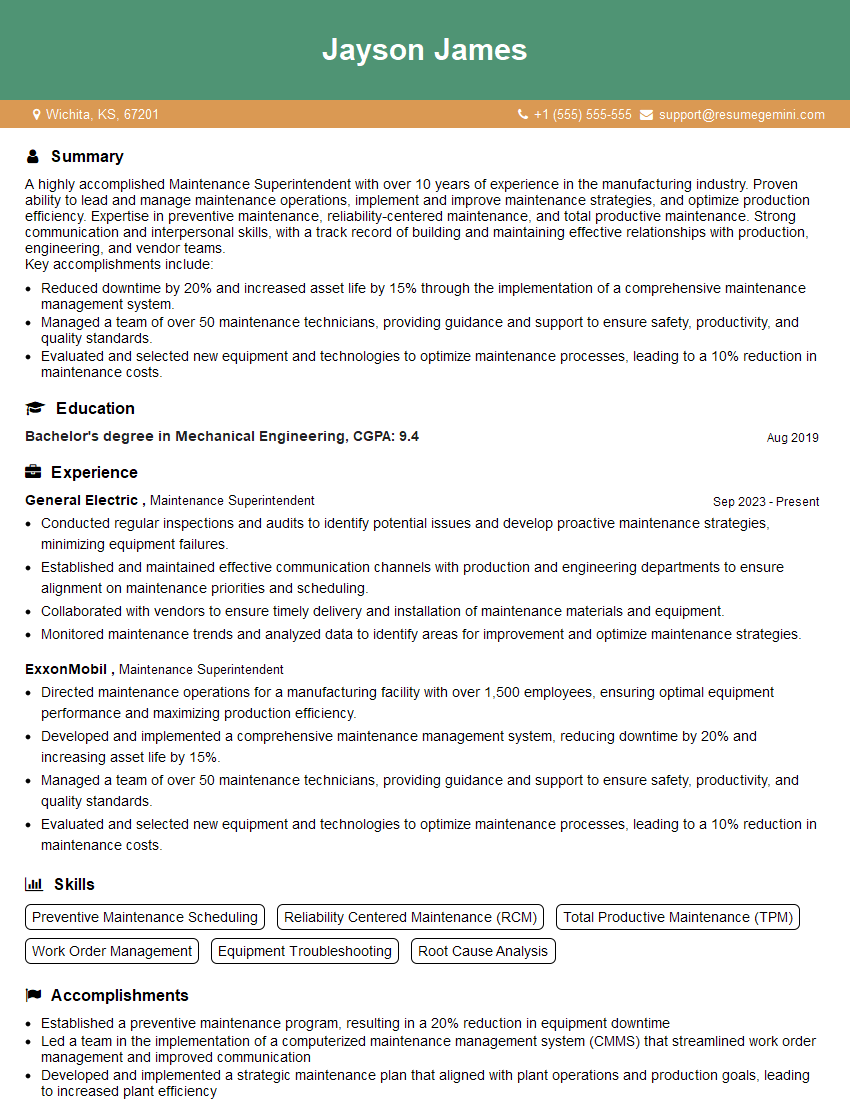
Maintenance Superintendent Resume Sample
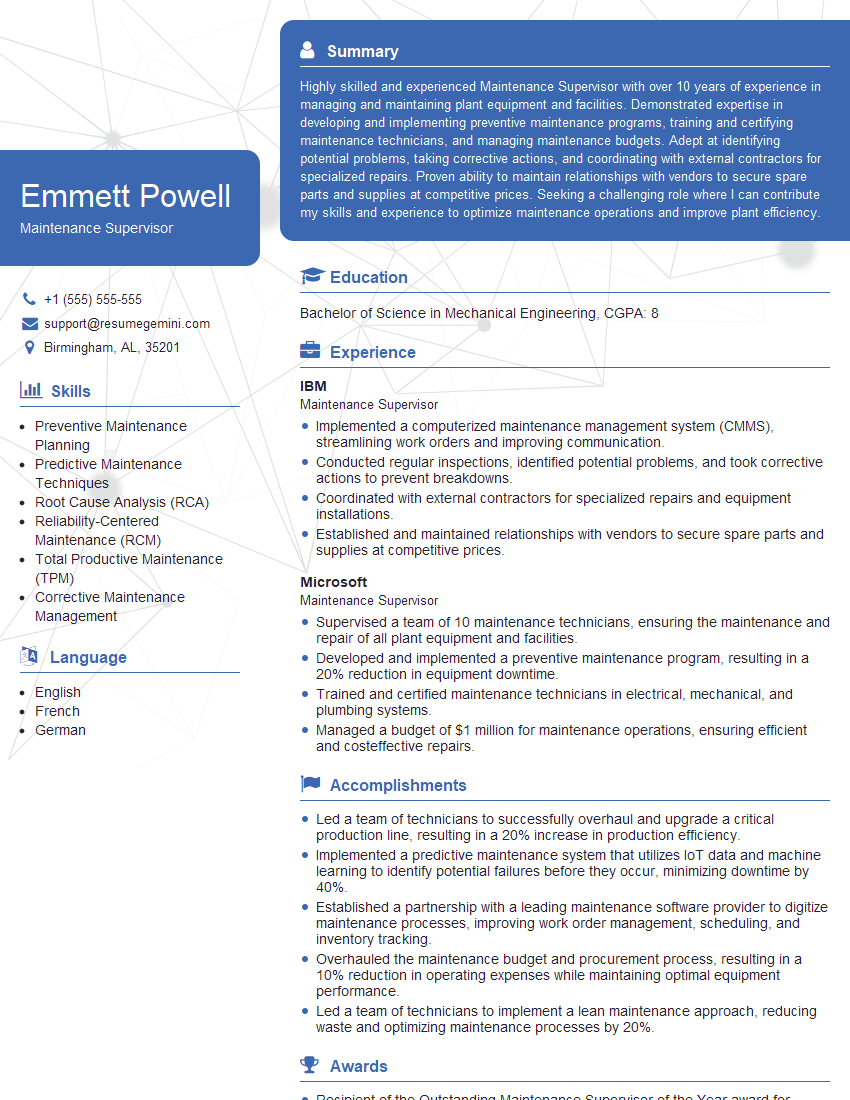
Maintenance Supervisor Resume Sample
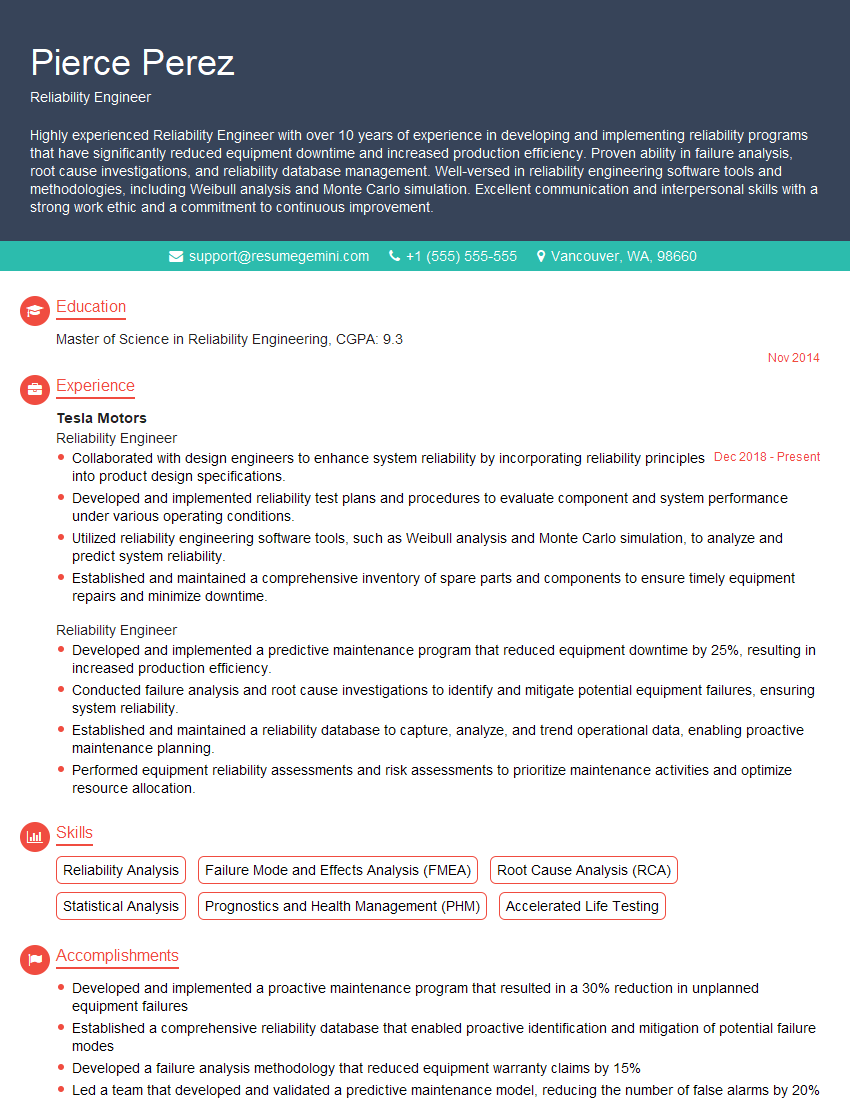
Reliability Engineer Resume Sample
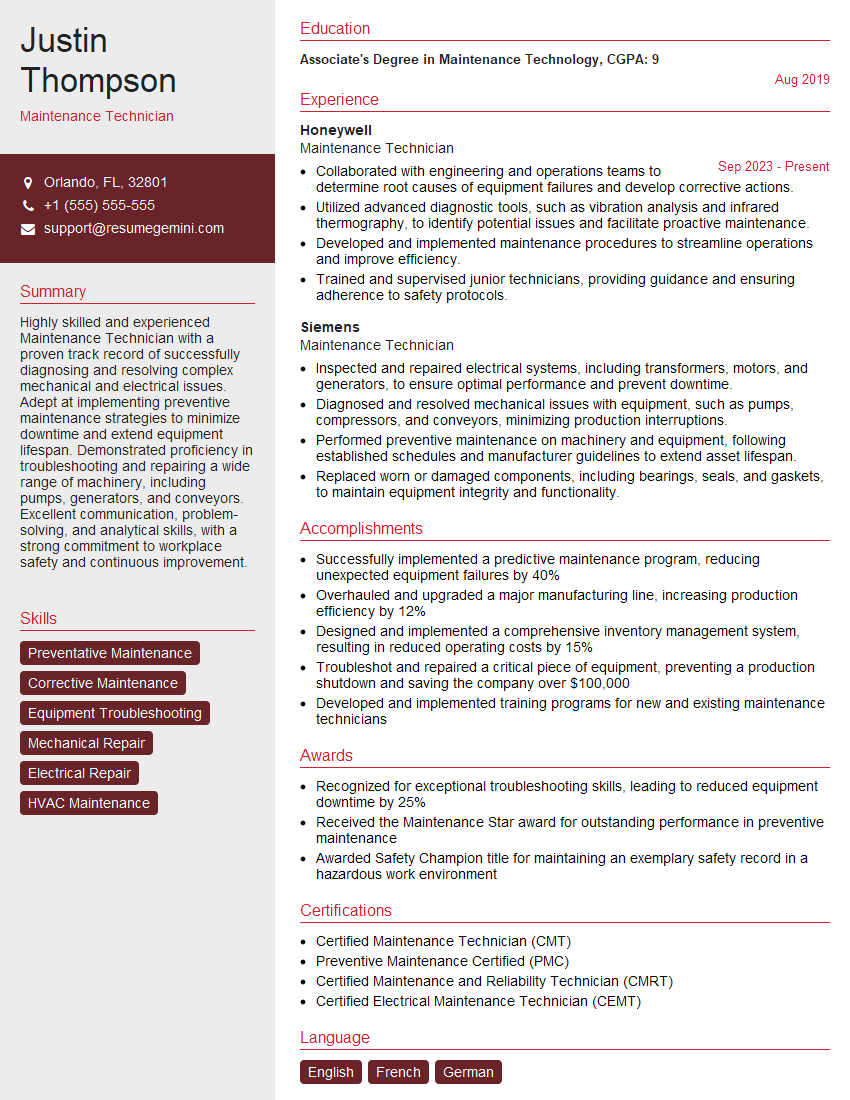
Maintenance Technician Resume Sample
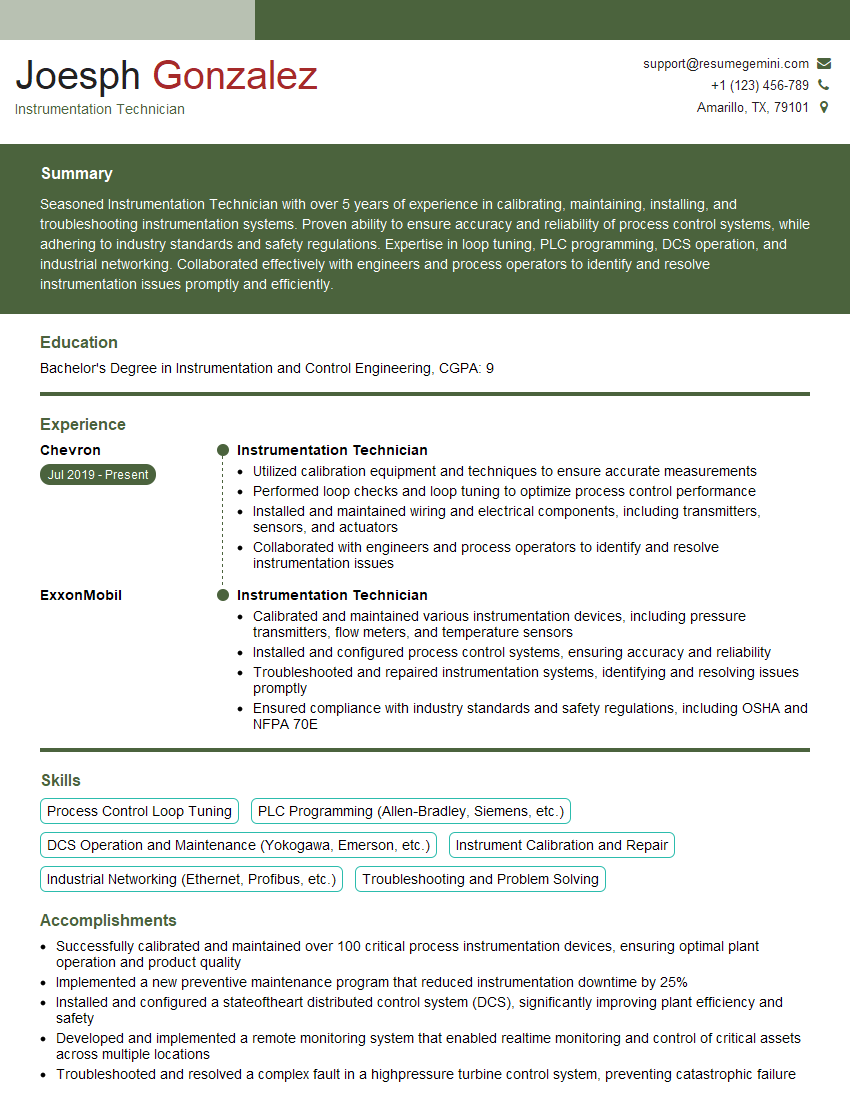
Instrumentation Technician Resume Sample
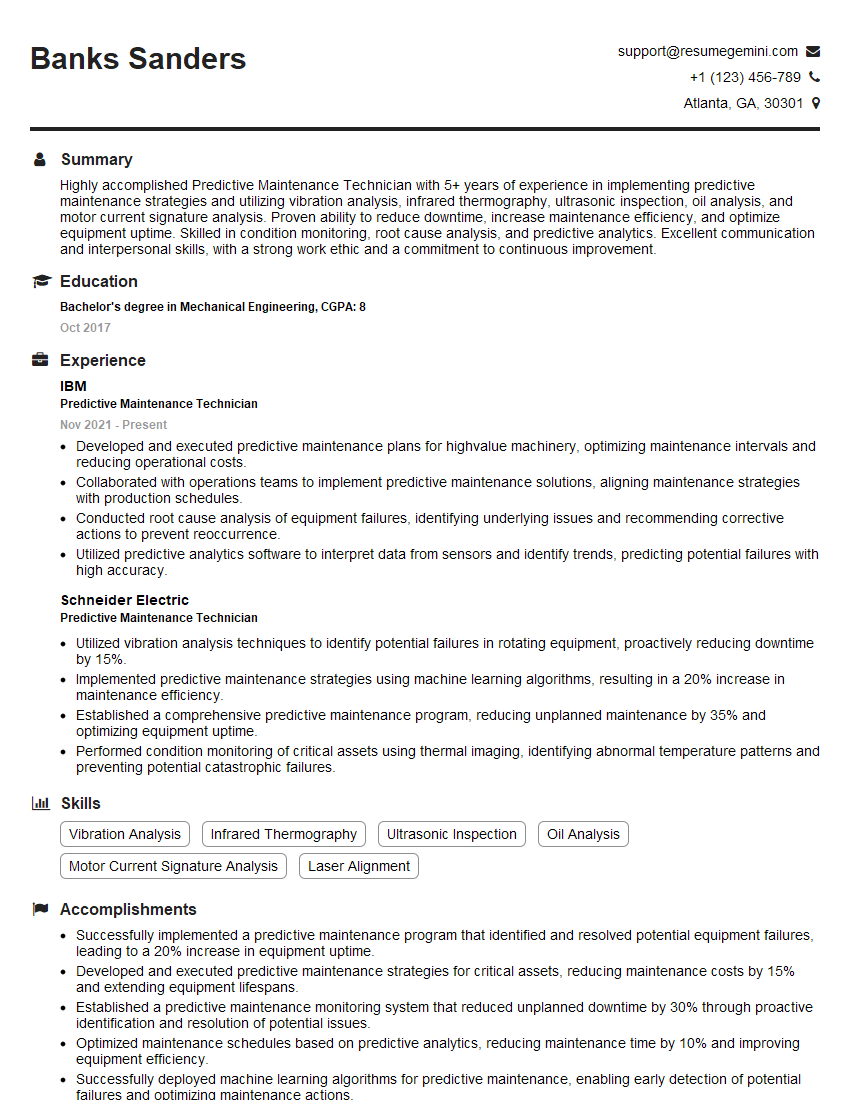
Predictive Maintenance Technician Resume Sample
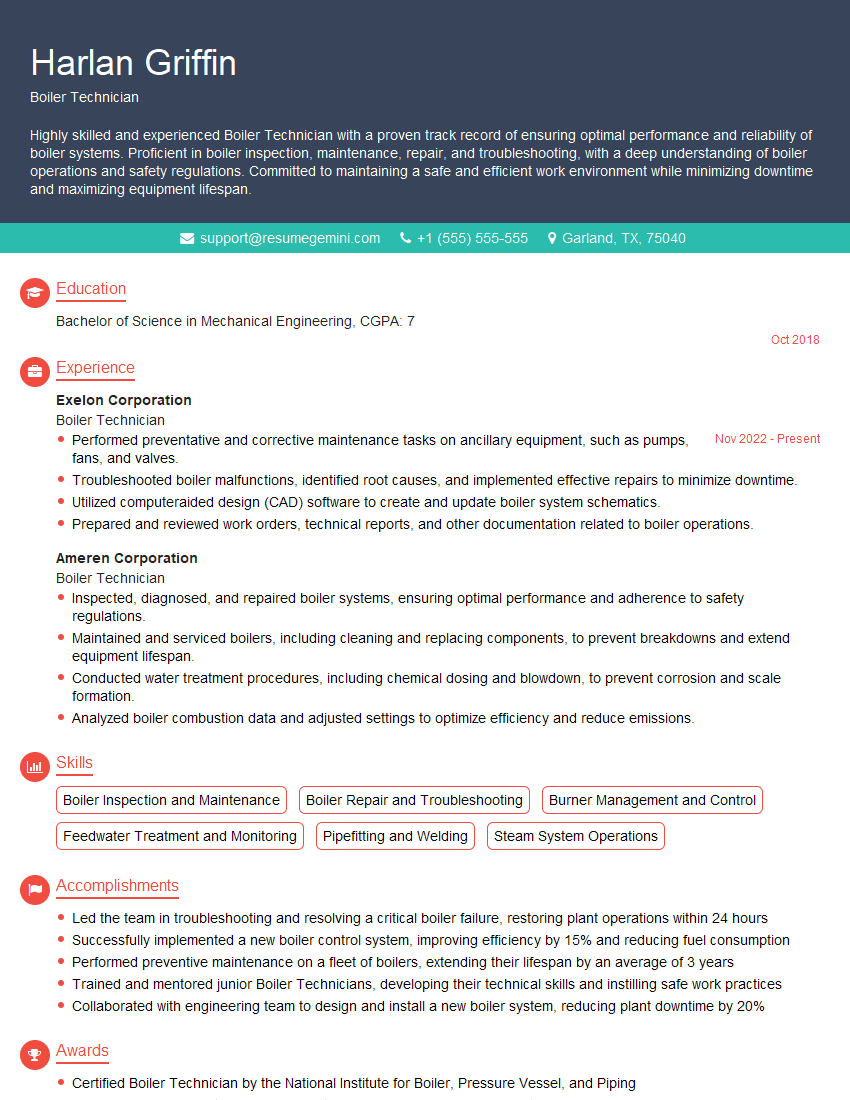
Boiler Technician Resume Sample
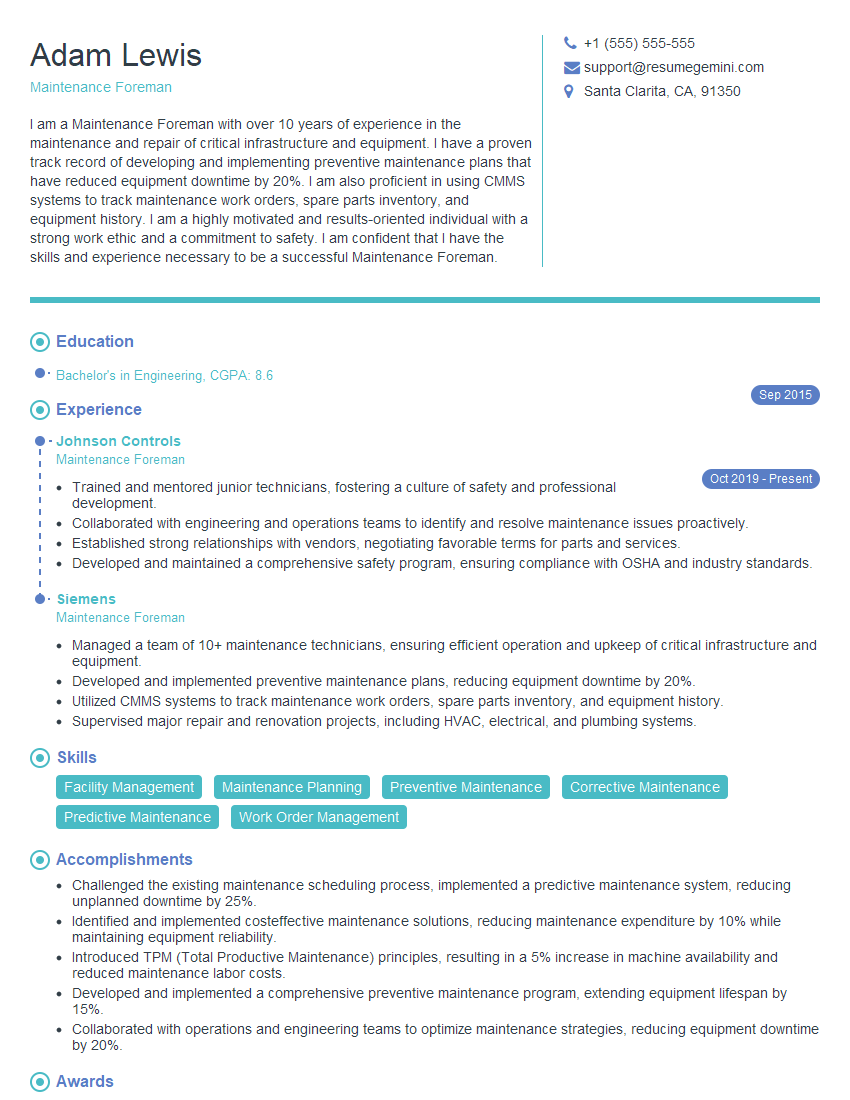
Maintenance Foreman Resume Sample
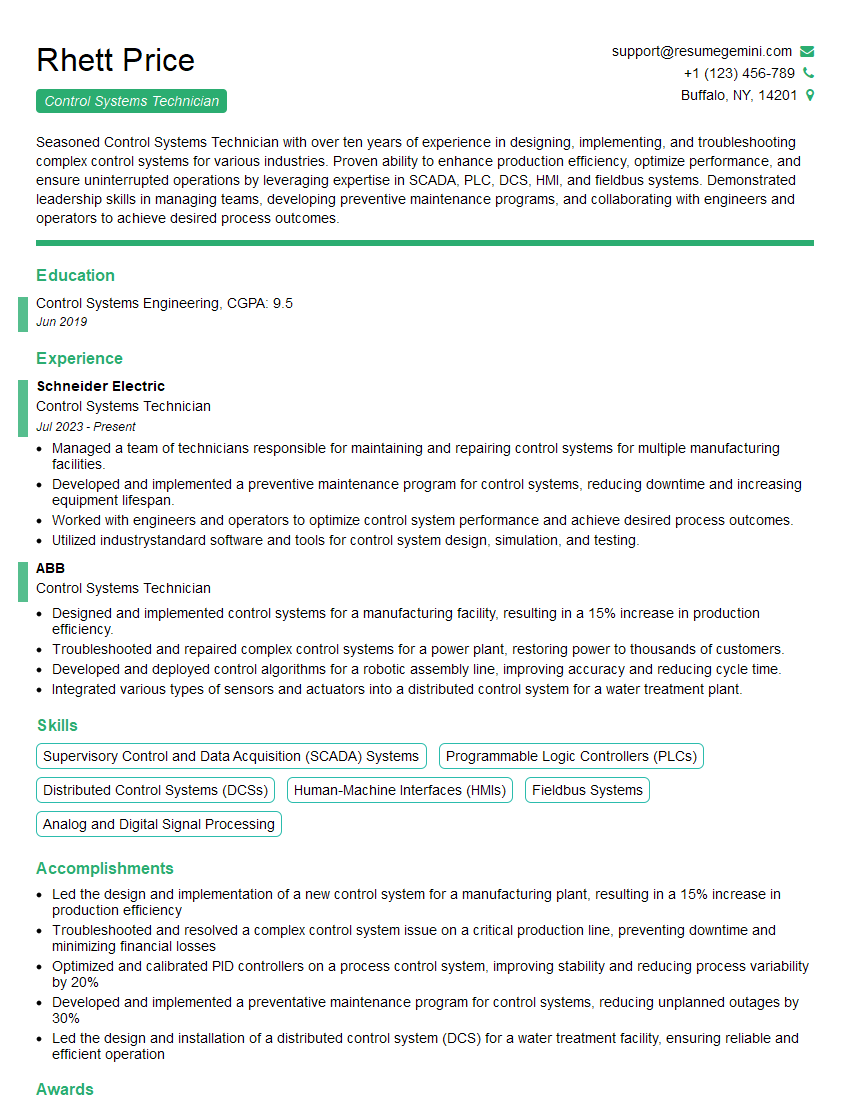
Control Systems Technician Resume Sample

Electrical Maintenance Technician Resume Sample
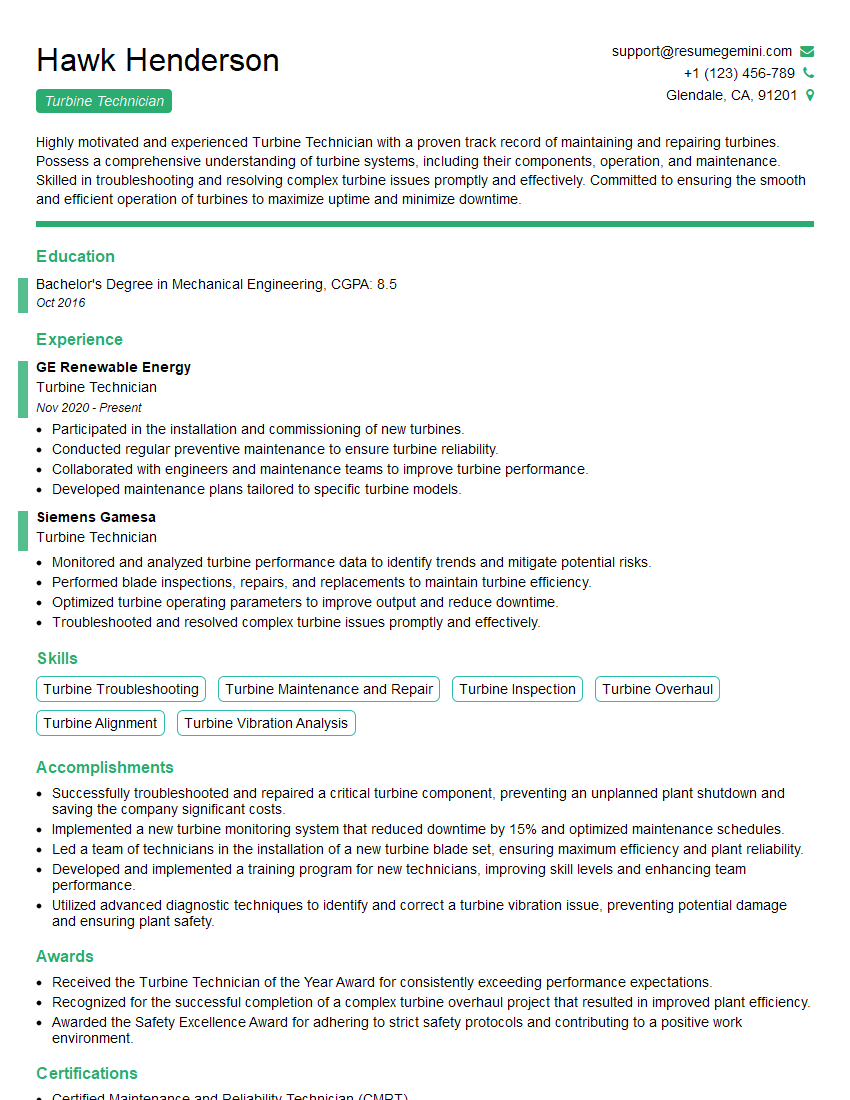
Turbine Technician Resume Sample
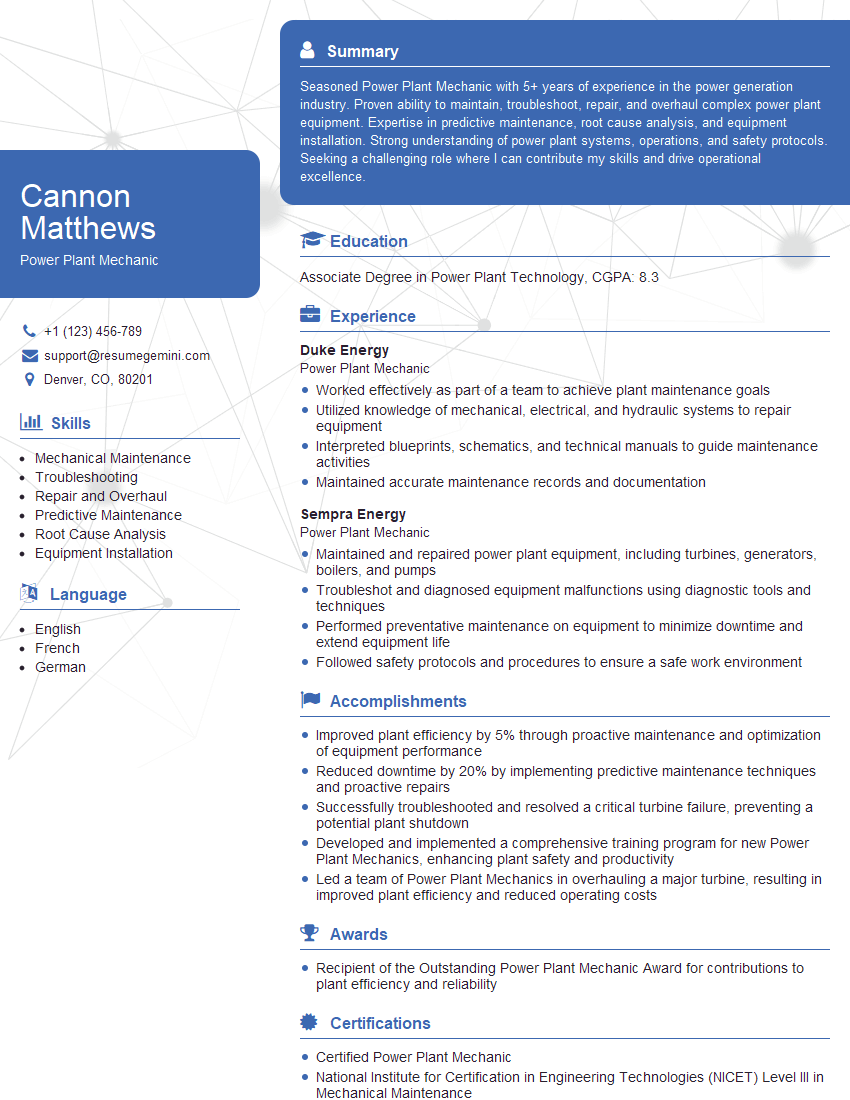
Power Plant Mechanic Resume Sample
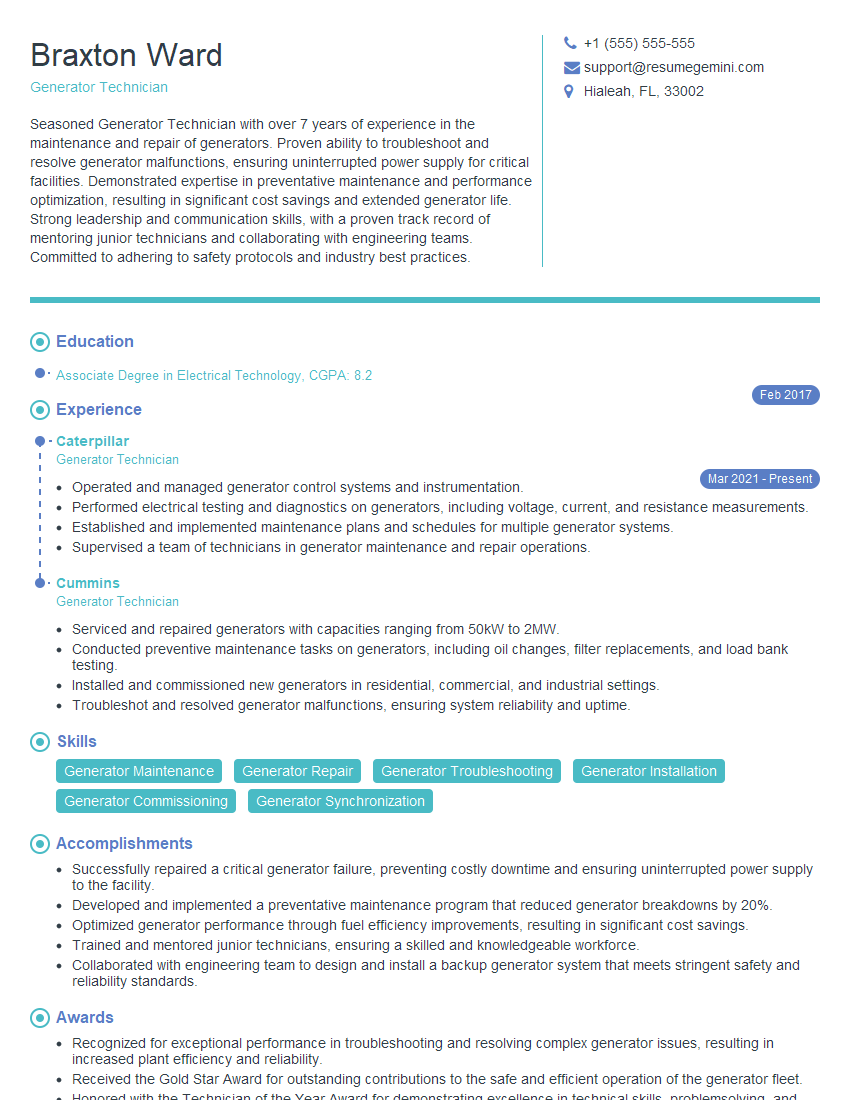
Generator Technician Resume Sample
- Maintenance Superintendent
- Maintenance Supervisor
- Reliability Engineer
- Maintenance Technician
- Instrumentation Technician
- Predictive Maintenance Technician
- Boiler Technician
- Maintenance Foreman
- Control Systems Technician
- Electrical Maintenance Technician
- Turbine Technician
- Power Plant Mechanic
- Generator Technician
Explore more articles
Users Rating of Our Blogs
Share Your Experience
We value your feedback! Please rate our content and share your thoughts (optional).
What Readers Say About Our Blog
Really detailed insights and content, thank you for writing this detailed article.
IT gave me an insight and words to use and be able to think of examples