Cracking a skill-specific interview, like one for Product Recalls, requires understanding the nuances of the role. In this blog, we present the questions you’re most likely to encounter, along with insights into how to answer them effectively. Let’s ensure you’re ready to make a strong impression.
Questions Asked in Product Recalls Interview
Q 1. Describe your experience managing a product recall from initiation to closure.
Managing a product recall is a complex, multi-stage process requiring swift action and meticulous attention to detail. It begins with the initial identification of a potential safety hazard and culminates in the closure of the recall after all affected products are accounted for and remediation measures are complete.
In my experience, a recall unfolds like this:
- Identification & Investigation: This phase involves rigorous testing, analysis of customer complaints, and internal review to confirm the existence of a defect and its potential risks. For example, during a recall of a children’s toy, we found that a small part could detach and pose a choking hazard.
- Recall Strategy Development: This involves determining the scope of the recall (which products, batches, and regions are affected), formulating a communication plan, and outlining the remediation process (repair, replacement, or refund). A critical element is identifying the most effective communication channels to reach consumers.
- Notification & Remediation: This is the most crucial phase, involving notifying regulatory bodies (like the FDA or CPSC, depending on the product and region) and communicating directly with consumers through various channels (website updates, press releases, email, social media). We also established a dedicated customer service hotline during this phase.
- Field Action: This involves the physical retrieval or repair of defective products. Logistics are crucial here, potentially requiring coordination with distributors, retailers, and consumers. We employed a tracking system to ensure accountability and efficient retrieval of products.
- Closure & Post-Recall Analysis: Once all affected products are accounted for and the remediation process is complete, we conduct a thorough post-recall analysis to understand the root cause of the defect and implement preventative measures to avoid future occurrences. This analysis might include supplier audits or process improvements.
Q 2. Explain the steps involved in a typical product recall notification process.
The product recall notification process is governed by strict regulations and often involves multiple stakeholders. A typical process includes:
- Internal Notification: The recall team is formed, and key personnel across departments (legal, manufacturing, customer service, marketing) are immediately informed.
- Regulatory Notification: Prompt notification to relevant regulatory agencies is crucial to ensure compliance. Failure to do so can result in significant penalties. The notification includes details about the product, the defect, the number of units affected, and the proposed remediation plan.
- Distributor and Retailer Notification: Retailers and distributors involved in the distribution network are informed to facilitate the swift removal of affected products from shelves. This requires clear communication of the recall strategy and timeline.
- Consumer Notification: This is the most critical step. Various communication channels are leveraged to reach consumers: press releases, website announcements, social media campaigns, email notifications (if customer data is available), and potentially even paid advertising.
- Tracking and Monitoring: Once the notification process is initiated, it is crucial to monitor consumer response, track the return of recalled products, and address any queries or concerns that arise. A robust tracking system is vital.
Q 3. How do you identify the root cause of a product defect leading to a recall?
Identifying the root cause of a product defect is paramount to preventing future occurrences. It often involves a multidisciplinary approach and may include:
- Failure Analysis: This involves a detailed examination of the defective product to understand the nature and mechanism of failure. Techniques might include visual inspection, material testing, and destructive testing.
- Design Review: A thorough review of the product’s design specifications and manufacturing processes is undertaken to identify potential weaknesses or design flaws. For instance, we once discovered a faulty weld in a component that ultimately led to a recall.
- Manufacturing Process Analysis: This involves investigating the manufacturing process to identify any deviations from specifications or procedural errors. This may involve examining machine settings, raw material quality, and operator training.
- Supplier Audits: If the defect originates from a supplier, audits are conducted to assess their quality control procedures and identify areas for improvement.
- Data Analysis: Customer complaints, field reports, and internal quality control data are analyzed to identify patterns and trends that may point to the root cause. This involves statistical analysis and process mapping.
By using a combination of these methods, we can create a detailed picture of the problem and implement corrective actions to prevent similar failures in the future.
Q 4. What are the key regulatory requirements for product recalls in your industry?
Regulatory requirements for product recalls vary depending on the industry and the specific product. However, some common requirements include:
- Mandatory Reporting: Many jurisdictions require manufacturers to report certain types of product defects to regulatory authorities within a specified timeframe.
- Recall Plans: Manufacturers are often required to have a pre-approved recall plan in place to ensure a swift and efficient response in case of a recall.
- Public Notification: Regulations typically dictate the methods and content of public notification to ensure that consumers are adequately informed of the risk.
- Record Keeping: Manufacturers are required to maintain detailed records of the recall process, including the number of defective units, the remediation strategy, and consumer responses.
- Compliance Monitoring: Regulatory bodies conduct audits and inspections to ensure compliance with recall regulations.
Non-compliance can result in significant fines, legal action, and damage to reputation. It’s critical to stay updated on relevant regulations and maintain comprehensive documentation throughout the recall process.
Q 5. How do you prioritize multiple concurrent product recall investigations?
Prioritizing multiple concurrent product recall investigations requires a systematic approach. We utilize a risk-based prioritization matrix that considers factors such as:
- Severity of the hazard: Recalls involving life-threatening hazards are prioritized over those involving minor inconveniences.
- Number of affected units: Larger recalls involving a greater number of affected units are prioritized to minimize widespread risk.
- Regulatory deadlines: Recalls with imminent regulatory deadlines are given higher priority to ensure compliance.
- Potential impact on brand reputation: Recalls that could severely damage the company’s reputation are given higher priority.
- Available resources: The availability of personnel, financial resources, and other resources is considered when prioritizing recalls.
This matrix allows us to allocate resources efficiently and ensures that the most critical recalls are addressed first, while still managing the others effectively. Regular review and adjustment of priorities are essential as new information emerges.
Q 6. Describe your experience with communicating recall information to consumers.
Communicating recall information to consumers effectively is crucial for mitigating risks and maintaining consumer trust. Our approach is multi-pronged and tailored to different consumer segments. We use a combination of:
- Website announcements: A dedicated page on our website contains clear, concise information about the recall, including affected product information, the nature of the defect, and the remediation process.
- Press releases: We distribute press releases to relevant media outlets to maximize public awareness. This is essential for reaching consumers who may not be directly connected to our brand.
- Email notifications: When we have customer data, we utilize email to reach affected consumers directly. This allows for a more personalized and targeted communication approach.
- Social media campaigns: We use social media to quickly disseminate information and answer consumer questions. This platform allows for real-time engagement and feedback.
- Customer service hotline: We dedicate a dedicated customer service line to handle inquiries, process returns, and provide support to affected consumers. This ensures a personalized touch and swift response to any queries.
Transparency and clear, consistent messaging across all channels are essential for effective communication. We continually monitor social media and feedback channels to adjust our strategy as needed.
Q 7. How do you track and manage recall costs?
Tracking and managing recall costs is critical for both financial and strategic decision-making. We employ a detailed cost tracking system that categorizes expenses into:
- Notification costs: These include costs associated with producing and distributing recall notices, such as printing, postage, advertising, and agency fees.
- Product retrieval costs: These include the costs of collecting and disposing of recalled products, which may involve shipping, warehousing, and disposal fees.
- Remediation costs: These include the costs of repairing, replacing, or refunding affected products.
- Legal and regulatory costs: These may include fees associated with legal counsel, regulatory compliance, and potential penalties.
- Customer service costs: These encompass the costs of operating a dedicated customer service hotline and responding to consumer inquiries.
We use dedicated software to track expenses against each recall, enabling accurate financial reporting and analysis. This information is crucial for evaluating the overall cost-effectiveness of recall management strategies and informing future preventative measures.
Q 8. How do you measure the effectiveness of a product recall?
Measuring the effectiveness of a product recall isn’t simply about the number of units returned. It’s a multifaceted process requiring a holistic view. We assess effectiveness by tracking key metrics across several stages.
- Return Rate: This is the percentage of recalled products returned. A high return rate indicates a successful outreach and consumer responsiveness. However, a low rate doesn’t automatically mean failure; it might point to challenges in identifying affected units or communicating with consumers effectively. For example, a recall of a specialized piece of medical equipment would likely have a lower return rate than a recall of a widely-used consumer product like a toy.
- Incident Reduction: The ultimate goal is a reduction in incidents related to the product defect. We track post-recall reports of injuries, malfunctions, or other adverse events. A significant decrease suggests a successful mitigation of risk.
- Consumer Satisfaction: We gauge consumer perception through surveys and feedback channels. A positive response, indicating ease of return, clear communication, and adequate compensation, suggests a well-managed recall. Dissatisfied customers can lead to reputational damage.
- Cost Analysis: We carefully analyze the overall cost of the recall, including costs associated with communication, product retrieval, replacement, and legal fees. A successful recall balances effective remediation with cost-effectiveness.
Ultimately, the effectiveness is evaluated by comparing pre- and post-recall data on incidents and customer satisfaction, alongside a thorough assessment of the recall process itself.
Q 9. What are the potential legal and financial implications of failing to conduct a proper recall?
Failing to conduct a proper product recall carries severe legal and financial consequences. The repercussions can be substantial and long-lasting.
- Legal Penalties: Companies can face lawsuits from consumers injured by the defective product, leading to significant financial settlements and reputational damage. Regulatory bodies like the CPSC (Consumer Product Safety Commission) in the US or equivalent agencies in other countries can impose hefty fines, issue cease-and-desist orders, and even pursue criminal charges in cases of willful negligence or fraud.
- Financial Losses: Beyond legal fees and settlements, companies face losses from the cost of the recall itself (retrieving, replacing, or repairing products), loss of sales due to decreased consumer trust, damage to brand reputation, and decreased stock value. The cost of a poorly managed recall can far exceed the cost of a well-executed one.
- Reputational Harm: Negative publicity resulting from a recall can severely damage a company’s reputation, impacting future sales and its ability to attract investors and talent. A lack of transparency or a slow response can further exacerbate this damage.
For example, a company that knowingly delays a recall might face class-action lawsuits resulting in enormous financial liabilities and irreparable damage to its brand image. Therefore, proactive and transparent recall management is crucial to minimizing these risks.
Q 10. How do you collaborate with different departments during a product recall?
Effective collaboration across departments is crucial for a successful recall. It requires clear communication, defined roles, and a unified approach.
- Legal: Ensures compliance with all relevant regulations and handles legal issues arising from the recall.
- Public Relations (PR): Manages communication with consumers, media, and regulatory bodies, maintaining transparency and building trust.
- Manufacturing/Production: Halts production of defective products, addresses the root cause of the defect, and manages the replacement production.
- Supply Chain/Logistics: Coordinates the efficient retrieval of recalled products from distribution channels and retailers.
- Customer Service: Handles consumer inquiries, complaints, and returns, providing timely assistance and support.
In practice, this often involves daily cross-functional meetings, shared dashboards for tracking progress, and well-defined communication protocols. It’s essential to create a central point of contact and communication hub for all departments to ensure information flows seamlessly and everyone stays informed.
Q 11. Explain your experience with recall data analysis and reporting.
My experience with recall data analysis and reporting involves extracting insights from various sources to inform decision-making and regulatory reporting.
I’ve utilized data from various sources including:
- CRM Systems: Tracking customer complaints and inquiries related to the recalled product.
- Supply Chain Databases: Monitoring the location and status of recalled products throughout the distribution network.
- Incident Reporting Systems: Analyzing reports of injuries or malfunctions caused by the defective product.
- Return Management Systems: Tracking the number of returned products and assessing the effectiveness of the recall.
I’m proficient in using data analysis tools such as SQL and statistical software (e.g., R, Python) to generate reports that visualize key recall metrics. These reports inform senior management of the recall’s progress and help identify areas for improvement. For example, analyzing return data may reveal geographic regions with lower return rates, suggesting challenges in outreach or communication in those areas, prompting adjustments to our strategy.
Q 12. How do you manage customer complaints and inquiries related to a recall?
Managing customer complaints and inquiries during a recall is paramount for maintaining trust and minimizing negative publicity. A multi-pronged approach is vital.
- Dedicated Call Center: Establishing a dedicated call center or online portal to address customer inquiries promptly and efficiently.
- Automated Response System: Implementing an automated system to provide immediate confirmation of receipt of complaints and to offer initial guidance.
- Personalized Communication: Ensuring that all communications are clear, concise, and empathetic, addressing each customer’s specific concerns.
- Escalation Process: Establishing a clear escalation process for complex or unresolved issues.
- Feedback Collection: Regularly collecting customer feedback to improve the recall process and address any emerging concerns.
In practice, we might use a CRM system to track all customer interactions, ensure consistency in communication, and identify trends in complaints. For example, if a significant number of customers report difficulty in accessing the return process, we can promptly address these logistical challenges by providing additional support or modifying the instructions.
Q 13. Describe your experience using recall management software or systems.
I have extensive experience using several recall management software systems, including [mention specific software or system types, e.g., ‘Recall Manager Pro,’ ‘SafetyFirst,’ or ‘custom-built enterprise resource planning systems’]. These systems typically include features for:
- Product Registration: Tracking product serial numbers and customer information.
- Complaint Management: Managing and tracking customer complaints and inquiries.
- Return Tracking: Monitoring the return of recalled products.
- Communication Management: Sending automated notifications and updates to consumers.
- Reporting and Analysis: Generating reports and visualizations of key recall metrics.
These systems streamline the recall process by centralizing information, improving efficiency, and facilitating better decision-making. For instance, a system’s reporting capabilities allow us to quickly identify which channels are proving most effective in reaching consumers and to dynamically adjust the communication strategy accordingly.
Q 14. How do you ensure the accuracy and completeness of recall information?
Ensuring the accuracy and completeness of recall information is crucial to the success of the recall and to avoiding further legal complications. This requires a rigorous approach to data management.
- Data Validation: Employing strict validation procedures to ensure the accuracy of information about recalled products, including serial numbers, batch codes, and affected units.
- Cross-Verification: Comparing information from various sources to ensure consistency and identify potential discrepancies.
- Third-Party Verification (where appropriate): Engaging third-party auditors or testing labs to confirm the accuracy of recall information.
- Documentation Control: Maintaining detailed documentation of all recall activities, including communication, returns, and corrective actions.
- Regular Audits: Conducting regular audits to verify the accuracy and integrity of data.
For instance, discrepancies in reported numbers between our internal databases and reports from retailers would trigger an immediate investigation to identify and correct any errors. Maintaining accurate and complete information is not only essential for the success of the recall but also helps protect the company from potential legal liability. A lack of accuracy can create further problems and extend the recall’s duration and overall cost.
Q 15. How do you handle media inquiries during a product recall?
Handling media inquiries during a product recall requires a swift, transparent, and consistent approach. We establish a dedicated communication team, often including PR professionals and legal counsel, to manage all incoming inquiries. A central communication point, such as a dedicated phone line or email address, is essential to ensure efficient response. We prepare key messages beforehand – focusing on facts, actions being taken, and customer support – to maintain a unified message across all platforms. We prioritize accuracy, avoiding speculation and focusing only on confirmed information. Proactive media outreach, through press releases and statements, can help control the narrative. This ensures the public receives accurate and timely information directly from the company, rather than relying on potentially inaccurate or incomplete reporting.
For example, during a recall of a faulty children’s toy, we would prioritize communicating the specific hazard, the affected product batches, and the return process clearly and simply, perhaps with visuals. We’d also proactively engage with parenting blogs and relevant media outlets to get the message across effectively.
Career Expert Tips:
- Ace those interviews! Prepare effectively by reviewing the Top 50 Most Common Interview Questions on ResumeGemini.
- Navigate your job search with confidence! Explore a wide range of Career Tips on ResumeGemini. Learn about common challenges and recommendations to overcome them.
- Craft the perfect resume! Master the Art of Resume Writing with ResumeGemini’s guide. Showcase your unique qualifications and achievements effectively.
- Don’t miss out on holiday savings! Build your dream resume with ResumeGemini’s ATS optimized templates.
Q 16. What strategies do you use to prevent future product recalls?
Preventing future product recalls involves a multi-faceted strategy focused on proactive risk management throughout the product lifecycle. This includes rigorous quality control at every stage – from raw material sourcing to manufacturing and packaging. We implement robust testing procedures that exceed industry standards, employing both internal testing and independent third-party verification. We conduct thorough design reviews to identify and mitigate potential hazards early on, and use Failure Mode and Effects Analysis (FMEA) to systematically evaluate potential failure points. Employee training is crucial, ensuring everyone from designers to production workers understands quality control procedures and reporting mechanisms. We also leverage data analytics to monitor product performance and customer feedback, identifying trends or issues that might indicate potential problems before they escalate into a recall situation. Furthermore, establishing strong relationships with suppliers ensures consistent quality of raw materials.
For instance, imagine we’re manufacturing power tools. A robust preventative strategy would involve rigorous testing of the electrical components, exceeding safety standards, and including rigorous testing of the tools’ mechanical strength. We’d train employees to identify manufacturing defects immediately, and to report them through established channels.
Q 17. Explain your understanding of different types of product recalls (Class I, II, III).
Product recalls are categorized by severity into Class I, II, and III, based on the potential risk to consumers.
- Class I Recalls: These involve products that pose a serious risk of death or serious injury. The hazard is imminent and significant. For instance, a recalled medication causing life-threatening allergic reactions would fall into this category.
- Class II Recalls: These involve products that could cause temporary or medically reversible adverse health consequences or a remote possibility of serious adverse health consequences. A slightly faulty appliance that could cause a minor burn, but not a serious one, could be a Class II recall.
- Class III Recalls: These involve products that are unlikely to cause adverse health consequences. A cosmetic product with minor labeling inaccuracies might fall under this class.
The classification significantly impacts the response strategy; Class I recalls require immediate and wide-ranging action, whereas Class III recalls may necessitate a more targeted approach.
Q 18. How do you determine the scope of a product recall?
Determining the scope of a product recall is a critical step, often involving detailed investigation and analysis. We begin by identifying the specific problem and its root cause. Then, we trace the product’s distribution chain, pinpointing specific batches, locations, and retailers where the affected products were shipped. We use meticulous record-keeping, including serial numbers, manufacturing dates, and distribution logs, to precisely define the scope. Data analytics can be instrumental in identifying patterns and trends to help focus our efforts. Customer complaints, field reports, and any post-market surveillance data are carefully analyzed to ensure that the recall encompasses all potentially affected products. It is crucial to err on the side of caution, as underestimating the scope could lead to severe consequences.
For example, if a specific batch of food is found to be contaminated, we would trace back the entire production run, potentially expanding the recall beyond the initially identified batch if the contamination source is identified within that period.
Q 19. How do you manage the logistics of a product recall (retrieval, disposal, etc.)?
Managing the logistics of a product recall is a complex undertaking requiring careful planning and coordination. We employ a multi-stage process. First, we establish a dedicated recall team, outlining responsibilities and establishing clear communication channels. We develop a comprehensive retrieval plan, involving contacting distributors, retailers, and consumers to return affected products. This might involve setting up a return system, providing prepaid shipping labels, and establishing clear return instructions. Once the products are returned, we need to manage their secure disposal, often in compliance with environmental regulations. This might involve specialized waste disposal facilities for hazardous materials. Throughout the process, meticulous record-keeping is crucial for tracking returned products and maintaining compliance. A transparent and efficient communication strategy keeps consumers informed throughout the process, building trust and minimizing negative publicity.
For a large-scale recall, we might contract third-party logistics providers with expertise in reverse logistics to manage the large volume of product returns and their disposal.
Q 20. Describe your experience with conducting post-recall analysis.
Post-recall analysis is crucial for identifying the root cause of the issue, implementing corrective actions, and preventing future recalls. We conduct thorough investigations, analyzing data from various sources, including customer complaints, field reports, internal manufacturing records, and test results. This helps us understand the sequence of events that led to the problem, pinpointing specific weaknesses in the design, manufacturing, or quality control processes. The findings inform changes in our processes, such as improved testing methodologies, enhanced design specifications, or revised manufacturing protocols. We also assess the effectiveness of our recall communication strategy and make improvements for future events. The analysis also guides us in developing new risk management strategies and strengthens our proactive risk assessment methods.
For example, after recalling a faulty electrical appliance, a post-recall analysis might reveal a weakness in the component supplier’s quality control, leading us to change suppliers or implement stricter incoming inspection procedures.
Q 21. How do you identify and mitigate risks associated with product recalls?
Identifying and mitigating risks associated with product recalls is a continuous process involving proactive risk management throughout the entire product lifecycle. We use a combination of techniques, including Failure Mode and Effects Analysis (FMEA), Hazard Analysis and Critical Control Points (HACCP), and other risk assessment methodologies to proactively identify potential hazards. We monitor post-market surveillance data, customer feedback, and competitor intelligence to identify potential problems early. A robust quality control system, including rigorous testing and inspections at various stages of production, significantly reduces the likelihood of defects. Transparent and proactive communication with suppliers and partners ensures consistent quality of materials and manufacturing processes. Furthermore, we invest in employee training programs to enhance awareness of quality control procedures and reporting mechanisms. Developing comprehensive recall plans beforehand helps streamline our response to potential issues and minimizes disruptions. Continuous improvement efforts, driven by data analysis and post-recall reviews, refine our processes and reduce future risks.
For instance, if we find a trend of customer complaints regarding a particular feature of a product, this would trigger a deeper investigation to assess potential risks and implement corrective actions before it develops into a major recall.
Q 22. What is your experience with different recall notification methods (mail, email, social media)?
Recall notification methods must be multi-pronged to ensure maximum reach and impact. My experience encompasses a wide range of strategies, prioritizing speed and effectiveness. For example, mail remains crucial, especially for older demographics or those less tech-savvy, ensuring a physical record of notification. We’ve used certified mail for critical recalls requiring proof of delivery. Email is essential for speed and cost-effectiveness; however, it relies on accurate contact information and might be overlooked in crowded inboxes. To address this, we often employ personalized email subject lines and multiple follow-up emails. Social media plays a significant role in reaching a broader audience quickly, particularly younger demographics. We utilize targeted advertising on platforms like Facebook and Twitter, and also proactively monitor and respond to comments and concerns. The key is a coordinated approach using multiple channels, tailored to reach specific customer segments effectively.
- Mail: Certified mail for critical information, standard mail for broader reach.
- Email: Personalized subject lines, multiple follow-ups, and A/B testing subject lines to optimize open rates.
- Social Media: Targeted advertising, proactive monitoring, and community management.
Q 23. Describe a time you had to make a difficult decision during a product recall.
During a recall of a children’s toy with a potential choking hazard, we faced a difficult decision regarding the speed of the recall versus the completeness of the investigation. Initial testing suggested a minor risk, leading some to advocate for a phased recall. However, given the potential severity of the hazard (choking in children), I ultimately decided to initiate an immediate, full-scale recall. This decision, while potentially costly, prioritized child safety. We simultaneously continued our investigation to pinpoint the exact cause and implement corrective actions, publishing updates regularly to maintain transparency and build trust. Though it was a stressful time and incurred higher costs initially, the proactive approach minimized risk and strengthened our reputation for responsible product stewardship.
Q 24. How do you ensure compliance with international regulations during product recalls?
Ensuring compliance with international regulations during product recalls is paramount and requires a deep understanding of various legal frameworks. We maintain a comprehensive database of global regulations, constantly updated by our legal and compliance team. This database helps us tailor our recall procedures to the specific jurisdictions affected. For instance, the recall process in the European Union (EU) differs significantly from that in the United States (US). The EU has stricter regulations regarding notification timelines and required information. We adapt our communication materials, documentation, and reporting methods to align with these differences. We also work closely with regulatory agencies in each affected region, proactively communicating our recall strategy and seeking guidance to maintain full compliance and transparency. This proactive approach minimizes potential legal issues and protects our company’s reputation.
Q 25. What is your experience with working with external stakeholders (suppliers, distributors, regulatory agencies)?
Working with external stakeholders is crucial during a recall. I have extensive experience collaborating with suppliers to identify the root cause of the defect, ensuring they implement corrective actions to prevent recurrence. With distributors, clear and timely communication is essential to coordinate the return of affected products and avoid further distribution. This involves developing a structured return process, providing clear instructions, and tracking progress closely. Finally, maintaining open and transparent communication with regulatory agencies such as the FDA or CPSC is non-negotiable. This often includes regular updates on the recall process, investigations, and corrective actions. Building strong relationships with these agencies is key to facilitating a smooth and efficient recall.
Q 26. How do you handle recall-related customer complaints effectively and professionally?
Handling recall-related customer complaints requires empathy, professionalism, and a structured approach. We establish a dedicated customer service line and online portal, staffed by trained personnel equipped to address concerns calmly and efficiently. Each complaint is documented, categorized, and investigated to determine its validity. We offer swift resolution through replacement, refund, or repair, depending on the circumstances. Regular updates are provided to the customer, keeping them informed throughout the process. Proactive communication, even before receiving complaints, through website announcements, emails, and social media updates, can minimize negative sentiment and foster trust. Our goal is to transform a negative experience into a positive one, reinforcing customer loyalty despite the recall.
Q 27. Describe your experience with conducting internal audits to prevent future recalls.
Conducting internal audits is vital for preventing future recalls. We employ a multi-faceted approach that includes regular inspections of manufacturing facilities, testing procedures, and quality control processes. We use a checklist-based audit system to ensure consistent evaluation across all departments. The audit findings are documented and analyzed to identify potential weaknesses and areas for improvement. Corrective actions are implemented and tracked, demonstrating a clear path to resolving any identified shortcomings. This proactive approach is complemented by regular training sessions for employees on quality control, safety regulations, and recall procedures. This ensures that every team member is aware of their role and responsibility in maintaining product quality and safety.
Q 28. How do you balance the need for a swift recall with the need for thorough investigation?
Balancing the need for a swift recall with thorough investigation is a delicate act. We use a risk-based approach. If a severe hazard is identified, a rapid recall is prioritized, even before a full investigation is complete. Simultaneously, a comprehensive investigation is launched to pinpoint the root cause and implement lasting solutions. This might involve detailed testing, material analysis, and supplier audits. Regular updates are communicated to regulatory agencies and the public, maintaining transparency throughout the process. The ultimate goal is a swift and effective recall that minimizes harm while also learning from the incident to prevent future issues. A delay might cause further harm, while a premature recall without full understanding can lead to inefficiencies and unnecessary costs.
Key Topics to Learn for Product Recalls Interview
- Regulatory Compliance: Understanding relevant regulations (e.g., CPSC, FDA) and their impact on recall procedures. This includes knowing the legal ramifications of non-compliance.
- Recall Strategy & Planning: Developing and implementing effective recall plans, including communication strategies, product tracing, and inventory management. Consider case studies of successful and unsuccessful recalls.
- Risk Assessment & Mitigation: Identifying potential product hazards, assessing their severity, and implementing preventative measures to minimize future recall risks. This includes understanding root cause analysis techniques.
- Communication & Public Relations: Effectively communicating with consumers, regulatory agencies, and internal stakeholders during a recall. Think about crisis communication best practices.
- Supply Chain Management: Tracing and managing affected products throughout the supply chain, from manufacturing to consumers. Consider the logistical challenges and solutions.
- Data Analysis & Reporting: Utilizing data to track recall effectiveness, identify trends, and improve future product safety. This involves interpreting data to inform decision making.
- Financial Implications: Understanding the significant financial costs associated with product recalls and strategies for minimizing these costs. This includes insurance implications.
Next Steps
Mastering the intricacies of product recalls significantly enhances your value in any safety-conscious organization, opening doors to exciting career opportunities and higher earning potential. A strong resume is your key to unlocking these opportunities. Creating an ATS-friendly resume is crucial for getting your application noticed by recruiters and hiring managers. ResumeGemini is a trusted resource to help you craft a professional and impactful resume tailored to the specific requirements of product recall roles. Examples of resumes tailored to Product Recalls are available to help guide your resume-building process. Leverage these tools to showcase your expertise and land your dream job.
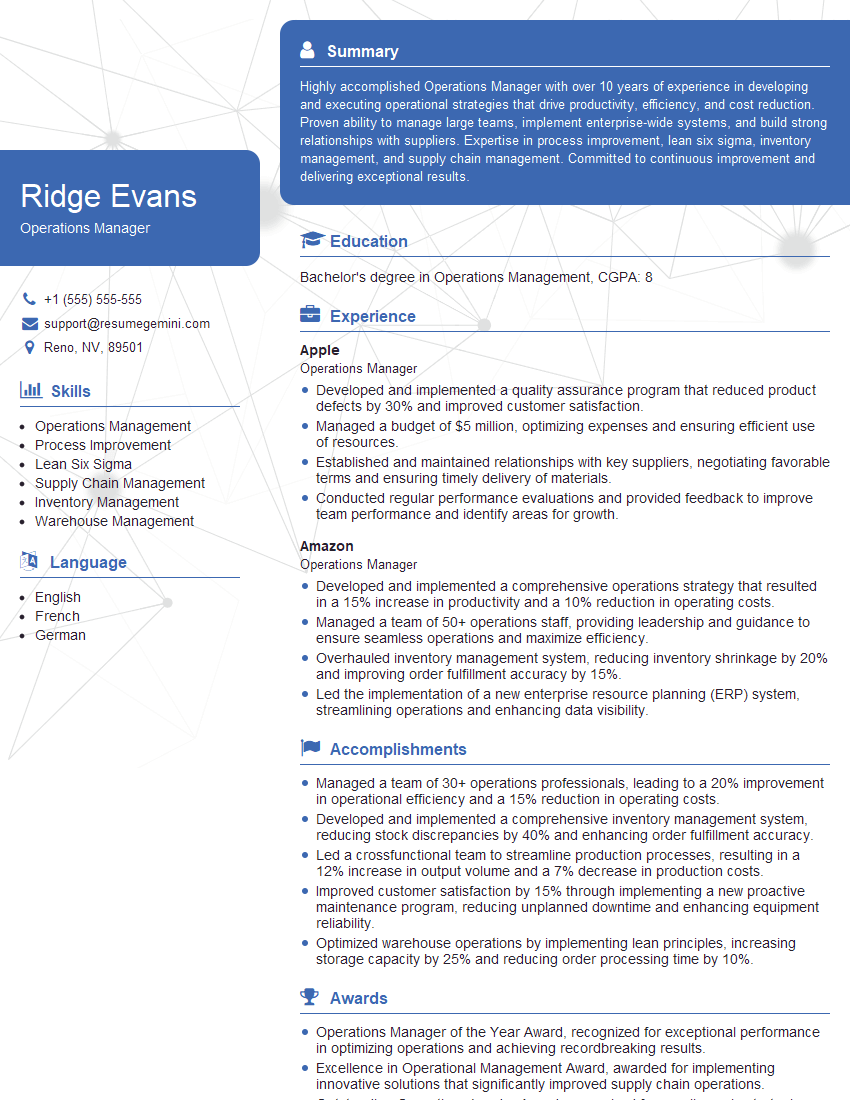
Operations Manager Resume Sample
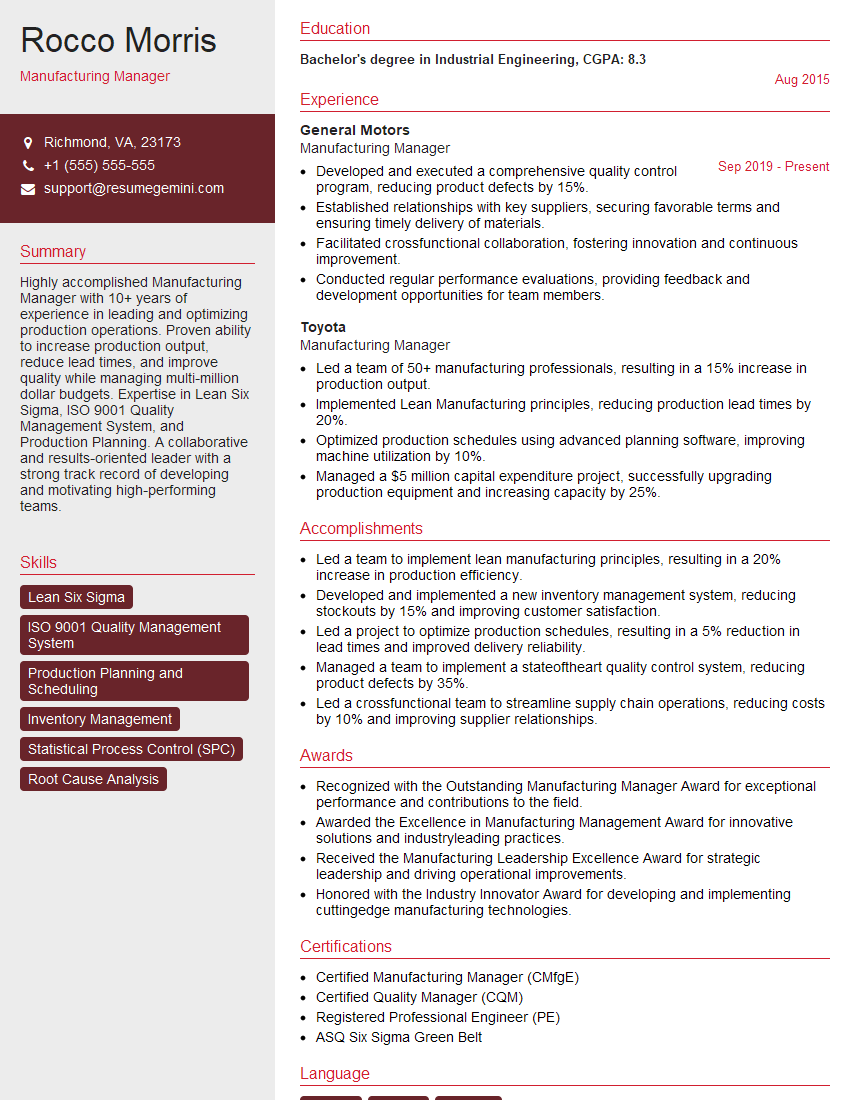
Manufacturing Manager Resume Sample
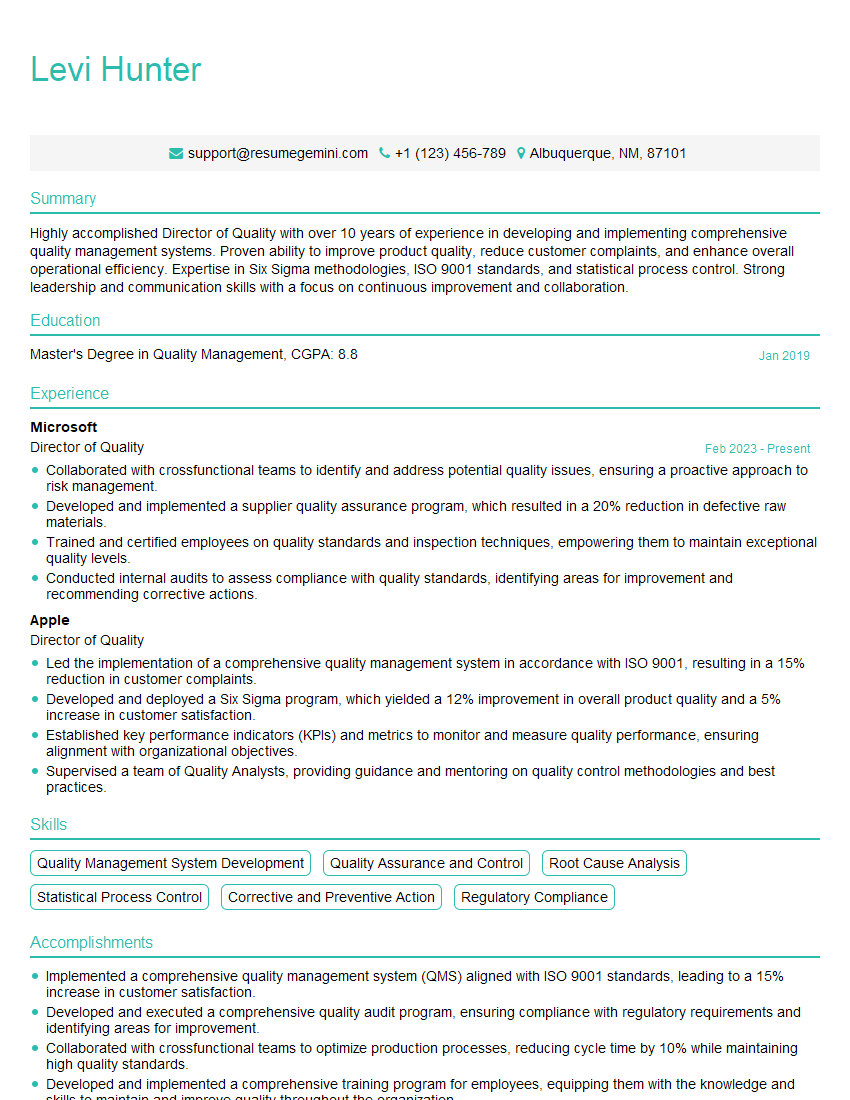
Director of Quality Resume Sample
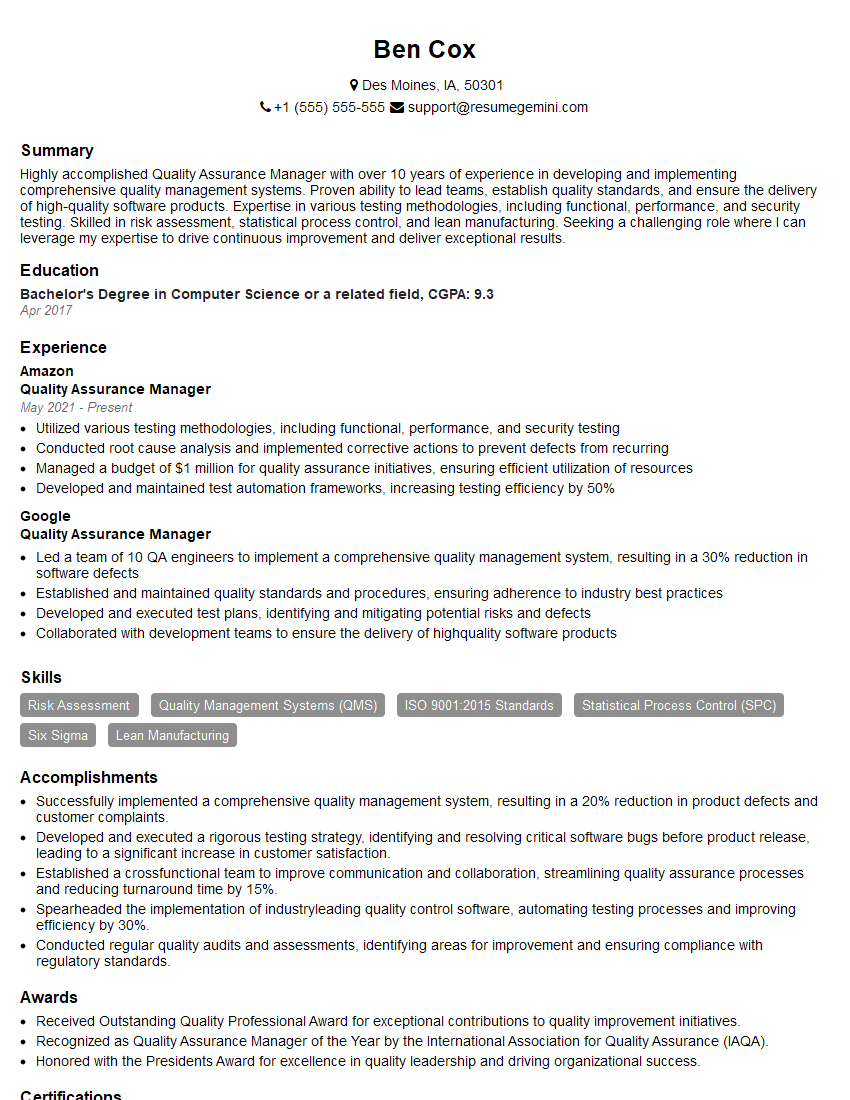
Quality Assurance Manager Resume Sample
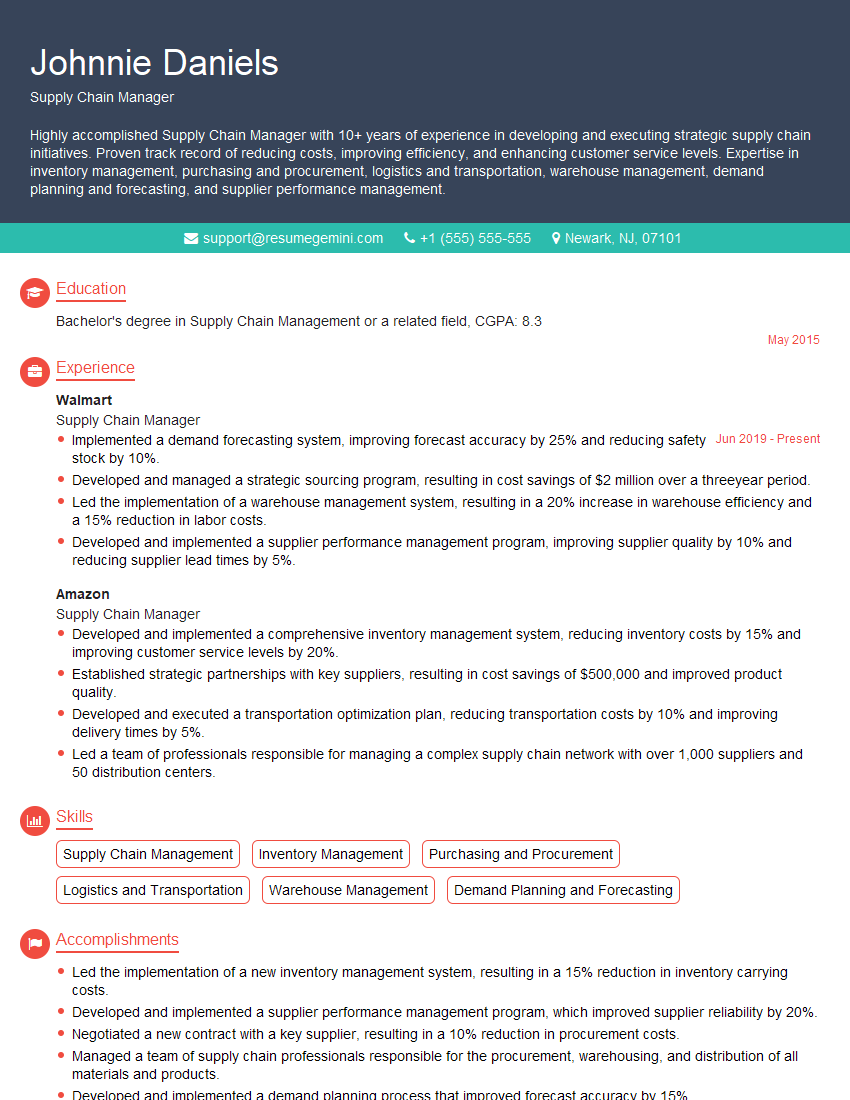
Supply Chain Manager Resume Sample
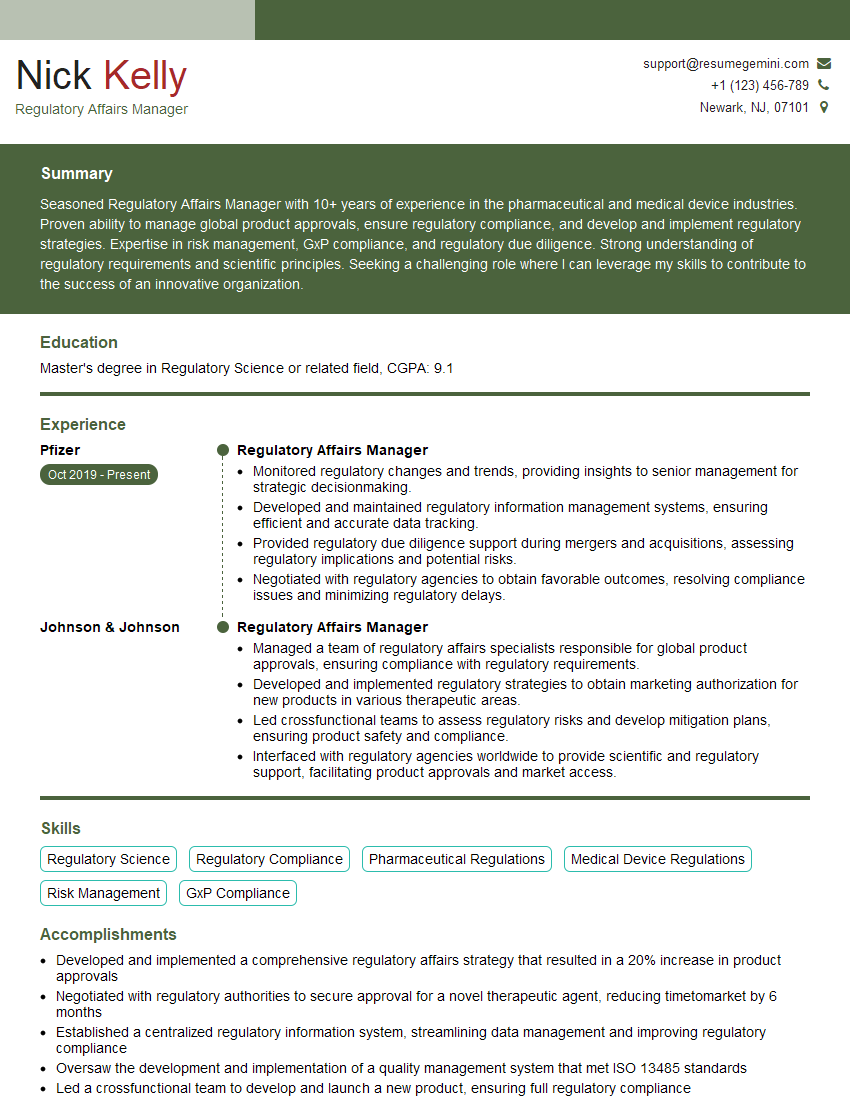
Regulatory Affairs Manager Resume Sample
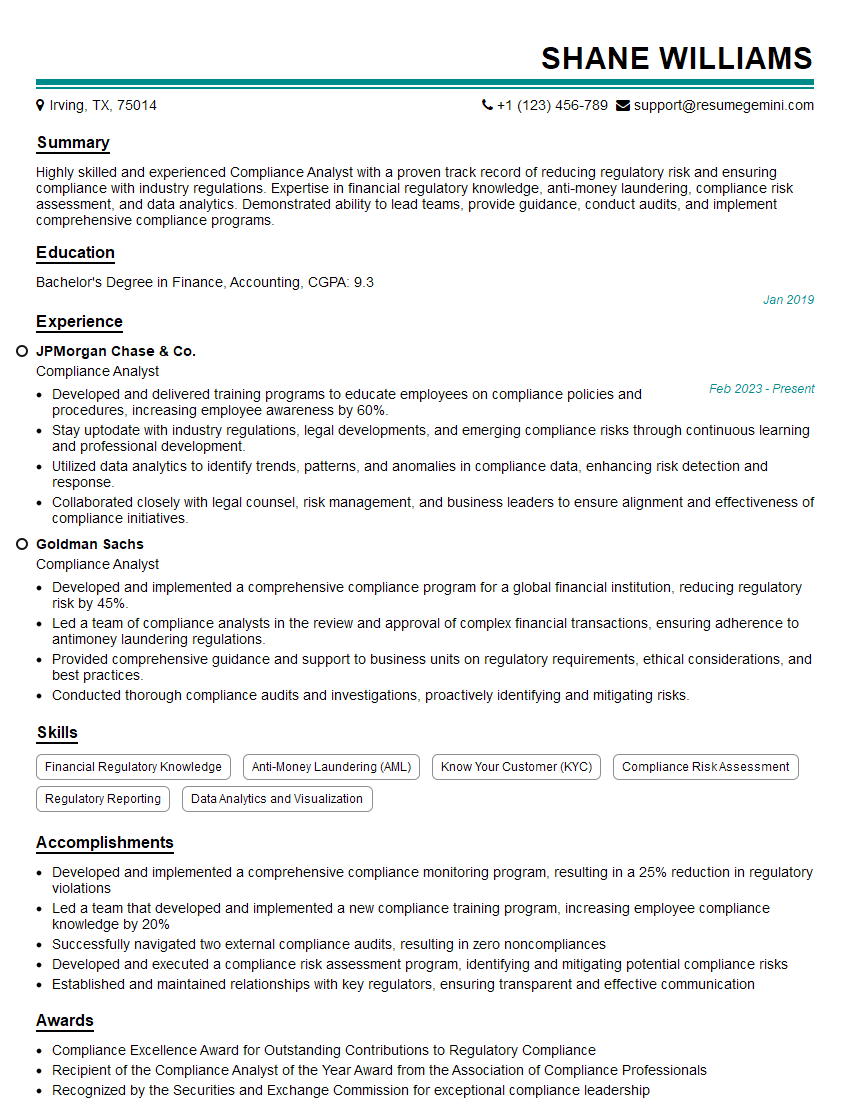
Compliance Analyst Resume Sample
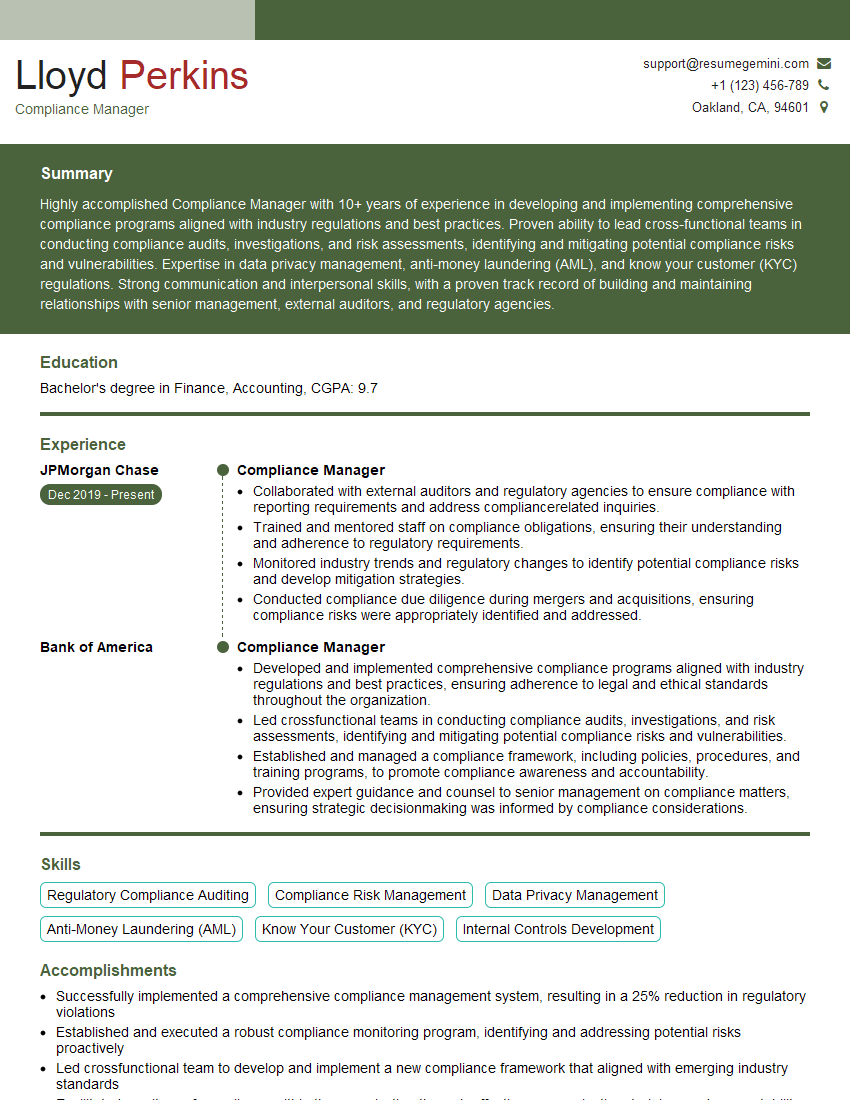
Compliance Manager Resume Sample
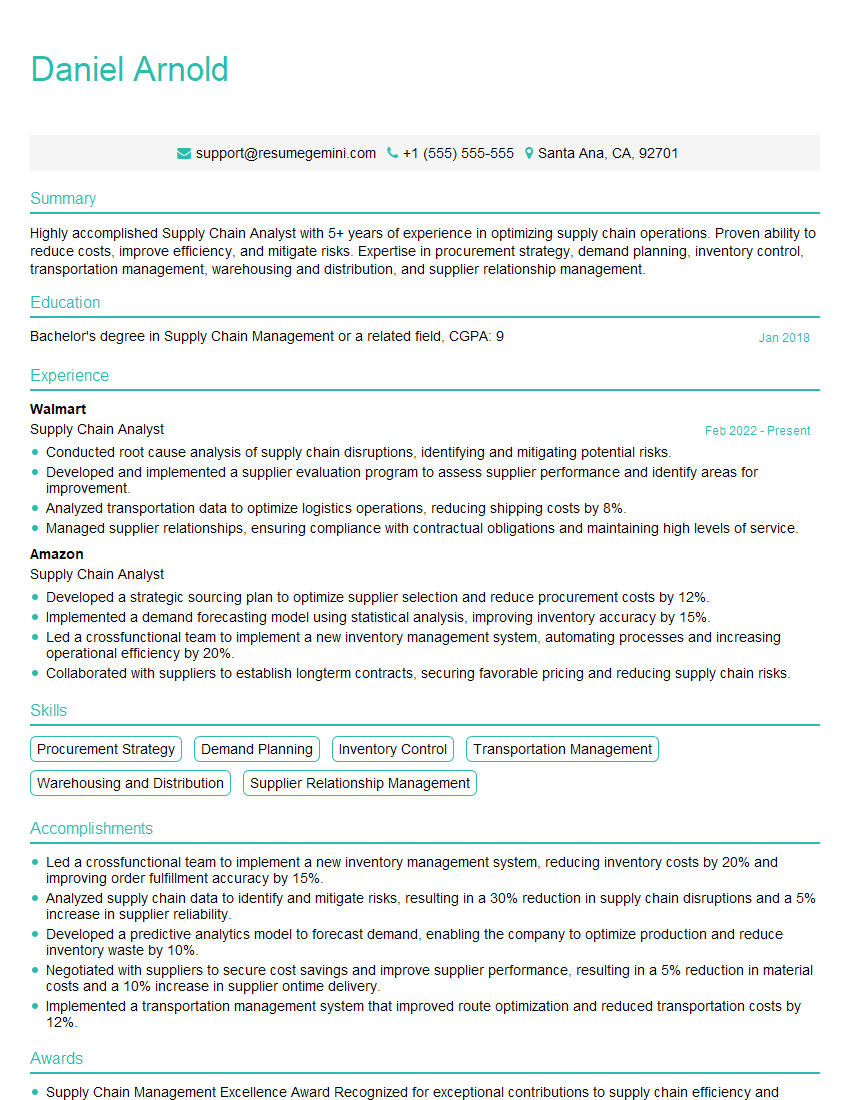
Supply Chain Analyst Resume Sample

Risk Management Specialist Resume Sample
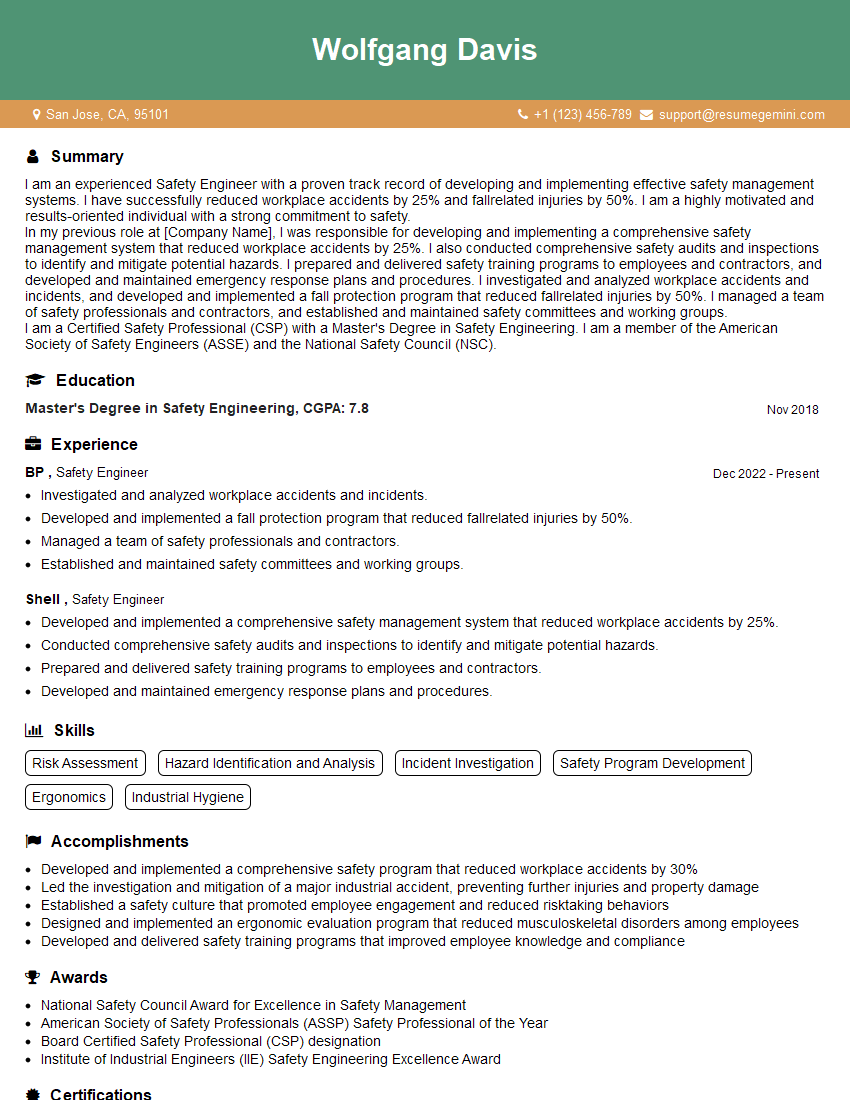
Safety Engineer Resume Sample
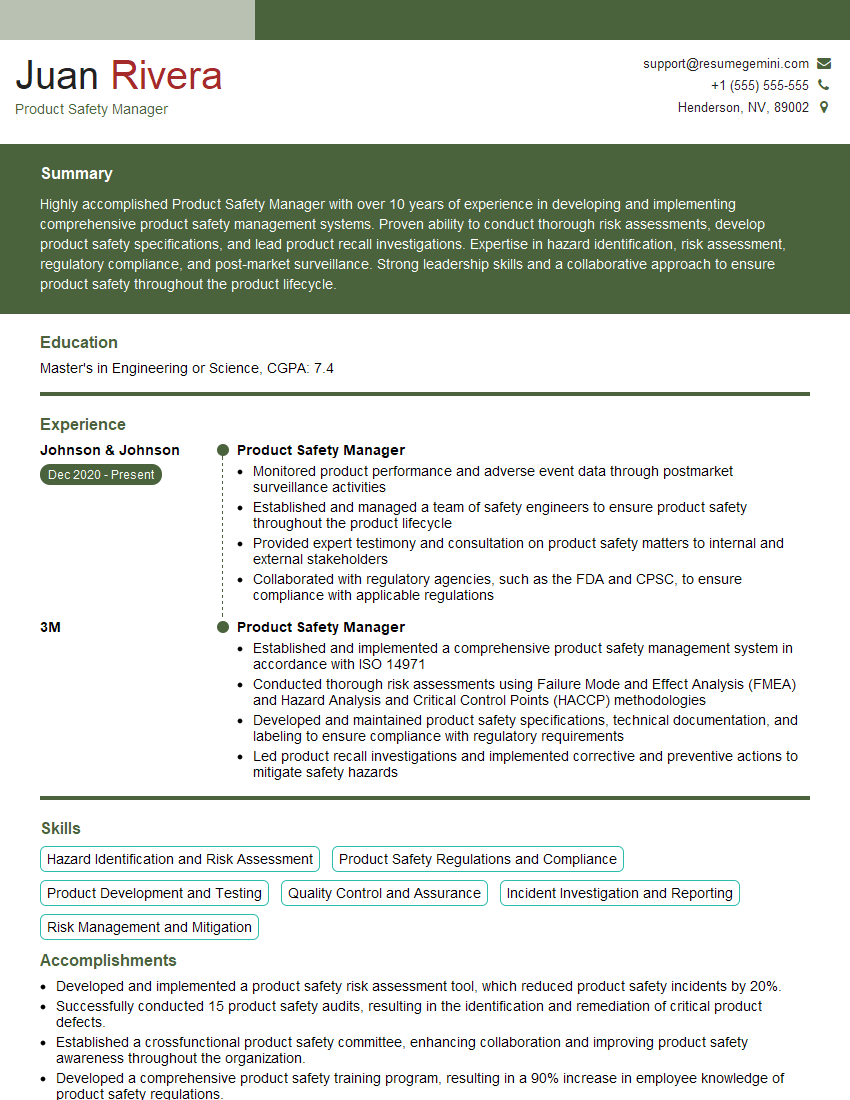
Product Safety Manager Resume Sample
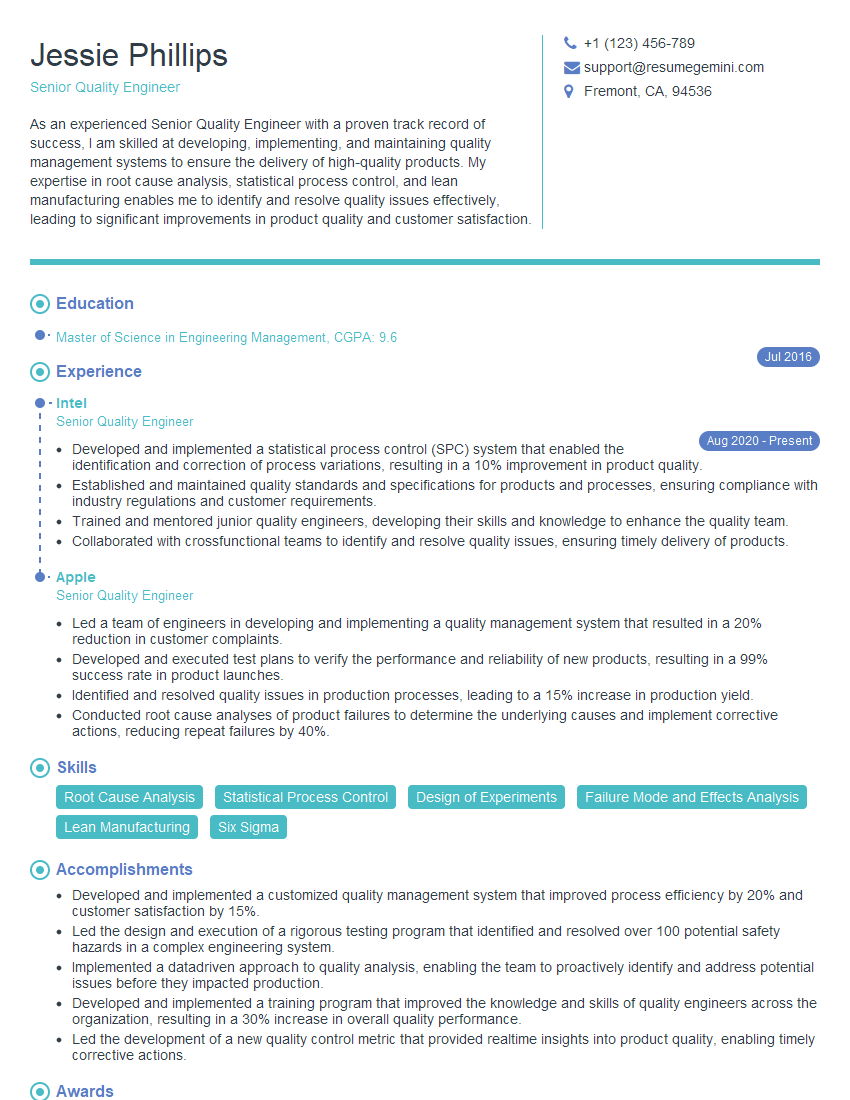
Senior Quality Engineer Resume Sample
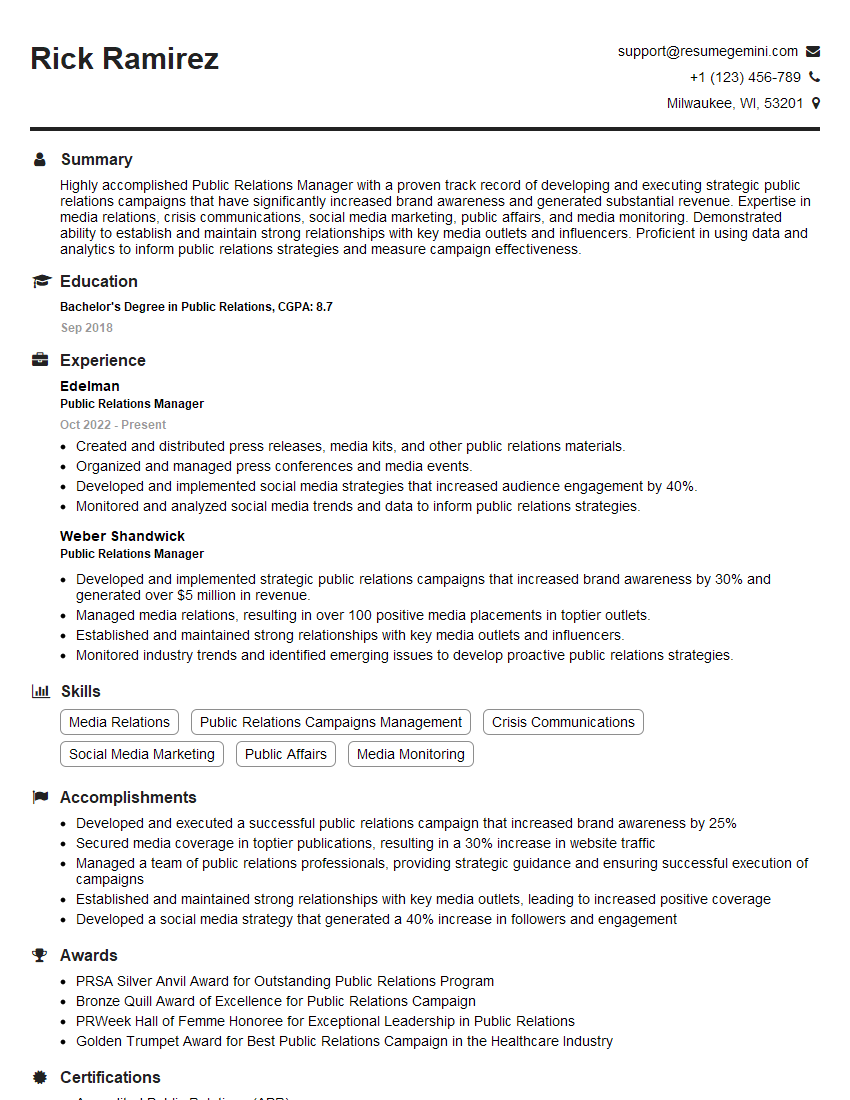
Public Relations Manager Resume Sample
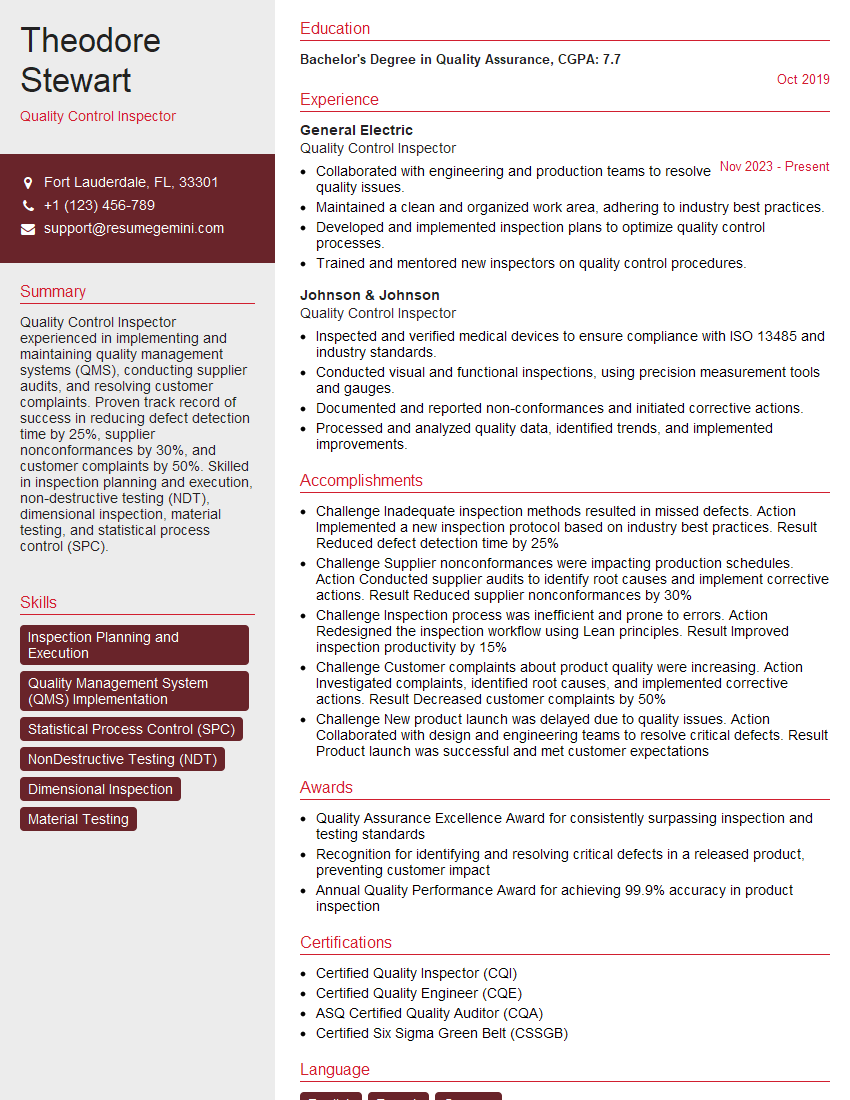
Quality Control Inspector Resume Sample
- Operations Manager
- Manufacturing Manager
- Director of Quality
- Quality Assurance Manager
- Supply Chain Manager
- Regulatory Affairs Manager
- Compliance Analyst
- Compliance Manager
- Supply Chain Analyst
- Risk Management Specialist
- Safety Engineer
- Product Safety Manager
- Senior Quality Engineer
- Public Relations Manager
- Quality Control Inspector
Explore more articles
Users Rating of Our Blogs
Share Your Experience
We value your feedback! Please rate our content and share your thoughts (optional).
What Readers Say About Our Blog
Really detailed insights and content, thank you for writing this detailed article.
IT gave me an insight and words to use and be able to think of examples