Are you ready to stand out in your next interview? Understanding and preparing for Product Safety Audits interview questions is a game-changer. In this blog, we’ve compiled key questions and expert advice to help you showcase your skills with confidence and precision. Let’s get started on your journey to acing the interview.
Questions Asked in Product Safety Audits Interview
Q 1. Describe your experience conducting product safety audits.
My experience in conducting product safety audits spans over 10 years, encompassing a wide range of industries including consumer electronics, toys, and medical devices. I’ve led audits for both large multinational corporations and smaller startups, focusing on both pre-production and post-production phases. This has involved reviewing design specifications, manufacturing processes, testing procedures, and quality control systems to ensure compliance with relevant safety regulations. For example, in a recent audit of a children’s toy manufacturer, I identified a potential choking hazard due to the small size of a detachable component. My recommendations resulted in a redesign of the toy, ensuring the safety of young children.
I’m adept at managing all aspects of the audit process, from planning and scheduling to reporting and follow-up. I’m comfortable working independently and collaboratively with cross-functional teams, including engineers, designers, and management. My approach always prioritizes a proactive and solution-oriented mindset, collaborating with the client to identify and address potential safety risks effectively and efficiently.
Q 2. What are the key international and national product safety standards you are familiar with (e.g., ISO, UL, CE)?
I’m proficient in a wide variety of international and national product safety standards. This includes the ISO series of standards (e.g., ISO 9001 for quality management systems, ISO 14001 for environmental management), the UL (Underwriters Laboratories) standards for various products such as electrical appliances and medical equipment, and the CE marking requirements for products sold within the European Economic Area. Other relevant standards I am familiar with include those from the FDA (Food and Drug Administration) for medical devices and food products, as well as specific national standards relevant to different countries, like those enforced by the Consumer Product Safety Commission (CPSC) in the United States.
Understanding these standards is crucial because they provide a framework for designing, manufacturing, and marketing safe products. My experience with these standards allows me to conduct comprehensive audits, ensuring compliance and minimizing risks of product-related accidents or injuries.
Q 3. Explain your understanding of risk assessment methodologies used in product safety audits.
Risk assessment methodologies are fundamental to product safety audits. I commonly employ techniques such as Failure Mode and Effects Analysis (FMEA) and Hazard and Operability Studies (HAZOP). FMEA systematically identifies potential failure modes, their effects, and the severity of those effects, allowing us to prioritize risks and develop mitigation strategies. HAZOP is a more qualitative approach, systematically reviewing design and operating procedures to identify potential hazards.
For example, in a recent FMEA, we identified a potential failure mode of a battery overheating in a portable electronic device. By analyzing the severity, occurrence, and detection of this failure, we were able to assign a risk priority number (RPN) and recommend design changes, such as improved thermal management, to reduce the risk. The output is often documented in a matrix or table, listing the failure mode, severity, occurrence, detection, and RPN. This structured approach helps ensure a comprehensive and rigorous evaluation of potential hazards.
Q 4. How do you identify potential hazards in a product during an audit?
Identifying potential hazards requires a methodical approach. It begins with a thorough review of the product’s design specifications, including material composition, intended use, and operating instructions. I then conduct a hands-on examination of the product itself, looking for sharp edges, small parts that could be choking hazards, exposed wires, or any other features that could cause injury. This physical inspection is often supplemented by functional testing, to assess performance under various conditions and identify potential failure modes.
Furthermore, I also review the manufacturing process and quality control procedures to ensure they adequately mitigate identified hazards. I look for any evidence of inadequate quality control, such as inconsistent manufacturing tolerances, or insufficient testing of components and finished products. For instance, a missing safety guard on a piece of machinery, identified through observation, is a significant safety hazard.
Q 5. What are some common product safety issues you have encountered?
Throughout my career, I’ve encountered various common product safety issues. These include inadequate labeling and warnings, leading to misuse or misunderstanding of operating instructions. I’ve also frequently observed issues related to the use of hazardous materials, such as lead or phthalates, particularly in children’s products. Electrical hazards like inadequate insulation or grounding have also been common findings. Furthermore, I’ve seen instances of mechanical hazards, such as sharp edges, pinch points, or unstable designs that could lead to injuries.
For example, a recent audit uncovered a toy that failed to meet the required standards for lead content, posing a significant health risk to young children. This highlighted the importance of thorough material testing and adherence to relevant regulations.
Q 6. How do you document your findings during a product safety audit?
Documentation is crucial for a product safety audit. I use a combination of methods to meticulously record my findings. This usually includes a comprehensive audit report that details the scope of the audit, the methodologies employed, and a detailed list of all observations and findings. This report classifies findings by severity, such as critical, major, minor, or informational, to facilitate prioritization of corrective actions.
Evidence is documented using photos, videos, and test results to support each finding. I also include recommendations for corrective actions to address each identified hazard. These recommendations are always practical and feasible, and I often suggest specific improvements and timelines for implementation. Finally, a follow-up schedule is developed to monitor corrective actions and ensure the recommended changes are fully implemented and effective.
Q 7. Describe your experience using different audit methodologies (e.g., checklists, sampling, etc.)
I am experienced in utilizing various audit methodologies tailored to the specific product and context. Checklists are a fundamental tool that ensures consistent coverage of key areas. However, checklists alone are not sufficient; a more flexible approach is often necessary. I use a combination of techniques, including sampling, to evaluate a representative subset of products from a larger production run, and visual inspection to identify potential hazards readily apparent upon examination. In some cases, destructive testing is employed to assess the structural integrity of components or materials.
For example, when auditing a large batch of electronic devices, I might use sampling to select a representative number of devices for testing. This would be complemented by a checklist to ensure consistent examination of key safety features across all samples. The choice of methodology depends on the product’s complexity, the risk level, and the available resources. A tailored approach always ensures the audit’s effectiveness and efficiency.
Q 8. How do you communicate audit findings to management and stakeholders?
Communicating audit findings effectively is crucial for driving improvements. My approach involves a multi-faceted strategy, starting with a well-structured report. This report uses clear, concise language, avoiding technical jargon where possible. I present the findings in a logical sequence, moving from a summary of overall compliance to a detailed breakdown of specific issues. I utilize visuals like charts and graphs to highlight key trends and risks.
The communication method depends on the audience. For senior management, I provide a high-level executive summary focusing on critical risks and recommended actions. For operational teams, I provide more detailed reports outlining specific non-conformances and offering corrective action suggestions. I always facilitate a follow-up meeting to discuss the findings in person, addressing questions and clarifying any misunderstandings. This ensures transparency and encourages active participation in the improvement process. For example, in a recent audit of a toy manufacturer, I presented the findings to the management team, highlighting the critical risk of lead content exceeding regulatory limits. This led to immediate corrective action, preventing potential recalls and reputational damage.
Q 9. How do you prioritize identified safety risks?
Prioritizing safety risks is paramount. I employ a risk-based approach using a matrix that considers the likelihood of the hazard occurring and the severity of its potential consequences. This is often visualized as a heat map, with high-likelihood, high-severity risks receiving immediate attention. For instance, a risk of fire in a product is likely to be prioritized higher than a minor cosmetic defect. I use standardized risk assessment tools, documented and aligned with industry best practices. Factors considered include the potential for injury, regulatory non-compliance, product liability claims, and reputational harm. In addition to severity and likelihood, the urgency of remediation— considering the existing mitigation and the potential for escalation—plays a significant role in determining the prioritization.
A documented risk register ensures accountability and trackability throughout the process. Each identified risk includes details such as the potential impact, root cause analysis, proposed mitigation strategies, responsible parties, and deadlines for implementation.
Q 10. Explain your approach to corrective and preventative actions (CAPA) following an audit.
My approach to Corrective and Preventative Actions (CAPA) is systematic and data-driven. After identifying non-conformances, I collaborate with the audited team to understand the root cause(s). This involves detailed root cause analysis (RCA) using methods like the ‘5 Whys’ or fault tree analysis. This ensures that we address the underlying problem, not just the symptom. We then develop corrective actions to resolve the immediate issue and preventative actions to prevent recurrence. These actions are clearly defined, assigned to specific individuals with deadlines, and documented in a CAPA tracking system.
Effective CAPA involves regular monitoring and verification of implemented actions. I follow up with the responsible parties to ensure timely completion and effectiveness of the actions. The effectiveness of the corrective actions is verified through re-audits, testing, or process validations. A closed-loop system ensures all identified issues have been fully addressed, documented, and evidence of resolution is recorded. For example, if a manufacturing process error was found to be the root cause of a product defect, the CAPA might involve retraining staff, improving quality control checks, and upgrading manufacturing equipment.
Q 11. How do you ensure the objectivity and impartiality of your audits?
Maintaining objectivity and impartiality is crucial for the credibility of the audit. I achieve this through several key strategies. Firstly, I establish a clear audit scope and plan beforehand, defining specific objectives and criteria to prevent bias creeping into the assessment. Secondly, I ensure I have no pre-conceived notions or personal relationships with the individuals or teams being audited. I maintain professional distance, making sure my personal views don’t influence the assessment.
I use standardized checklists and audit protocols to ensure consistent evaluation of processes and products against established regulations and standards. My findings are based on documented evidence, and I thoroughly document all observations and evidence gathered during the audit process. All observations are verified, providing supporting documentation where necessary. I regularly participate in professional development activities to maintain updated knowledge and remain aware of potential biases in my assessment process. This continuous learning helps me mitigate any potential unconscious biases, ensuring fairness and integrity.
Q 12. What are your skills in using audit management software?
I’m proficient in using various audit management software solutions, including [mention specific software e.g., AuditBoard, Jira Service Management, etc.]. My skills encompass planning and scheduling audits, managing audit documentation, tracking non-conformances and corrective actions, generating reports, and managing audit trails. I understand the importance of utilizing software to streamline the audit process, ensuring efficient documentation and ease of access to information. This reduces manual effort, minimizes errors, and facilitates effective communication and collaboration across teams. For instance, using features like automated reporting enables quick summary generation and trend analysis, allowing for prompt identification of recurring issues and improvements in our safety protocols.
Q 13. Describe your experience auditing different product types (e.g., electronics, toys, medical devices).
My experience spans a broad range of product types, including electronics, toys, and medical devices. Each product category necessitates a unique understanding of applicable regulations and standards (e.g., RoHS for electronics, CPSIA for toys, and ISO 13485 for medical devices). For example, auditing electronics requires a focus on electrical safety, electromagnetic compatibility, and hazardous substance restrictions. Auditing toys involves stringent scrutiny of small parts hazards, flammability, and chemical safety. Medical device audits demand a thorough understanding of sterilization processes, biocompatibility, and performance testing.
I adapt my audit approach to each product category, leveraging relevant standards and regulations, and integrating risk assessment methodologies. My experience allows me to seamlessly transition between different product types, maintaining the same rigorous standards and best practices throughout the audit process.
Q 14. How do you manage the audit scope and timeline effectively?
Effective management of audit scope and timeline is critical to ensure a successful audit. This begins with clearly defining the scope—identifying specific products, processes, or systems to be audited, specifying the regulations and standards to be assessed. The scope must be realistic, avoiding overly ambitious goals that can lead to superficial reviews. I work collaboratively with stakeholders to establish a mutually agreed-upon timeline, considering the complexities of the audit and resource availability. This usually involves creating a detailed audit plan with milestones and deadlines for each audit phase.
During the audit, I prioritize tasks based on risk, addressing high-priority areas first. I regularly monitor progress against the established timeline and make adjustments where necessary, maintaining open communication with stakeholders. Using project management techniques like Gantt charts and regular progress meetings helps keep the audit on track. Clear communication and proactive risk management strategies enable me to effectively manage the scope and timeline, ensuring the audit is conducted thoroughly and efficiently, whilst delivering timely and valuable results.
Q 15. What is your experience with root cause analysis techniques?
Root cause analysis is crucial in product safety audits to identify the fundamental reasons behind safety incidents or potential hazards, not just the surface-level symptoms. I’m proficient in several techniques, including the ‘5 Whys,’ Fishbone diagrams (Ishikawa diagrams), Fault Tree Analysis (FTA), and Failure Mode and Effects Analysis (FMEA).
For example, using the ‘5 Whys,’ if a product malfunctioned due to a loose wire (initial problem), we’d ask ‘Why was the wire loose?’ (poor soldering). Then, ‘Why was the soldering poor?’ (inadequate training). This iterative questioning continues until the root cause—a lack of training—is identified. Fishbone diagrams visually represent these causal relationships, helping to brainstorm and organize potential contributing factors. FTA and FMEA are more complex, suited for systematic analysis of complex systems, predicting potential failures and their consequences before they occur.
In practice, I typically combine these techniques, starting with a simpler method like ‘5 Whys’ to quickly gain insight and then leveraging FTA or FMEA for more thorough analysis of critical issues. The choice of technique depends on the complexity of the problem and the available time and resources.
Career Expert Tips:
- Ace those interviews! Prepare effectively by reviewing the Top 50 Most Common Interview Questions on ResumeGemini.
- Navigate your job search with confidence! Explore a wide range of Career Tips on ResumeGemini. Learn about common challenges and recommendations to overcome them.
- Craft the perfect resume! Master the Art of Resume Writing with ResumeGemini’s guide. Showcase your unique qualifications and achievements effectively.
- Don’t miss out on holiday savings! Build your dream resume with ResumeGemini’s ATS optimized templates.
Q 16. How do you handle conflicting information or differing opinions during an audit?
Conflicting information is common in audits. My approach focuses on objectivity and thorough investigation. First, I document all perspectives carefully, ensuring everyone feels heard. Then, I cross-reference information with evidence from various sources such as design specifications, test data, and manufacturing records. If necessary, I’ll involve additional subject matter experts to resolve discrepancies. The goal is to reach a consensus based on objective evidence, not solely on opinions. If a complete resolution isn’t possible, I clearly document the remaining disagreements and their implications in the audit report.
For instance, if the engineering team claims a design change resolved a safety concern, while production records show the change wasn’t fully implemented, I’d investigate further to reconcile this difference, perhaps interviewing personnel or examining physical samples. Transparency and documentation are key to managing these situations.
Q 17. Describe your experience with different types of audit reports.
My experience encompasses various audit report types, including internal audit reports, third-party audit reports, and regulatory compliance reports. Internal audit reports focus on identifying improvement opportunities within an organization, often using a less formal style. Third-party reports, however, necessitate greater formality and detail, often following specific standards (e.g., ISO 9001 or ISO 13485). Regulatory compliance reports are specific to legal and regulatory requirements, and their structure and content depend on the applicable laws and regulations.
Regardless of the report type, the common thread is clarity and accuracy. They should clearly state the audit’s scope, methodology, findings, conclusions, and recommendations for improvement. A well-structured report includes an executive summary, detailed findings, evidence to support each finding, and a prioritized list of recommendations with associated timelines and responsibilities.
Q 18. How do you stay current with changes in product safety regulations and standards?
Staying current with product safety regulations and standards is paramount. I achieve this through a multi-pronged approach. I subscribe to relevant newsletters and professional journals, such as those published by organizations like ANSI and UL. I actively participate in industry conferences and webinars, networking with other professionals to exchange knowledge and insights. I also monitor government agency websites (e.g., the FDA, CPSC) for updates on regulations and enforcement actions. Finally, I maintain a robust network of contacts within regulatory bodies and professional organizations, allowing for direct access to updates and clarifications.
For example, I regularly check the CPSC website for new recall notices and safety alerts, which can reveal emerging product safety issues or changes in regulatory focus. This proactive approach ensures my knowledge base is up-to-date and relevant to the industries I serve.
Q 19. Explain your experience with internal audits versus third-party audits.
Internal audits assess an organization’s own compliance with its established safety procedures and standards. They are often less formal, focusing on identifying areas for improvement and strengthening internal controls. Third-party audits are conducted by independent organizations to verify compliance with external standards, regulations, or contractual obligations. These audits are typically more rigorous and formal, involving detailed documentation and verification of evidence.
In my experience, internal audits offer opportunities for continuous improvement, while third-party audits provide independent verification of compliance. For example, an internal audit might reveal a training gap, enabling corrective actions before a third-party audit identifies it as a non-compliance issue. The two types complement each other; internal audits prepare for external audits and help build a strong safety culture.
Q 20. How do you manage audit-related documentation and records?
Maintaining meticulous audit documentation is crucial. I use a digital system to manage all audit-related documents securely. This includes audit plans, checklists, evidence gathered during the audit (photos, test reports, interview transcripts), findings, conclusions, corrective action requests (CARs), and the final audit report. The system allows for easy searching, version control, and access control. All documents are appropriately labeled, timestamped, and secured according to company policies and regulatory requirements.
Retention policies are strictly adhered to, ensuring compliance with legal and industry standards for document storage. A robust system is essential to demonstrate due diligence and facilitates timely access to information for future audits or investigations.
Q 21. Describe a situation where you identified a critical safety issue. What actions did you take?
During an audit of a children’s toy manufacturing facility, I discovered a significant design flaw: small, detachable parts posed a choking hazard. The parts were smaller than the legally mandated size. Upon discovering this, I immediately escalated the issue to the senior management team and documented the finding with detailed photographic evidence and references to relevant safety standards. I then recommended immediate corrective actions, including a product recall and redesign to eliminate the hazard. The findings were documented in the audit report, and a follow-up audit was scheduled to verify the implementation of corrective actions.
My next step involved direct communication with the relevant regulatory bodies (e.g., the CPSC) to report the potential hazard and collaborate on the appropriate recall procedures. The safety of children was paramount, and swift, decisive action was crucial.
Q 22. How do you handle situations where you disagree with the auditee’s assessment of a safety risk?
Disagreements on safety risk assessments are common in audits. My approach focuses on professional, collaborative dialogue. I begin by respectfully understanding the auditee’s rationale, ensuring I fully grasp their reasoning and the data supporting their assessment. This often involves asking clarifying questions to delve deeper into their methodology, the evidence used, and any assumptions made.
If the difference persists, I present my counterarguments, supported by industry best practices, relevant standards (like ISO 14971 for risk management), and any regulatory requirements. I might use specific examples to illustrate the potential hazards or vulnerabilities I’ve identified. The goal is not to win an argument, but to reach a shared understanding and mitigate the risk. If we cannot reach a consensus, I would document the disagreement in detail within my audit report, including both perspectives and the justification for my assessment. This ensures transparency and allows management to make an informed decision.
For example, if an auditee downplays the risk of a component failure based on historical data alone, I might highlight the need to consider worst-case scenarios, potential manufacturing defects, or changes in operating conditions that weren’t captured in the historical data. This would involve demonstrating how a seemingly low-probability event could have significant consequences.
Q 23. What is your experience with safety data sheets (SDS) and their role in audits?
Safety Data Sheets (SDS), formerly known as Material Safety Data Sheets (MSDS), are crucial in product safety audits. They provide comprehensive information about hazardous substances used in manufacturing or present in the final product. My experience involves reviewing SDSs to verify that the auditee correctly identifies and manages hazardous materials throughout their lifecycle, from procurement to disposal. This includes checking for compliance with relevant regulations (like OSHA’s Hazard Communication Standard), verifying that appropriate Personal Protective Equipment (PPE) is specified and used, and ensuring that hazard communication to employees is effective.
During an audit, I scrutinize SDSs to ensure they are up-to-date, accurate, and readily accessible to relevant personnel. I also check that the information provided aligns with the actual use and handling of the materials in the production process. Inconsistent information or missing SDSs are major red flags, indicating potential safety gaps that need immediate attention. For instance, a failure to properly handle a flammable material due to inadequate SDS information could lead to a fire hazard.
Q 24. How do you ensure the confidentiality of sensitive information obtained during audits?
Confidentiality is paramount in product safety audits. I adhere to strict confidentiality agreements and utilize best practices to protect sensitive information. This includes:
- Data Encryption: Storing all audit data, including documents and notes, on encrypted devices and secure servers.
- Access Control: Limiting access to audit information to authorized personnel only, using role-based access control systems.
- Data Anonymization: Removing personally identifiable information whenever possible, while still preserving the integrity of the audit findings.
- Secure Data Disposal: Implementing secure methods for the disposal or destruction of audit documents when they are no longer needed.
- Confidentiality Agreements: Ensuring all audit team members sign confidentiality agreements prior to the audit.
I treat all information gathered during an audit as strictly confidential, and only share findings with those who have a legitimate need to know, such as clients, senior management or regulatory bodies, as appropriate and in accordance with the terms of engagement.
Q 25. Explain your understanding of different types of testing methodologies used to verify product safety.
Various testing methodologies are employed to verify product safety. These can be broadly categorized into:
- Destructive Testing: This involves subjecting the product to stresses until failure, to determine its strength, durability, and resistance to various environmental factors (e.g., tensile strength testing, impact testing, fatigue testing). This helps determine the product’s limits and potential failure points.
- Non-Destructive Testing (NDT): These methods assess the product’s integrity without causing damage. Examples include ultrasonic testing, radiographic testing, and magnetic particle testing, used to detect internal flaws or defects.
- Environmental Testing: This simulates various environmental conditions (temperature extremes, humidity, vibration, etc.) to evaluate the product’s performance and stability under these conditions. This is especially important for products used outdoors or in harsh environments.
- Chemical Testing: This evaluates the chemical composition and potential hazards associated with the product’s materials, using techniques like chromatography and spectroscopy. This is particularly important for ensuring compliance with regulations concerning hazardous substances.
- Simulation Testing: This uses computer modeling and simulation to predict the product’s behavior under various conditions, providing an understanding of potential failures before physical testing. This can be significantly cheaper and faster than purely physical testing.
The choice of testing methodology depends on the specific product, its intended use, and relevant regulatory requirements. A comprehensive safety assessment usually involves a combination of these methods.
Q 26. How do you assess the effectiveness of a company’s product safety management system?
Assessing the effectiveness of a company’s product safety management system (PSMS) involves a holistic evaluation of their processes, procedures, and culture. I use a multi-faceted approach, examining various aspects including:
- Documented Procedures: Reviewing existing documented procedures to ensure they comprehensively cover all aspects of product safety, including design, manufacturing, testing, and post-market surveillance.
- Risk Management: Evaluating the effectiveness of their risk management process, particularly their ability to identify, assess, and mitigate potential hazards. Compliance with standards like ISO 14971 is a key indicator of effectiveness.
- Testing and Verification: Assessing the rigor and completeness of their testing procedures and the validation of testing equipment. This includes reviewing test plans, reports, and the overall quality of the testing process.
- Incident Reporting and Investigation: Evaluating the effectiveness of their processes for reporting, investigating, and learning from product safety incidents. A strong system will have clear procedures for reporting incidents, conducting thorough investigations and using the findings to improve their PSMS.
- Compliance and Regulatory Requirements: Reviewing their compliance with all applicable safety regulations and standards, both domestic and international.
- Training and Competence: Evaluating the training and competency of personnel involved in product safety activities. This includes verifying that employees have the necessary knowledge and skills to perform their duties safely and effectively.
A combination of document review, interviews, and observations are used to assess the system’s effectiveness. The findings are then used to identify areas for improvement and to measure the overall maturity of the PSMS.
Q 27. Describe your experience with supplier audits related to product safety.
Supplier audits related to product safety are critical to ensure that the components and materials used in a product meet the required safety standards. My experience includes conducting both on-site and remote audits of suppliers to assess their capabilities and adherence to safety requirements. This involves evaluating their own PSMS, their testing capabilities, quality control systems and their traceability procedures.
I typically assess the following:
- Supplier’s Quality Management System: Evaluation of their compliance with standards such as ISO 9001.
- Material Traceability: Examining their ability to trace materials and components throughout their supply chain.
- Manufacturing Processes: Assessing the safety of their manufacturing processes and the implementation of safety controls.
- Testing and Inspection: Review of their testing and inspection procedures to verify compliance with specifications.
- Compliance with Regulations: Checking compliance with relevant regulations and standards.
Q 28. How familiar are you with legal liability associated with product safety failures?
I am very familiar with the legal liability associated with product safety failures. Companies can face significant legal and financial consequences when their products cause harm or injury. This liability extends to various areas, including:
- Product Liability Lawsuits: Companies can be sued for damages resulting from defective products, potentially facing substantial financial penalties and reputational damage. The specific laws and regulations vary by jurisdiction, but generally involve proving the product was defective, the defect caused the injury, and the injury resulted in damages.
- Regulatory Fines and Penalties: Regulatory bodies can impose significant fines for non-compliance with safety regulations and standards. These penalties can disrupt operations and impact a company’s financial stability.
- Recall Costs: Recalling defective products can be an expensive undertaking, incurring costs associated with retrieving, repairing, or replacing defective products.
- Insurance Costs: Product liability insurance premiums can increase significantly following product safety incidents, adding to the financial burden.
- Reputational Damage: Negative publicity surrounding product safety incidents can severely damage a company’s reputation, impacting sales and investor confidence.
Understanding these potential liabilities is crucial in conducting effective product safety audits, as it emphasizes the importance of proactively identifying and mitigating safety risks.
Key Topics to Learn for Product Safety Audits Interview
- Understanding Regulatory Frameworks: Grasp the intricacies of relevant safety standards (e.g., ISO, FDA, CE) and their practical application in auditing processes. This includes understanding the legal ramifications of non-compliance.
- Audit Methodology & Planning: Learn different audit approaches (e.g., risk-based, compliance-based), how to develop an effective audit plan, and the importance of meticulous documentation. Practical application includes planning an audit for a specific product or manufacturing process.
- Hazard Identification & Risk Assessment: Master techniques for identifying potential hazards in product design, manufacturing, and use. Understand risk assessment methodologies and how to prioritize risks based on severity and likelihood. Practical application involves performing a risk assessment on a hypothetical product.
- Corrective and Preventive Actions (CAPA): Learn the process of identifying, analyzing, and implementing CAPAs to address identified safety concerns. Understand root cause analysis techniques and the importance of effective documentation and verification.
- Data Analysis & Reporting: Develop skills in interpreting audit data, identifying trends, and presenting findings in a clear and concise manner. This includes preparing comprehensive audit reports that effectively communicate findings and recommendations to stakeholders.
- Communication & Collaboration: Understand the importance of effective communication with different stakeholders (e.g., management, engineers, production staff). Learn how to constructively deliver feedback and build collaborative relationships.
- Emerging Technologies & Trends: Stay updated on new technologies and trends impacting product safety and auditing practices (e.g., AI, IoT). Understand how these technologies can enhance safety and efficiency.
Next Steps
Mastering Product Safety Audits significantly enhances your career prospects in ensuring product safety and compliance. This specialized skillset is highly valued across various industries, opening doors to rewarding roles and career advancement. To increase your chances of landing your dream job, create an ATS-friendly resume that highlights your relevant skills and experience. We highly recommend using ResumeGemini to craft a professional and impactful resume. ResumeGemini provides you with the tools and resources, including examples of resumes tailored to Product Safety Audits, to help you present yourself effectively to potential employers.
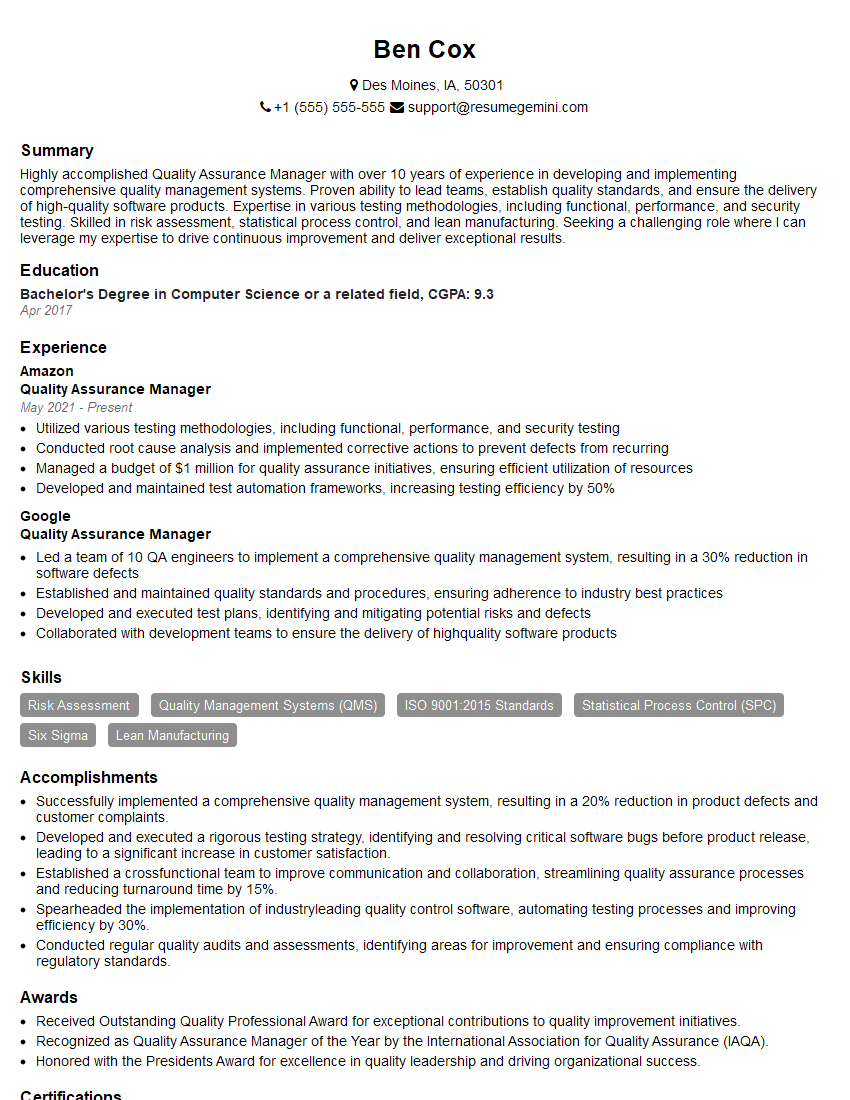
Quality Assurance Manager Resume Sample
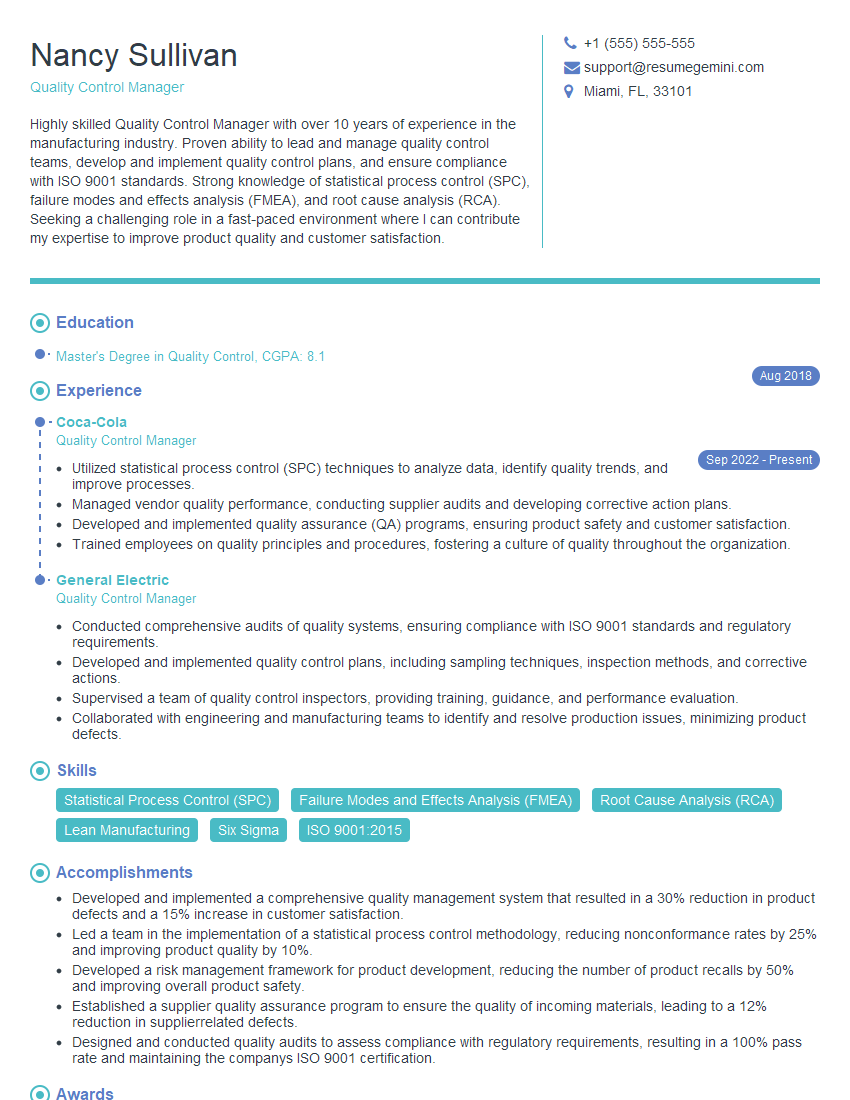
Quality Control Manager Resume Sample
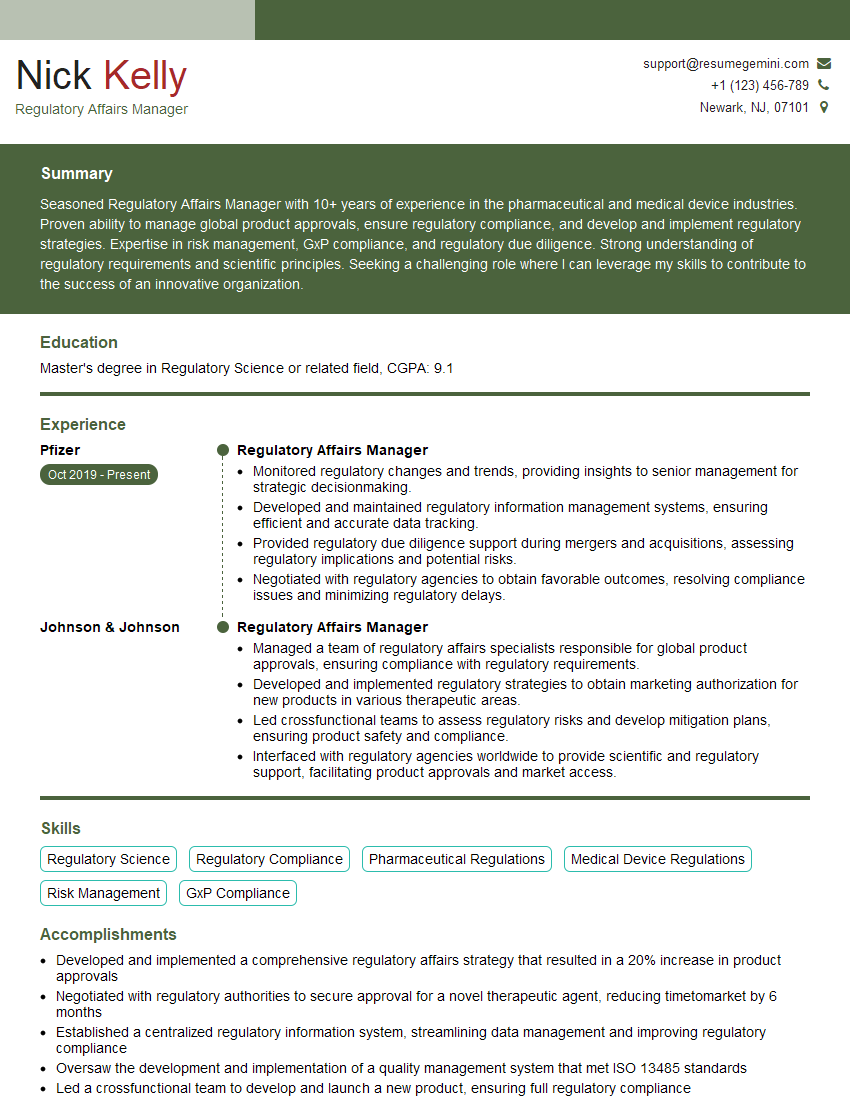
Regulatory Affairs Manager Resume Sample

Compliance Officer Resume Sample
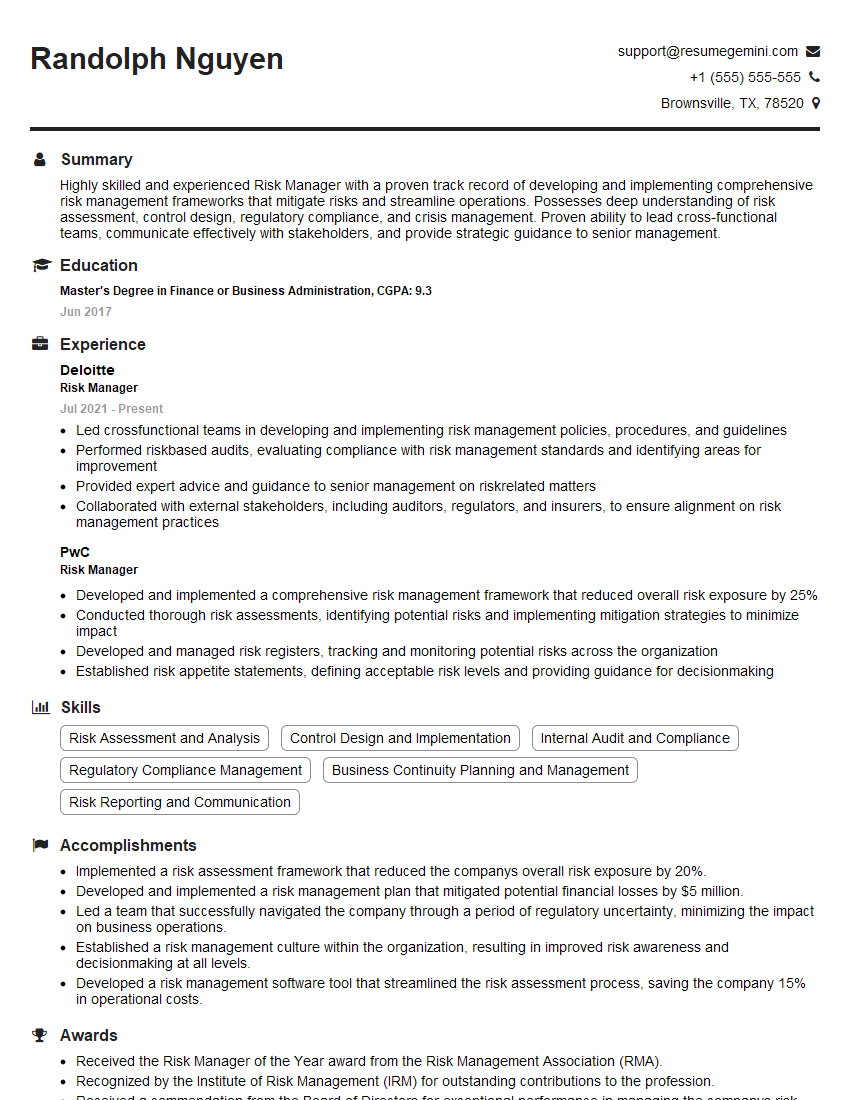
Risk Manager Resume Sample
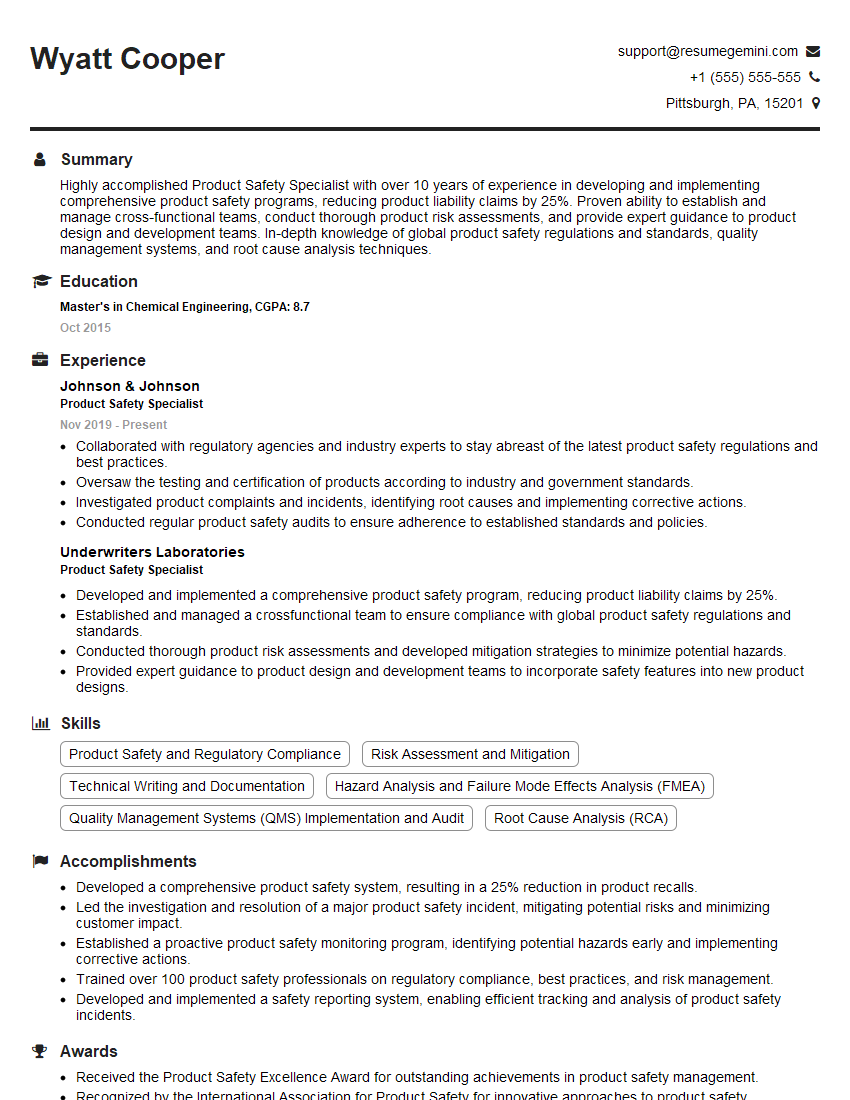
Product Safety Specialist Resume Sample
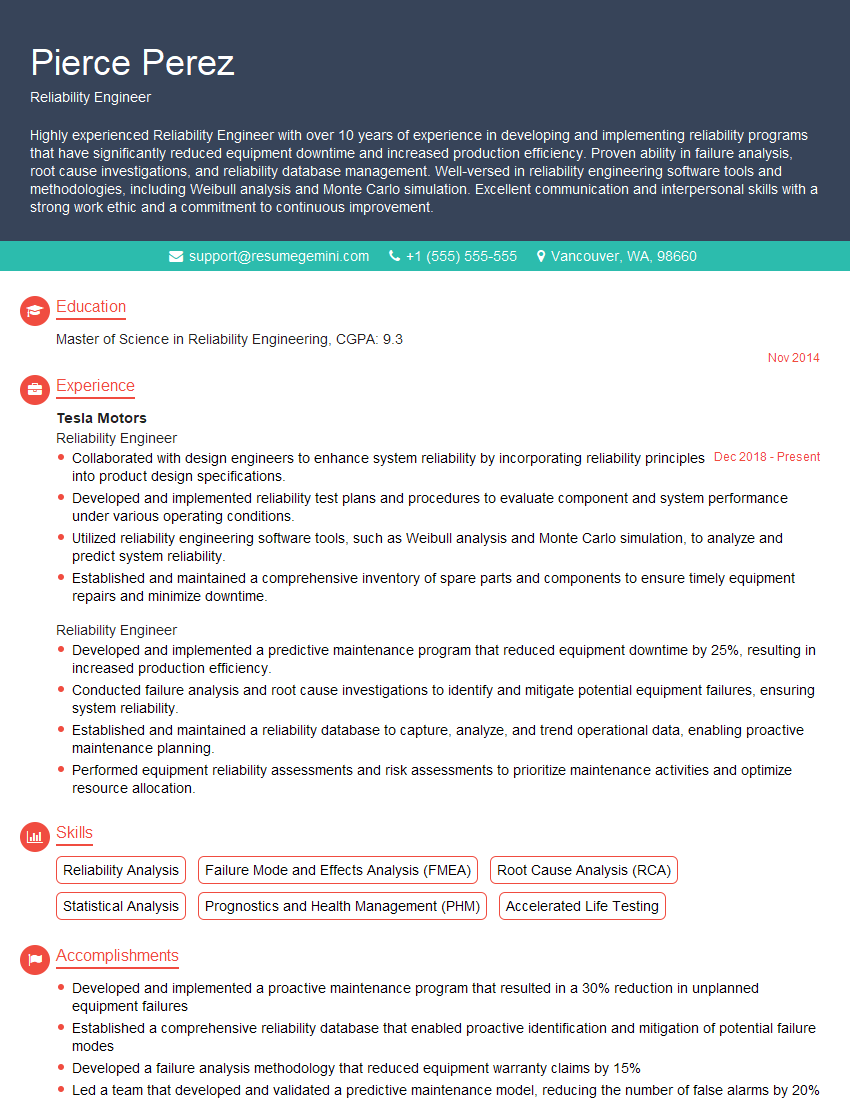
Reliability Engineer Resume Sample
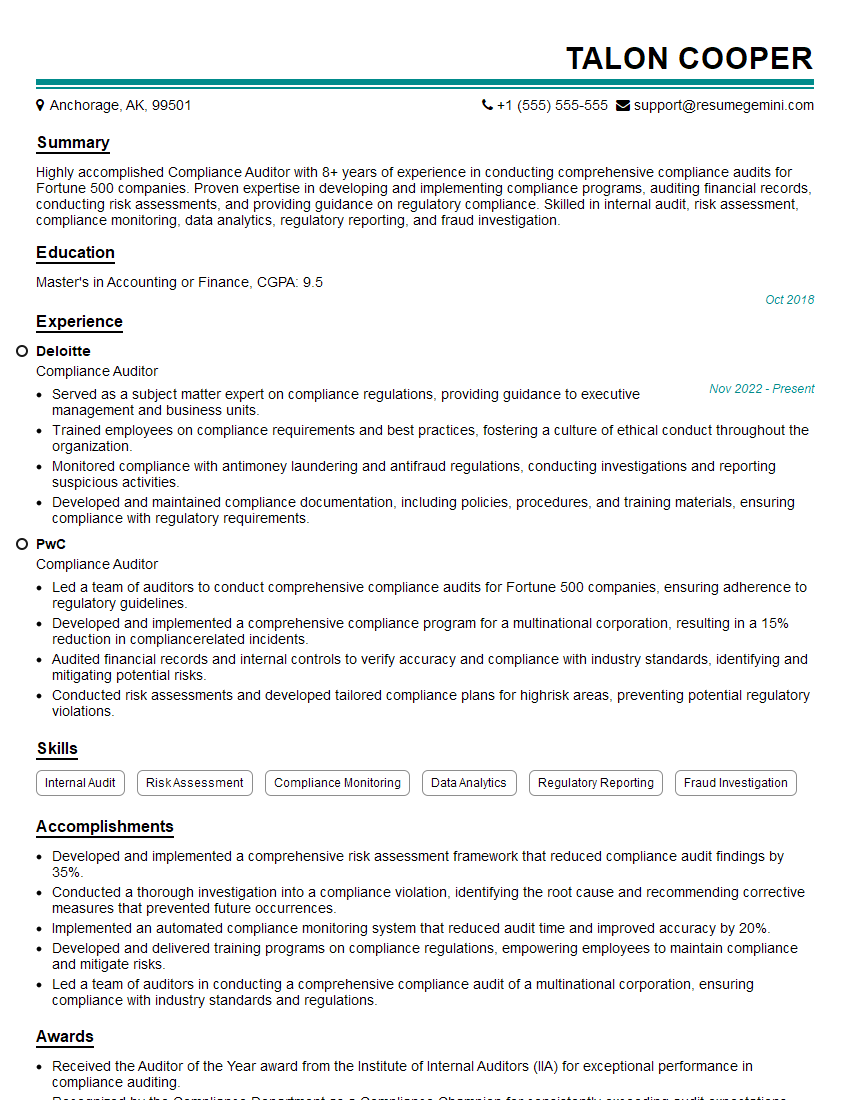
Compliance Auditor Resume Sample
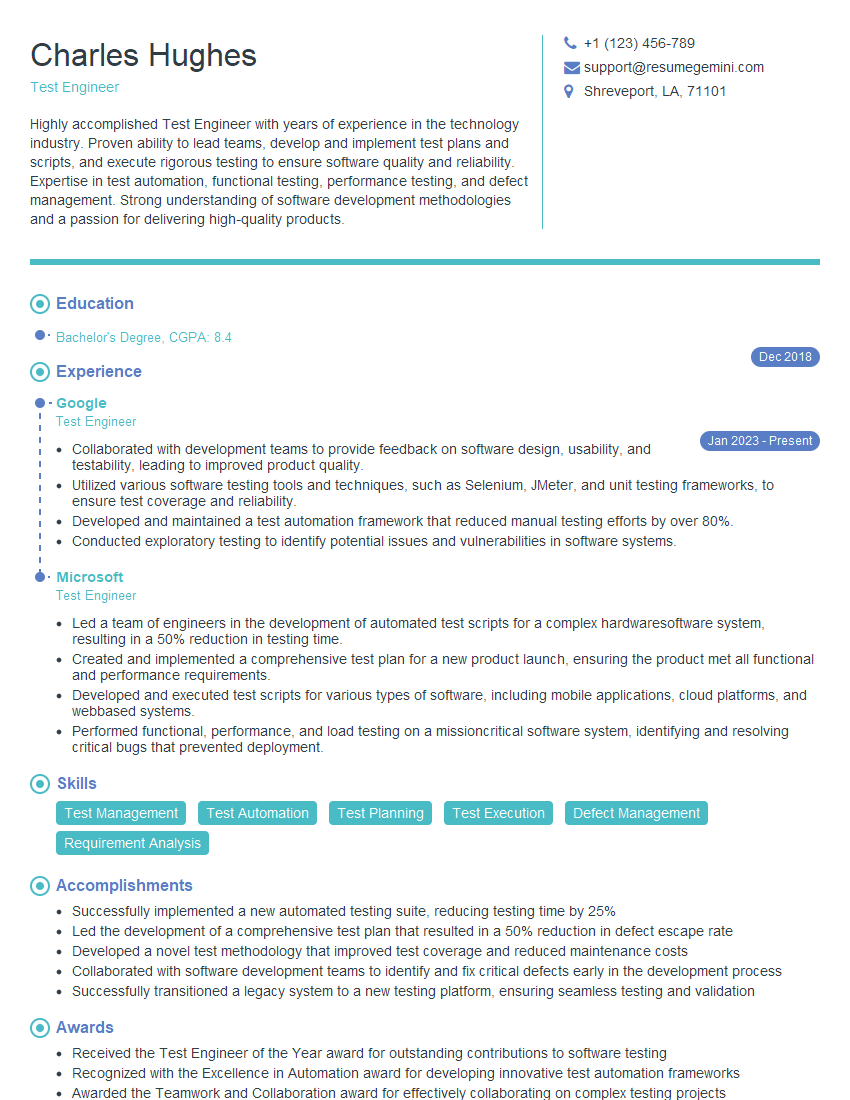
Test Engineer Resume Sample
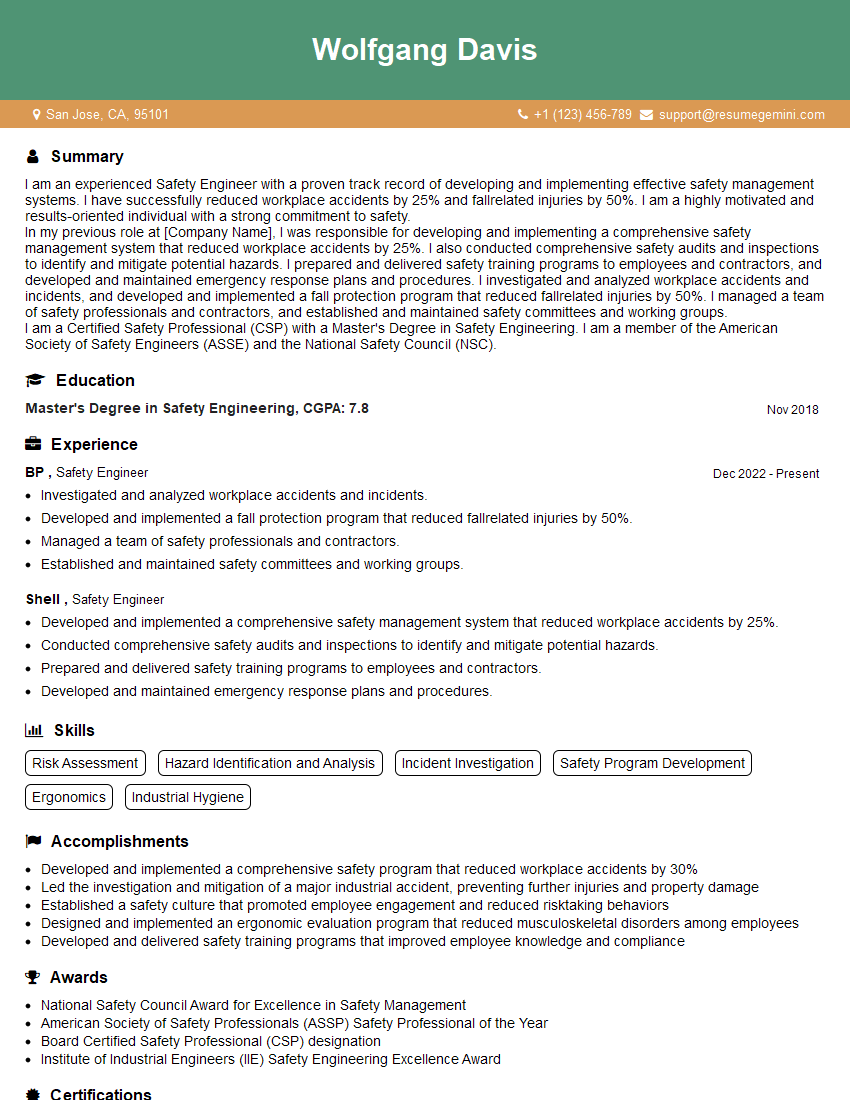
Safety Engineer Resume Sample
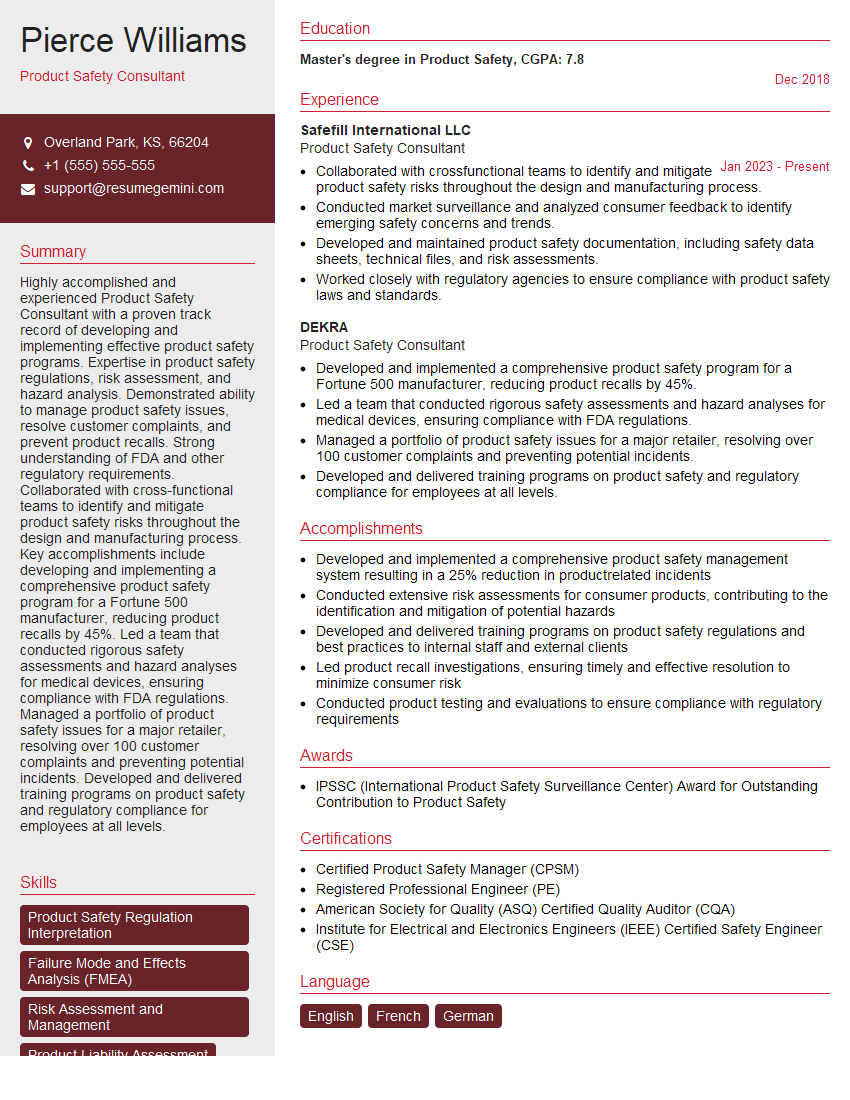
Product Safety Consultant Resume Sample
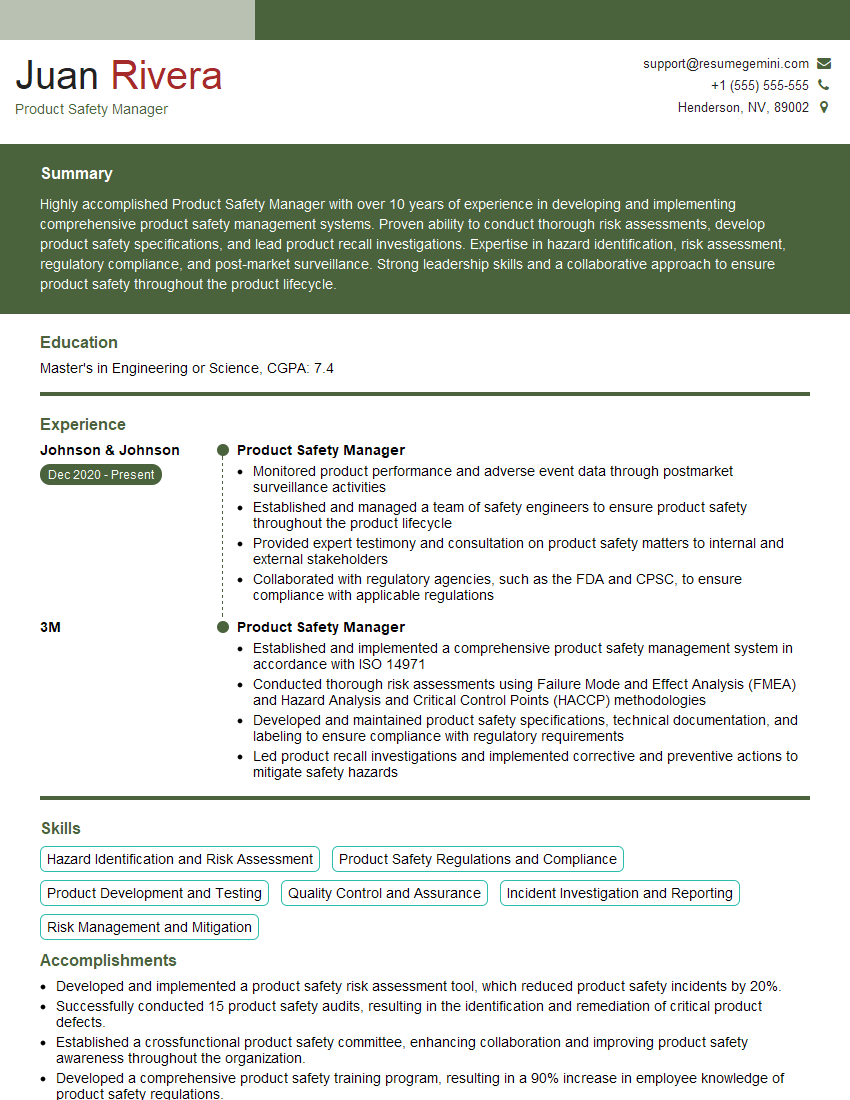
Product Safety Manager Resume Sample
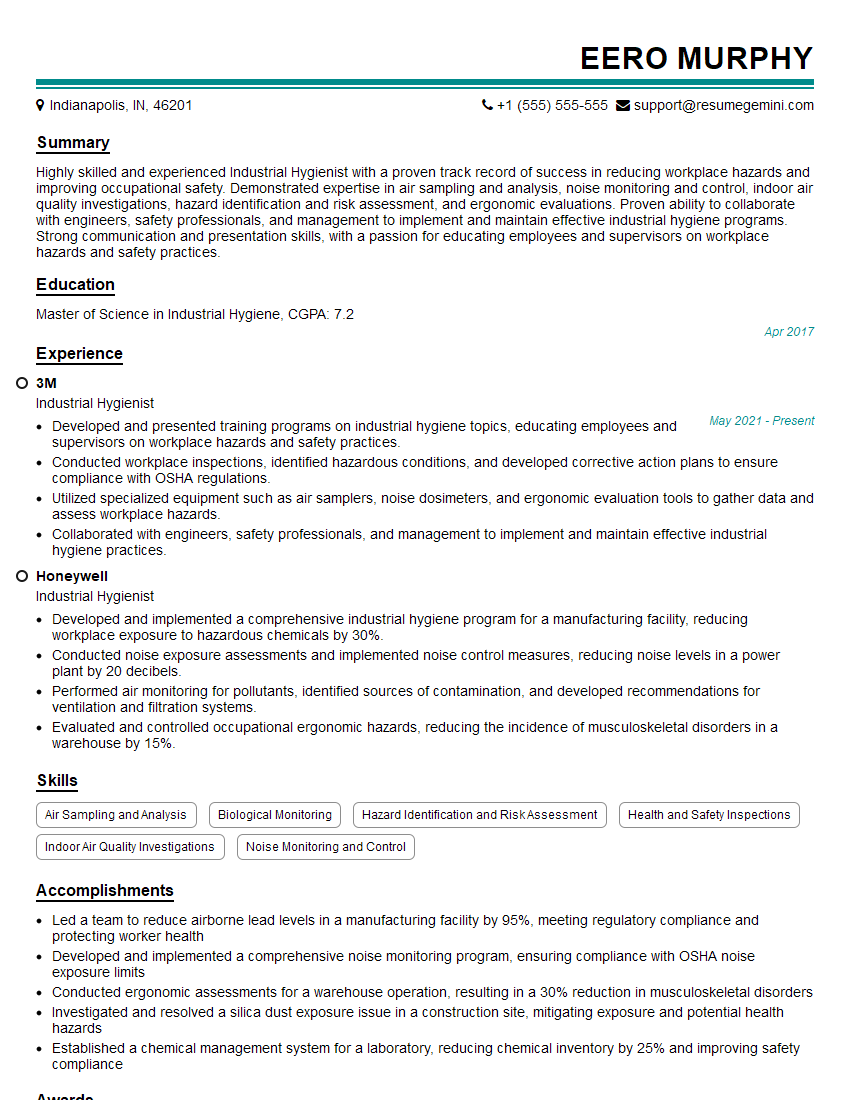
Industrial Hygienist Resume Sample
Explore more articles
Users Rating of Our Blogs
Share Your Experience
We value your feedback! Please rate our content and share your thoughts (optional).
What Readers Say About Our Blog
Really detailed insights and content, thank you for writing this detailed article.
IT gave me an insight and words to use and be able to think of examples