Unlock your full potential by mastering the most common Progress Monitoring and Data Analysis interview questions. This blog offers a deep dive into the critical topics, ensuring you’re not only prepared to answer but to excel. With these insights, you’ll approach your interview with clarity and confidence.
Questions Asked in Progress Monitoring and Data Analysis Interview
Q 1. Explain the difference between descriptive, predictive, and prescriptive analytics.
The three types of analytics—descriptive, predictive, and prescriptive—represent a progression in data analysis sophistication. Think of it like understanding the past, predicting the future, and then acting upon that prediction.
- Descriptive Analytics: This is all about summarizing what has happened. It uses past data to understand trends, patterns, and overall performance. Think of sales reports showing total revenue for the last quarter or a website’s analytics showing the number of visitors each day. It answers the ‘what happened?’ question. Examples include calculating averages, creating charts and graphs, and generating summary statistics.
- Predictive Analytics: This leverages historical data to forecast future outcomes. It uses statistical techniques and machine learning algorithms to identify probabilities and estimate what might happen. For example, predicting customer churn based on their past behavior, forecasting sales based on seasonality and marketing campaigns, or assessing the risk of loan default. It answers the ‘what might happen?’ question. Examples include time series analysis, regression models, and classification algorithms.
- Prescriptive Analytics: This goes beyond prediction and suggests optimal actions to achieve desired outcomes. It uses optimization techniques and simulation to recommend specific actions. For instance, optimizing pricing strategies based on predicted demand, recommending personalized product suggestions to maximize customer engagement, or determining the optimal inventory levels to minimize costs. It answers the ‘what should we do?’ question. Examples include linear programming, simulation modeling, and decision optimization.
Q 2. Describe your experience with different data visualization tools and techniques.
I’ve extensive experience with a variety of data visualization tools and techniques, tailoring my approach to the specific data and audience. My go-to tools include Tableau, Power BI, and Python libraries like Matplotlib and Seaborn.
I find that the best visualizations are clear, concise, and tailored to the specific question being asked. For instance, when presenting sales data across different regions, a geographical map is excellent. For showing trends over time, line charts are indispensable. When comparing different categories, bar charts or pie charts are effective. I always consider the audience – a technical audience might appreciate detailed charts with multiple variables, while a less technical audience will benefit from simpler, more visually appealing charts. I often utilize interactive dashboards to allow users to explore data dynamically.
Beyond choosing the right chart type, I pay close attention to details like axis labels, titles, legends, and color palettes to ensure maximum clarity and impact. For example, I avoid using too many colors or confusing chart designs to avoid misinterpretations.
Q 3. How do you identify and handle outliers in a dataset?
Outliers are data points significantly different from other observations. Identifying them is crucial as they can skew results and mislead analysis. I typically use a combination of methods:
- Visual Inspection: Box plots and scatter plots are excellent for visually identifying points outside the typical range.
- Statistical Methods: I frequently use the Z-score method, calculating how many standard deviations a data point is from the mean. Points with a Z-score exceeding a threshold (e.g., 3 or -3) are often flagged as outliers. The Interquartile Range (IQR) method is another robust approach that calculates the difference between the 75th and 25th percentiles, then identifies outliers based on a multiple (e.g., 1.5) of the IQR.
Handling outliers depends on the context. Sometimes, they represent genuine extreme values and should be retained. Other times, they result from data entry errors or measurement issues and should be corrected or removed. I carefully examine each outlier to understand its origin before deciding on the best course of action. If it’s a data entry error, I would correct it; if it’s a genuine extreme value, I might use robust statistical methods less sensitive to outliers (like median instead of mean). In some cases, I might even choose to transform the data, such as using a logarithmic transformation to reduce the influence of extreme values.
Q 4. What are some common methods for data cleaning and preprocessing?
Data cleaning and preprocessing are essential steps before analysis. It’s like preparing ingredients before cooking – you need to clean and chop them properly to get a good dish. Common methods include:
- Handling Missing Values: I address missing values using techniques like imputation (replacing missing values with estimated values based on other data points—mean, median, or more sophisticated methods like KNN imputation) or removal (removing rows or columns with excessive missing data). The best approach depends on the extent and nature of missing data.
- Outlier Treatment: As discussed earlier, I identify and handle outliers using statistical methods or visual inspection.
- Data Transformation: This involves converting data into a more suitable format for analysis. For example, I might standardize or normalize data to have a mean of 0 and a standard deviation of 1, which can improve the performance of many machine learning algorithms. Log transformations can handle skewed data.
- Feature Engineering: This is creating new features from existing ones that might be more informative or relevant to the analysis. For example, creating interaction terms from categorical variables.
- Data Consistency: I ensure consistency in data formats, units, and naming conventions.
The choice of method always depends on the specific characteristics of the dataset and the analytical goals.
Q 5. Explain your experience with different regression models (linear, logistic, etc.).
I have significant experience applying various regression models, selecting the appropriate one based on the nature of the dependent and independent variables.
- Linear Regression: I use this when the dependent variable is continuous and the relationship between the independent and dependent variables is linear. For instance, predicting house prices based on size and location. I assess assumptions like linearity, independence of errors, and constant variance using diagnostic plots and tests.
- Logistic Regression: This is used when the dependent variable is binary (e.g., 0 or 1, yes or no). It predicts the probability of an event occurring. For example, predicting customer churn or credit risk. I evaluate the model’s performance using metrics like accuracy, precision, recall, and the AUC (Area Under the ROC Curve).
- Polynomial Regression: Used when the relationship between variables isn’t linear. It models the relationship using polynomial functions.
- Regularized Regression (Ridge and Lasso): Used to prevent overfitting in models with many features by adding penalty terms to the regression equation.
My approach involves careful model selection, evaluation, and interpretation, ensuring the chosen model fits the data appropriately and generalizes well to unseen data.
Q 6. How do you assess the accuracy of a model?
Assessing model accuracy depends heavily on the type of model and the business problem. There’s no single metric that’s always best.
- Regression Models: Common metrics include R-squared (explains the variance in the dependent variable explained by the model), Mean Squared Error (MSE), Root Mean Squared Error (RMSE), and Mean Absolute Error (MAE). A lower MSE, RMSE, and MAE indicate better accuracy.
- Classification Models: Metrics like accuracy, precision, recall, F1-score, and AUC-ROC are used. Accuracy measures the overall correctness, precision measures the proportion of true positives among predicted positives, recall measures the proportion of true positives among actual positives, and the F1-score balances precision and recall. AUC-ROC represents the model’s ability to distinguish between classes.
Beyond these metrics, I also consider the model’s interpretability, robustness, and generalizability. A highly accurate model that’s difficult to interpret or doesn’t perform well on new data might not be useful in practice. Cross-validation techniques are used to evaluate the model’s performance on unseen data and prevent overfitting.
Q 7. Describe your experience with A/B testing and statistical significance.
A/B testing, or split testing, compares two versions of something (e.g., a webpage, an email, an ad) to see which performs better. It’s a crucial tool for making data-driven decisions.
I have extensive experience designing and analyzing A/B tests. The process involves randomly assigning users to different versions (A and B) and tracking key metrics (e.g., click-through rates, conversion rates). Statistical significance is determined using hypothesis testing to see if the difference in performance between versions is likely due to chance or a real effect. Typically, a p-value below a significance level (e.g., 0.05) indicates statistical significance, meaning the observed difference is unlikely due to random chance.
Beyond the p-value, I also examine the effect size—the magnitude of the difference between versions—to understand the practical significance of the findings. A statistically significant difference might not be practically meaningful if the effect size is very small.
Factors crucial for a successful A/B test include sufficient sample size (to ensure enough power to detect meaningful differences), proper randomization, clear definition of success metrics, and careful control for confounding variables.
Q 8. How do you interpret and present complex data to a non-technical audience?
Communicating complex data to a non-technical audience requires translating technical jargon into plain language and using visuals to tell a compelling story. I start by understanding their level of knowledge and tailoring my presentation accordingly. Instead of focusing on intricate details, I prioritize the key findings and their implications.
For instance, if I’m presenting data on website traffic, instead of discussing bounce rates and conversion funnels, I’d focus on high-level metrics like overall visitor growth or the success rate of specific marketing campaigns. I’d use charts and graphs – like bar charts for comparisons, line charts for trends, and pie charts for proportions – to visually represent the data. Simple, clear language, focusing on the ‘so what?’ of the data, is crucial. Analogy helps too: If we’re looking at sales data, I might compare the trend to a rollercoaster, illustrating peaks and dips in an easily understood way. Finally, interactive dashboards can be very effective to allow the audience to explore the data themselves at their own pace.
Q 9. What is your experience with SQL and data manipulation?
I have extensive experience with SQL, using it daily for data extraction, transformation, and loading (ETL) processes and ad-hoc analysis. My proficiency spans various database systems including MySQL, PostgreSQL, and SQL Server. I’m comfortable writing complex queries involving joins, subqueries, aggregate functions, and window functions to retrieve and manipulate data effectively.
For example, I recently used SQL to analyze customer purchase history across multiple tables to identify high-value customers and their purchasing patterns. This involved joining several tables (customers, orders, products) using appropriate keys and then aggregating data to calculate total spending, purchase frequency, and average order value. My SQL skills extend beyond simple data retrieval; I’m adept at creating stored procedures and views for efficient data access and manipulation.
SELECT c.CustomerID, c.CustomerName, SUM(o.OrderTotal) AS TotalSpending, COUNT(o.OrderID) AS PurchaseFrequency FROM Customers c JOIN Orders o ON c.CustomerID = o.CustomerID GROUP BY c.CustomerID, c.CustomerName ORDER BY TotalSpending DESC;Q 10. Explain your experience with data warehousing and ETL processes.
My experience with data warehousing encompasses the entire ETL process and the design and implementation of dimensional models. I’ve worked on projects involving large datasets, where I designed and implemented robust ETL pipelines using tools like Informatica PowerCenter and Apache Airflow to extract data from various sources (databases, flat files, APIs), transform it according to business rules, and load it into a data warehouse. This often involves cleaning and validating the data to ensure accuracy and consistency.
A recent project involved building a data warehouse for a retail company. We extracted sales data, customer information, and product details from various operational systems. The transformation process involved handling missing values, data type conversions, and creating new calculated fields. The data was then loaded into a star schema in a cloud-based data warehouse. Understanding data modeling is crucial to build efficient and effective data warehouses, enabling faster and more insightful analysis. My skills extend to working with different dimensional models, like snowflake and star schemas, to optimize data structures.
Q 11. How do you prioritize competing data requests or analyses?
Prioritizing competing data requests involves a structured approach, considering several factors. I use a framework that balances urgency, business value, and feasibility. First, I assess the urgency of each request – some may be time-sensitive, while others can wait. Then, I evaluate the business value of each request, considering its impact on strategic decisions. Finally, I assess the feasibility of each request considering available resources and technical constraints.
I often use a prioritization matrix (e.g., MoSCoW method – Must have, Should have, Could have, Won’t have) or a simple weighted scoring system to rank requests. Transparency is key, and I communicate the prioritization rationale to stakeholders, explaining any trade-offs. This ensures alignment and helps manage expectations.
Q 12. Describe a time you had to explain a complex data analysis to stakeholders.
In a previous role, I analyzed customer churn data to identify the factors contributing to customer cancellations. The analysis involved complex statistical modeling and involved a significant amount of data. The stakeholders, primarily marketing and customer service, lacked a statistical background. To present my findings effectively, I avoided technical jargon and focused on actionable insights.
I used visual aids like bar charts and heatmaps to highlight key drivers of churn, such as lack of engagement, negative customer service experiences, and competition. I then translated statistical significance into simple language – for example, instead of saying ‘p-value less than 0.05,’ I’d say, ‘This factor is statistically significant and likely contributes to customer churn.’ I concluded by providing recommendations for targeted marketing campaigns and improved customer service processes. The presentation resulted in a clear understanding of the issues and effective implementation of the recommended changes.
Q 13. How do you handle missing data in a dataset?
Handling missing data is crucial for data integrity and analysis accuracy. Ignoring missing data can bias results and lead to inaccurate conclusions. My approach involves several steps. First, I identify the extent and pattern of missing data. Is it missing completely at random (MCAR), missing at random (MAR), or missing not at random (MNAR)? This influences the appropriate handling strategy.
For MCAR, simple methods like listwise deletion might suffice. However, for MAR or MNAR, more sophisticated techniques are necessary. Common techniques include imputation (replacing missing values with estimated values) using methods like mean/median imputation, regression imputation, or multiple imputation. I choose the method based on the data characteristics and the type of analysis being performed. Another important step is documenting how missing data was handled to ensure transparency and reproducibility. It’s crucial to understand that no single approach is always best – the best method depends on the specific context.
Q 14. What are your preferred methods for data storytelling?
My preferred methods for data storytelling prioritize clarity, conciseness, and engagement. I leverage a combination of visual tools and narrative techniques. I start with a clear and compelling narrative that guides the audience through the data. I build upon this with visualizations like charts, graphs, and maps that effectively communicate key findings.
Interactive dashboards are very helpful to facilitate exploration of data. I also incorporate storytelling elements, such as using analogies, metaphors, and real-world examples to make the data more relatable and understandable. The goal is to create a memorable and impactful experience that leaves the audience with a clear understanding of the data and its implications. I also prioritize the use of tools like Tableau or Power BI which enhance interactive data exploration.
Q 15. What are your experiences with different types of data (structured, unstructured, etc.)?
My experience spans a wide range of data types, from highly structured data residing in relational databases to the more amorphous world of unstructured data. Structured data, like that found in a well-organized spreadsheet or SQL database, is easily analyzed because it conforms to a predefined format with clearly defined fields. I’ve extensively used SQL to query and manipulate such data, for instance, to track project milestones and analyze their progress against deadlines. Unstructured data, however, presents a different challenge. This includes text documents, images, audio files, and social media posts, which often require specialized techniques for analysis. In one project, we used Natural Language Processing (NLP) to analyze customer feedback from online reviews – unstructured text – to identify areas for improvement in our product. Semi-structured data, occupying a middle ground, often presents itself in XML or JSON formats and requires careful parsing and extraction before analysis. I’m proficient in handling all three types and choosing the appropriate techniques depending on the data’s characteristics and the analysis objectives.
Career Expert Tips:
- Ace those interviews! Prepare effectively by reviewing the Top 50 Most Common Interview Questions on ResumeGemini.
- Navigate your job search with confidence! Explore a wide range of Career Tips on ResumeGemini. Learn about common challenges and recommendations to overcome them.
- Craft the perfect resume! Master the Art of Resume Writing with ResumeGemini’s guide. Showcase your unique qualifications and achievements effectively.
- Don’t miss out on holiday savings! Build your dream resume with ResumeGemini’s ATS optimized templates.
Q 16. Explain your experience with time series analysis.
Time series analysis is crucial for understanding trends and patterns in data collected over time. My experience includes forecasting future values based on historical trends, identifying seasonal variations, and detecting anomalies. For example, in a recent project involving website traffic, I employed ARIMA (Autoregressive Integrated Moving Average) modeling to forecast daily website visits. This allowed the marketing team to proactively allocate resources and optimize campaigns. I’ve also worked with exponential smoothing methods, which are particularly useful when dealing with trends and seasonality. Visualizations like line charts and time series plots are essential for understanding the data, and I’m skilled at creating them to communicate insights effectively. Furthermore, I’m adept at handling missing data and dealing with issues like autocorrelation, which are common in time series data.
Q 17. How do you ensure the accuracy and integrity of your data?
Data accuracy and integrity are paramount. My approach begins with data validation at the source, ensuring that data is entered correctly and consistently. This often involves implementing data validation rules and checks within forms or databases. For example, I’ve worked with data entry teams to implement validation rules to prevent the entry of invalid data types or values. Next, I employ data cleaning techniques to handle missing values, outliers, and inconsistencies. This may involve imputation (filling in missing values) using methods like mean/median imputation or more sophisticated techniques like k-Nearest Neighbors. Data profiling helps identify potential issues early on. Finally, thorough documentation of the data cleaning and transformation processes ensures transparency and reproducibility of results. Regular checks for data anomalies and comparisons against known benchmarks are also critical to maintaining data integrity over time.
Q 18. Describe your experience with data mining techniques.
I have extensive experience with various data mining techniques, focusing on extracting meaningful patterns and insights from large datasets. Association rule mining using algorithms like Apriori has helped identify product relationships for optimizing retail store layouts and suggesting product bundles. Classification techniques, such as decision trees and support vector machines (SVMs), have been employed to predict customer churn and classify customer segments. Clustering algorithms like k-means and hierarchical clustering have assisted in identifying customer segments based on purchasing behavior. I’ve used these techniques in various domains such as customer relationship management (CRM), financial risk assessment, and healthcare analytics. The choice of technique depends heavily on the specific problem, the type of data, and the desired outcomes. For instance, if the goal is to predict a categorical outcome (e.g., customer churn), classification techniques are appropriate; if the goal is to identify groupings within the data, clustering is more suitable.
Q 19. How do you stay up-to-date with new technologies and trends in data analysis?
Staying current in the rapidly evolving field of data analysis requires a multi-pronged approach. I regularly attend webinars and conferences, participate in online courses offered by platforms like Coursera and edX, and actively engage with online communities and forums dedicated to data science. Reading research papers and industry publications keeps me abreast of the latest advancements in algorithms, tools, and techniques. Following influential data scientists on social media platforms also provides insights into current trends and innovative approaches. I also experiment with new tools and technologies in personal projects to solidify my understanding and practical skills. This continuous learning ensures I can effectively apply the latest methods and technologies to solve complex problems.
Q 20. Explain your experience with data governance and compliance.
Data governance and compliance are critical considerations in my work. I understand the importance of adhering to regulations like GDPR and CCPA, ensuring data privacy and security. This involves implementing appropriate access controls, data encryption, and anonymization techniques. I’ve been involved in developing data governance policies and procedures, ensuring that data is handled responsibly and ethically throughout its lifecycle. Working within a data governance framework requires careful consideration of data quality, security, and compliance with relevant regulations. This includes understanding the legal and ethical implications of data usage and ensuring all activities are aligned with established policies and procedures. Regular audits and risk assessments are essential components of maintaining robust data governance.
Q 21. How familiar are you with various statistical tests (t-tests, ANOVA, chi-square)?
I am very familiar with various statistical tests, including t-tests, ANOVA, and chi-square tests. T-tests are used to compare the means of two groups, such as comparing the effectiveness of two different marketing campaigns. ANOVA (Analysis of Variance) extends this to compare the means of three or more groups. For example, we might use ANOVA to assess the impact of different fertilizers on crop yield. Chi-square tests assess the association between categorical variables, such as whether there is a relationship between gender and preference for a particular product. The choice of test depends on the type of data (continuous or categorical) and the research question. I’m proficient in using statistical software packages such as R and Python’s statsmodels and scipy libraries to perform these tests and interpret the results. Understanding the assumptions underlying each test is crucial for ensuring the validity of the results. For instance, the t-test assumes normally distributed data.
Q 22. Describe a time you had to troubleshoot a data analysis problem.
One time, I was analyzing student performance data to identify areas for improvement in an online learning platform. The initial analysis showed surprisingly low engagement scores across all modules, which contradicted anecdotal feedback from students suggesting high satisfaction. This discrepancy was my troubleshooting challenge.
My approach involved a multi-step process. First, I meticulously checked the data integrity, verifying data sources and looking for inconsistencies or missing values. I discovered a coding error in the engagement tracking system; a particular user action wasn’t being properly recorded. This error led to artificially low engagement scores.
After rectifying the code, I re-ran the analysis. The corrected data revealed high engagement in specific modules and lower engagement in others, a far more nuanced picture. This highlighted the importance of robust data validation. The final report then accurately reflected student engagement, leading to targeted improvements in less engaging modules, rather than broad, sweeping changes based on faulty data.
Q 23. What programming languages are you proficient in (Python, R, etc.)?
I’m proficient in both Python and R, and choose between them based on the specific project needs. Python, with its libraries like Pandas and Scikit-learn, excels in data manipulation, machine learning, and automation. I frequently use it for building data pipelines and developing predictive models. For example, I’ve used Python to automate the process of pulling data from various sources and cleaning it for analysis.
R, with its powerful statistical capabilities and visualization libraries like ggplot2, is my go-to for in-depth statistical analysis and creating compelling visualizations. I find it particularly useful for exploratory data analysis and creating detailed reports. For instance, I used R to create an interactive dashboard showing trends in student performance over time, helping educators track progress effectively.
Q 24. How would you approach analyzing data from multiple sources?
Analyzing data from multiple sources requires a systematic approach. Think of it like assembling a complex jigsaw puzzle; each source is a piece of the picture. First, I’d identify the sources, understand their structure, and define the key variables I need. Data consistency is crucial, so I’d establish a common data schema for all sources.
Next, I’d use appropriate tools (like SQL or Python with Pandas) to extract, transform, and load (ETL) the data into a single, unified database. Data cleaning is a vital step here – handling missing values, addressing inconsistencies, and ensuring data types are consistent across sources. Finally, I’d perform the analysis using appropriate methods, keeping in mind the potential biases introduced by combining different datasets.
For example, I’ve combined student performance data from a learning management system, attendance records, and feedback surveys to create a holistic view of student learning. This integrated approach offered a much richer understanding than analyzing each data source in isolation.
Q 25. What are your experience with dashboard design and reporting?
I have extensive experience in dashboard design and reporting, leveraging tools like Tableau and Power BI. Effective dashboards are more than just pretty pictures; they need to tell a clear story with the data. My design philosophy centers on clarity, conciseness, and interactivity.
I start by identifying the key performance indicators (KPIs) and target audience. The design then focuses on presenting this information clearly and efficiently. Interactive elements, such as filters and drill-downs, allow users to explore the data at their own pace. For instance, I designed a dashboard for a manufacturing plant that tracked production efficiency, highlighting bottlenecks and areas for improvement. This interactive dashboard provided real-time insights, enabling timely interventions.
Reporting involves transforming the analysis into a clear and concise narrative. I use both static reports (e.g., PDFs) for formal documentation and dynamic reports (e.g., interactive dashboards) for real-time monitoring.
Q 26. Explain how you measure the success of a data analysis project.
Measuring the success of a data analysis project is about assessing its impact. It’s not just about producing pretty charts; it’s about whether the analysis led to tangible improvements or informed better decision-making.
I use a multi-faceted approach. First, I define clear objectives at the outset of the project – what questions are we trying to answer? What decisions need to be informed? Then, I create measurable metrics to evaluate progress toward those objectives. These might include things like improved efficiency, cost savings, better customer satisfaction, or more effective strategies.
For instance, in a project analyzing website traffic, my success metrics included a demonstrable increase in conversion rates or customer engagement. I’d track these metrics both before and after implementing recommendations based on the analysis. The final report would demonstrate the direct link between the data analysis and the observed improvements.
Q 27. How do you handle conflicting data interpretations?
Conflicting data interpretations are inevitable; it’s a common challenge in data analysis. Addressing this requires a structured approach centered on collaboration and critical thinking. The first step involves revisiting the data – are there any errors, biases, or inconsistencies that need to be addressed? We need to ensure that everyone is working with the same dataset.
Next, I’d encourage open discussion and collaborative analysis. Different people might have different perspectives and expertise, which can enrich the interpretation. We should explore possible explanations for the discrepancies, considering alternative hypotheses. This often involves visualizing the data in different ways and discussing any assumptions made during the analysis.
Finally, we might need to incorporate additional data sources or conduct further analysis to resolve the conflict. The goal isn’t necessarily to reach a single ‘correct’ interpretation but to understand the range of plausible interpretations and their implications for decision-making. Documentation of this process is crucial for transparency and accountability.
Q 28. Describe your experience with different types of progress monitoring tools and software.
My experience spans various progress monitoring tools and software, catering to different needs. For project management, I’ve used tools like Jira and Asana to track tasks, deadlines, and progress. These tools provide a structured framework for managing project workflows and monitoring team productivity.
For data-driven progress monitoring, I’ve utilized business intelligence (BI) tools like Tableau and Power BI. These platforms allow me to create interactive dashboards that track key performance indicators in real time, providing a visual representation of progress against targets. For instance, I’ve created dashboards tracking campaign performance in marketing, visualizing key metrics like conversion rates and customer acquisition cost.
I’ve also worked with custom-built systems tailored to specific organizational needs. This often involves integrating data from multiple sources and designing tailored reports to meet unique requirements. The choice of tool depends on the specific project and its needs.
Key Topics to Learn for Progress Monitoring and Data Analysis Interview
- Data Collection & Measurement: Understanding various methods for collecting progress data (e.g., assessments, observations, student work samples), ensuring reliability and validity of data, and selecting appropriate measurement tools.
- Data Analysis Techniques: Applying descriptive statistics (mean, median, mode, standard deviation) to interpret data trends, identifying patterns and outliers, and using visualizations (graphs, charts) to effectively communicate findings.
- Interpreting Data for Decision-Making: Translating data into actionable insights to inform instructional strategies, program adjustments, and individual student support plans. Understanding the limitations of data and avoiding misinterpretations.
- Progress Monitoring Models: Familiarity with different progress monitoring models (e.g., Curriculum-Based Measurement (CBM), Dynamic Indicators of Basic Early Literacy Skills (DIBELS)) and their applications in various educational settings.
- Technology & Tools: Proficiency with data analysis software (e.g., spreadsheets, statistical packages) and data management systems relevant to progress monitoring.
- Ethical Considerations: Understanding the ethical implications of data collection, analysis, and reporting, including data privacy and responsible use of student information.
- Communicating Findings: Effectively communicating data-driven insights to stakeholders (teachers, administrators, parents) in a clear, concise, and accessible manner, using appropriate visual aids.
- Problem-Solving & Critical Thinking: Applying critical thinking skills to identify and address challenges in data collection and analysis, interpreting complex data sets, and making informed decisions based on evidence.
Next Steps
Mastering Progress Monitoring and Data Analysis is crucial for career advancement in education and related fields. It demonstrates your ability to use data to improve student outcomes and make informed decisions, qualities highly valued by employers. To increase your job prospects, focus on creating an ATS-friendly resume that highlights your skills and experience effectively. ResumeGemini is a trusted resource to help you build a professional and impactful resume. Examples of resumes tailored to Progress Monitoring and Data Analysis are available to help guide your creation process.
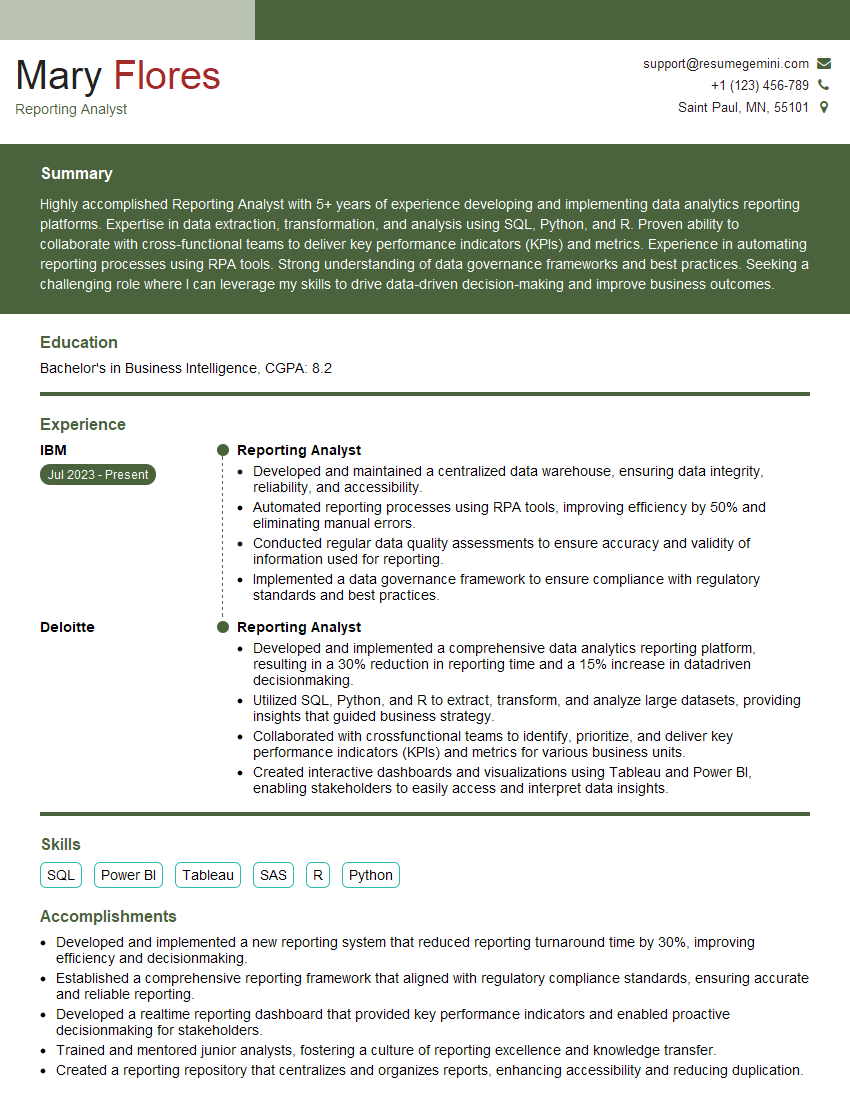
Reporting Analyst Resume Sample
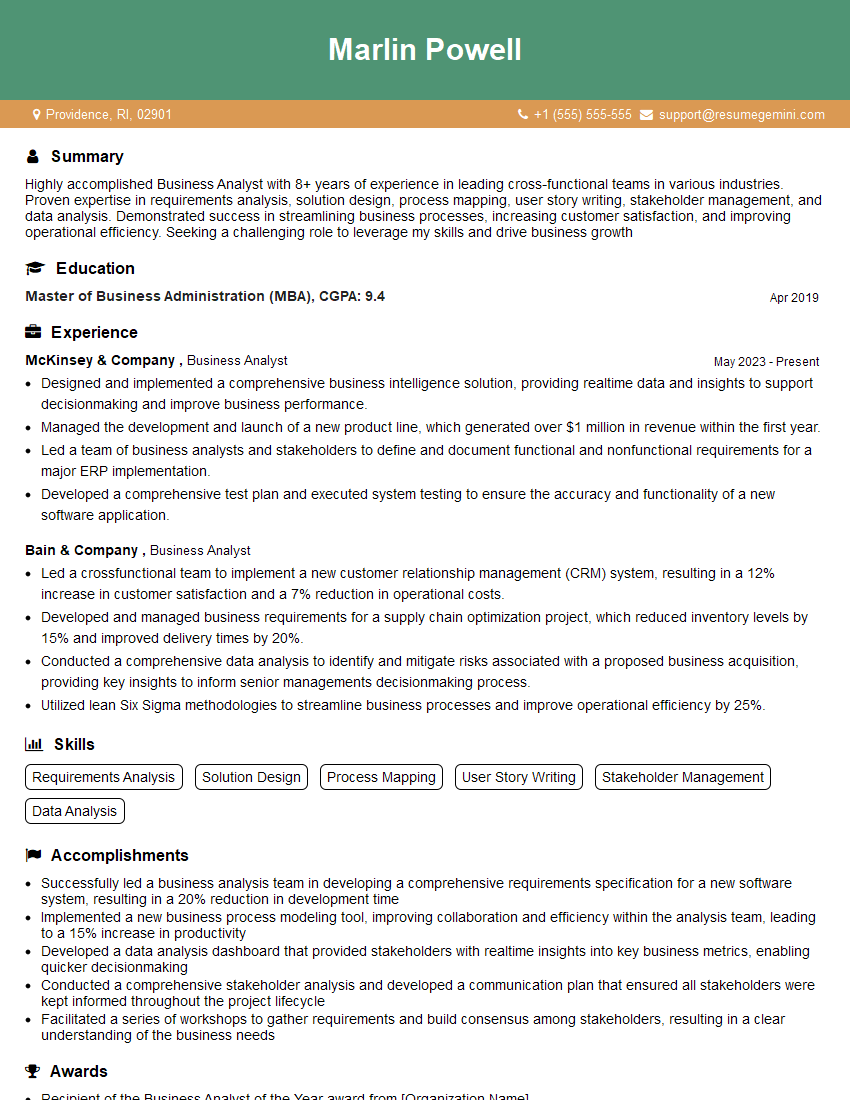
Business Analyst Resume Sample
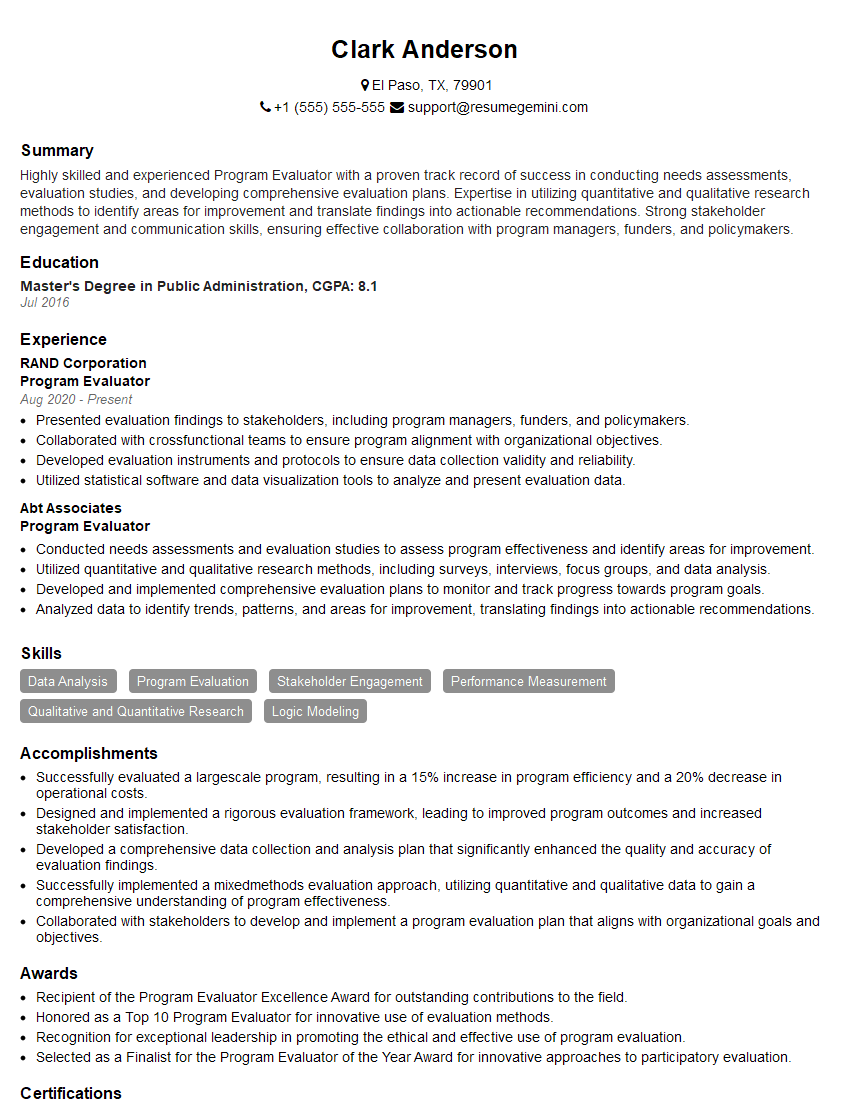
Program Evaluator Resume Sample
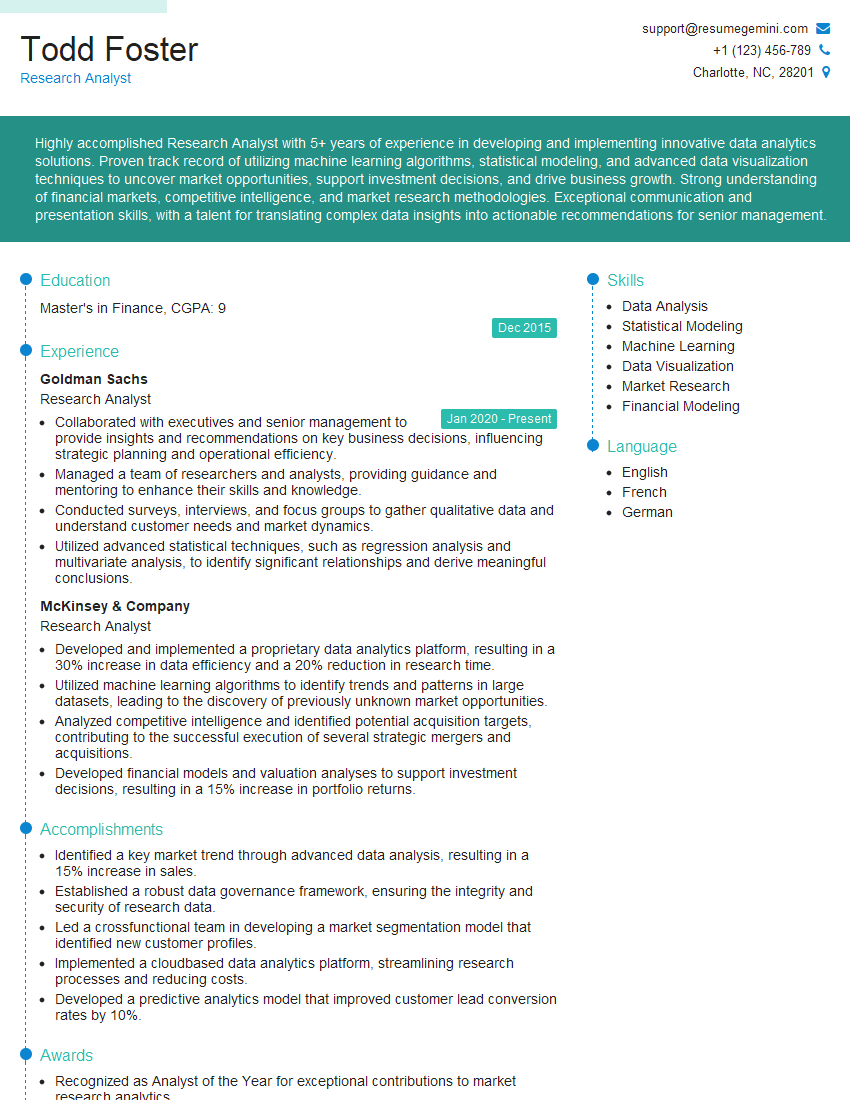
Research Analyst Resume Sample
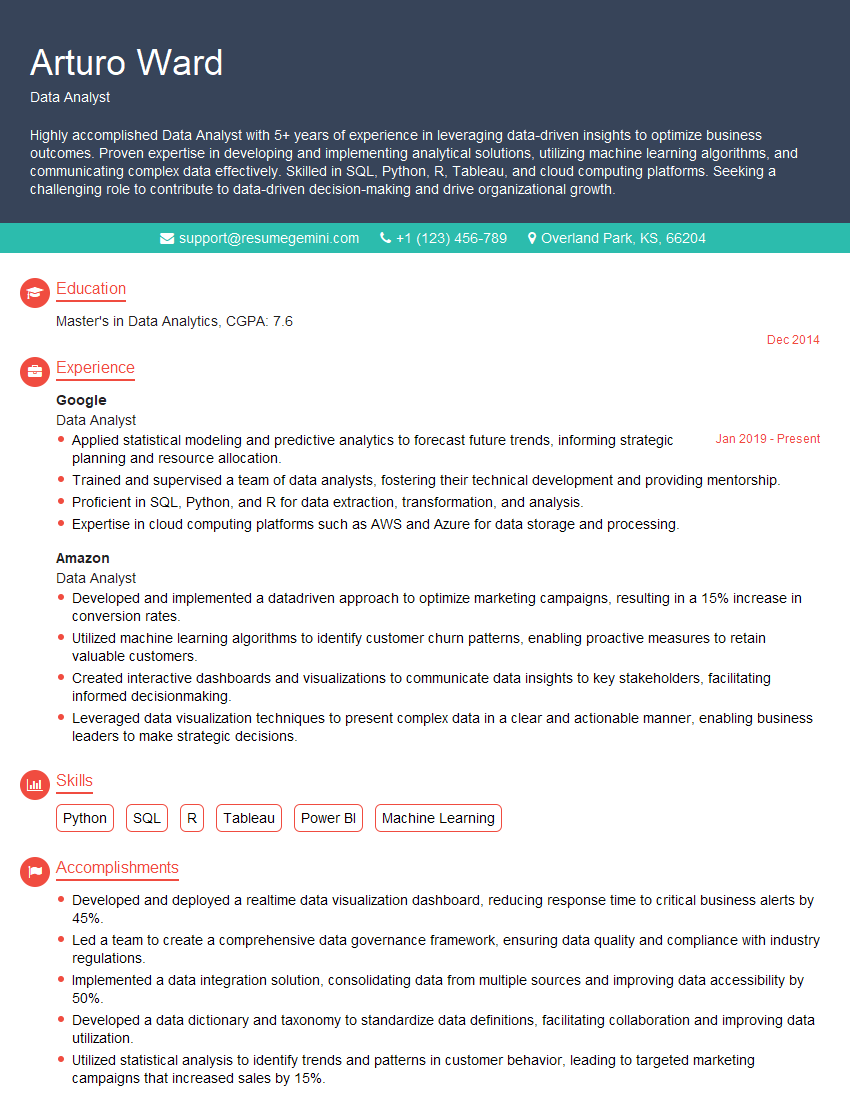
Data Analyst Resume Sample
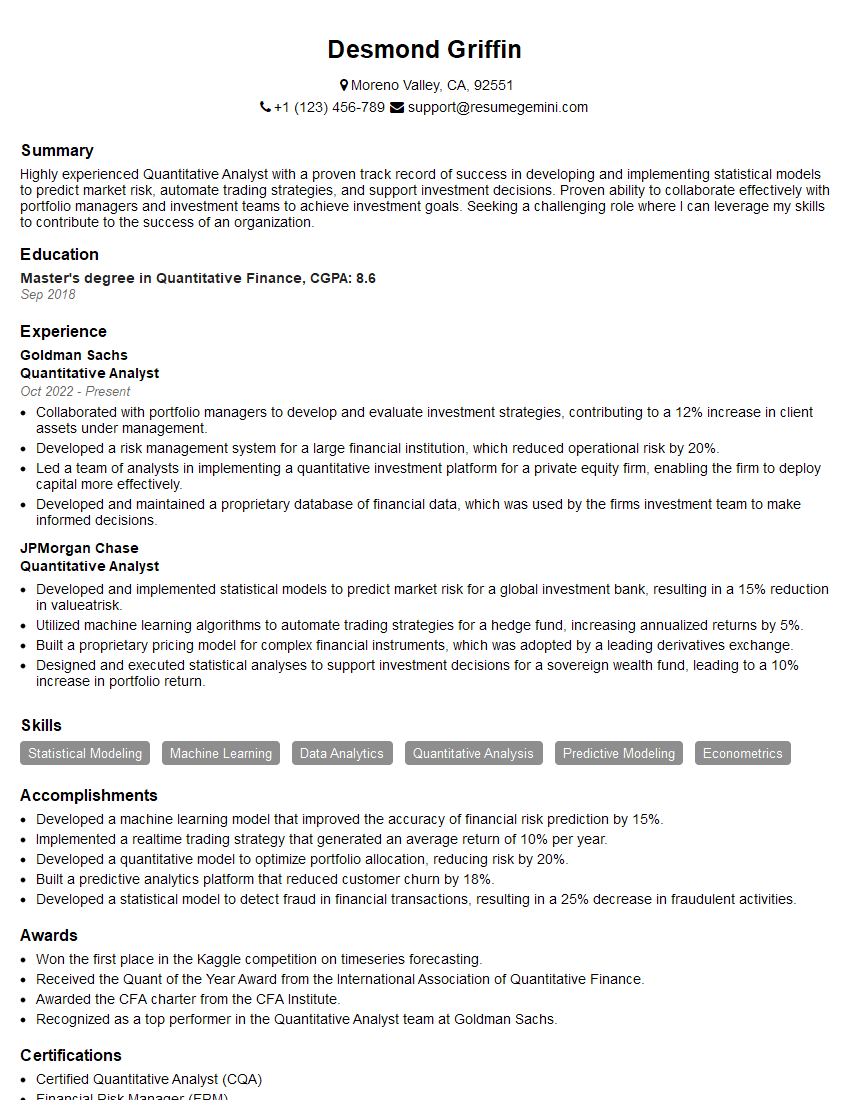
Quantitative Analyst Resume Sample
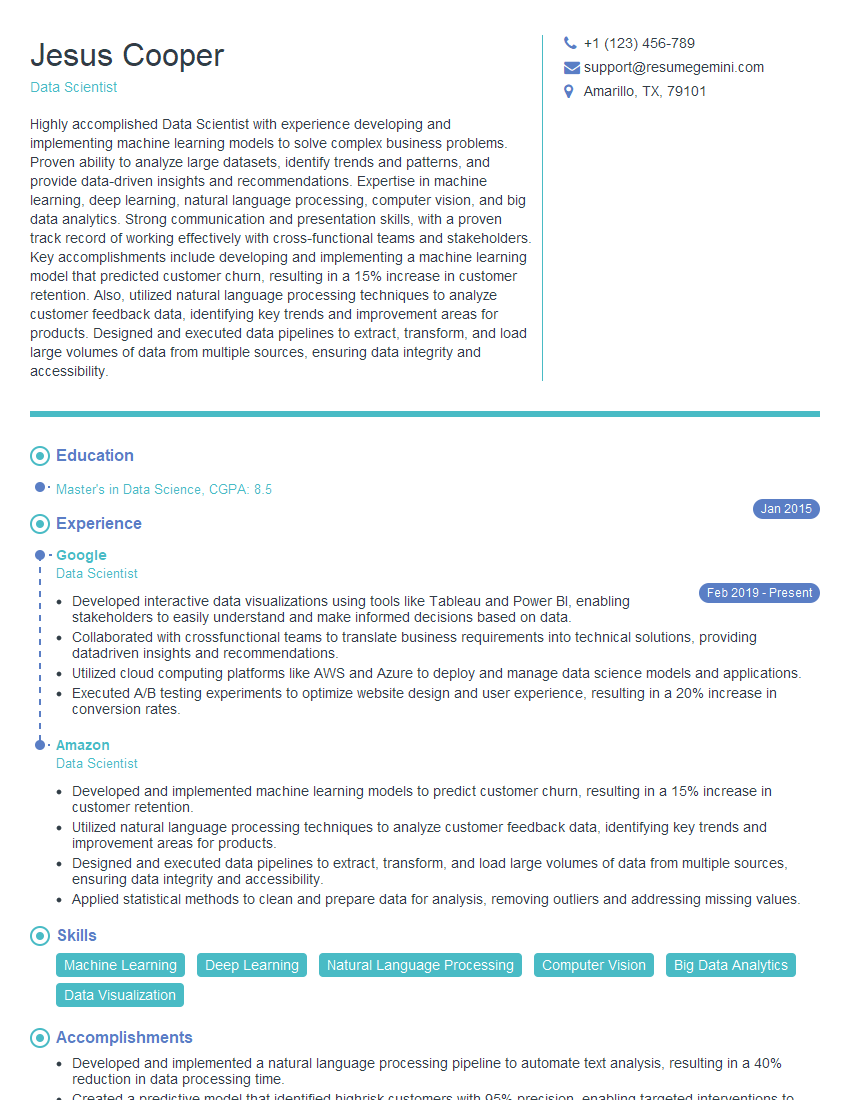
Data Scientist Resume Sample
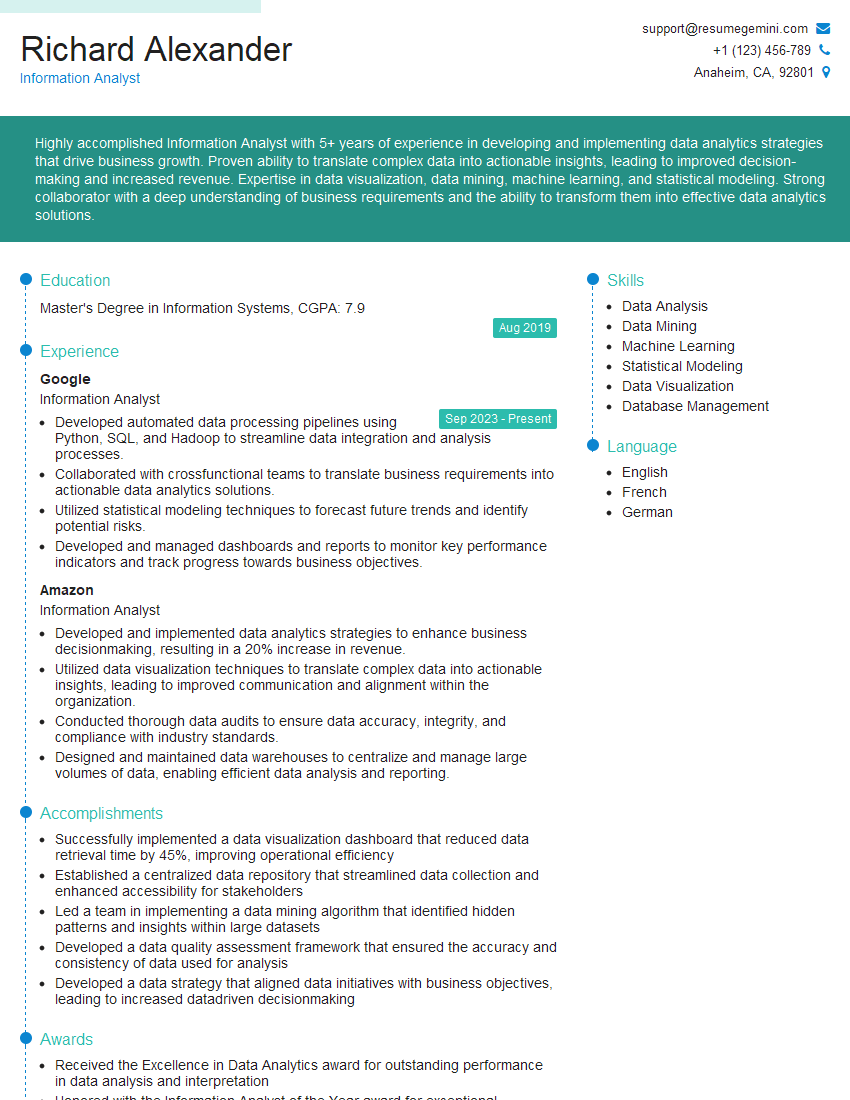
Information Analyst Resume Sample
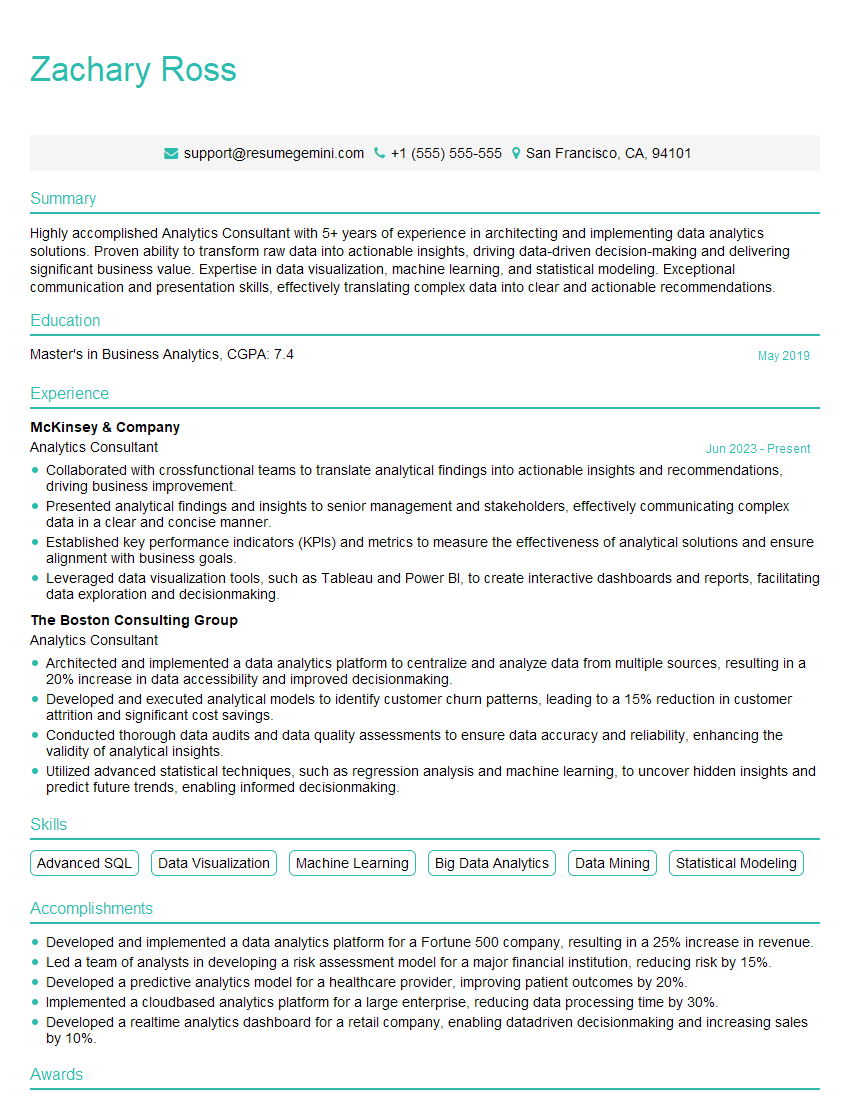
Analytics Consultant Resume Sample
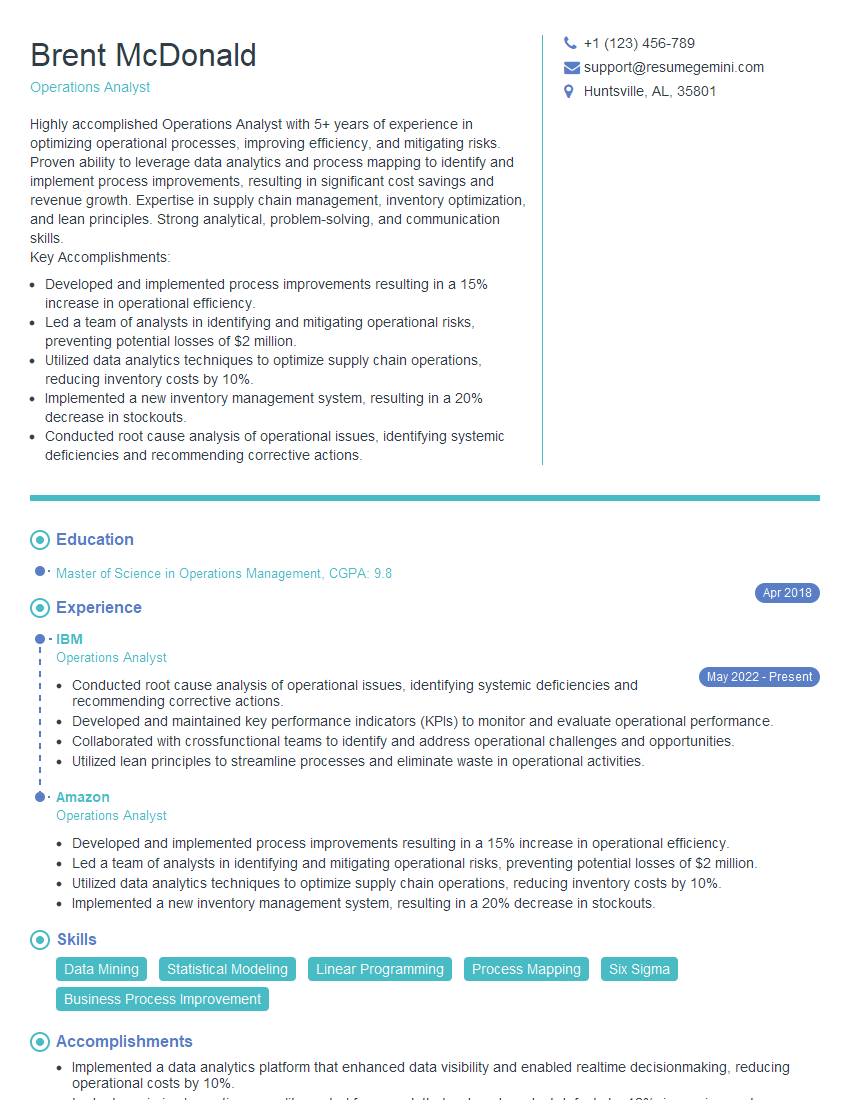
Operations Analyst Resume Sample

Statistical Analyst Resume Sample
Explore more articles
Users Rating of Our Blogs
Share Your Experience
We value your feedback! Please rate our content and share your thoughts (optional).
What Readers Say About Our Blog
Really detailed insights and content, thank you for writing this detailed article.
IT gave me an insight and words to use and be able to think of examples