Preparation is the key to success in any interview. In this post, we’ll explore crucial Project Management and Client Relations interview questions and equip you with strategies to craft impactful answers. Whether you’re a beginner or a pro, these tips will elevate your preparation.
Questions Asked in Project Management and Client Relations Interview
Q 1. Describe your experience managing projects using Agile methodologies.
My experience with Agile methodologies is extensive. I’ve successfully managed numerous projects using Scrum and Kanban, adapting them to various project needs and client preferences. Agile’s iterative nature allows for flexibility and responsiveness, which is crucial in today’s dynamic environments.
For example, in a recent software development project, we utilized Scrum. We implemented daily stand-ups for quick issue resolution and sprint reviews to ensure alignment with client expectations. The use of a Kanban board helped visualize workflow and identify bottlenecks. We adapted the sprint length – initially two weeks, later shortening it to one week – to better respond to client feedback and deliver value incrementally. This iterative approach allowed us to make necessary adjustments throughout the project lifecycle, resulting in a product that closely met the client’s evolving requirements.
My Agile approach also includes a strong emphasis on collaboration and communication. Daily stand-ups weren’t just about reporting progress; they facilitated open discussion and problem-solving, fostering a collaborative atmosphere among the team and with the client. We used tools like Jira and Confluence to centralize communication, track progress, and manage tasks transparently. This ensured everyone was informed and involved, contributing to higher team morale and a more successful project outcome.
Q 2. How do you prioritize competing project demands?
Prioritizing competing project demands requires a structured approach. I typically use a combination of methods, including a prioritized task list based on the MoSCoW method (Must have, Should have, Could have, Won’t have) and a risk assessment matrix.
The MoSCoW method helps categorize tasks based on their importance and urgency. ‘Must-have’ tasks are prioritized first, followed by ‘Should have,’ and so on. This ensures that the most critical tasks are addressed first, while less critical tasks are considered based on available resources and time constraints.
Simultaneously, a risk assessment matrix helps identify potential risks associated with each project task and allows us to prioritize tasks based on their likelihood and impact. Tasks with high likelihood and high impact are prioritized to mitigate potential delays or failures. This combined approach ensures a balanced approach, prioritizing both critical tasks and high-risk activities.
For example, if I have two projects – one with a tight deadline and a high-impact risk of missing a regulatory compliance deadline, and another with a less critical deadline but substantial financial implications if delayed – the compliance project gets immediate priority due to its high-risk profile, followed by a strategic allocation of resources to address the financial project’s critical path items.
Q 3. Explain your process for risk assessment and mitigation in project management.
My risk assessment and mitigation process follows a structured approach: first, identification of potential risks; then analysis of their likelihood and impact; followed by response planning and monitoring.
I begin by brainstorming potential risks with the project team and stakeholders. We consider a wide range of factors, including technical challenges, resource constraints, regulatory changes, and client-related issues. This is often facilitated using a SWOT (Strengths, Weaknesses, Opportunities, Threats) analysis or a risk register.
Next, we analyze the likelihood and impact of each identified risk. This helps prioritize risks, focusing on those that are both likely and have potentially significant negative consequences. We typically use a risk matrix to visually represent this analysis.
For each high-priority risk, we develop a mitigation strategy. This might involve contingency planning (having backup plans), risk transfer (insurance or outsourcing), risk avoidance (changing the project scope), or risk reduction (implementing preventative measures).
Finally, we regularly monitor the risks throughout the project lifecycle. This ensures that our mitigation strategies are effective and that new risks are identified and addressed promptly.
For instance, in a construction project, a potential risk might be inclement weather delaying the work. Mitigation strategies could include procuring weather insurance, having a backup plan for indoor work, or building a schedule with buffer time to account for potential delays.
Q 4. How do you handle conflicting priorities between different clients?
Handling conflicting priorities between different clients requires transparency, clear communication, and a fair allocation of resources. I start by understanding each client’s needs and priorities, ensuring that all expectations are clearly documented and communicated.
Next, I prioritize projects based on factors such as contractual obligations, project criticality, and potential impact on client relationships. A well-defined project prioritization system, possibly incorporating a weighted scoring system, helps in this objective decision-making process.
When conflicts are unavoidable, I actively communicate with all affected clients. I explain the situation transparently, outlining the challenges and outlining the proposed prioritization strategy, providing rationale for the choices made. I ensure the clients understand the reasons for the decisions and work collaboratively to find mutually agreeable solutions. This may involve adjusting project timelines, re-allocating resources, or negotiating priorities.
For example, if Client A has a critical deadline and Client B has a less urgent project, I would prioritize Client A’s needs while keeping Client B informed and offering alternative solutions or adjustments to their timeline. Maintaining proactive and honest communication is key to preventing misunderstandings and preserving valuable client relationships.
Q 5. What metrics do you use to measure project success?
Measuring project success requires a multifaceted approach, going beyond simply meeting deadlines and staying within budget. I use a combination of quantitative and qualitative metrics:
- On-time and on-budget delivery: This is a fundamental measure of project efficiency. Tracking actual versus planned costs and schedule is essential.
- Client satisfaction: I regularly solicit feedback through surveys and meetings to gauge client satisfaction with the project’s outcome and the overall project management process. Net Promoter Score (NPS) can be a very helpful tool here.
- Scope adherence: Measuring the extent to which the final deliverable meets the initially agreed-upon scope. Tracking changes and their impacts is crucial here.
- Quality of deliverables: This includes aspects like functionality, usability, and performance, assessed through testing, user feedback, and quality assurance processes.
- Return on investment (ROI): For projects with a clear business objective, measuring the return on the investment made is essential. This often requires a longer-term perspective beyond the immediate project completion.
By tracking these metrics and analyzing the data, I can identify areas for improvement and make data-driven decisions for future projects.
Q 6. How do you build and maintain strong client relationships?
Building and maintaining strong client relationships is crucial for success. My approach is based on proactive communication, responsiveness, and a genuine commitment to delivering exceptional value.
I begin by clearly understanding the client’s business objectives and needs. This involves active listening, asking clarifying questions, and ensuring a thorough understanding of their expectations.
Throughout the project, I maintain consistent and transparent communication, providing regular updates, addressing concerns promptly, and proactively highlighting potential issues. I use a variety of communication channels, adapting to the client’s preferences, to ensure effective communication. This might include weekly status calls, email updates, progress reports, and even in-person meetings if needed.
Beyond project deliverables, I aim to build a relationship based on trust and mutual respect. I show genuine interest in the client’s business and goals, demonstrating a commitment to their success beyond the scope of the current project. This approach helps foster long-term relationships leading to repeat business and referrals.
Q 7. Describe a time you had to manage a difficult client.
I once had a client who was extremely demanding and micromanaged every aspect of the project. They were constantly changing requirements and were very critical of the team’s work.
Initially, I tried to address their concerns directly, providing detailed explanations and justifications for our approach. However, this only seemed to escalate the situation. I realized that a different strategy was needed.
I shifted my approach to focus on active listening and empathy. I scheduled regular meetings to discuss their concerns, validate their anxieties and listen to their feedback without interruption. I acknowledged their frustrations and worked collaboratively to find solutions that met their expectations and were feasible from a project perspective. We agreed to a formal change management process to address any scope adjustments.
Gradually, the relationship improved. By demonstrating understanding, patience, and a commitment to finding solutions together, I was able to build a more constructive working relationship. The client became more collaborative, and the project was ultimately completed successfully. This experience taught me the importance of adapting communication strategies to the specific needs of each client and the value of patience and persistence in managing challenging relationships.
Q 8. How do you proactively identify and address potential client issues?
Proactive issue identification relies on a combination of strong communication, meticulous planning, and risk assessment. It’s not about waiting for problems to arise; it’s about anticipating them.
- Regular Check-ins: I schedule frequent meetings with clients, not just to discuss progress, but also to gauge their satisfaction and uncover any emerging concerns. Think of it like a doctor’s checkup – regular monitoring prevents small issues from becoming major crises.
- Client Surveys & Feedback Mechanisms: Implementing formal and informal feedback mechanisms, such as surveys or brief questionnaires, allows for continuous improvement and early identification of potential problems. For example, a simple post-meeting survey can assess clarity and address immediate concerns.
- Risk Assessment & Mitigation Planning: Before a project begins, I conduct a thorough risk assessment, identifying potential roadblocks (e.g., resource limitations, technological challenges, shifting client priorities). For each risk, I develop a mitigation plan, outlining proactive steps to minimize its impact. For instance, if a key resource might be unavailable, I identify backup options beforehand.
- Transparent Communication Channels: Establishing open communication channels ensures clients feel comfortable raising issues promptly. This might involve dedicated project communication platforms, regular email updates, or even weekly video calls.
For example, in a recent website development project, proactive communication revealed the client’s concern about SEO optimization before the design phase even started. This allowed us to integrate SEO best practices early on, avoiding costly revisions later.
Q 9. What is your approach to conflict resolution with clients?
My approach to conflict resolution is based on collaborative problem-solving, prioritizing open communication, and maintaining mutual respect. It’s not about winning an argument, but finding a solution that works for everyone involved.
- Active Listening: I start by actively listening to the client’s perspective, ensuring I fully understand their concerns without interrupting. Empathy is key here.
- Identify the Root Cause: Once I understand their perspective, I work to identify the root cause of the conflict. Is it a misunderstanding, a unmet expectation, or a genuine problem?
- Collaborative Problem Solving: I then collaboratively brainstorm solutions with the client, exploring different options and weighing their pros and cons. Involving the client in the solution-finding process helps them feel heard and valued.
- Documenting Agreements: Once a solution is agreed upon, I document it clearly and concisely, ensuring both parties are on the same page. This prevents future misunderstandings.
- Follow Up: After resolving the conflict, I follow up with the client to ensure the solution is working and to address any lingering concerns.
For instance, in one project, a client felt their feedback wasn’t being incorporated. By actively listening, I discovered a communication breakdown. We established a clearer feedback process, using a dedicated online platform for comments and revisions, and the conflict was swiftly resolved.
Q 10. How do you communicate project updates and challenges to clients?
Keeping clients informed is crucial for maintaining trust and managing expectations. My communication strategy is tailored to the project and client preferences, focusing on clarity, consistency, and accessibility.
- Regular Updates: I provide regular project updates, typically weekly or bi-weekly, using a consistent format and medium (e.g., email, project management software, video conferencing). These updates include a summary of progress, upcoming milestones, and any potential challenges.
- Transparent Communication: I communicate both successes and challenges transparently, avoiding the temptation to downplay or ignore problems. Honesty builds trust.
- Multiple Communication Channels: I offer multiple communication channels to suit the client’s preferences – email for formal updates, instant messaging for quick questions, and video conferencing for more detailed discussions.
- Visual Aids: I often use visual aids, such as Gantt charts, progress reports, and dashboards, to provide a clear overview of the project’s status.
- Proactive Communication: I proactively communicate potential challenges or delays, providing options and solutions before they become major issues.
For example, in a recent marketing campaign, I used a project management dashboard to visualize progress on various tasks, making it easy for the client to track the campaign’s performance in real-time.
Q 11. How do you handle client expectations that are unrealistic or unattainable?
Handling unrealistic client expectations requires a delicate balance of diplomacy, realistic assessment, and effective communication. The goal is to manage expectations without damaging the client relationship.
- Active Listening and Clarification: I start by actively listening to the client’s expectations and asking clarifying questions. This helps determine the root of the unrealistic expectation, whether it’s a misunderstanding or a lack of awareness of project limitations.
- Education and Realistic Alternatives: I then educate the client about the feasibility of their expectations, highlighting the constraints of time, budget, or resources. I explain why the original expectation is unrealistic and propose realistic alternatives that still achieve the client’s overall objectives.
- Prioritization and Scope Management: If certain features or functionalities are deemed unrealistic, I work with the client to prioritize essential features and manage the project scope effectively. This might involve breaking down the project into smaller phases.
- Collaboration and Negotiation: I involve the client in the decision-making process, negotiating a mutually acceptable compromise that balances their needs with project realities. A collaborative approach builds trust and understanding.
- Documenting Agreements: The revised expectations and scope should be clearly documented and signed off by both parties to avoid future misunderstandings.
For example, a client once requested a feature that would have significantly increased development time and cost. I explained the implications, presented alternative solutions with similar functionality, and we reached a compromise that both satisfied the client’s needs and remained within project constraints.
Q 12. Describe your experience with project budgeting and cost control.
My experience with project budgeting and cost control involves meticulous planning, accurate estimation, and vigilant monitoring. It’s about allocating resources efficiently and identifying potential cost overruns early on.
- Detailed Budgeting: I create detailed project budgets, breaking down costs into individual tasks and resources. This allows for accurate tracking and forecasting.
- Regular Cost Monitoring: I regularly monitor project costs against the budget, comparing actual expenditures with planned spending. This allows for early identification of potential cost overruns.
- Cost Control Measures: I implement various cost control measures, such as regular progress reports, change management procedures, and contingency planning, to mitigate cost risks. For instance, using time-tracking software helps to pinpoint areas where costs might be exceeding estimates.
- Variance Analysis: When variances occur (difference between planned and actual costs), I conduct a variance analysis to identify the root causes and develop corrective actions. This could involve revising schedules, renegotiating contracts, or finding more cost-effective solutions.
- Reporting and Transparency: I provide regular reports to clients on project costs, highlighting both actual and forecasted spending. Transparency builds trust and allows for collaborative cost management.
In a previous project, by closely monitoring expenses and implementing a change management system that required client approval for any scope changes exceeding 10%, I successfully kept the project within the initial budget despite some unexpected challenges.
Q 13. How do you ensure projects are delivered on time and within budget?
Ensuring on-time and within-budget project delivery relies on robust planning, effective execution, and proactive risk management. It’s a holistic approach that requires attention to detail and adaptability.
- Detailed Project Plan: I begin with a detailed project plan, defining clear objectives, tasks, timelines, and resource allocation. This plan is the roadmap for the project.
- Regular Monitoring and Control: I regularly monitor the project’s progress against the plan, tracking key performance indicators (KPIs) such as task completion rates, milestones achieved, and budget adherence. Any deviations are addressed promptly.
- Risk Management: I proactively identify and mitigate potential risks that could affect project timelines or budgets. This could involve contingency planning, risk assessments, and proactive communication.
- Effective Communication and Collaboration: Open and transparent communication with the project team and client is essential. Collaboration ensures everyone is working towards the same goals.
- Agile Methodology: In many cases, I use Agile methodologies, which allow for flexibility and adaptation to changing requirements. This iterative approach allows for faster feedback loops and quicker adjustments to keep the project on track.
For instance, in a recent software development project, by using Agile sprints and frequent client feedback, we were able to adapt to changing requirements and deliver the project on time and within budget, despite some unexpected technical challenges.
Q 14. What is your experience with project scheduling and resource allocation?
Project scheduling and resource allocation are critical for efficient project execution. It’s about optimizing resources to meet deadlines and stay within budget.
- Work Breakdown Structure (WBS): I begin by creating a WBS, breaking down the project into smaller, manageable tasks. This provides a clear picture of the work involved.
- Gantt Charts and Critical Path Method (CPM): I utilize Gantt charts and the CPM to visualize task dependencies and identify the critical path – the sequence of tasks that determines the project’s overall duration. This helps to optimize scheduling and identify potential bottlenecks.
- Resource Allocation: I carefully allocate resources (human, material, financial) to each task, considering individual skillsets, availability, and cost. Tools like resource allocation matrices can prove invaluable here.
- Resource Leveling: To avoid overallocation, I use resource leveling techniques to smooth out resource demand over time, ensuring resources are utilized effectively and efficiently. This minimizes potential delays caused by resource conflicts.
- Regular Monitoring and Adjustment: I regularly monitor resource utilization and make adjustments as needed to account for unexpected delays or resource constraints.
For example, in a large-scale construction project, by using a combination of Gantt charts and resource leveling, I optimized the allocation of construction crews and equipment, ensuring the project was completed on time and within budget despite some initial resource constraints.
Q 15. How do you use project management software to track progress and manage tasks?
Project management software is indispensable for tracking progress and managing tasks. I utilize tools like Asana, Trello, or Jira, depending on project specifics and client preference. My approach involves a multi-faceted strategy:
Task Creation and Assignment: I break down projects into manageable tasks, assigning them to team members with clear deadlines and responsibilities. This is usually done within the software’s task management features, often using Kanban boards or Gantt charts for visual representation.
Progress Tracking: The software allows for real-time progress updates. Team members mark tasks as complete, in progress, or blocked. I monitor these updates regularly, identifying potential bottlenecks early on. Progress reports, generated directly from the software, provide a clear snapshot of the project’s health.
Dependency Management: Complex projects have interdependencies between tasks. Project management software helps visualize and manage these dependencies, ensuring tasks are completed in the correct order. For example, design mockups must be approved before development begins. The software’s features highlight these links, alerting us to potential delays.
Communication and Collaboration: Most platforms integrate communication tools, allowing for seamless collaboration. Team members can comment on tasks, share files, and hold discussions directly within the context of the project, reducing email clutter and promoting transparency.
Reporting and Analytics: The software generates reports on project timelines, resource allocation, and budget. These reports are crucial for identifying areas for improvement and keeping stakeholders informed. For example, a burn-down chart will showcase task completion against the schedule.
In essence, these tools transform project management from a chaotic process into a streamlined, efficient, and transparent system. They become the central hub for project information, fostering accountability and driving timely completion.
Career Expert Tips:
- Ace those interviews! Prepare effectively by reviewing the Top 50 Most Common Interview Questions on ResumeGemini.
- Navigate your job search with confidence! Explore a wide range of Career Tips on ResumeGemini. Learn about common challenges and recommendations to overcome them.
- Craft the perfect resume! Master the Art of Resume Writing with ResumeGemini’s guide. Showcase your unique qualifications and achievements effectively.
- Don’t miss out on holiday savings! Build your dream resume with ResumeGemini’s ATS optimized templates.
Q 16. Describe a time you had to make a difficult decision on a project.
On a recent project for a major e-commerce client, we faced a critical issue: a significant bug discovered just two weeks before launch. The bug risked jeopardizing the entire project timeline and negatively impacting the client’s planned marketing campaign. The decision was whether to push back the launch date (resulting in significant financial losses for the client) or attempt a risky, fast-track bug fix that could introduce further unforeseen problems.
After careful consideration of all options, including consultation with the development team, QA testers, and the client’s key stakeholders, we opted for a phased rollout. We launched a minimal viable product (MVP) with the bug present in non-critical areas, communicating transparently with the client about the temporary workaround and promising a full fix within a week. This minimized the negative impact on the client and allowed us to gather user feedback while swiftly implementing the fix. It was a high-pressure situation, but the collaborative decision-making process and transparent communication with the client resulted in a successful resolution.
Q 17. How do you measure the success of your client relationships?
Measuring the success of client relationships is crucial. It extends beyond project delivery to encompass the overall experience. I use a multi-faceted approach:
Client Satisfaction Surveys: Regular feedback surveys capture client perceptions of the project management process, team communication, and overall satisfaction.
Net Promoter Score (NPS): This metric gauges client loyalty and willingness to recommend our services. A high NPS indicates strong relationships.
Repeat Business: The ultimate measure of success is repeat business. If a client returns for subsequent projects, it reflects their confidence and satisfaction with our services.
Referrals: Clients who actively recommend our services to others demonstrate high satisfaction and trust.
Ongoing Communication and Collaboration: Maintaining consistent and transparent communication throughout the project lifecycle, and beyond, fosters strong, lasting relationships.
By combining these quantitative and qualitative measures, I gain a comprehensive understanding of the health of client relationships. It allows us to identify areas for improvement and continuously enhance our service delivery.
Q 18. What is your approach to onboarding new clients?
Onboarding new clients is a critical process that sets the tone for the entire project. My approach is structured and client-centric:
Kick-off Meeting: A detailed initial meeting to establish clear expectations, understand client needs and goals, and clarify project scope and deliverables. This meeting involves stakeholders from both sides.
Project Charter: Creating a formal project charter documenting objectives, timelines, responsibilities, and communication channels. This serves as a shared understanding and agreement.
Resource Allocation: Identifying and assigning appropriate project team members with the necessary expertise.
Risk Assessment: Proactively identifying potential risks and developing mitigation strategies. This ensures preparedness for unforeseen challenges.
Regular Check-ins: Establishing a clear communication plan and schedule for regular progress updates and feedback sessions.
This structured approach ensures a smooth transition into the project phase and minimizes misunderstandings or delays. It emphasizes clear communication and shared responsibility from the outset.
Q 19. How do you handle client feedback, both positive and negative?
Handling client feedback, both positive and negative, is crucial. My approach focuses on proactive engagement and transparent communication:
Positive Feedback: Acknowledge and appreciate positive feedback. This reinforces strong relationships and motivates the team. I share positive feedback with the team to boost morale and highlight successful aspects of the project.
Negative Feedback: Address negative feedback promptly and professionally. I listen carefully, empathize with the client’s concerns, and avoid defensiveness. I analyze the feedback to identify areas for improvement and develop corrective actions. I keep the client updated on the progress of addressing their concerns.
Regardless of the nature of the feedback, my focus is on maintaining open communication and building a collaborative relationship with the client. Addressing concerns effectively not only resolves immediate issues but also strengthens trust and fosters long-term partnerships.
Q 20. Describe your experience with different client communication styles.
I’ve encountered various communication styles throughout my career. Some clients prefer concise, email-based updates, while others thrive on regular video conferences and detailed progress reports. Others prefer informal, quick check-ins. My approach is to adapt my communication style to match the client’s preferences. I achieve this through:
Active Listening: Carefully observing the client’s communication style during initial interactions helps tailor future communications.
Flexibility: I’m adept at using different communication channels (email, phone, video conferencing) to suit the client’s needs.
Clarity and Conciseness: Regardless of the communication method, I prioritize clear, concise messages, avoiding jargon and technical terms whenever possible.
Regular Check-ins: I schedule regular check-ins, tailoring the frequency and format to the client’s preferred approach.
Understanding and adapting to different communication styles is essential for building rapport and establishing trust with clients. It ensures effective information exchange and prevents misunderstandings.
Q 21. What is your experience with contract negotiation and management?
Contract negotiation and management are critical aspects of my role. My approach involves a collaborative and transparent process:
Understanding Client Needs: Before negotiation, I thoroughly understand the client’s requirements and expectations. This informs my approach to negotiations.
Fair and Reasonable Terms: I strive for contracts that are fair and reasonable for both parties. This includes defining clear scopes of work, payment terms, and intellectual property rights.
Legal Review: All contracts undergo legal review to ensure they are legally sound and protect the interests of both parties. This often involves working with legal counsel.
Change Management: Contracts often require amendments as projects evolve. I have experience managing these changes efficiently, ensuring all updates are documented and agreed upon in writing.
Regular Monitoring: I monitor contract compliance throughout the project lifecycle to avoid disputes. This includes tracking milestones, payments, and deliverables.
Effective contract negotiation and management are essential for mitigating risks and ensuring a successful project outcome. A well-defined contract establishes a solid foundation for a collaborative and mutually beneficial working relationship.
Q 22. How do you identify and address client needs?
Identifying and addressing client needs is the cornerstone of successful project management and client relations. It’s a continuous process that involves active listening, careful observation, and proactive communication. I begin by conducting thorough initial consultations to understand the client’s goals, objectives, and challenges. This often involves asking open-ended questions, encouraging them to elaborate on their vision, and actively listening for both explicit and implicit needs.
Beyond the initial meeting, I employ several strategies: I regularly schedule check-in meetings to discuss progress and address any emerging concerns. I also actively seek feedback throughout the project lifecycle through surveys, informal conversations, and formal reviews. Analyzing this feedback allows me to identify any unmet needs or shifting priorities. Finally, I utilize project management tools to track tasks, deadlines, and resource allocation, ensuring I’m always aligned with the client’s evolving requirements. For example, during a recent website redesign project, I noticed through informal conversations that the client was increasingly concerned about mobile responsiveness. This wasn’t explicitly stated initially, but by actively listening, I was able to proactively address this concern and incorporate it into the project plan, leading to increased client satisfaction.
Q 23. What are some key performance indicators (KPIs) you track in project management and client relations?
Key Performance Indicators (KPIs) are crucial for measuring project success and client satisfaction. In project management, I track metrics like project completion rate, adherence to timelines, budget adherence, and resource utilization. For client relations, KPIs include client satisfaction scores (CSAT), Net Promoter Score (NPS), and the number of positive client testimonials.
For example, tracking project completion rate helps identify potential bottlenecks or delays early on. Budget adherence ensures the project remains within financial constraints. Client satisfaction scores provide quantifiable data on how well we’re meeting the client’s needs and expectations. These KPIs aren’t just numbers; they’re indicators of overall project health and client happiness. Regular monitoring of these metrics enables proactive adjustments and prevents potential issues from escalating.
Q 24. Describe your experience with change management within a project.
Change management is an inevitable aspect of project management. My approach involves a structured process beginning with clearly defined change control procedures. This includes identifying the impact of the proposed change on the project scope, timeline, and budget. Then, I assess the feasibility of incorporating the change and communicate its implications to all stakeholders. It’s crucial to involve the client in this process, gaining their buy-in and ensuring they understand the potential consequences of any changes.
For instance, on a software development project, the client requested a significant feature addition midway through the development cycle. We followed our change management process: we analyzed the impact (added time and cost), presented these options to the client, and negotiated a mutually agreeable solution involving prioritization of existing features and a revised timeline. This transparent approach maintained trust and prevented project derailment.
Q 25. How do you maintain a positive and professional relationship with clients during challenging situations?
Maintaining positive relationships during challenging situations requires empathy, proactive communication, and a problem-solving mindset. I prioritize open and honest dialogue with the client, acknowledging their concerns and frustrations. I actively listen to their perspectives and work collaboratively to find solutions. It’s important to avoid blame and focus on finding mutually acceptable outcomes. Transparency is key – keeping the client informed of the situation and the steps being taken to address it fosters trust even when things are difficult.
For example, when a major technical issue arose in a marketing campaign, I immediately contacted the client, explaining the situation clearly and honestly. I outlined the steps we were taking to resolve the issue, providing regular updates and proactively managing their expectations. This open and transparent communication, even in a stressful situation, preserved the relationship and maintained client confidence in our ability to handle challenges.
Q 26. How do you ensure transparency and communication with clients throughout the project lifecycle?
Transparency and communication are fundamental to strong client relationships. I establish a clear communication plan at the project’s outset, outlining how and when we will communicate updates, milestones, and potential roadblocks. This typically includes regular progress reports (weekly or bi-weekly), consistent email updates, and scheduled meetings tailored to the client’s preferred communication style. I utilize project management software with client access portals to ensure everyone has visibility into the project’s status and progress in real-time.
Beyond formal communication, I encourage open dialogue and encourage clients to reach out with questions or concerns at any point. This ensures that no information is withheld and fosters a collaborative atmosphere. Using a project management tool like Asana or Monday.com allows for transparent task management, progress tracking, and easy access to relevant documentation for the client.
Q 27. Describe a time you had to adapt your approach to meet changing client needs.
In a recent e-commerce website development project, the client initially envisioned a simple, static website. However, during the project’s initial stages, they expressed a strong interest in adding e-commerce functionality – a significant change from the original scope. Rather than rigidly adhering to the initial plan, I adapted my approach. We collaboratively evaluated the feasibility of this change, discussing the implications for timeline and budget. We then developed a revised project plan that incorporated the e-commerce functionality, ensuring transparency and client approval at each stage. This flexible approach resulted in a more valuable product for the client and strengthened our working relationship.
Q 28. How do you measure client satisfaction?
Measuring client satisfaction is a multifaceted process. I use a combination of quantitative and qualitative methods. Quantitative measures include client satisfaction surveys (CSAT) at key milestones and project completion. These surveys typically use a rating scale to gauge client happiness with various aspects of the project, like communication, quality of work, and adherence to deadlines. Qualitative methods include gathering feedback through post-project interviews, reviews, and informal conversations. This allows for a deeper understanding of their overall experience beyond numerical scores.
I also actively monitor online reviews and testimonials to gauge client sentiment and identify areas for improvement. Combining quantitative and qualitative feedback gives a holistic view of client satisfaction and provides valuable insights for future projects.
Key Topics to Learn for Project Management and Client Relations Interview
- Project Initiation & Planning: Understanding project lifecycles, defining project scope, creating work breakdown structures (WBS), and developing realistic project schedules.
- Risk Management: Identifying, analyzing, and mitigating potential project risks; developing contingency plans and proactive risk response strategies.
- Resource Allocation & Management: Effectively allocating and managing project resources (budget, personnel, materials) to achieve optimal project outcomes.
- Client Communication & Relationship Building: Establishing clear communication channels, actively listening to client needs, managing expectations, and resolving conflicts professionally.
- Stakeholder Management: Identifying and managing the expectations of all stakeholders involved in a project (clients, team members, upper management).
- Project Monitoring & Control: Tracking progress against the project plan, identifying deviations, implementing corrective actions, and reporting progress to stakeholders.
- Project Closure: Formally closing out the project, documenting lessons learned, and conducting post-project reviews.
- Conflict Resolution: Developing strategies for addressing and resolving conflicts effectively within the project team and with clients.
- Agile Methodologies (if applicable): Understanding and applying Agile principles such as Scrum or Kanban for iterative project development.
- Client Needs Analysis: Conducting thorough needs assessments to clearly understand client requirements and translate them into actionable project plans.
Next Steps
Mastering Project Management and Client Relations is crucial for career advancement in today’s competitive job market. These skills are highly sought after, enabling you to lead successful projects, build strong client relationships, and significantly contribute to organizational success. To maximize your job prospects, crafting an ATS-friendly resume is essential. This ensures your qualifications are accurately captured by applicant tracking systems, increasing your chances of landing interviews. ResumeGemini is a trusted resource that can help you create a professional and impactful resume. We offer examples of resumes tailored to Project Management and Client Relations to provide inspiration and guidance. Use ResumeGemini to elevate your application materials and showcase your skills effectively.
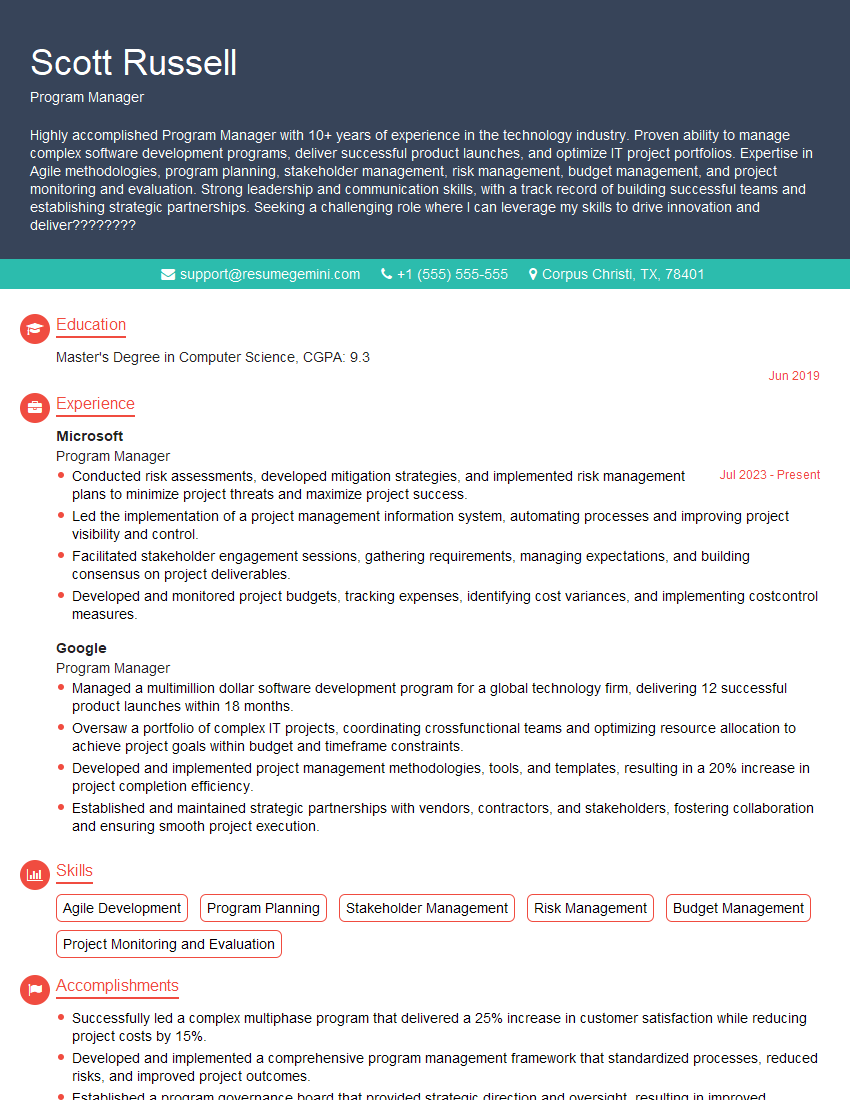
Program Manager Resume Sample

Operations Manager Resume Sample
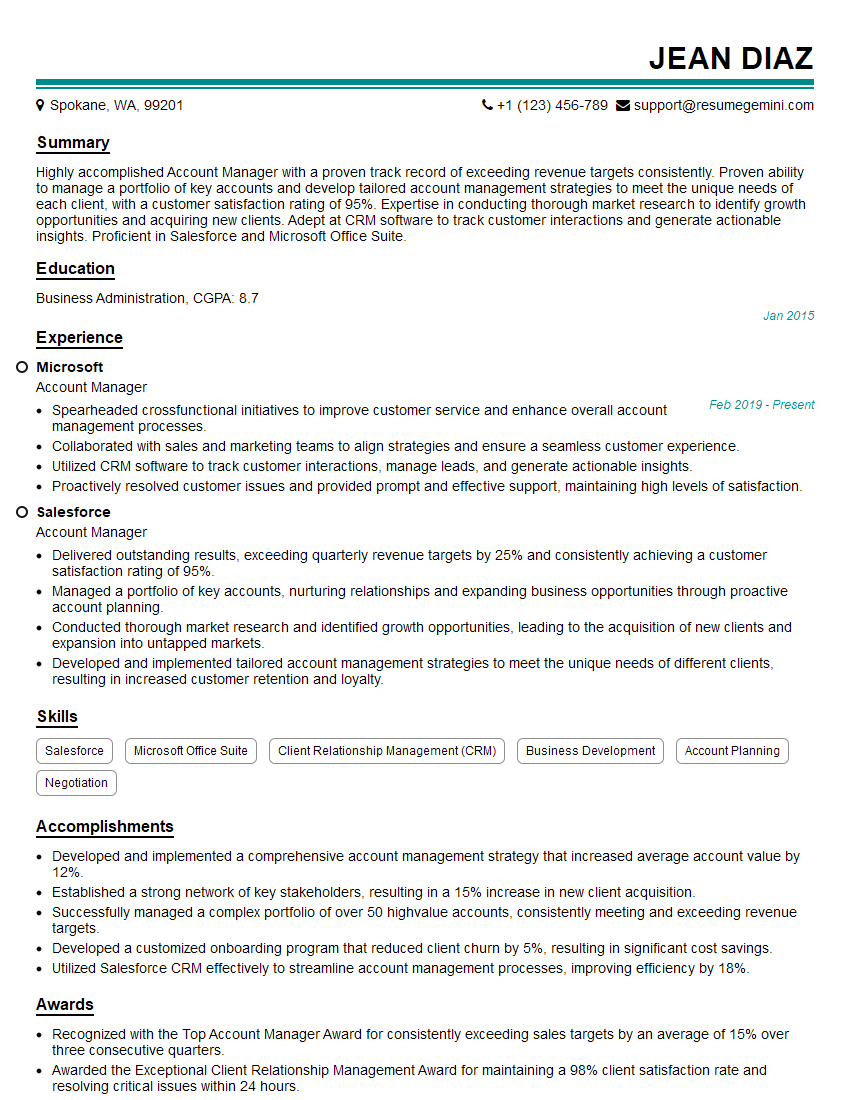
Account Manager Resume Sample
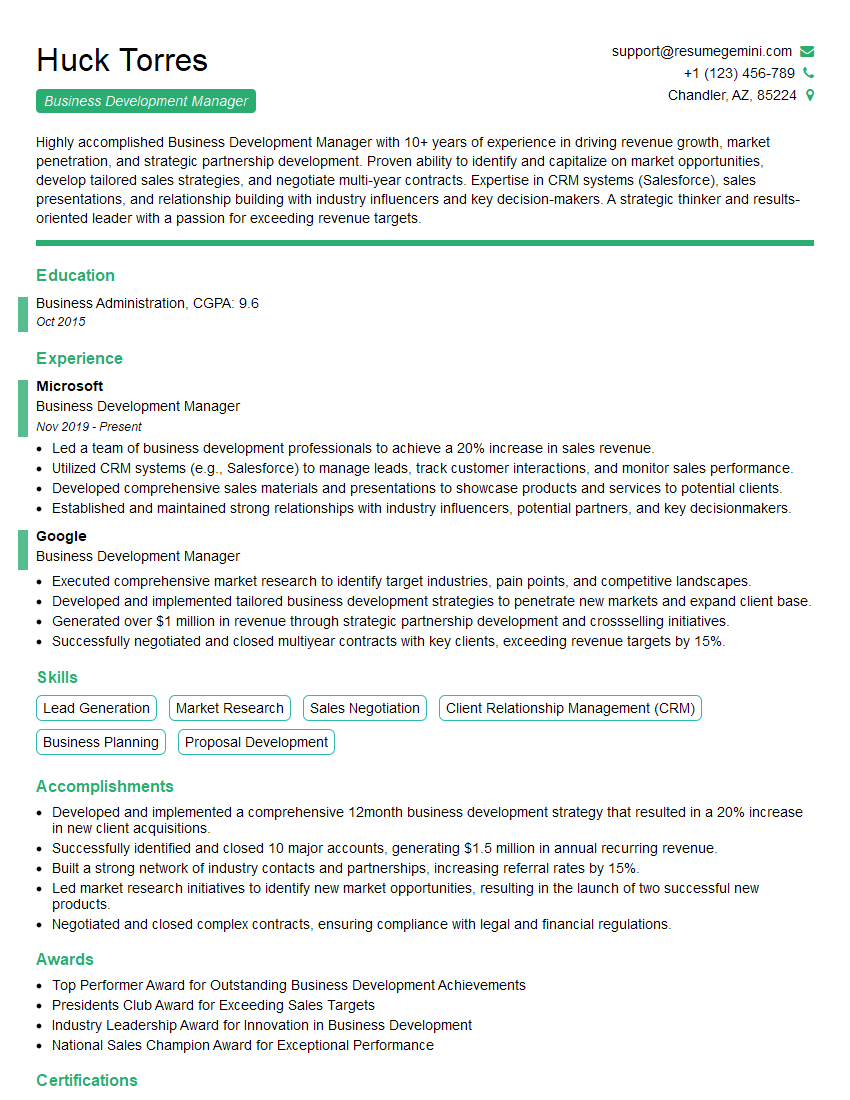
Business Development Manager Resume Sample
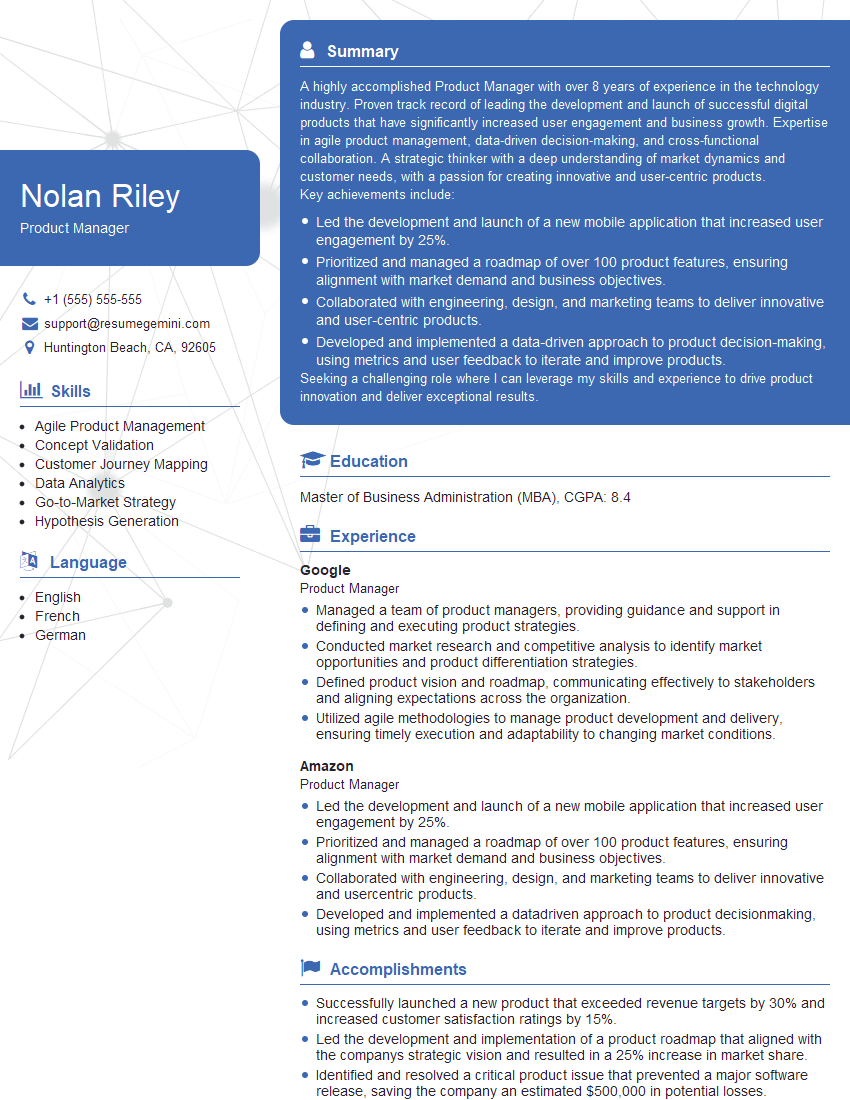
Product Manager Resume Sample
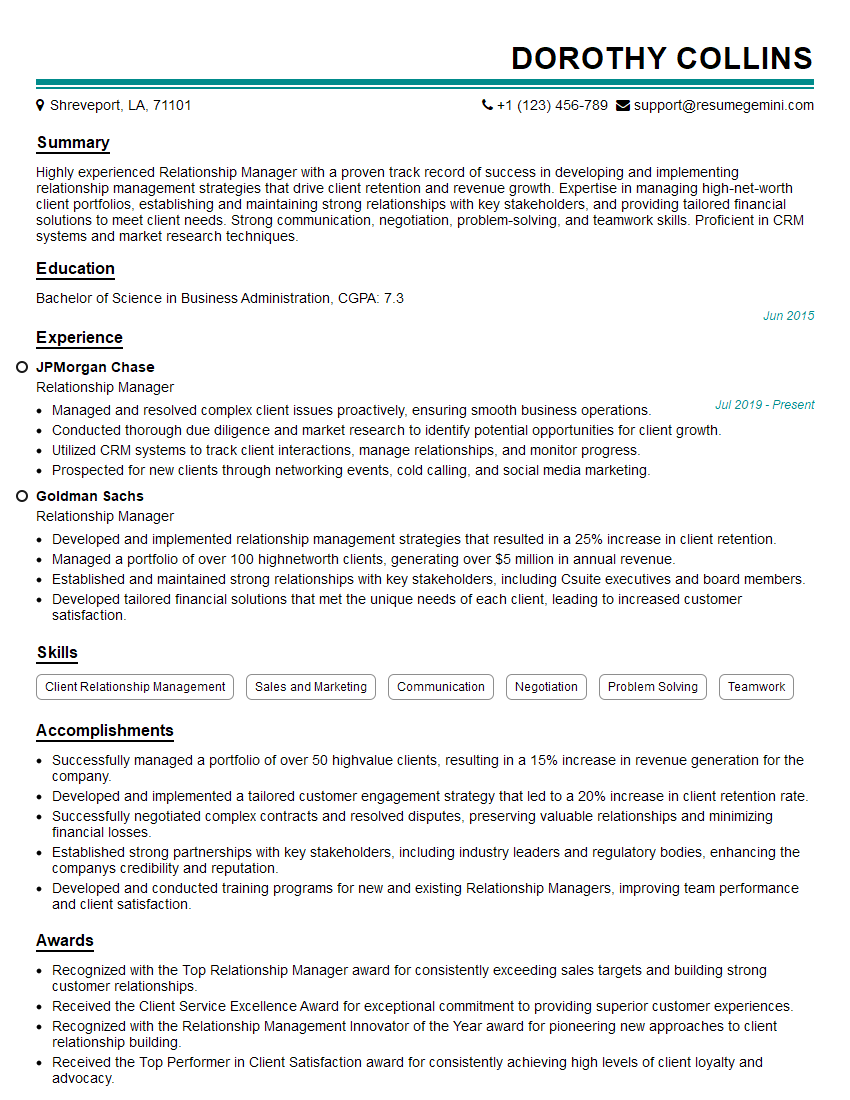
Relationship Manager Resume Sample
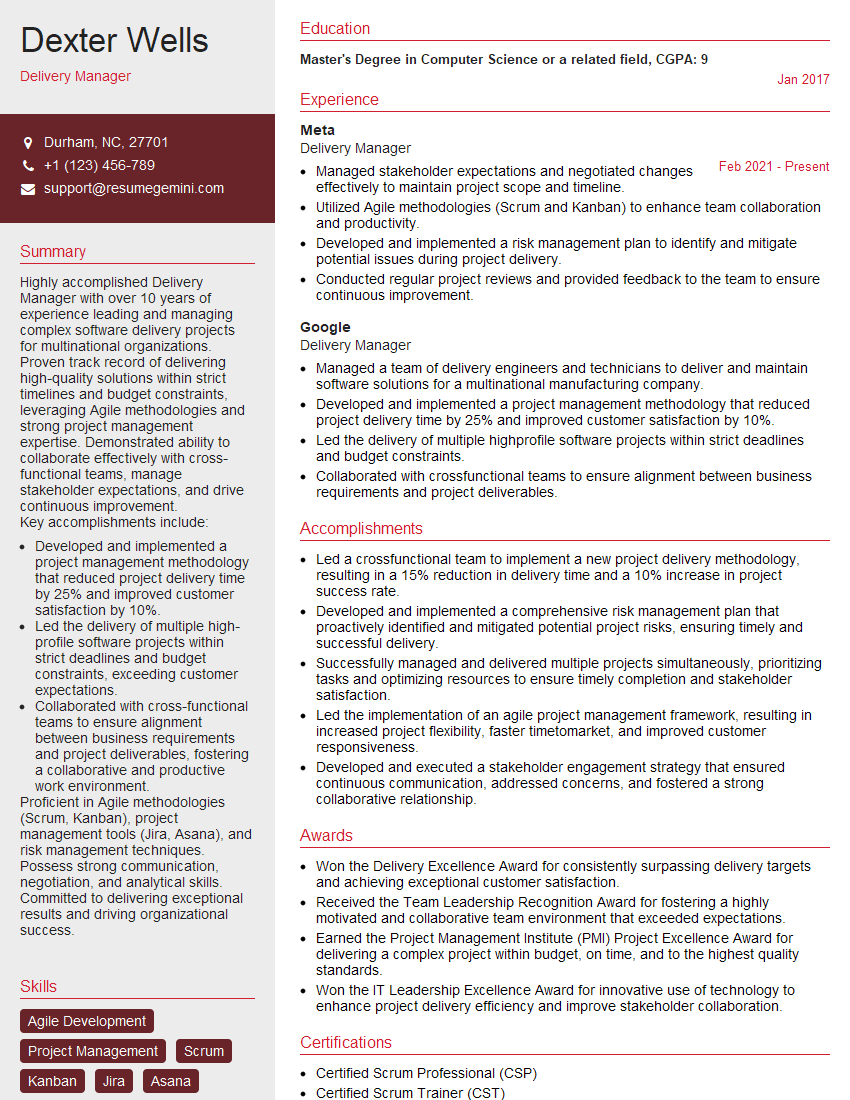
Delivery Manager Resume Sample
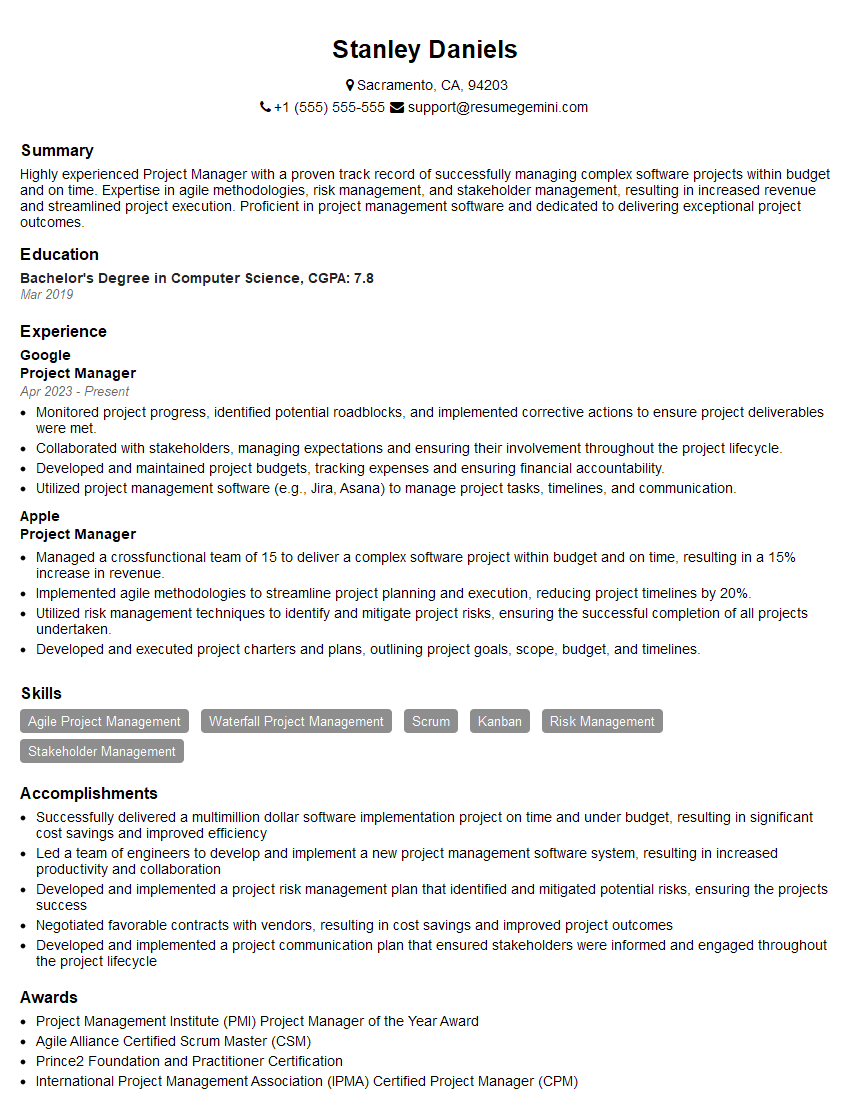
Project Manager Resume Sample
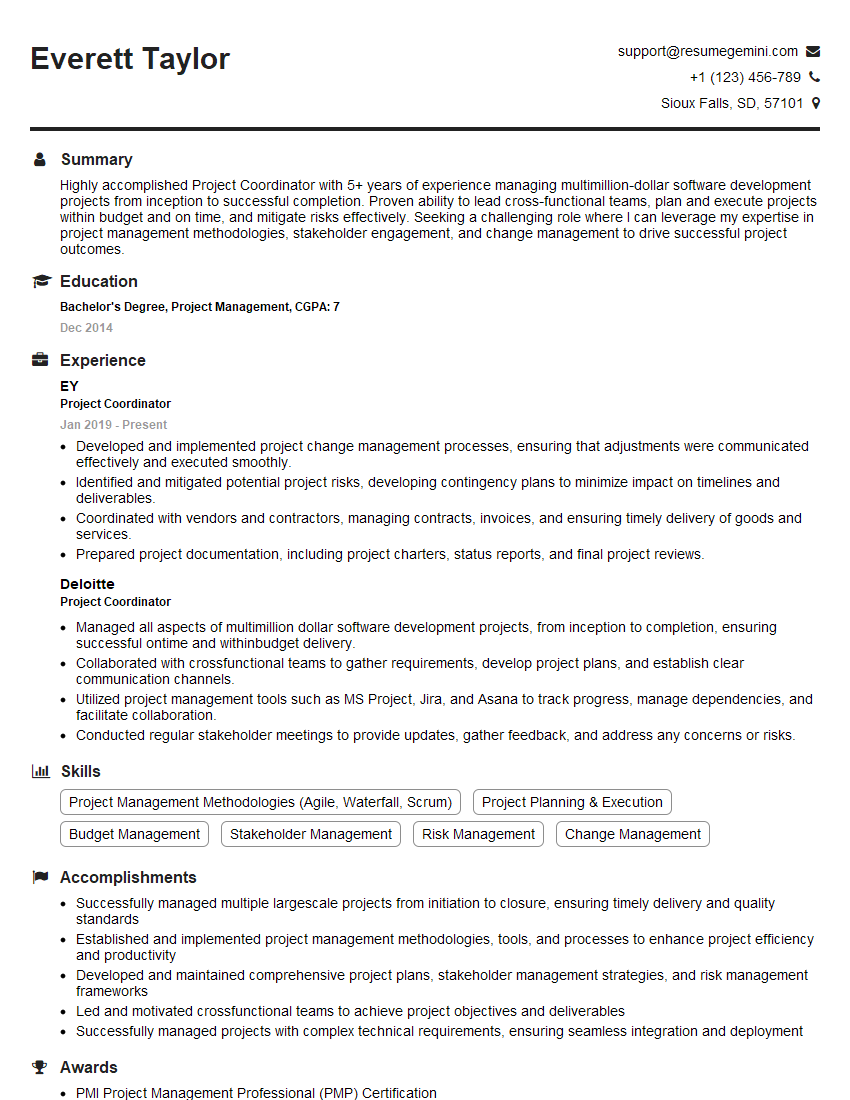
Project Coordinator Resume Sample
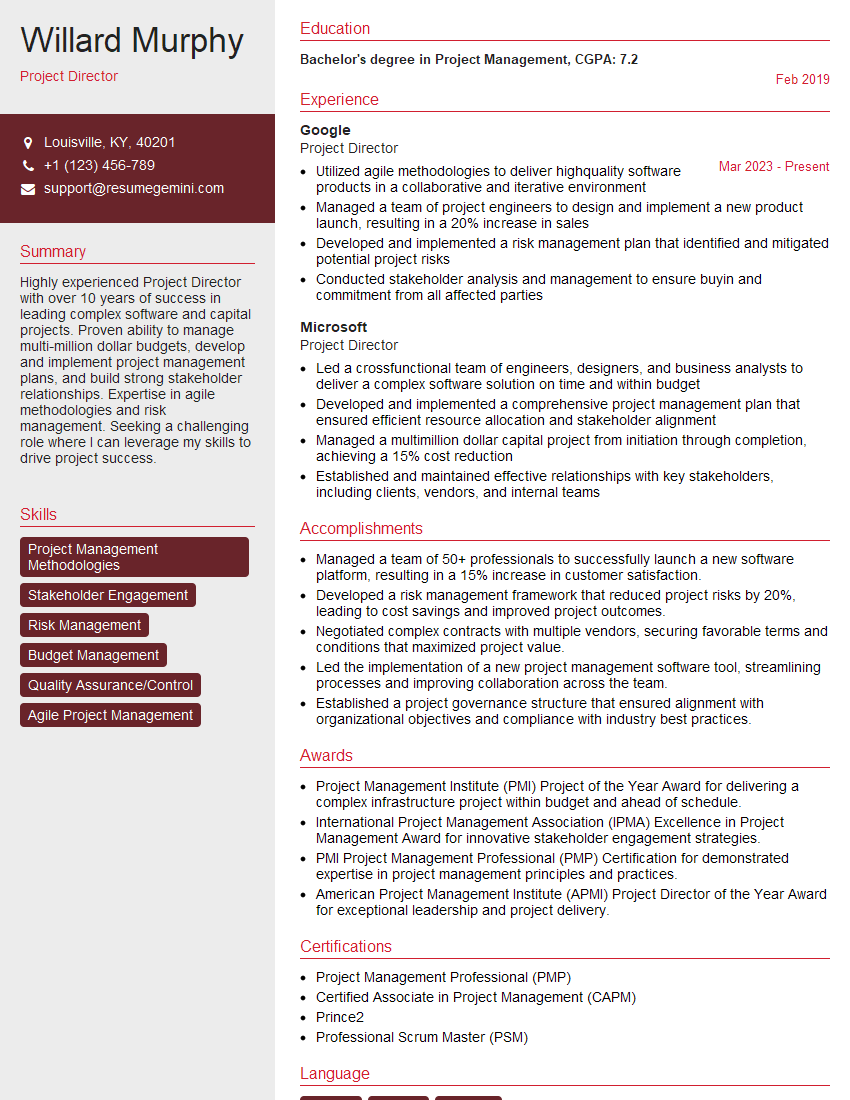
Project Director Resume Sample
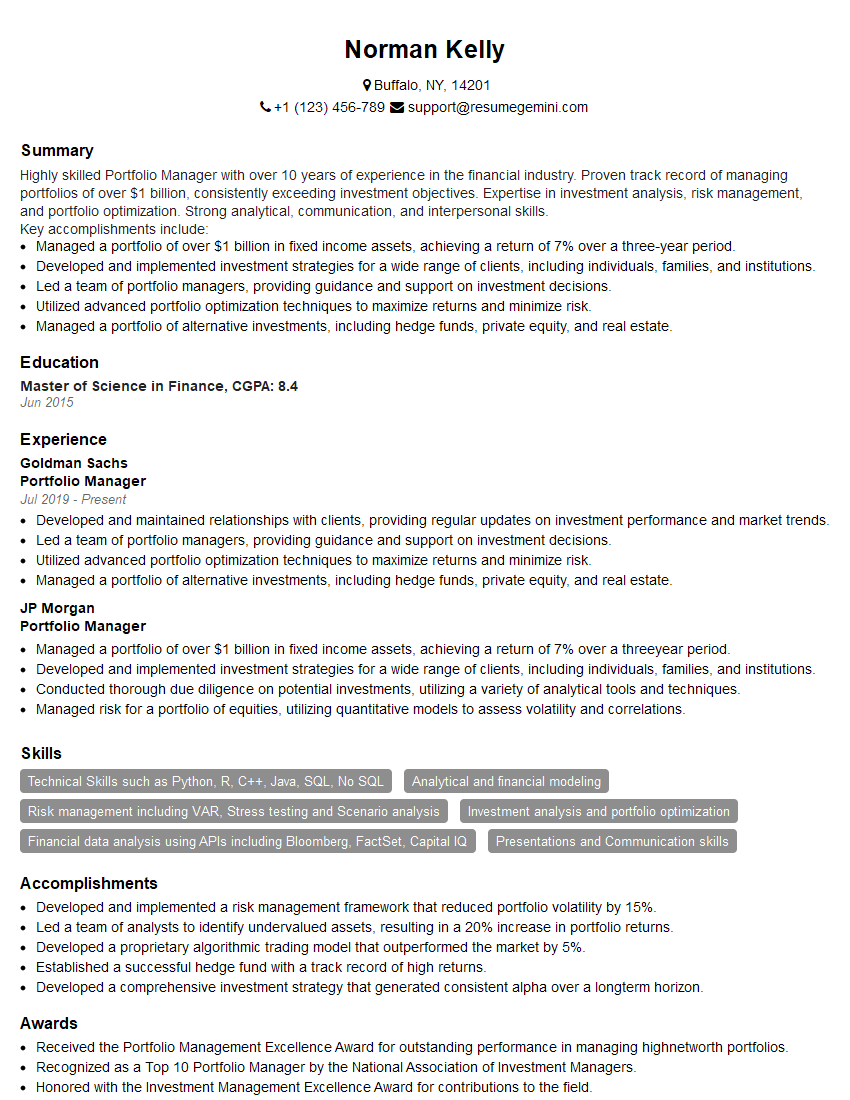
Portfolio Manager Resume Sample
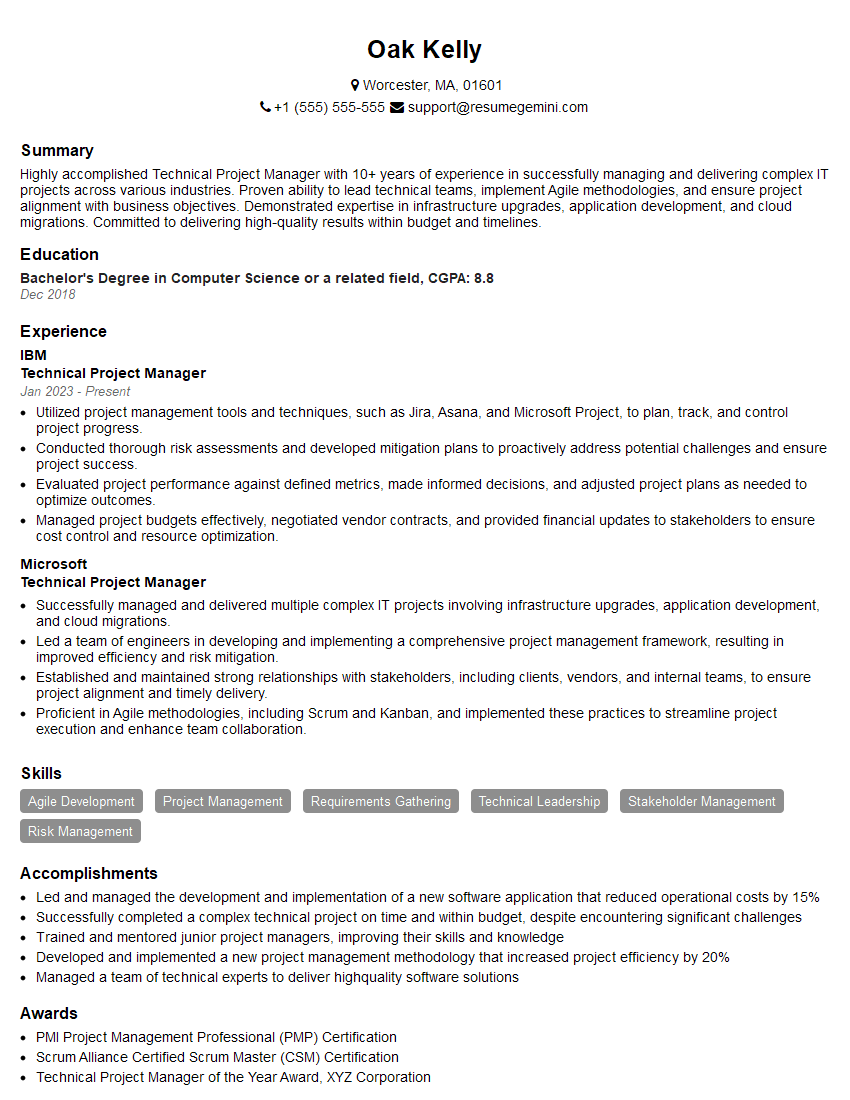
Technical Project Manager Resume Sample
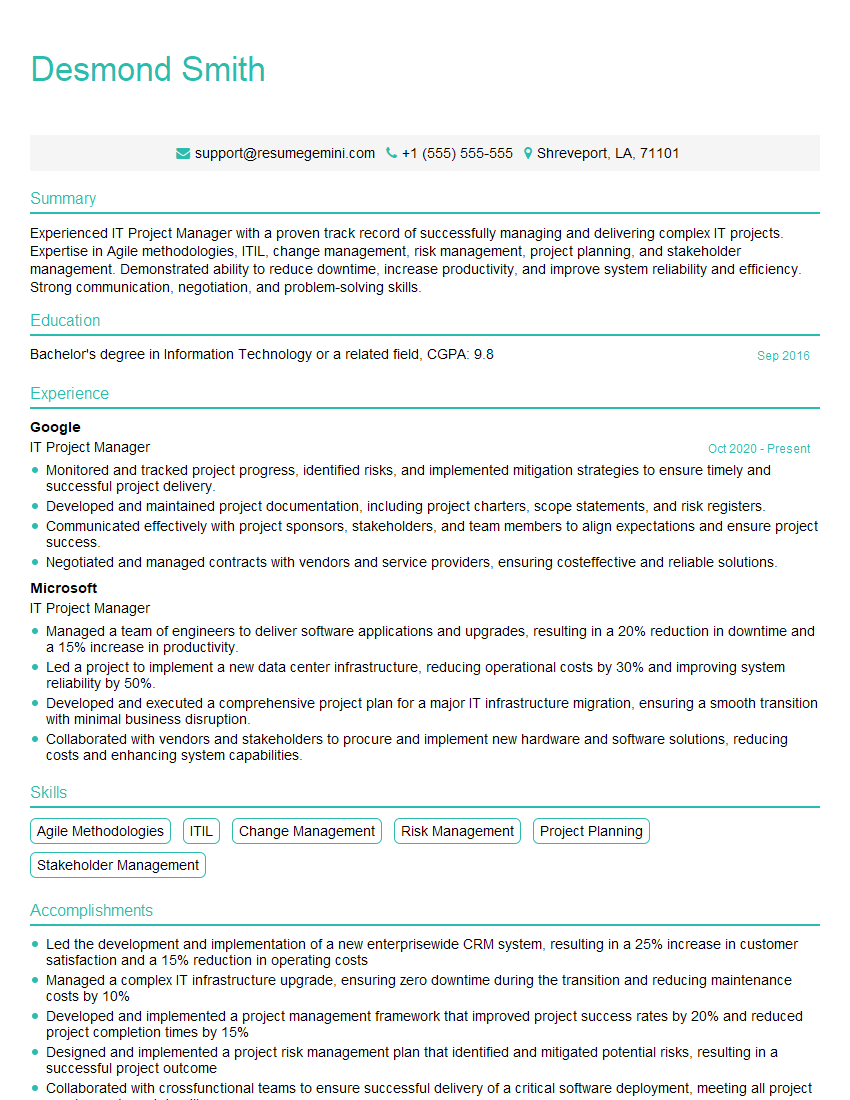
IT Project Manager Resume Sample
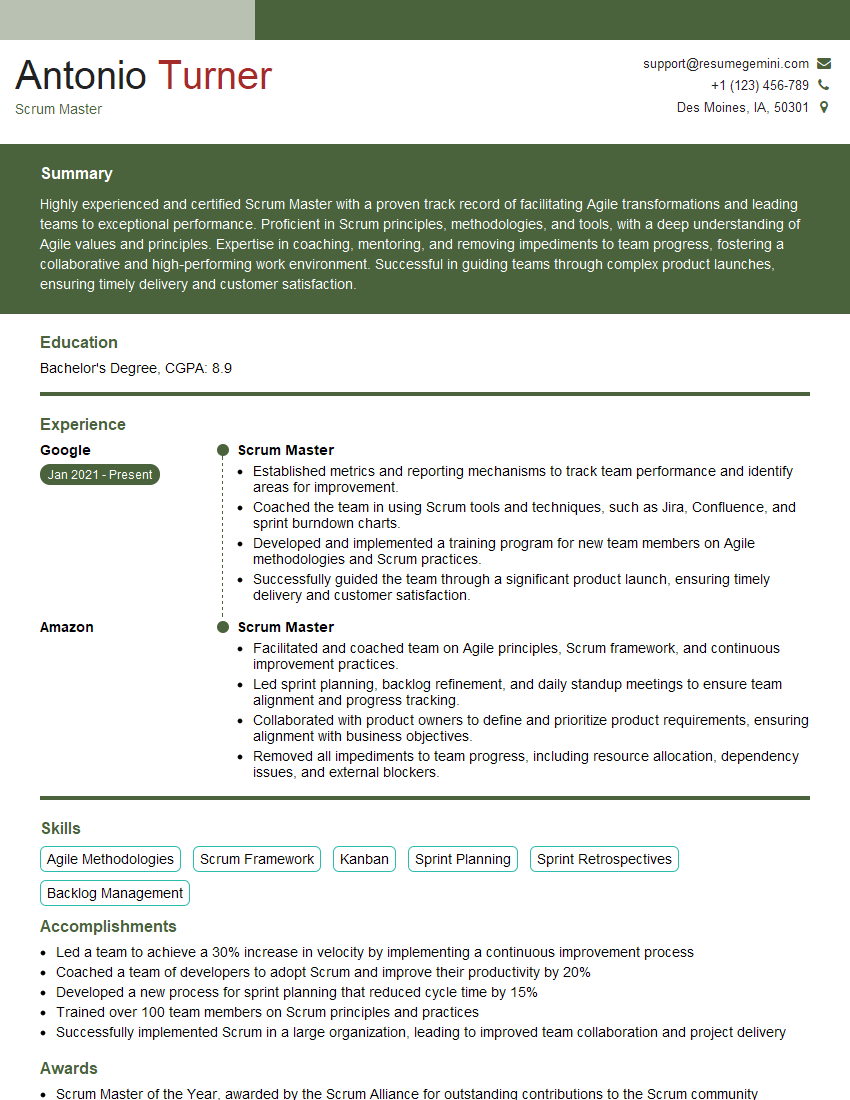
Scrum Master Resume Sample
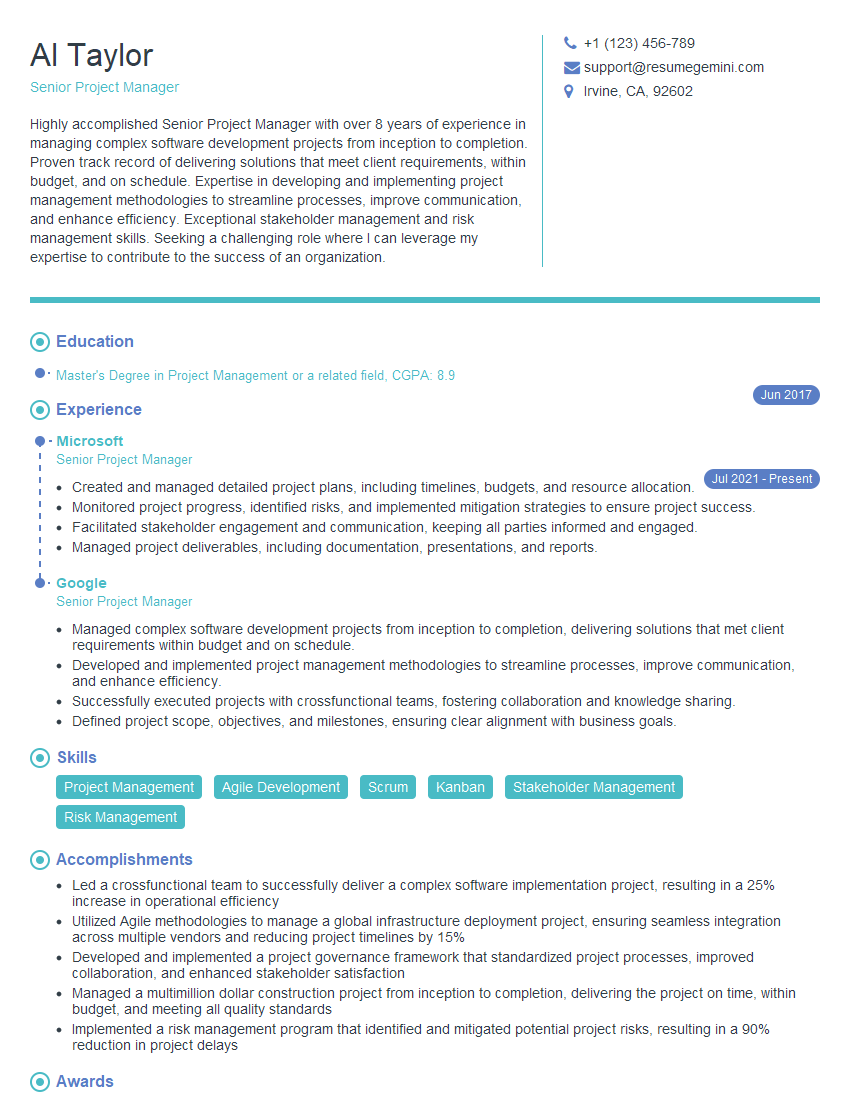
Senior Project Manager Resume Sample
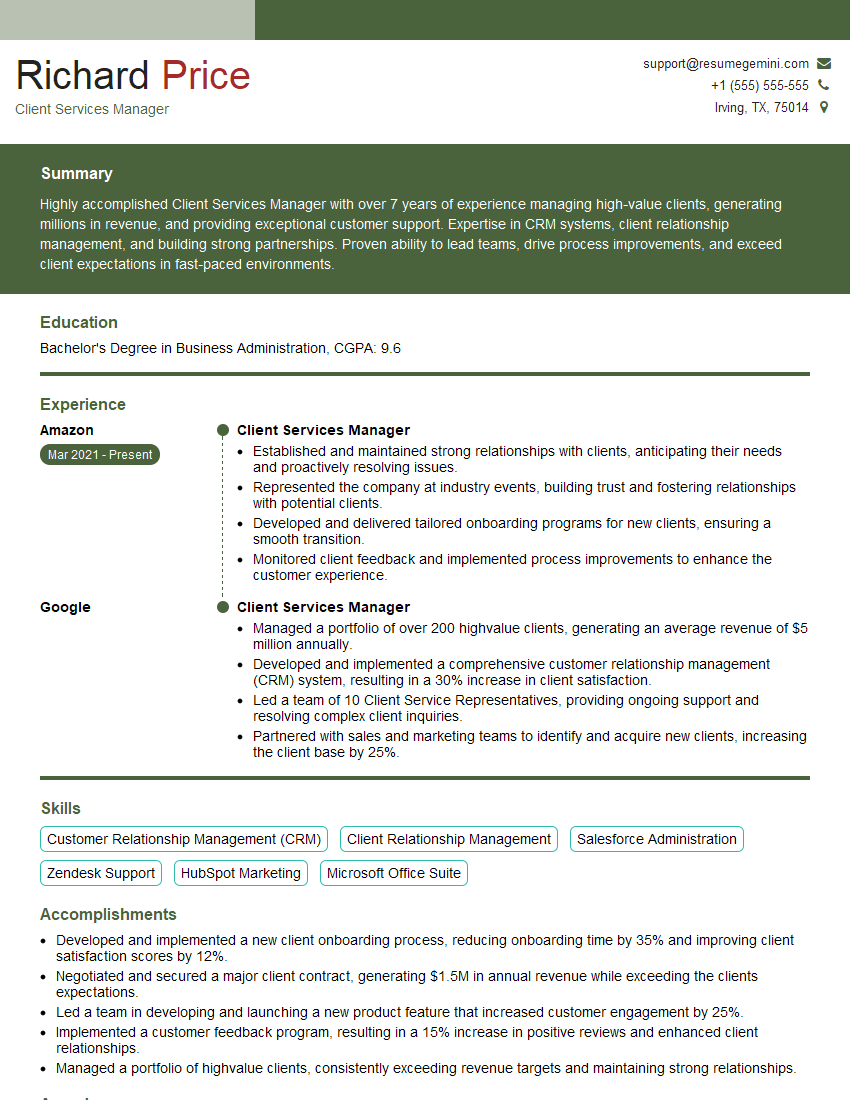
Client Services Manager Resume Sample
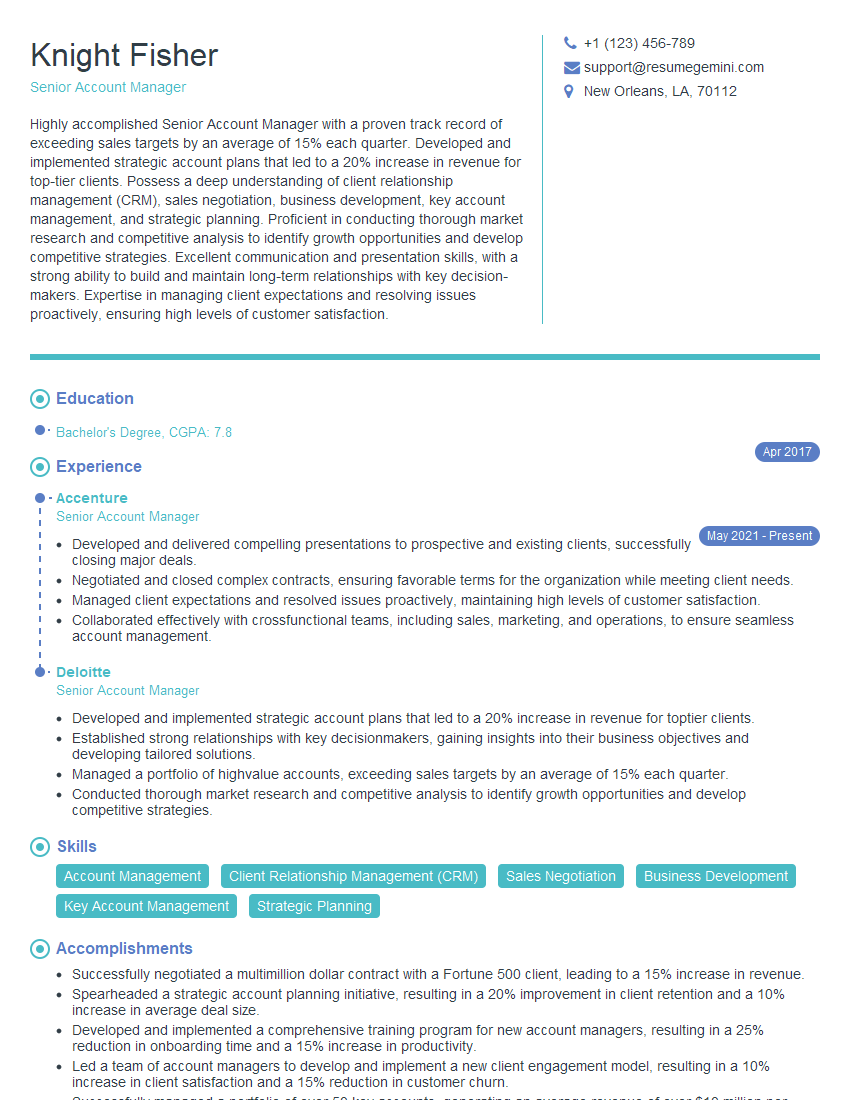
Senior Account Manager Resume Sample
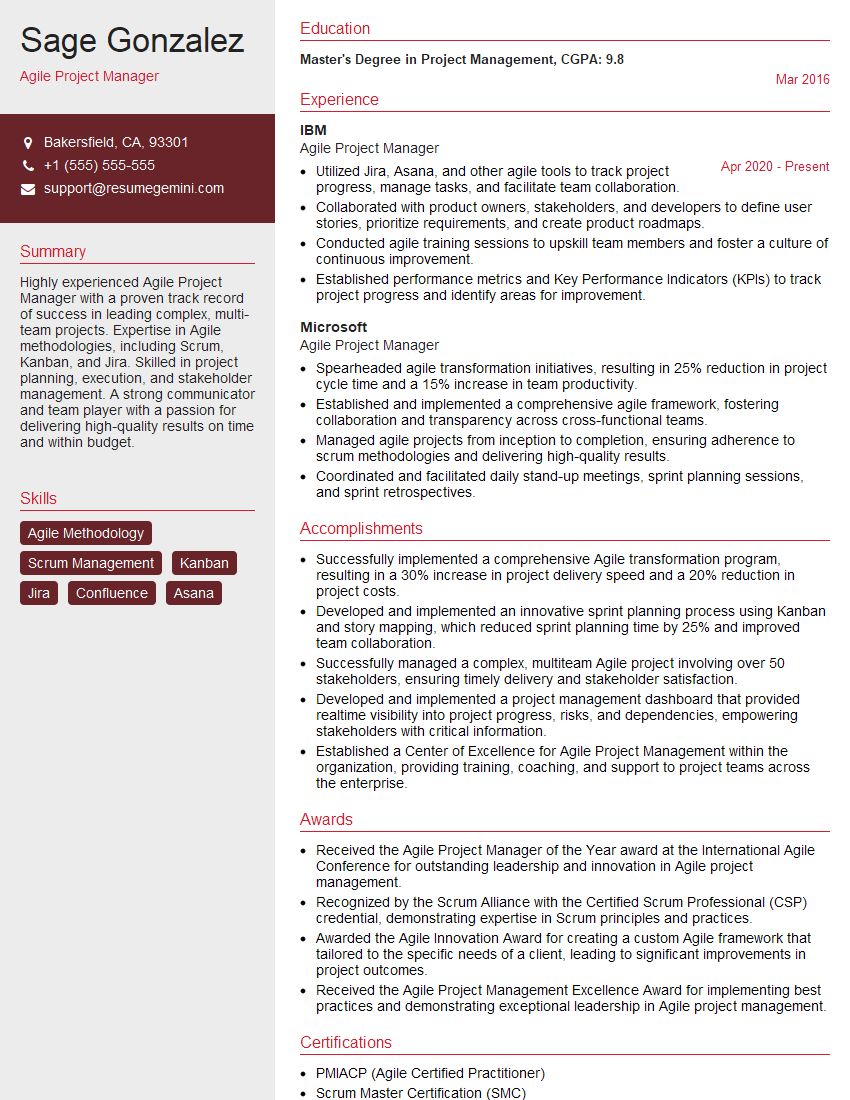
Agile Project Manager Resume Sample
- Program Manager
- Operations Manager
- Account Manager
- Business Development Manager
- Product Manager
- Relationship Manager
- Delivery Manager
- Project Manager
- Project Coordinator
- Project Director
- Portfolio Manager
- Technical Project Manager
- IT Project Manager
- Scrum Master
- Senior Project Manager
- Client Services Manager
- Senior Account Manager
- Agile Project Manager
Explore more articles
Users Rating of Our Blogs
Share Your Experience
We value your feedback! Please rate our content and share your thoughts (optional).
What Readers Say About Our Blog
Really detailed insights and content, thank you for writing this detailed article.
IT gave me an insight and words to use and be able to think of examples