Are you ready to stand out in your next interview? Understanding and preparing for Public Health Practices interview questions is a game-changer. In this blog, we’ve compiled key questions and expert advice to help you showcase your skills with confidence and precision. Let’s get started on your journey to acing the interview.
Questions Asked in Public Health Practices Interview
Q 1. Explain the core principles of public health.
Public health operates on several core principles aimed at preventing disease and promoting well-being within populations. These principles are interconnected and work synergistically to achieve optimal health outcomes.
- Population-Based Approach: Public health focuses on the health of entire populations, not just individuals. Interventions target risk factors and health outcomes affecting groups, rather than single cases. For example, a vaccination campaign targets an entire community to prevent the spread of a disease.
- Prevention: This is paramount. Public health prioritizes preventing disease and injury before they occur through measures such as health promotion, disease prevention programs, and environmental control. Think of seatbelt laws or anti-smoking campaigns.
- Health Promotion and Education: Empowering individuals and communities with knowledge and skills to make informed choices is crucial. This involves educating people about healthy lifestyles, risk factors, and available resources. Examples include public service announcements on nutrition and physical activity.
- Health Equity: Ensuring that everyone has the opportunity to achieve their full health potential, regardless of their social circumstances or background, is central to public health. This requires addressing the social determinants of health, like poverty and lack of access to healthcare.
- Evidence-Based Decision Making: Public health relies heavily on scientific evidence to guide policy and program development. Data collection, analysis, and evaluation are critical for determining what works best and allocating resources effectively.
- Collaboration and Partnerships: Achieving public health goals requires a multi-sectoral approach. This includes collaboration between government agencies, healthcare providers, community organizations, and the public.
Q 2. Describe the epidemiological triangle and its application.
The epidemiological triangle is a model used to illustrate the interaction of factors that contribute to the occurrence of a disease. It’s a simplified framework but helpful in visualizing the complex interplay.
The three elements are:
- Agent: The cause of the disease – this could be a biological agent (bacteria, virus), a chemical agent (toxin), or a physical agent (radiation).
- Host: The individual or population at risk of the disease. Factors like age, sex, genetic predisposition, immune status, and behaviors influence susceptibility.
- Environment: External factors that influence the interaction between the agent and the host. This includes physical factors (climate, geography), biological factors (presence of vectors like mosquitoes), and socio-economic factors (poverty, sanitation).
Application: Understanding the epidemiological triangle helps identify points of intervention. For example, in a malaria outbreak (agent: Plasmodium parasite, host: humans, environment: mosquito breeding sites), interventions could target reducing the mosquito population (environment), providing insecticide-treated bed nets (host protection), or developing and distributing effective antimalarial drugs (treatment of the agent’s impact on the host).
Q 3. What are the key steps in a public health intervention?
A public health intervention involves a structured process to address a specific health problem. The steps often include:
- Problem Definition and Assessment: Identify the health issue, its scope, and its impact on the population. This involves data collection, analysis, and review of existing literature.
- Planning and Goal Setting: Develop clear, measurable, achievable, relevant, and time-bound (SMART) goals for the intervention. This step considers available resources and potential barriers.
- Intervention Development and Implementation: Design and implement the selected intervention. This could involve educational programs, policy changes, or community-based initiatives.
- Monitoring and Evaluation: Continuously monitor the intervention’s progress and evaluate its effectiveness in achieving the set goals. Collect data to track indicators of success or areas needing adjustment.
- Dissemination and Sustainability: Share findings with stakeholders, including the community and policymakers. Develop strategies to ensure the long-term sustainability of the intervention beyond the initial implementation phase.
Q 4. How do you measure the effectiveness of a public health program?
Measuring the effectiveness of a public health program requires a multifaceted approach. Key methods include:
- Process Evaluation: Assesses how well the program was implemented. Did it reach its target population? Were activities carried out as planned? This provides insights into program fidelity.
- Outcome Evaluation: Measures changes in health indicators directly linked to the program’s goals. This could involve analyzing changes in disease rates, mortality rates, or risk factors.
- Impact Evaluation: Evaluates the program’s broader effects on the community, considering both intended and unintended consequences. Did the program reduce health disparities? Did it have positive economic impacts?
- Cost-Effectiveness Analysis: Compares the cost of the intervention to its health benefits. This allows for a comparison of different interventions to identify the most cost-effective options.
Quantitative data (e.g., disease rates, program participation rates) and qualitative data (e.g., community feedback, interviews with participants) are used to obtain a comprehensive understanding of the program’s impact.
Q 5. Explain the difference between prevalence and incidence.
Prevalence and incidence are both measures of disease frequency but describe different aspects:
- Prevalence: The proportion of a population that has a particular disease or condition at a specific point in time or over a specified period. It indicates the burden of disease in a population. A high prevalence suggests a significant number of people are affected currently.
- Incidence: Measures the rate at which new cases of a disease occur in a population over a specific period. It reflects the risk of developing the disease during that time. A high incidence indicates a rapid spread of disease.
Example: Imagine a community with 1000 people. If 100 people have diabetes at a given moment, the prevalence of diabetes is 10%. If 20 new cases of diabetes occur in the next year, the annual incidence rate is 20 per 1000 people (or 2%). Prevalence provides a snapshot, whereas incidence tells us about the pace of new cases.
Q 6. What are the social determinants of health?
Social determinants of health (SDOH) are the conditions in which people are born, grow, live, work, and age that affect their health status. These factors are largely outside of a person’s individual control and influence health outcomes significantly.
Examples include:
- Economic Stability: Poverty, employment, food security, housing stability.
- Education Access and Quality: Literacy, early childhood education, higher education.
- Social and Community Context: Social cohesion, civic participation, discrimination, incarceration.
- Health Care Access and Quality: Health coverage, access to care, quality of care.
- Neighborhood and Built Environment: Access to healthy food, quality of housing, crime and violence, environmental conditions.
Addressing SDOH requires a multi-sectoral approach, involving collaboration between public health agencies, healthcare providers, social services, and community organizations.
Q 7. Discuss the role of health disparities in public health.
Health disparities refer to preventable differences in the burden of disease, injury, violence, or opportunities to achieve optimal health that are experienced by socially disadvantaged populations. These are not random variations; they are systematic and unjust. Addressing them is a core component of public health.
Examples: Disparities may be observed in:
- Access to Healthcare: Lower income communities may lack access to quality healthcare, including preventive care, resulting in higher rates of chronic diseases.
- Environmental Exposures: Certain racial and ethnic groups may live in areas with higher pollution levels, increasing their risk of respiratory problems and other health issues.
- Chronic Disease Prevalence: Diabetes, heart disease, and cancer rates often disproportionately affect marginalized groups, often linked to underlying SDOH.
- Infant and Maternal Mortality: These rates tend to be higher among minority groups, highlighting the influence of access to quality healthcare and social support.
Reducing health disparities requires understanding their root causes, which are often complex and interconnected social, economic, and environmental factors. Interventions should be targeted, culturally sensitive, and address the underlying determinants.
Q 8. Describe your experience with health data analysis.
My experience with health data analysis spans several years and involves a range of methodologies. I’m proficient in using statistical software such as R and SAS to analyze large datasets, including epidemiological studies, disease surveillance data, and health service utilization records. For instance, I recently led a project analyzing hospital discharge data to identify disparities in access to cardiovascular care among different socioeconomic groups. This involved cleaning and preparing the data, performing statistical tests like regression analysis to identify significant predictors of access, and visualizing the results using interactive dashboards to communicate our findings effectively to stakeholders. My work extends beyond statistical analysis; I also have experience with data mining techniques to identify patterns and trends within complex health information systems. This allows for proactive identification of public health issues and the development of targeted interventions.
Furthermore, I am comfortable working with various data types, from structured data in databases to unstructured data like clinical notes and social media posts. This comprehensive approach enables a more holistic understanding of health issues and their underlying causes.
Q 9. How do you communicate public health information effectively?
Effective communication of public health information is crucial for promoting health and preventing disease. My approach involves tailoring my message to the specific audience, considering their level of health literacy and cultural context. For example, when communicating with a community facing a health crisis, I use clear and concise language, avoiding technical jargon and employing visuals like infographics to facilitate understanding. I utilize multiple communication channels – from public health announcements and educational materials to community forums and social media – to reach the broadest possible audience.
I also actively engage in active listening and feedback mechanisms to ensure that the message is received and understood. For instance, during an influenza outbreak, I worked with local leaders and community organizations to disseminate information accurately and address concerns. This two-way communication process fosters trust and builds stronger community relationships, which are essential for effective public health interventions.
Q 10. Explain the importance of community engagement in public health.
Community engagement is paramount in public health because it ensures that interventions are culturally appropriate, relevant, and sustainable. By involving communities in the planning, implementation, and evaluation of health programs, we gain valuable insights into local needs and priorities, leading to more effective outcomes. For example, I participated in a project to reduce childhood obesity rates in a low-income community. By working closely with community members, we learned about their food access challenges and cultural preferences, allowing us to tailor our interventions, like cooking classes and community gardens, for maximum impact.
Ignoring community perspectives can lead to programs that fail to resonate with the population they are intended to serve. Community engagement fosters trust and ownership, empowering individuals to take control of their health and become active participants in creating healthier communities. Furthermore, community members often possess valuable local knowledge that can be invaluable in identifying health risks and implementing solutions.
Q 11. What is the role of policy in public health?
Policy plays a critical role in shaping the public health landscape. Effective policies create the environment needed to improve population health through various means. For example, legislation mandating seatbelt use has significantly reduced traffic fatalities. Similarly, policies promoting vaccination have eradicated many infectious diseases, and policies regulating tobacco use have significantly improved public health. These policies create the legal and structural framework for implementing public health programs and interventions.
My work involves collaborating with policymakers to develop and implement evidence-based health policies. This includes conducting research to assess the impact of existing policies, identifying gaps in policy coverage, and proposing new policies informed by scientific evidence and community needs. This interdisciplinary approach is essential for creating and sustaining lasting changes in public health.
Q 12. Describe your experience with outbreak investigation.
I have extensive experience in outbreak investigation, following the established protocols of public health agencies. This includes rapidly identifying cases, determining the source of infection, identifying transmission routes, and implementing control measures. For instance, during a recent foodborne illness outbreak, I used epidemiological methods such as case-control studies to identify the contaminated food source. This involved interviewing affected individuals, analyzing laboratory data, and collaborating with food safety agencies to contain the outbreak effectively.
My approach involves close collaboration with various stakeholders, including healthcare providers, laboratory personnel, and environmental health specialists. This coordinated effort allows for a rapid response to public health threats, minimizing their impact and protecting the community. Effective outbreak investigation necessitates meticulous data collection, rigorous analysis, and clear communication to all parties involved.
Q 13. How do you prioritize public health interventions?
Prioritizing public health interventions requires a systematic approach that balances urgency, impact, and feasibility. I often utilize frameworks like the ‘Population, Intervention, Comparison, Outcome’ (PICO) framework to guide my decision-making process. This framework helps me clearly define the target population, the intervention being considered, the comparator group, and the expected outcomes. I then utilize evidence-based data, such as epidemiological studies, cost-effectiveness analyses, and community needs assessments, to evaluate the potential impact and resource implications of each intervention.
Furthermore, I consider ethical implications and equity in resource allocation. This often involves weighting the potential impact on vulnerable populations more heavily in my decision-making. Prioritization also involves considering the feasibility and sustainability of the interventions within available resources and existing community infrastructure. In essence, a balanced approach ensures that the most effective and impactful interventions are implemented first, with careful consideration given to ethical and logistical concerns.
Q 14. What is your experience with health program evaluation?
Health program evaluation is essential for determining whether interventions are achieving their intended goals and improving population health. My experience encompasses both quantitative and qualitative methods, including the use of statistical analysis and mixed-methods approaches. For example, I recently evaluated a community-based diabetes prevention program. This involved collecting data on participant outcomes (e.g., weight loss, blood sugar control), conducting surveys to assess program satisfaction, and conducting focus groups to gather qualitative data on participants’ experiences and perceptions. The results were used to refine the program and improve its effectiveness.
A key aspect of program evaluation is using a robust evaluation design, including clearly defining the program’s objectives, establishing appropriate measurement tools, selecting suitable comparison groups, and accounting for potential confounding factors. This rigorous approach ensures that the findings are credible and can be used to inform future public health interventions. It is essential to not only measure the impact but to understand the process of change and identify factors contributing to success or failure. This allows for continuous quality improvement and adaptive management of health programs.
Q 15. Explain your understanding of health promotion and disease prevention.
Health promotion and disease prevention are two interconnected pillars of public health, aiming to improve population health outcomes. Health promotion focuses on empowering individuals and communities to adopt healthy behaviors and lifestyles, thereby reducing their risk of developing diseases. Disease prevention, on the other hand, involves implementing strategies to prevent the onset of diseases or to slow their progression. Think of it like this: health promotion is building a strong immune system, while disease prevention is putting up protective barriers against potential threats.
Health promotion strategies include educational campaigns about healthy eating, promoting physical activity, reducing tobacco use, and encouraging safe sex practices. For example, a public awareness campaign highlighting the benefits of regular exercise and providing resources for community fitness programs is a form of health promotion.
Disease prevention strategies range from vaccinations and screenings (like mammograms and colonoscopies) to environmental interventions like improving water quality and sanitation. A city-wide program to distribute free mosquito nets to prevent malaria is an example of disease prevention. Ultimately, both work synergistically to improve overall health and well-being.
Career Expert Tips:
- Ace those interviews! Prepare effectively by reviewing the Top 50 Most Common Interview Questions on ResumeGemini.
- Navigate your job search with confidence! Explore a wide range of Career Tips on ResumeGemini. Learn about common challenges and recommendations to overcome them.
- Craft the perfect resume! Master the Art of Resume Writing with ResumeGemini’s guide. Showcase your unique qualifications and achievements effectively.
- Don’t miss out on holiday savings! Build your dream resume with ResumeGemini’s ATS optimized templates.
Q 16. Discuss the ethical considerations in public health practice.
Ethical considerations in public health are paramount, as actions taken impact entire populations. We must always adhere to principles of beneficence (doing good), non-maleficence (avoiding harm), justice (fairness and equity), and respect for autonomy (individual choice).
Justice is particularly relevant; ensuring equitable access to healthcare resources and addressing health disparities among different socioeconomic groups is crucial. For example, prioritizing resource allocation to communities with higher rates of preventable diseases ensures fairness and combats systemic inequalities.
Autonomy presents challenges, especially when public health interventions require limiting individual freedoms for the greater good (e.g., mandatory vaccinations or quarantine measures during epidemics). Transparency and community engagement are crucial to build trust and ensure measures are proportionate and justifiable.
Confidentiality is also critical; protecting personal health information is essential to maintain trust and prevent discrimination.
Q 17. Describe your experience with health risk assessment.
I have extensive experience conducting health risk assessments at both the individual and population levels. At the individual level, this involves using tools like questionnaires and biometric screenings to identify modifiable risk factors (e.g., smoking, high blood pressure, high cholesterol) and provide tailored advice for risk reduction.
For example, I’ve worked with patients to develop personalized plans to manage their diabetes, incorporating lifestyle changes and medication adherence. At the population level, I use epidemiological data and statistical modeling to identify population-level risk factors and inform public health interventions. For instance, I was involved in a project that analyzed cardiovascular disease prevalence rates in a specific region to determine the most effective strategies for prevention and early detection. This involved analyzing demographic, socioeconomic, and lifestyle factors to understand the contributing risks.
Q 18. What is your experience with health surveillance systems?
My experience with health surveillance systems encompasses designing, implementing, and analyzing data from various surveillance systems. This includes both infectious and chronic disease surveillance. I’m proficient in using various data sources, such as electronic health records, laboratory data, and vital statistics, to monitor disease trends, identify outbreaks, and evaluate the effectiveness of public health interventions.
For example, I was involved in building a real-time surveillance system for influenza, which used data from doctor’s offices and hospitals to monitor influenza activity and predict potential outbreaks. This allowed for timely interventions like public health messaging and vaccine distribution. I also have experience with chronic disease surveillance, tracking the prevalence of diabetes and heart disease to help inform prevention efforts and resource allocation.
Q 19. How do you use data to inform public health decisions?
Data is fundamental to evidence-based public health decision-making. I use data analysis techniques, including descriptive statistics, epidemiological modeling, and spatial analysis, to understand health issues and evaluate the impact of interventions.
For example, during a recent measles outbreak, I analyzed epidemiological data to identify the source of the outbreak, transmission patterns, and vulnerable populations. This data informed decisions on vaccination campaigns, contact tracing strategies, and targeted public health messaging. Similarly, I’ve utilized data on disparities in cancer screening rates to design targeted interventions aimed at increasing screening rates in underserved communities. Data visualization is also a key tool; creating clear and concise infographics to communicate complex data to decision-makers and the public is essential.
Q 20. Explain the different levels of prevention (primary, secondary, tertiary).
The levels of prevention—primary, secondary, and tertiary—represent a framework for comprehensive public health strategies.
- Primary prevention aims to prevent disease onset altogether. This includes strategies like vaccination, promoting healthy lifestyles (diet, exercise), and improving sanitation. For example, promoting safe sex practices through educational campaigns is a form of primary prevention for sexually transmitted infections.
- Secondary prevention focuses on early detection and prompt treatment to prevent disease progression. This includes screening programs (mammograms, colonoscopies), early intervention programs for substance abuse, and prompt treatment of infections. A regular blood pressure screening program is a classic example of secondary prevention for hypertension.
- Tertiary prevention aims to manage and reduce the impact of existing diseases, improving quality of life and preventing complications. This includes rehabilitation programs for stroke patients, disease management programs for chronic conditions like diabetes, and palliative care for terminal illnesses. Providing support groups for individuals with chronic illnesses is an example of tertiary prevention.
Q 21. Describe your experience with grant writing or fundraising for public health initiatives.
I have significant experience in grant writing and fundraising for public health initiatives. I’ve successfully secured funding from various sources, including government agencies, private foundations, and corporate sponsors. My approach involves carefully identifying funding opportunities that align with the project goals and developing compelling proposals that clearly articulate the problem, proposed solution, budget, and evaluation plan.
For example, I recently secured a grant from a national foundation to fund a community-based program aimed at reducing childhood obesity. The proposal included a detailed needs assessment, a description of the intervention, a clear budget outlining how the funds would be utilized, and a robust evaluation plan to assess the program’s impact. Successful grant writing requires strong writing and communication skills, a deep understanding of the funding landscape, and the ability to build relationships with potential funders.
Q 22. How do you address resistance to public health interventions?
Addressing resistance to public health interventions requires a nuanced approach that acknowledges the diverse reasons behind hesitancy. It’s not simply about overcoming stubbornness, but understanding the underlying concerns and tailoring communication strategies accordingly.
Understanding the Resistance: Begin by identifying the root causes. Is it based on misinformation, mistrust of authority, cultural beliefs, economic hardship, or perceived infringement on personal freedoms? For example, vaccine hesitancy can stem from fear of side effects, distrust of pharmaceutical companies, or religious beliefs.
Targeted Communication: Once the reasons are understood, craft messages that directly address those concerns using clear, evidence-based information and relatable stories. This might involve community engagement, partnering with trusted local leaders, and using diverse communication channels (social media, community events, local media).
Building Trust: Trust is paramount. Transparency about the process, open dialogue about concerns, and demonstrating empathy are crucial. Active listening and respectful conversations are far more effective than forceful persuasion.
Community Engagement: Involving the community in the design and implementation of interventions fosters a sense of ownership and increases buy-in. This might include focus groups, community forums, or participatory research methods.
Addressing Barriers: Identify and address practical barriers such as access to services, language differences, or logistical challenges. For instance, mobile clinics can improve access to healthcare in remote areas.
For example, during a measles outbreak, if resistance stems from misinformation about vaccine safety, the response would focus on providing accurate, easily accessible information from trusted sources, while addressing concerns about potential side effects with evidence-based data.
Q 23. What is your familiarity with health informatics and technology?
Health informatics and technology are fundamental to modern public health practice. My familiarity encompasses a wide range of applications, from data analysis and surveillance systems to electronic health records and telehealth platforms.
Data Analysis and Surveillance: I’m proficient in using epidemiological software and statistical methods to analyze large datasets, identify trends, and track disease outbreaks. This involves using tools like R or Python for statistical modeling and visualization.
Electronic Health Records (EHRs): I understand the importance of EHRs in improving data quality, streamlining patient care, and facilitating public health reporting. I’m familiar with various EHR systems and their implications for data privacy and security.
Telehealth: I recognize the potential of telehealth in expanding access to healthcare services, particularly for underserved populations. This includes experience with video conferencing, remote monitoring, and online health portals.
Public Health Informatics Systems: I’m familiar with various public health information systems, including disease surveillance systems, immunization registries, and population health management platforms. I understand their role in improving public health decision-making.
For instance, I’ve used GIS (Geographic Information Systems) to map disease outbreaks and identify high-risk areas, allowing for targeted interventions. I’ve also utilized predictive modeling techniques to anticipate potential health crises.
Q 24. How do you ensure cultural competency in public health practice?
Cultural competency is crucial for effective public health practice. It involves understanding, respecting, and incorporating the cultural beliefs, values, and practices of diverse populations into all aspects of program design and implementation.
Self-Reflection: It begins with self-awareness of one’s own biases and assumptions. Recognizing that everyone has implicit biases is the first step.
Cultural Humility: Rather than aiming for complete cultural understanding (which is impossible), the focus should be on cultural humility – a lifelong commitment to learning and self-reflection. It acknowledges that we are all constantly learning about other cultures.
Community Engagement: Meaningful engagement with the community is essential. This includes actively seeking input from community members, partnering with local organizations, and using culturally appropriate communication strategies.
Culturally Adapted Interventions: Public health interventions should be tailored to meet the specific cultural needs of the target population. For example, health education materials should be translated into appropriate languages and use culturally relevant imagery.
Addressing Health Disparities: Cultural competency helps to identify and address health disparities that stem from social determinants of health, such as poverty, lack of access to healthcare, and discrimination.
For example, when implementing a smoking cessation program in a Native American community, it’s important to understand the cultural significance of tobacco and develop culturally sensitive messaging that respects their traditions while promoting healthier choices. This might involve partnering with tribal leaders and using storytelling methods to connect with the community.
Q 25. Explain your experience working with diverse populations.
Throughout my career, I’ve had extensive experience working with diverse populations, both domestically and internationally. This has involved collaborations with individuals from varying socioeconomic backgrounds, ethnicities, and cultural orientations.
Example 1: During a community health needs assessment in a low-income, predominantly Hispanic neighborhood, I worked closely with community health workers to understand the unique challenges faced by this population. This led to the development of culturally sensitive interventions that addressed language barriers and specific health concerns.
Example 2: In a global health project focused on maternal and child health in rural Africa, I collaborated with local healthcare providers and community leaders to adapt existing interventions to suit the local context, ensuring cultural appropriateness and sustainability.
Example 3: I’ve facilitated workshops and training sessions for healthcare providers on topics such as cultural competency, health literacy, and effective communication with diverse patients.
These experiences have honed my skills in cross-cultural communication, conflict resolution, and community engagement. I’m adept at building rapport with individuals from diverse backgrounds and adapting my communication style to effectively convey information and build trust.
Q 26. Describe your problem-solving skills in a public health context.
My problem-solving approach in public health relies on a structured, data-driven methodology.
Define the Problem: Begin by clearly defining the public health issue, identifying its scope, and gathering relevant data to assess its severity and impact. This might involve reviewing epidemiological data, conducting surveys, or conducting qualitative interviews.
Develop Hypotheses: Formulate potential hypotheses about the underlying causes and contributing factors. These should be based on existing evidence and knowledge.
Analyze Data: Use statistical methods and data visualization techniques to analyze the data and test the hypotheses. This helps identify patterns, trends, and risk factors.
Develop and Implement Interventions: Based on the analysis, develop and implement interventions to address the problem. These should be evidence-based and tailored to the specific context. The interventions should be evaluated regularly to assess their effectiveness.
Evaluate and Iterate: Regularly evaluate the effectiveness of interventions using appropriate metrics. Adapt and iterate based on the findings of the evaluation.
For example, in response to a rise in childhood obesity rates, I would use data to identify risk factors such as poor diet, lack of physical activity, and socioeconomic disparities. Then I would develop and implement programs that address these issues, including community-based interventions to promote healthy eating habits and increase physical activity among children and families.
Q 27. Explain your knowledge of relevant public health legislation.
My knowledge of relevant public health legislation is comprehensive and up-to-date. This includes federal, state, and local regulations that govern various aspects of public health practice.
Federal Legislation: I’m familiar with key federal laws such as the Public Health Service Act, which outlines the responsibilities of the federal government in protecting public health, and the HIPAA (Health Insurance Portability and Accountability Act), which governs the privacy and security of health information.
State and Local Regulations: I’m also knowledgeable about state and local laws that pertain to specific public health issues such as infectious disease control, food safety, environmental health, and occupational safety and health. The specific regulations vary from state to state and even municipality to municipality.
Reporting Requirements: I understand the importance of accurate and timely reporting of notifiable diseases, injuries, and other public health events as mandated by various laws and regulations.
Ethical Considerations: I’m aware of the ethical considerations involved in applying public health laws and regulations, particularly concerning issues like informed consent, confidentiality, and equity.
My understanding of this legal framework ensures compliance and enables informed decision-making in the development and implementation of public health programs.
Q 28. How would you address a public health crisis?
Addressing a public health crisis requires a rapid, coordinated, and evidence-based response. My approach would follow a structured framework:
Immediate Actions: The initial response focuses on containment and immediate mitigation of the crisis. This includes rapid assessment of the situation, implementation of public health measures such as quarantine or isolation, and communication to the public to prevent further spread. This phase necessitates strong leadership, efficient resource allocation, and clear communication strategies.
Investigation and Surveillance: A thorough investigation to determine the cause, source, and extent of the crisis is crucial. This involves rigorous epidemiological surveillance, data collection, and analysis to identify patterns and risk factors.
Risk Communication: Open, honest, and timely communication with the public is essential to manage fear, misinformation, and prevent panic. This requires collaboration with the media and community leaders.
Intervention and Control Measures: Implement evidence-based interventions to control the crisis, including vaccination campaigns, targeted health education programs, environmental controls, and medical treatment. The choice of interventions will depend on the nature of the crisis.
Long-Term Recovery: Post-crisis recovery includes evaluating the response, learning lessons, and strengthening public health infrastructure. This is a crucial step to improve preparedness for future crises. This phase involves assessing the impact of the crisis and initiating recovery efforts, which could include rebuilding healthcare infrastructure, providing mental health support, and addressing long-term consequences.
For instance, during a pandemic, the immediate actions would involve implementing travel restrictions, social distancing measures, and contact tracing to limit the spread. The long-term recovery would involve strengthening healthcare systems, developing effective vaccines, and improving pandemic preparedness plans.
Key Topics to Learn for Public Health Practices Interview
- Epidemiology and Surveillance: Understanding disease outbreaks, data analysis, and public health interventions. Practical application includes designing surveillance systems or interpreting epidemiological data to inform policy.
- Health Promotion and Disease Prevention: Designing and implementing programs to improve community health, focusing on behavior change and health education. Practical application includes developing a community-based health intervention or evaluating the effectiveness of a public health campaign.
- Health Policy and Management: Analyzing health policies, resource allocation, and program evaluation. Practical application includes assessing the impact of a specific health policy or developing a budget for a public health program.
- Community Health Assessment and Program Planning: Conducting needs assessments, developing and implementing health programs tailored to specific communities. Practical application involves identifying community health needs and developing a targeted intervention strategy.
- Social Determinants of Health: Understanding the impact of social factors on health outcomes and developing equitable interventions. Practical application includes addressing health disparities through community-based programs or policy recommendations.
- Environmental Health: Assessing and mitigating environmental risks to public health. Practical application includes evaluating the impact of pollution on a community’s health or developing strategies to improve sanitation.
- Global Health: Understanding global health challenges, international collaborations, and public health initiatives on a global scale. Practical application includes designing a global health intervention or analyzing the effectiveness of international health programs.
- Data Analysis and Interpretation: Proficiency in analyzing public health data using statistical methods to draw meaningful conclusions and inform decision-making. Practical application includes using statistical software to analyze health data and present findings clearly.
Next Steps
Mastering Public Health Practices is crucial for advancing your career and making a significant impact on community health. A strong resume is your key to unlocking exciting opportunities. Creating an ATS-friendly resume is essential to ensure your qualifications are effectively communicated to potential employers. To build a professional and impactful resume, we highly recommend using ResumeGemini. ResumeGemini provides a user-friendly platform and offers examples of resumes tailored to Public Health Practices, helping you showcase your skills and experience effectively.
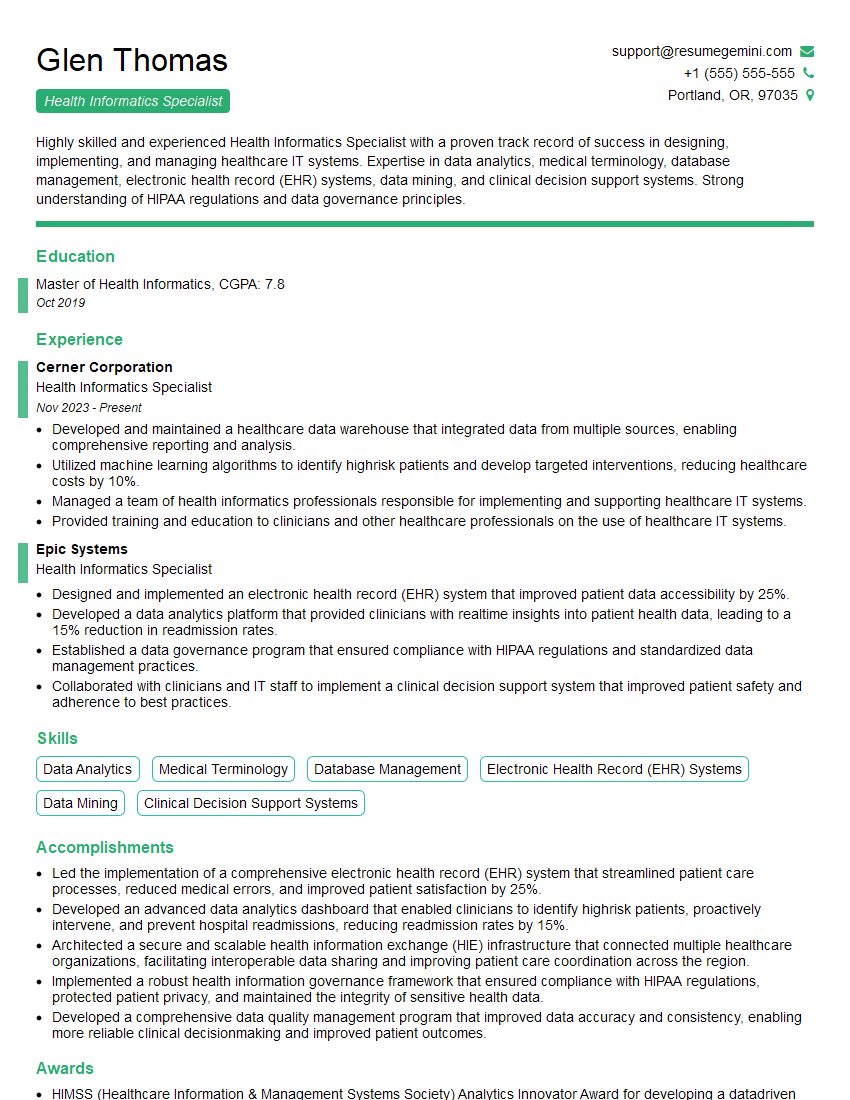
Health Informatics Specialist Resume Sample
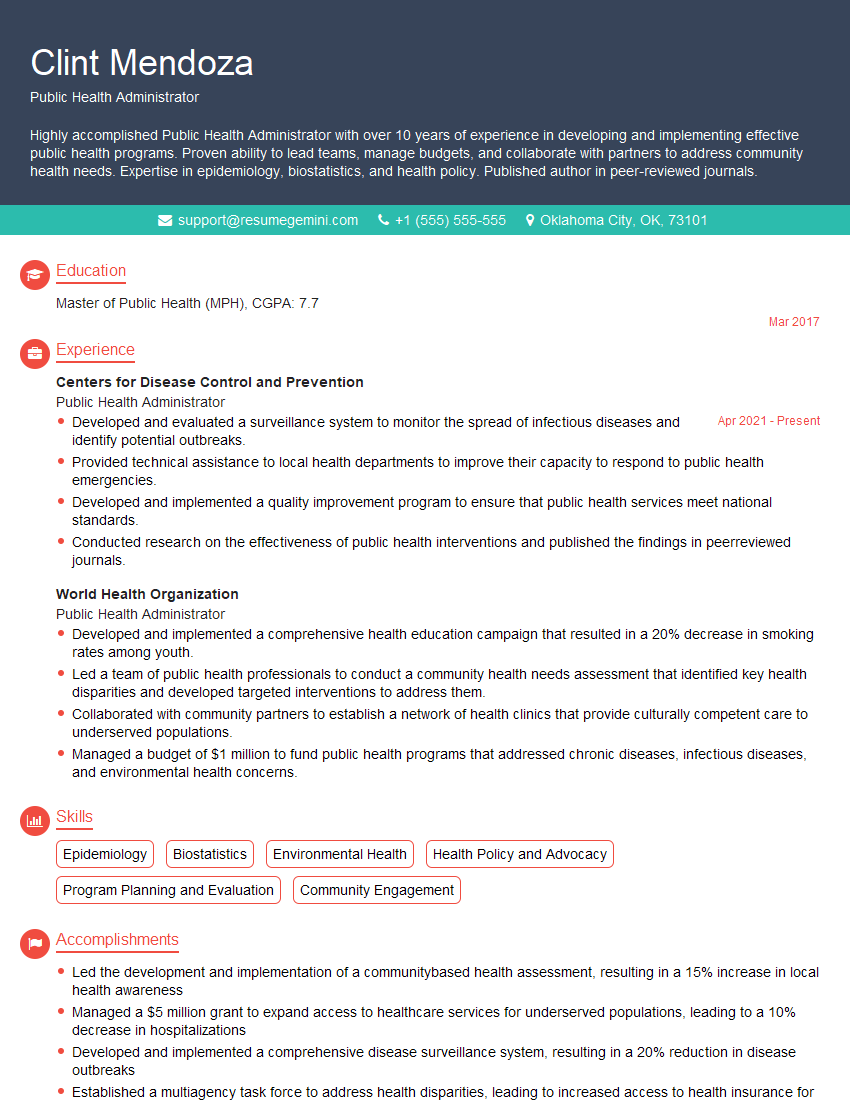
Public Health Administrator Resume Sample
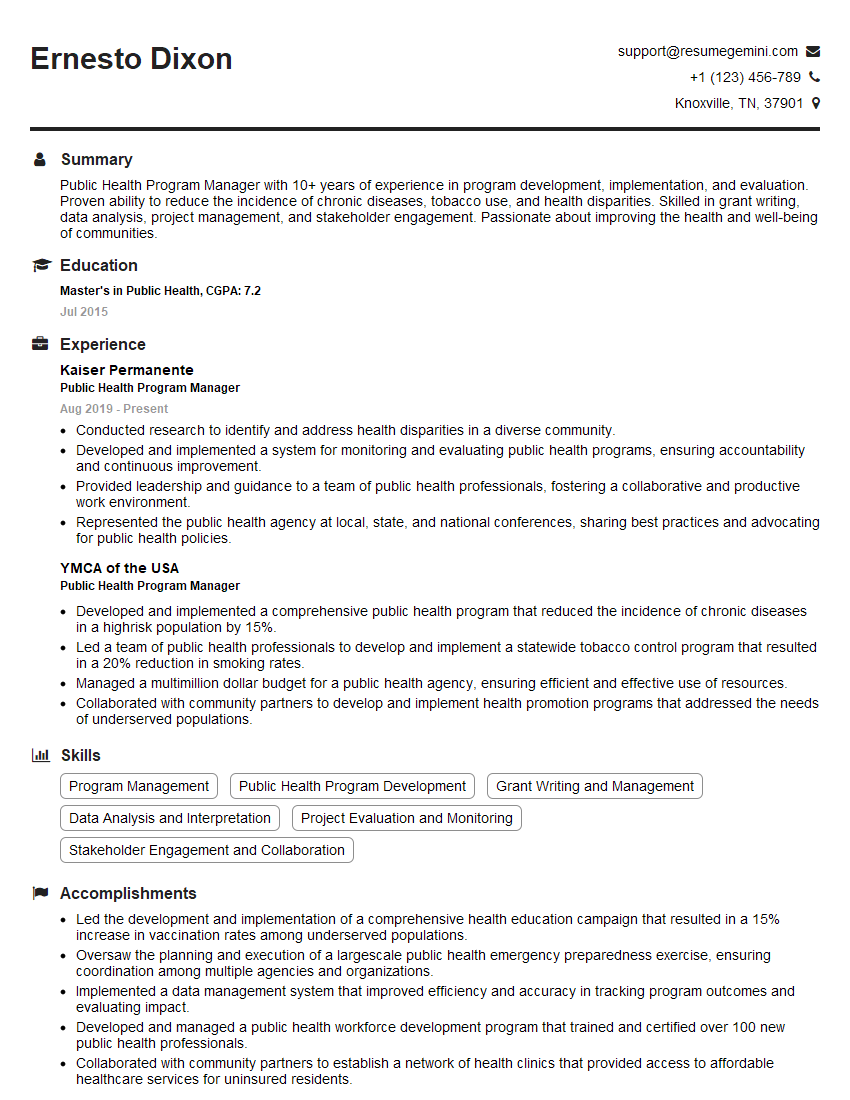
Public Health Program Manager Resume Sample
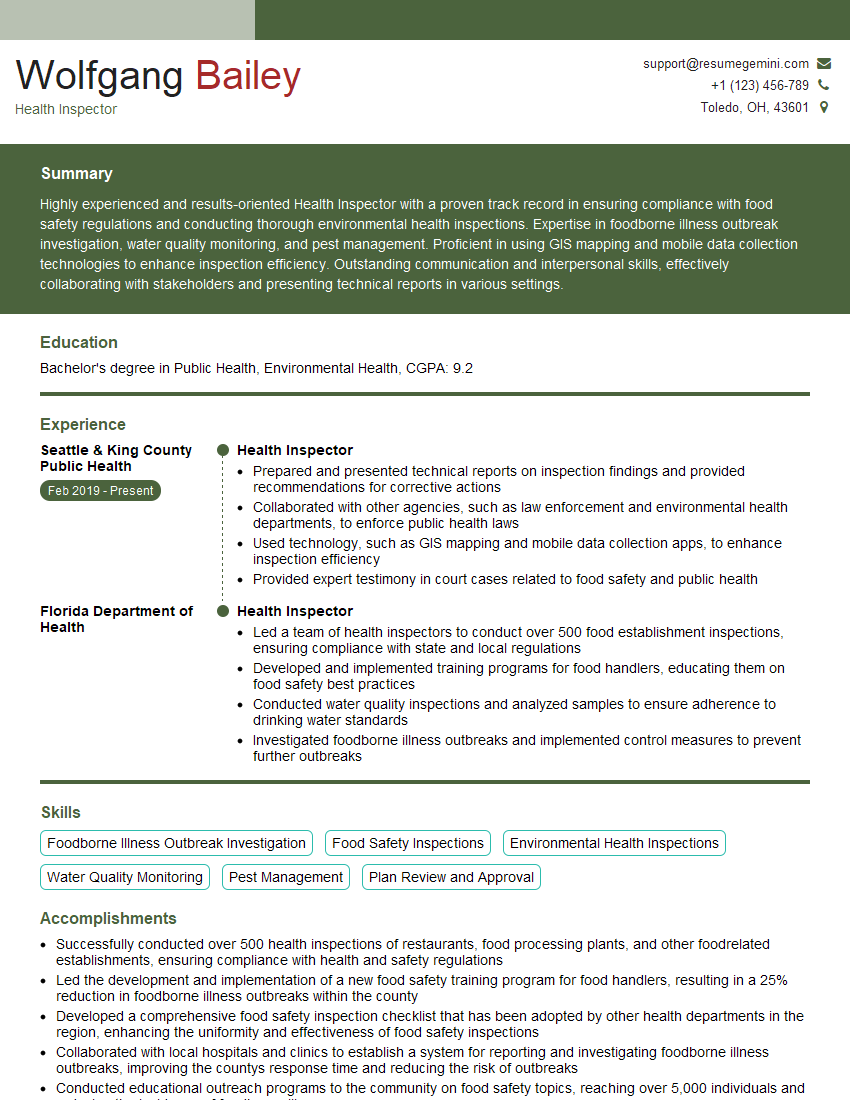
Health Inspector Resume Sample
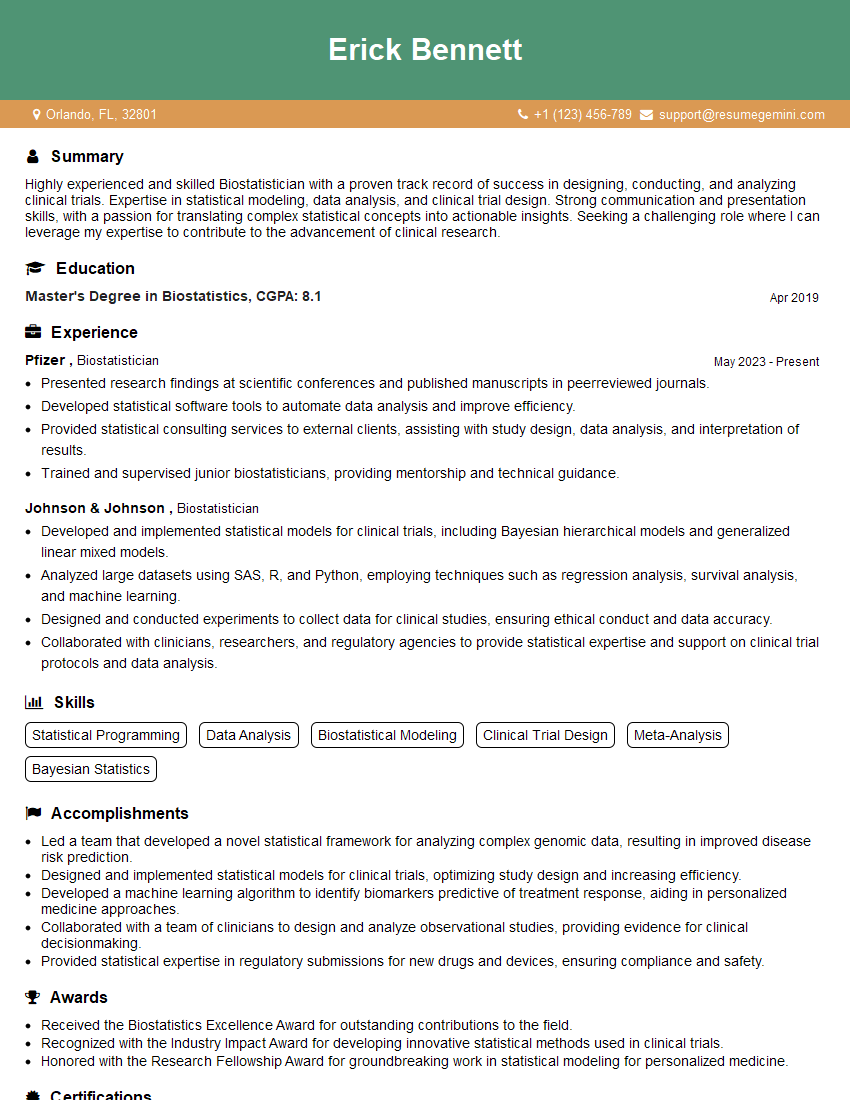
Biostatistician Resume Sample
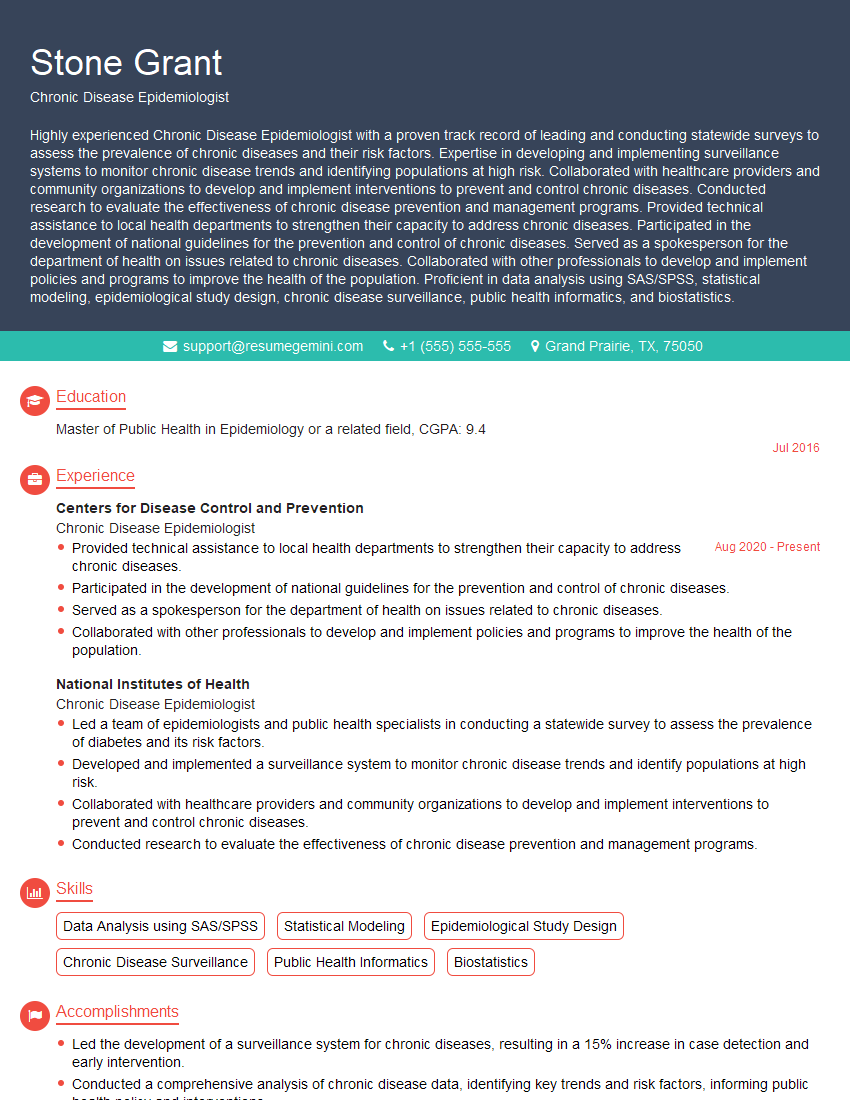
Chronic Disease Epidemiologist Resume Sample
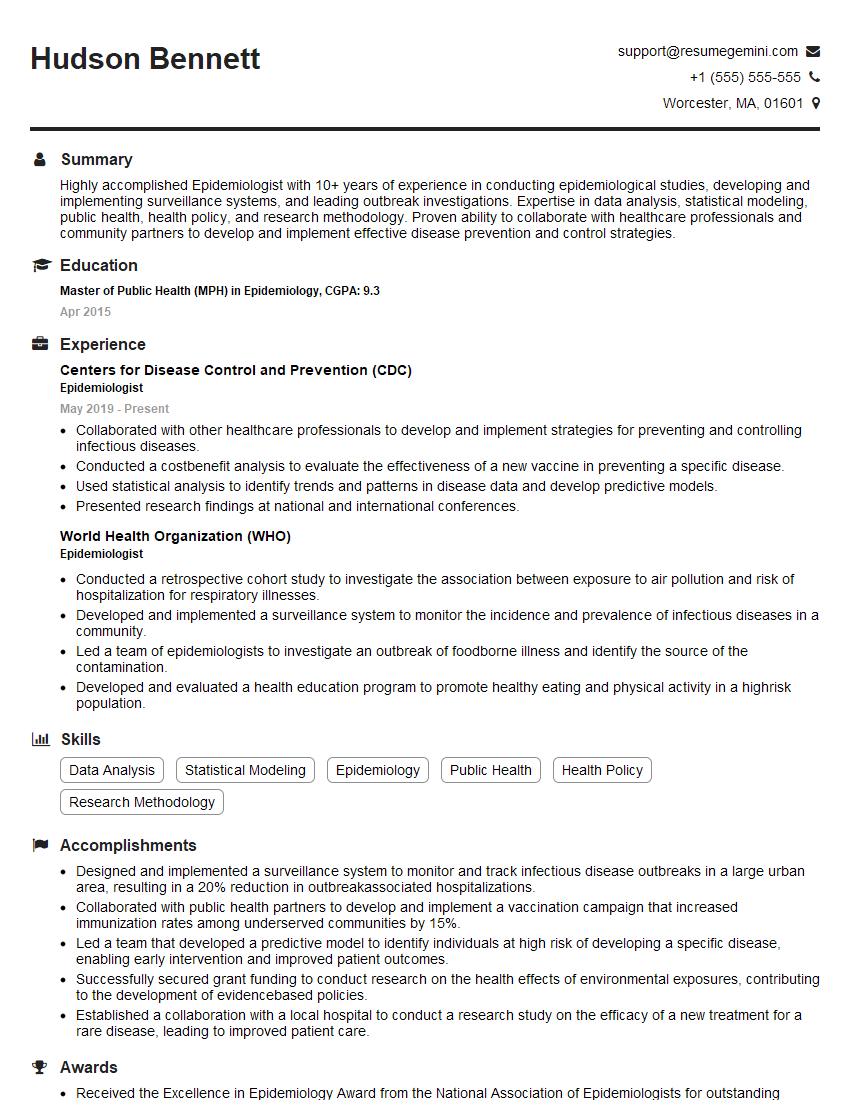
Epidemiologist Resume Sample
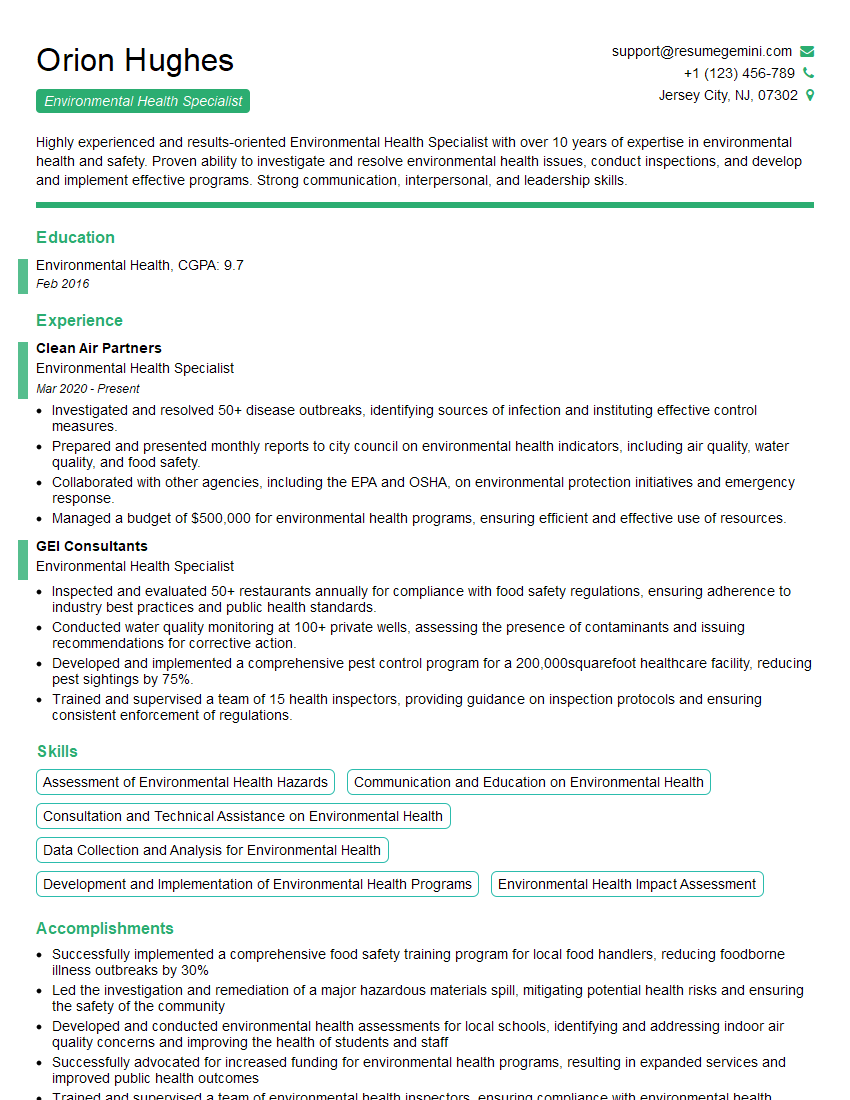
Environmental Health Specialist Resume Sample
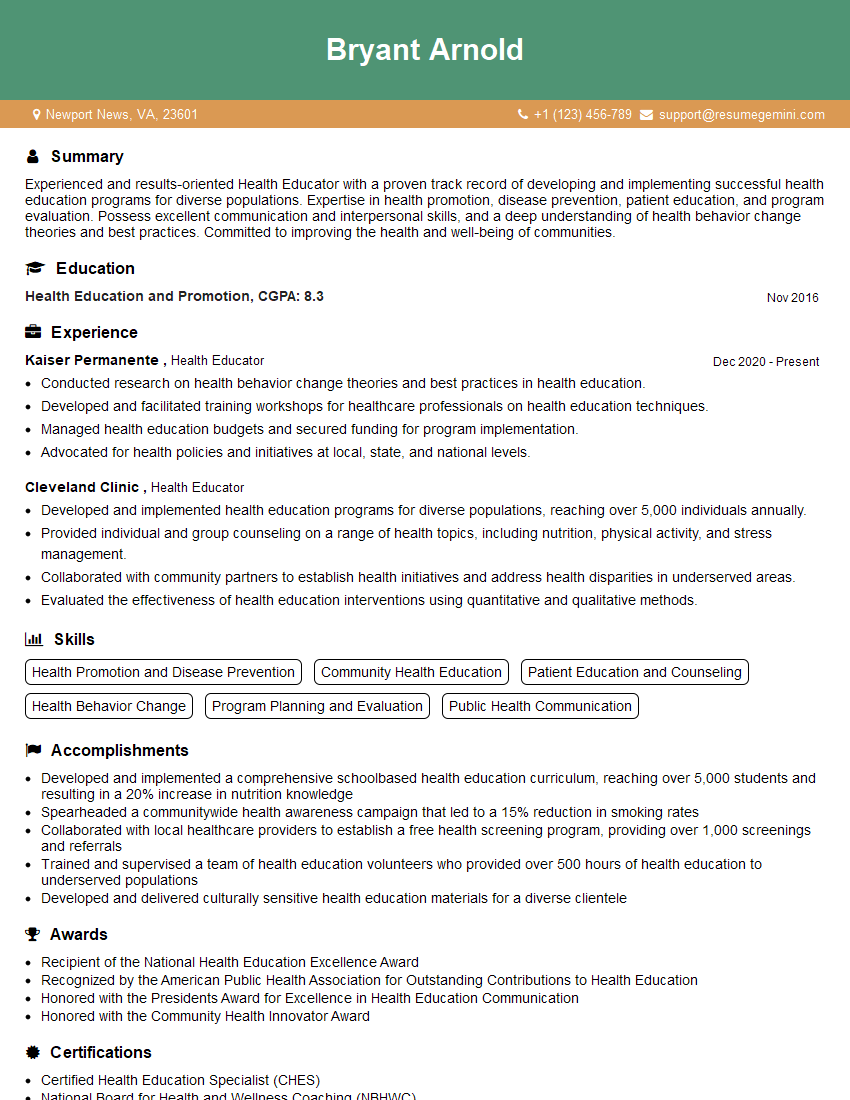
Health Educator Resume Sample
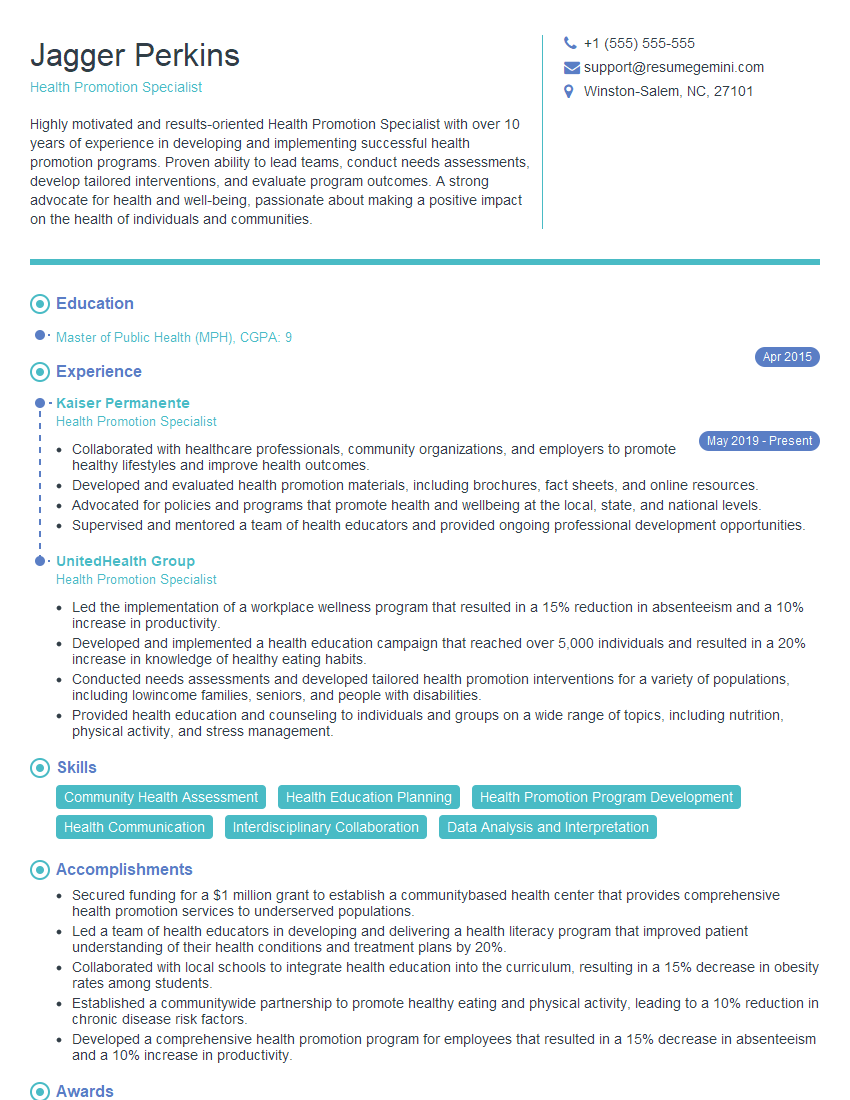
Health Promotion Specialist Resume Sample
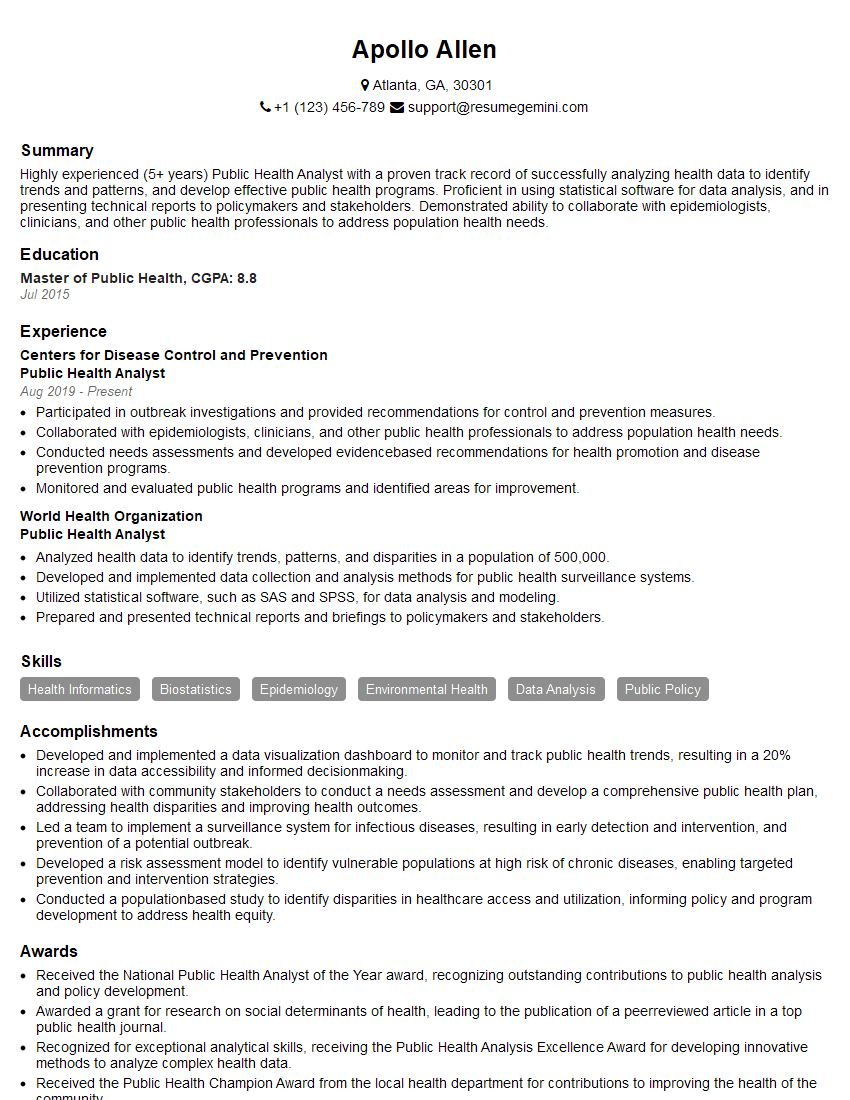
Public Health Analyst Resume Sample
Explore more articles
Users Rating of Our Blogs
Share Your Experience
We value your feedback! Please rate our content and share your thoughts (optional).
What Readers Say About Our Blog
Really detailed insights and content, thank you for writing this detailed article.
IT gave me an insight and words to use and be able to think of examples