Cracking a skill-specific interview, like one for Quality Management in Aviation, requires understanding the nuances of the role. In this blog, we present the questions you’re most likely to encounter, along with insights into how to answer them effectively. Let’s ensure you’re ready to make a strong impression.
Questions Asked in Quality Management in Aviation Interview
Q 1. Explain your understanding of ISO 9001:2015 in the context of aviation maintenance.
ISO 9001:2015 is a globally recognized standard for Quality Management Systems (QMS). In aviation maintenance, it provides a framework for ensuring that organizations consistently meet the requirements of their customers and applicable regulations. It’s not just about fixing things when they break; it’s about proactively preventing problems. Think of it as a blueprint for building a robust, reliable, and safe maintenance operation.
Within aviation maintenance, ISO 9001:2015 implementation focuses on aspects like:
- Documented Processes: Clearly defined procedures for every maintenance task, from initial inspection to final sign-off, ensuring consistency and traceability.
- Resource Management: Ensuring the right tools, equipment, and trained personnel are available for each job. This includes managing spare parts inventory and ensuring their traceability.
- Continuous Improvement: Regularly assessing the effectiveness of the QMS and implementing changes to improve performance and prevent errors. This includes regular audits and management reviews.
- Customer Satisfaction: Understanding and meeting the needs of the airline or aircraft operator, focusing on timely and efficient maintenance services with minimal disruption.
- Compliance: Adhering to all relevant aviation safety regulations, including those from the FAA or EASA, which are paramount in this industry.
For example, a well-defined process for conducting a pre-flight inspection, including checklists, forms, and training records, ensures consistent inspection quality and reduces the likelihood of missed defects.
Q 2. Describe your experience with implementing a quality management system (QMS).
I’ve been involved in the implementation of ISO 9001:2015 QMS in two different aviation maintenance organizations. In the first, a small regional airline, my role focused on developing and documenting processes. This involved working closely with maintenance technicians to understand their workflows and translating them into clear, concise procedures. We used a phased approach, starting with the most critical maintenance tasks. We also implemented a robust training program to ensure technicians understood and followed the new processes. We used a combination of classroom training and on-the-job coaching.
In the second organization, a larger MRO (Maintenance, Repair, and Overhaul) facility, my focus shifted towards auditing and improvement. We conducted internal audits to identify gaps and non-conformances in our QMS. I then worked with departments to develop corrective and preventive actions to address these issues. A key element was data analysis: we used trend analysis to pinpoint recurring problems, allowing us to target our improvement efforts more effectively. This experience highlighted the importance of data-driven decision-making for continuous improvement. For example, we noticed a recurring issue with incorrect parts being installed. Through analysis, we discovered inadequate training on parts identification and inventory management, leading to revised training modules and a new parts identification system.
Q 3. How would you conduct a root cause analysis of a recurring maintenance error?
Investigating recurring maintenance errors requires a systematic approach, most commonly using root cause analysis (RCA) methodologies. The ‘5 Whys’ technique is a simple, yet effective starting point. However, more sophisticated techniques like Fishbone diagrams (Ishikawa diagrams) or Fault Tree Analysis (FTA) might be necessary for complex issues.
Here’s a step-by-step approach using the ‘5 Whys’:
- Identify the problem: Clearly define the recurring error. For example, ‘Repeated failure of landing gear retraction systems’.
- Ask ‘Why’ five times (or more):
- Why did the landing gear fail? Because of hydraulic leak.
- Why was there a hydraulic leak? Because of a faulty seal.
- Why was the seal faulty? Due to inadequate inspection during previous maintenance.
- Why was the inspection inadequate? Because the technician lacked sufficient training on seal inspection techniques.
- Why was the training insufficient? Because the training program was outdated and lacked hands-on practice.
The root cause, therefore, is the outdated and insufficient training program. Addressing this directly will be more effective than simply replacing faulty seals. The approach to correcting the issue would involve updating the training program to include more hands-on practical training and real-world scenarios.
Q 4. What are the key performance indicators (KPIs) you would track for aviation quality?
Key Performance Indicators (KPIs) for aviation quality are crucial for monitoring the effectiveness of the QMS and ensuring continued safety and efficiency. These KPIs should be measurable, relevant, and aligned with the organization’s safety and operational goals. Examples include:
- Maintenance on Time Compliance (MOTC): The percentage of maintenance tasks completed on schedule.
- Mean Time Between Failures (MTBF): The average time between equipment failures.
- Mean Time To Repair (MTTR): The average time it takes to repair a failed component.
- Number of maintenance discrepancies found during audits: Indicates effectiveness of processes and training.
- Number of corrective actions per month/year: Helps track the effectiveness of CAPA processes.
- Customer satisfaction rating: Measures customer satisfaction with maintenance services.
- Backlog of maintenance tasks: Tracks the efficiency of the maintenance process.
By regularly monitoring these KPIs, organizations can proactively identify areas for improvement and make data-driven decisions to enhance safety, reduce costs, and improve overall operational efficiency.
Q 5. Explain your experience with auditing aviation maintenance operations.
My auditing experience encompasses both internal and external aviation maintenance audits. As an internal auditor, I’ve conducted numerous audits, focusing on process adherence, record-keeping accuracy, and compliance with regulations and standards. This involved reviewing maintenance records, interviewing personnel, and observing maintenance processes. I’ve also participated in several external audits, providing valuable insights into best practices and industry standards. I have a deep understanding of the audit process, from planning and scoping the audit to reporting and follow-up on findings.
One specific example involves an internal audit of a component repair shop. During this audit, I found inconsistencies in calibration records for critical testing equipment. This could have led to incorrect repairs. This finding led to a complete review of the calibration process, resulting in improved documentation and an updated training program for technicians. The key is not only to identify non-conformances but to understand the root causes and implement effective corrective actions.
Q 6. How familiar are you with FAA regulations (or EASA regulations, depending on context) related to quality?
My familiarity with aviation regulations regarding quality is extensive. While specific regulations vary between the FAA (Federal Aviation Administration) in the US and EASA (European Union Aviation Safety Agency) in Europe, the underlying principles remain consistent – ensuring safety and airworthiness. I’m proficient in both FAA and EASA regulations. I understand the Part 145 regulations (FAA) or Part-M regulations (EASA) concerning the approval and oversight of maintenance organizations.
I understand the requirements for maintaining approved data, the need for qualified personnel, and the importance of effective quality control processes. This includes knowledge of regulations related to maintenance tracking, record-keeping, and the handling of maintenance discrepancies. Understanding these regulations is essential for ensuring compliance and maintaining a high level of safety in aviation maintenance operations.
Q 7. Describe your experience with corrective and preventive action (CAPA) processes.
Corrective and Preventive Action (CAPA) processes are central to continuous improvement in aviation maintenance. CAPA is a systematic approach to identifying, investigating, and resolving issues to prevent recurrence. It’s not just about fixing problems; it’s about preventing them from happening again.
My experience includes developing and implementing CAPA procedures, leading investigations into incidents and discrepancies, and implementing corrective actions. This includes documenting the root causes of issues, developing effective corrective actions, and tracking their effectiveness over time. For instance, in one case, a recurring issue with incorrect parts installation led to a comprehensive review of our parts identification process. This involved updating training materials, implementing a new parts identification system, and improving communication channels. We then closely monitored the effectiveness of these implemented changes to ensure the problem was resolved and did not recur.
A crucial aspect of CAPA is proper documentation. This ensures traceability and accountability. We used a standardized CAPA form to capture all relevant information, including the issue description, root cause analysis, corrective actions, and verification of effectiveness. This ensures that lessons are learned and not repeated.
Q 8. How would you manage non-conformances identified during an audit?
Managing non-conformances, or deviations from specified requirements, during an aviation audit is crucial for maintaining safety and regulatory compliance. My approach involves a structured process focusing on immediate corrective action, root cause analysis, and preventive measures. First, the non-conformance is documented meticulously, including details of the finding, its location, severity, and potential impact. Then, immediate corrective action is implemented to prevent further occurrences, such as grounding an aircraft or temporarily suspending a procedure. Following this, we conduct a thorough root cause analysis using tools like the ‘5 Whys’ or fishbone diagrams to understand the underlying reasons for the non-conformance. This investigation is essential to prevent recurrence. Finally, a corrective action plan (CAPA) is developed and implemented, addressing the root causes and preventing similar issues in the future. This CAPA is tracked and verified for effectiveness. The entire process is documented, audited, and reported to relevant authorities.
For instance, if an audit reveals a missing maintenance log entry, the immediate action is to locate and add the missing information. The root cause analysis might reveal a lack of training on proper logbook procedures. The CAPA would include refresher training and improved procedural documentation. The effectiveness of the training would be verified through subsequent audits and observation of maintenance personnel.
Q 9. What are the common quality issues encountered in aviation maintenance?
Common quality issues in aviation maintenance are multifaceted and range from simple procedural oversights to complex systemic failures. These issues often stem from human error, inadequate training, poor communication, and insufficient resources. Some frequently encountered problems include:
- Incorrect parts installation: Using the wrong part, leading to malfunction and safety risks.
- Incomplete or inaccurate maintenance records: Failing to document maintenance tasks properly, hindering traceability and compliance.
- Inadequate training: Mechanics not adequately trained on procedures or new technologies, leading to errors.
- Poor communication: Misunderstandings between maintenance teams, flight crew, and management affecting safety.
- Lack of resource management: Insufficient tools, equipment, or personnel, leading to rushed work and potential errors.
- Tool calibration issues: Using improperly calibrated tools, introducing measurement errors that compromise safety.
- Fatigue and stress: Overworked staff making mistakes due to tiredness or pressure.
Addressing these requires a multi-pronged approach including robust training programs, clear communication channels, effective resource allocation, and the implementation of strong quality management systems. Regular audits and internal checks are critical for early identification and resolution of such issues.
Q 10. Explain your understanding of risk management in aviation quality.
Risk management in aviation quality is a proactive process aimed at identifying, analyzing, evaluating, and mitigating potential hazards that could affect the safety and airworthiness of aircraft. It’s not about eliminating risk entirely (which is impossible), but rather about understanding and managing it effectively to acceptable levels. This involves a systematic approach using tools and techniques such as hazard identification (HAZID) studies, fault tree analysis (FTA), and Failure Modes and Effects Analysis (FMEA).
For example, a HAZID study might identify the risk of a hydraulic system failure during flight. An FTA would delve into the various contributing factors that could lead to such a failure, and FMEA would assess the likelihood and severity of each failure mode. Based on this risk assessment, appropriate mitigation strategies such as redundancy in the system, regular inspections, and robust maintenance procedures are implemented. These strategies are reviewed and updated regularly, reflecting changes in technology, operations, and regulatory requirements.
The aim is to achieve a balance between safety and operational efficiency. It is crucial to remember that risk management is an iterative process, constantly evolving as new information becomes available and operations change.
Q 11. How would you handle a conflict between maintaining quality and meeting deadlines?
The conflict between maintaining quality and meeting deadlines is a classic challenge in aviation maintenance. My approach prioritizes safety and quality, but with a focus on finding efficient solutions. I would employ a structured approach involving open communication, prioritization, and resource allocation. The first step is to clearly define and understand the scope of the task, identifying critical quality aspects that cannot be compromised. Then, I would analyze the critical path of the maintenance process and identify areas where delays could occur. I’d then work with the team to explore potential solutions such as streamlining workflows, optimizing resource allocation, or obtaining additional resources if necessary. Effective communication with all stakeholders is essential to manage expectations and maintain transparency. Sometimes, it may be necessary to negotiate revised deadlines to ensure quality isn’t sacrificed. Ultimately, compromising on safety or quality is never acceptable; solutions should focus on improving efficiency without impacting the integrity of the work.
For example, if a deadline is approaching for an aircraft’s maintenance, but a crucial part is missing, rushing the repair would be detrimental to safety. In this case, prioritization would focus on obtaining the missing part as quickly as possible. If necessary, a discussion with management would be held to explain the consequences of pushing forward without the needed components and to request an adjustment to the deadline.
Q 12. Describe your experience with statistical process control (SPC).
Statistical Process Control (SPC) is a crucial tool in aviation quality management, allowing us to monitor processes, identify trends, and prevent defects before they impact aircraft safety. My experience with SPC involves implementing and interpreting control charts, such as X-bar and R charts, to track key maintenance parameters. This includes monitoring things like repair times, parts usage, and defect rates. By regularly plotting data points on these charts, we can visually identify trends, shifts, or outliers that indicate process instability. For instance, an increasing trend in repair times may indicate a growing issue with tool availability or training. Outliers may signal a specific defect in a batch of parts.
SPC isn’t just about detecting problems; it’s also about preventing them. By identifying and correcting deviations from established norms early, we can minimize the risk of failures. My experience includes utilizing SPC data to support continuous improvement initiatives, such as modifying maintenance procedures or refining training programs. The insights gained from SPC contribute to a data-driven approach to quality improvement, moving beyond simple reactive measures to proactive prevention.
Q 13. How would you train staff on quality management procedures?
Training staff on quality management procedures requires a multi-faceted approach that combines theoretical knowledge with practical application. My strategy emphasizes a blend of classroom instruction, hands-on training, and on-the-job mentoring. Initial training should cover the fundamental concepts of quality management, including relevant regulations, procedures, and documentation requirements. This theoretical foundation should be supported by practical exercises and simulations, allowing trainees to apply their knowledge in a safe environment. Furthermore, real-world scenarios and case studies could be used to illustrate the importance of these procedures and the consequences of non-compliance.
Following initial training, ongoing mentorship and regular refresher courses are essential. This ensures that staff remain updated on changes in regulations and procedures. Regular competency assessments and performance evaluations help identify areas for improvement and provide feedback to reinforce learning. Furthermore, I believe in fostering a culture of continuous learning, where staff are encouraged to seek out further training opportunities and participate in professional development initiatives. Using interactive training methods, including gamification or online modules, helps maintain engagement and knowledge retention.
Q 14. What is your experience with Six Sigma or Lean methodologies?
I have significant experience applying both Six Sigma and Lean methodologies in aviation quality management. Six Sigma, with its focus on reducing variation and defects, has been instrumental in optimizing maintenance processes and improving efficiency. I’ve utilized DMAIC (Define, Measure, Analyze, Improve, Control) to systematically tackle specific quality issues, such as reducing the number of aircraft delays due to maintenance discrepancies. This involved defining the problem, measuring current performance, analyzing the root causes, implementing corrective actions, and then controlling the process to prevent recurrence.
Lean methodologies, with their emphasis on eliminating waste and streamlining processes, have helped optimize workflow and reduce turnaround times. I’ve employed tools like value stream mapping to identify bottlenecks and areas for improvement in maintenance procedures. This often leads to significant improvements in efficiency without compromising safety or quality. The combination of Six Sigma’s focus on reducing variation and Lean’s focus on eliminating waste creates a powerful synergy for achieving sustainable improvements in aviation quality management. I find that combining these methodologies provides a robust and comprehensive approach to continual improvement within a complex aviation maintenance environment.
Q 15. Explain your understanding of human factors in aviation maintenance.
Human factors in aviation maintenance encompass the interplay between human capabilities and limitations and the maintenance environment. It recognizes that people, not just machines, are integral to the safety and reliability of aircraft. Understanding human factors is crucial because errors stemming from fatigue, stress, poor training, inadequate tools, or ambiguous procedures can have catastrophic consequences.
- Physical Factors: These include fatigue, workload, physical demands of the job (heavy lifting, awkward postures), and the impact of environmental conditions (heat, cold, noise).
- Cognitive Factors: This includes decision-making, problem-solving, attention, memory, and the effect of stress and distractions on performance. A mechanic misinterpreting a technical manual due to fatigue is a prime example.
- Organizational Factors: These relate to the organizational culture, communication, management styles, and the overall work environment. A rushed maintenance environment with inadequate communication can lead to human error.
- Technological Factors: This covers the design of tools, equipment, and information systems. Poorly designed software or confusing interfaces can lead to errors.
For instance, a poorly lit hangar can contribute to visual errors during inspections, while inadequate training can lead to incorrect procedures being followed. A strong Human Factors program focuses on mitigating these risks through improved training, ergonomic design, clear procedures, and a culture of safety reporting.
Career Expert Tips:
- Ace those interviews! Prepare effectively by reviewing the Top 50 Most Common Interview Questions on ResumeGemini.
- Navigate your job search with confidence! Explore a wide range of Career Tips on ResumeGemini. Learn about common challenges and recommendations to overcome them.
- Craft the perfect resume! Master the Art of Resume Writing with ResumeGemini’s guide. Showcase your unique qualifications and achievements effectively.
- Don’t miss out on holiday savings! Build your dream resume with ResumeGemini’s ATS optimized templates.
Q 16. Describe a time you improved a quality process. What were the results?
In my previous role, we struggled with inconsistent turnaround times for aircraft maintenance. This led to delays, increased costs, and potential safety risks if aircraft weren’t ready on time. To improve this, I implemented a lean methodology focusing on identifying and eliminating waste in our processes.
Firstly, we mapped out the entire maintenance workflow, identifying bottlenecks. We found that tool retrieval and paperwork were significant time sinks. To address this, we implemented a centralized tool management system with clearly labeled storage locations and a streamlined digital paperwork system. We also utilized Kanban boards to visualize workflow and prioritize tasks.
The results were significant. Turnaround times decreased by 20%, leading to a 15% reduction in maintenance costs and a noticeable improvement in on-time departures. Employee satisfaction also increased as the new system reduced stress and ambiguity.
Q 17. How would you assess the effectiveness of a QMS?
Assessing the effectiveness of a Quality Management System (QMS) involves a multi-faceted approach. It’s not enough to simply have a QMS in place; its effectiveness must be continuously monitored and improved.
- Compliance Audits: Regular internal and external audits ensure the QMS adheres to relevant regulations (e.g., FAA regulations, ISO 9001). These audits assess documented procedures, training records, and the implementation of corrective actions.
- Key Performance Indicators (KPIs): KPIs provide quantifiable measures of QMS effectiveness. These can include metrics like defect rates, on-time completion rates, customer satisfaction scores, and the number of safety incidents. Tracking these over time allows for trend analysis and identification of areas needing improvement.
- Management Reviews: Regular management reviews analyze the QMS’s performance, identifying strengths, weaknesses, and opportunities for improvement. This high-level assessment ensures the QMS aligns with strategic business objectives.
- Employee Feedback: Gathering feedback from maintenance personnel is crucial. They provide valuable insights into the practical aspects of the QMS and can highlight areas where procedures are cumbersome or ineffective.
- Incident Reporting & Corrective Action System: A robust system for reporting and analyzing incidents and taking corrective actions is essential. This demonstrates a proactive approach to preventing recurrence of quality issues and continually improving the system.
By combining these methods, a comprehensive assessment of QMS effectiveness can be achieved, leading to continuous improvement.
Q 18. What is your experience with internal audits?
I have extensive experience conducting and participating in internal audits, both as a lead auditor and as an auditee. My experience includes planning audits, developing audit checklists based on the QMS documentation, conducting on-site inspections, reviewing records, interviewing personnel, and documenting findings.
I am proficient in identifying non-conformances, documenting them clearly and objectively, and working with auditees to develop corrective and preventative actions (CAPAs). I understand the importance of impartiality, objectivity, and maintaining a professional demeanor throughout the audit process. I have experience across different areas of aviation maintenance, including airframe, engines, and avionics, ensuring a thorough and comprehensive audit. I am familiar with various auditing standards and best practices, and always aim for a constructive and collaborative audit experience, focusing on improvement rather than simply finding fault.
Q 19. How would you handle a situation where a subordinate is not following quality procedures?
Addressing a subordinate’s non-compliance with quality procedures requires a careful and structured approach. It’s crucial to maintain a professional and supportive demeanor while ensuring adherence to safety standards.
- Private Conversation: I would first have a private conversation with the subordinate, explaining the specific non-compliance and its potential consequences. I would listen to their perspective, understanding any underlying reasons for the non-compliance (e.g., lack of training, unclear procedures, workload pressures).
- Clarification and Training: If the issue stems from a lack of understanding, I would provide further clarification and/or additional training. The goal is to ensure they fully comprehend the procedures.
- Documentation and Corrective Actions: The non-compliance would be documented, including the corrective actions taken. This documentation is crucial for tracking performance and identifying systemic issues.
- Performance Improvement Plan (PIP): If the non-compliance is repeated despite training and clarification, a formal PIP might be necessary. This plan would outline specific expectations, performance goals, and timelines for improvement.
- Further Disciplinary Actions: If the non-compliance persists despite the PIP, further disciplinary actions may be necessary, up to and including termination. This is always a last resort and would be handled in accordance with company policy.
Throughout this process, my focus remains on both correcting the immediate issue and preventing future occurrences. Open communication and a supportive approach are critical, alongside ensuring the safety and quality of our work.
Q 20. Explain your understanding of quality control charts.
Quality control charts, also known as statistical process control (SPC) charts, are graphical tools used to monitor a process over time to identify trends, variations, and potential problems. They help distinguish between common cause variation (inherent to the process) and special cause variation (indicating a problem that needs addressing).
Several types of control charts exist, including:
- X-bar and R chart: Used for monitoring the average (X-bar) and range (R) of a variable data (e.g., weight of a part).
- p-chart: Monitors the proportion of non-conforming units in a sample (e.g., percentage of parts with defects).
- c-chart: Monitors the number of defects per unit (e.g., number of scratches on an aircraft panel).
Control charts typically include a central line representing the average, upper and lower control limits (UCL and LCL), calculated statistically, defining the acceptable range of variation. Points consistently outside the control limits suggest special cause variation, indicating a need for investigation and corrective action. Trends within the control limits (e.g., consistently increasing or decreasing values) also warrant attention.
In aviation maintenance, control charts could be used to monitor the number of rejected parts, turnaround times for specific tasks, or the frequency of tool errors. By visually displaying process performance, these charts enable proactive problem-solving and continuous improvement.
Q 21. How would you identify and prioritize quality improvement projects?
Identifying and prioritizing quality improvement projects requires a systematic approach. I typically use a combination of methods:
- Data Analysis: Analyzing historical data, such as defect rates, repair times, and customer complaints, helps identify areas with the most significant quality issues. This data-driven approach ensures that resources are focused on areas with the greatest impact.
- Process Mapping: Mapping existing processes helps pinpoint bottlenecks, inefficiencies, and potential points of failure. This visualization allows for easier identification of areas for improvement.
- Failure Mode and Effects Analysis (FMEA): FMEA systematically identifies potential failure modes in a process, assesses their severity, occurrence, and detectability, and prioritizes actions to mitigate risks. This method is particularly useful in high-risk environments like aviation.
- Pareto Analysis: This technique identifies the “vital few” causes contributing to the majority of problems. By focusing on these critical factors, improvements can have a more significant impact.
- Cost-Benefit Analysis: After identifying potential improvement projects, a cost-benefit analysis helps prioritize those with the highest return on investment (ROI). This ensures that resources are used effectively.
Once potential projects are identified, prioritization considers factors such as the severity of the problem, potential impact on safety and efficiency, resource availability, and feasibility of implementation. A balanced approach, combining quantitative data with qualitative assessments, is crucial for successful prioritization.
Q 22. Describe your experience with document control in a regulated environment.
Document control in a regulated environment like aviation is paramount for maintaining compliance, traceability, and consistency. It’s about ensuring that all documents – from maintenance manuals to safety procedures – are accurate, up-to-date, and readily accessible to authorized personnel. My experience involves implementing and maintaining a robust document control system, adhering to standards like ISO 9001 and industry-specific regulations.
This involved establishing a clear document numbering and version control system using a dedicated software platform. We implemented a rigorous approval process, ensuring that all documents undergo review and approval by relevant stakeholders before release. Any changes or revisions were carefully tracked, with a clear audit trail maintained. Regular audits were conducted to verify compliance and identify areas for improvement. For instance, we identified a potential discrepancy in the maintenance schedule for a particular aircraft model during a routine audit. Through thorough investigation and collaborative efforts, we were able to correct the error, preventing potential safety hazards and ensuring compliance.
The system included a secure repository for storing and retrieving documents, ensuring that only authorized personnel could access specific documents. This greatly helped streamline the process and minimizes the risk of using outdated information. Regular training programs were conducted to educate personnel about the document control system and procedures.
Q 23. What are the key differences between quality assurance and quality control?
Quality assurance (QA) and quality control (QC) are often confused, but they are distinct yet complementary processes. Think of QA as preventing defects and QC as identifying defects. QA focuses on the process – ensuring the system in place is capable of producing high-quality results consistently. QC focuses on the product – verifying that the output meets predefined quality standards.
For example, in aviation maintenance, QA might involve implementing a training program for mechanics to ensure they adhere to correct procedures, while QC might involve inspecting completed maintenance tasks to verify compliance with those procedures. QA is proactive, while QC is reactive. QA uses preventative measures, QC relies on inspection and testing. Effective QA minimizes the need for extensive QC, leading to improved efficiency and reduced costs.
Q 24. How would you measure the effectiveness of your quality improvement initiatives?
Measuring the effectiveness of quality improvement initiatives requires a multifaceted approach. We need to establish Key Performance Indicators (KPIs) that directly reflect the goals of the initiatives. These KPIs should be measurable, achievable, relevant, and time-bound (SMART).
- Reduced Defects: Tracking the number and type of defects identified before and after implementation allows for a clear assessment of effectiveness. For instance, we can measure a reduction in maintenance errors post-training or a decrease in near-miss incidents.
- Improved Efficiency: We can track turnaround times for maintenance, the time taken to resolve quality issues, or the number of rework tasks. A reduction in these metrics demonstrates improved efficiency.
- Increased Customer Satisfaction: Collecting feedback from airline operators or customers regarding maintenance quality and responsiveness can provide valuable insight into the impact of the initiatives. Customer surveys and feedback mechanisms would help in this regard.
- Compliance Metrics: Tracking the number of audits passed without any non-conformances or the successful completion of regulatory inspections highlights the efficacy of quality improvement efforts related to compliance.
Data analysis is crucial. By comparing pre- and post-implementation data, we can quantitatively assess the impact of the initiatives. This data-driven approach allows for evidence-based decision-making and continuous improvement.
Q 25. How do you stay updated on changes in aviation quality regulations?
Staying updated on aviation quality regulations requires a proactive approach. I utilize several methods to ensure I’m always informed about changes.
- Regulatory Agency Websites: Regularly checking websites of organizations like the FAA (Federal Aviation Administration), EASA (European Union Aviation Safety Agency), and national aviation authorities provides access to the latest regulations, advisories, and updates.
- Industry Publications and Journals: Subscribing to industry publications and journals offers access to insights and analyses of regulatory changes and their impact. Attending industry conferences, trade shows, and webinars also helps stay up-to-date.
- Professional Organizations: Membership in professional organizations like SAE International or similar aviation-focused groups provides access to training, networking opportunities, and regular updates.
- Regulatory Alerts and Newsletters: Signing up for email alerts and newsletters from regulatory agencies and industry bodies allows for immediate notification of changes.
A key strategy is actively participating in industry forums and discussions, allowing for the exchange of knowledge and best practices related to regulatory compliance.
Q 26. Describe your experience with using quality management software.
My experience with quality management software includes working with systems designed for aviation maintenance tracking and management. These systems typically provide functionalities such as document control, maintenance scheduling, parts inventory management, and defect tracking. For instance, we implemented a software solution that integrated all maintenance records, enabling real-time tracking of tasks, materials and personnel.
Example: The software allowed us to generate comprehensive reports on maintenance performance, identify trends, and proactively address potential issues. It facilitated efficient communication between maintenance teams, improved traceability of parts and materials, and streamlined the regulatory compliance process. The software also provided automated alerts for upcoming maintenance tasks, preventing potential delays and ensuring timely completion of work.
The successful implementation of such software demands careful planning, user training, and ongoing system maintenance. Choosing a software system requires a comprehensive assessment of specific requirements, operational needs, and compatibility with existing systems.
Q 27. How would you develop and implement a quality management plan for a new aviation project?
Developing and implementing a quality management plan for a new aviation project requires a structured approach. This begins with defining project objectives, identifying potential risks, and establishing clear quality standards.
- Define Scope and Objectives: Clearly outline the project’s scope, deliverables, and quality goals. For example, if the project focuses on developing a new aircraft component, the objectives could include meeting specific performance standards, achieving a certain level of reliability, and ensuring compliance with relevant regulations.
- Risk Assessment: Identify potential risks that could impact the project’s quality. These might include technical challenges, supply chain disruptions, or regulatory changes. Develop mitigation strategies for each identified risk.
- Quality Standards and Metrics: Define specific quality standards and metrics to measure progress and success. This could involve defining acceptable defect rates, testing procedures, and inspection criteria. The use of quality function deployment (QFD) can be beneficial in defining these standards.
- Process Definition: Document all processes involved in the project, ensuring that they are clearly defined, well-understood, and adhered to. This involves specifying roles, responsibilities, and work instructions.
- Resource Allocation: Allocate appropriate resources – personnel, equipment, and budget – to support quality management efforts.
- Implementation and Monitoring: Implement the plan and continuously monitor progress, using the defined metrics to track performance. Regular reviews and audits should be conducted to identify areas for improvement.
- Corrective Actions: Establish a system for addressing any identified non-conformances or defects. This involves implementing corrective actions, verifying their effectiveness, and preventing recurrence.
The plan should be tailored to the specific needs of the project and regularly reviewed and updated as needed. This ensures the plan remains relevant and effective throughout the project lifecycle.
Key Topics to Learn for Your Quality Management in Aviation Interview
- Aviation Safety Regulations and Standards: Understanding international and national regulations like FAA regulations (Part 121, Part 135, etc.), EASA regulations, and their impact on Quality Management Systems (QMS).
- Quality Management Systems (QMS) in Aviation: Practical application of ISO 9001 principles within the aviation context, including documentation control, internal audits, corrective and preventive actions (CAPA), and continuous improvement.
- Risk Management in Aviation: Applying risk assessment methodologies (e.g., HAZOP, FMEA) to identify and mitigate safety hazards throughout the aviation lifecycle. Understanding the role of QMS in risk mitigation.
- Auditing and Inspection Techniques: Familiarize yourself with various audit types (internal, external, regulatory) and their processes. Develop skills in conducting effective audits and presenting findings clearly.
- Data Analysis and Reporting: Gain proficiency in interpreting key performance indicators (KPIs) related to safety and quality. Practice presenting data-driven insights effectively to stakeholders.
- Human Factors in Aviation Safety: Understand how human error contributes to incidents and accidents, and how QMS can mitigate these risks through training, procedures and effective communication.
- Continuous Improvement Methodologies: Demonstrate knowledge of Lean, Six Sigma, or other improvement methodologies and their application in enhancing aviation safety and operational efficiency.
- Maintenance Management and Quality Control: Understand the critical role of quality control in aircraft maintenance, including inspection procedures and documentation.
Next Steps: Launch Your Aviation Quality Management Career
Mastering Quality Management in Aviation is crucial for career advancement in this highly regulated and safety-critical industry. A strong understanding of these principles opens doors to leadership roles and higher earning potential. To maximize your job prospects, invest time in creating an ATS-friendly resume that highlights your skills and experience effectively. ResumeGemini is a trusted resource that can help you build a professional and impactful resume. We provide examples of resumes tailored specifically to Quality Management in Aviation to guide you. Take control of your career trajectory—start building your winning resume today!
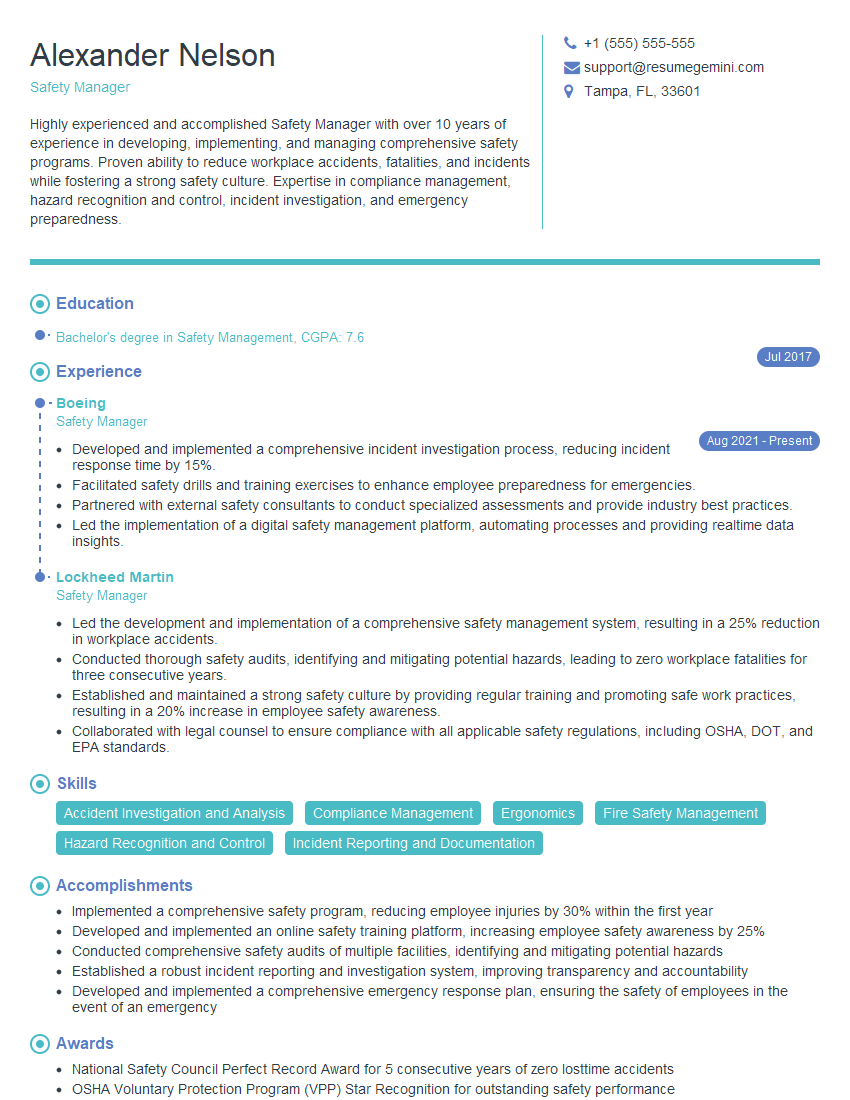
Safety Manager Resume Sample
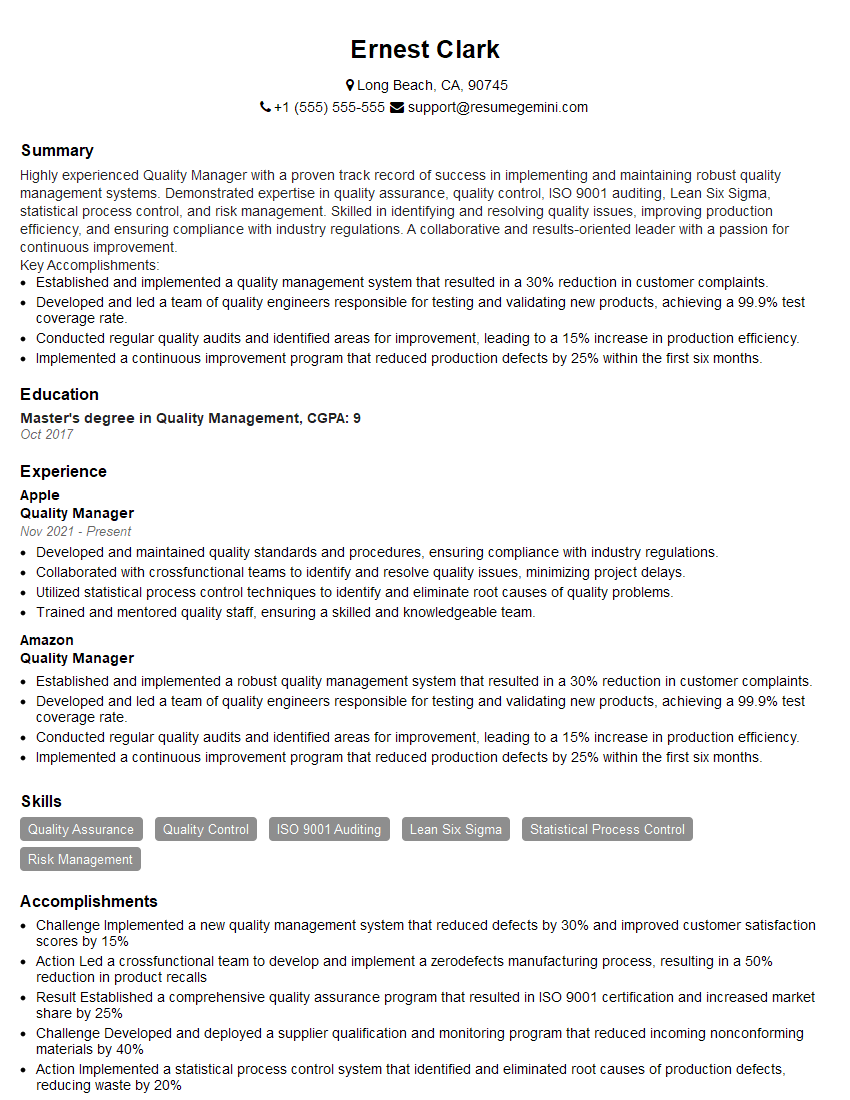
Quality Manager Resume Sample
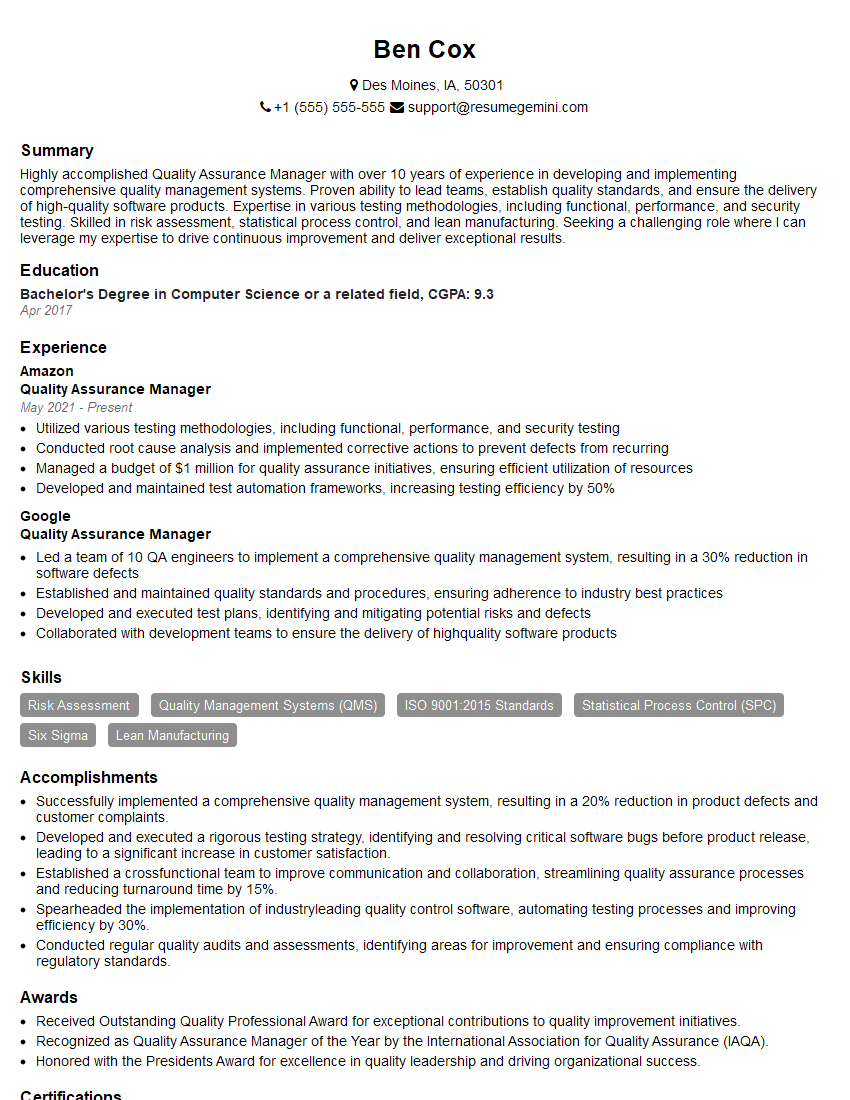
Quality Assurance Manager Resume Sample
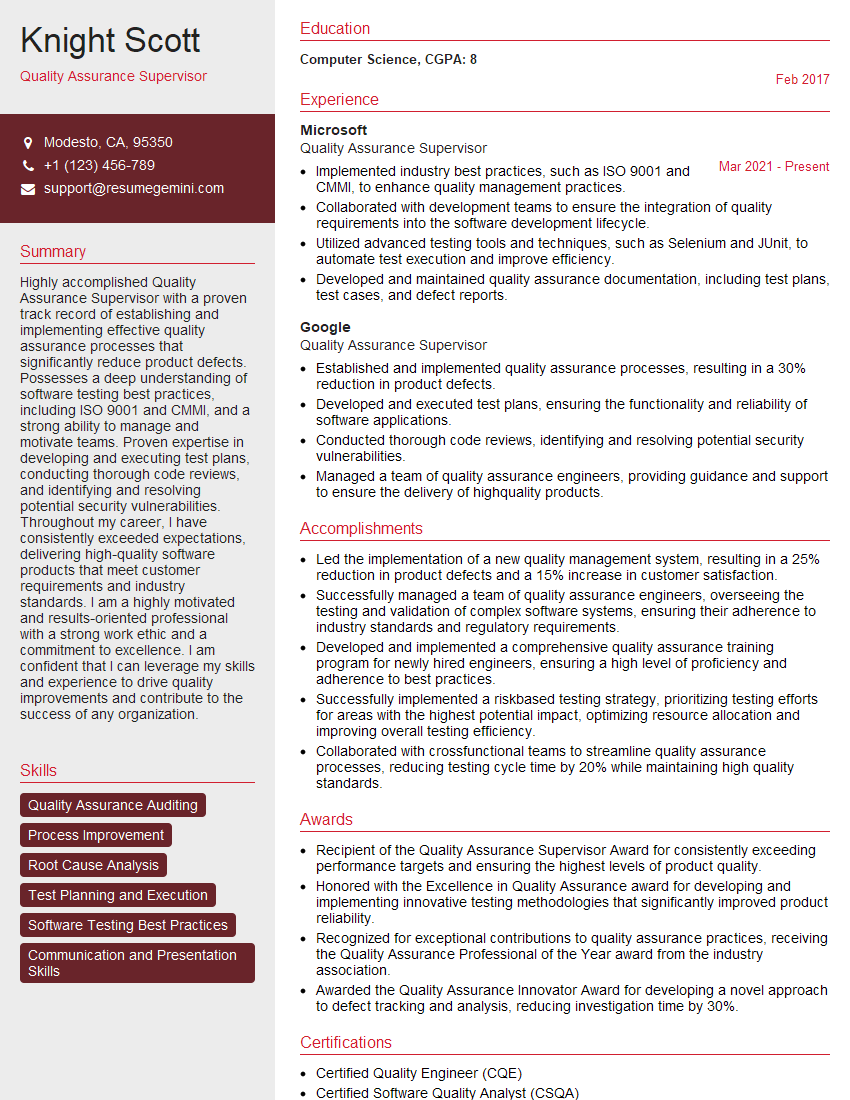
Quality Assurance Supervisor Resume Sample
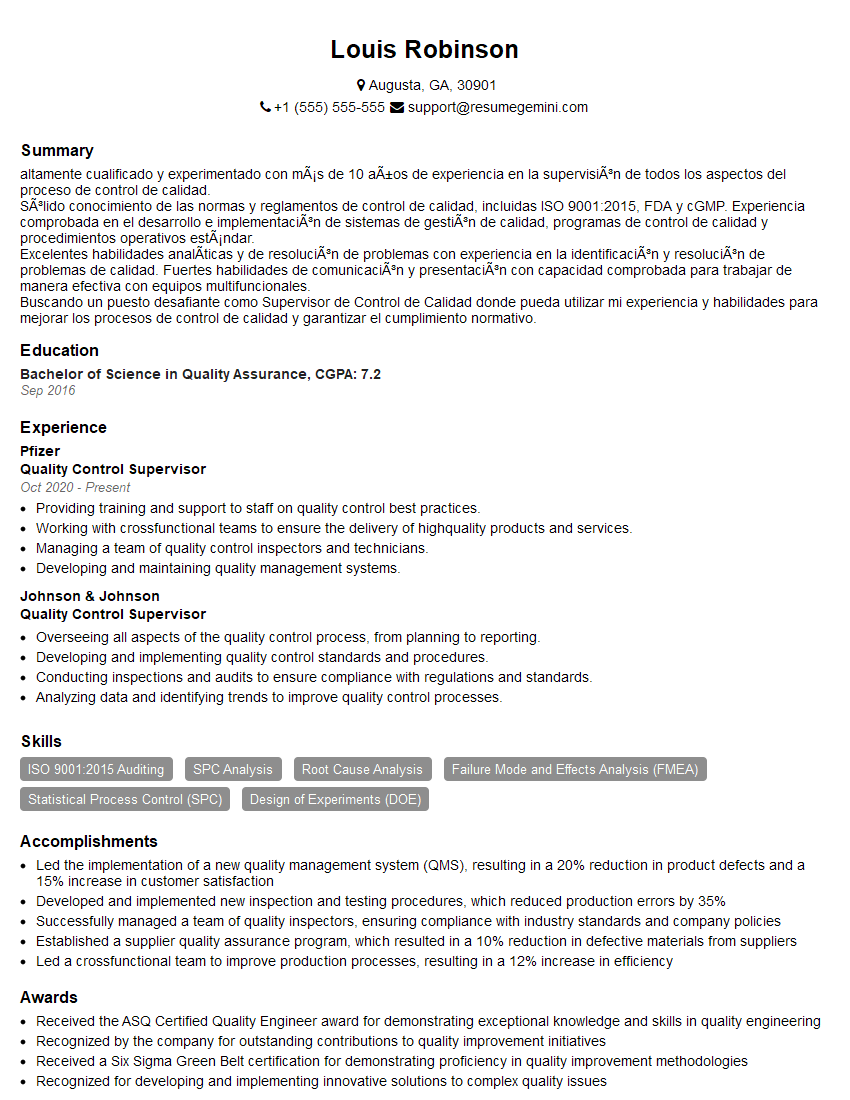
Quality Control Supervisor Resume Sample
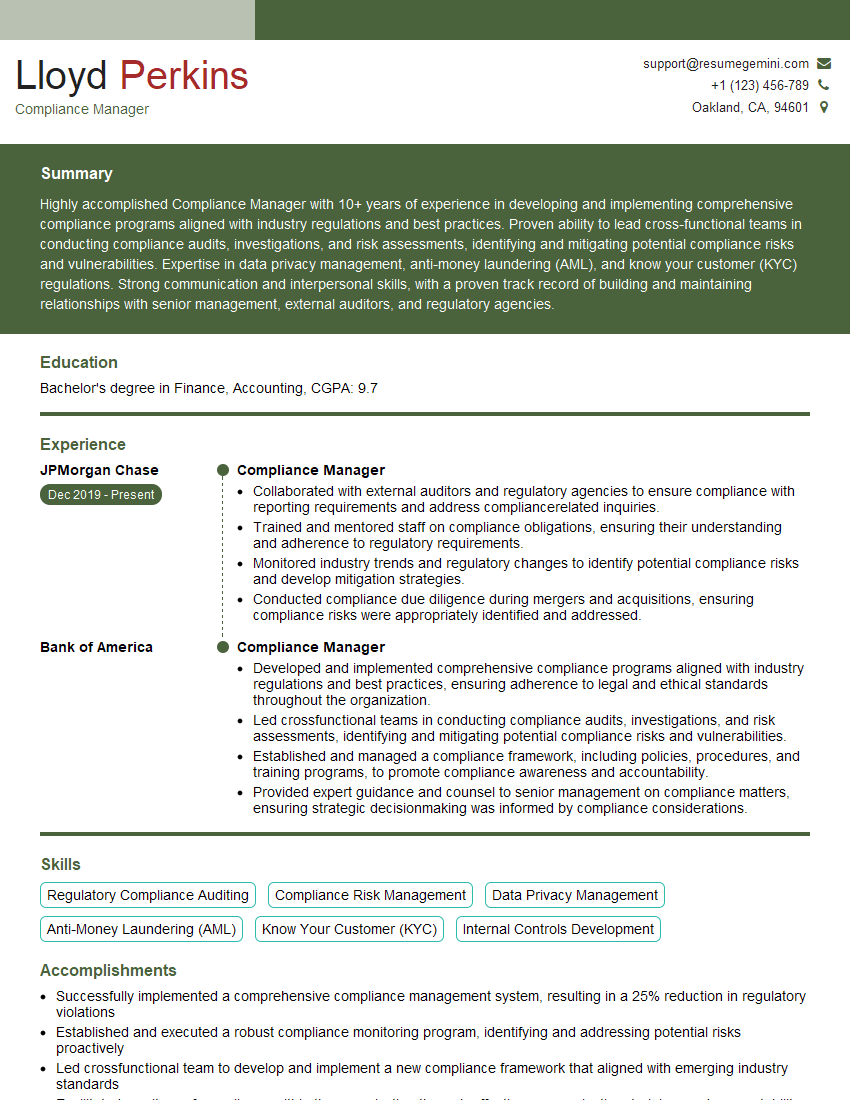
Compliance Manager Resume Sample
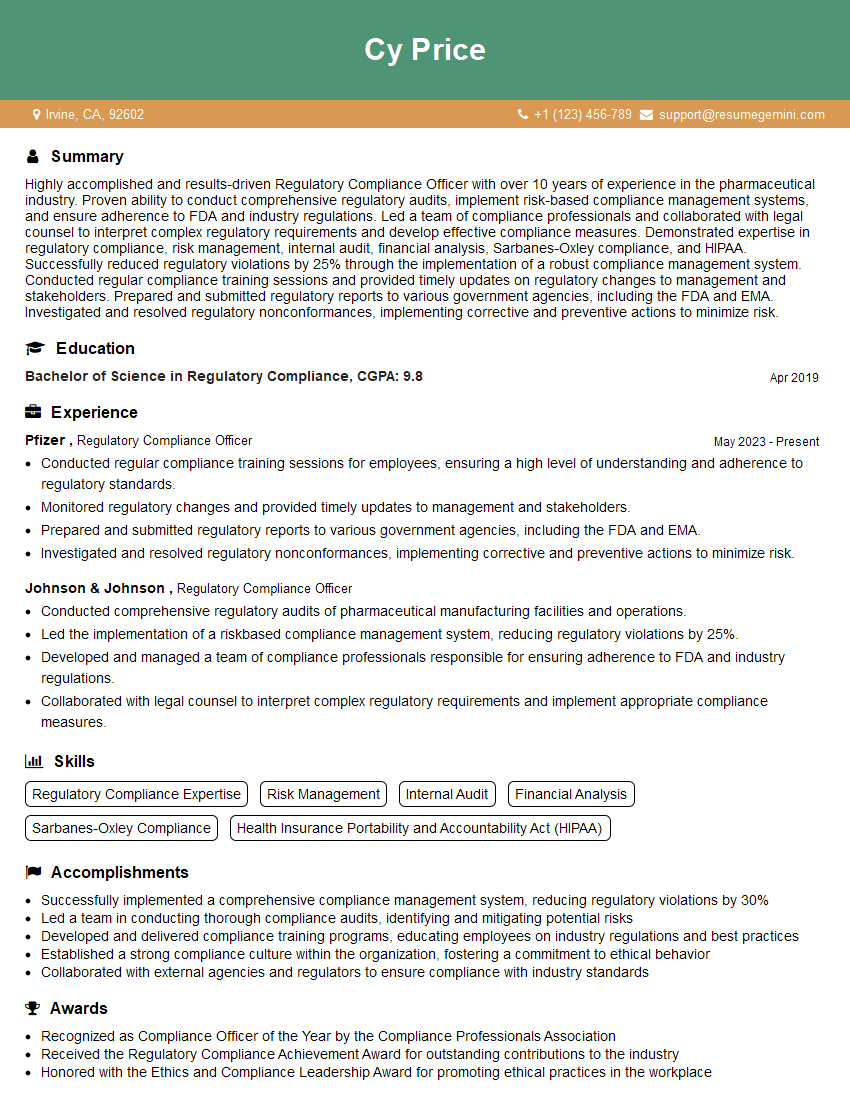
Regulatory Compliance Officer Resume Sample
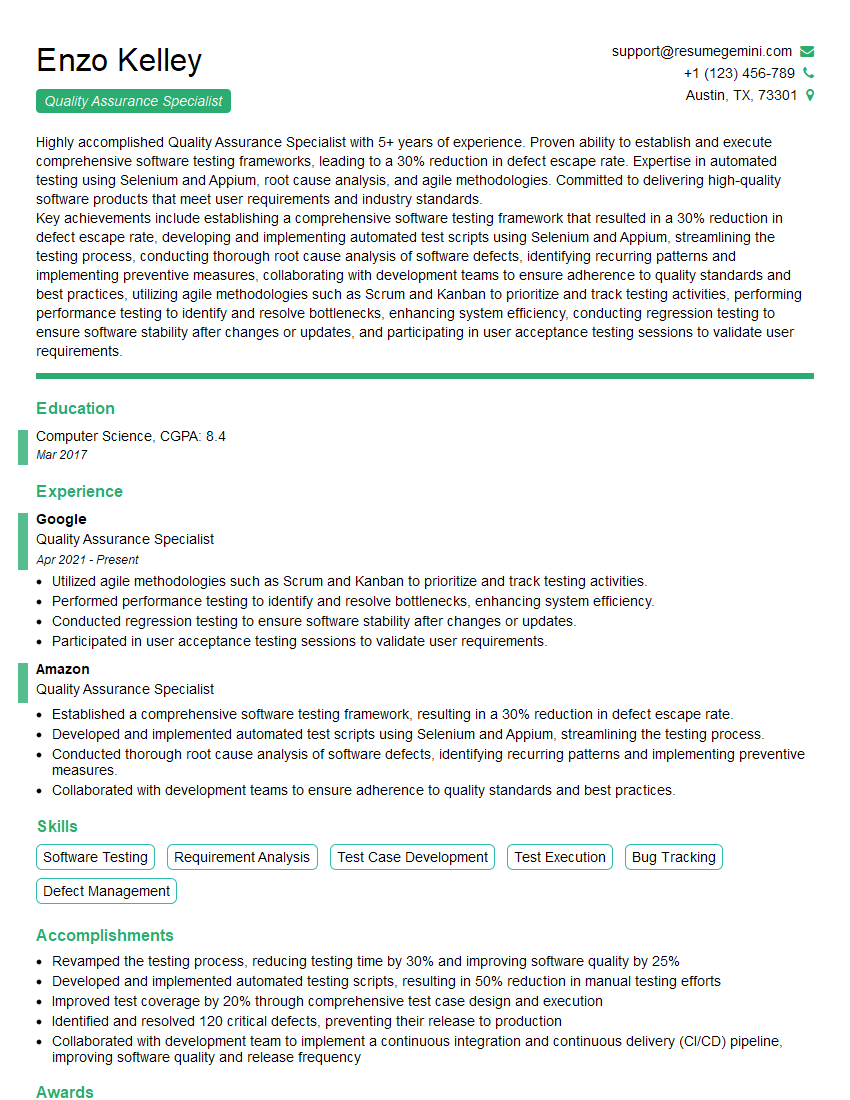
Quality Assurance Specialist Resume Sample
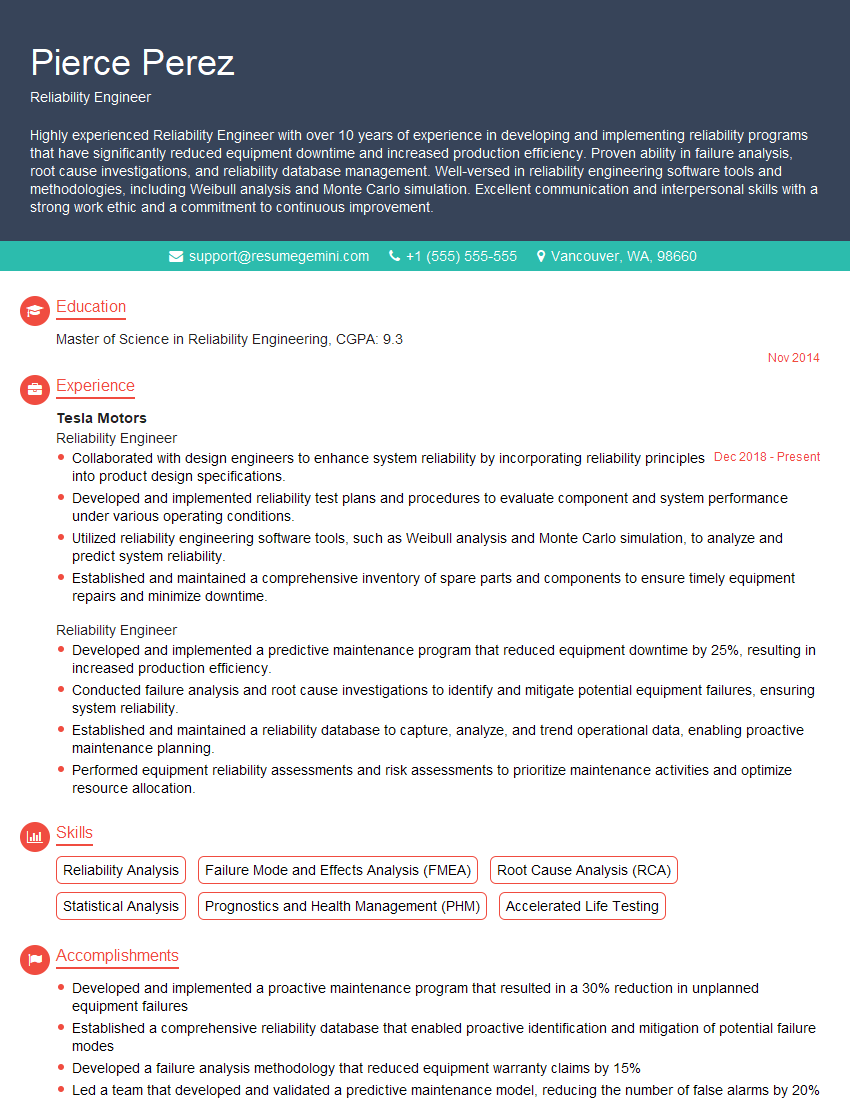
Reliability Engineer Resume Sample
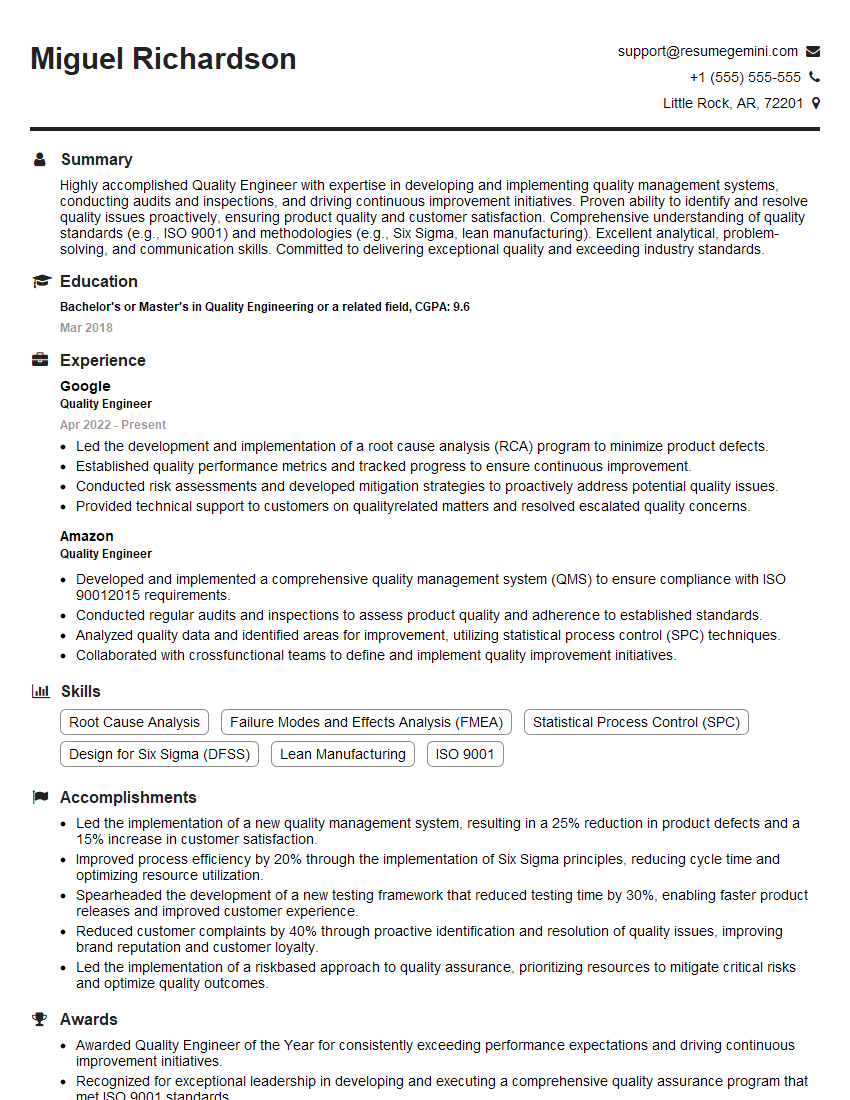
Quality Engineer Resume Sample
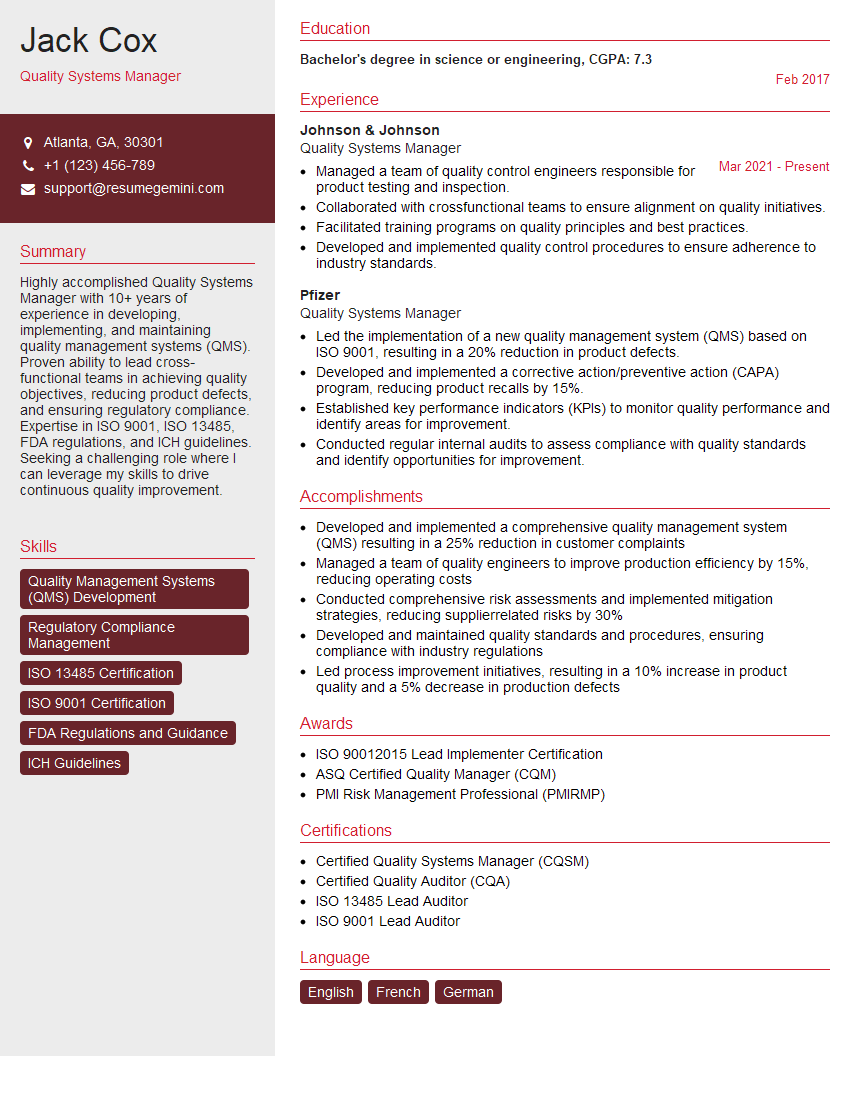
Quality Systems Manager Resume Sample
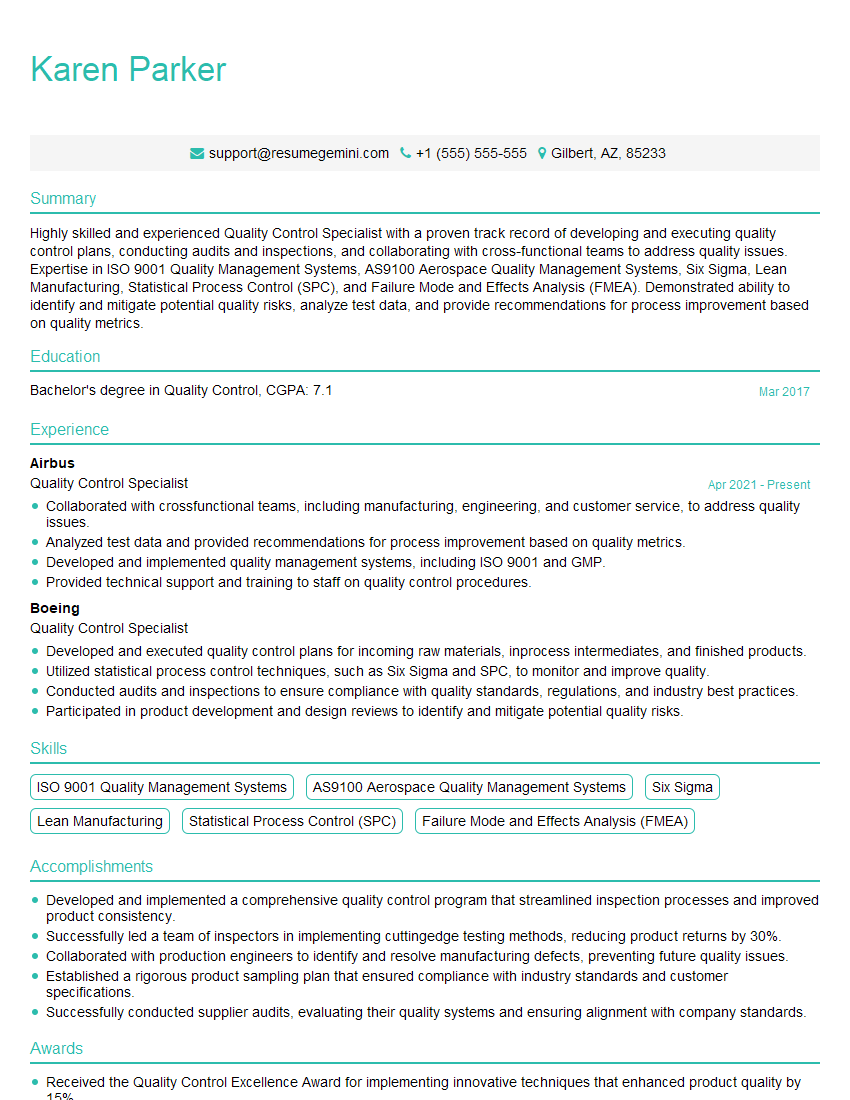
Quality Control Specialist Resume Sample
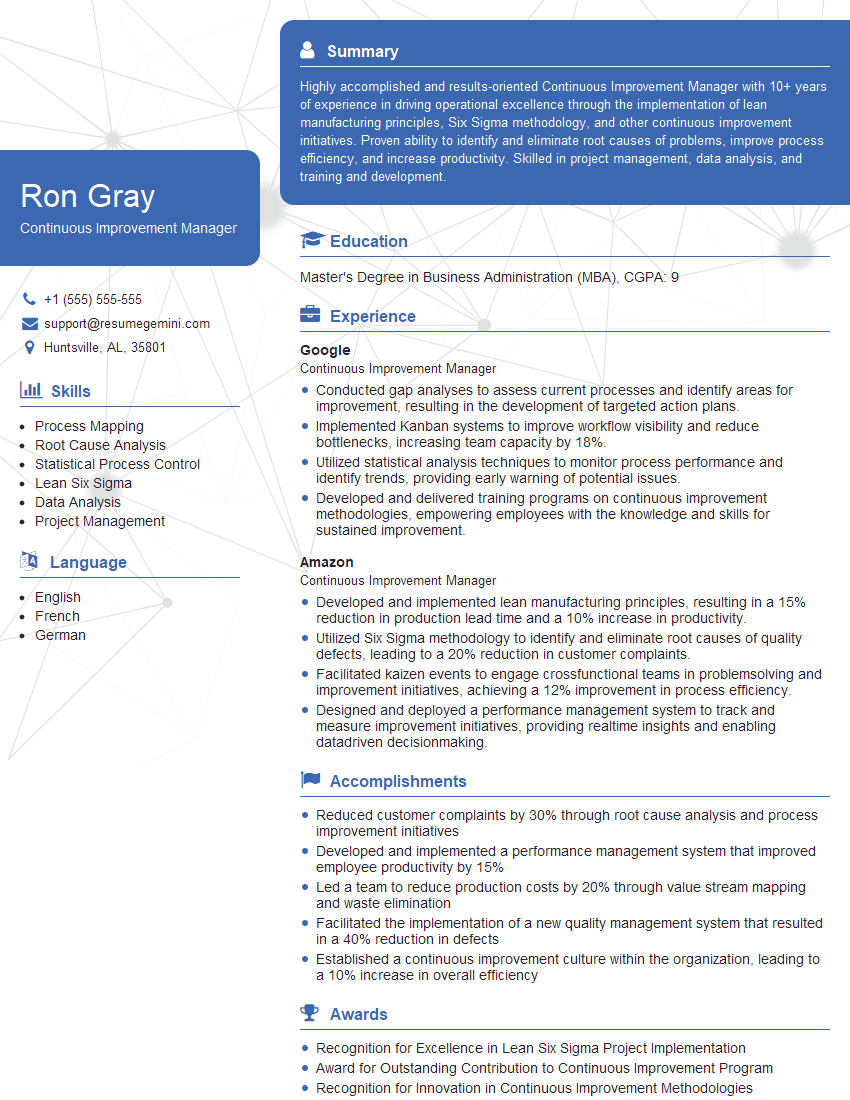
Continuous Improvement Manager Resume Sample
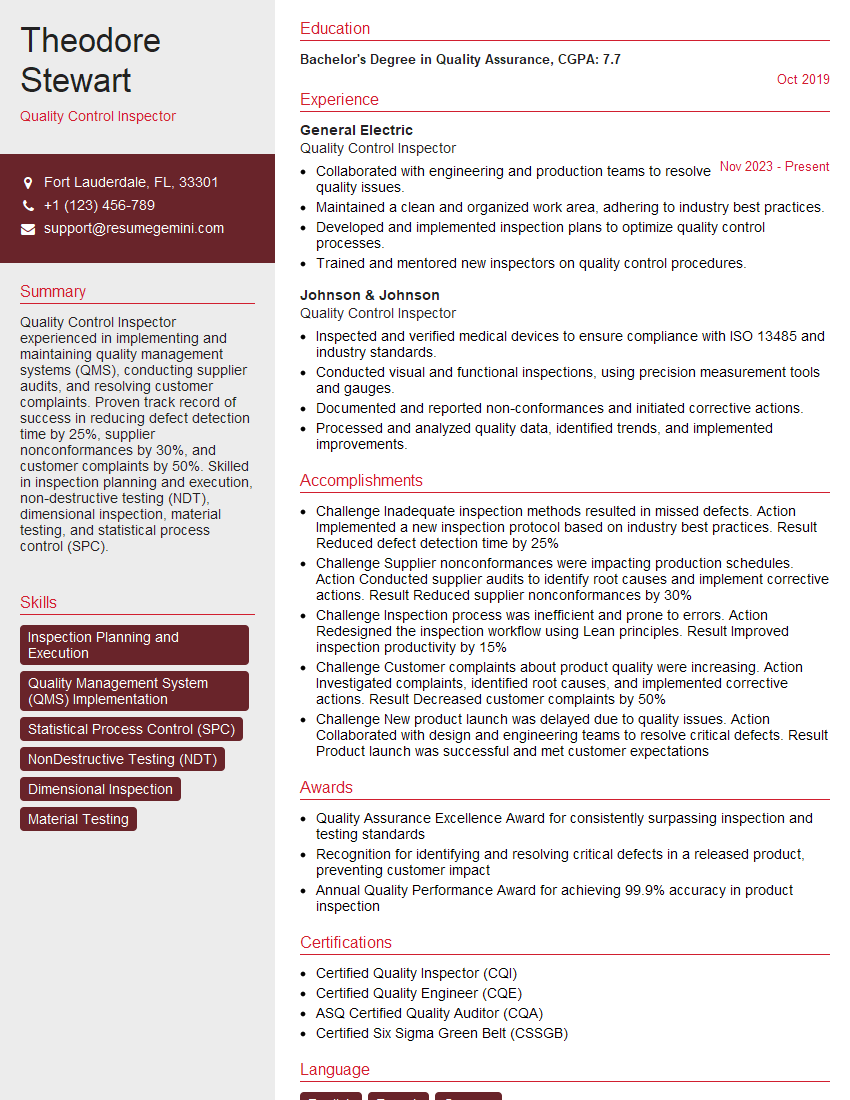
Quality Control Inspector Resume Sample
- Safety Manager
- Quality Manager
- Quality Assurance Manager
- Quality Assurance Supervisor
- Quality Control Supervisor
- Compliance Manager
- Regulatory Compliance Officer
- Quality Assurance Specialist
- Reliability Engineer
- Quality Engineer
- Quality Systems Manager
- Quality Control Specialist
- Continuous Improvement Manager
- Quality Control Inspector
Explore more articles
Users Rating of Our Blogs
Share Your Experience
We value your feedback! Please rate our content and share your thoughts (optional).
What Readers Say About Our Blog
Really detailed insights and content, thank you for writing this detailed article.
IT gave me an insight and words to use and be able to think of examples