Interviews are opportunities to demonstrate your expertise, and this guide is here to help you shine. Explore the essential Refuse Collection interview questions that employers frequently ask, paired with strategies for crafting responses that set you apart from the competition.
Questions Asked in Refuse Collection Interview
Q 1. Describe your experience operating various refuse collection vehicles.
My experience encompasses operating a variety of refuse collection vehicles, from smaller rear-loading trucks ideal for residential areas with narrow streets, to larger, automated side-loading trucks more efficient for high-density areas. I’m also proficient with roll-off trucks used for bulk waste removal, and have experience operating vehicles equipped with specialized mechanisms for handling different waste streams, such as recycling or green waste. Operating these vehicles safely and efficiently requires a high degree of skill in maneuvering, particularly in tight spaces and challenging traffic conditions. For example, I’ve perfected techniques for navigating around parked cars in busy residential streets while maintaining a smooth and safe operation, ensuring the safety of both myself and pedestrians. Furthermore, my experience extends to routine vehicle checks and preventative maintenance to minimize breakdowns and maximize operational uptime.
Q 2. Explain the different types of waste collection routes and their optimization.
Waste collection routes are categorized based on factors like residential density, commercial activity, and waste generation volume. We have residential routes, covering single-family homes and apartment complexes; commercial routes, serving businesses and industrial areas; and mixed routes, combining residential and commercial stops. Route optimization is crucial for efficiency and cost reduction. We use techniques like route clustering to group similar stops together, reducing travel time and fuel consumption. Then there’s shortest path algorithms used in GPS systems to calculate the most efficient route. For example, a densely populated area might employ a grid pattern, while a more sprawling suburb may benefit from a radial or spiral pattern. Finally, real-time data analysis from GPS tracking allows adjustments to routes based on unforeseen events like road closures or unexpected waste volume surges. This dynamic optimization is key to maintaining service quality even under fluctuating conditions.
Q 3. How do you ensure the safety of yourself and your crew during waste collection?
Safety is paramount in refuse collection. We follow strict protocols, including comprehensive safety training covering vehicle operation, manual handling, and hazard awareness. Daily vehicle inspections are mandatory to identify and rectify potential mechanical issues. When on route, we wear high-visibility clothing, use appropriate signaling devices, and maintain constant situational awareness of surroundings, including pedestrians, cyclists, and other vehicles. Crew communication is essential; we use hand signals and radio communication to coordinate movements and avoid accidents. We also undergo regular safety refresher courses covering topics such as defensive driving, safe lifting techniques and emergency procedures. For example, before exiting the vehicle to collect waste, we perform a thorough check of our surroundings and always ensure clear visibility for pedestrians before opening doors or operating the hoist mechanism. This proactive approach is instrumental in minimizing workplace injuries.
Q 4. What are the common challenges faced in refuse collection and how do you address them?
Common challenges include traffic congestion, particularly during peak hours, which can significantly delay collection schedules. Inadequate access to waste containers due to parked vehicles or obstacles also creates problems. Varying waste volumes, especially during holidays or seasonal changes, require adjustments to collection schedules. Damaged or overflowing bins can result in spillage and safety hazards. We address these challenges through various strategies. For traffic congestion, we optimize routes and utilize real-time traffic data to adjust schedules. For access issues, we communicate with residents and businesses to encourage clear access to bins. We utilize advanced software to analyze waste volumes and adjust staffing and vehicle assignments accordingly. And finally, addressing damaged or overflowing bins includes communication with residents and proper equipment handling to prevent spillage and accidents.
Q 5. Describe your experience with GPS tracking and route planning for refuse collection.
I have extensive experience with GPS tracking and route planning software. We use GPS-enabled devices in our vehicles to track real-time location, speed, and route adherence. This data is crucial for route optimization, performance monitoring, and providing accurate service updates to customers. The software helps us to plan efficient routes, considering factors such as distance, traffic conditions, and waste volume at each stop. It also generates reports on key performance indicators (KPIs), such as mileage, fuel consumption, and collection times. For example, if a road closure occurs, the system automatically reroutes the vehicle, minimizing delays. The data collected helps us to identify areas for improvement and refine our operations for optimal efficiency and cost-effectiveness. This integration of technology into our daily operations is key to maintaining efficiency and customer satisfaction.
Q 6. How do you handle missed collections and customer complaints?
Missed collections and customer complaints are addressed promptly and professionally. We have a dedicated system for tracking missed collections, which are investigated immediately. The reasons for the miss are identified (e.g., vehicle malfunction, unexpected delays, access issues) and corrective actions are implemented. Customers are notified promptly about the reasons for the miss and the rescheduled collection time. Complaints are handled through a multi-step process: acknowledgment, investigation, resolution, and follow-up. We strive to resolve issues efficiently and maintain open communication with the customer. Customer satisfaction is crucial and we prioritize a timely and empathetic response to every concern. For instance, if a complaint involves a damaged bin, we arrange for replacement and ensure timely communication with the customer throughout the process.
Q 7. Explain your understanding of waste segregation and recycling protocols.
My understanding of waste segregation and recycling protocols is thorough. I’m familiar with various recycling streams, including paper, plastic, glass, metal, and organic waste. I know the importance of adhering to local regulations and guidelines regarding waste separation. Our crews are trained to identify and separate different waste materials correctly. This includes understanding the limitations of different recycling programs. For example, certain plastics may not be accepted in curbside recycling, requiring separate disposal methods. We educate residents on proper segregation techniques through public awareness campaigns and clear labeling on collection bins. Following correct protocols ensures that recyclable materials are properly processed and diverted from landfills, contributing to environmental sustainability. Moreover, we constantly update our knowledge on evolving recycling technologies and protocols to ensure best practice adherence.
Q 8. How do you maintain a clean and safe work environment within the refuse collection process?
Maintaining a clean and safe work environment in refuse collection is paramount for both worker safety and public health. It’s a multi-faceted approach involving proactive measures and stringent adherence to safety protocols.
Personal Protective Equipment (PPE): Ensuring all staff consistently use appropriate PPE, including high-visibility clothing, safety gloves, steel-toe boots, and eye protection, is non-negotiable. This protects against injuries from sharp objects, slips, trips, and hazardous materials.
Vehicle Safety: Regular vehicle inspections are crucial. This includes checking brakes, lights, and hydraulic systems to prevent accidents. Driver training focusing on defensive driving and safe loading/unloading practices is also essential. We conduct toolbox talks regularly to refresh safety procedures and discuss near-miss incidents.
Waste Handling: Proper lifting techniques are taught and reinforced through training and observation. We use mechanical aids where possible to reduce manual handling risks. Furthermore, clear communication between crew members is emphasized to prevent accidents during collection.
Site Cleanliness: Keeping the work area tidy is critical. This includes regular sweeping, cleaning up spills immediately, and disposing of waste properly. We also implement strategies to prevent litter from spreading, such as using covered vehicles and proper securing of loads.
Hazard Identification and Risk Assessment (HIRA): Regular HIRAs are conducted to identify potential hazards, assess risks, and implement control measures. This ensures that all potential dangers are identified and mitigated proactively.
Q 9. What is your experience with hazardous waste handling procedures?
Hazardous waste handling demands strict adherence to regulations and specialized procedures. My experience encompasses identifying, segregating, and handling various hazardous materials encountered during refuse collection.
Identification: I’m trained to identify common hazardous materials such as needles, broken glass, batteries, and chemical containers. Proper labeling and segregation are critical.
Segregation: Hazardous waste is always segregated from general waste using clearly labeled containers. This ensures the waste stream remains safe for handling and processing.
Documentation: Accurate record-keeping is maintained to track the movement and disposal of hazardous waste. This ensures traceability and compliance with regulations.
Disposal: I’m familiar with working with licensed hazardous waste disposal contractors. We always follow the correct procedures for the safe transfer of these materials to ensure compliance with all relevant environmental protection laws.
Emergency Response: I’ve undergone training in handling emergencies involving hazardous materials spills or incidents, including the proper use of emergency equipment and procedures.
Q 10. Describe your familiarity with different types of waste containers (bins, carts, etc.)
My experience covers a wide range of waste containers, and understanding their properties and limitations is key to efficient and safe collection.
Residential Bins: I’m familiar with various sizes and types of wheelie bins, including those designed for recyclables, food waste, and general refuse. Understanding their weight limits and proper placement for easy collection is vital.
Commercial Carts: I’ve handled larger commercial waste containers, which often require specialized equipment for emptying and can have different weight capacities.
Specialized Containers: I’ve worked with containers designed for specific waste streams such as sharps containers (for medical waste) and containers for asbestos and other hazardous materials.
Container Condition: I am trained to recognize damaged or compromised containers, ensuring their safe handling and reporting damaged containers to management.
Accessibility: Understanding accessibility considerations, such as appropriate placement of containers to avoid obstructions, is also part of my expertise.
Q 11. How do you ensure compliance with local and national waste management regulations?
Ensuring compliance is a top priority. This involves a combination of understanding the regulations, implementing best practices, and regularly auditing our processes.
Knowledge of Regulations: I’m thoroughly familiar with all relevant local and national waste management regulations, including those related to waste disposal, transportation, and handling of hazardous materials.
Documentation and Record Keeping: Maintaining detailed records of waste collection, transportation, and disposal is crucial. This documentation provides evidence of compliance during audits.
Training and Awareness: Regular training for all staff ensures everyone is aware of and complies with the regulations. This includes updates on changes in legislation and best practices.
Audits and Inspections: We actively participate in audits and inspections to ensure our operations continue to meet regulatory requirements.
Reporting and Corrective Actions: Any non-compliance issues are addressed immediately with corrective actions documented and implemented.
Q 12. What is your experience with waste transfer stations and landfill operations?
I have significant experience with waste transfer stations and landfill operations, understanding the critical role they play in the waste management chain.
Waste Transfer Stations: I understand the efficient transfer of collected waste from collection vehicles to larger haulage vehicles for transportation to landfills or processing facilities.
Weighbridge Operations: I’m familiar with weighbridge procedures, ensuring accurate recording of waste tonnage for reporting and billing purposes.
Landfill Operations: I’ve observed landfill operations, understanding the principles of waste compaction, cover management, and leachate control.
Compliance at Transfer Stations and Landfills: I understand the environmental regulations governing these facilities, and our company always ensure adherence to these procedures.
Safety Procedures: Safety procedures at transfer stations and landfills are followed strictly. This includes understanding the risks and having the proper equipment for operations at these locations.
Q 13. How do you manage workload during peak seasons or unexpected events?
Managing workload during peak seasons (like holidays or seasonal changes) and unexpected events (like severe weather or equipment breakdowns) requires planning, flexibility, and effective communication.
Forecasting and Planning: We carefully forecast workload during peak seasons, adjusting schedules and resources accordingly. This includes additional vehicles, staff, and routes as required.
Flexible Staffing: Having a flexible workforce allows for quick response to fluctuating demands and unforeseen events.
Effective Communication: Open communication with both staff and the public is essential to ensure timely updates and manage expectations during disruptions.
Prioritization: During emergencies, we prioritize essential services, focusing resources on the most critical areas.
Contingency Planning: We have detailed contingency plans in place to address various scenarios, including equipment failures and severe weather events. These plans are regularly reviewed and updated.
Q 14. Describe your experience with preventative maintenance for refuse collection vehicles.
Preventative maintenance is crucial for ensuring the reliability and longevity of refuse collection vehicles. Neglecting maintenance can lead to costly repairs, breakdowns, and safety hazards.
Daily Inspections: Daily vehicle inspections are carried out by drivers, checking for issues like fluid leaks, tire pressure, and brake function. Any problems are reported immediately.
Scheduled Maintenance: We adhere to a strict schedule of preventative maintenance, including regular servicing, oil changes, and component replacements. This extends the life of the vehicles and reduces the risk of breakdowns.
Specialized Maintenance: Refuse collection vehicles have specialized components such as hydraulic systems and compaction mechanisms which require specialized maintenance expertise. We utilize trained technicians for this purpose.
Record Keeping: Meticulous maintenance records are kept, tracking all servicing and repairs. This data is used to monitor vehicle performance, predict potential issues and optimize maintenance schedules.
Driver Training: Drivers are trained on proper vehicle operation and maintenance, including reporting minor issues early to prevent them from escalating into major problems.
Q 15. How do you communicate effectively with your team, supervisors, and the public?
Effective communication is the cornerstone of a successful refuse collection operation. I employ a multi-faceted approach, tailoring my communication style to the audience. With my team, I prioritize clear, concise instructions, regular feedback sessions, and open dialogue to foster a collaborative environment. For example, before a particularly challenging collection, I’ll hold a brief team meeting to clarify routes, potential obstacles (like narrow streets or construction), and safety procedures. With supervisors, I maintain professional and respectful communication, providing regular updates on progress, highlighting any issues promptly, and proactively suggesting solutions. This includes using reporting systems to track key performance indicators (KPIs) and communicate challenges or successes transparently. Finally, communicating with the public requires patience and empathy. I focus on active listening, addressing concerns clearly and professionally, and providing accurate information about collection schedules, acceptable waste materials, and reporting issues. If a resident is upset about a missed collection, for instance, I’ll listen to their concerns, apologize for the inconvenience, explain the reason for the delay (if applicable), and outline the steps to resolve the situation, possibly scheduling a special pickup.
Career Expert Tips:
- Ace those interviews! Prepare effectively by reviewing the Top 50 Most Common Interview Questions on ResumeGemini.
- Navigate your job search with confidence! Explore a wide range of Career Tips on ResumeGemini. Learn about common challenges and recommendations to overcome them.
- Craft the perfect resume! Master the Art of Resume Writing with ResumeGemini’s guide. Showcase your unique qualifications and achievements effectively.
- Don’t miss out on holiday savings! Build your dream resume with ResumeGemini’s ATS optimized templates.
Q 16. What is your experience using waste management software or technology?
I have extensive experience utilizing various waste management software and technologies, including route optimization software, GPS tracking systems for vehicles, and mobile applications for reporting and communication. Route optimization software, for example, helps us plan efficient routes, minimizing travel time and fuel consumption. This software often considers factors such as traffic patterns, geographical limitations, and the volume of waste at each stop to create the most effective collection plan. GPS tracking allows supervisors to monitor vehicle location and performance in real-time, assisting in dispatching crews effectively and ensuring timely service. Mobile applications simplify the process of reporting missed collections, identifying issues with containers, or escalating concerns to supervisors. I am proficient in utilizing the data generated by these systems to track key performance indicators, analyse operational efficiency, and identify areas for improvement. For instance, we can analyse data on vehicle routes to pinpoint areas where delays are frequent and find potential solutions, like adjusting the route or adding resources.
Q 17. Explain your understanding of weight limits and load management for refuse vehicles.
Understanding and adhering to weight limits and load management is crucial for safety and efficiency. Exceeding weight limits can damage vehicles, compromise fuel efficiency, and, most importantly, jeopardize the safety of drivers and the public. Each refuse vehicle has a maximum weight capacity clearly stated in its documentation, and it’s critical that this limit is never surpassed. Load management involves distributing waste evenly within the vehicle to maintain balance and prevent shifting during transit. This requires careful loading practices, often starting with heavier items at the bottom and lighter items on top. Furthermore, regular weighing of the vehicle at designated points throughout the route is essential to monitor the load and prevent overloading. Advanced refuse vehicles may incorporate load sensors and automated weight monitoring systems. I also ensure that drivers are trained on proper weight distribution and the procedures to follow if they anticipate exceeding weight limits, such as making additional trips to the transfer station. Failing to manage loads effectively can lead to accidents, breakdowns, and significant repair costs.
Q 18. How do you prioritize different collection tasks and routes?
Prioritizing collection tasks and routes involves a strategic approach combining efficiency and adherence to service standards. We typically use a combination of factors, including:
- Urgency: Emergency situations, like overflowing containers posing health hazards, take precedence.
- Service Level Agreements (SLAs): Meeting contractual obligations with clients, particularly businesses with specific collection requirements, is a priority.
- Route Optimization: Software-generated optimal routes help minimize travel time and fuel consumption, leading to efficient task completion.
- Resource Availability: Crew availability, vehicle maintenance, and traffic conditions influence route scheduling. For instance, if a vehicle is out of service for maintenance, we’ll re-allocate routes to available vehicles, prioritizing high-density areas.
- Waste Type: Certain waste types, such as hazardous waste, may require prioritization and specialized handling.
Q 19. Describe your experience with record-keeping and reporting in refuse collection.
Record-keeping and reporting are integral to efficient refuse collection operations, ensuring accountability and providing valuable data for analysis and improvement. We maintain detailed records of several key aspects, including:
- Collection routes and schedules: These records help track adherence to established routes and schedules, identify delays or missed collections, and optimize future planning.
- Waste volumes collected: Tracking waste volume provides insights into waste generation patterns, informing recycling programs and waste reduction strategies.
- Vehicle maintenance records: Regular maintenance records are crucial for ensuring vehicle reliability and preventing breakdowns. This includes fuel consumption, repairs, and inspections.
- Incident reports: Detailed records of accidents, near misses, and other incidents are essential for safety analysis and improvement.
- Customer service interactions: Documenting customer interactions, including complaints and resolutions, helps gauge service quality and address recurring issues.
Q 20. How do you handle difficult or demanding situations with residents or businesses?
Handling difficult situations with residents or businesses requires a calm, professional, and empathetic approach. My strategy focuses on active listening, understanding their perspective, and seeking a mutually agreeable resolution. For instance, if a resident complains about a missed collection, I begin by acknowledging their frustration and expressing sincere apologies for the inconvenience. I then thoroughly investigate the issue, determining if the missed collection was due to an error, unforeseen circumstances (e.g., road closures), or a problem with their waste presentation. Once the cause is identified, I provide a clear explanation and outline the steps to resolve the issue, such as arranging a special pickup or providing guidance on proper waste disposal. If the issue involves a violation of local ordinances (e.g., incorrect waste disposal), I explain the relevant regulations clearly and respectfully, offering guidance on compliance. In persistent or escalated situations, I involve my supervisor to ensure a fair and effective resolution. De-escalation techniques, such as maintaining a calm tone and using positive language, are essential in diffusing tense situations.
Q 21. What are your strategies for improving efficiency in refuse collection operations?
Improving efficiency in refuse collection operations requires a multi-pronged approach focusing on technology, optimization, and employee engagement.
- Route Optimization Software: Implementing advanced route optimization software can significantly reduce travel time and fuel consumption. This software considers various factors to create the most efficient routes, minimizing mileage and maximizing collection efficiency.
- Improved Vehicle Maintenance: Regular preventative maintenance reduces breakdowns, minimizing service disruptions and associated costs.
- Driver Training: Thorough training programs can enhance driver skills, leading to safer and more efficient operations. This includes training on optimal loading techniques, fuel-efficient driving, and safe driving practices.
- Smart Waste Management: Utilizing smart bins and sensors provides real-time data on waste levels, allowing for optimized collection schedules and preventing overflow.
- Employee Engagement: Creating a positive and supportive work environment enhances employee morale and productivity, leading to improved efficiency.
Q 22. Describe your experience with training new refuse collection personnel.
Training new refuse collection personnel is crucial for safety, efficiency, and regulatory compliance. My approach is multifaceted, combining classroom instruction with hands-on experience.
- Classroom Training: This covers safety protocols (e.g., using machinery safely, defensive driving, hazard recognition), waste stream segregation guidelines, route optimization techniques, and customer service best practices. I use interactive sessions, videos, and real-life case studies to enhance understanding. For example, I show a video demonstrating proper lifting techniques to prevent back injuries.
- On-the-Job Training: New recruits shadow experienced personnel for a set period, gradually taking on more responsibility. This allows them to learn the practical aspects of the job, such as operating vehicles, handling different waste types, and interacting with residents. Mentorship is key here – I pair each new recruit with a seasoned colleague who provides guidance and support.
- Regular Feedback and Assessment: Consistent performance reviews and feedback sessions are vital. This includes assessing their adherence to safety regulations, efficiency on the route, and problem-solving skills. I use checklists and observation forms to track progress and identify areas for improvement.
Through this comprehensive training program, I ensure new hires become proficient and confident in their roles, contributing to a safe and effective refuse collection service.
Q 23. How do you ensure the accuracy of waste collection data and reporting?
Accurate waste collection data is essential for resource planning, budgeting, and environmental reporting. We use a combination of methods to ensure accuracy:
- GPS Tracking: Vehicles are equipped with GPS trackers which record routes, providing real-time data on collection progress. This enables us to identify delays, optimize routes, and verify completion of scheduled pickups.
- Barcode/RFID Technology: Using barcodes or RFID tags on bins allows for automated data collection. This reduces manual data entry errors and provides more precise information on waste volume per household or area.
- Data Validation and Reconciliation: Collected data is rigorously checked for anomalies. Discrepancies between planned pickups and actual pickups are investigated. We also regularly compare data against previous periods to detect any significant changes, allowing us to investigate the causes of variations and identify potential issues.
- Reporting and Analysis Software: Specialized software is used to consolidate data from various sources, generate reports, and visualize key performance indicators (KPIs). This ensures consistency and enables efficient reporting to regulatory bodies.
Regular audits and quality control measures further enhance the accuracy of our data, leading to reliable reporting and effective decision-making.
Q 24. Explain your understanding of environmental regulations and sustainability practices in waste management.
Environmental regulations and sustainability are paramount in waste management. My understanding encompasses a wide range of aspects, including:
- Waste Reduction and Reuse: Promoting the 3Rs (Reduce, Reuse, Recycle) is crucial. This involves educating the public, implementing waste diversion programs, and optimizing collection routes to minimize fuel consumption and emissions.
- Recycling and Composting: Understanding and adhering to regulations related to the processing and disposal of recyclable and compostable materials is vital. This includes compliance with material specifications, ensuring proper sorting and contamination control. For example, we have implemented a robust public education campaign on acceptable materials for recycling to minimize contamination.
- Landfill Management: Minimizing landfill waste is a key sustainability goal. This requires adherence to strict regulations regarding landfill design, operation, and leachate management to protect groundwater and surrounding environments.
- Hazardous Waste Management: Safe handling and disposal of hazardous waste, such as medical waste or chemicals, according to regulatory guidelines is crucial. This includes ensuring proper labeling, segregation, and transportation to licensed facilities.
- Greenhouse Gas Emissions: Tracking and reducing greenhouse gas emissions from vehicle fleets and waste processing facilities is crucial for environmental responsibility. This might involve transitioning to alternative fuels or implementing energy-efficient technologies.
Staying abreast of evolving regulations and best practices is an ongoing process. I actively participate in industry events and training to maintain my knowledge and ensure our operations are environmentally responsible.
Q 25. What is your familiarity with different waste disposal methods (landfill, recycling, composting)?
I have extensive familiarity with various waste disposal methods. Each has its advantages and disadvantages:
- Landfills: The traditional method of waste disposal, landfills require careful management to prevent environmental contamination. Modern landfills incorporate liners and leachate collection systems to mitigate environmental risks.
- Recycling: This involves processing and reusing materials, diverting them from landfills and conserving natural resources. Different materials require specialized processing techniques and facilities. Examples include paper, plastic, glass, and metals recycling.
- Composting: Organic waste is decomposed naturally, producing a nutrient-rich soil amendment. Composting reduces landfill burden and creates a valuable byproduct. Different composting methods exist, including in-vessel and open-air composting.
The optimal approach often involves a combination of methods to achieve optimal waste management. For example, a strategic mix of recycling, composting and landfill disposal may be necessary depending on the local context and regulations.
Q 26. How do you adapt to changing weather conditions and other unforeseen circumstances during waste collection?
Adapting to changing weather conditions and unforeseen circumstances is a critical aspect of refuse collection. Our strategies include:
- Weather Monitoring and Contingency Planning: We closely monitor weather forecasts and adjust schedules as needed. Severe weather events (e.g., snowstorms, floods) may require delaying collections or deploying specialized equipment. In such scenarios, we inform residents in advance of any service disruptions.
- Flexible Routing and Scheduling: Our routes and schedules are designed to be flexible, allowing us to adapt to changing conditions. For example, if a particular area becomes inaccessible due to flooding, we may re-route collection to minimize disruption.
- Emergency Equipment and Procedures: We maintain a fleet of vehicles suitable for different weather conditions and have contingency plans to address equipment failures or other unexpected problems. This might include having a backup vehicle ready to deploy immediately or having alternative routes mapped out.
- Communication and Collaboration: Effective communication is key. We use various communication channels to inform residents of delays or changes in service. We also collaborate with other city departments (e.g., snow removal, public works) to coordinate efforts during major weather events.
Proactive planning and quick response are critical for maintaining service reliability despite challenging circumstances.
Q 27. Describe your experience with emergency procedures and accident response in waste collection.
Safety is paramount in waste collection. Our emergency procedures and accident response plan are designed to minimize risks and ensure prompt and effective action.
- Safety Training: Regular safety training for all personnel covers hazard identification, risk assessment, and emergency response protocols. This includes first aid and CPR training, defensive driving techniques, and safe handling procedures for different waste types.
- Emergency Communication Systems: We have a robust communication system enabling immediate contact with supervisors, emergency services, and other relevant personnel in case of an accident or emergency.
- Accident Reporting and Investigation: A comprehensive accident reporting and investigation process is in place to determine the cause of accidents and implement preventative measures. This includes detailed documentation, witness statements, and thorough analysis of contributing factors.
- First Aid and Medical Response: Designated personnel are trained in first aid and CPR to provide immediate assistance in case of injury. Procedures are in place to contact emergency medical services as quickly as possible.
- Incident Management Plan: A detailed incident management plan outlines the steps to follow in the event of an accident, including securing the scene, providing medical assistance, reporting the incident, and coordinating with relevant authorities.
Regular drills and simulations reinforce our emergency procedures and ensure everyone is well-prepared to respond effectively.
Q 28. What are your salary expectations for this Refuse Collection position?
My salary expectations for this Refuse Collection position are commensurate with my experience, qualifications, and the responsibilities of the role. Considering my extensive experience in managing refuse collection operations, my expertise in safety and environmental regulations, and my proven track record in leading and training teams, I am seeking a competitive salary within the range of [Insert Salary Range Here]. I am happy to discuss this further and am flexible based on the overall compensation package.
Key Topics to Learn for Refuse Collection Interview
- Route Optimization and Efficiency: Understanding principles of efficient waste collection routes, including factors like traffic, geography, and bin locations. Practical application involves analyzing route maps and identifying potential improvements.
- Health and Safety Regulations: Knowledge of relevant health and safety procedures, including manual handling techniques, use of personal protective equipment (PPE), and hazard identification. This includes practical application in safe vehicle operation and waste handling.
- Waste Management Procedures: Understanding different types of waste, appropriate disposal methods, and recycling protocols. Practical application includes correctly sorting and handling various waste materials according to local regulations.
- Vehicle Maintenance and Operation: Basic understanding of refuse collection vehicle mechanics, operation, and preventative maintenance. This includes practical application in identifying minor mechanical issues and performing routine checks.
- Customer Service and Communication: Effective communication with residents and colleagues, handling complaints professionally, and maintaining a positive public image for the refuse collection service. Practical application includes conflict resolution and providing clear information.
- Environmental Awareness and Sustainability: Understanding the environmental impact of waste management and the importance of sustainable practices. This includes exploring concepts like waste reduction, recycling maximization, and landfill diversion.
- Technology in Refuse Collection: Familiarity with technologies used in modern refuse collection, such as GPS tracking, waste management software, and smart bin systems. Practical application could involve understanding data collection and analysis related to route optimization.
Next Steps
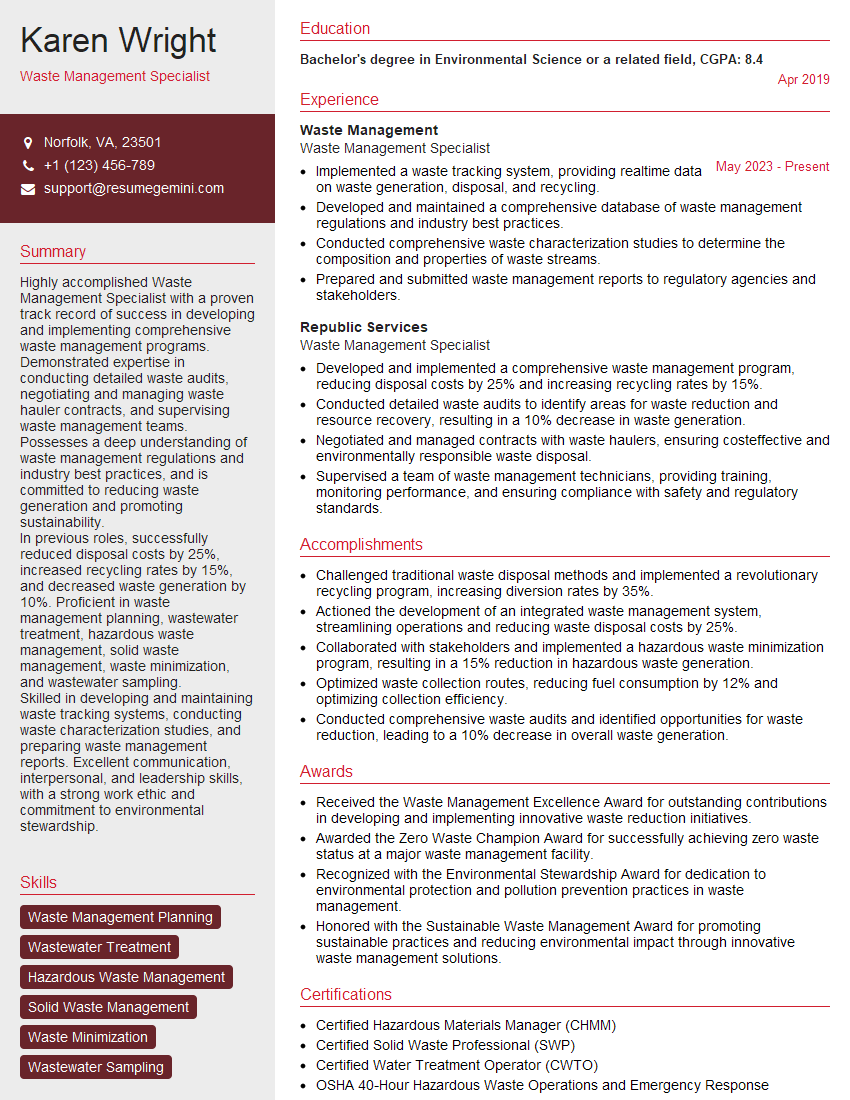
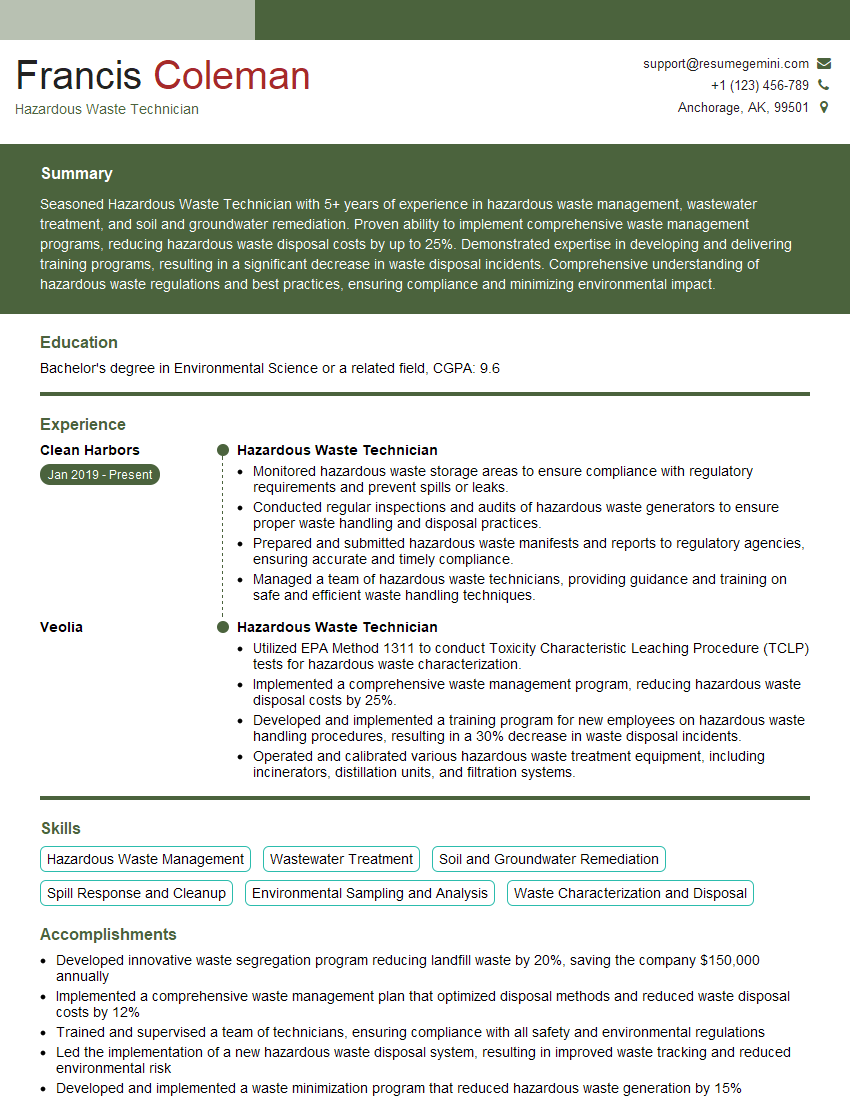
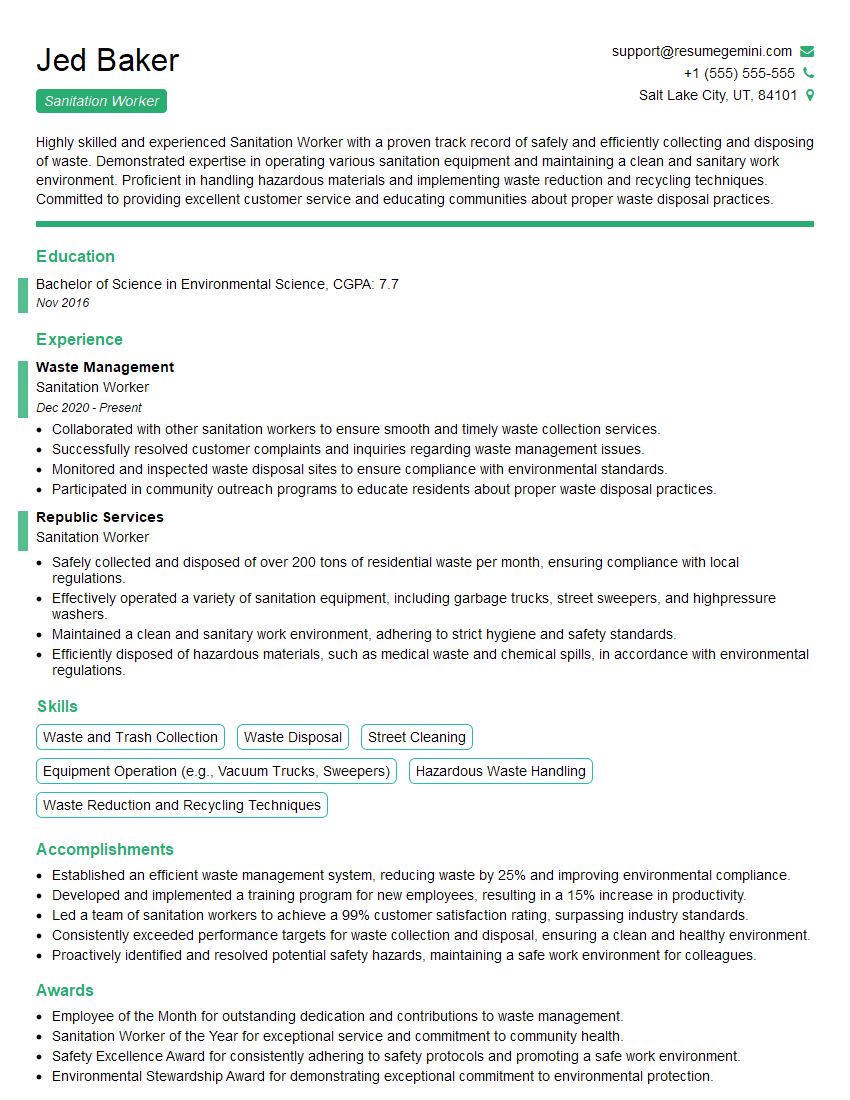
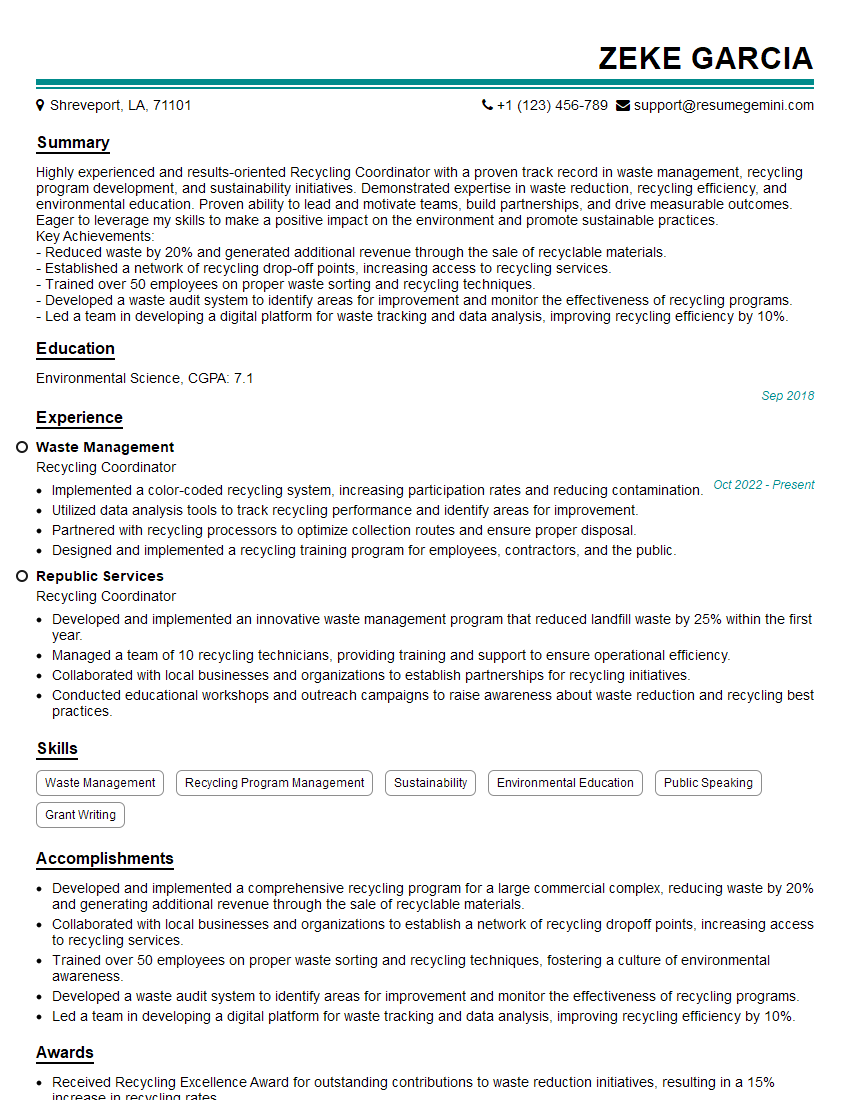
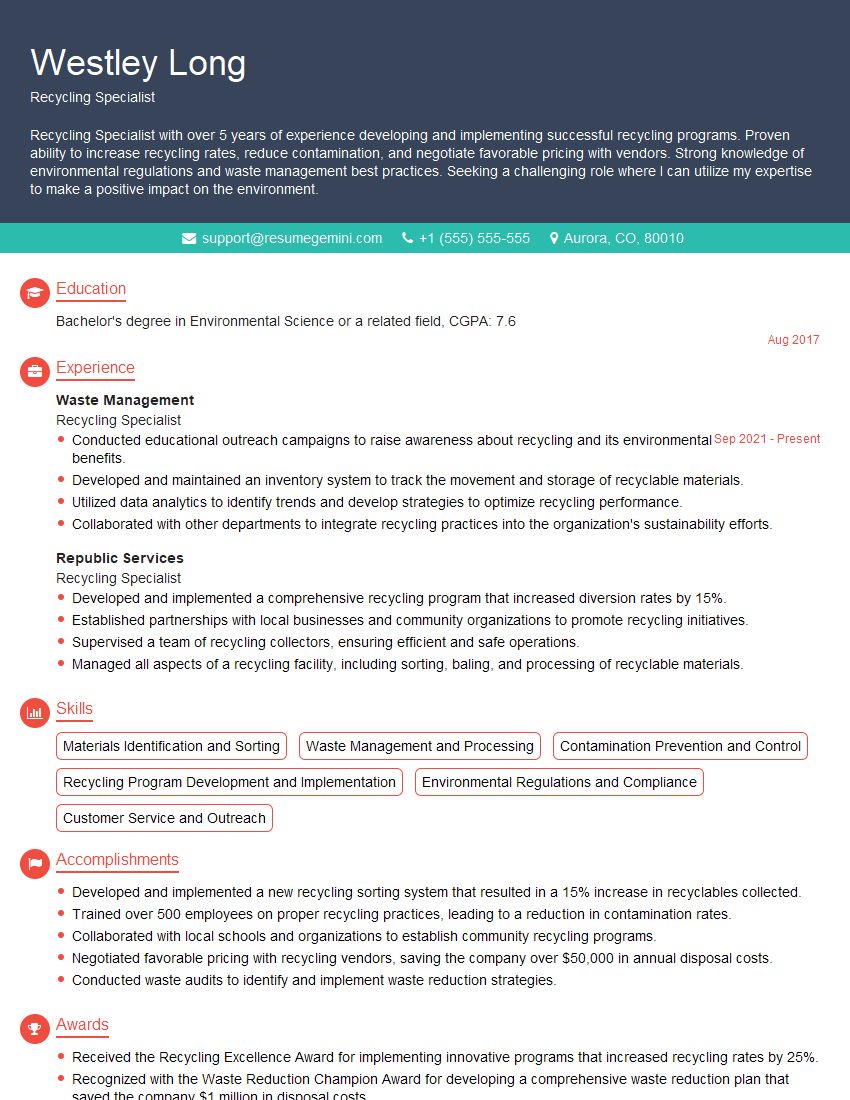
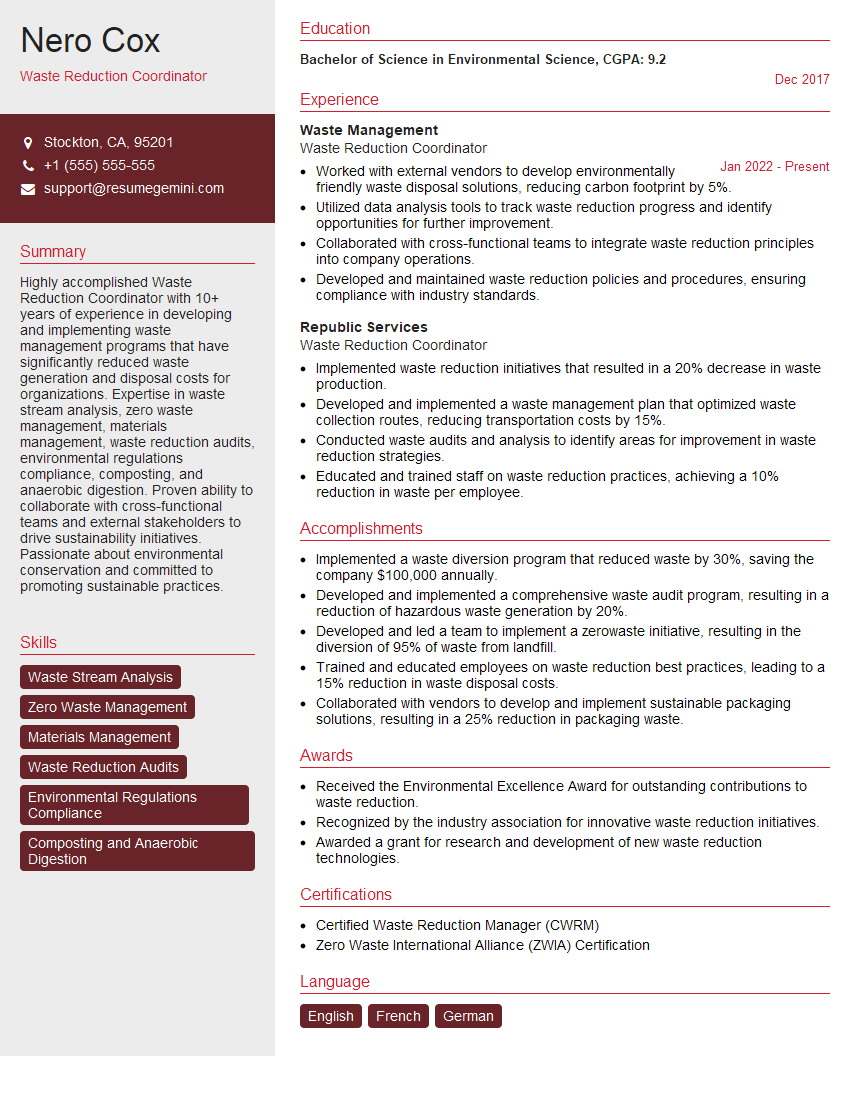
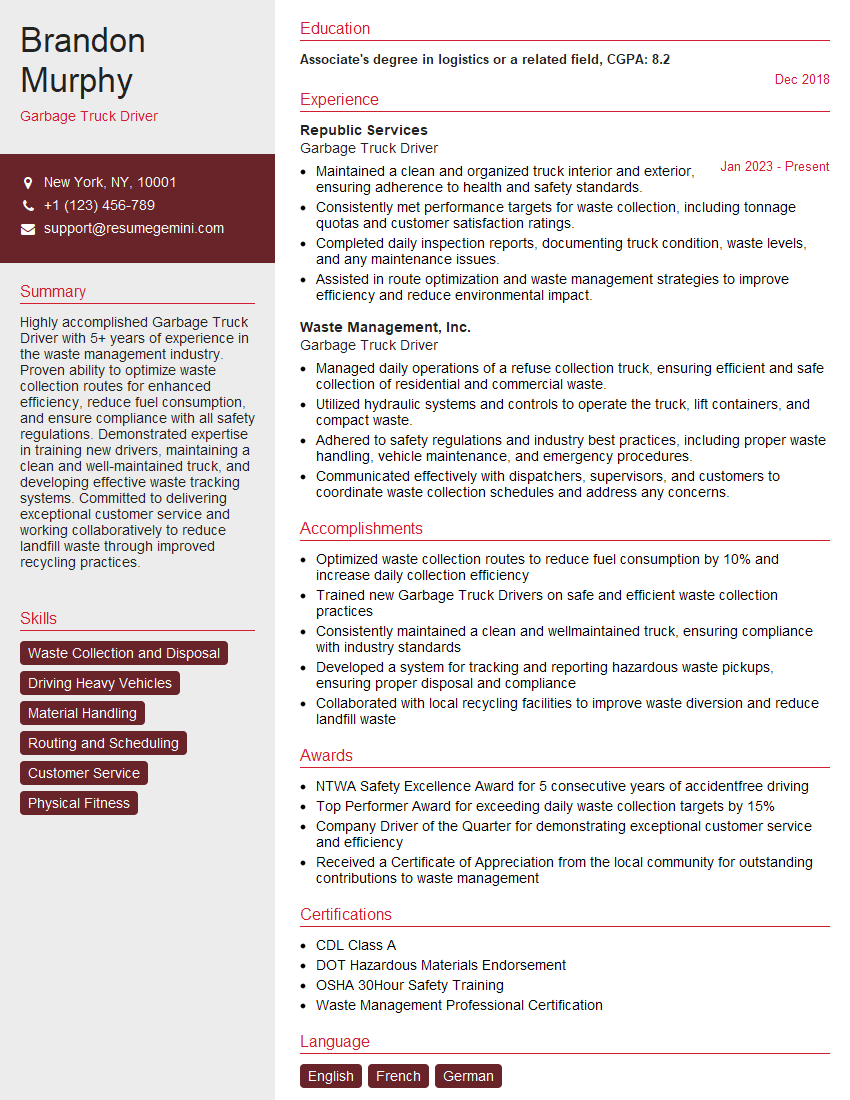
Mastering the skills and knowledge related to Refuse Collection opens doors to a rewarding career with opportunities for advancement and specialization. A strong resume is crucial for showcasing your capabilities to potential employers. Creating an ATS-friendly resume significantly increases your chances of getting noticed. ResumeGemini is a trusted resource to help you build a professional and impactful resume that highlights your skills and experience. We provide examples of resumes tailored to the Refuse Collection industry to help guide you. Take the next step towards your dream job – build a compelling resume today!
Explore more articles
Users Rating of Our Blogs
Share Your Experience
We value your feedback! Please rate our content and share your thoughts (optional).
What Readers Say About Our Blog
Really detailed insights and content, thank you for writing this detailed article.
IT gave me an insight and words to use and be able to think of examples