Interviews are more than just a Q&A session—they’re a chance to prove your worth. This blog dives into essential Reporting and Presentation of Survey Results interview questions and expert tips to help you align your answers with what hiring managers are looking for. Start preparing to shine!
Questions Asked in Reporting and Presentation of Survey Results Interview
Q 1. Explain the process of cleaning and preparing survey data for analysis.
Cleaning and preparing survey data is crucial for accurate analysis. It’s like prepping ingredients before cooking – you wouldn’t start baking a cake without sifting the flour, right? This process involves several steps:
- Data Import and Inspection: First, I import the data into a suitable software (like R or SPSS) and thoroughly examine it for inconsistencies, errors, and outliers. This often involves checking for data entry mistakes, illogical responses, or missing values.
- Data Cleaning: This is where I address issues identified during inspection. This might involve correcting typos, removing duplicate entries, handling inconsistencies in coding schemes, and transforming data into a usable format (e.g., converting text responses to numerical scores using coding schemes).
- Handling Missing Data: Missing data is common. My approach depends on the amount and pattern of missingness. I might use imputation techniques (replacing missing values with plausible estimates) or remove cases with excessive missing data if it’s not substantial enough to bias the results. I carefully document my choices.
- Data Transformation: This might involve recoding variables, creating new variables (e.g., composite scores from multiple questions), or standardizing variables to improve the analysis.
- Data Validation: Finally, I conduct a final check to ensure data accuracy and consistency before proceeding to analysis. This includes checking frequency distributions and descriptive statistics to identify any remaining anomalies.
For example, if a question asked for age and I find a response of ‘200’, I know there is an error and would need to deal with this, potentially by removing the entry or contacting the respondent for clarification.
Q 2. What are the key considerations when choosing appropriate visualizations for survey data?
Choosing the right visualization is vital for clear communication of survey results. The best choice depends on the type of data and the message you want to convey. Think of it as choosing the right tool for the job; a hammer isn’t suitable for screwing in a screw!
- For frequencies and proportions: Bar charts, pie charts, and Pareto charts are excellent. A bar chart effectively shows the distribution of responses across different categories, while a pie chart helps visualize proportions.
- For relationships between variables: Scatter plots (for continuous variables), correlation matrices, and contingency tables (for categorical variables) are useful. A scatter plot shows the relationship between two continuous variables, such as age and income.
- For trends over time: Line charts are ideal. This is useful if your survey tracked changes in attitudes or behaviors over time.
- For comparisons across groups: Grouped bar charts or box plots are effective. A grouped bar chart enables easy comparison of responses across different demographic groups.
It’s important to keep visualizations simple and avoid clutter. Avoid using too many colors or charts that are difficult to interpret. Labels should be clear and concise. Always provide context and explain the findings in simple language.
Q 3. How would you handle missing data in a survey dataset?
Missing data is a common challenge in surveys. My approach is strategic and depends on several factors: the amount of missing data, the pattern of missingness (is it random or non-random?), and the type of analysis.
- Listwise Deletion: Removing entire cases with any missing data is simple but can lead to biased results if the missing data isn’t random. This is only suitable when the missing data is minimal and randomly distributed.
- Pairwise Deletion: Using all available data for each analysis. However, this can lead to inconsistencies, especially in multivariate analyses.
- Imputation: Replacing missing values with estimated values. Methods include mean/median imputation (simple but can distort the variance), regression imputation (more sophisticated), and multiple imputation (creating multiple plausible datasets to account for uncertainty in the imputed values). Multiple imputation is usually preferred because it acknowledges the uncertainty associated with replacing missing data.
The best approach depends on the context. If the missing data is substantial and non-random (e.g., a specific demographic group has a high rate of missing data), I need to address this and explore reasons why it might be missing. Ignoring it could bias results. I always justify my chosen method and highlight its potential limitations.
Q 4. Describe your experience with different statistical methods used to analyze survey data.
I have extensive experience with various statistical methods for analyzing survey data. My choices are guided by the research questions and the nature of the data. These methods include:
- Descriptive Statistics: Frequencies, percentages, means, standard deviations, etc., to summarize the data. This is the foundational step for any survey analysis.
- Inferential Statistics: T-tests, ANOVA, chi-square tests, correlation analysis, regression analysis (linear, logistic, etc.), to test hypotheses and identify relationships between variables. For example, I might use a t-test to compare the average satisfaction scores between two groups, or regression to predict satisfaction based on multiple factors.
- Factor Analysis: To identify underlying factors or dimensions from a set of observed variables (e.g., reducing a long questionnaire down to a few key factors).
- Reliability and Validity Analysis: Cronbach’s alpha to assess the reliability of survey scales, and other methods to assess the validity (accuracy) of the measures.
For example, in a customer satisfaction survey, I might use regression analysis to model the relationship between customer satisfaction and various service features, helping identify areas for improvement.
Q 5. How do you identify and address potential biases in survey data?
Identifying and addressing biases is paramount to ensure the validity of survey results. This requires careful consideration at all stages of the survey process.
- Sampling Bias: This occurs when the sample doesn’t accurately represent the population of interest. This is mitigated through probability sampling techniques (e.g., random sampling, stratified sampling) and careful consideration of sample size and power analysis.
- Response Bias: This refers to systematic errors in responses, such as social desirability bias (respondents answering in a way they believe is socially acceptable), acquiescence bias (agreeing with statements regardless of content), or recall bias (inaccuracies in recalling past events). Careful questionnaire design, using neutral wording, and providing balanced response options can help minimize response biases.
- Non-response Bias: This occurs when a significant portion of the invited participants don’t respond to the survey. Analyzing the characteristics of non-respondents compared to respondents can give insights into the potential for bias. Follow-up reminders, incentives for participation, and using multiple data collection methods can help reduce non-response bias.
- Question Bias: Leading questions or poorly worded questions can influence responses. Piloting the questionnaire and using cognitive interviewing techniques can help identify and refine problematic questions.
Addressing bias often involves careful data collection, thoughtful analysis, and transparent reporting of limitations.
Q 6. Explain your approach to presenting complex survey findings to a non-technical audience.
Presenting complex survey findings to a non-technical audience requires clear, concise communication and visual aids. I use storytelling, analogies, and avoid technical jargon.
- Start with a clear summary of the key findings: Present the most important results upfront, using plain language and avoiding statistical terminology.
- Use visuals effectively: Charts, graphs, and infographics are valuable tools for conveying complex data simply. Avoid overwhelming the audience with too much detail in a single chart.
- Tell a story: Organize the presentation around a narrative, making it engaging and easy to follow. Highlight interesting trends and unexpected results.
- Use analogies and real-world examples: Relate the findings to everyday situations to make them more relatable and understandable.
- Keep it concise and focused: Avoid overwhelming the audience with too much information. Focus on the key takeaways and implications of the research.
For instance, instead of saying “The regression analysis revealed a statistically significant positive correlation between X and Y (p<0.05),” I might say, “Our research showed that when X increases, Y tends to increase as well.”
Q 7. What software or tools are you proficient in for data analysis and visualization?
I’m proficient in a range of software and tools for data analysis and visualization. My go-to tools include:
- R: A powerful and versatile open-source statistical software with extensive packages for data manipulation, analysis, and visualization.
- SPSS: A widely used statistical software package, particularly helpful for survey data analysis and reporting.
- Python (with libraries like Pandas, NumPy, and Matplotlib/Seaborn): Another powerful option for data analysis, offering flexibility and extensive libraries for various tasks.
- Tableau/Power BI: For creating interactive dashboards and reports that effectively communicate survey findings to a broader audience. These tools make it simple to present data visually.
My proficiency extends beyond just using these tools; I understand the underlying statistical concepts and can choose the most appropriate techniques for the data and research question at hand.
Q 8. How do you ensure the accuracy and reliability of your survey data analysis?
Ensuring accurate and reliable survey data analysis begins even before the survey is deployed. It’s a multi-step process focused on minimizing bias and maximizing the validity of the results. This involves meticulous attention to detail in every stage, from sampling methodology to data cleaning and analysis.
- Sampling Technique: Using a representative sample is crucial. A poorly designed sample (e.g., convenience sampling) can lead to biased results that don’t reflect the target population. Probability sampling methods, such as stratified random sampling, are preferred to ensure all segments of the population have a chance of being included.
- Questionnaire Design: Clear, unambiguous questions are essential. Leading questions or poorly worded questions can skew responses. Pilot testing the questionnaire on a small group helps identify and rectify these issues beforehand.
- Data Cleaning: This involves identifying and handling missing data, outliers, and inconsistencies. Techniques like imputation (replacing missing values with reasonable estimates) or removing outliers might be necessary, but these decisions must be documented and justified.
- Appropriate Statistical Methods: Choosing the right statistical tests depends on the type of data collected (e.g., categorical, continuous) and the research questions. Using incorrect methods can lead to erroneous conclusions. For example, using a t-test on non-normally distributed data would be inappropriate.
- Transparency and Documentation: Maintaining a clear audit trail of all data processing steps is paramount. This includes documenting data cleaning procedures, the statistical tests used, and the rationale behind any decisions made.
For example, in a customer satisfaction survey, ensuring a random sample of customers across different demographics (age, location, purchase history) is vital to avoid skewed results towards one particular customer segment.
Q 9. How do you interpret and report on survey results to support business decisions?
Interpreting and reporting survey results for business decisions requires more than just presenting numbers; it’s about translating data into actionable insights. This involves a careful analysis of the data, focusing on trends, correlations, and statistically significant findings.
- Descriptive Statistics: Start with descriptive statistics (means, medians, percentages, frequencies) to understand the overall patterns in the data. Visualizations like bar charts, pie charts, and histograms effectively communicate these initial findings.
- Inferential Statistics: Use inferential statistics (t-tests, ANOVA, chi-square tests) to determine the statistical significance of findings and to make generalizations about the population. For instance, is there a statistically significant difference in satisfaction levels between two different customer segments?
- Correlation Analysis: Examine relationships between different variables. For example, is there a correlation between customer satisfaction and product usage? Correlation doesn’t equal causation, however, so further investigation may be required.
- Data Visualization: Use clear and concise visualizations to communicate findings effectively. Graphs, charts, and tables should be easy to understand, even for a non-technical audience. Avoid cluttering visualizations with too much information.
- Actionable Recommendations: The ultimate goal is to provide recommendations based on the findings. These recommendations should be specific, measurable, achievable, relevant, and time-bound (SMART).
For instance, if a survey reveals low satisfaction with customer service, the report should not only highlight this but also suggest specific improvements, such as additional staff training or changes to service processes.
Q 10. Describe your experience in creating dashboards and reports to communicate key findings.
My experience in creating dashboards and reports involves leveraging various tools and techniques to ensure data is presented clearly and effectively. I’ve used a variety of software, including Tableau, Power BI, and even custom solutions using Python libraries like Matplotlib and Seaborn. The key is to tailor the dashboard or report to the specific needs and technical proficiency of the audience.
- Interactive Dashboards: For executive-level audiences, I often create interactive dashboards allowing them to drill down into specific data points. These typically involve key performance indicators (KPIs) presented in a visually appealing manner.
- Static Reports: For more detailed analysis, I create static reports with tables, charts, and detailed explanations of findings. These might be longer documents suitable for in-depth analysis and review.
- Data Storytelling: Regardless of the format, the goal is to ‘tell a story’ with the data. This means presenting the information in a logical flow, highlighting key insights, and drawing clear conclusions.
- Customization: I customize the visualizations and the level of detail based on the audience’s needs. A technical audience might appreciate more granular detail, while executives prefer high-level summaries.
For example, for a marketing campaign analysis, a dashboard might show key metrics like click-through rates, conversion rates, and return on investment (ROI) with interactive elements to explore data by channel or demographic.
Q 11. How do you prioritize different findings from a survey to present the most critical information?
Prioritizing findings is crucial for efficient communication and decision-making. This often involves a combination of statistical significance and business relevance. Simply because a finding is statistically significant doesn’t automatically make it the most critical.
- Statistical Significance: Findings with p-values below a predefined threshold (e.g., 0.05) are considered statistically significant. This indicates the likelihood that the observed results are not due to chance alone.
- Business Impact: Consider the potential impact of each finding on business objectives. Findings with significant implications for revenue, customer retention, or operational efficiency should be prioritized.
- Magnitude of Effect: The size of the effect should be considered. Even if a finding is statistically significant, a small effect size may not warrant immediate attention.
- Actionability: Prioritize findings that lead to actionable insights and recommendations. If a finding doesn’t translate into concrete actions, its prioritization may be lower.
For example, if a survey shows a statistically significant but small decrease in customer satisfaction (perhaps due to minor website changes), it might be lower priority than a statistically significant and large decrease in sales, which would demand immediate attention.
Q 12. How do you handle conflicting or ambiguous results from a survey?
Handling conflicting or ambiguous survey results requires careful investigation and transparent reporting. It’s important to acknowledge the uncertainty and explore potential explanations for the discrepancies.
- Identify the Source of Conflict: Carefully examine the data to understand the nature of the conflict. Are there specific questions or subgroups of respondents causing the ambiguity?
- Investigate Potential Biases: Consider if there are any potential biases in the survey design, sampling, or data collection that could have contributed to the conflicting results.
- Subgroup Analysis: Break down the data into subgroups based on relevant demographics or other variables. This can help identify patterns and pinpoint the sources of the conflict. For example, conflicting results might only be present in a specific age group.
- Qualitative Data: If available, utilize qualitative data (open-ended questions, interview transcripts) to gain a richer understanding of the respondents’ perspectives and shed light on the ambiguous findings.
- Transparent Reporting: Clearly communicate the conflicting results and the limitations of the findings in the report. Discuss potential explanations and acknowledge any uncertainty.
For example, if satisfaction scores are high overall but open-ended comments reveal significant dissatisfaction among a specific customer segment, the report should honestly reflect this discrepancy and suggest further investigation into this segment.
Q 13. What are some common pitfalls to avoid when presenting survey data?
Many pitfalls can undermine the effectiveness of survey data presentations. Avoiding these common mistakes ensures the information is interpreted correctly and utilized for optimal decision-making.
- Cherry-Picking Data: Selecting only data that supports a pre-conceived notion and ignoring contradictory evidence. Present the complete picture, even if it doesn’t perfectly align with expectations.
- Misleading Visualizations: Using charts and graphs that distort the data or are difficult to interpret. Ensure all visualizations accurately reflect the data and are clearly labeled.
- Ignoring Context: Presenting data without sufficient context, making it difficult for the audience to understand the meaning or implications. Provide background information, definitions, and explanations.
- Overinterpretation: Drawing conclusions that are not supported by the data. Base conclusions solely on statistically significant and relevant findings.
- Lack of Clarity: Using jargon or technical terms that the audience may not understand. Use simple, clear language, and define any technical terms.
- Ignoring Sample Size: Failing to consider the sample size when interpreting results. Small sample sizes can lead to unreliable conclusions.
For instance, a common mistake is using a truncated y-axis on a graph to exaggerate small differences, creating a misleading impression of a large effect.
Q 14. How do you tailor your presentation of survey results to the specific audience?
Tailoring the presentation of survey results to the specific audience is crucial for effective communication. This means understanding their level of technical expertise, their interests, and their decision-making needs.
- Executive Summaries: For executives, concise executive summaries highlighting key findings and actionable recommendations are most effective. Focus on the ‘so what?’ and ‘now what?’
- Detailed Reports: For technical audiences or those involved in the detailed analysis, provide more comprehensive reports with detailed methodology, statistical analysis, and supporting data.
- Language: Adjust the language to match the audience’s level of technical understanding. Avoid jargon for non-technical audiences.
- Focus: Tailor the content to the audience’s specific interests and needs. Focus on the aspects of the survey results that are most relevant to their decision-making processes.
For example, when presenting survey results to marketing team, focus on aspects related to campaign effectiveness, brand perception, and customer segmentation. When presenting to C-suite executives, the focus would shift to the overall business impact and strategic implications.
Q 15. How would you explain the difference between descriptive and inferential statistics in a survey context?
Descriptive statistics summarize the main features of a dataset, while inferential statistics use sample data to draw conclusions about a larger population. In a survey context, descriptive statistics tell us what happened in our sample (e.g., the average age of respondents, the percentage who chose a particular option). Inferential statistics help us understand why it happened and whether we can generalize our findings to a broader group.
Example: Imagine a survey on customer satisfaction. Descriptive statistics might show that the average satisfaction score was 7 out of 10. Inferential statistics would then allow us to determine if this average is significantly different from previous years or if it varies significantly between different customer segments. We might use a t-test to compare the average satisfaction scores of two groups (e.g., those who received a new product feature versus those who didn’t). This helps us infer whether the new feature had a significant impact on satisfaction.
- Descriptive: Mean, median, mode, standard deviation, frequency distributions, charts (bar charts, pie charts, histograms).
- Inferential: Hypothesis testing (t-tests, chi-square tests, ANOVA), confidence intervals, regression analysis.
Career Expert Tips:
- Ace those interviews! Prepare effectively by reviewing the Top 50 Most Common Interview Questions on ResumeGemini.
- Navigate your job search with confidence! Explore a wide range of Career Tips on ResumeGemini. Learn about common challenges and recommendations to overcome them.
- Craft the perfect resume! Master the Art of Resume Writing with ResumeGemini’s guide. Showcase your unique qualifications and achievements effectively.
- Don’t miss out on holiday savings! Build your dream resume with ResumeGemini’s ATS optimized templates.
Q 16. Describe your experience with A/B testing and interpreting results.
A/B testing is a powerful technique for comparing two versions of something – often a website, ad, or email – to see which performs better. My experience involves designing A/B tests, collecting data, and then rigorously analyzing the results to determine statistically significant differences. I’ve worked on projects where we tested different call-to-action buttons, subject lines, or website layouts. The key is to isolate the variable you are testing and ensure that other factors remain consistent across versions.
Interpreting results involves more than just looking at raw numbers. I look for statistically significant differences (often using p-values and confidence intervals). I also consider the practical significance – even if a difference is statistically significant, it might not be meaningful in terms of business impact. For example, a statistically significant increase in click-through rate of 0.1% might not be worth the effort of implementing a new design unless the scale of your operation magnifies this minor improvement significantly.
For example, in a recent project involving an email campaign, we A/B tested two different subject lines. One was more formal, the other more casual. We tracked open rates and click-through rates for each version. Statistical analysis revealed a statistically significant improvement in open rates for the more casual subject line. This directly informed our email marketing strategy going forward.
Q 17. How do you measure the success of a survey and its presented results?
Measuring survey success involves evaluating both the data quality and the impact of the findings. Data quality is assessed through metrics like response rate, completion rate, and the presence of any inconsistencies or biases. Impact is evaluated based on how the results influence decision-making, strategy adjustments, or improvements in processes. The success isn’t just about collecting data; it’s about using it effectively.
- Response Rate: A high response rate suggests broader participation and possibly greater representativeness.
- Data Quality: This includes checking for missing data, outliers, and inconsistent responses.
- Actionable Insights: Did the survey results lead to concrete changes or improvements? This demonstrates true impact.
- Presentation Effectiveness: Were the findings presented clearly and concisely, leading to understanding and action by stakeholders?
For instance, a high response rate on a customer satisfaction survey along with actionable insights that lead to improvements in customer service would be considered a successful survey.
Q 18. What is your experience with different survey data types (e.g., categorical, numerical)?
I have extensive experience working with various data types in surveys. Categorical data involves grouping responses into distinct categories (e.g., gender, preferred brand). Numerical data involves quantitative measurements (e.g., age, income, satisfaction ratings). Different analysis techniques are appropriate for each.
- Categorical Data: Frequency tables, bar charts, pie charts, chi-square tests.
- Numerical Data: Histograms, box plots, mean, median, standard deviation, t-tests, ANOVA, correlation analysis, regression analysis.
- Ordinal Data: This is a type of categorical data with ordered categories (e.g., satisfaction levels: very satisfied, satisfied, neutral, dissatisfied, very dissatisfied). While categorical, the order carries meaning.
For example, in analyzing survey data on purchasing habits, I might use bar charts to visualize the distribution of preferred payment methods (categorical) and a histogram to display the distribution of purchase amounts (numerical). I would choose appropriate statistical tests based on the data type and the research question.
Q 19. How do you determine the appropriate sample size for a survey?
Determining the appropriate sample size is crucial for obtaining reliable and generalizable results. Several factors influence the required sample size, including: the desired level of precision (margin of error), the confidence level, the expected variability in the population, and the size of the population itself.
There are statistical formulas and online calculators that can help determine this. A larger sample size generally leads to greater precision and reduces the margin of error, but also increases costs and effort. I often use power analysis to calculate the minimum sample size needed to detect a meaningful effect with a given level of confidence.
Example: If I’m conducting a survey to estimate the percentage of customers who are satisfied with a new product, I need to consider the desired margin of error (e.g., ±3%), the confidence level (e.g., 95%), and an estimate of the population variability (perhaps based on previous surveys). Using a sample size calculator with these inputs provides the necessary sample size to achieve the desired accuracy.
Q 20. How do you ensure the visual representations of your data are clear and easy to understand?
Clear and easy-to-understand visualizations are essential for communicating survey results effectively. I strive to use appropriate chart types and design principles to ensure the data is presented in a compelling and accessible manner. This involves:
- Choosing the right chart type: Bar charts are effective for comparing categories; line charts are good for showing trends over time; pie charts are suitable for showing proportions of a whole.
- Using clear and concise labels: Axis labels, titles, and legends should be unambiguous.
- Minimizing clutter: Avoid unnecessary elements that distract from the data.
- Using consistent color schemes and fonts: This enhances readability.
- Highlighting key findings: Use annotations, callouts, or other visual cues to emphasize important results.
For example, instead of presenting a large table of numbers, I might create a well-designed bar chart to show the percentage of respondents who chose each option in a multiple-choice question. The chart should be visually appealing and easy to interpret, even for those without statistical expertise.
Q 21. What are some best practices for creating effective survey questionnaires?
Creating effective survey questionnaires requires careful planning and attention to detail. Key best practices include:
- Clear Objectives: Define the specific goals and questions you want to answer before designing the questionnaire.
- Target Audience: Tailor the language and format to your respondents’ characteristics and familiarity with surveys.
- Concise and Focused Questions: Avoid ambiguity and jargon. Use simple, direct language.
- Logical Flow: Arrange questions in a logical order, grouping related items together.
- Appropriate Question Types: Choose question types (multiple choice, rating scales, open-ended) that are appropriate for the information you need.
- Pilot Testing: Test your questionnaire on a small sample before launching it to identify any problems with clarity or flow.
- Incentives: Consider offering incentives (e.g., gift cards, discounts) to improve response rates.
A poorly designed survey can lead to inaccurate or misleading results. By following these best practices, you can significantly increase the chances of collecting high-quality, useful data.
Q 22. How would you address a question about a specific data point that deviates significantly from the overall trend?
A significant deviation from the overall trend in a data point, often called an outlier, warrants careful investigation. It’s crucial to avoid simply dismissing it. Instead, we need to understand the why behind the deviation. This involves a multi-step process:
- Identify the Outlier: Clearly pinpoint the data point that deviates substantially from the established pattern. Visualizations like scatter plots or box plots are invaluable here.
- Investigate Potential Causes: This is the most critical step. We need to explore possible reasons for the outlier. Was there a data entry error? Does the respondent belong to a distinct subgroup with different characteristics? Was there a problem with the survey question itself, leading to misinterpretation?
- Contextualize the Finding: Understand the context of the outlier within the larger dataset. Is it a single instance or are there multiple similar deviations? This helps determine the significance of the outlier.
- Transparency in Reporting: Acknowledge the outlier in the report. Explain the investigation undertaken to understand it and whether it was deemed significant enough to warrant further attention or adjustment to the overall analysis. Transparency builds trust.
- Consider Sensitivity Analysis: Assess the impact of the outlier on the overall conclusions. Would removing it significantly alter the results? If so, this necessitates a more cautious interpretation.
For example, if we’re analyzing customer satisfaction scores and one particular score is exceptionally low, we might investigate if that customer had a recent negative experience that wasn’t captured by other questions, or if there was a problem with their survey completion.
Q 23. What is your experience with different types of survey methodologies (e.g., online, telephone, in-person)?
My experience spans a variety of survey methodologies. I’ve worked extensively with online surveys, leveraging platforms like Qualtrics and SurveyMonkey to design and deploy questionnaires, gather data, and analyze results using their built-in analytics. I’m also familiar with telephone surveys, understanding the nuances of interviewer bias and the importance of rigorous training for consistent data collection. In-person surveys have provided valuable insights, particularly in situations where nuanced body language or detailed responses are needed. Each methodology presents unique advantages and challenges:
- Online Surveys: Cost-effective, wide reach, quick data collection, but potential for sampling bias and lower response rates.
- Telephone Surveys: Higher response rates than online, allows for clarification of questions, but higher cost, limited reach, and potential for interviewer bias.
- In-Person Surveys: Highest response rates, allows for detailed observation, but expensive, time-consuming, and geographically limited.
The choice of methodology depends on the research objectives, budget, target population, and the complexity of the survey questions. A mixed-methods approach, combining different methodologies, can often provide a more robust and comprehensive understanding.
Q 24. Describe a time you had to present complex data in a simple and understandable way.
In a previous project, I needed to present complex customer churn data to a non-technical audience. The data involved multiple variables impacting churn rates (customer demographics, product usage patterns, customer service interactions). I avoided overwhelming them with raw numbers and statistical analyses. Instead, I used a storytelling approach:
- Visualizations: I used clear and concise charts – bar graphs showing churn rates by demographic group, and a funnel chart illustrating the stages of customer churn.
- Narrative: I crafted a narrative around the data, focusing on key findings and explaining them in plain language, avoiding technical jargon. For example, instead of saying “the coefficient of determination is 0.7,” I explained that “70% of customer churn can be explained by these factors.”
- Key Takeaways: I highlighted the three most critical factors contributing to churn (low product usage, negative customer service experience, and lack of engagement with marketing materials), emphasizing the actionable insights derived from the data.
- Recommendations: I concluded with clear and concise recommendations based on the findings, such as improving customer onboarding, enhancing customer service training, and revamping the marketing strategy.
This approach made the complex data accessible and actionable for the audience, leading to effective decision-making.
Q 25. How do you use data storytelling techniques to present survey results effectively?
Data storytelling is crucial for effectively presenting survey results. It’s about transforming raw data into a compelling narrative that resonates with the audience. My approach involves:
- Identifying the Central Message: Before creating any visualizations or writing the report, I identify the key message or insight I want to convey.
- Choosing the Right Visualizations: I select visualizations that best support the narrative and are easily understood by the audience. I avoid overly complex charts. Simple bar charts, pie charts, and line graphs are often the most effective.
- Crafting a Narrative: I structure the presentation as a story, with a clear beginning (introduction of the topic and research question), middle (presentation of findings), and end (conclusions and recommendations).
- Using Data to Support the Narrative: I carefully select data points and visualizations to support the story’s key points.
- Emphasizing Actionable Insights: I focus on what the data means for decision-making and emphasize the actionable insights derived from the research.
For instance, instead of simply stating “60% of respondents prefer product A,” I might say something like, “Our survey reveals a strong preference for Product A among our customers, suggesting a significant market opportunity. This insight guides our marketing and product development strategy.”
Q 26. What are some ethical considerations when presenting and interpreting survey results?
Ethical considerations are paramount when presenting and interpreting survey results. Key ethical considerations include:
- Transparency: Be upfront about the limitations of the survey, the sampling methodology, and any potential biases. Don’t overstate the findings or draw conclusions that aren’t supported by the data.
- Objectivity: Present the data objectively, avoiding any personal biases or preconceived notions. Let the data speak for itself.
- Confidentiality: Ensure the confidentiality of respondents’ data. Aggregate data wherever possible and avoid revealing individual-level information unless explicitly permitted.
- Informed Consent: Respondents should be fully informed about the purpose of the survey, how their data will be used, and the risks and benefits of participation. They should provide informed consent before participating.
- Avoiding Misrepresentation: Don’t manipulate or misrepresent the data to support a specific agenda. Present the findings fairly and accurately, even if they don’t align with expectations.
For example, if the survey response rate was low, this should be acknowledged in the report to avoid misinterpreting the results as representative of the entire population.
Q 27. How do you ensure the confidentiality and anonymity of survey respondents?
Ensuring confidentiality and anonymity is crucial for maintaining respondent trust and ensuring participation. My approach involves:
- Data Anonymization: Remove any personally identifiable information (PII) from the dataset, replacing it with unique identifiers. This prevents the linking of responses to specific individuals.
- Secure Data Storage: Store survey data in a secure environment with access restrictions. Employ encryption and other security measures to protect the data from unauthorized access.
- Data Aggregation: Report only aggregated data, avoiding the disclosure of individual responses. This protects the privacy of respondents.
- Informed Consent: Clearly communicate data handling procedures to respondents in the informed consent process. This builds trust and ensures compliance with data privacy regulations.
- Compliance with Regulations: Adhere to all relevant data privacy regulations (e.g., GDPR, CCPA) to ensure legal compliance and ethical data handling.
For instance, instead of reporting individual scores, I might present average scores or ranges, or use visualizations to hide individual data points while showcasing overall trends.
Q 28. How do you stay updated on the latest trends and technologies in data analysis and visualization?
Staying updated in this field requires a multifaceted approach. I actively engage in several strategies:
- Professional Development: I regularly attend conferences, workshops, and webinars on data analysis, visualization, and survey methodology. This allows me to network with other professionals and learn about the latest advancements.
- Online Courses and Resources: I utilize online learning platforms like Coursera and edX to stay abreast of new techniques and tools. Platforms like DataCamp offer practical training in specific data analysis software.
- Industry Publications: I subscribe to relevant journals and industry publications, such as those published by the American Statistical Association and similar organizations.
- Following Key Influencers: I follow influential researchers and practitioners on social media platforms like Twitter and LinkedIn to stay informed on emerging trends.
- Experimentation and Practice: I actively experiment with new tools and techniques on my own projects to gain practical experience.
This combination of formal training and self-directed learning ensures that I’m constantly developing my skills and knowledge.
Key Topics to Learn for Reporting and Presentation of Survey Results Interview
- Data Cleaning and Preparation: Understanding how to handle missing data, outliers, and inconsistencies to ensure data accuracy and reliability for analysis and reporting.
- Descriptive Statistics: Applying descriptive statistics (mean, median, mode, standard deviation, frequency distributions) to summarize and interpret survey findings effectively, presenting them clearly in tables and charts.
- Inferential Statistics: Knowing when and how to use inferential statistics (t-tests, ANOVA, chi-square tests) to draw conclusions about the population based on the sample data and appropriately interpreting p-values and confidence intervals.
- Data Visualization: Mastering the creation of clear, concise, and impactful visualizations (bar charts, pie charts, histograms, scatter plots) to effectively communicate survey results to different audiences.
- Report Writing: Developing strong writing skills to craft professional reports that clearly articulate the research objectives, methodology, findings, and conclusions of the survey.
- Presentation Skills: Practicing effective communication skills to present survey results confidently and engagingly to various stakeholders, adapting the presentation style to the audience.
- Interpreting and Communicating Complex Data: Translating complex statistical findings into easily understandable language for non-technical audiences, highlighting key insights and implications.
- Choosing Appropriate Statistical Methods: Understanding the strengths and limitations of different statistical methods and selecting the most appropriate techniques for analyzing specific survey data.
- Identifying Biases and Limitations: Critically evaluating survey data for potential biases and limitations and discussing their implications for the interpretation and generalization of findings.
Next Steps
Mastering the reporting and presentation of survey results is crucial for career advancement in many fields. Strong analytical and communication skills are highly valued by employers. To increase your job prospects, create a compelling and ATS-friendly resume that highlights your relevant skills and experience. ResumeGemini is a trusted resource that can help you build a professional resume tailored to the specific requirements of your target roles. Examples of resumes tailored to Reporting and Presentation of Survey Results are available to guide you. Invest time in crafting a strong resume; it’s your first impression!
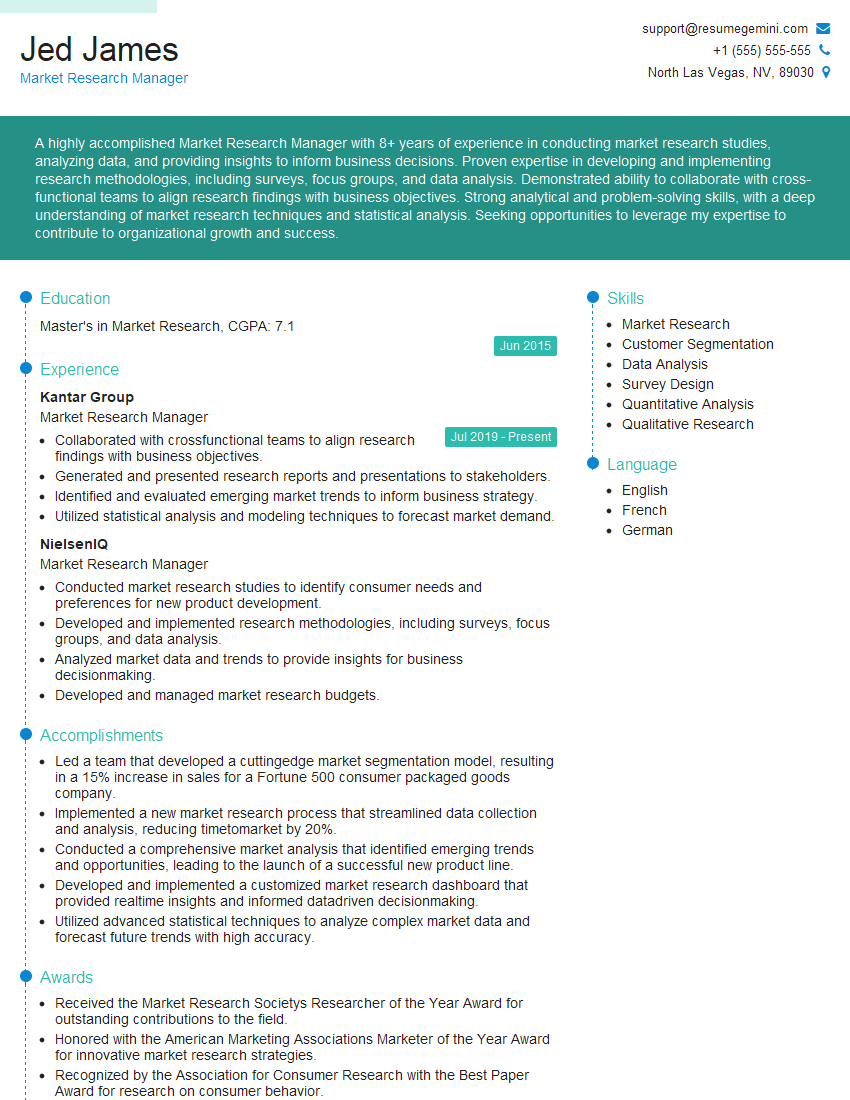
Market Research Manager Resume Sample
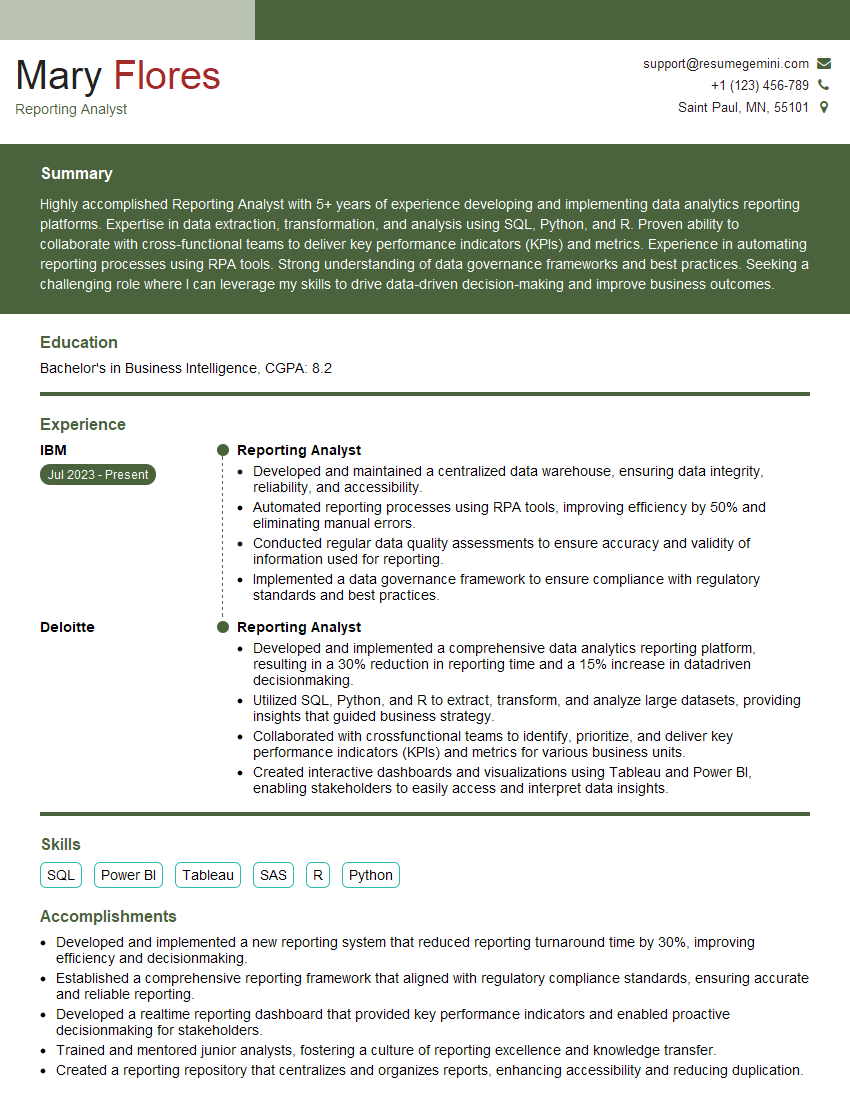
Reporting Analyst Resume Sample
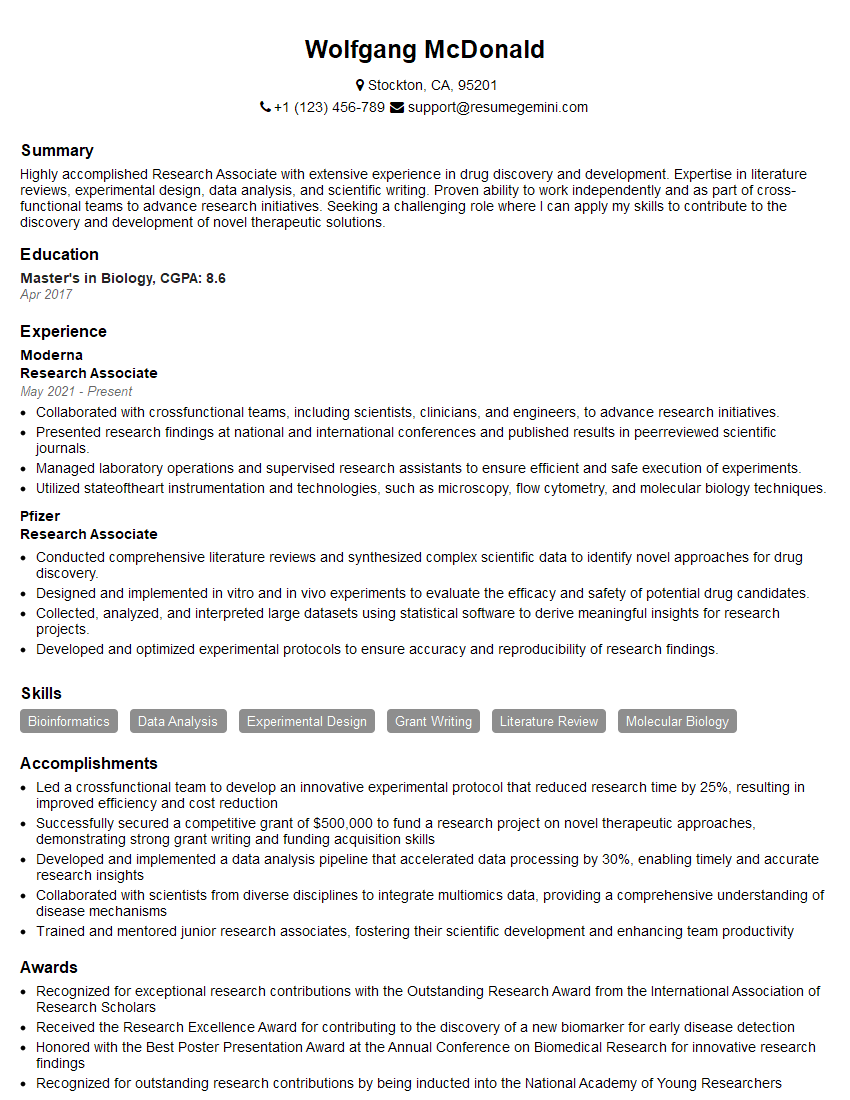
Research Associate Resume Sample
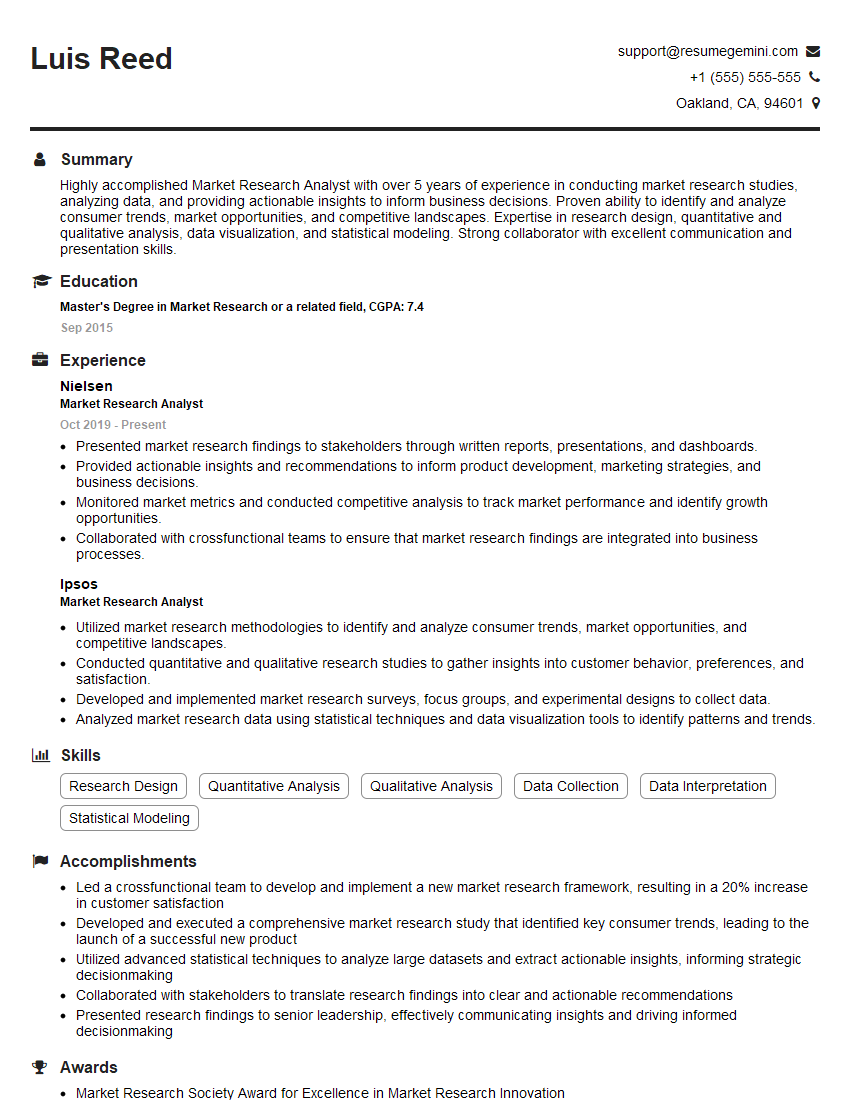
Market Research Analyst Resume Sample
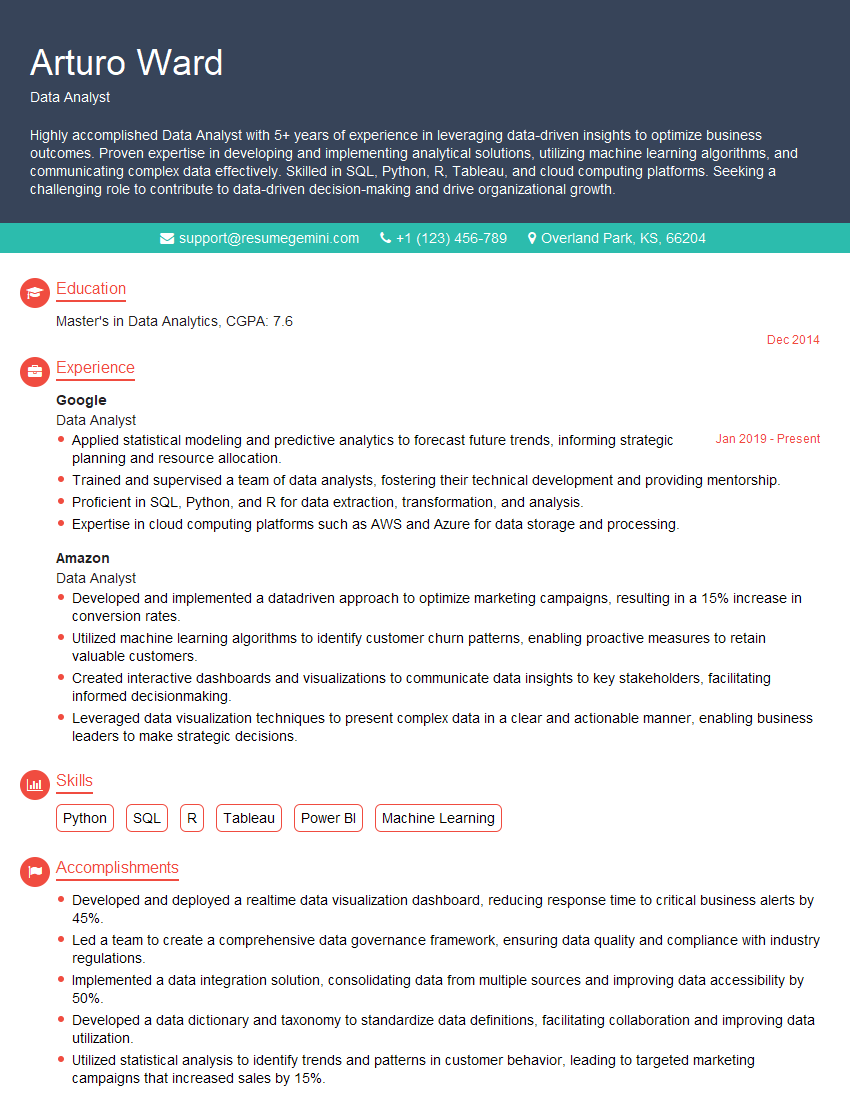
Data Analyst Resume Sample
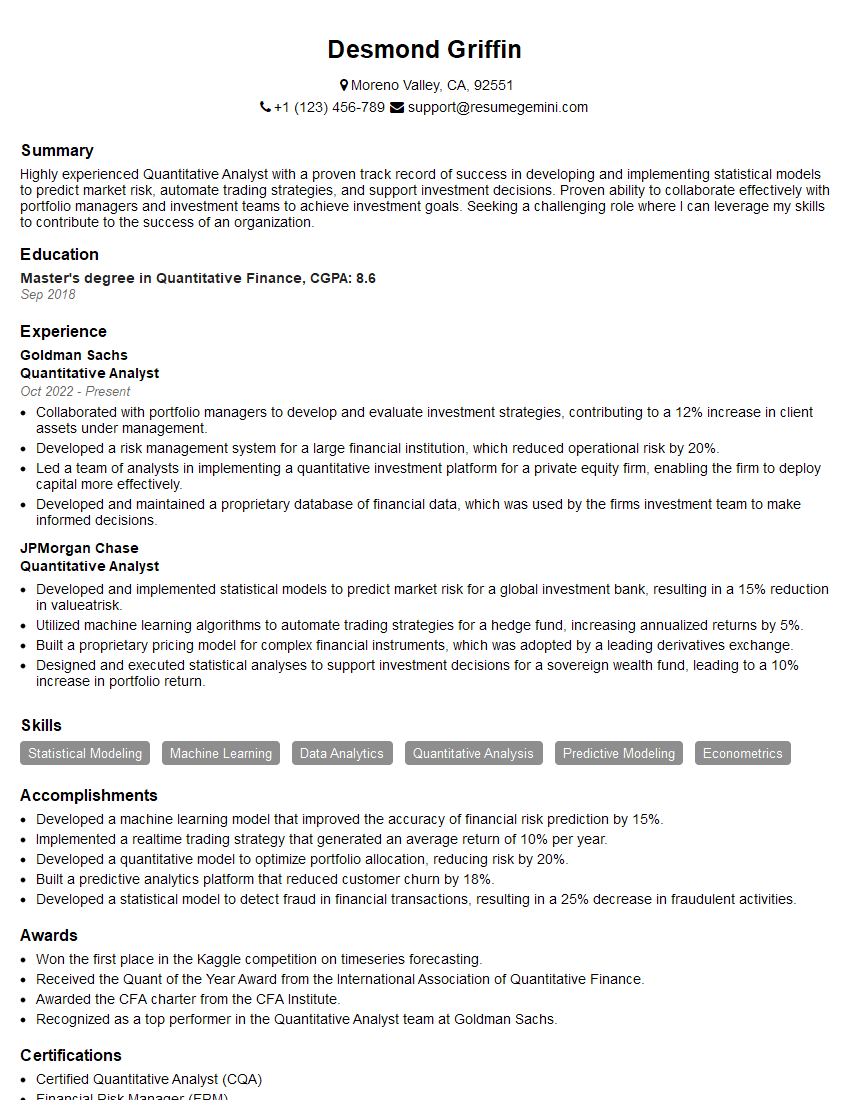
Quantitative Analyst Resume Sample
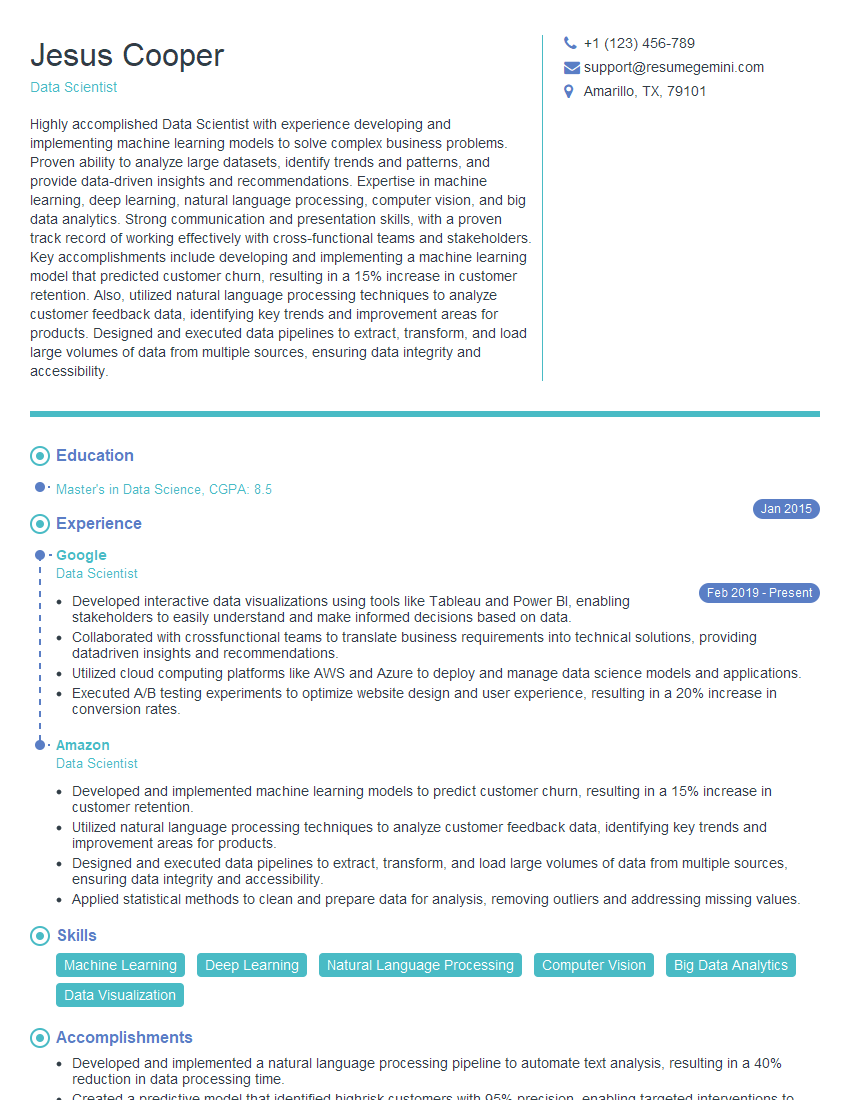
Data Scientist Resume Sample
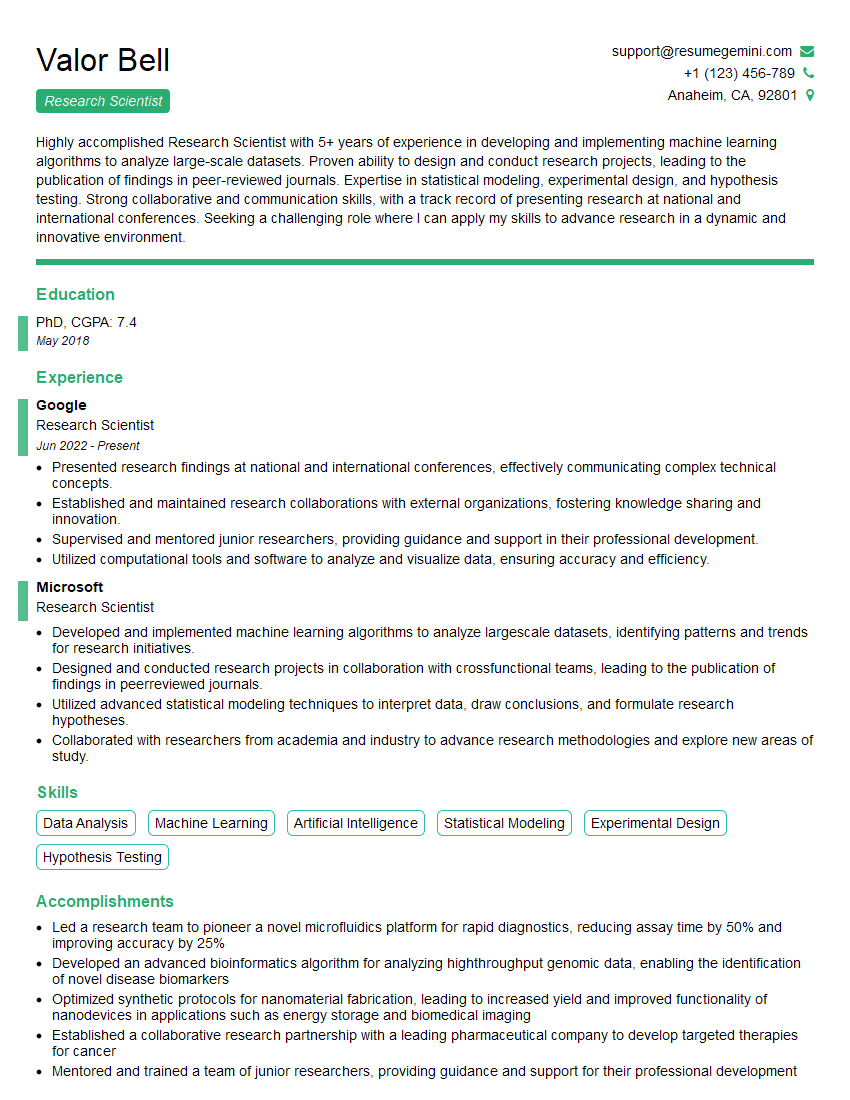
Research Scientist Resume Sample
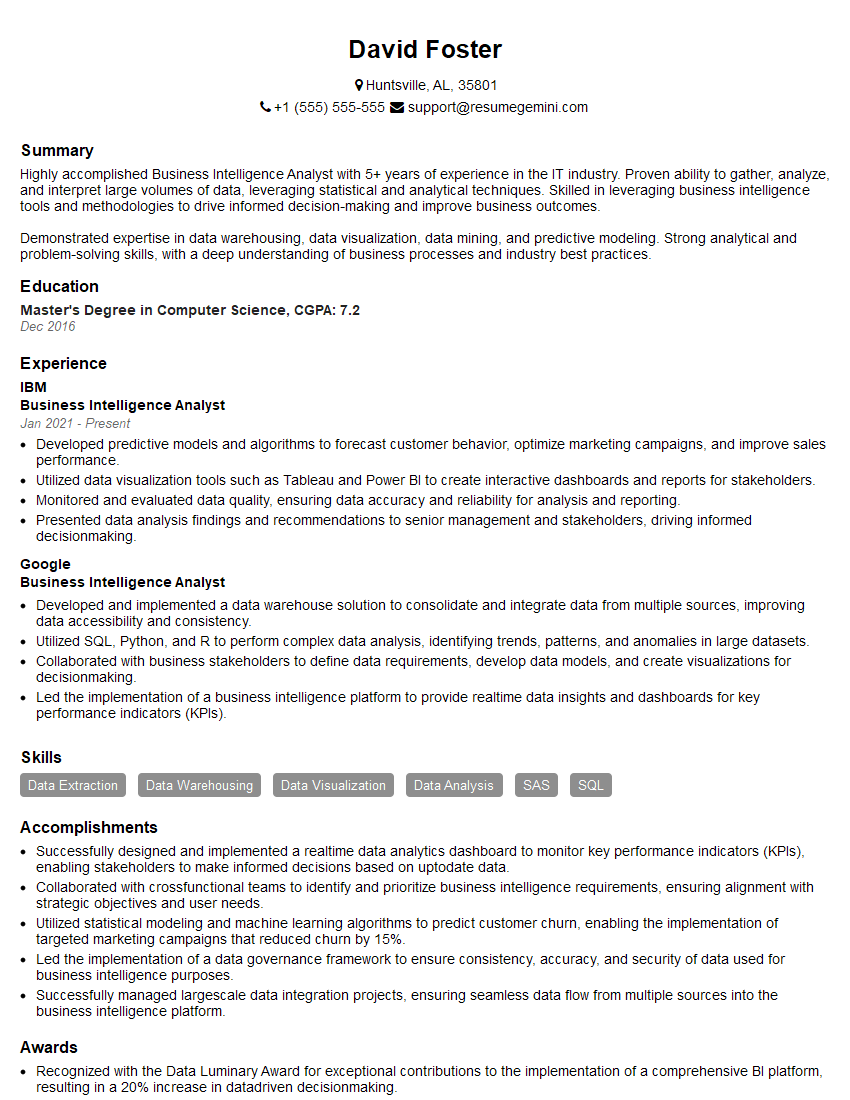
Business Intelligence Analyst Resume Sample
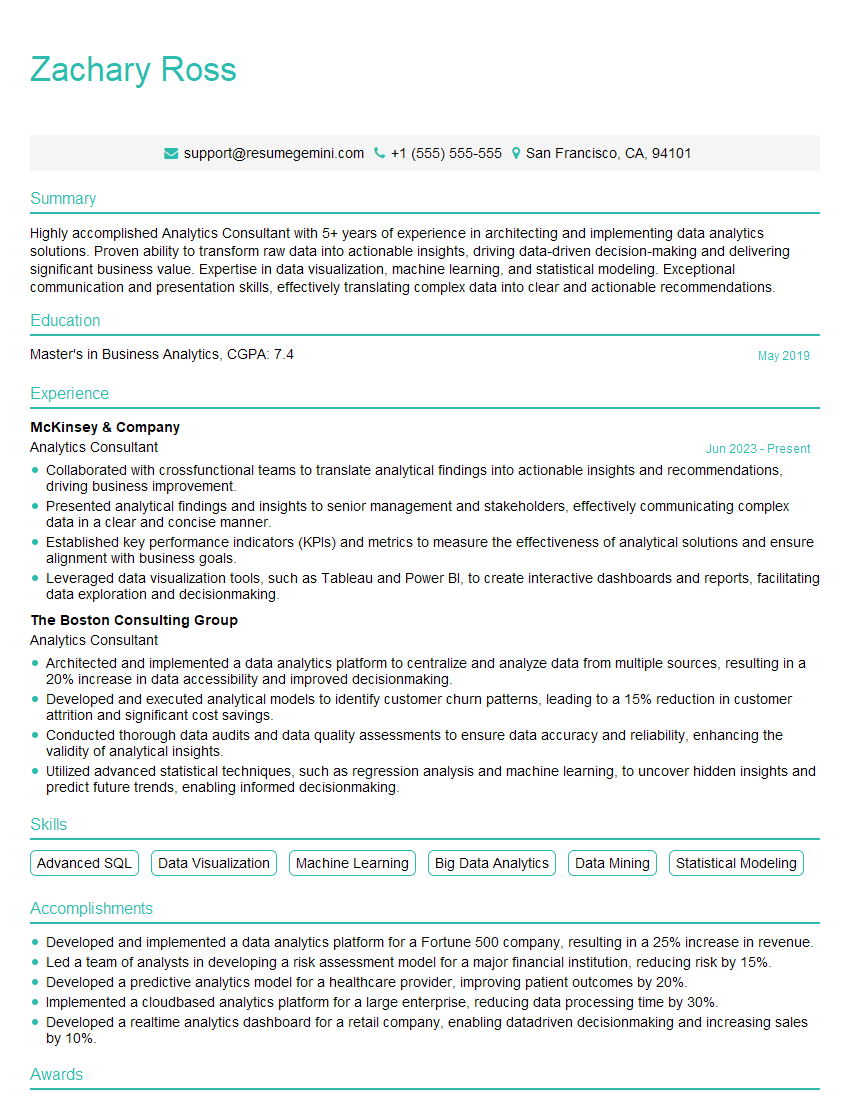
Analytics Consultant Resume Sample
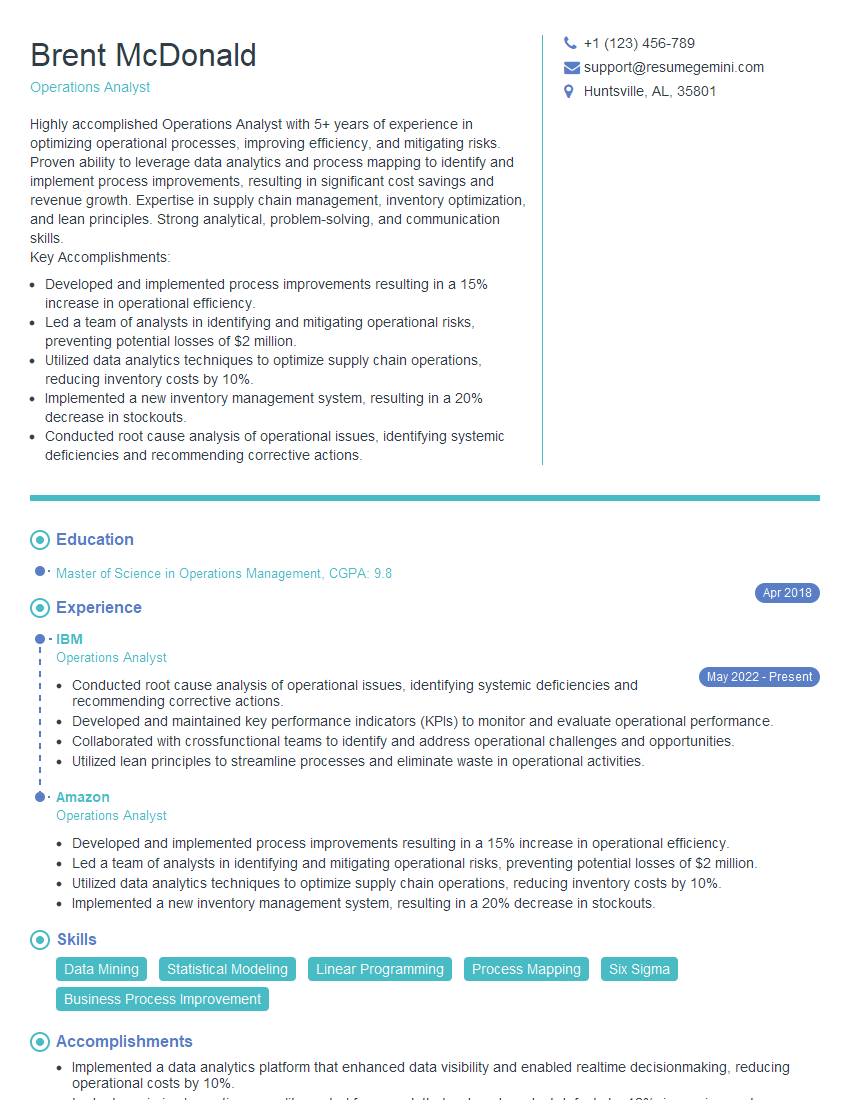
Operations Analyst Resume Sample
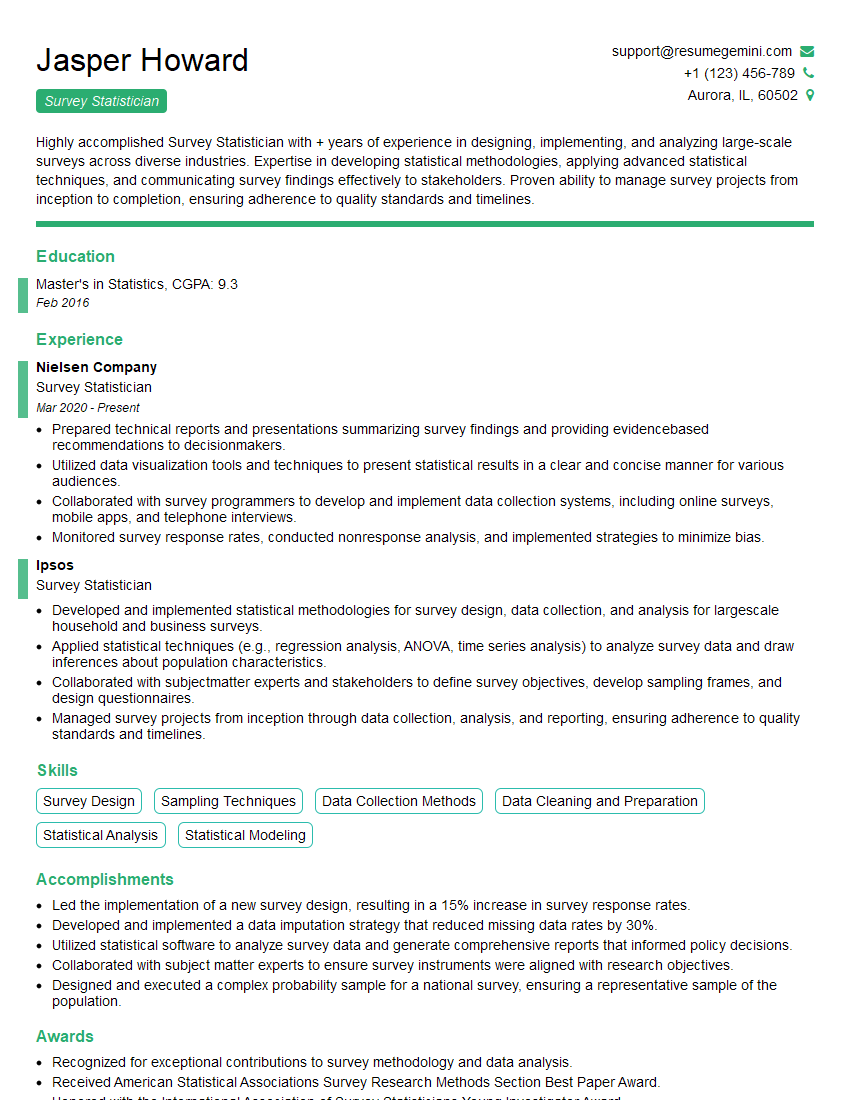
Survey Statistician Resume Sample
Explore more articles
Users Rating of Our Blogs
Share Your Experience
We value your feedback! Please rate our content and share your thoughts (optional).
What Readers Say About Our Blog
Really detailed insights and content, thank you for writing this detailed article.
IT gave me an insight and words to use and be able to think of examples