Every successful interview starts with knowing what to expect. In this blog, we’ll take you through the top Research Methods and Quantitative Analysis interview questions, breaking them down with expert tips to help you deliver impactful answers. Step into your next interview fully prepared and ready to succeed.
Questions Asked in Research Methods and Quantitative Analysis Interview
Q 1. Explain the difference between descriptive and inferential statistics.
Descriptive statistics summarize and describe the main features of a dataset. Think of it as painting a picture of your data – what’s the average, what’s the spread, are there any outliers? Inferential statistics, on the other hand, go a step further. They use sample data to make inferences or predictions about a larger population. It’s like using a small snapshot to understand the whole picture.
Example: Let’s say we’re analyzing exam scores. Descriptive statistics would tell us the average score, the highest and lowest scores, and the standard deviation (how spread out the scores are). Inferential statistics would allow us to estimate the average score for the entire student population based only on the scores from a sample of students, and to test hypotheses about factors influencing those scores (like whether students who attended review sessions scored higher).
Q 2. What are the assumptions of linear regression?
Linear regression relies on several key assumptions to ensure accurate and reliable results. Violating these assumptions can lead to biased or misleading conclusions. The most important assumptions are:
- Linearity: The relationship between the independent and dependent variables is linear. This means a straight line can reasonably represent the relationship.
- Independence: Observations are independent of each other. One data point doesn’t influence another (e.g., no autocorrelation).
- Homoscedasticity: The variance of the errors (residuals) is constant across all levels of the independent variable. This means the scatter of points around the regression line is consistent throughout.
- Normality: The residuals are normally distributed. This ensures that our statistical tests are valid.
- No multicollinearity: Independent variables are not highly correlated with each other. High multicollinearity makes it difficult to isolate the effect of individual predictors.
Example: Imagine predicting house prices (dependent variable) based on size (independent variable). A violation of linearity would be if the relationship between size and price became non-linear at a certain point (e.g., extremely large houses might not increase in price proportionally). A violation of homoscedasticity would be if smaller houses had consistently lower variability in price, while larger houses had much higher variability.
Q 3. How do you handle missing data in a dataset?
Missing data is a common challenge in research. How you handle it depends on the pattern and extent of missingness. Here are common methods:
- Listwise Deletion: Simply removing any rows (observations) with missing values. This is easy but can lead to substantial loss of information, especially if missingness is not random.
- Pairwise Deletion: Uses all available data for each analysis, even if some variables have missing data in some observations. Can create inconsistencies, and is prone to bias.
- Imputation: Replacing missing values with estimated values. Methods include mean/median imputation (simple, but can reduce variance), regression imputation (predicts missing values based on other variables), and multiple imputation (creates multiple plausible imputed datasets for more robust analyses).
The best approach depends on the dataset and the reasons for missingness. Understanding *why* data is missing (e.g., random, systematic, or dependent on other variables) is crucial for selecting the most appropriate method. Always document the method chosen and its potential impact on your results.
Q 4. Describe different sampling methods and their strengths/weaknesses.
Sampling methods determine how we select a subset of individuals from a larger population for our study. Different methods have different strengths and weaknesses:
- Simple Random Sampling: Every member of the population has an equal chance of being selected. Easy to implement but may not represent the population well if it’s diverse.
- Stratified Sampling: The population is divided into subgroups (strata), and random samples are taken from each stratum. Ensures representation from all subgroups, especially important for smaller groups.
- Cluster Sampling: The population is divided into clusters, and entire clusters are randomly selected. Cost-effective for large geographic areas but may have higher sampling error.
- Convenience Sampling: Selecting readily available individuals. Easy and quick, but highly prone to bias and can’t generalize to the population.
Example: To study voter preferences, stratified sampling would ensure representation from different age groups, income levels, and geographic regions. Cluster sampling might be used to survey households in randomly selected neighborhoods.
Q 5. What is the central limit theorem and its importance in statistical inference?
The Central Limit Theorem (CLT) states that the distribution of sample means will approximate a normal distribution as the sample size gets larger, regardless of the shape of the population distribution. This is incredibly important for statistical inference because it allows us to use the normal distribution to make inferences about the population mean, even if we don’t know the true distribution of the population.
Importance: The CLT justifies the use of many statistical tests which assume normality. For instance, t-tests and z-tests rely on the assumption that sample means are normally distributed. Even if our data isn’t perfectly normal, the CLT assures us that with a large enough sample size, we can still apply these tests with reasonable confidence.
Analogy: Imagine rolling a single die many times – you’ll get a random distribution of 1s through 6s. Now imagine taking the average of several die rolls. As you increase the number of rolls in each average, the distribution of these averages will start to look increasingly like a bell curve (normal distribution). That’s the CLT in action.
Q 6. Explain Type I and Type II errors in hypothesis testing.
In hypothesis testing, we make decisions based on sample data. Type I and Type II errors are potential mistakes we can make:
- Type I Error (False Positive): Rejecting the null hypothesis when it is actually true. In simpler terms, concluding there is an effect when there is not. The probability of making a Type I error is denoted by α (alpha), often set at 0.05 (5%).
- Type II Error (False Negative): Failing to reject the null hypothesis when it is actually false. Concluding there is no effect when there actually is one. The probability of making a Type II error is denoted by β (beta).
Example: Imagine testing a new drug. A Type I error would be concluding the drug is effective when it actually isn’t. A Type II error would be concluding the drug is ineffective when it actually is.
The balance between these errors involves choosing an appropriate significance level (alpha). Reducing alpha decreases the chance of a Type I error but increases the chance of a Type II error. There’s always a trade-off.
Q 7. How do you determine the appropriate statistical test for a given research question?
Choosing the right statistical test depends on several factors:
- Research Question: What are you trying to find out? Are you comparing means, proportions, or associations?
- Type of Data: Are your variables continuous, categorical, or ordinal?
- Number of Groups: Are you comparing two groups, or more than two?
- Assumptions of the Test: Does your data meet the assumptions of the test (e.g., normality, independence)?
A flowchart or decision tree can be helpful. For example:
- Comparing means of two independent groups: Independent samples t-test
- Comparing means of three or more independent groups: ANOVA
- Comparing means of two dependent groups: Paired samples t-test
- Analyzing the association between two categorical variables: Chi-square test
- Analyzing the relationship between two continuous variables: Linear regression
Consulting a statistical textbook or using statistical software can aid in test selection. Remember that understanding the assumptions of each test is crucial for valid results.
Q 8. What are the key differences between parametric and non-parametric tests?
Parametric and non-parametric tests are two broad categories of statistical tests used to analyze data. The key difference lies in their assumptions about the data’s underlying distribution.
Parametric tests assume that the data follows a specific probability distribution, most commonly the normal distribution. They are generally more powerful than non-parametric tests, meaning they are more likely to detect a true effect if one exists. Examples include t-tests, ANOVA, and Pearson correlation.
Non-parametric tests make no assumptions about the data’s distribution. They are useful when the data is not normally distributed, contains outliers, or is measured on an ordinal scale. Examples include Mann-Whitney U test, Wilcoxon signed-rank test, and Spearman correlation.
Think of it this way: Parametric tests are like precise measuring tools that require specific conditions, while non-parametric tests are more robust and adaptable tools that work well even under less ideal conditions.
Choosing between parametric and non-parametric tests depends on your data’s characteristics and the research question. If your data meets the assumptions of a parametric test, using it will often lead to more statistically powerful results. However, if these assumptions are violated, a non-parametric test is more appropriate to avoid inaccurate conclusions.
Q 9. Explain the concept of statistical power.
Statistical power is the probability that a statistical test will correctly reject a false null hypothesis. In simpler terms, it’s the ability of a test to detect a real effect if one truly exists. A higher power means a lower chance of a Type II error (failing to reject a false null hypothesis, also known as a false negative).
Several factors influence statistical power, including:
Sample size: Larger samples generally lead to higher power.
Effect size: Larger effects are easier to detect, resulting in higher power.
Significance level (alpha): A higher alpha (e.g., 0.10 instead of 0.05) increases power but also increases the risk of a Type I error (rejecting a true null hypothesis, a false positive).
Variability in the data: Less variability leads to higher power.
Example: Imagine testing a new drug. High statistical power means that if the drug truly works, the study is likely to demonstrate its effectiveness. Low power increases the risk that a truly effective drug will be wrongly deemed ineffective.
Researchers aim for high power (typically 0.80 or higher) to ensure their studies have a reasonable chance of detecting meaningful effects.
Q 10. How do you interpret a p-value?
The p-value is the probability of obtaining results as extreme as, or more extreme than, the observed results, assuming the null hypothesis is true. In simpler terms, it quantifies the evidence against the null hypothesis.
A small p-value (typically less than a pre-determined significance level, often 0.05) suggests strong evidence against the null hypothesis, leading researchers to reject it. A large p-value suggests there is not enough evidence to reject the null hypothesis.
It’s crucial to understand that a p-value does *not* indicate the probability that the null hypothesis is true. It only reflects the probability of observing the data given that the null hypothesis is true.
Example: If a study finds a p-value of 0.03, it means there’s a 3% chance of observing the obtained results if there were truly no effect (null hypothesis). This is often considered strong evidence to reject the null hypothesis.
The interpretation of the p-value should always be considered in the context of the research question, study design, and other relevant factors. It shouldn’t be the sole determinant of whether to reject or accept a hypothesis.
Q 11. Describe different methods for assessing the reliability and validity of a measurement instrument.
Assessing the reliability and validity of a measurement instrument is crucial for ensuring the quality of research findings. Reliability refers to the consistency of the instrument, while validity refers to how accurately it measures what it is intended to measure.
Reliability can be assessed through several methods:
Test-retest reliability: Administering the same instrument to the same participants at two different times. High correlation between the scores indicates good reliability.
Internal consistency reliability (e.g., Cronbach’s alpha): Assessing the consistency of responses across different items within the instrument. A high alpha (typically above 0.7) indicates good internal consistency.
Inter-rater reliability: Having multiple raters independently assess the same participants using the instrument. High agreement between raters suggests good reliability.
Validity can be assessed through several methods:
Content validity: Determining whether the instrument covers all relevant aspects of the construct being measured.
Criterion validity: Comparing the instrument’s scores with an external criterion. This can be concurrent (comparing scores with a similar existing measure) or predictive (assessing the instrument’s ability to predict future outcomes).
Construct validity: Investigating whether the instrument measures the theoretical construct it’s intended to measure. This often involves factor analysis and other advanced statistical techniques.
Ensuring both reliability and validity is crucial. An instrument can be reliable but not valid (e.g., a scale that consistently measures the wrong thing), and a valid instrument should also be reliable.
Q 12. Explain the difference between correlation and causation.
Correlation and causation are often confused, but they are distinct concepts. Correlation describes a relationship between two or more variables, while causation implies that one variable directly influences another.
Correlation simply means that two variables tend to change together. A positive correlation means that as one variable increases, the other tends to increase, while a negative correlation means that as one variable increases, the other tends to decrease. Correlation does not imply causation.
Causation implies a direct cause-and-effect relationship between two variables. One variable is the cause, and the other is the effect.
Example: Ice cream sales and crime rates might be positively correlated – both tend to increase during the summer. However, this doesn’t mean that eating ice cream causes crime or vice versa. A confounding variable (like hot weather) influences both.
Establishing causation requires strong evidence, often involving controlled experiments, where the researcher manipulates one variable (independent variable) to observe its effect on another (dependent variable), while controlling for other factors.
Q 13. What are some common threats to internal and external validity in research?
Internal and external validity are crucial concepts in research design. Internal validity refers to the confidence that the independent variable caused the observed changes in the dependent variable, while external validity refers to the generalizability of the findings to other populations and settings.
Threats to internal validity:
Confounding variables: Variables other than the independent variable that may influence the dependent variable.
Selection bias: Non-random assignment of participants to groups.
History: External events that occur during the study that may influence the results.
Maturation: Changes in participants over time that are unrelated to the independent variable.
Testing effects: Repeated testing influencing participant responses.
Threats to external validity:
Selection bias: A non-representative sample of participants.
Setting limitations: The study’s setting may not be generalizable to other settings.
History effects: The study’s findings may only apply to a specific time period.
Measurement effects: The specific method of measuring the variables may influence the results.
Careful research design and analysis are critical for minimizing these threats and improving the validity of research findings.
Q 14. How do you choose the appropriate level of significance (alpha) for a hypothesis test?
The significance level (alpha) in a hypothesis test represents the probability of rejecting the null hypothesis when it is actually true (Type I error). The commonly used alpha level is 0.05, meaning there’s a 5% chance of making a Type I error.
The choice of alpha depends on several factors, including:
The consequences of Type I and Type II errors: If a Type I error has severe consequences (e.g., wrongly concluding a drug is effective), a lower alpha (e.g., 0.01) might be appropriate. Conversely, if a Type II error has severe consequences (e.g., missing a truly effective treatment), a higher alpha might be considered, although this increases the risk of a false positive.
Field of study: Different fields may have established conventions regarding alpha levels.
Sample size: Larger sample sizes allow for the use of lower alpha levels while maintaining reasonable power.
While 0.05 is common, the choice of alpha is a judgment call. Researchers should carefully consider the potential costs and benefits associated with each type of error in their specific context.
It is important to note that the alpha level should be determined *before* conducting the hypothesis test to avoid bias. Adjusting alpha after seeing the results is inappropriate.
Q 15. What are confidence intervals and how are they calculated?
Confidence intervals are a range of values that, with a certain level of confidence, are likely to contain the true population parameter. Think of it like a net trying to catch a fish (the true population parameter). A wider net (larger interval) has a better chance of catching the fish, but is less precise. A narrower net (smaller interval) is more precise but might miss the fish entirely.
The calculation depends on the parameter being estimated. For example, a 95% confidence interval for a population mean (μ) is calculated as:
CI = x̄ ± t(α/2, df) * (s/√n)
Where:
x̄is the sample mean.t(α/2, df)is the critical t-value from the t-distribution, with α being the significance level (1 – confidence level) and df being the degrees of freedom (n-1).sis the sample standard deviation.nis the sample size.
For a population proportion, the calculation involves the z-distribution instead of the t-distribution.
For instance, imagine we’re studying the average height of students in a university. We collect a sample of 100 students, calculate the sample mean and standard deviation, and use the formula above to get a 95% confidence interval. This interval gives us a range of values within which we are 95% confident the true average height of all students in the university lies.
Career Expert Tips:
- Ace those interviews! Prepare effectively by reviewing the Top 50 Most Common Interview Questions on ResumeGemini.
- Navigate your job search with confidence! Explore a wide range of Career Tips on ResumeGemini. Learn about common challenges and recommendations to overcome them.
- Craft the perfect resume! Master the Art of Resume Writing with ResumeGemini’s guide. Showcase your unique qualifications and achievements effectively.
- Don’t miss out on holiday savings! Build your dream resume with ResumeGemini’s ATS optimized templates.
Q 16. Explain the difference between a t-test and an ANOVA.
Both t-tests and ANOVAs (Analysis of Variance) are used to compare means, but they differ in the number of groups being compared.
A t-test compares the means of two groups. For example, we might use a t-test to compare the average test scores of students who received a new teaching method versus those who received the traditional method. There are variations like independent samples t-test (comparing unrelated groups) and paired samples t-test (comparing related groups, like pre- and post-treatment scores).
An ANOVA compares the means of three or more groups. Imagine comparing the average plant growth under four different fertilizers. ANOVA determines if there’s a significant difference among the means of these four groups. If a significant difference is found, post-hoc tests (like Tukey’s HSD) are used to determine which specific groups differ significantly from each other.
In essence, a t-test is a special case of ANOVA when only two groups are being compared. ANOVA is more versatile for multiple group comparisons and less prone to inflated Type I error (false positive) compared to performing multiple t-tests.
Q 17. What is regression analysis and how is it used?
Regression analysis is a statistical method used to model the relationship between a dependent variable and one or more independent variables. It helps us understand how changes in the independent variables affect the dependent variable. Imagine trying to predict house prices (dependent variable) based on size, location, and number of bedrooms (independent variables). Regression analysis can help build a model to make such predictions.
There are different types of regression, including:
- Linear regression: Models a linear relationship between variables. The equation is typically of the form:
y = β0 + β1x1 + β2x2 + ... + ε, where y is the dependent variable, xi are the independent variables, βi are the regression coefficients (representing the effect of each independent variable on the dependent variable), and ε is the error term. - Multiple regression: Uses multiple independent variables to predict the dependent variable.
- Logistic regression: Used when the dependent variable is categorical (e.g., predicting whether a customer will buy a product or not).
Regression analysis provides insights into the strength and direction of the relationship between variables, allowing for prediction and understanding of causal relationships (with careful consideration of confounding factors).
Q 18. What are some common techniques for data visualization?
Data visualization is crucial for communicating insights effectively. Some common techniques include:
- Histograms: Show the distribution of a single continuous variable.
- Scatter plots: Display the relationship between two continuous variables.
- Bar charts: Compare the values of different categories.
- Line graphs: Show trends over time or across categories.
- Box plots: Summarize the distribution of a variable, showing median, quartiles, and outliers.
- Heatmaps: Represent data as colors, useful for visualizing correlations or large matrices.
The choice of visualization depends on the data type and the message you want to convey. For instance, a histogram might show the distribution of income levels, while a scatter plot could reveal the correlation between age and income.
Q 19. Describe your experience with statistical software packages (e.g., R, SPSS, SAS).
I have extensive experience with R, SPSS, and SAS. In R, I’m proficient in data manipulation using dplyr, data visualization with ggplot2, and statistical modeling with various packages. I’ve used R for complex statistical analyses, including generalized linear models, survival analysis, and time series analysis, often for large datasets.
With SPSS, I’m skilled in conducting various statistical tests, regression analysis, and factor analysis. I have used SPSS for market research projects, analyzing survey data, and examining relationships between demographic variables and consumer behavior.
My experience with SAS includes data cleaning, manipulation, and reporting using PROC SQL and other procedures. I’ve used SAS in large-scale clinical trials, where I was responsible for data management, statistical analysis, and report generation. I’m comfortable with both procedural and declarative programming paradigms in SAS.
Q 20. Explain your process for conducting a literature review.
My process for conducting a literature review is systematic and iterative. It involves:
- Defining the research question: Clearly articulating the research question helps focus the literature search.
- Identifying relevant keywords: Brainstorming keywords and synonyms relevant to the research question.
- Searching databases: Using electronic databases (like PubMed, Web of Science, Scopus) to identify relevant studies. I often use advanced search strategies to refine results.
- Screening studies: Reviewing titles and abstracts to exclude irrelevant studies.
- Obtaining full-text articles: Retrieving and reading the full text of selected articles.
- Extracting data: Summarizing key findings, methodologies, and limitations of each study.
- Synthesizing findings: Identifying patterns, trends, and gaps in the existing literature.
- Writing the review: Organizing and presenting the findings in a clear and concise manner.
Throughout this process, I maintain a detailed record of all searched databases, search terms, and included/excluded studies to ensure transparency and reproducibility.
Q 21. How do you identify and address outliers in your data?
Identifying and addressing outliers is a critical step in data analysis. Outliers are data points that significantly deviate from the rest of the data. They can be caused by measurement errors, data entry mistakes, or genuinely extreme values.
I typically use a combination of methods:
- Visual inspection: Creating histograms, box plots, and scatter plots to visually identify data points that appear unusual.
- Statistical methods: Using techniques like the z-score or IQR (interquartile range) to identify data points that fall outside a certain threshold (e.g., data points with a z-score greater than 3 or below -3 are often considered outliers).
- Subject-matter expertise: Consulting with subject-matter experts to determine if an outlier is a genuine extreme value or a result of an error.
Once outliers are identified, the decision of how to address them depends on the cause. If caused by errors, they should be corrected or removed. If genuine extreme values, they might be retained, winsorized (replaced by a less extreme value), or transformed (e.g., log transformation) to reduce their influence. Documenting the rationale for handling each outlier is crucial for transparency and reproducibility.
Q 22. What is your experience with experimental design?
Experimental design is the backbone of rigorous quantitative research. It involves carefully planning how to manipulate independent variables and measure their effects on dependent variables while controlling for extraneous factors. A well-designed experiment allows us to establish cause-and-effect relationships. My experience spans various designs, including randomized controlled trials (RCTs), which are considered the gold standard for establishing causality because they randomly assign participants to different groups (treatment and control), minimizing bias. I’ve also worked with quasi-experimental designs, where random assignment isn’t feasible, requiring more sophisticated statistical techniques to account for confounding variables. For example, in a study on the effectiveness of a new teaching method, I might use an RCT, randomly assigning students to either the new method or a control group using the traditional method. In contrast, if studying the impact of a policy change on a specific community, a quasi-experimental design comparing the community before and after the policy change would be more appropriate.
Beyond basic designs, I’m proficient in factorial designs, which allow testing the effects of multiple independent variables and their interactions. I also have experience with within-subjects designs, where the same participants are measured under different conditions, reducing individual variation. Understanding the nuances of each design is crucial to selecting the most appropriate method and interpreting results accurately.
Q 23. How do you assess the quality of research studies?
Assessing the quality of research studies involves a multi-faceted approach, focusing on several key aspects. First, I examine the research question: Is it clearly defined, relevant, and significant? Then, I evaluate the methodology. This involves assessing the study’s design – is it appropriate for addressing the research question? For instance, did they use an RCT when appropriate for establishing causality, or did they use an observational design when a controlled experiment wasn’t feasible? I consider the sample size – was it adequately powered to detect meaningful effects? And I meticulously scrutinize the data collection methods – were they reliable and valid? This includes examining the measures used, the procedures followed, and the potential for bias.
Furthermore, I analyze the data analysis techniques employed. Were appropriate statistical methods used given the type of data and the research design? Were the results interpreted correctly, and are the conclusions justified by the data? Finally, I evaluate the reporting of the study. Is the study transparent, replicable, and written clearly? Are limitations acknowledged? Overall, a high-quality study exhibits methodological rigor, transparency, and a clear connection between the research question, methods, results, and conclusions.
Q 24. Describe a time you had to troubleshoot a problem in your data analysis.
During a study examining the correlation between social media usage and anxiety levels, I encountered a significant outlier in my dataset. One participant reported an unusually high level of social media use alongside extremely low anxiety. Initially, I considered removing this outlier, but that could introduce bias. Instead, I decided to investigate. Upon further examination of the participant’s data, it became evident that the participant had mistakenly entered their social media usage time in hours instead of minutes. After correcting this entry, the outlier disappeared, and the correlation coefficient shifted moderately but became more realistic. This highlights the importance of carefully examining data for outliers and investigating potential errors before making any assumptions or drawing conclusions.
This experience emphasized the necessity of thorough data cleaning and validation procedures. I implemented additional checks in my workflow, including automated outlier detection and data plausibility checks, to prevent similar issues in future analyses. This proactive approach improves the reliability and validity of my findings.
Q 25. How do you ensure the ethical conduct of research?
Ethical conduct in research is paramount. It forms the foundation of trust and integrity within the scientific community. My approach begins with obtaining informed consent from all participants. This involves providing clear and concise information about the study’s purpose, procedures, risks, and benefits, ensuring participants understand their rights and can withdraw at any time. I prioritize participant anonymity and confidentiality, protecting their identities and data through secure storage and anonymization techniques. Data security is a top priority, utilizing encryption and access controls to safeguard sensitive information.
Furthermore, I adhere to all relevant ethical guidelines and regulations, such as those established by institutional review boards (IRBs). I’m always mindful of potential biases and strive to minimize them through careful study design and data analysis. For example, blinding participants or researchers to treatment assignments can prevent bias in studies where subjective assessments are made. Openly acknowledging any limitations or potential biases in my research strengthens its credibility and contributes to the integrity of the scientific process. Ultimately, ethical research not only safeguards participants’ rights but also enhances the quality and trustworthiness of the findings.
Q 26. Explain your understanding of different research paradigms (e.g., qualitative, quantitative, mixed methods).
Research paradigms represent fundamental philosophical stances that guide the research process. Quantitative research focuses on numerical data, employing statistical methods to test hypotheses and establish relationships between variables. It seeks to generalize findings to a larger population and is often associated with deductive reasoning, starting with a theory and testing specific predictions. Think of a clinical trial testing the efficacy of a new drug – measurable outcomes are the focus.
Qualitative research, conversely, explores complex social phenomena through in-depth understanding and interpretation of non-numerical data, such as interviews and observations. It emphasizes rich descriptions and seeks to uncover meaning and context. A study exploring the lived experiences of cancer patients would likely employ qualitative methods. Mixed methods research combines both quantitative and qualitative approaches, leveraging the strengths of each to provide a more comprehensive understanding of the research problem. For example, you might quantify patient satisfaction scores through a survey (quantitative) and then conduct interviews to explore underlying reasons for satisfaction or dissatisfaction (qualitative).
The choice of paradigm depends entirely on the research question and the nature of the phenomenon being investigated. Understanding these different approaches is critical for selecting the most appropriate methodology and interpreting results accurately.
Q 27. What are your strengths and weaknesses in quantitative analysis and research methods?
My strengths in quantitative analysis lie in my proficiency in statistical software packages like R and SPSS, and my ability to design and execute complex statistical analyses, including regression modeling, ANOVA, and multivariate analyses. I am adept at interpreting results and communicating findings clearly and concisely, both verbally and in writing. I have a solid understanding of statistical assumptions and potential limitations. I thrive in data-rich environments, and I’m comfortable with handling large datasets and cleaning them effectively.
One area where I’m continuously striving to improve is my knowledge of advanced Bayesian statistical methods. While I possess foundational knowledge, expanding my expertise in this area would enhance my ability to tackle more complex research questions. Another area for growth is my experience with specific software packages, such as specialized statistical modeling software. I am committed to ongoing learning and professional development to address these areas.
Key Topics to Learn for Research Methods and Quantitative Analysis Interview
- Research Design: Understanding different research designs (experimental, quasi-experimental, correlational, etc.), their strengths, weaknesses, and appropriate applications. Consider how to choose the best design for a given research question.
- Data Collection Methods: Familiarity with various data collection techniques, including surveys, experiments, observations, and secondary data analysis. Be prepared to discuss the advantages and disadvantages of each method and how to ensure data quality.
- Statistical Analysis: Mastery of descriptive and inferential statistics. This includes measures of central tendency and dispersion, hypothesis testing, regression analysis, ANOVA, and other relevant techniques. Practice interpreting statistical results and drawing meaningful conclusions.
- Data Visualization: Ability to effectively communicate research findings through clear and concise visualizations, such as graphs, charts, and tables. Understanding principles of effective data visualization is crucial.
- Qualitative Data Analysis: Even with a quantitative focus, understanding basic qualitative methods (e.g., thematic analysis) can be beneficial, especially if your research involves mixed methods approaches.
- Ethical Considerations: Thorough understanding of ethical principles in research, including informed consent, confidentiality, and data security. Be prepared to discuss how to ensure ethical conduct throughout the research process.
- Problem-Solving & Critical Thinking: Demonstrate your ability to analyze research problems, formulate hypotheses, design appropriate research methods, and interpret results critically. Practice applying your knowledge to solve realistic research scenarios.
Next Steps
Mastering Research Methods and Quantitative Analysis is essential for career advancement in many fields. A strong foundation in these areas demonstrates your ability to contribute meaningfully to research projects and solve complex problems using data-driven approaches. To increase your job prospects, create an ATS-friendly resume that showcases your skills and experience effectively. ResumeGemini is a trusted resource to help you build a professional and impactful resume. They provide examples of resumes tailored to Research Methods and Quantitative Analysis, ensuring your application stands out.

Research Associate Resume Sample
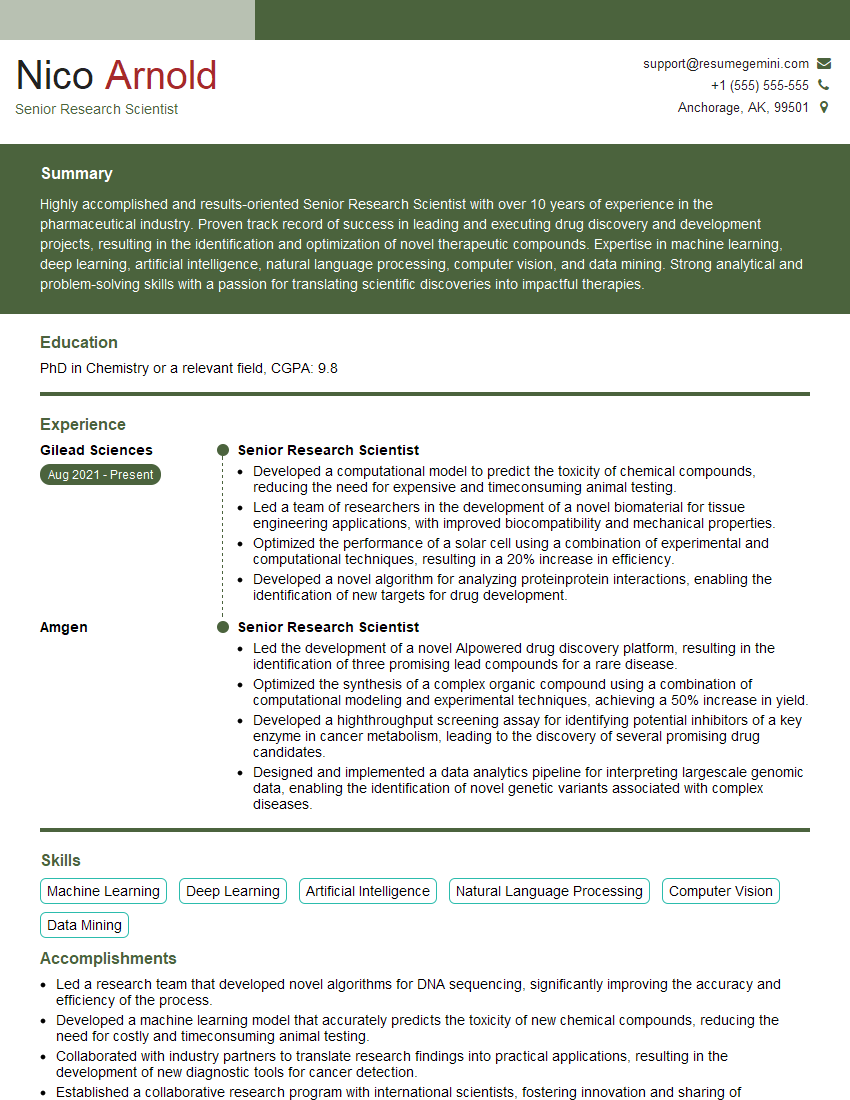
Senior Research Scientist Resume Sample
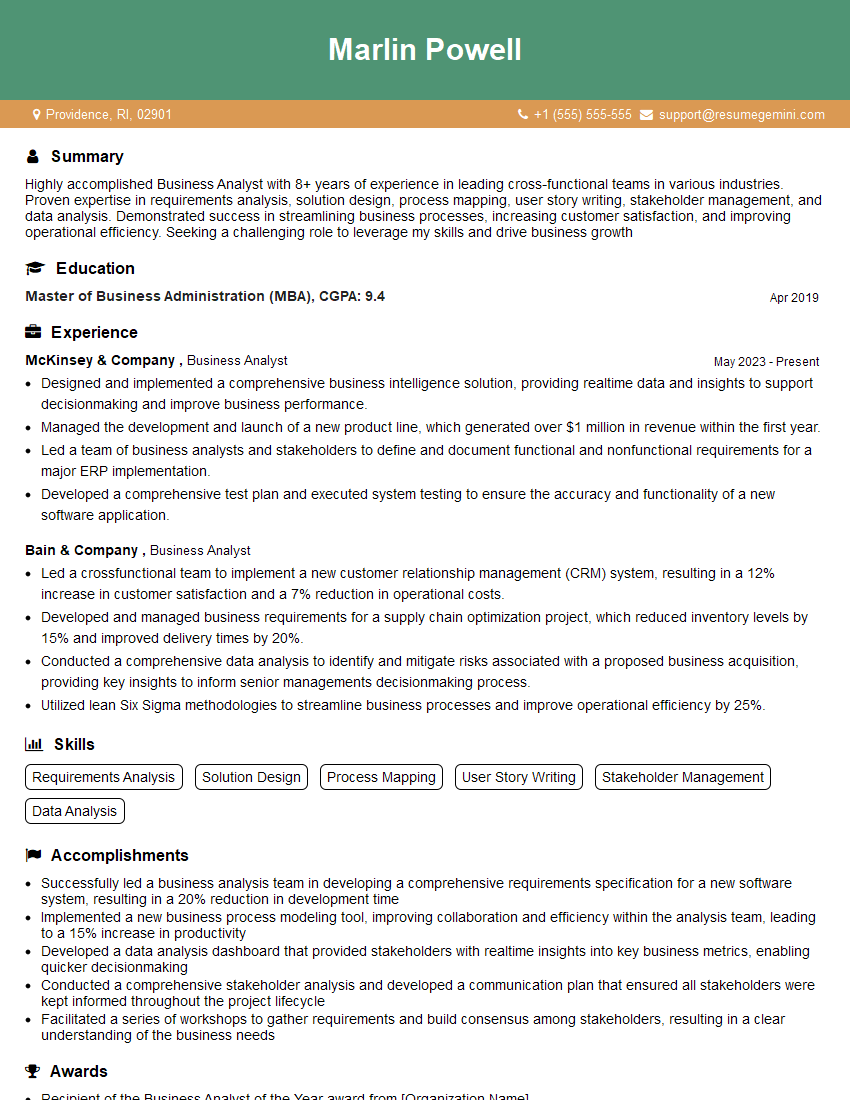
Business Analyst Resume Sample
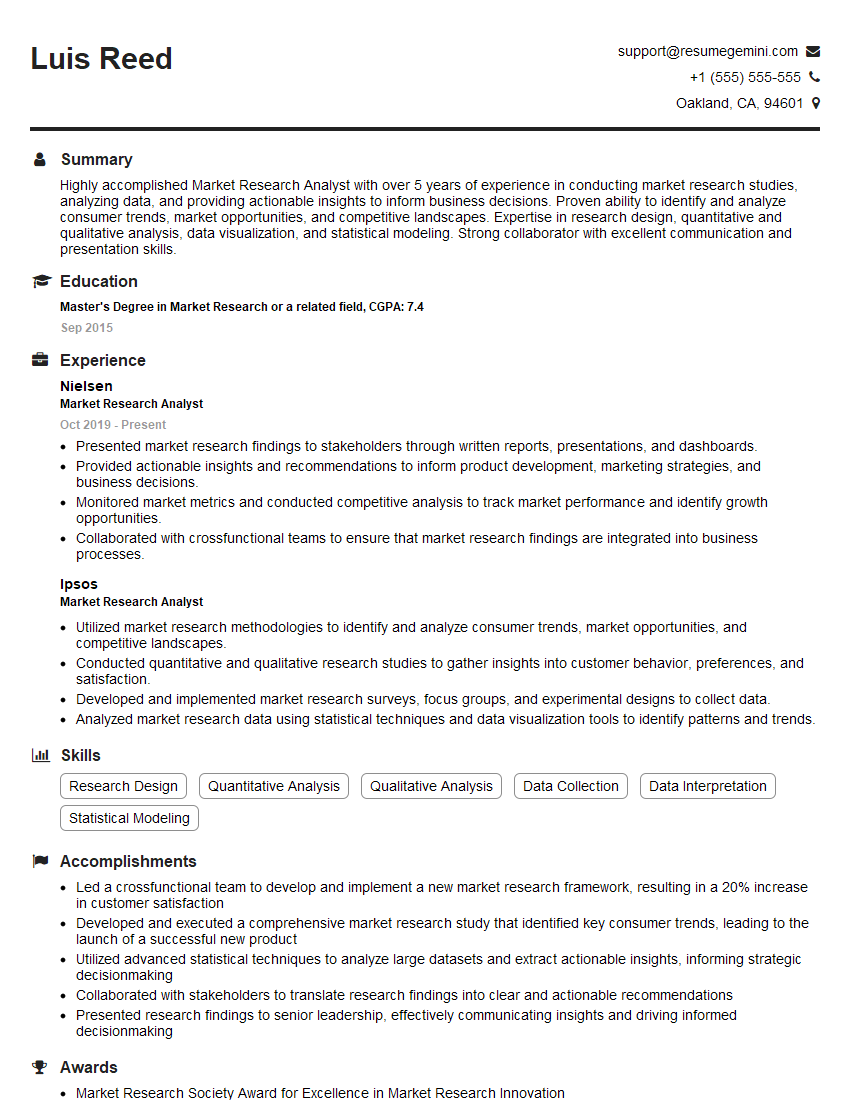
Market Research Analyst Resume Sample
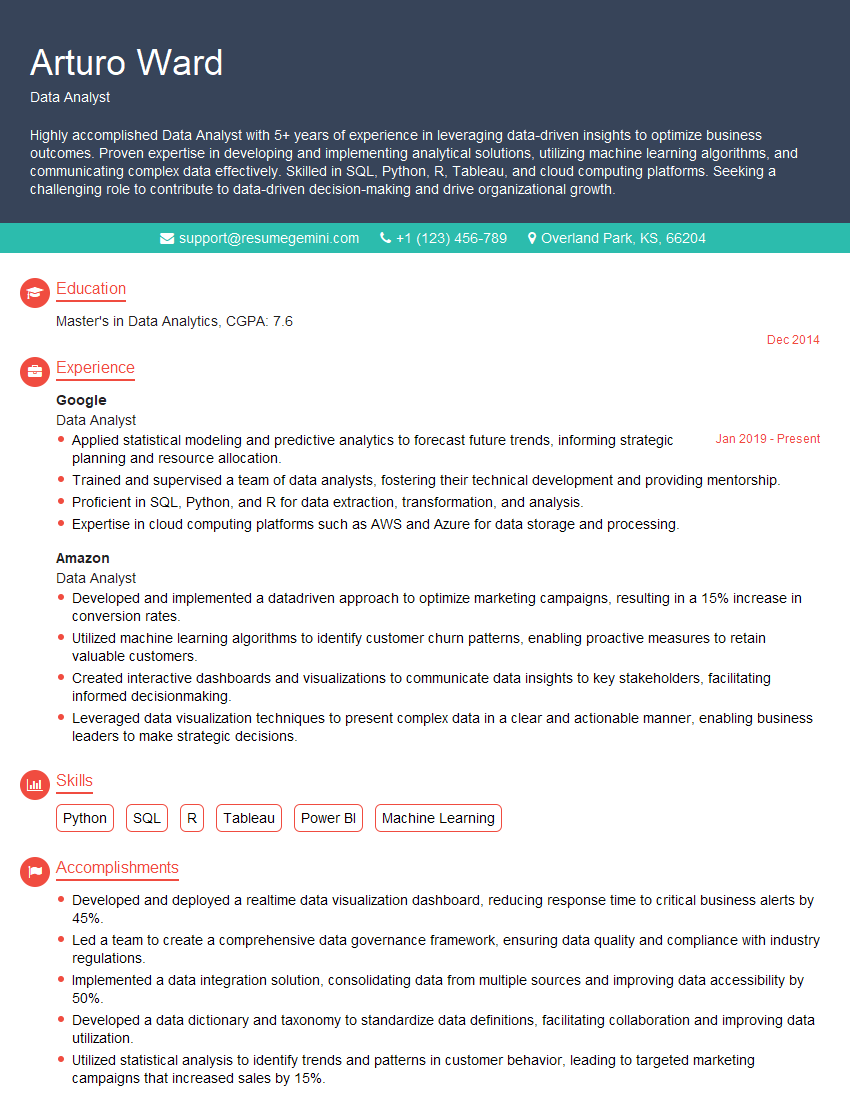
Data Analyst Resume Sample
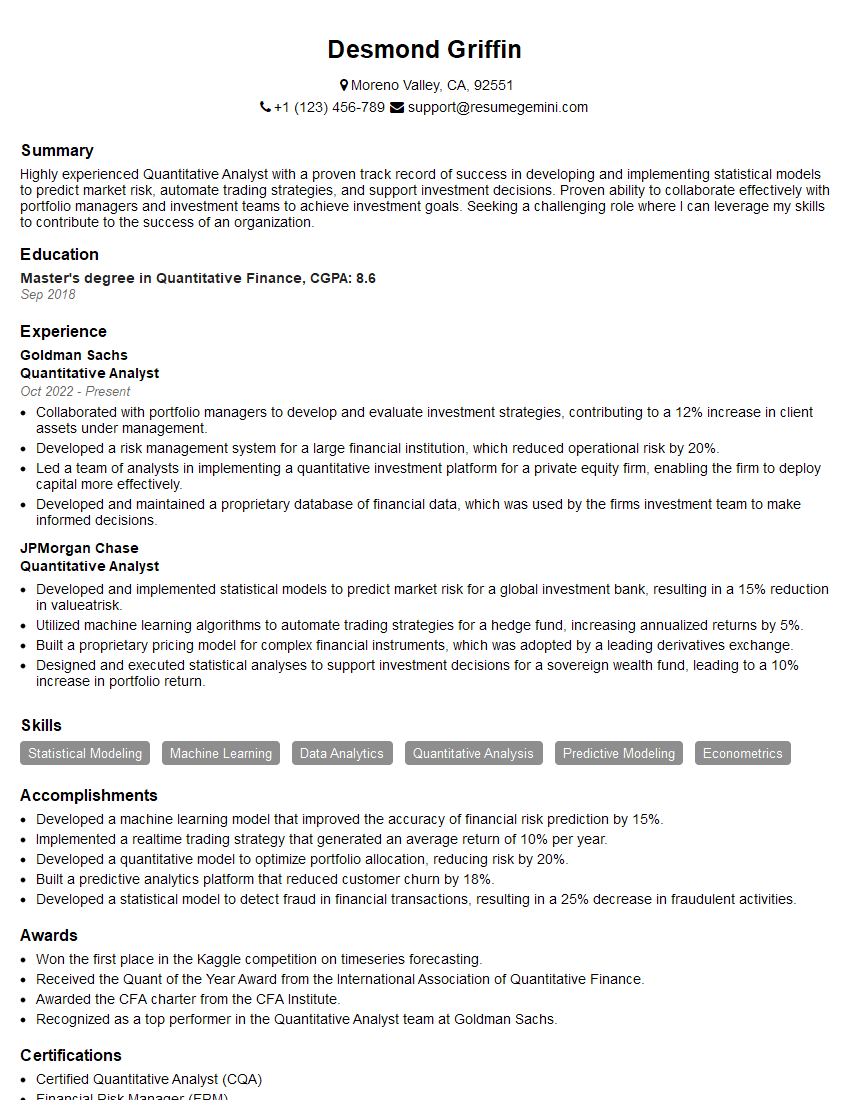
Quantitative Analyst Resume Sample
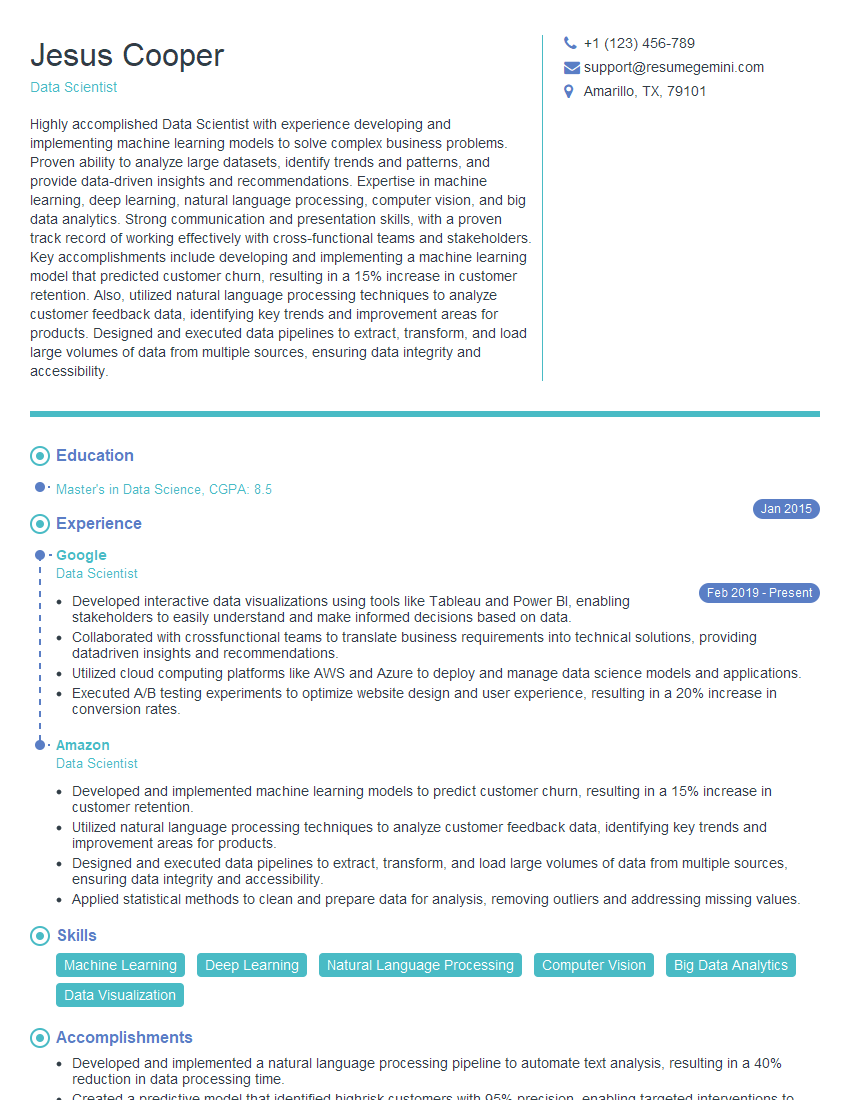
Data Scientist Resume Sample
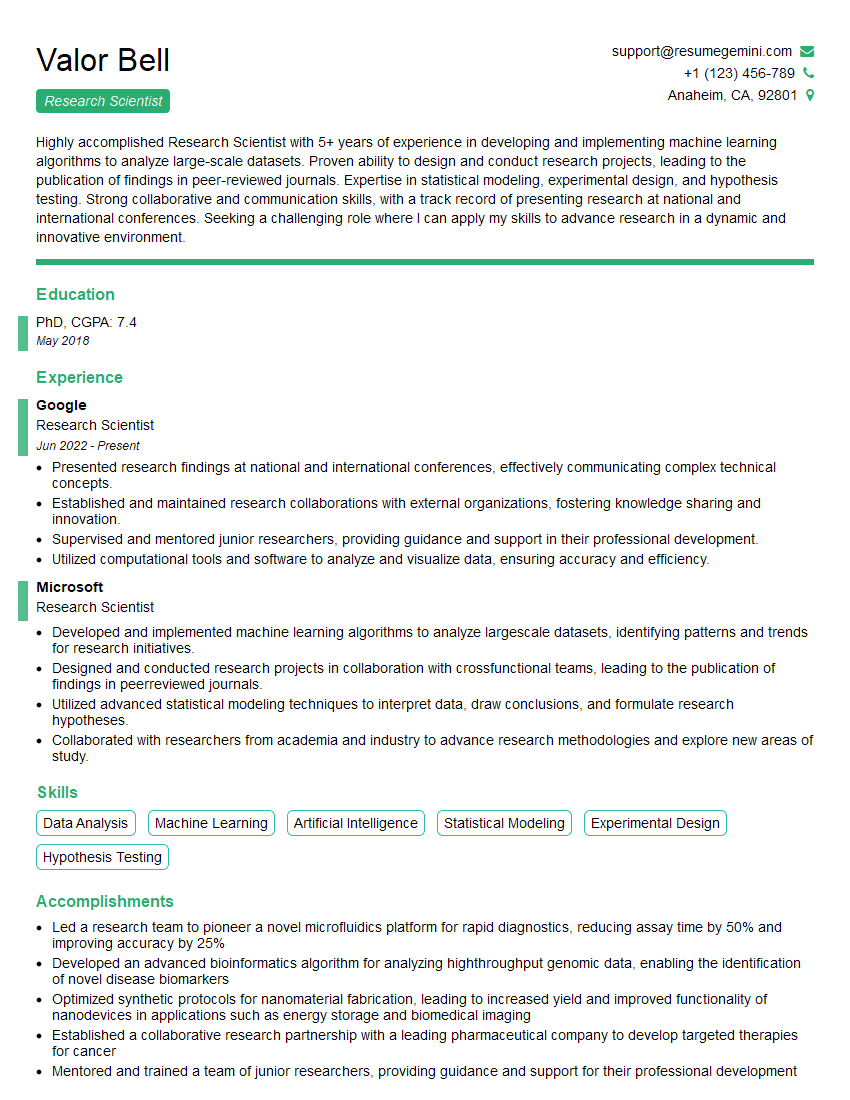
Research Scientist Resume Sample
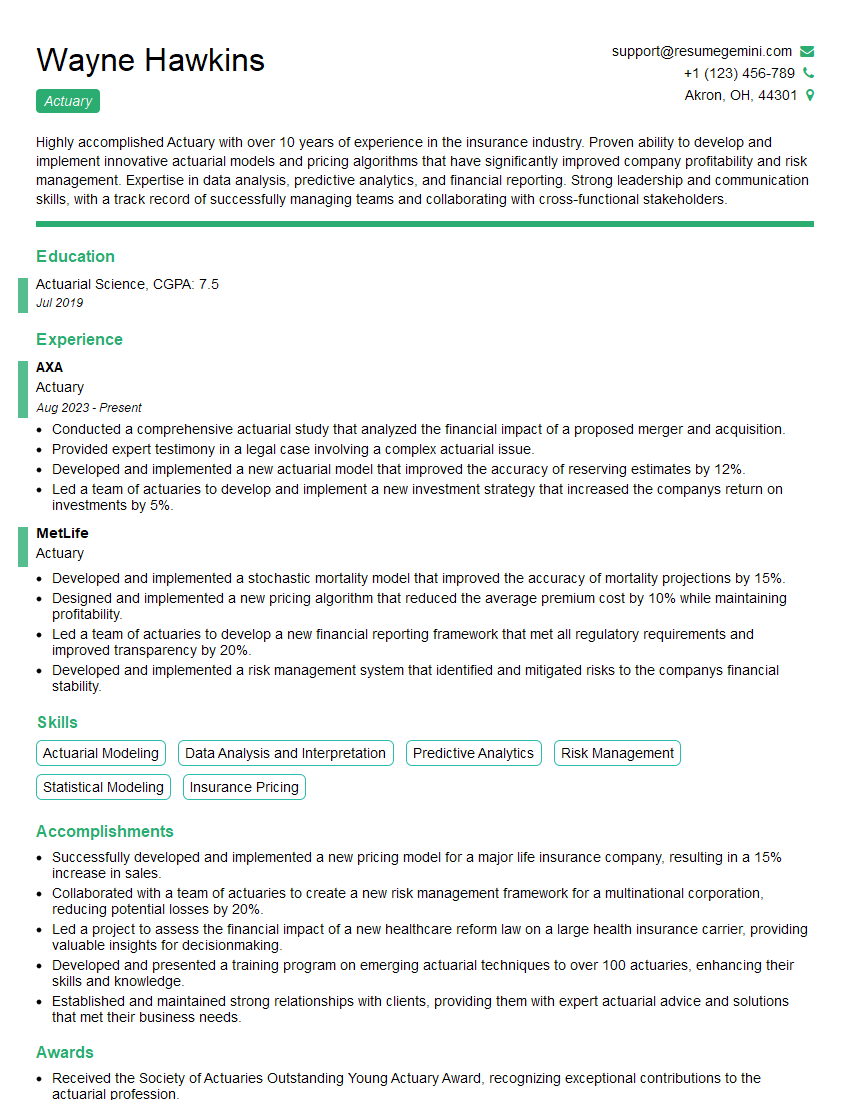
Actuary Resume Sample
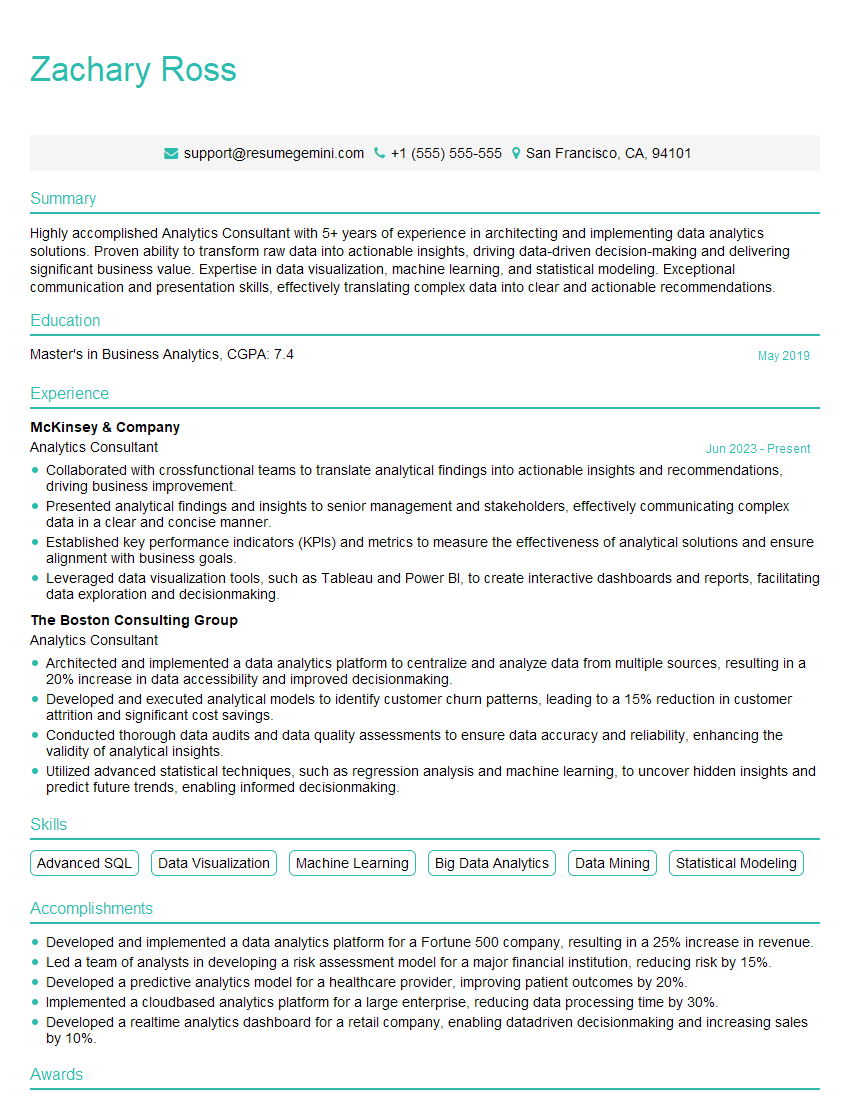
Analytics Consultant Resume Sample

Operations Research Analyst Resume Sample
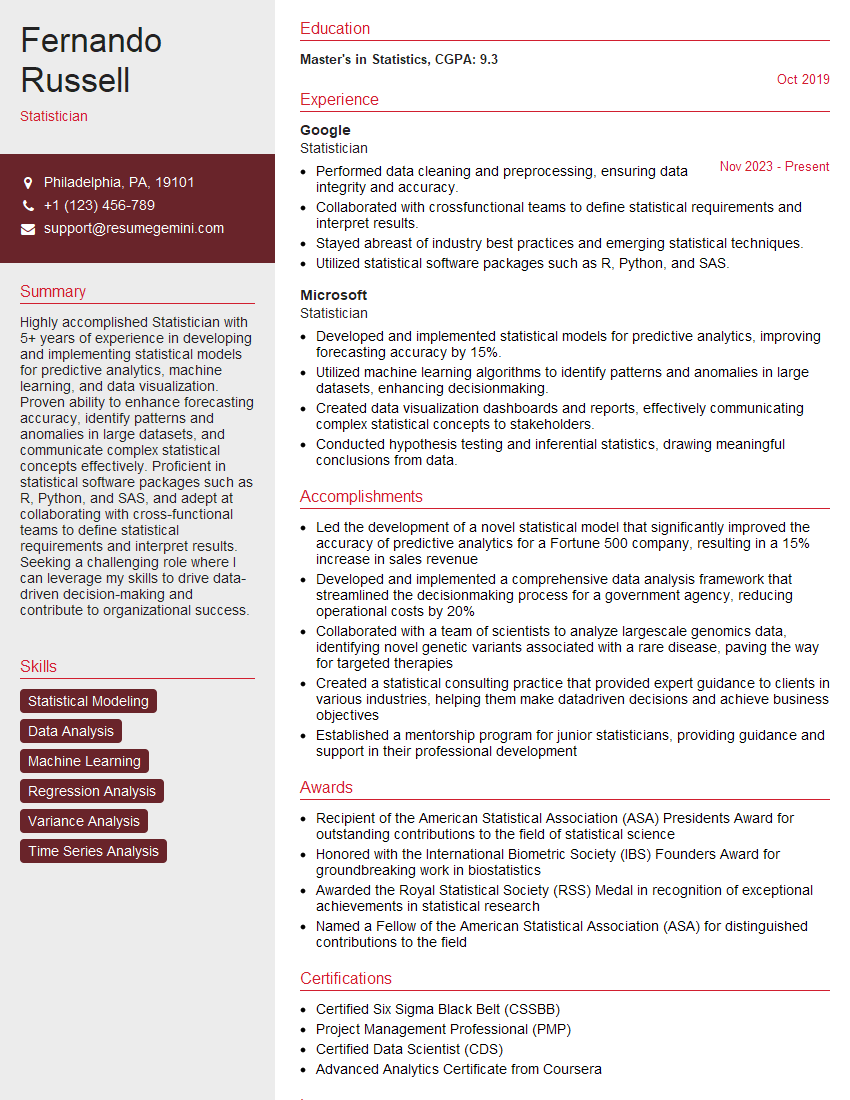
Statistician Resume Sample
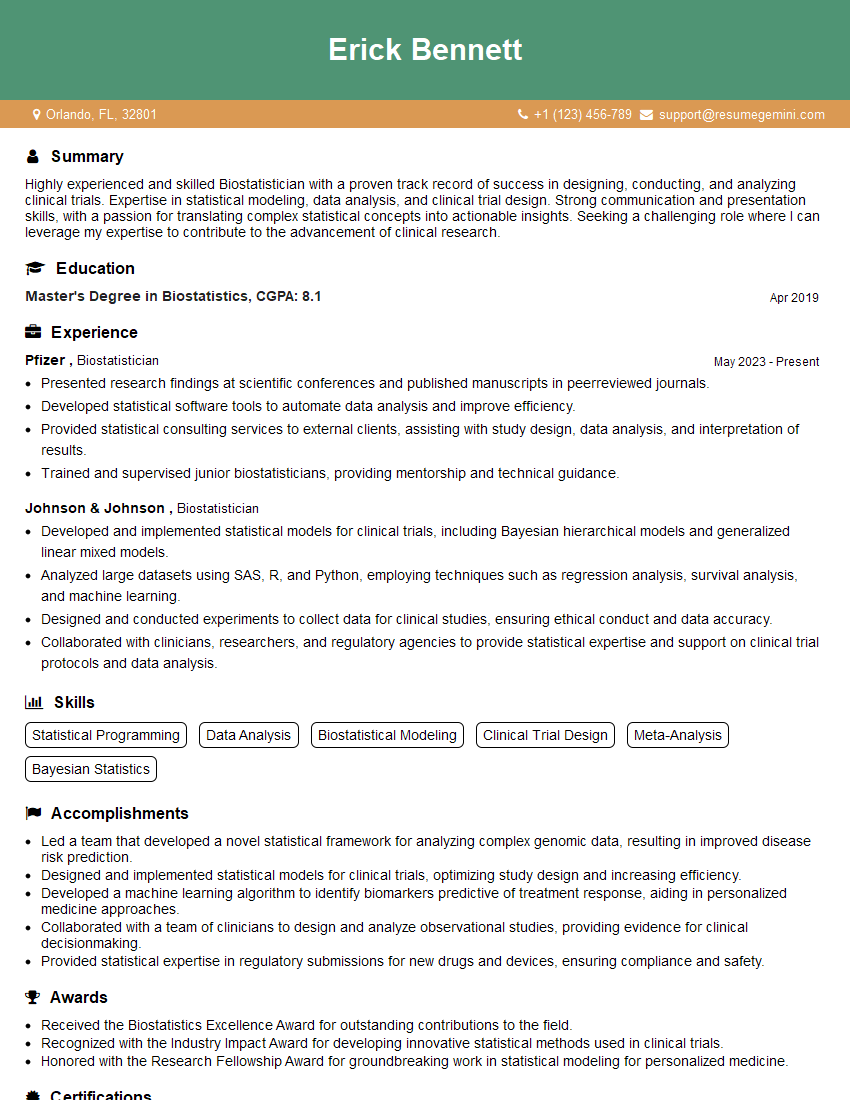
Biostatistician Resume Sample
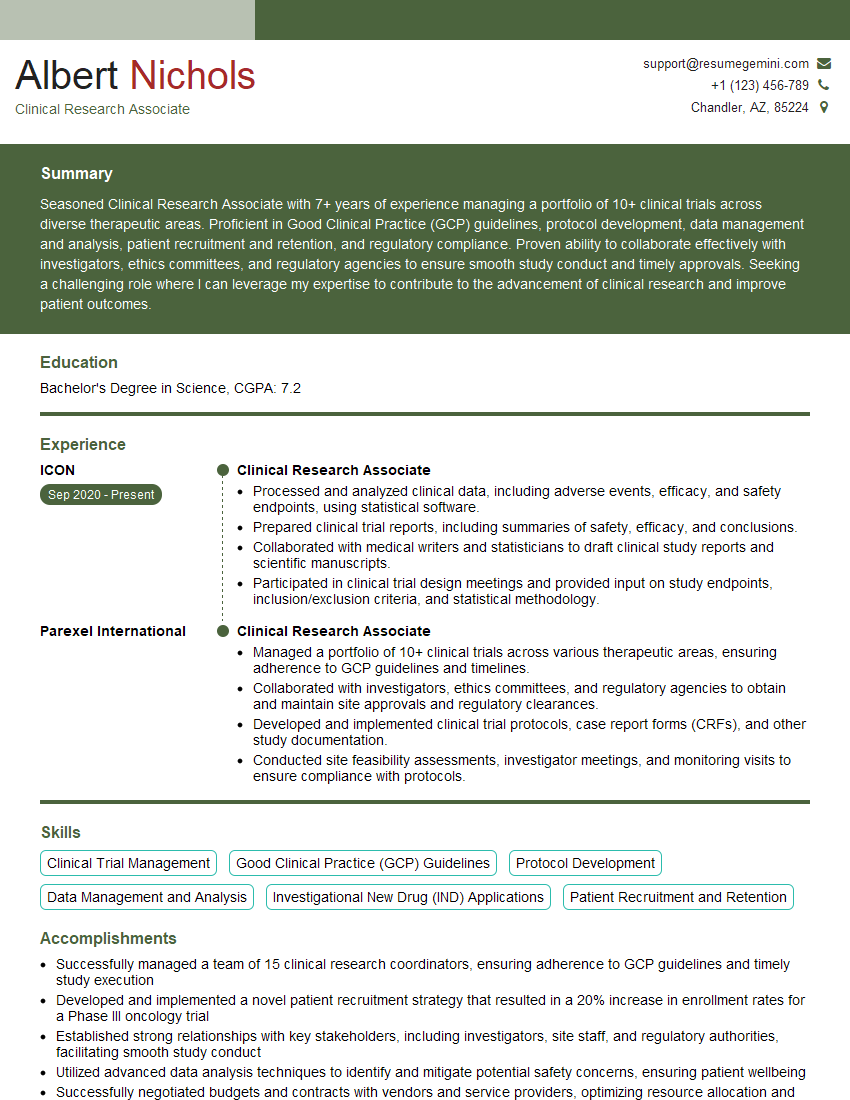
Clinical Research Associate Resume Sample
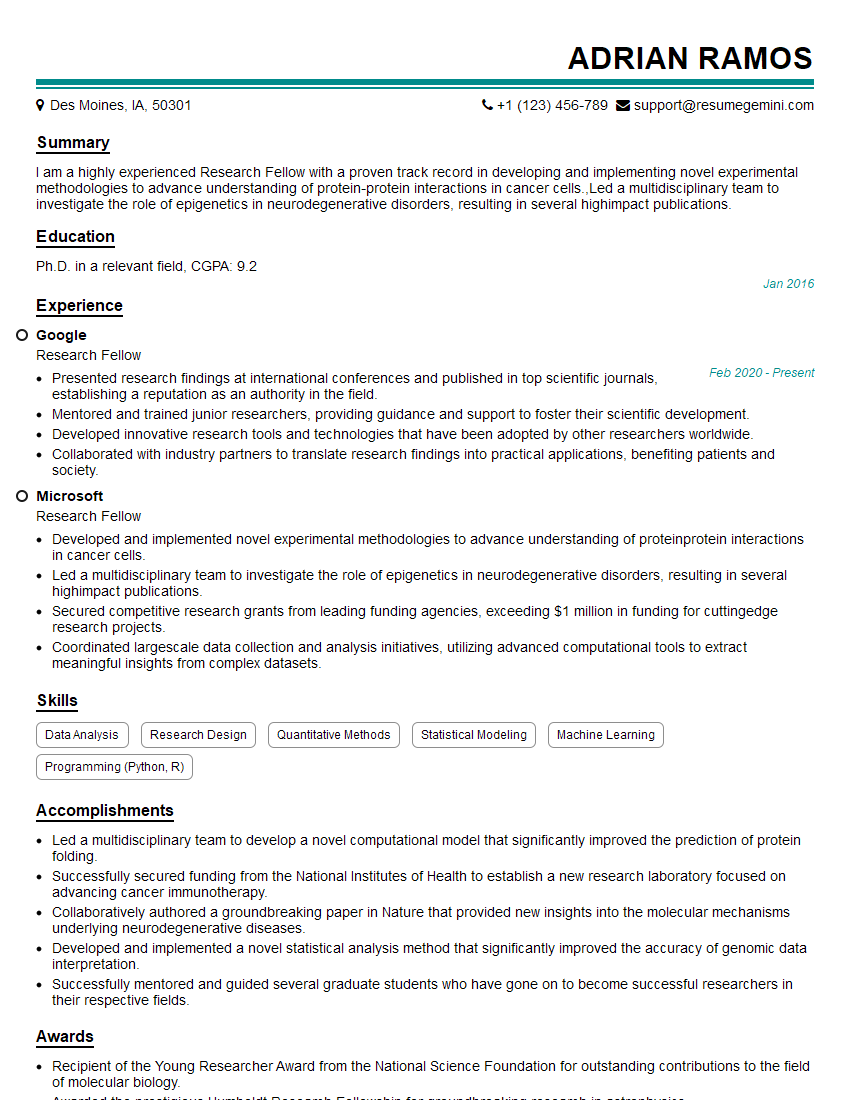
Research Fellow Resume Sample
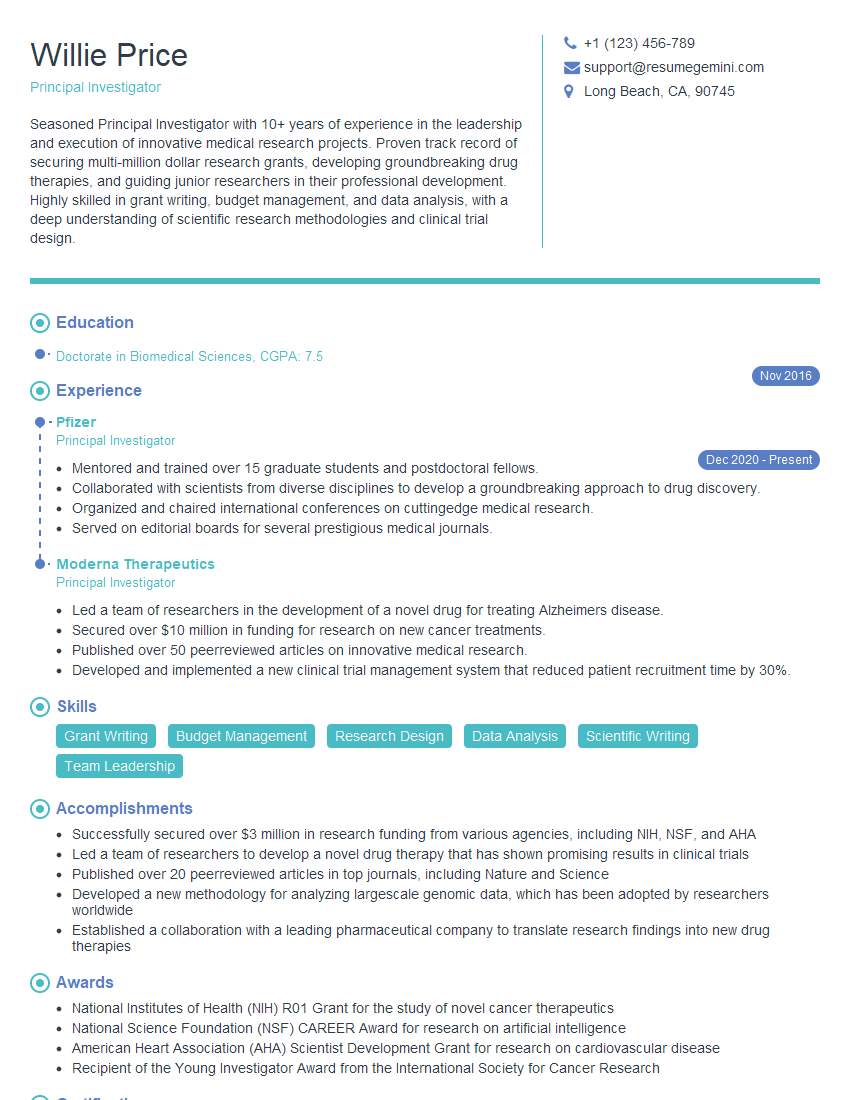
Principal Investigator Resume Sample
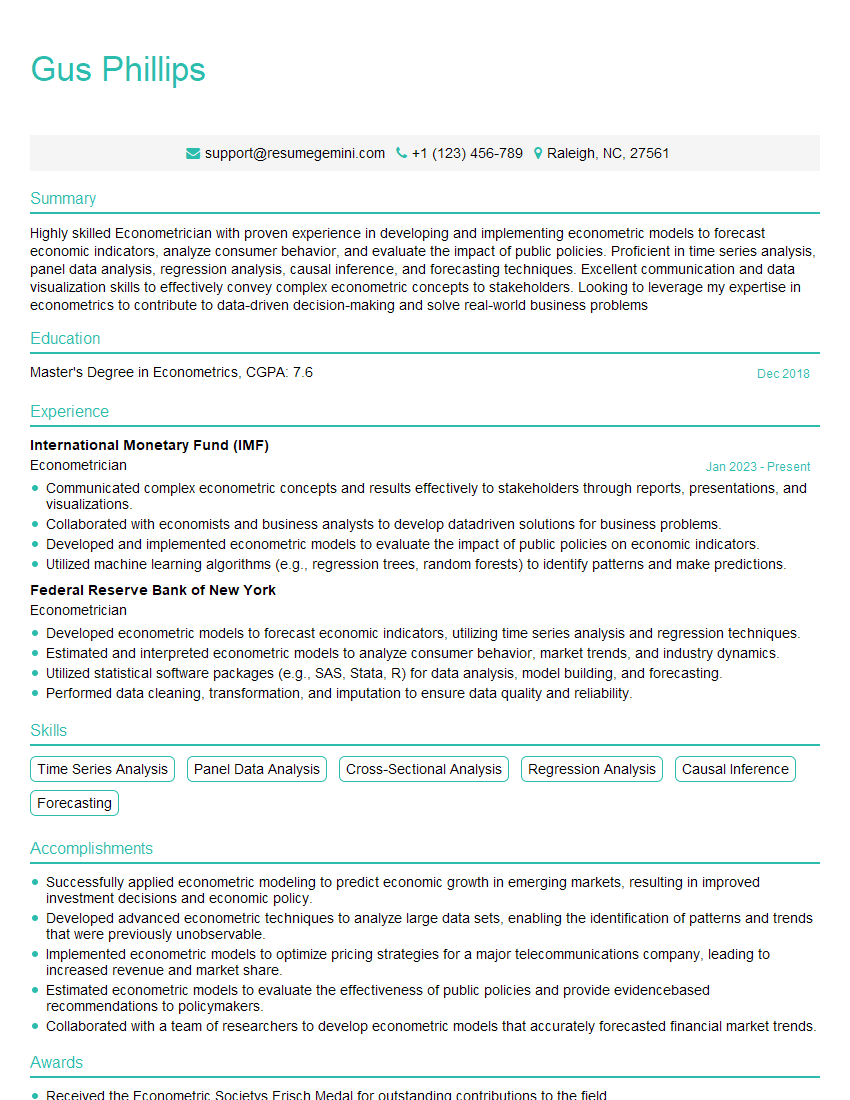
Econometrician Resume Sample
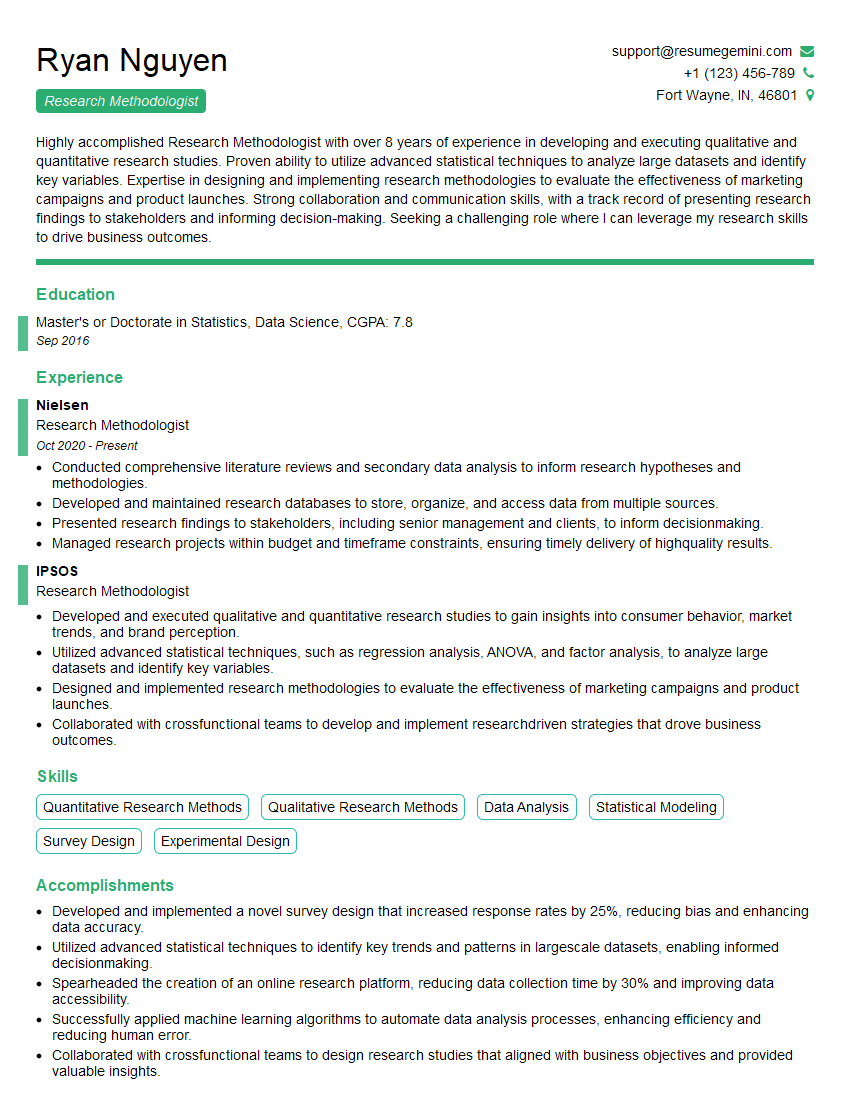
Research Methodologist Resume Sample

Survey Methodologist Resume Sample
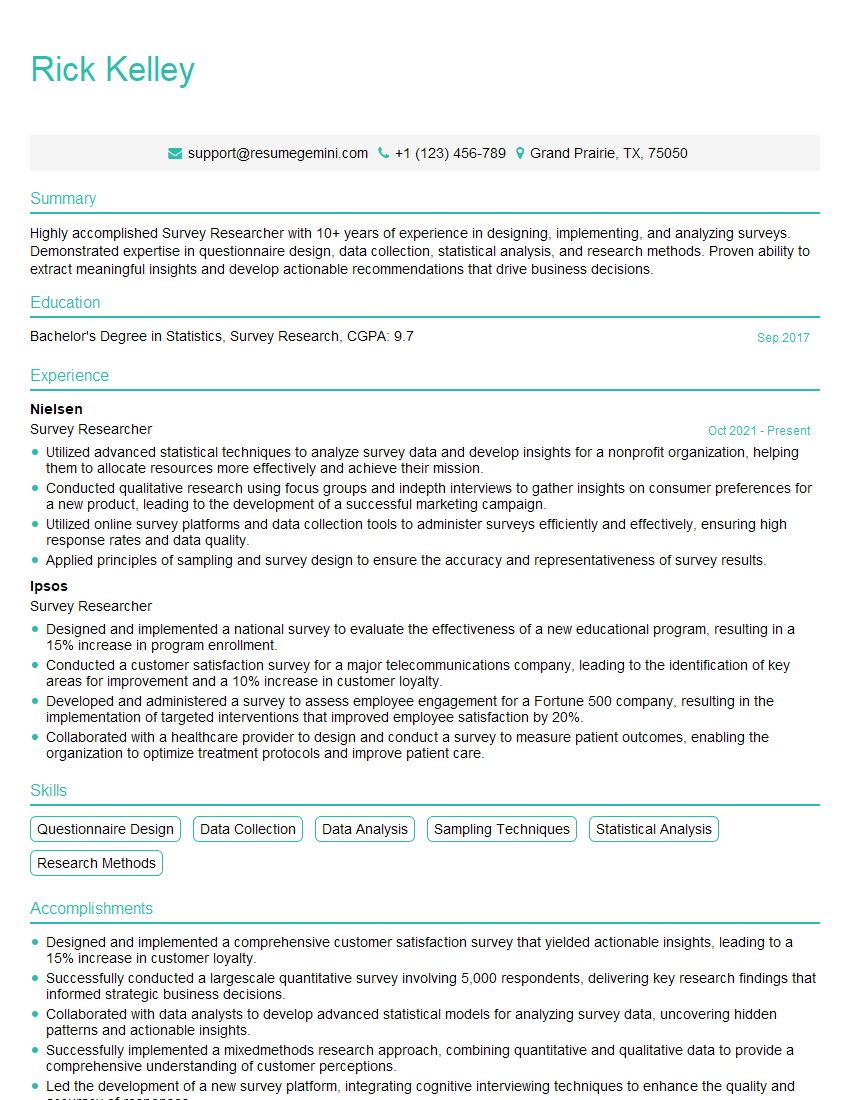
Survey Researcher Resume Sample
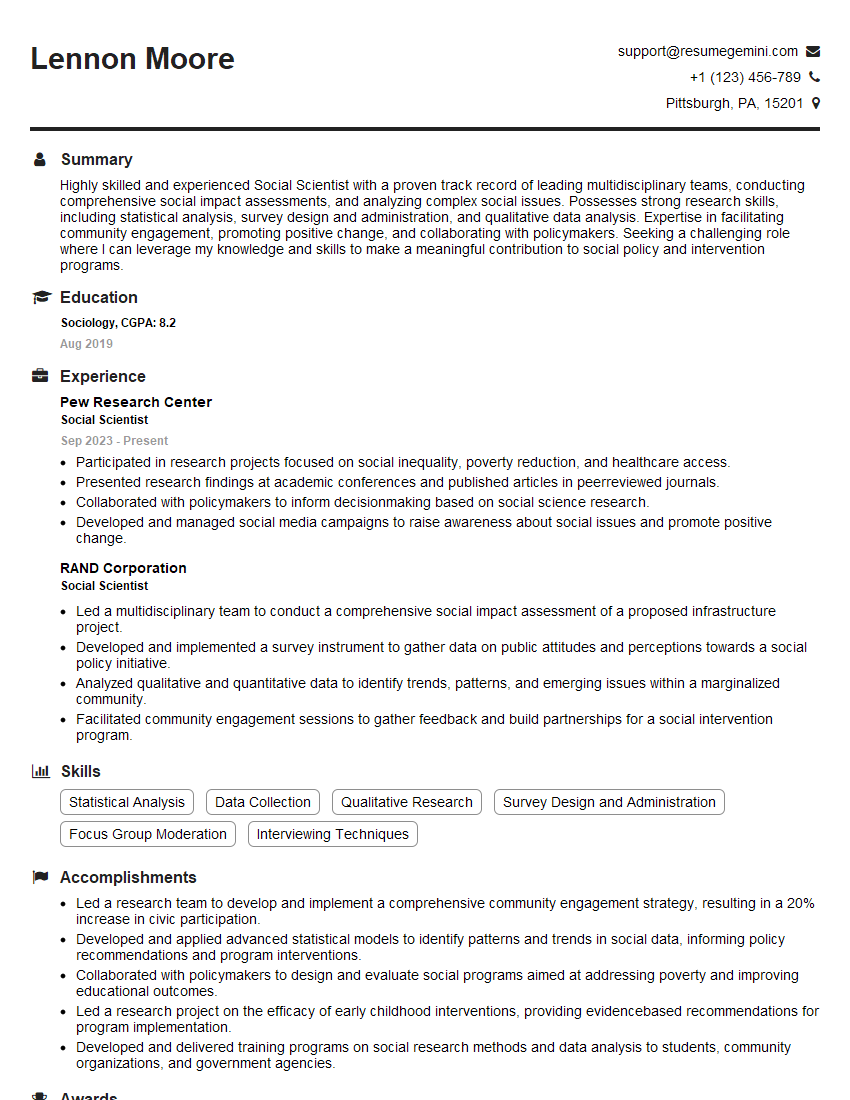
Social Scientist Resume Sample
- Research Associate
- Senior Research Scientist
- Business Analyst
- Market Research Analyst
- Data Analyst
- Quantitative Analyst
- Data Scientist
- Research Scientist
- Actuary
- Analytics Consultant
- Operations Research Analyst
- Statistician
- Biostatistician
- Clinical Research Associate
- Research Fellow
- Principal Investigator
- Econometrician
- Research Methodologist
- Survey Methodologist
- Survey Researcher
- Social Scientist
Explore more articles
Users Rating of Our Blogs
Share Your Experience
We value your feedback! Please rate our content and share your thoughts (optional).
What Readers Say About Our Blog
Really detailed insights and content, thank you for writing this detailed article.
IT gave me an insight and words to use and be able to think of examples