Interviews are more than just a Q&A session—they’re a chance to prove your worth. This blog dives into essential SQF (Safe Quality Food) interview questions and expert tips to help you align your answers with what hiring managers are looking for. Start preparing to shine!
Questions Asked in SQF (Safe Quality Food) Interview
Q 1. Describe your experience with SQF Code Edition 8.
SQF Code Edition 8 represents a significant evolution in food safety management. My experience encompasses its full implementation, from initial gap analysis and documentation updates to conducting internal audits and supporting external certifications. I’ve worked with diverse food facilities, from small-scale producers to large-scale manufacturers, adapting the code’s requirements to their specific operations. This includes a thorough understanding of the updated requirements for food fraud vulnerability assessment, enhanced traceability procedures, and the increased focus on preventative controls. For example, in one project, we streamlined the supplier approval process using a digital platform, significantly improving efficiency and visibility while meeting Edition 8’s traceability demands.
Furthermore, I’m proficient in navigating the nuances of the code, particularly the changes in allergen management and the strengthened requirements for product recall procedures. My experience extends to training staff on the new requirements, ensuring full compliance and embedding a culture of food safety throughout the organization. I have consistently helped organizations achieve and maintain their SQF certification under Edition 8.
Q 2. Explain the seven principles of HACCP.
The seven principles of HACCP (Hazard Analysis and Critical Control Point) provide a systematic approach to identifying and controlling food safety hazards. Think of it as a roadmap to safe food production. They are:
- Conduct a hazard analysis: Identify potential biological, chemical, and physical hazards that can occur at each step of food production.
- Determine critical control points (CCPs): Pinpoint the steps where hazards can be prevented, eliminated, or reduced to safe levels.
- Establish critical limits: Set measurable limits for each CCP to ensure safety. For example, a temperature limit for cooking.
- Establish monitoring procedures: Regularly check CCPs to ensure they remain within critical limits.
- Establish corrective actions: Define actions to take if a CCP deviates from critical limits.
- Establish verification procedures: Confirm that the HACCP system is working effectively.
- Establish record-keeping and documentation procedures: Maintain detailed records of all HACCP activities.
For example, in a bakery, a CCP might be the oven temperature for baking bread to eliminate E. coli. Monitoring involves checking the oven temperature regularly, and corrective action would be to adjust the oven if the temperature drops below the critical limit. This systematic approach ensures consistently safe food.
Q 3. How do you conduct a SQF internal audit?
An SQF internal audit is a crucial step in maintaining food safety and certification. It’s essentially a self-assessment to verify compliance with the SQF Code. My approach involves a thorough review of all documented procedures, records, and operational practices. I follow a structured audit plan, aligning with the scope of certification and the specific requirements of the SQF Code Edition in use.
The process includes:
- Review of documentation: Checking for completeness, accuracy, and compliance with SQF requirements.
- On-site observations: Direct observation of processes and practices to verify that they are performed as documented. This involves observing staff procedures, equipment operation, and sanitation practices.
- Interviews with staff: To assess staff understanding and adherence to procedures.
- Verification of records: Review of calibration records, cleaning logs, temperature logs, and other critical documents to ensure accuracy and consistency.
- Identification of non-conformances: Documenting any deviations from SQF requirements.
- Reporting and follow-up: Producing a comprehensive audit report with findings and recommendations for corrective actions. Following up on corrective actions to ensure effectiveness.
Think of it like a thorough health check for the facility’s food safety system. It’s proactive, identifying weaknesses before an external audit, and strengthens the overall food safety culture.
Q 4. What are the key differences between SQF and other food safety standards (e.g., BRC)?
While SQF, BRC, and other food safety standards share the common goal of ensuring safe food production, there are key differences. SQF is a more comprehensive standard that encompasses quality management systems in addition to food safety. BRC, for instance, focuses primarily on food safety aspects. SQF is also recognized globally, while BRC has a stronger presence in specific regions.
Here’s a table summarizing key differences:
| Feature | SQF | BRC |
|---|---|---|
| Scope | Food safety and quality management | Primarily food safety |
| Global Recognition | Widely recognized | Stronger regional focus |
| Modules | Offers multiple modules for different sectors (e.g., farming, processing) | More focused structure |
| Emphasis | Emphasis on preventative controls and continuous improvement | Strong emphasis on compliance and hazard controls |
The choice of standard often depends on customer requirements and the specific needs of the food business. Many businesses choose SQF for its broader scope and global recognition.
Q 5. How do you manage corrective actions and preventive actions (CAPAs) in an SQF environment?
Managing Corrective Actions and Preventive Actions (CAPAs) is paramount in maintaining SQF compliance. It’s about learning from mistakes and preventing them from happening again. My approach involves a systematic process:
- Identify the problem: Clearly define the non-conformity, including root cause analysis.
- Implement corrective action: Take immediate steps to rectify the immediate problem, such as cleaning a contaminated area.
- Implement preventive action: Identify the root cause and implement actions to prevent recurrence. For example, a new procedure or training program.
- Verify effectiveness: Check if the corrective and preventive actions have solved the problem and prevented recurrence.
- Document everything: Maintain detailed records of the entire CAPA process.
For example, if a temperature deviation occurs during processing, the corrective action might involve discarding the affected batch. The preventive action might involve recalibrating the temperature monitoring equipment and providing additional training to staff. Regular review and verification are crucial to ensure the effectiveness of the CAPA system.
Q 6. Explain your understanding of prerequisite programs (PRPs).
Prerequisite Programs (PRPs) are the foundational elements of a robust food safety management system. They’re the essential operational practices that must be in place before implementing a HACCP plan. Think of them as the building blocks upon which the HACCP system is built. They cover critical areas like:
- Good Manufacturing Practices (GMPs): Covering sanitation, hygiene, pest control, and employee practices.
- Good Agricultural Practices (GAPs): For agricultural producers, covering aspects like soil health, water quality, and pesticide usage.
- Supplier Approval Program: Ensuring that all ingredients and materials meet food safety requirements.
- Traceability System: Ability to track product throughout its journey.
- Allergen Control: Procedures for preventing allergen cross-contamination.
Effective PRPs form the basis for a safe and efficient food production environment. Without robust PRPs, a HACCP plan cannot be effectively implemented.
Q 7. How do you ensure traceability throughout the supply chain?
Traceability is crucial for ensuring product safety and facilitating effective recalls. My approach emphasizes a comprehensive system that encompasses the entire supply chain. This begins with clearly documented and verifiable information from suppliers, including details of origin, processing, and handling. We utilize various methods to ensure traceability, including:
- Batch coding and labeling: Each batch of product is uniquely identified, allowing for precise tracking.
- Electronic data management systems: Software solutions that record and track product movement throughout the supply chain, providing real-time visibility.
- Barcode and RFID technology: For automated tracking and identification of products.
- Supplier agreements: Contracts outlining traceability requirements and responsibilities.
- Regular audits of suppliers: To verify that their traceability systems are effective.
By effectively documenting and managing this information, we create a complete product history that is easily accessible in case of a recall or investigation. A robust traceability system is not only crucial for compliance but also for building consumer trust and managing reputational risk.
Q 8. Describe your experience with allergen control programs.
Allergen control is paramount in food safety. My experience encompasses developing and implementing comprehensive allergen control programs, from initial risk assessment to final product verification. This involves identifying all potential allergens in our facility, mapping their flow through the production process, and establishing stringent control measures to prevent cross-contamination.
- Risk Assessment: We use a HACCP-based approach, identifying critical control points (CCPs) where allergen cross-contamination is most likely to occur. For instance, a CCP might be a shared piece of equipment used for both allergen-containing and allergen-free products.
- Preventive Measures: We implement measures like dedicated equipment, thorough cleaning and sanitization procedures (validated!), and stringent changeover protocols. We also utilize color-coded utensils, cutting boards, and other tools to visually separate allergen-containing products from allergen-free ones.
- Verification: Regular environmental monitoring, including swabbing of surfaces, is conducted to detect the presence of allergens. Our labeling procedures are meticulously reviewed to ensure accurate and clear allergen declarations on the final product. We also conduct regular audits to ensure our protocols are being followed effectively.
For example, in a previous role, we implemented a system of dedicated lines for processing peanut butter and products that needed to be peanut-free. This, coupled with stringent cleaning and sanitation protocols and regular testing, ensured that we maintained a zero tolerance for cross-contamination.
Q 9. How do you handle food safety incidents or recalls?
Handling food safety incidents and recalls is a crucial aspect of my experience. Our response follows a predefined plan, encompassing immediate action, thorough investigation, and effective communication.
- Immediate Action: Upon discovering a potential food safety issue, we immediately isolate the implicated product batch, initiate a full-scale investigation, and notify relevant regulatory authorities. We prioritize the safety and well-being of the consumer.
- Investigation: We meticulously trace the product’s journey, identifying the source and root cause of the problem. This involves reviewing all relevant documentation, conducting interviews, and sampling products for testing.
- Recall Procedure: If a recall is necessary, we follow a structured protocol, notifying distributors, retailers, and consumers. We work closely with regulatory agencies, such as the FDA, to ensure a swift and efficient recall process.
- Corrective Actions: We develop and implement corrective actions to address the root cause, preventing future occurrences. These actions are documented and verified to ensure effectiveness.
For instance, in one instance, we identified a potential contamination in a spice batch. We immediately quarantined the affected products, conducted a thorough investigation, and initiated a recall. This involved contacting retailers and distributors, issuing press releases, and working with regulatory authorities. The investigation led to an improvement in our supplier vetting process and enhanced our quality control procedures.
Q 10. What is your experience with GMPs (Good Manufacturing Practices)?
Good Manufacturing Practices (GMPs) are the foundation of any safe and efficient food production facility. My experience spans all aspects of GMP implementation, ensuring the production environment, processes, and personnel consistently meet the highest standards of hygiene and safety.
- Facility Design and Maintenance: I have been involved in designing and maintaining facilities that incorporate principles of GMP, including appropriate layouts for efficient workflow, pest control measures, and sanitary construction materials.
- Equipment Sanitation: I’m experienced in establishing and implementing effective sanitation procedures, including cleaning, sanitizing, and verification methods, ensuring equipment is consistently free from contamination.
- Personnel Hygiene: I’ve developed and enforced hygiene protocols for all personnel, including hand washing, gowning procedures, and proper waste disposal practices.
- Raw Material Handling: I have expertise in controlling the quality and safety of raw materials throughout the process, from receiving and storage to processing.
For example, in a previous role, I spearheaded the implementation of a new sanitation program, which resulted in a significant reduction in microbial contamination and improved overall product quality.
Q 11. How do you maintain accurate and complete SQF documentation?
Maintaining accurate and complete SQF documentation is critical for demonstrating compliance and traceability. My approach relies on a systematic and digital approach to ensure all records are up-to-date, accessible, and easily retrievable.
- Digital Documentation System: We utilize a digital system that allows for real-time data entry, eliminating manual errors and facilitating easy access to records.
- Version Control: We maintain a clear version control system to track any changes or updates to our documents, ensuring that only the most current versions are used.
- Data Backup and Security: Our system includes robust data backup and security measures to protect against data loss or unauthorized access.
- Regular Audits: We conduct regular internal audits to verify the accuracy and completeness of our documentation.
We use a combination of software and designated personnel to manage our documentation. For example, all critical control points and corrective actions are meticulously documented in real-time, ensuring traceability and accountability.
Q 12. Describe your experience with SQF external audits.
I have extensive experience with SQF external audits. I understand the audit process thoroughly, and my preparation strategy ensures a smooth and successful audit experience.
- Pre-Audit Preparation: We perform thorough internal audits, identifying and addressing any potential non-conformances before the external audit. This includes reviewing all documentation, verifying procedures, and conducting mock audits.
- Collaboration with Auditors: During the audit, we maintain open communication with the auditors, providing them with any necessary information and addressing their questions promptly and professionally.
- Corrective Action Plan: If any non-conformances are identified, we develop and implement a detailed corrective action plan, demonstrating our commitment to continuous improvement.
- Post-Audit Review: After the audit, we review the audit report meticulously, identify areas for improvement, and implement necessary changes.
I’ve successfully guided multiple facilities through SQF audits, achieving consistently high scores. My experience includes managing audits across various SQF modules, showcasing a deep understanding of the requirements across all areas.
Q 13. How do you develop and implement food safety training programs?
Effective food safety training is crucial for maintaining a safe and compliant food production facility. My approach focuses on delivering engaging, practical training that equips employees with the knowledge and skills to perform their jobs safely and effectively.
- Needs Assessment: We begin with a thorough needs assessment, identifying the specific training needs of each employee based on their roles and responsibilities.
- Tailored Training Programs: We develop tailored training programs that address these specific needs. These programs may include classroom instruction, online modules, hands-on training, and on-the-job coaching.
- Interactive Training Methods: We use a variety of interactive training methods, such as simulations, case studies, and group discussions, to ensure engagement and knowledge retention.
- Documentation and Verification: We meticulously document all training activities and verify employee understanding through assessments and observations.
For example, I developed a comprehensive training program for our sanitation team, which included both classroom instruction and hands-on training using standardized cleaning procedures. This resulted in a significant improvement in sanitation practices and a reduction in contamination rates.
Q 14. What is your experience with microbiological testing and its interpretation?
Microbiological testing is an essential tool for monitoring food safety and ensuring product quality. My experience encompasses all aspects of microbiological testing, from sample collection and analysis to result interpretation and corrective action implementation.
- Sampling Strategies: I’m proficient in developing and implementing appropriate sampling strategies, considering factors like product type, production processes, and potential contamination risks.
- Laboratory Analysis: I’m familiar with various microbiological testing methods, including aerobic plate counts, coliform counts, and pathogen detection techniques like PCR and ELISA.
- Result Interpretation: I can accurately interpret microbiological test results, understanding their implications for food safety and product quality. This includes knowing the significance of different microbial counts and the presence of specific pathogens.
- Corrective Actions: Based on test results, I can develop and implement appropriate corrective actions, addressing any potential sources of contamination or non-conformances.
For instance, in a past role, we identified an increase in aerobic plate counts in a particular production area. Through a thorough investigation, we found a leak in the facility’s plumbing system. The leak was fixed, and the sanitation procedures were revised. Subsequently, testing results showed a significant improvement in microbial counts.
Q 15. How do you manage supplier relationships to ensure food safety compliance?
Managing supplier relationships for food safety compliance is crucial. It’s not just about receiving quality products; it’s about ensuring the entire supply chain adheres to the same rigorous standards. I approach this through a multi-faceted strategy:
- Supplier Audits and Approvals: I conduct thorough audits of potential and existing suppliers, assessing their facilities, processes, and documentation against SQF or equivalent standards. This includes verifying their food safety management systems, traceability systems, and pest control measures. For example, a supplier of fresh produce should demonstrate effective harvesting and cold chain management practices.
- Ongoing Monitoring: Regular communication and monitoring are vital. This might involve reviewing supplier’s self-inspections, receiving lab reports, and conducting on-site visits to verify ongoing compliance. I’d actively track any reported incidents or non-conformances.
- Documentation and Traceability: Maintaining comprehensive documentation of all supplier interactions, including audit reports, certificates, and communication logs, is critical for traceability. This allows us to quickly identify the source of any food safety issues and take corrective actions.
- Building Strong Relationships: Open communication and collaboration are paramount. I work closely with suppliers, providing feedback and assistance to help them improve their food safety practices. A collaborative approach fosters trust and mutual accountability.
Essentially, I treat supplier relationships as partnerships, working together to ensure a safe and reliable food supply.
Career Expert Tips:
- Ace those interviews! Prepare effectively by reviewing the Top 50 Most Common Interview Questions on ResumeGemini.
- Navigate your job search with confidence! Explore a wide range of Career Tips on ResumeGemini. Learn about common challenges and recommendations to overcome them.
- Craft the perfect resume! Master the Art of Resume Writing with ResumeGemini’s guide. Showcase your unique qualifications and achievements effectively.
- Don’t miss out on holiday savings! Build your dream resume with ResumeGemini’s ATS optimized templates.
Q 16. Describe your experience with process flow diagrams and their role in food safety.
Process flow diagrams are indispensable tools for visualizing and documenting every step in a food production process. They are fundamental to establishing and maintaining a robust food safety management system. My experience includes using them extensively to:
- Identify Critical Control Points (CCPs): By visually mapping the flow, potential hazards become apparent. The diagram helps pinpoint stages where controls are necessary to prevent or eliminate hazards.
- Improve Efficiency and Consistency: Clear diagrams ensure everyone understands their roles and responsibilities, leading to smoother workflows and reduced errors. Inconsistencies in procedures become immediately obvious.
- Training and Communication: Diagrams serve as excellent training aids. They clearly illustrate the correct steps and procedures, reducing ambiguity and misinterpretations. New employees quickly grasp the workflow.
- Hazard Analysis and Risk Assessment (HACCP): Flow diagrams are integral to the HACCP system. They help to identify where hazards might occur and facilitate the development of effective control measures.
For instance, in a canning process, a flow diagram would clearly show steps like ingredient receiving, cleaning, cooking, filling, sealing, and sterilization, allowing for a precise identification of CCPs like sterilization time and temperature.
Q 17. How do you ensure the effectiveness of your food safety management system?
Ensuring the effectiveness of our food safety management system relies on a multifaceted approach encompassing regular internal audits, proactive management reviews, and continuous improvement.
- Internal Audits: These are regularly scheduled, independent assessments to verify compliance with our food safety plan and identify areas for improvement. Audits are conducted by trained personnel, and findings are documented and addressed.
- Management Reviews: Periodic meetings with management to review the performance of the food safety system are crucial. These reviews analyze audit results, customer feedback, and operational data to identify trends and opportunities for improvement.
- Corrective Actions and Preventative Actions (CAPA): A robust CAPA system is essential to addressing identified shortcomings promptly and effectively. Each non-conformity is investigated, root causes are identified, and corrective actions are implemented to prevent recurrence. Preventive actions are implemented to anticipate and avoid future problems.
- Data Analysis: Regular monitoring and analysis of key performance indicators (KPIs), such as pathogen testing results, complaint rates, and non-conformances, help track progress and identify areas requiring attention.
- Employee Training: Ongoing training and education for all personnel are vital to maintaining a culture of food safety. Employees must understand their roles and responsibilities in maintaining a safe food environment.
Think of it like maintaining a car – regular check-ups (audits), addressing problems promptly (CAPA), and staying on top of maintenance (training) ensures it runs smoothly and safely.
Q 18. Explain your understanding of critical control points (CCPs).
Critical Control Points (CCPs) are steps in a food process where control is essential to prevent or eliminate a food safety hazard or reduce it to an acceptable level. They are identified through a Hazard Analysis and Critical Control Point (HACCP) plan. It’s not every step in the process; it’s the specific points where things can go drastically wrong.
For example, in the production of ready-to-eat sandwiches, a CCP might be the cooking temperature of the chicken. Insufficient cooking could lead to bacterial contamination, causing illness. Another CCP could be the refrigeration temperature during storage to prevent bacterial growth.
Identifying CCPs involves a thorough hazard analysis, considering biological, chemical, and physical hazards. We use tools such as decision trees to systematically analyze each stage of production, determining which points require precise control to ensure safety.
Q 19. How do you monitor and control CCPs?
Monitoring and controlling CCPs is achieved through a combination of procedures, equipment, and regular checks. It’s about establishing critical limits and regularly verifying that those limits are met.
- Critical Limits: These are pre-determined, measurable parameters that must be met at each CCP. For instance, a critical limit for cooking chicken might be an internal temperature of 165°F (74°C) for 15 seconds.
- Monitoring Procedures: We use various methods to monitor CCPs, including temperature probes, time clocks, visual inspections, and pH meters. The frequency of monitoring depends on the CCP and the potential risk.
- Corrective Actions: If monitoring reveals that a critical limit has not been met, immediate corrective actions must be taken. This might involve discarding contaminated product, adjusting equipment settings, or retraining staff. A proper record-keeping system tracks all deviations and corrective actions.
- Record Keeping: Meticulous record-keeping is vital. All monitoring data, including temperatures, times, and any deviations, are carefully documented. This data provides evidence of control and allows for trend analysis.
Imagine it like a pilot constantly monitoring aircraft instruments. Consistent monitoring and immediate corrective action are essential to safe operation.
Q 20. What are the key elements of a successful SQF program?
A successful SQF program relies on several key elements working together harmoniously:
- Management Commitment: Top-level management must demonstrate a strong commitment to food safety, actively participating and providing necessary resources.
- Hazard Analysis and Risk Assessment: A comprehensive HACCP plan forms the foundation, identifying and controlling hazards throughout the supply chain.
- Preventive Controls: The program must incorporate preventative controls to prevent hazards from occurring in the first place.
- Employee Training: All employees must receive adequate training on food safety procedures, their roles, and responsibilities.
- Traceability System: A robust traceability system is needed to identify and track products throughout the entire supply chain.
- Regular Monitoring and Verification: Regular internal audits, supplier audits, and verification activities are crucial to ensure the effectiveness of the food safety plan.
- Corrective Actions: A well-defined system for addressing non-conformances and taking corrective actions is critical for continuous improvement.
- Documentation: Meticulous record-keeping throughout all aspects of the program is necessary to demonstrate compliance.
Think of it as a well-oiled machine; every part plays a crucial role in its efficient and safe operation.
Q 21. How do you identify and mitigate food safety hazards?
Identifying and mitigating food safety hazards requires a proactive and systematic approach.
- Hazard Analysis: This involves identifying all potential hazards at each step of the production process. This includes biological (bacteria, viruses), chemical (pesticides, cleaning chemicals), and physical (glass, metal) hazards. We use tools like HACCP principles and flow diagrams to facilitate this process. For example, analyzing a salad production line would identify potential hazards such as E. coli contamination from lettuce or the presence of foreign objects.
- Risk Assessment: Once hazards are identified, we assess the likelihood and severity of each hazard occurring. This allows us to prioritize control measures based on the level of risk.
- Control Measures: Based on the risk assessment, we develop and implement control measures to prevent or reduce the risk of hazards. This might involve implementing good agricultural practices (GAPs) for produce, using proper sanitation procedures, or employing metal detectors to prevent physical contamination.
- Verification: Regular monitoring and verification activities are conducted to ensure control measures are effective. This includes checking temperatures, pH levels, and conducting microbiological testing.
- Corrective Actions: If monitoring reveals that control measures are not effective, corrective actions are implemented to address any deviations and prevent future incidents.
Think of it like a layered defense system – multiple layers of protection working together to minimize risks and ensure product safety.
Q 22. How do you verify the effectiveness of your food safety controls?
Verifying the effectiveness of food safety controls is paramount in maintaining SQF certification. It’s not enough to simply have controls in place; we must demonstrate they are working as intended to prevent hazards. This involves a multi-pronged approach incorporating regular monitoring, verification activities, and corrective actions.
Monitoring: This includes consistent checks of critical control points (CCPs) – for instance, regularly monitoring cooking temperatures with calibrated thermometers to ensure pathogens are eliminated. We document these checks meticulously.
Verification Activities: This goes beyond routine monitoring. We might conduct environmental swab tests to verify sanitation effectiveness, or analyze finished product samples to confirm absence of Salmonella or other pathogens. These verification tests provide independent confirmation that our controls are working.
Corrective Actions: If monitoring or verification reveals a deviation, we immediately investigate, implement corrective actions, and conduct a root cause analysis (discussed in the next answer) to prevent recurrence. Effective record-keeping is critical throughout this process.
For example, if our CCP for a specific cooking process shows consistent temperature deviations, we would not only adjust the process but also investigate equipment malfunction, employee training gaps, or recipe inconsistencies. This comprehensive approach ensures the effectiveness of our food safety controls is continuously validated.
Q 23. Describe your experience with root cause analysis.
Root cause analysis (RCA) is crucial for preventing food safety issues from recurring. It’s not enough to simply address a symptom; we must identify and eliminate the underlying cause. I’m proficient in several RCA techniques, including the ‘5 Whys’ and Fishbone diagrams (Ishikawa diagrams).
The 5 Whys involves repeatedly asking ‘why’ to peel back layers of a problem. For example, if we found Listeria in a finished product, we might ask:
- Why was Listeria found? (Contaminated ingredient)
- Why was the ingredient contaminated? (Poor supplier sanitation)
- Why was the supplier’s sanitation poor? (Lack of employee training)
- Why was there a lack of training? (Insufficient management oversight)
- Why was there insufficient management oversight? (Lack of established procedures)
Fishbone diagrams provide a visual way to brainstorm potential causes categorized by factors like people, materials, methods, and machinery. Both techniques help systematically identify root causes, leading to effective corrective actions and preventive measures. I always document my RCA findings to share with the team and prevent similar incidents in the future.
Q 24. How do you use data analysis to improve food safety performance?
Data analysis is essential for proactive food safety management. Instead of reacting to problems, we can identify trends and potential issues before they escalate. I utilize various data sources, including:
Monitoring data (temperatures, pH levels, etc.)
Testing results (microbial analysis, allergen testing)
Internal audit findings
Supplier performance data
Using tools like spreadsheets and statistical software, I analyze this data to identify patterns and outliers. For example, a sudden increase in temperature deviations in a specific area could point to a failing piece of equipment. Or, a spike in a specific type of bacterial contamination might signal a problem with a particular ingredient or supplier. This data-driven approach allows for targeted improvements in our processes and procedures, resulting in enhanced food safety performance.
Q 25. What are your strengths in food safety and quality management?
My strengths in food safety and quality management lie in my deep understanding of SQF principles, my proficiency in data analysis, and my ability to effectively lead and train teams. I’m a highly organized and detail-oriented individual, crucial for maintaining accurate records and ensuring compliance. I also possess excellent communication skills, facilitating effective collaboration across departments and with external stakeholders like suppliers.
My experience spans various areas, including hazard analysis and critical control points (HACCP), GMPs (Good Manufacturing Practices), allergen management, and supply chain traceability. I am comfortable using statistical process control (SPC) to monitor and improve processes. Most importantly, I’m passionate about fostering a food safety culture, ensuring everyone in the organization understands their role in maintaining food safety.
Q 26. How do you stay current with changes in food safety regulations?
Staying current with food safety regulations requires a proactive approach. I subscribe to industry publications such as the FDA’s website, and attend industry conferences and webinars to stay informed about changes in regulations and best practices. I also actively participate in professional organizations like the SQF Institute, engaging in discussions and networking with other food safety professionals. This combination of formal training and informal learning ensures I’m always up-to-date with the latest standards.
Moreover, I regularly review our internal food safety plan to ensure it aligns with current regulations. This includes reviewing our procedures, training materials, and documentation to identify any necessary updates or improvements. This constant vigilance allows us to remain compliant and maintain the highest level of food safety standards.
Q 27. Describe a time you had to solve a food safety problem.
In a previous role, we experienced a significant increase in customer complaints about a particular product’s texture. Initial investigations focused on the ingredient sourcing and processing, but these yielded no immediate answers. We employed a multi-faceted approach to resolve the issue.
First, we conducted a thorough root cause analysis, utilizing both the 5 Whys and a Fishbone diagram. This revealed a previously unnoticed correlation between the texture issue and the ambient temperature during a specific stage of the manufacturing process. Secondly, we implemented real-time temperature monitoring using a more sophisticated system. Finally, we updated our standard operating procedures (SOPs) to include stricter temperature controls and employee training on the importance of maintaining consistent temperatures.
Through this process, we not only resolved the immediate issue but also improved our overall quality control system, reducing the likelihood of similar incidents in the future. This experience emphasized the importance of a systematic and data-driven approach to problem-solving within food safety management.
Q 28. Explain your experience with implementing and maintaining a food defense plan.
Implementing and maintaining a robust food defense plan is crucial for protecting against intentional adulteration. My experience includes developing and implementing a plan that incorporates the following key elements:
Vulnerability Assessment: We thoroughly analyzed our facilities and processes to identify potential vulnerabilities, such as access points, storage areas, and equipment.
Preventive Measures: We implemented controls to mitigate identified vulnerabilities, including enhanced security measures, improved access control, and employee training on recognizing and reporting suspicious activity.
Monitoring and Verification: Regular monitoring of our security systems and procedures ensured effectiveness. We also conduct mock scenarios and drills to test our response capabilities.
Corrective Actions: If any weaknesses are identified during monitoring or drills, we promptly take corrective actions and update our plan accordingly. This process is documented to continuously improve our food defense posture.
Maintaining the plan is ongoing. We regularly review and update it based on new threat assessments, regulatory changes, and lessons learned from industry incidents. Food defense is not a one-time project; it’s a continuous process of improvement and adaptation.
Key Topics to Learn for SQF (Safe Quality Food) Interview
- SQF Code of Practice: Understanding the core principles and requirements of the chosen SQF module (e.g., Food Safety, Production, Storage & Distribution). This includes knowing the structure of the code and the key clauses.
- HACCP Principles: Demonstrate a thorough grasp of Hazard Analysis and Critical Control Points, including hazard identification, risk assessment, and the establishment of critical limits and monitoring procedures. Be prepared to discuss practical examples of implementing HACCP in a food processing environment.
- Prerequisite Programs (PRPs): Explain your knowledge of essential PRPs like GMPs (Good Manufacturing Practices), sanitation, pest control, and allergen management. Be ready to describe how these programs contribute to overall food safety and quality.
- Internal Audits and Corrective Actions: Showcase your understanding of conducting internal audits against SQF requirements and effectively implementing corrective actions to address identified non-conformances. Discuss your experience with root cause analysis and preventive measures.
- Documentation and Record Keeping: Highlight your familiarity with maintaining accurate and comprehensive documentation as per SQF requirements. This includes traceability, calibration records, and training records. Discuss the importance of record retention and retrieval.
- Food Safety Management Systems (FSMS): Show your understanding of how SQF integrates with a broader FSMS. Discuss the interaction between different components of a food safety management system, including supplier management and customer communication.
- Specific Food Safety Hazards: Be prepared to discuss common food safety hazards relevant to the specific food products or processes you have experience with (e.g., biological, chemical, physical). Illustrate how to effectively control these hazards.
Next Steps
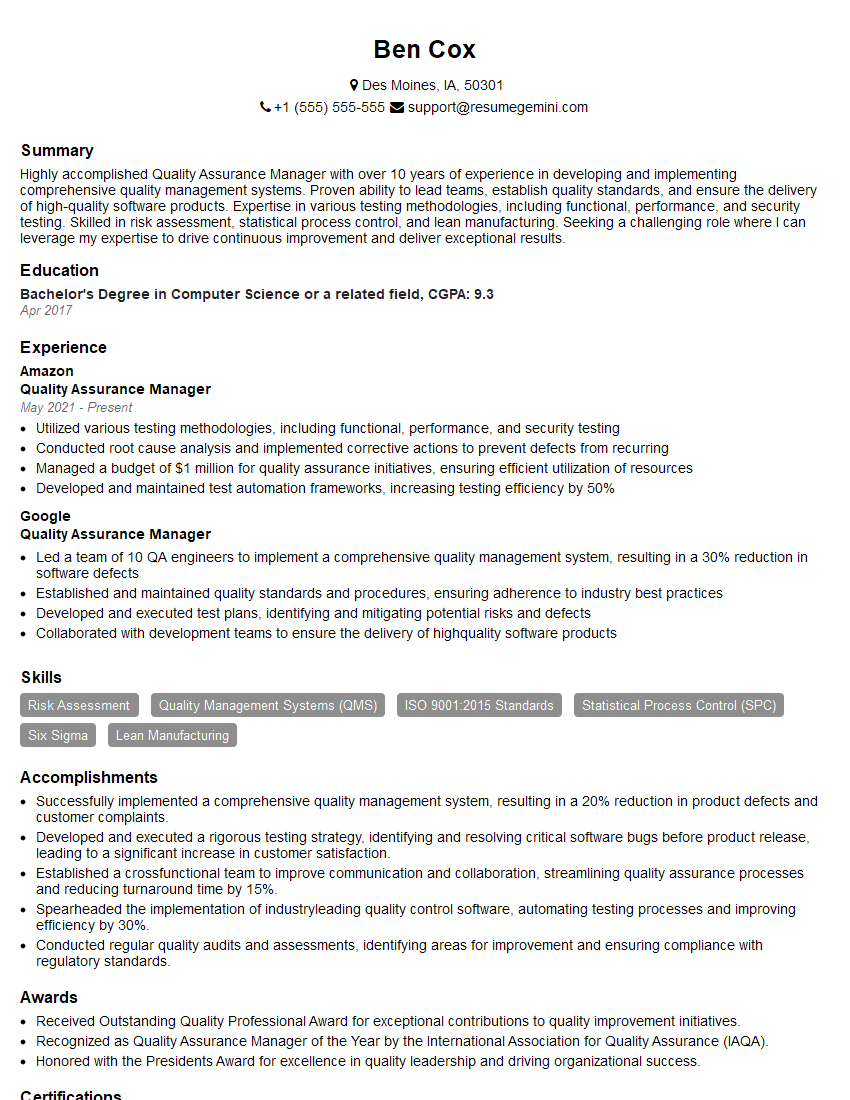
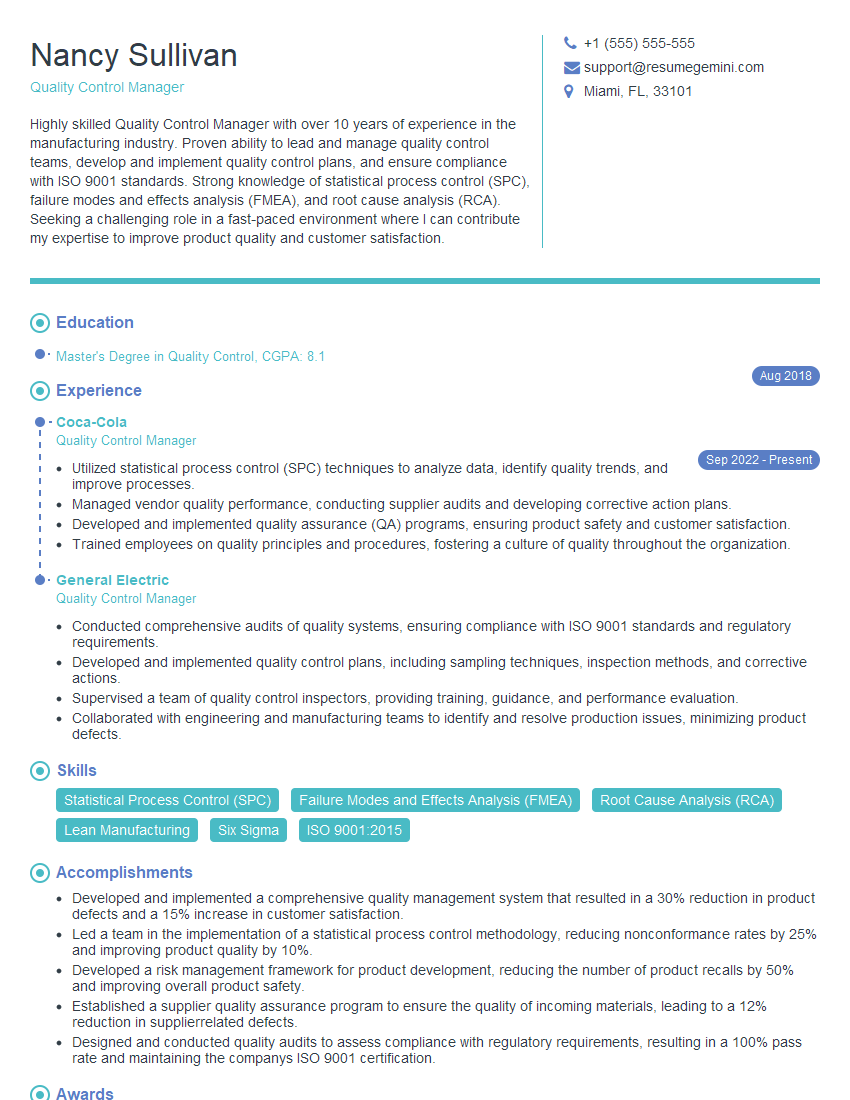
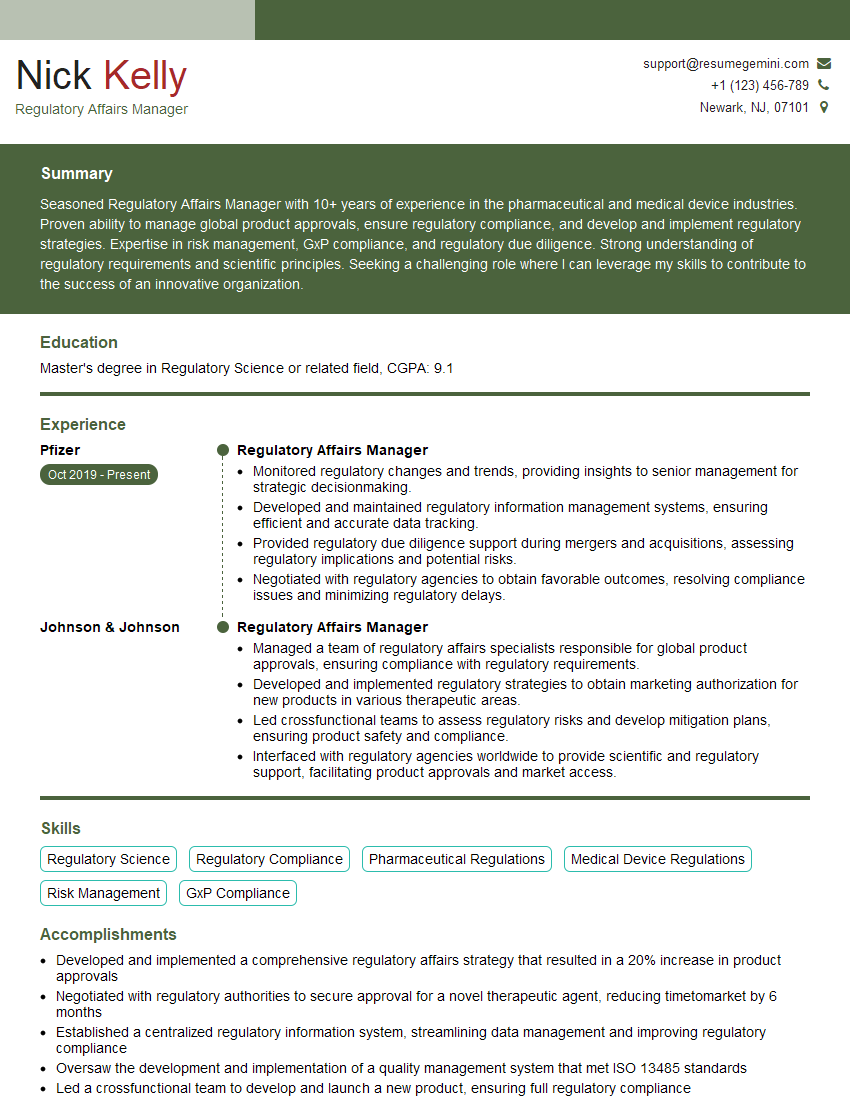
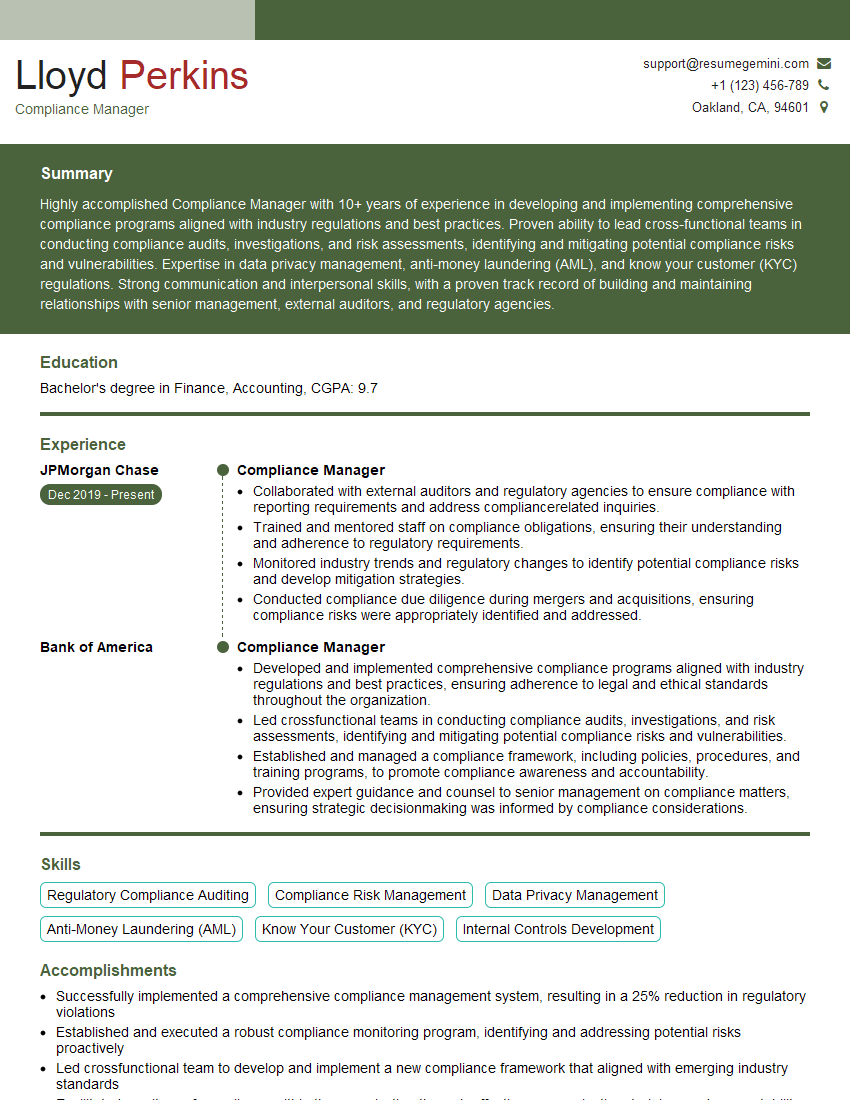
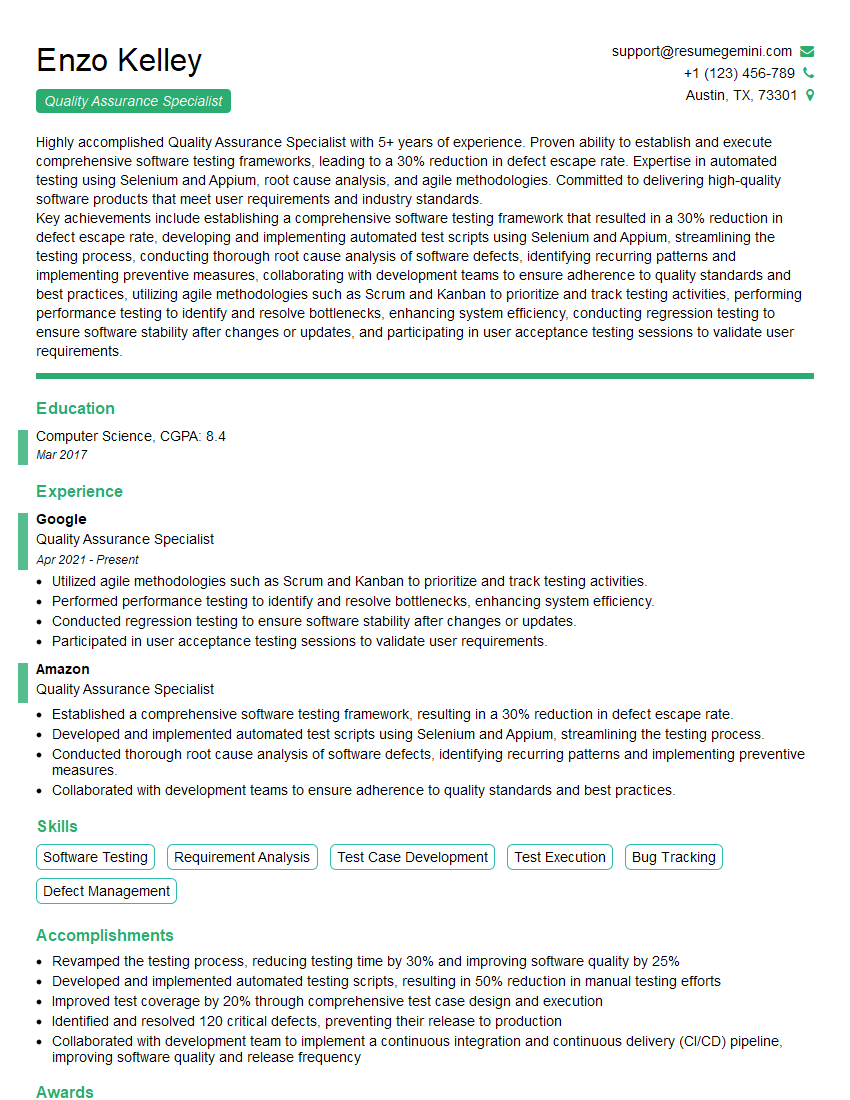
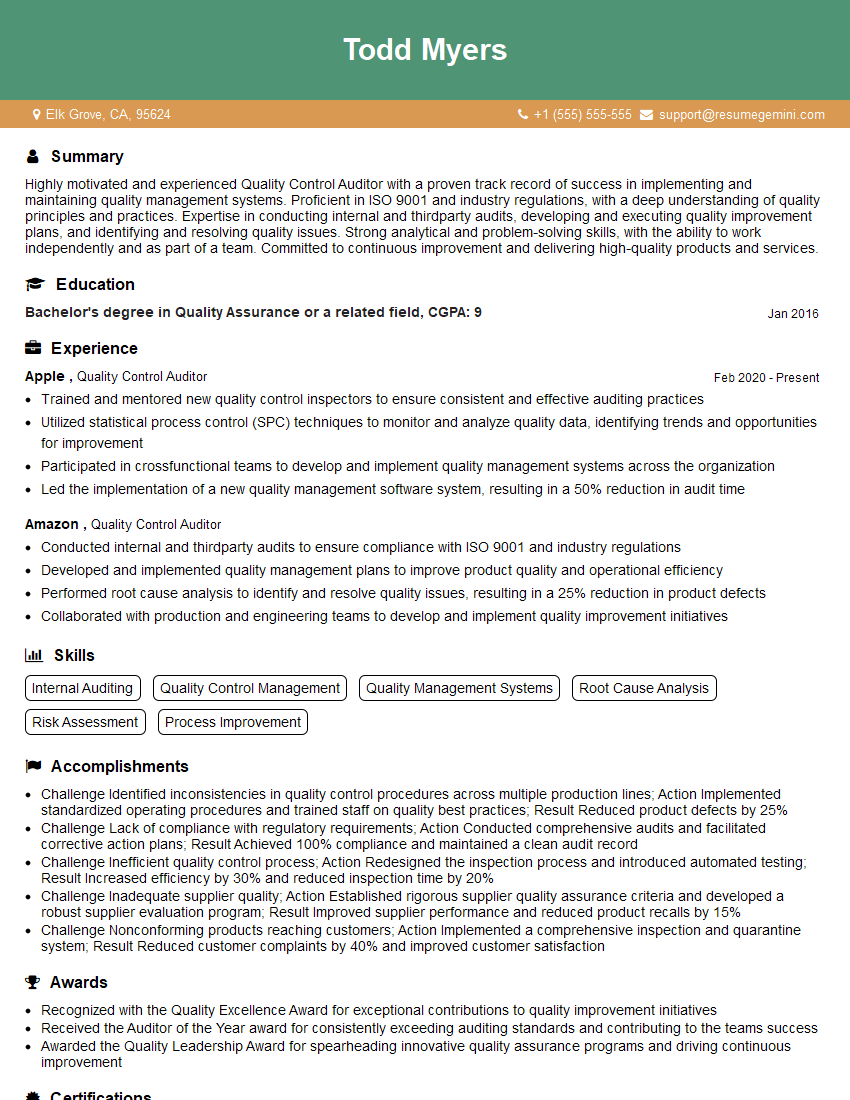
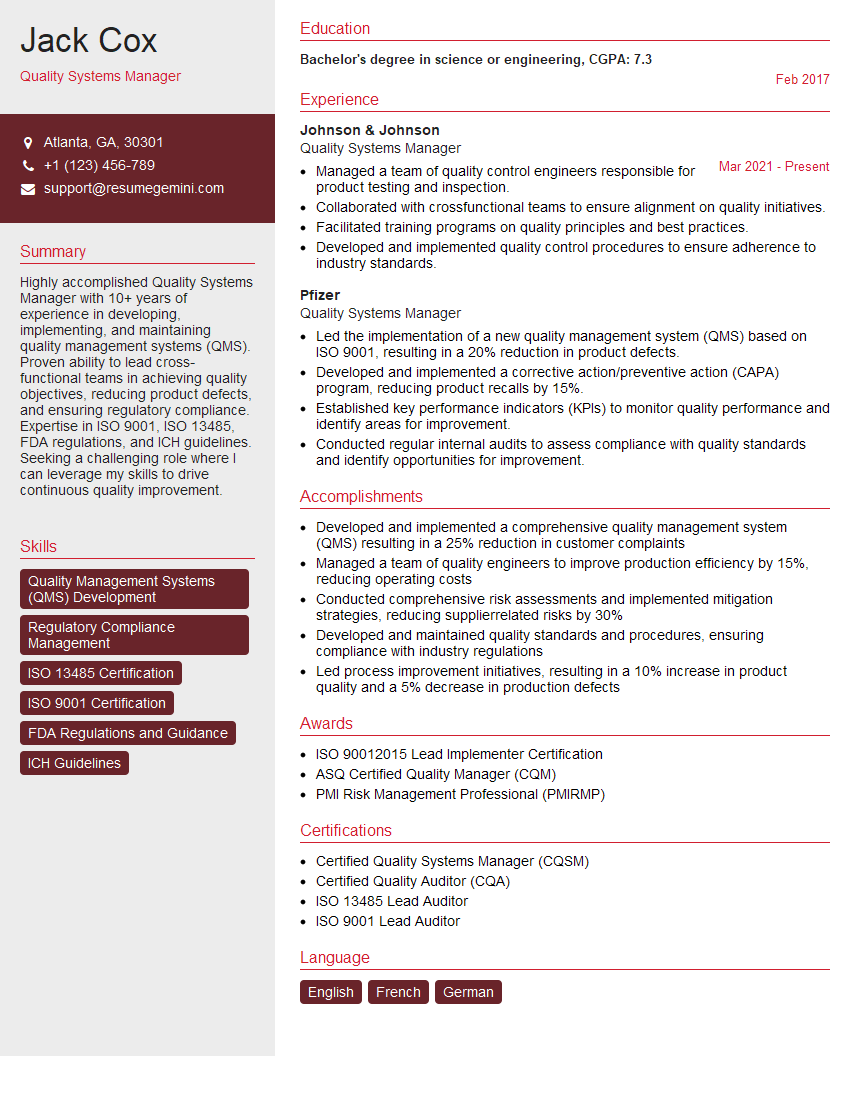
Mastering SQF principles significantly enhances your career prospects in the food industry, opening doors to more challenging and rewarding roles. A well-structured, ATS-friendly resume is crucial for showcasing your skills and experience to potential employers. To make your resume stand out, we highly recommend using ResumeGemini to build a professional and impactful document. ResumeGemini provides examples of resumes tailored to SQF (Safe Quality Food) roles, helping you present your qualifications effectively and increase your chances of securing an interview.
Explore more articles
Users Rating of Our Blogs
Share Your Experience
We value your feedback! Please rate our content and share your thoughts (optional).
What Readers Say About Our Blog
Really detailed insights and content, thank you for writing this detailed article.
IT gave me an insight and words to use and be able to think of examples