Feeling uncertain about what to expect in your upcoming interview? We’ve got you covered! This blog highlights the most important Roller Replacement Procedures interview questions and provides actionable advice to help you stand out as the ideal candidate. Let’s pave the way for your success.
Questions Asked in Roller Replacement Procedures Interview
Q 1. Describe the different types of rollers used in industrial machinery.
Industrial machinery utilizes a variety of rollers, each designed for specific applications. The choice depends heavily on factors like load capacity, speed, operating environment, and material handling requirements.
- Plain Rollers: These are simple cylindrical rollers, often made of steel or hardened materials. They’re suitable for lighter loads and applications where precision isn’t paramount. Think of them as the workhorses for basic conveyor systems.
- Tapered Rollers: These rollers have a slightly conical shape, facilitating self-alignment and reducing friction. They’re ideal for applications where slight misalignments are expected, like in some types of material handling equipment.
- Thrust Rollers: Designed to handle high axial loads, these rollers are commonly found in applications requiring significant force in a single direction, such as heavy-duty conveyors or rolling mills.
- Needle Rollers: Characterized by their small diameter and length, needle rollers are used in applications where space is limited but high load capacity is needed. They’re frequently found in compact bearings.
- Roller Bearings: These aren’t simply rollers; they’re complete units incorporating rollers and raceways, providing precise rotation and superior load-carrying capacity. They’re crucial components in high-precision machinery.
The selection process involves careful consideration of these factors to ensure optimal performance and longevity.
Q 2. What are the common causes of roller failure?
Roller failure can stem from various causes, often interconnected. Understanding these root causes is crucial for preventative maintenance.
- Wear and Tear: This is the most common reason. Constant friction and rolling action gradually erode the roller’s surface, leading to reduced efficiency and eventual failure. Think of it like the wear on your car tires from driving.
- Improper Lubrication: Insufficient or incorrect lubrication generates excessive friction and heat, accelerating wear and potentially causing seizing. This is like neglecting to oil your bicycle chain—it’ll eventually break.
- Overloading: Exceeding the roller’s design load capacity leads to premature wear and potential breakage. It’s like overloading a small cart—it will collapse.
- Misalignment: Incorrect alignment imposes uneven stress on the rollers, leading to accelerated wear on one side and potential damage. This is akin to driving a car with misaligned wheels—it will wear down the tires unevenly.
- Corrosion: Exposure to moisture or corrosive substances degrades the roller material, compromising its structural integrity. Think of the rust that builds up on outdoor metal objects.
- Impact Damage: External impacts can cause dents, cracks, or fractures, rendering the roller unusable. This is like dropping a metal ball and causing a dent.
Regular inspections and proactive maintenance are key to mitigating these issues.
Q 3. Explain the steps involved in a typical roller replacement procedure.
Replacing a roller involves a systematic procedure to ensure safety and proper function. The exact steps vary depending on the machinery and roller type, but a general outline follows:
- Safety First: Lock out and tag out the machinery to prevent accidental startup. This is paramount to prevent injury.
- Disassembly: Carefully remove any guarding or components necessary to access the roller. Take photos or diagrams to aid reassembly.
- Roller Removal: Use the appropriate tools (e.g., wrenches, pullers) to carefully remove the old roller. Note its orientation for correct reinstallation.
- Inspection: Examine the surrounding components (bearings, shafts, etc.) for wear or damage. Replace any faulty parts.
- Cleaning: Thoroughly clean the area around the roller mounting point, removing debris or contaminants.
- Installation: Carefully install the new roller, ensuring proper orientation and alignment. Refer to manufacturer’s instructions.
- Reassembly: Reinstall all guards and components, ensuring everything is securely fastened.
- Testing and Alignment: Operate the machinery briefly, observing for any unusual sounds or vibrations. Check for proper alignment.
- Documentation: Record the replacement, including date, part number, and any observations.
Following these steps diligently minimizes the risk of errors and ensures safe operation.
Q 4. How do you identify the correct replacement roller for a specific application?
Identifying the correct replacement roller necessitates careful examination of several crucial factors. Using the wrong roller can lead to premature failure or even catastrophic damage.
- Part Number: The most reliable method involves locating the part number etched on the old roller or its documentation. This number will pinpoint the exact replacement.
- Dimensions: Carefully measure the diameter, length, and any other relevant dimensions of the old roller. Compare these measurements with the specifications of potential replacements.
- Material: Note the material of the old roller. The replacement should be made of a comparable material to ensure durability and performance.
- Load Capacity: Determine the load capacity of the old roller and find a replacement that matches or exceeds it to prevent premature failure.
- Manufacturer’s Specifications: Consult the machinery’s operating manual or the manufacturer’s website for specific recommendations. They’ll often provide diagrams and part lists.
Always confirm that the replacement roller matches all these specifications before installation. Double-checking prevents costly mistakes.
Q 5. What safety precautions are crucial during roller replacement?
Safety is paramount during roller replacement. Ignoring safety procedures can result in serious injury or equipment damage.
- Lockout/Tagout (LOTO): This is the most crucial step. Ensure the machinery is completely de-energized and locked out before starting any work. This prevents accidental startup.
- Personal Protective Equipment (PPE): Wear appropriate PPE, including safety glasses, gloves, and sturdy footwear. Depending on the task, other equipment like hearing protection might be necessary.
- Lifting Techniques: Use proper lifting techniques to avoid strain or injury when handling heavy components. Employ hoists or other lifting aids when needed.
- Awareness of Surroundings: Be mindful of your surroundings, ensuring you have adequate workspace and that you are not obstructing other operations.
- Proper Tool Usage: Use the appropriate tools for the task and ensure they are in good working order. Avoid improvising; using incorrect tools increases the risk of injury.
A thorough risk assessment before commencing any work is essential to anticipate and mitigate potential hazards.
Q 6. What tools and equipment are required for roller replacement?
The tools required for roller replacement vary depending on the specific application, but a general toolkit may include:
- Wrenches (various sizes): For loosening and tightening bolts and nuts.
- Screwdrivers (various types): For removing screws and fasteners.
- Hammer: For gently tapping components into place (use a soft-faced mallet if necessary).
- Pullers: For removing stubborn rollers or bearings.
- Measuring Tools (calipers, rulers): For taking accurate measurements of the roller and its surroundings.
- Cleaning Supplies: For cleaning the mounting area before installation.
- Lubricants: For lubricating the new roller and surrounding components.
- Jacks or Hoists (if necessary): For supporting heavy components.
Always ensure that your tools are in good working condition and appropriate for the task. Improper tools increase the risk of damage or injury.
Q 7. How do you ensure proper alignment after roller replacement?
Ensuring proper alignment after roller replacement is critical for the longevity and efficient operation of the machinery. Misalignment leads to premature wear and potential damage.
- Visual Inspection: Carefully check the roller’s position relative to its surrounding components. Look for any obvious misalignments.
- Measurement Tools: Use precision measuring tools (e.g., dial indicators) to check for any deviations from the specified alignment parameters. These tools provide objective measurement and avoid guesswork.
- Alignment Tools: Specialized alignment tools may be necessary for complex systems. These tools facilitate precise alignment adjustments.
- Manufacturer’s Specifications: Refer to the machinery’s operating manual for specific alignment procedures and tolerances.
- Test Run and Observation: After making adjustments, run the machinery briefly and observe for any unusual noises or vibrations. These indicate potential misalignments.
Precise alignment is often crucial in high-speed or high-precision equipment. It reduces the stress on components, increases their lifespan, and enhances the overall efficiency and quality of the machinery.
Q 8. How do you dispose of old rollers responsibly?
Responsible disposal of old rollers is crucial for environmental protection and worker safety. The process depends heavily on the roller’s material and any potential contaminants.
- Metal Rollers: These should be recycled at a designated scrap metal facility. Many facilities accept various metal types, ensuring responsible reuse. Before disposal, ensure any hazardous substances (like lubricants) are removed as much as possible.
- Plastic Rollers: Depending on the type of plastic, these might be recyclable through municipal programs or specialized recycling facilities. Check local regulations for plastic waste disposal.
- Rubber Rollers: Some rubber can be recycled, but options are often limited. Check with your local waste management authority for appropriate disposal methods.
- Contaminated Rollers: If rollers were exposed to hazardous materials (e.g., paints, chemicals), they need special handling and disposal according to local environmental regulations. This often involves contacting a hazardous waste disposal company.
Always follow local regulations and guidelines for hazardous waste disposal to ensure compliance and protect the environment. Think of it like this: just as you wouldn’t throw an old battery in the regular trash, specialized disposal is needed for certain materials to avoid environmental damage.
Q 9. What are the potential consequences of improper roller replacement?
Improper roller replacement can lead to a cascade of negative consequences, impacting both the efficiency and lifespan of the machinery and potentially worker safety.
- Premature Wear and Tear: Incorrectly installed rollers will experience uneven stress, leading to rapid wear and the need for frequent replacements. This increases maintenance costs and downtime.
- Reduced Machine Efficiency: Misaligned or damaged rollers cause friction and vibrations, reducing the overall efficiency of the machine and potentially affecting product quality (e.g., uneven printing, inaccurate cutting).
- Safety Hazards: Worn or improperly installed rollers can lead to malfunctions, potentially causing accidents or injuries to operators. This could include unexpected machine shutdowns or component failures.
- Increased Noise Levels: Friction and vibration caused by faulty rollers often result in increased machine noise, creating an uncomfortable and potentially hazardous work environment.
Imagine a bicycle wheel with a wobbly bearing—it’s not just uncomfortable to ride; it’s also unsafe and leads to much faster wear. Similarly, neglecting proper roller replacement has a compounding negative effect.
Q 10. Explain the process of inspecting rollers for wear and tear.
Inspecting rollers for wear and tear is a crucial preventative maintenance step. It involves a thorough visual examination and, in some cases, more advanced checks.
- Visual Inspection: Look for obvious signs of damage like cracks, pitting, scoring, or excessive corrosion. Check the roller surface for uneven wear, flat spots, or deformation.
- Dimensional Measurement: Use calipers or micrometers to measure the roller’s diameter and compare it to the manufacturer’s specifications. Excessive wear will show up as a reduction in diameter.
- Bearing Inspection: If the roller is a bearing assembly, check for signs of play (looseness) or stiffness in the bearing. Listen for unusual noises during rotation.
- Surface Roughness Check: A surface roughness tester can provide a quantitative measurement of the roller surface condition, helping to identify subtle wear patterns.
Regular inspections, even if no visible damage is apparent, are vital for avoiding costly failures. Think of it as a regular health check-up; it’s better to detect small problems early than to wait for a major breakdown.
Q 11. Describe different methods for lubrication of rollers.
Roller lubrication is essential to minimize friction and extend the life of the roller. The optimal method depends on the roller type, application, and operating conditions.
- Grease Lubrication: This is a common method, particularly for roller bearings. Grease provides a long-lasting lubrication film and protects against contaminants. The type of grease should be selected based on the operating temperature and load conditions.
- Oil Lubrication: Often used for high-speed applications or rollers operating under extreme conditions. Oil provides excellent lubrication but requires a more sophisticated system (e.g., oil bath, circulating oil system) to maintain the proper oil level and prevent leaks.
- Dry Lubrication: This involves using solid lubricants like molybdenum disulfide or graphite. It’s suitable for applications with high temperatures or where oil or grease is unsuitable.
- Self-Lubricating Rollers: Some rollers are designed with self-lubricating materials incorporated into their construction, reducing the need for external lubrication.
Choosing the right lubrication method is vital for performance and longevity. Using the wrong lubricant can lead to premature roller failure, much like using the wrong oil in a car engine.
Q 12. How do you determine the correct preload for a roller bearing?
Determining the correct preload for a roller bearing is crucial for optimal performance and lifespan. Preload refers to the initial axial force applied to the bearing before operation. Too little preload can lead to play and vibration, while too much can cause excessive wear and premature failure.
The specific preload value is determined by the manufacturer’s specifications for the particular bearing. This information is often found in the bearing’s documentation or on the manufacturer’s website. The method of applying the preload will also vary based on the bearing design and the application. It frequently involves using specialized tools and precise measurement techniques to ensure the correct axial force is applied.
Ignoring the recommended preload can be likened to improperly inflating a tire—it can affect ride quality, handling and cause premature wear.
Q 13. What is the importance of proper roller alignment?
Proper roller alignment is essential for minimizing friction, wear, and vibration. Misalignment can quickly lead to premature roller failure and negatively impact the machine’s performance.
- Reduced Friction and Wear: When rollers are properly aligned, the load is distributed evenly across the roller surface. This reduces friction and wear, resulting in longer roller life and improved machine efficiency.
- Minimized Vibration: Misalignment leads to uneven loading and increased vibration, which can damage other components and reduce the machine’s accuracy and overall performance.
- Improved Accuracy: In precision applications, proper alignment is critical for maintaining the accuracy and consistency of the machine’s output. For example, in printing or cutting machines, misalignment can lead to uneven results.
Imagine a train running on misaligned tracks—the ride would be bumpy, inefficient, and potentially dangerous. Similarly, misaligned rollers compromise the stability and efficiency of machinery.
Q 14. How do you troubleshoot common issues during roller replacement?
Troubleshooting common issues during roller replacement involves a systematic approach to identify the root cause and implement the appropriate solution.
- Roller Doesn’t Rotate Smoothly: This could indicate improper lubrication, bearing damage, or debris in the bearing. Check lubrication, inspect the bearing for damage, and clean any debris.
- Excessive Vibration: This could be due to misalignment, worn rollers, or loose components. Verify roller alignment, check for roller wear, and tighten any loose fasteners.
- Premature Roller Failure: This could be caused by incorrect preload, improper lubrication, or excessive load. Check preload specifications, review lubrication procedures, and analyze the operating loads.
- Unusual Noises: Grinding, squealing, or humming noises can indicate bearing damage or misalignment. Inspect the rollers for damage, verify alignment, and replace damaged components.
A systematic approach to troubleshooting is key to efficient problem solving. Think of it like a detective investigating a crime scene – you need to gather clues and systematically eliminate possibilities to find the culprit.
Q 15. Explain the differences between different types of roller bearings.
Roller bearings are categorized based on their design and the type of rolling elements used. The most common types are ball bearings and roller bearings. Within roller bearings, we have several subtypes, each with unique characteristics and applications.
- Cylindrical Roller Bearings: These use cylindrical rollers arranged parallel to the shaft axis. They excel at handling high radial loads but have limited axial load capacity. Think of a heavy-duty conveyor belt – the rollers supporting the weight are likely cylindrical.
- Tapered Roller Bearings: These utilize tapered rollers, allowing them to handle both radial and axial loads simultaneously. This makes them ideal for applications with combined loads, such as wheel bearings in a car. The taper allows for efficient distribution of forces.
- Spherical Roller Bearings: These incorporate spherical rollers, providing self-aligning capabilities. This is crucial when misalignment between the shaft and housing is a concern, like in a gearbox.
- Needle Roller Bearings: These bearings use small-diameter, long rollers, allowing for a compact design with high load capacity. They’re often found in applications where space is limited, such as small motors or power tools.
The choice of bearing type depends entirely on the application’s specific load requirements, speed, and operating environment. A poorly chosen bearing will quickly fail, leading to downtime and costly repairs.
Career Expert Tips:
- Ace those interviews! Prepare effectively by reviewing the Top 50 Most Common Interview Questions on ResumeGemini.
- Navigate your job search with confidence! Explore a wide range of Career Tips on ResumeGemini. Learn about common challenges and recommendations to overcome them.
- Craft the perfect resume! Master the Art of Resume Writing with ResumeGemini’s guide. Showcase your unique qualifications and achievements effectively.
- Don’t miss out on holiday savings! Build your dream resume with ResumeGemini’s ATS optimized templates.
Q 16. How do you handle unexpected problems during a roller replacement?
Unexpected problems during a roller replacement are unfortunately common. My approach involves a methodical troubleshooting process. First, I carefully assess the nature of the problem. Is the new roller damaged? Is there a problem with the shaft or housing? Does the problem stem from an incorrect bearing selection?
For instance, if the new roller is binding, I would check for debris, misalignment, or improper seating. I use precision measuring tools to check shaft diameter, housing bore, and roller dimensions to rule out dimensional inaccuracies. If misalignment is suspected, I might use shims to correct the issue. If the problem persists, it might be necessary to replace the entire assembly rather than just the rollers.
Documentation is vital; I meticulously note all observations and troubleshooting steps, making it easier to understand why a problem occurred and ensure it doesn’t happen again. Experience helps build a library of solutions for similar issues.
Q 17. What are the common signs indicating that a roller needs replacement?
Several signs indicate a roller bearing needs replacing. These are often subtle initially but become more pronounced as the bearing deteriorates.
- Noise: Grinding, rumbling, or growling sounds are classic indicators of bearing wear. This is caused by the rollers losing their smooth surface, leading to increased friction.
- Vibration: Excessive vibration is another symptom. Worn rollers can cause imbalances and vibrations transmitted through the machine, potentially damaging other components.
- Increased Play/Looseness: If there’s noticeable play or looseness in the rotating component, it may indicate wear in the bearings.
- Temperature Rise: Friction from worn rollers generates heat. A noticeably higher-than-normal operating temperature could suggest a problem.
- Difficulty Rotating: If the component is difficult to turn or rotate, the increased friction from wear is affecting performance.
Ignoring these early warnings can lead to catastrophic failure, so proactive inspection and maintenance are vital.
Q 18. Describe your experience with different types of roller installation methods.
My experience encompasses various roller installation methods, each with its own set of tools and techniques. The most common methods include:
- Press Fitting: This is used for most roller bearings and involves using a hydraulic press or arbor press to carefully seat the bearing into its housing. Precision and controlled pressure are critical to avoid damage.
- Shrink Fitting: This method uses temperature differences to achieve a tight fit. The housing is heated, expanding it slightly, while the bearing is kept at ambient temperature. Once cooled, the bearing is securely held in place. This method demands careful temperature control to avoid damage.
- Hand Fitting (for smaller bearings): For smaller bearings, careful hand fitting with specialized tools like bearing drivers can be sufficient.
Choosing the correct method depends on the bearing size, material, and the specific application requirements. For example, press fitting is generally preferred for larger and heavier-duty bearings where high accuracy and precision are essential. Incorrect installation can lead to premature failure, misalignment, and other issues.
Q 19. What are the key performance indicators (KPIs) for successful roller replacement?
Key Performance Indicators (KPIs) for successful roller replacement focus on the long-term health and efficiency of the system. Here are some crucial metrics:
- Reduced Vibration Levels: After replacement, vibration levels should significantly decrease, measured using vibration sensors.
- Noise Reduction: Similar to vibration, noise levels should drop. This is subjectively measured initially, and then confirmed with more precise acoustic measurement.
- Increased Operational Efficiency: Properly functioning rollers lead to smoother operation and potentially reduced energy consumption.
- Extended Mean Time Between Failures (MTBF): This is a measure of the time between component failures. A successful replacement should significantly extend the MTBF.
- Lower Operating Temperature: Reduced friction due to the new bearing should translate to lower operating temperatures.
These KPIs, when tracked over time, provide valuable insight into the effectiveness of the replacement procedure and the overall health of the equipment.
Q 20. How do you ensure the quality of the replacement roller?
Ensuring the quality of the replacement roller involves several steps, beginning with careful supplier selection. I prefer to work with reputable suppliers who can provide certifications and test results verifying the bearings’ quality and conformance to standards. The bearings must meet the application’s load capacity, speed rating, and material specifications.
Upon receipt, I visually inspect the rollers for any defects. This includes checking for surface damage, dents, or irregularities. Sometimes, I may use specialized measuring instruments to verify dimensions and tolerances. This verification step is extremely important for a precise fit and to prevent premature bearing failure.
Using genuine OEM (Original Equipment Manufacturer) parts is also highly recommended when possible, because this ensures compatibility and quality. The cost of using non-OEM may seem cheaper upfront, but can end up costing significantly more in repair time and potential damages.
Q 21. How do you document the roller replacement process?
Documentation of the roller replacement process is crucial for maintaining a record of maintenance activities and for future troubleshooting. My documentation typically includes:
- Equipment Identification: Clearly identifying the equipment undergoing maintenance, along with a unique ID.
- Date and Time: Recording the exact date and time of the replacement.
- Roller Bearing Information: Detailed specifications of the old and new bearings, including part numbers and manufacturer details.
- Procedure Followed: A description of the steps taken during the replacement process, including any special tools or techniques.
- Measurements and Observations: Any pre- and post-replacement measurements, such as vibration levels, temperature readings, or clearance measurements.
- Issues Encountered: Detailed documentation of any unexpected problems or challenges encountered during the process and the steps taken to resolve them.
- Technician Signature: A signature or identification of the technician who performed the work.
This detailed documentation enables efficient tracking of maintenance history and facilitates quicker diagnosis of future problems, minimizing downtime and improving overall equipment reliability. Digital record-keeping is becoming increasingly common, using software or digital forms for better storage and management.
Q 22. What are the environmental considerations when disposing of old rollers?
Environmental considerations for disposing of old rollers are crucial for responsible waste management and minimizing environmental impact. The type of roller dictates the disposal method. For example, rollers containing hazardous materials like certain types of lubricants or coatings require specialized disposal through licensed hazardous waste handlers. This often involves detailed documentation and adherence to local, regional, and national regulations. Non-hazardous rollers, such as those made of simple steel or plastic, may be recyclable and can be disposed of through appropriate recycling facilities. Always check the material composition of the roller before disposal to ensure proper handling. Improper disposal can lead to soil and water contamination and harm wildlife.
For instance, I once worked on a project where we replaced rollers on a large industrial conveyor system. The old rollers contained a significant amount of oil-based lubricant. We carefully collected and labeled the used rollers, and a licensed hazardous waste contractor came to safely remove them for proper treatment and disposal, meticulously following all documented procedures.
Q 23. What is your experience with different types of roller mounting techniques?
My experience encompasses a wide range of roller mounting techniques, each chosen based on factors such as the roller’s size, application, required load capacity, and the overall system design. Common methods include keyed shafts, set screws, and flange mounts. Keyed shafts provide secure, positive axial location and are ideal for high-torque applications. Set screws offer a simpler and faster installation method but require careful torque control to prevent damage. Flange mounts, often used for larger rollers, offer robust support and facilitate easy alignment.
I’ve also worked with more specialized techniques like press-fit mounting for specific high-precision applications requiring extremely tight tolerances, and hydraulic systems for very large or heavy rollers where precise positioning and force control are essential. Selecting the correct method requires a thorough understanding of the mechanical properties of the roller and the surrounding machinery to ensure safe and efficient operation.
Q 24. Describe your experience with preventive maintenance for rollers.
Preventive maintenance for rollers is paramount for ensuring efficient operation and extending their lifespan. This includes regular inspections for signs of wear, such as scoring, pitting, or excessive vibration. Lubrication is a critical aspect, with the type and frequency of lubrication depending on the roller’s material and operating environment. For instance, rollers operating in high-temperature environments may require specialized high-temperature grease, while those in dusty environments may benefit from sealed bearings to prevent contamination.
Cleaning is also vital, removing dust, debris, and other contaminants that can impede smooth operation and accelerate wear. A well-defined preventive maintenance schedule, typically based on operating hours or time intervals, is crucial. This schedule allows for proactive identification of potential issues before they lead to costly downtime or system failures. Thinking about it like regular car maintenance – regular checks and lubrication prevent bigger, more expensive problems later.
Q 25. How do you prioritize roller replacement tasks within a maintenance schedule?
Prioritizing roller replacement tasks within a maintenance schedule involves a risk-based approach. Rollers critical to safety or those with a higher risk of failure are prioritized over those with less significant consequences. This prioritization often considers factors such as the roller’s condition, its criticality to the system’s overall operation, and the potential consequences of its failure. I typically use a combination of condition monitoring techniques and historical data to inform my prioritization decisions. For example, a roller showing significant wear on a crucial part of a production line will take precedence over a roller with minor wear on a less critical component.
I’ve found that using a CMMS (Computerized Maintenance Management System) is extremely helpful in tracking roller condition, scheduled maintenance, and generating reports to inform these decisions.
Q 26. What is your experience with using computerized maintenance management systems (CMMS)?
My experience with CMMS is extensive. I’ve used various systems throughout my career to manage work orders, track inventory, schedule maintenance, and analyze maintenance data. CMMS allows for efficient planning and scheduling of roller replacements, ensuring that parts are available and technicians are scheduled effectively. The system also helps track the history of each roller, including its installation date, maintenance history, and condition reports, enabling data-driven decision-making for preventive maintenance strategies. It facilitates proactive rather than reactive maintenance, minimizing downtime and improving overall operational efficiency. In essence, a CMMS helps transition from a ‘fix-it-when-it-breaks’ approach to a more sustainable predictive approach.
For example, using a CMMS, I can easily track the remaining lifespan of each roller in a system based on its usage and historical data, allowing for efficient scheduling of replacement before failure occurs.
Q 27. How do you maintain a clean and organized workspace during roller replacement?
Maintaining a clean and organized workspace during roller replacement is essential for safety and efficiency. Before starting any work, I always ensure the area is clear of obstructions and that appropriate safety precautions are in place. Tools are organized neatly, and materials are readily accessible. Protective measures like eye protection, gloves, and appropriate clothing are always used. As I work, I immediately dispose of or store waste materials properly, preventing accidents and making the area easier to manage. This approach drastically improves productivity by reducing time spent searching for tools or navigating around clutter.
Think of it like preparing for surgery—a clean and organized environment minimizes the risk of errors and ensures a smooth, efficient process.
Q 28. Describe a time you had to troubleshoot a complex roller replacement issue.
I once encountered a complex roller replacement issue on a high-speed paper-manufacturing machine. The rollers were showing premature wear, significantly impacting production. Initial inspection suggested a simple roller replacement, but replacing the rollers didn’t solve the problem; the wear continued. Through a systematic troubleshooting process, I investigated various factors, including misalignment, excessive vibration, and improper lubrication. After analyzing the vibration data and the roller’s wear pattern, I discovered that a slight misalignment in the machine frame was causing uneven stress on the rollers, leading to accelerated wear.
The solution involved precise realignment of the machine frame, which required careful measurements and adjustments. Once the frame was correctly aligned, the roller wear was significantly reduced, resolving the issue and restoring the machine to optimal performance. This experience highlighted the importance of a systematic diagnostic approach and the need to consider all possible contributing factors when troubleshooting complex mechanical issues. It taught me the value of using data and not just relying on visual inspections to correctly diagnose problems.
Key Topics to Learn for Roller Replacement Procedures Interview
- Safety Procedures: Understanding and adhering to all relevant safety regulations and protocols before, during, and after roller replacement. This includes proper use of PPE and lockout/tagout procedures.
- Roller Selection and Identification: Correctly identifying the type and specifications of rollers required for a specific application, considering factors like material, size, and load capacity. Practical application includes understanding manufacturer specifications and part numbers.
- Disassembly and Removal Techniques: Mastering the safe and efficient removal of old or damaged rollers, including the use of appropriate tools and techniques to avoid damage to surrounding components. This includes understanding different roller mounting methods (e.g., bearings, shafts).
- Installation Procedures: Proper installation of new rollers, ensuring correct alignment and seating to prevent premature wear and tear. Practical application includes understanding torque specifications and lubrication requirements.
- Post-Installation Inspection and Testing: Thorough inspection and testing to verify correct functionality and performance after roller replacement, identifying and addressing any potential issues. This includes understanding performance metrics and troubleshooting common problems.
- Troubleshooting Common Problems: Diagnosing and resolving common issues related to roller failure, such as misalignment, wear, and lubrication problems. This includes understanding the root causes of failure and preventative maintenance.
- Maintenance and Lubrication: Understanding the importance of regular maintenance and lubrication schedules to extend the lifespan of rollers and prevent unexpected failures. This includes knowledge of different lubrication types and application methods.
Next Steps
Mastering Roller Replacement Procedures is crucial for career advancement in many industries. Proficiency in this area demonstrates technical skill, attention to detail, and a commitment to safety – all highly valued attributes. To maximize your job prospects, create an ATS-friendly resume that highlights your skills and experience. ResumeGemini is a trusted resource to help you build a professional and effective resume that will catch the eye of recruiters. Examples of resumes tailored to Roller Replacement Procedures are available to guide you. Invest the time to create a strong resume; it’s your first impression and a key to unlocking your career potential.

Maintenance Planner Resume Sample

Maintenance Supervisor Resume Sample

Reliability Engineer Resume Sample
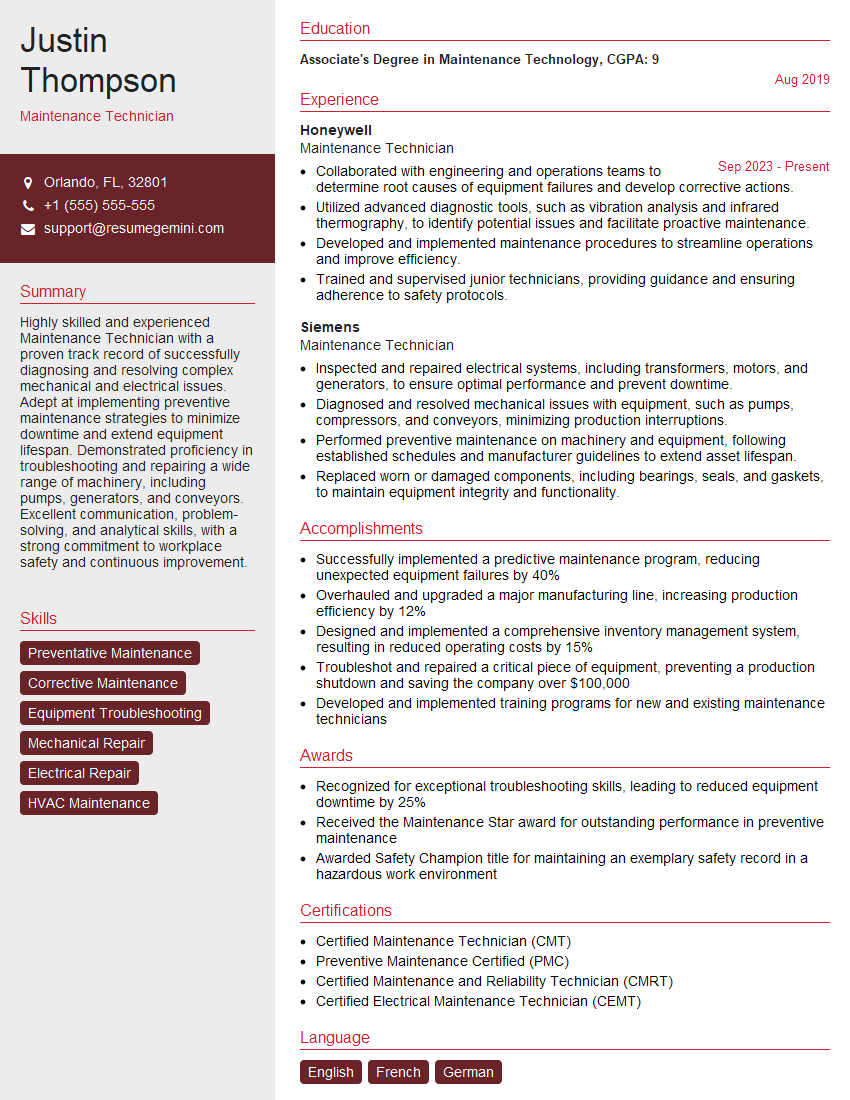
Maintenance Technician Resume Sample

Maintenance Engineer Resume Sample
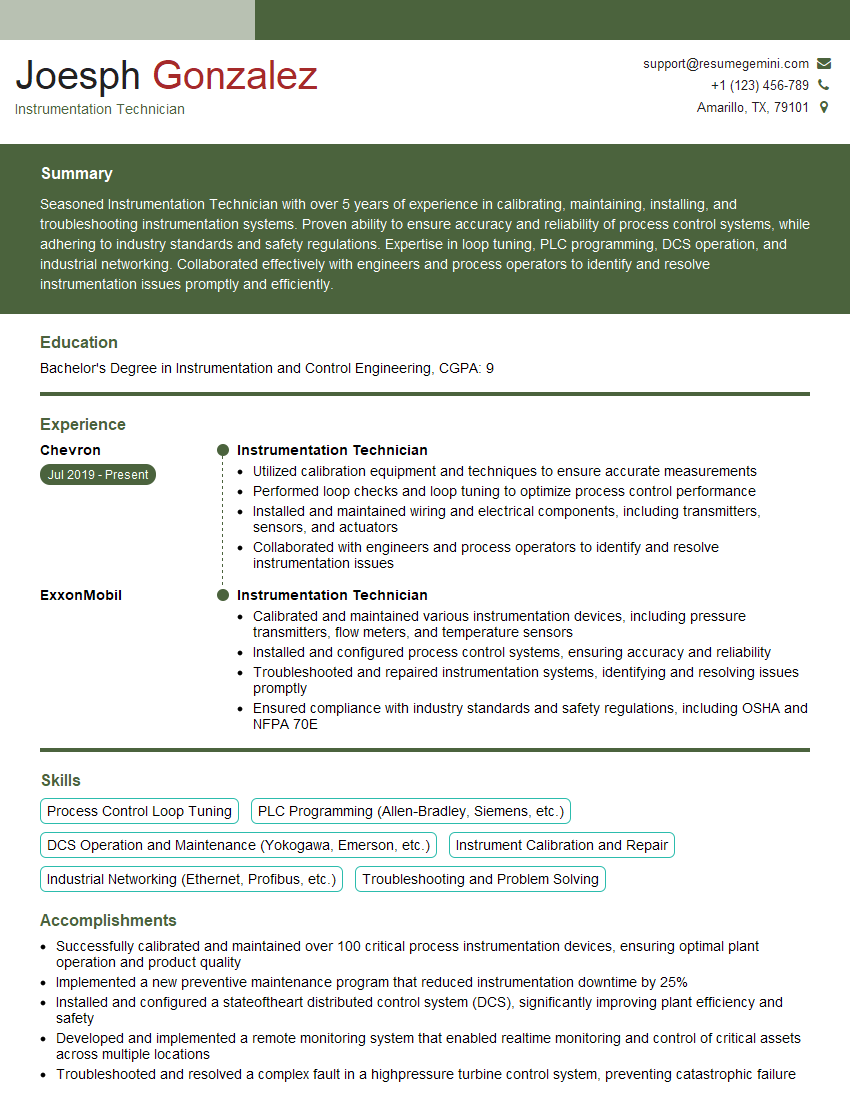
Instrumentation Technician Resume Sample

Automation Technician Resume Sample
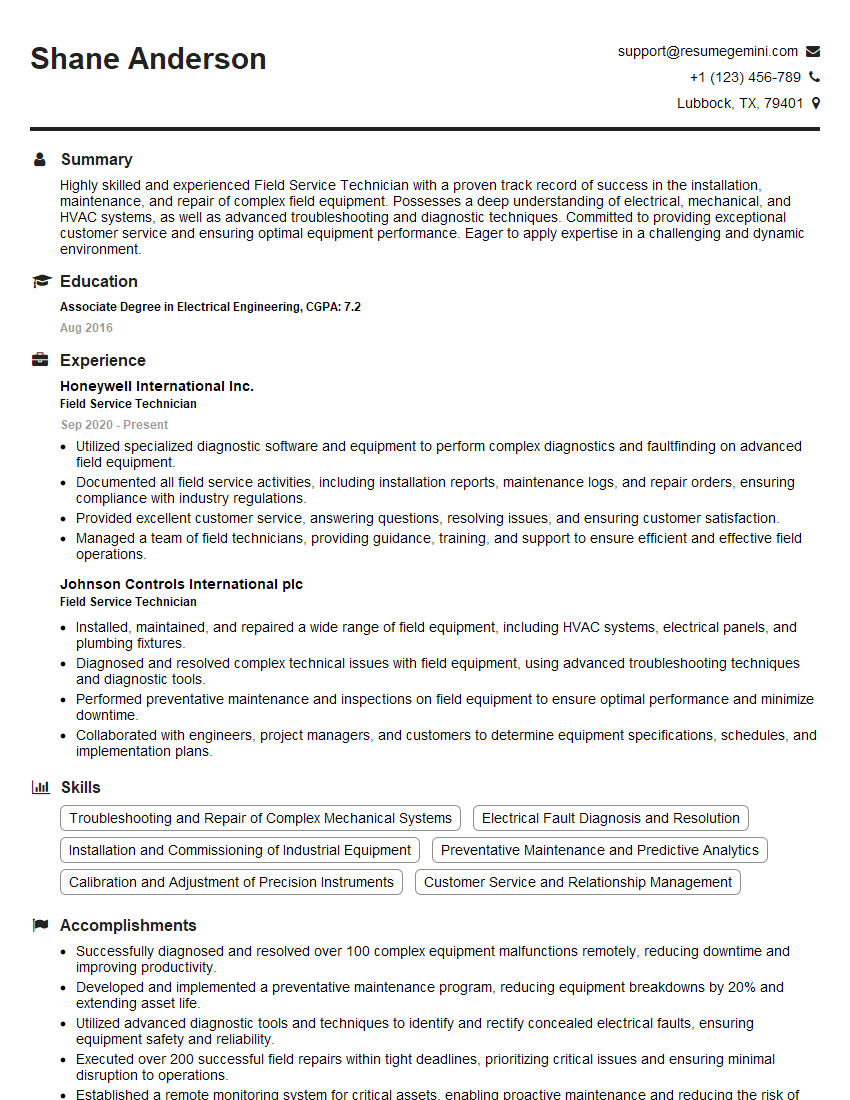
Field Service Technician Resume Sample

Mechanical Technician Resume Sample

Robotics Technician Resume Sample

Manufacturing Technician Resume Sample

Process Technician Resume Sample

Machinist Resume Sample

Industrial Electrician Resume Sample
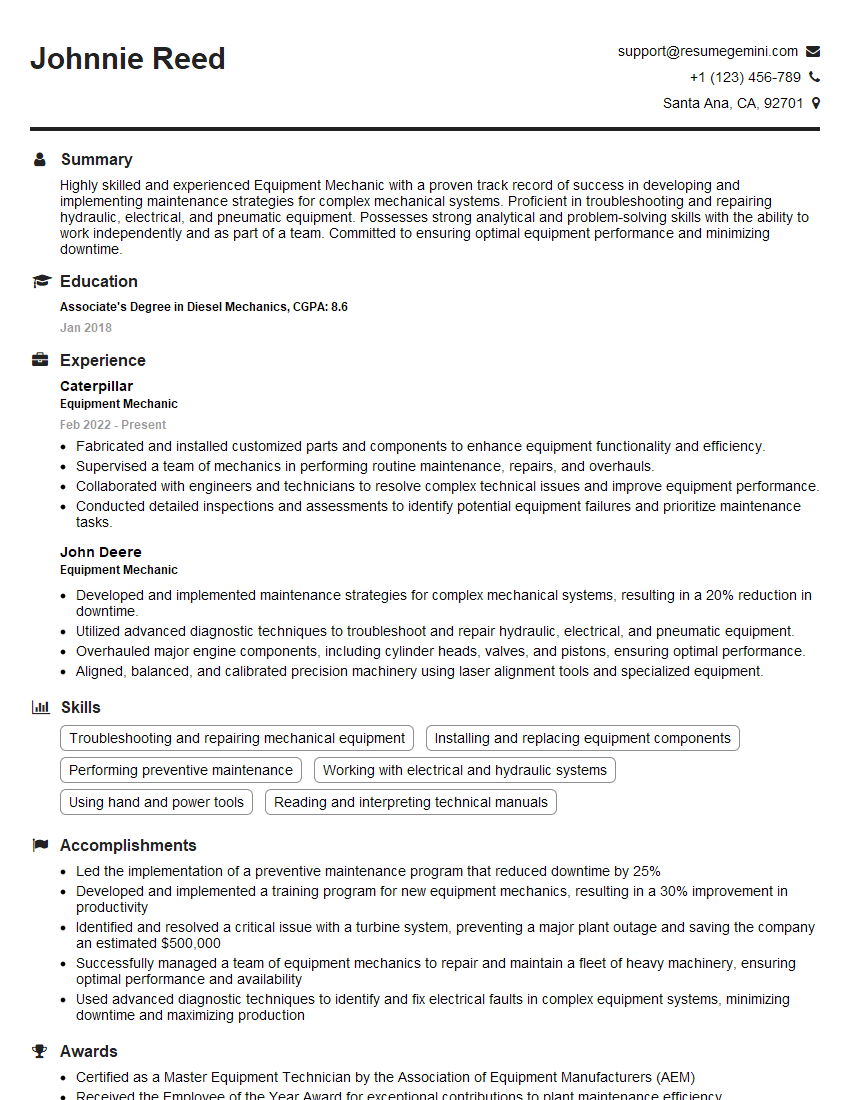
Equipment Mechanic Resume Sample
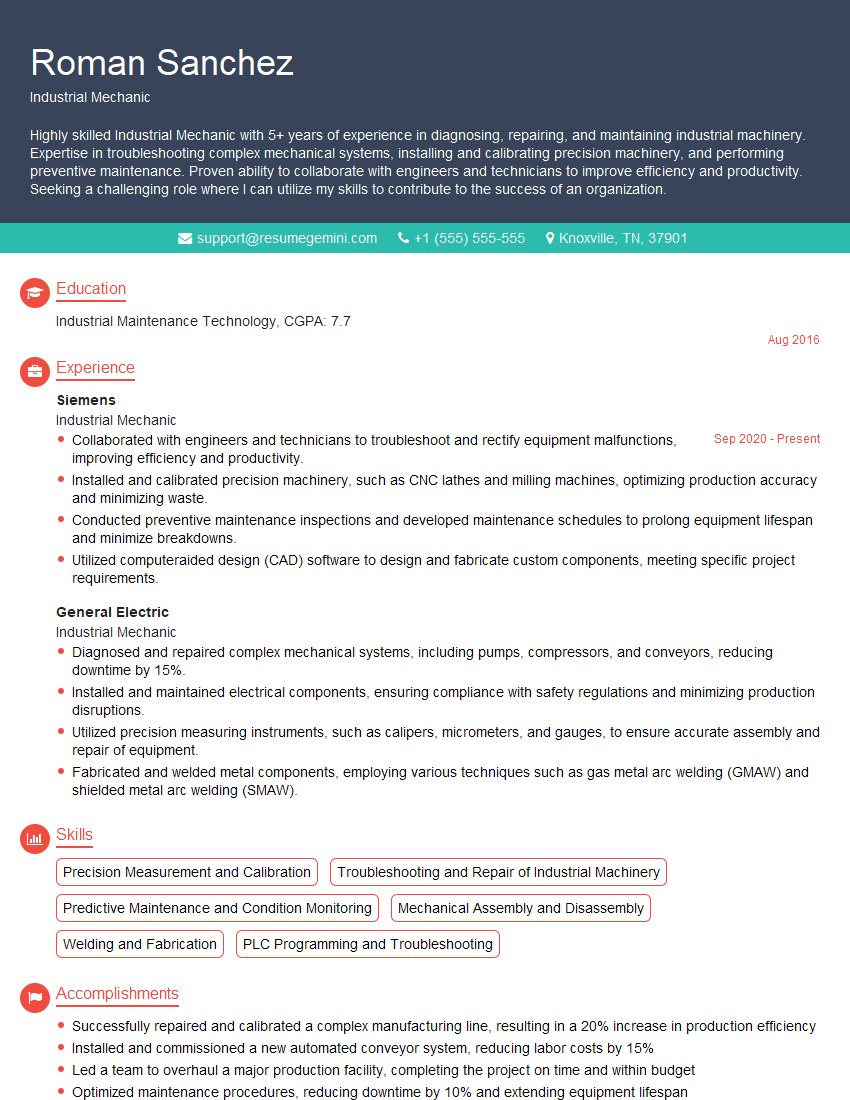
Industrial Mechanic Resume Sample

Millwright Resume Sample

Plant Maintenance Technician Resume Sample
- Maintenance Planner
- Maintenance Supervisor
- Reliability Engineer
- Maintenance Technician
- Maintenance Engineer
- Instrumentation Technician
- Automation Technician
- Field Service Technician
- Mechanical Technician
- Robotics Technician
- Manufacturing Technician
- Process Technician
- Machinist
- Industrial Electrician
- Equipment Mechanic
- Industrial Mechanic
- Millwright
- Plant Maintenance Technician
Explore more articles
Users Rating of Our Blogs
Share Your Experience
We value your feedback! Please rate our content and share your thoughts (optional).
What Readers Say About Our Blog
Really detailed insights and content, thank you for writing this detailed article.
IT gave me an insight and words to use and be able to think of examples