Interviews are opportunities to demonstrate your expertise, and this guide is here to help you shine. Explore the essential Safety Knowledge and Compliance interview questions that employers frequently ask, paired with strategies for crafting responses that set you apart from the competition.
Questions Asked in Safety Knowledge and Compliance Interview
Q 1. Describe your experience with OSHA regulations.
My experience with OSHA regulations is extensive, encompassing over 10 years of practical application in various industries. I’m intimately familiar with OSHA’s General Duty Clause, which mandates employers to provide a workplace free from recognized hazards. I have hands-on experience interpreting and implementing specific OSHA standards, such as those related to hazard communication (HazCom), lockout/tagout (LOTO), personal protective equipment (PPE), fall protection, and confined space entry. I’ve conducted numerous OSHA compliance audits, identifying potential violations and developing corrective action plans. For instance, in a previous role at a manufacturing facility, I spearheaded a comprehensive review of their LOTO procedures, resulting in improved training and a reduction in near-miss incidents. My knowledge extends to record-keeping requirements, emergency action plans, and the intricacies of OSHA’s reporting mechanisms, including incident reporting and 300 logs.
I’m also well-versed in navigating OSHA’s website, utilizing its resources for compliance guidance and staying updated on any regulatory changes. Understanding OSHA’s enforcement process, including inspections and potential penalties, is crucial for proactive compliance and risk mitigation, which is a core aspect of my expertise.
Q 2. Explain your understanding of risk assessment methodologies.
Risk assessment methodologies are fundamental to proactive safety management. My understanding encompasses a range of approaches, including qualitative and quantitative methods. Qualitative methods, like Job Safety Analysis (JSA) and Hazard and Operability Studies (HAZOP), involve expert judgment to identify potential hazards and evaluate their likelihood and severity. Quantitative methods, such as Fault Tree Analysis (FTA) and Event Tree Analysis (ETA), use statistical data and probability calculations to assess risks more precisely. I’m adept at selecting the most appropriate methodology based on the context – a JSA might suffice for a simple task, while a FTA would be better suited for a complex process with multiple potential failure points.
For example, in a recent project involving the installation of new machinery, we utilized a HAZOP study to identify potential hazards during each phase of the installation process, from delivery to commissioning. This allowed us to implement preventive measures and develop detailed safety procedures, minimizing the risks to personnel and equipment. Ultimately, effective risk assessment involves not just identifying hazards but also implementing controls to mitigate risks and regularly reviewing the effectiveness of those controls.
Q 3. How do you develop and implement safety training programs?
Developing and implementing safety training programs requires a systematic approach. It starts with a needs assessment to identify the specific training requirements of the workforce, considering their roles, responsibilities, and the hazards they face. The training content should be tailored to address those specific needs, using clear, concise language and appropriate training methodologies. I incorporate various techniques, including classroom instruction, hands-on training, simulations, and online modules, to cater to different learning styles. For instance, I might use interactive online modules for initial training on safety policies and procedures, followed by hands-on training with experienced personnel for tasks requiring specific skills.
Beyond the initial training, I emphasize the importance of ongoing refresher training and continuous improvement. Regular audits and feedback mechanisms are crucial to ensure the training remains effective and relevant. Documentation of training attendance, performance evaluations, and ongoing competence assessment are essential for demonstrating compliance and maintaining a safe work environment. Finally, assessing the effectiveness of the training program through key performance indicators (KPIs) such as incident rates and employee feedback loops, ensures that the program remains aligned with organizational goals and regulatory requirements.
Q 4. What is your experience with incident investigation and reporting?
Incident investigation and reporting are critical for identifying root causes of accidents and near misses, implementing corrective actions, and preventing future occurrences. My experience involves leading incident investigations using established methodologies, such as the “5 Whys” technique or the more formal Bowtie analysis. This involves gathering evidence, interviewing witnesses, analyzing data, and documenting findings thoroughly. I ensure that investigations are impartial, factual, and aim to identify system failures rather than placing blame on individuals. The investigation report should clearly outline the root causes, contributing factors, recommendations for corrective actions, and preventative measures to be implemented.
Reporting is equally crucial, ensuring that incidents are documented accurately and promptly, complying with all relevant legal and regulatory requirements. This often includes reporting to OSHA, insurance companies, or internal management. Following the investigation and reporting, I focus on implementing the corrective and preventive actions, often including updates to safety procedures, training materials, and equipment modifications. Regular monitoring and follow-up are critical to ensure that the implemented changes are effective in preventing similar incidents.
Q 5. How do you ensure compliance with environmental regulations?
Ensuring compliance with environmental regulations requires a comprehensive understanding of applicable laws and regulations, such as those enforced by the EPA. This includes knowing the specific requirements for handling hazardous waste, managing air and water emissions, and complying with spill prevention control and countermeasure (SPCC) plans. My approach involves developing and implementing environmental management systems (EMS), often based on ISO 14001 standards. These systems provide a framework for identifying environmental aspects, setting environmental objectives and targets, implementing control measures, and monitoring performance. Regular internal audits, environmental inspections, and employee training are integral to maintaining compliance.
For example, in a previous role, I helped develop and implement a comprehensive EMS for a chemical manufacturing facility, resulting in significant reductions in waste generation and improved compliance with discharge permits. This involved working closely with environmental consultants, regulatory agencies, and internal teams. Staying updated on changing environmental regulations and incorporating those changes into our operational procedures and training programs is an ongoing and vital part of this process. Active participation in industry best practices and working groups aids in maintaining a high level of compliance and environmental stewardship.
Q 6. Describe your experience with safety audits and inspections.
Safety audits and inspections are crucial for evaluating the effectiveness of safety management systems and identifying areas for improvement. My experience includes conducting both internal and external audits, using checklists and other tools to assess compliance with relevant standards, regulations, and internal policies. I’m adept at identifying potential hazards, evaluating the adequacy of control measures, and recommending corrective actions. These inspections cover a broad spectrum, from reviewing safety procedures and training programs to inspecting equipment and work areas for potential hazards. For instance, I’ve performed regular safety walkthroughs at construction sites, identifying potential fall hazards, ensuring proper use of PPE, and verifying the effectiveness of safety signage.
A key element of my approach is to make inspections collaborative. I work closely with employees to identify potential hazards and best practices and foster a culture of safety. My reports provide detailed findings, prioritize identified issues based on risk level, and recommend corrective actions with specific timelines for implementation. Following up on corrective actions and conducting re-inspections to ensure their effectiveness is also a critical part of the process, ensuring a cycle of continuous improvement.
Q 7. How do you manage safety budgets and resources?
Managing safety budgets and resources requires a strategic approach that balances competing priorities and ensures the most effective allocation of funds. I start by prioritizing safety initiatives based on risk assessments, focusing resources on the areas with the highest potential for incidents or non-compliance. This may involve developing a detailed budget outlining expenditures for training, equipment, safety audits, and incident investigation. I often utilize cost-benefit analysis to justify safety investments, demonstrating the potential savings from accident prevention.
Cost-effective strategies are always at the forefront. This involves exploring options for leveraging existing resources, negotiating favorable contracts with vendors, and prioritizing preventive measures to reduce the need for costly reactive measures. For example, investing in improved training programs to reduce incidents could significantly outweigh the costs associated with worker compensation claims or equipment repairs. Transparency in budgeting and regular reporting to stakeholders are critical to ensure accountability and continued support for safety initiatives. Continuous monitoring and evaluation of expenditures ensure that the resources are allocated efficiently and effectively to enhance the overall safety performance of the organization.
Q 8. Explain your knowledge of hazard communication standards.
Hazard communication standards, often embodied in regulations like OSHA’s HazCom standard (29 CFR 1910.1200), ensure workers are informed about the hazards associated with the chemicals they handle. This involves creating and maintaining Safety Data Sheets (SDS) for each hazardous chemical, which detail its properties, potential health effects, handling precautions, and emergency procedures. Furthermore, employers must provide employee training on how to understand and use SDSs, and implement a labeling system to clearly identify hazardous chemicals in the workplace. Think of it like this: Imagine you’re cooking – a hazard communication standard would be equivalent to having clear labels on all your ingredients, outlining potential risks (like a spicy pepper causing mouth irritation) and proper handling instructions.
- SDS Creation and Maintenance: Regularly updating SDSs is crucial as chemical formulations can change, and new hazards may be discovered.
- Labeling: All containers must be clearly labeled with hazard pictograms and signal words (Danger or Warning) indicating severity.
- Employee Training: Regular training ensures employees understand the hazards they face, how to protect themselves, and what to do in an emergency.
In my experience, ensuring the accuracy and accessibility of SDSs and conducting regular, engaging training sessions have been crucial to successful hazard communication programs. I’ve found interactive training materials and real-world examples significantly enhance employee comprehension.
Q 9. How do you conduct a job safety analysis (JSA)?
A Job Safety Analysis (JSA) systematically examines each step of a job to identify potential hazards and develop control measures. It’s a proactive approach, preventing accidents before they occur. It’s like assembling IKEA furniture – you wouldn’t just start hammering without looking at the instructions first, and a JSA is our set of instructions to ensure safe completion.
- Break Down the Job: Divide the job into smaller, manageable steps.
- Identify Hazards: For each step, identify potential hazards (e.g., slips, trips, falls, electrical shock, chemical exposure).
- Assess Risks: Determine the likelihood and severity of each hazard.
- Develop Control Measures: Implement engineering controls (e.g., guarding machinery), administrative controls (e.g., work permits), and personal protective equipment (PPE).
- Document the JSA: Create a written document outlining the steps, hazards, risks, and control measures.
- Review and Update: Regularly review and update the JSA to account for changes in procedures or equipment.
For example, in a JSA for operating a forklift, we would identify hazards such as collisions, tipping, and dropped loads, and develop controls like training, speed limits, load securement procedures, and regular equipment maintenance.
Q 10. Describe your experience with personal protective equipment (PPE).
Personal Protective Equipment (PPE) is the last line of defense against workplace hazards, used when other controls are insufficient. It’s crucial to remember that PPE doesn’t eliminate hazards; it just mitigates the risk. Selecting the right PPE is a critical step; choosing the wrong type could put workers at greater risk. It’s about finding the right tool for the job, just like choosing the right wrench to tighten a bolt.
- Hazard Assessment: Identifying the specific hazards present dictates the necessary PPE.
- Proper Selection: Choosing PPE that meets relevant standards and fits correctly is critical.
- Training and Use: Employees must be trained on proper use, maintenance, and limitations of PPE.
- Inspection and Maintenance: Regularly inspecting and maintaining PPE ensures its effectiveness.
In my experience, I’ve worked extensively with various PPE, including respirators, hearing protection, safety glasses, gloves, and fall protection harnesses. I’ve helped implement programs for regular inspection and fitting to ensure effective hazard mitigation. A situation I recall involved selecting specialized chemical-resistant gloves for workers handling corrosive materials, preventing potential chemical burns.
Q 11. How do you handle safety violations or non-compliance?
Safety violations and non-compliance are addressed promptly and systematically. My approach focuses on correcting the violation, preventing recurrence, and improving the overall safety culture. It’s a bit like treating a medical issue – you need to treat the immediate problem but also find the root cause to prevent it from happening again.
- Immediate Action: Address any immediate danger first.
- Investigation: Conduct a thorough investigation to determine the root cause.
- Corrective Actions: Implement corrective and preventative actions to eliminate the hazard or unsafe behavior.
- Documentation: Maintain detailed records of the violation, investigation, and corrective actions.
- Follow-Up: Monitor the effectiveness of corrective actions and make further adjustments as needed.
- Training and Reinforcement: Reinforce safe practices through training and communication.
A recent example involved a worker failing to follow lockout/tagout procedures. My investigation revealed inadequate training and a lack of clear procedures. We provided refresher training, revised the procedures, and implemented a checklist system to reduce the risk of future violations.
Q 12. What is your experience with safety management systems (SMS)?
Safety Management Systems (SMS) are proactive frameworks that integrate safety into all aspects of an organization. They move beyond reactive approaches by identifying hazards, assessing risks, and implementing controls before incidents occur. Think of it as building a house with a strong foundation – a robust SMS is that foundation, ensuring long-term safety and preventing collapses (accidents).
- Policy and Commitment: A strong safety policy, supported by top management, is foundational.
- Hazard Identification and Risk Assessment: Regular identification and assessment of hazards are essential.
- Control Measures: Implementation of both engineering and administrative controls is key.
- Monitoring and Measurement: Tracking safety performance using key metrics allows for improvement.
- Continuous Improvement: Regularly reviewing and updating the SMS is crucial.
My experience includes implementing and auditing SMSs in various industries. I’ve been involved in developing safety policies, conducting hazard assessments, implementing safety training programs, and using leading and lagging indicators to monitor performance. One project involved reducing near-miss incidents by 30% through targeted interventions identified via the SMS.
Q 13. Explain your understanding of lockout/tagout procedures.
Lockout/Tagout (LOTO) procedures are critical for preventing the accidental release of energy during maintenance or servicing of equipment. It’s a process to isolate energy sources and ensure machinery is safe to work on, preventing injuries from unexpected start-up or release of stored energy. Think of it like disarming a bomb before attempting repairs.
- Energy Isolation: Identifying and isolating all energy sources (electrical, mechanical, hydraulic, pneumatic, etc.).
- Lockout: Applying a lock to the energy isolation device to prevent accidental re-energization.
- Tagout: Attaching a tag to the lockout device, clearly identifying the worker and the reason for the lockout.
- Verification: Verifying that the equipment is de-energized before starting work.
- Release: Only the person who applied the lockout can remove it after verifying the work is complete and the equipment is safe.
I have extensive experience in developing, implementing, and auditing LOTO programs, ensuring compliance with OSHA and other relevant standards. I’ve conducted training sessions, developed job-specific LOTO procedures, and provided guidance on selecting appropriate lockout devices.
Q 14. How do you investigate and analyze near misses?
Near misses, while not resulting in injuries or damage, are valuable precursors to potential accidents. Investigating them provides critical insights into systemic weaknesses, allowing for proactive hazard control. It’s like a warning sign – a near miss alerts us to potential problems before they escalate into a disaster.
- Immediate Response: Document the near miss thoroughly, including date, time, location, and a description of the event.
- Witness Interviews: Gather information from witnesses and individuals involved.
- Root Cause Analysis: Use techniques like the “5 Whys” to determine the underlying causes of the near miss.
- Corrective Actions: Implement corrective actions to prevent similar events from happening again.
- Communication: Communicate findings and corrective actions to all relevant personnel.
- Follow-up: Track the effectiveness of corrective actions and ensure ongoing improvement.
I’ve led numerous near-miss investigations, often uncovering deficiencies in training, procedures, or equipment. For example, a near miss involving a forklift almost hitting a pedestrian led to implementing improved pedestrian walkways and enhanced forklift operator training, resulting in a significant reduction in near misses.
Q 15. How do you measure the effectiveness of safety programs?
Measuring the effectiveness of safety programs isn’t a one-size-fits-all approach. It requires a multi-faceted strategy focusing on both leading and lagging indicators. Lagging indicators are retrospective, measuring the results of safety efforts – like accident rates or lost-time injury (LTI) frequency. Leading indicators, on the other hand, predict future performance by assessing ongoing safety practices.
Lagging Indicators: These include the number of accidents, near misses, incidents, injuries, and illnesses. We also track lost workdays, medical costs associated with workplace injuries, and regulatory fines. Analyzing trends in these metrics over time gives a clear picture of the program’s success in reducing risks.
Leading Indicators: These are proactive measures. Examples include the number of safety training hours completed, the percentage of employees completing safety audits, the number of safety observations conducted, participation rates in safety committees, and the number of hazard reports filed. A high number of safety observations, for example, suggests a culture of proactiveness rather than just reacting to incidents.
Beyond Numbers: Effective measurement also incorporates qualitative data. We conduct regular employee surveys to gauge their perception of safety, assess their understanding of procedures, and identify areas for improvement. This helps identify underlying issues that quantitative data might miss. For instance, low survey scores despite low accident rates might highlight a lack of confidence in reported safety protocols.
By combining leading and lagging indicators and incorporating employee feedback, we create a comprehensive and accurate assessment of a safety program’s true effectiveness.
Career Expert Tips:
- Ace those interviews! Prepare effectively by reviewing the Top 50 Most Common Interview Questions on ResumeGemini.
- Navigate your job search with confidence! Explore a wide range of Career Tips on ResumeGemini. Learn about common challenges and recommendations to overcome them.
- Craft the perfect resume! Master the Art of Resume Writing with ResumeGemini’s guide. Showcase your unique qualifications and achievements effectively.
- Don’t miss out on holiday savings! Build your dream resume with ResumeGemini’s ATS optimized templates.
Q 16. Describe your experience with emergency response planning.
My experience with emergency response planning encompasses developing and implementing plans for various scenarios, from natural disasters to chemical spills. I’ve been involved in every stage – from risk assessment and hazard identification to training and drills.
Risk Assessment: This crucial first step involves identifying potential hazards and evaluating their likelihood and severity. For example, in a manufacturing plant, we’d consider the risks of equipment malfunction, fire, chemical leaks, and employee injuries.
Plan Development: Based on the risk assessment, detailed emergency response plans are created, outlining procedures for evacuation, containment, first aid, and communication. These plans must be tailored to the specific hazards present in the workplace and comply with all relevant regulations.
Training and Drills: Regular training and drills are essential to ensure employees know what to do in an emergency. We conduct realistic simulations to test the effectiveness of the plan and identify areas for improvement. This includes practicing emergency procedures, utilizing communication systems, and ensuring everyone understands their roles and responsibilities.
Post-Incident Review: After any incident, a thorough review is conducted to analyze the response, identify weaknesses, and make necessary revisions to the plan. For instance, a recent incident review revealed a communication breakdown during a mock evacuation. This led to changes in our communication protocols, resulting in improved responsiveness during subsequent drills.
I am proficient in using various software to map out emergency procedures, manage communication channels, and track training completion. My experience includes working with diverse teams and managing multiple stakeholders to ensure effective emergency response preparedness.
Q 17. What is your knowledge of fire safety regulations and procedures?
My knowledge of fire safety regulations and procedures is extensive, covering both preventative measures and emergency response. I’m familiar with codes like NFPA (National Fire Protection Association) standards and OSHA (Occupational Safety and Health Administration) regulations, which vary based on industry and location. I understand the importance of fire prevention through regular inspections, maintaining fire suppression systems, and educating employees on fire safety protocols.
Fire Prevention: This includes proper storage of flammable materials, regular maintenance of electrical systems, ensuring adequate fire exits, and conducting regular fire drills and inspections. It also means understanding the classification of fires (Class A, B, C, D, K) and selecting appropriate extinguishers.
Emergency Response: This entails knowing evacuation procedures, understanding the use of fire extinguishers, and knowing how to report a fire to the appropriate authorities. I’ve experience in designing and implementing evacuation plans, ensuring clear signage, and practicing emergency procedures with employees through regular drills.
Regulatory Compliance: Staying abreast of changes in fire safety regulations and ensuring full compliance is critical. This necessitates understanding permitting processes, record keeping, and inspection requirements.
I have hands-on experience in conducting fire safety audits, identifying hazards, and implementing corrective actions. I’ve worked in environments with high fire risks, such as manufacturing facilities and chemical plants, demanding strict adherence to regulations.
Q 18. Explain your understanding of ergonomics and workplace design.
Ergonomics focuses on designing workplaces and jobs to fit the capabilities and limitations of the people performing them. Poor ergonomics can lead to musculoskeletal disorders (MSDs) like carpal tunnel syndrome, back pain, and repetitive strain injuries. Workplace design plays a pivotal role, impacting employee comfort, productivity, and health.
Workplace Design Principles: This involves optimizing workstation setup, chair adjustments, keyboard and monitor positioning, and providing appropriate tools and equipment. Consideration is given to factors such as lighting, temperature, and noise levels, all of which influence comfort and performance.
Job Design: This considers the physical demands of the job, such as lifting, bending, and twisting. Job redesign can involve automating tasks, reducing repetitive movements, providing ergonomic equipment, and scheduling appropriate rest breaks to prevent fatigue and injury.
Employee Training: Educating employees on proper posture, safe lifting techniques, and the importance of taking breaks helps to mitigate ergonomic risks. We also need to empower employees to report any discomfort or concerns, enabling timely interventions.
In practical terms, I’ve been involved in assessing workstations, recommending modifications (e.g., adjustable desks, ergonomic chairs, footrests), and implementing training programs to address ergonomic risks. I’ve also used ergonomic assessment tools and software to analyze workstations and identify potential issues.
Q 19. How do you promote a strong safety culture within an organization?
Promoting a strong safety culture is a continuous process requiring commitment from all levels of the organization. It’s not just about rules and regulations; it’s about creating a shared value where everyone takes personal responsibility for safety.
Leadership Commitment: Visible and active leadership commitment is crucial. Leaders must demonstrate their dedication to safety by actively participating in safety initiatives, communicating safety expectations clearly, and holding themselves and their teams accountable.
Employee Empowerment: Employees must feel empowered to raise concerns and report hazards without fear of reprisal. Open communication channels, feedback mechanisms, and safe reporting systems are necessary.
Training and Education: Comprehensive safety training programs must be developed and regularly updated to reflect changing risks and best practices. This includes hazard identification, risk assessment, and the use of safety equipment.
Incentives and Recognition: Recognizing and rewarding safe behavior and positive safety contributions reinforces a positive safety culture. This might involve awards, bonuses, or simply public acknowledgment of achievements.
Regular Communication: Regular communication of safety performance, near misses, and successful initiatives is essential. Regular safety meetings, newsletters, and safety campaigns help to keep safety top-of-mind.
I’ve implemented these strategies in previous roles, leading to significant improvements in safety performance and a noticeable shift in employee attitudes towards safety. For example, implementing a ‘Stop Work Authority’ program, where any employee can stop work if they identify an unsafe condition, significantly increased hazard reporting and prevented potential incidents.
Q 20. Describe your experience with contractor safety management.
Contractor safety management requires a robust system to ensure that all contractors working on-site adhere to the same safety standards as employees. This involves pre-qualification, ongoing monitoring, and regular communication.
Pre-qualification: Before any contractor begins work, their safety record, insurance coverage, and safety programs are thoroughly reviewed. This ensures they meet minimum safety standards. We often use a pre-qualification checklist to standardize this process.
Orientation and Training: Contractors receive site-specific safety orientation, covering unique hazards, emergency procedures, and company safety rules. We also ensure they receive appropriate training for the tasks they will perform.
Monitoring and Inspections: Regular site inspections and safety audits are conducted to monitor contractor compliance with safety rules and procedures. We look for adherence to safety protocols, proper use of PPE (personal protective equipment), and identification of potential hazards.
Communication: Open communication channels between the company and contractors are vital for addressing safety concerns promptly and preventing incidents. Regular meetings and written communication help maintain transparency and accountability.
Incident Reporting: A clear procedure for reporting incidents involving contractors is crucial. This enables timely investigation and analysis, contributing to continuous improvement of safety practices.
My experience includes managing numerous contractors across various projects, consistently enforcing safety regulations, and proactively mitigating potential risks. I’ve found that a collaborative approach, built on mutual trust and respect, is essential for successful contractor safety management.
Q 21. What is your experience with safety data sheets (SDS)?
Safety Data Sheets (SDS), formerly known as Material Safety Data Sheets (MSDS), are documents that provide comprehensive information on the potential hazards associated with a chemical product and how to work safely with it. My experience involves utilizing SDSs to ensure safe handling, storage, and disposal of hazardous materials.
Accessing and Understanding SDS Information: I’m proficient in accessing, interpreting, and applying information found in SDSs. This includes identifying hazards (health, fire, reactivity, environmental), understanding proper handling procedures, recognizing personal protective equipment (PPE) requirements, and understanding emergency response procedures.
SDS Management: I have experience in establishing and maintaining a system for managing SDSs, ensuring readily accessible updated information is available to all relevant personnel. This often involves using SDS management software to facilitate efficient tracking and distribution.
Training Employees on SDS Usage: I’ve trained employees on how to locate, interpret, and utilize SDS information to minimize risk. This training empowers them to make informed decisions concerning the safe handling of chemicals in their work area.
Compliance: SDSs are regulated by OSHA, and I understand the legal requirements for providing and readily making them available. Non-compliance can result in hefty fines and potential legal action.
In practical terms, I regularly review SDSs before introducing new chemicals into a workplace. I ensure proper labeling of containers, appropriate PPE is used, and emergency procedures are established based on SDS recommendations. This approach guarantees a safe working environment.
Q 22. How do you manage workplace hazards related to chemicals?
Managing workplace hazards related to chemicals involves a multi-faceted approach that prioritizes prevention and control. It begins with a thorough hazard identification process, identifying all chemicals present and assessing their potential risks. This often involves reviewing Safety Data Sheets (SDS) for each chemical, which provide crucial information on hazards, handling precautions, and emergency procedures.
Next, we implement control measures in a hierarchy of controls, starting with the most effective: elimination (removing the hazard entirely), followed by substitution (replacing with a less hazardous alternative), engineering controls (e.g., ventilation systems, enclosed processes), administrative controls (e.g., work practices, training, signage), and finally, personal protective equipment (PPE) as a last resort.
Example: In a manufacturing plant using a solvent, we might first explore substituting it with a water-based alternative (substitution). If substitution isn’t feasible, we would implement a local exhaust ventilation system to remove fumes at the source (engineering control). Training employees on safe handling procedures and providing them with respirators (administrative control and PPE) would also be part of the strategy. Regular monitoring and inspections are crucial to ensure the effectiveness of these controls and to detect any leaks or spills promptly.
Finally, proper waste disposal and emergency response planning are essential components of a comprehensive chemical hazard management program. This includes having spill kits readily available and trained personnel ready to respond to incidents.
Q 23. Explain your understanding of respiratory protection programs.
A respiratory protection program is a crucial element of occupational safety, aiming to safeguard workers from inhaling harmful airborne substances. It’s not just about providing respirators; it’s a holistic system encompassing various elements.
- Hazard Assessment: This initial step identifies potential respiratory hazards through job hazard analyses and air monitoring to determine the types and concentrations of airborne contaminants.
- Respirator Selection: Based on the hazard assessment, appropriate respirators are selected. This considers the type of contaminant, its concentration, and the duration of exposure. The selection must comply with relevant standards (e.g., OSHA, NIOSH).
- Fit Testing: To ensure a proper seal and effective protection, fit testing is conducted to verify the respirator fits the individual worker correctly. Different fit test methods exist, such as qualitative and quantitative tests.
- Training and Education: Workers must receive comprehensive training on proper respirator use, including donning, doffing, cleaning, maintenance, and limitations. This training is crucial to ensure effectiveness and prevent misuse.
- Medical Surveillance: Some respirator types require medical evaluations to assess worker suitability and identify any pre-existing conditions that might affect their ability to use the equipment safely.
- Program Maintenance and Evaluation: The program must be regularly reviewed and updated, incorporating feedback, new regulations, and technology improvements. This includes tracking respirator use, conducting inspections, and evaluating program effectiveness.
Example: In a paint-spraying operation, a hazard assessment reveals the presence of volatile organic compounds (VOCs). Based on this, half-face air-purifying respirators with appropriate cartridges are selected. Workers undergo fit testing and receive training on their use and maintenance. Regular medical evaluations and program reviews ensure ongoing effectiveness and compliance.
Q 24. How do you ensure compliance with data privacy regulations related to safety data?
Ensuring compliance with data privacy regulations related to safety data requires a robust approach that prioritizes confidentiality and security. This involves understanding the specific regulations applicable to your region, such as GDPR (Europe), CCPA (California), or others. Key aspects include:
- Data Minimization: Only collect and store safety data that is absolutely necessary and relevant to the purpose of the safety program.
- Data Security: Implement appropriate technical and organizational measures to protect safety data from unauthorized access, use, disclosure, alteration, or destruction. This includes secure storage, access controls, encryption, and regular security assessments.
- Consent and Transparency: Obtain informed consent from employees before collecting their sensitive safety data, ensuring they understand how the data will be used and protected.
- Data Subject Rights: Ensure employees have the right to access, correct, erase, or restrict the processing of their data. Establish procedures to handle data subject requests efficiently and comply with timelines.
- Data Retention Policy: Define a clear policy for how long safety data will be retained, ensuring compliance with legal requirements and the principle of data minimization.
- Incident Response Plan: Establish a plan to handle data breaches or security incidents promptly and effectively, including notification procedures and remedial actions.
Example: When collecting employee medical information for respirator fit testing, we only collect the minimum necessary data (e.g., name, date of birth, fit test results), securely store it in a password-protected database, and promptly destroy it after the required retention period. We inform employees of our data handling practices and provide them with their rights under the applicable data privacy regulations.
Q 25. Describe your experience with implementing and maintaining ISO 45001.
My experience with implementing and maintaining ISO 45001 centers around a structured approach focusing on continuous improvement. It starts with a thorough gap analysis to assess the current safety management system against the ISO 45001 requirements. This involves reviewing existing policies, procedures, and practices to identify areas needing improvement.
Next, we develop a plan for implementation, defining roles and responsibilities, setting timelines, and allocating resources. This plan outlines the steps needed to address the identified gaps, including developing new policies, procedures, and training materials. It also includes a communication strategy to ensure all employees understand the changes.
Implementation involves training employees, implementing new controls, and documenting processes. We establish a system for monitoring and measuring key performance indicators (KPIs), such as accident rates, near misses, and the effectiveness of implemented controls.
Maintaining ISO 45001 requires ongoing effort. This includes regular internal audits to verify compliance, management reviews to assess the system’s effectiveness, and corrective actions to address identified non-conformances. We also conduct regular management reviews to analyze performance data and plan for future improvements. The system is constantly monitored and updated to align with changing legislation and best practices.
Example: In one project, we implemented a new risk assessment process, developed detailed emergency response procedures, and established a system for tracking and analyzing safety incidents. This involved training all employees on the new procedures and providing them with the necessary resources. We conducted regular internal audits and management reviews to ensure the system remained compliant and effective.
Q 26. How do you handle conflicting safety requirements from different regulations?
Handling conflicting safety requirements from different regulations requires a systematic and documented approach. The first step is to identify all applicable regulations, ensuring no relevant legislation is overlooked. This often involves reviewing national, state/provincial, and local laws, as well as industry-specific regulations.
Next, we analyze each regulation to understand the specific requirements and the potential consequences of non-compliance. A key aspect is determining whether the regulations are truly in conflict or whether there are ways to comply with both. This frequently involves careful interpretation of legal text and identifying common goals.
Where true conflicts exist, we develop a documented justification for the chosen approach. This justification should explain which regulation is being prioritized and why, outlining the rationale behind the decision. This approach should be compliant with the principles of legal certainty. It’s critical to demonstrate that the chosen method provides an equivalent or higher level of safety even if not strictly conforming to the letter of one regulation. This usually requires careful analysis of the risks, and potentially even the consultation of legal experts.
Finally, it’s critical to document the process and communicate the selected approach clearly to all relevant stakeholders. This ensures transparency and aids in future compliance efforts. This includes documenting the identification of conflicting regulations, justification for resolution, and the implemented solution.
Example: If one regulation mandates specific PPE while another focuses on engineering controls to achieve the same goal, we might opt for the engineering control solution if it provides a demonstrably higher level of safety. The rationale for choosing this method would be documented, outlining the superior effectiveness of engineering controls over PPE in this context.
Q 27. What are your strategies for communicating safety information effectively?
Effective communication of safety information requires a multi-pronged strategy tailored to the audience and the nature of the information. It’s not enough to simply post a sign; you need to engage workers and foster a safety-conscious culture.
- Multiple Channels: Use a variety of communication methods, such as toolbox talks, posters, emails, intranet articles, training sessions, videos, and interactive safety meetings. This caters to different learning styles and ensures broader reach.
- Clear and Concise Messaging: Avoid jargon and technical terms. Ensure the message is easy to understand, visually appealing, and relevant to the workers’ jobs. Use plain language and visual aids where appropriate.
- Targeted Communication: Tailor the message to the specific audience. For example, use simple language and visuals for less experienced workers.
- Two-Way Communication: Encourage feedback and open dialogue. Allow workers to ask questions, share concerns, and report hazards without fear of retribution. This fosters trust and helps identify potential issues early on.
- Regular Communication: Don’t just communicate safety information once; provide regular updates, reminders, and reinforce key messages.
- Use of Technology: Leverage technology like safety apps and online training platforms to make information easily accessible and engaging.
Example: We might use short, engaging videos to explain the proper use of equipment, alongside regular toolbox talks to address specific hazards and concerns raised by employees. The company intranet can feature safety articles and updates, while email is used for timely alerts.
Q 28. Explain your experience with using safety software or databases.
My experience with safety software and databases includes using various systems to manage safety data, track incidents, and streamline processes. This includes experience with both stand-alone safety management systems and integrated platforms connected to HR, operations, and environmental health and safety (EHS) systems.
These systems have been instrumental in managing:
- Incident Reporting and Investigation: Software allows for efficient tracking and reporting of accidents, near misses, and hazardous conditions. This facilitates root cause analysis and the identification of trends.
- Risk Assessment and Management: Many systems allow for the creation and management of risk assessments, enabling the identification, evaluation, and control of hazards.
- Training Records Management: Software can be used to track employee training records, ensuring compliance with mandatory training requirements.
- Permit-to-Work Systems: Software can streamline permit-to-work processes, ensuring that hazardous jobs are conducted safely.
- Inspections and Audits: Systems facilitate the scheduling, tracking, and reporting of safety inspections and audits.
- Document Management: Software provides a centralized repository for safety documents, such as policies, procedures, and training materials.
Example: In a previous role, we utilized a safety management system to track incident reports, conduct root cause analyses, manage risk assessments, and track training records. This system enabled data-driven decision-making and helped identify areas for improvement in our safety program. The software’s reporting capabilities facilitated effective communication of safety performance to senior management and stakeholders.
Key Topics to Learn for a Safety Knowledge and Compliance Interview
- Occupational Safety and Health Regulations: Understanding OSHA (or equivalent international standards) and their practical application in various workplace settings. This includes knowing how to identify and mitigate hazards.
- Risk Assessment and Management: Developing and implementing effective risk assessment methodologies, including identifying hazards, assessing risks, and developing control measures. Be prepared to discuss practical examples of risk assessments you’ve conducted or been involved in.
- Accident Investigation and Reporting: Understanding root cause analysis techniques and the importance of thorough accident investigation to prevent future incidents. Practice explaining your approach to accident investigation and reporting procedures.
- Emergency Response Planning and Procedures: Familiarity with emergency response plans, evacuation procedures, and the role of safety personnel in emergency situations. Be ready to discuss your experience with emergency preparedness and response.
- Safety Training and Education: Understanding the principles of effective safety training and how to deliver training to diverse audiences. This includes knowing different training methodologies and how to assess training effectiveness.
- Safety Auditing and Inspections: Conducting safety audits and inspections to identify potential hazards and ensure compliance with regulations. Be prepared to discuss your experience with conducting audits and inspections, and the corrective actions you implemented based on your findings.
- Safety Culture and Leadership: Understanding the importance of fostering a strong safety culture within an organization and the role of leadership in promoting safety. This includes knowing how to motivate employees to prioritize safety.
- Environmental Compliance: Understanding relevant environmental regulations and their integration with safety procedures. This may include waste management, pollution control, and environmental impact assessments.
Next Steps
Mastering Safety Knowledge and Compliance is crucial for career advancement in this critical field. A strong understanding of these concepts demonstrates your commitment to workplace safety and opens doors to leadership roles and increased responsibility. To maximize your job prospects, it’s essential to have an ATS-friendly resume that highlights your skills and experience effectively. We strongly encourage you to use ResumeGemini to build a professional and impactful resume. ResumeGemini offers a user-friendly platform and provides examples of resumes tailored to Safety Knowledge and Compliance, helping you showcase your expertise and land your dream job.
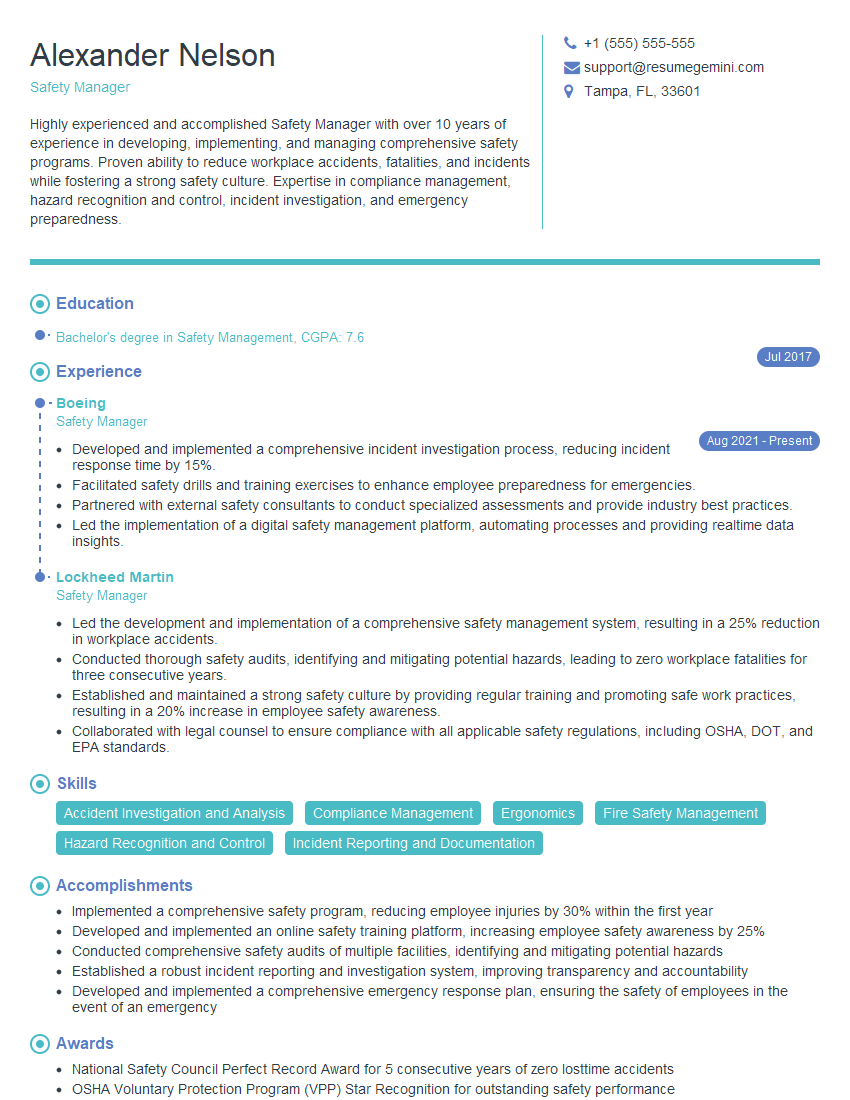
Safety Manager Resume Sample
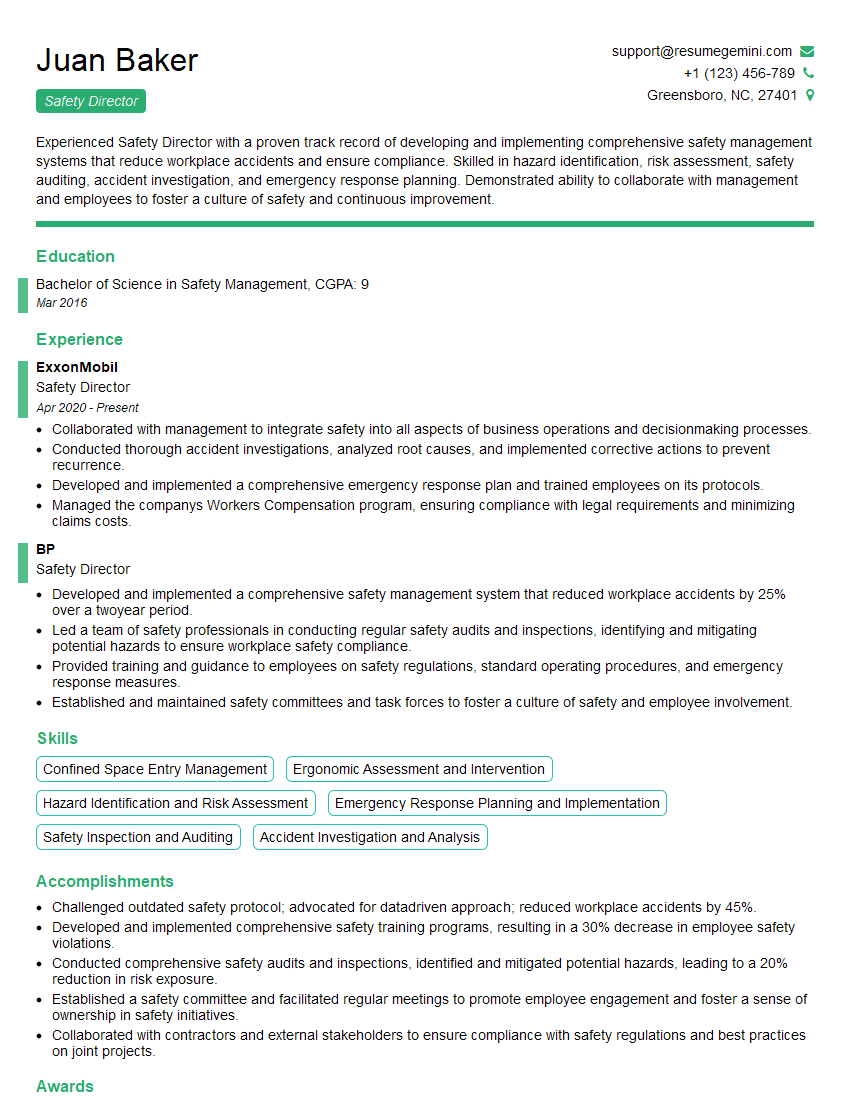
Safety Director Resume Sample
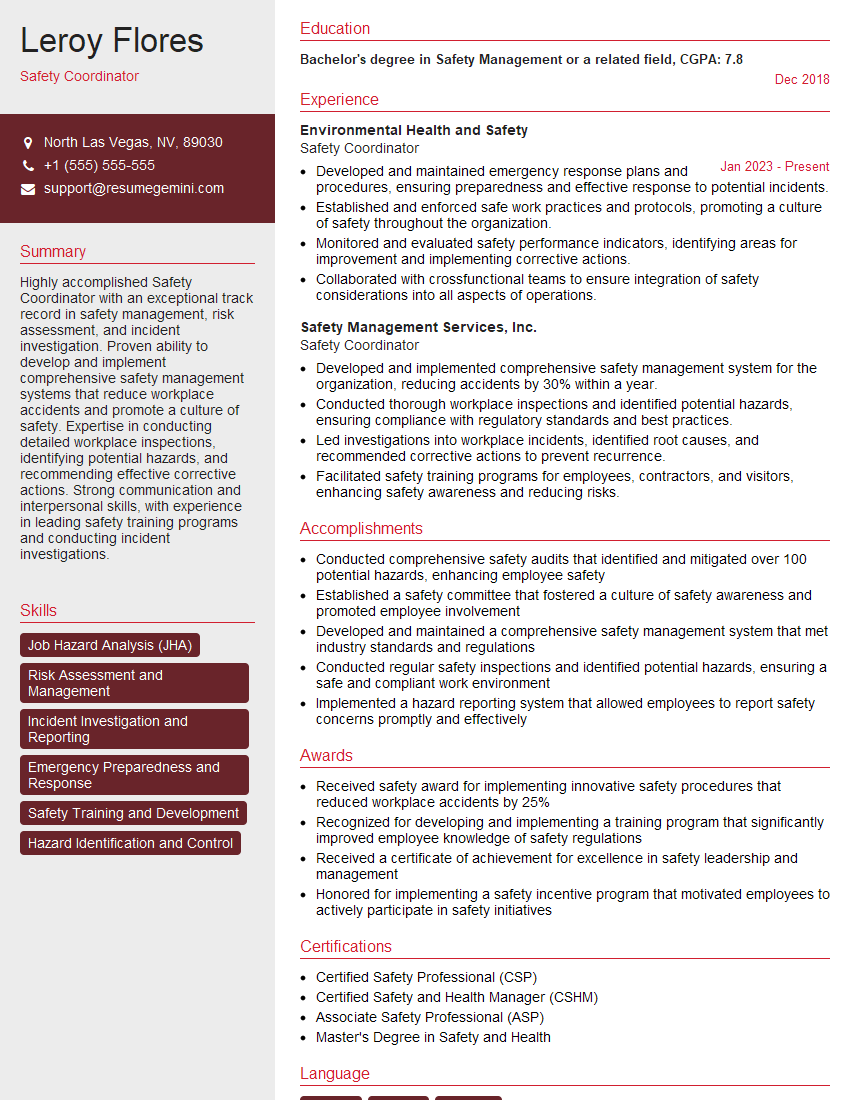
Safety Coordinator Resume Sample
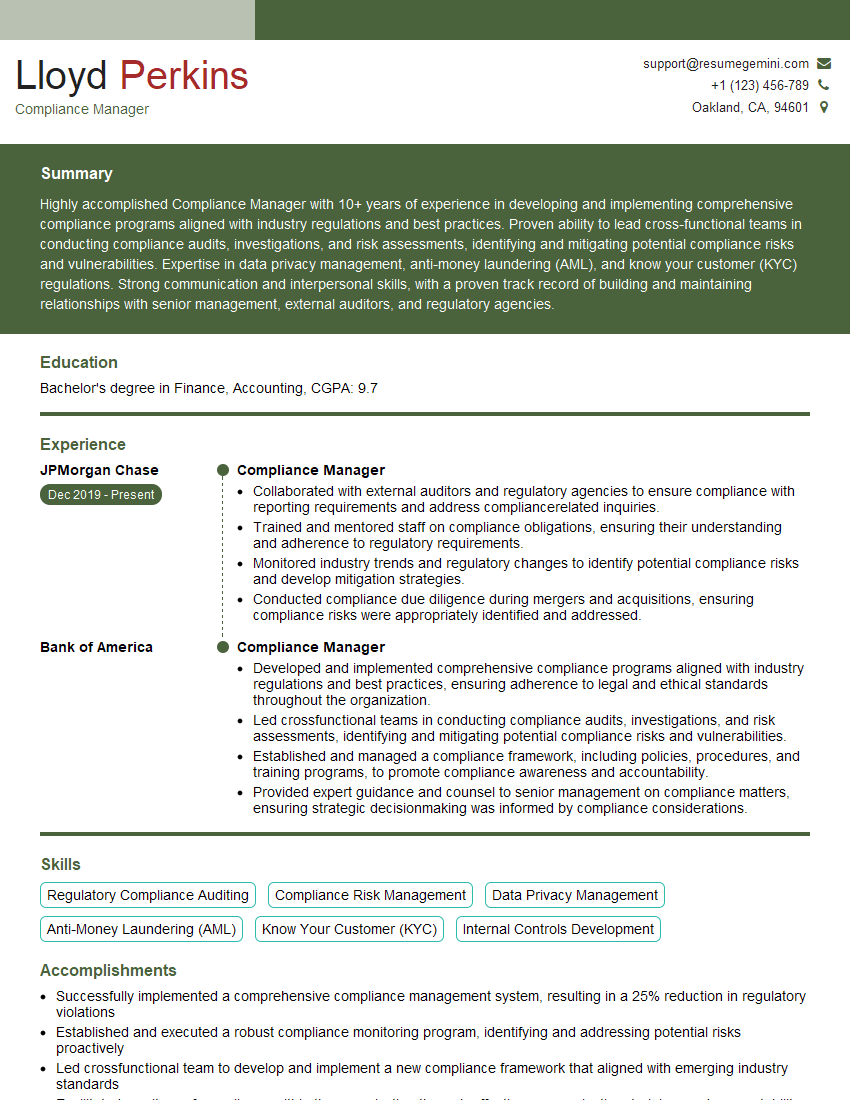
Compliance Manager Resume Sample
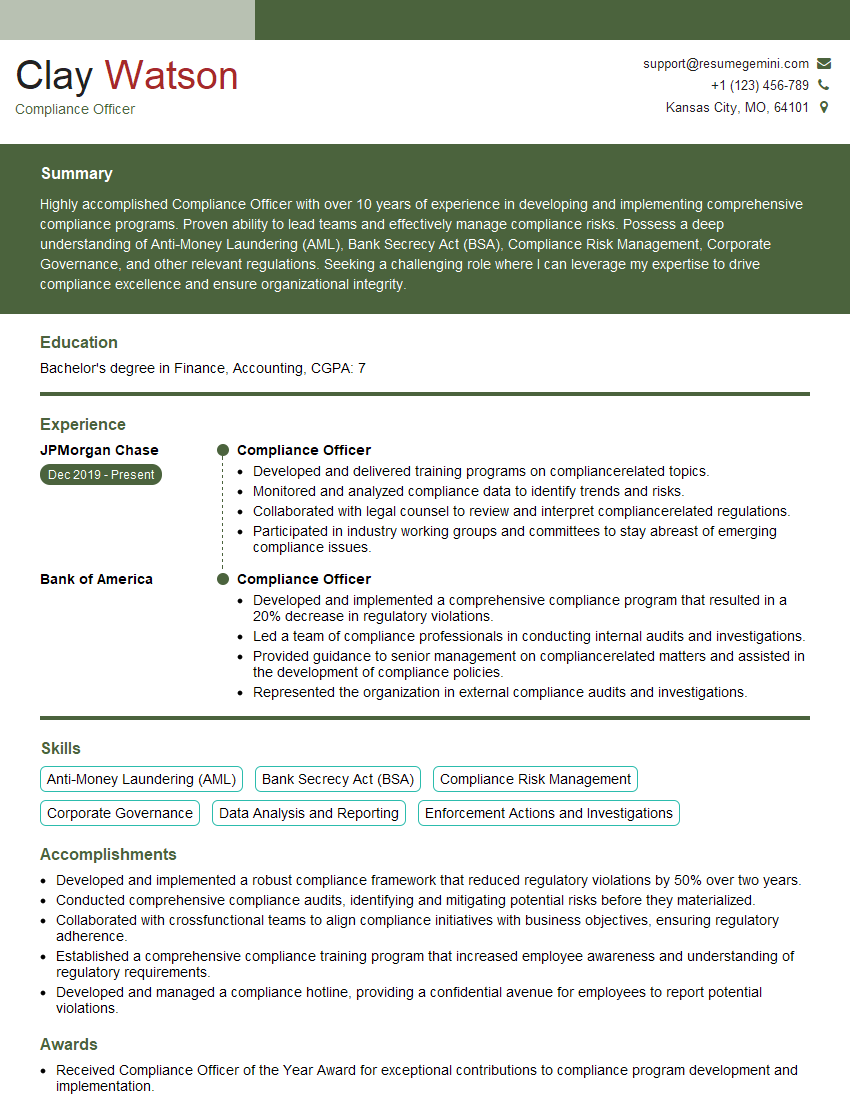
Compliance Officer Resume Sample
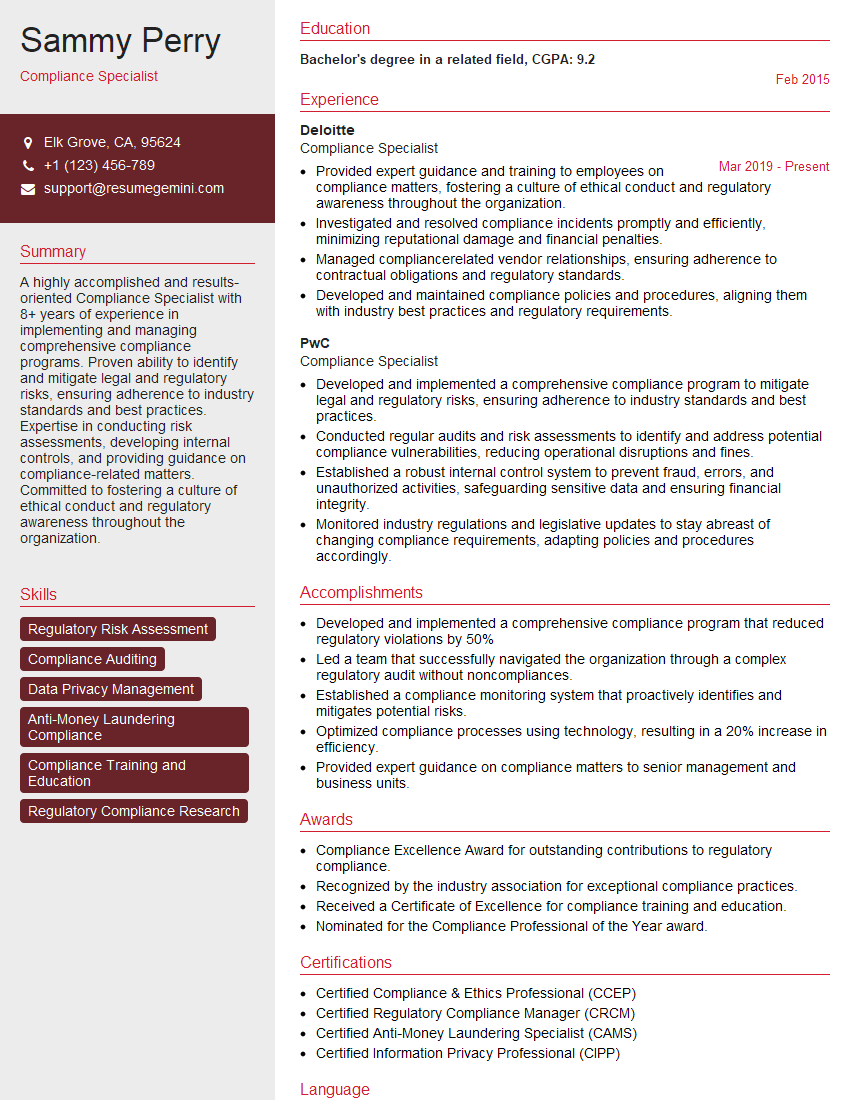
Compliance Specialist Resume Sample
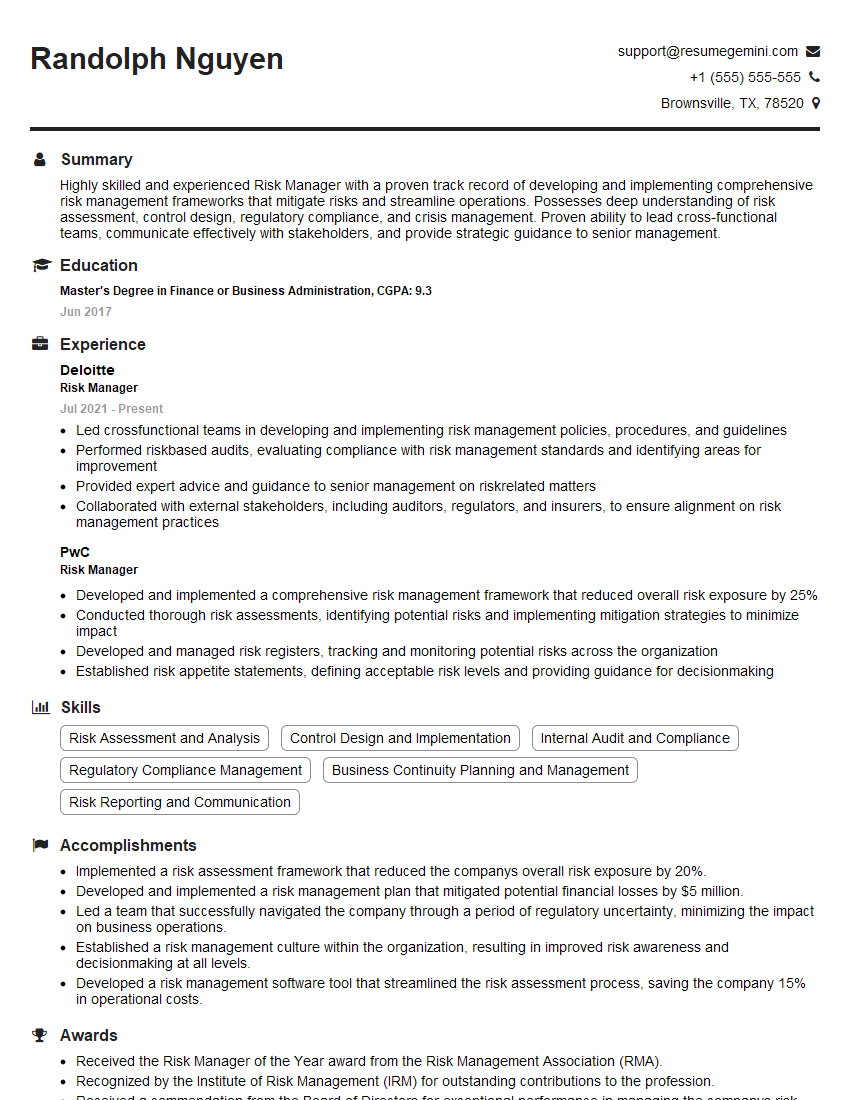
Risk Manager Resume Sample
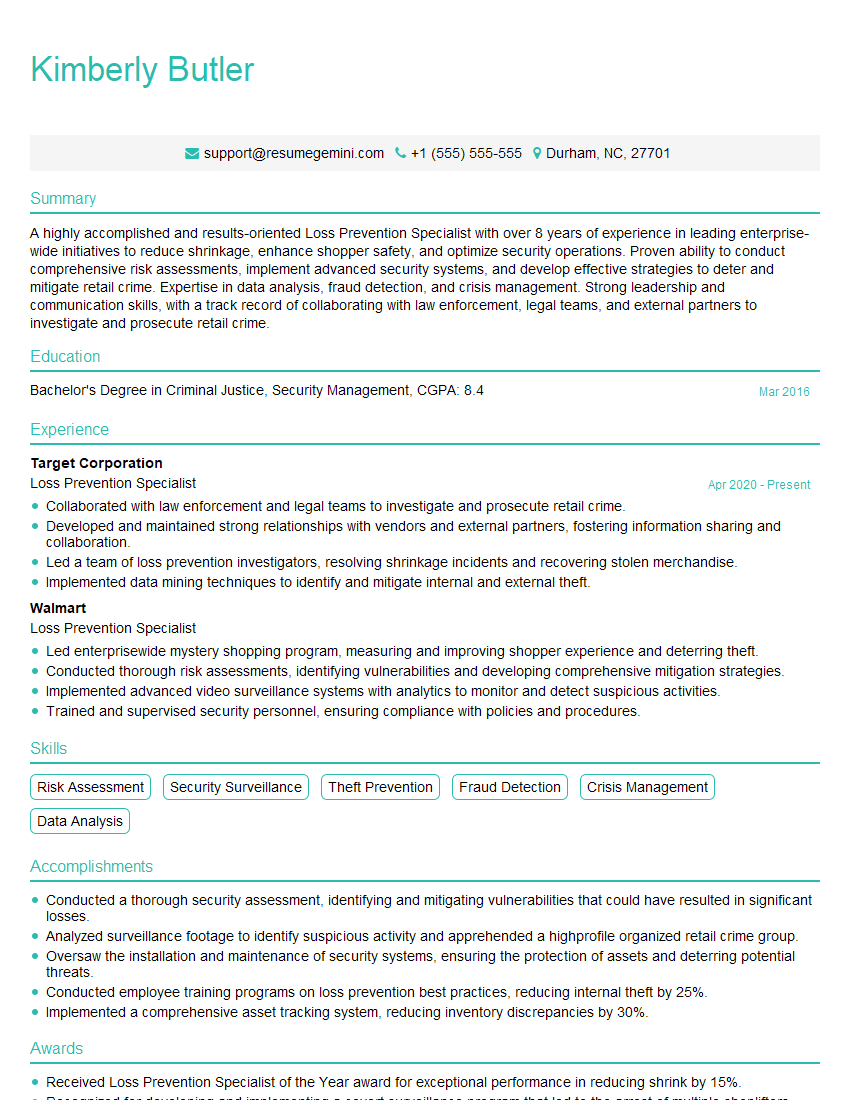
Loss Prevention Specialist Resume Sample
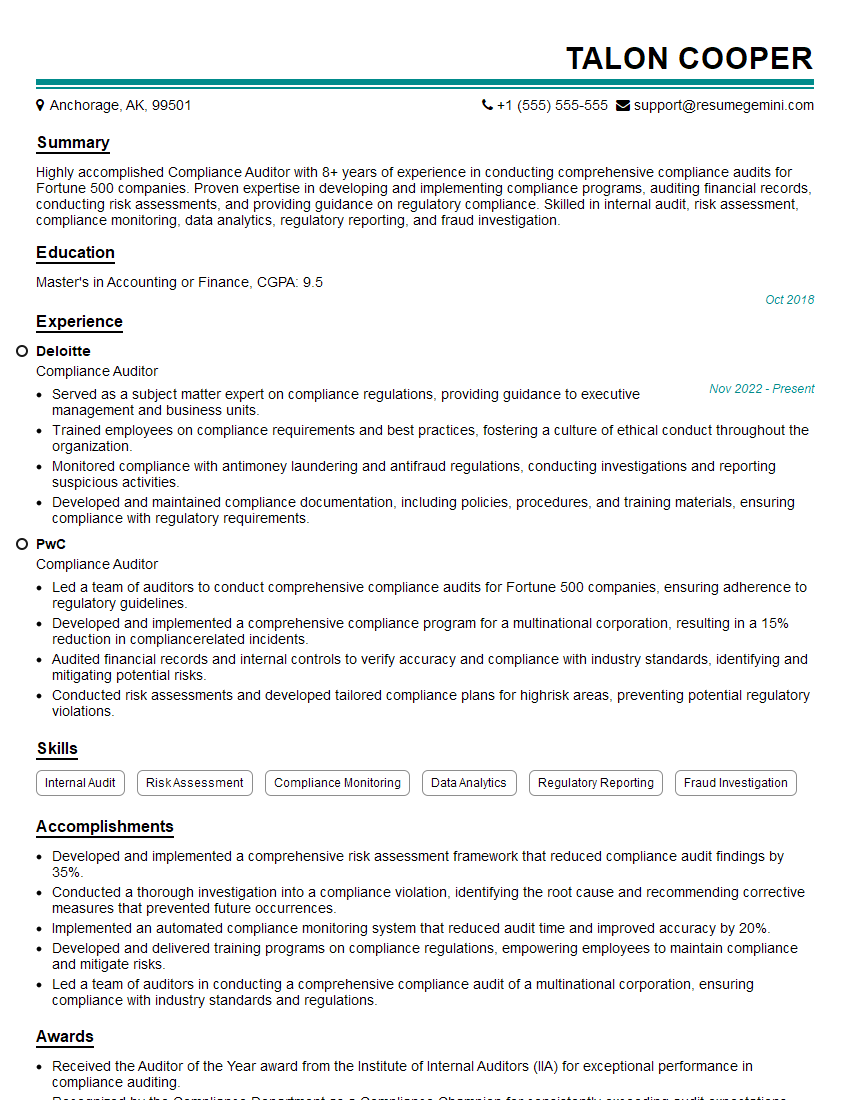
Compliance Auditor Resume Sample
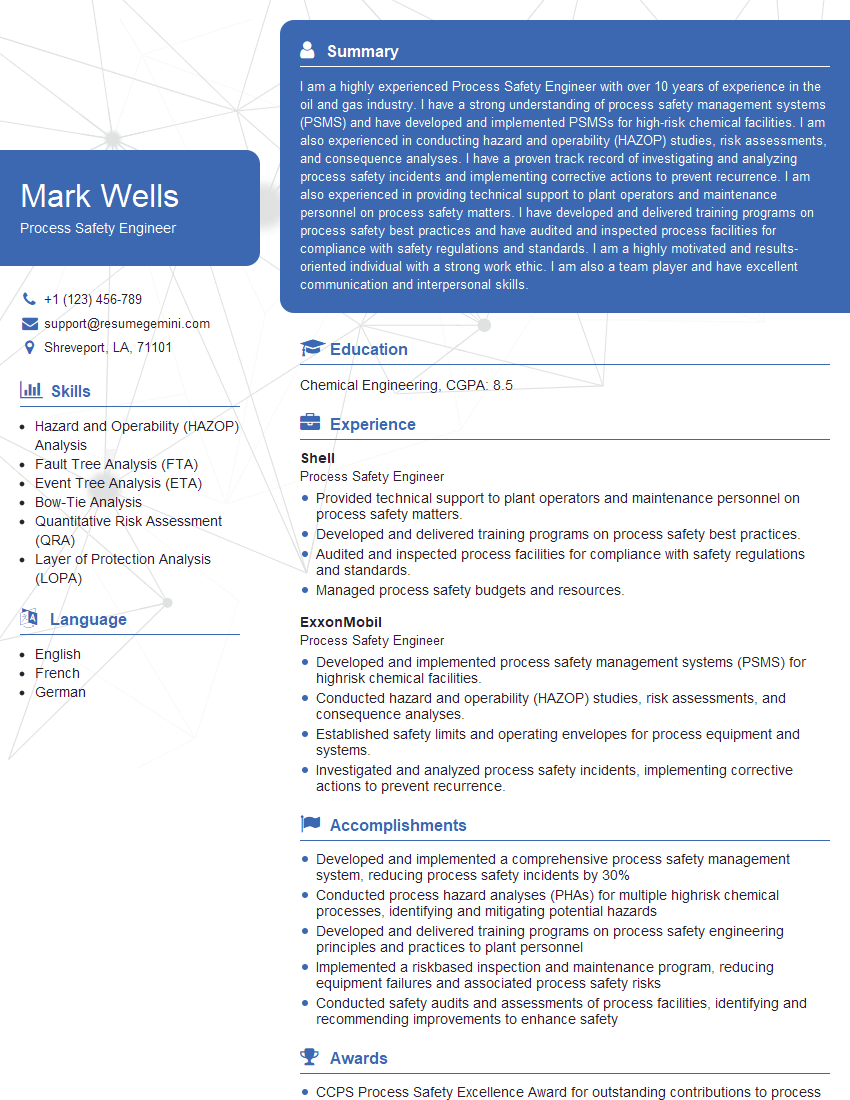
Process Safety Engineer Resume Sample
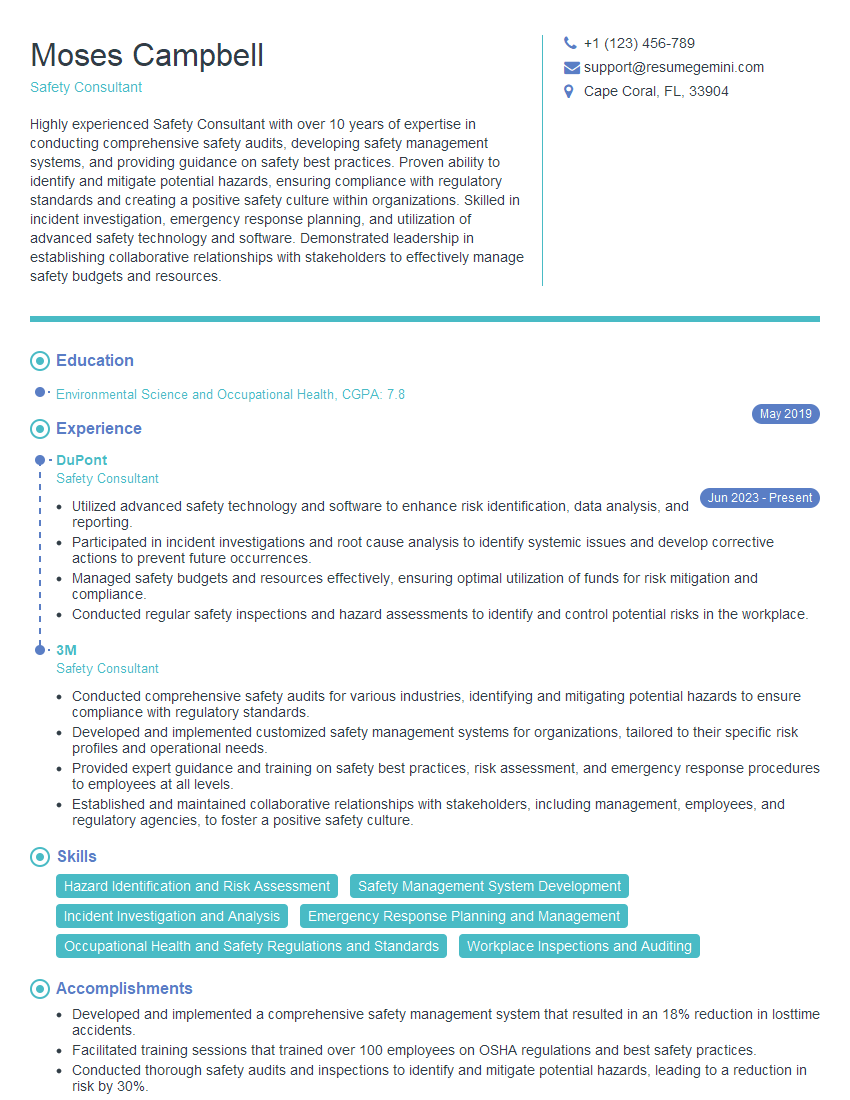
Safety Consultant Resume Sample
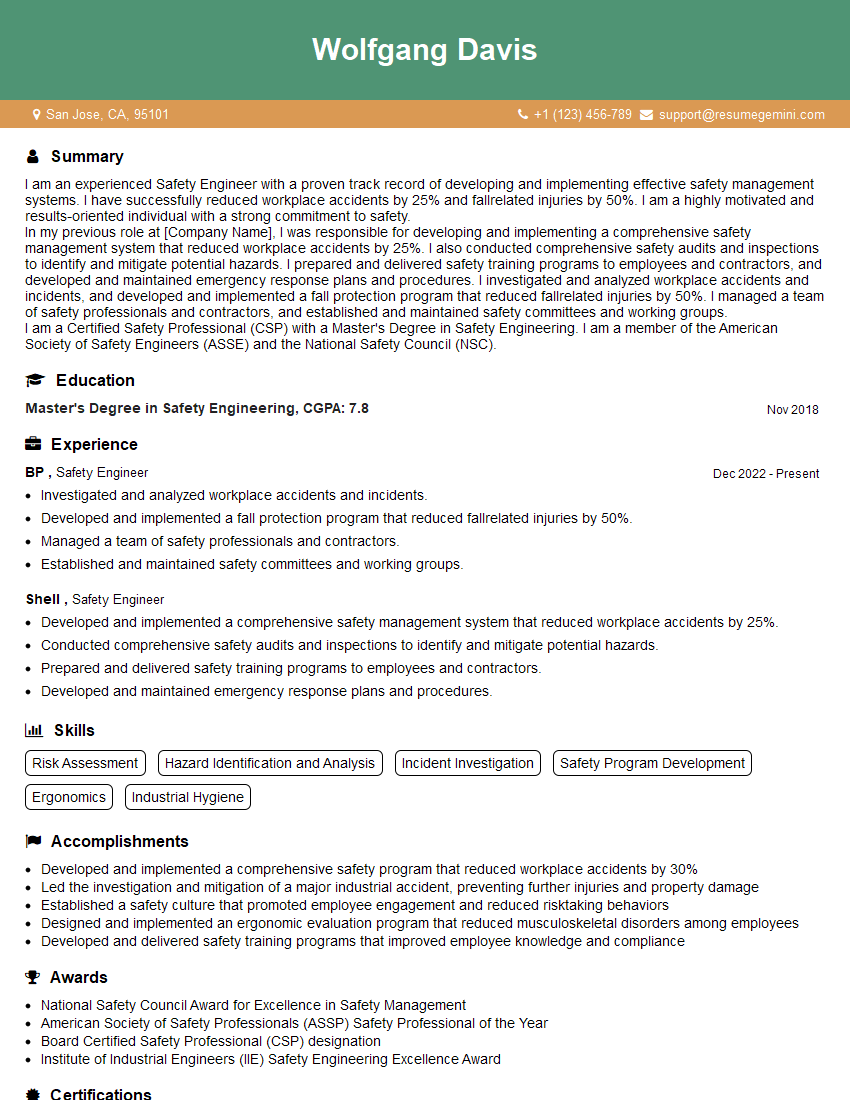
Safety Engineer Resume Sample
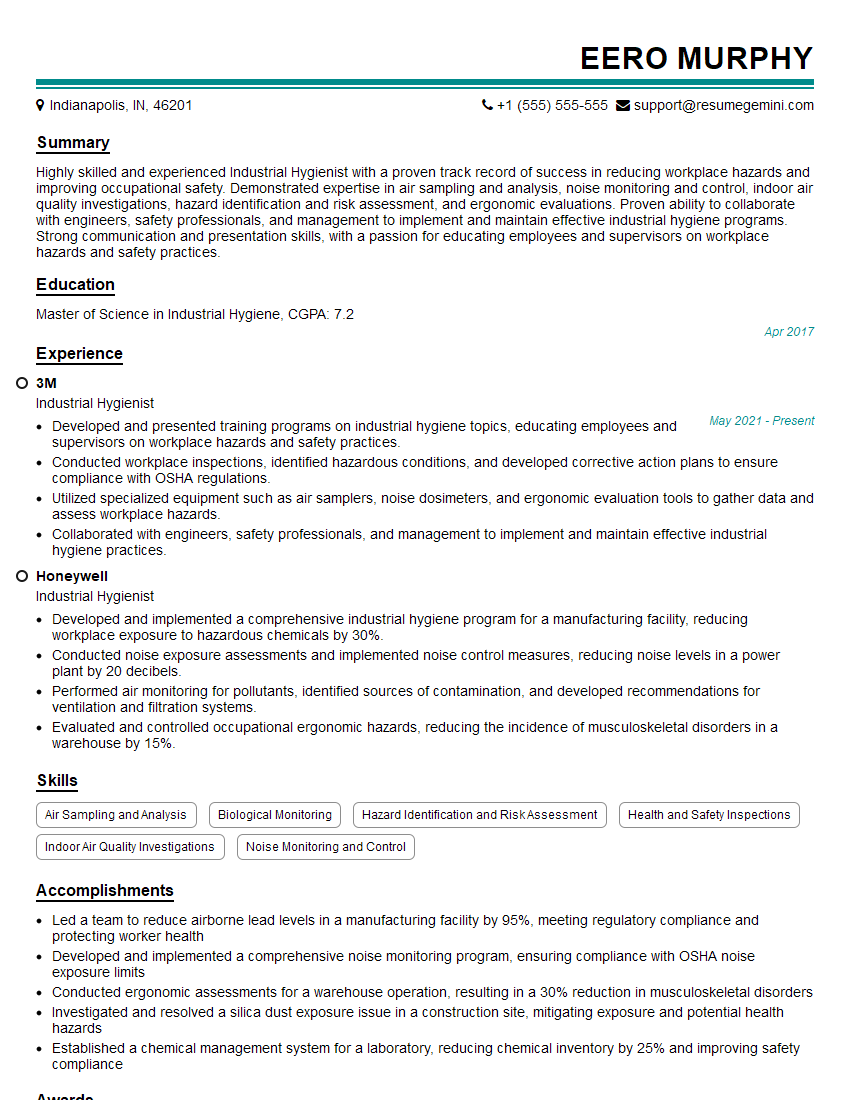
Industrial Hygienist Resume Sample
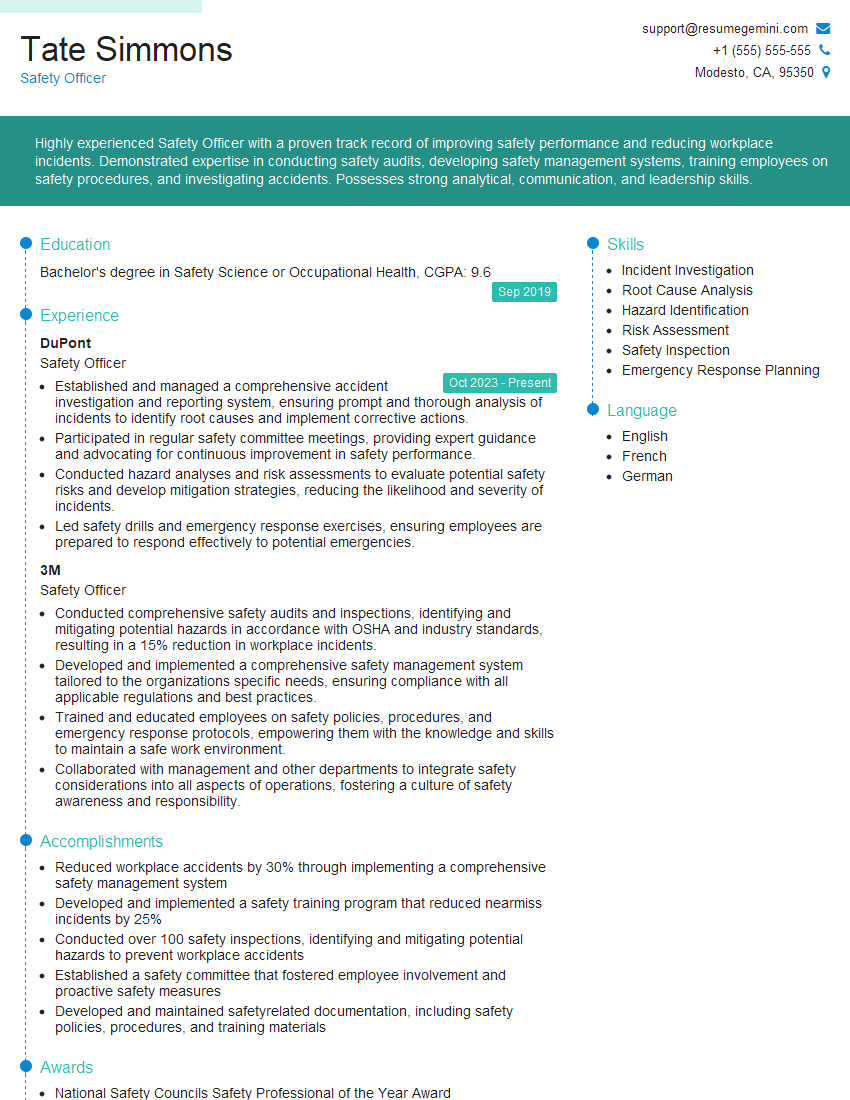
Safety Officer Resume Sample
Explore more articles
Users Rating of Our Blogs
Share Your Experience
We value your feedback! Please rate our content and share your thoughts (optional).
What Readers Say About Our Blog
Really detailed insights and content, thank you for writing this detailed article.
IT gave me an insight and words to use and be able to think of examples