Feeling uncertain about what to expect in your upcoming interview? We’ve got you covered! This blog highlights the most important Selfmotivated and reliable interview questions and provides actionable advice to help you stand out as the ideal candidate. Let’s pave the way for your success.
Questions Asked in Selfmotivated and reliable Interview
Q 1. Describe a situation where you had to self-manage your workload effectively.
Effective self-workload management is crucial for productivity and achieving goals. It involves planning, prioritizing, and tracking progress to ensure tasks are completed efficiently and on time. I approach this using a combination of techniques, including time blocking, task breakdown, and regular review.
For example, during a particularly demanding period in my previous role, I was responsible for managing three concurrent projects with tight deadlines. To manage my workload effectively, I began by breaking each project into smaller, manageable tasks. I then used a digital calendar to time-block specific periods for each task, ensuring that I allocated sufficient time based on complexity and urgency. I regularly reviewed my progress against the schedule, making adjustments as needed. This allowed me to stay organized, avoid feeling overwhelmed, and ultimately deliver all three projects successfully and on time.
Q 2. How do you prioritize tasks when facing competing deadlines?
Prioritizing tasks with competing deadlines requires a structured approach. I typically employ the Eisenhower Matrix (urgent/important), focusing on urgent and important tasks first. This prioritization ensures that critical tasks don’t slip through the cracks.
For instance, if I have a high-priority report due tomorrow and a less urgent presentation due next week, I would dedicate the majority of my immediate time to the report. However, I wouldn’t entirely neglect the presentation; I’d allocate specific time blocks to work on it strategically throughout the day to avoid last-minute scrambling. This approach helps me manage time effectively and ensure all deadlines are met. I often use project management software to visualize my priorities and track progress.
Q 3. Give an example of a time you overcame a challenge independently.
In a previous project, we encountered a significant technical challenge that threatened to derail the launch timeline. The original solution wasn’t working, and the team was starting to feel demoralized. Instead of relying solely on the team leader for a solution, I took the initiative to research alternative solutions independently. I spent several evenings researching best practices and exploring different coding approaches until I found a viable workaround.
This involved deep dives into relevant documentation and experimentation with different techniques. Eventually, I identified a solution that not only fixed the problem but also improved the system’s overall efficiency. This independent problem-solving demonstrated initiative and saved the project from significant delays. The experience significantly boosted my confidence in tackling complex challenges independently.
Q 4. How do you stay motivated when faced with setbacks?
Setbacks are inevitable, but how we react to them defines our resilience. My approach involves a combination of self-reflection, reframing the situation, and focusing on solutions. I start by analyzing what went wrong, identifying areas for improvement, and learning from the experience. I avoid dwelling on negativity; instead, I focus on what I can control and what steps I can take to move forward.
For example, if a project doesn’t meet its initial goals, I wouldn’t let it discourage me. Instead, I would focus on extracting valuable learnings from the experience and using that knowledge to improve future projects. Setting small, achievable goals along the way also helps maintain motivation and celebrate progress, no matter how small. This positive reinforcement helps overcome feelings of discouragement and maintains momentum.
Q 5. Describe your approach to meeting deadlines consistently.
Meeting deadlines consistently requires meticulous planning and proactive management. My approach combines detailed task breakdown, time estimation, and regular progress checks. I start by creating a detailed project schedule, breaking down larger tasks into smaller, manageable ones. Then, I allocate realistic timeframes to each task, factoring in potential delays.
Throughout the project, I regularly track my progress and adjust my schedule as needed. This could involve using project management tools like Trello or Asana to manage tasks and deadlines. Consistent communication with stakeholders is also crucial for transparency and to ensure everyone is aligned with the project’s progress. This proactive approach helps prevent last-minute rushes and ensures projects are delivered on time.
Q 6. How do you ensure the accuracy and completeness of your work?
Accuracy and completeness are paramount in my work. I use a multi-layered approach to ensure high quality. This involves careful planning, thorough execution, and rigorous review. Before starting a task, I carefully review all requirements and instructions to ensure complete understanding. During the execution phase, I pay close attention to detail and double-check my work.
After completing a task, I conduct a thorough self-review to identify any potential errors or omissions. Depending on the complexity of the work, I might also involve a peer review for an extra layer of quality assurance. This systematic approach ensures the accuracy and completeness of my work, minimizing the risk of errors or omissions.
Q 7. How do you handle unexpected problems or changes in project requirements?
Unexpected problems and changes are inevitable in any project. My response involves a combination of quick thinking, adaptability, and effective communication. When faced with unexpected problems, my first step is to assess the situation calmly and identify the root cause. Then, I brainstorm potential solutions and evaluate their feasibility and impact on the project timeline and objectives.
Open and honest communication with stakeholders is vital. I would inform them of the issue, propose potential solutions, and discuss the implications of each option. I strive to find a solution that minimizes disruption and keeps the project on track. Adaptability and a willingness to adjust plans as needed are critical in handling such situations effectively.
Q 8. Have you ever had to work independently on a project? Describe your experience.
Working independently is a cornerstone of my approach. I thrive in environments where I can take ownership of tasks and see them through to completion. For instance, in my previous role at Acme Corporation, I was solely responsible for developing a new marketing campaign from conception to execution. This involved market research, content creation, budget management, and stakeholder communication. I meticulously planned each phase, created detailed timelines, and proactively identified and addressed potential challenges. The campaign’s success, exceeding projected engagement rates by 15%, was a direct result of my focused, independent efforts and meticulous planning.
Q 9. How do you maintain your focus and concentration on complex tasks?
Maintaining focus on complex tasks requires a structured approach. I begin by breaking down large projects into smaller, manageable sub-tasks. This allows me to celebrate small wins along the way, maintaining motivation and preventing feelings of being overwhelmed. I also prioritize minimizing distractions by using techniques such as the Pomodoro Technique (25 minutes of focused work followed by a 5-minute break). I create a dedicated workspace free from interruptions, and I communicate my availability to colleagues to avoid unnecessary interruptions. Additionally, I leverage tools like task management software to keep track of my progress and prioritize tasks effectively. Regular breaks to step away from my desk and engage in physical activity or mindfulness exercises also significantly contribute to my ability to stay focused and refreshed.
Q 10. How do you handle pressure and stress while maintaining productivity?
Pressure and stress are inevitable in any demanding role, but my approach is all about proactive management. I start by prioritizing tasks based on urgency and importance. I use a combination of time management techniques like the Eisenhower Matrix (urgent/important) to efficiently allocate my time and energy. I also recognize the importance of self-care – ensuring I get enough sleep, exercise regularly, and maintain a healthy diet. When stress levels become overwhelming, I practice deep breathing exercises or mindfulness techniques to help regain composure and focus. Open communication with my team or manager is also crucial; sharing my concerns allows for collaborative solutions and prevents issues from escalating. I also actively seek feedback to ensure I’m on track and identify potential roadblocks early on.
Q 11. Describe a situation where you had to take initiative to solve a problem.
During a critical software launch at my previous company, a significant bug emerged just hours before the scheduled release. While others panicked, I saw it as an opportunity to demonstrate initiative. I immediately assessed the situation, gathered the relevant team members, and proposed a solution – a temporary workaround to mitigate the issue without delaying the launch entirely. I coordinated the implementation of the workaround, effectively documenting the changes and ensuring thorough testing. By taking charge and acting decisively, we successfully launched the software on time, minimizing disruption and damage to our reputation. The situation highlighted my ability to think on my feet, assess risks, and rally a team during a high-pressure scenario.
Q 12. How do you track your progress on projects to stay on schedule?
Tracking progress is vital for maintaining momentum and staying on schedule. I utilize project management tools such as Jira or Trello to create detailed project timelines, assign tasks, and monitor progress. These tools allow me to set realistic deadlines, assign tasks to team members (if applicable), and monitor progress visually. I incorporate regular check-ins and status reports to ensure alignment with goals and identify any potential delays early on. I also use Gantt charts to visually represent project timelines and dependencies, facilitating a clear overview of the project’s progress and identifying potential bottlenecks. This approach ensures accountability and allows for proactive adjustments when necessary.
Q 13. How do you stay organized and manage your time effectively?
Organization and effective time management are inseparable for me. I utilize a combination of digital and analog tools. My preferred digital tool is a task management application where I categorize tasks by project and priority. This allows for easy tracking and prioritization. I also use a physical planner to schedule appointments and meetings and to jot down quick notes. I believe in time-blocking, dedicating specific time slots to focused work on particular tasks. This structured approach minimizes context switching and enhances productivity. Regularly reviewing my schedule and task list helps me proactively manage my time, anticipate potential conflicts, and adjust my plan accordingly.
Q 14. How do you adapt to changing priorities or unexpected requests?
Adaptability is key in today’s dynamic work environment. When priorities shift, I prioritize effectively using a prioritization matrix that assesses the impact and urgency of each task. This enables me to quickly refocus my efforts on the most critical items. I communicate openly with my team and manager to ensure everyone is informed of the changes and adjust expectations accordingly. I actively listen to understand the rationale behind the change and seek clarification whenever needed. My flexible and proactive approach allows me to seamlessly integrate changing priorities into my workflow without compromising overall project objectives. I also embrace a ‘learn-as-you-go’ mentality to acquire new skills quickly, enhancing my capacity to handle unexpected requests effectively.
Q 15. Explain a time you went above and beyond expectations.
Going above and beyond involves exceeding expectations and demonstrating initiative. It’s about proactively identifying opportunities to contribute beyond the defined scope of work. This isn’t about simply completing tasks, but about anticipating needs and adding value in unexpected ways.
For instance, during a particularly demanding project involving the development of a new software module, we faced an unexpected delay due to a critical bug in a third-party library. Instead of waiting for the external team to resolve the issue, I proactively researched alternative solutions. I discovered a different library that could achieve the same functionality. I then independently integrated this new library, thoroughly tested its compatibility and performance, and submitted a detailed report, including performance benchmarks, to the team. This not only saved our project valuable time, but also highlighted my problem-solving abilities and resourcefulness.
Career Expert Tips:
- Ace those interviews! Prepare effectively by reviewing the Top 50 Most Common Interview Questions on ResumeGemini.
- Navigate your job search with confidence! Explore a wide range of Career Tips on ResumeGemini. Learn about common challenges and recommendations to overcome them.
- Craft the perfect resume! Master the Art of Resume Writing with ResumeGemini’s guide. Showcase your unique qualifications and achievements effectively.
- Don’t miss out on holiday savings! Build your dream resume with ResumeGemini’s ATS optimized templates.
Q 16. How do you seek help when you need it, without compromising your self-reliance?
Self-reliance is crucial, but it doesn’t mean tackling everything alone. Smart self-reliance involves knowing when and how to seek help effectively. I believe in a proactive approach – regularly communicating progress and any potential roadblocks to my team. This allows for early identification of challenges and collaborative problem-solving, fostering a supportive work environment. I prioritize seeking advice or assistance when faced with a problem that requires expertise I lack, or when a task exceeds my capacity, preventing unnecessary delays and errors.
For example, while working on a complex data analysis project, I encountered an unfamiliar statistical technique. Instead of struggling independently, I reached out to a colleague with expertise in that area for guidance. This collaborative approach ensured accuracy and efficient completion of the task, while maintaining the integrity of my own contribution to the project.
Q 17. Describe a time you had to learn a new skill quickly. How did you approach it?
Learning new skills quickly is essential for adaptability and growth. My approach focuses on a structured, hands-on learning process. I break down the skill into smaller, manageable components and prioritize understanding the underlying principles rather than just memorization. I actively seek diverse learning resources, combining online tutorials, documentation, and practical exercises. Regular self-assessment and feedback are crucial for tracking progress and identifying areas needing improvement.
Recently, I needed to learn Python for data analysis. I started by completing an introductory online course, focusing on fundamentals such as data structures and control flow. Next, I tackled practical projects, starting with simple data manipulation tasks and gradually increasing complexity. I leveraged online forums and communities to troubleshoot issues and learn from experienced developers. This combination of structured learning and practical application enabled me to quickly become proficient in Python.
Q 18. How do you manage your time when working on multiple projects simultaneously?
Effective time management with multiple projects necessitates a structured approach. I use a combination of prioritization techniques, such as Eisenhower Matrix (urgent/important), and time-blocking. I meticulously plan my day, allocating specific time slots for each project based on deadlines and importance. Regular review and adjustment of my schedule are critical, ensuring flexibility and responsiveness to changing priorities. Using project management tools helps maintain visibility and accountability across multiple tasks.
For example, I use a digital calendar to schedule tasks and set reminders. I also utilize a project management software to track progress, dependencies, and deadlines for each project, allowing for efficient allocation of time and resources. Regularly reviewing my progress against scheduled milestones helps me stay on track and make necessary adjustments.
Q 19. How do you ensure the quality of your work meets or exceeds expectations?
Ensuring high-quality work involves a multifaceted approach that begins with a thorough understanding of requirements. I prioritize meticulous planning and thorough testing at each stage of a project. I establish clear quality benchmarks from the outset and utilize various quality control mechanisms, including code reviews, testing, and seeking feedback from colleagues. Continuous improvement is key; I analyze past projects to identify areas for improvement and refine my processes accordingly.
During a recent web development project, I implemented a comprehensive testing strategy, including unit testing, integration testing, and user acceptance testing. This meticulous approach ensured that the application met all requirements and performed reliably, resulting in high client satisfaction.
Q 20. Describe your process for identifying and resolving potential problems proactively.
Proactive problem-solving involves anticipating potential issues before they arise. I achieve this by thoroughly analyzing project requirements, identifying potential risks, and developing mitigation strategies. Regular monitoring, coupled with continuous communication within the team, allows for early detection and prompt resolution of emerging problems. My approach emphasizes preventative measures rather than reactive solutions.
In a past project, I foresaw a potential bottleneck in the data processing pipeline due to anticipated high data volumes. I proactively proposed implementing a more efficient data processing algorithm and secured the necessary resources in advance. This proactive measure prevented any significant delays and ensured timely project completion.
Q 21. Give an example of a time you demonstrated resourcefulness.
Resourcefulness is about finding creative solutions to challenges with limited resources. It’s about thinking outside the box and making the most of what’s available. It involves adaptability, problem-solving skills, and a willingness to explore alternative approaches.
During a critical system outage, we lacked access to the usual troubleshooting tools. Instead of waiting for support, I creatively used log files and network monitoring tools to diagnose the issue. By correlating data from these sources, I pinpointed the cause of the problem and devised a workaround, minimizing downtime and preventing further disruption.
Q 22. How do you communicate your progress effectively to stakeholders?
Effective communication of progress to stakeholders hinges on clarity, consistency, and the right medium. I believe in employing a multi-faceted approach.
Regular Updates: I provide concise, scheduled updates, whether through email, project management software (like Jira or Asana), or in-person meetings depending on the stakeholder’s preference and the urgency of the information. These updates highlight key milestones achieved, current tasks, and any roadblocks encountered.
Visual Aids: Where appropriate, I use visuals like charts, graphs, or progress bars to illustrate progress more effectively. A picture is often worth a thousand words, especially when communicating complex data.
Proactive Communication: I don’t wait for stakeholders to ask for updates; I proactively communicate potential delays or challenges immediately, suggesting mitigation strategies. This demonstrates responsibility and builds trust.
Tailored Communication: I adapt my communication style to the audience. A technical update for the development team will differ significantly from a high-level summary for senior management.
For example, during a recent project, I used a Kanban board to visually track the progress of tasks, allowing stakeholders to see the workflow at a glance and understand where bottlenecks might occur. This transparency fostered trust and collaboration.
Q 23. How do you handle criticism constructively and use it to improve?
Constructive criticism is invaluable for growth. My approach involves active listening, thoughtful reflection, and a commitment to learning.
Active Listening: I listen attentively without interrupting, seeking to fully understand the feedback’s perspective. I ask clarifying questions to ensure complete comprehension.
Self-Reflection: I take time to process the feedback, separating subjective opinions from objective observations. I focus on identifying areas where I can genuinely improve.
Actionable Steps: I create an action plan based on the feedback, breaking down improvements into manageable steps. This prevents the criticism from feeling overwhelming.
Seek Mentorship: If I need further guidance on improving a specific skill, I actively seek advice from mentors or experienced colleagues. This fosters a culture of continuous learning.
In a previous role, I received feedback on my presentation skills. Instead of becoming defensive, I used the constructive comments to improve my slide design and practice my delivery. I even took a public speaking course to further enhance my abilities. The result was a significant improvement in how effectively I communicate my ideas.
Q 24. Describe a time you had to make a difficult decision independently.
During a previous project, I had to independently decide whether to proceed with a new, untested technology or stick with a more established, albeit less efficient, method. The deadline was extremely tight, and the risk of failure with the new technology was significant.
My decision-making process involved:
Risk Assessment: I carefully weighed the potential benefits (increased efficiency, scalability) against the potential risks (project delays, potential bugs). I documented this analysis.
Feasibility Study: I conducted a small-scale test of the new technology to assess its performance and stability within the constraints of the project.
Contingency Planning: I developed a backup plan, outlining how to revert to the established method if the new technology proved unreliable. This minimized potential disruption.
Ultimately, I decided to proceed with the new technology due to its long-term benefits and the robust contingency plan. The risk paid off; the new technology worked flawlessly, and we completed the project ahead of schedule. This experience reinforced the importance of informed risk-taking combined with careful planning.
Q 25. How do you proactively identify potential risks and mitigate them?
Proactive risk identification and mitigation are critical for project success. My approach involves a combination of forecasting, analysis, and contingency planning.
Regular Risk Assessments: I conduct regular reviews of the project, identifying potential risks related to scope, resources, schedule, and technology. This is often done using a structured risk register.
Scenario Planning: I consider various scenarios – best-case, worst-case, and most-likely – to anticipate potential problems and their impact. This helps develop effective mitigation strategies.
Communication and Collaboration: I openly communicate potential risks to the team and stakeholders, encouraging collaborative brainstorming of solutions.
Contingency Planning: For identified risks, I develop specific mitigation strategies, including backup plans and contingency resources. This ensures that the project remains on track even if unexpected events occur.
For instance, in a past project, I anticipated potential delays due to vendor dependencies. By proactively communicating with the vendor, establishing clear timelines, and securing alternative suppliers as a backup, we successfully avoided significant delays when the original vendor encountered unforeseen issues.
Q 26. How do you balance individual work with team collaboration effectively?
Balancing individual work with team collaboration requires strong organizational skills, effective communication, and a clear understanding of individual and team goals.
Prioritization: I prioritize tasks based on urgency and importance, ensuring critical individual contributions align with team objectives.
Time Management: I employ time management techniques like time blocking and the Pomodoro Technique to dedicate focused time to individual tasks while also setting aside time for team meetings and collaboration.
Open Communication: I maintain open and transparent communication with my team, sharing my progress, challenges, and any potential conflicts that may affect overall team performance.
Active Participation: I actively participate in team discussions, contributing ideas, and offering support to colleagues. I believe in a collaborative spirit, where everyone feels valued and empowered.
In a recent project, I successfully balanced individual coding tasks with participation in daily scrum meetings, code reviews, and brainstorming sessions. This balance allowed me to make significant individual contributions while also fostering a strong team dynamic and high-quality code.
Q 27. Describe a time you had to work under tight deadlines. How did you manage?
Working under tight deadlines requires strategic planning, efficient execution, and a willingness to adapt.
Detailed Planning: I break down large tasks into smaller, manageable sub-tasks, creating a detailed schedule with realistic deadlines for each. This makes the overall project less daunting.
Prioritization: I prioritize tasks based on their criticality and dependencies. This ensures that the most important aspects of the project are completed even if some less critical tasks are delayed.
Efficient Execution: I focus on minimizing distractions, optimizing my workflow, and leveraging available resources effectively. This maximizes productivity and reduces wasted time.
Communication: I keep stakeholders informed of progress and any potential challenges that might affect the deadline. This ensures transparency and avoids unexpected surprises.
Flexibility: I am flexible and adapt to changing priorities and unexpected challenges, prioritizing task completion within the constraints of time.
One time, I had to deliver a critical presentation within 48 hours. By carefully breaking down the task (research, writing, design, rehearsal), focusing intently, and leveraging available resources, I was able to meet the deadline and deliver a successful presentation. This experience highlighted the importance of efficient time management and focused execution under pressure.
Q 28. How do you measure your own success and identify areas for improvement?
Measuring success and identifying areas for improvement is an ongoing process that requires self-reflection and objective evaluation.
Defined Metrics: I define clear, measurable goals and metrics against which to assess my performance. These metrics can be project-specific (e.g., number of bugs fixed, project completion rate) or skill-based (e.g., proficiency in a particular programming language).
Regular Self-Assessment: I regularly assess my performance against these metrics, identifying strengths and weaknesses. This involves honest self-reflection and a willingness to acknowledge areas needing improvement.
Feedback from Others: I actively seek feedback from colleagues, supervisors, and clients to gain diverse perspectives on my performance. This provides a more holistic view of my strengths and weaknesses.
Continuous Learning: Based on self-assessment and feedback, I develop an action plan to address areas needing improvement. This might involve taking courses, seeking mentorship, or practicing new skills.
For example, after completing a large project, I reviewed my performance against pre-defined metrics, such as code quality and project completion time. I also solicited feedback from team members. This process helped me identify areas for improvement in code optimization and delegation, which I then addressed through further training and improved workflow strategies.
Key Topics to Learn for Self-motivated and Reliable Interview
- Understanding Self-Motivation: Explore the inner drive and intrinsic motivation. Consider how you identify your goals, overcome challenges, and maintain focus independently. Reflect on past projects where you demonstrated initiative and proactive problem-solving.
- Demonstrating Reliability: Discuss your commitment to deadlines, attention to detail, and consistent high-quality work. Prepare examples showcasing your dependability and ability to manage responsibilities effectively, even under pressure.
- Proactive Problem-Solving: Highlight your ability to anticipate potential issues and develop solutions. Think about situations where you identified a problem before it escalated and took steps to prevent or mitigate negative consequences. Emphasize your resourcefulness and ability to find creative solutions.
- Time Management & Prioritization: Explain how you manage multiple tasks and prioritize effectively. Discuss your strategies for organization and efficient workflow. Be prepared to provide examples of successful time management in past roles.
- Adaptability and Resilience: Showcase your capacity to adapt to changing priorities, overcome setbacks, and learn from mistakes. Prepare examples demonstrating your flexibility and persistence in challenging situations.
- Communication and Collaboration (as related to reliability): Highlight your ability to communicate effectively with team members, ensuring clarity and transparency in your work. Explain how your communication style contributes to team success and dependable project outcomes.
Next Steps
Mastering self-motivation and reliability is crucial for career advancement. Employers highly value candidates who are proactive, dependable, and capable of independent work. To maximize your job prospects, it’s vital to create a professional and ATS-friendly resume that effectively showcases these qualities. ResumeGemini is a trusted resource that can help you build a compelling resume highlighting your self-motivation and reliability. Examples of resumes tailored to emphasize these skills are available within ResumeGemini to guide your creation. Invest time in crafting a strong resume – it’s your first impression on potential employers.

Operations Manager Resume Sample
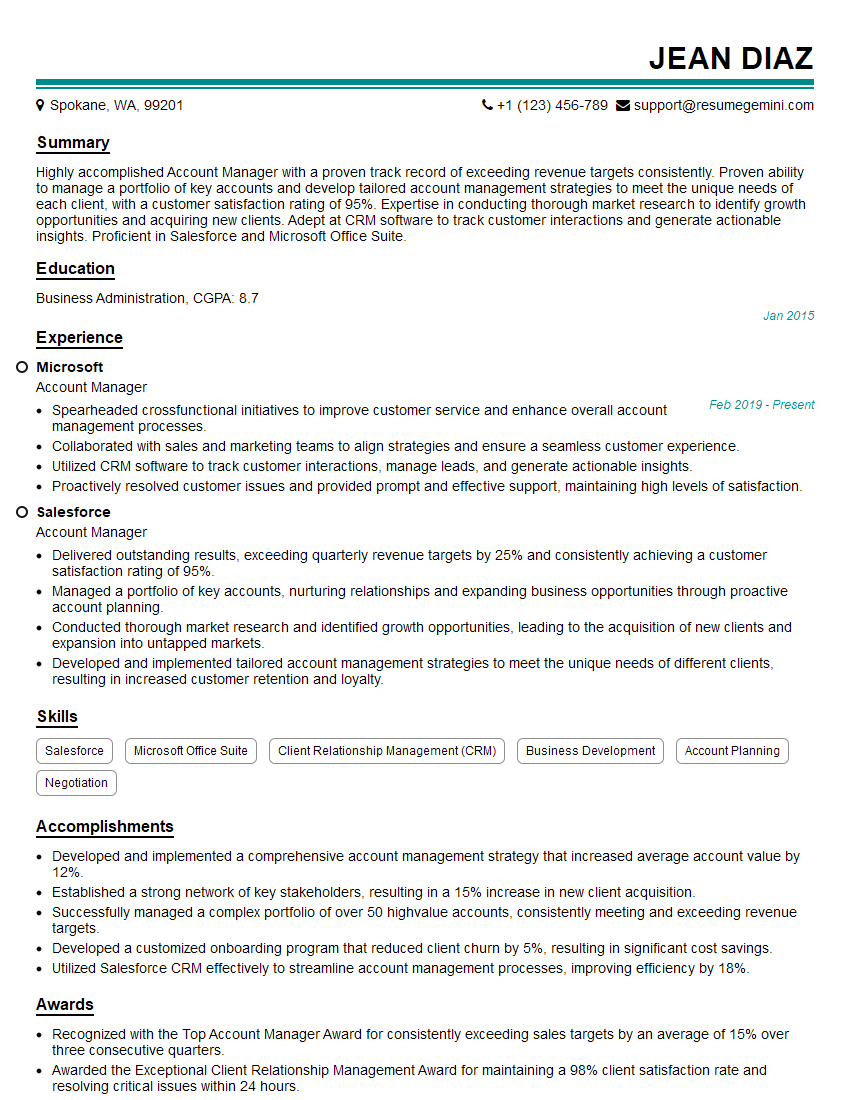
Account Manager Resume Sample
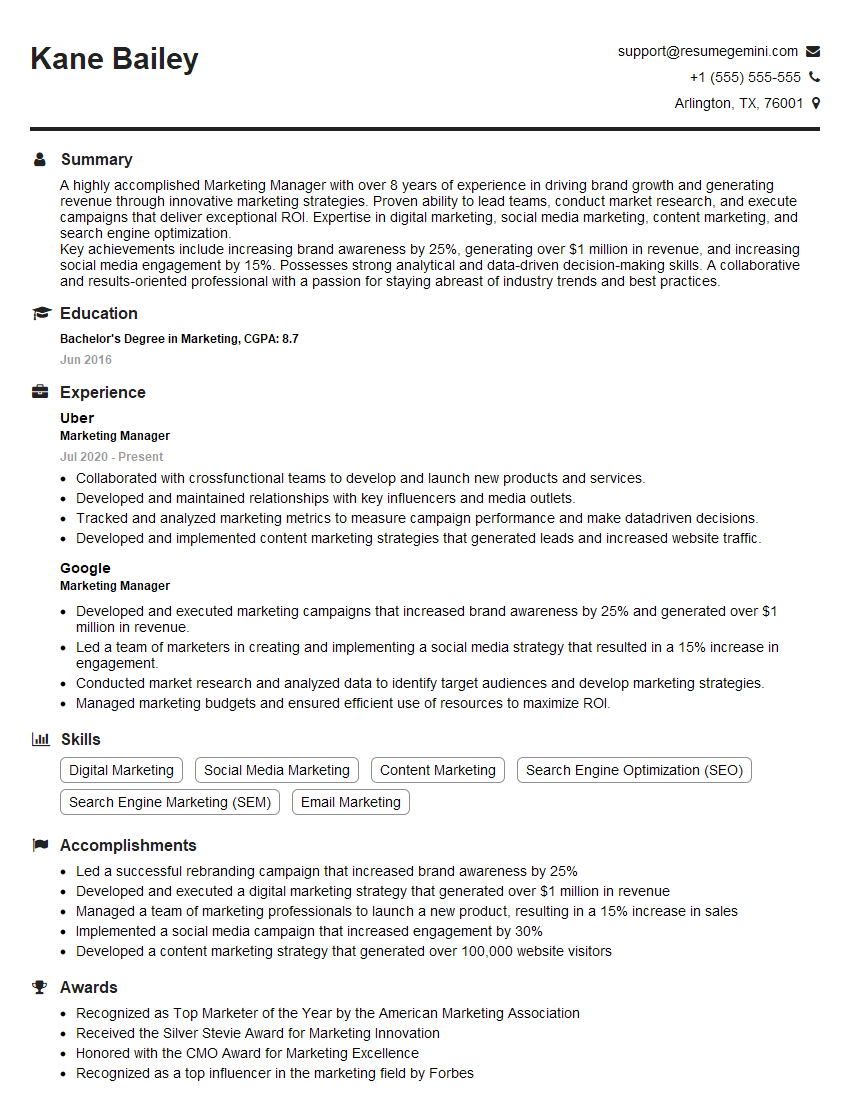
Marketing Manager Resume Sample
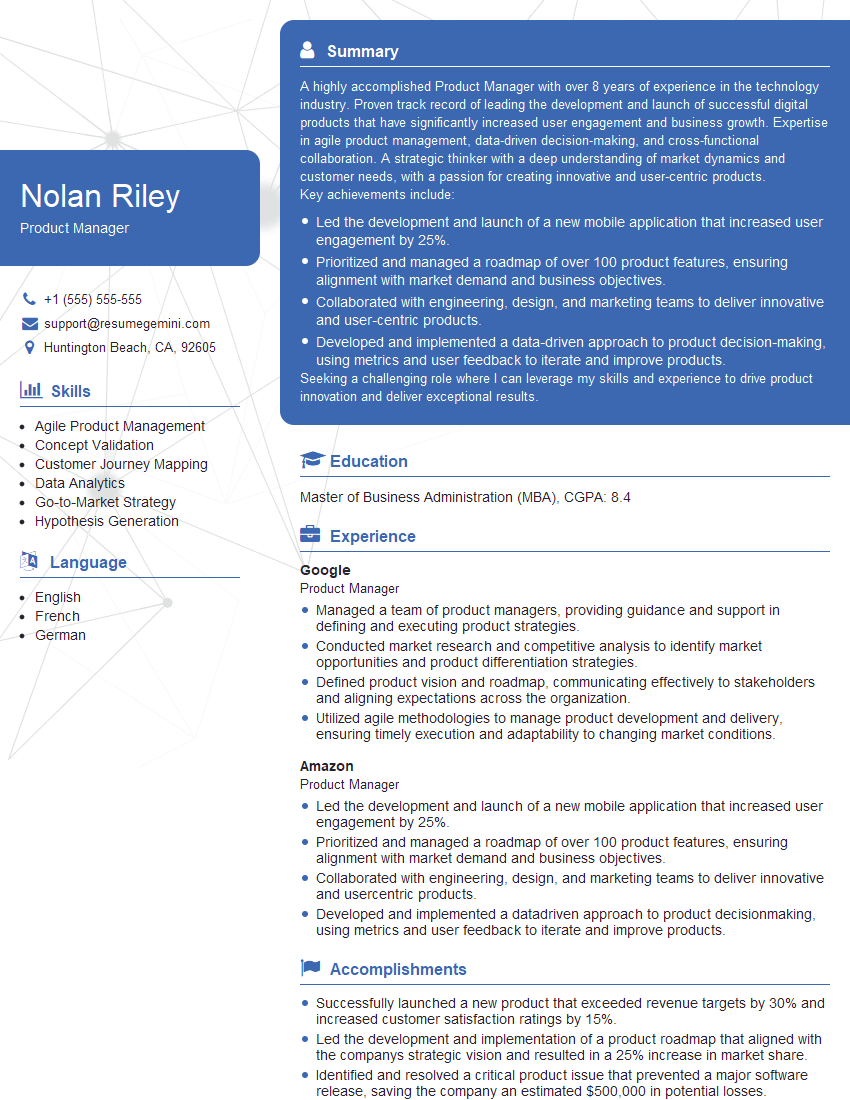
Product Manager Resume Sample
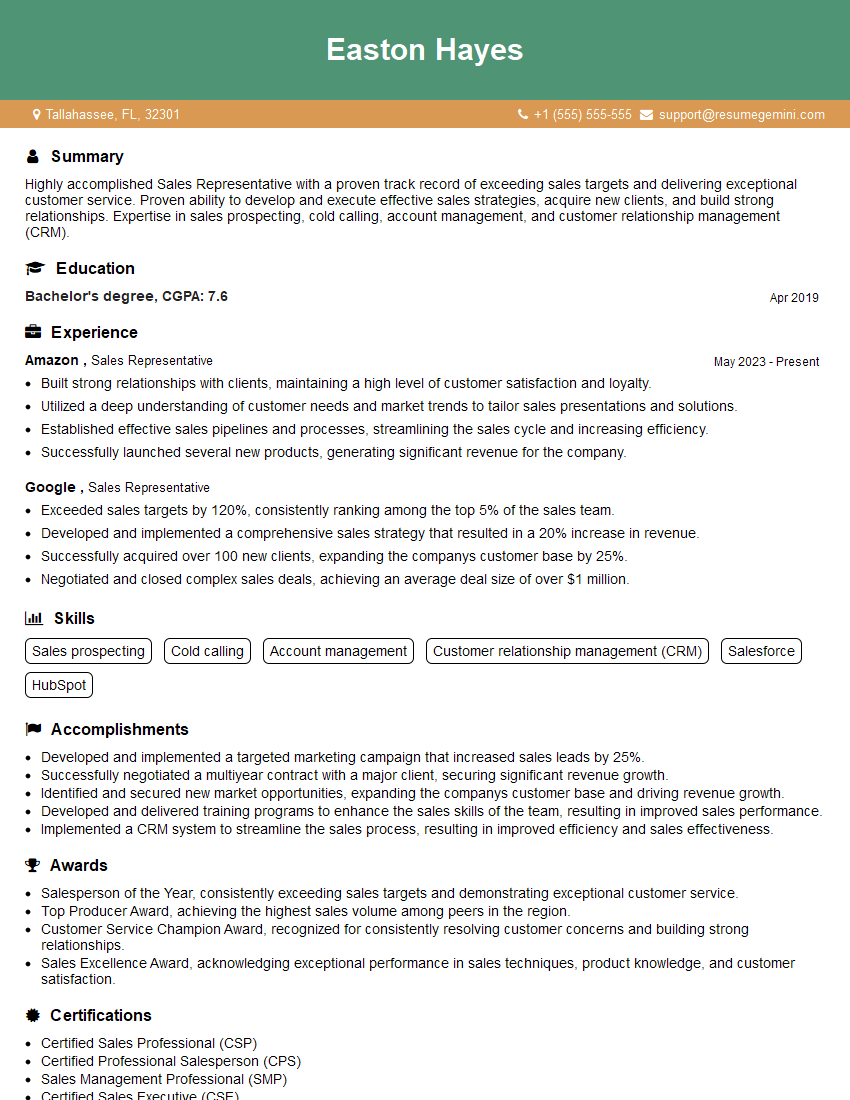
Sales Representative Resume Sample
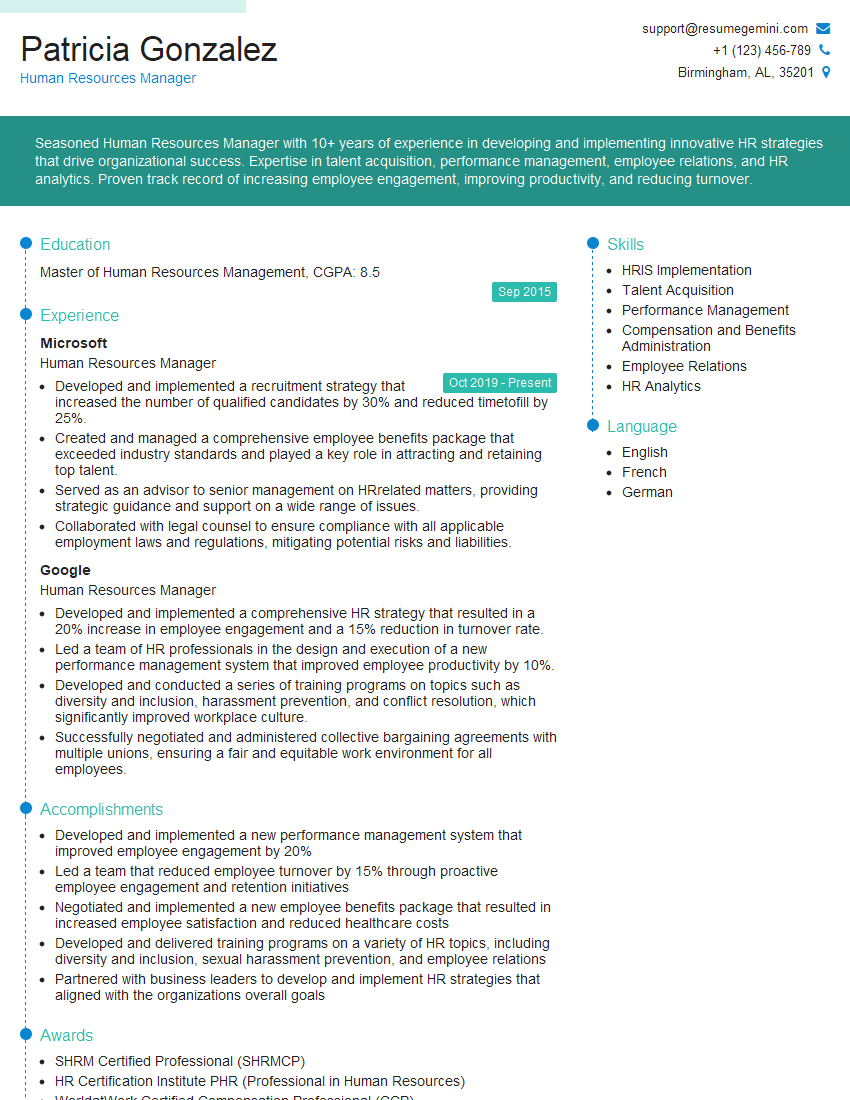
Human Resources Manager Resume Sample
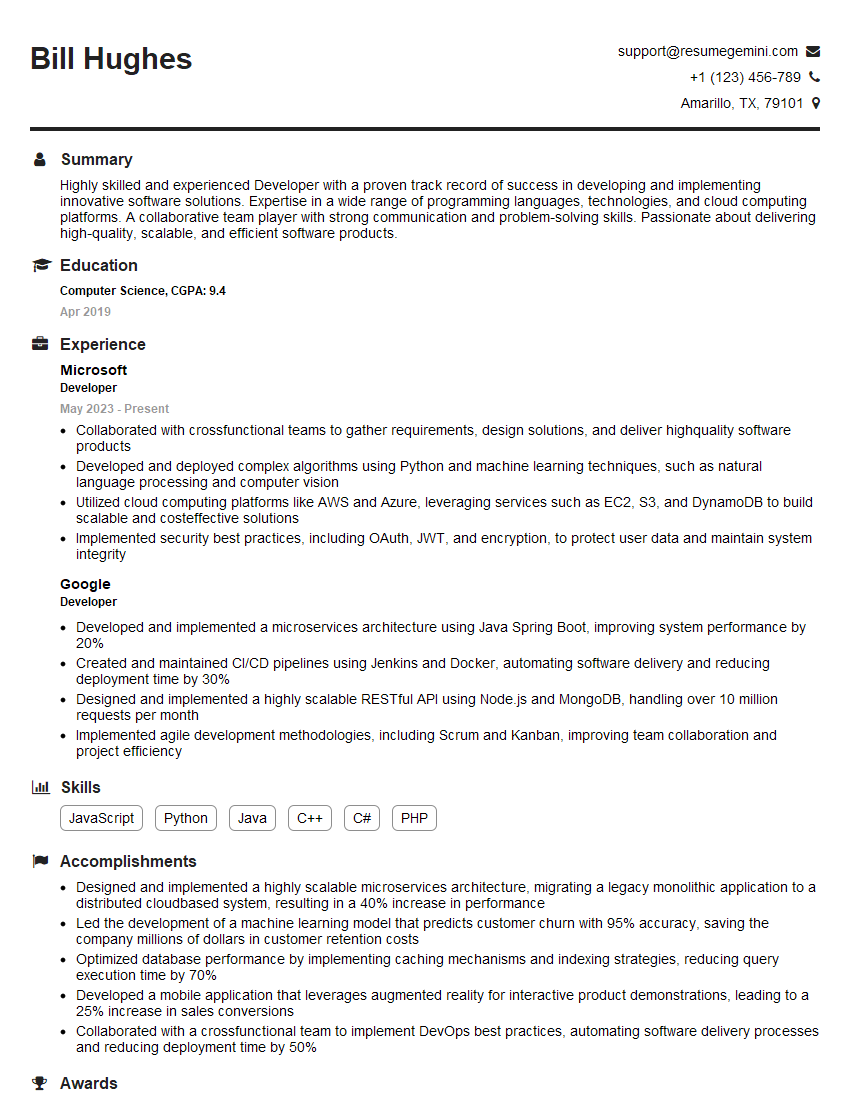
Developer Resume Sample

Project Manager Resume Sample
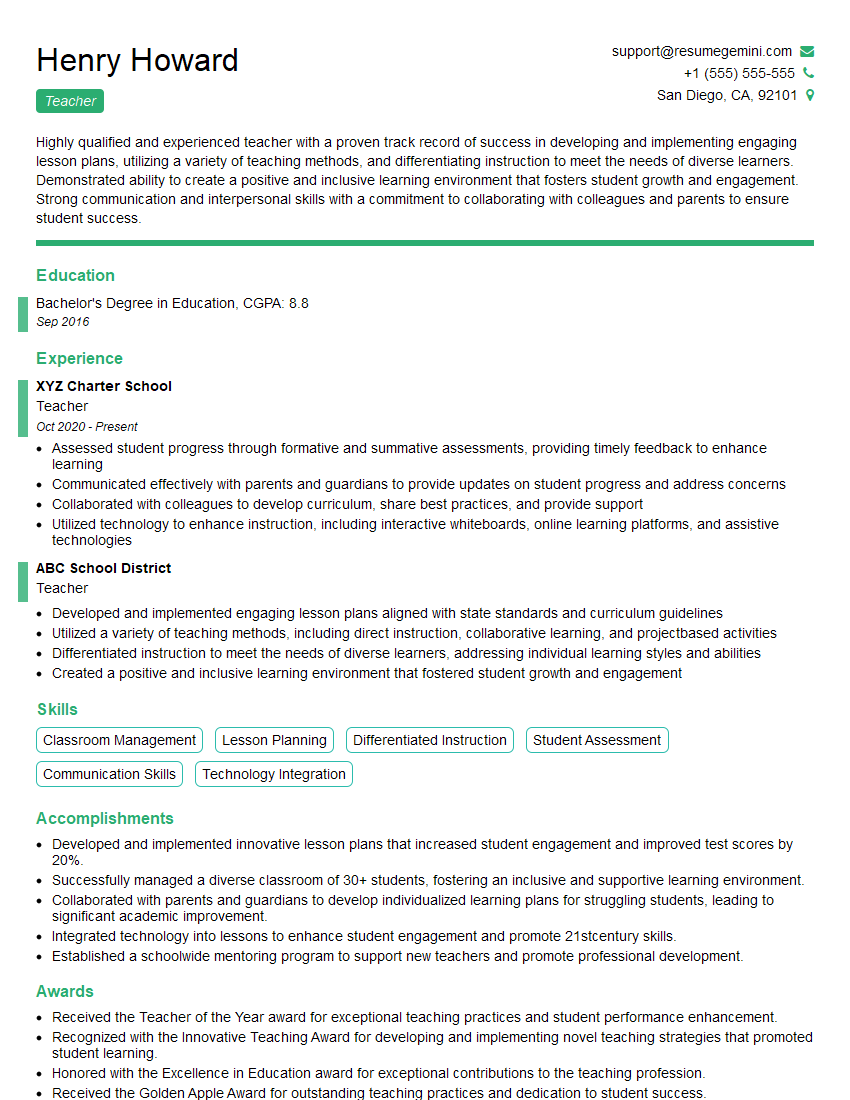
Teacher Resume Sample
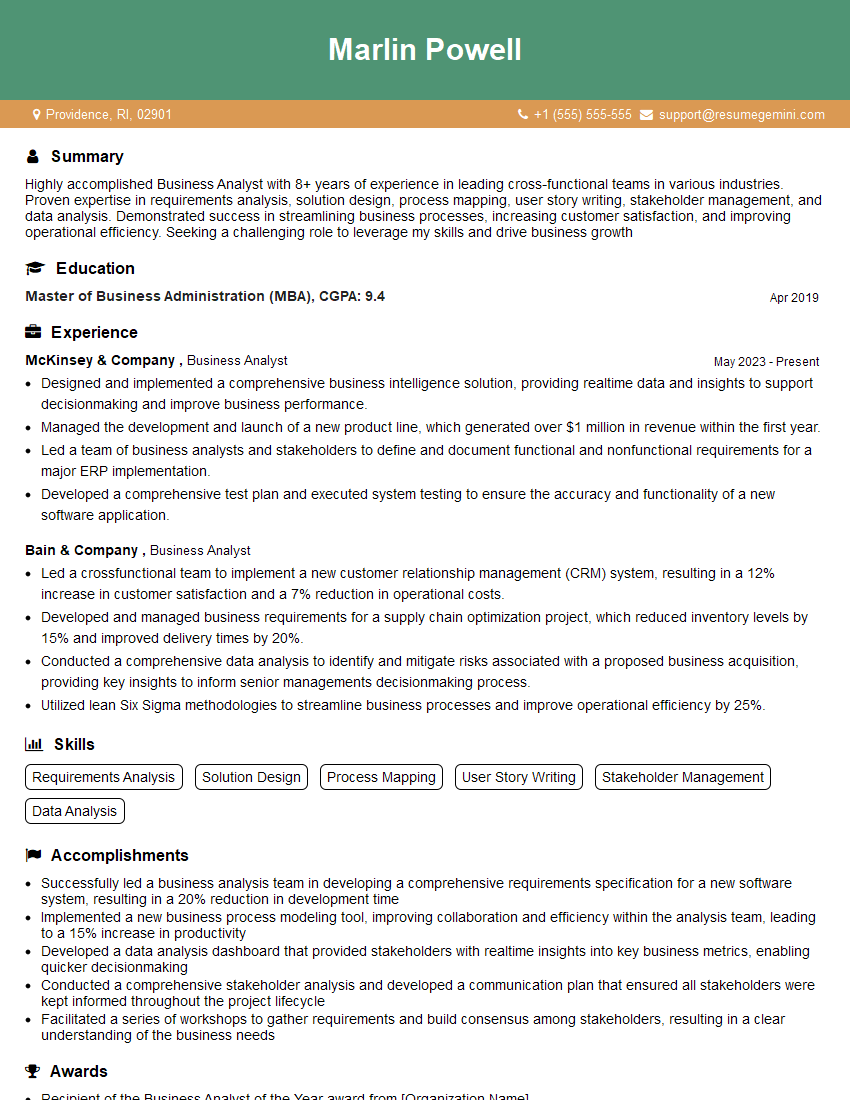
Business Analyst Resume Sample
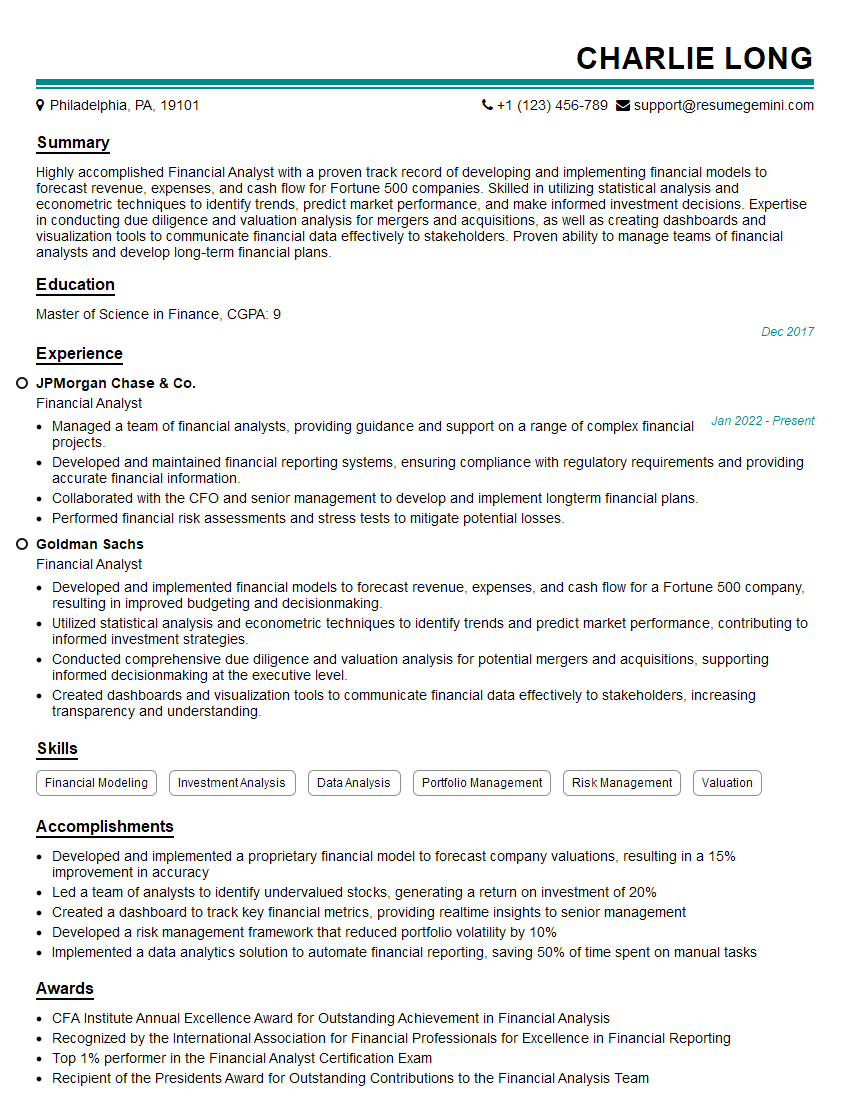
Financial Analyst Resume Sample
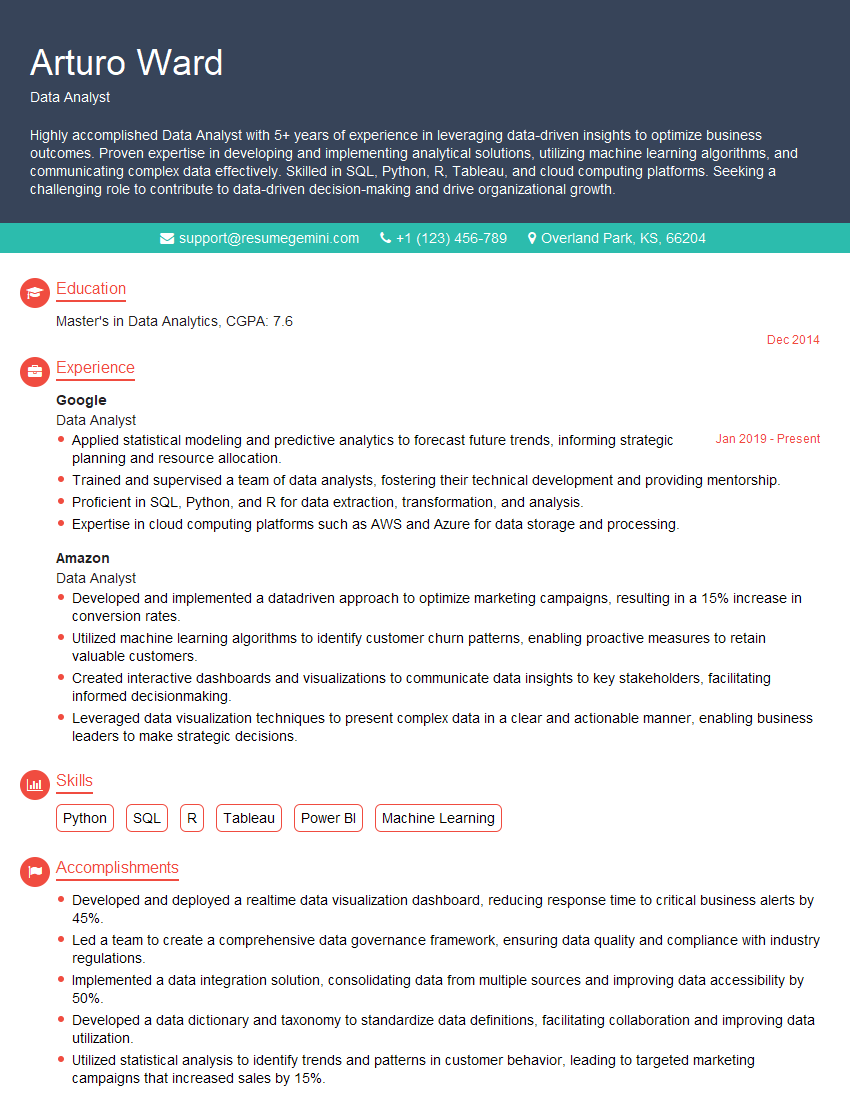
Data Analyst Resume Sample
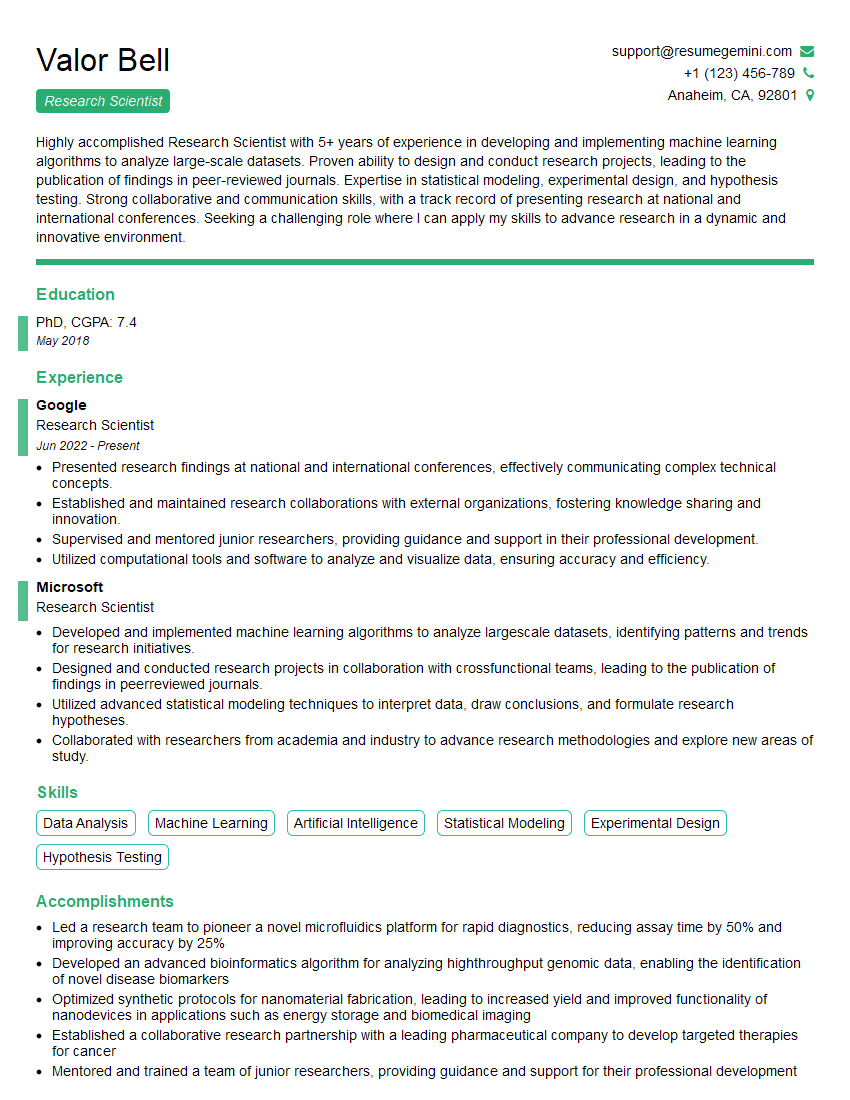
Research Scientist Resume Sample
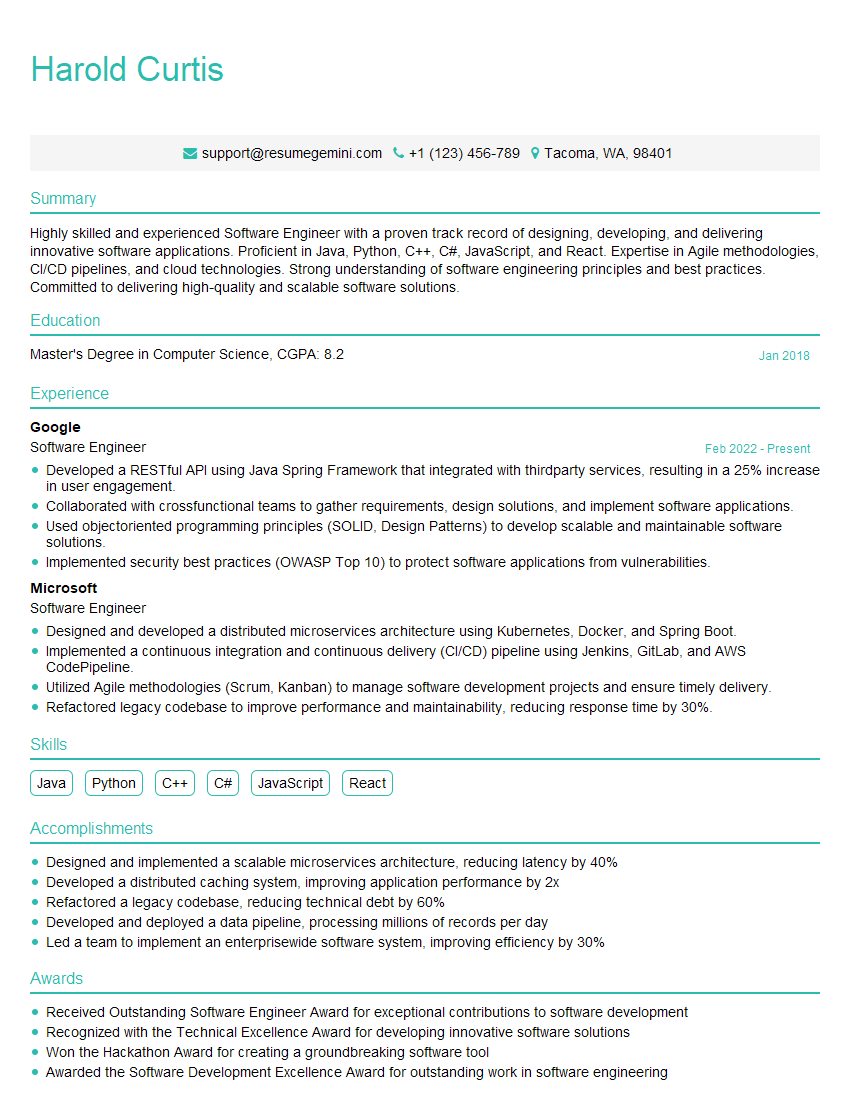
Software Engineer Resume Sample
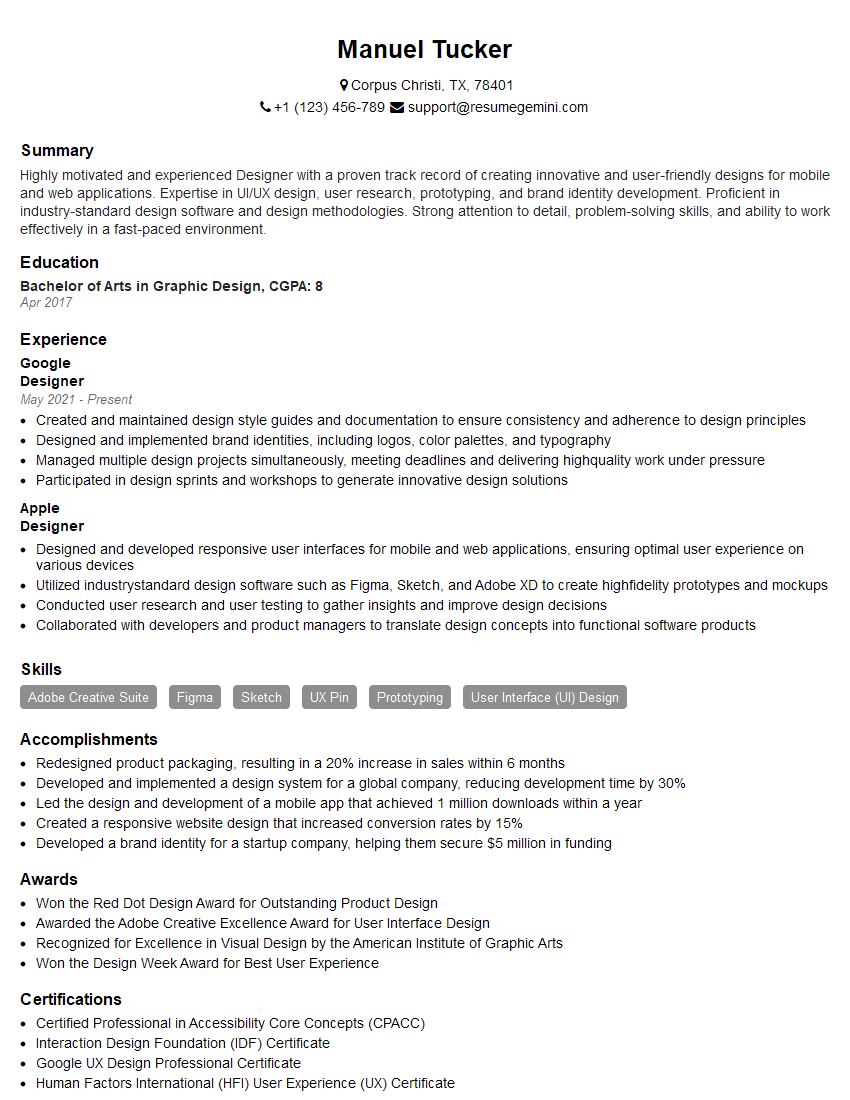
Designer Resume Sample
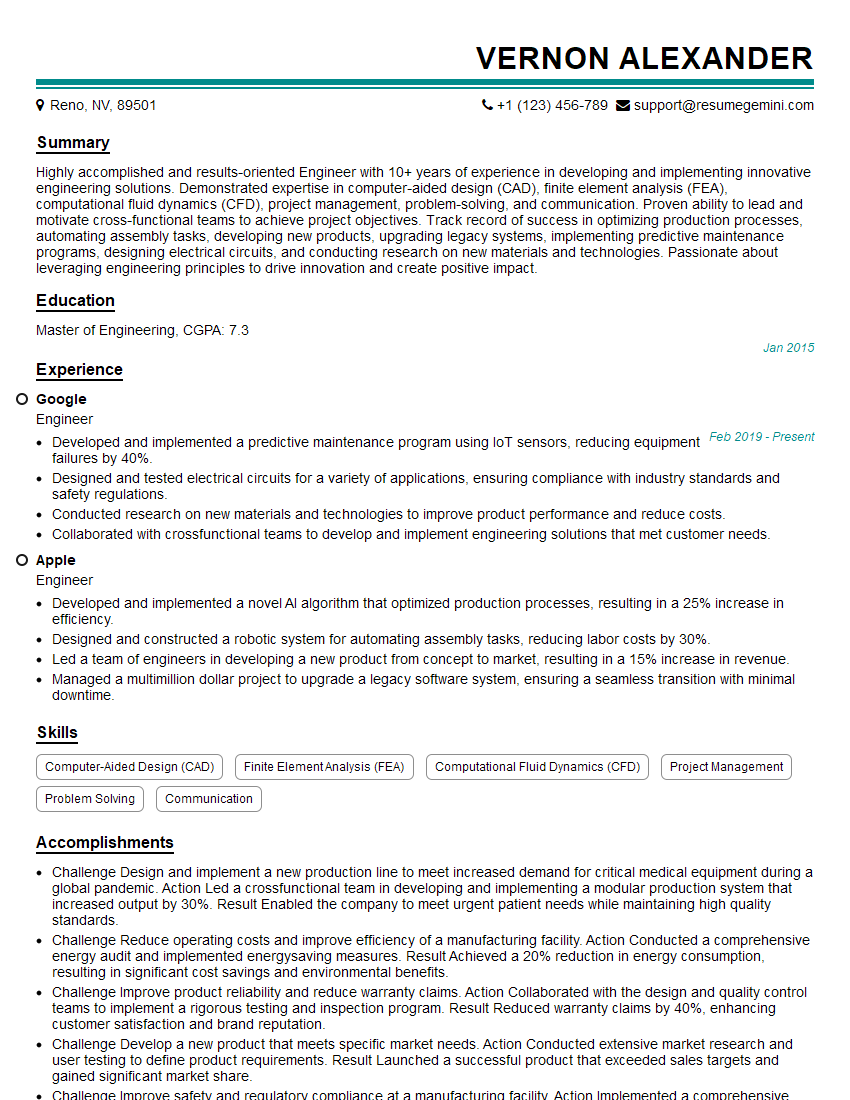
Engineer Resume Sample
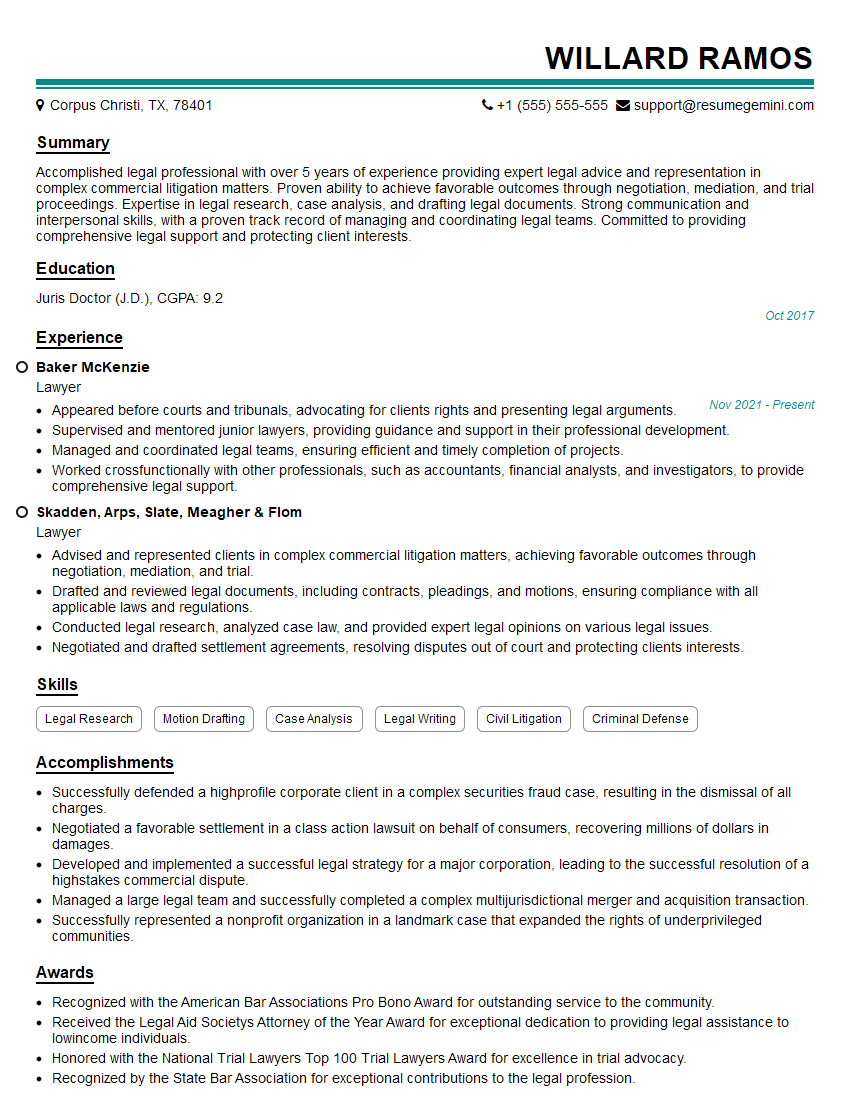
Lawyer Resume Sample
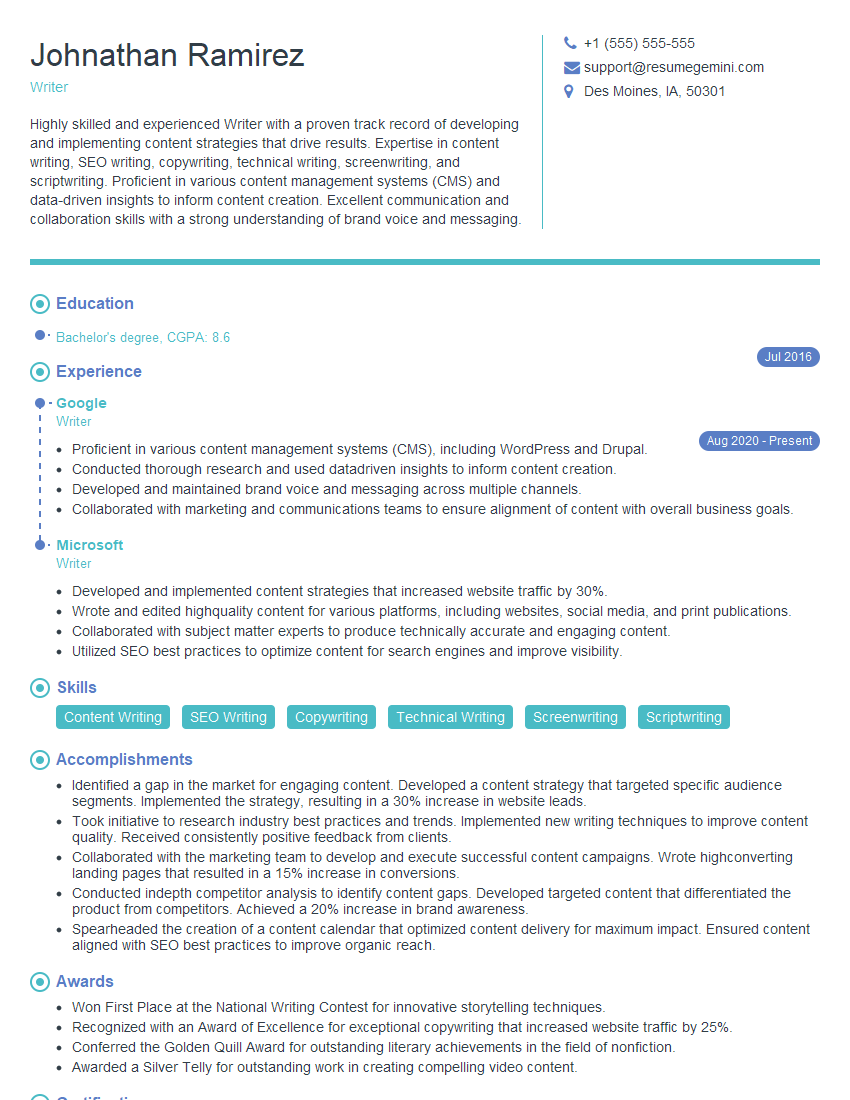
Writer Resume Sample
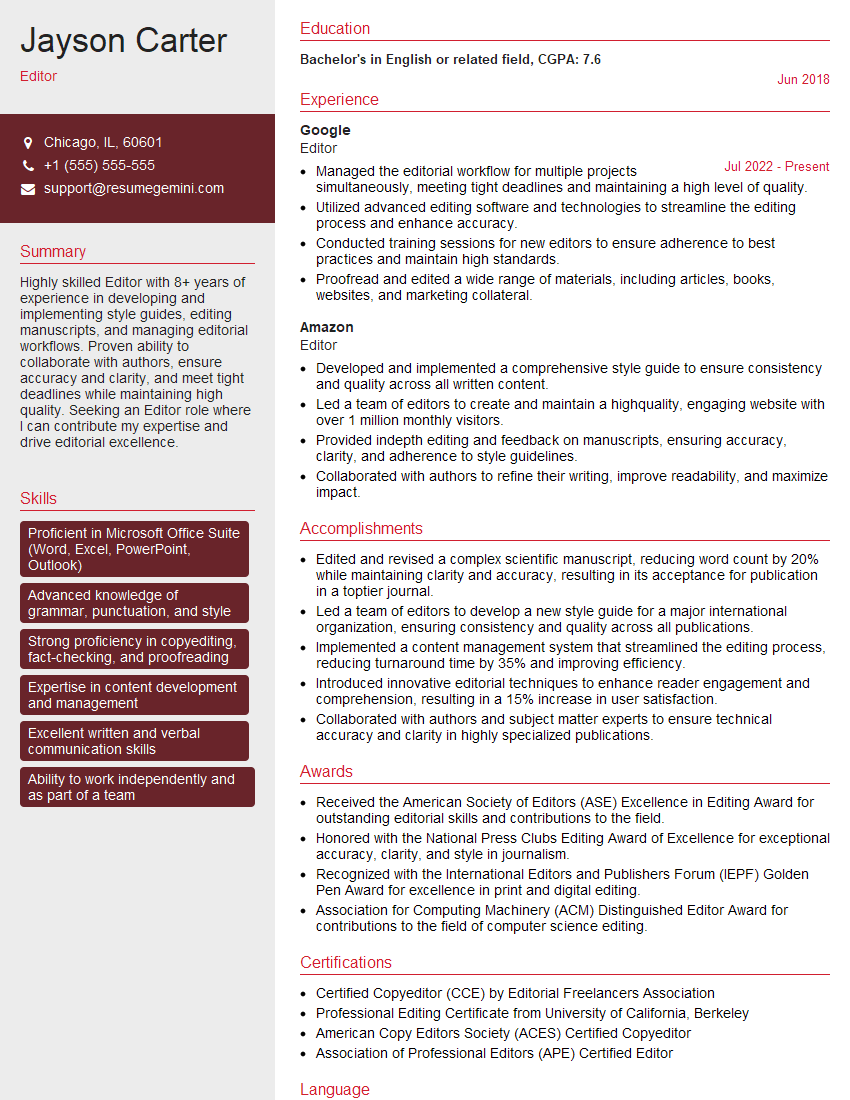
Editor Resume Sample
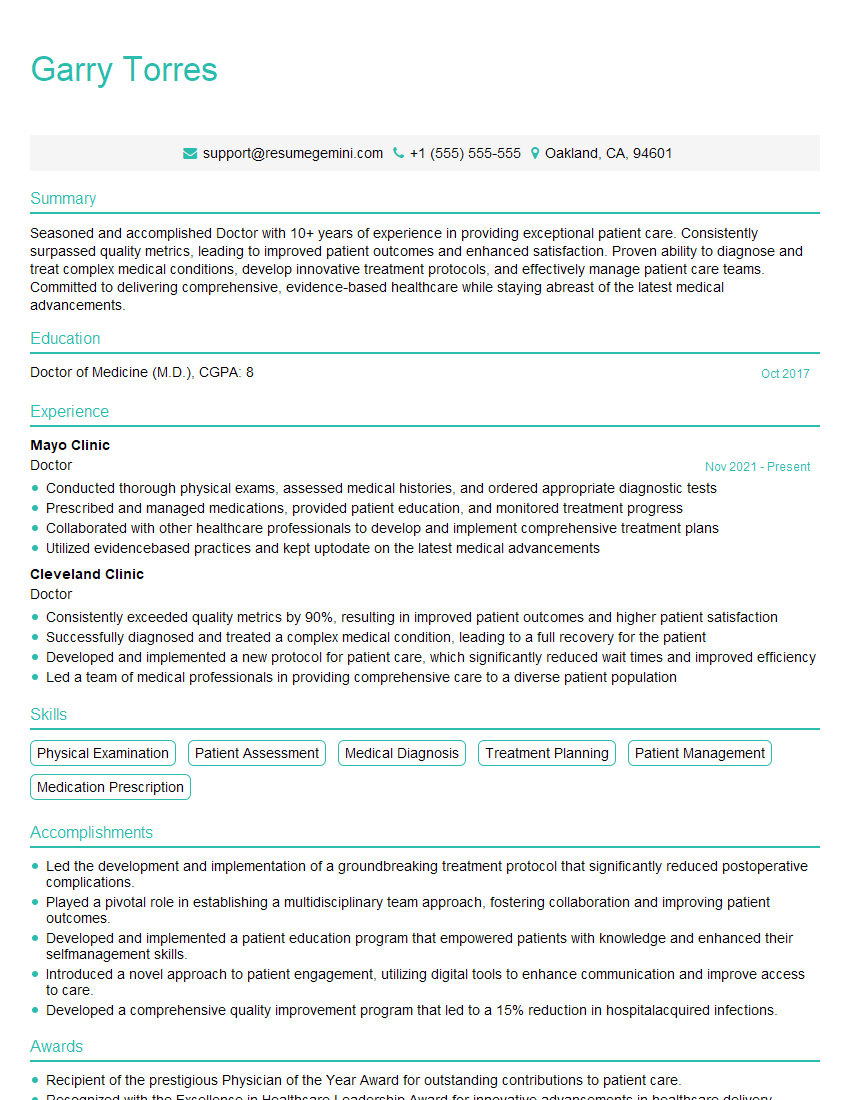
Doctor Resume Sample
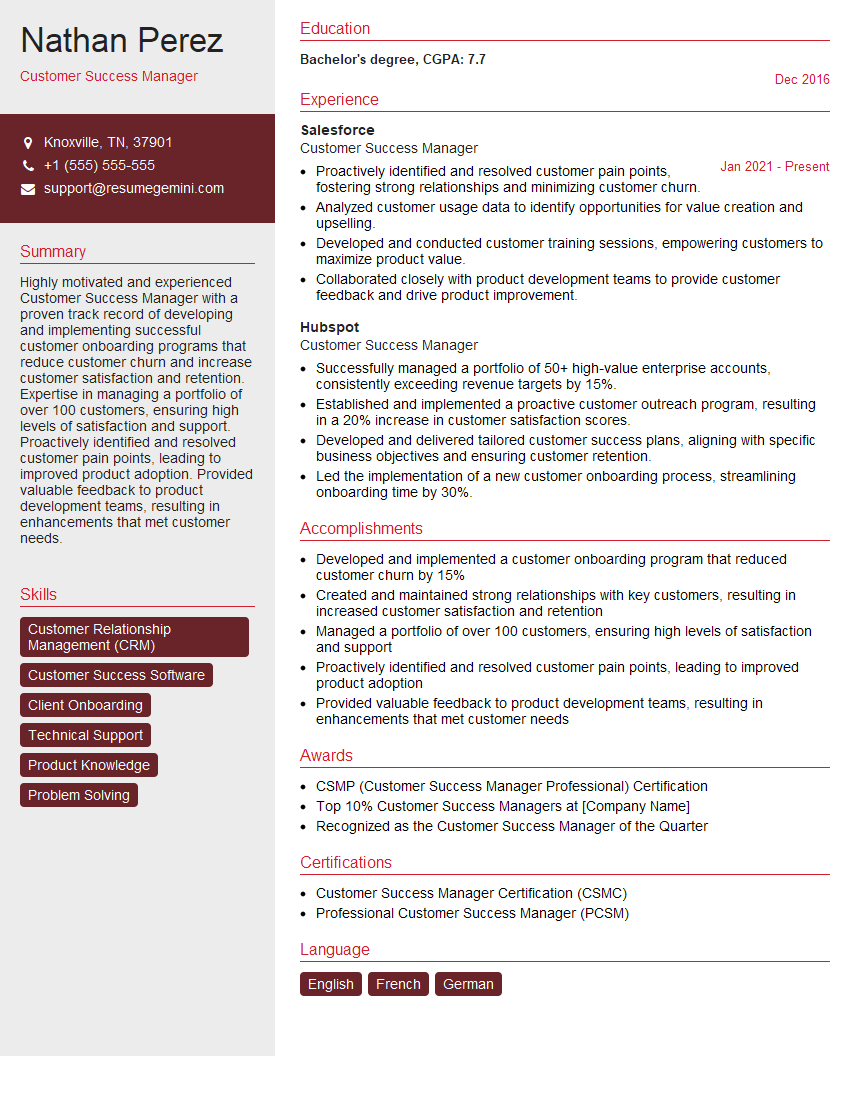
Customer Success Manager Resume Sample
- Operations Manager
- Account Manager
- Marketing Manager
- Product Manager
- Sales Representative
- Human Resources Manager
- Developer
- Project Manager
- Teacher
- Business Analyst
- Financial Analyst
- Data Analyst
- Research Scientist
- Software Engineer
- Designer
- Engineer
- Lawyer
- Writer
- Editor
- Doctor
- Customer Success Manager
Explore more articles
Users Rating of Our Blogs
Share Your Experience
We value your feedback! Please rate our content and share your thoughts (optional).
What Readers Say About Our Blog
Really detailed insights and content, thank you for writing this detailed article.
IT gave me an insight and words to use and be able to think of examples